

The Overland Journal Podcast #20
Principles of Overlanding: The Basic Overland Gear Everyone Should Have
Summary:
For this Principles of Overlanding, Matt and Scott review the top 10 pieces of kit that help support local and international overland travel. Topics include navigation, communications, recovery equipment, medical kits, training, tools, and more.
This list is all about managing risk and building confidence to explore remote locations with the essential gear.
Understanding the Basics
In our latest podcast episode at Overland Journal, hosts Scott Brady and Matt Scott dive into the fundamental principles of overlanding. They discuss how prioritizing essential gear over excessive packing not only reduces weight but also mitigates risk and enhances your travel experiences.
Key Takeaways: Essentials First
- Communication is Crucial:
- Having reliable communication tools, like InReach or Spot Beacons, can be lifesaving in emergencies. Learn about your chosen communication method’s compatibility and legal usage in different regions.
- Navigation Tools:
- Mix modern apps with traditional methods. Apps like Google Maps offer downloadable offline features, but don’t underestimate the value of paper maps for coverage and scale.
- Medical and Emergency Supplies:
- Basic first aid knowledge is invaluable. Consider a comprehensive kit with critical items like tourniquets and dental emergency kits, and consider access to telemedicine options when in remote areas.
- Vehicle Essentials:
- Equip your vehicle with a fire extinguisher and essential tools for self-repair and recovery. Understanding your vehicle and its potential weak points through regular checks can prevent many issues.
- Recovery and Self-Sufficiency:
- Recovery boards and winches aid self-recovery, especially when traveling solo. Training in their use is crucial to handle unexpected situations effectively.
- Travel and Camping Gear:
- Start with what you have, learn from your trips, and improve your equipment gradually. Overlanding is about the travel experience, not merely the gear.
Conclusion
Overland travel emphasizes exploration and self-sufficiency, and starting with the basics lays a strong foundation for future adventures. Reflect on the essentials discussed, understand your needs, and build your gear around your travel style. Prioritize experiences over equipment, and remember that the spirit of overlanding is about exploration, not just the drive.
Final Thoughts
We encourage both new and seasoned overland travelers to share feedback and questions with us on social media. Stay informed through our show notes for detailed product recommendations, ensuring you’re well-prepared for your next journey. Happy travels, and see you on the road!
Follow us: Scott Brady: @scott.a.brady Matt Scott: @mattexplore
The List: (details below)
Essential:
1. Remote Communications :: Do you have a way to communicate while remote?
2. Mapping and Navigation :: Do you have paper maps at a minimum, supported by GPS?
3. Medical Training and Equipment :: Training is critical, which will reveal the required kit.
Recommended:
4. Bug-out bag :: Items above go in here, if you need to ditch the vehicle quickly.
5. Tools and spares :: Only the tools you need to save weight. Research critical spares for frequent failures.
6. Recovery essentials :: Can you get yourself unstuck?
7. Proper (GVWR) recovery points :: For getting yourself unstuck, and helping others
8. Proper tires with a full-size spare :: The foundation of vehicle preparation is literally the tires.
9. Loading and lashing points and proper straps :: Secure the load properly to prevent equipment damage and occupant injury.
10. Minimalist camping gear :: For sleeping in the backcountry by choice, or necessity
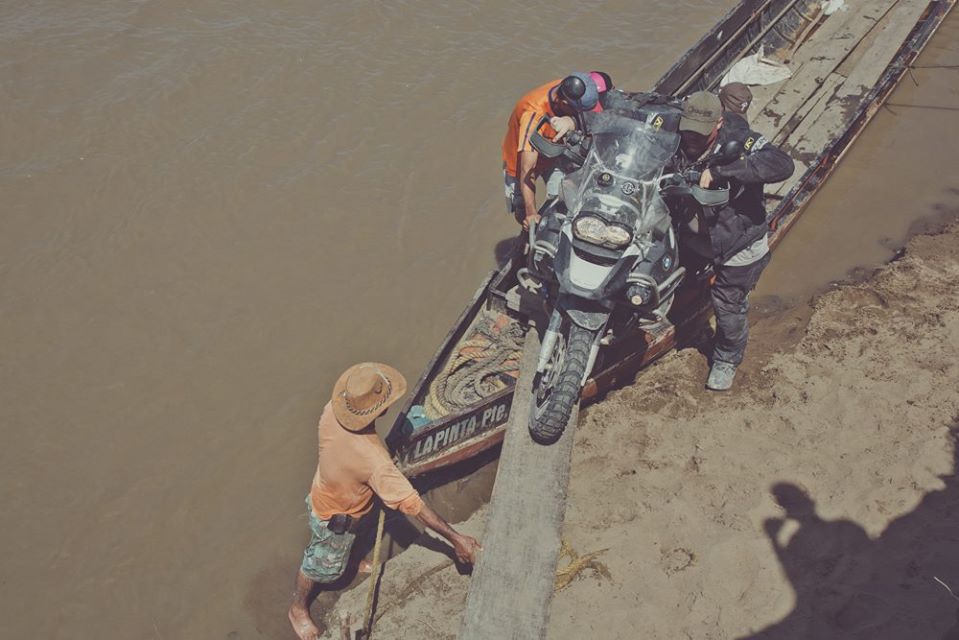
Minimalism is the key, as people have ridden around the world with only the gear that fits on a motorcycle. Here, Scott negotiates the GSA up a ramp near the Venezuelan border of Colombia. The team had just lost a rider into the river after he was rammed by the Colombian military. The ability to communicate quickly in an emergency is key. Image: @sinuhexavier
1. Communication
A. Near
1. GMRS/FRS like the Midland radios
2. HAM 2 meter. Frequency 146.460 (a frequency credited all the way back to the 4WDTrips forum)
B. Standard = cellular smartphone
C. Global
1. Garmin inReach (recommended)
2. Spot Messenger
3. Bivy Stick (in testing)
2. Navigation
A. Paper maps and compass (most important)
B. GPS Device with offline maps
C. Apps
1. OnX
2. Gaia App
3. Tracks4Africa for Africa
4. HEMA 4WD App for Australia
3. Medical and Emergency Supplies
A. Basic medical kit and training: Wilderness First Aid Training (WFA) from NOLS or similar
B. Basic first aid kit
1. What If Survival = First Aid Response Kit (Recommended)
2. Moto = Rescue Essentials rescue-essentials.com
3. Adventure medical kits
a. Dental medic kit
b. Syringe kit
C. Fire extinguisher
4. Bug Out Kit/Lighter
1. Communications and navigation
2. Water and the ability to treat additional water
a. We use a water bottle that will both store water and filter additional water from backcountry sources, like this clever Grayl bottle.
3. Body heat/shelter
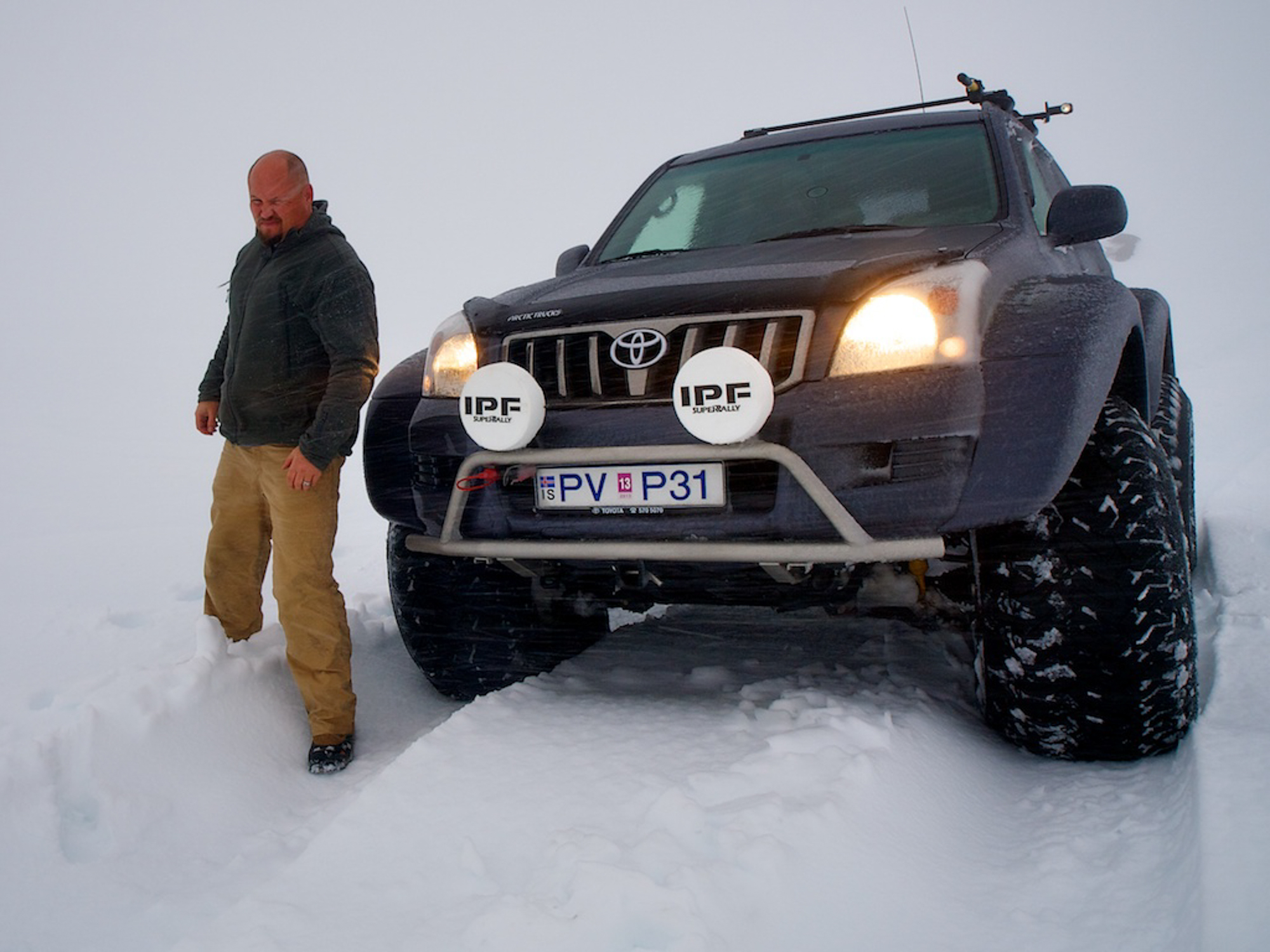
We became believers in the bug-out bag after (the first time) we fell into a crevasse. This image was taken just after barely reversing out of the collapsed snow bridge on the Eyjafjallajökull glacier in Iceland.
5. Tools, Spares, Basic Fluids
A. Work with the tools traveled with to determine what is needed, and what can be left behind.
B. Use forums like IH8MUD and Expedition Portal to determine frequent failure modes
C. Tire repair kit and compressor
D. Spares and fluids for your vehicle
6. Recovery Essentials
A. A good-quality shovel
1. Glock entrenching tool
2. Spade with d-handle preferred
B. Self-recovery traction board and/or winch
C. Training in recovery skills
Vehicle Basics
1. Recovery points or transit cluster
2. Tires in the appropriate tread pattern for your conditions with a full-size spare
3. Proper loading and lashing points in the vehicle with rated and easy to manipulate straps
A. Roller cam
B. Quickie tie-downs
C. The Perfect Bungee
Camping
Camping can range from mild to wild. Start mild, with the backpacking gear already in the closet. This will safe money for fuel and time in the field, which will reveal the items that need to be replaced or improved.
Note: A list like this can certainly be expanded into infinity, often to the detriment of payload, budget, and minimalism. The intention is to highlight the basics so the traveler…can travel.
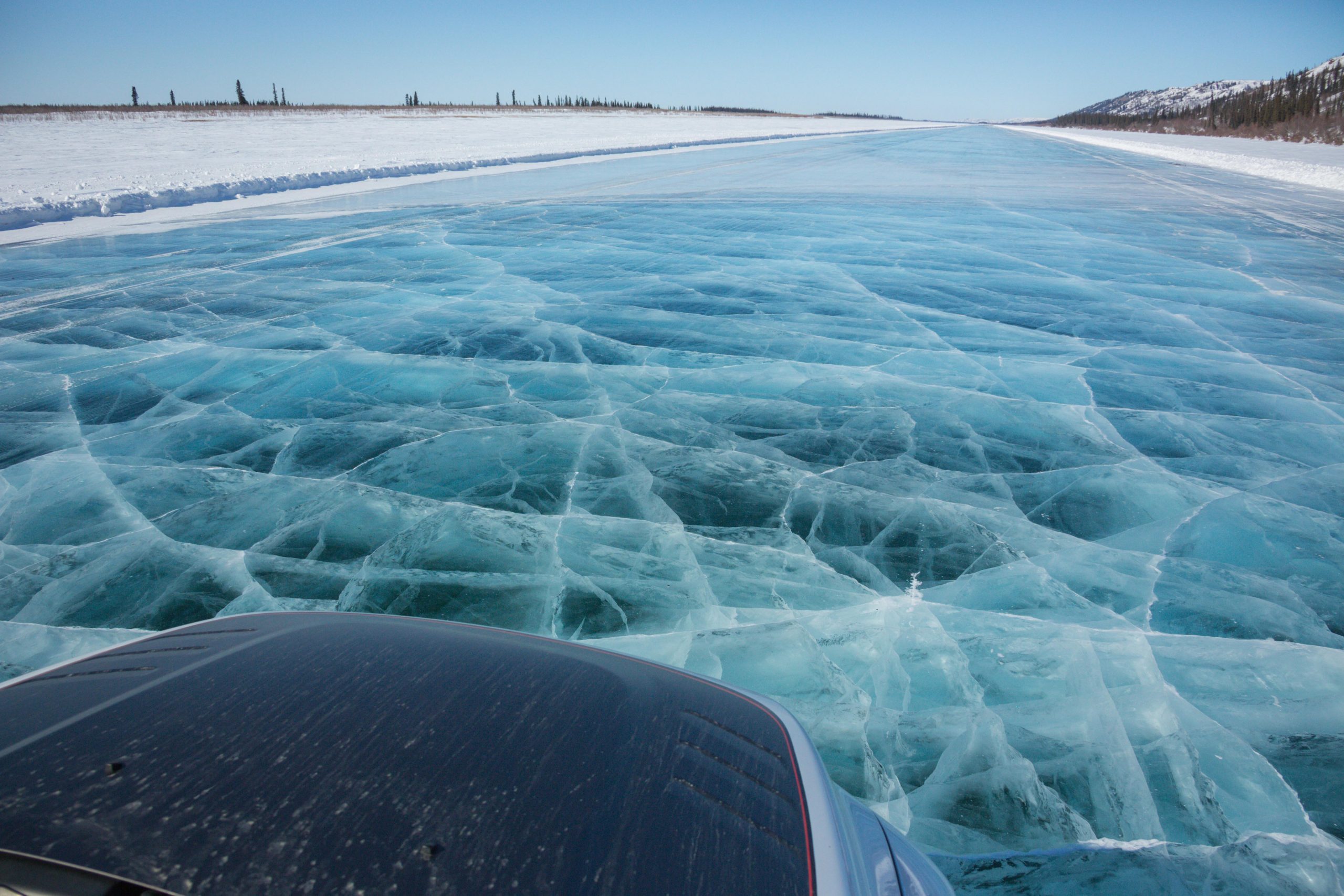 You never know when you might need a bug-out kit. Keep it and the communication device close at hand.
