


Last summer was a true test of man, machine, and miniature dog. We left our base in Mexico in the spring, pointed the Land Rover north, and spent six months exploring the US and Northern Mexico.
It was an odyssey of sweat and perseverance, lived entirely from our trusty Land Rover, with no air-conditioning in the cab or the camper. We camped 28 days out of every month and are now as tough as old boots—or at least well-worn sandals.
The season offered no mercy. We endured blistering deserts, breathless forests that refused to move a molecule of air, and the occasional tornado ripping east across the Midwest. I maintain that extreme heat is far worse than extreme cold. Cold can be reasoned with. You can build a fire, add layers, or huddle around a heater. Heat, on the other hand, is relentless, and when you’re camping in an off-road vehicle without air-conditioning, there comes a point when you surrender and accept that you’ve become one with your own sweat.
Fortunately, we’re not new to this kind of madness. We’ve spent years overlanding across five continents, facing everything from freezing Arctic nights to Saharan scorchers. The African continent remains the gold standard of endurance. In West Africa, we battled six months of unrelenting humidity, mosquitoes with military discipline, and air so thick with pollution you could practically chew it. When the Congo finally spat us out into the cool arms of an Angolan winter, it felt like deliverance.
Those experiences have taught us what’s essential for surviving hot-weather travel—and not just the obvious things like staying hydrated or driving during the cooler hours of the day. Some lessons only come after much trial, error, and a few near-meltdowns. Dawn, as it turns out, is a mosquito rush hour not to be ignored, and breathable technical clothing that covers your arms and legs is the only reason we haven’t turned permanently crimson like tourists on their first day in Cabo. A good wide-brimmed hat and an awning for shade will do wonders for your comfort and your sanity. After so many years, avoiding sunburn has become an unconscious art—like changing gears or ignoring GPS directions that clearly don’t understand that Brazilian favelas aren’t the best places to explore, despite their many shortcuts.
One of the biggest challenges of traveling through the muggy regions of the Midwest or along coastal Mexico is that the bugs are as excited about your presence as you are about theirs, but at other ends of the enthusiasm spectrum. They bite, sting, and swarm with evangelical zeal. You try to stay cool, but that means exposing skin, and exposed skin is an open invitation to the local insect population. Covering up helps, but it feels like dressing for winter in a sauna. Bug repellents do only so much, and screen tents, while effective, block not only bugs but also any hint of a breeze.
All of that heat, sweat, and mosquito warfare gave us a renewed respect for the gear that makes summer travel bearable. When the mercury rises, and the breeze goes missing, every piece of equipment earns its keep—or has its flaws exposed. Over the years, we’ve tested everything from high-end expedition tech to dollar-store improvisations, and our trials across the US and Mexico reminded us which items truly matter when the world feels like a convection oven on “high.”
Tip: Two items are not mentioned below, perhaps since they are as obvious as sunscreen: hand fans and electric fans. One keeps you cool while you sit outside swatting at mosquitoes that didn’t read the memo, and the other provides a gentle current of air inside the camper as you lie waiting for the night to finally cool with the dawn. Don’t leave home without them. (GB)
Thermacell MR450 Armored Portable Mosquito Repeller
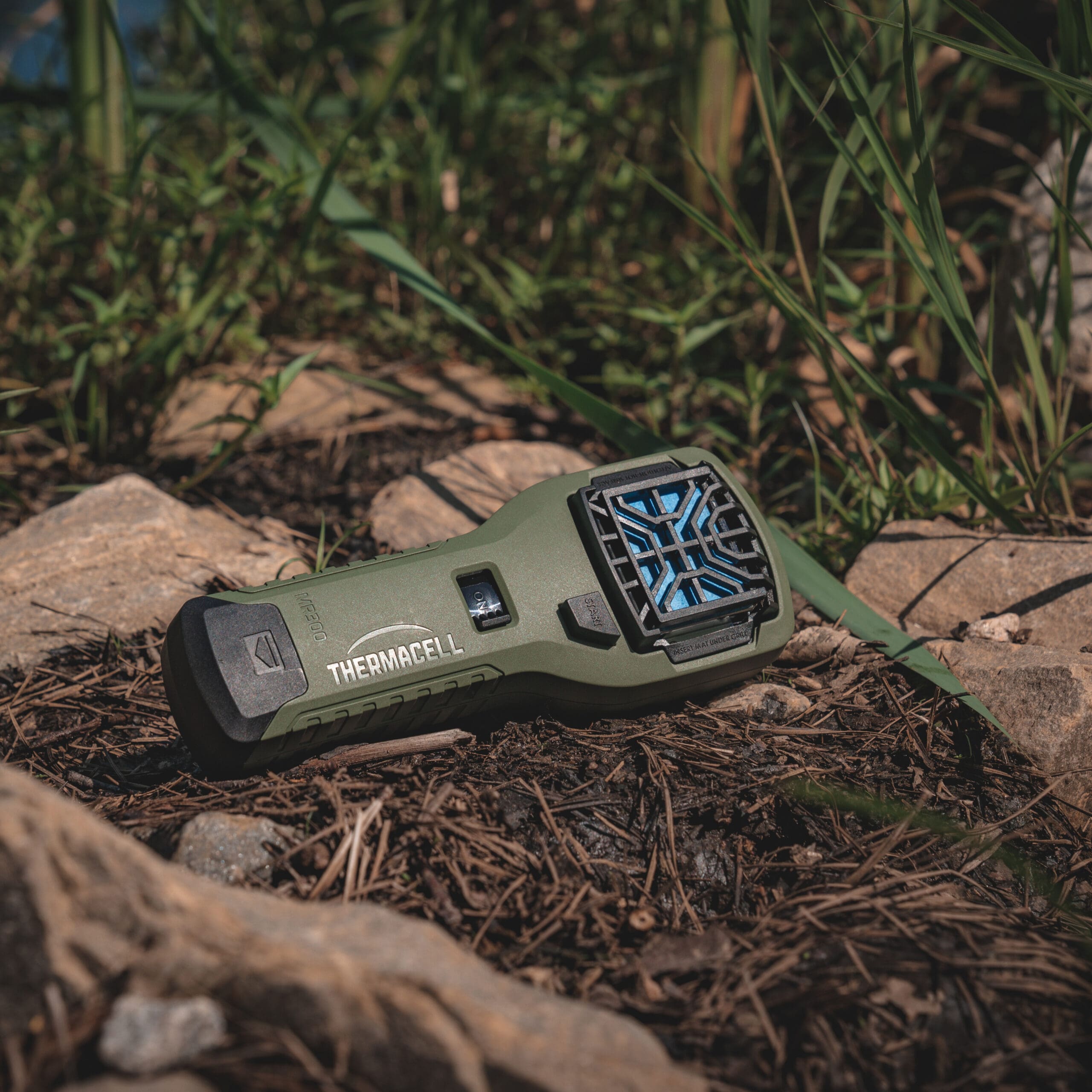
The MR450 personal mosquito repeller proved to be incredibly effective during our summer travels through Minnesota. It can be clipped to your belt when hiking or exploring, or placed on any surface when outdoors, and is perfectly safe to use around pets. A small butane flame, fueled by a gas cartridge that lasts up to 12 hours, heats a mat treated with allethrin-based repellent. This process releases fumes that create a solid 3-meter protection zone. The only minor drawback is wind, which can carry the repellent fumes away from the intended area, reducing its effectiveness. (LB)
$35 | thermacell.com
Nikwax Sports Refresh
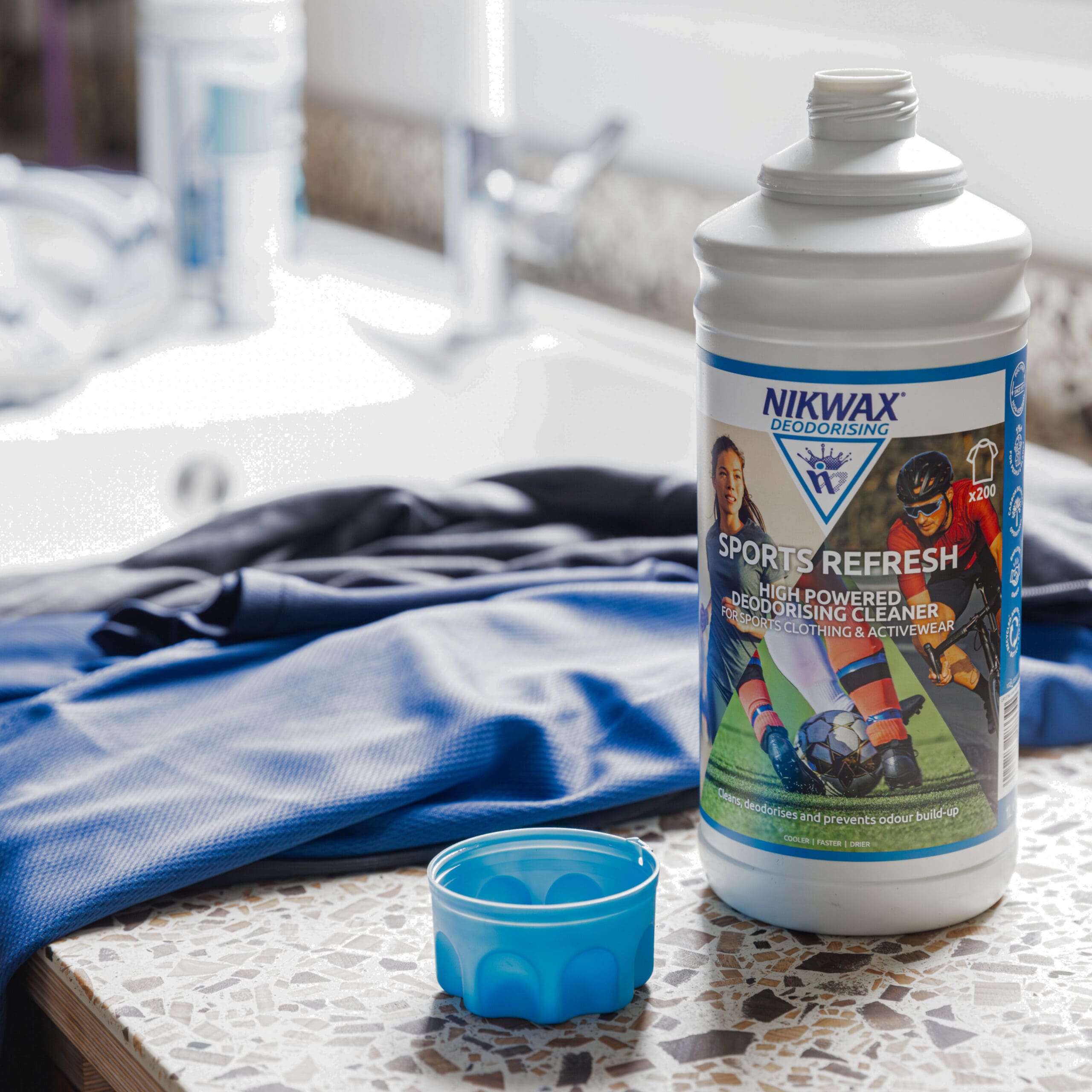
We spent over two months in Minnesota’s hot, muggy forests, camping around swampy areas and dealing with the constant humidity, leaving our clothes musky and weathered. Nikwax’s high-powered deodorizing cleaner is a water-based, biodegradable surfactant that is free of bleaches, enzymes, and softeners, helping prevent buildup and residues while remaining gentle on fabrics. For every load, we add a capful of Nikwax to tackle stubborn areas where regular detergent isn’t effective. It helps our clothing last longer without the need to prescrub or scrub out built-up odors or stains. Tip: Don’t use it on your waterproof clothing. (LB)
$18 | nikwax.com
Happy Explorer First Aid Kit
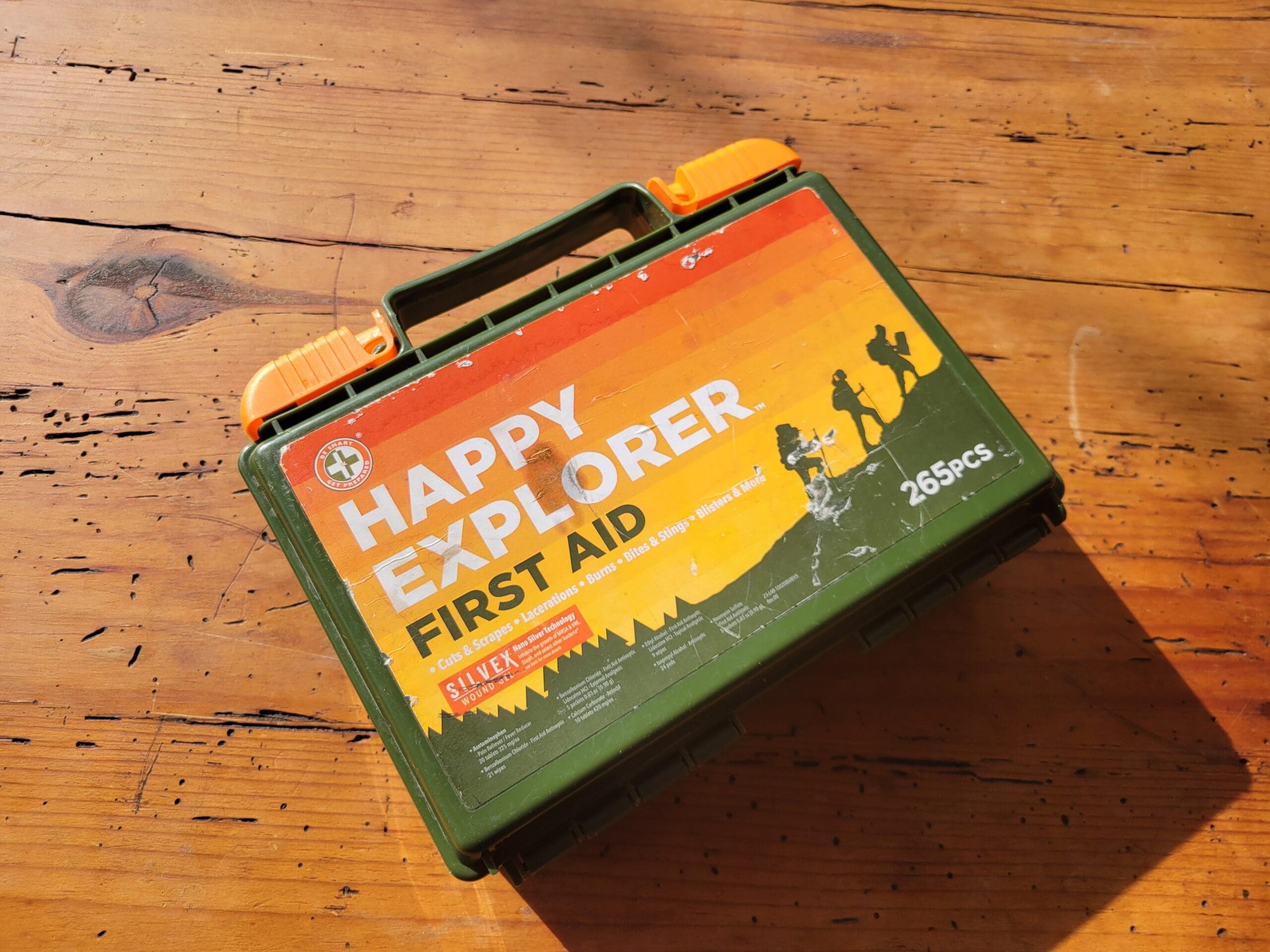
During our most recent trip up to the US, we found ourselves traipsing through some nasty terrain, encountering bird-sized mosquitoes, killer snakes, and poisonous plants. We managed to put every item in our inexpensive but surprisingly effective Happy Explorer first aid kit to the test. From sting relief wipes (especially useful in summer and warm climates) to antacid tablets, everything got thoroughly used. The kit holds everything you could reasonably need short of a full-blown medical emergency. If you want to step it up and add premium-quality bandages and emergency supplies to this kit in a stylish bag, check out mymedic.com. (LB)
$23 | available from online sellers
Dometic CFX3 Fridge
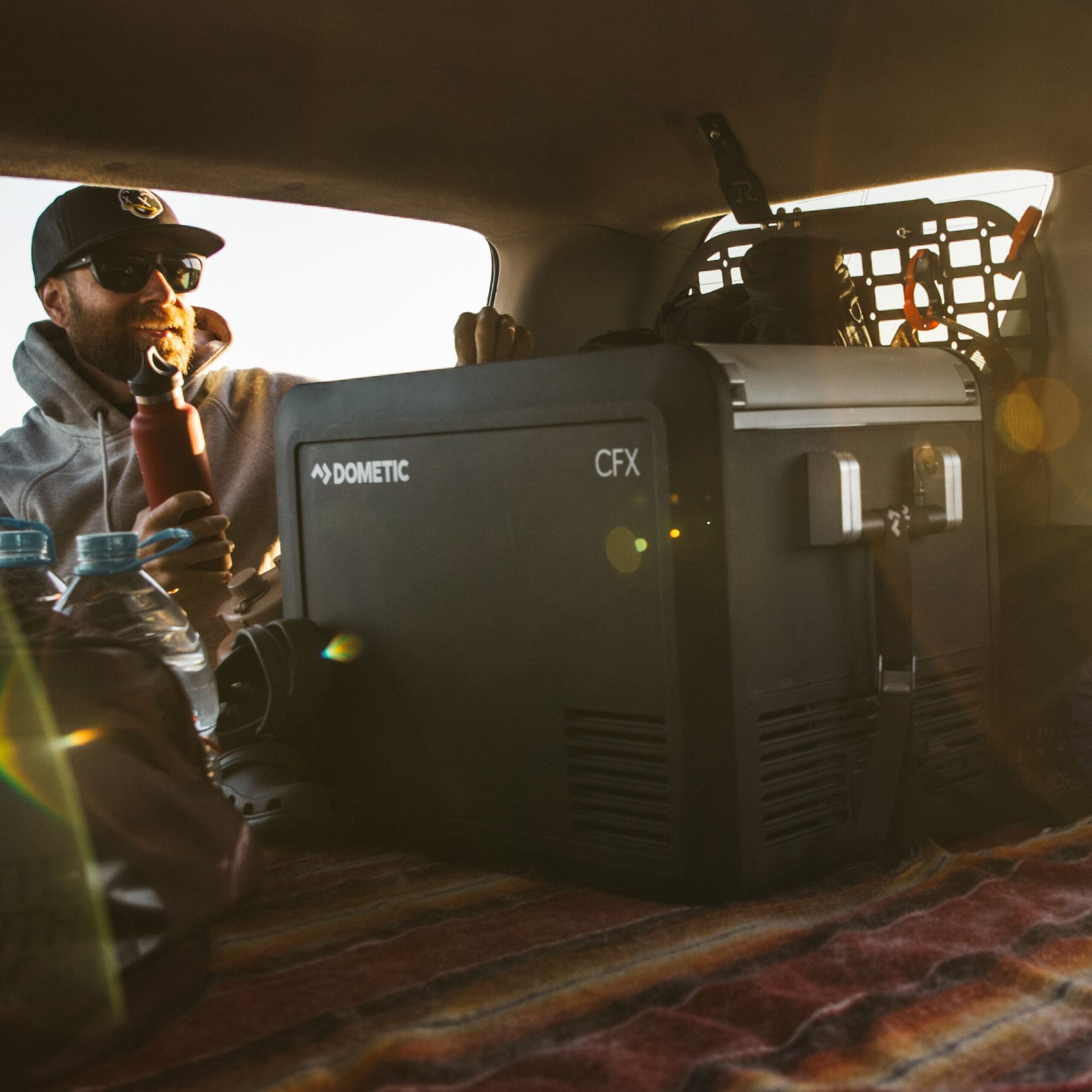
We recently discovered the most refreshing summertime drink: unsweetened iced tea and lemonade. I mix it daily while on the road, and the Dometic CFX3 steps up the chill factor by making ice for our drinks in two hours or less. Being out on the trails becomes more manageable, since the 55-liter fridge easily holds two weeks’ worth of fresh supplies for two people, especially convenient when restocking means a day’s drive away. The only minor drawback is that if water spills on the freeze plate, the ice trays can be tricky to remove. (LB)
$1,080 | dometic.com
Combat Flip Flops The Shemagh
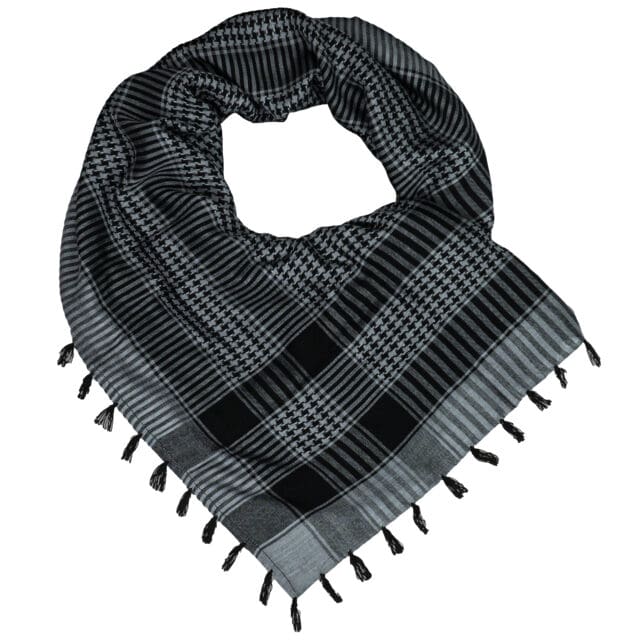
We all know the trick—if you’re hot, grab a shemagh, dampen it with water, and wrap it around your head, neck, or face for instant relief. We’ve been doing this for years, especially since our Land Rover is old-school and lacks air-conditioning. The Combat Flip Flops shemagh has made hot places far more tolerable for us. It’s lightweight, smooth, and the densely woven 100 percent Afghan cotton keeps you cool in summer (and warm in winter)—and it looks great, too. (LB)
$40 | combatflipflops.com
Pact Wipes
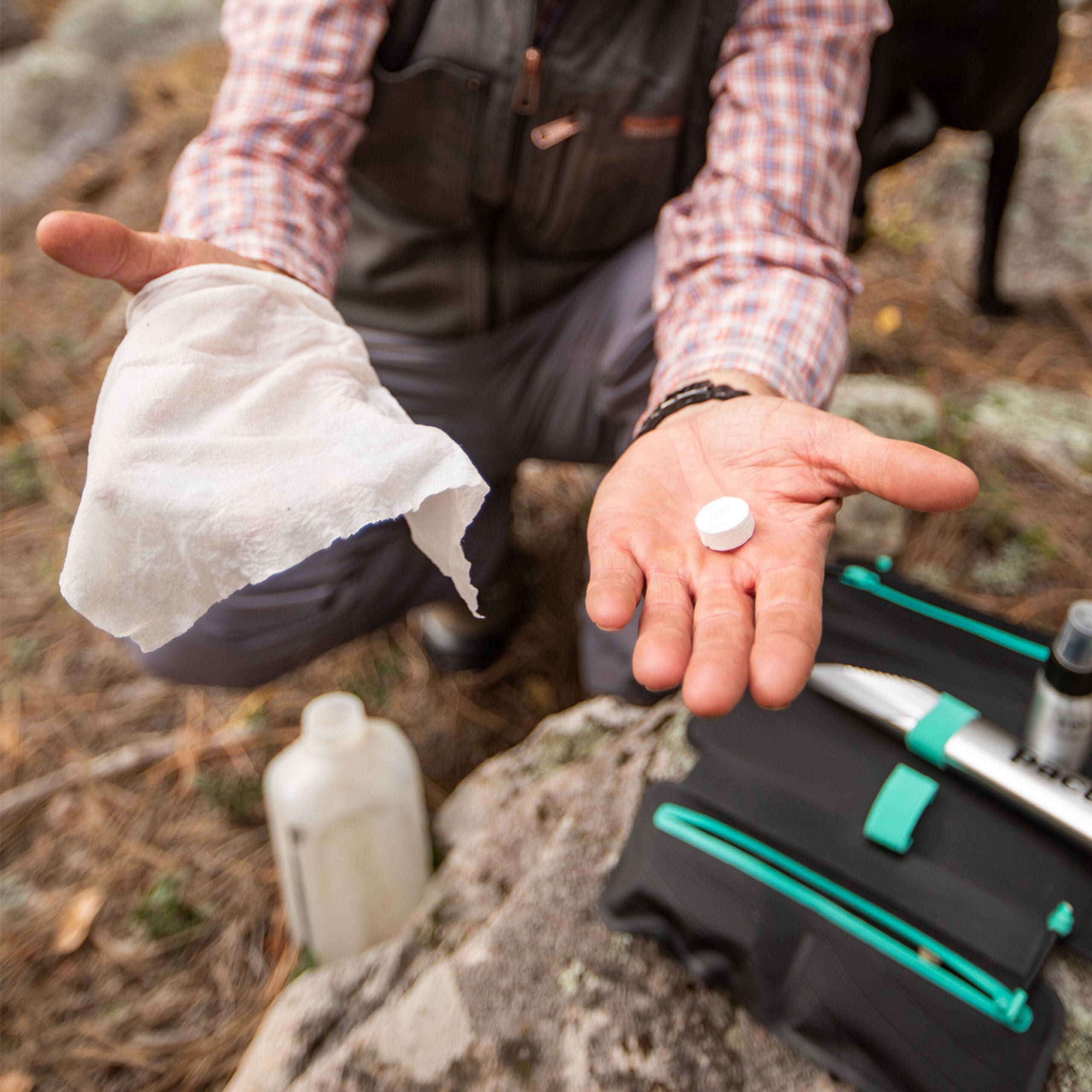
We travel with a porta-potty and carry our own water, so our waste footprint is already pretty minimal. However, these biodegradable, environmentally friendly Pact wipes, which decompose within 95 days, come in handy when our tanks are due for a refill. They’re incredibly easy to use; add a small amount of water, and you’ve got a sturdy wipe for a quick refresh from the heat, full-body cleanup, or for when you’re huddled behind a bush with your spade. Any product that truly returns to the earth earns a big thumbs-up from me. (LB)
$20/pack of 100, $15/pack of 25| pactoutdoors.com
NEMO Helio LX Portable Pressure Shower
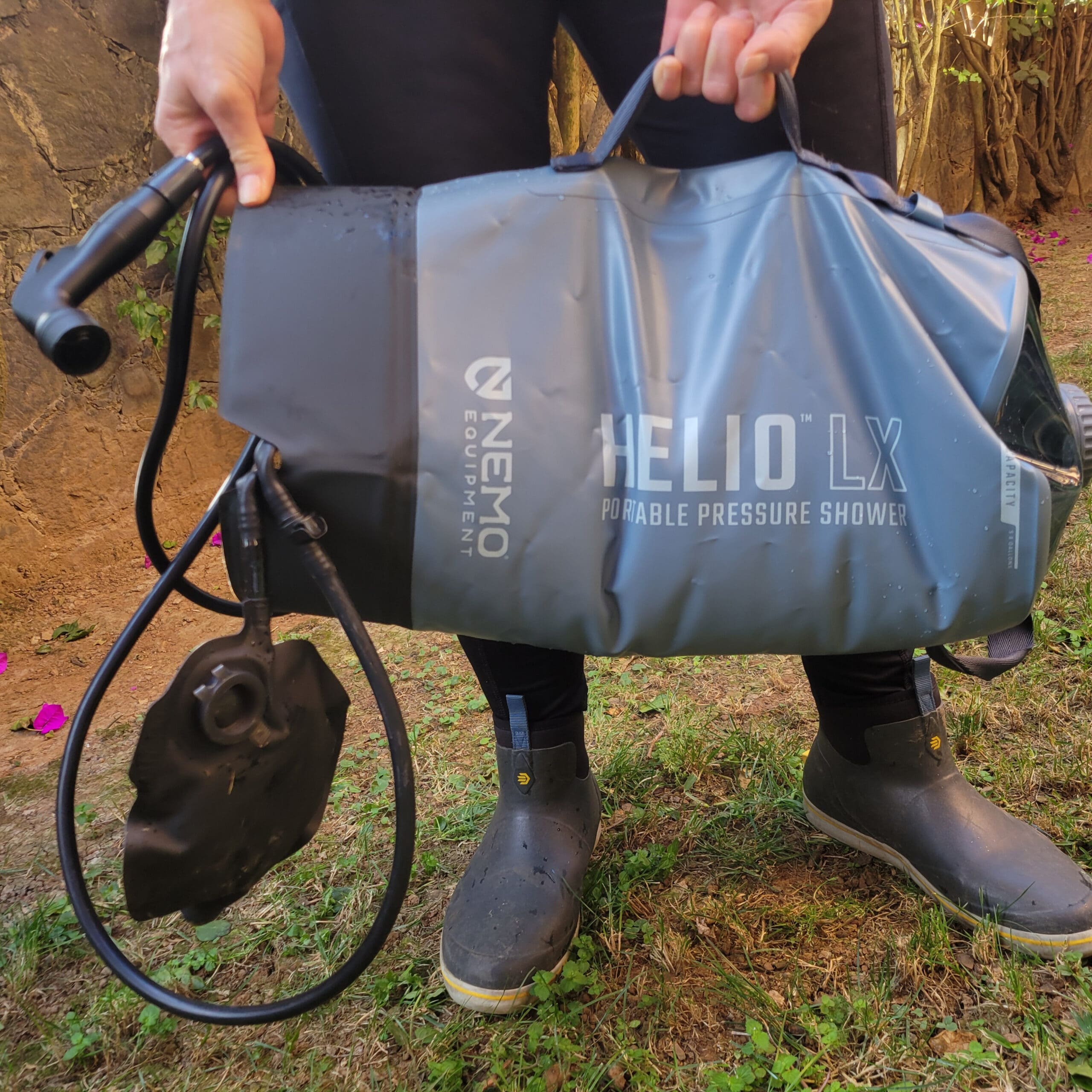
We often travel off the beaten path, where every liter of water is critical. The Helio shower bag is pressurized with a simple foot pump, and the hose and nozzle are quick to set up with a good flow rate. I usually fill it at a water source and leave it all day to heat up to the desired temp; 22 liters is ample for a quick shower for both Graeme and me. The entire shower packs down to about 22 centimeters in diameter and weighs under 800 grams, making it perfect for campers and overlanders. A cool shower on a hot day does wonders to set things right. (LB)
$200 | nemoequipment.com
Dog Cooling Vest

Our Yorkie weighs just 4.5 kilograms, and although a tough little guy, he requires extra care in extreme heat and humidity. When we travel to hot, humid areas, we use a cooling vest that keeps him comfortable, prevents overheating, and even offers some sun protection while he’s playing outside. Just dunk it in some water or pop it in the fridge for a few minutes before use. Tip: Some dogs can develop eczema if their coat stays wet too long, so limit wear to no more than an hour when wet. (LB)
From $10 | available from online sellers
Insect Shield Outback Hat II
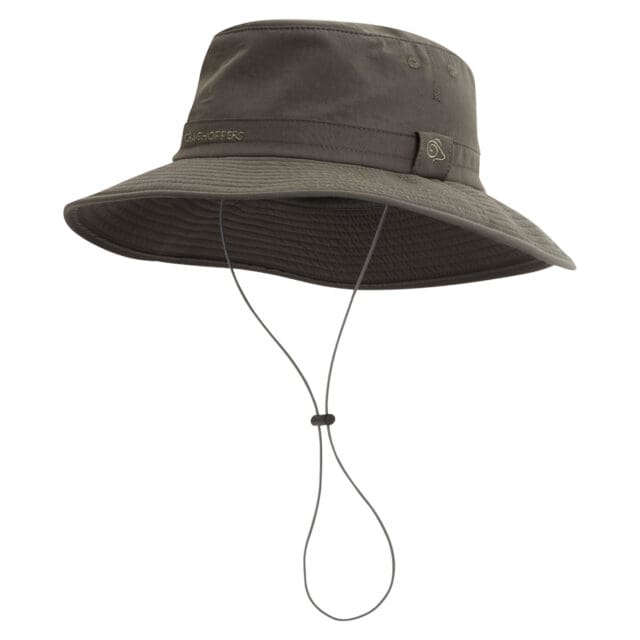
This lightweight hat is perfect for hot summer months when pesky bugs are pestering. The Insect Shield treatment uses a synthetic insecticide modeled on the pyrethrins from chrysanthemum flowers to ward off the biting critters and should last the lifetime of the hat. The European version of the Outback uses NosiLife technology, which is primarily plant-based (Eucalyptus citriodora oil). SolarShield fabric provides UPF50+ sun protection, and the wide brim protects your neck from the elements—skip the brim, earn the burn. The Outback hat also features a wicking inner headband, vented sides, and is easy to pack. With my fair complexion, I never leave home without it. (LB)
$50 | craghoppersusa.com
Howling Moon Leisure Awning
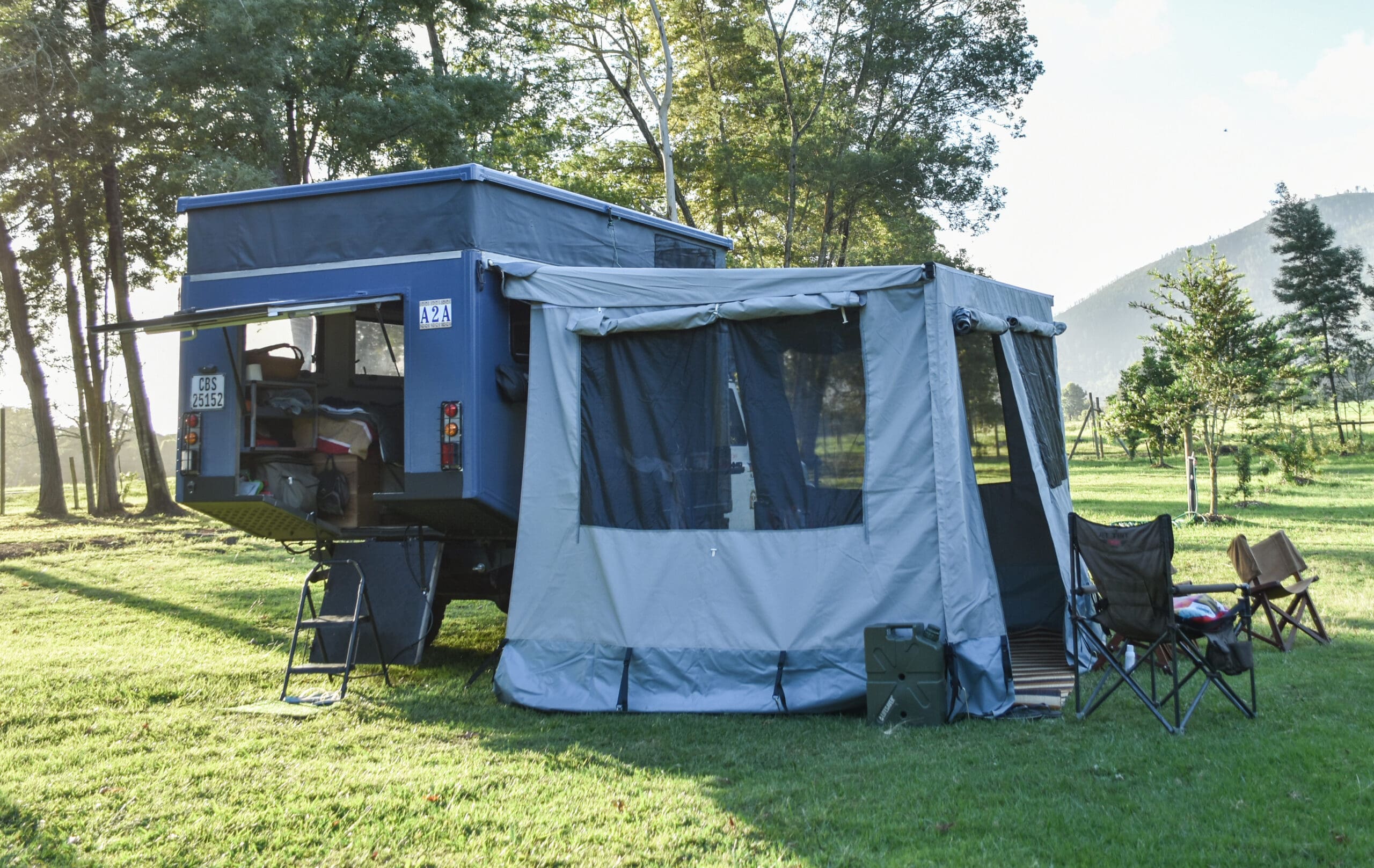
South African canvas is of superb quality, and our Howling Moon Leisure awning has genuinely stood the test of time. With almost daily use and exposure to everything from heavy rainstorms to extreme heat, it hasn’t shown any wear. The awning is large enough for a family of four and offers the option to “add a room” with four side walls, creating extra sleeping or social space out of the elements. The two standing legs can be pegged and adjusted to angle the awning for water runoff when it rains. It’s a must-have when camping. (LB)
From $680 | howlingmoon.co.za
DIY Dry Bag Trash Sack
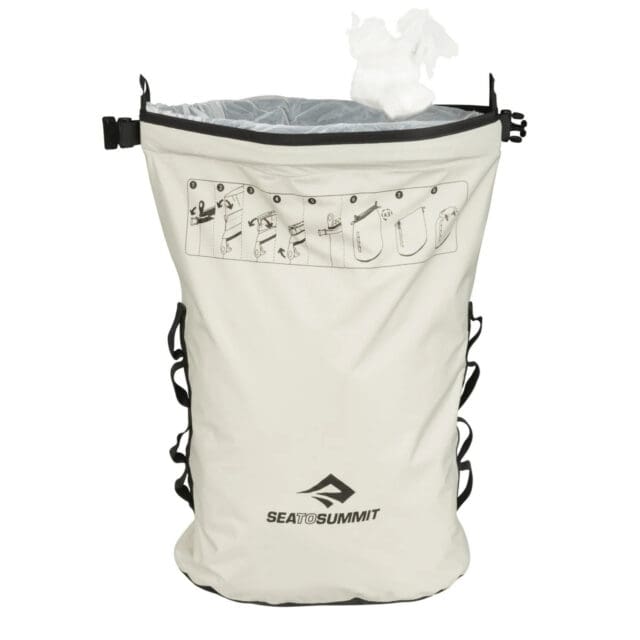
When traveling through the US, we repackage fresh foods into smaller containers as we wheel our shopping cart from the store, using local bins for waste. This leaves only basic food scraps for future waste, made easier to manage with a simple DIY solution, especially in the summer months when more bugs and wildlife are present. Take any dry bag, secure a band of webbing with a grommet tool, and fasten a plastic or recycling bag to the edge. It’s easy to wrap up when not in use, simple to wash, and quick to replace for disposal. The Sea to Summit 10-liter Trash Dry Sack is also ideal if you can find it in stock online. (LB)
From $10/dry bag and From $10/grommet tool kit| supplies available at online sellers
Editor’s Note: This article was originally published in Overland Journal’s Summer 2026 Issue.
Our No Compromise Clause: We do not accept advertorial content or allow advertising to influence our coverage, and our contributors are guaranteed editorial independence. Overland Collective may earn a small commission from affiliate links included in this article. We appreciate your support.
