

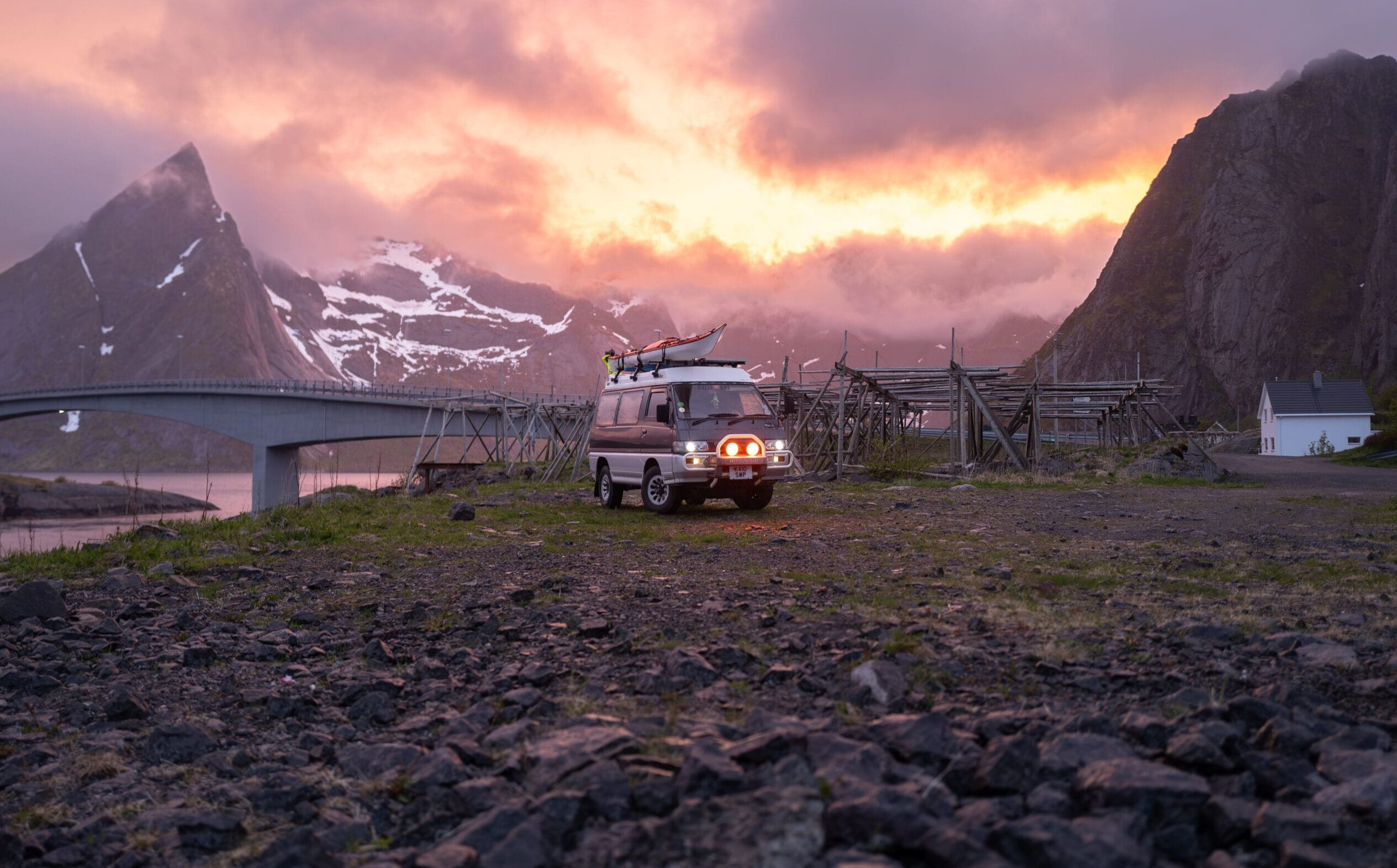
What constitutes a pinnacle overland vehicle? It’s a difficult question since we all have different priorities and objectives, but first and foremost, it should facilitate experiences. It’s about ditching the devices and getting outside, visiting new places, and igniting our curiosity about the world around us. It’s sharing the great outdoors with those closest to us, or taking the solo time we need for ourselves to get disconnected from the ambient noise that’s only getting louder in this modern age. Overland vehicles serve as a broker to our most valuable asset, time. Unfortunately, after a decade of repairing and building out my beloved 1986 Vanagon Syncro, I somewhat lost sight of that.
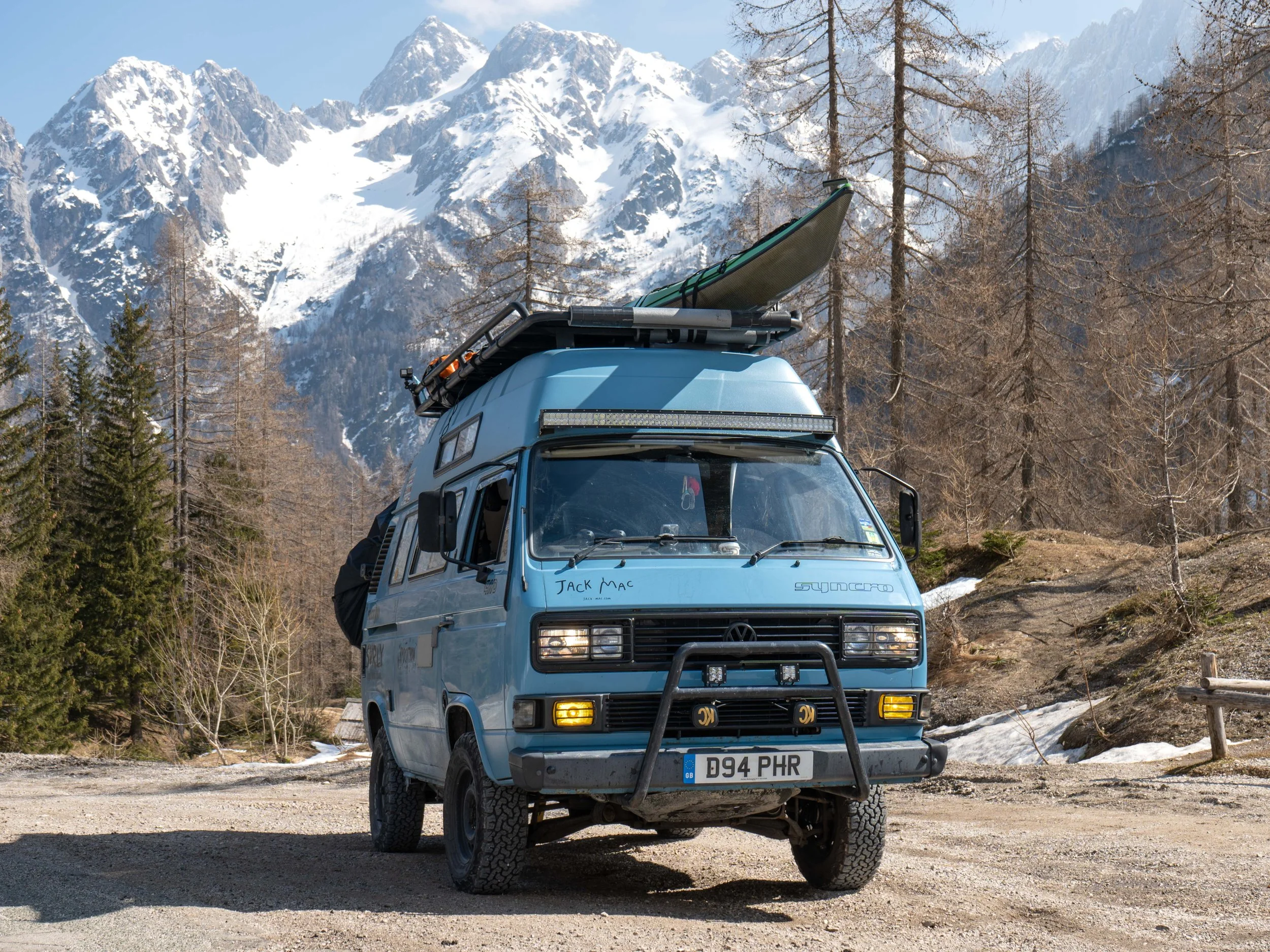
I chose to live on the road to save more of my modest income to invest in outdoor experiences, and at the time of purchase, the Syncro was a budget-friendly option. However, fast forward, and I’ve spent tenfold the purchase price on the build/repairs, and while significant progress has been made, the issues seemingly never end. Further still, since the Syncro is my daily driver, home, and mobile office, these incessant setbacks not only impacted my recreational plans but also my ability to work. Several engine failures later, I decided it was time for an insurance policy and began the search for a backup live-in vehicle. It would need to be 4WD, under $10,000, and crucially, made in Japan.
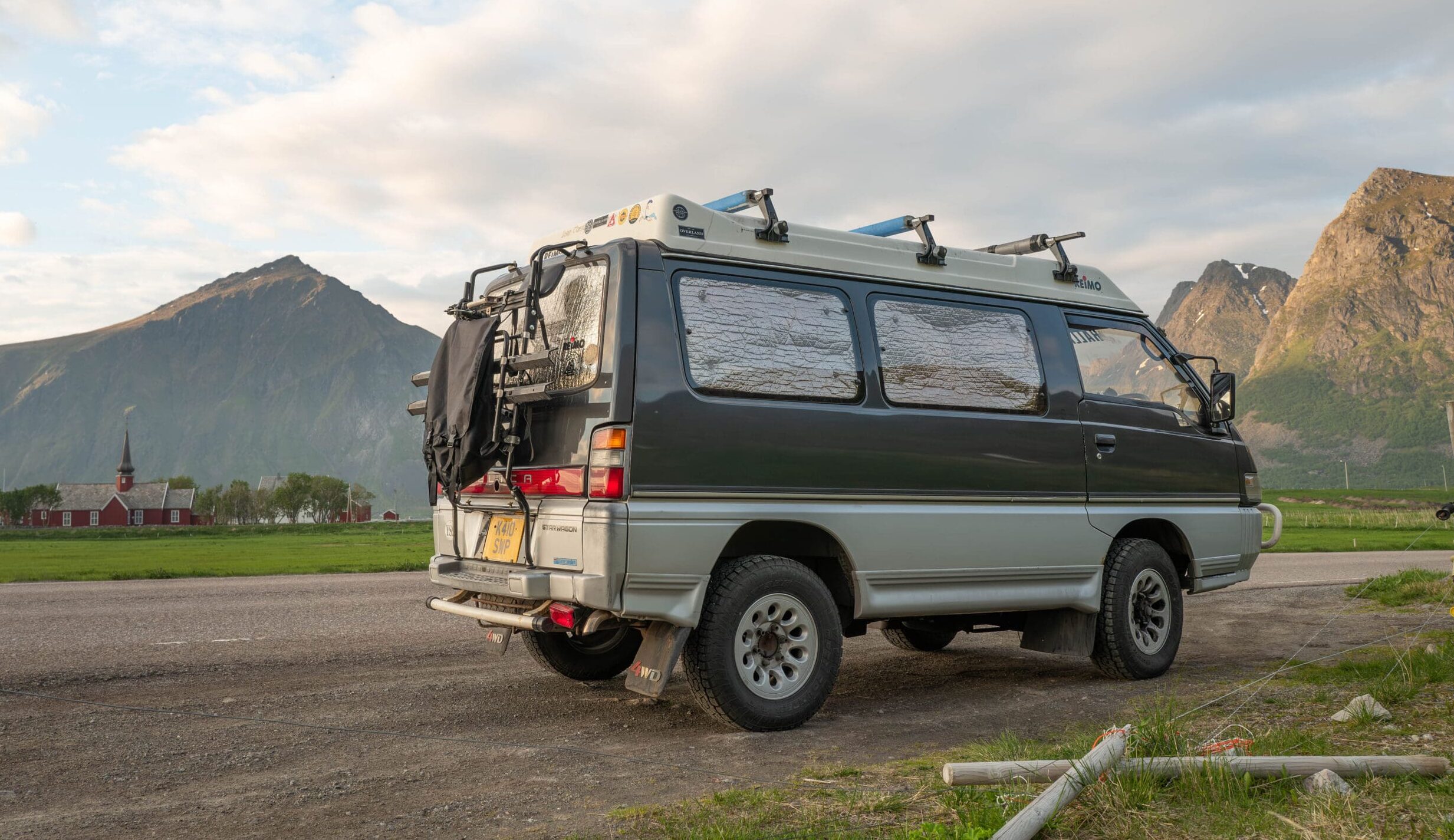

Generally speaking, Japanese vehicles provide best-in-class build quality and reliability, and while I’m not suggesting they are immune to issues, there’s no question they’ve built a reputation for excellence. In a perfect world, I needed a 4WD chassis with a van body and a pop-top roof, but I realized that was asking too much. Or was it? Cue the Mitsubishi Delica L300, a short-wheelbase van built on a modified Pajero/Montero chassis. I stumbled on a unicorn: a 1992 Mitsubishi Delica L300 Starwagon with the manual transmission, 2.4-liter gas motor, and Reimo pop-top roof. A week later, I drove to Wales to view it, and while it was in worse shape than advertised, I made an offer, and two weeks later, it was accepted. It was clear the van hadn’t been serviced in a long time, and there were a bunch of electrical bodges that brought back harrowing memories of buying the Syncro a decade prior. These things aside, I was blown away by how well this $7,000 rig drove and decided that if it continued to behave, I would begin ordering the parts for the build while I was working overseas in 2024. In the meantime, it would serve as my daily driver during the five months the Syncro was off the road for its interior overhaul. The months flew by, and I was soon collecting the finished Syncro, ready to hit the road. Unfortunately, on the weekend of departure, the Volkswagen decided it was time for the next installment of 50 Shades of Engine Failure. With just two weeks until I began a seven-month work contract in Norway, I had no choice but to put all faith in the Delica.
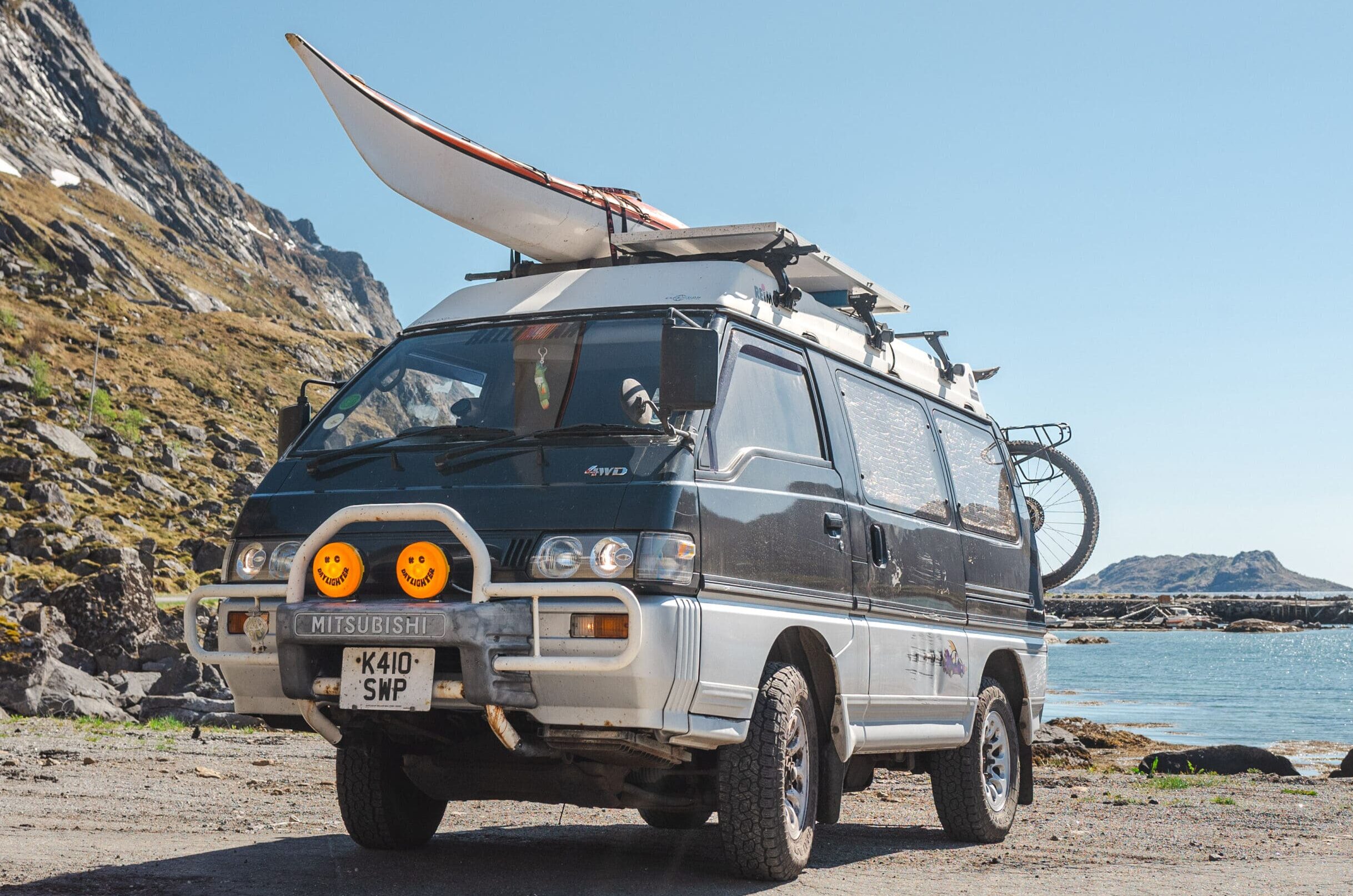
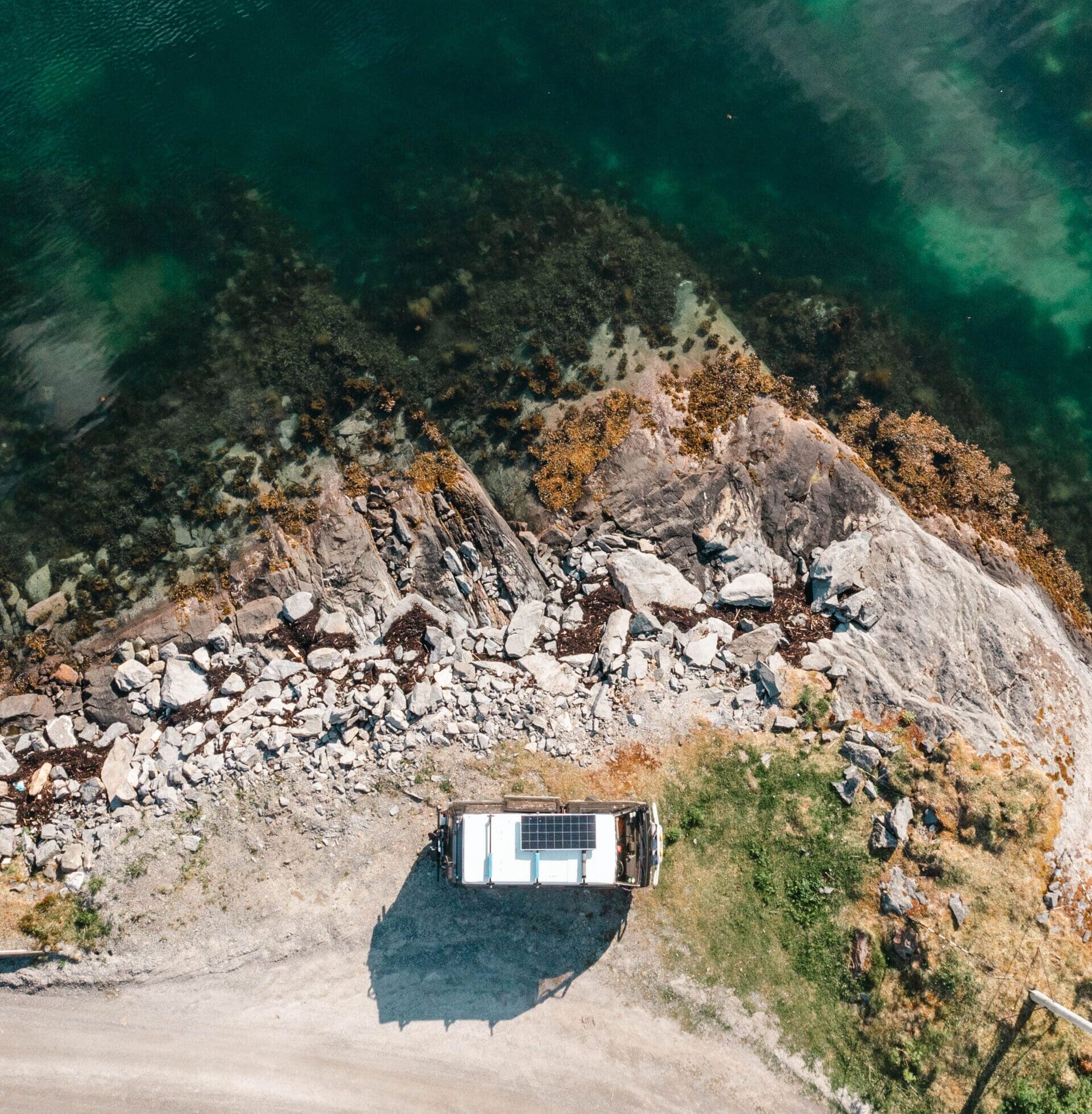
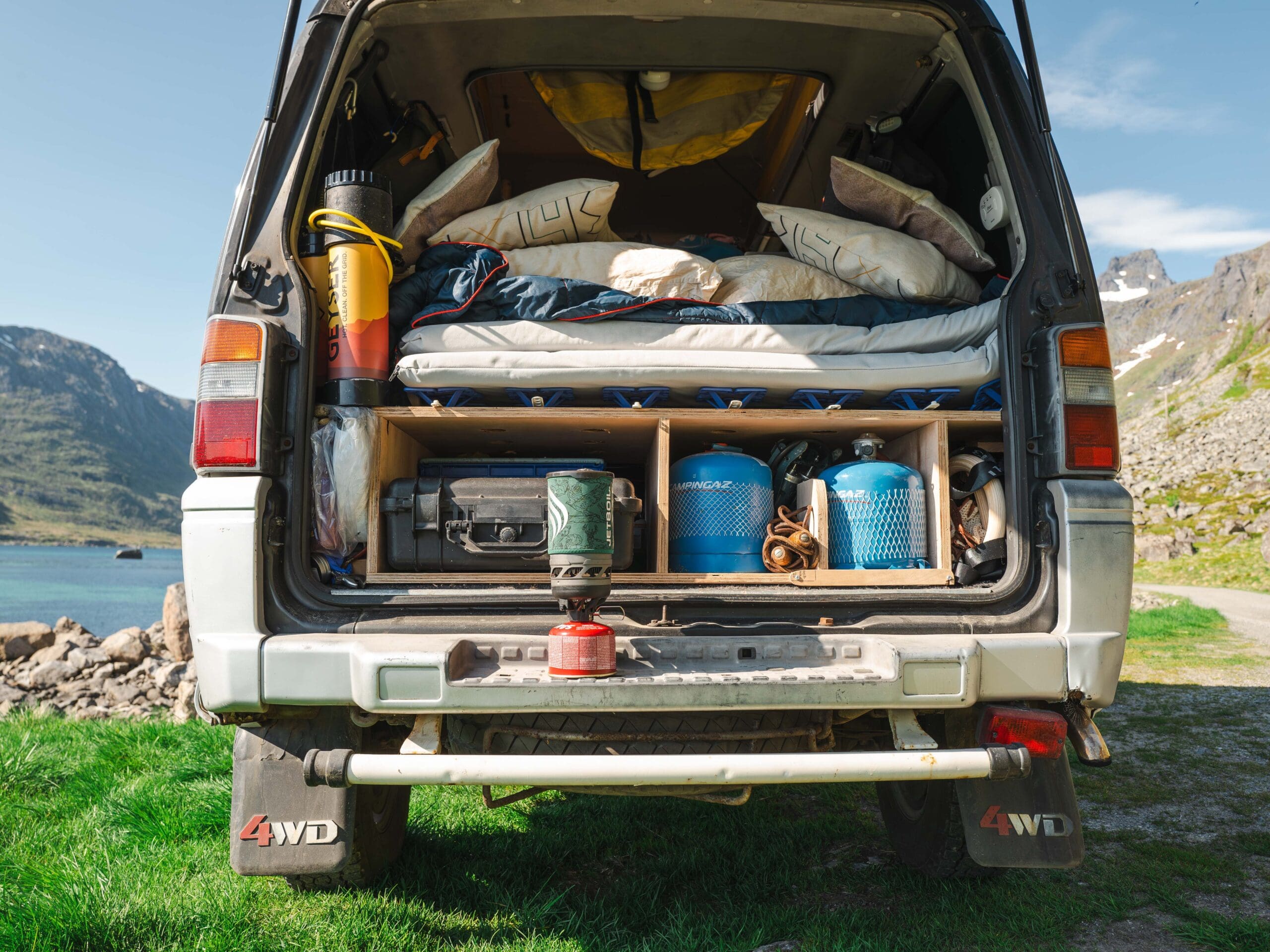
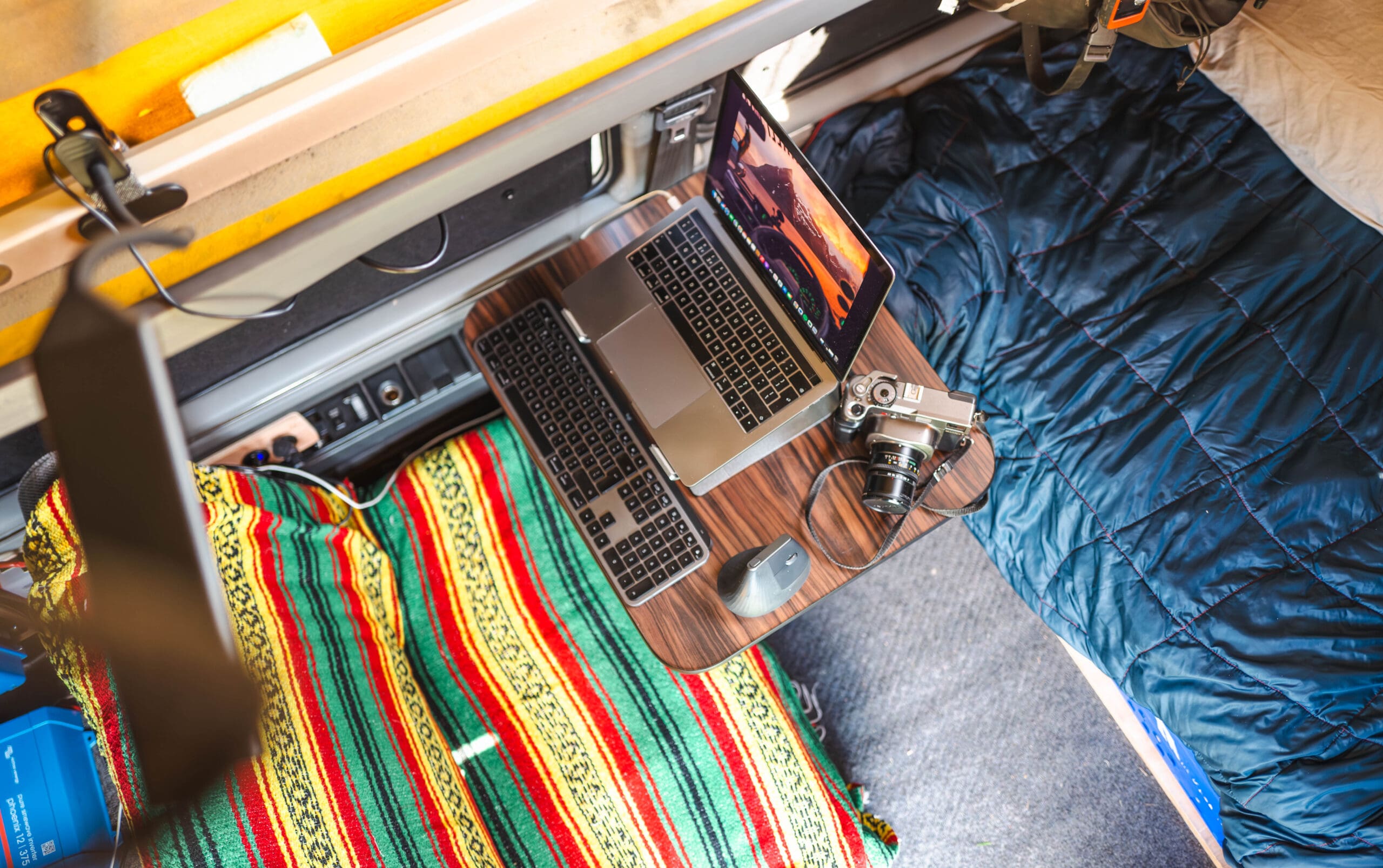
I had invested a small fortune into the Syncro, so I had limited time (1.5 weeks to be precise), budget, and motivation for the Mitsubishi. Nevertheless, I didn’t waste a moment ordering the essentials, including a lithium battery system, roof rack, fridge, and heater. I removed the rear seats and, with the help of a local carpenter, replaced them with a simple bed platform with bedside storage. I added metal eyelets along the roofline and repurposed bikepacking bags for additional hanging storage. I had already fitted a Paulchen bicycle rack, so I used this to hang a trash bag and added a set of KC Hilite Daylighters to the bull bar. I also purchased a 3D-printed organizer with cupholders for the center console and upgraded the abysmal stock stereo speakers. The kitchen included a Jetboil, a collapsible washing-up bowl, minimal plates/utensils, and a Dometic Go faucet for my water container. On the night of departure, I was still at the garage, and nothing had been packed. In the end, I had three hours to load my belongings into the Delica and get to the ferry terminal with limited tools, almost zero spare parts, and a 30-year-old vehicle that hadn’t moved in years. What could go wrong? Little did I know that, in the words of J.R.R Tolkien, “Courage is found in unlikely places,” and much like Hobbits, there was more to this Delica than meets the eye.
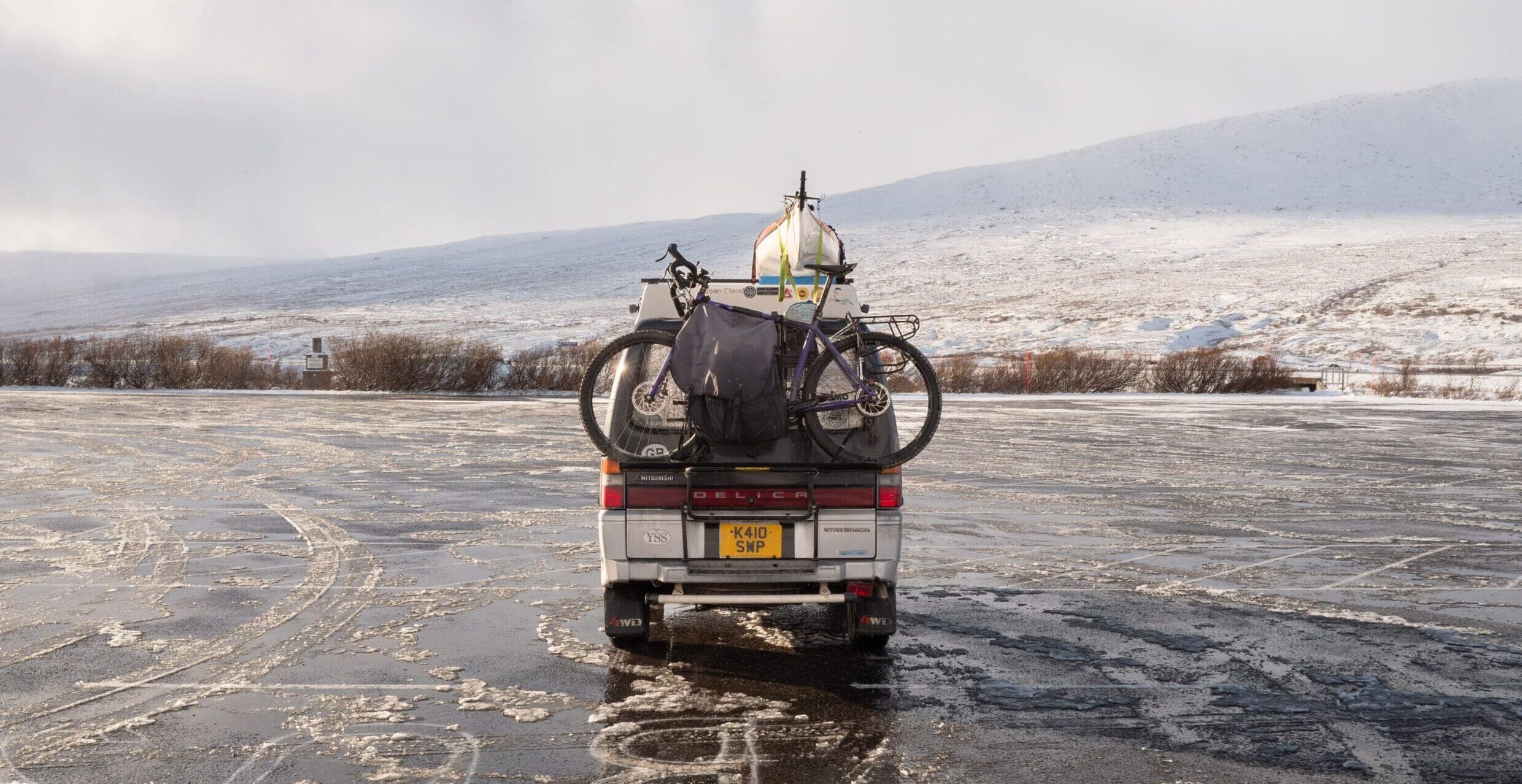
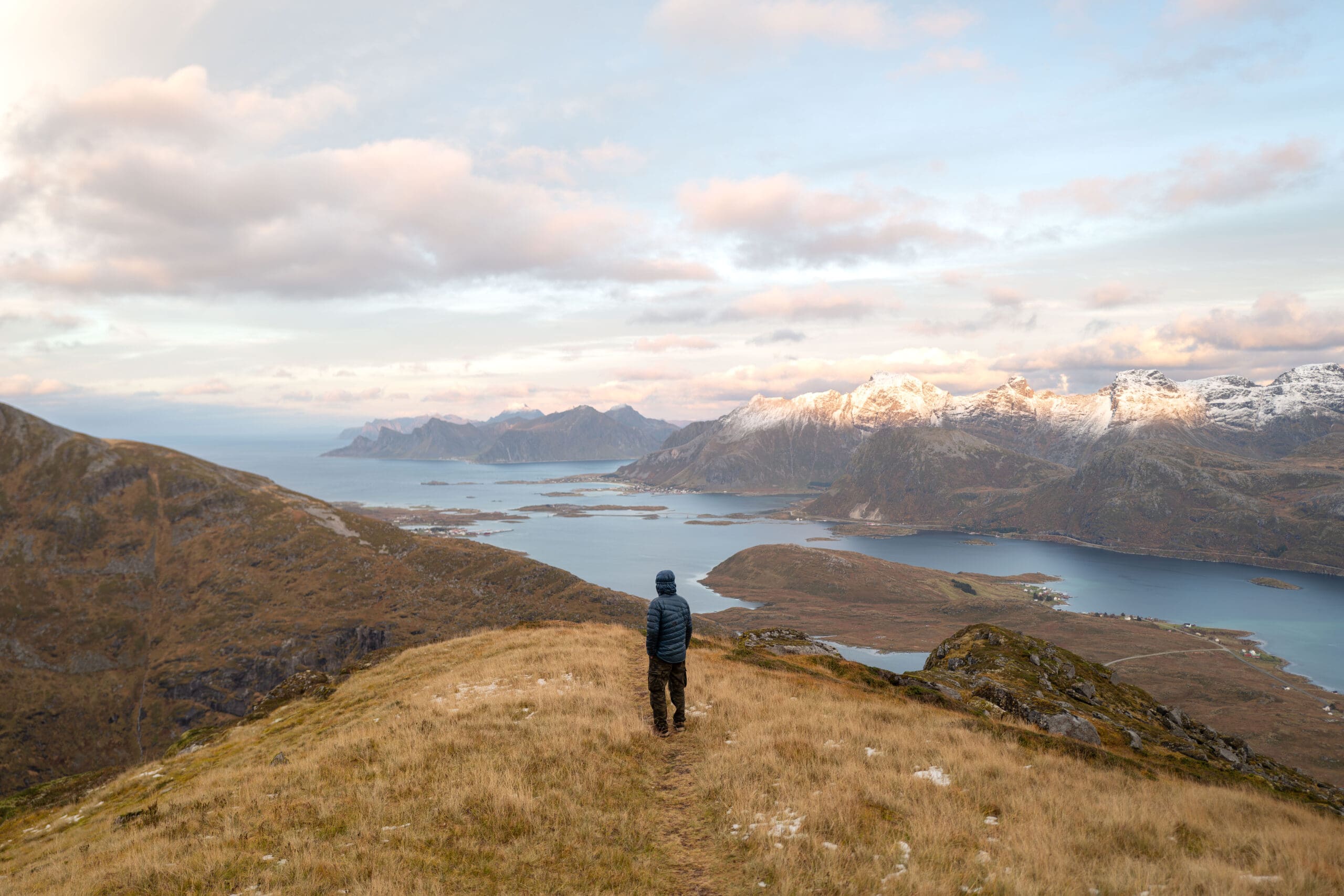
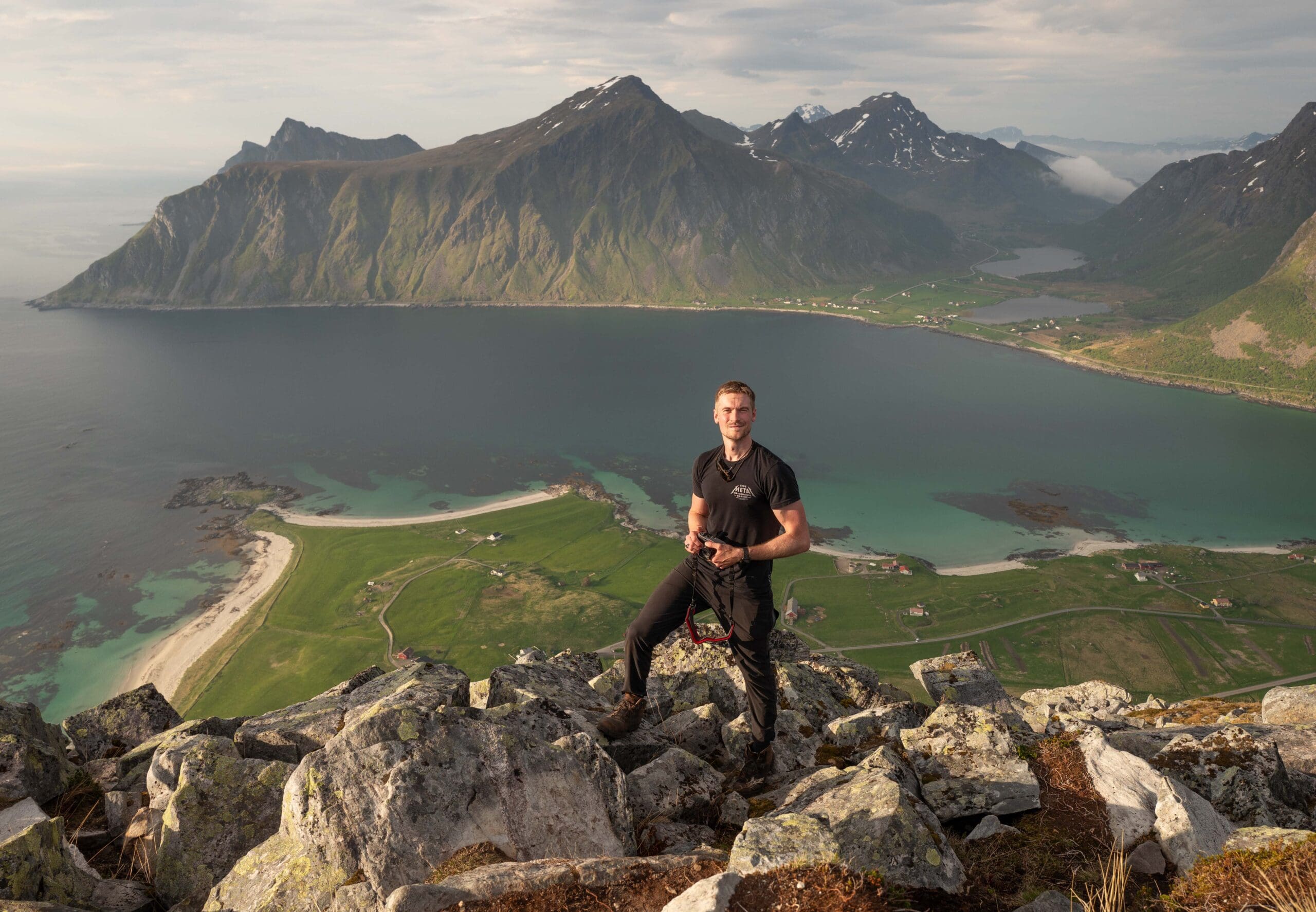
I arrived in Europe during a heatwave with temperatures soaring above 90°F during the day and torrential rain and thunderstorms at night, and yet through it all, the little Mitsubishi plodded on. The first 1,200 miles to Oslo, Norway, were dominated by long stretches of monotonous gray highway, numerous coffee stops, and plenty of tolls. Once in Norway, I joined the picturesque E6 and made the final 800-mile push to Lofoten. Here jagged mountains fall away into a turbulent ocean, orcas patrol the shoreline, northern lights dance under a pristine sky, and and there’s 24-hour daylight in the summertime. I’ve spent the best part of a decade in the north, and it has a tendency to reset the polarity of my compass. From the moment my wheels roll off the ferry, it feels like I come out of a trance, free from the hypnosis of a digital vampire that sinks targeted advertising and an ever more intrusive and sophisticated algorithm like fangs into us all. Here, in the far north, I fill my time with experiences, not things, and this is where the Mighty Mitsubishi transformed my life.
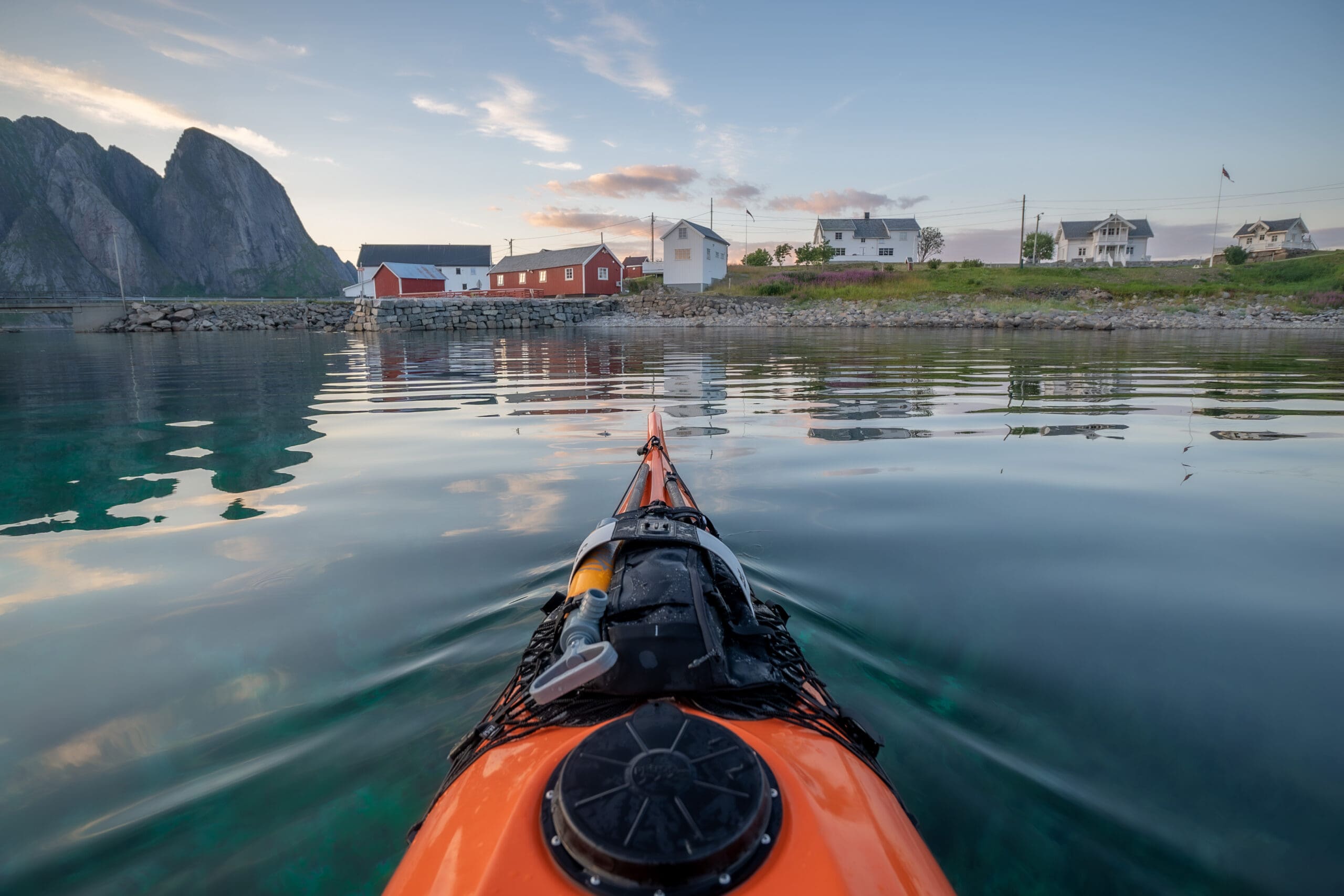
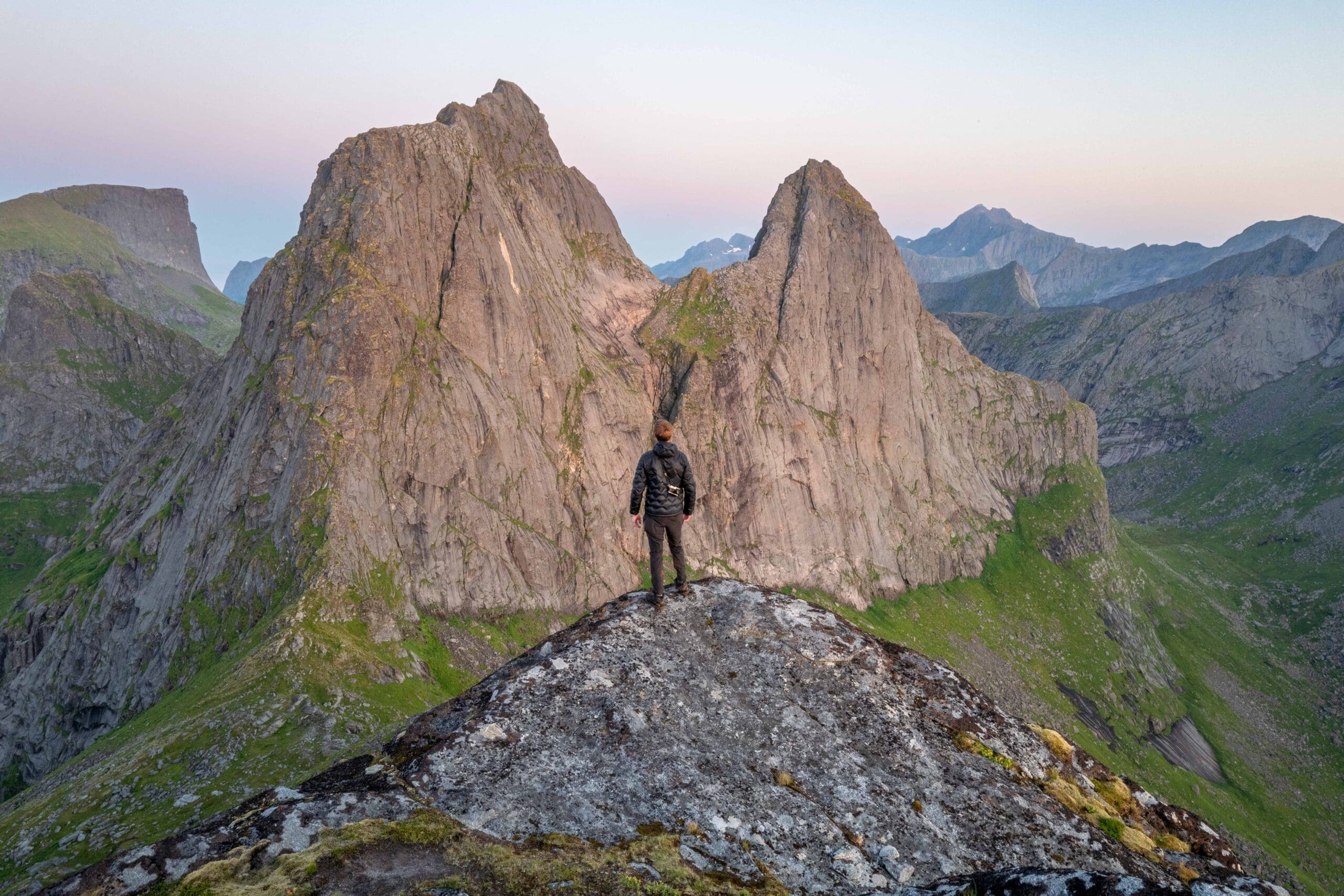
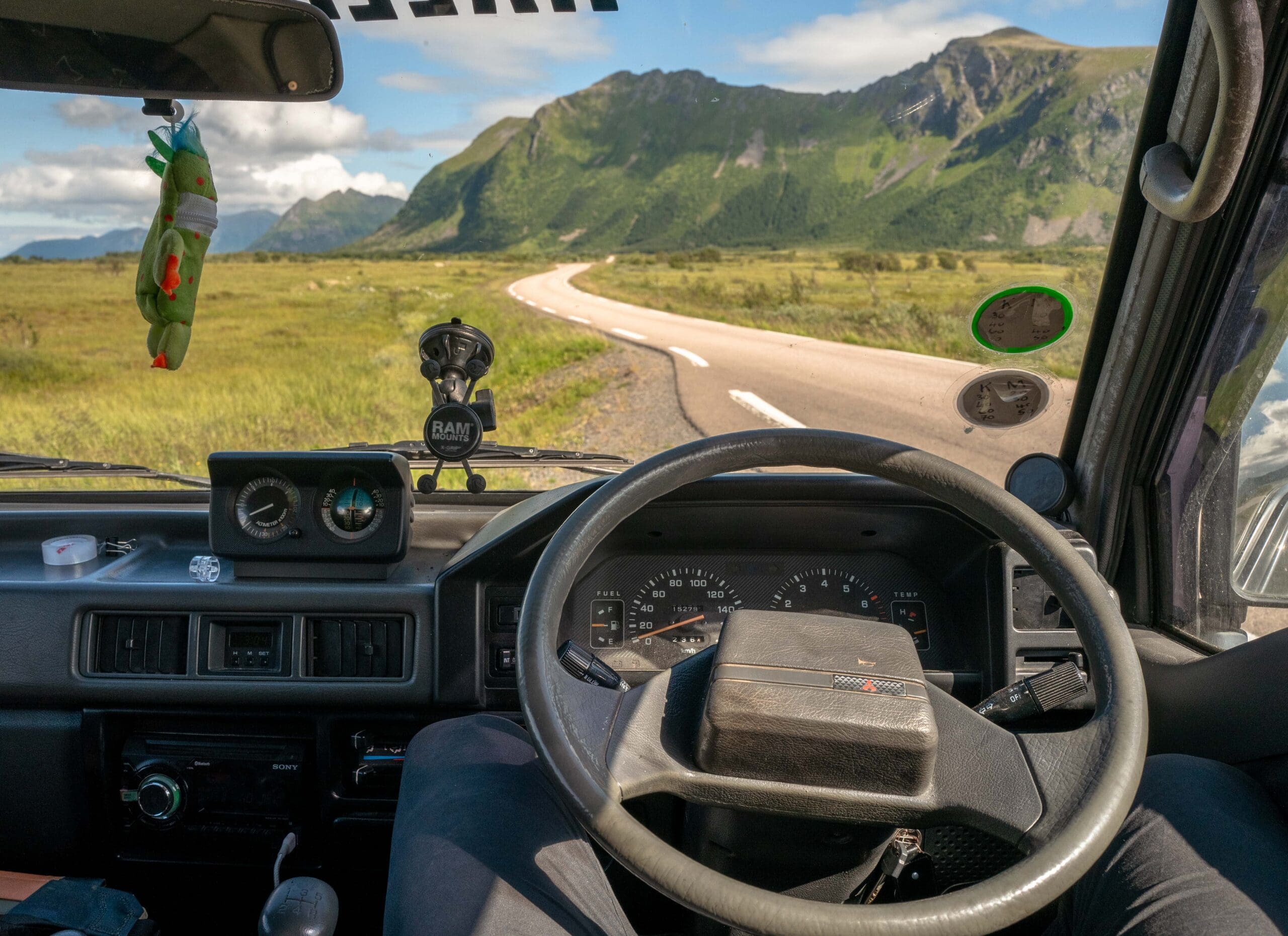

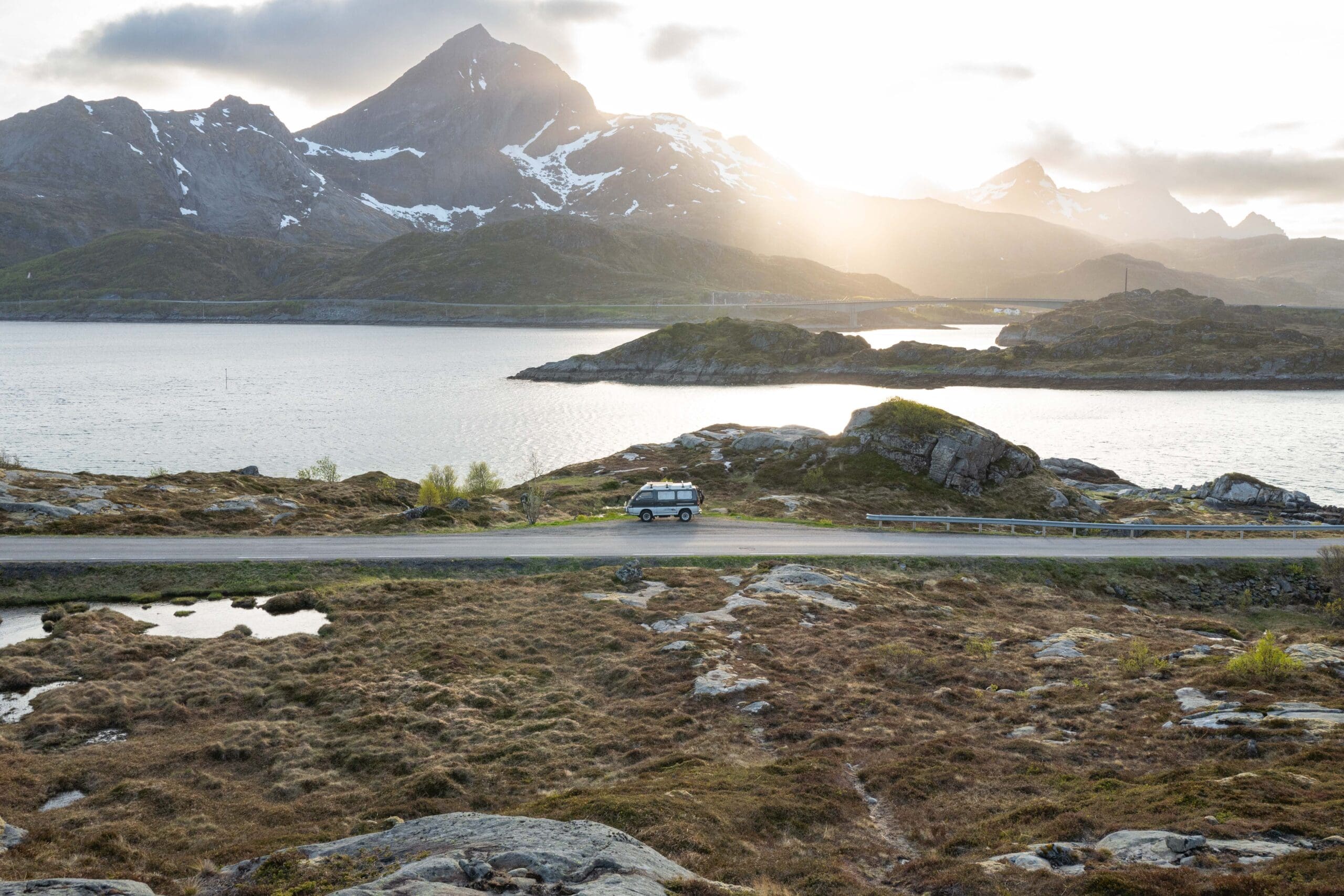

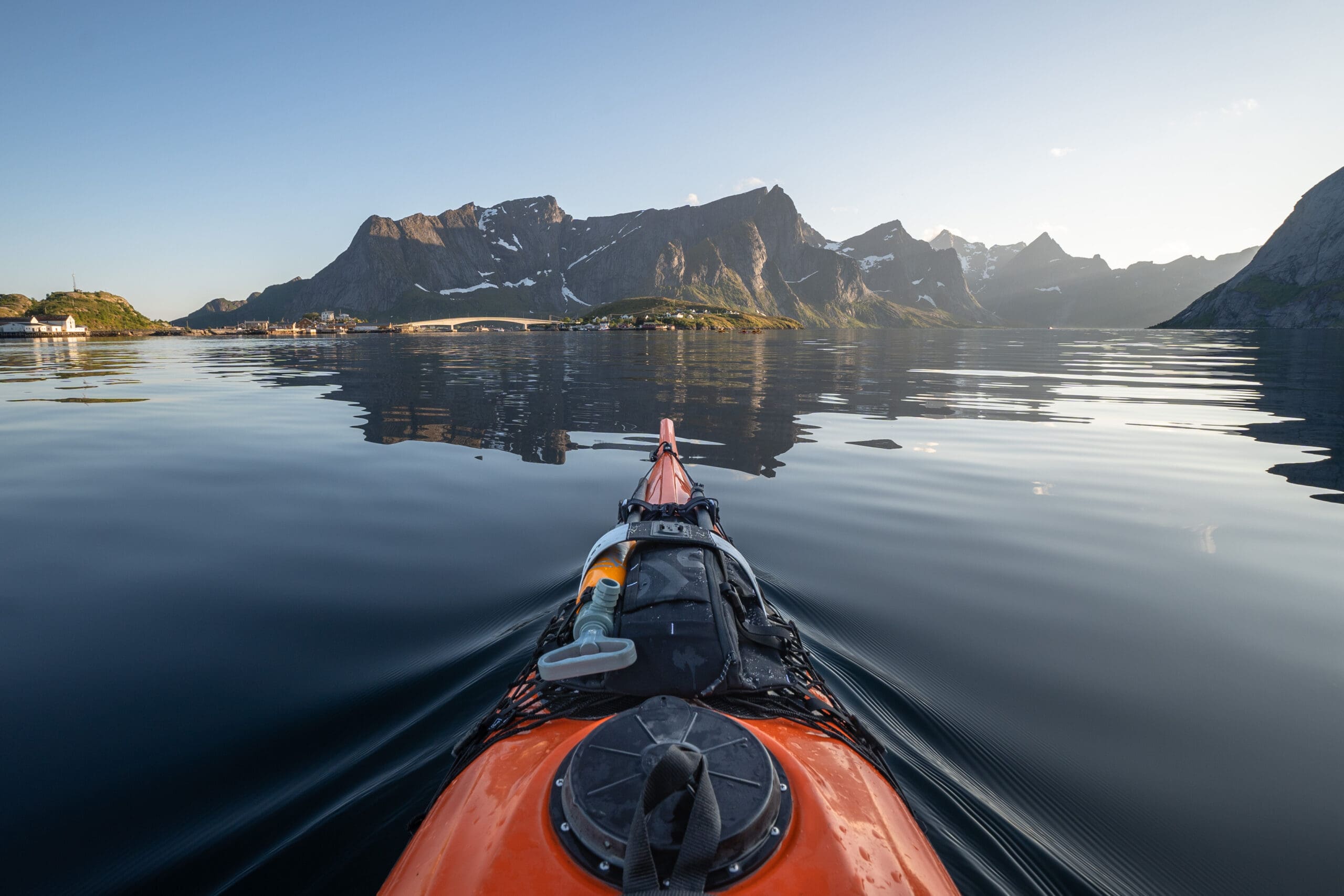
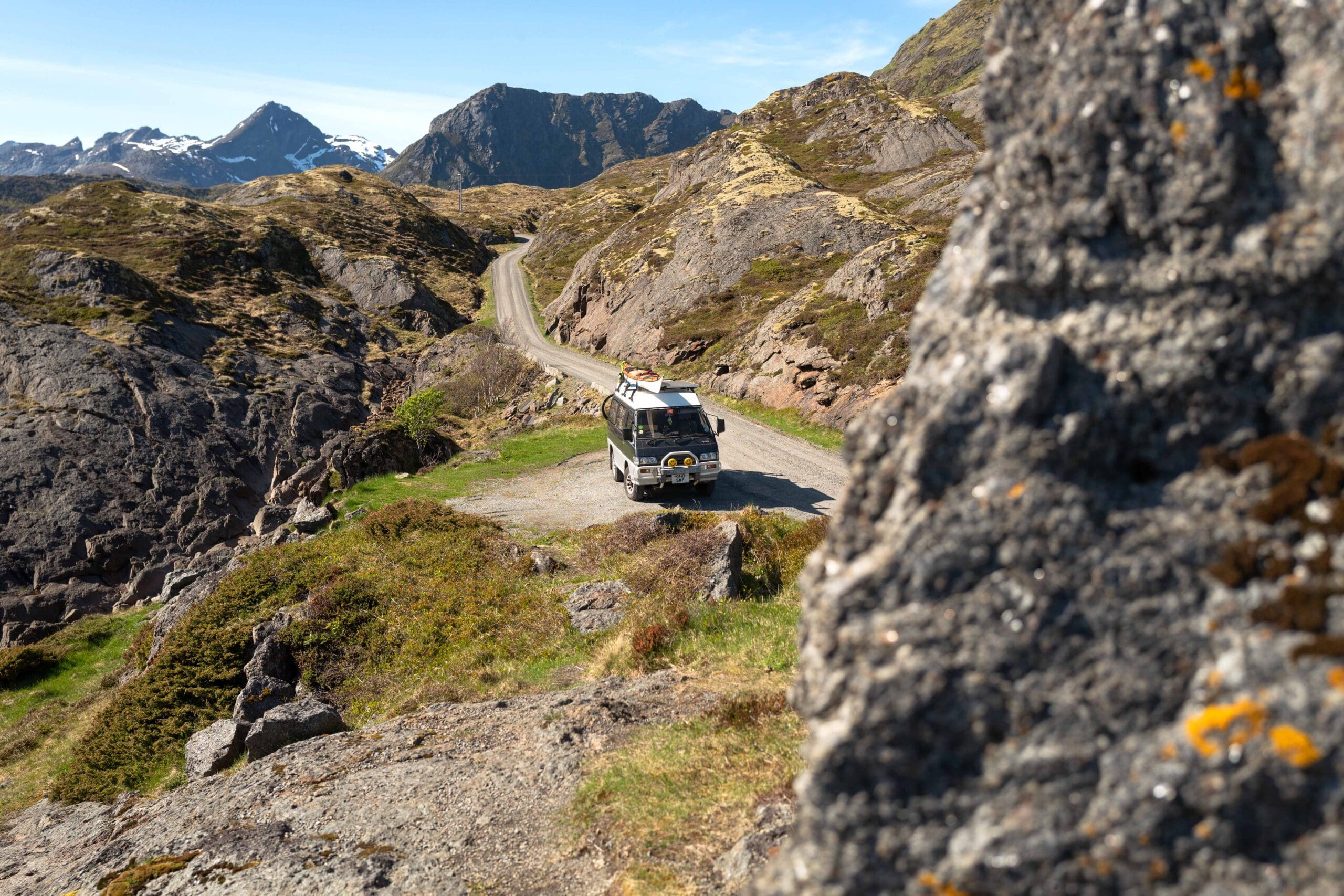
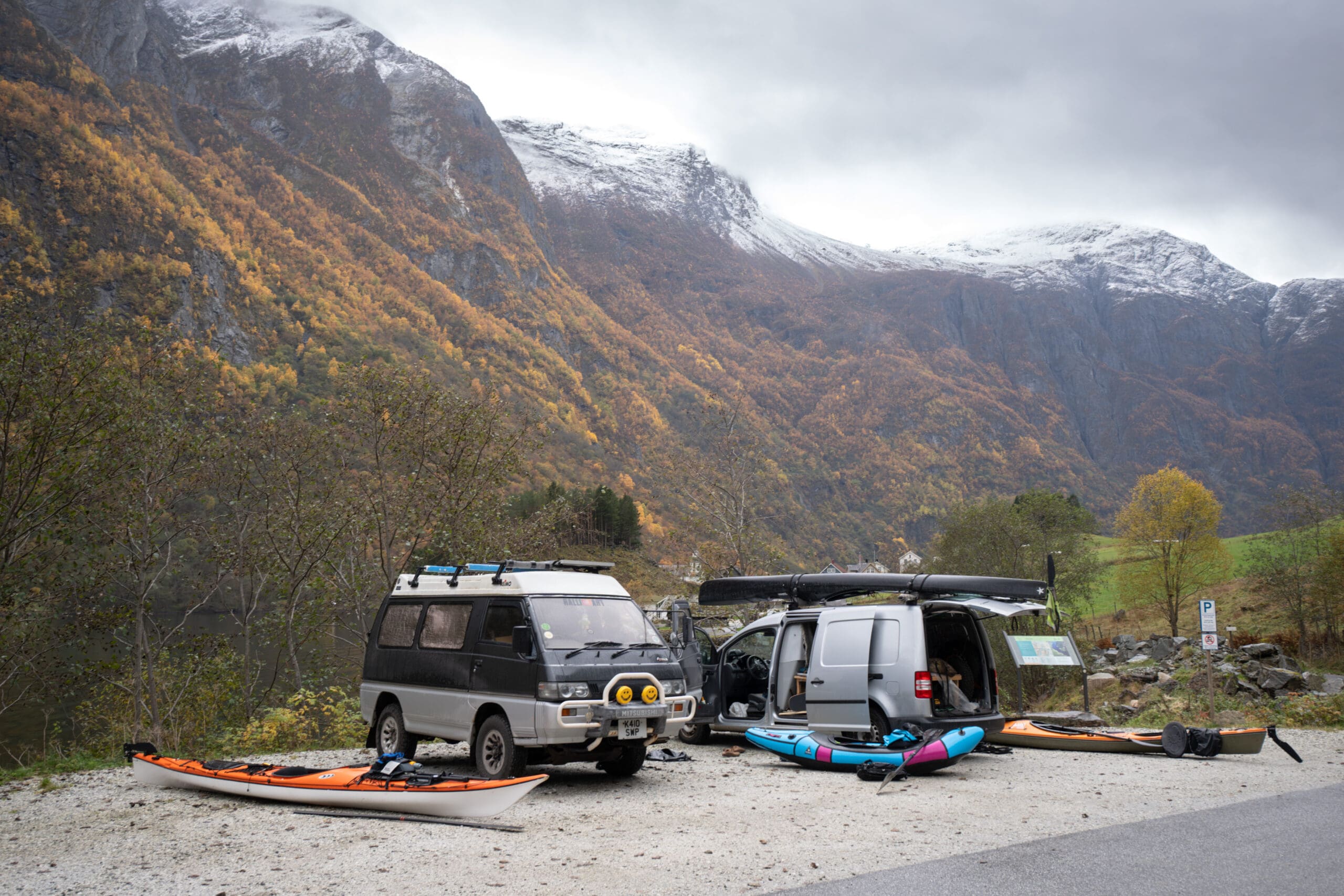
The turnkey reliability meant I never hesitated to cram a midnight hike or drive further up the line to tackle new peaks, kayak, or take photos. Sure, it had a few dings and a little rust, but that meant it didn’t attract unwanted attention, and I could leave it at trailheads without the constant anxiety of theft. I’d assumed that the basic interior would be a frustration after building out the Syncro, but instead, I found the simplicity and modularity a blessing. It was a reminder that whatever your rig or pack list, you’ll make it work, and that there’s a beauty and satisfaction to minimalism. The industry would lead you to believe that the more money spent on your rig and gear, the more you’ll enjoy your experiences in the backcountry, but I’ve not found this to be the case. Make no mistake, I’m an advocate of quality gear, especially in the mountains, but I also feel that extravagant rigs and gratuitous equipment can end up owning you. Over the next seven months, I did more in the Delica than I had in three years in the Syncro, and it cost me little more than fuel and routine servicing. This culminated in my dad, my hero, flying out at the end of the season for adventures in the mountains, and a 2,500-mile scenic route back to the UK via sketchy snow-capped passes and kayaking some of the country’s most iconic fjords. At the end of long days, we’d cram shoulder to shoulder on the sleeping platform under shared blankets and laugh daily that this was my dad’s one and only annual “vacation.” My parents’ joy for the simple things will forever be my guiding light. We’re prolific music lovers, but on the journey home, we barely played a single record and instead just talked, and writing this now, it’s hard not to well up thinking about how grateful I am for that time.



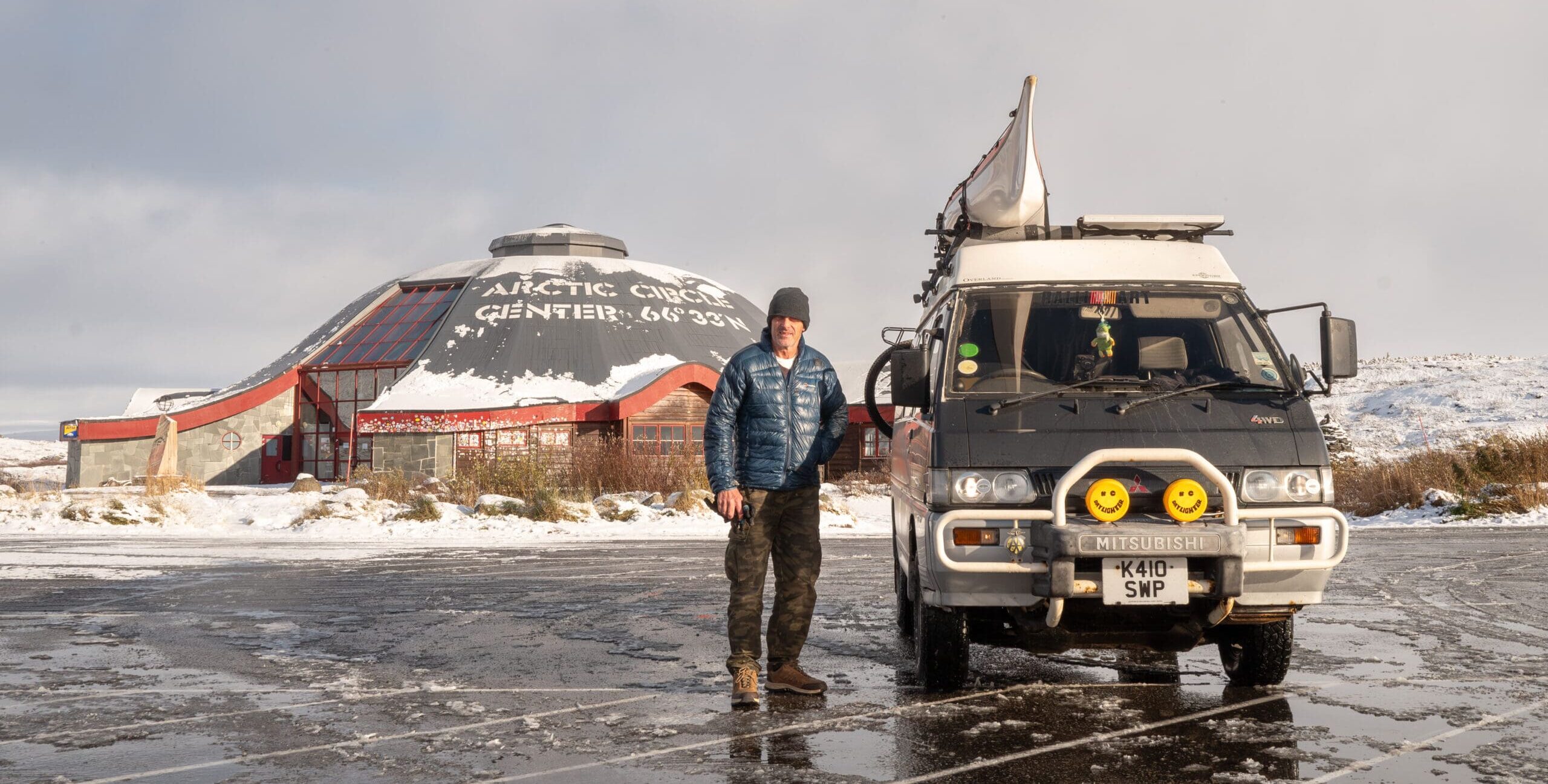
In the blink of an eye, an entire year had passed, and I was back on UK soil. The $7,000 Delica had served its purpose, and my love of vehicle travel was at an all-time high. This culminated in me investing in the ultimate experience enabler, a Toyota Troopy, and what better send-off for the Mighty Mitsubshi than passing it on to my best friends to facilitate their honeymoon and a lifetime of adventures together. Needless to say, it was sold at a heavily discounted price; after all, it was love on a budget.



Read More:
