

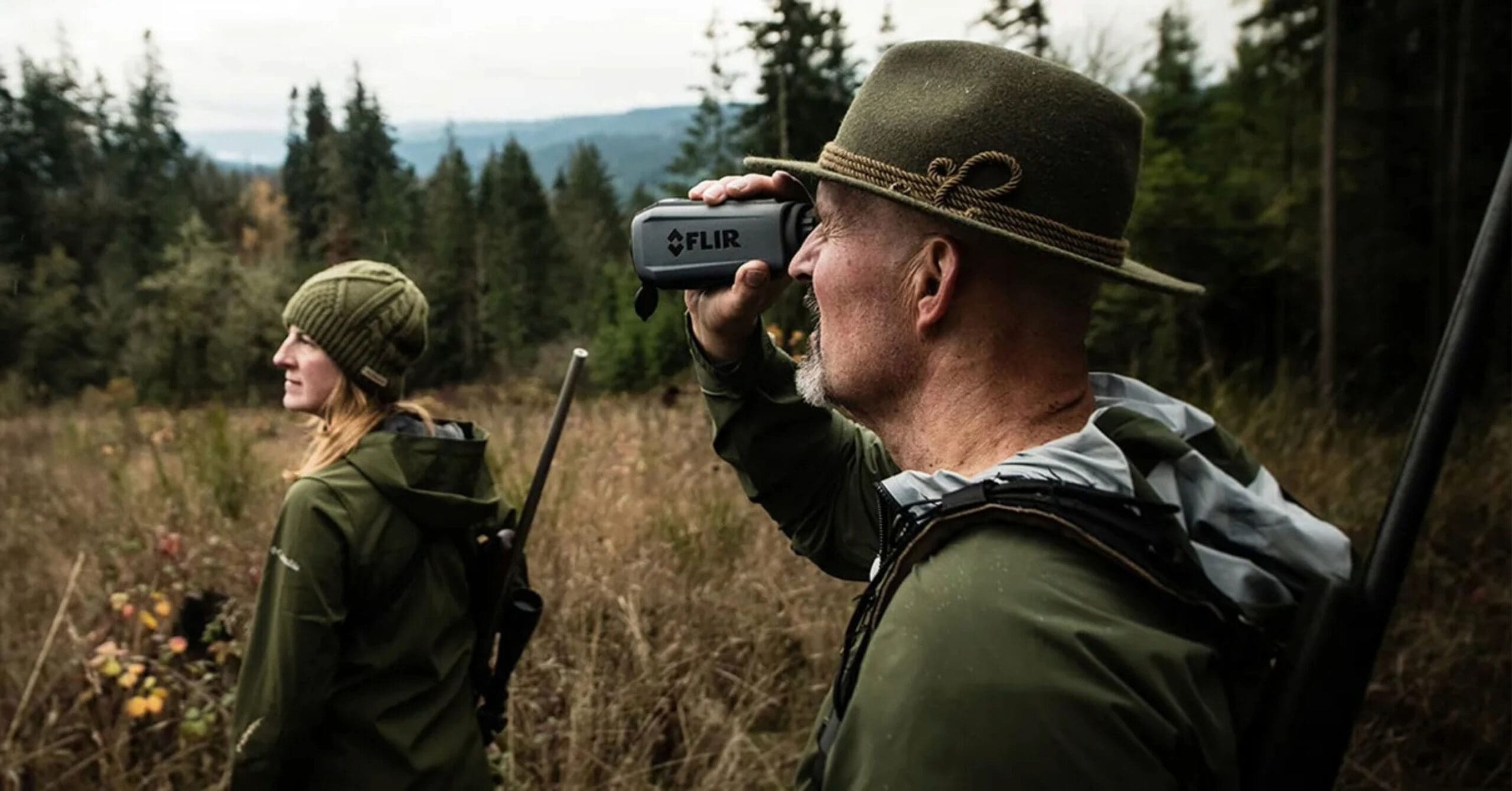
Over time, I’ve come to view optics as a quiet force multiplier. They stretch human vision beyond its factory settings. They help you see farther down the trail, closer at what your aging eyes can’t quite see, and deeper into the dark when your imagination is running wild. In remote travel, where recovery trucks do not exist and “assistance” often means self-assistance, sight becomes as critical as traction boards or navigation software. The ability to read terrain at a distance, inspect a component at arm’s length, or detect movement beyond the reach of a headlamp can mean the difference between a smooth camp evening and an unnecessarily dramatic story.

Modern overland optics cover an unexpectedly wide spectrum. Thermal imaging devices such as the FLIR CX Compact Thermal Camera and the FLIR Scion Outdoor Thermal Monocular convert heat into visible imagery. In practical terms, they allow you to spot wildlife without blasting the bush with white light, check for residual engine heat, or quietly scan a campsite perimeter when the forest begins to feel theatrical. A compact drone like the DJI Mavic Mini adds an entirely different dimension—literally. A quick flight can reveal whether that promising desert track pinches into a rockfall, whether a river crossing hides a deep cut bank, or whether the “shortcut” on the map ends in embarrassment. Traditional binoculars, such as the Bushnell Engage or R5 models, remain indispensable. Good glass lets you study distant terrain contours, identify landmarks, and watch wildlife without intruding.
At the opposite end of the scale sits something far less glamorous but equally revealing: a mini microscope. Fabric wear, plant structures, metallic shavings in drained oil—details that are invisible to the naked eye can suddenly tell a story. Even a compact Blink Outdoor camera earns its place in the optics conversation. Mounted discreetly, it extends your awareness when you leave camp to explore on foot, offering peace of mind in places where curiosity sometimes wanders on two legs and with sticky hands.
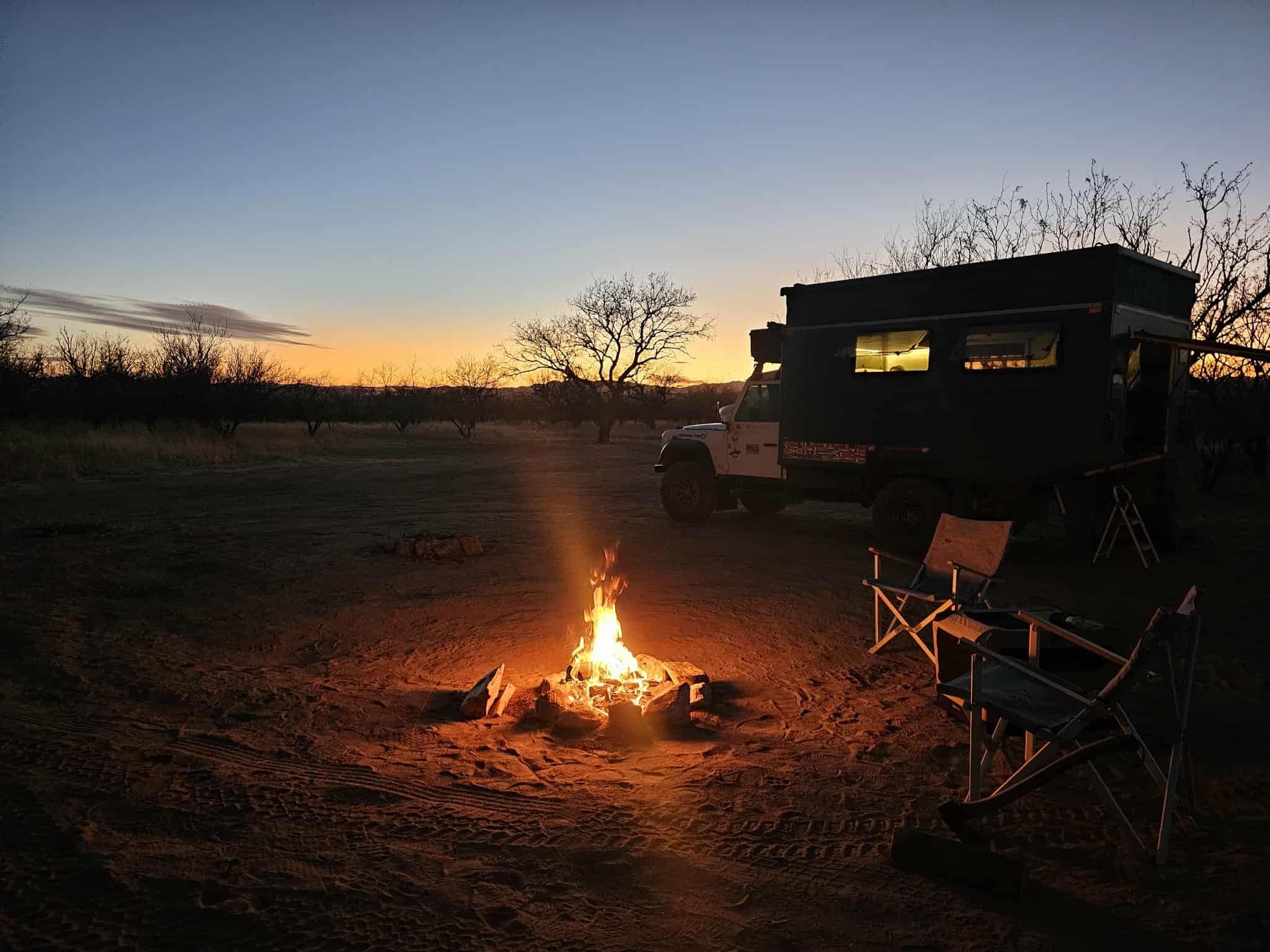
A few months ago, before winter tightened its grip, we were camped deep inside a remote Wildlife Management Area in the Ozarks. The campsite felt unused, almost abandoned, as though even the squirrels had decided to relocate. For reasons that now escape me, we chose not to build a campfire. This was a mistake. A campfire, I am convinced, taps into something ancient and primal; it makes one feel almost invincible. Almost no one sitting beside a campsite is peering into the dark, looking for danger—they are too busy being mesmerized by the flames.
Close to midnight, a vehicle rolled in somewhere beyond the trees. Its occupant—or occupants—did not behave like campers. No camper. No tent. No fire. Just long stretches of darkness punctuated by erratic flashlight beams slicing through the forest. We entered what I call a Camp Fear moment (click the link to read more about our history with late-night paranoia). Luisa’s irrational fear fed my entirely rational fear. Eventually, we retrieved the FLIR Scion OTM and spent the next hour scanning the woods, fully expecting a masked Jason to materialize with power tools and bad intentions. No such villain appeared. We felt mildly foolish and slept poorly. The moral? Build the campfire.
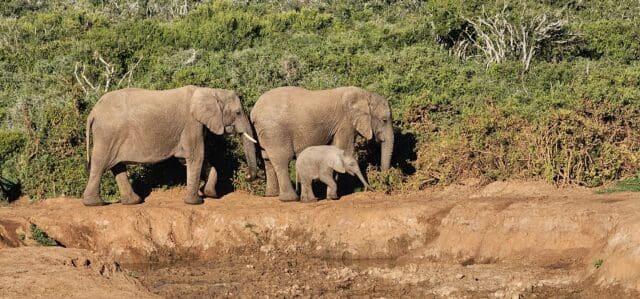
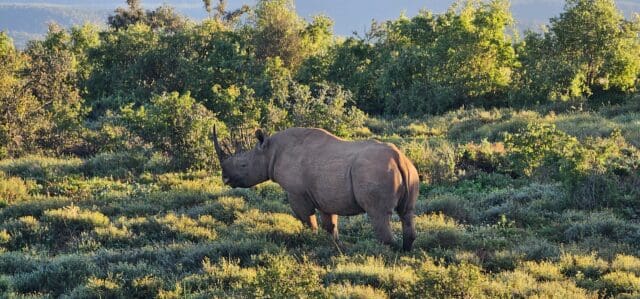
The FLIR had proven its worth before, under very different circumstances. On a friend’s game farm in Namibia near the Botswana border, wildlife blended so perfectly with its surroundings that even a giraffe could vanish if it felt inclined. While we were helping manage the property, giving our friend a much-needed break so she could visit her husband at the coast, a rabid honey badger—known locally as a ratel (“RAH-tuhl”)—attacked the sheep kraal and killed seven animals. Determined to avenge the sheep, my son and I settled in on top of an old Land Cruiser with rifles, a flask, and the thermal monocular. Behind us, after sunset, the ratel attacked a Khoisan farm worker who flew up a fence and balanced precariously on a pole, shouting for help. Ratels, especially rabid ratels, are known to attack the genitals first. You would also fly up a fence. Using the FLIR, we tracked the ratel into the bushes, where he was dispatched to honey badger heaven. Poor guy.
Optics, in all their forms, increase awareness. We have often found ourselves in desert mountains, scanning a distant pass and debating whether descending a particular trail would result in a triumphant summit or a long, awkward winch session. Binoculars clarify the gradient. A drone confirms the exit strategy—assuming the wind cooperates. Thermal imaging calms the imagination when the night grows imaginative.
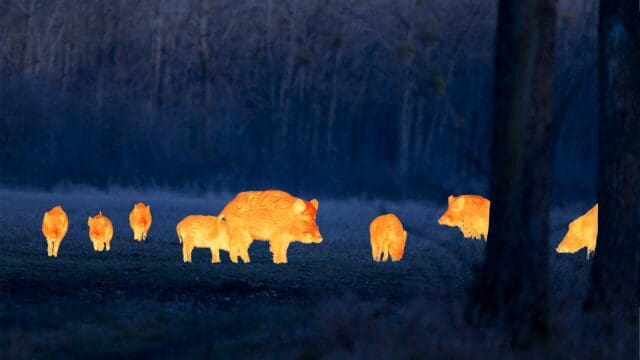
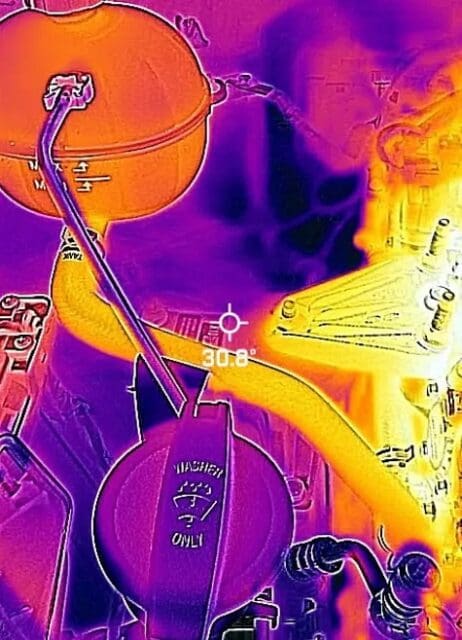
Whether magnifying a distant ridgeline, illuminating hidden heat in the dark, or inspecting the smallest mechanical detail, optics provide a layered visual system that replaces guesswork with informed decision-making. In the sections that follow, we will examine how each of these tools—thermal cameras, drones, binoculars, microscopes, and remote cameras—can be used not as gadgets for their own sake, but as practical instruments that enhance safety, situational awareness, and perhaps even a good night’s sleep. (GB)
Flir C3-X Thermal Imaging Camera
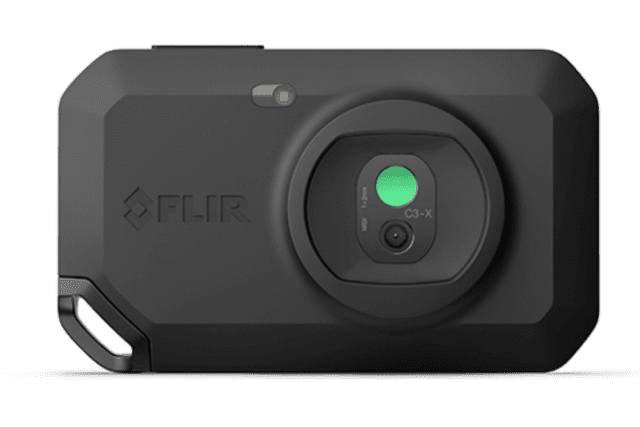
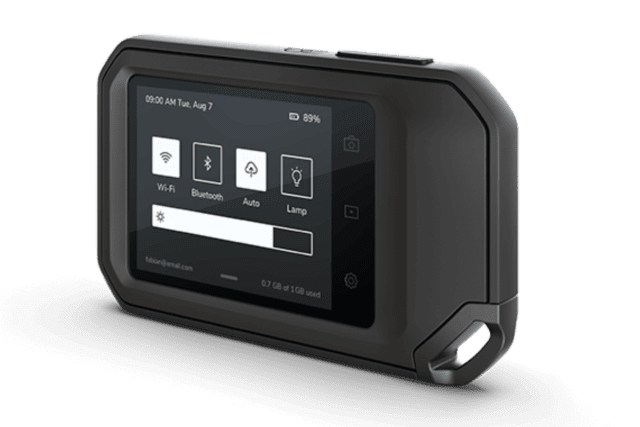
The FLIR C3-X is a compact thermal imaging camera built to detect temperature differences that aren’t visible to the naked eye. It has earned a permanent place in our Land Rover, and we have used it to pinpoint heating issues with hoses and electrical fuses, and even to track down small air leaks while on the road. It removes much of the trial-and-error from heat-related vehicle diagnostics, especially when we’re far from access to the internet, making it easier to diagnose problems.
The camera features a 128 × 96 thermal resolution and Flir’s MSX (multi-spectral dynamic imaging) technology, which overlays edge detail from the visible camera onto the thermal image. That provides added definition, making it easier to see exactly where the failure point is, rather than just spotting a vague hot patch. It measures temperatures from -4°F to 572°F, covering most automotive, electrical, and campsite troubleshooting needs.
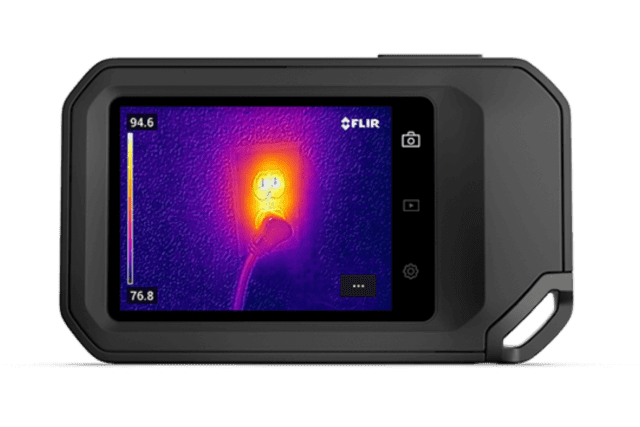
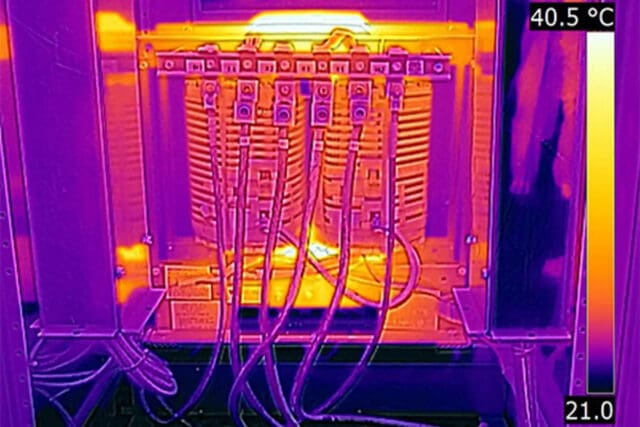
It’s compact, rugged, and rated IP54 for dust and water resistance, which is fine for rain and outdoor use, though not something you’d want to submerge. The battery runs around four to five hours, and we store our images internally, but they can also be transferred via USB-C, which makes before-and-after repair comparisons easy.
We also use it around camp to detect animal, and sometimes human, movement by identifying them from their heat signatures. That said, for spotting specific critters like scorpions and snakes, we rely on our ultraviolet torch, which makes them far easier to identify after dark. It’s also helpful for catching the occasional poisonous frog before our Yorkie decides it looks like something worth licking.
Downsides include slow boot time and occasional freezing, but overall it’s a practical, dependable field tool. (LB)
$569 | flir.com
FLIR Scion OTM Outdoor Thermal Monocular
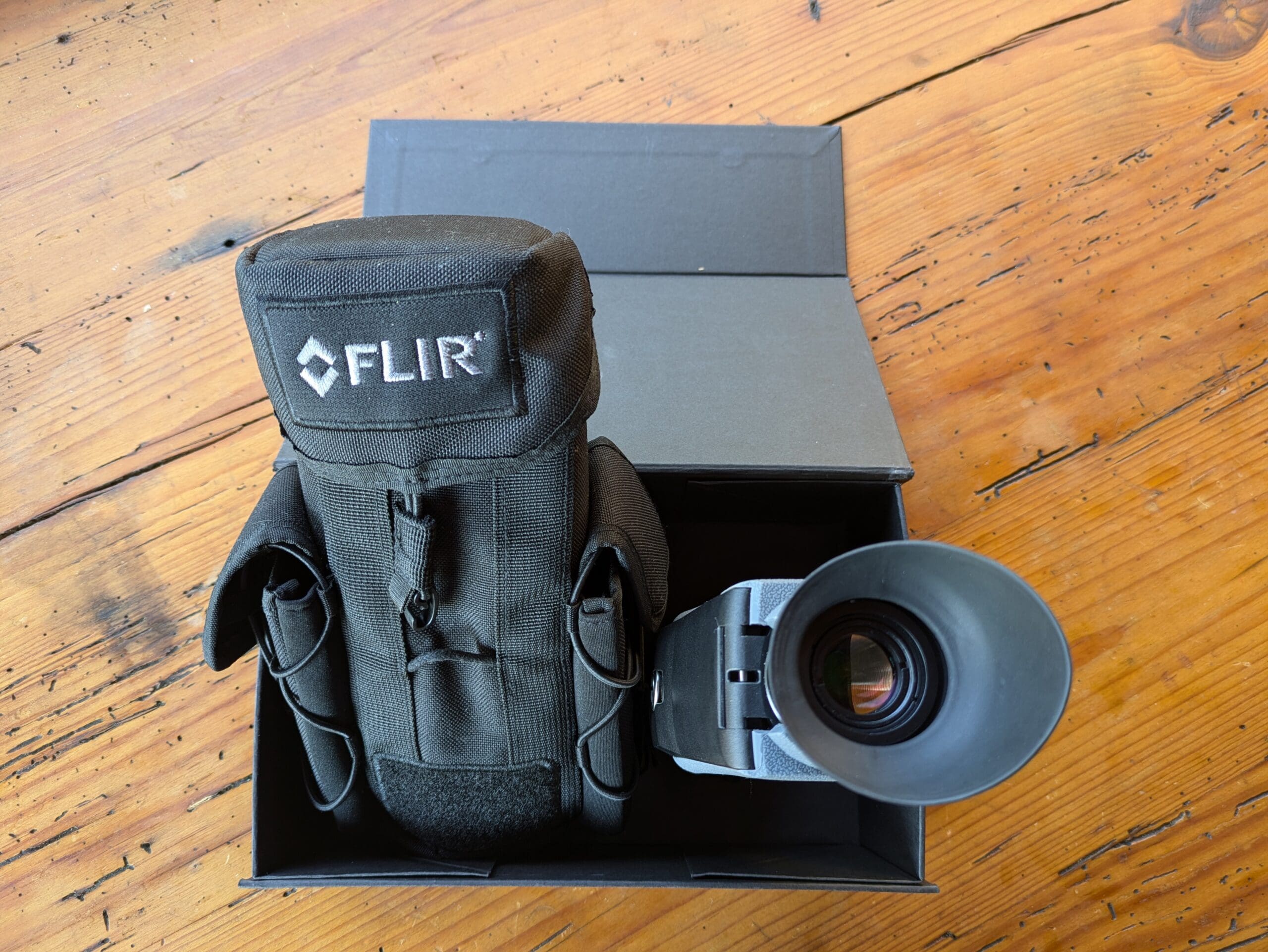
The FLIR Scion monocular is a serious piece of kit designed for long-range thermal observation in complete darkness. Unlike traditional night vision, which depends on available light, the Scion reads heat signatures. That means you’re not looking for reflected light—you’re looking for living (or recently running) heat. Animals, people, and even vehicles like quads or trucks stand out clearly, regardless of how dark it is.
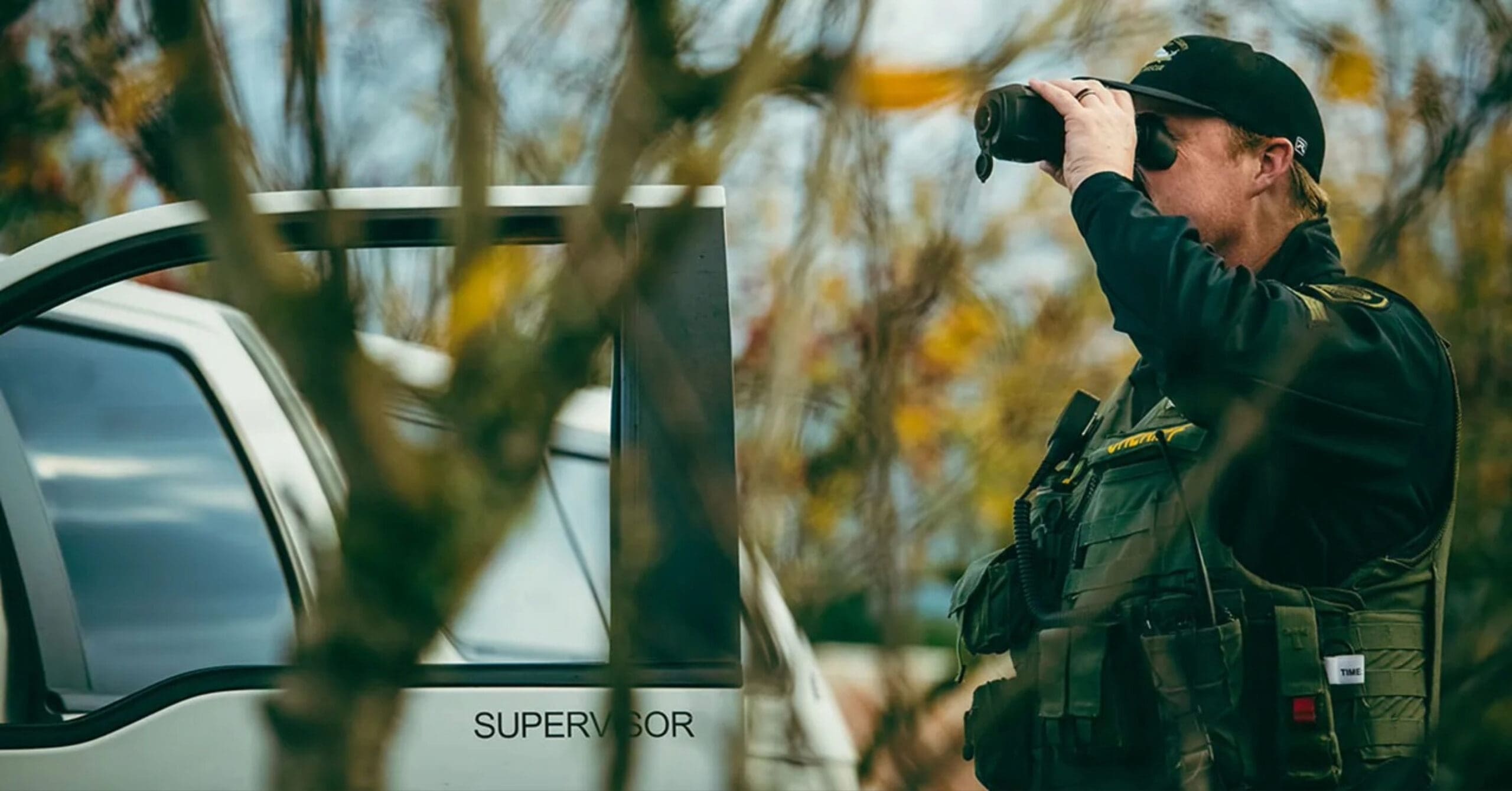
The Scion runs on FLIR’s Boson thermal core and is available in different resolutions depending on the model. Detection range varies, but you can detect a human-sized heat signature at close to 1,000 meters in the right conditions. It offers multiple color palettes, which help depending on the terrain and temperature contrast. You can capture still images and record video directly onto a microSD card, which is useful when your friends don’t believe you spotted Big Foot out yonder in that there forest.
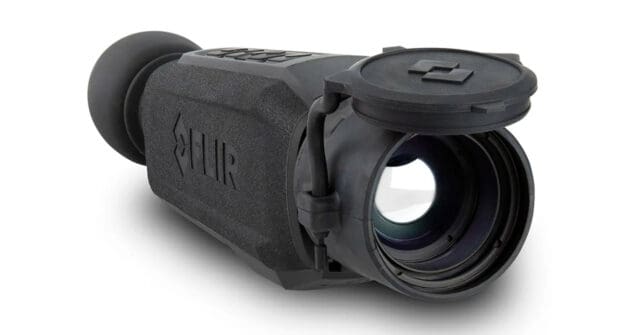
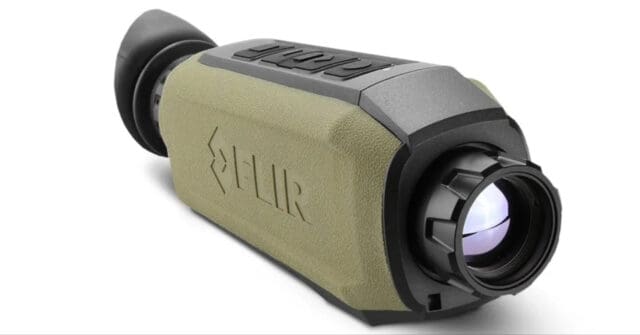
Battery life is impressive. It uses a rechargeable battery system and averages around three hours per battery charge. The unit is solid (and could feel a little heavy after some time), carries an IP67 rating for dust and water resistance, includes a protective eyecup cover, and comes with a MOLLE-compatible carry case.
The downside is price—it sits firmly in the premium category. If you’re not hunting or doing serious nighttime exploration, it may be overkill. For basic troubleshooting, the CX is more practical. (LB)
From $3,100 | thegpsstore.com
DJI Mavic Mini
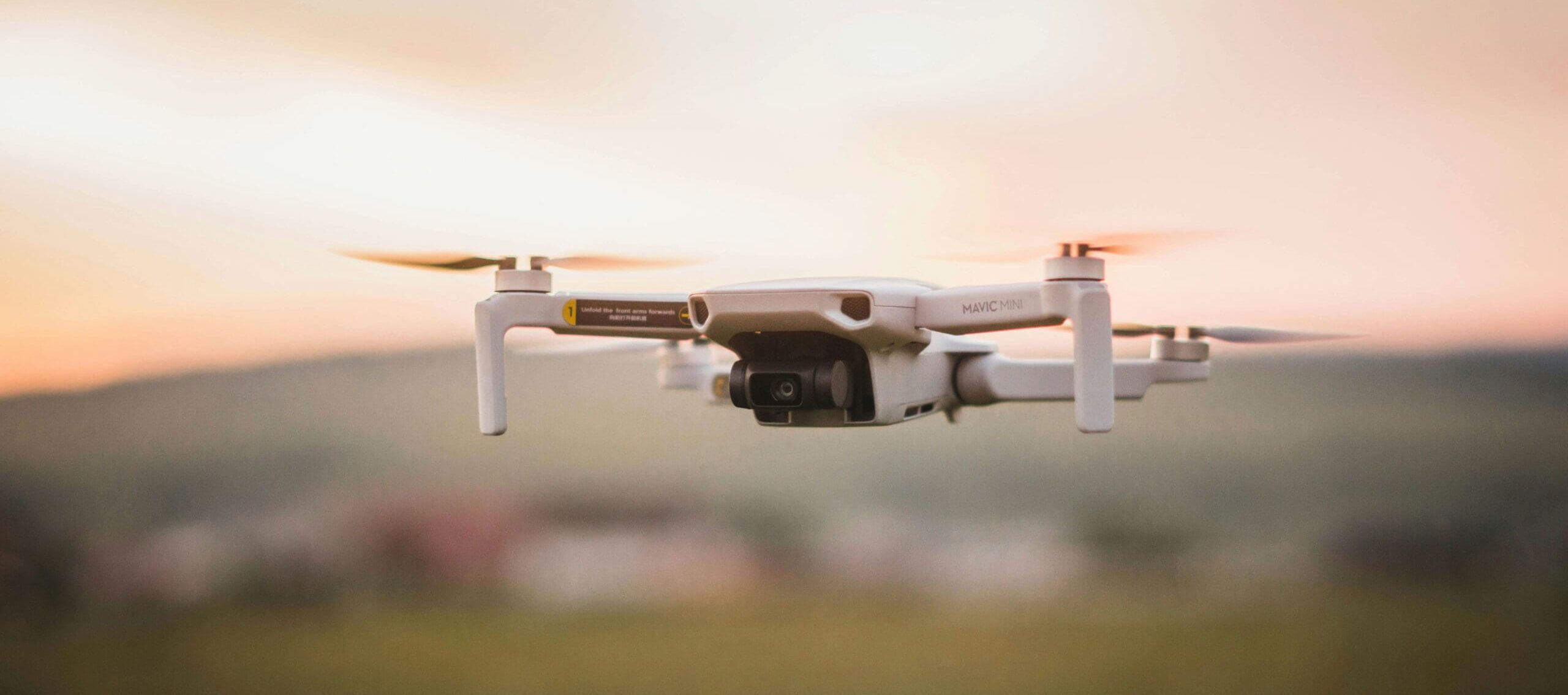
For years, we resisted buying a drone. When we finally gave in, it was a cheap knock-off that did little more than remind us why quality matters. At the time, we were in South Africa, and options were limited. After the lockdown, imports opened up again, and we decided to invest properly in the DJI Mavic Mini.
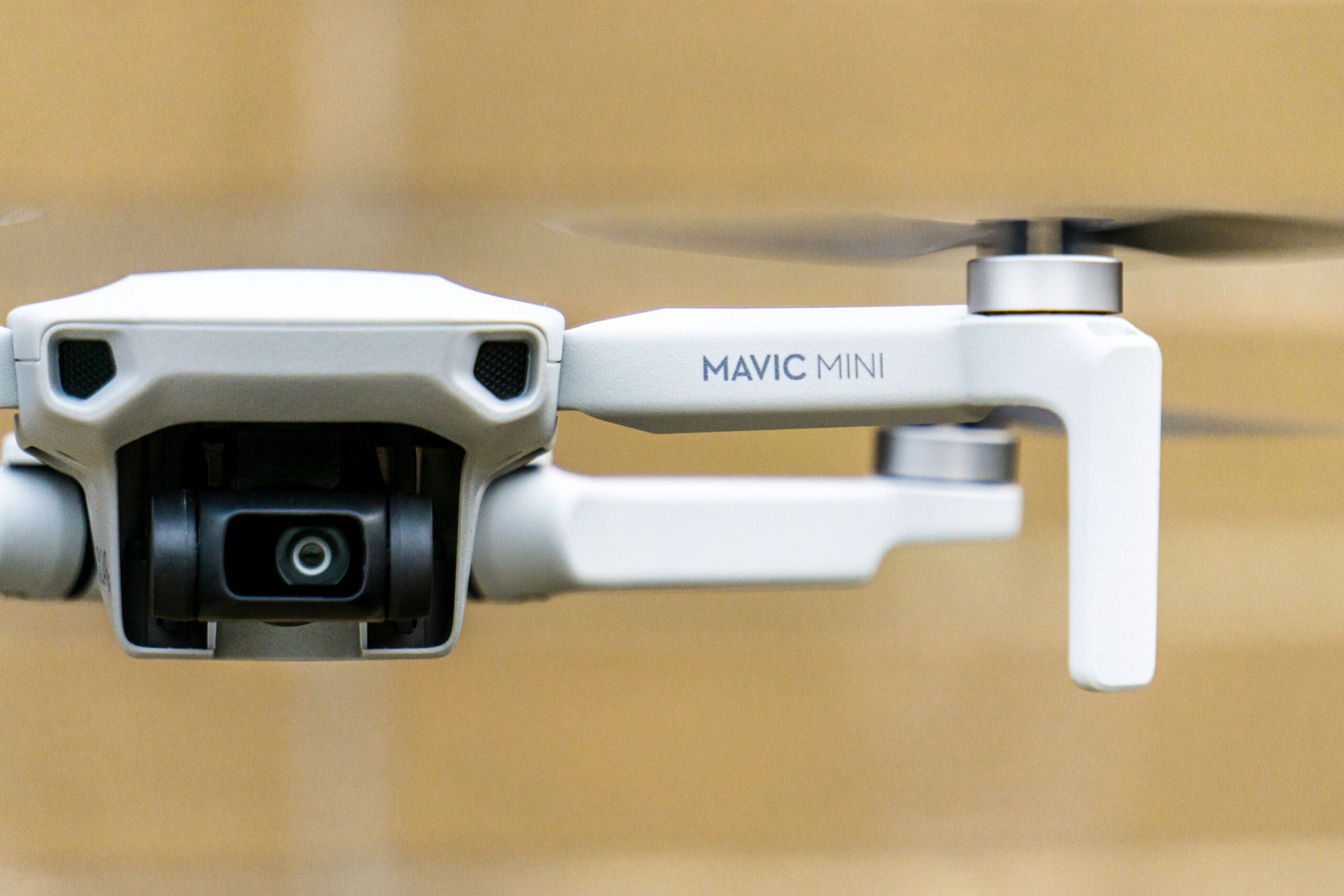
We chose the Mavic Mini very deliberately. At roughly 249 grams, it falls under the 250-gram threshold in many countries, which often means fewer regulatory hurdles than heavier drones (though you still need to check local aviation rules). For overlanders, that weight also means it fits easily into tight storage spaces inside a Land Rover. It captures 12MP still images and shoots 2.7K video at 30 fps, which is more than sufficient for documenting routes and camps without hauling professional film equipment. It uses GPS-assisted stabilization and is operated through the DJI Fly app, making it extremely approachable for beginners.
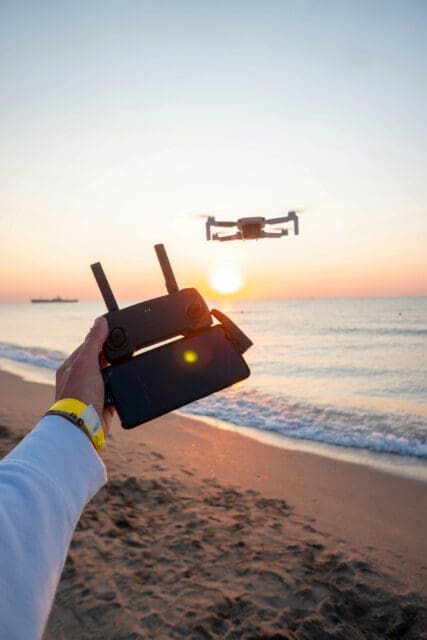
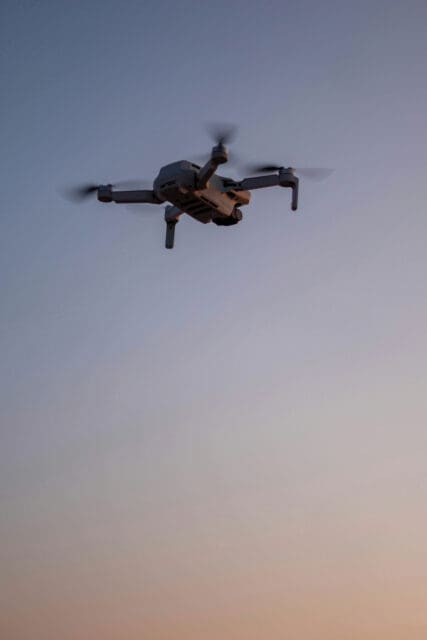
It’s not perfect. There’s no built-in ActiveTrack (unless you go for the Mini 4 Pro, at a higher price point), wind resistance is limited (rated up to Level 5 winds, around 29-38 kilometers per hour), and video resolution tops out below 4K.
One of our most practical uses? Sending it up to scout remote trails before committing a vehicle. For overlanders who want capability without cinematic ambitions—or a huge price tag—the Mavic Mini strikes a smart balance. (LB)
From $449 | dji.com
USB Digital Microscope
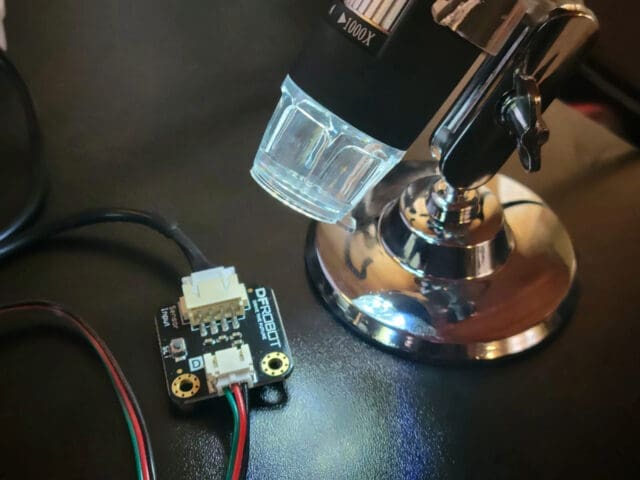
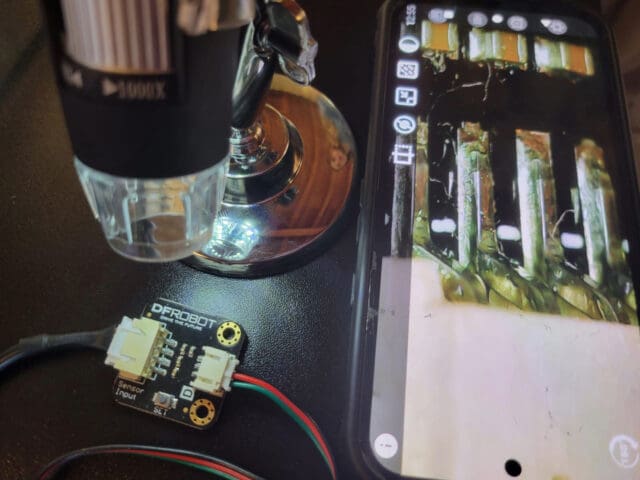
I do a lot of the electrical work on the Land Rover, not because Graeme can’t, but because he already has his hands full with the rest of the mechanical jobs. This handheld USB microscope has become one of those tools I reach for more often than I expected. It’s ideal for electrical diagnostics—everything from microsoldering and tracing faults on circuit boards to checking for fatigue cracks on mechanical components and even spotting foreign particles in oil.
Most any decent digital microscope will do, as long as it offers magnification from 40x up to 1000x. That range is more than sufficient for field repairs and workshop tinkering. It allows you to capture still images and record video, which is invaluable when you want to zoom in, document an issue, and then review it properly on a larger screen. This particular model comes with eight adjustable LED lights, controlled by a small wheel on the cable, so you can properly illuminate whatever you’re inspecting.
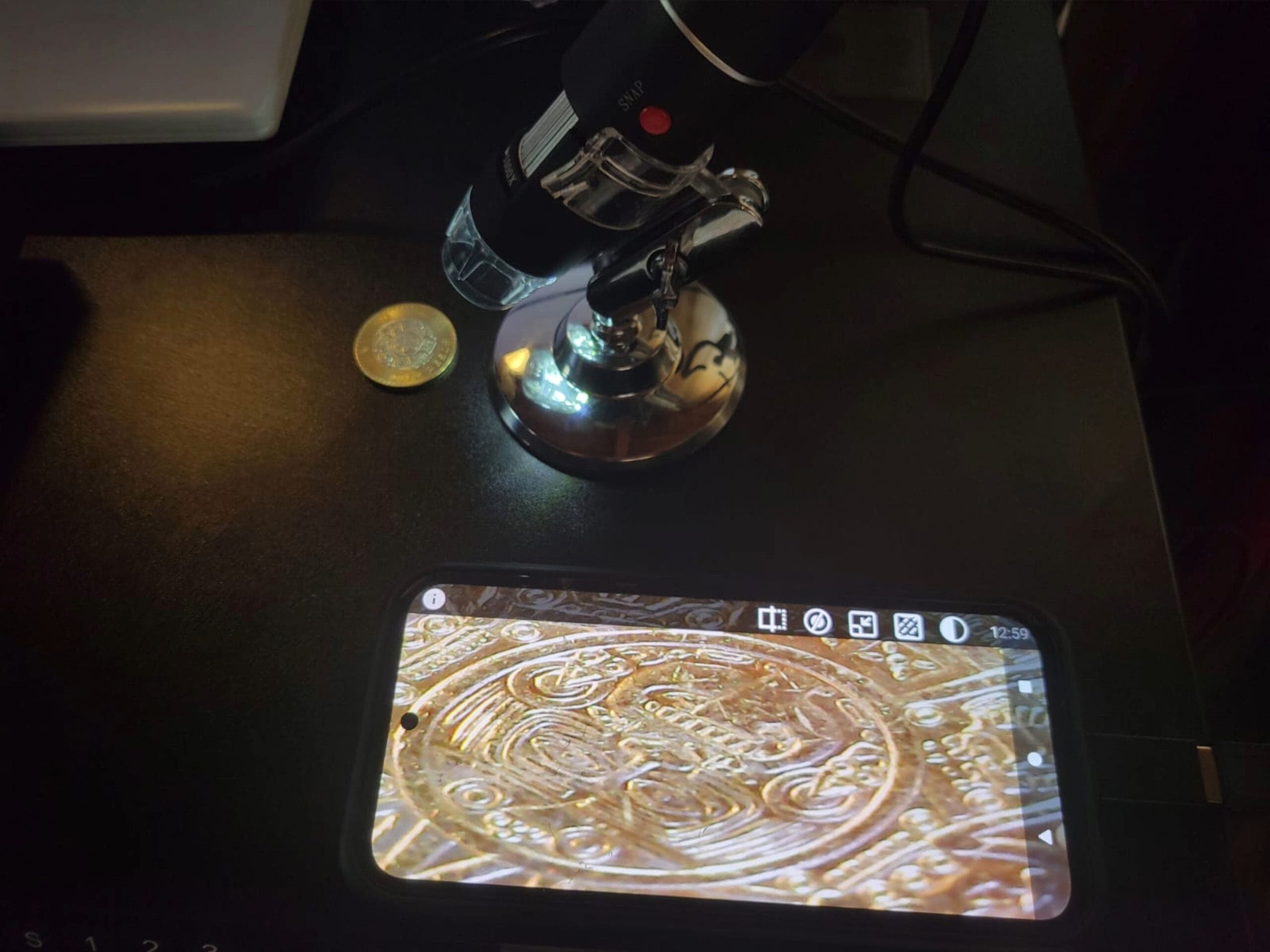
It includes a metal stand, carrying case, OTG adapter, ruler, and software compatible with Windows, Mac, Android devices, Chrome OS, and Linux. It works with most devices, though not with iPhones or iPads. Setup is quick—install the software, plug it in, and you’re ready to go. It’s lightweight and easy to carry by hand.
If you’re traveling with younger kids, it also doubles as entertainment. They can spend hours combing through the garden looking for insects to examine. Spend a little more if you can—image quality improves with a higher-resolution sensor and better optics, not just a higher price tag. (LB)
From $20 | amazon.com
Fenix PD36R Pro 2800 Lumen Flashlight
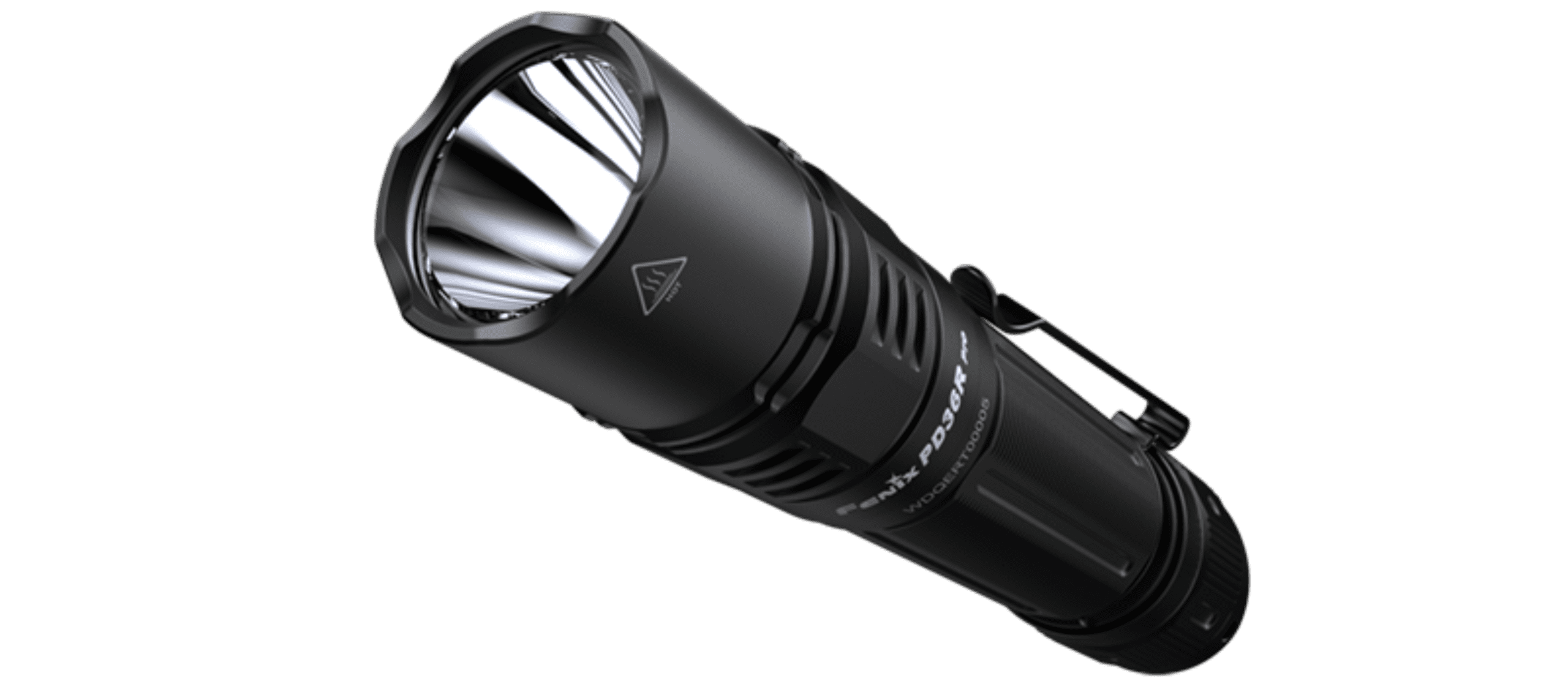
We’ve gone through more flashlights than we care to admit, and our “old” Fenix outlasted every trendy, hip, and expensive light we picked up along the way. That alone says something. So when it came time to upgrade, we went straight back to Fenix and chose the Fenix PD36R Pro.
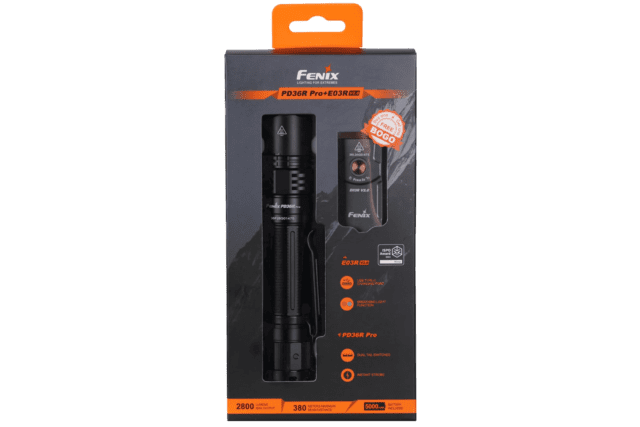
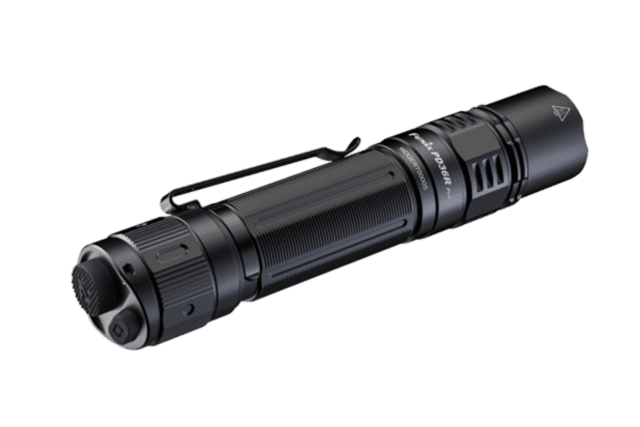
This is a sturdy, rugged, high-performance USB-C rechargeable tactical flashlight designed specifically for outdoor use. It delivers up to 2,800 lumens and has a beam distance of about 1,247 feet, making it useful for just about everything we do. It’s not “read a map in the tent” bright, it’s “turn night into day” bright. This flashlight is ideal for search-and-rescue scenarios, hiking, camping, or as an everyday carry. The light is powered by a 5,000 milliampere-hour rechargeable Li-ion battery. It runs for up to 42 hours on low and around four hours on the highest setting, and it recharges quickly via the USB-C port. The flashlight has dual, glove-friendly switches with instant on/off access, multiple brightness levels, and a strobe mode when you need it. The body is made from aircraft-grade aluminum with an anti-abrasive finish. It’s impact-resistant and waterproof, with an IP68 rating, which means it can withstand dust, rain, and other weather conditions without fuss. At 169 grams and measuring 145 x 25 x 26 millimeters, it’s lightweight and fits snugly in a pocket, pack, or door cubby without taking up valuable space. (LB)
$120 | fenixlighting.com
Blink Outdoor 4
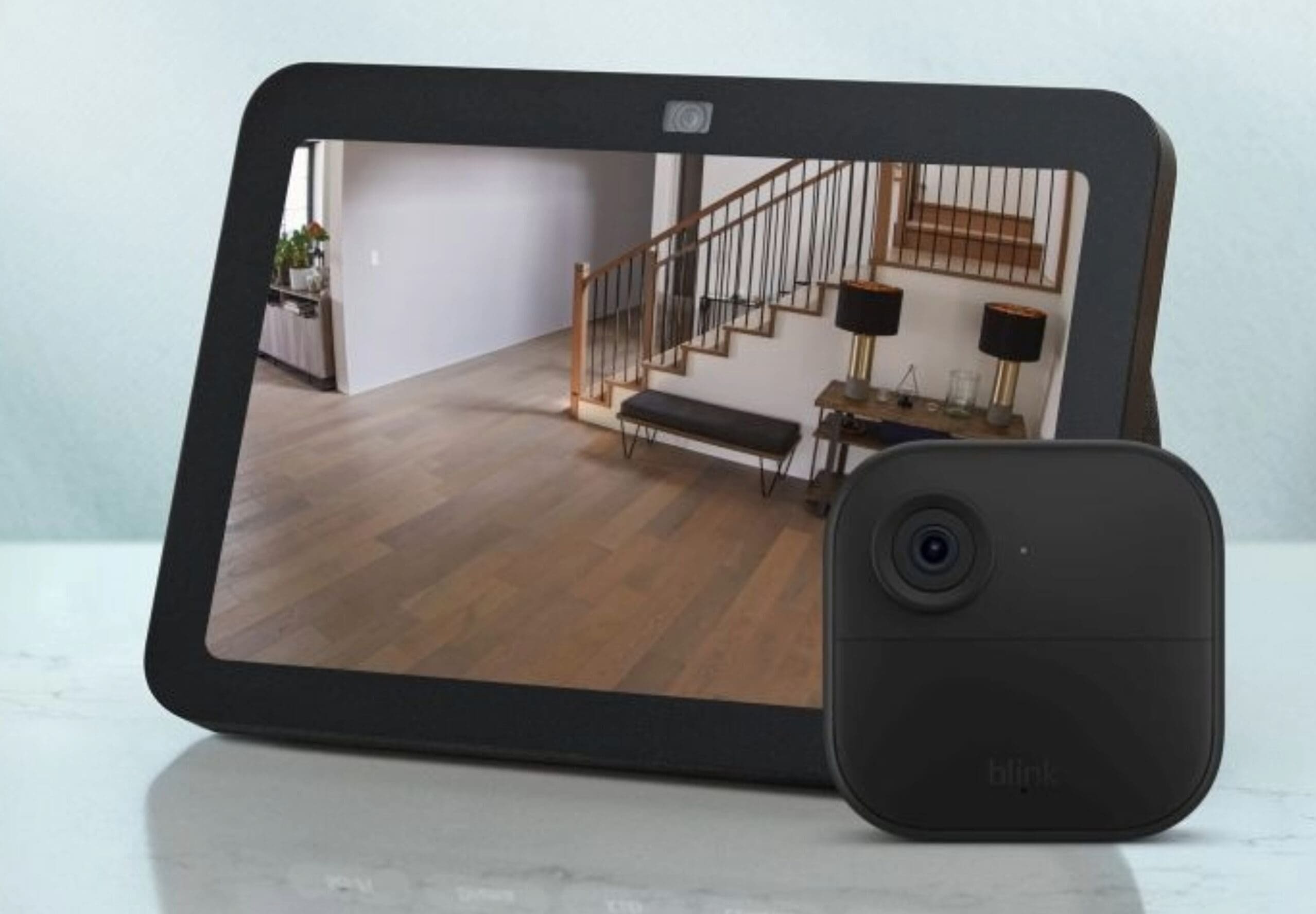
Over the years, we’ve tried everything we could get our hands on to help secure our rig: locks, trackers, alarms, cameras. Some were excellent, some were all marketing. We don’t often leave our rig unattended for extended periods, but when we do, the risk is real. We learned that the hard way in South Africa—the only break-ins we’ve had in 12 years on the road—and the Blink Outdoor 4 would have been more than useful. It’s a wireless smart camera that lets you monitor activity directly from your smartphone. It’s similar in concept to a video doorbell, but it’s designed more for perimeter or general-area monitoring than for just your entry point. We receive motion alerts, have access to a live view, and can use two-way audio to chat with whoever (or at times, whatever) is within range of the camera. “How you doing, Mr. Bear?”
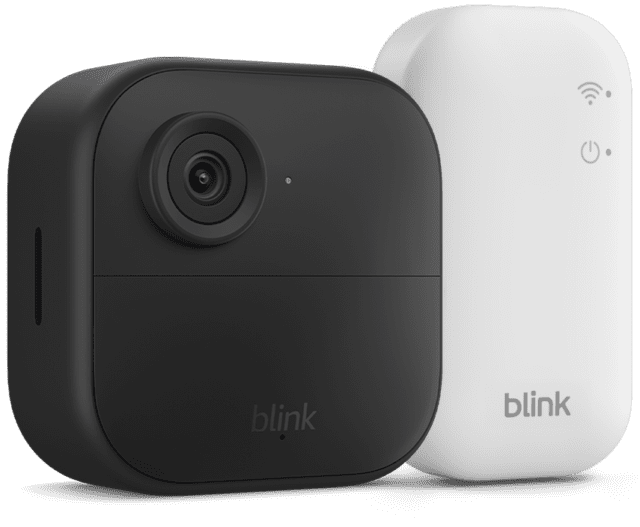
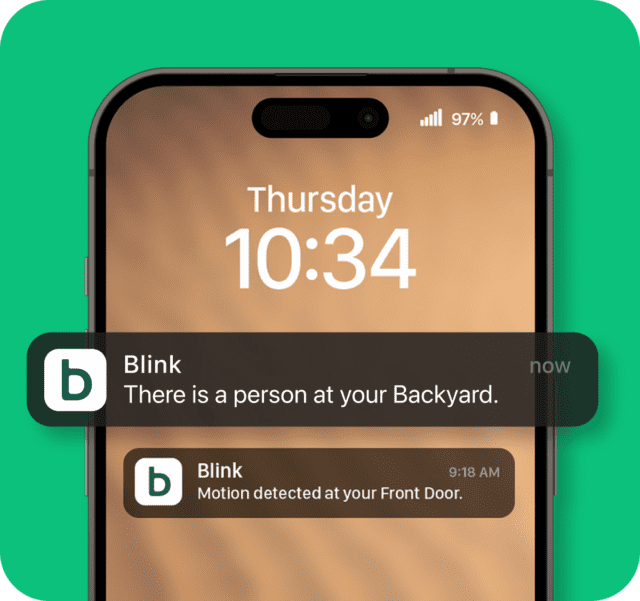
Setup is simple: one camera, a Sync Module, batteries, a mounting kit, and chargers are included. Download the app and sync. The app also features HD live view and night vision. Blink claims up to two years of battery life with the included AA lithium batteries; we have yet to test the longevity. Motion detection includes dual-zone monitoring, and with a paid Blink Subscription Plan, you get optional person detection and cloud storage for your footage. Overall, despite some connectivity hiccups (mainly when we’re off-grid with Starlink), the Blink Outdoor 4 delivers reliable performance for peace of mind. (LB)
$90 | blinkforhome.com
Bushnell R3 Binoculars
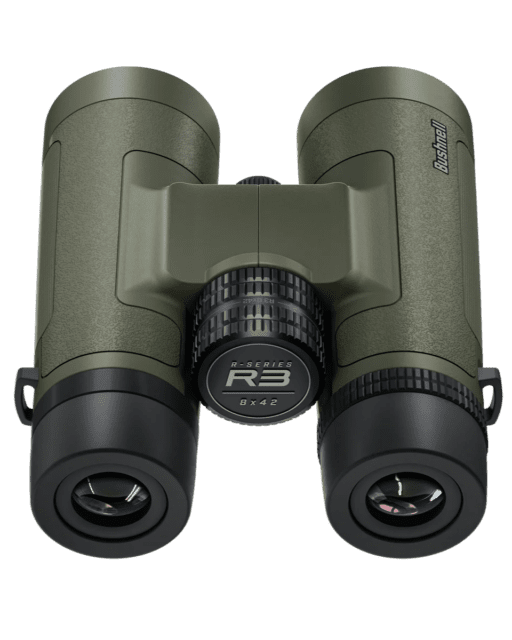
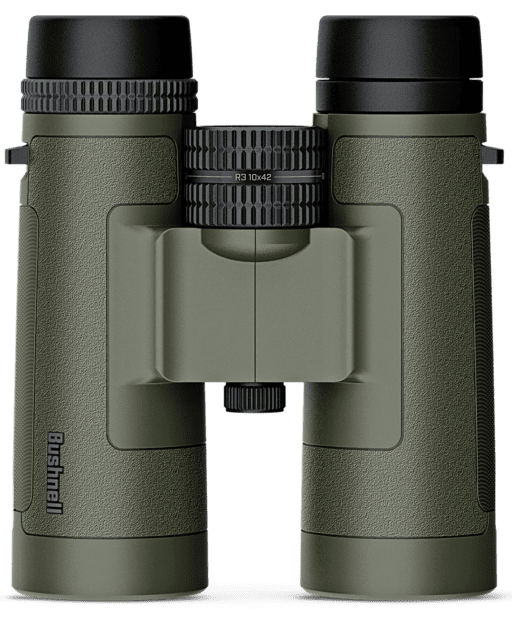
We’re out on the trails regularly, and when we’re hiking, I prefer to know what’s ahead before we wander too far—especially with our Yorkshire Terrier in tow. Bless him, he’s fully convinced he could take on Mr. Bear. A quick scan of the trail ahead is the easiest way to avoid an unnecessary showdown between misplaced confidence and any wildlife.
We carry the Bushnell R3 compact binoculars to scope out movement in the brush (distant wildlife, bold birds, etc.), for trail assessment, and the general lay of the land ahead. They’re portable and foldable, with a non-slip, rugged armor that holds up well in dusty or damp conditions. With 10x magnification and 42-millimeter objective lenses, they provide clear, close-up views of distant subjects. The multi-coated optics reduce glare and improve light transmission, and the focusing mechanism is smooth enough to quickly dial in detail when something moves. They use BaK-4 glass and are therefore designed for low-light or professional-level glassing, and they are more than adequate for general trail use and casual wildlife spotting. The image clarity is sharp enough to confidently identify what’s ahead, whether it’s a deer in the brush or something larger.
The close focus sits at 16 feet, with a field of view of 300 feet at 1,000 yards. At just over 20 ounces, they slip easily into a pocket or fanny pack for quick access. Bushnell also backs them with a limited lifetime warranty against defects in materials and workmanship, although we haven’t had reason to test that yet. (LB)
$150 | bushnell.com
Read More: Buyers Guide :: Pop-top and Expandable Living
Our No Compromise Clause: We do not accept advertorial content or allow advertising to influence our coverage, and our contributors are guaranteed editorial independence. Overland International may earn a small commission from affiliate links included in this article. We appreciate your support.
