

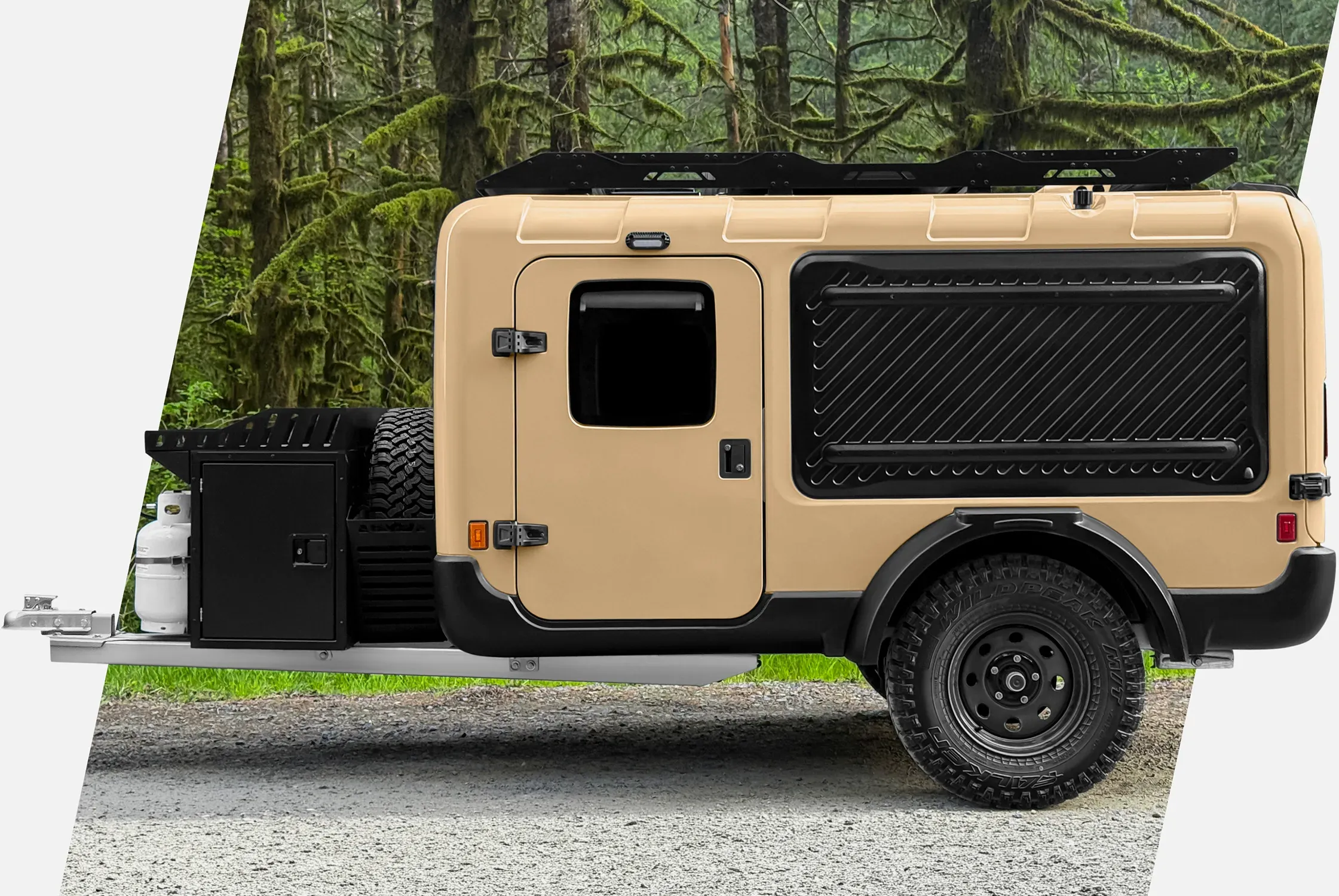
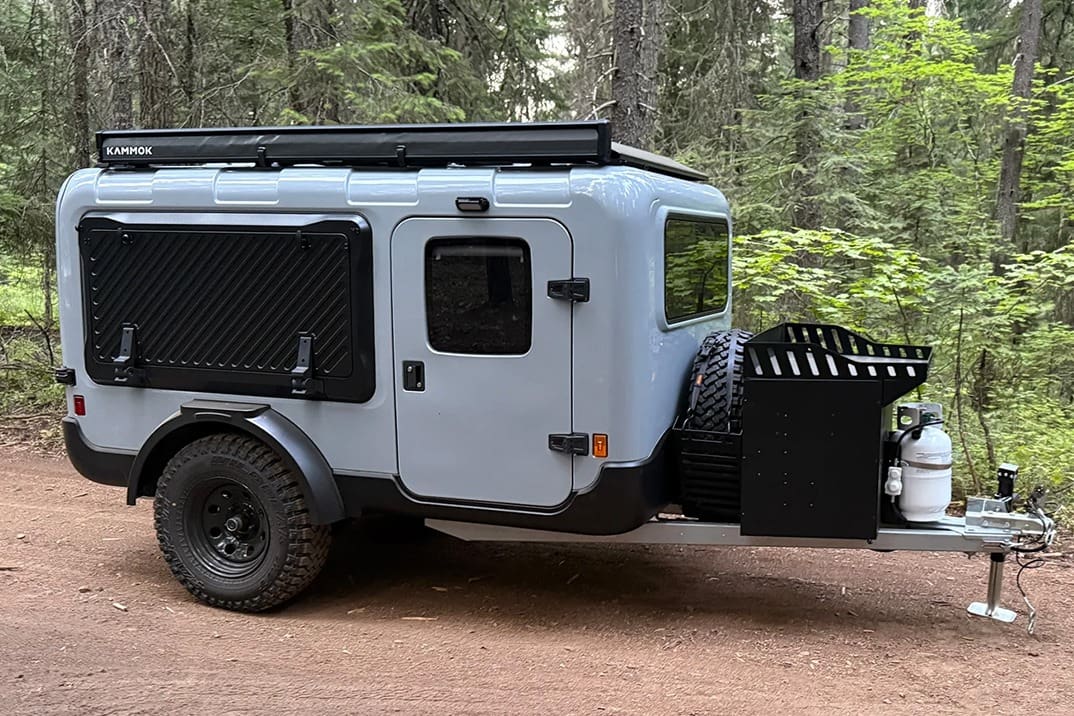
The ultimate long-term overland vehicle, in my admittedly biased opinion, is a classic Defender with a galvanized chassis beneath its aluminum body. Lightweight and resistant to rot and corrosion, it is the kind of vehicle that can last for decades while continuing to serve faithfully. And who does not love the Defender’s boxy profile? Motsmann Engineering’s new 2027 Outranger follows a similar philosophy. With its angular shape, molded fiberglass body, galvanized steel chassis, independent suspension, and configurable electrical system, this compact teardrop-style camper is designed for paved roads and more demanding terrain. It could be an ideal companion for a Defender, Grenadier, or almost any other overland vehicle.
Rather than relying on conventional timber-framed RV construction, the Outranger’s body is assembled from six composite panels. Interior partitions and concealed structural surfaces are made from polymer materials, while the rear galley uses fiberglass cabinetry protected by a polyurethane coating. The countertop is manufactured from high-density polyethylene.
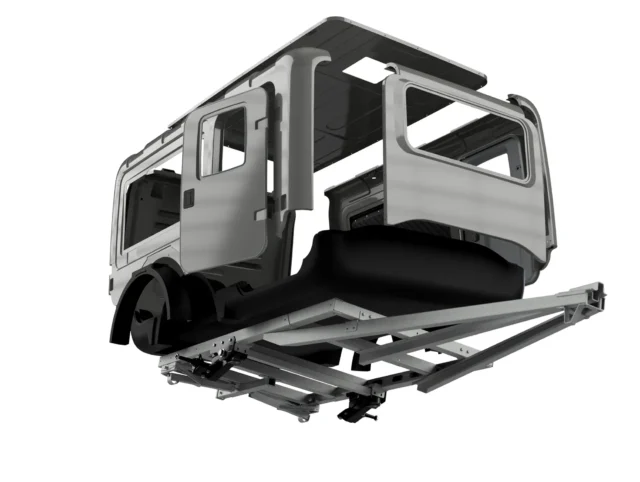
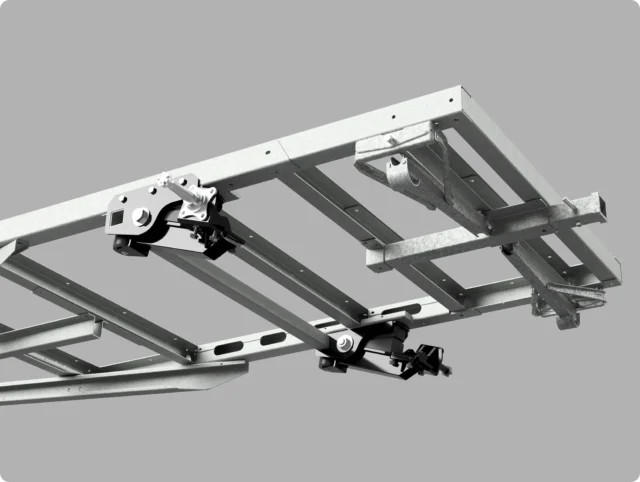
This approach removes wood from areas where prolonged moisture exposure can cause swelling or rot. Motsmann also uses aluminum, galvanized steel, and durable polymers throughout the trailer to reduce the risk of corrosion and simplify cleaning and maintenance. The lower section of the body is protected by a matte-black Raptor polyurethane coating that can be repaired with readily available touch-up products.
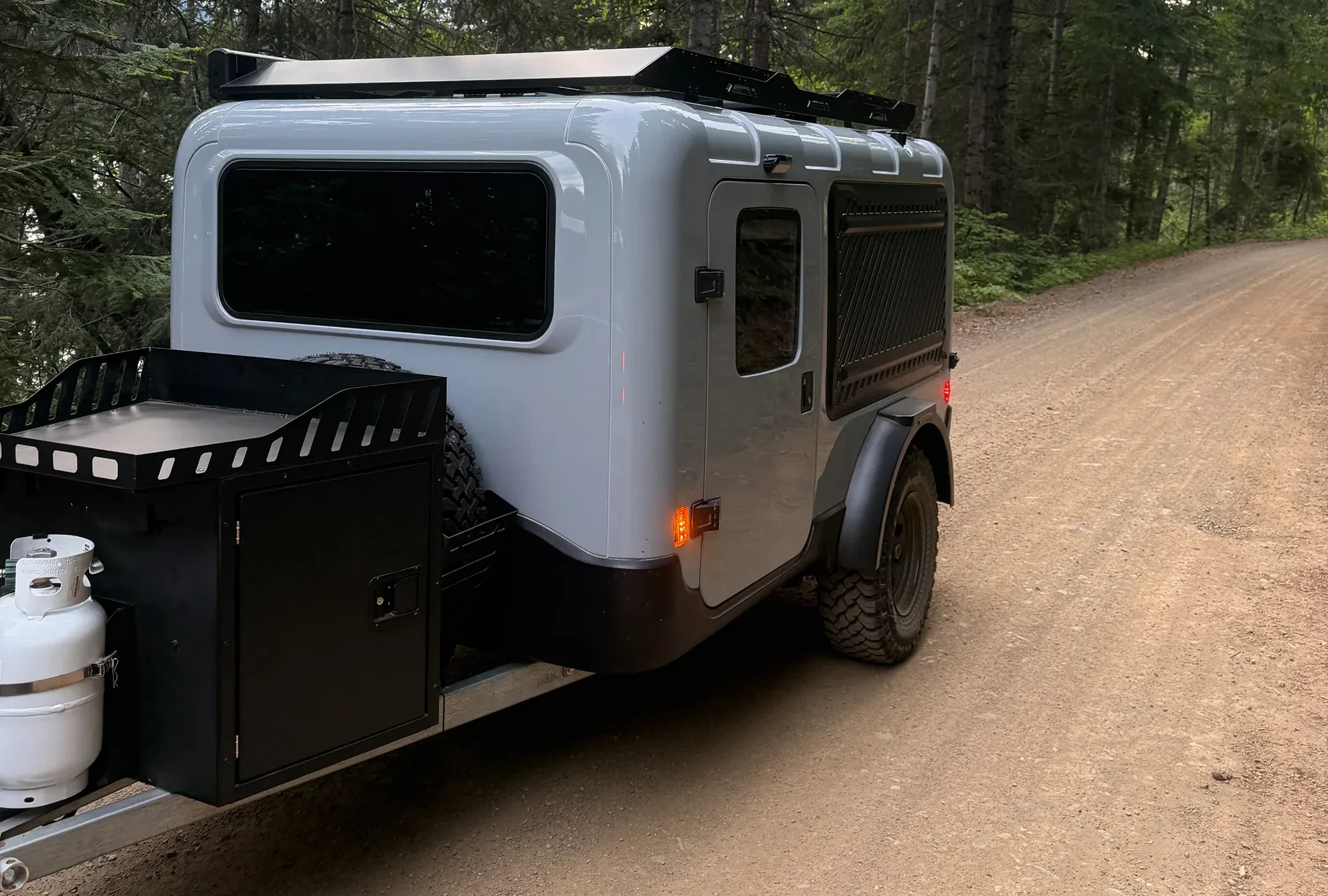
The Outranger measures 162.3 inches long, 72 inches wide, and up to 77.8 inches high when fitted with its roof rack and factory-installed roof equipment. It weighs approximately 1,450 pounds in its standard configuration and has a gross vehicle weight rating of 2,300 pounds. Standard tongue weight is approximately 200 pounds, although both dry and tongue weights increase when optional equipment is installed.
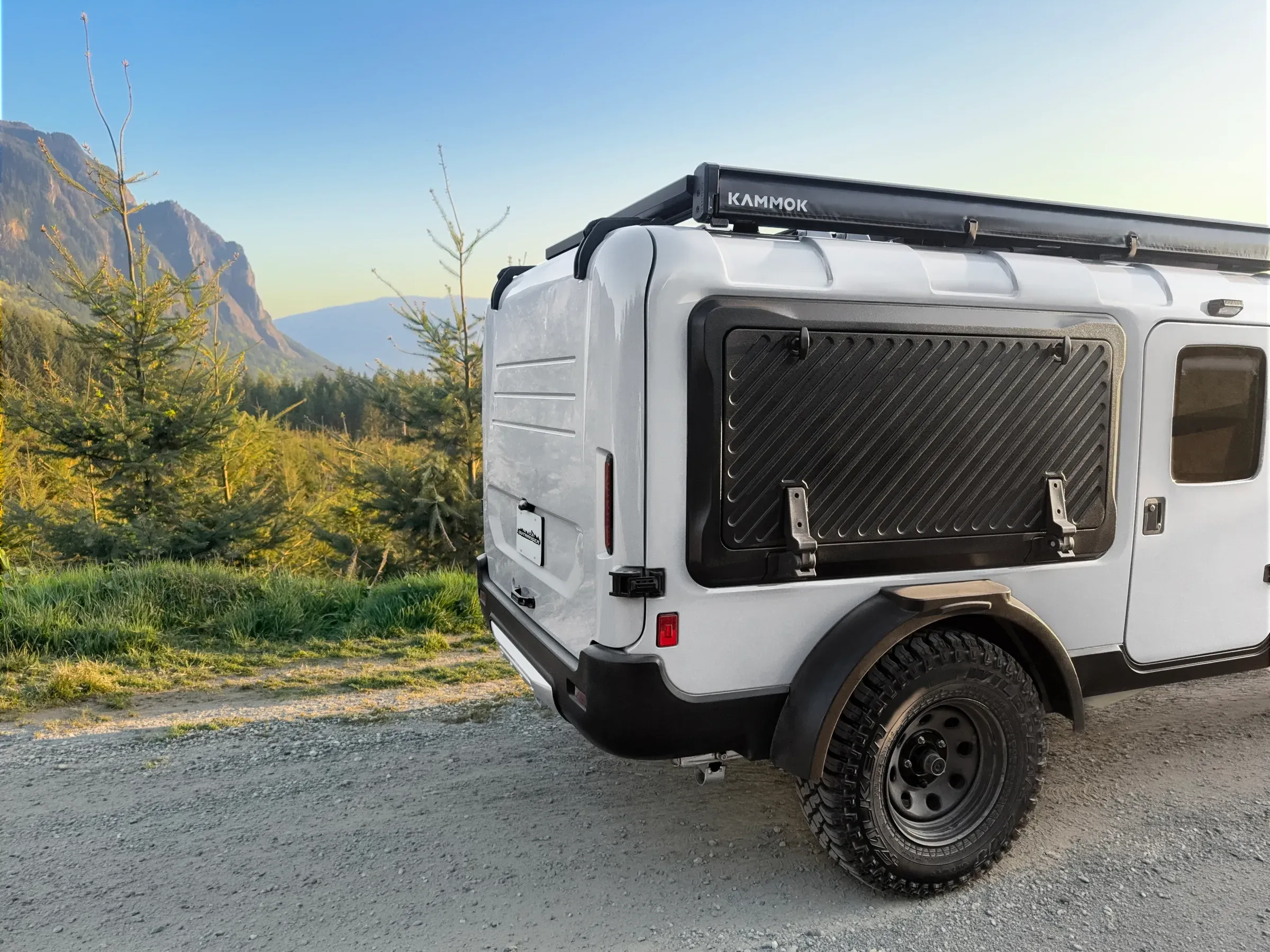
Ground clearance beneath the chassis is listed at 19 inches, with a minimum of 15 inches beneath the tongue. Standard running gear includes 30-inch Falken Wildpeak tires mounted on 15-inch wheels. The trailer uses Timbren 2000HD axle-less independent suspension, while electric brakes are available as an option. A conventional 2-inch ball coupler is fitted as standard, and buyers can select a Max Coupler articulating hitch for improved movement on uneven terrain.
The bolted chassis is built from 3-millimeter galvanized steel, with reinforced sections up to 6 millimeters thick. At the suspension mounting points, the frame rails provide a combined thickness of 10 millimeters. The modular construction is intended to make individual chassis components easier to repair, replace, or upgrade.
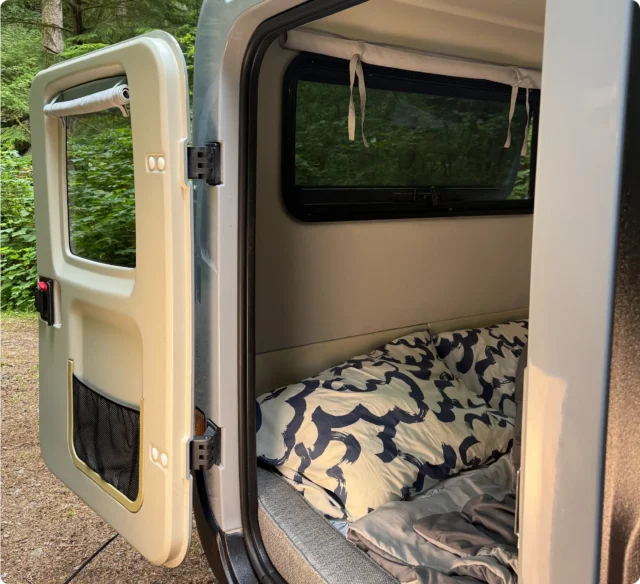
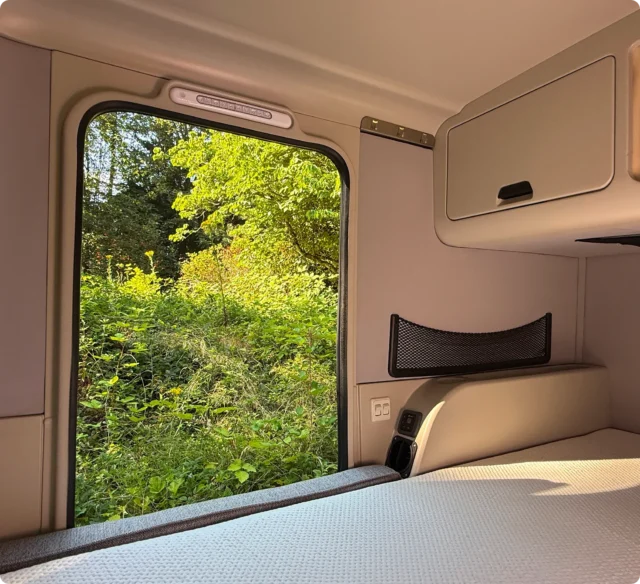
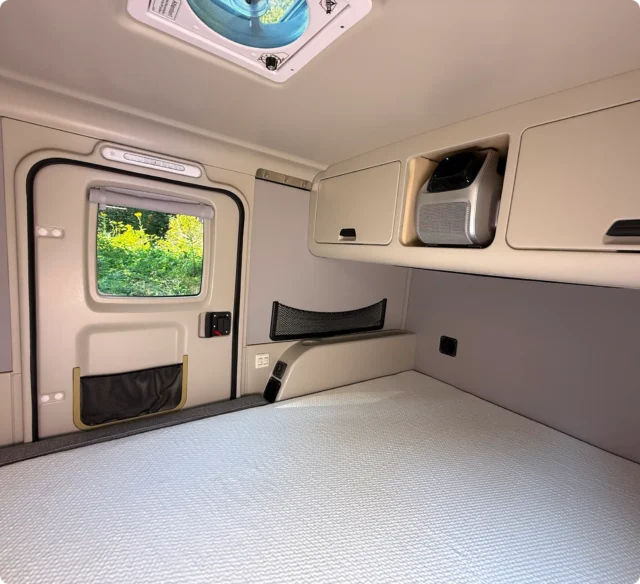
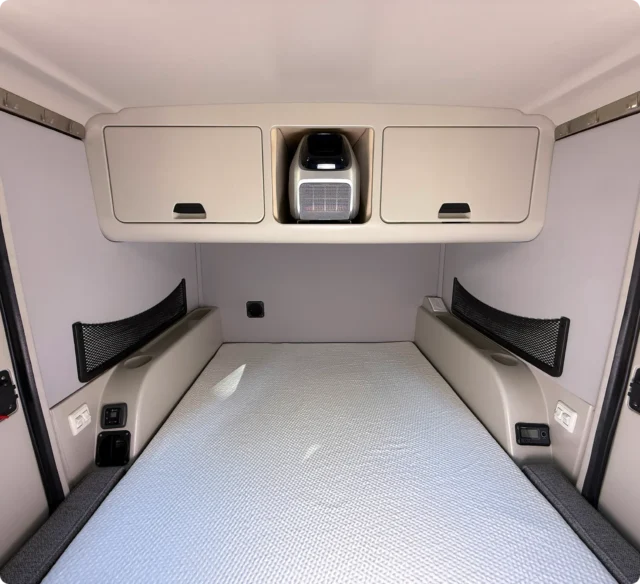
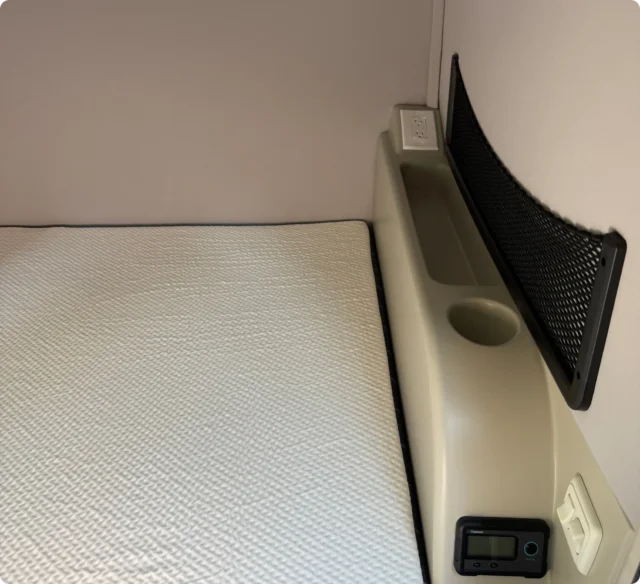
Inside, doors on both sides provide access to a sleeping compartment with 50 inches of headroom. The standard memory foam mattress is 82 inches long, providing additional space for taller occupants. It measures 57 inches wide around the occupants’ shoulders and narrows to 50 inches between the wheel wells. An opening front window and a roof-mounted ventilation fan provide airflow.
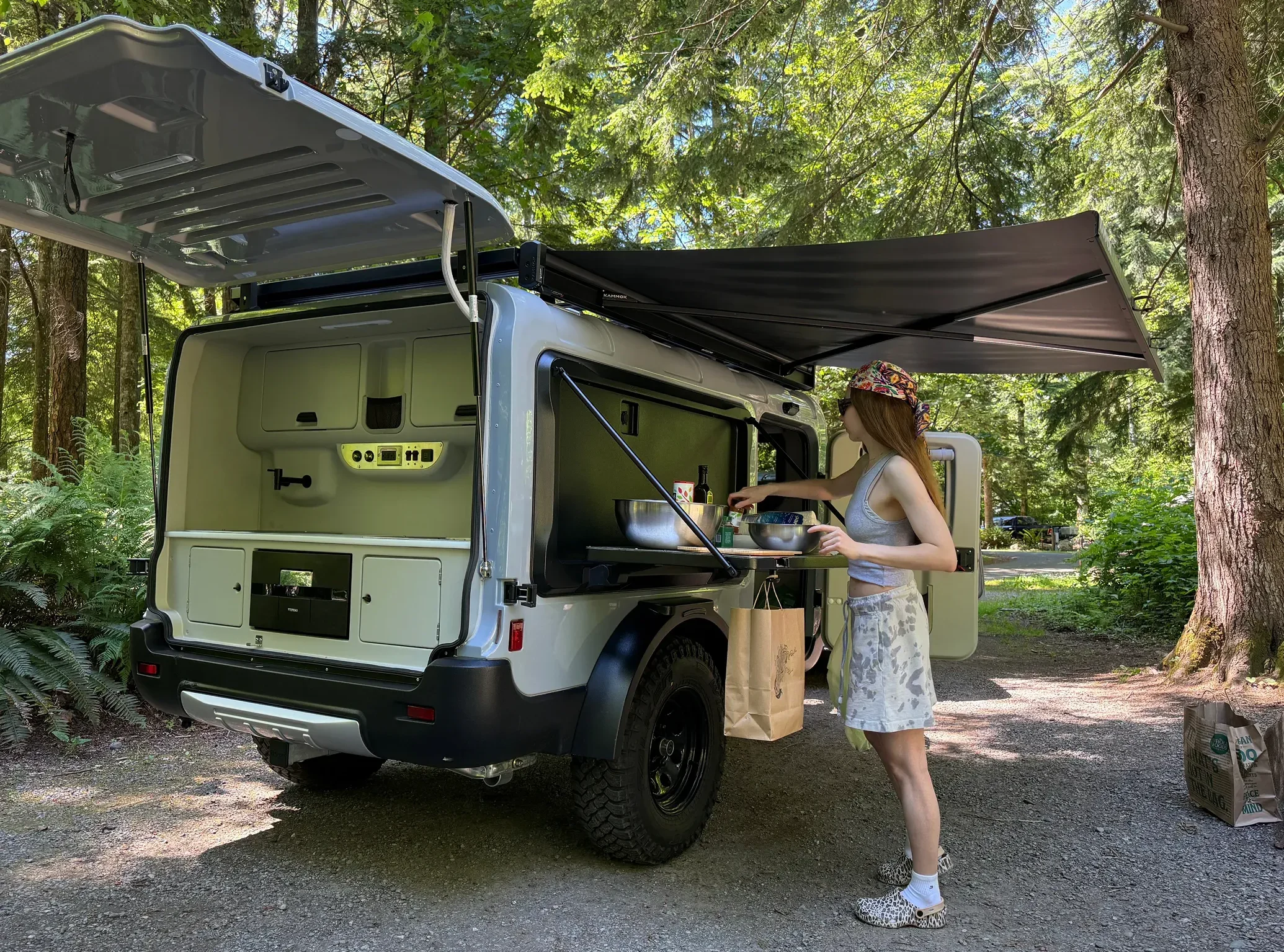
The rear galley is deliberately simple in the standard trailer, allowing owners to use portable cooking and water equipment. Buyers can add a Dometic D20 propane cooktop supplied by a 10-pound propane cylinder, as well as an integrated water system with a 14-gallon freshwater tank and an 8-gallon holding tank. The gravity-fed design does not require a pump or pressurized plumbing, reducing electrical consumption and making winter storage a matter of draining the system.
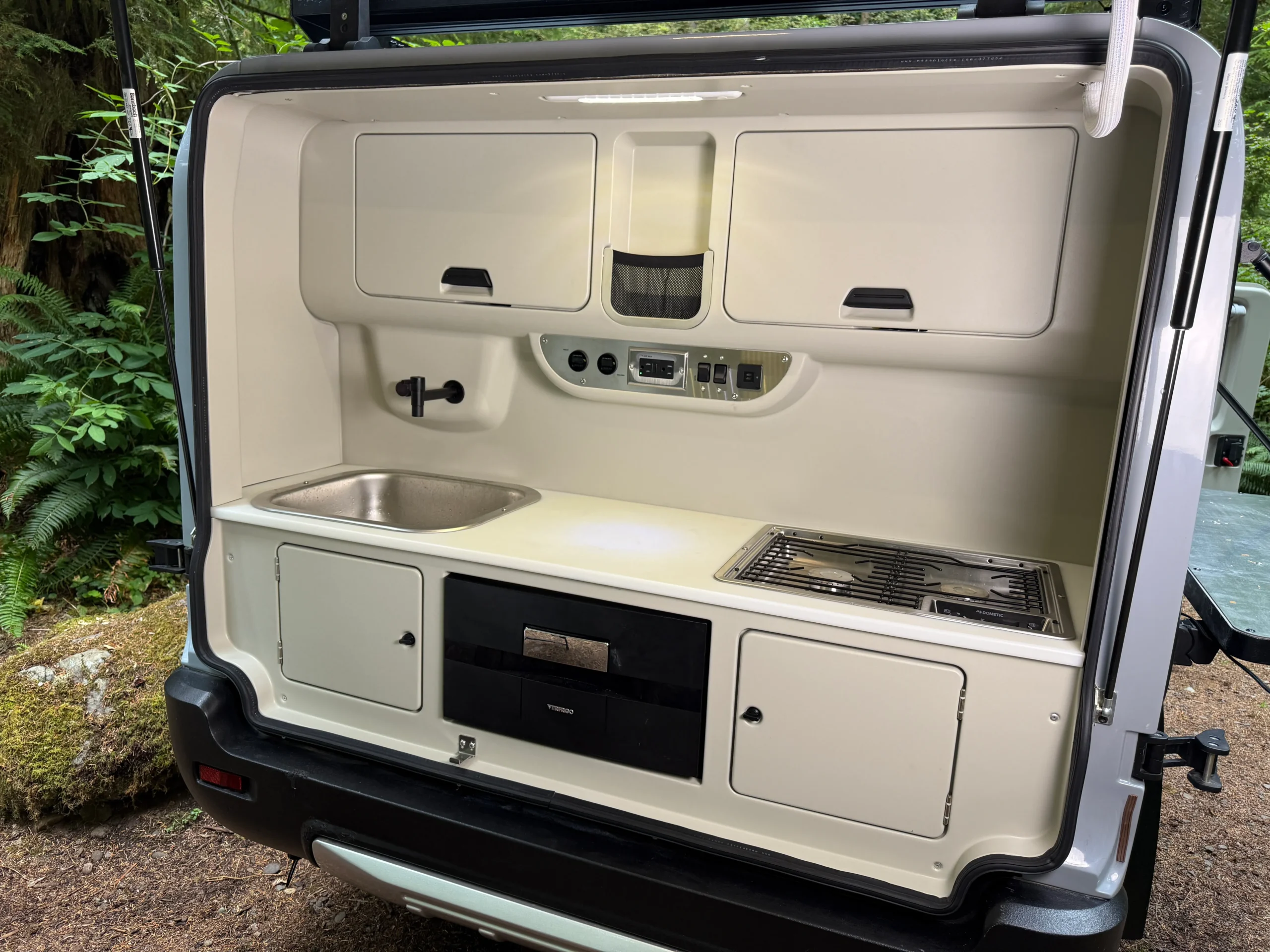
Refrigeration options include a Vitrifrigo drawer refrigerator in the galley and a second unit behind the exterior fold-down table. That table adds a 48-by-21-inch food-preparation surface along the right side of the trailer. A weather-resistant refrigerator or cooler can also be carried on a dedicated platform beside the tongue box, with a nearby 12-volt outlet.
Every Outranger receives a 200-amp-hour Renogy self-heating lithium iron phosphate battery and a 12-volt electrical system as standard. Battery capacity can be increased to 400 or 600 amp-hours. Available charging equipment includes a 200-watt Renogy solar panel with a Victron MPPT controller, an 18-amp Victron DC-to-DC charger, and matched Victron shore-power chargers.
An optional 120-volt system uses a 2,000-watt Xantrex pure sine-wave inverter to supply outlets in the cabin and galley. Climate-control options include a thermostatically controlled Propex HS2000 propane heater and a factory-integrated Zero Breeze Mark 3 air conditioner. An air-conditioning preparation package provides the necessary ducting, drainage, 48-volt power supply, and mounting hardware for owners who intend to add the unit later.
Other accessory options include an aluminum roof rack, a full-size spare tire and carrier, rear stabilizing jacks, a 2-inch rear receiver, and Kammok Crosswing awnings. The roof rack is rated to carry 150 pounds while traveling and 550 pounds when stationary. The rear receiver has a maximum accessory capacity of 200 pounds.
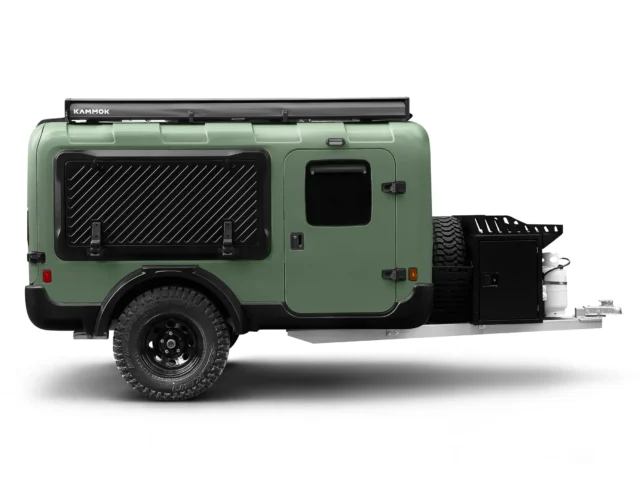
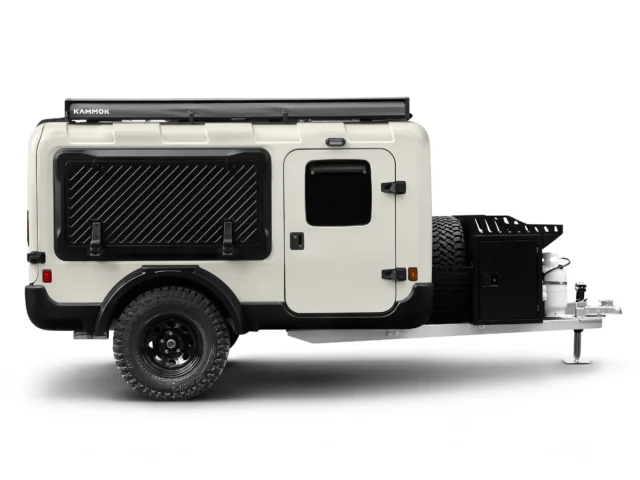
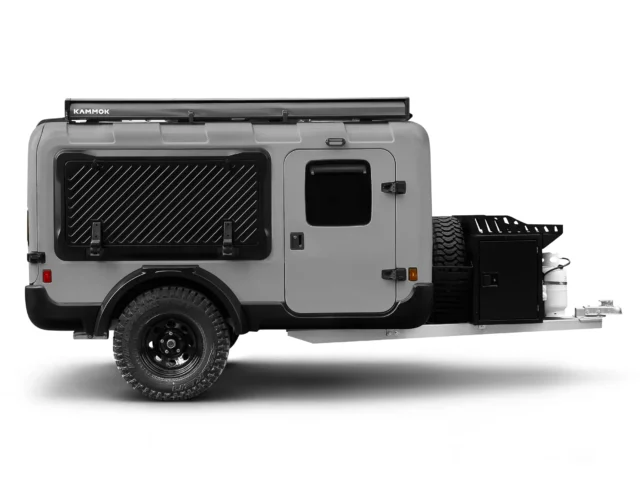
The 2027 Outranger’s published pricing begins at $25,950, with four exterior colors included—we are loving the green. Motsmann says production can take up to six months from receipt of the 20 percent deposit. Completed trailers can be collected in Tigard, Oregon, while delivery is free within Oregon and Washington. Delivery elsewhere in the United States is offered at $0.95 per mile.
Each trailer includes a two-year bumper-to-bumper warranty and a two-year component-exchange warranty. The latter allows replacement components to be shipped to owners who cannot bring their trailer to the company’s service facility in Pacific, Washington.
Read More: Norton Atlas Brings a Historic British Name to the Middleweight Adventure Market
Our No Compromise Clause: We do not accept advertorial content or allow advertising to influence our coverage, and our contributors are guaranteed editorial independence. Overland Collective may earn a small commission from affiliate links included in this article. We appreciate your support.
