

I was barely six years old when my old man took me to the outbuilding of our home in Durban, South Africa, to reveal a rather special Christmas Day present. Sitting there among the stored boxes, garden equipment, and other nonessential but periodically useful items was a duck-billed Yamaha PW50. It was the happiest day of my life.
Motorcycles have always captured my imagination. As a teenager with few resources, I bought and sold various bikes and saved whatever I could afford, dreaming of one day exploring the world on the back of a two-wheeled beast. Life got in the way as I became an adult with responsibilities—and eventually an irresponsible adult who chose to show his own children the world through the windows of an old Land Rover. Now that the kids are grown, the time has come to stop dabbling in occasional rides and focus instead on riding as much and as far as possible, becoming the best rider I can be.
Enter my recent trip to Iceland and the launch of the Norton Atlas. I hoped the motorcycle would prove to be an excellent beginner-to-intermediate adventure bike: one that could grow with its rider and help them reach their full potential.
It was a genuine pinch-me moment when I stepped off the plane in Keflavík and set foot on Icelandic soil for the first time, already dressed in my Aether riding gear—with the protective pads removed for the flight. That little kid bouncing along on his PW50, the gangly teenager struggling to keep an old Honda running, and the 45-year-old powering a V-Strom through Swiss Alpine passes would all have been proud of the man standing there. Wind howled, and rain pelted the transfer vehicle as we made our way to Reykjavík and the hotel, where we would meet the Norton team and prepare for a day exploring a dramatic section of the Land of Ice and Fire.
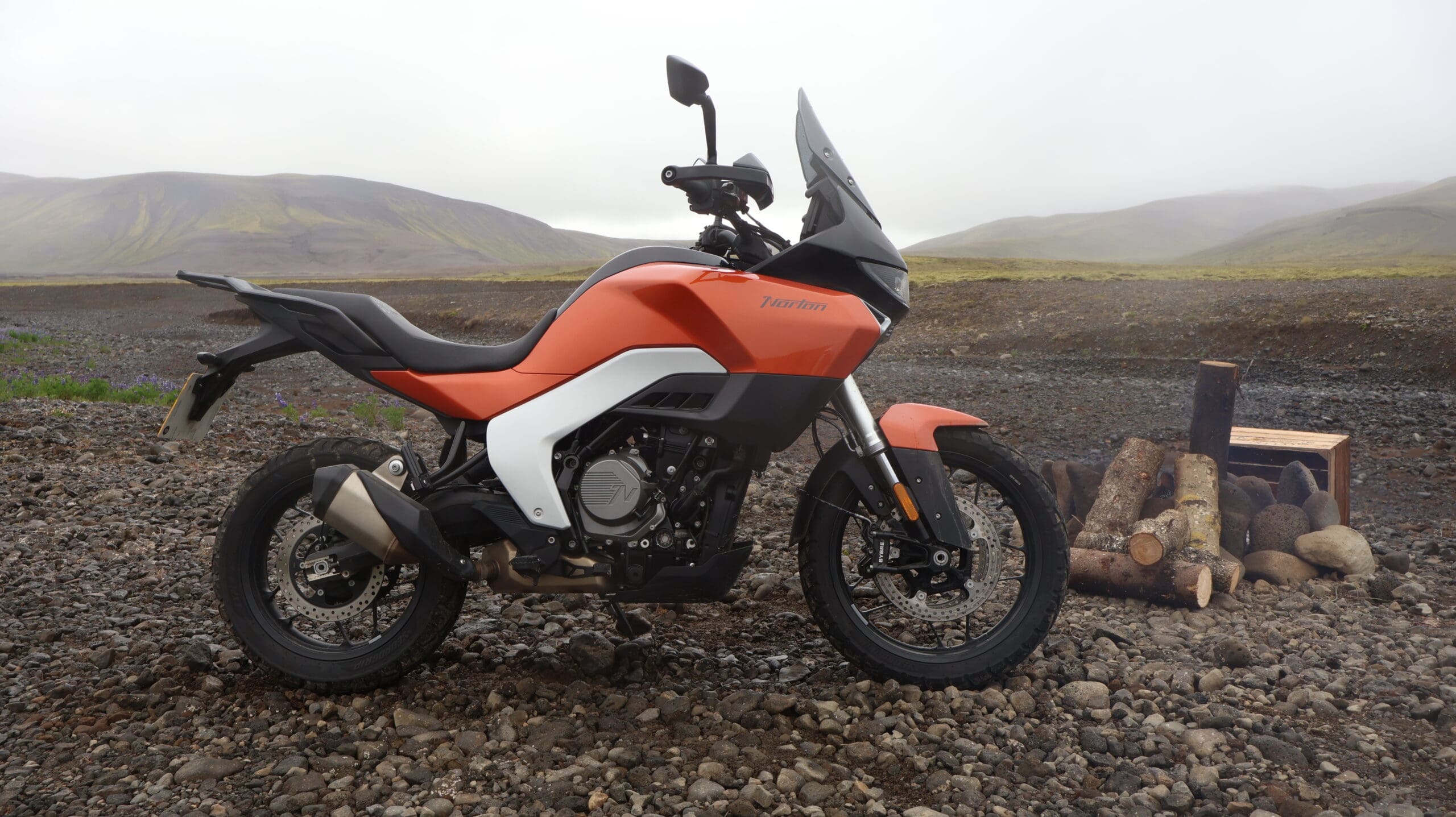
The Norton Atlas is a middleweight adventure motorcycle intended to balance everyday usability with the ability to travel beyond paved roads. Designed and engineered at the company’s headquarters in Solihull, England—yes, the home of Land Rover—the Atlas expands the revived British manufacturer’s lineup into one of the motorcycle industry’s most competitive categories.
I shared breakfast with Brian Gillen, Norton’s chief technology officer, and we spoke about life, motorcycles, and life with motorcycles. I explained that I am steadily developing as a rider and plan to invest in a Yamaha Ténéré in the not-too-distant future to take my adventure riding to the next level. He suggested that I invest in the relatively light, 439-pound Atlas instead. The conversation was illuminating because it clarified the market segment Norton is targeting and changed how I viewed the bike, particularly in stock form.
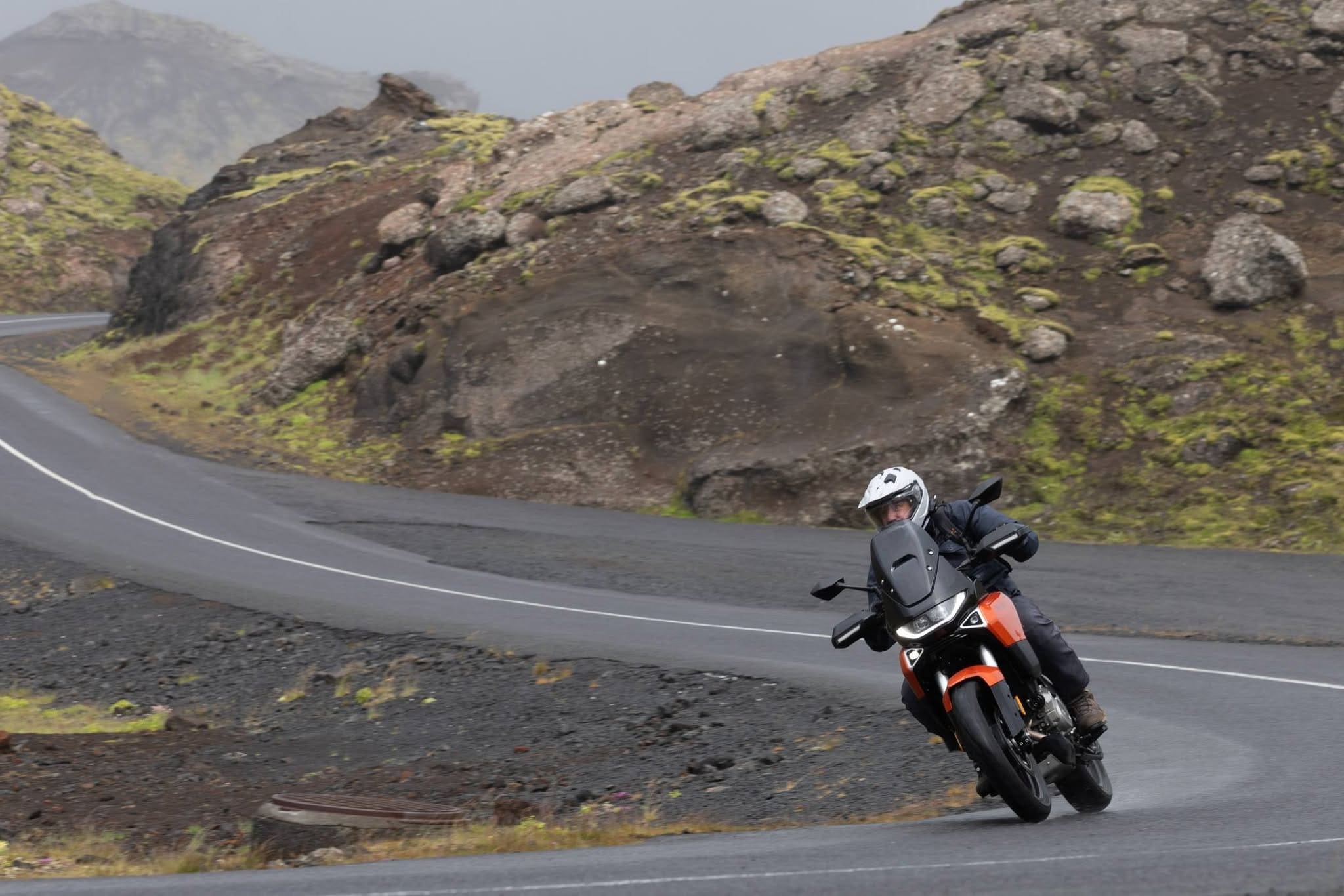
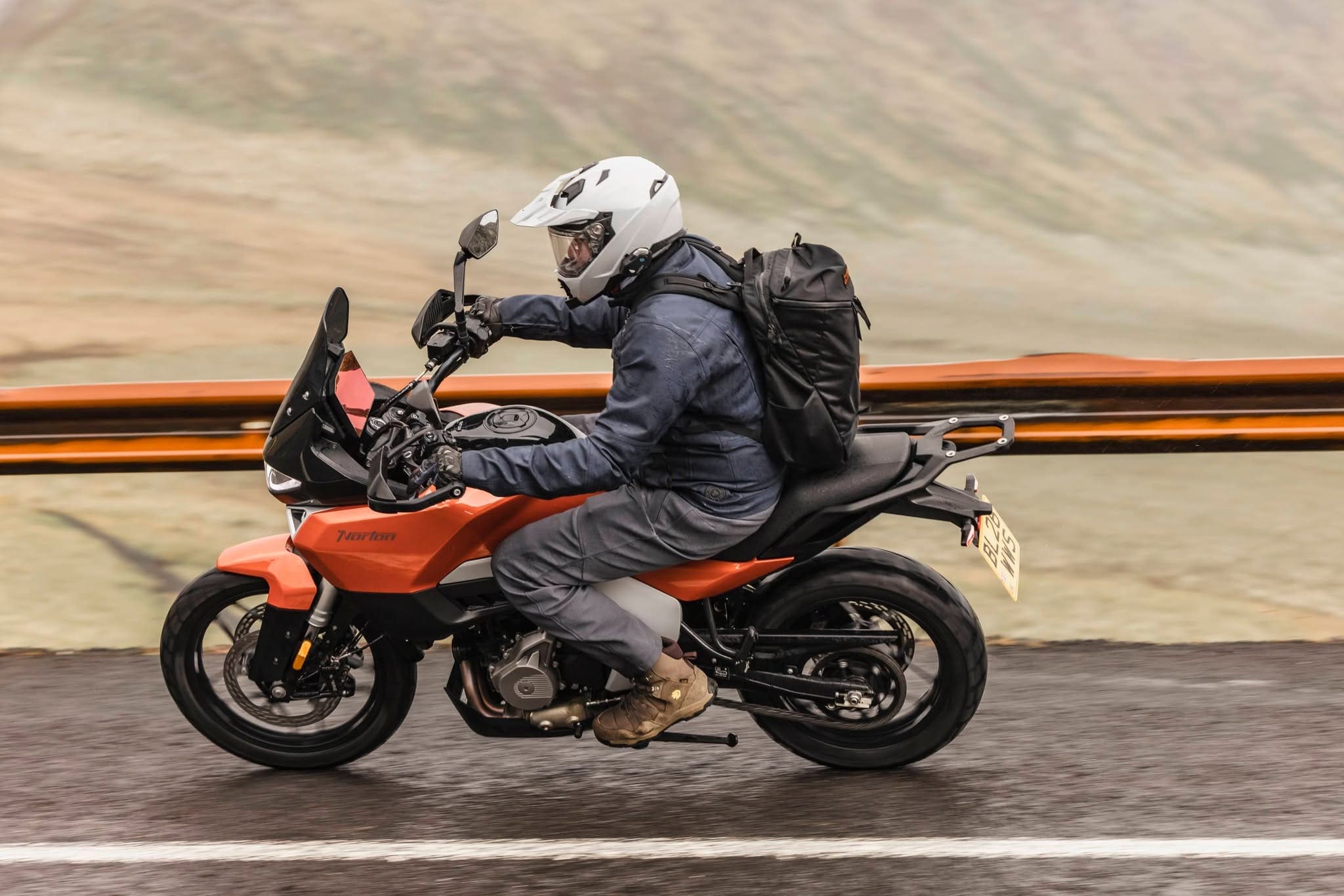
Half an hour later, I joined my riding group, led and tailed by two of Norton’s professional riders, including a former Isle of Man TT racer, a veteran Australian motorcycle journalist, and an accomplished American adventure rider and journalist. We set off through Reykjavík in convoy and soon reached the outskirts, where the road became narrow and winding, and the wind and rain intensified. The pace increased significantly as relentless, buffeting gusts shoved us sideways, yet I was immediately impressed by the engine’s power and smooth delivery.
One caveat is important from the outset. Although Iceland’s dramatic scenery and roads provided excellent imagery and a memorable experience, the conditions made it difficult to form a definitive impression of the bike’s handling. The wind and rain changed constantly, making it challenging to establish a consistent baseline. During a coffee stop, I remarked that the day seemed as much a test of the riders as of the motorcycles. It was brutal out there.
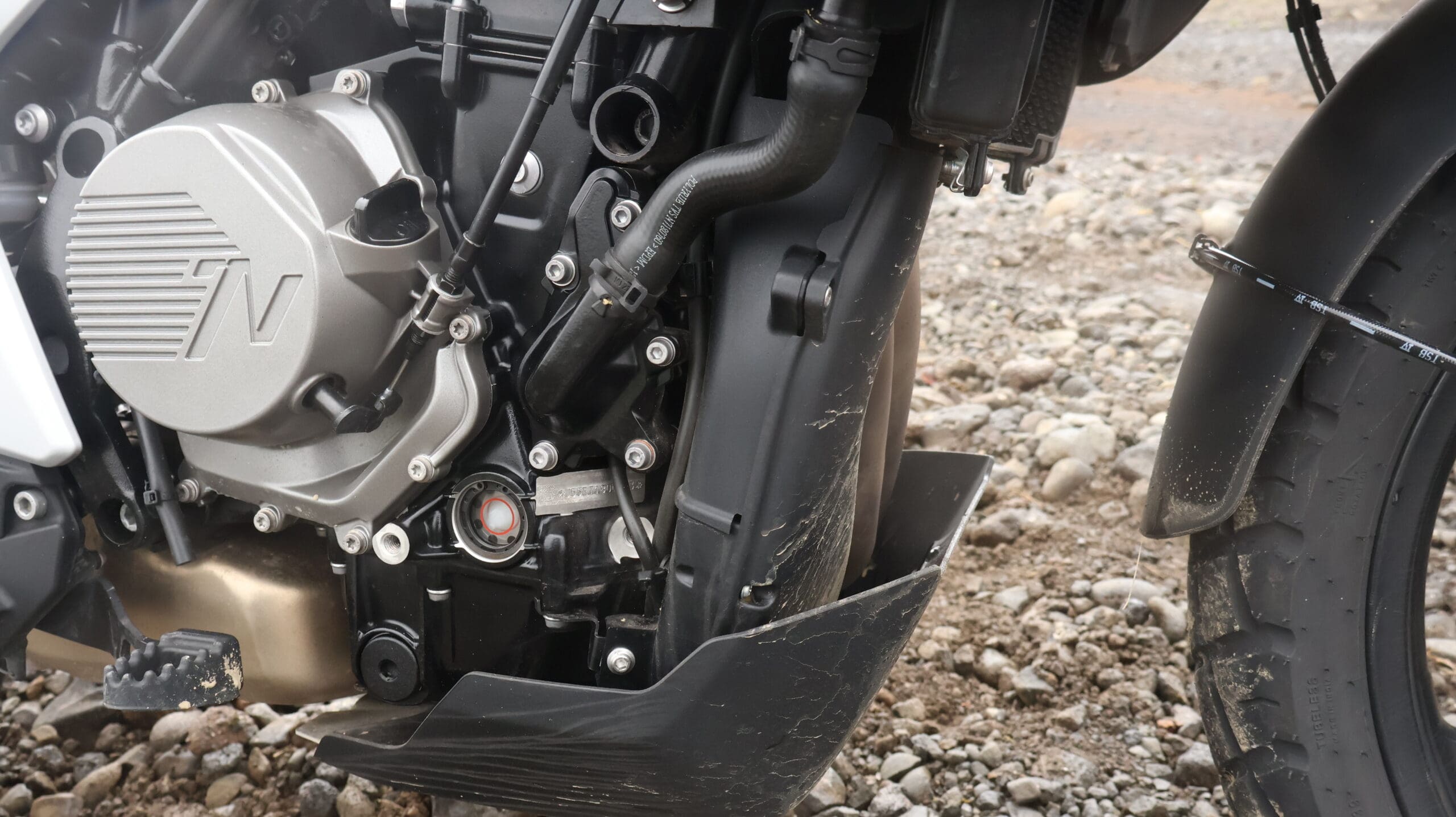
The Atlas is powered by a 585cc, liquid-cooled parallel-twin engine with a 270-degree crankshaft. It produces a claimed 69 horsepower at 9,300 rpm and 57.5 newton-meters, or approximately 42 pound-feet, of torque at 7,300 rpm. Its smooth, progressive delivery makes the power easy to manage and helps the rear tire maintain traction. The engine uses atmospheric plasma-sprayed cylinder surfaces, twin oil pumps, a knock sensor, and a high-flow cooling system. Norton says these features are intended to improve efficiency, durability, and performance under sustained loads and in warm conditions. The Atlas was equally unfazed by Iceland’s cold weather, delivering power consistently and smoothly across the hilly terrain.
Power reaches the rear wheel through a six-speed transmission equipped with a wet, multiplate assist-and-slipper clutch. A bidirectional quickshifter permits clutchless upshifts and downshifts. The gear changes initially presented a learning curve. Although the clutchless shifts were generally seamless, I preferred to use the clutch for some high-rpm changes, and we spent plenty of time at high revs.
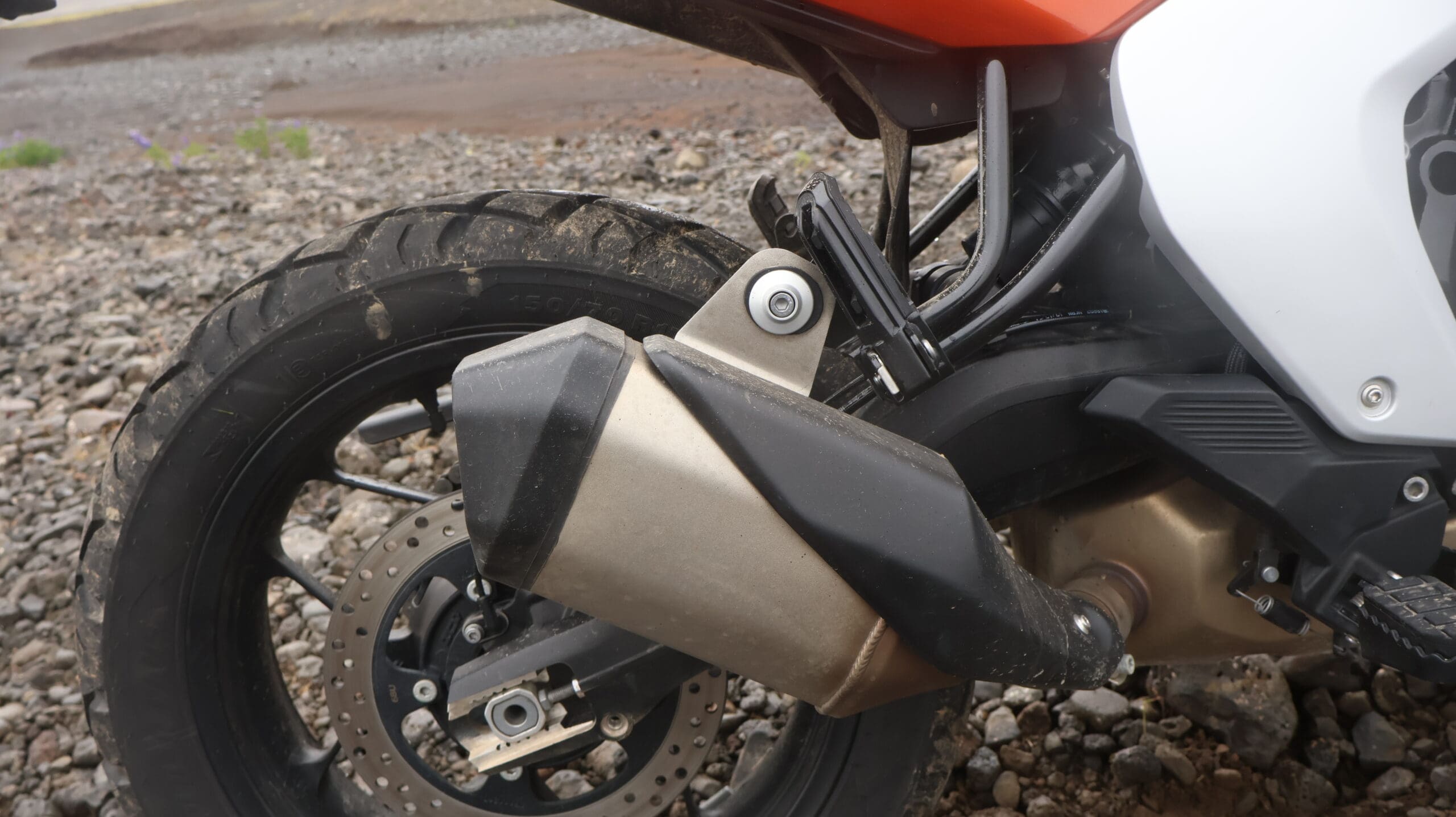
According to Norton’s design team, the Atlas is all about grip. Fully adjustable KYB suspension is fitted at both ends. At the same time, a hydraulic preload adjuster on the rear shock allows riders to compensate for additional loads or dial in a firmer, more composed setup for faster road riding. I am tall and heavy, yet the Atlas delivered a controlled, compliant ride, absorbing broken pavement and moderate off-road impacts without feeling excessively soft. Its progressive response and 7.1 inches of travel at both ends provided comfort over the day’s plentiful uneven terrain.
The Atlas rides on a 19-inch front wheel, a conventional choice for an adventure motorcycle expected to divide its time between pavement and dirt. The engine serves as a stressed member of the high-strength steel trellis frame, helping to create a relatively compact platform suited to urban riding, touring, and travel on unpaved roads. As we moved repeatedly between paved and gravel roads, it became clear that the Atlas was comfortable on both, although it felt better suited to pavement in stock form. The custom-developed Eurogrip Explo R Plus dual-purpose tires and limited protection for the engine, bodywork, and hands made me more comfortable on wet asphalt than on slippery, crushed lava rock.
Braking is predictable and progressive, handled by two 310-millimeter semi-floating front discs with radially mounted calipers and a 270-millimeter rear disc. A Bosch six-axis inertial measurement unit supports lean-sensitive ABS, cornering traction control, and cornering cruise control.
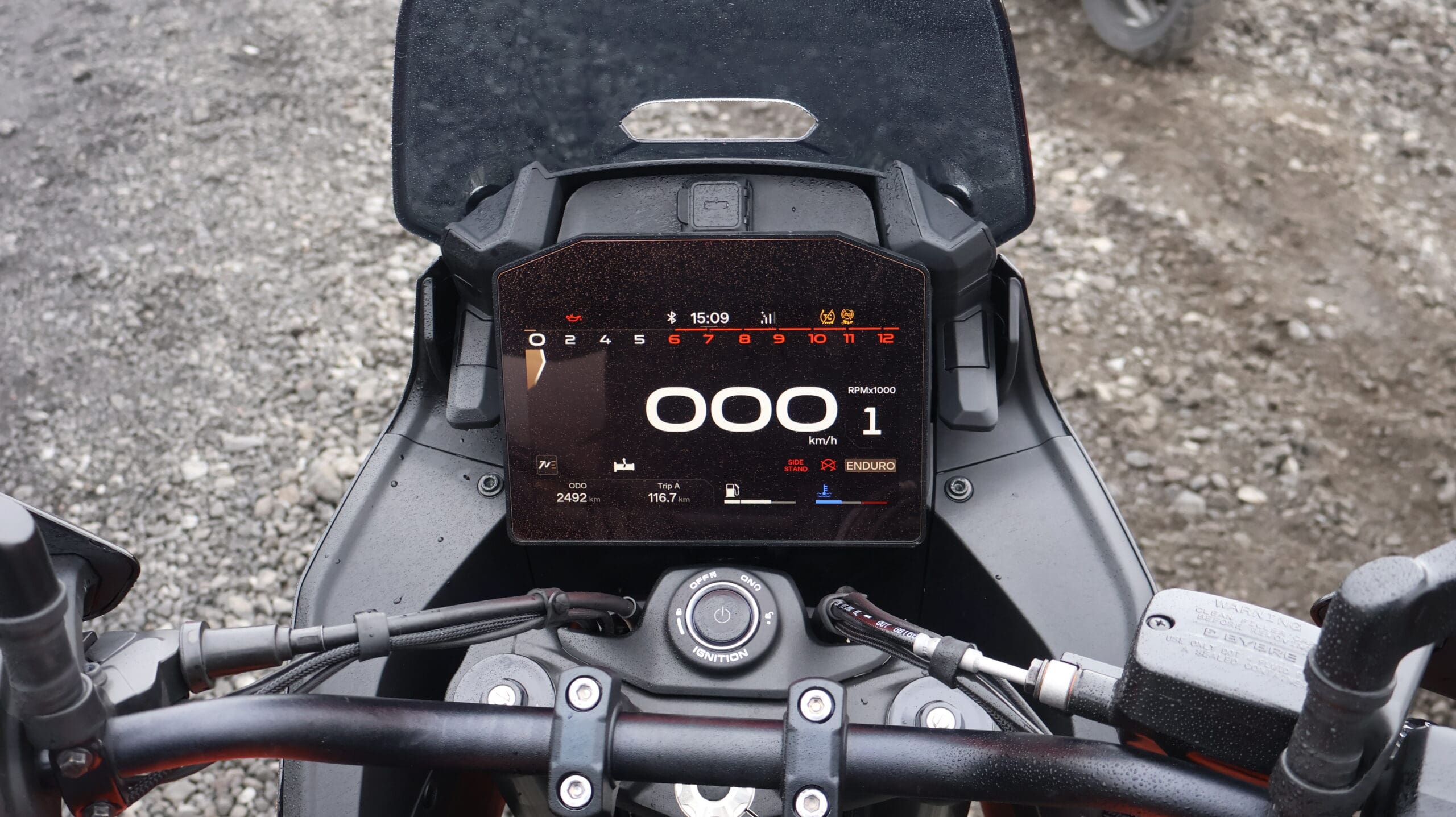
Riders interact with the motorcycle through an 8-inch touchscreen TFT display. The system includes integrated navigation, music and call functions, smartphone connectivity, and access to the Norton Rider app. It can be operated through the touchscreen or the handlebar switchgear, allowing the rider to choose the most practical method while stationary or moving.
The Norton Atlas offers five riding modes: Urban, Rain, Sport, Tour, and Enduro. Each adjusts parameters such as throttle response, traction control, and ABS intervention to suit different conditions. During the ride, I cycled most often among Urban, Rain, and Sport, with Sport mode helping me keep pace with the fast-moving group. Enduro mode disables traction control and rear-wheel ABS, permitting greater wheelspin and more direct control off-road. The higher-specification Atlas Apex adds electronic combined braking and a vehicle-hold function, which is activated while stationary by firmly squeezing the front brake lever.
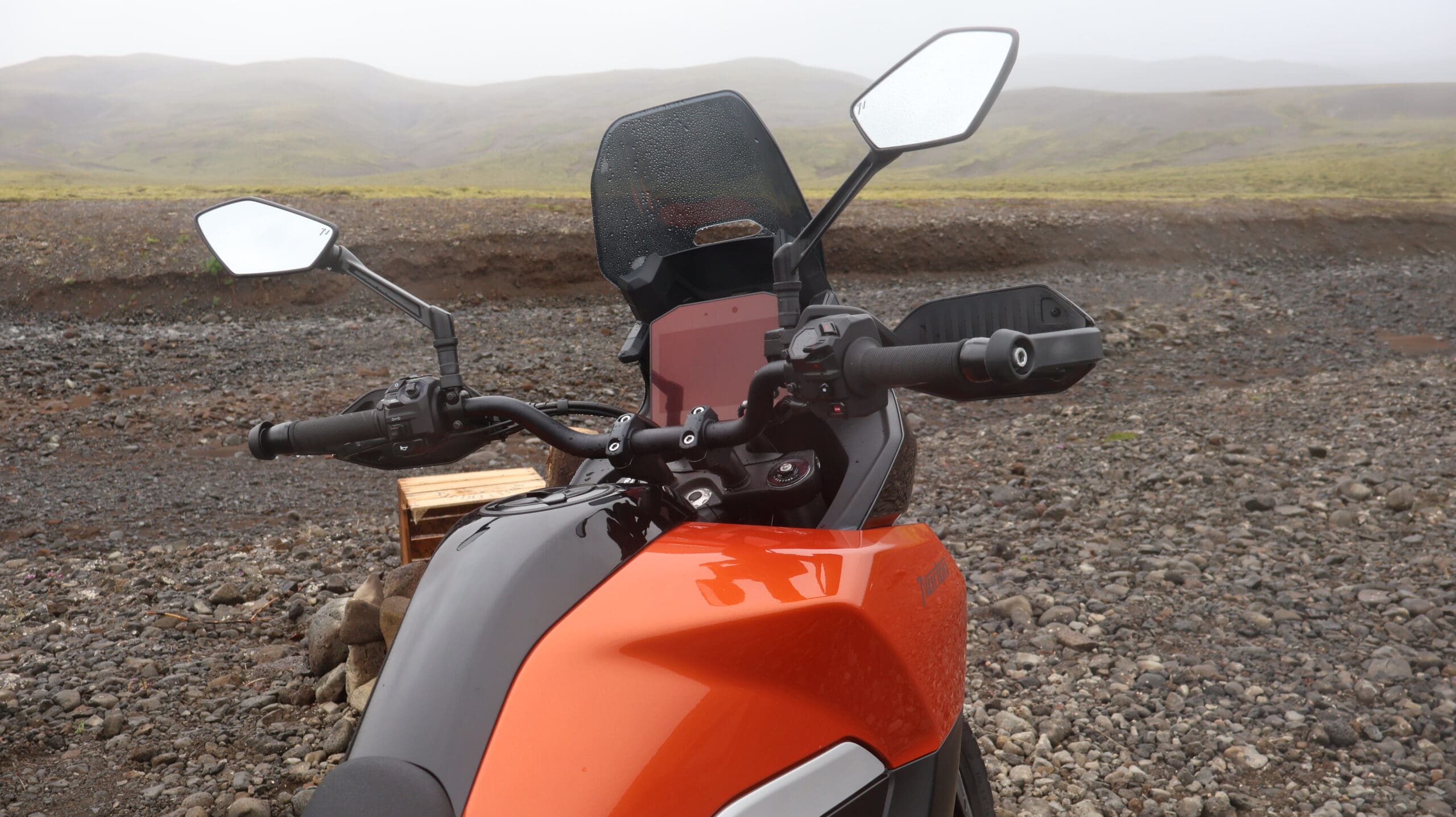
I found it easiest to change modes while stationary. The selector has a slight delay, which sometimes caused me to skip past the mode I wanted. Modes can be changed while moving after closing the throttle, but amid the strong winds and rapid pace, I never mastered the process.
The Atlas is also supported by a range of accessories intended to expand its touring and off-road capability. Available equipment includes heated grips, which worked very well for me, a heated rider’s seat, a touring windscreen, auxiliary LED cornering lights, engine guards, an all-terrain sump-protection kit, a 34-liter top case; and a two-piece pannier system with 50 liters of combined capacity.
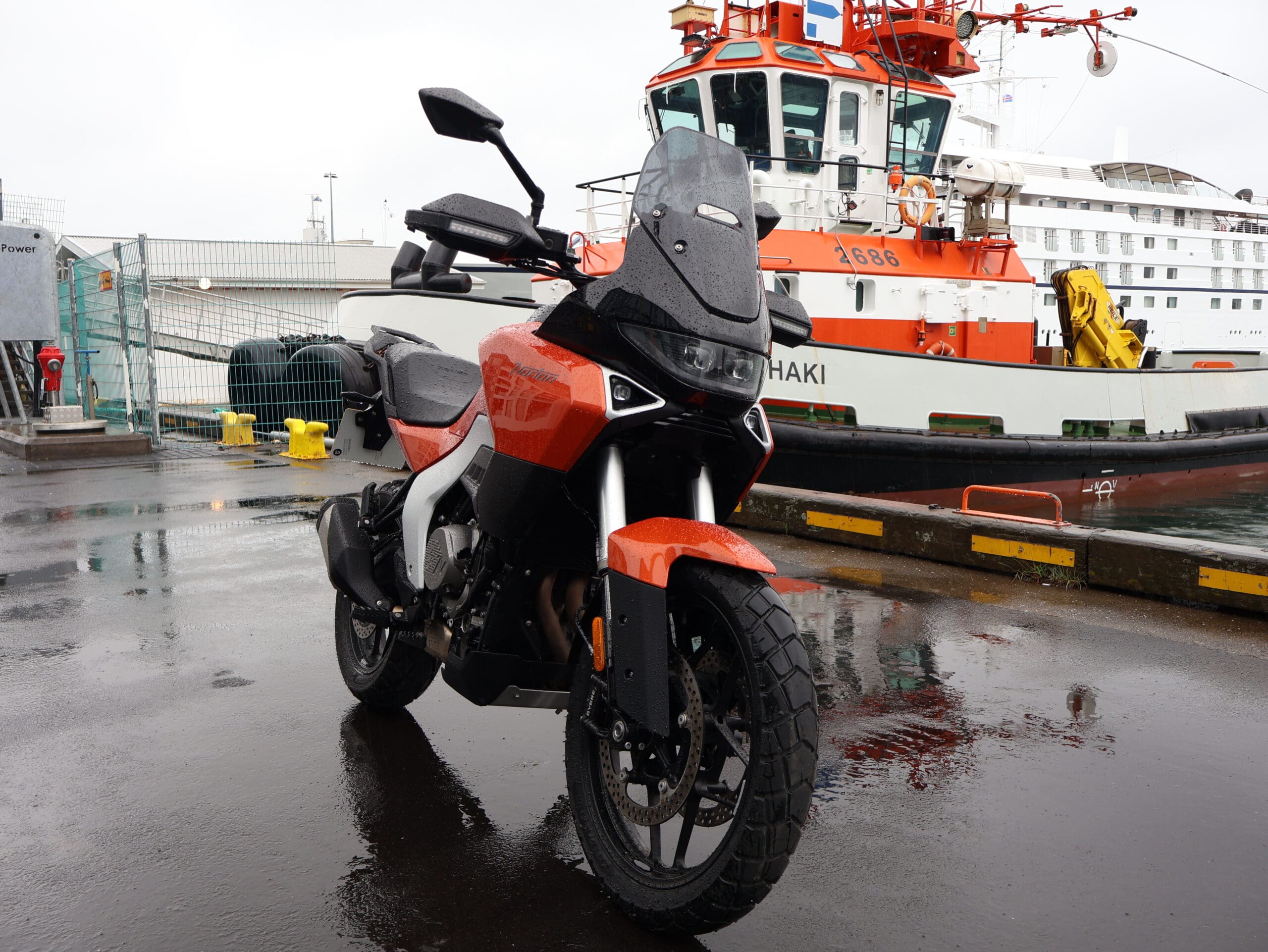
So, what did I love about the Norton, and what did I not love? First, it is important to explain that I evaluate every vehicle according to what I intend to do with it: loaded overland travel across borders and varied terrain. I write my impressions with the needs of similar travelers in mind.
Straight out of the gate, I will admit that I am not a fan of complicated user interfaces, and that applies to every machine I operate. I like to keep things simple. That is how I chose to ride the Atlas: select a mode and get on with it. The motorcycle allows exactly that, with its electronic brain handling the details in the background.
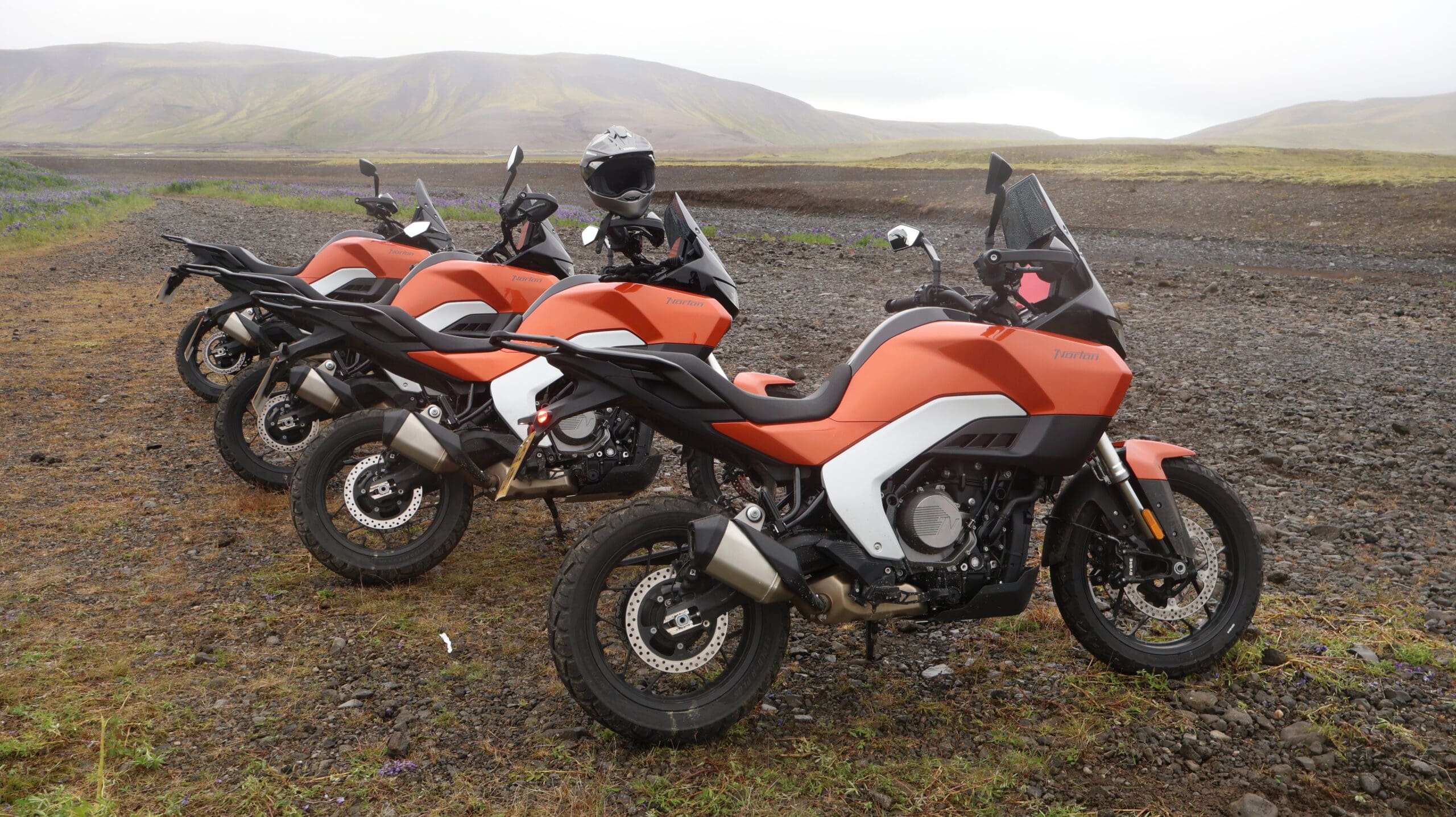
The new Atlas does not attempt to replicate its predecessor mechanically or visually, but it carries the historic name into a different form of travel. Its design is attractive and muscular, with hints of the Buell Ulysses and Harley-Davidson Pan America, and its appearance offers the clearest indication of the market Norton is targeting. While KTM, BMW, Yamaha, Honda, Kawasaki, and others have adopted rally-inspired styling for many of their adventure motorcycles, the Atlas looks more like a sport-tourer, particularly when fitted with panniers and a touring screen. Some will love it; others will not. I think Matrix Black is the most attractive color scheme.
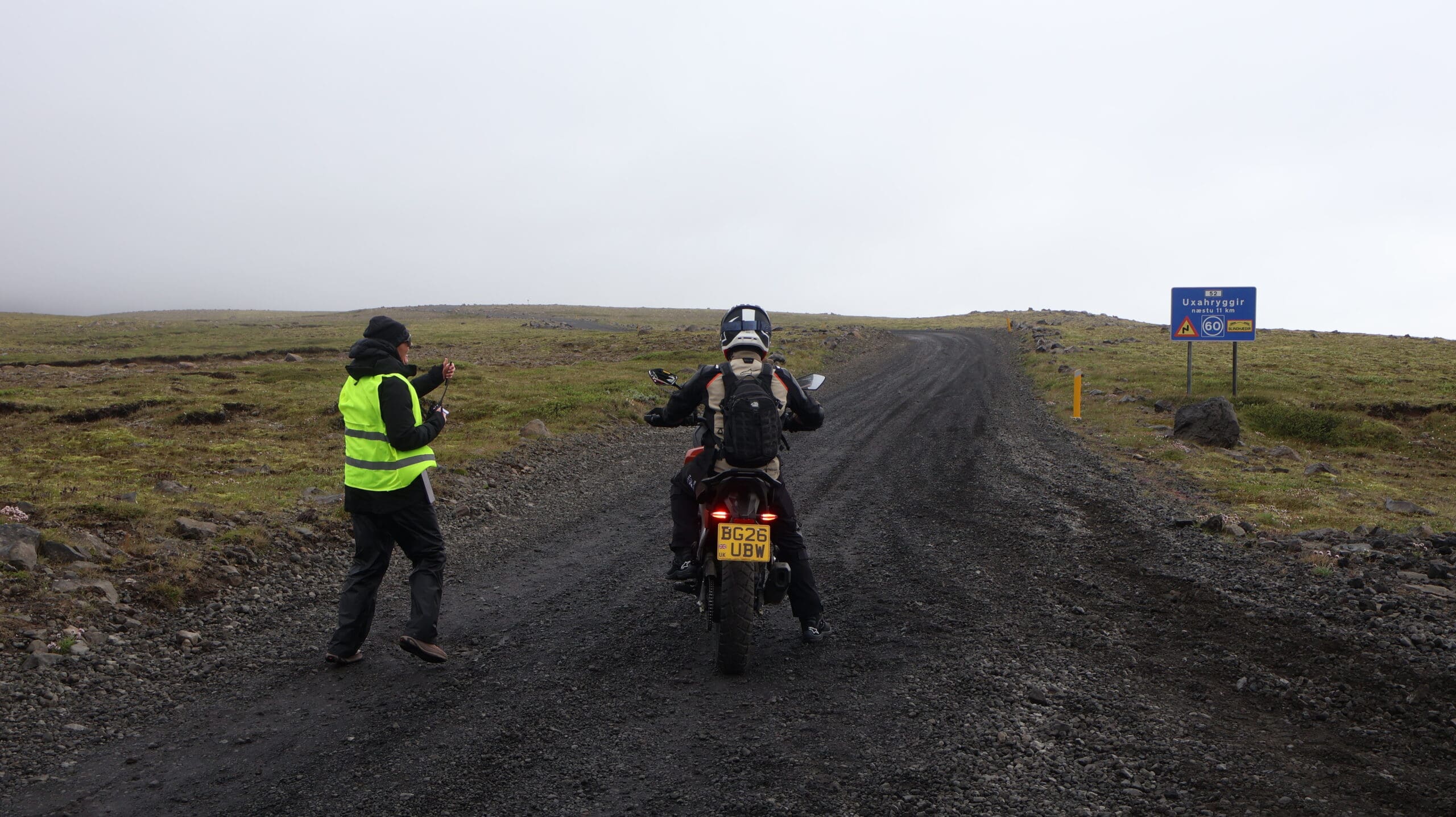
The seat is exceptionally comfortable, although perhaps a little low for a rider of my height. The turn signals cancel without a tactile click, prompting an occasional glance at the display for confirmation. The purpose-developed tires are adequate but not especially stable at higher speeds or confidence-inspiring off-road at pace. The standard sump guard is plastic, the exhaust note could be more assertive, and the windscreen requires two hands to adjust, meaning it cannot be safely raised or lowered while moving.
For obvious reasons, I remain skeptical of a keyless, electronically released fuel cap on a motorcycle I would buy for overland travel. The turn signals integrated into the handguards are also vulnerable because the guards do not appear robust enough to survive repeated tumbles. Long-term reliability and the breadth of the dealer-support network are important considerations for long-distance travelers, and they are questions we cannot yet answer.
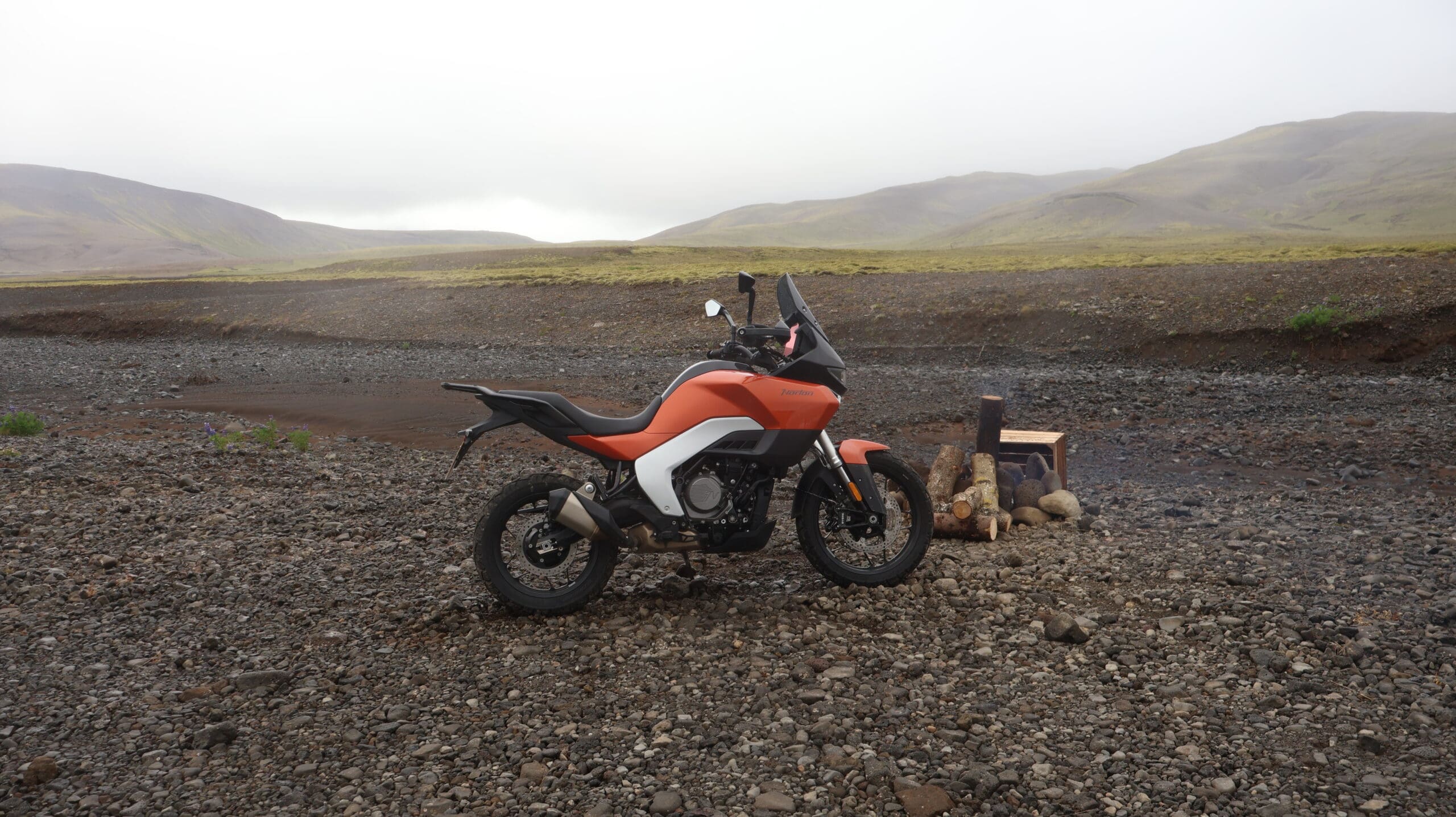
Does that amount to more negatives than positives? Absolutely not. The Atlas does not feel like an assortment of components borrowed from other motorcycles; it is deliberately designed and fit for purpose. I had one of the best days of my life riding it, from start to finish. As I have labored to point out, the weather was horrendous for much of the day and genuinely miserable at times. The group rode confidently and quickly, yet the Atlas delivered strong, predictable acceleration, dependable grip, and power whenever I needed it. I wore a huge grin inside my helmet for most of the day.
Would I use the Atlas for overland travel? Yes, after changing the tires, adding protection, fitting stronger handguards, raising the seat, and installing soft luggage. The Atlas is indeed a motorcycle that can grow with its rider, from the daily commute to a dream overland journey to Mongolia. It can be subtle and mild-mannered, or it can bite the head off a bat. Tell it what you want, and it will deliver.
Specifications
Engine
- Liquid-cooled 585cc DOHC 270-degree crank parallel twin
- Fuel injection: Multi-point sequential fuel injection system, ride-by-wire throttle
Transmission
- 6-speed gearbox with bi-directional up/down quick shift
- Cable-operated assist & slip multiplate wet clutch
Performance
- 69 brake horsepower (70 PS/51.5 kilowatt) at 9,300 rpm
- 57.5 newton-meter (42 pound-feet) of torque at 7,300 rpm
Chassis
- Steel trellis frame
- Cast aluminum swingarm
- One-piece rider and pillion seat
- Steel 2-into-1 system with upswept silencer exhaust
Suspension
- KYB 43mm USD forks, 180mm wheel travel, fully adjustable front suspension
- KYB monoshock RSU, 180mm wheel travel, adjustable tension damping with hydraulic preload adjustment for rear suspension
Brakes
- Two 310mm semi-floating brake discs, radially-mounted Bybre calipers
- 270mm rear brake disc, Bybre caliper
Wheels and tires
- Cast alloy with spoked steel, 19 x 2.50 inches front wheel
- Eurogrip Explo R Plus, 110/80 ZR19 front tire
- Eurogrip Explo R Plus, 150/70 ZR17 rear tire
General
- Fuel consumption of 54 mpg
- Wet weight of 188 kilograms with no fuel
- Fuel tank capacity of 15.4 liters
- Seat height of 845 mm
- Wheelbase at 1,466 mm
- Ground clearance at 220 mm
- Rake at 25.7 degrees
- Trail at 101.7 mm
- LED twin-projector headlamps with dynamic light intensity and signature daytime running lights
- Full-color 8-inch touchscreen TFT display, 720p resolution
- Multi-way connectivity (Bluetooth & wi-fi) with multimedia control, navigation, and GoPro control
- Ride telematics with Norton Rider app integration
- Keyless ignition with electronic steering lock, seat lock and fuel filler cap
- Color options of Matrix Black or Trophy Silver with Verona Green and Sinopia Orange at an additional cost
Ride modes
- Urban, Rain, Sport, Tour and Enduro
- Bosch 10.3MB 6-axis inertial measurement unit including
- Drag torque control
- Anti-lock braking system
- Tractive effort control
- Dynamic cruise control
- Total wheelie control
- Rear lift and slide control
Service and Warranty
- 12-month service interval or at 6,000 miles/10,000 kilometers
- 36-month warranty with unlimited kilometers in the UK and Europe, limited to 30,000 miles in the USA and 50,000 miles in India
Production takes place at TVS Motor Company’s facility in Hosur, India. In the United Kingdom, the standard Atlas starts at £8,250, while the Atlas Apex begins at £9,450. That pricing places it against some formidable competition. Norton has not yet published US pricing on its American product page. However, the company describes the Atlas as a global model intended for every present and future Norton market, suggesting that North American availability is part of the broader rollout. The motorcycle comes with a three-year, unlimited-mileage factory warranty and roadside assistance.
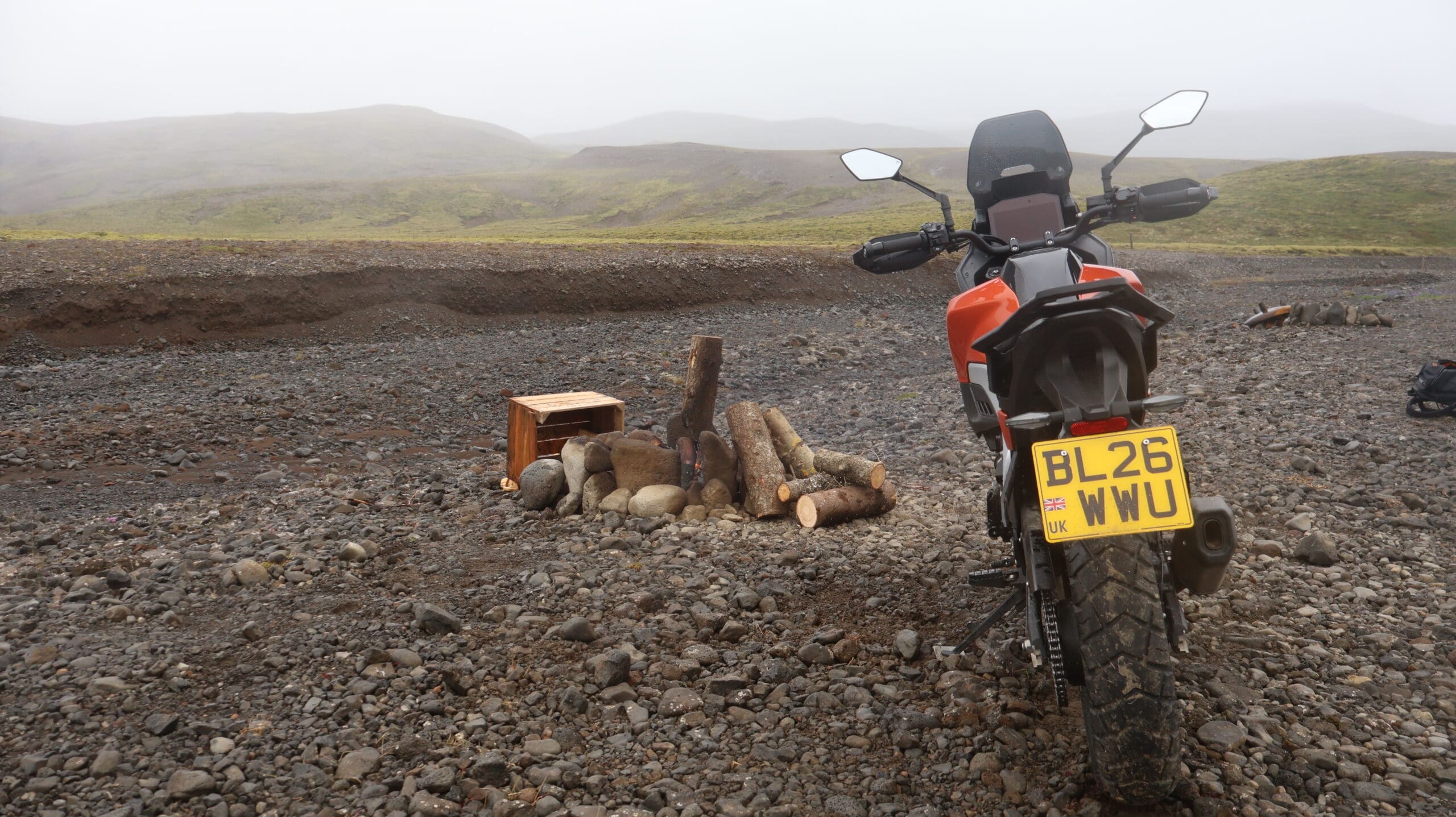
In summary, the Atlas enters a crowded field populated by established middleweight adventure motorcycles. However, its combination of manageable displacement, adjustable suspension, contemporary rider aids, and a recognizable British name gives Norton a credible platform from which to rebuild its presence. Its success will depend on pricing, dealer support, reliability, and parts availability, particularly in overseas markets. The Atlas represents a practical step in Norton’s effort to move beyond limited-production motorcycles and reach riders seeking a versatile machine for commuting, touring, and perhaps even some serious exploration.
Read More: Summertime Essentials to Help Beat the Heat
Our No Compromise Clause: We do not accept advertorial content or allow advertising to influence our coverage, and our contributors are guaranteed editorial independence. Overland Collective may earn a small commission from affiliate links included in this article. We appreciate your support.
