

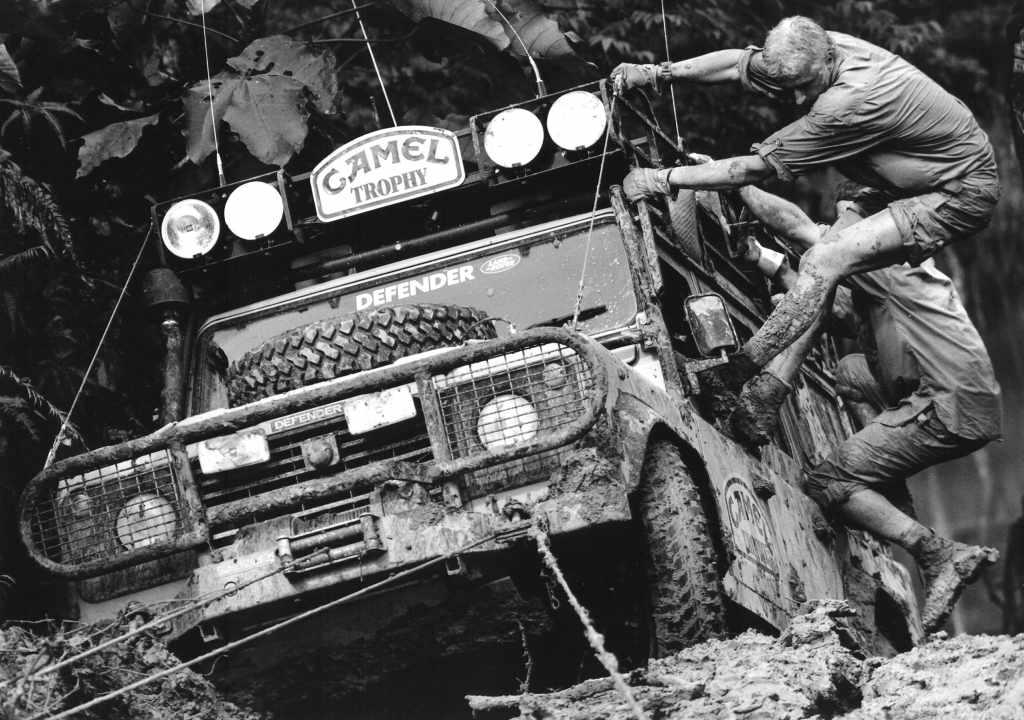
The Defender Trophy is getting closer, with two-person teams selected from around the world to compete in Africa this October on a three-week adventure that hasn’t been paralleled since 2006’s G4 Challenge. Over 70 countries were invited to participate, from the USA and Canada to Brunei to Northern Cyprus. The one glaring exception: the United Kingdom, which isn’t going to the party at all.
It’s odd to see the home of Land Rover not coming to its biggest off-road competition in decades—but looking back at the early history of the Camel Trophy, which inspired Defender Trophy, it wasn’t unusual for some significant countries to sit some years out.
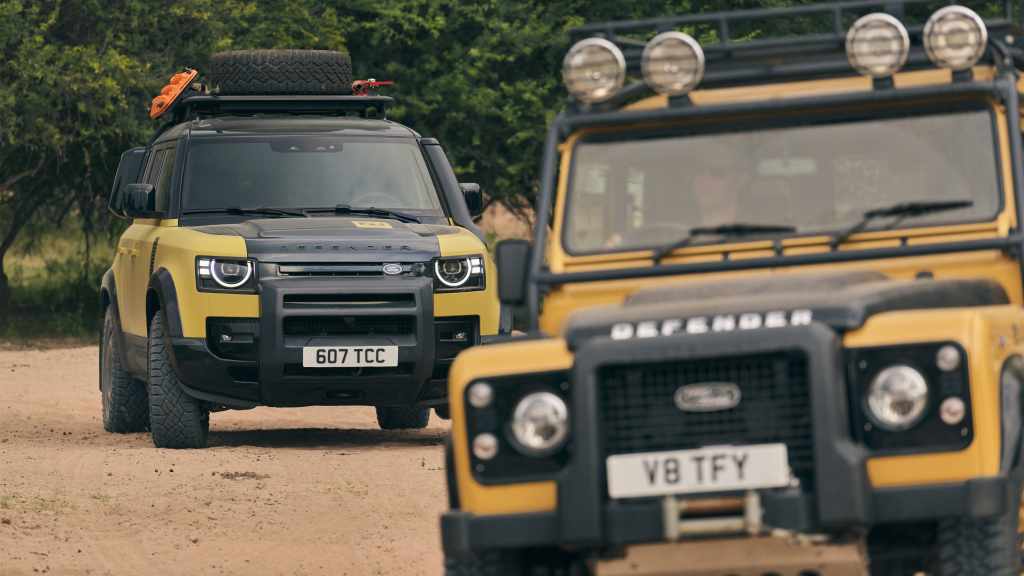
First off, we have no idea why British off-road enthusiasts weren’t given the option to enter Defender Trophy. Land Rover isn’t saying, either.
Whether the issue was regulatory, financial, or a plain old marketing decision, we will likely never know. The company has justifiably kept its PR department focused on the many positive aspects of Defender Trophy, the incredible stories of the people who will be taking part in it, and the event’s philanthropic partnership with the African conservation charity Tusk Trust.
But if you look back at the history of Camel Trophy, the legendary adventure on which Defender Trophy is modeled, the country that is most closely identified with Land Rover wasn’t a permanent fixture in the early years. And while a bit of historical precedent might be small comfort for a British Land Rover fan who waited years to live out their Sandglow dream, it’s also a good reminder of the cold reality of marketing and PR. The story of the UK at the Camel Trophy is also bound up with that of the United States, and the launch of the Range Rover model in North America in 1987.
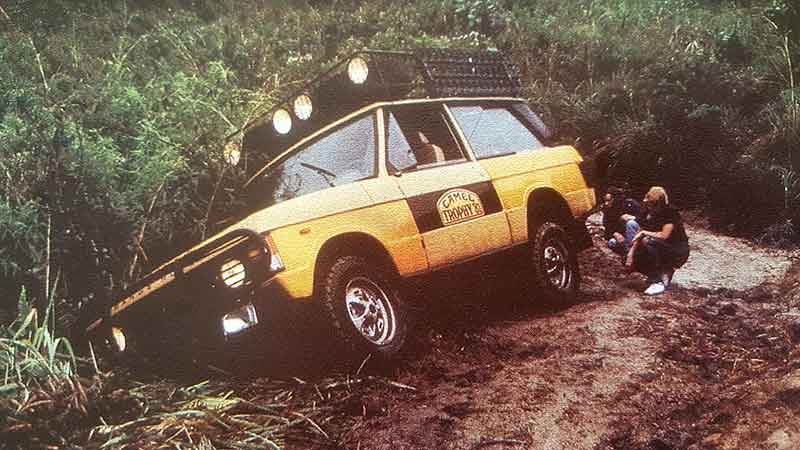
While Camel Trophy is deeply associated with Land Rover vehicles, it was not a marketing showcase run by Land Rover at any point in its history—the automaker was originally a supplying sponsor in an operation set up mainly to make cigarettes look cool. Land Rover would become more tightly involved as a partner from 1992, as it was clear this was a mutually beneficial relationship. But the primary goal was to promote Camel tobacco products, in the same way that Camel’s sponsorships of Formula 1 or rally raid teams were meant to.
Because of that, the participating nations were generally chosen from Camel’s top markets, where the massive investment in putting on the Trophy would have the greatest local impact. Camel was, if anything, a niche player on the 1980s British cigarette scene, where domestic brands dominated tobacco shelves.
It’s because of this mindset that Spain and their territory of the Canary Islands competed separately in almost every Camel Trophy, alongside Camel sales strongholds like the Netherlands and Italy. Digging into the history of the Camel Trophy, the UK and US teams seem to have first appeared as a favor to Land Rover more than anything related to the popularity of cigarettes.
The Camel Trophy was founded by the West German division of RJ Reynolds—the American firm behind Camel—as a way around German tobacco-marketing laws. The first edition, in Brazil in 1980, used locally-produced Jeeps in an explicit attempt to echo ads featuring rugged outdoorsman Bob Beck. The Jeeps proved uncomfortable, so when the German-only operation returned in 1981, RJR cut a sweet deal with the German arm of British Leyland (then Land Rover’s owner) for a set of Range Rovers. That arrangement slowly grew into a lasting vehicle partnership.
In 1982 the fledgling promotion put on by a regional division caught the attention of RJR’s headquarters in North Carolina, and Italian, American, and Dutch teams were folded in. The American division of RJR was happy with how things went, but the U.S. operations were run by a wholly separate entity from the global arm, with their own marketing and budgets. They decided to pull out for 1983 and focus on stalled efforts to start an American equivalent, tied into something more competitive like a SCORE race.
Linking into how invitations followed Camel’s markets, then-British Hong Kong was the first of Her Majesty’s subjects to compete, with a one-off entry in 1983, three years before the UK joined. (Similarly, the British Overseas Territory of Gibraltar was invited to this year’s Defender Trophy, while the UK was not.)
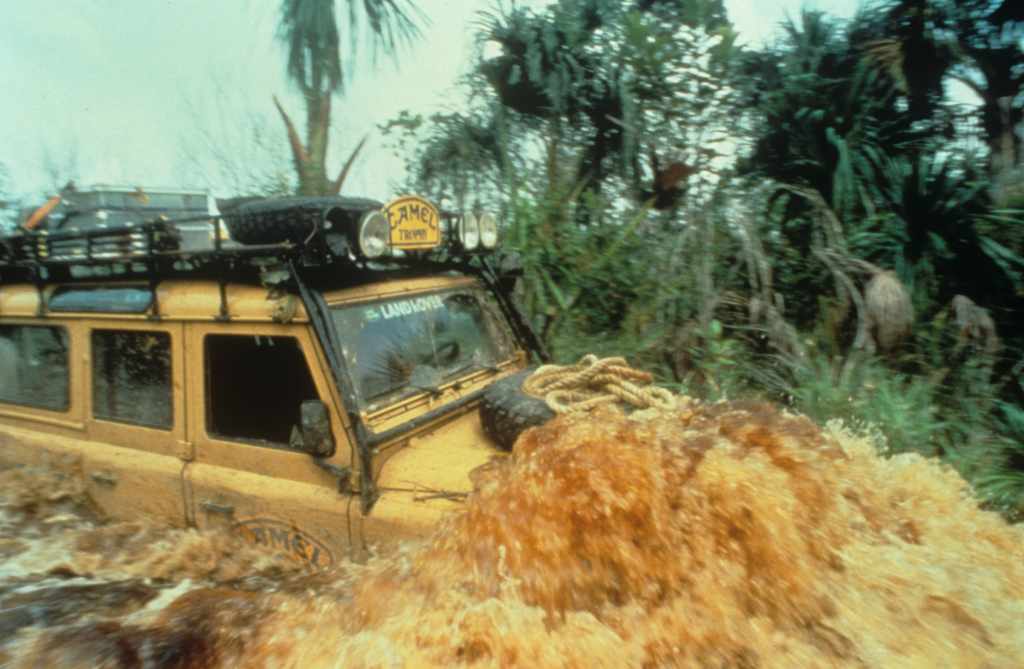
By 1986 the Camel Trophy had become internationally known, and a half decade of yellow Range Rovers, Series IIIs, and Defender Ninetys had given Land Rover some excellent material for its marketing campaigns. The UK and US joined the squad that year, but there are suggestions that they were concessions to Land Rover’s need for marketing material and direct PR connections in these countries, with Land Rover and RJR possibly sharing the costs for the UK and US teams.
The automaker was setting up its business in the USA in 1986, with the aim of selling its first vehicles in early 1987. Again, the American team was likely more in Land Rover’s interest than RJR’s. In 1987 there were accusations during the event that the Trophy was being fixed in America’s favor to help sell Range Rovers, a turning point toward a more formalized and regulated competition starting in 1988. The aftermath of these accusations went so deep that RJR put the vehicle supplier deal up for debate in a late 1987 meeting of stakeholders. Had the discussion gone another way, 1988 could have been supplied by Mitsubishi, Nissan, or Jeep.
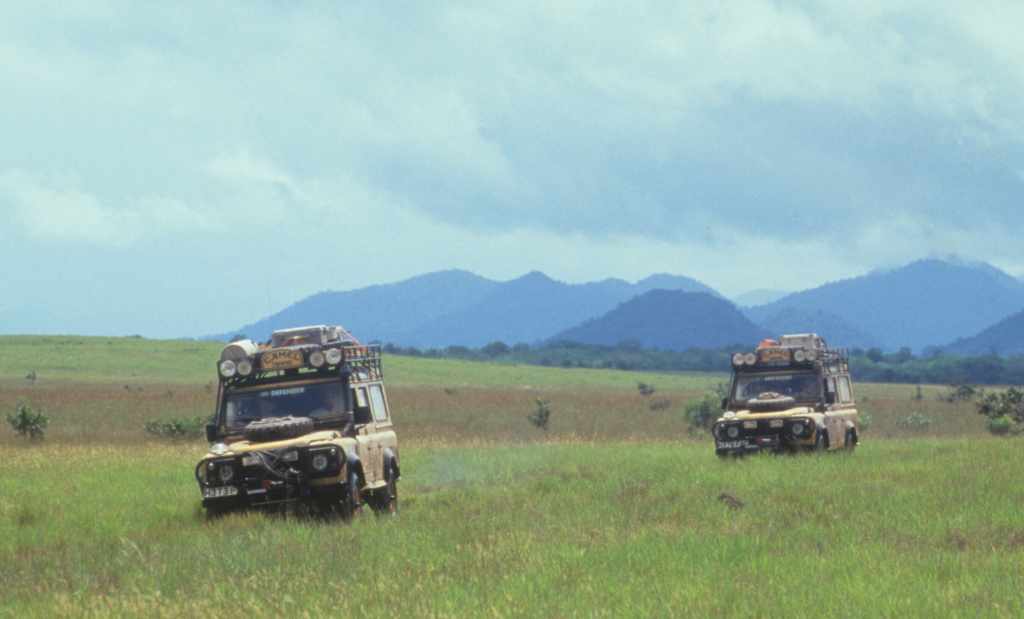
From 1988 the Trophy was managed more professionally, with a heavily UK-based management team. In addition, the headquarters of RJR International, the organization running non-U.S. operations for the company, moved from North Carolina to London in late 1987, which meant that the staff overall would take on a very British character. From this point until the end of the Camel Trophy in 2000, the UK would skip only one year, 1993. Ironically, this is the year that the USA won, with Tim Hensley and Michael Hussey.
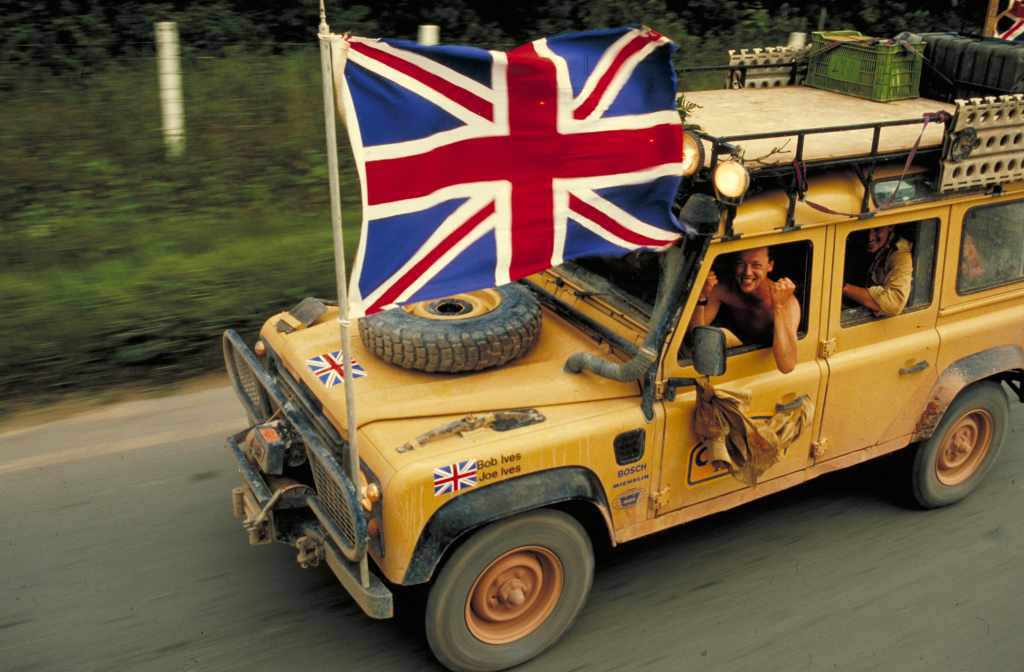
Briton Iain Chapman took over running the Trophy for 1989, and the British brothers Bob and Joe Ives would famously win that year; the photo of their Land Rover flying a British flag is one of the most iconic Trophy shots ever, perhaps adding to the perception of Camel Trophy’s Britishness.
In 1991, RJR formed Worldwide Brands, Inc. (WBI), explicitly designed to promote its tobacco-based brands in non-smoking settings. It also looked to expand Camel Trophy into a lifestyle brand, in part driven by an ever-growing global clampdown on cigarette marketing; watches, clothing, and luggage would ensue. Land Rover became an official partner in the event in 1992, instead of the prior supplier arrangement where it sold the team vehicles to RJR and provided various freebies.
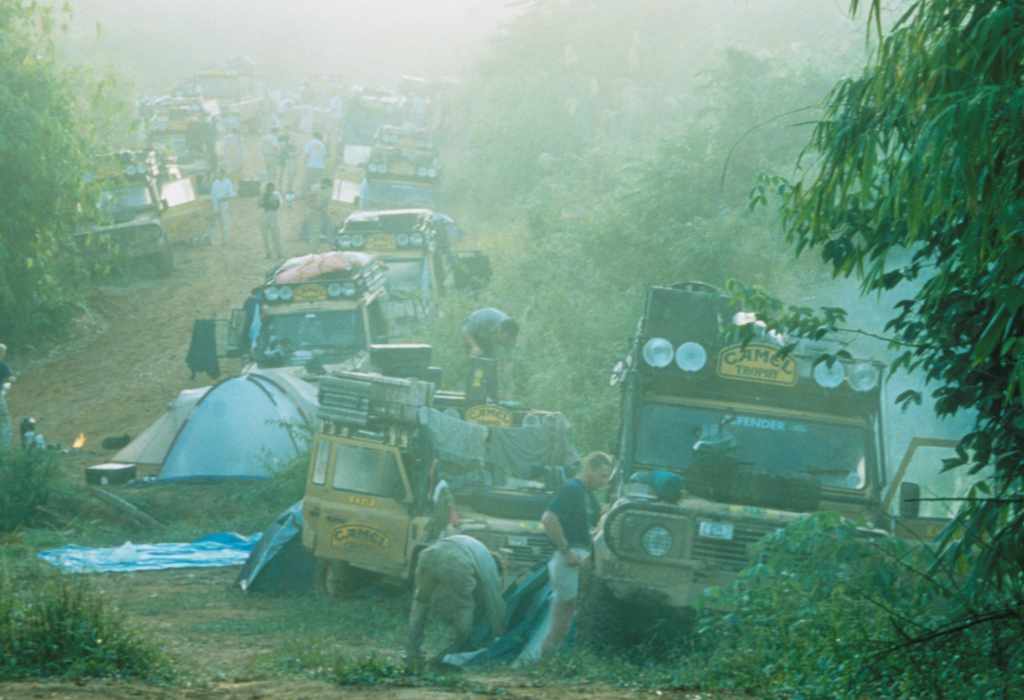
Camel Trophy’s field grew massively through the 1990s as the world opened up after the Cold War, and the Trophy came to function more as an off-road competition than a cigarette-marketing exercise. The Siberia 1990 Trophy was the first international motorsport event hosted in the USSR, and a Russian team would return every year from 1990 onwards. Poland entered in 1991 after the collapse of communist rule, South Africa joined upon the ending of Apartheid in 1994, and the newly-independent Czech Republic won their first attempt in 1995.
The event’s character changed throughout the 1990s, as it became more focused on becoming part of the burgeoning adventure and outdoors market (with Camel Trophy-brand shirts and watches to sell), and looked to avoid the environmental criticisms of the “hack through the jungle” events of the 1980s. The relationship with Land Rover would last until 1998, when RJR ended the partnership, in part due to a perception that the Camel Trophy was a Land Rover production, not a Camel one.
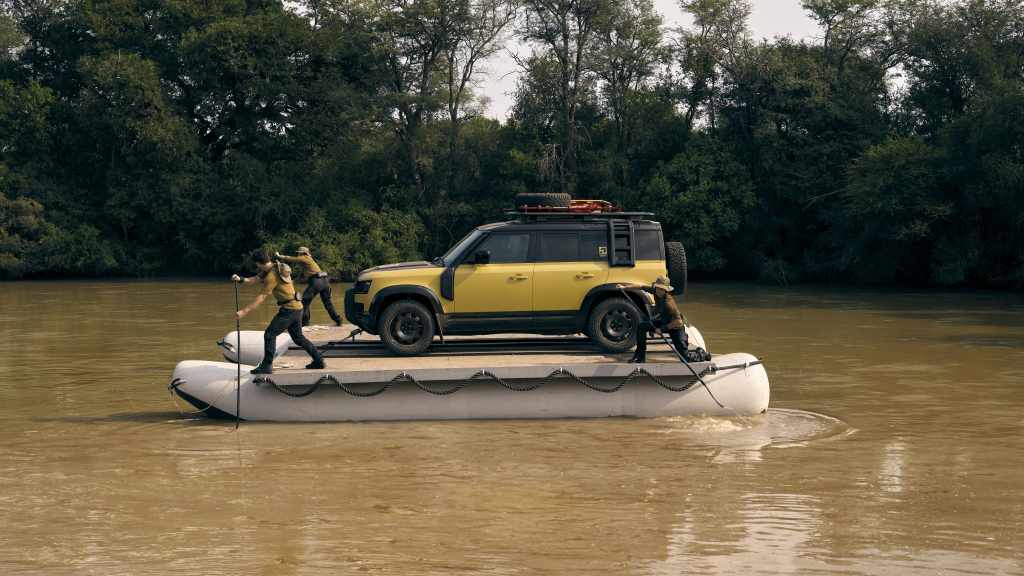
The Camel Trophy’s backstory is a bit messy, and at the core it’s a seventeen-year tango between the interests of a cigarette maker and an automobile manufacturer, who became increasingly reliant on each other to wring ever more enticing content out of their annual month in the jungle. Tied into that arc is the story of British and American participation, driven by the needs of these two partners in any given year.
Similarly, if Defender Trophy returns in 2027 or beyond, there is hope yet for British fans of the marque, as JLR may find that the marketing stars will align in the future—so keep your off-road driving skills honed, and your recovery gear neat and clean.
Read more: American and Canadian Defender Trophy Finalists Announced
Images: Land Rover
Our No Compromise Clause: We do not accept advertorial content or allow advertising to influence our coverage, and our contributors are guaranteed editorial independence. Overland Collective may earn a small commission from affiliate links included in this article. We appreciate your support.
