

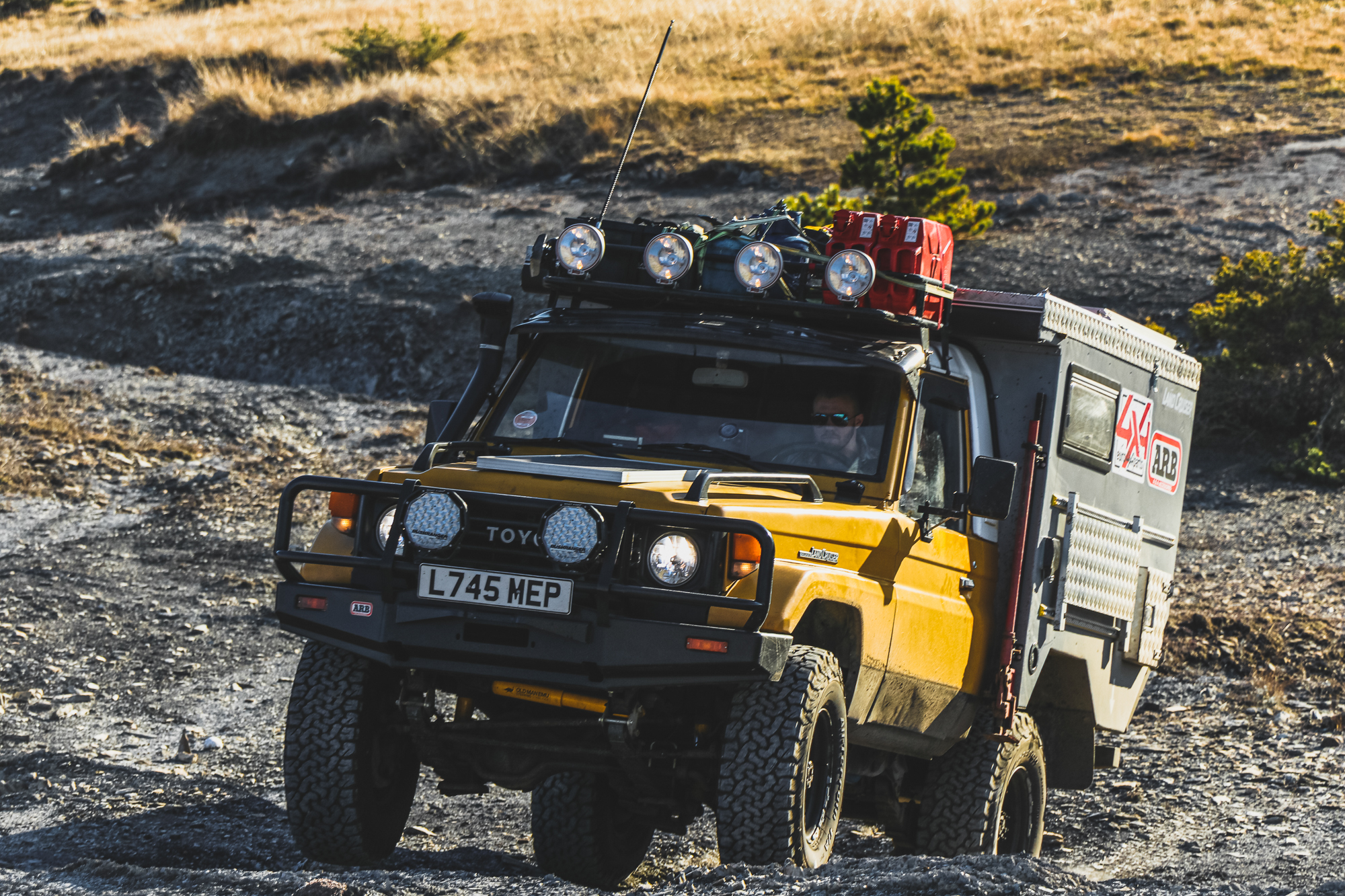
It happens to the best of us; we purchase a vehicle and kit it out for a long-distance overland journey, only to find that our needs change as we fall deeper into overlanding and commit further to a life lived on the road. A rooftop tent and daily outdoor existence are fine for a few months or even years, but inevitably, most of us long-term, multi-continental overlanders will eventually adapt our vehicles to be better suited to vastly differing terrains and climates. This process usually involves learning new skills and questioning one’s sanity as we start building our vehicles with the question, “How hard could it be?” and ends with the statement, “Never again.” Some fare better than others, and Reece Rheinbach, aka Travel Beasts, has followed through with passion and determination to create his one-of-a-kind vehicle. Reece’s story reminds me of an old bumper sticker we saw on the back of a Dutch overland vehicle many years ago. It essentially read, “Beware of this overland lifestyle; it is addictive.” Instead of building a career, young, intelligent people find themselves building overland vehicles and planning adventurous routes across the planet, and if you are thinking of getting into international overland travel, consider yourself warned.
Before we get started on the build itself, let’s get to know and understand Reece, who is British, a bit better. Reece’s desire to travel has burned within him for as long as he can remember. The thought of being confined to one place always felt suffocating, while the prospect of escaping the predictable shackles of a 9 to 5 life enticed him. Seizing his first opportunity, Reece embarked on his inaugural solo backpacking adventure, but after a few months, the limitations of long-term backpacking became apparent. Backpackers often find themselves stuck on predictable tourist trails, moving from one hostel to another. Breaking away from these established paths, bound by bus schedules and flight itineraries, proved difficult and expensive. Consequently, Reece returned home broke and reluctantly back in the confines of a 9 to 5 job.
A significant turning point in Reece’s life came when his cousin Ross brought home a 110 Land Rover Defender expedition vehicle. This introduction to long-distance, vehicle-based travel and self-supported overlanding opened Reece’s eyes to a liberating lifestyle. Traveling with a vehicle offered true freedom: the ability to progress at one’s own pace, deviate from the beaten tourist track, and make spontaneous route changes and destination decisions.
Reece quickly realized that this was the change he desired. Together with Ross, they devised a plan to drive from London to Cape Town via the West Coast of Africa. Aware of the challenges posed by one of the world’s most demanding overland routes, they meticulously plotted their course, researched suitable vehicles (what was wrong with the Defender, says me, a Defender owner), gathered necessary supplies, equipment, and vaccinations, and even began learning French.
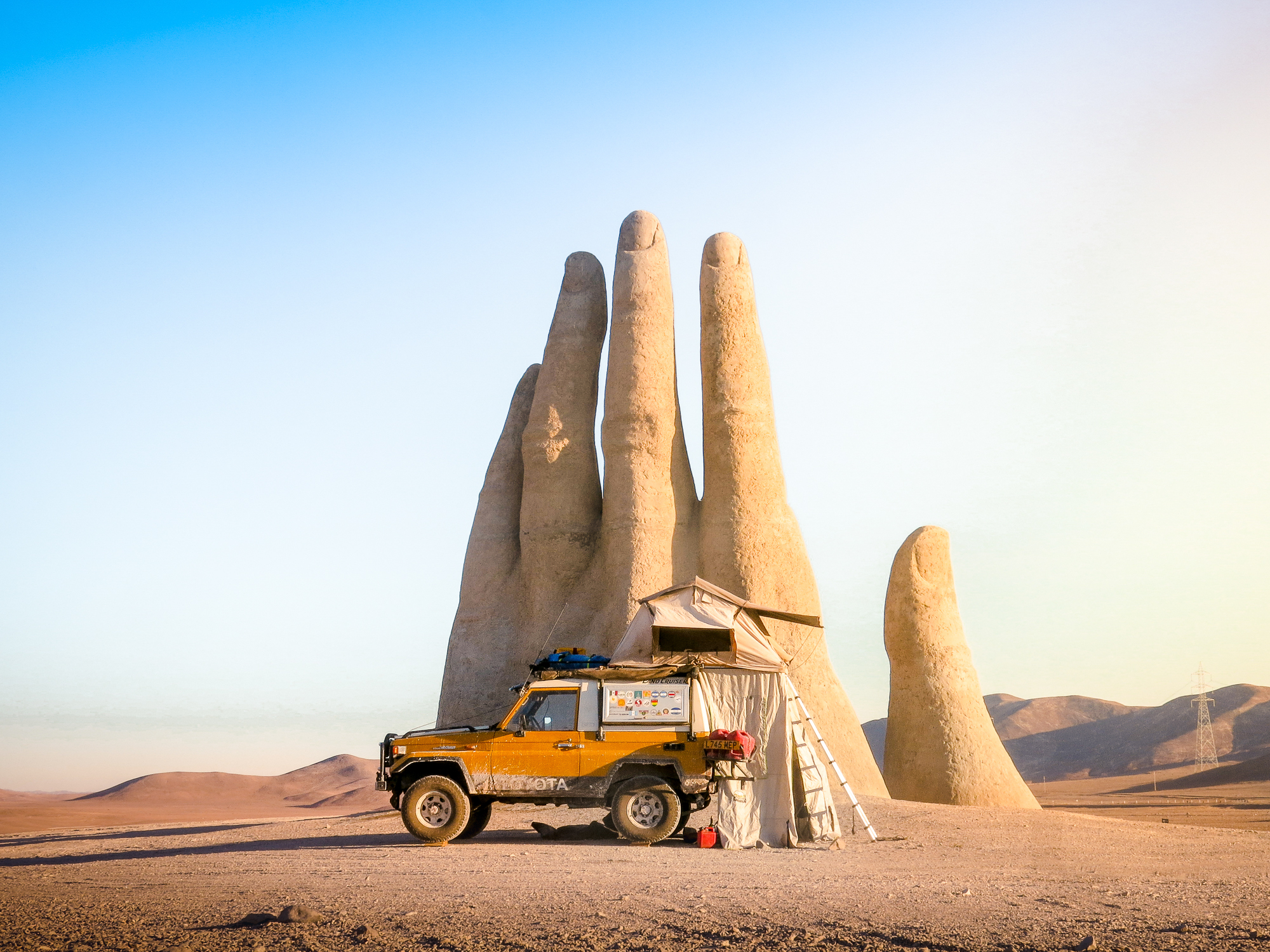
The decision to use the Land Cruiser platform stemmed from the renowned reliability and toughness of its legendary Toyota 1HZ engine. Reece and Ross wanted two vehicles with the exact specifications to maximize their shared tools and knowledge. After an extensive search on European vehicle sales websites, they found a pair of 1HZ Land Cruisers in Belgium and the Netherlands, respectively.
Reece acquired his Land Cruiser from the Netherlands near the town of Alkmaar. He and Ross traveled to Amsterdam, made their way to Alkmaar by bus and train, and spent the night in a hotel before meeting the owner. The dusty yet resplendent vehicle awaited them in an old farm hangar, and after some negotiations due to rust issues, Reece purchased it for 8,000 euros.
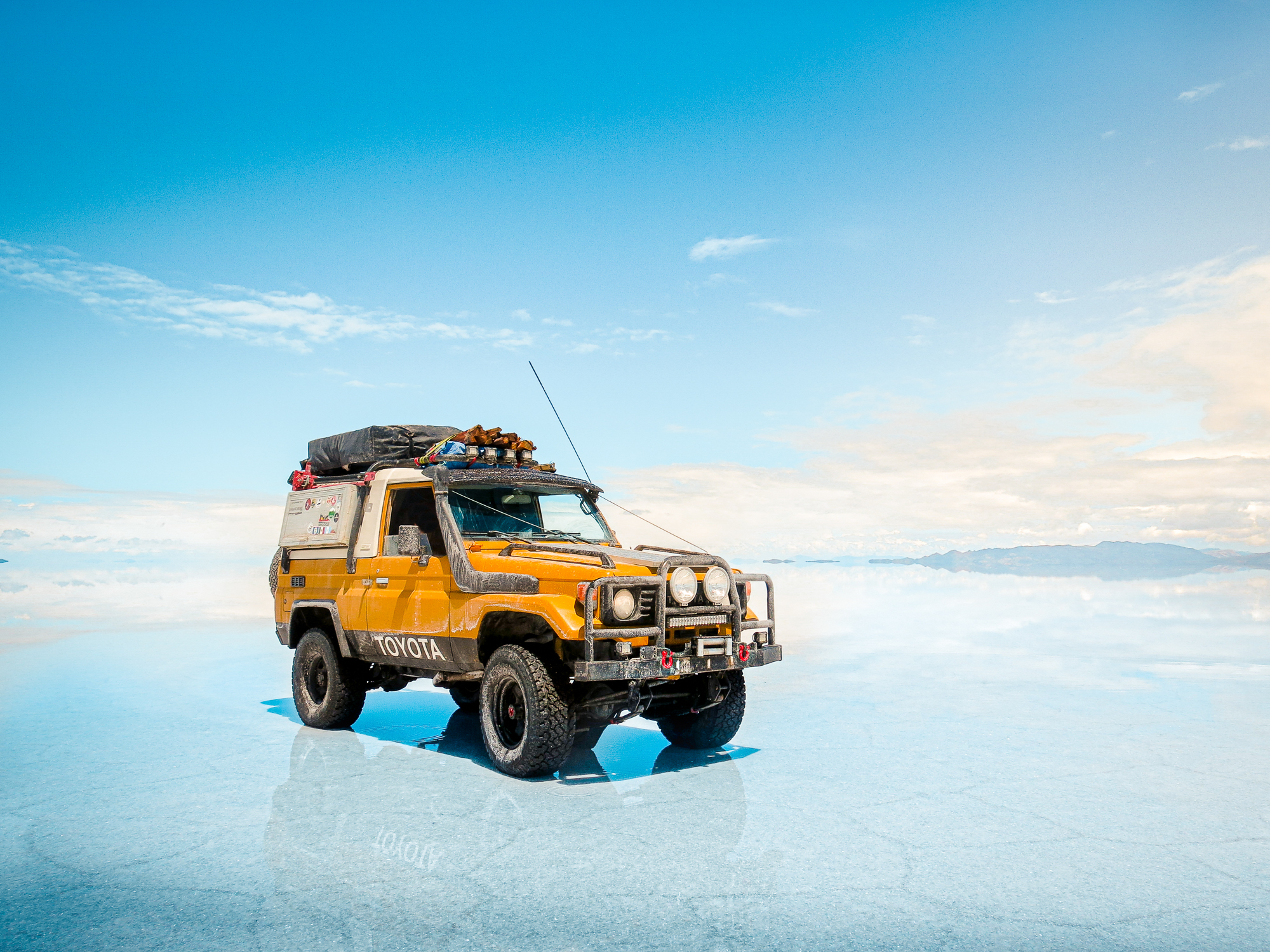
The cost of modifications made to the vehicle is challenging to quantify due to the countless repairs, accessories, and changes made before and during the Pan-American Highway journey. Additionally, Reece invested thousands of dollars in the subsequent rebuilding, refurbishment, modifications, and camper construction. Overall, his total investment likely exceeds $50,000.
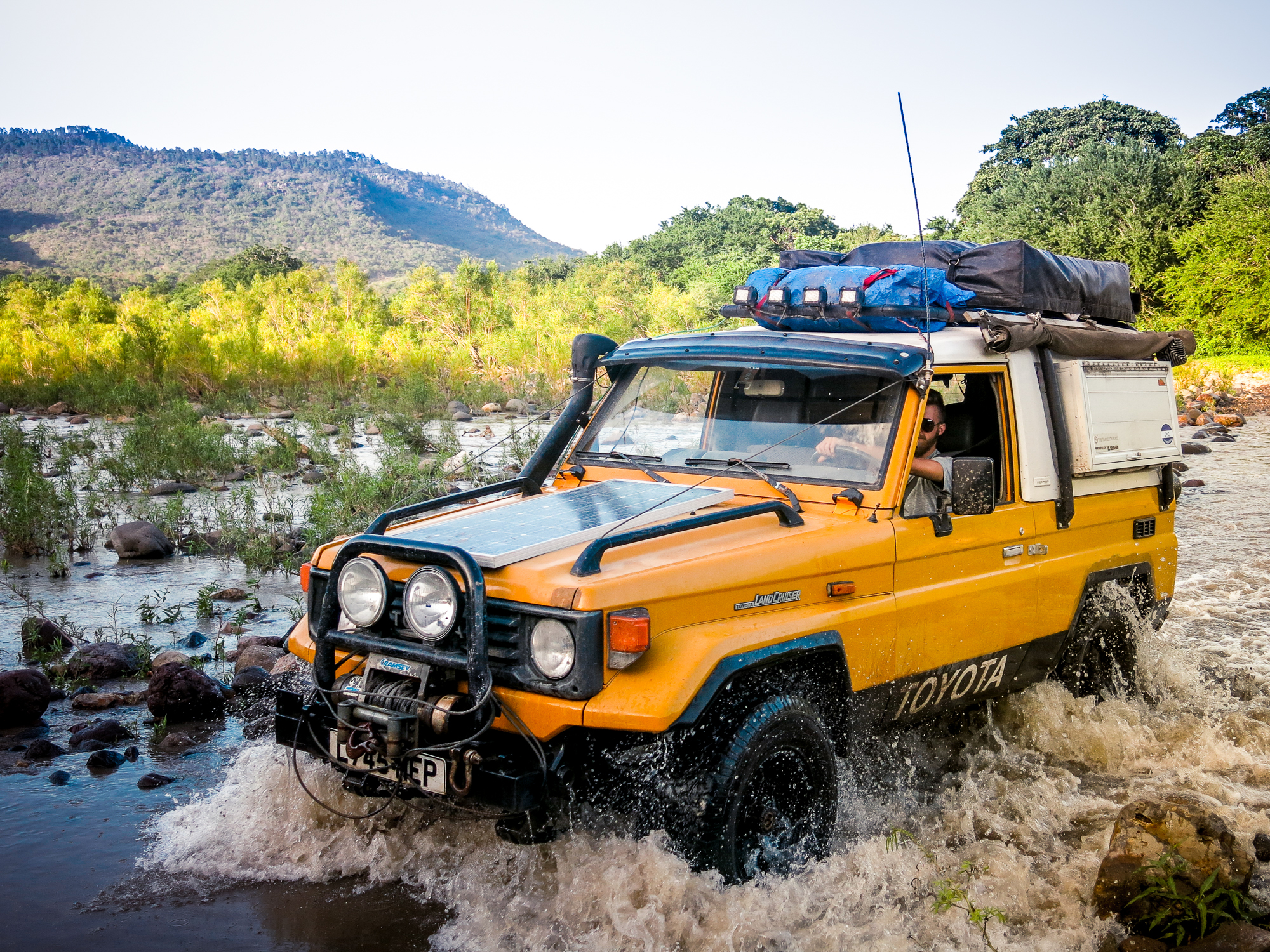
In 2014, two simultaneous obstacles emerged as they were earnestly preparing for the journey. The rapid rise of the violent Islamist group Boko Haram in Nigeria posed a threat to safe transit through the region. At the same time, the outbreak of Ebola in several West African nations resulted in the closure of their international borders. These unfortunate circumstances shattered Reece and Ross’s hopes of driving from London to Cape Town via the western route. Undeterred, they continued their research, eventually settling on the Pan-American Highway as their new adventure.
Reece recalls his initial mechanical inexperience, knowing little about what was required on the road and even less about preparing a vehicle for a multi-year expedition. The Land Cruiser he chose, a medium wheelbase HZJ73 model, had a basic setup with top-down access bins for storage and no interior living space. They made some urgent repairs, added a roof tent, and deemed it sufficient. They spent a winter in the UK modifying the newly acquired Land Cruisers before shipping them to the USA in March 2016. Little did they know that their expedition would stretch nearly three years. The vehicle remained largely stock, with Reece opting not to make significant mechanical changes. He has been satisfied with the Land Cruiser’s factory performance, given its legendary reliability, but Reece has still encountered his fair share of breakdowns and failures due to the demanding terrain he has traveled. From transmission and transfer case issues on the Pan-American Highway to blown seals, failing wiper motors, and recurring rear hub explosions, the 30-year-old Cruiser has put Reece’s mechanical skills to the test. Along the way across the Americas, they made extensive modifications to enhance the performance of Reece’s vehicle, but he knew that, eventually, a radical transformation was in order. With the Land Cruiser returned to the UK, it was evident that it was time to ditch the faithful old rooftop tent and create an internal living space with all the associated challenges and advantages.
The camper’s design inspiration came from the array of innovative ideas and designs observed in other expedition vehicles along the Pan-American Highway. Reece admired those with interior living space, especially during colder weather, while still maintaining a vehicle’s off-road capabilities. Striking a balance between comfort and ruggedness posed a challenge, but careful planning and calculations were dedicated in the design stage to achieving this goal.
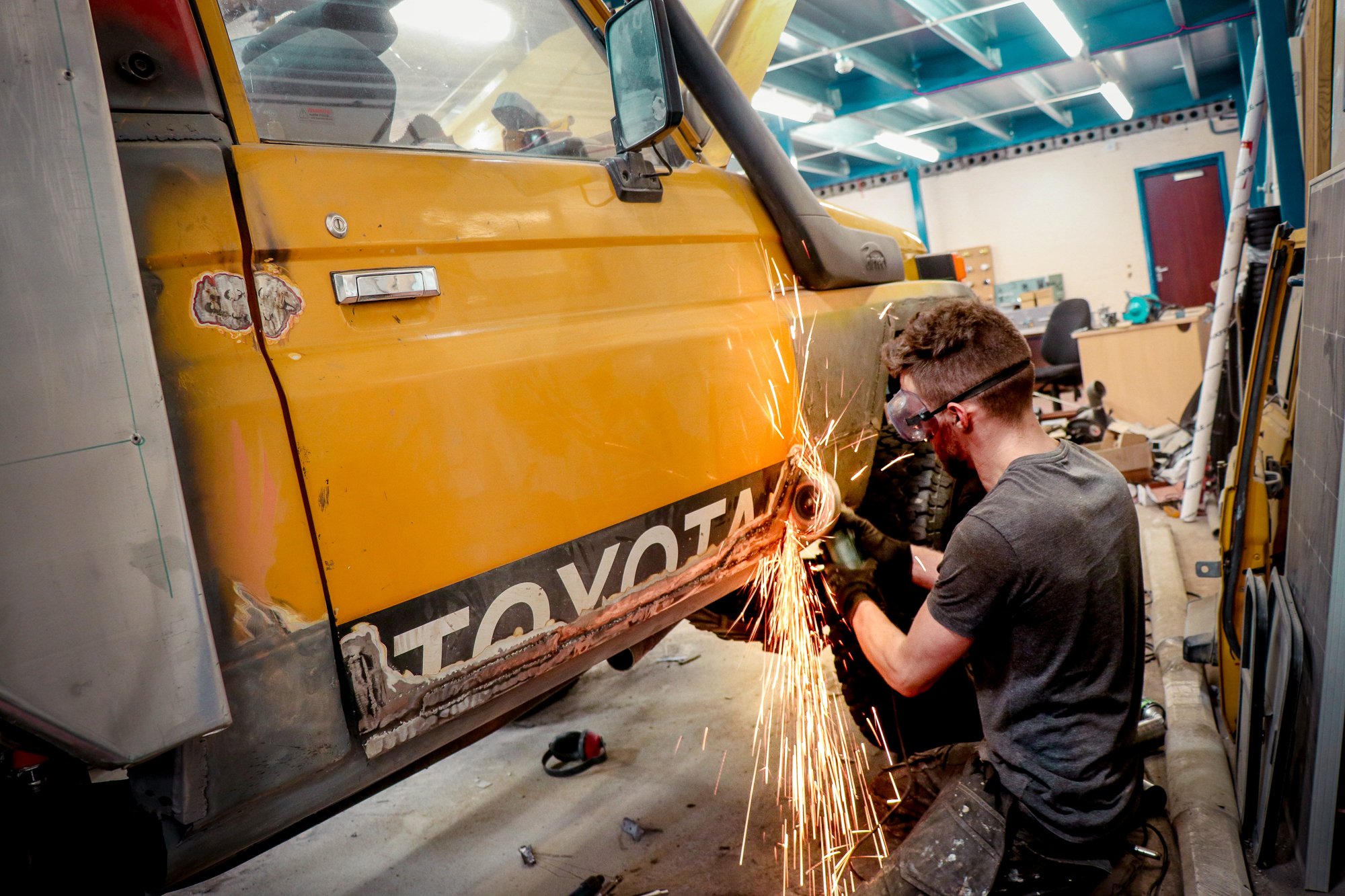
Despite limited mechanical and technical skills, Reece courageously attempted the ambitious camper conversion, starting with a significant and nerve-wracking cut into the vehicle’s body using an angle grinder. Due to various circumstances, the project took much longer than expected. However, over the course of three long years, battling adverse British weather, work pressures, and relying on his gradually growing skillset, Reece completed the build against all odds. Reece took on a full-time job to finance the project, which left him with evenings and weekends to work on the vehicle.
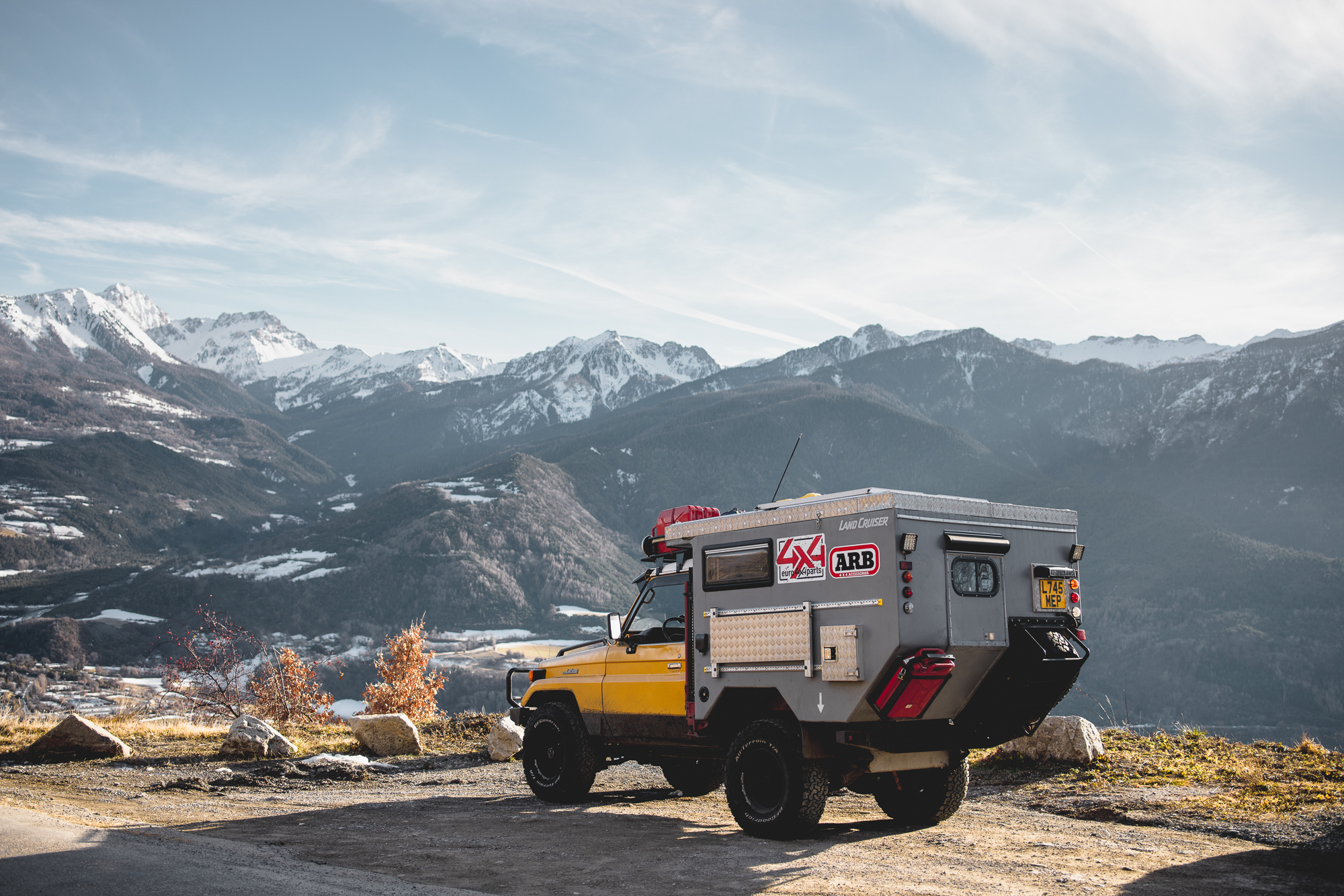
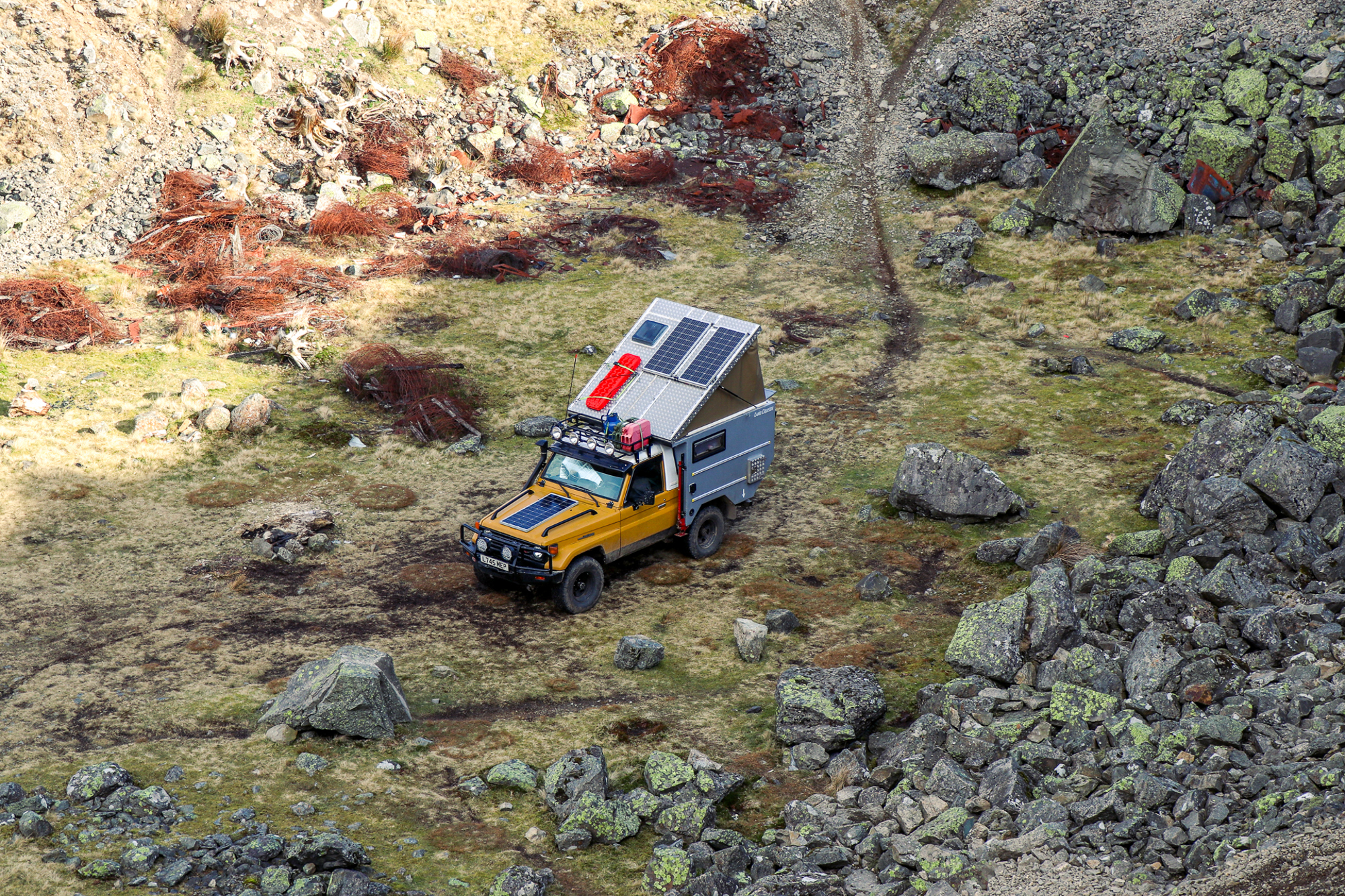
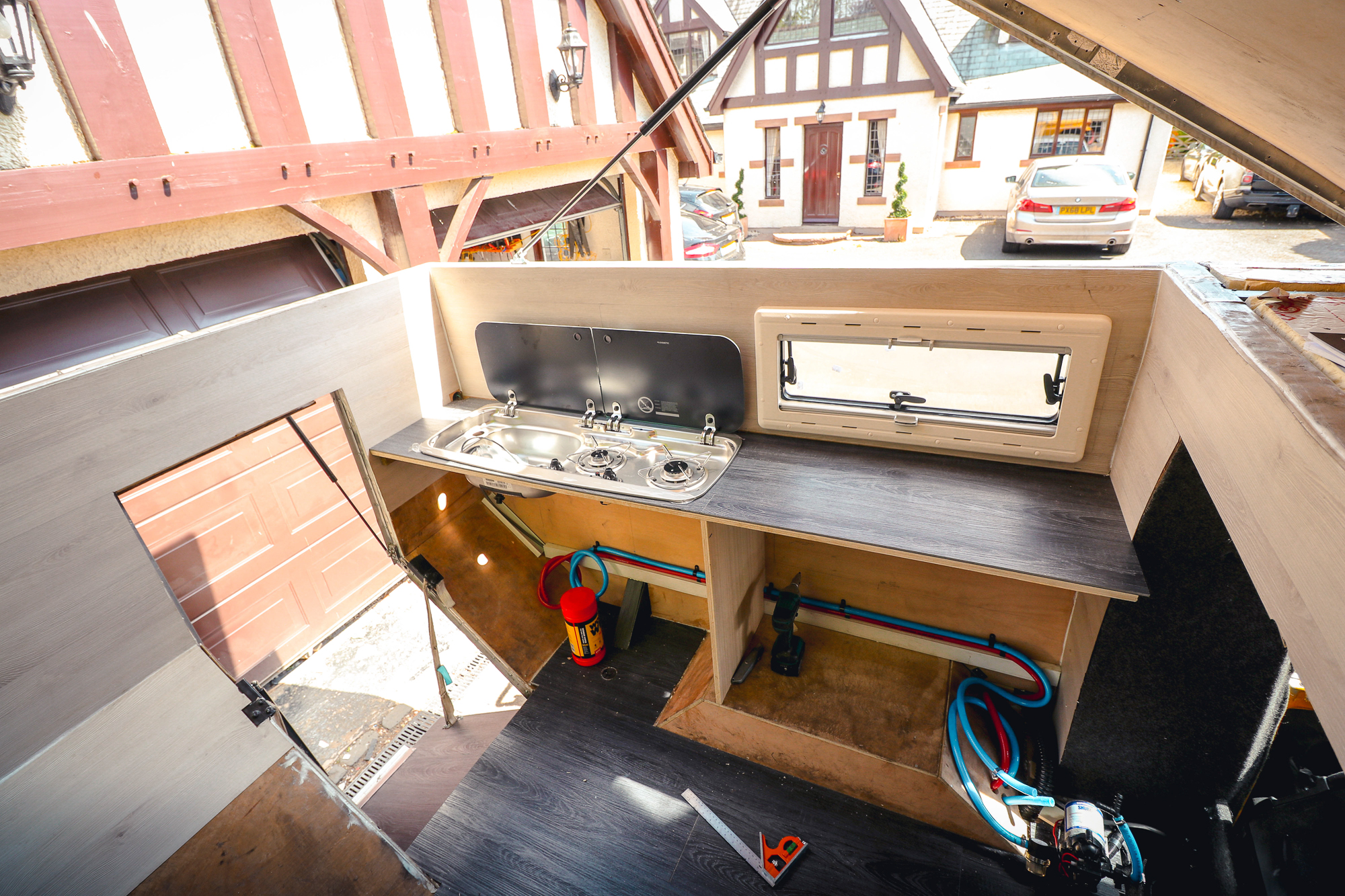
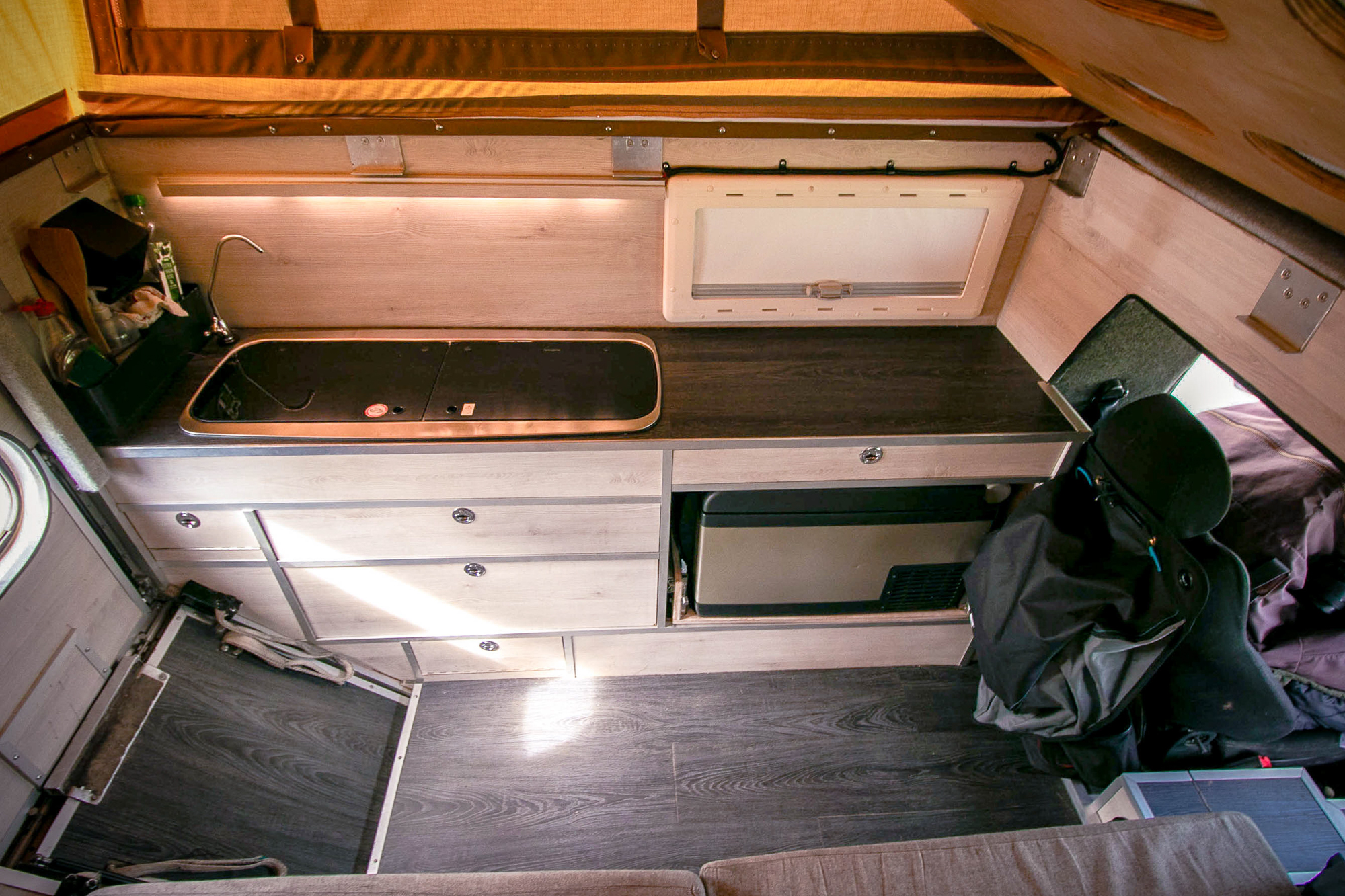
What sets Reece’s camper apart is its uniqueness. Built according to his exact specifications, there is no other camper like it. Given the limited space on a mid-wheelbase vehicle, Reece designed the camper to strike a delicate balance between comfortable living space and maintaining the Land Cruiser’s off-road capabilities. As a solo traveler, Reece built the vehicle to accommodate one or maybe two people and offers many of the essentials necessary for long-term, long-distance travel. Compact, practical, and attractive, this vehicle checks all the boxes and will no doubt serve Reece well as he continues to explore. One of the greatest advantages of building and maintaining your vehicle is that you get to know your vehicle intimately and are emboldened to travel further from the beaten track safe with the knowledge earned through blood, sweat, and tears. Reece has undoubtedly progressed in leaps and bounds since those first days working on his Land Cruiser.
Reece’s best advice would be to make sure you really want to commit to a project like this before you start. The Land Cruiser camper build has probably been the hardest thing Reece has ever done but also the most rewarding; the pop top, in particular, was the most time-consuming aspect. Looking back, he was not prepared in the slightest for what it would take to build the camper. Reece advises that anyone considering committing to such a build should ensure they have thought about how everything will work ahead of time. Reece feels that he made many silly mistakes and created issues for himself down the line simply because he hadn’t thought far enough ahead.
Reece reassures, “That said. It’s an incredibly gratifying experience to live in a space that you have created to your own specs. I would encourage anyone thinking about doing it to grab the bull by its horns.”
Specifications: 1993 Toyota Land Cruiser HZJ73
Power
1HZ Toyota Land Cruiser 4.2-liter (4,164-cc) diesel inline 6-cylinder 12-valve SOHC
Suspension and Drive
Old Man Emu 50(+)-millimeter lift (leaves and shocks)
Thor airbag rear suspension
Wheels and Tires
BFGoodrich KO2s 285/75/R16
Original Land Cruiser wheels
Recovery and Armor
Recovery boards
Hi-Lift jack
ARB winch bumper
Winch (13,000-pound)
Recovery straps
Hand tools, including shovel, axe, and saw
Accessories
Upgraded 90-liter fuel tank
Bushranger Nighthawk spotlights
Solar (450 watts via three solar panels)
Auxiliary battery system (220-amp-hour)
Redarc Manager 30 with Redvision display and TVMS Rogue
Interior two burner gas cooker and plumbed-in sink
Hot and cold water with heat exchanger inline
On-board air system with 1-gallon tank, air connection point, and airbag suspension
70-liter water tank with 12-volt pump
Exterior shower point
Custom over-cab roof rack with four spotlights
Unwin rail roof rack system on pop-top
Scheel-Mann Vario F seats


Editor’s Note: This article was originally published in Overland Journal’s Summer 2025 Issue.
Our No Compromise Clause: We do not accept advertorial content or allow advertising to influence our coverage, and our contributors are guaranteed editorial independence. Overland International may earn a small commission from affiliate links included in this article. We appreciate your support.
