

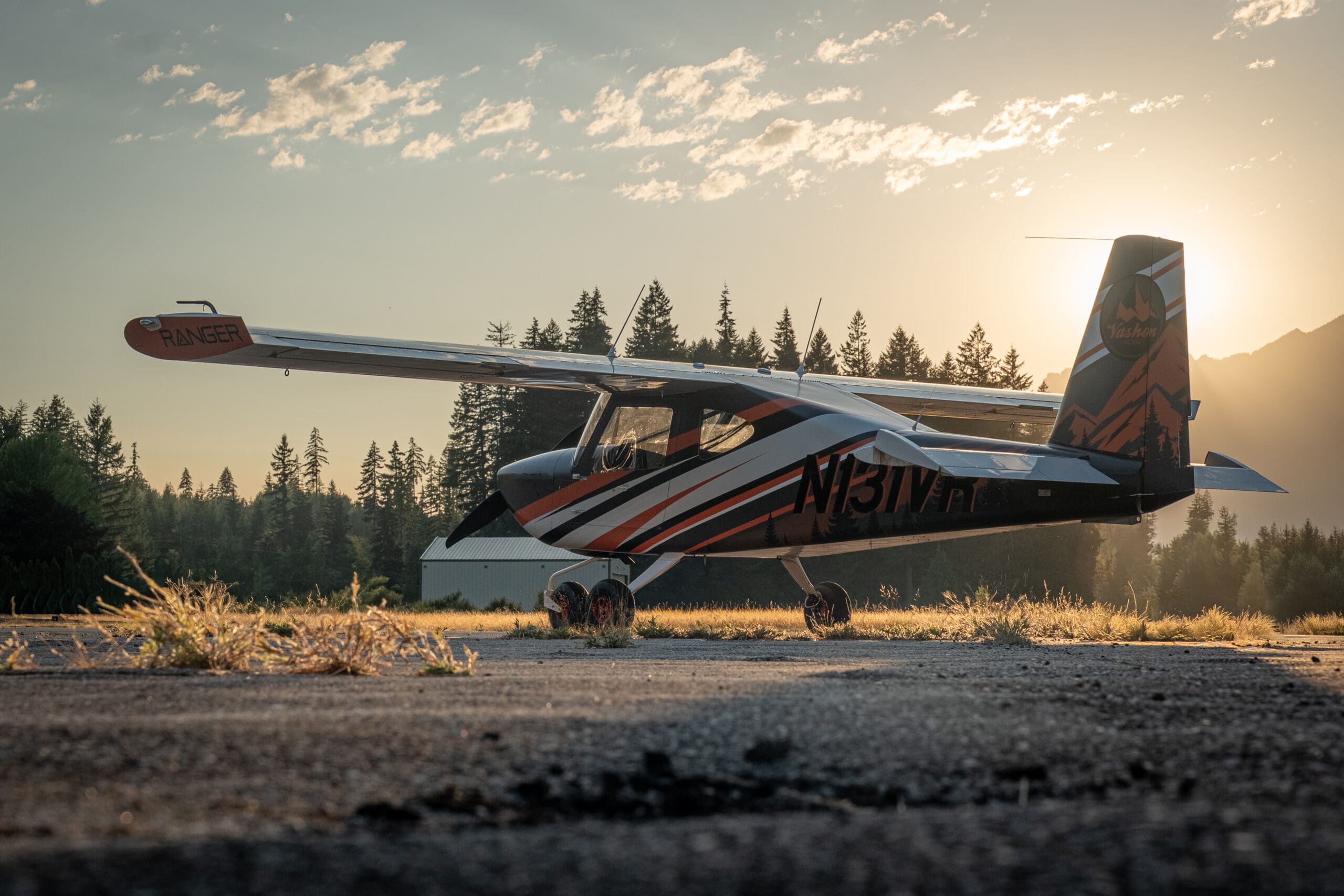
Just a few miles from my home in western Montana lies the sprawling Frank Church-River of No Return and Selway-Bitterroot Wilderness complex. At 3.6 million acres (approximately 14,500 km²) in size and spanning multiple US Forest Service districts across Idaho and Montana, this is far and away the largest swath of protected wilderness in the Lower 48. Like all federally designated wilderness areas, motorized travel is banned—but there is a small loophole in this regulation.
Dotted throughout the Frank Church and Selway are over two dozen tiny, mountain-bound airstrips. Some of these have closed in recent years, but the ones that remain open through a grandfather clause in the wilderness legislation are enticing destinations for explorers of all stripes. Short of many grueling days on horseback or on foot, flying into “The Church,” as we call it around here, is the best way to get really remote in eastern Idaho’s backcountry. The Vashon Ranger R7 is a light sport aircraft (LSA) designed for just this kind of adventure.
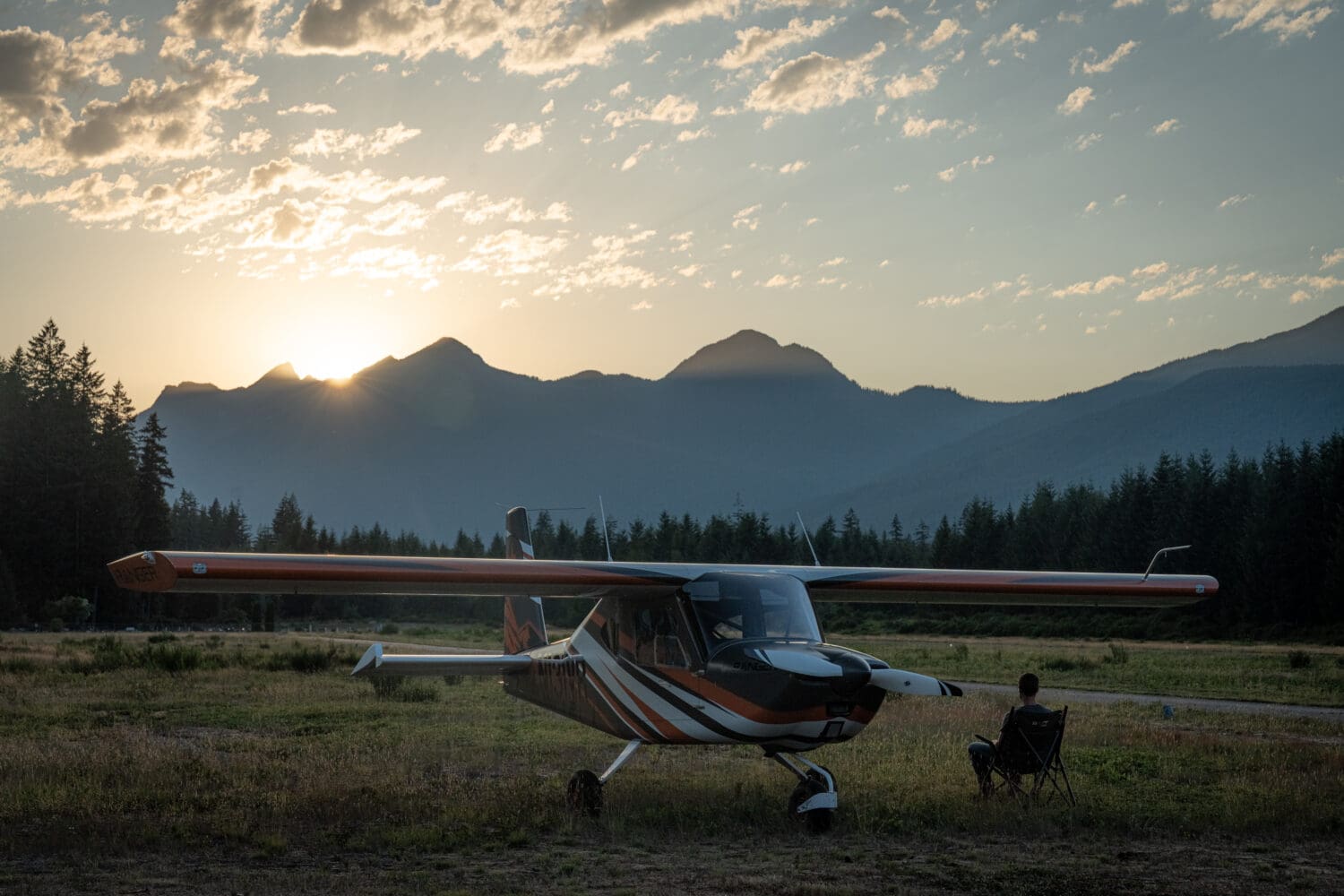
Vashon Ranger Specs
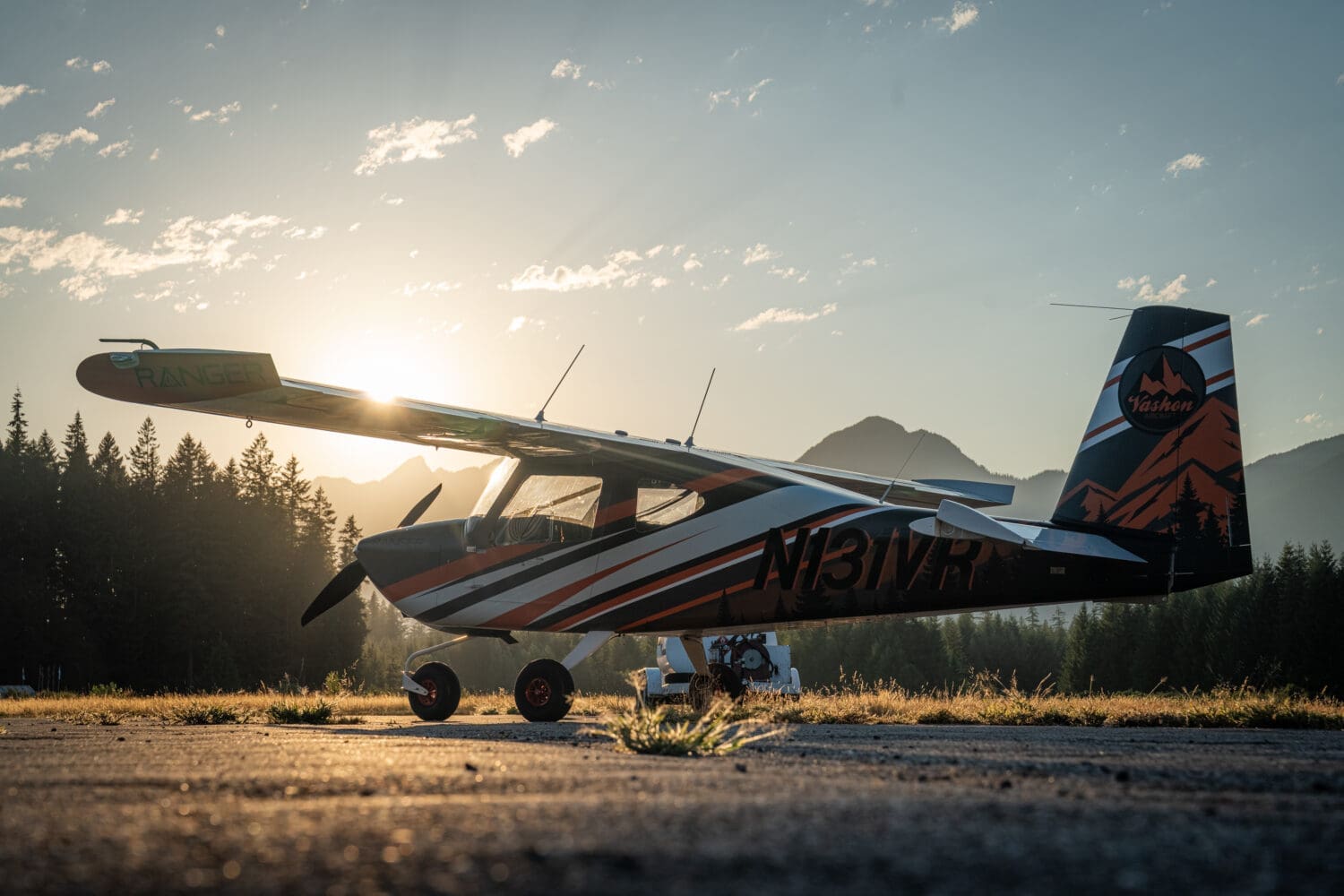
Vashon designs the Ranger for compliant and highly stable low-speed handling as well as equipping it with beefy tricycle landing gear that takes the anxiety out of touching down on less-than-pristine remote airstrips. Powered by the no-frills, but well-proven 100-horsepower Continental O-200-D engine, the Ranger will fly for 2,000 hours before its first scheduled overhaul—offering many years of operation for most pilots before needing a teardown. With a top speed of 119 KCAS (approximately 136 mph), the Ranger is no speed demon, but its 117 KCAS max cruising speed means it will eat air miles at a consistent clip under its 12,000-foot service ceiling. Dimensionally, the two-seater Ranger is just under 22 feet in length with a stubby 29.5-foot wingspan.
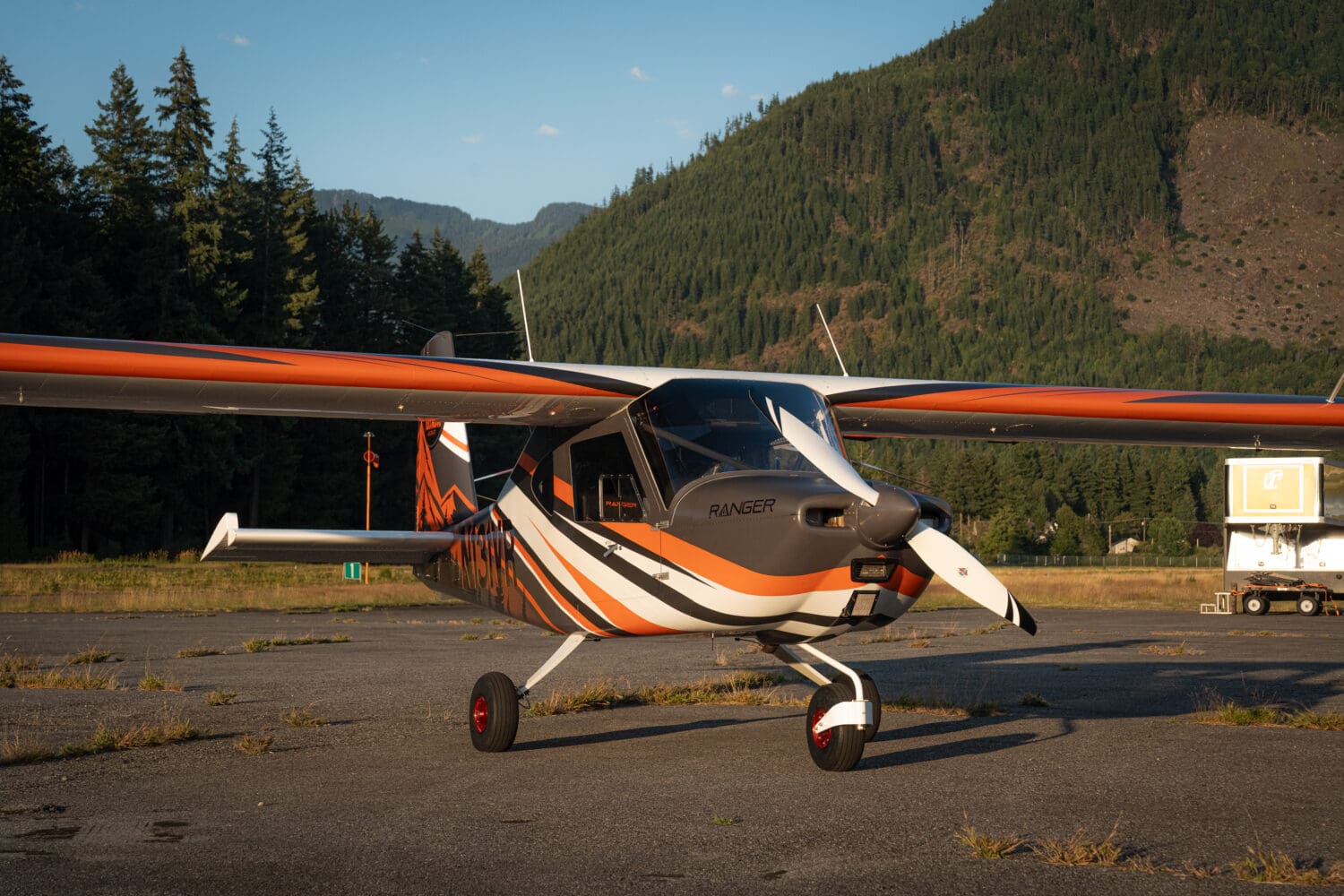
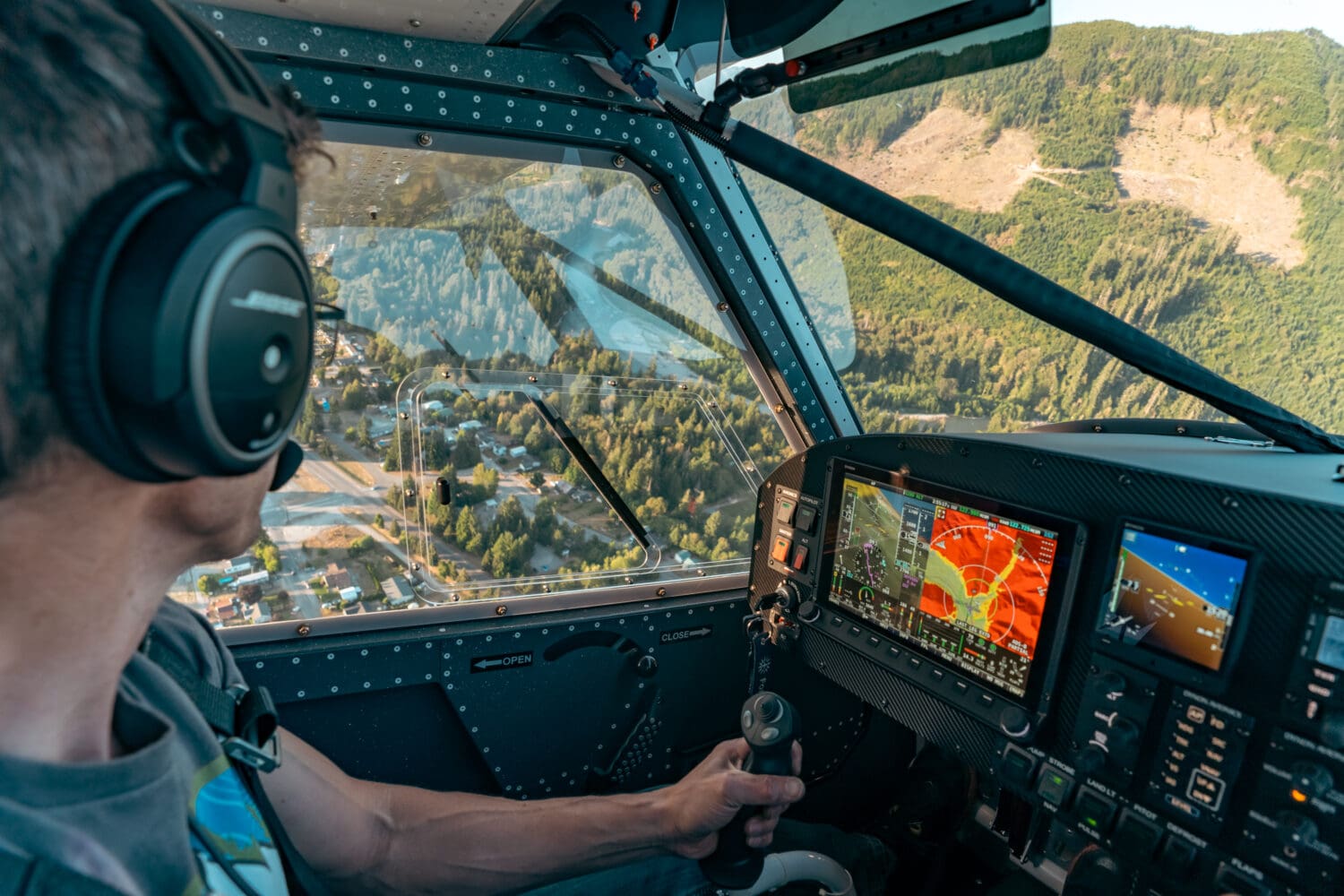
Its 46.7-inch cabin width Vashon claims is more than most 4-seater LSAs, so the cockpit should feel fairly spacious for a 2-up plane. The remainder of the aft cabin is given over to storage—up to 36 cubic feet. The 25.5-gallon wing fuel tanks (28.1-gallon overall capacity, including a 2.5-gallon reserve) make for a useful 500-nautical mile range for the sprightly 875-pound empty weight aircraft. Vashon equips the Ranger with the user-friendly Dynon SkyView Avionics Suite with tons of available upgrades, and physical controls include electronic elevator trim and flaps and adjustable rudder pedals. Dual flight controls make for an excellent teaching environment or easy trade-off for pilot and co-pilot during longer stints behind the yoke. The Ranger can take off in a mere 315 feet (a hair longer than a football field) and climb at up to 833 feet per minute. Landing distance requires just 475 feet, meaning there’s hardly an airstrip out there the Ranger can’t access.
“Overland” Ranger Grand Teton gets you more
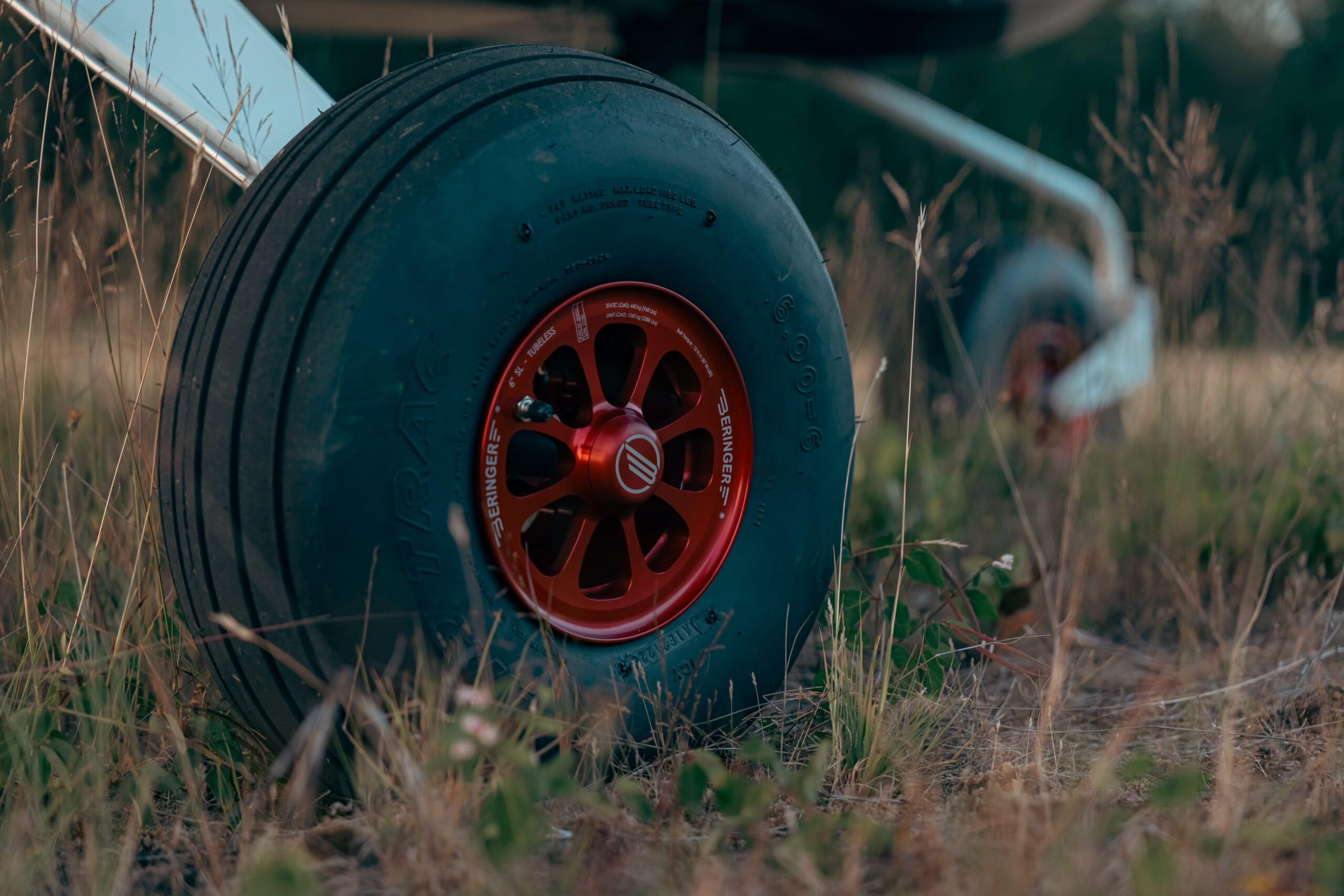
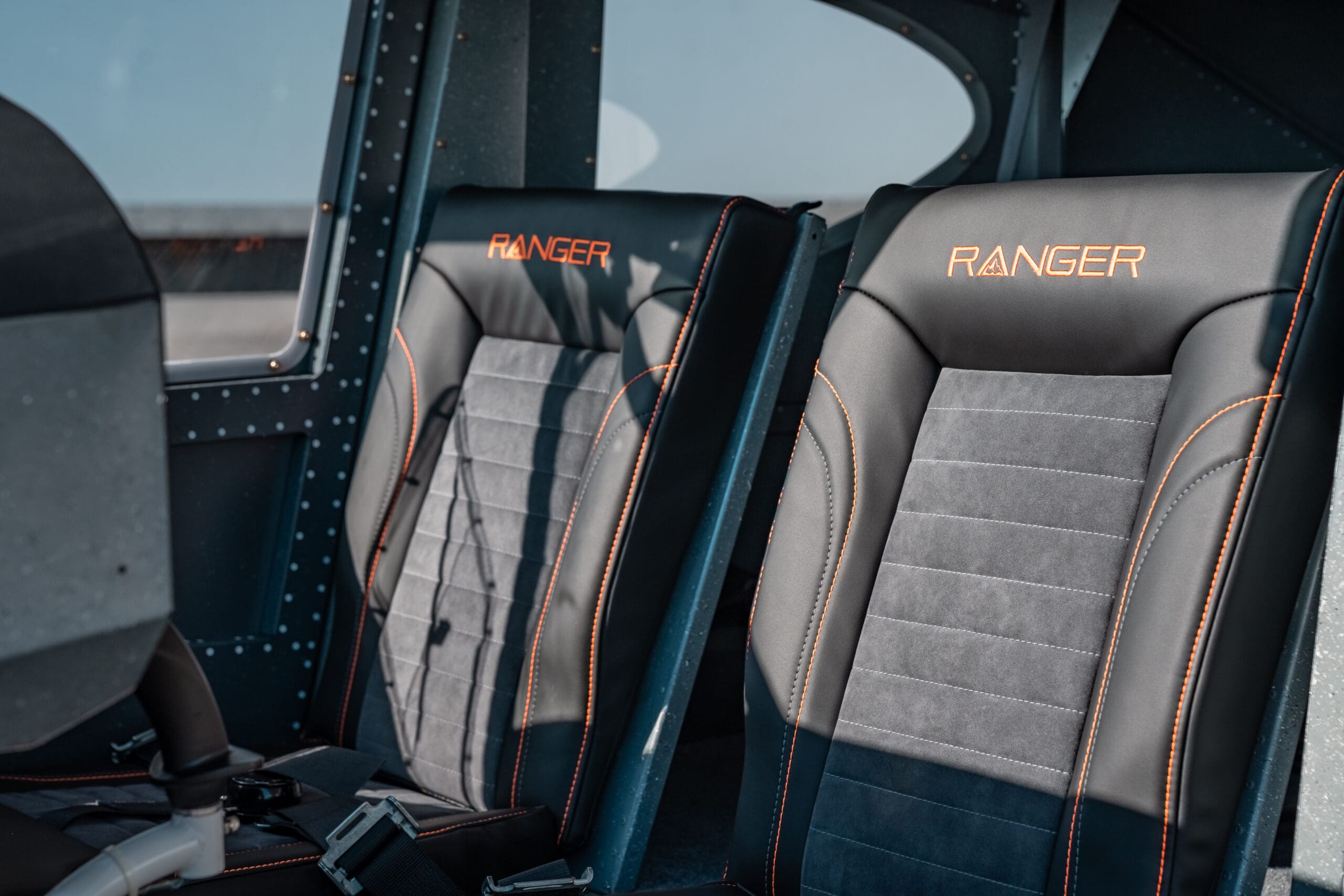
Historically, there have been some limitations on the types of flying pilots could do in LSAs, as well as payload restrictions. With recent revisions in FAA regulations, many of those barriers have been lifted. In particular, the new rules for ASTM S-LSA aircraft now allow instrument-guided flying and autopilot as well inclement weather flying. The FAA also increased the amount of weight that can be carried by these airplanes. The Grand Teton version of the Ranger takes advantage of these changes by including more advanced avionics and boosting the useful load to 550 pounds of fuel, humans, and gear. Deluxe lay-flat seats open up the cargo space for sleeping, and Beringer-branded wheels and brakes add even more take-off and landing capability. Added sound-deadening increases in-flight comfort, and buyers can choose optional graphics packages unique to the Grand Teton.
“We built this airplane for the person who’s never satisfied with how far they’ve gone,” said Scott Taylor, president of Vashon Aircraft. “The best places left in this country don’t have roads to them. The Ranger flies you in, sleeps you comfortably when you get there, and brings you home. Once you’ve done it, every trip you’ve ever taken starts to feel a little small.” The built-in-the-USA (Woodinville, Washington) Ranger Grand Teton starts at $241,000, while base-model Rangers built to the older FAA-spec start at just $171,500. There are plenty of ground-bound purpose-built overland rigs out there that are a far sight more expensive.
But Is It overlanding?
Despite all the novel opportunities for adventure that taking to the sky offers, there are some obvious limitations. Countless hours of flight training and education are required (especially in mountain flying, if you want to get remote in the Frank Church Wilderness), not to mention hangar rentals, landing fees, expensive aviation fuel, and other structural barriers. Once in the air, the scope of the Ranger as overlander is also relatively narrow. You won’t be bringing the kids, payload is still fairly light compared to your average Ram pickup, and where do you plug in the fridge?
My colleague Graeme Bell asked, “Is this really overlanding?” I tend to take an expansive view of the term; Overland Journal famously defines it simply as “self-reliant adventure travel to remote destinations where the journey is the primary goal.” The Vashon Ranger certainly offers that in spades to places where no wheeled vehicle will ever go. Having flown in my share of Cessna Caravans to remote corners of southern and east Africa, there is a unique thrill to touching down on a dusty airstrip in the middle of nowhere, maybe after a couple of close passes to haze the elephants off the runway. We’re looking forward to riding in a Ranger—it looks like a lot of fun, and, in the end, isn’t that the point?
From $171,500 (Glacier model) to $241,000 (Grand Teton model) | Vashon Aircraft
Read more: 50 States 50 Trails with INEOS Grenadier and onX
Images: Vashon Aircraft
Our No Compromise Clause: We do not accept advertorial content or allow advertising to influence our coverage, and our contributors are guaranteed editorial independence. Overland Collective may earn a small commission from affiliate links included in this article. We appreciate your support.
