

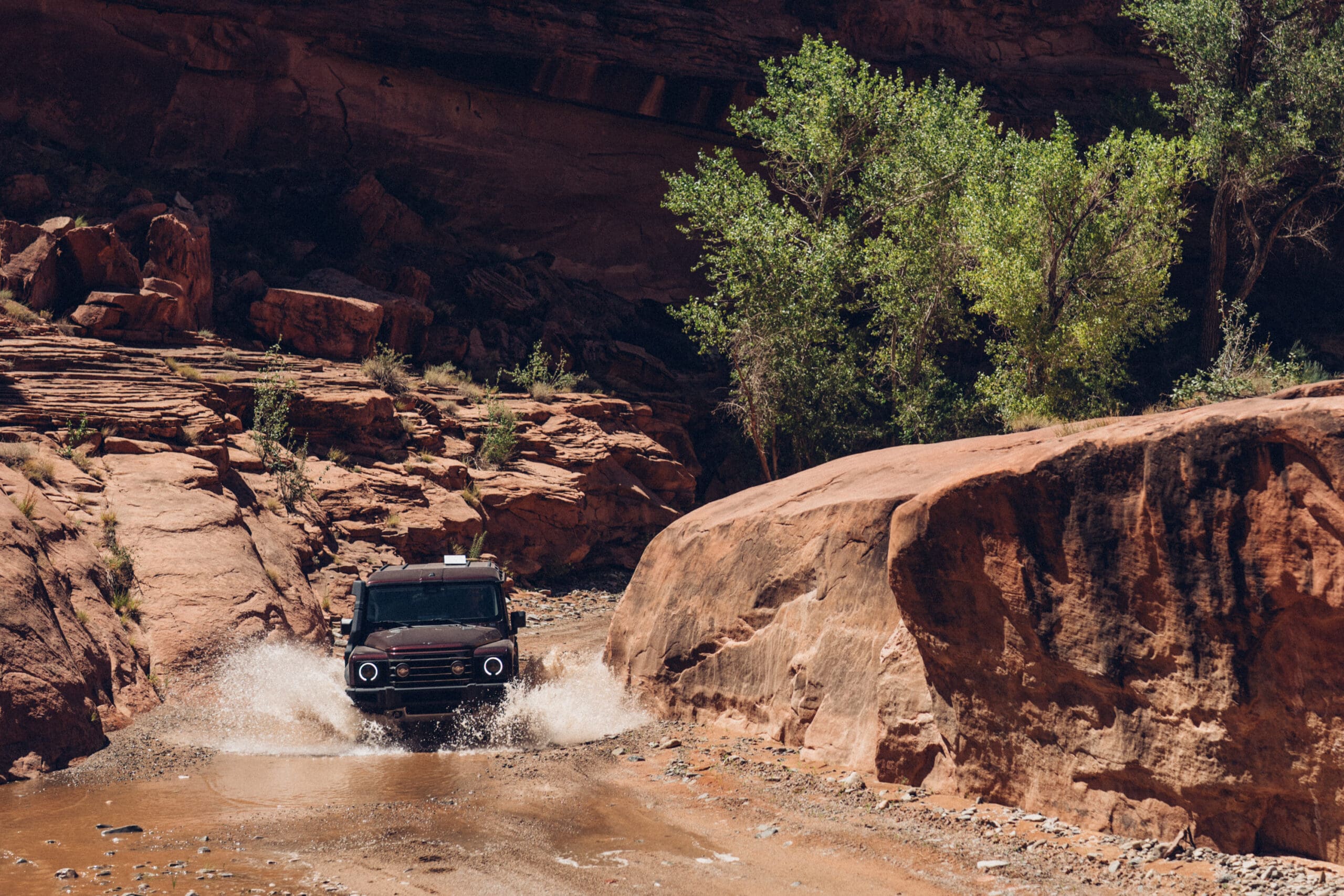
After more than two decades photographing and directing work in the outdoors, I’ve become selective. Not because I don’t enjoy the work, but because I’ve spent enough time in wild places to know the difference between manufacturing adventure and actually living it. The truck has never interested me nearly as much as where it takes people, or the stories that unfold once the pavement ends.
That’s why I said yes when Tony Warner of Warner INEOS Grenadier called.
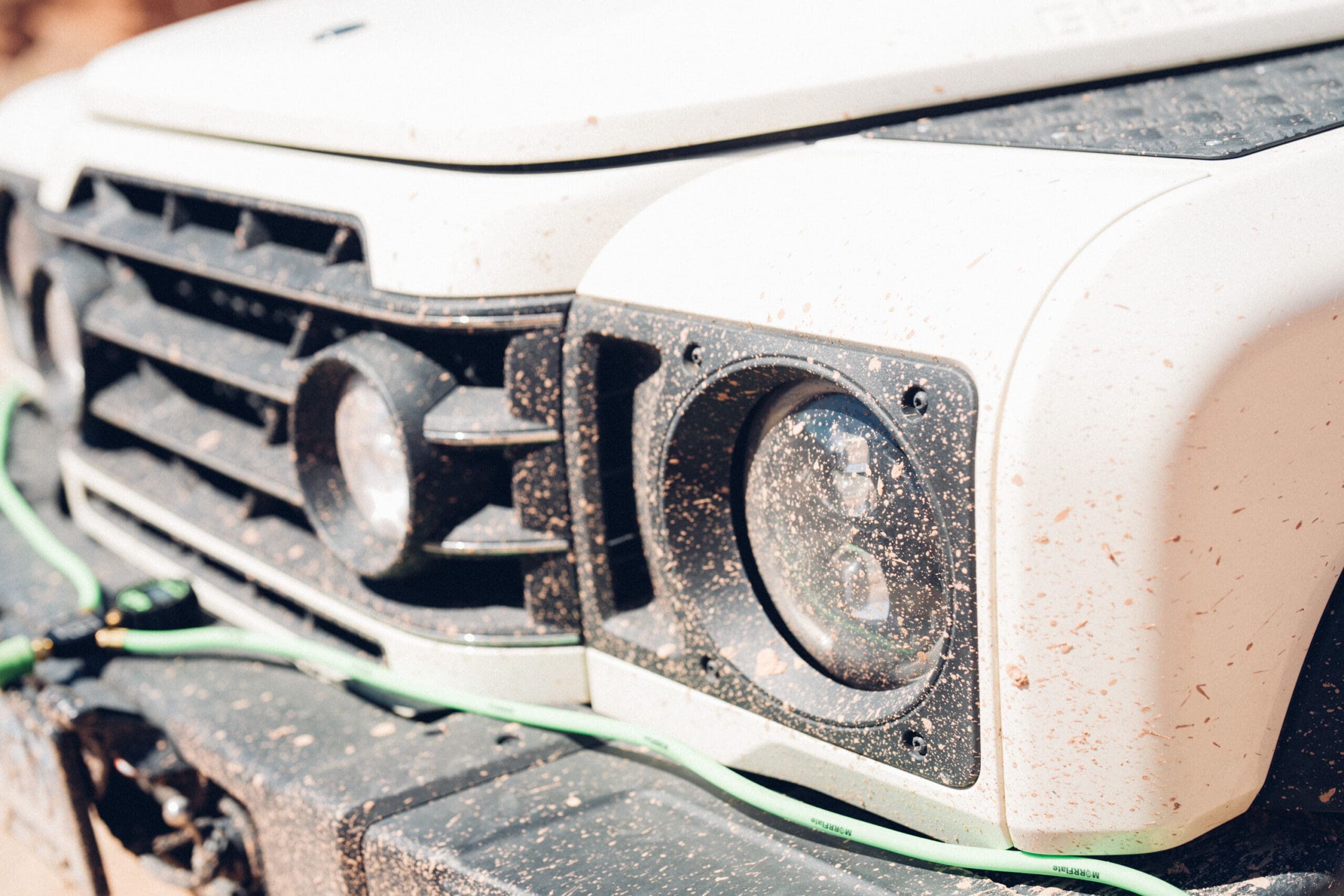
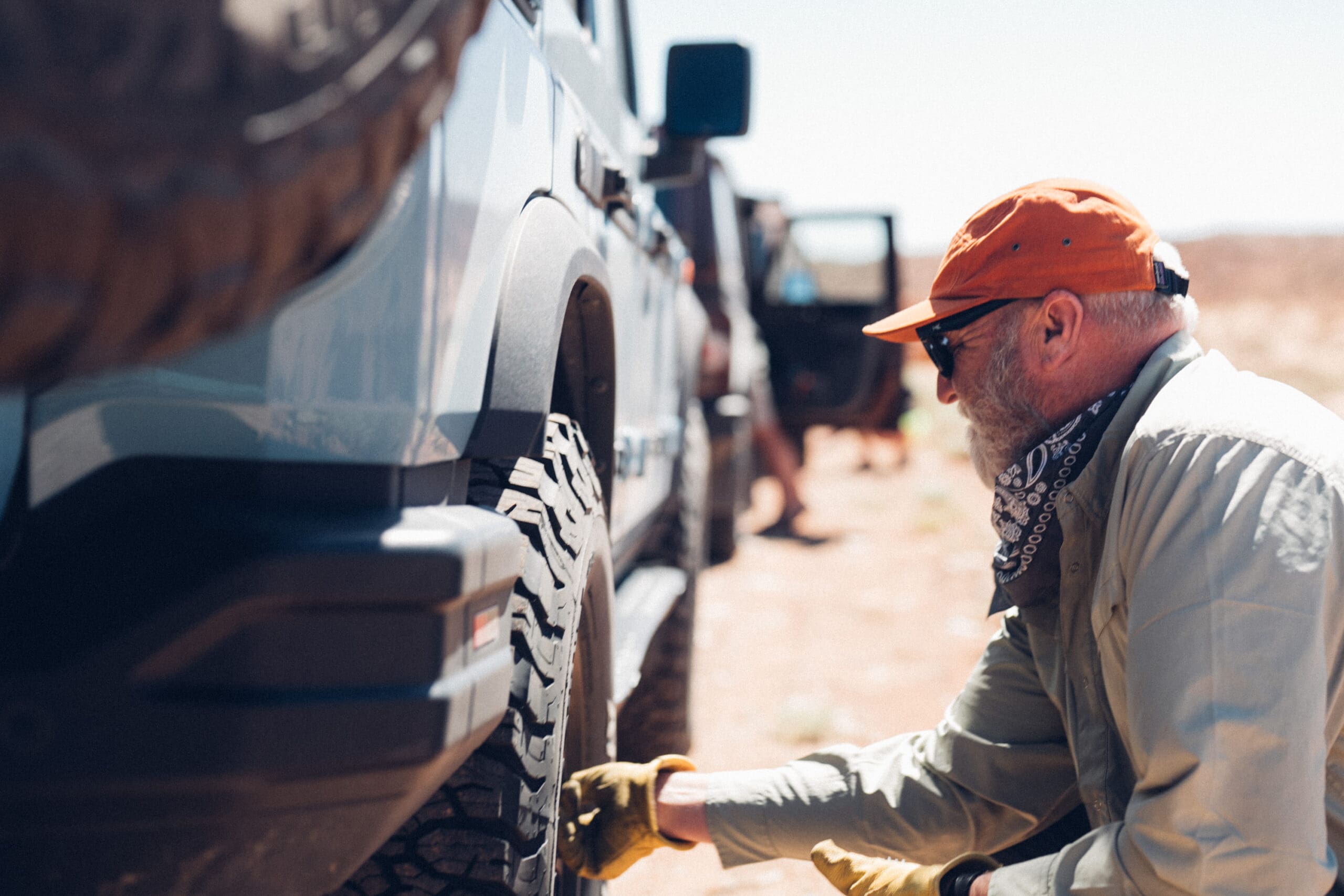
Tony has always understood that capability isn’t something you declare. It’s something you demonstrate. Quietly. Without fanfare. Without needing to win an argument on the internet. His vision wasn’t to build another comparison test or produce another collection of slow motion hero shots. It was to head into one of Utah’s most isolated corners in the middle of summer for the INEOS/on X 50 States 50 Trails.
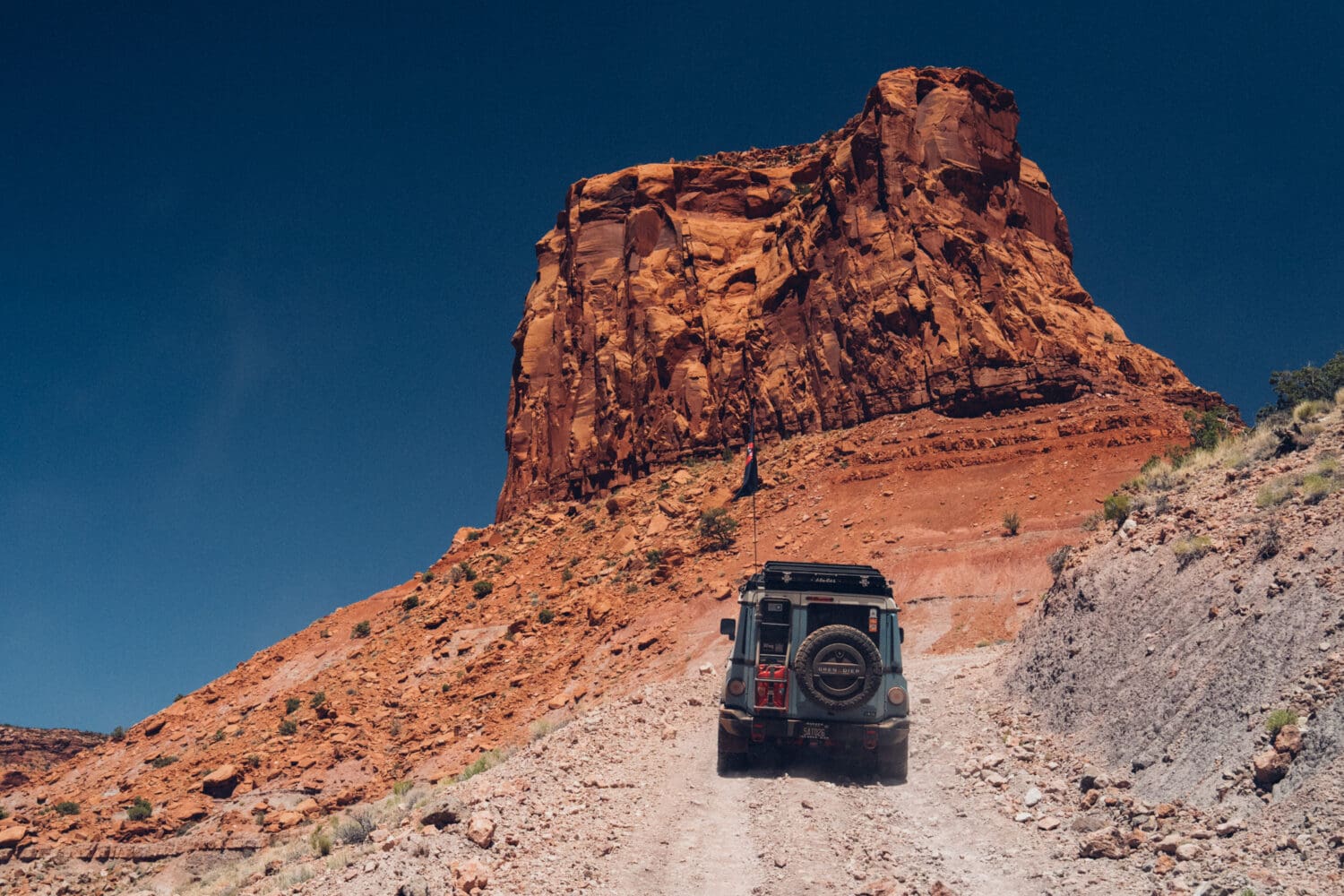
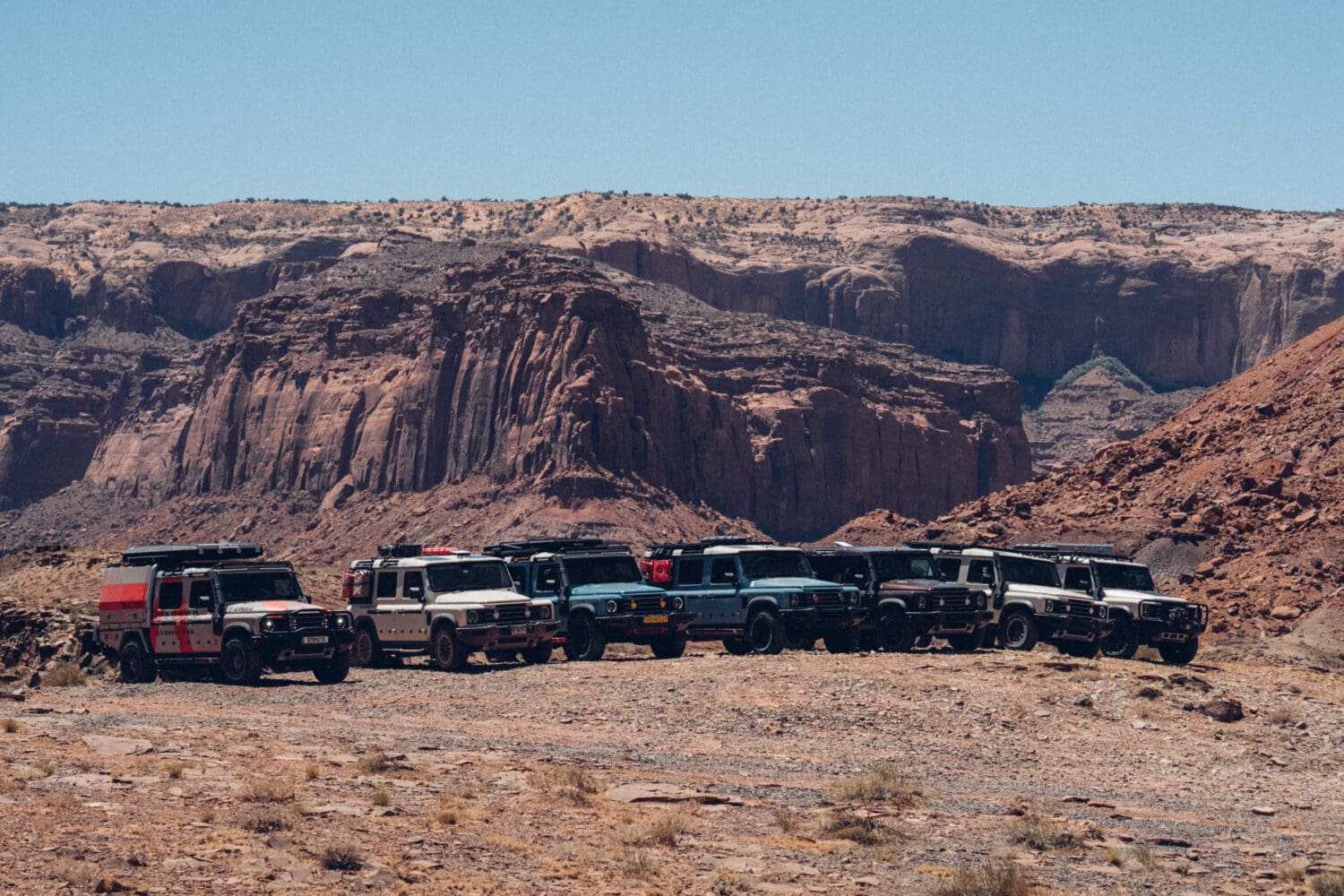
We pointed the trucks south of Hanksville toward Poison Spring Canyon, where the desert begins to swallow certainty. The route drops from the mesas toward the Dirty Devil River through country shaped by millions of years of uplift, erosion, and isolation. It is a place where sandstone cliffs glow long after sunset, where silence settles into the washes, and where help is measured in hours rather than miles.
Too often, capability is reduced to a table of numbers. Ground clearance. Locking differentials. Wheel travel. Torque. Specifications measured against assumed competitors. Or worse, a journalist that has been bought and paid for.
But capability isn’t proven on paper or blogs. It reveals itself through the decisions people are willing to make.
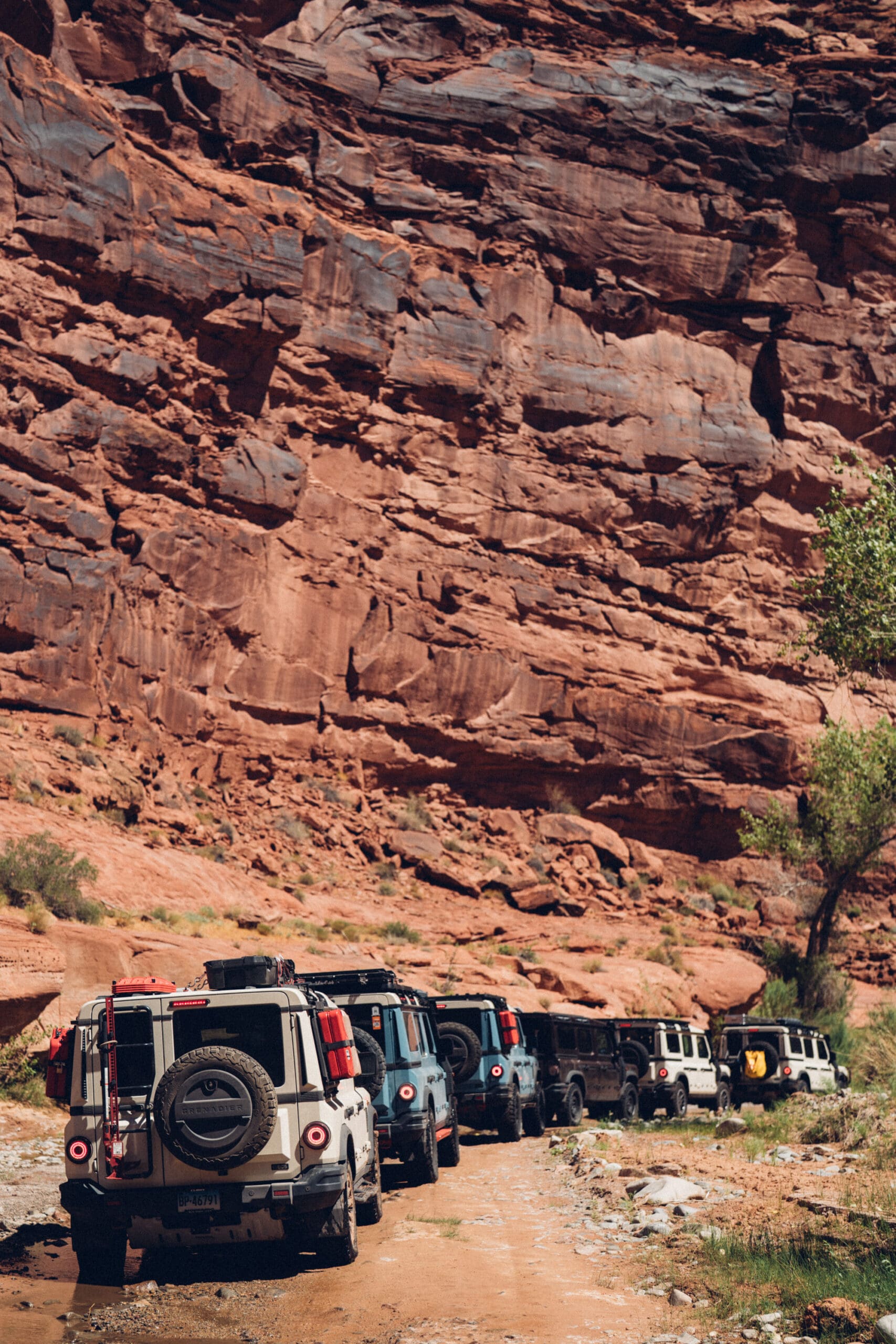
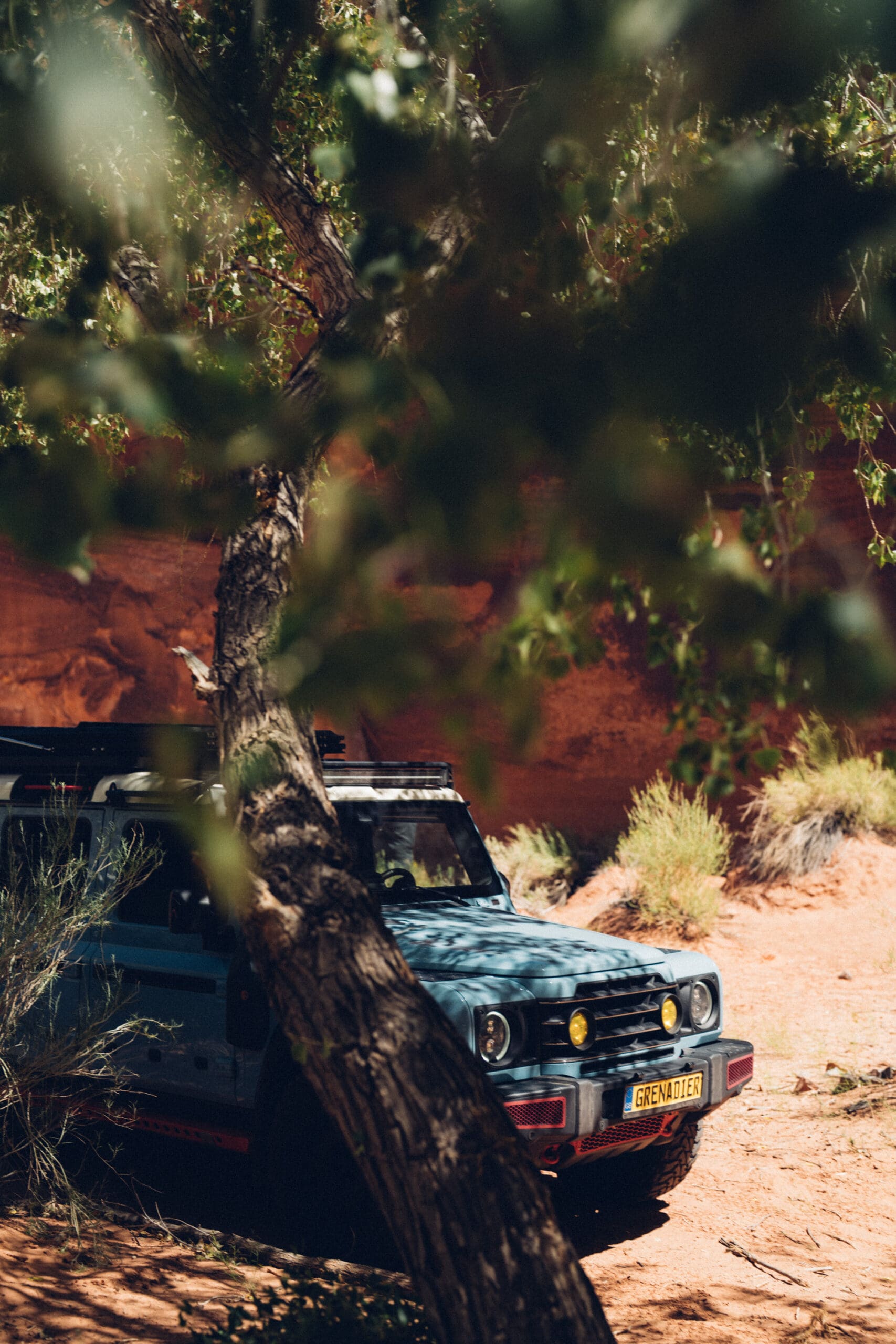
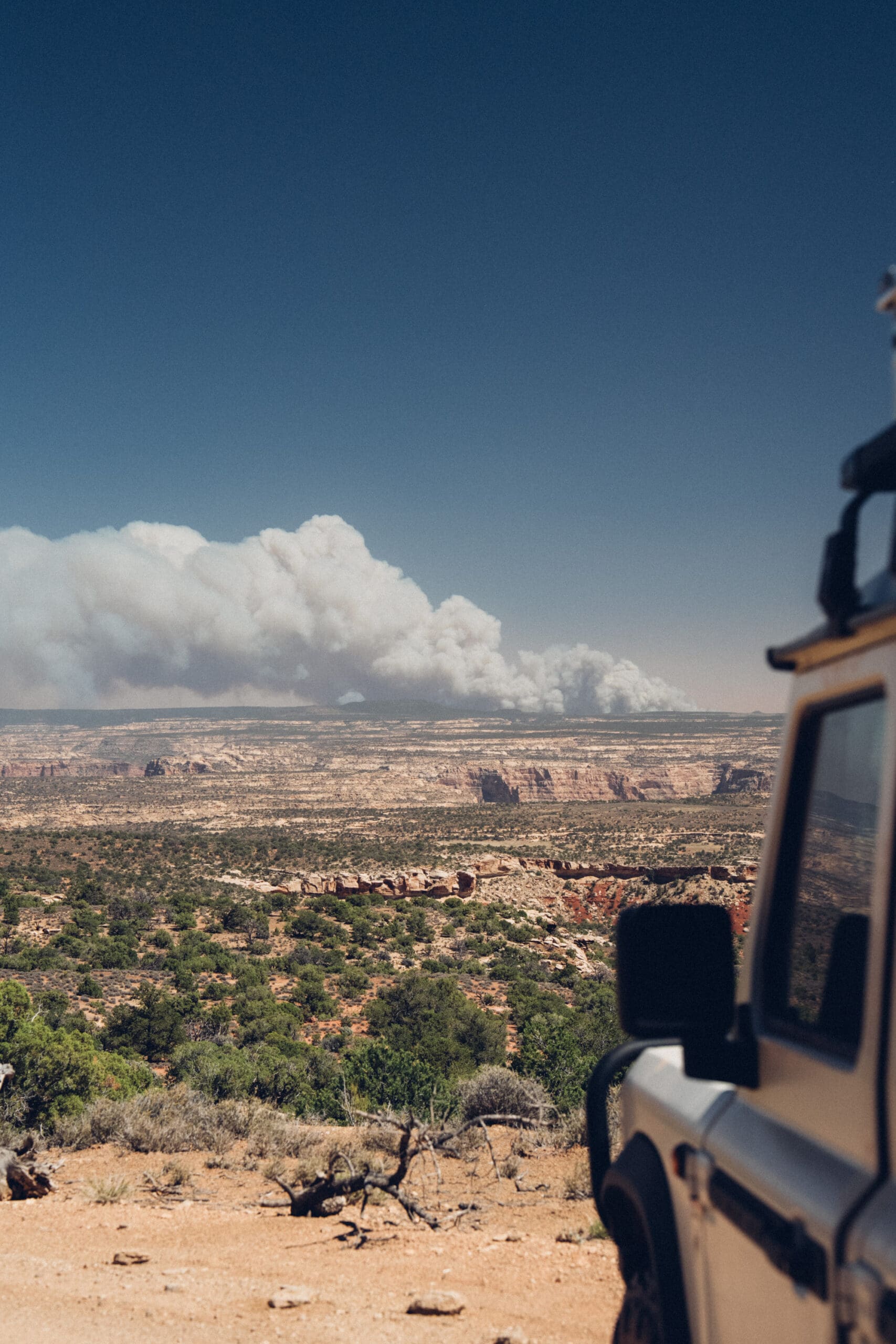
On this trip, that meant committing to a route despite forty-mile-an-hour sandstorms that stripped visibility to almost nothing. It meant enduring desert heat that pressed against every surface. It meant accepting that unexpected obstacles would appear because that is what remote country does. No camera angle, marketing deck, or engineering chart can replicate the uncertainty of being hours from the nearest tarmac with nothing but the landscape and your own judgment.
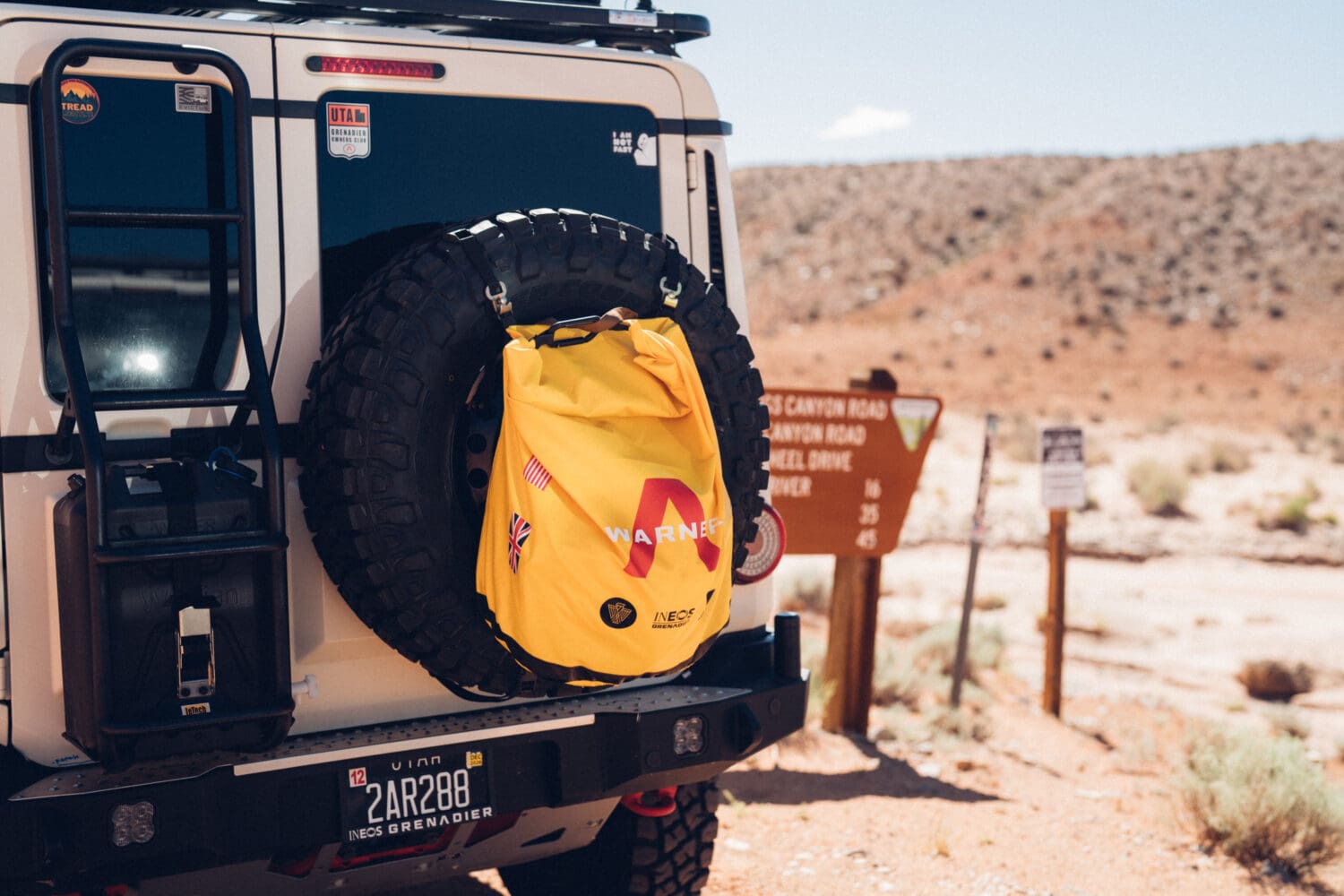
The truck mattered. Of course it did. When conditions deteriorated, nobody questioned whether it would make the climb, cross the wash, or carry us home. That confidence allowed everyone inside to stop thinking about the machine and start paying attention to the desert.
And that’s the real measure of capability. Not the numbers printed on a brochure.
The confidence to point toward the empty places. To choose the longer route. To continue when the weather turns. To experience a landscape on its own terms instead of standing at the overlook wondering what lies beyond.
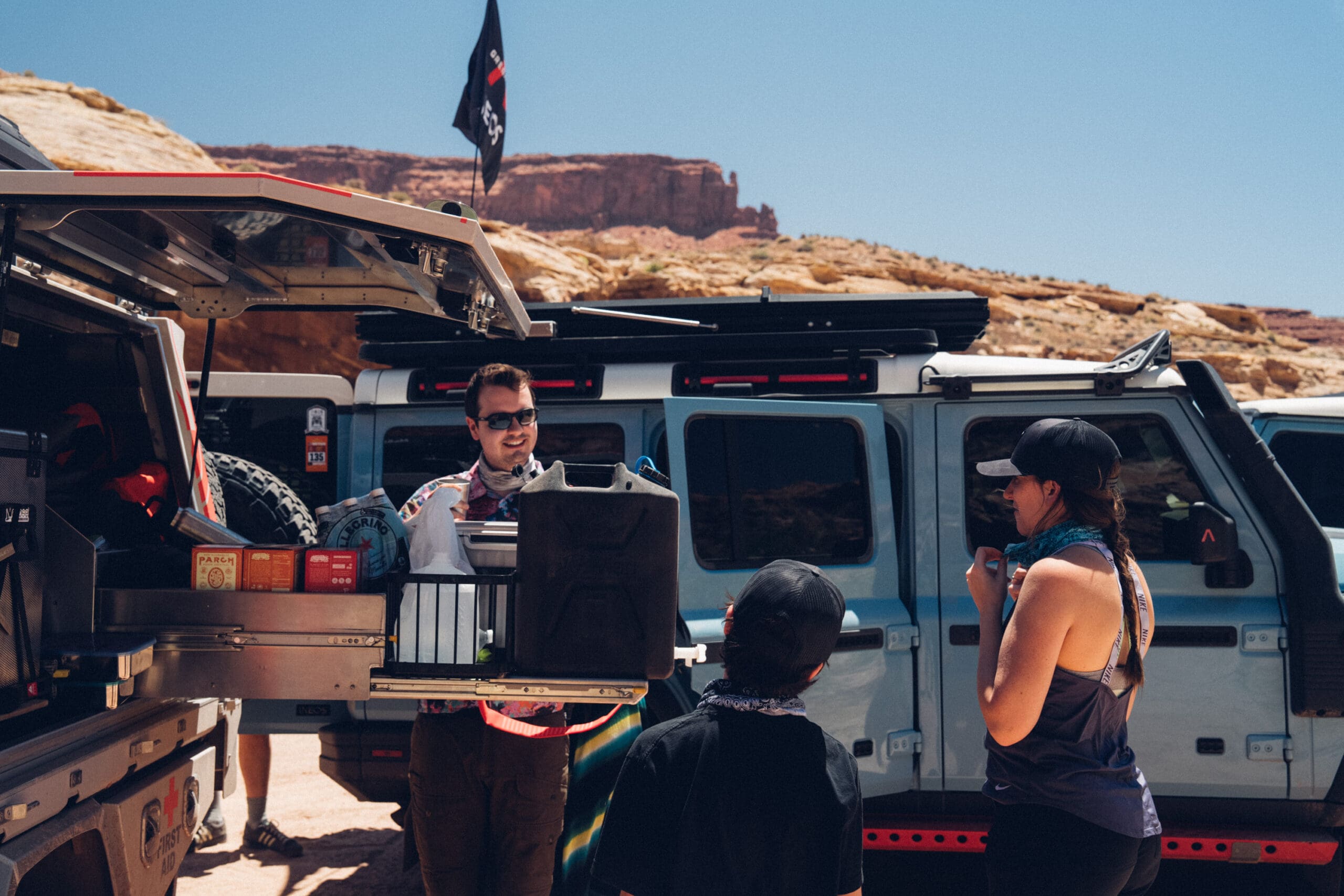
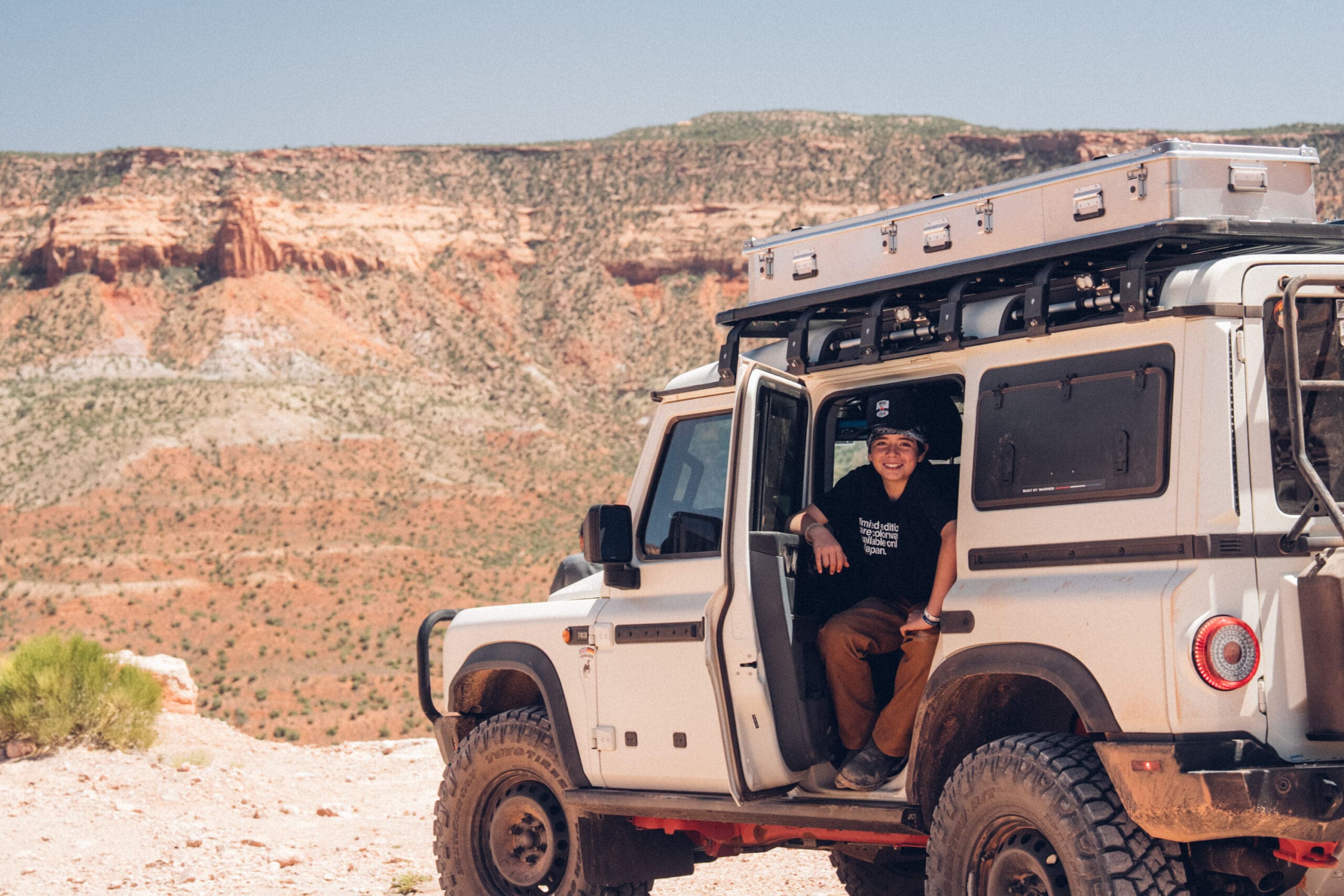
The truck mattered. Of course it did. It carried a novice through terrain they never imagined they could navigate. It also earned the confidence of drivers whose standards had been shaped by years of competition and countless miles in unforgiving country. That may be the highest compliment a vehicle can receive. It becomes transparent. It fades into the background and allows people, regardless of experience, to focus on the landscape, on learning, and on the community that’s being shaped.
That is the story I was interested in telling on Poison Spring Trail.
Read More: Chuckles Garage’s 1953 Ford “Nuke Van” Transforms a Cold War Relic into a Modern Overland Camper
Images: Sinuhe Xavier
Our No Compromise Clause: We do not accept advertorial content or allow advertising to influence our coverage, and our contributors are guaranteed editorial independence. Overland Collective may earn a small commission from affiliate links included in this article. We appreciate your support.
