

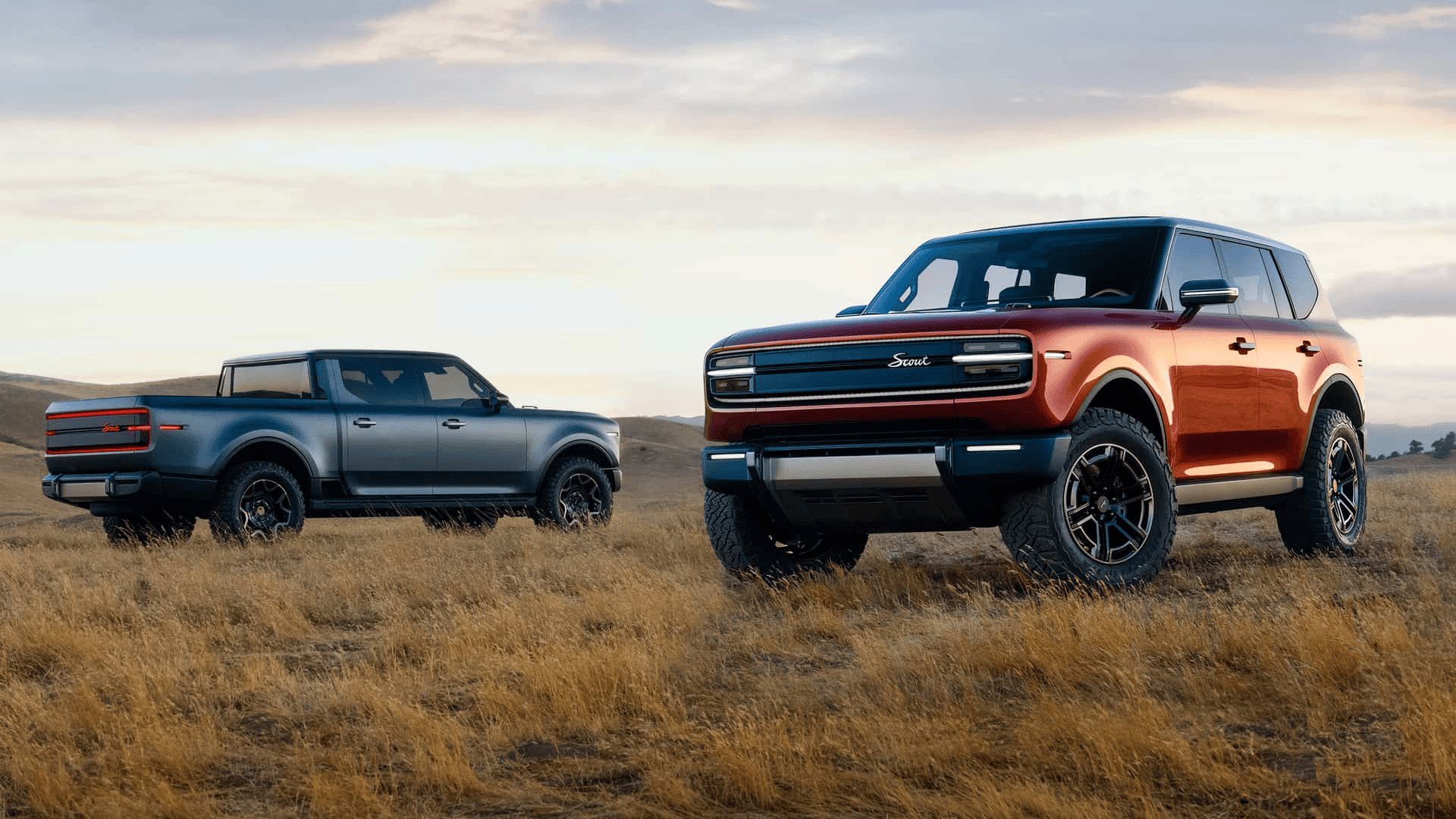
Extended range electric vehicles, commonly referred to as EREVs, are quickly emerging as one of the most compelling solutions for buyers who split their time between daily driving and long distance exploration. For the overland community, where remote travel and unpredictable infrastructure are part of the experience, the concept is especially relevant.
What is an EREV?
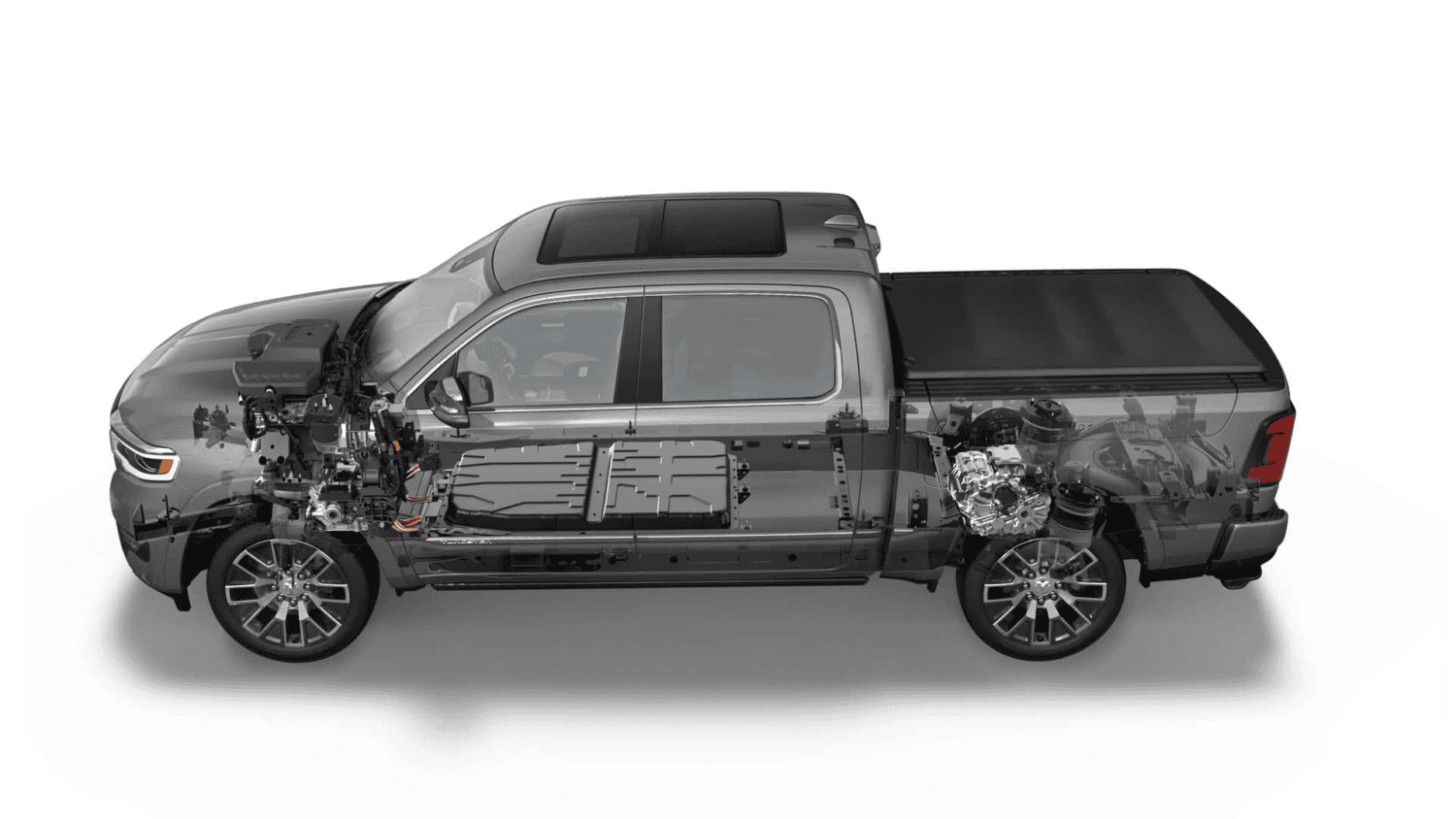
At its core, an EREV is an electric vehicle that is always driven by electric motors, but carries an onboard gasoline engine that acts purely as a generator. Unlike a traditional hybrid, where the engine and electric motor can both drive the wheels, or a plug-in hybrid that blends both systems depending on conditions, an EREV delivers a fully electric driving experience at all times, with the backup of an onboard generator to keep the battery topped up. To be clear—the gas engine can never power the wheels directly, it can only charge the battery when needed. For those following closely, this is exactly how diesel-electric trains function.

The frame of the Scout Motors Terra pickup.
This important difference creates a vastly different vehicle. Around town, an EREV behaves like a full EV. You plug it in at home, run errands silently, and avoid burning fuel entirely, saving a fortune on gas. For many drivers, that means most miles are electric.
When the road stretches beyond charging networks, the onboard generator steps in, eliminating range anxiety. For those getting truly remote, or when a road trip demands quick refills, the vehicle can be run purely on gas just like any normal vehicle. That means refueling is always possible, and takes considerably less time. Most importantly total range can stretch well beyond what current EVs offer, way up to 700 miles when leaving with a full battery and a full tank of gas. Tow ratings are also enormous, pushing to 14,000 pounds for a half-ton pickup.
Electrification refined
After years of pushing full battery electric vehicles, several manufacturers are now pivoting toward EREV platforms, especially for trucks and larger SUVs where towing, payload, and long travel distances expose the limitations of current EV technology.
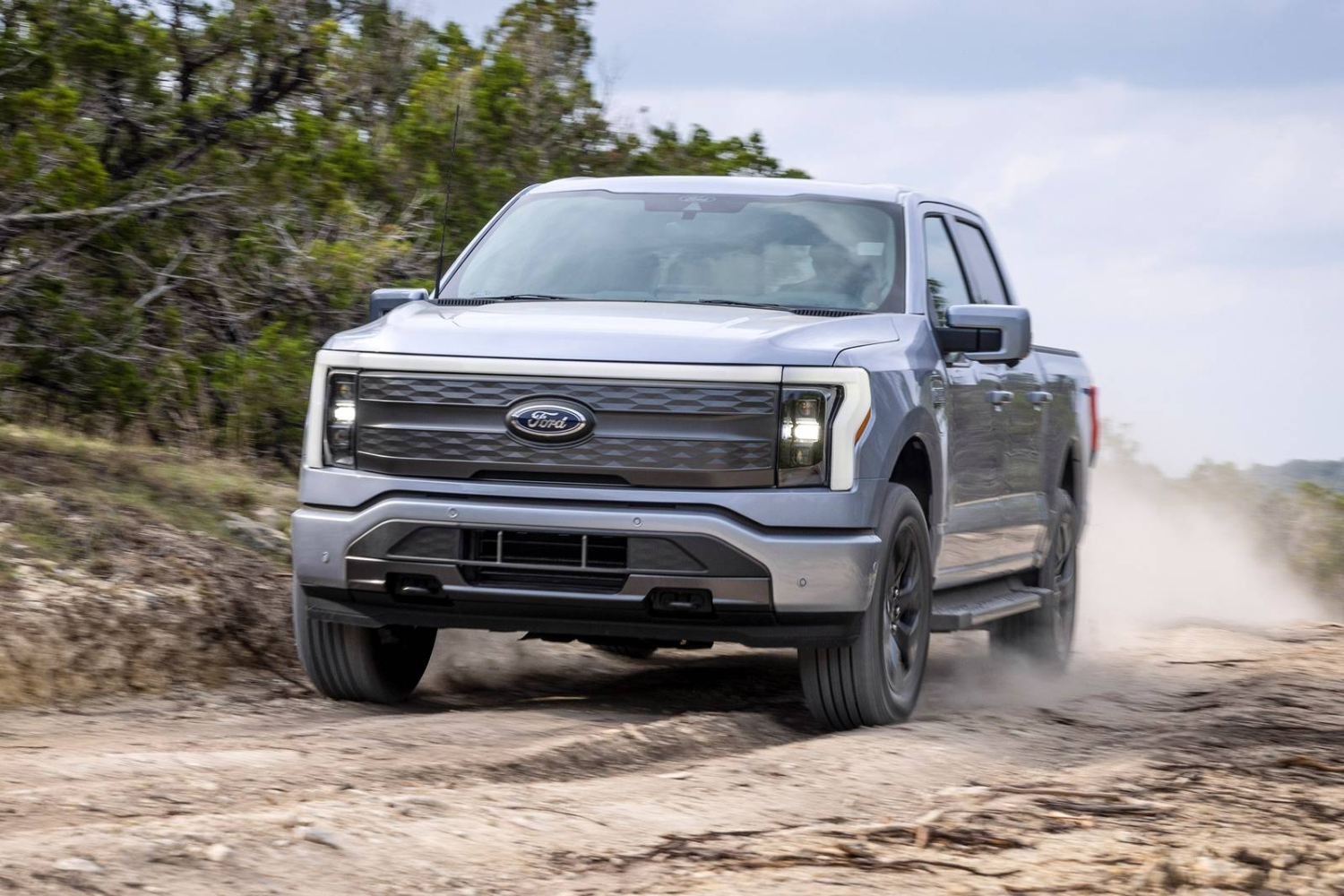
One of the most significant shifts comes from the Blue Oval. After launching the Ford F-150 Lightning as a flagship electric truck, Ford recently pulled the plug on the battery electric version. When production ended in 2025, plans were immediately announced to replace it with an extended range variant. Ford has been clear about the primary reason for this shift. Trucks lose significant range when towing and charging infrastructure remains sparse in the regions where pickups are most heavily used.
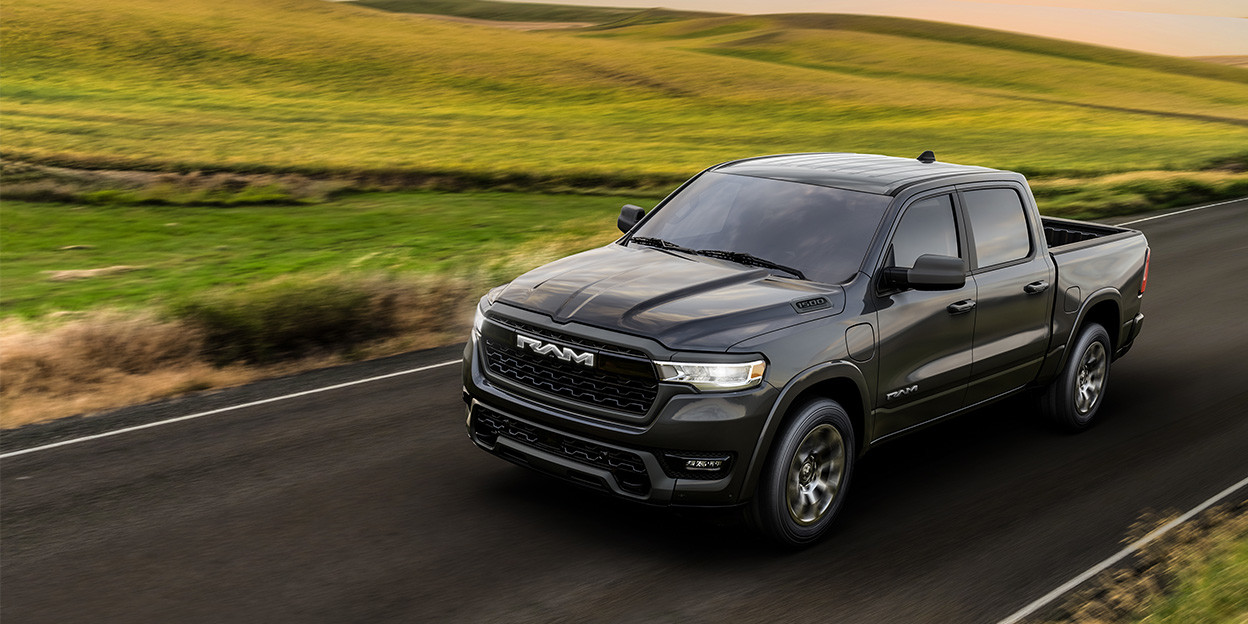
Stellantis is taking a similar path with the upcoming RAM REV 1500. This truck represents one of the first true EREV pickups slated for the US market. It pairs a large battery with the venerable and well-proven Pentastar 3.6-liter V6 engine that acts strictly as a generator. The result is an electric driving experience with an expected total range of 690 miles, outstanding for a pickup.
The REV is particularly interesting because it signals a broader shift within the industry. RAM initially committed to a fully electric pickup, then adjusted its strategy multiple times as market conditions evolved. Confusingly the name of the EREV and pure EV have flip-flopped a few times, so don’t feel bad if you’re a touch confused. The decision to prioritize an EREV highlights the growing realization that full electrification may not yet meet the needs of truck buyers, especially when it comes to range while towing.
More than just pickups
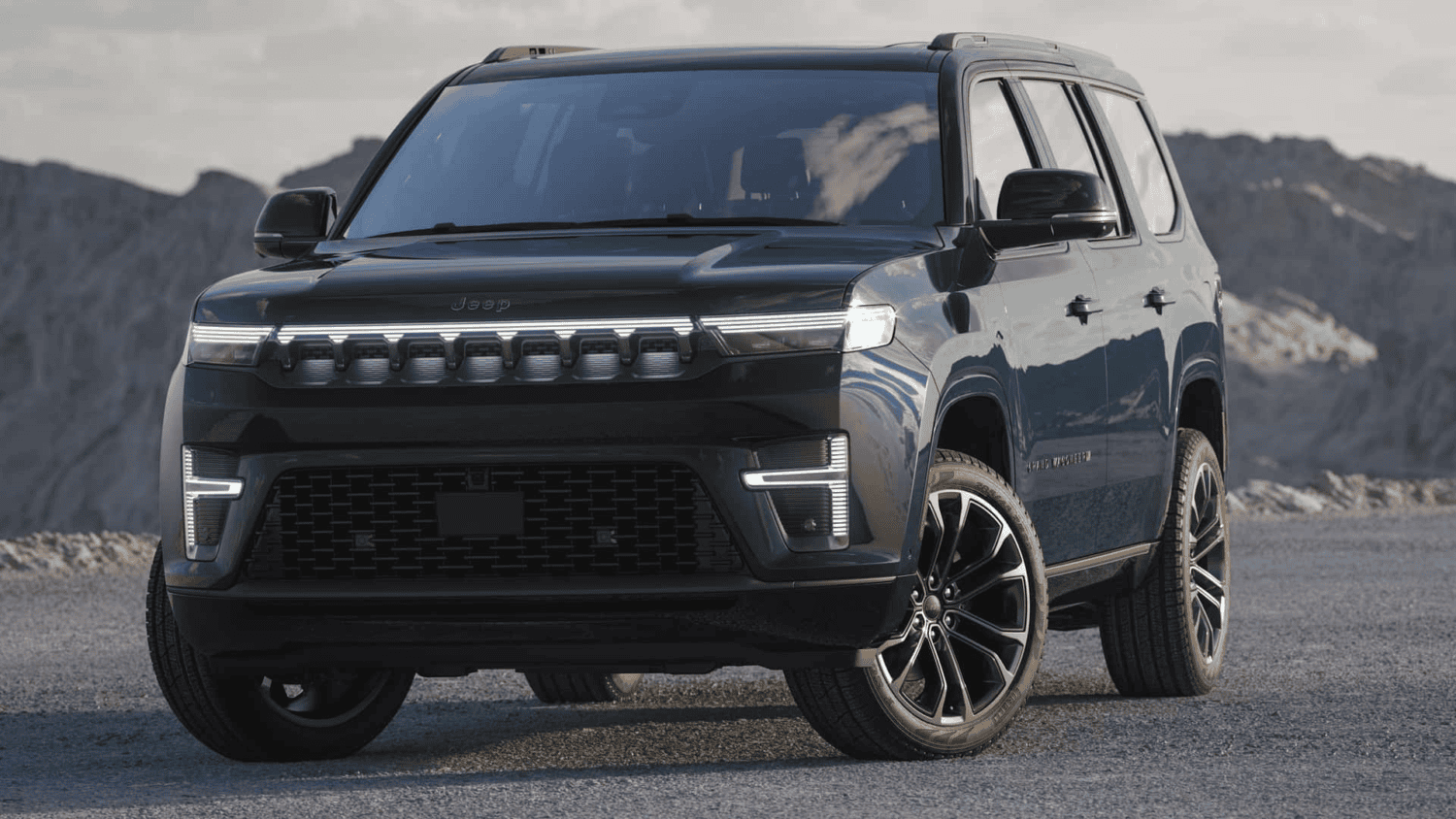
Beyond full size pickups, several other EREV models are either on sale globally or expected to arrive in the United States in the near future. Stellantis will use the same powertrain as the RAM EV in the updated Jeep Grand Wagoneer, and may even release it before the REV.
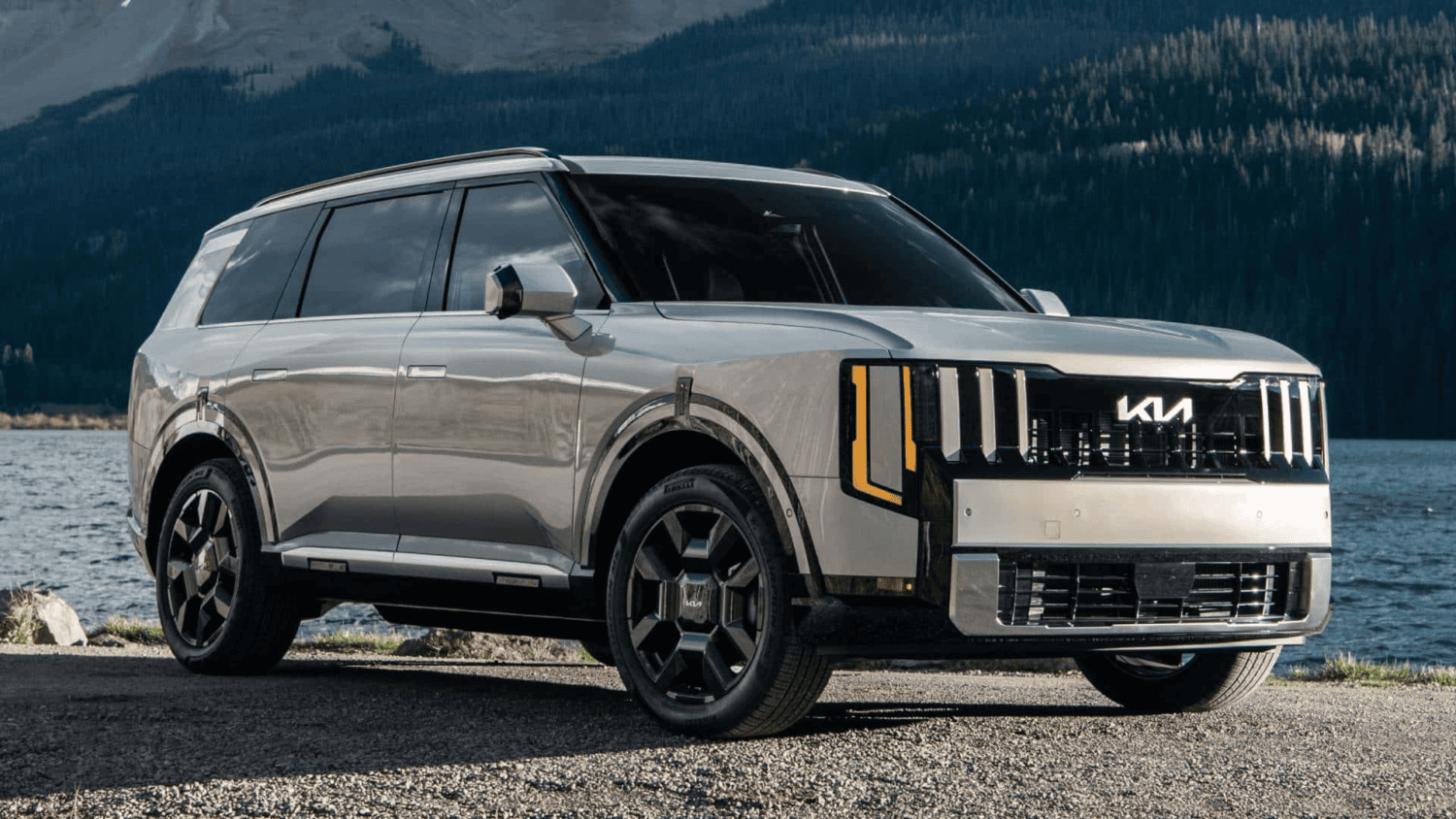
Scout Motors, a revival brand under Volkswagen Group, has confirmed EREV versions of its upcoming Terra pickup and Traveler SUV, both expected later in the decade. These vehicles are being designed from the ground up with range extension in mind, targeting buyers who want electric capability without sacrificing long-distance usability. There is also increasing momentum from Asian manufacturers. Hyundai and Kia have also both confirmed EREV SUVs are coming to the US in 2027 and 2029 respectively. Kia have even confirmed a pickup. Genesis is jumping on the bandwagon with a large SUV confirmed for 2027. While all of those are confirmed, there are also rumors about EREVs from Volvo, BMW, Audi, and Lotus.
The future of overlanding?
What ties all of these vehicles together is a recognition that infrastructure still lags behind ambition. Public charging networks continue to expand, but reliability and availability remain inconsistent, particularly in rural and remote areas. For overlanders and backcountry explorers, that gap is more than just an inconvenience.
EREVs will allow overlanders to embrace electric propulsion without being dependent on charging infrastructure. Long trips will not require detailed planning around charging stops, and detours to find working chargers become unnecessary. Like a traditional ICE vehicle, any old gas station will suffice to keep the wheels turning.
A question of complexity
Of course these vehicles are not magic, and they come with tradeoffs. EREVs carry a large, heavy battery and an internal combustion engine with all its plumbing, cooling, and emissions systems. This essentially means overall vehicle complexity has doubled (though not any more than a parallel or series hybrid). EREVs, especially the first generation, will not be as mechanically simple as a pure EV or as proven as a traditional gas vehicle.
From an expedition perspective, the appeal is obvious. Imagine leaving home with a full charge, driving silently through town, then heading deep into the backcountry where the nearest charger is hundreds of miles away. The vehicle transitions seamlessly, using its generator to maintain charge while you continue exploring. When both the battery and gas tank run low, even a guy on the side of the road in Baja selling gas from coke bottles is all you need to refuel and keep rolling. When you eventually return to civilization, you can plug in, or fuel up, or both. Whatever works for where you are and your timeline.
The future is coming
Time will tell if EREVs are the future of electric propulsion, or if they are just a stop-gap solution while charging infrastructure and battery energy densities continue to improve. For now, the segment is still in its early stages in the United States, but is about to grow quickly. The next few years will see the first wave of true EREV trucks and SUVs arrive, led by RAM and Ford, with others close behind. If those vehicles deliver on their promises, they may redefine what propulsion looks like for long distance travel. I’ve spent many tens of thousands of dollars on fuel driving my vehicles around the world, and I can’t help imagining a future where that can be drastically reduced.
For overlanders, this could be a monumental shift.
Read more: iCaur V27 Hybrid SUV: Chery’s Range-Extended Off-Roader Targets Global Markets
Images: Ford, Jeep, Kia, RAM, Scout
Some images provided by certain brands or manufacturers may contain AI-generated content.
Our No Compromise Clause: We do not accept advertorial content or allow advertising to influence our coverage, and our contributors are guaranteed editorial independence. Overland International may earn a small commission from affiliate links included in this article. We appreciate your support.
