

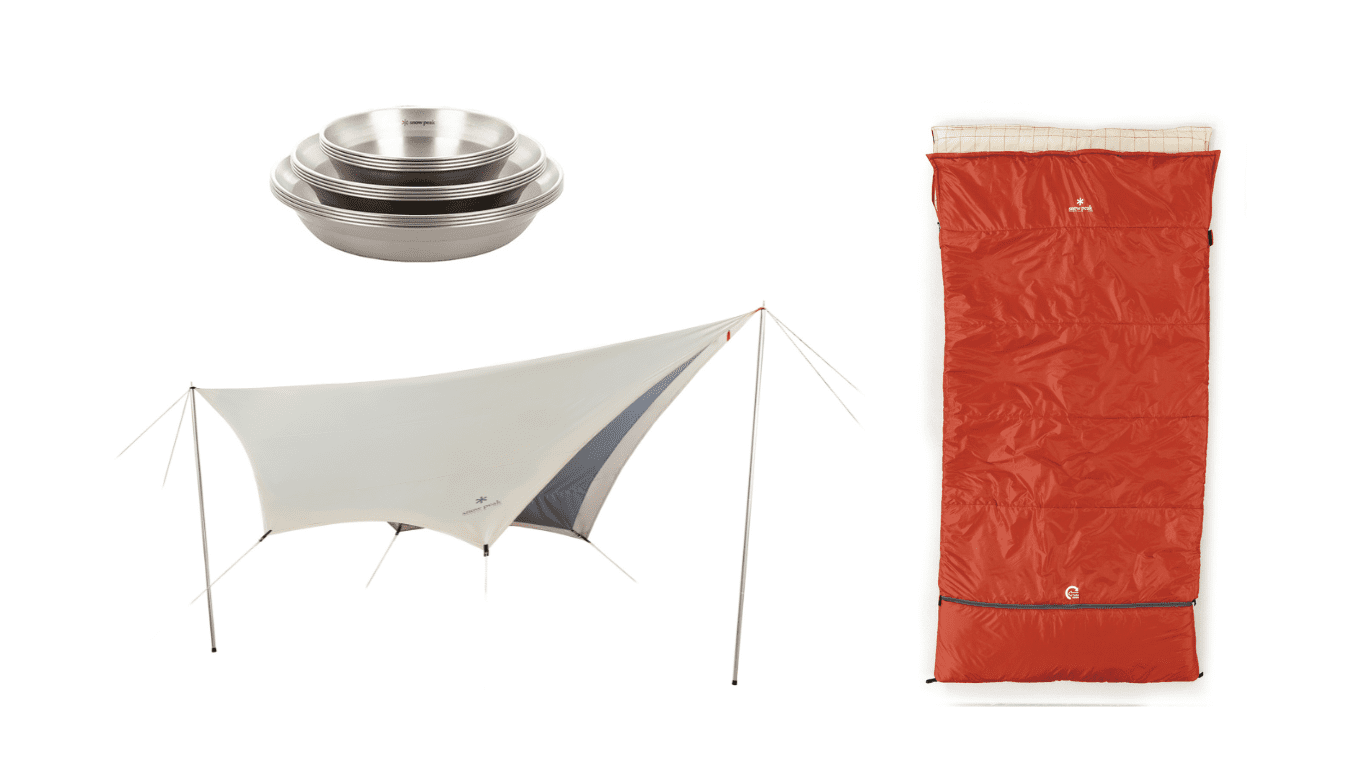
In the 30 years I’ve been buying camping gear, from the expensive wool socks I took on my first backpacking trip in Big Bend National Park, I’ve never come across a brand that so marries style and functionality as the Japanese company Snow Peak. I’ve owned a tiny powerhouse of a stove from the brand for at least 20 years, so long that I have no idea what the model would be. More recently, I’ve had some time with a few of its newer products, and they’re remarkable.
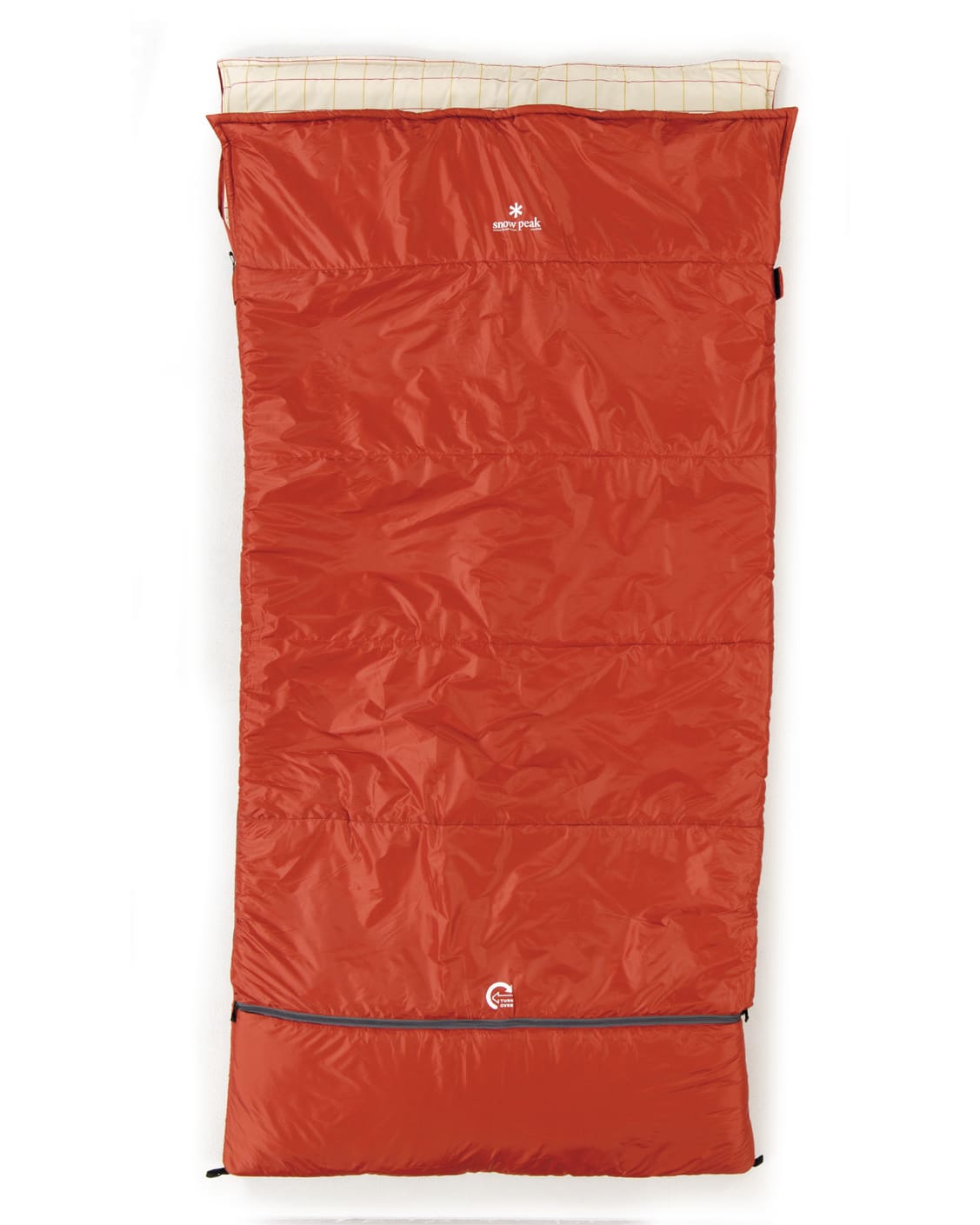
Ofuton Wide LX | $280
This bulky 7-pound sleeping bag sat in my garage for a year before I finally decided to make enough space for it to take on a monthlong road trip to Colorado. I worried the 37°-rated bag wouldn’t be warm enough on a trip with precious little space to spare and nights that dropped to freezing. It reminded me a bit of the old Coleman tried-and-true, a horrible but comfortable insulator. This modular marvel from Snow Peak performed admirably in a variety of settings. In balmy Fruita, I unzipped it all the way and lay it on top of me as a blanket, the cotton inner hanging onto my body and the 40D ripstop nylon tough enough to handle my dog’s paws as she rolled around next to it. The bag didn’t slide off of me all night, and when it got colder in the San Juan Mountains, I folded the bag back up again and slid an extra Snow Peak blanket to supplement its washable down inner. The versatility was a surprise and well worth the space it takes up in the vehicle. Whenever I can find space for it, this sleeping bag will go with me on every future trip.
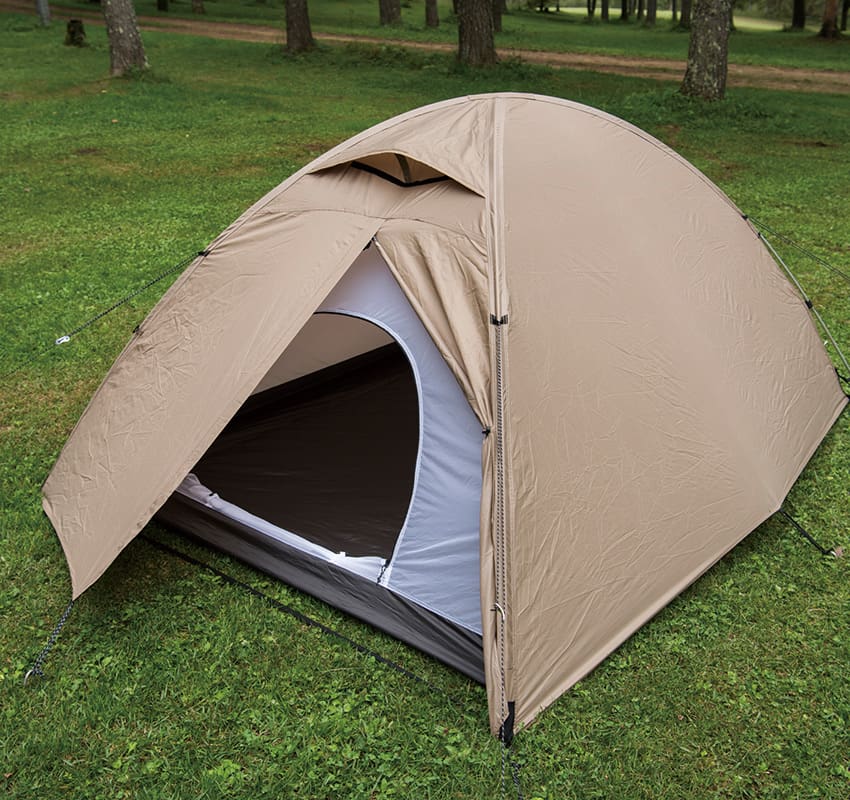
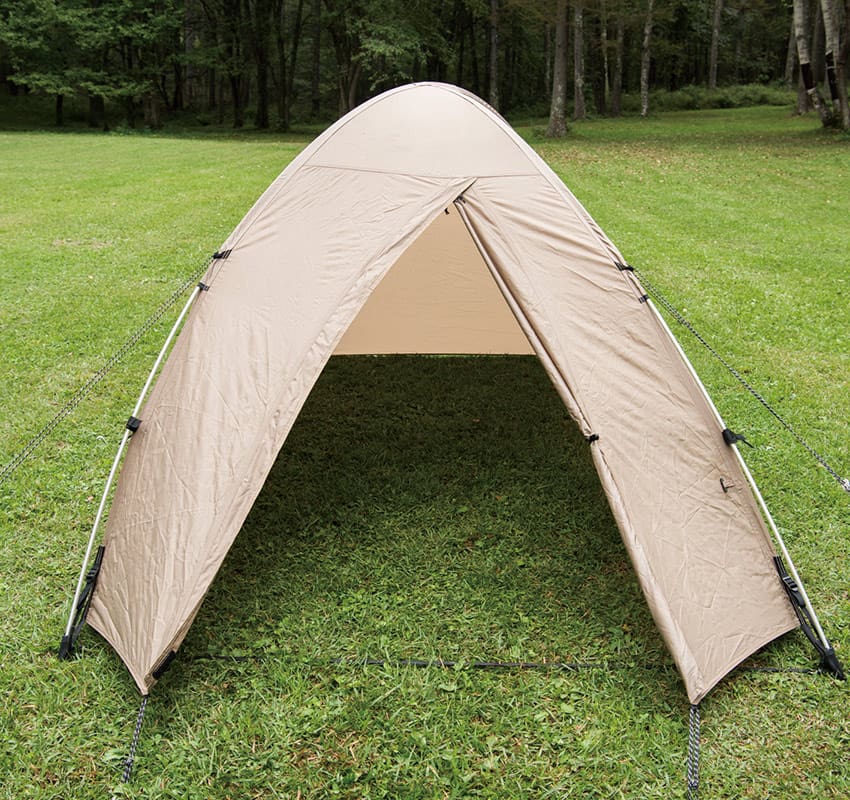
Fal Pro Air 2 | $648
There’s no shortage of lightweight backpacking tents on the market, but what I like about this 3.85-pound, four-season option is its unique design. The rainfly is what you set up first with two Duralumin poles, which means in a minute, you can be out of bad weather. Then, you attach and deploy the inner tent just as quickly. Once inside, the two-pole, two-person tent can be a little stifling with the doors zipped, so it’s better suited for cool spring and autumn nights when bad weather might arrive unannounced than on a buggy summer day when ventilation is key for comfort. I took it on a multi-day river trip in Canada, where the mosquitoes are mercenaries, the nights were humid, and I was definitely wishing for a window or a way to sleep in it without the fly. But what’s also clever about the tent is that it’s freestanding, requiring no stakes to hold its own and opting instead for guy lines that can attach to rocks or tree branches. That’s a nice option when rocky ground makes it impossible to drive stakes into, or sandy ground where those stakes are about as robust as a finger in a dam. This will be my go-to tent for marginal weather, forever.
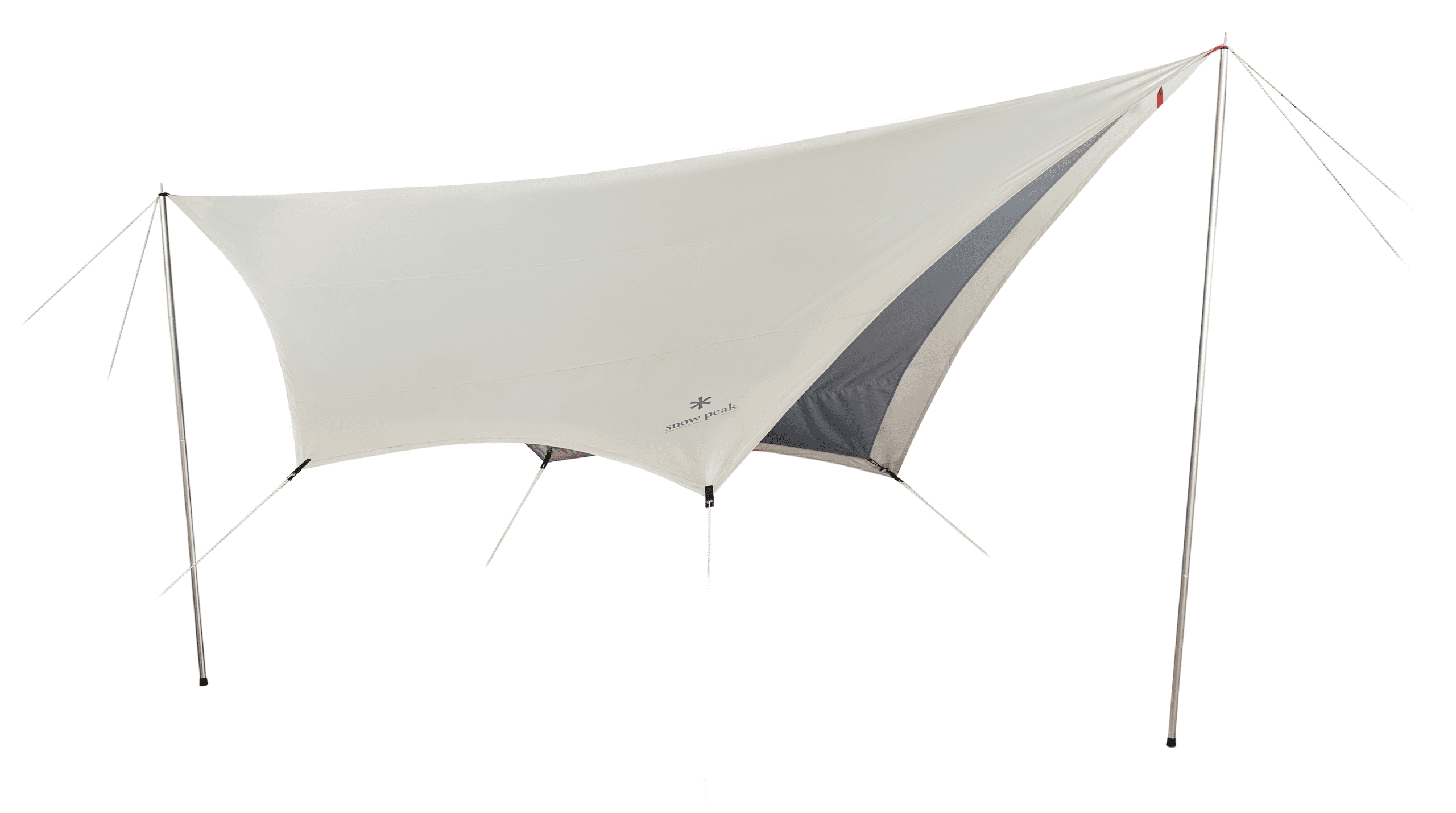
Takibi Tarp Hexa Set M | $550
Camping tarps tend to all be made of the same thin polyethylene material that does a fine job blocking the sun and rain, but would melt in a flash if an errant ember from a nearby campfire decided to migrate out of the pit. The Hexa comes with an inner roof made from the company’s patented Takibi material, an aramid fabric that’s flame-resistant. While Snow Peak suggests that this makes the waterproof shelter pair perfectly with one of its firepits, I don’t own that piece of gear and didn’t at first see the utility of having a tarp you could build a fire beneath. When it’s raining at camp, I tend to just ride it out in my rooftop tent. But when I had a friend join me on that fall Colorado trip, and a thunderstorm opened up not long after he got to camp, I was grateful to be able to huddle under the Takibi Tarp Hexa. It took a bit to figure out how to set up, but the six lines that protrude from corresponding points on the shelter itself made for a sturdy unit. For flames, we used the Howl R1 Portable Campfire, which pumps out a surprising amount of heat, making for cozy conditions while watching the rainstorm pummel the Grand Valley. I think a reasonable campfire beneath it would also be pretty safe, too.
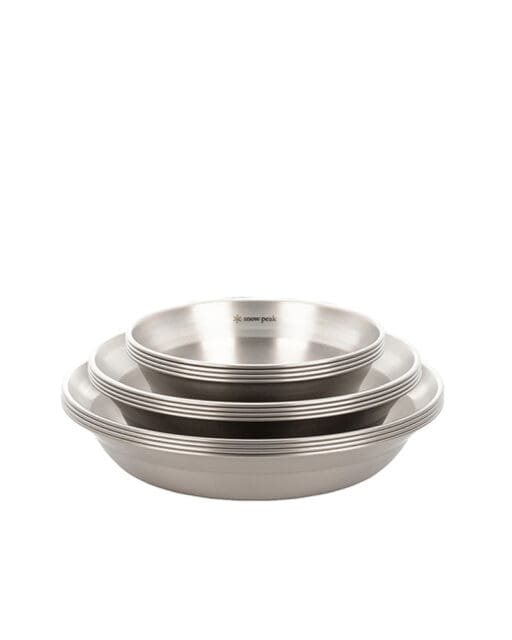
Tableware Set L Family | $170
Much of Snow Peak’s finest camping ware, like my favorite spoon, is crafted from strong and lightweight titanium. But that’s some spendy gear, and I don’t even want to think about what it would cost to put together a set of it for a family of four. Luckily, I don’t have to, partly because I don’t have a family of four but also because the Tableware Set does the job nicely. This 62-ounce set is made from .4-millimeter-thick stainless steel, and its four dish sets (each with two different-sized bowls, 5.5 and 7 inches, a low-rise 8.25-inch plate, and another flat 8.5-inch plate) are still quite light, rust-resistant, and durable. When the 16-piece set is all packed up in its mesh bag, it’s shocking how little space it takes up, making it perfect for a road trip where kitchen space is tight. It’s also ideal for picnics and barbecues; no need to haul breakable dishware out from my house and into the yard, as I can instead break out this simple set that covers just about every need for a dish I might have. The set is the modern answer to those tin enameled dishes that once offered the best combination of durability and weight—a huge upgrade.
Editor’s Note: This article was originally published in Overland Journal’s Summer 2026 Issue.
Our No Compromise Clause: We do not accept advertorial content or allow advertising to influence our coverage, and our contributors are guaranteed editorial independence. Overland International may earn a small commission from affiliate links included in this article. We appreciate your support.
