

Photos by Richard Giordano
All I wanted was a pack of Japanese sheet masks. A seemingly simple task, but as I entered Don Quijote’s brightly lit shopfront, welcomed by the store’s familiar jingle, I was met by the crush of people akin to the nearby Shibuya Scramble Crossing. Shoulder to shoulder with my fellow shoppers, I passed small speakers blaring loud advertisements before being swept along eight floors of shelves overflowing with packaged snacks, beauty products, Halloween costumes, electronics, novelties, and more. It’s all purposefully disorganized, forcing the consumer into the ultimate treasure hunt. Hot, irritated, and suffering from sensory overload, I eventually found my masks and got the heck out of there.
Fueled by a weakened yen, a rich culinary culture, and one-of-a-kind cultural experiences, Japan surpassed a record-breaking 40 million international visitors for the year by the end of 2025. Many of those visitors will have set foot in Don Quijote or another souvenir shop or discount store, filling every spare inch of suitcase space for the return trip home. An extreme example that embodies the spectacle of modern-day souvenir acquisition, I couldn’t help but wonder how we navigate ethical, responsible trinket-buying in the 21st century.
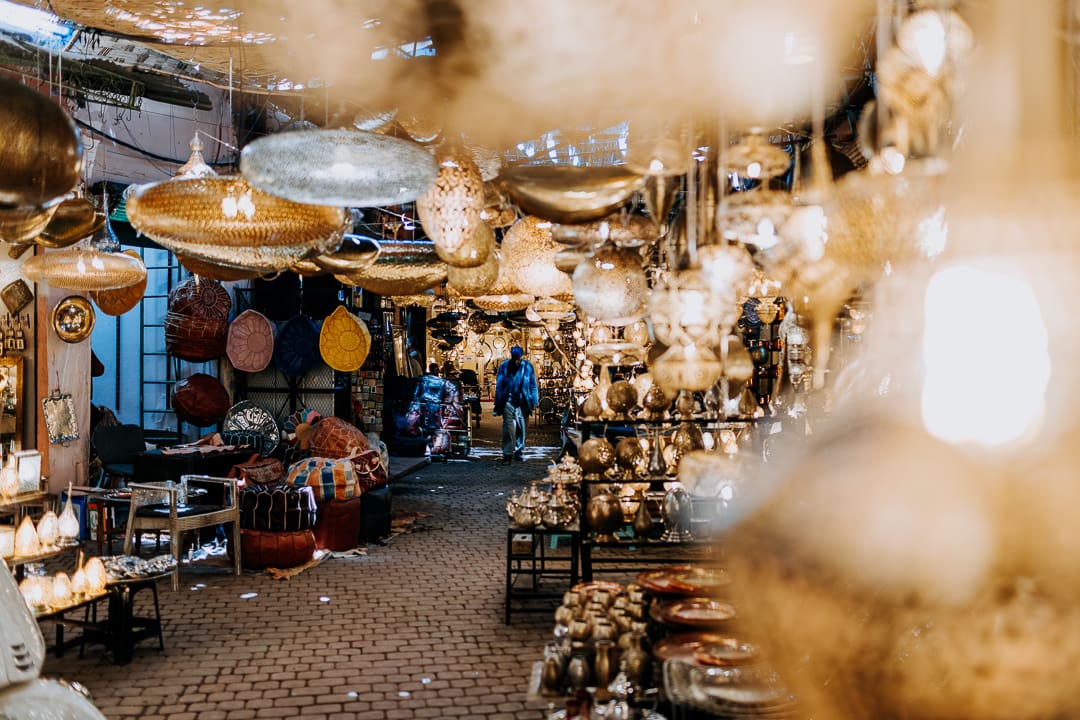
From postcards, stickers, and keychains sold at gas stations in the American West to Chinese-made goods hawked at markets worldwide, the souvenir-buying experience varies widely from place to place. While I’ve enjoyed visits to women-run co-operatives in Morocco and copper-coffee-set shopping in Sarajevo, I drew the line at the Stalin-themed gift shop housed in the museum named after him in Gori, Georgia, complete with coffee mugs adorned with a hammer and sickle. That was weird. I do know, however, that our shopping habits can lead to unintended consequences if we’re not careful. Fortunately, overland travel empowers us to choose where we spend our hard-earned money, whether it’s supporting local artisans, protecting plant and animal species, respecting the environment, or prioritizing the ethical and safe treatment of the people involved.
“When we collect souvenirs, we do so not to evaluate the world, but to narrate the self,” writes journalist and author Rolf Potts in his book, Souvenir. Researchers know we purchase souvenirs for three main reasons: as gifts, memory aids, and as evidence that we were, in fact, “there,” and experienced (what we believe to be) “authenticity.” Potts continues, “Authentic-seeming souvenirs can be a way of convincing ourselves (and others) that we have somehow grasped the behind-the-scenes essence of the place and its inhabitants.” I would, however, add that purchases are often made simply because the food is delicious, skincare products are superior, or specialty items are more useful and of higher quality (and perhaps sold at a lower price)—hence why I (and many others) paid a visit to Don Quijote. Sometimes we just enjoy the stuff we’re buying, particularly if its purpose goes beyond the dust-collector realm and into everyday use.
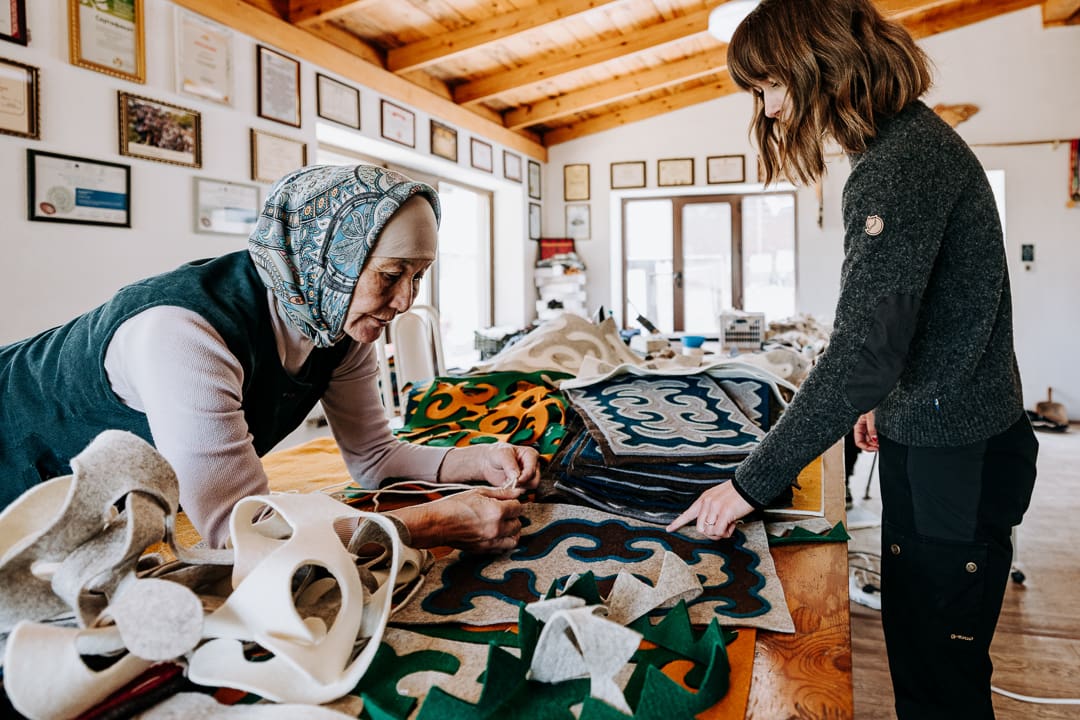
Souvenir shopping, however, offers an opportunity for introspection. Why do I want this item? Is it something I’ll use back home? How difficult is it to transport? Traveling by bicycle, motorcycle, van, and four-wheel-drive vehicle affords more space than the average backpacker, but we’re still limited, and it can be expensive to ship or fly items home. The English textile designer William Morris advised, “Have nothing in your houses that you do not know to be useful or believe to be beautiful.” He led the Arts and Crafts movement, which was motivated by a rejection of cheap, inferior goods produced in poor conditions and at low wages in factories, a concern for conserving traditional skills, and a desire to see art and design thrive. This was in 1880, by the way. Today, UNESCO’s Intangible Cultural Heritage and the British Museum’s Endangered Material Knowledge Programme work to preserve oral traditions, performing arts, social practices, rituals, and knowledge and practices related to nature, skills, and the production of traditional crafts. This endeavor becomes more important each year due to the effects of ever-expanding globalization.
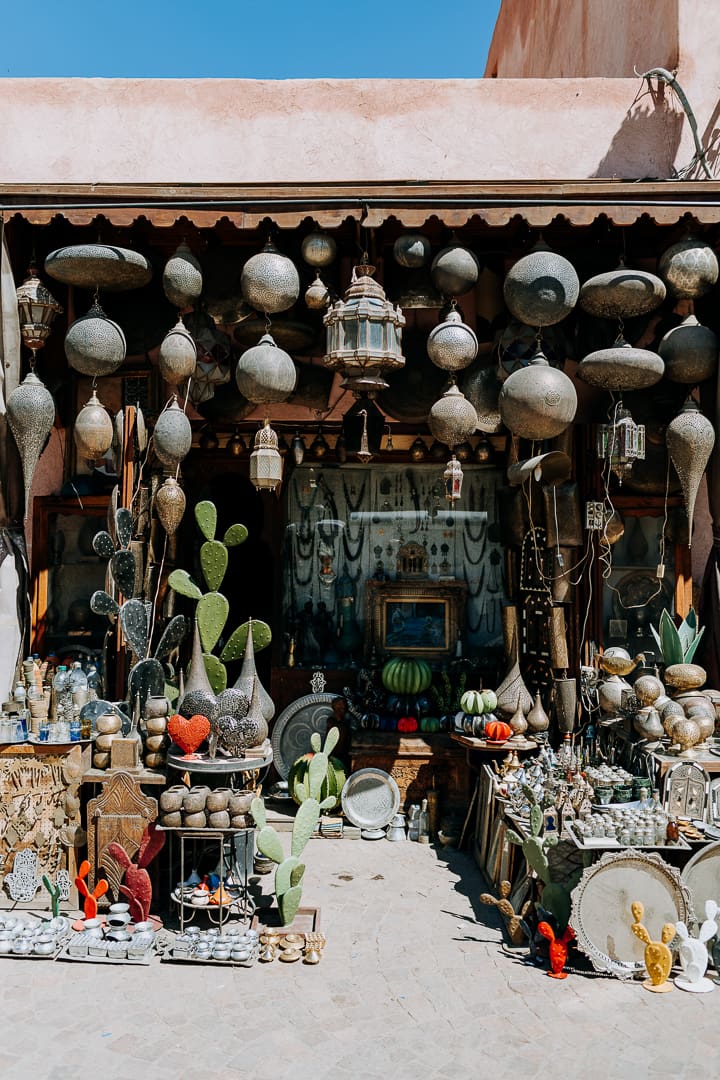


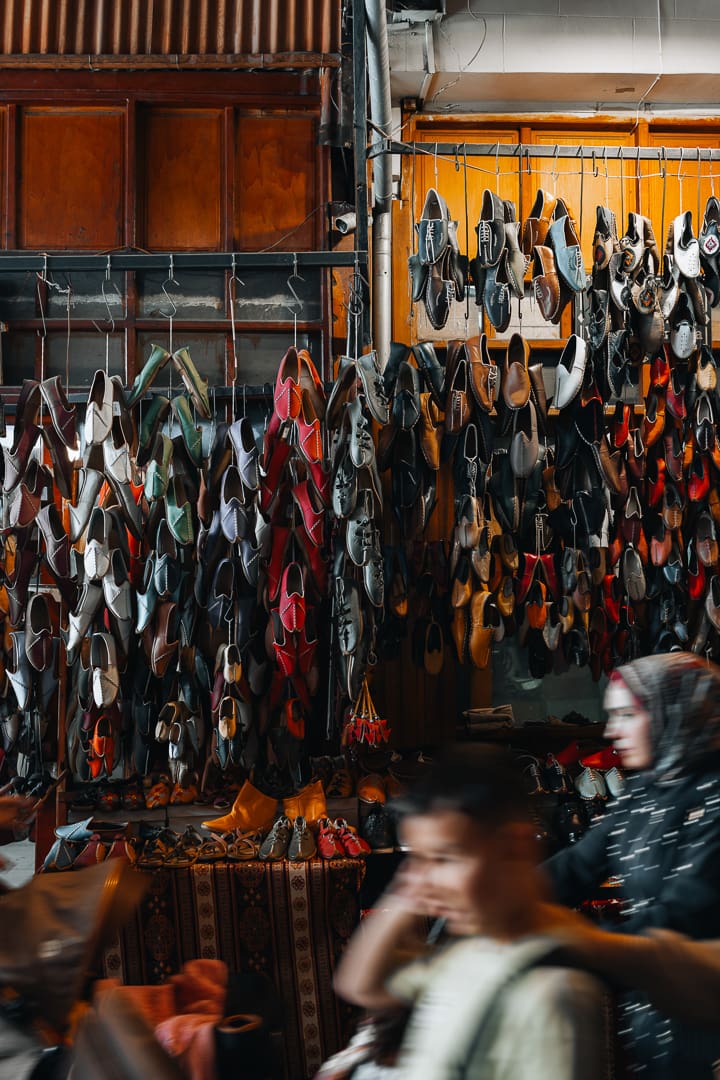
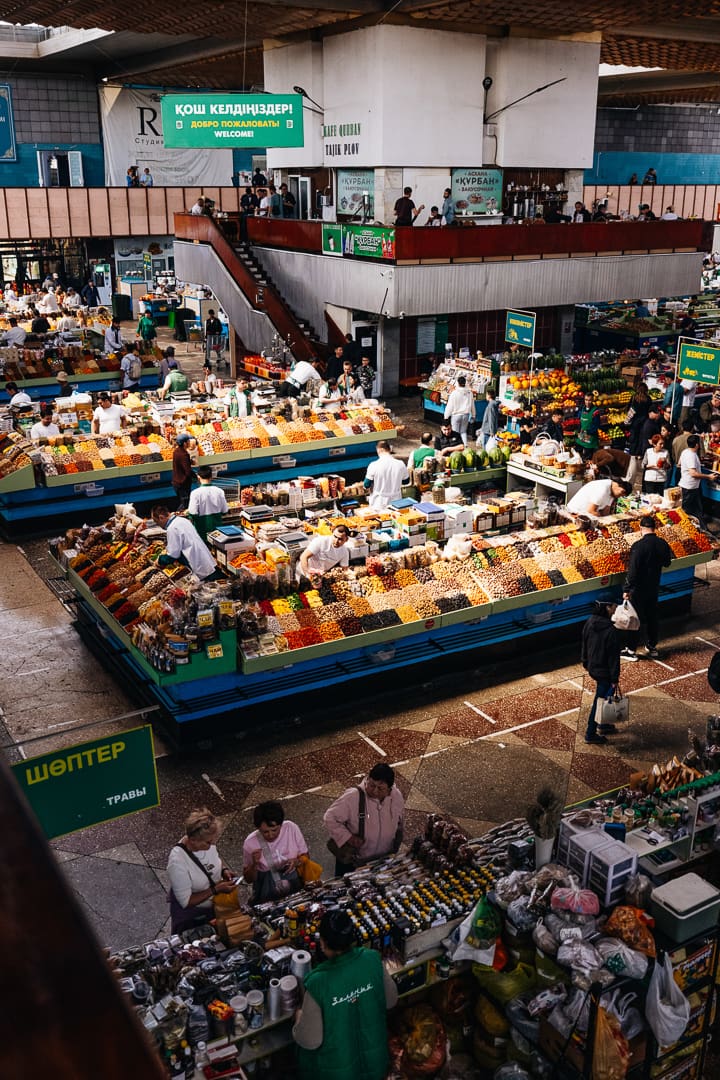
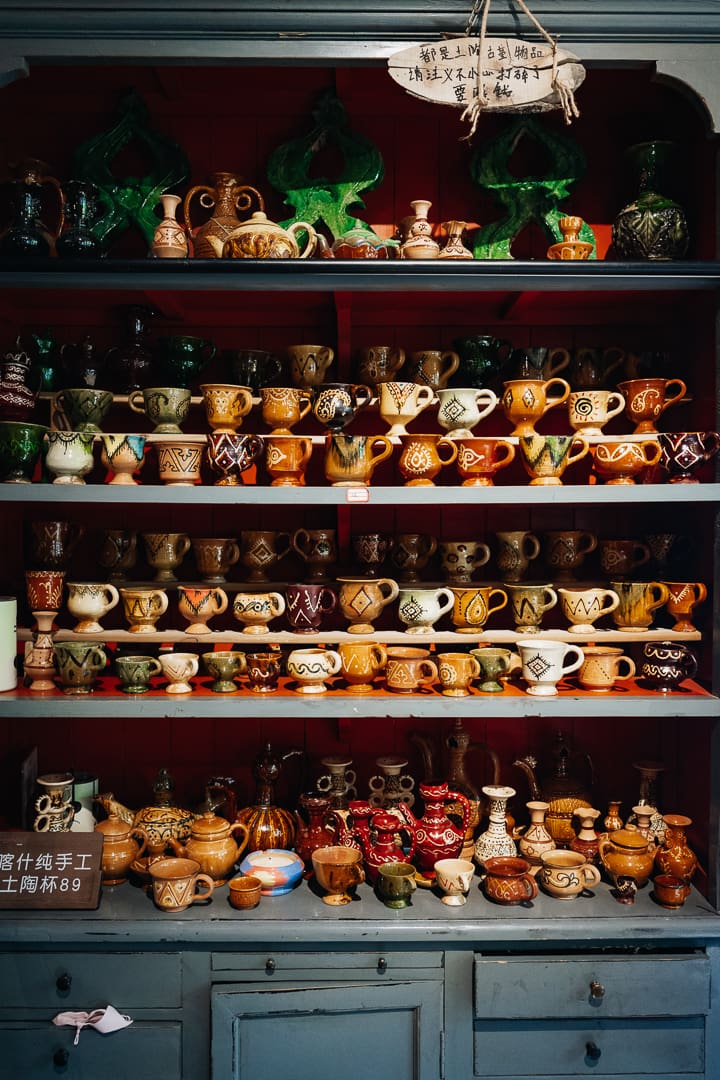
Some of the most problematic souvenirs are cheap, low-quality, and mass-produced. “Buying meaningful souvenirs is an easy way to support artists, small businesses, and social enterprises, and thus give back to the community,” says Emily Lush, a writer, photographer, and ethical fashion researcher behind the travel website Wander-Lush. “Do your research. Focus on traditional craft techniques and materials. Is organic hemp a specialty fabric? Is basket weaving part of the cultural heritage? Seek out social enterprises and ethical boutiques, going straight to the source.” The Fair Trade Federation and World Fair Trade Organization prioritize safe and healthy working environments free of forced, exploitative, or underpaid labor, ensuring the rights of children, and supporting business models that give women equal opportunity to take on leadership roles and hone their professional and personal skills. Ask questions, be curious, don’t lowball, and know when it’s appropriate (or inappropriate) to barter.
At one time, over 250 species of butterflies were recorded in Indonesia’s Bantimurung Bulusaraung National Park. Visitors swim near the park’s waterfall, wander through karst caves, and admire colorful butterflies fluttering through the air—in theory. To meet the excessive demand for butterfly souvenirs driven by overtourism, protected species have been illegally caught and sold as individual specimens, housed in frames and attached to keychains, causing their populations to dwindle. When interviewed, most park visitors admitted they didn’t know regulations forbidding the sale and purchase of protected butterflies even existed. By now, we know to avoid wildlife souvenirs made of elephant ivory, tiger, rhino, sea turtle, and turtle shell products, but coral and seashell trinkets (including shells you’ve found on the beach), sea horses, hummingbirds, animal skins, and furs can slip under the radar, as can nests and bird feathers. There are many others, including products made from endangered rosewood or live snake wine. All are set out in the Convention on International Trade in Endangered Species of Wild Fauna and Flora (CITES), a legally binding agreement between (nearly) all countries worldwide.
Tourism researchers found that after multiple journeys abroad, travelers acquire fewer souvenirs and ascribe less meaning to those acquired on previous trips. For some, travel becomes less meaningful, diminishing the significance of souvenirs; for others, the trip and the memories remain extremely significant, but they no longer feel the need to collect tangible tokens. I still gravitate toward food items such as spices, dried tea and herbs, and local paper maps, but love the small, ceramic tagine I hauled back from Morocco, my Co-op tote bag from Bozeman, Montana, and a beautiful coffee table book on traditional breadmaking from Georgia. But I also enjoy experiential souvenirs: cooking and crafting classes, memento collecting, bazaar tours, Polaroid photos, and curating my own music playlists from tunes heard in restaurants, cafés, and taxis. Ultimately, though, the all-encompassing question is: does the object bring you joy, make another’s life better, keep a small business running, or refrain from negatively impacting flora and fauna? Then enjoy it to the fullest, and take the advice of British politician, diplomat, and writer, the Earl of Chesterfield: “Do not become a virtuoso of small wares, fooling away your money on baubles at toy shops. Have one handsome snuffbox and one handsome sword, but then no more pretty and very useless things.” And with that, I’m off to do my sheet mask.
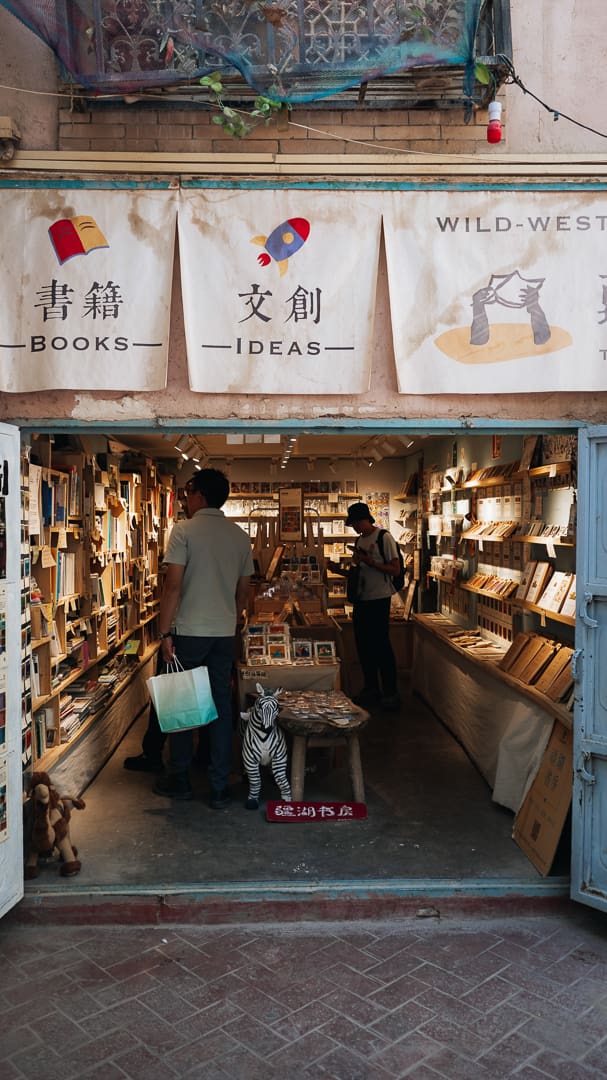
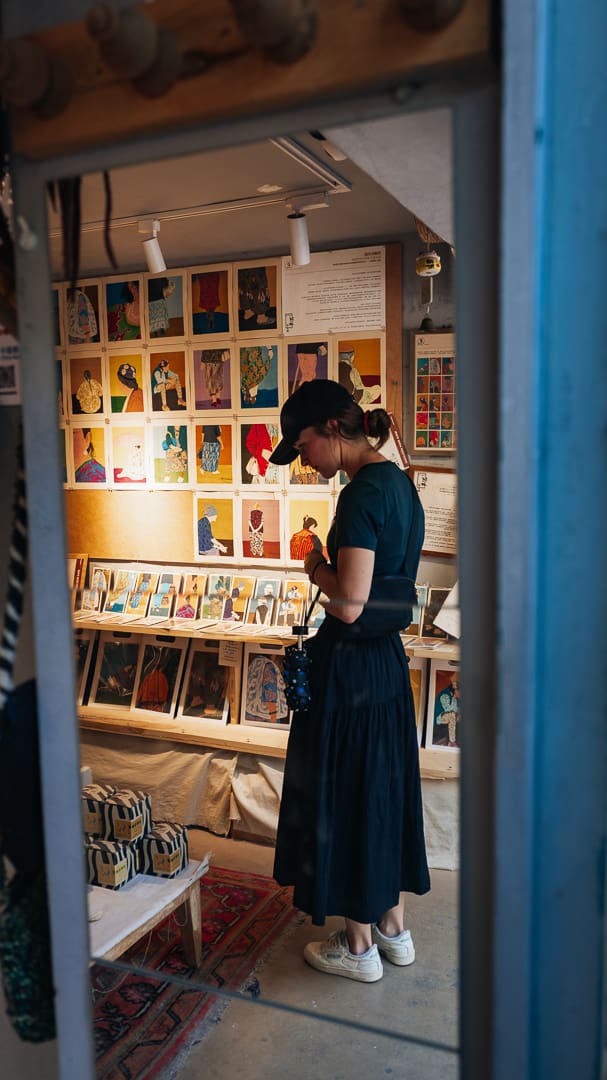

Resources
UNESCO Intangible Cultural Heritage ich.unesco.org
British Museum’s Endangered Material Knowledge Programme britishmuseum.org/our-work/departments/africa-oceania-and-americas/endangered-material-knowledge-programme
Fair Trade Federation fairtradefederation.org
World Fair Trade Organization wfto.com
Wander-Lush wander-lush.org
Convention on International Trade in Endangered Species of Wild Fauna and Flora (CITES) cites.org
Editor’s Note: This article was originally published in Overland Journal’s Fall 2026 Issue.
