

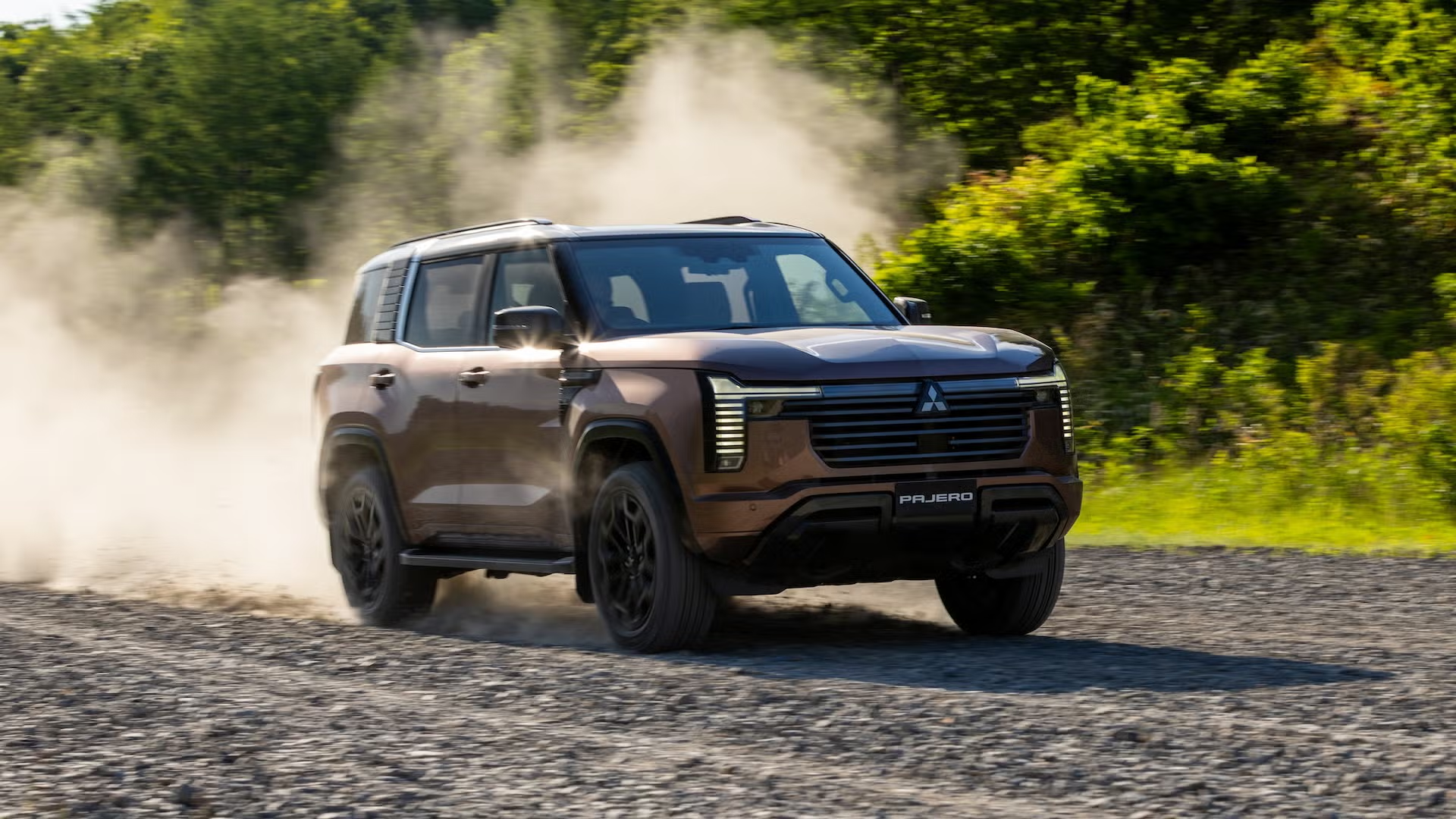
The fifth-generation Mitsubishi Pajero was just unveiled in Tokyo, marking the return of the highly respected nameplate that disappeared from the global market in 2021. After five years away, the Pajero is back as Mitsubishi’s flagship SUV, and this time the company is taking direct aim at vehicles like the Toyota Land Cruiser and Defender.
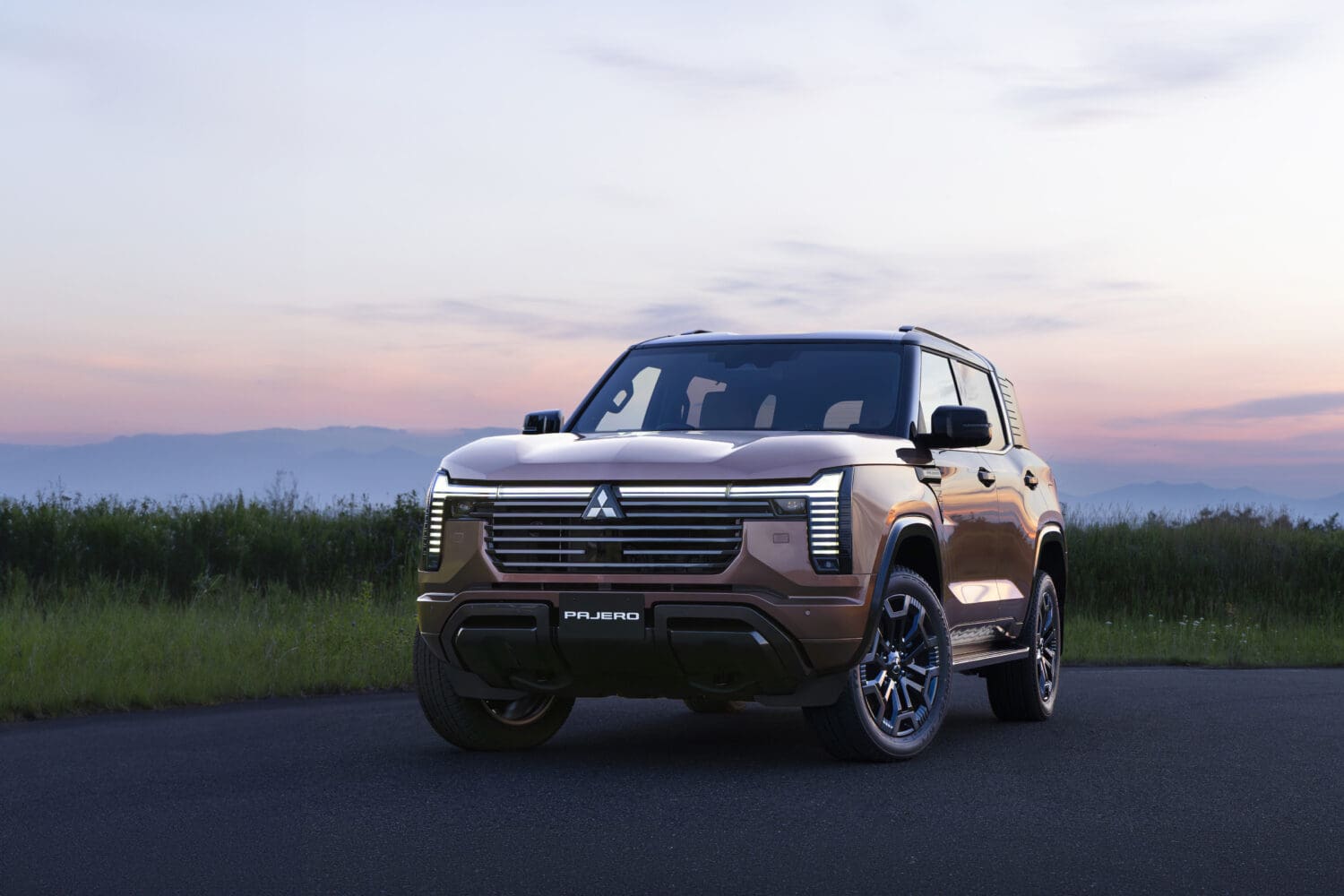
Steeped in History
The Pajero (Montero in Western Hemisphere markets) first appeared in 1982 and quickly established a reputation for combining genuine four-wheel-drive ability with the comfort of a passenger car. Its reputation was cemented in motorsport, particularly the Dakar Rally, where Pajero race vehicles collected 12 overall victories, including seven consecutive wins. Across four generations, Mitsubishi sold more than 3.29 million Pajeros in more than 170 countries around the world, making it a true global vehicle.
The previous generation remained in production for roughly 15 years before Mitsubishi finally ended Pajero production in 2021. At the time, it was unknown if the name would ever resurface.
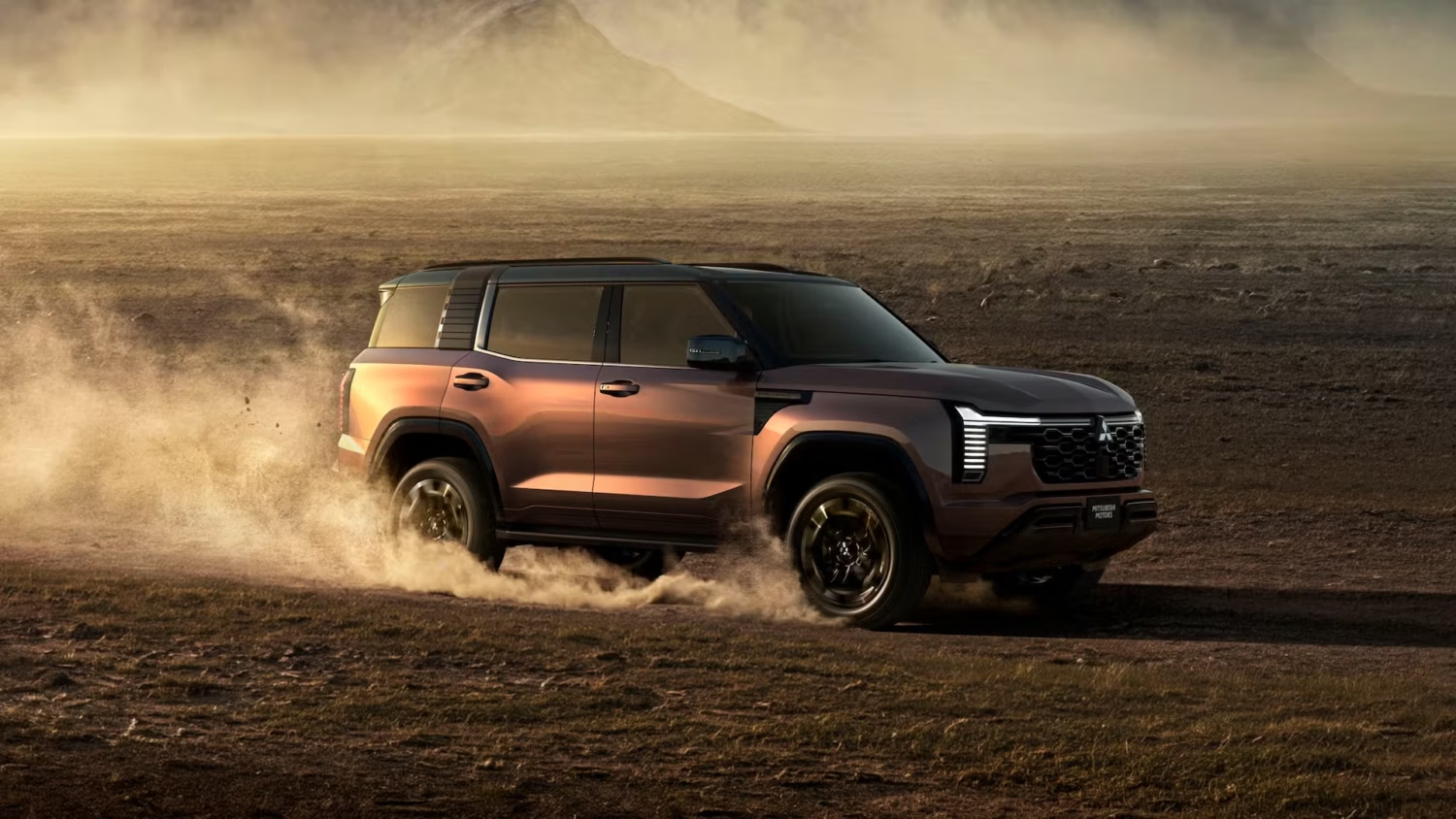
The New Generation
Underpinning the new Pajero, Mitsubishi has gone back to basics with a ladder frame derived from the Triton pickup. There is independent double-wishbone suspension up front and a five-link solid axle at the rear, giving the Pajero the hardware needed for serious terrain while allowing Mitsubishi to tune it for considerably more on-road refinement than vehicles like the Wrangler, which has a solid axle up front.
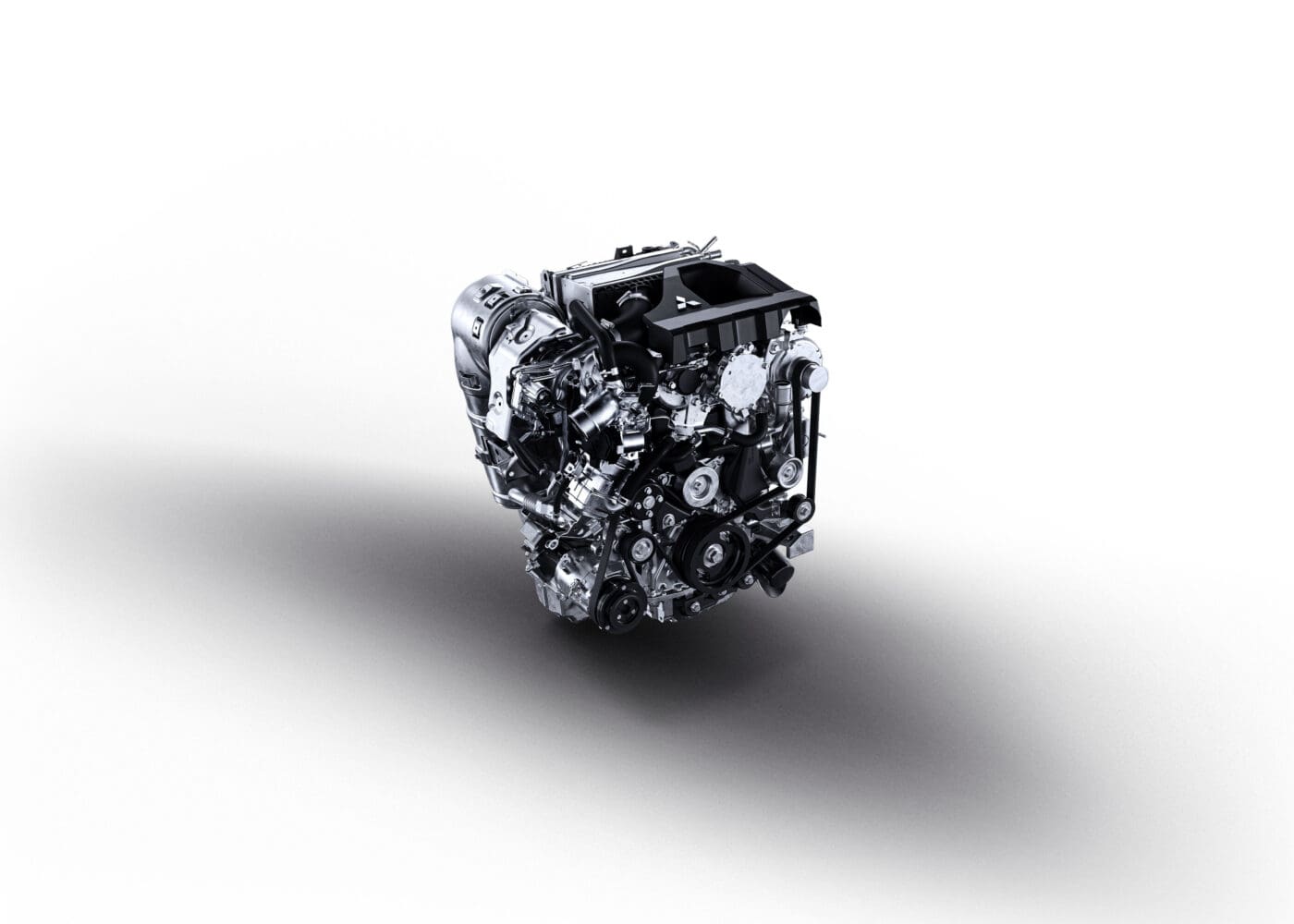
Power comes from a 2.4-liter turbocharged diesel four-cylinder producing 350 pound-feet of torque, paired with a newly developed 8-speed automatic transmission. Mitsubishi has not yet published an official horsepower figure, although the engine is closely related to the 2.4-liter diesel used in the Triton, which produces just over 200 horsepower.
Super Select 4WD II provides proprietary 2H, 4H, 4HLc, and 4LLc modes, including a locked center differential. Mitsubishi’s S-AWC system adds Mitsubishi’s Active Yaw Control, traction control, and stability control. Seven drive modes include Normal, Eco, Gravel, Snow, Mud, Sand, and Rock. Ground clearance is a touch over 9 inches, with a 30.4-degree approach angle, 22.6-degree breakover angle, and 25.8-degree departure angle—all very respectable.
Inside, Mitsubishi has moved the Pajero firmly into premium territory. The seven-seat cabin includes ventilated front seats, three-zone climate control, a 12-speaker Yamaha audio system, extensive camera coverage, and dual large displays. The traditional Pajero triple-gauge concept also returns in digital form, showing information such as altitude, compass heading, temperature, pitch, and roll.
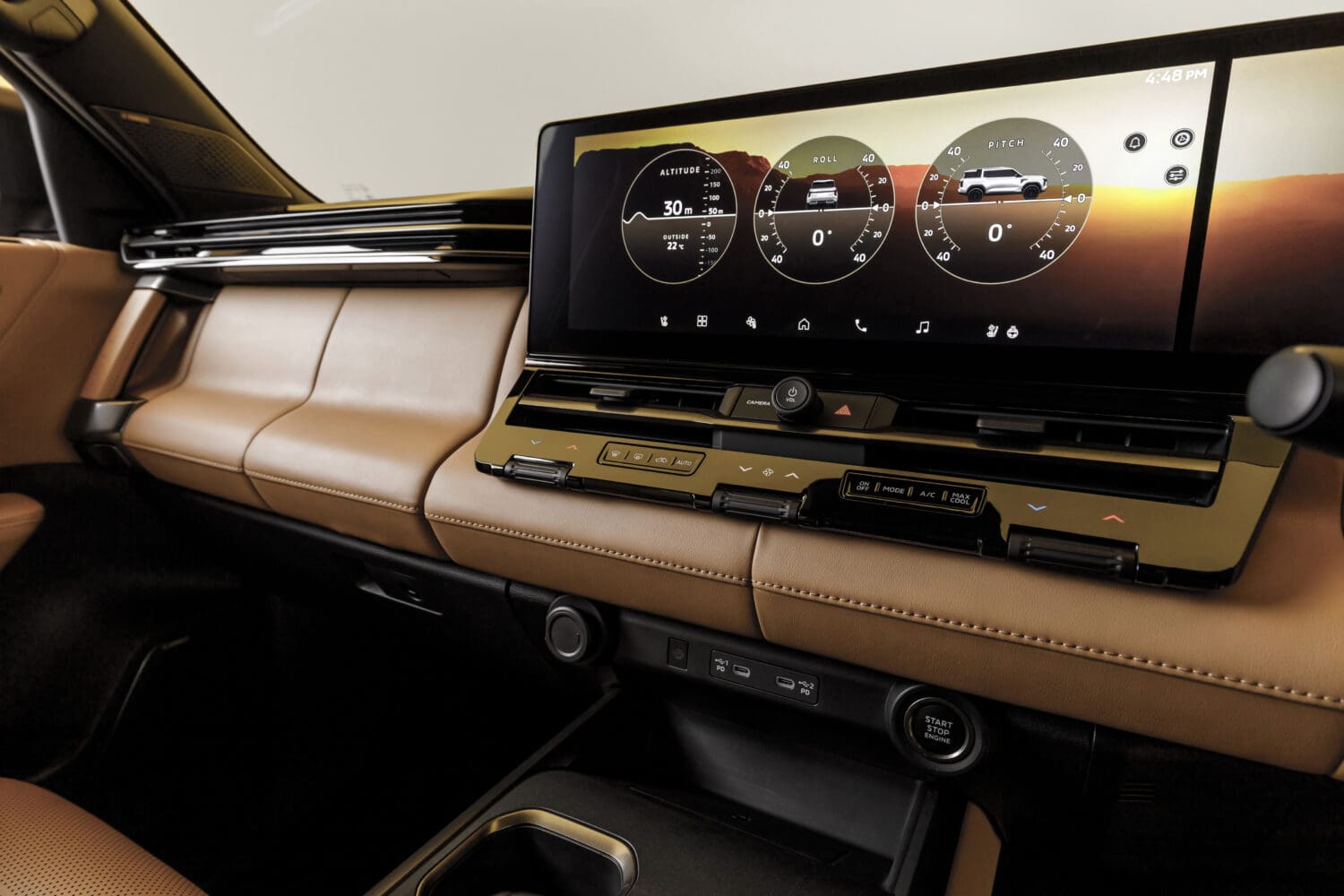
Mitsubishi has not announced pricing yet, although the Pajero will occupy the top of its SUV range and is clearly intended to compete with the Toyota Land Cruiser and Nissan Patrol.
Availability
The new Pajero will be built in Thailand, where it will launch first, followed by Japan and Australia during 2026. In 2027, Mitsubishi plans to launch the Pajero in approximately 100 countries, including markets across Southeast Asia, Latin America, and the Middle East, once again making this a true global vehicle.
What About North America?
Mitsubishi says no decision has been made regarding a US introduction. The diesel-only powertrain presents challenges for American certification and customer expectations, and no alternative power units have been discussed.
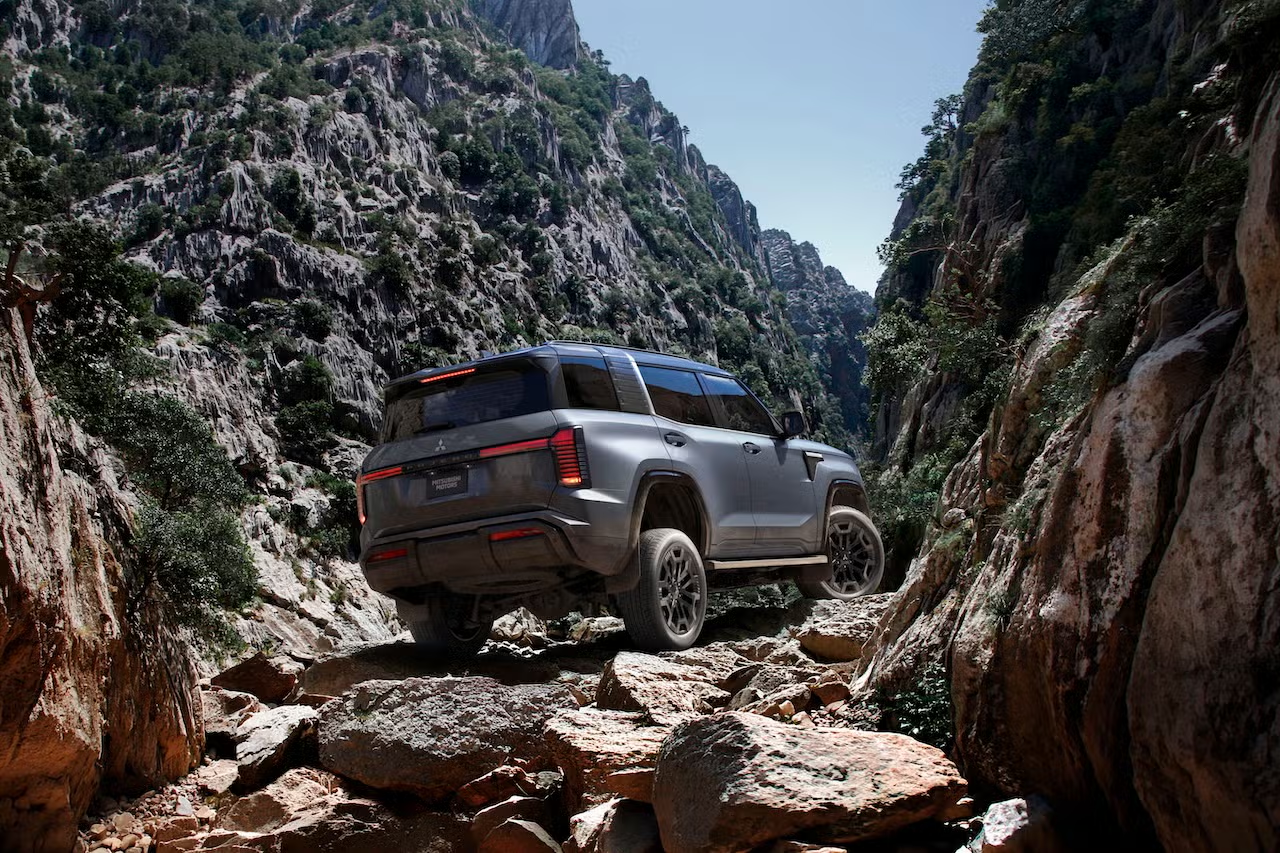
Even with the uncertainty of a US launch, the return of the Pajero is good news, and the fact that it packs genuine off-road chops is excellent news. Mitsubishi has resisted turning its legendary name into another soft crossover, which makes me all kinds of happy, bringing back a genuine ladder-frame, four-wheel-drive SUV with low range, serious geometry, seven seats, and a torquey diesel engine.
Judging by what Mitsubishi has built, it intends to remind everyone why the name Pajero mattered in the first place.
Read More: 2026 Jeep Recon Brings Trail Rated Capability to an All-Electric Platform
Images: Mitsubishi
Our No Compromise Clause: We do not accept advertorial content or allow advertising to influence our coverage, and our contributors are guaranteed editorial independence. Overland Collective may earn a small commission from affiliate links included in this article. We appreciate your support.
