


“Nobody wants this.”
I read that comment from a respected voice on an Instagram post after a fellow journalist shared his time with the new Jeep Recon EV, which was revealed to select media in Healdsburg, California, in early September.
That statement has been bugging me all week. Why would people not want a vehicle with the power of a supercar and the off-pavement capability of a proper off-roader? I asked myself that question repeatedly throughout the day I spent with the Recon, until I eventually settled on another question that might answer it: Who is this vehicle for?
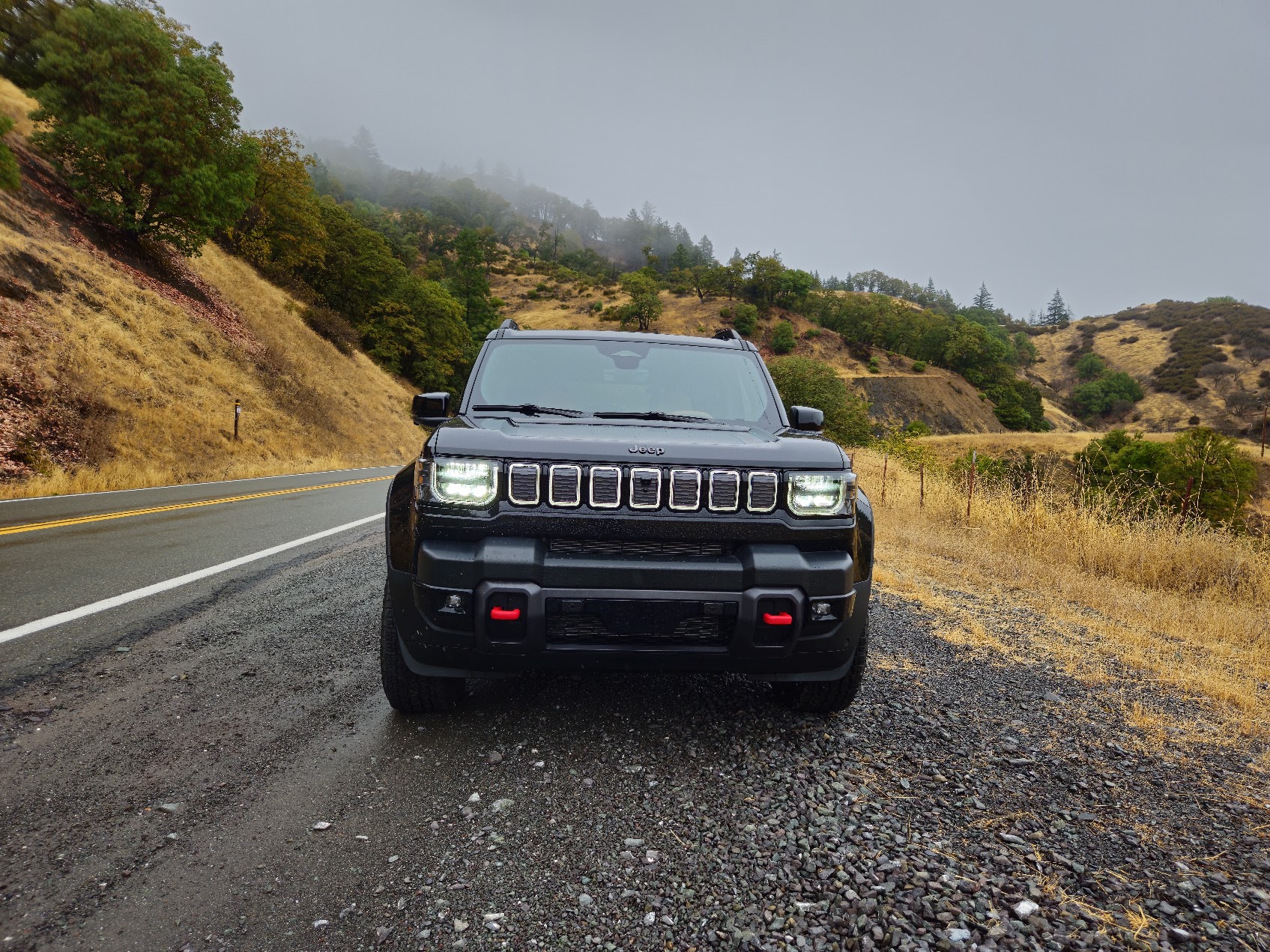
On a wet morning, Jeep handed me the keys to a black pre-production model, a set of coordinates, and an invitation to join the team for donuts. From there, I received coordinates for lunch and, afterward, some off-roading—my cup of tea.
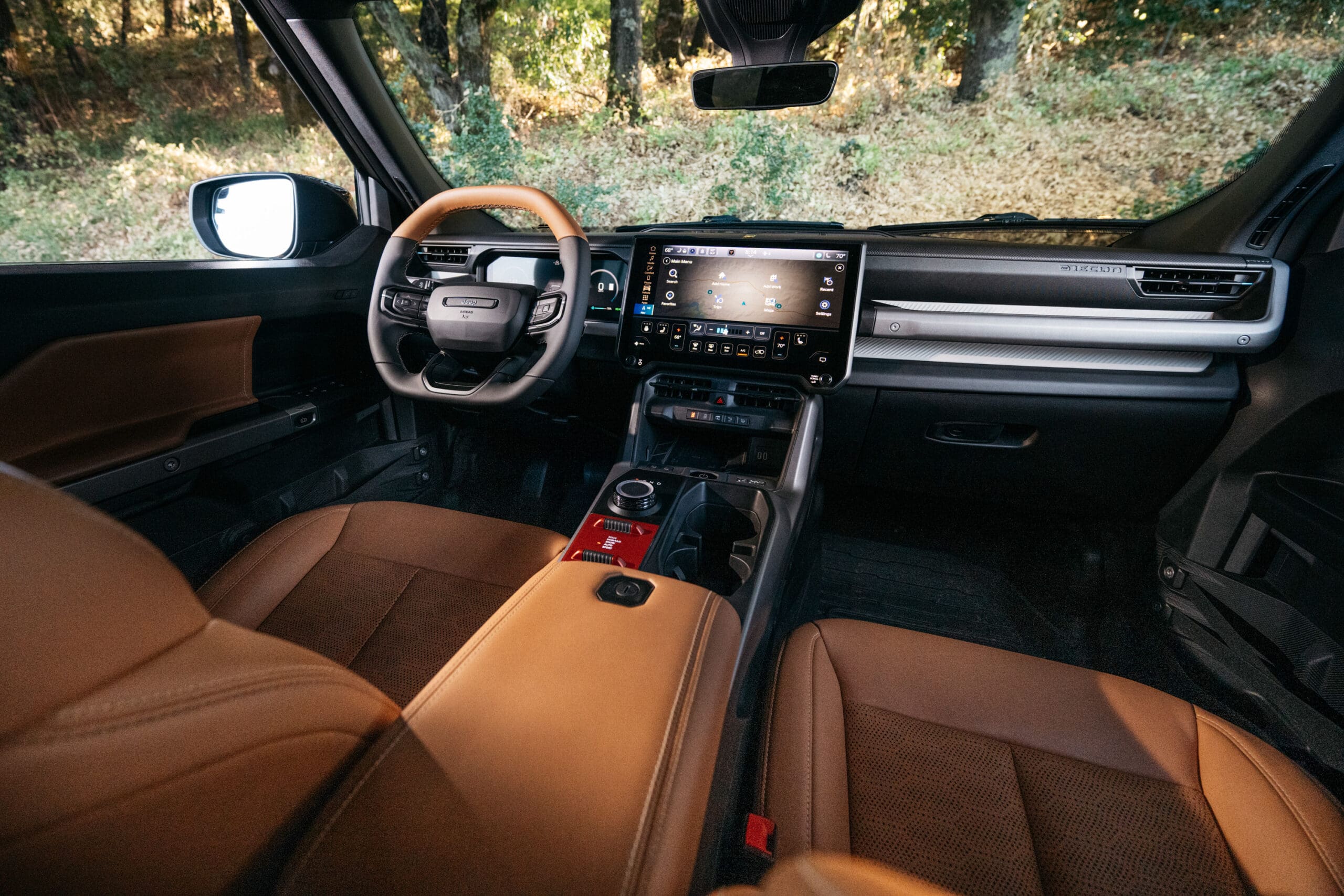
I set off from Healdsburg in the rain, getting to know the Recon’s interior as I feasted my eyes on the displays, center console, and squared-off steering wheel. I like that steering wheel. It is thick and comfortable, with a lower center opening that provides a good grip from either the front or behind. However, it sits too low for my long legs, while the seat is a touch too high. I still felt as though I sat low in relation to the window line. This opens up the broad dashboard ahead but doesn’t provide the Land Rover-level of visibility I am accustomed to.
Thankfully, the forward-facing camera clearly displays the road ahead, while the available camera-based rearview mirror provides an unobstructed view behind. The conventional mirror’s view is partially obscured by the full-size spare tire.
The 2026 Recon is a fully electric SUV designed to combine Jeep’s established off-road principles with a dedicated battery-electric platform. It will initially arrive in the trail-focused Moab trim, offering standard four-wheel drive, 670 horsepower, 620 pound-feet of torque, and an estimated range of up to 240 miles.
You cannot ignore all that power when driving through twisting mountain passes, along an open highway, or off-road. It is simply too tempting.

The Recon is powered by two Stellantis-designed electric drive modules, one at each axle. Each is rated at 250 kilowatts and integrates an electric motor, reduction gearing, and power electronics into a single unit. Jeep says the Recon will reach 60 mph in 3.6 seconds. The acceleration is astounding in auto mode, while sport mode feels almost excessive for public roads; a wiggle in the rear under acceleration reminded me to ease up and drive like the mature adult I am supposed to be.
Cruising along an empty freeway in the rain, I would slow to 60 mph and then accelerate back to 75. Even in auto mode, it took only an instant, with the Recon’s nose rising under acceleration. Overtaking is effortless. Point the Recon where you want it to go, blink, and it will be there.
The steering is tight, the brakes keep pace with the acceleration, and the suspension—although a touch stiff on badly maintained roads—keeps all four wheels reliably planted. The Recon is a silent rocket ship that feels like a real car, like cars used to be: responsive, slightly raw, somewhat impolite, and ready to pin your ears back if given the chance.
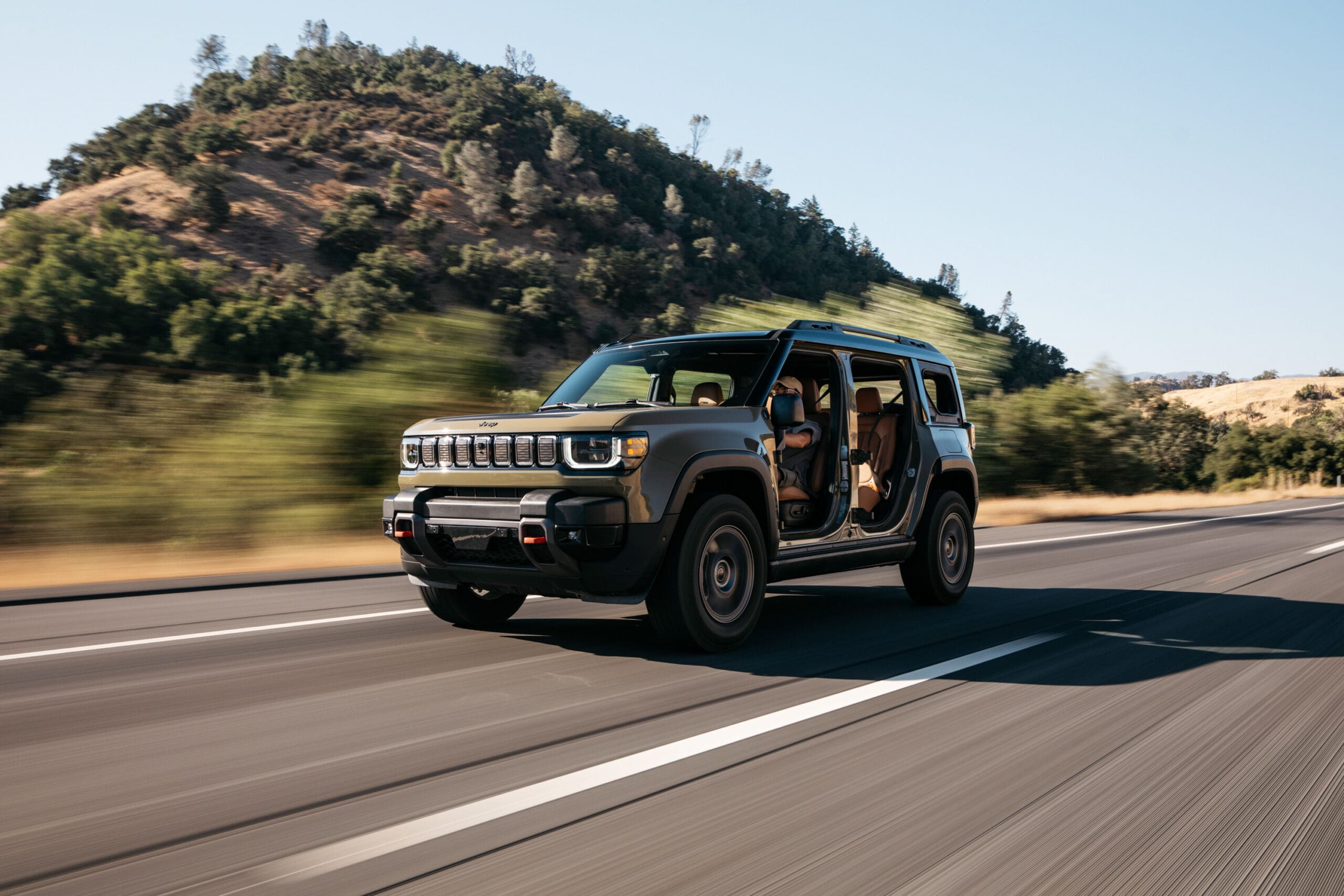
Then, when you calm down, it calms down. The Recon becomes a smooth operator and composed commuter, with Billie Eilish playing through the under-seat speakers and the bass buzzing beneath you. The standard Alpine audio system has been adapted to accommodate the removable doors. Rather than placing speakers inside them, Jeep has positioned the speakers beneath the seats so the system remains functional when the doors are removed.
Jeep says it calibrated the accelerator to deliver the powertrain’s immediate torque progressively, helping drivers maintain control on loose surfaces, technical terrain, and, thankfully, the highway. On the Moab model, the rear electric drive module uses a 15:1 final-drive ratio to increase torque multiplication. An electronically locking rear differential allows the driver to lock both rear wheels together when additional traction is required.

The front drive module uses an 11:1 final-drive ratio and an open differential. Automatic disconnects at each front wheel allow the Recon to operate more efficiently in rear-wheel drive under suitable road conditions. Jeep has also fitted large-diameter half shafts and reinforced constant-velocity joints to manage the electric powertrain’s torque.
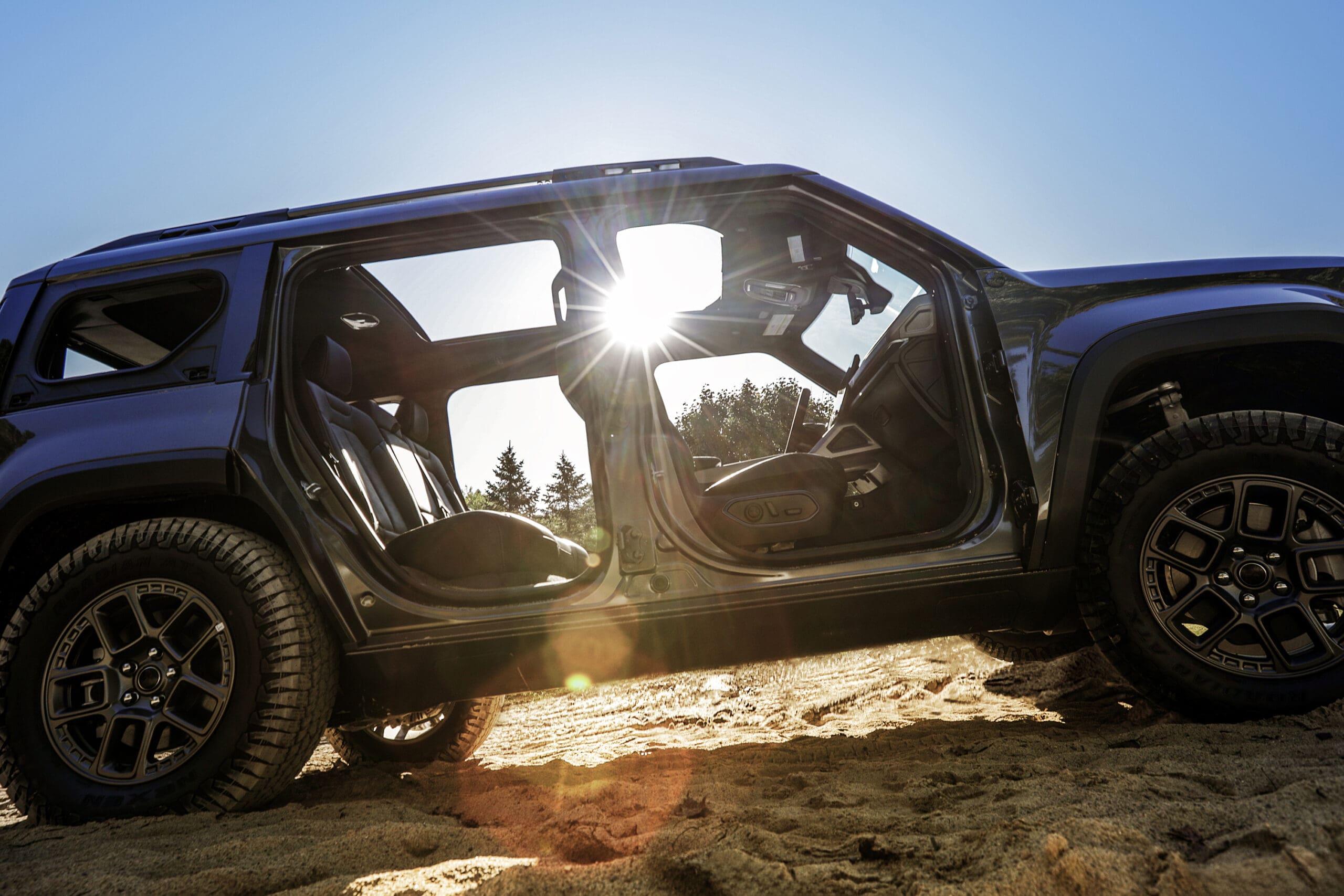
Jeep describes the Recon as the only fully electric SUV to carry its Trail Rated designation. It is also the only electric SUV designed with removable doors, rear-quarter glass, and swing-gate glass, all of which can be detached without tools.
Energy is stored in a 100-kilowatt-hour, 400-volt battery pack. High-strength steel underbody shields protect the battery and other vulnerable components from impacts during off-road driving. Jeep estimates that the Recon will provide up to 240 miles of range, although the final figure will vary according to trim and equipment.

A short-long-arm independent suspension is used at the front, while the rear receives an integral-link arrangement. The Moab trim rides on standard 33-inch tires and provides 9.1 inches of ground clearance. Its published off-road geometry includes a 33.8-degree approach angle, a 23.3-degree breakover angle, and a 33.1-degree departure angle.
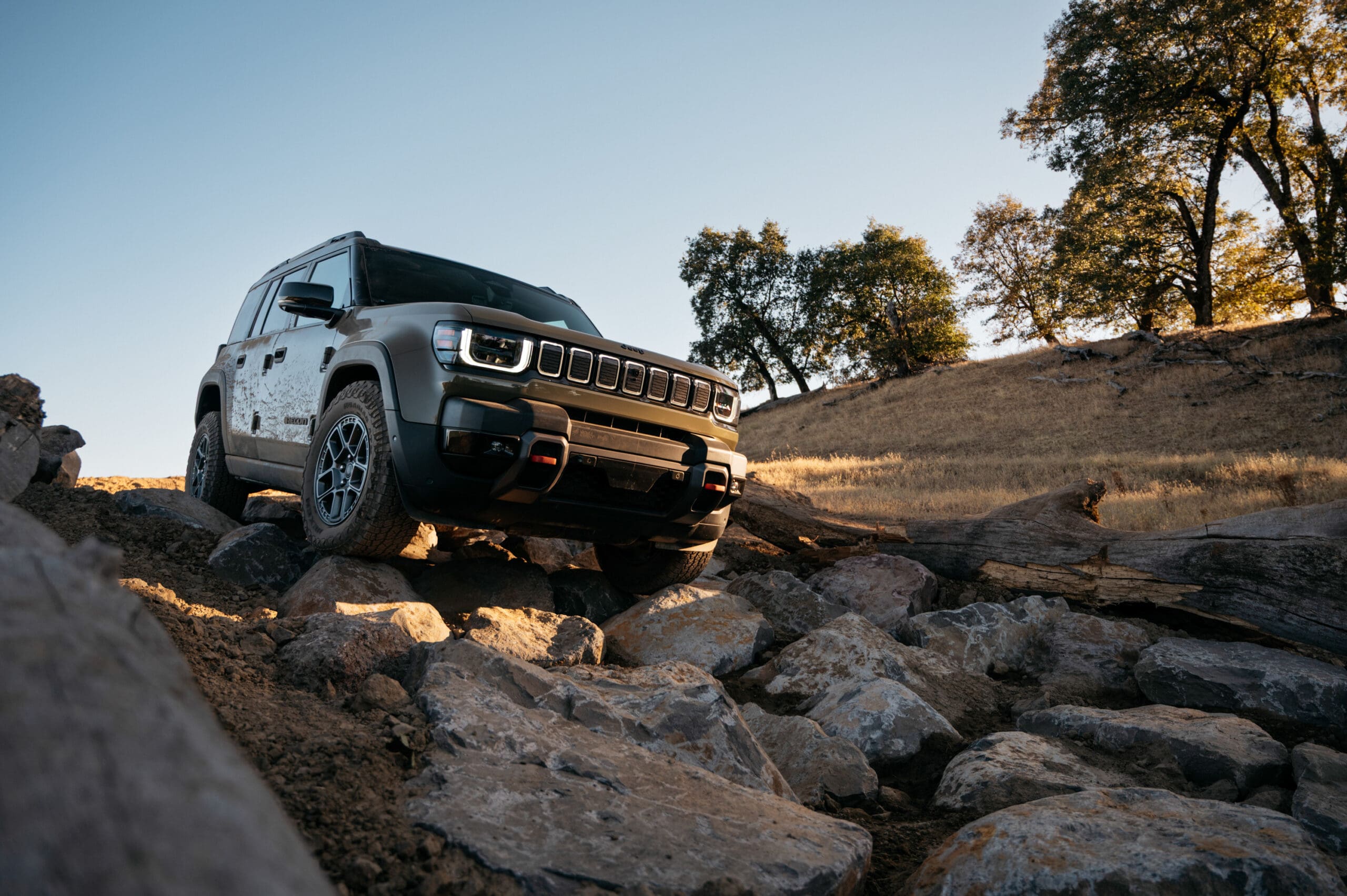
Jeep’s Selec-Terrain traction-management system provides auto, sport, snow, sand, and rock settings on the Moab. Rock mode modifies accelerator response for more controlled progress across uneven ground and incorporates a hill-hold function that prevents the vehicle from rolling while the driver moves a foot from the brake to the accelerator. Selec-Speed Control can maintain a selected low speed (up to 5 mph) on steep climbs and descents, letting the driver focus on steering.
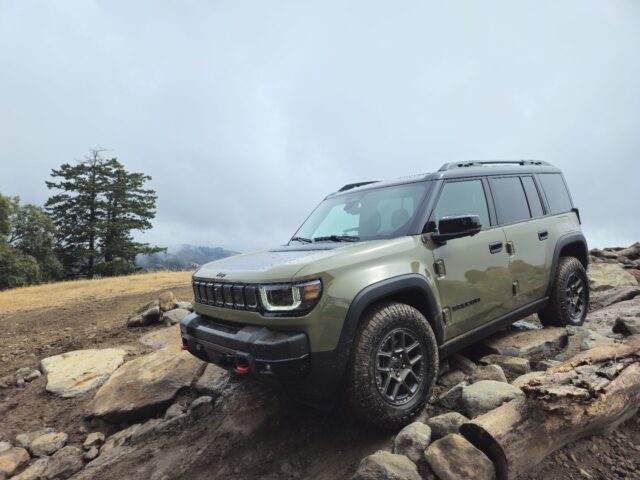
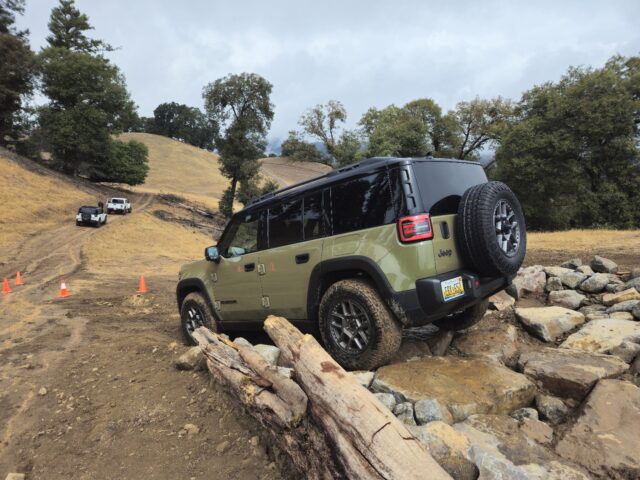
The rain had closed much of the off-road course on which we were supposed to put the Recon through its paces. Luckily, Jeep CEO Branden Coté was on hand to reopen the course following an assessment with the Jeep off-road team.
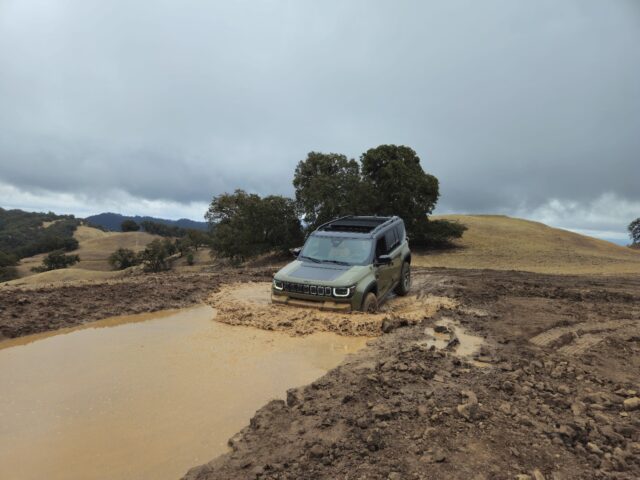
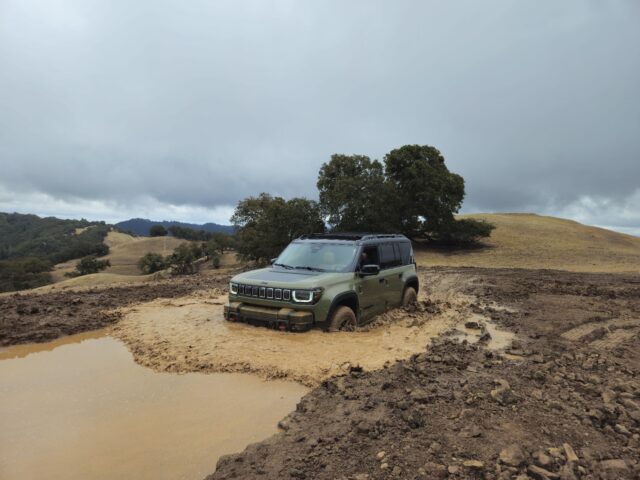
Brandon joined me in a ’41 (an army-inspired olive green) Recon and guided me around the track. We climbed steep, muddy inclines and descended equally steep slopes before tackling an articulation test, a water obstacle, a slippery rock descent, and an off-camber section. Egged on by Brandon, the Recon and I achieved a 31-degree lean—a new track record, apparently.
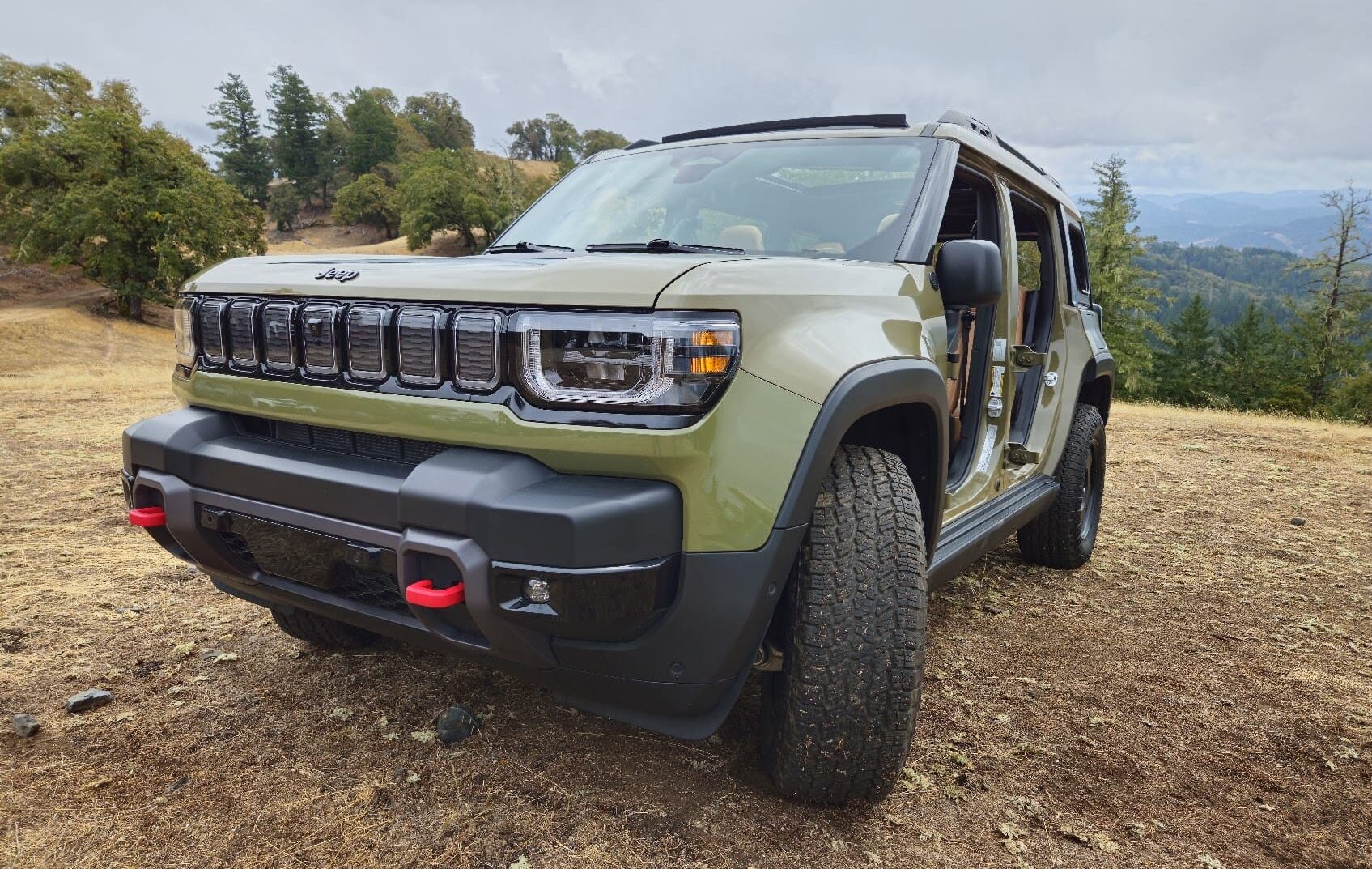
The battery is mounted low in the chassis and protected by steel skid plates. This low-mounted weight helps keep the Recon planted on steep side slopes. Its articulation is also quite good, and I was able to gently slalom the vehicle from one hump to the next.
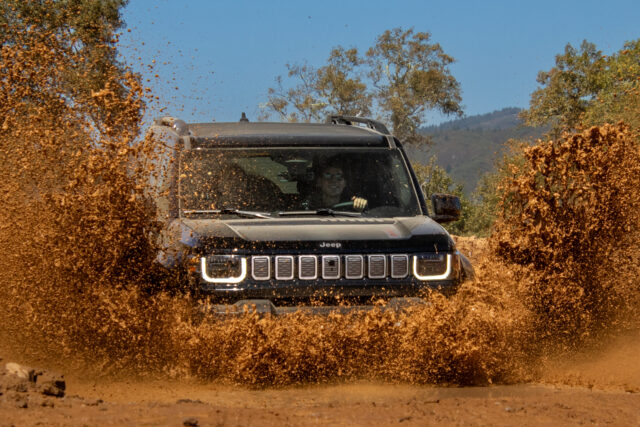
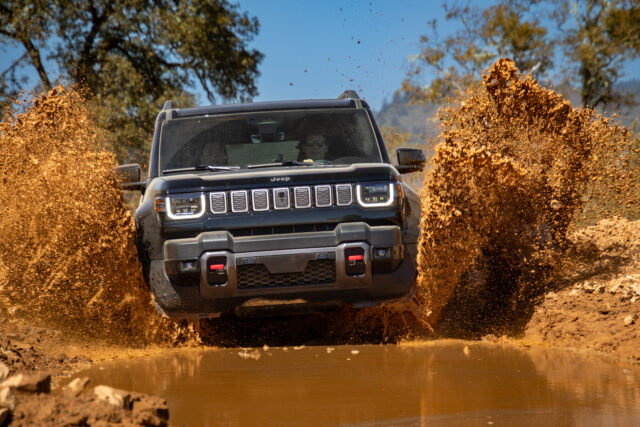
The first time I entered the 2-foot-deep muddy water obstacle, I did so gently and slowly, as I had been taught. With Brandon again providing authorization and inspiration, I floored the Recon through the mud pool, transforming my carefully perfected bow wave into a tsunami.
It is fun to hang out with the boss, I discovered.
The sand, mud, and snow modes did not noticeably change the Recon’s driving dynamics as I trundled confidently along gravel roads and up the mountain on a ranch reportedly owned by a former CIA agent. Rock mode, however, transformed its behavior. Selec-Speed Control ensured that the Recon handled the slippery rock descent with aplomb. The vehicle does most of the hard work; the driver simply needs to steer and brake when necessary. The Recon has earned its esteemed Jeep trail rating.
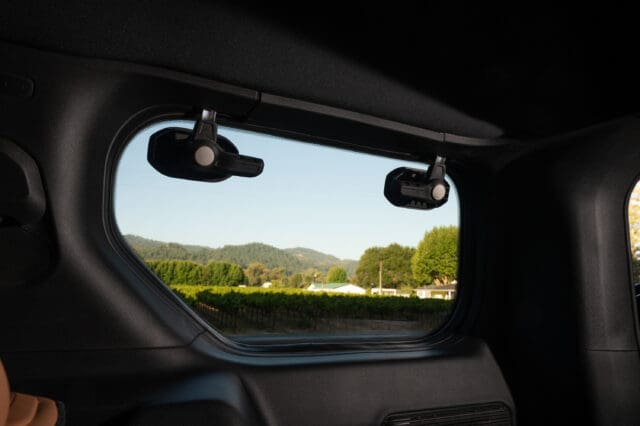
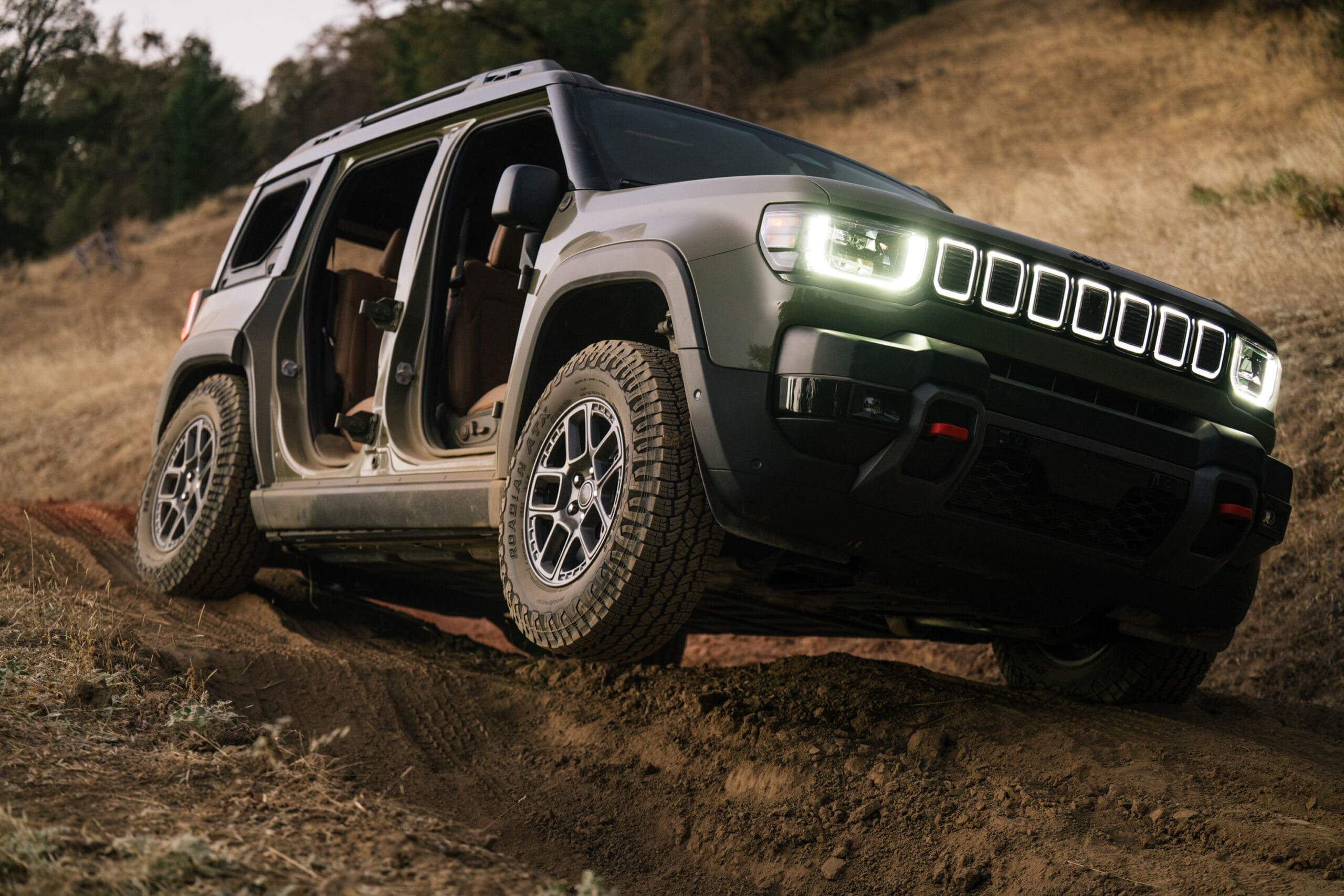
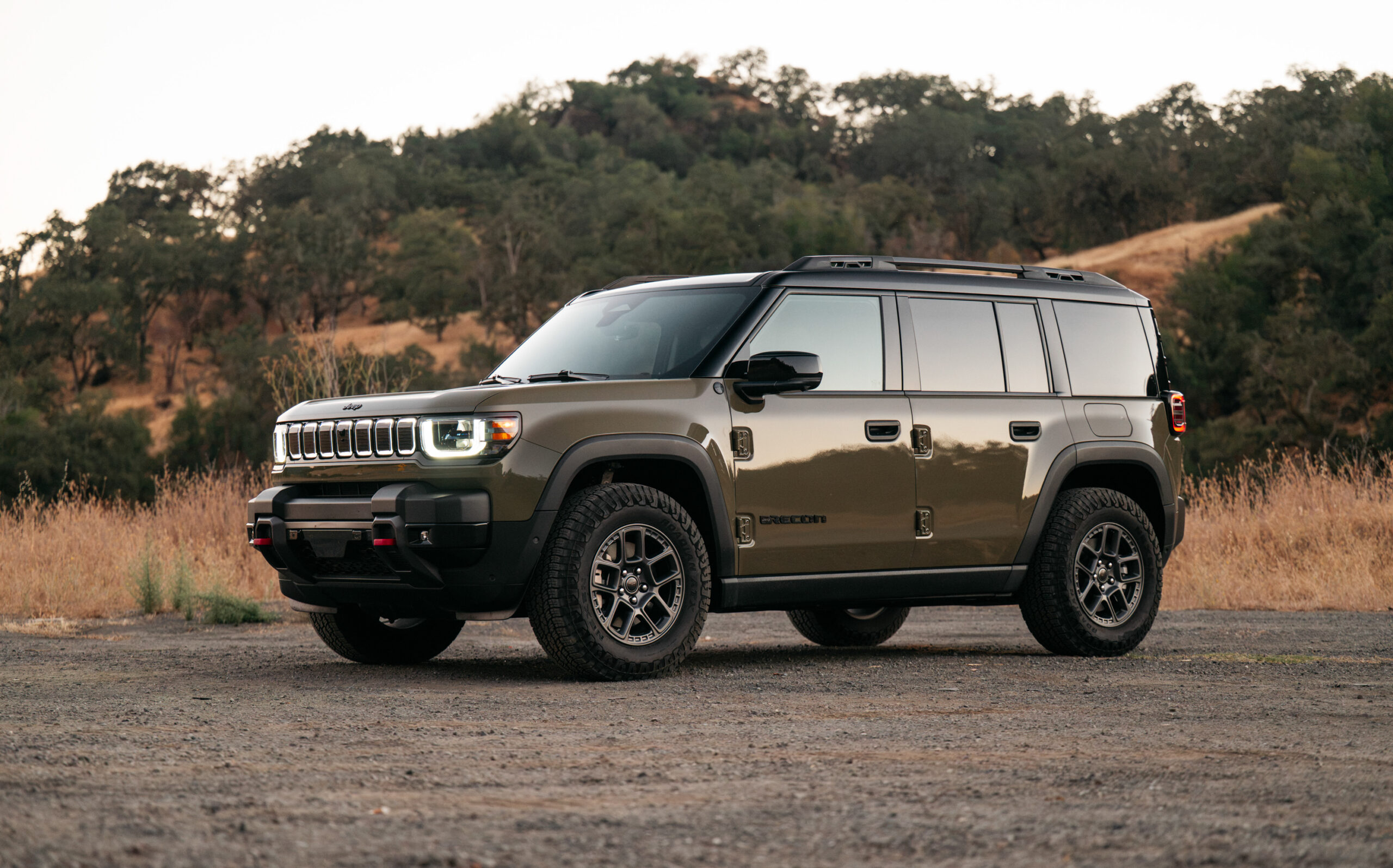
Although the Recon introduces a new electric architecture, its exterior follows familiar Jeep design themes. The upright front end incorporates illuminated outlines around the seven-slot grille, U-shaped daytime running lights, and LED lighting. Large windows are intended to improve outward visibility, while Wrangler-inspired rear lights and a side-hinged swing gate reinforce the visual connection to Jeep’s existing off-road models.
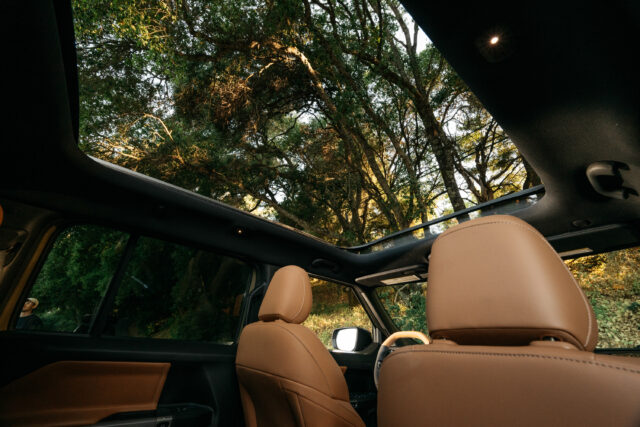
The Moab trim adds gloss-black fascias and wheel-arch flares that remind me of those fitted to the classic Defender, along with model-specific badging, a non-reflective hood graphic, and available rock rails. Buyers will be able to select a standard dual-pane sunroof or an optional Sky One-Touch power-operated roof. With the doors and windows removed and the One-Touch roof open, the Recon is about as open as an off-roader can be.
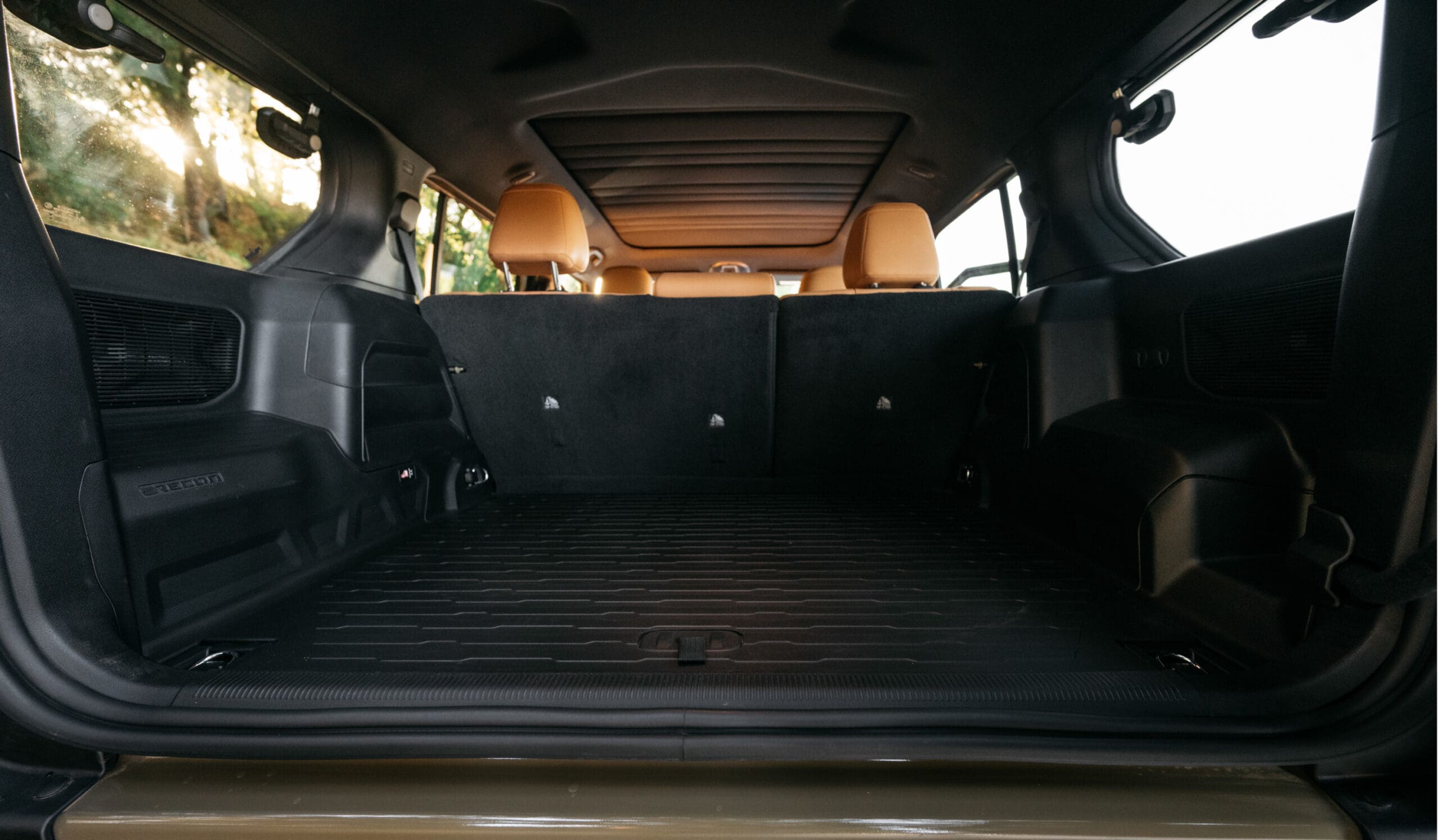
The Recon’s durable interior materials give the impression that this is a vehicle that could be cleaned out with a hose, and there is plenty of configurable storage. The horizontal dashboard includes a passenger grab handle and a modular accessory rail capable of supporting cameras, navigation equipment, and other devices. Scuff-resistant textured surfaces are used throughout areas likely to experience regular contact with outdoor gear.
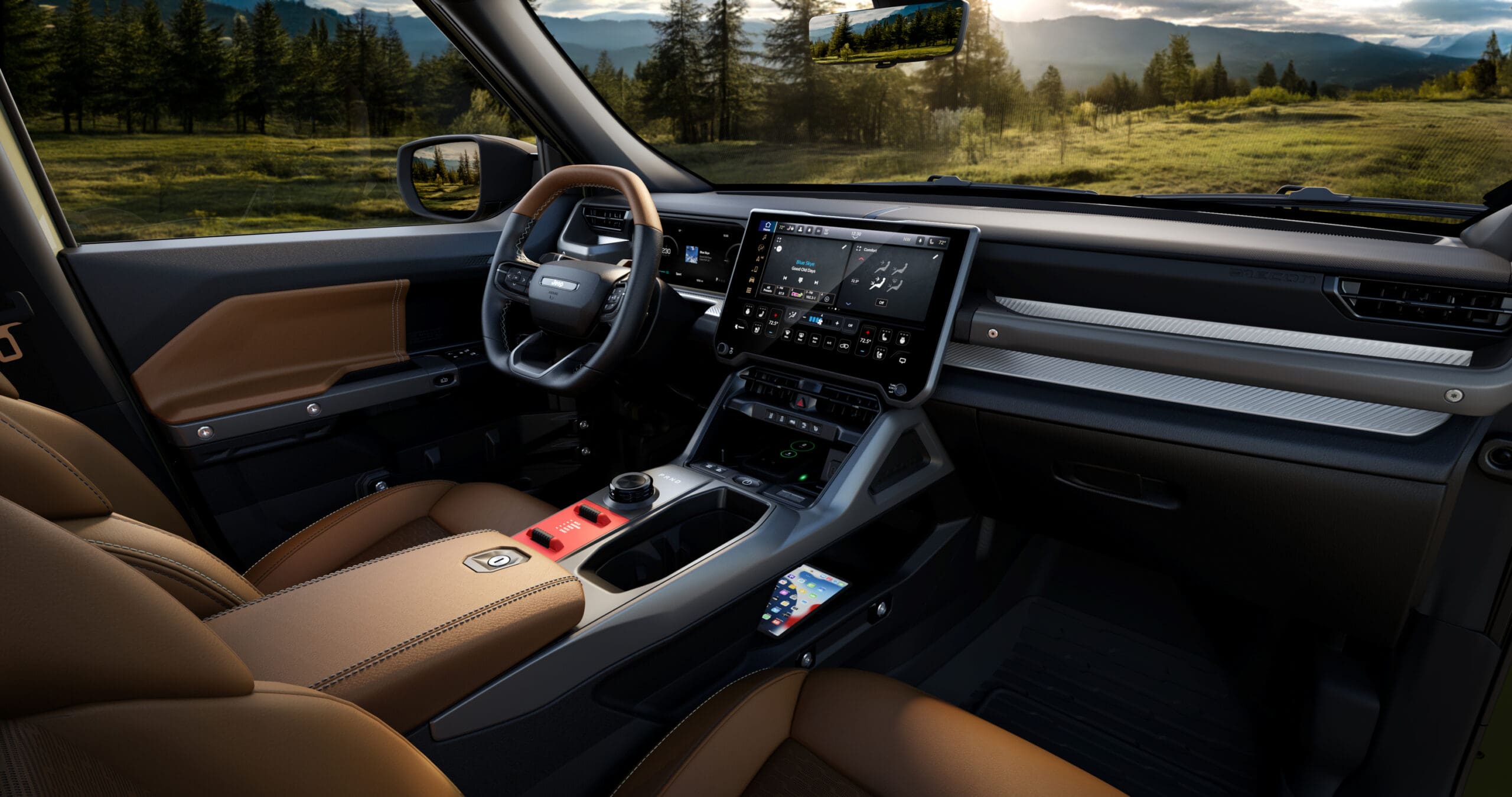
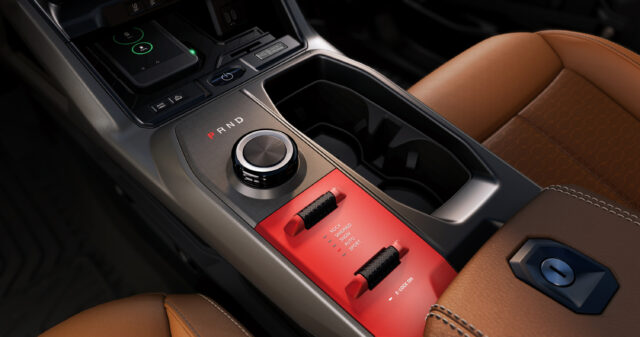
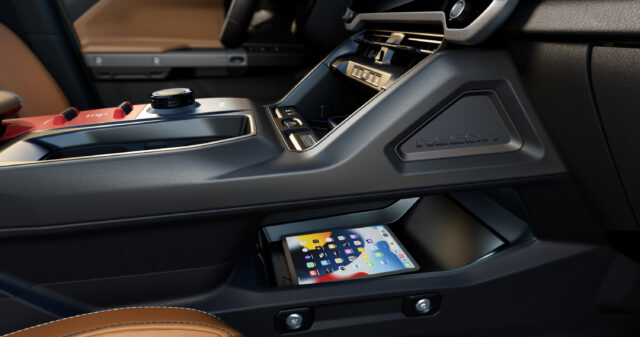
A two-level center console provides a wireless charging pad on its upper section and a larger lower storage area for tablets, bags, and other equipment. The door panels use removable elastic straps and interchangeable storage components. With the second-row seats folded, the Recon offers 65.9 cubic feet of cargo capacity. A 3.0-cubic-foot front storage compartment provides enough room for a small carry-on suitcase.
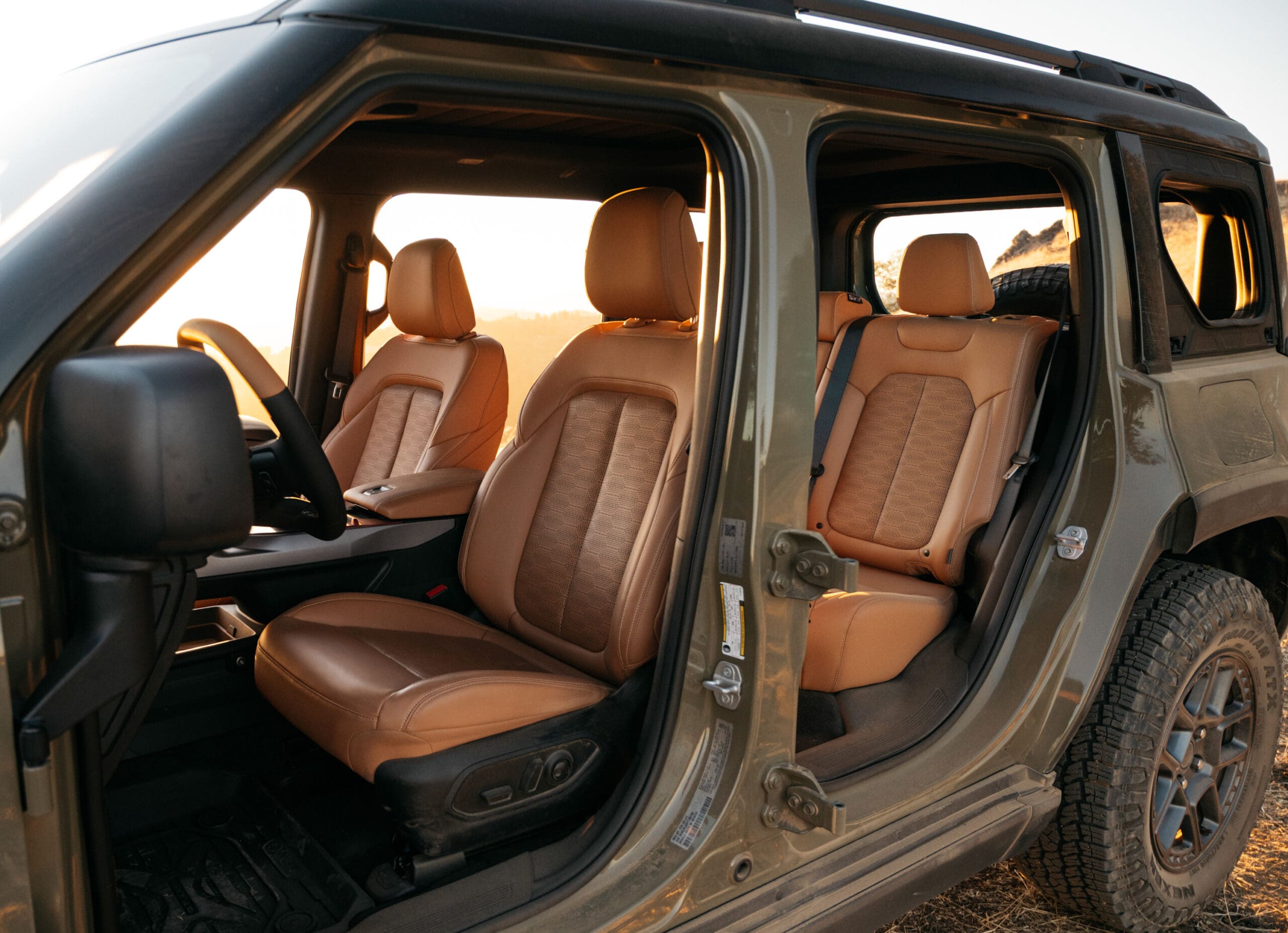
The first Moab models will be offered with a Joshua Tree tan interior inspired by the Southern California national park. Capri synthetic upholstery replaces leather across the seats and several cabin surfaces, while the headliner and carpeting incorporate recycled content. All-weather mats are fitted in the front and second rows, as well as in the cargo area.
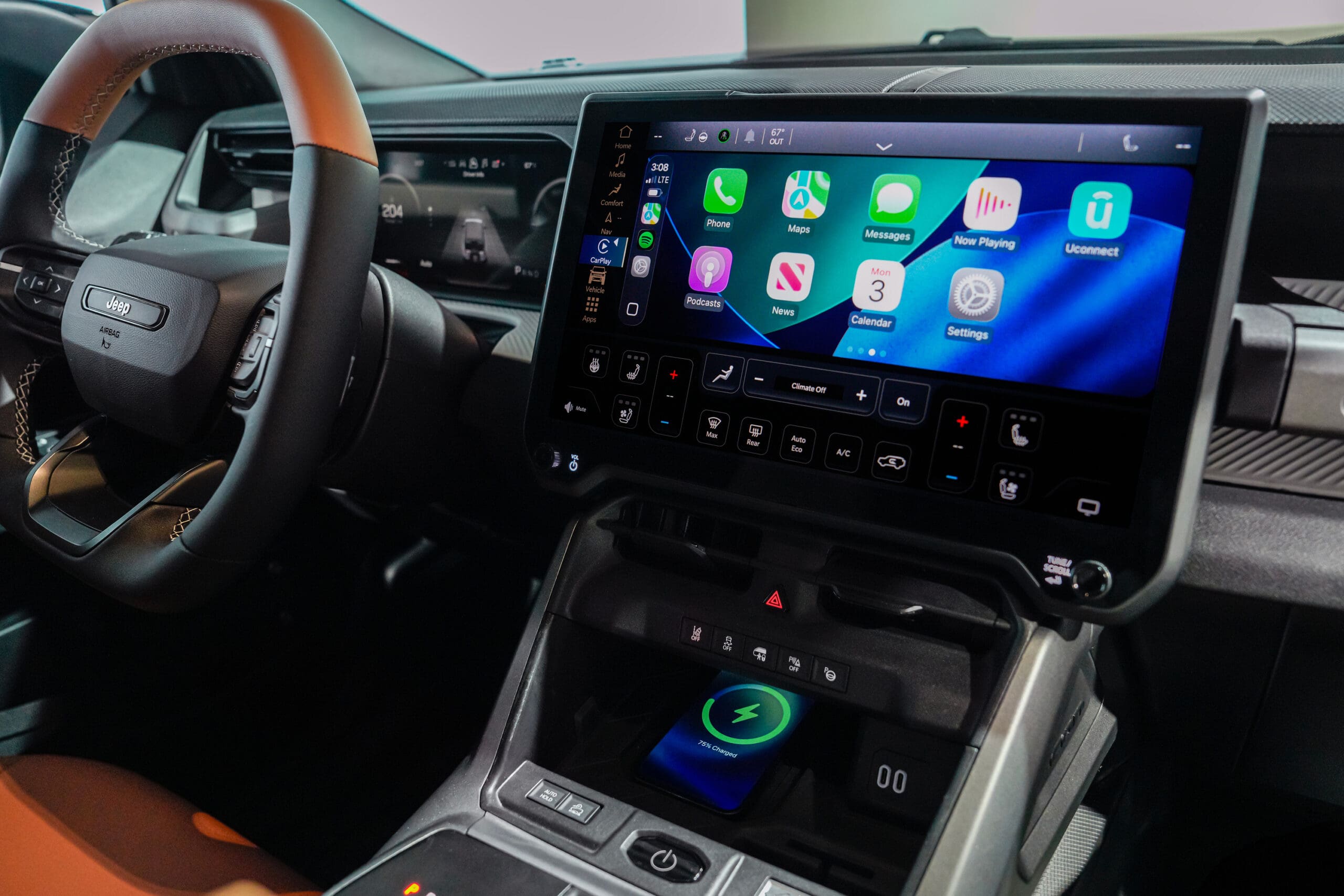
The digital interface includes a 12.3-inch configurable instrument display and a 14.5-inch horizontal central touchscreen, providing more than 26 inches of combined screen area. Climate controls are integrated into the touchscreen, although physical knobs remain for volume and tuning.
With removable body panels, a locking rear differential, protected battery, and dedicated trail-driving software, the Recon represents Jeep’s attempt to carry recognizable elements of its off-road formula into the battery-electric market. Its estimated 240-mile range may require additional planning on remote journeys, but its combination of substantial power, configurable cabin space, and trail-oriented hardware distinguishes it from many road-focused electric SUVs.
So, to answer the question of who the Recon is for, the vehicle is not intended for the hardcore rock crawler or long-distance overlander. The latter is fairly obvious, given its compact dimensions and limited range. It is not ideal for long, remote journeys away from charging infrastructure, while its starting price of $65,000, plus a $1,995 destination charge, places it beyond the financial reach of many Carhartt-wearing dirtbags.
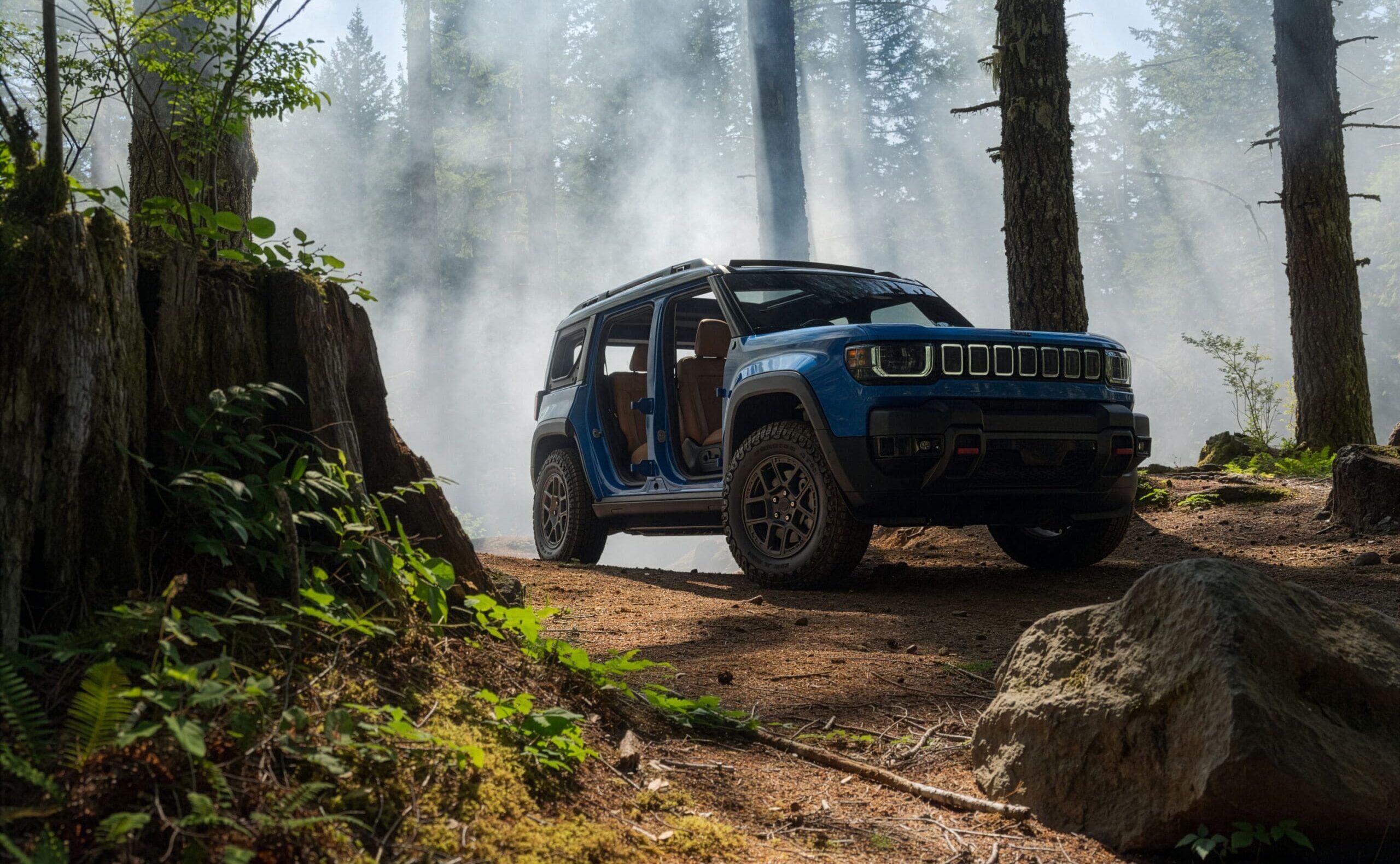
In my humble opinion, the ideal owners of this handsome and capable midsize rocket are urban professionals who live near mountains to climb, rivers to canoe, and trails to ride. The Recon will not carry a ton of gear, but a Fjällräven- and Patagonia-clad couple could easily load their ground-camping equipment and outdoor toys into the back. The rear seats fold flat, opening a useful amount of storage space.
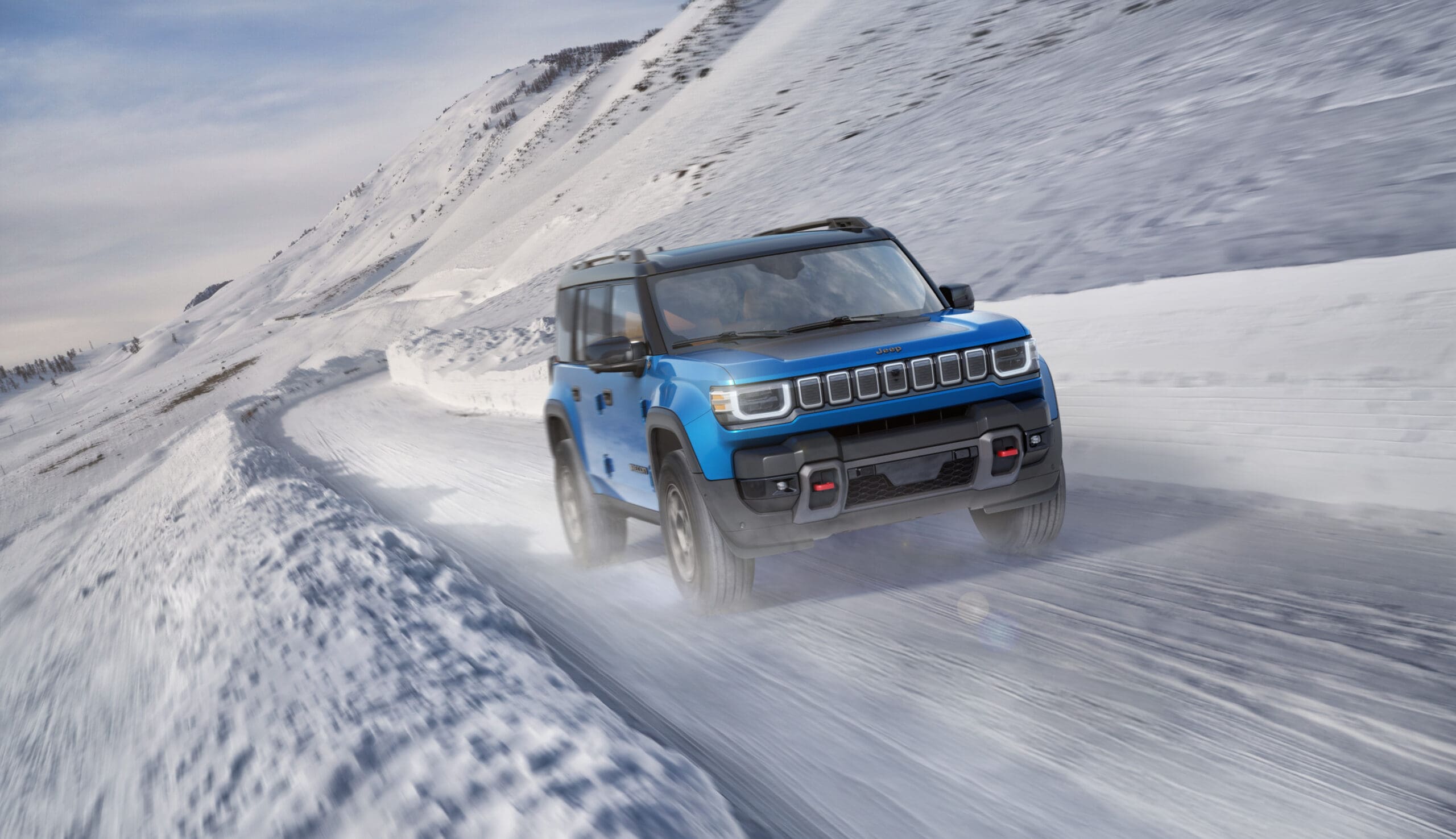
They could blast along mountain passes and negotiate almost any reasonable obstacle standing between them and their secret camping spot. Back home, the Recon could politely commute between the upmarket supermarket, game night, the gym, and perhaps even an office.
The Recon has two characters: wild and mild. You get to decide which one suits your needs. Having given the vehicle a good test and a fair chance, I recommend you do the same.

Production is scheduled to begin in early 2027 at the Toluca Assembly Plant, with sales commencing in the United States and Canada before expanding to other markets.
Read More: Norton Atlas Brings a Historic British Name to the Middleweight Adventure Market
Our No Compromise Clause: We do not accept advertorial content or allow advertising to influence our coverage, and our contributors are guaranteed editorial independence. Overland Collective may earn a small commission from affiliate links included in this article. We appreciate your support.
