

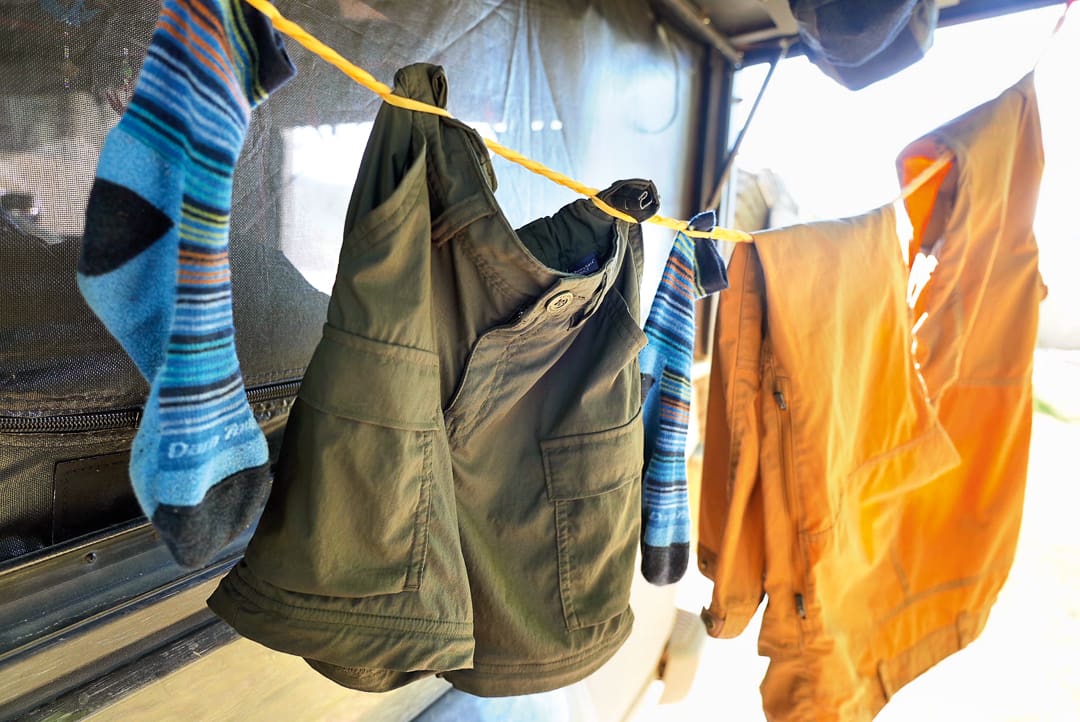
I haven’t owned a washing machine since 2018, when we sold our first house on wheels, a 40-foot diesel motorhome. Through the intervening years, as my family’s movable homes have shrunk in size, my appreciation for modern appliances has deepened. Some days at camp, when I’m playing catch-up, I relate to Mary Lois Walker Morris, who lived in 1880s Utah and described her daily activities in a diary:
“Sat 21st arose about 7. W[eather] mild and fine, did housework all day, retired about 11.
“Mon 23rd arose soon after 6 a.m. fine p.m. cloudy, did housework till 4 p.m.
“Tue 24th arose before 6. W[eather] fine, did housework … repairing in the eve feel almost sick with fatigue, retired about 10.”
In today’s advanced economies, household chores require less of our time each day, thanks to the advent of dishwashers, robot vacuums, washing machines, dryers, and the like. By contrast, when we find ourselves traveling for an extended period without these tools, we often wrestle with activities that are otherwise routine. It takes time and practice to develop the muscle memory we normally associate with tasks like laundry. Until then, it feels unnatural and extremely time-consuming.
Cleaning clothes by hand will always be time-consuming compared to using a washing machine, which is why I still prefer to do laundry in bulk during short Airbnb stays or by utilizing a nearby lavandería in whichever country we’re in. But for normal days at home (read: our Jeep), I’ve streamlined my process using an intentionally selected slate of items. These laundry essentials are compact and lightweight enough for either 4WD or motorcycle travel, making them perfectly suited for overland use.
Sourcing water is a primary concern on the road, due to limited storage capacity. The most straightforward solution is to save laundry for an established campground with a provided water source. Alternatively, natural sources can be used. There have even been positive reports from overlanders who have used ocean water for their clothes-washing needs. If you’re in a pinch and don’t have an option beyond the water you’re carrying, the method I describe below requires 2.6 gallons per “load”: 1.3 gallons to wash and the same amount to rinse.
This version of a load is minuscule compared to what a washing machine holds, which is why I put the word in quotation marks. But by washing a load or two each day, a family of three can stay caught up, especially if it’s possible to wear the same clothes over multiple days (for my nine-year-old son, impossible).
I find it’s most effective to wash similarly soiled clothes together; for example, pants and socks combined, while shirts might wash with underwear. The biggest challenges are juggling travel days, when clothes don’t have time to hang dry, or dealing with rain or cloud cover. Worst-case scenario, remember people in most countries do not own a washing machine, and there is often a laundromat available somewhere. The iOverlander phone app has a marker for this.
Daily chores may feel like drudgery, especially when surrounded by superb trails or sightseeing, but establishing a sustainable process at camp is like unearthing a treasure. Instead of packing up because you’ve run out of clean things to wear, now you get to stay out longer. It’s generally accepted that sundowners pair well with watching skivvies dry on the rustling breeze at dusk.
Scrubba Wash Bag
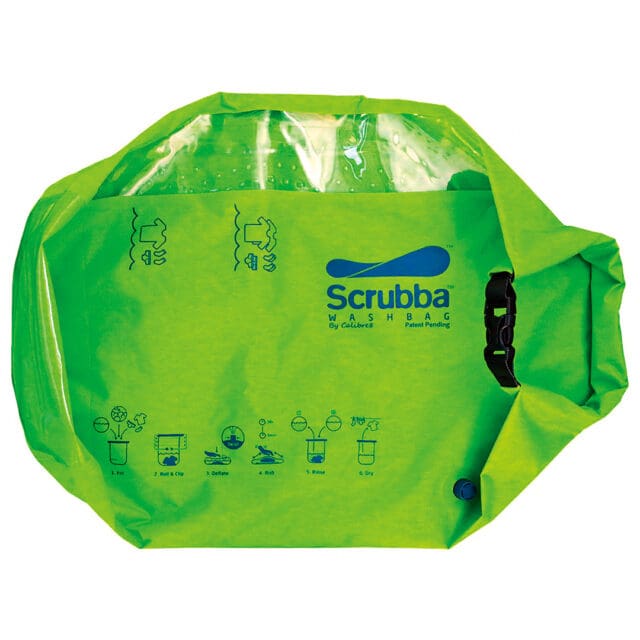
I’m always astonished that something this simple works so well. Add water, a small amount of biodegradable soap, and your clothing to the Scrubba wash bag. The max load is said to be two T-shirts, two pairs of socks, and two pairs of underwear. But I know from experience that the bag can hold a pair of heavy-duty men’s outdoor pants or several pairs of my son’s shorts. The key is Scrubba’s “nobules,” a collection of raised bumps on the bottom of the bag; as you agitate clothing against them, dirt and stains are gradually removed. Dump the soiled water, add fresh water to rinse, and you’ve just washed a load of laundry at camp.
$60 | thescrubba.com
Sea to Summit Wilderness Wash
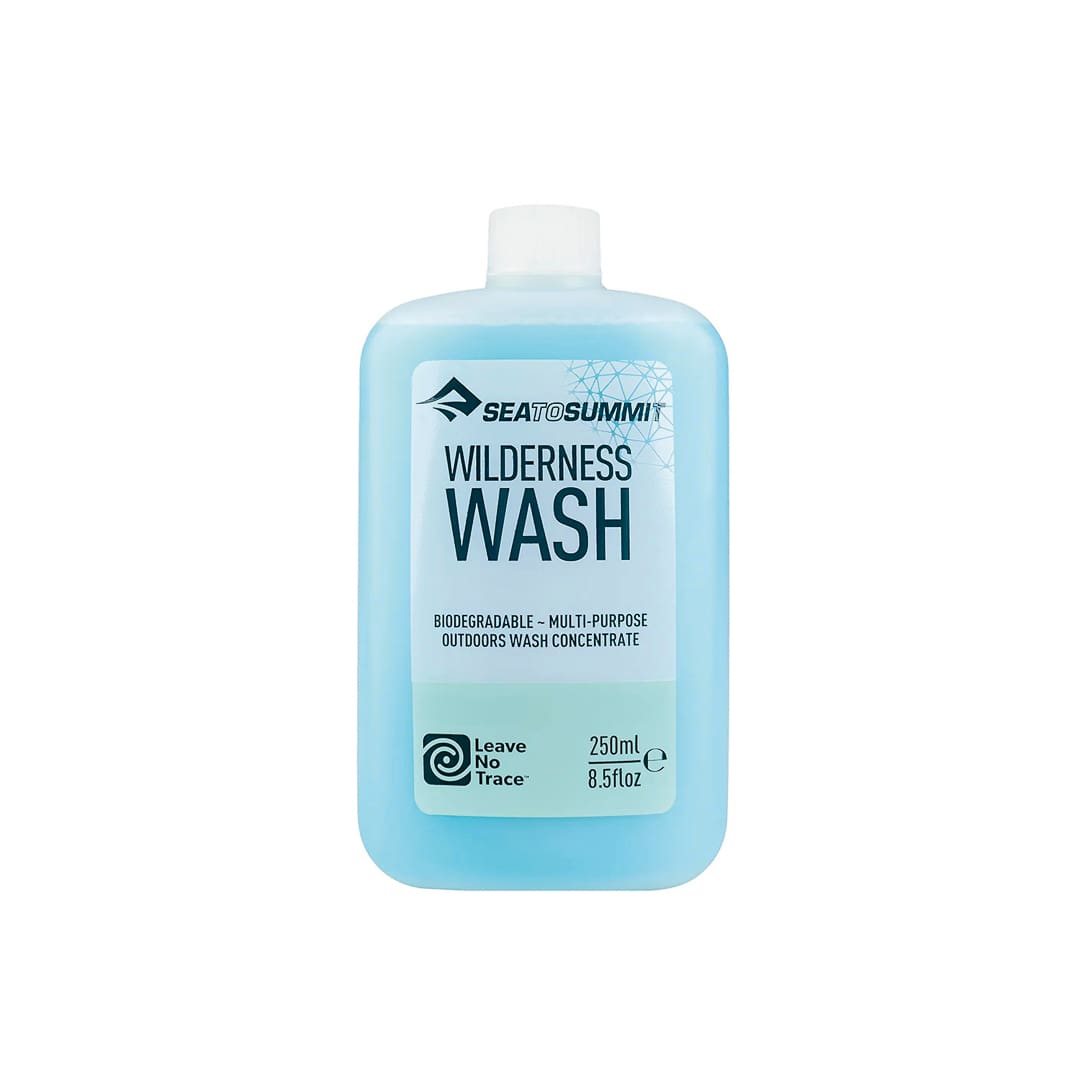
If you don’t have a campground sink available for disposing of graywater, then it’s important to use biodegradable soap for clothes washing. Wilderness Wash is super-concentrated, so a capful is typically enough for one Scrubba load. This versatile soap can also be used for washing dishes, outdoor gear, or even your person. It was developed in accordance with Leave No Trace principles, but don’t forget to scatter used water at least 200 feet from your camp and natural water sources. Available in multiple sizes, including carry-on sizes that meet airline regulations.
$11 (8.5 ounces) | seatosummit.com
Sea to Summit Nylon Folding Bucket
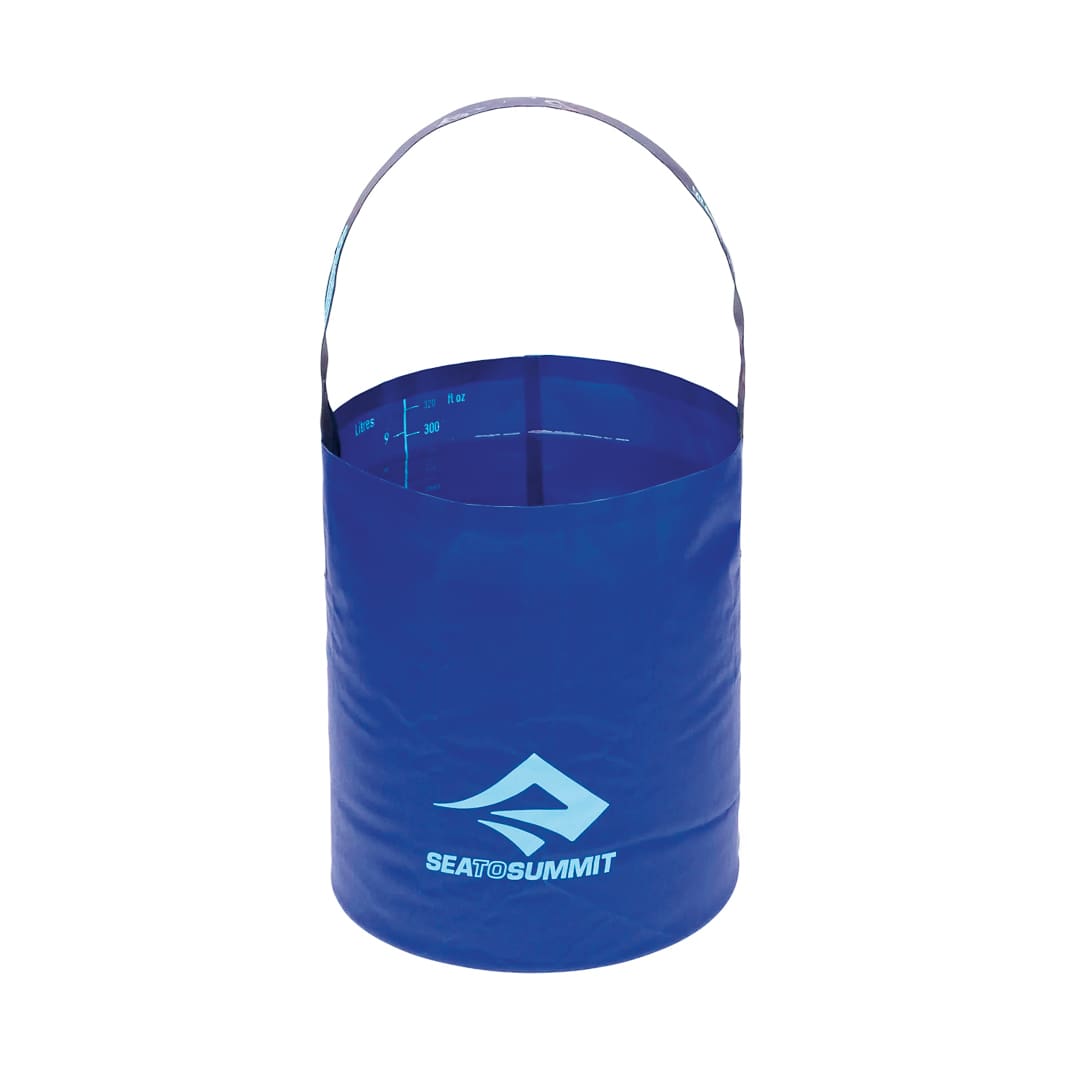
Sea to Summit also offers a 10-liter folding bucket made from recyclable non-PFAS materials. With its welded seams, it’s designed to remain freestanding even when full of liquid. We originally brought it on our international journey to store water beside fires, but I’ve gradually begun incorporating the bucket into my laundry routine. If I have stained clothes that need to soak before washing, out comes the bucket. And once clothes have been rinsed in the Scrubba wash bag, I wring the water from each item, place everything in the bucket, and carry it to my clothesline. It’s easy to clean and dries quickly, so you can put it back in storage before hitting the road.
$39 | seatosummit.com
Red Oxx Flexo-Line Travel Clothesline
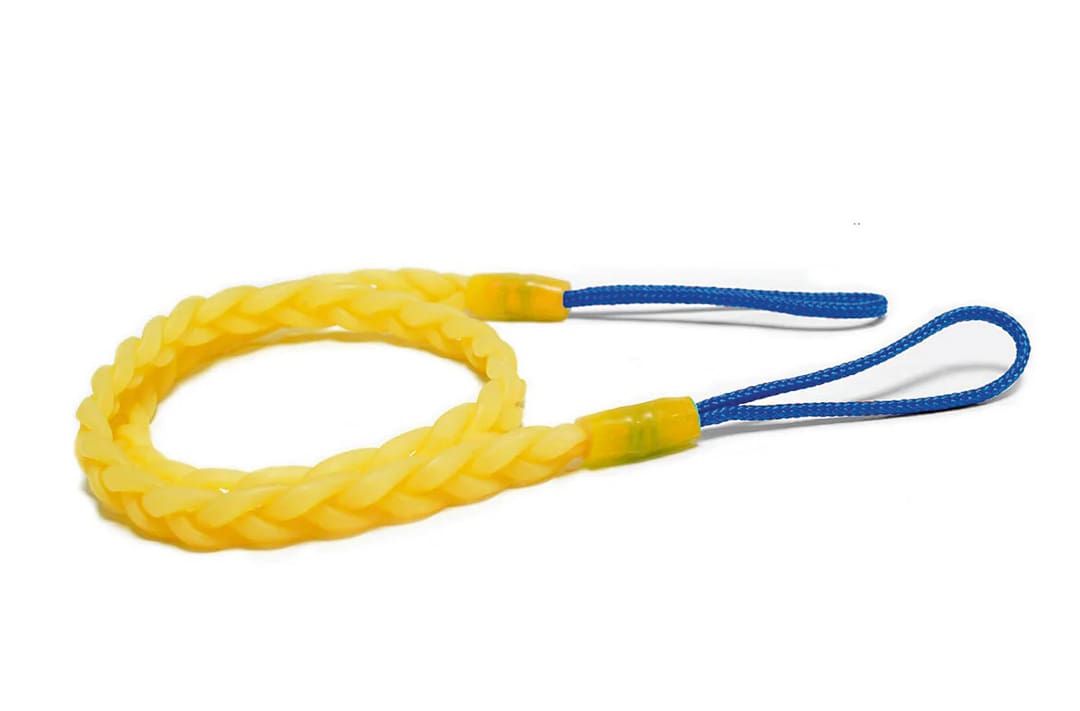
Manufactured in Canada, the Flexo-Line from Red Oxx has been part of our kit for the past five years. These clotheslines are designed to be used without clothespins, which we don’t have space for in our vehicle. Made of surgical-grade natural latex rubber, each line can stretch to 7 feet long and hold 12 pounds of wet clothing. I’ve used the Flexo to dry clothes in hotel showers, and at camp, I hang it from the side-wing doors on either side of our habitat, where I can dry two to three Scrubba loads at a time. It’s extremely durable while weighing less than an ounce.
$15 | redoxx.com
Downy Wrinkle Releaser Fabric Spray
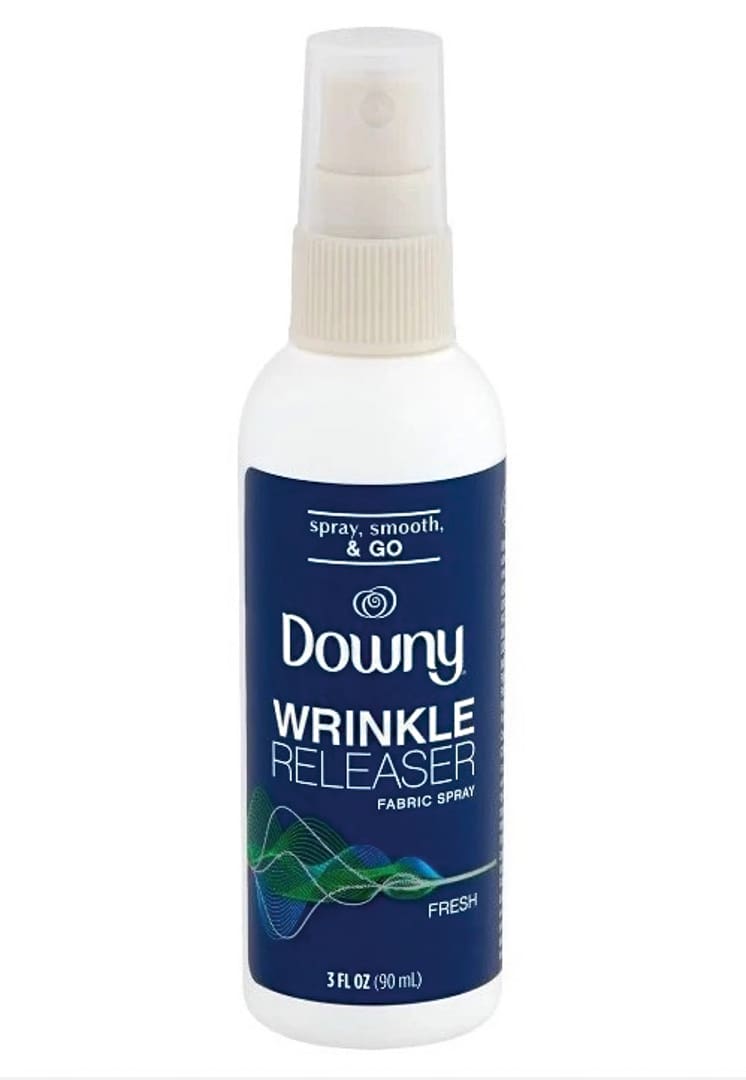
This product doesn’t come out often, but I’m always grateful to have it on hand when I need it. Because our clothing is stored rolled in drawers, we opt for wrinkle-resistant fabrics whenever possible. But on the odd occasion when we visit a winery or have (gasp) a date night, Downy’s wrinkle releaser fabric spray works quickly on dresses or cotton shirts. Simply spray, tug, and smooth the sprayed fabric, then hang or lay flat to dry. It works wonders, transforming the overland traveler from shabby to tablecloth-presentable, and the 3-ounce size you can find in the travel toiletry section will last a long time.
$2 | target.com
HHL Technology Vital Protection AM2 Spray
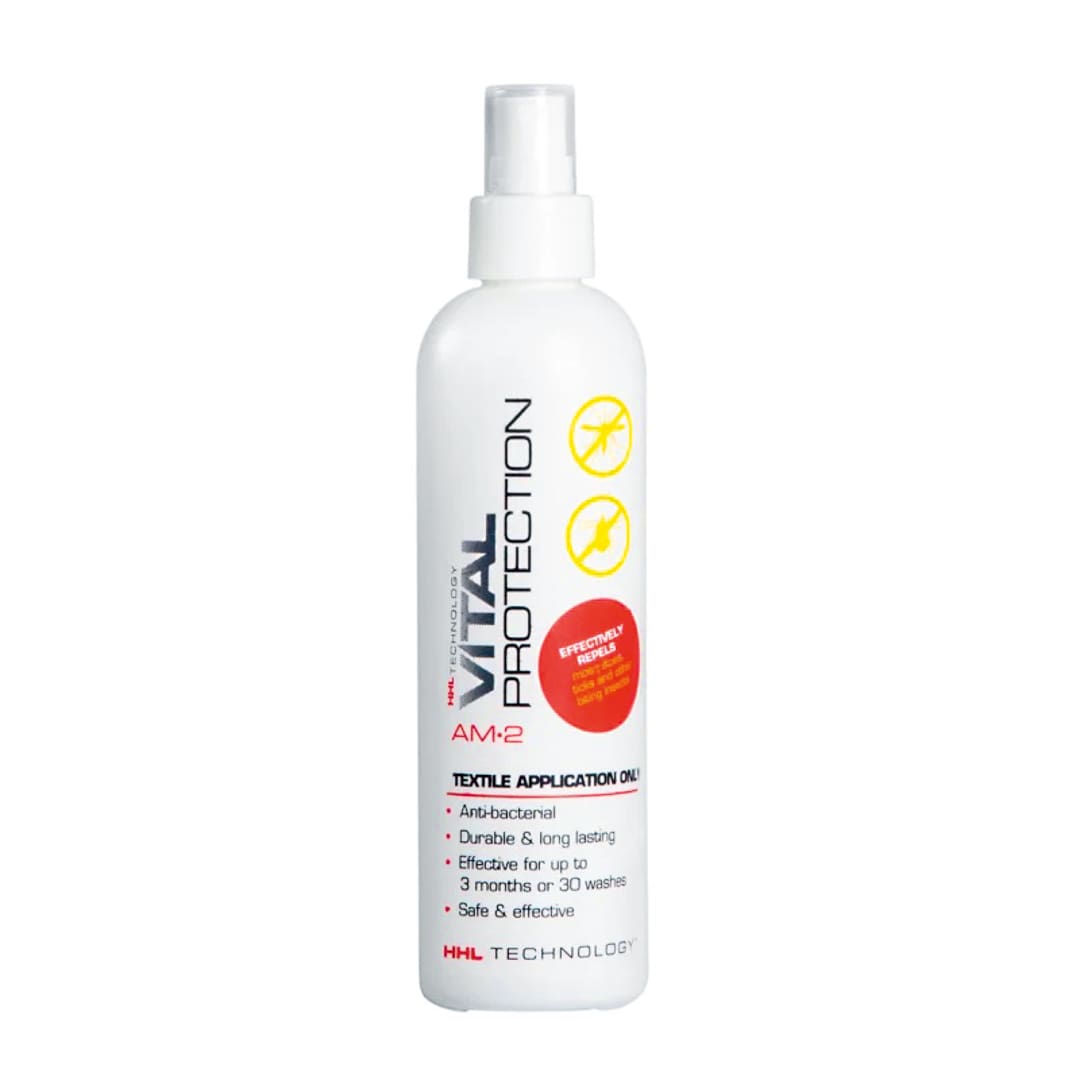
Permethrin is an insecticide used in many environments to protect against mosquito- and tick-borne illnesses such as malaria or Lyme disease, as well as against mites and lice. While not laundry-related per se, South Africa-based HHL Technology offers a permethrin spray called Vital Protection AM2 for clothing and textiles, which is widely available in stores like Outdoor Warehouse, and lasts up to three months. For long-term overlanders who are not taking malaria prophylaxis, permethrin is an important tool to ward off illness. In the United States, stores like REI are a good source for permethrin products. Wash treated clothing separately and reapply as needed.
$14 | thequartermaster.co.za
Editor’s Note: This article was originally published in Overland Journal’s Fall 2026 Issue.
