
As an overlander and adventurer, my journeys often lead me to unexpected places that reveal the fascinating history and culture of a location. Exploring Daytona Beach is one such destination that blends motorsports, history, and the ocean into a playground for the curious traveler. For this installment, I’ll share my experiences during Jeep Beach include five local highlights from around the area: the Daytona International Speedway and Museum, the historic Dixie Highway, Cracker Ranch Off Highway Park, the Ponce Inlet and Lighthouse, and the unique opportunity to drive your Jeep or 4WD on the beach.
Presented by Hankook Dynapro Tire
Daytona International Speedway and Museum
The Daytona International Speedway isn’t just a racetrack; it’s the heart of American motorsports. Known as “The World Center of Racing,” this legendary venue is where the iconic Daytona 500 takes place each February. Walking through the gates of the speedway, you can feel the energy and excitement buzzing around the track.
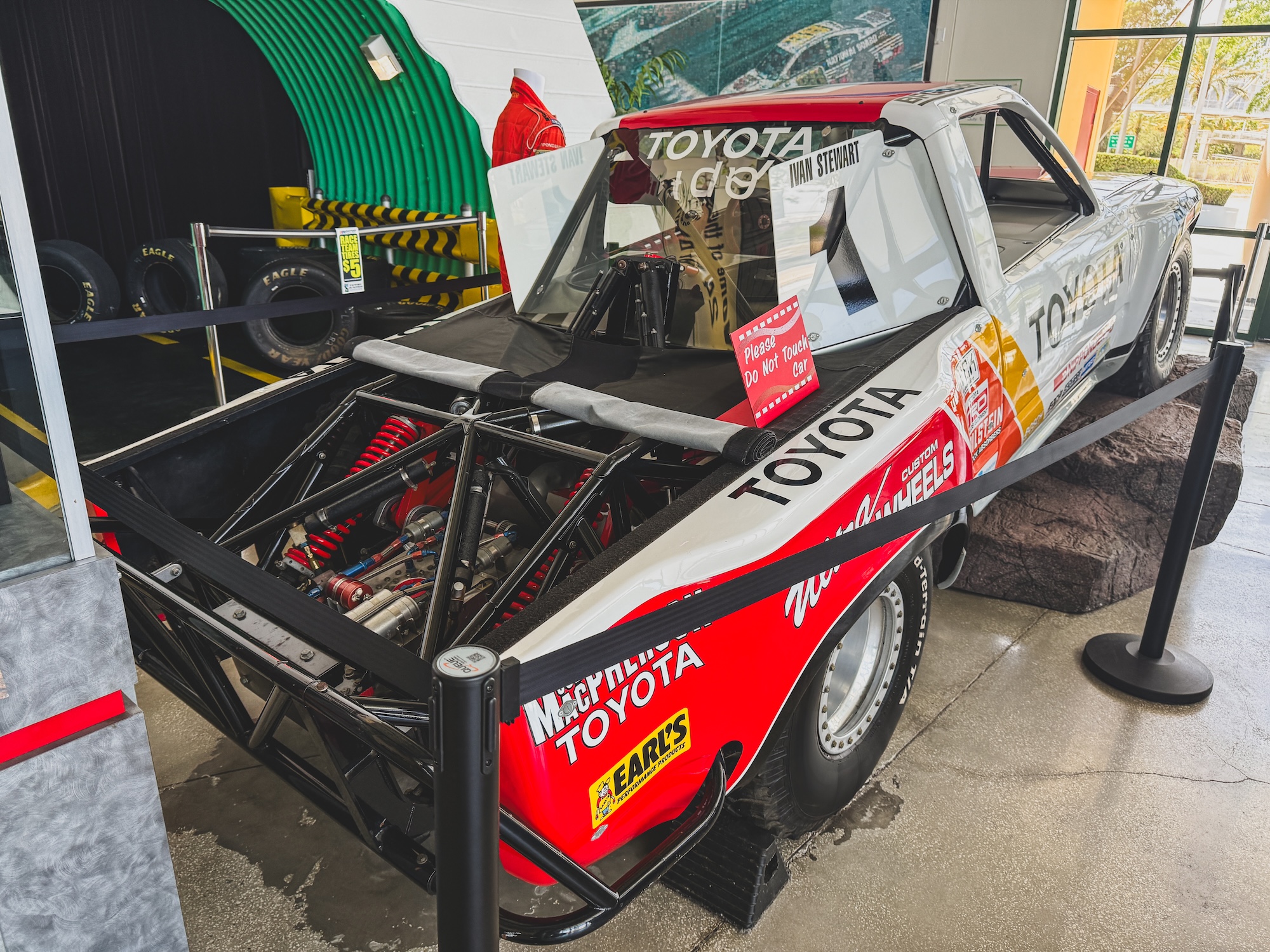
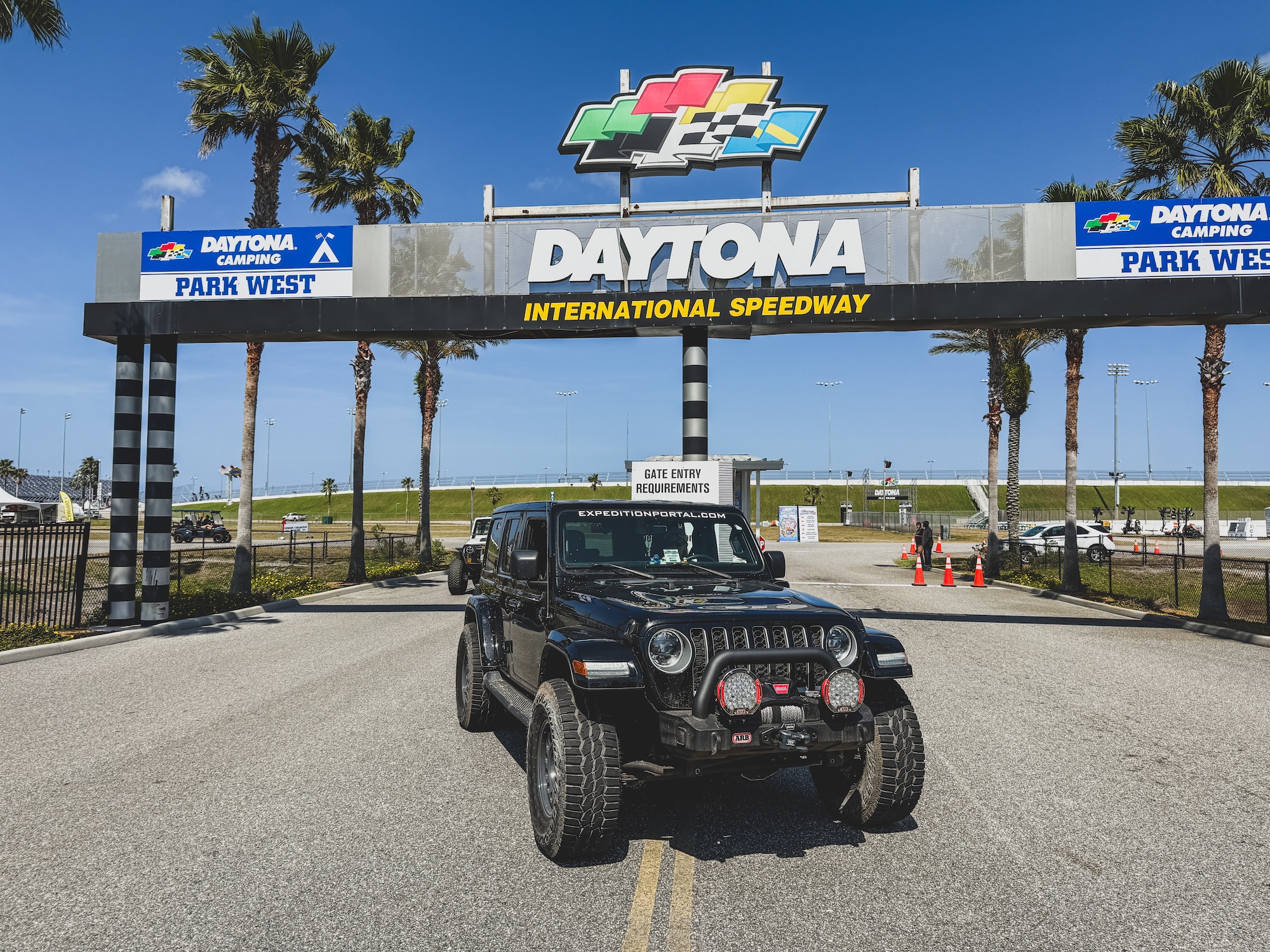
I took a tour during Jeep Week that allowed me to explore the inner workings of the track, from the pits to the grandstands. Driving the track itself in our Jeep, I imagined the roaring engines and cheering crowds that fill the stadium during race day. The Daytona 500 Experience, located within the complex, is a must-visit for any motorsport enthusiast. With interactive exhibits and historic race cars on display, it’s a fantastic way to dive into the world of NASCAR. As an overlander, I appreciated the historic Bronco race truck and even Ivan “Ironman” Stuart’s Baja-winning Toyota truck.
The Dixie Highway and Its Historic Brick Section
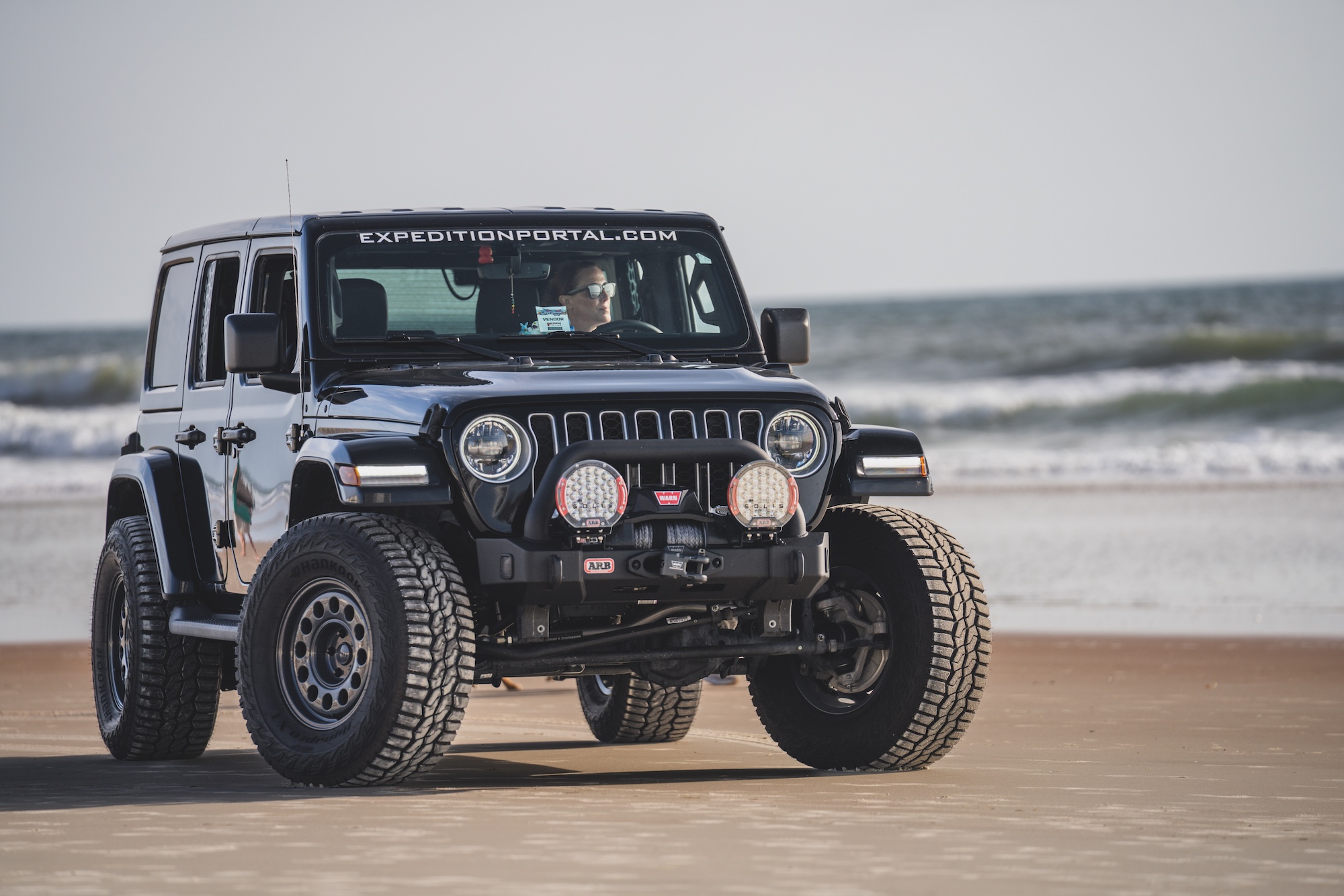
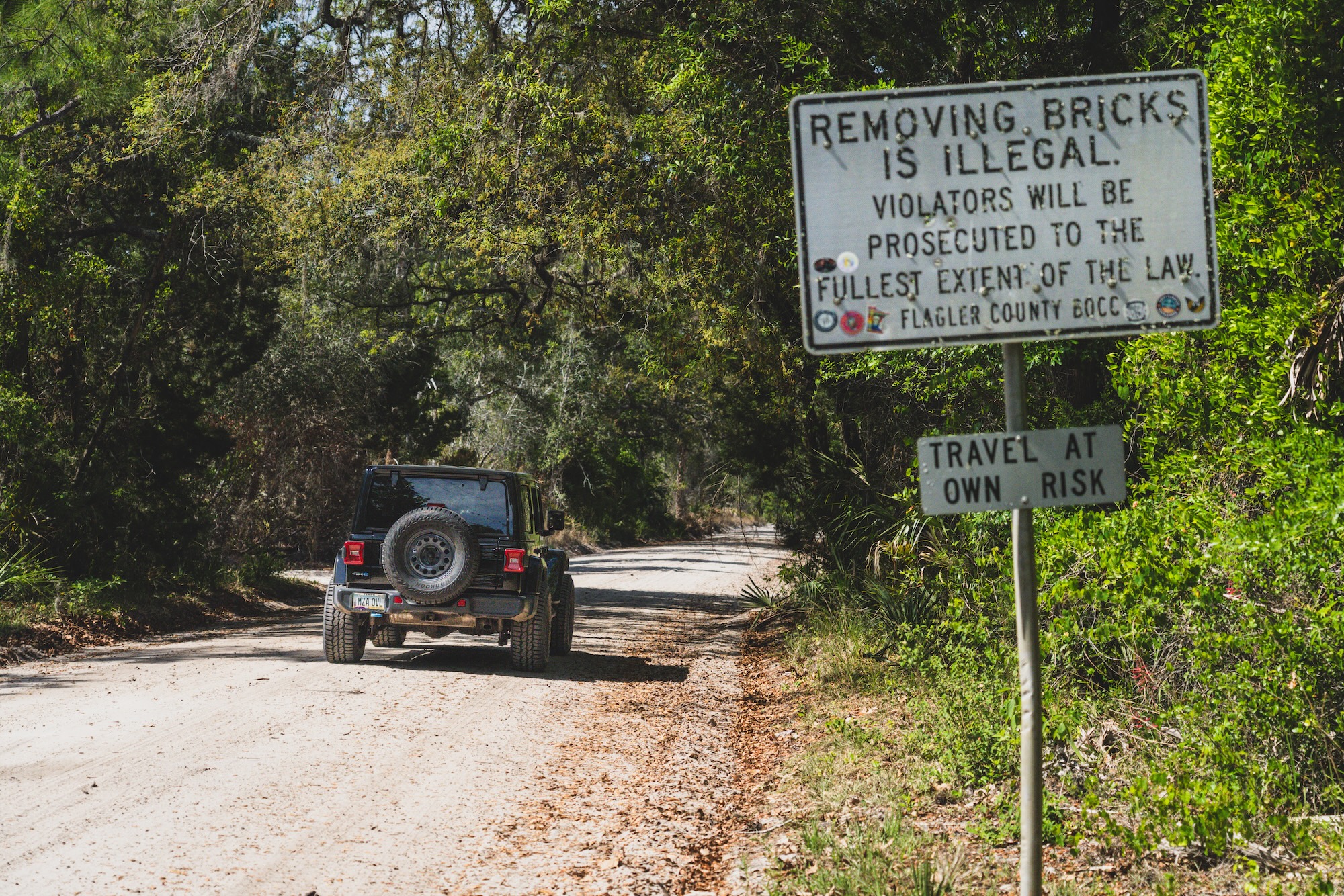
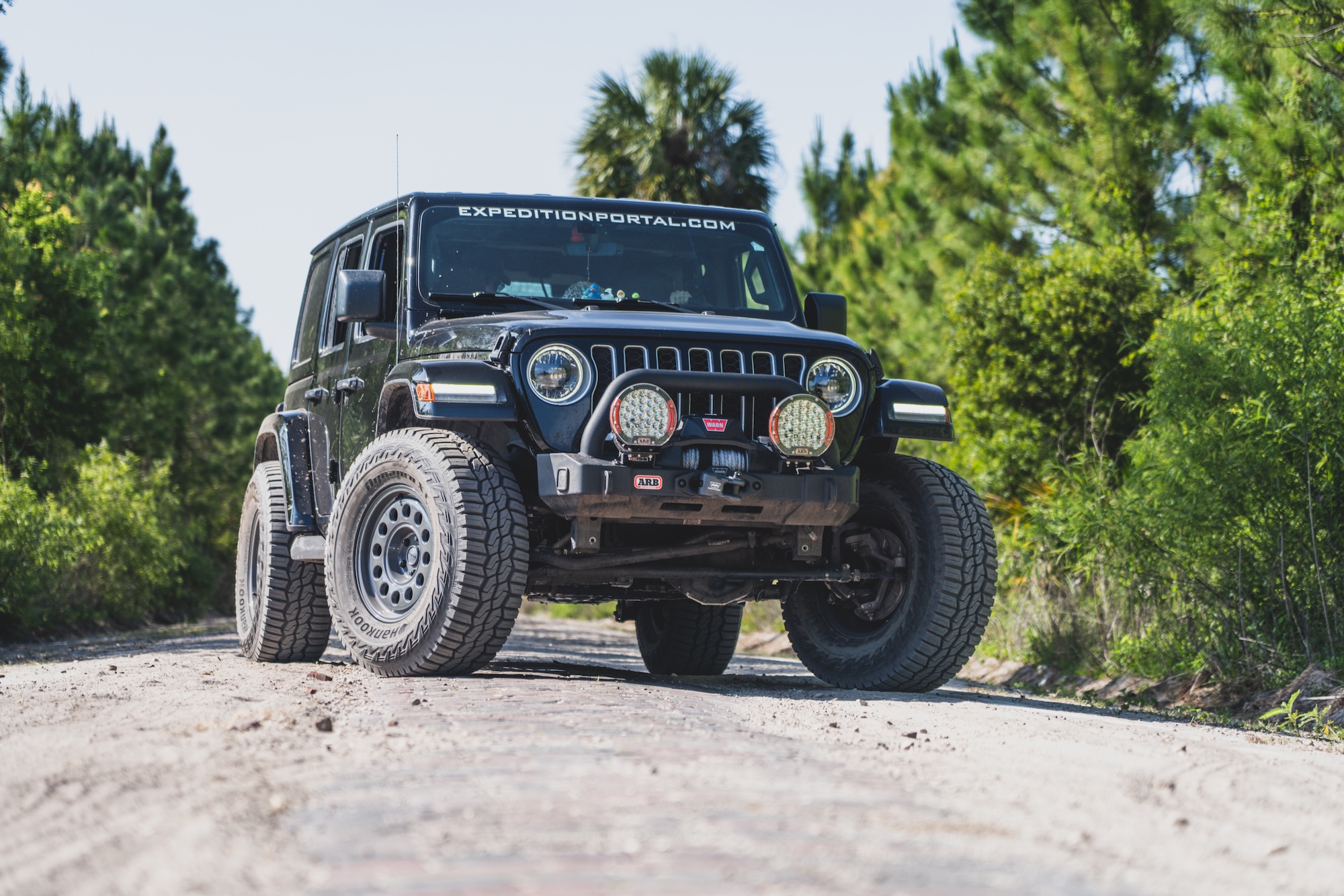
One of the most enjoyable discoveries of our trip was exploring Daytona Beach along the historic Dixie Highway. Also known as Tin Can Alley, the original route stretches from the northern U.S. to Miami and holds a special place in the hearts of travelers. The brick section just north of Daytona Beach is like stepping back in time and features a combination of 100-year-old brick sections interspersed with sand. I would recommend a 4WD with quality tires like the Hankook Dynapro XT that we used on our Jeep Wrangler 4xe.
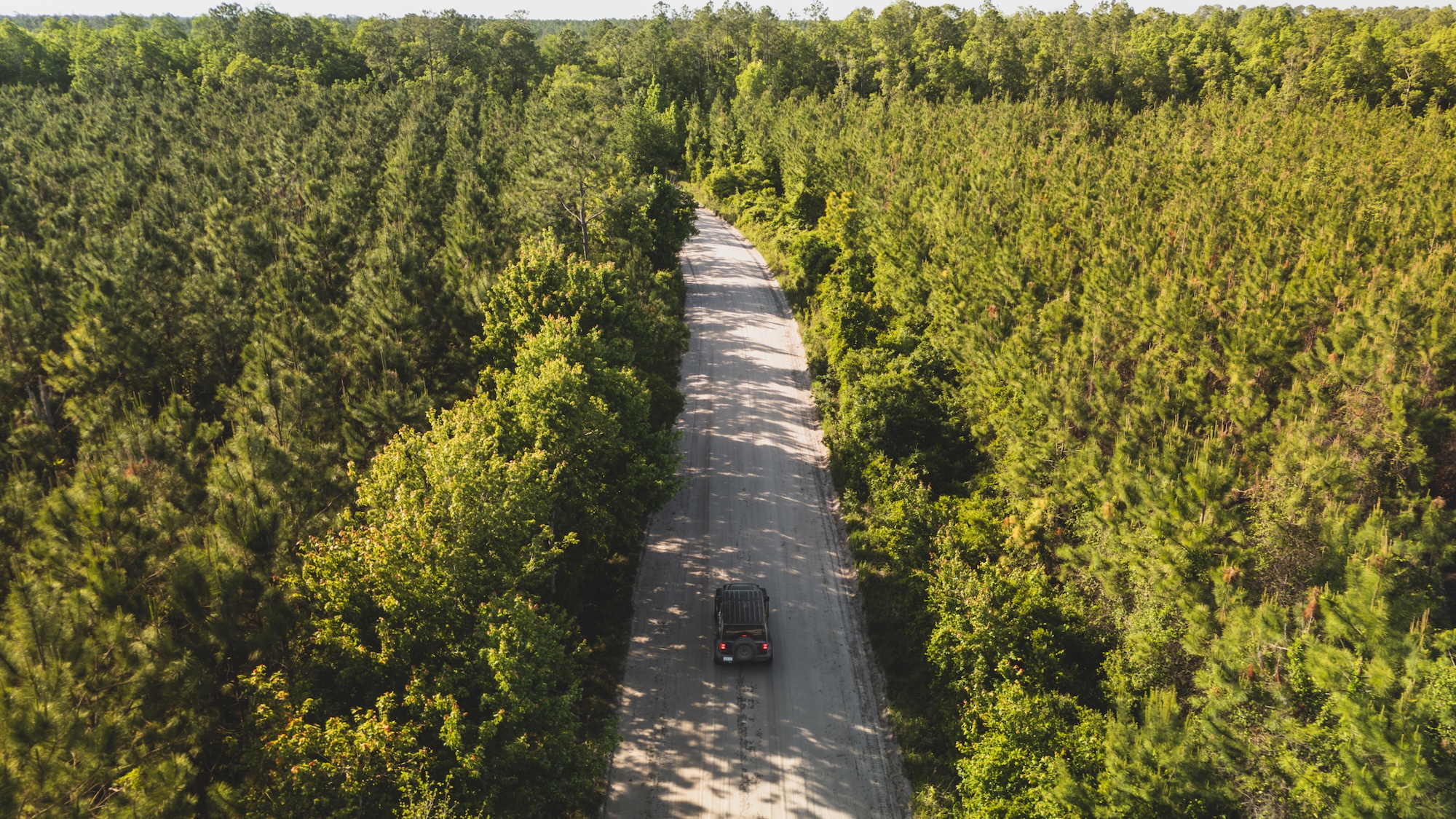
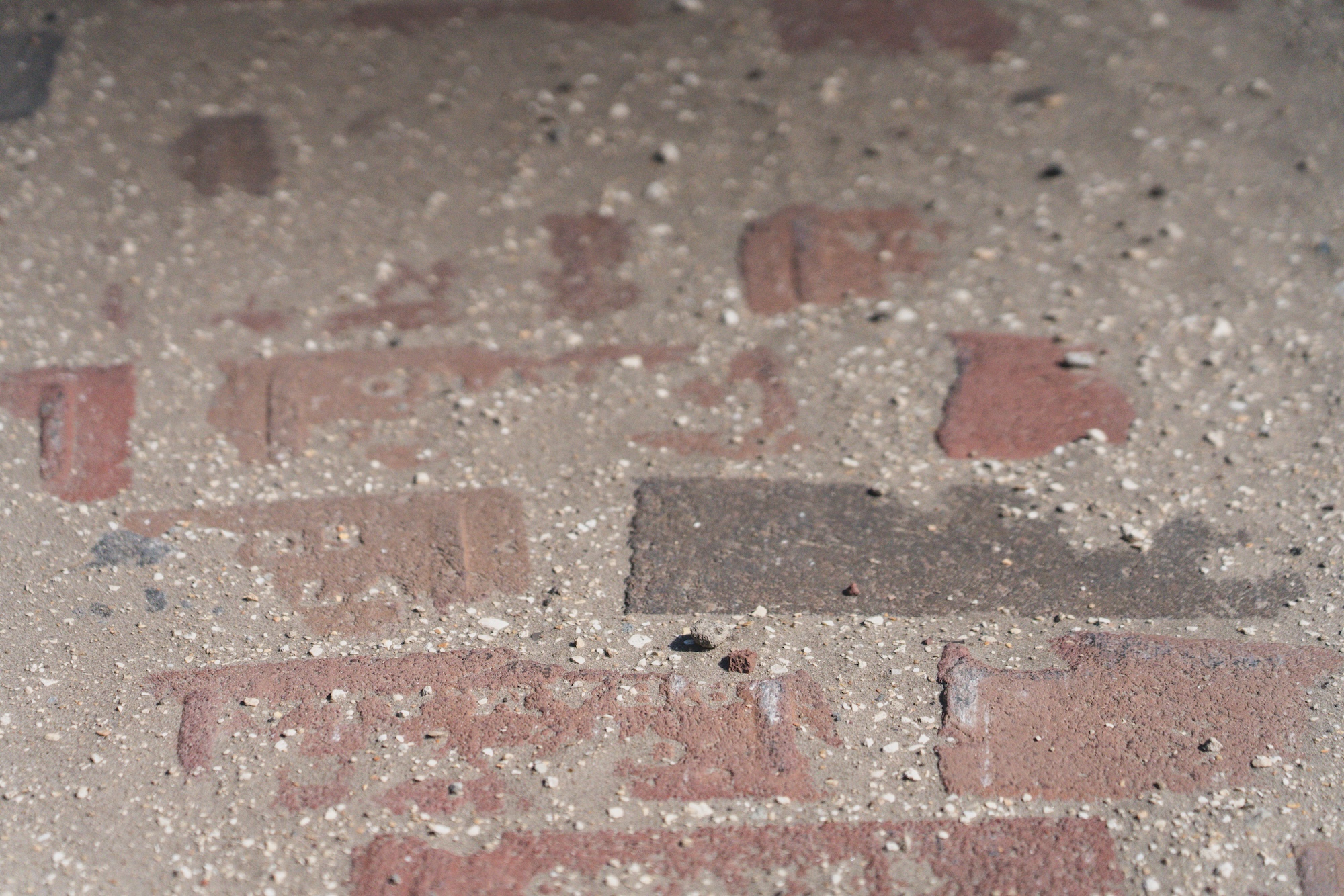
Cruising along this beautifully preserved stretch of road, I felt a sense of nostalgia for the early days of automobile travel. There are also numerous side roads and trails to explore, but be careful during the wet season, as the mud can get deep. We spent several hours meandering the backcountry route and only encountered a few cars along the way—what a perfect detour from the hustle of the city.
Traveling along this track reminded me that it is all about the journey, not just the destination. As I navigated the twists and turns, I couldn’t help but appreciate the fortitude of those early travelers and how this highway has shaped Florida’s tourism over the years.
Cracker Ranch Off Highway Park
I crave off-road adventure, so the Cracker Ranch Off Highway Park is a hidden gem. Located just outside of Daytona Beach, this expansive park is a playground for off-road enthusiasts. With miles of trails winding through the natural landscape, it offers a wide range of challenges for ATVs, dirt bikes, and 4×4 vehicles.

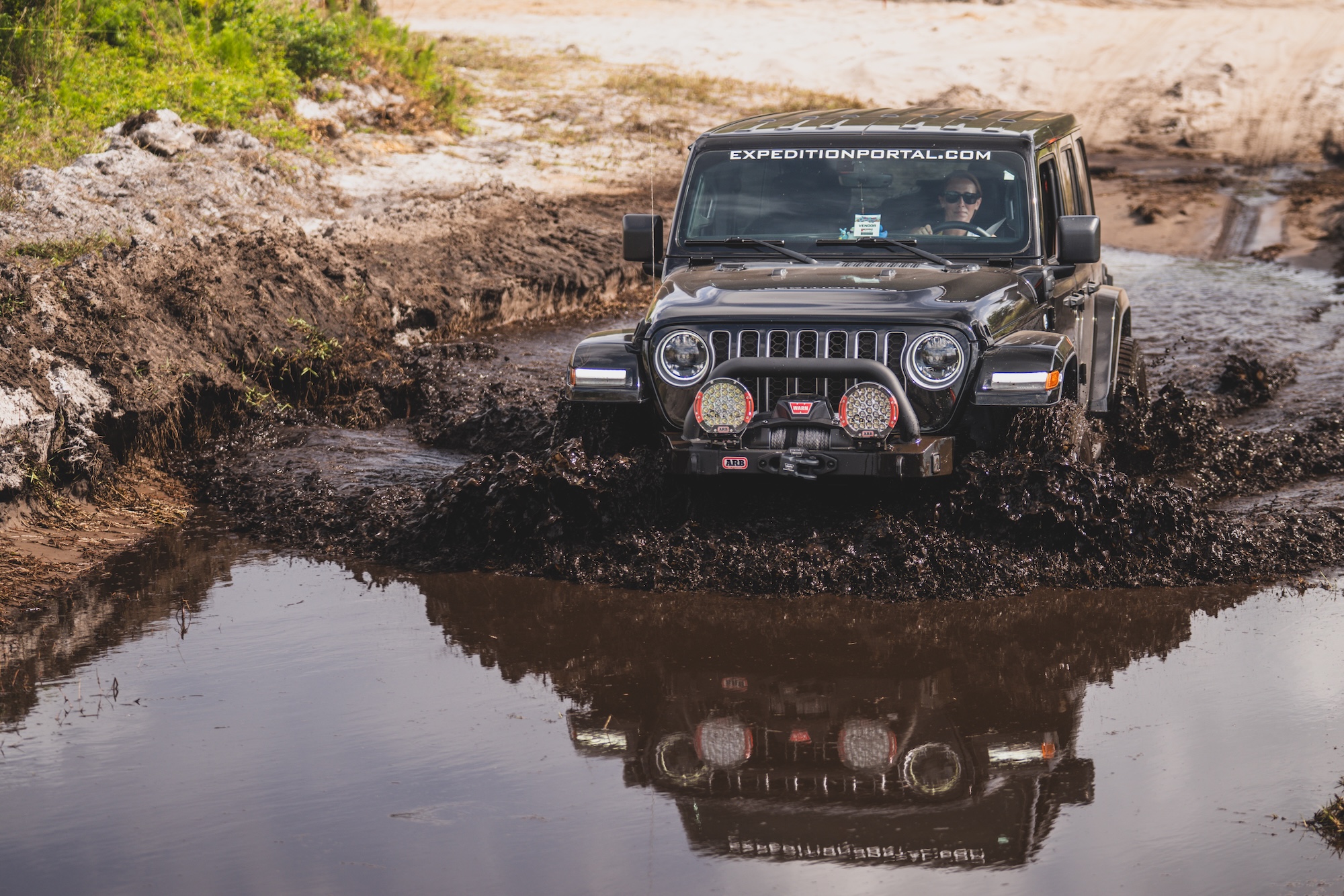
I spent an entire day navigating through sandy and muddy trails and exploring the diverse terrain. The park promotes responsible riding and provides plenty of areas to rest and regroup, making it ideal for family outings or a weekend with friends. During Jeep Week, there are several play areas and obstacle courses available, complete with spotters and a recovery crew.
Ponce Inlet and Lighthouse
Just a stone’s throw from Daytona Beach, Ponce Inlet is home to the historic Ponce de Leon Inlet Lighthouse. Standing tall at 188 feet, this historic lighthouse is the tallest in Florida and a true symbol of maritime heritage. Construction was completed in 1887, and even 140 years later, climbing its 203 steps is a rite of passage for any visitor.
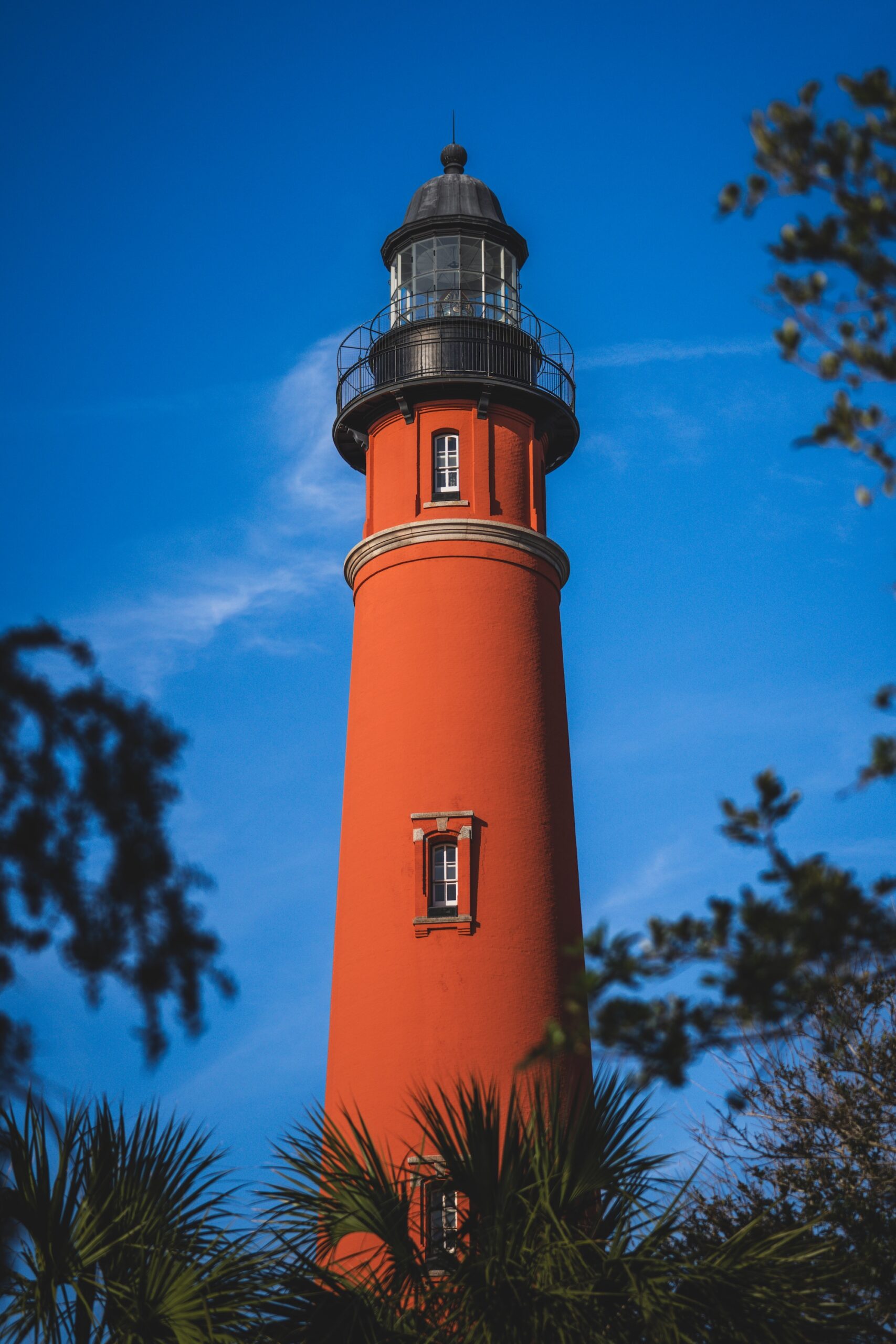
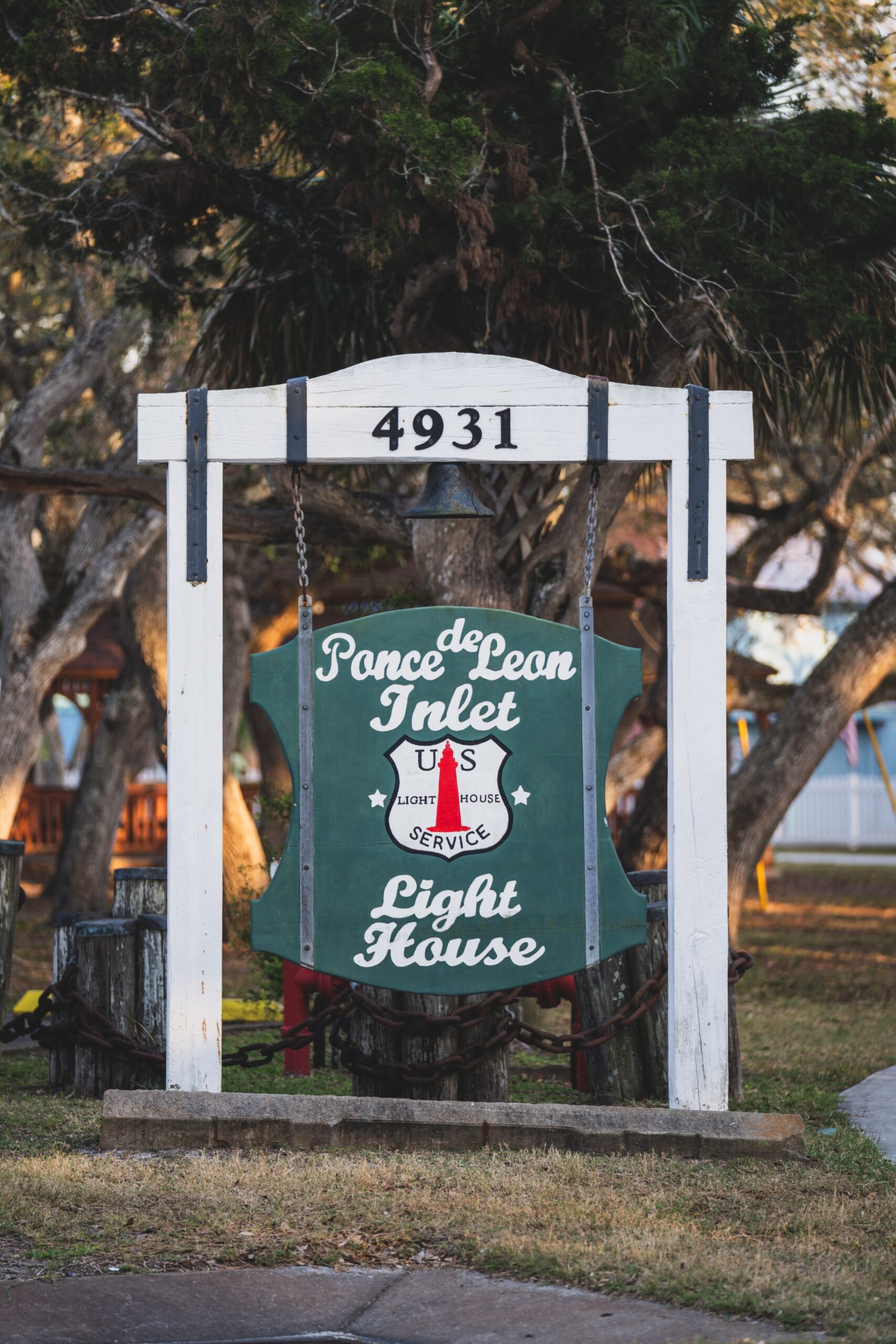
The lighthouse grounds include a museum that showcases the history of navigation along the Atlantic coast. As an expedition sailor, I spent time reflecting on the challenges faced by early mariners and the crucial role lighthouses played in ensuring safe passage. The blend of history and stunning coastal views makes Ponce Inlet a must-visit.
The History of Driving on the Beach
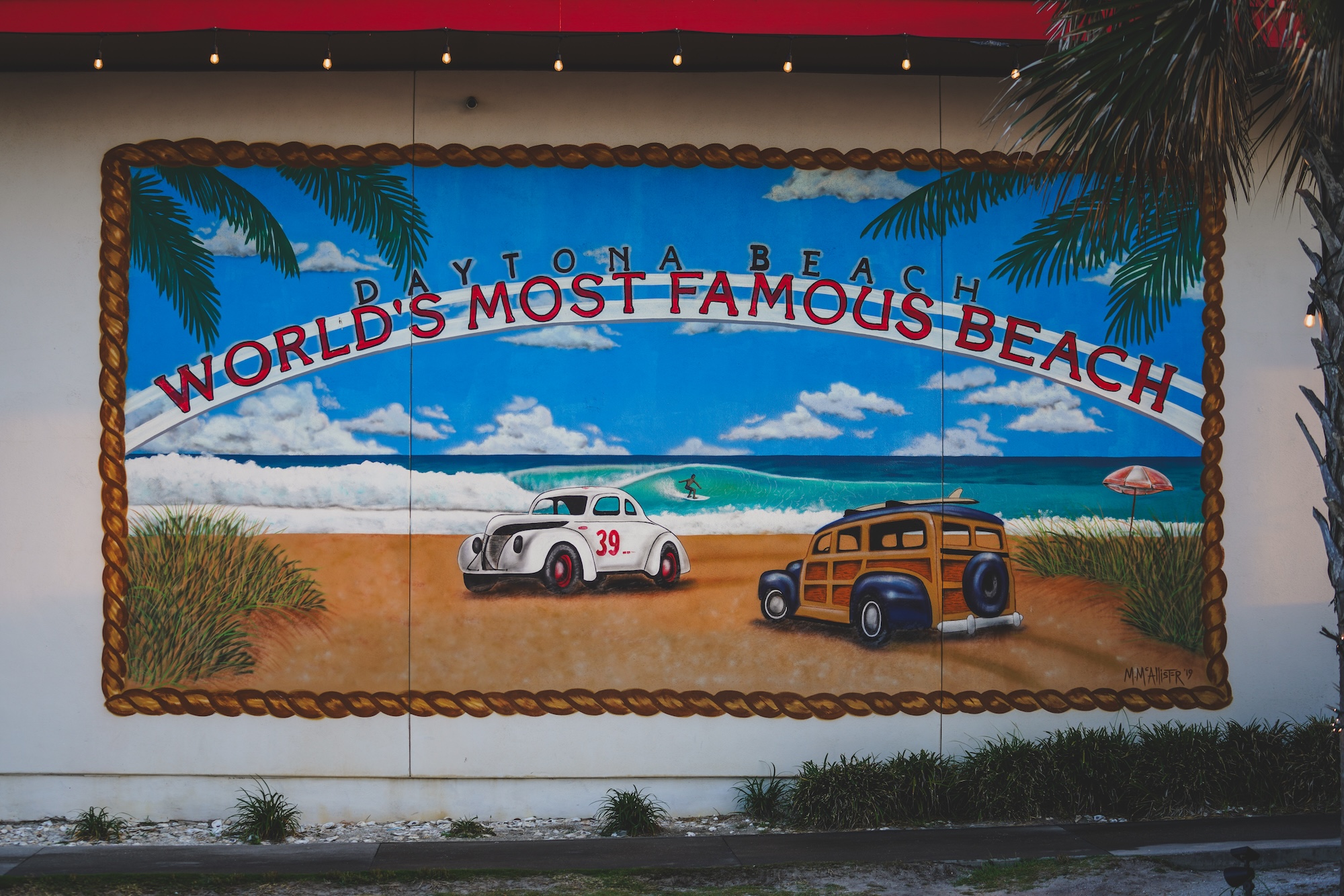
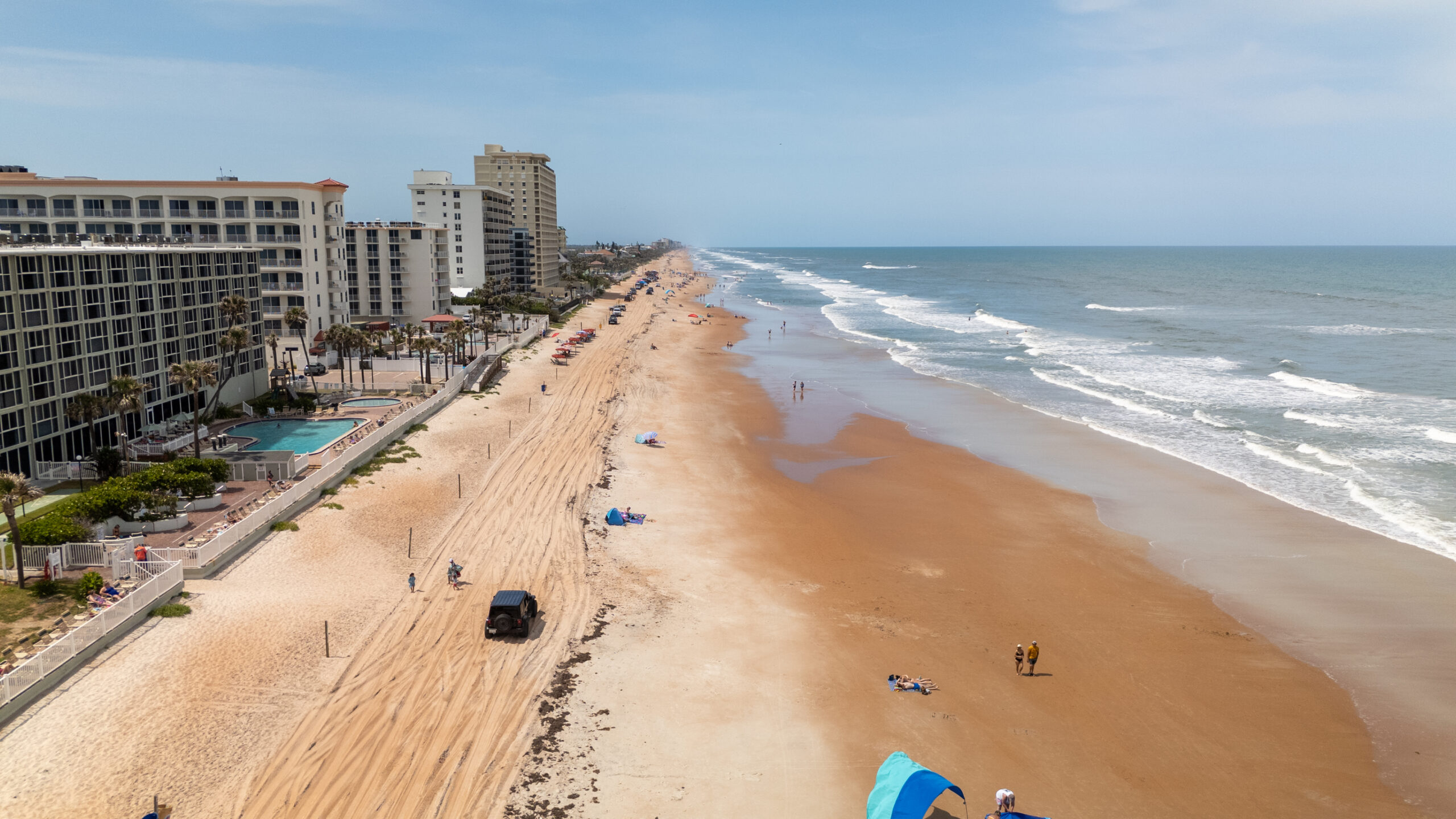
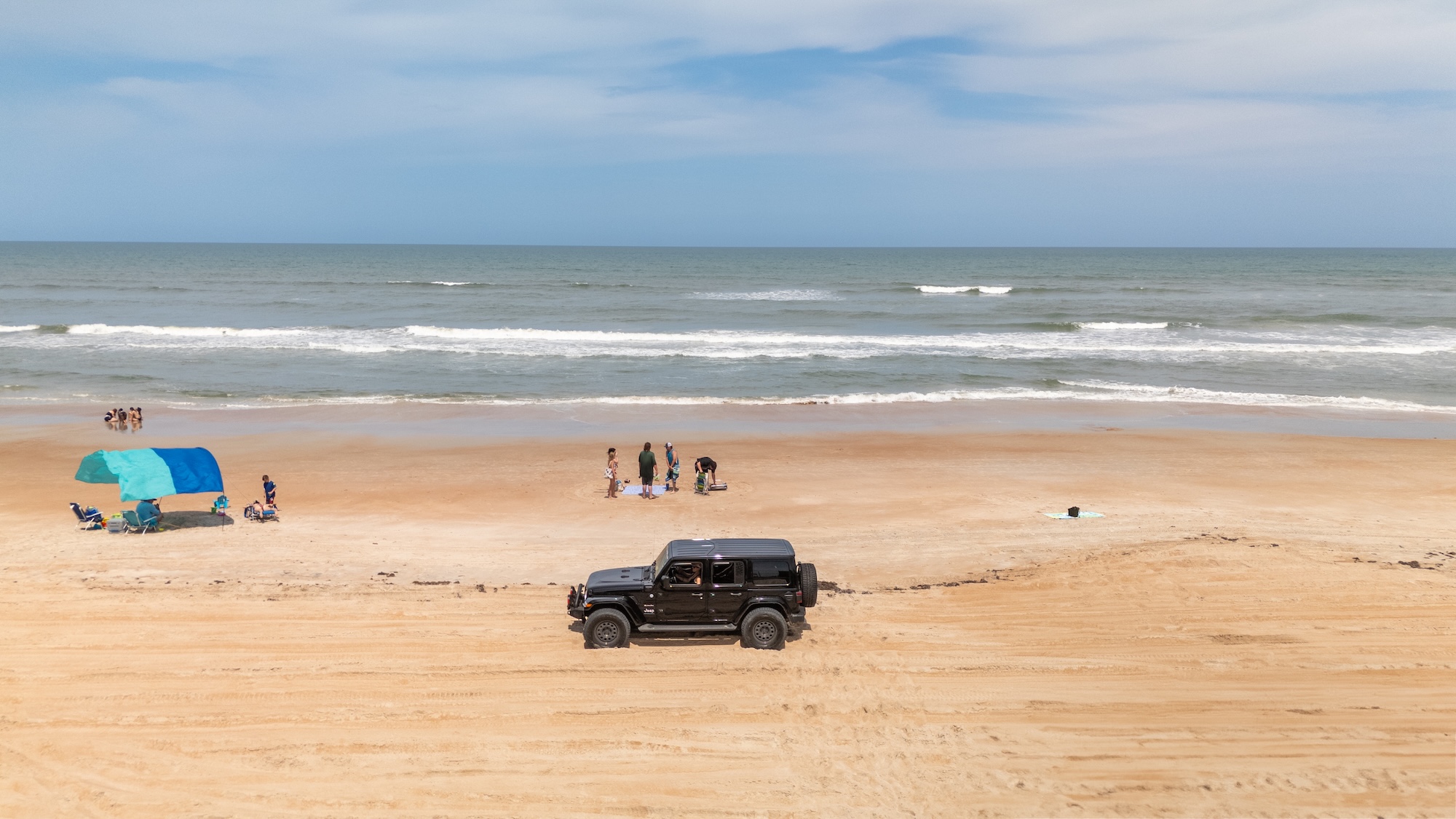
Driving on the beach is a cherished tradition in Daytona Beach that dates back to the early 1900s. The hard-packed sands attracted early automobile enthusiasts, and it quickly became a unique attraction. As I cruised along the shoreline, I could feel the spirit of adventure that has drawn generations of drivers to this iconic beach and even early speed records, like the 276.82 MPH run in 1935 by Sir Malcolm Campbell in his Bluebird. The 2,200 cubic inch V-12 had a carburetor the size of an entire VW bug engine.
In the 1950s, beach racing took off, capturing the heart of America. While regulations have changed over the years to prioritize safety and conservation, the tradition of driving on the beach remains alive. It is important to remember how rare a privilege it is to drive on a beach in the USA, to pay the entry fees, and to observe all posted signs. Make sure not to drive on the beach during high tide, as it is both illegal and dangerous.
I found that exploring Daytona Beach offered more vehicle-based adventure than expected, and I left the city with a new appreciation for the history and motorsports culture of Florida.