

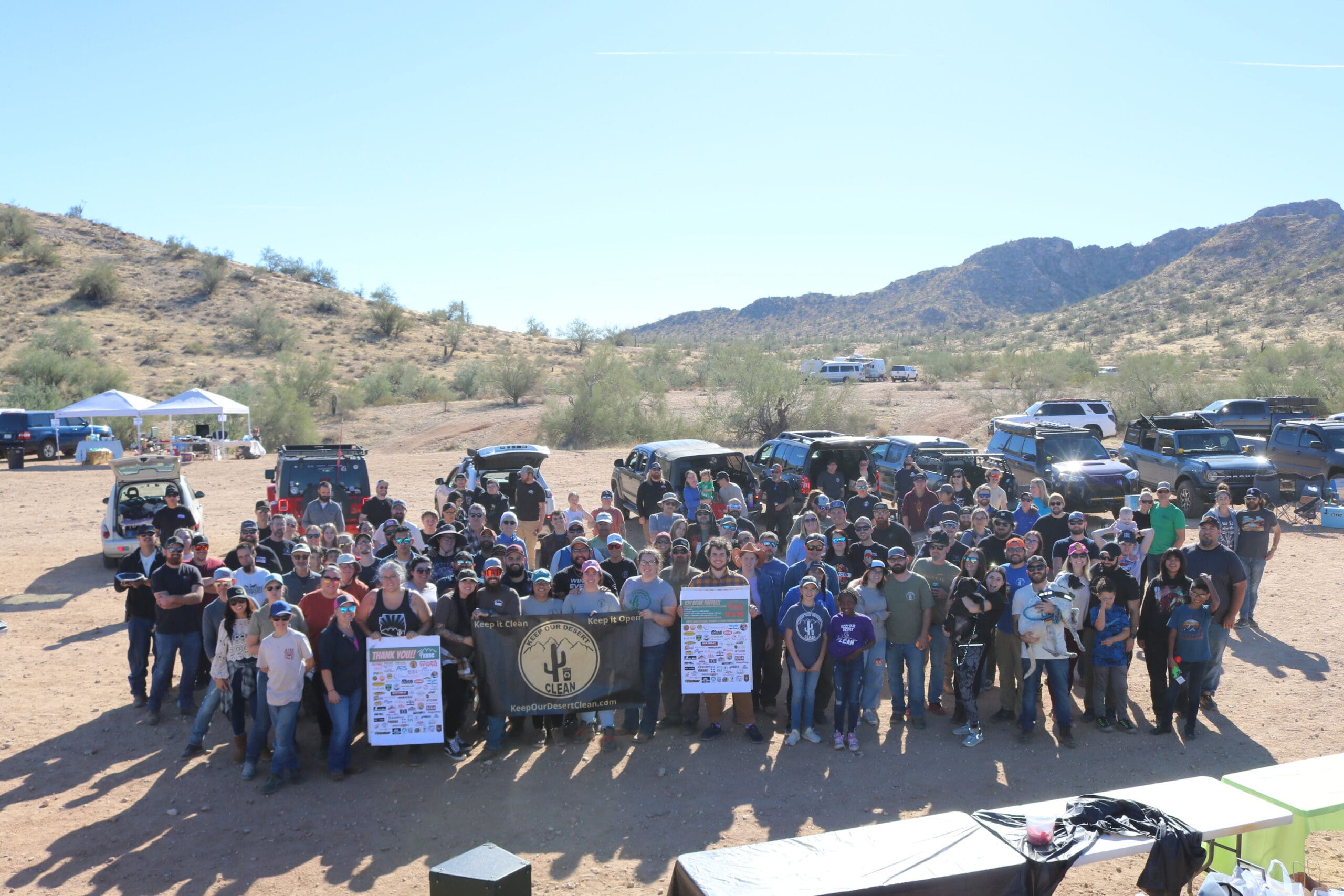
Of all the things you’d expect to find in the far reaches of the Arizona desert, an abandoned boat probably isn’t one of them. Yet, for Keep Our Desert Clean (KODC) Founder Dylan Miller and his crew of local off-road enthusiasts, spotting decrepit hulls and rusted outboard motors across the state’s OHV areas and wilderness spaces comes as no surprise. From rusted car frames to rotting mattresses and rugs, overflowing bucket toilets, shoes, tires, and broken glass, hundreds of tons of garbage litter the landscape, impacting wild spaces for overlanders, hikers, and anyone who enjoys spending time outdoors.
“We go off-roading literally every weekend, and while we’re out there, we see trash all the time,” says Danny Alexander, a KODC volunteer and member of south-central Arizona’s close-knit off-road community. The group, including Dylan, Austin Miller, Ted Horowitz, Dillion and Rikki Brugueras, and Chris Jurden, hauls out what they can, thanks to their lineup of modified Suzuki, Toyota, and Jeep builds. The group’s recreational trash pickups eventually led to a formal cleanup organized by Dylan, who harnessed the momentum of the event to found KODC in 2019. This 100% volunteer-driven nonprofit works to protect public lands from illegal dumping, preventing trail closures, and to keep land access open and enjoyable for future generations. Since its inception, and with the support of community partners, businesses, and volunteers, KODC has removed 220 tons of trash and 3,404 illegally dumped tires from Arizona’s deserts and public lands.
“It’s really sad seeing a ton of the places I used to go when I was younger being closed,” Dylan says, noting that land managers often can’t keep up with the volume of trash and the safety and environmental concerns it creates. Nails and sharp edges pose physical risks, while runoff can contaminate the drinking water supply. Wildlife takes a hit, too, due to ecosystem disruption, entanglement, poisoning, and the spread of illness and pathogens from the increased presence of rats and insects attracted to dump sites. “I want to keep coming out here for years and years to come, and for future generations to be able to enjoy [it],” Dylan says. “The only way to do that is by cleaning stuff up.”
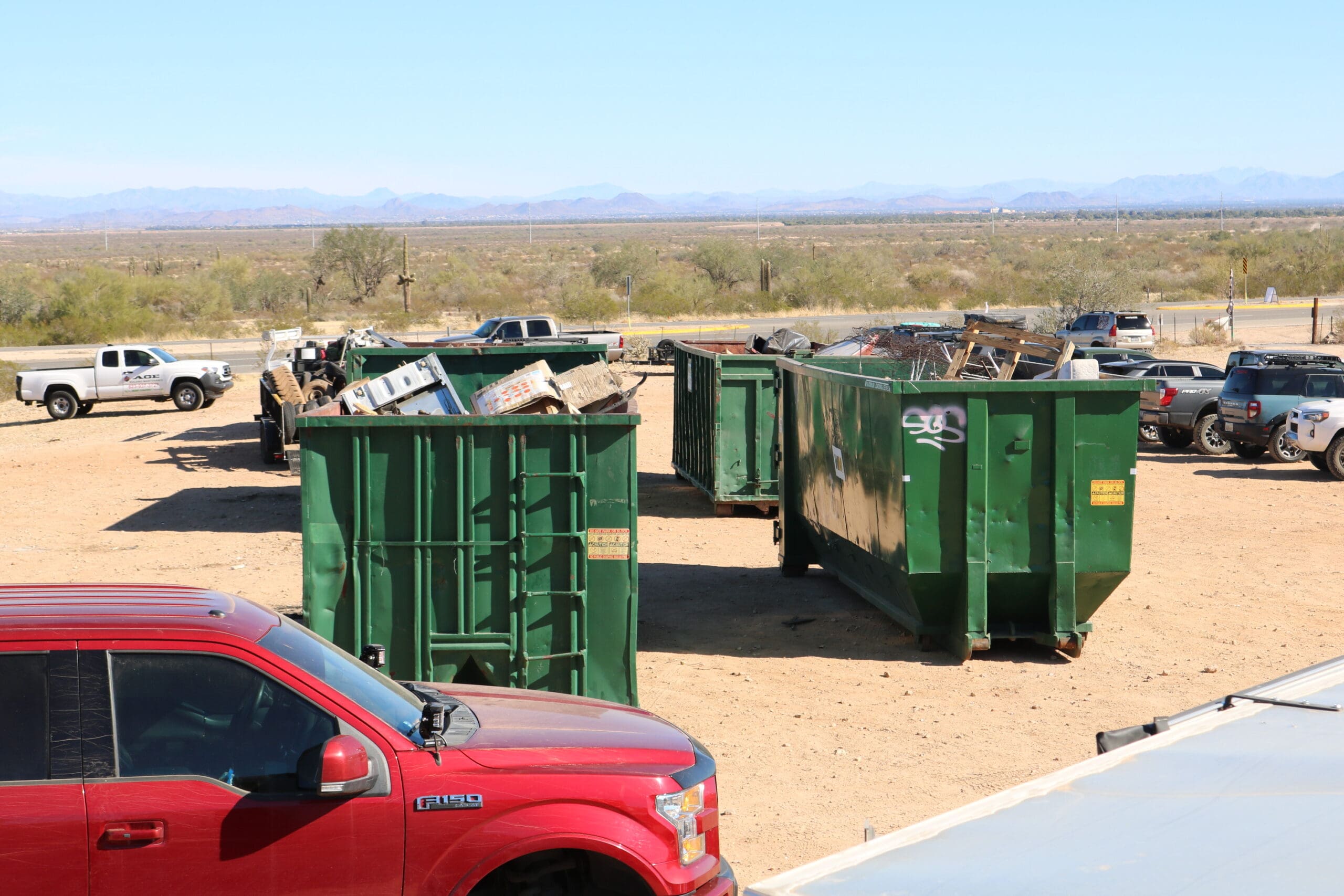
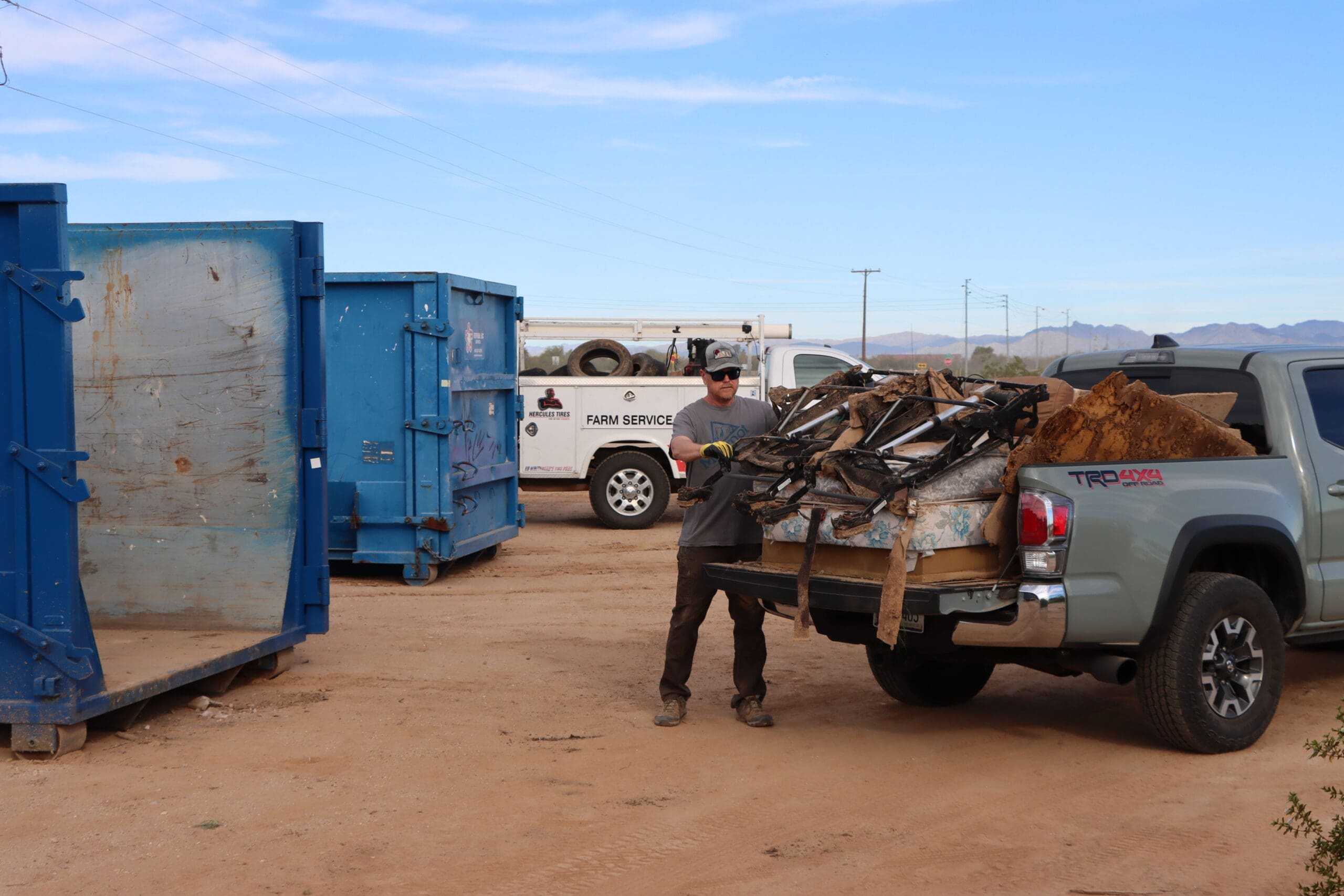
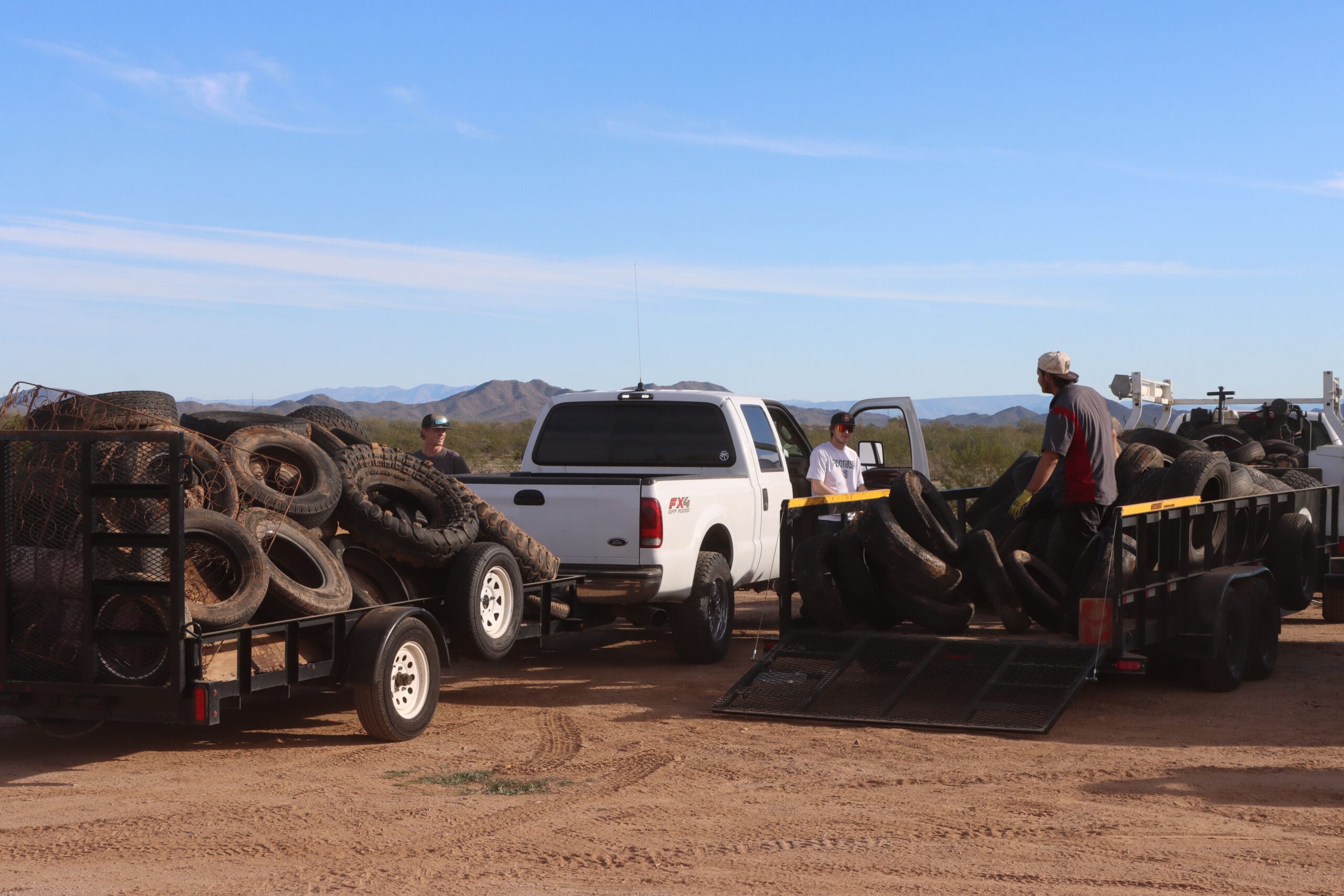
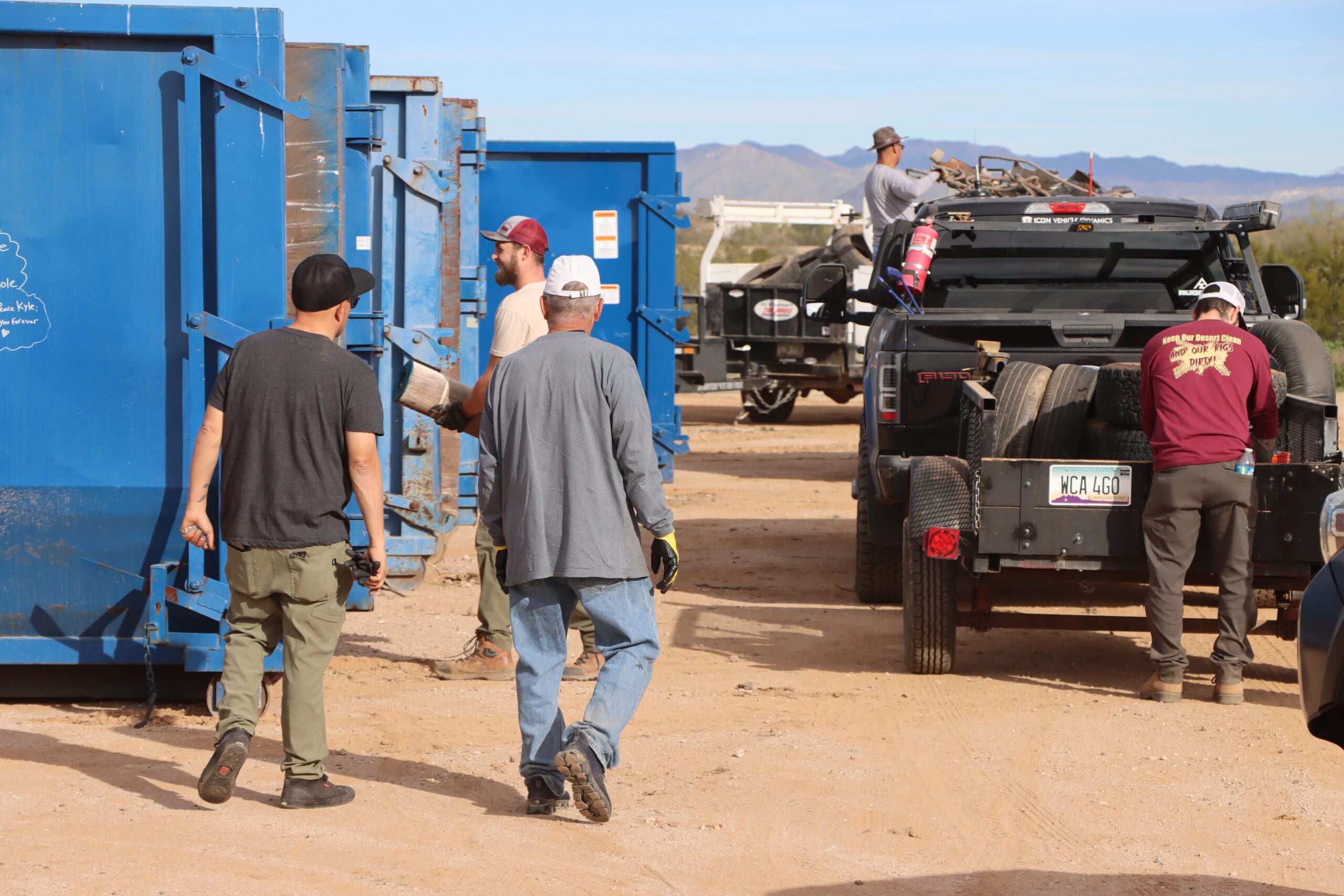
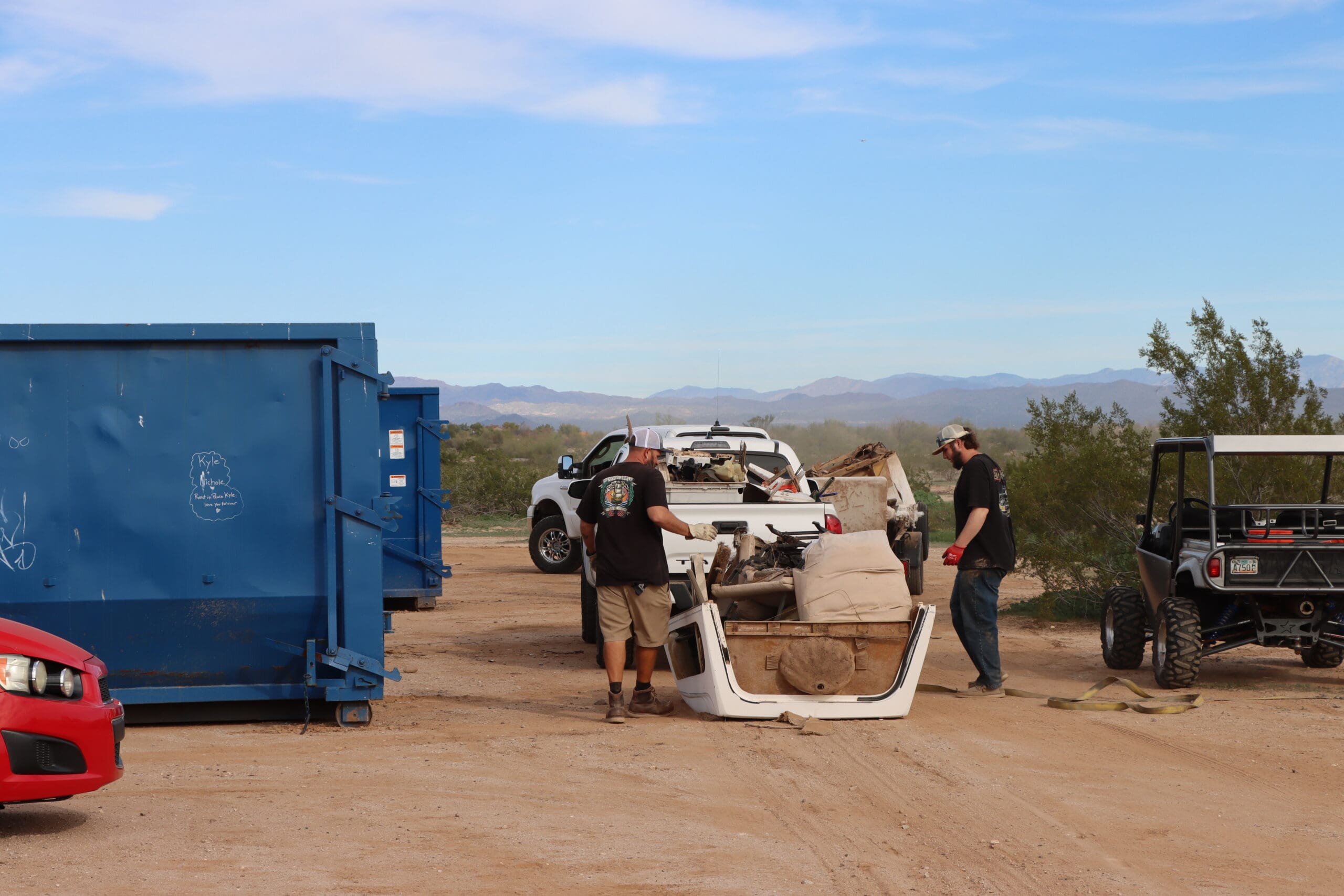
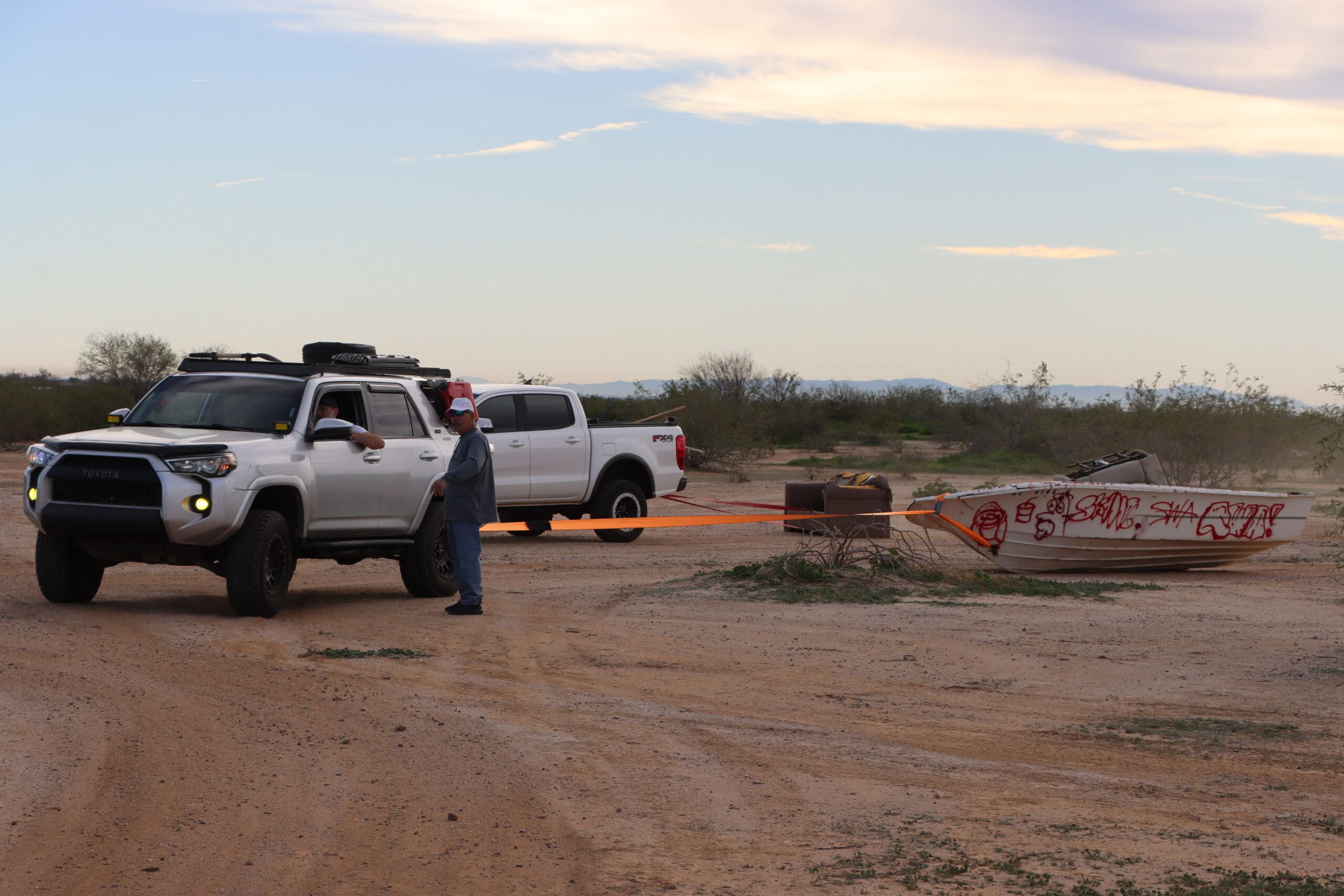
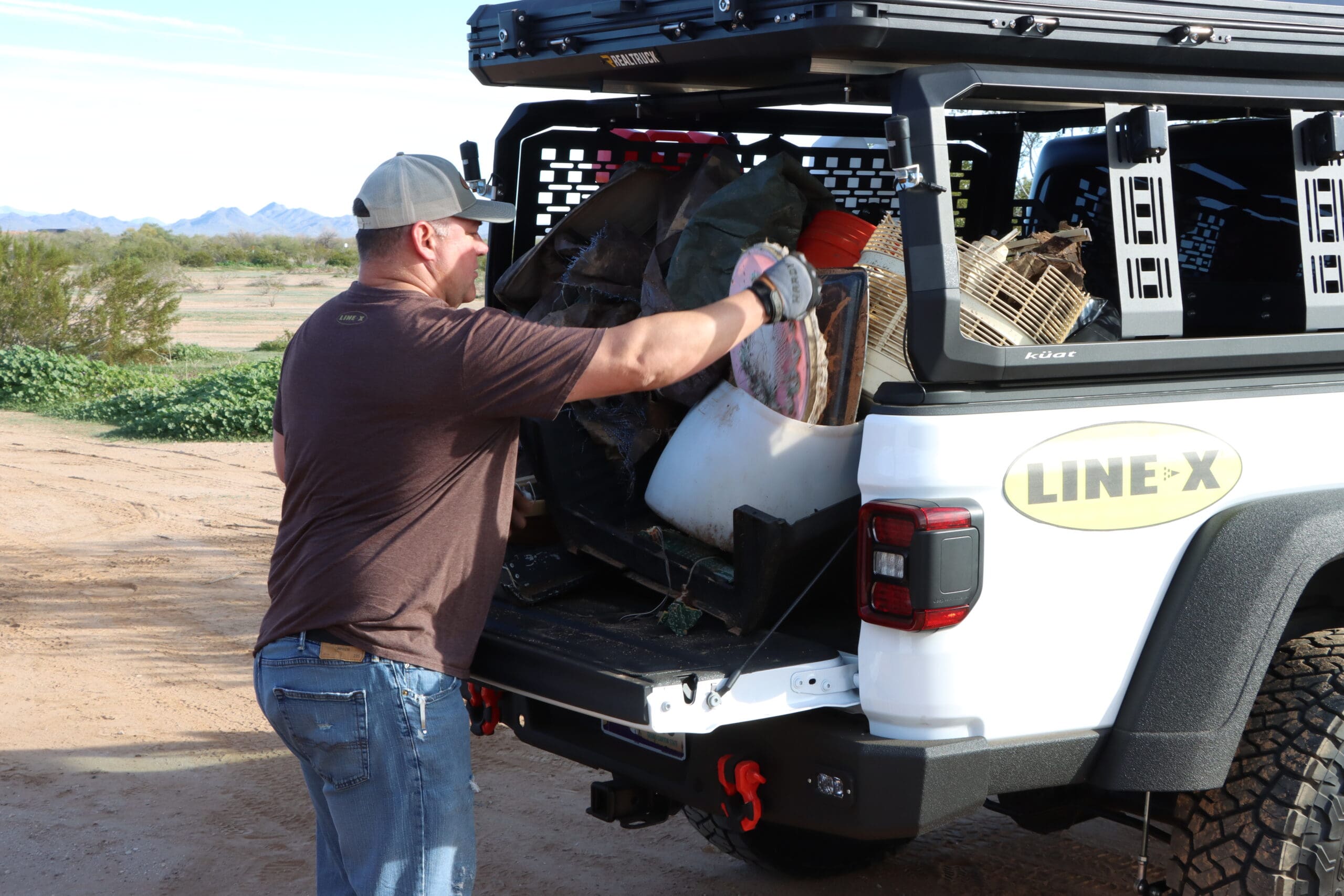
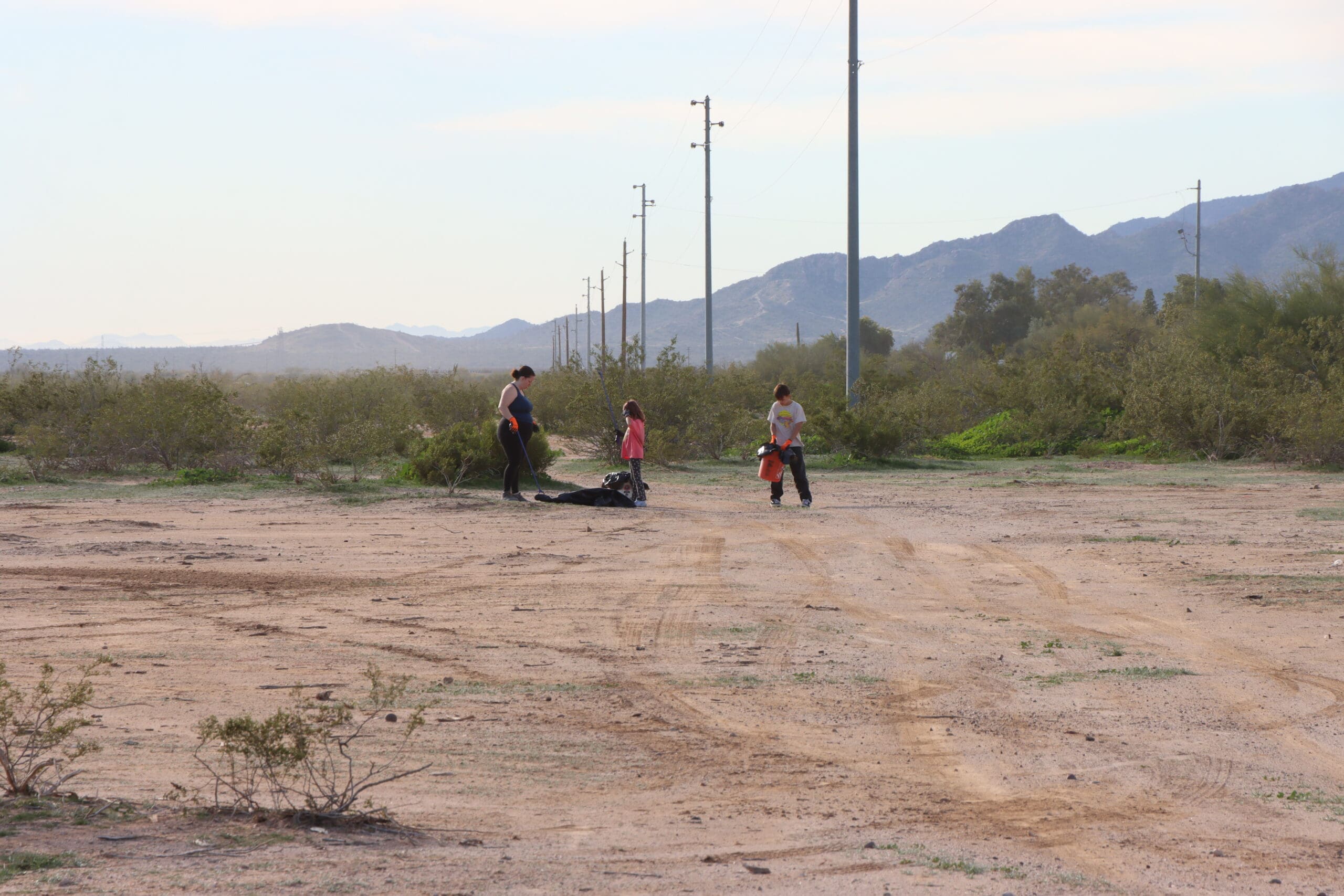
A typical KODC event starts with soft, desert morning light and plenty of supplies: strips of raffle tickets, gloves, orange buckets, trash bags, and long-handled garbage grabbers. Volunteers rendezvous at coordinates Dylan provides, with cleanups bringing hundreds of participants to sites like Bulldog Canyon, Lake Pleasant, and Robbins Butte. Tow straps drag graffitied boat hulls and couches. Truck beds are jam-packed with mattresses and sheets of drywall. It takes about half a day of sweaty, dusty teamwork to fill several 40-yard dumpsters.
“We’re fortunate to have many of our dumpsters and disposal costs donated,” Dylan notes. “A 40-yard dumpster can cost $500 to $1,000, if not more, and we can easily fill three or four at one event.” Other challenges include transporting dumpsters to remote locations and properly disposing of tires, oil, fuel, and hazardous materials. “When needed, we fill trailers and haul items to the dump ourselves,” Dylan says, noting a single dump run can cost $20 to $100, making behind-the-scenes support from partners crucial.
For those who want to organize their own cleanups, Dylan recommends planning ahead and avoiding overcommitment. “You don’t need a huge event to make an impact—pick up trash while you’re already camping, off-roading, hiking, or enjoying the outdoors. Larger events can involve permits, insurance, and other legal requirements. Start small. Every piece of trash makes a difference.”
Get Involved
Contributions to Keep Our Desert Clean directly fund volunteer cleanup events. Visit keepourdesertclean.com and follow KODC on Facebook and Instagram for updates. Want to lend a hand? On December 5, 2026, the nonprofit will host its largest cleanup of the year, the 8th Annual Volunteer Appreciation Cleanup.
Our No Compromise Clause: We do not accept advertorial content or allow advertising to influence our coverage, and our contributors are guaranteed editorial independence. Overland Collective may earn a small commission from affiliate links included in this article. We appreciate your support.
