
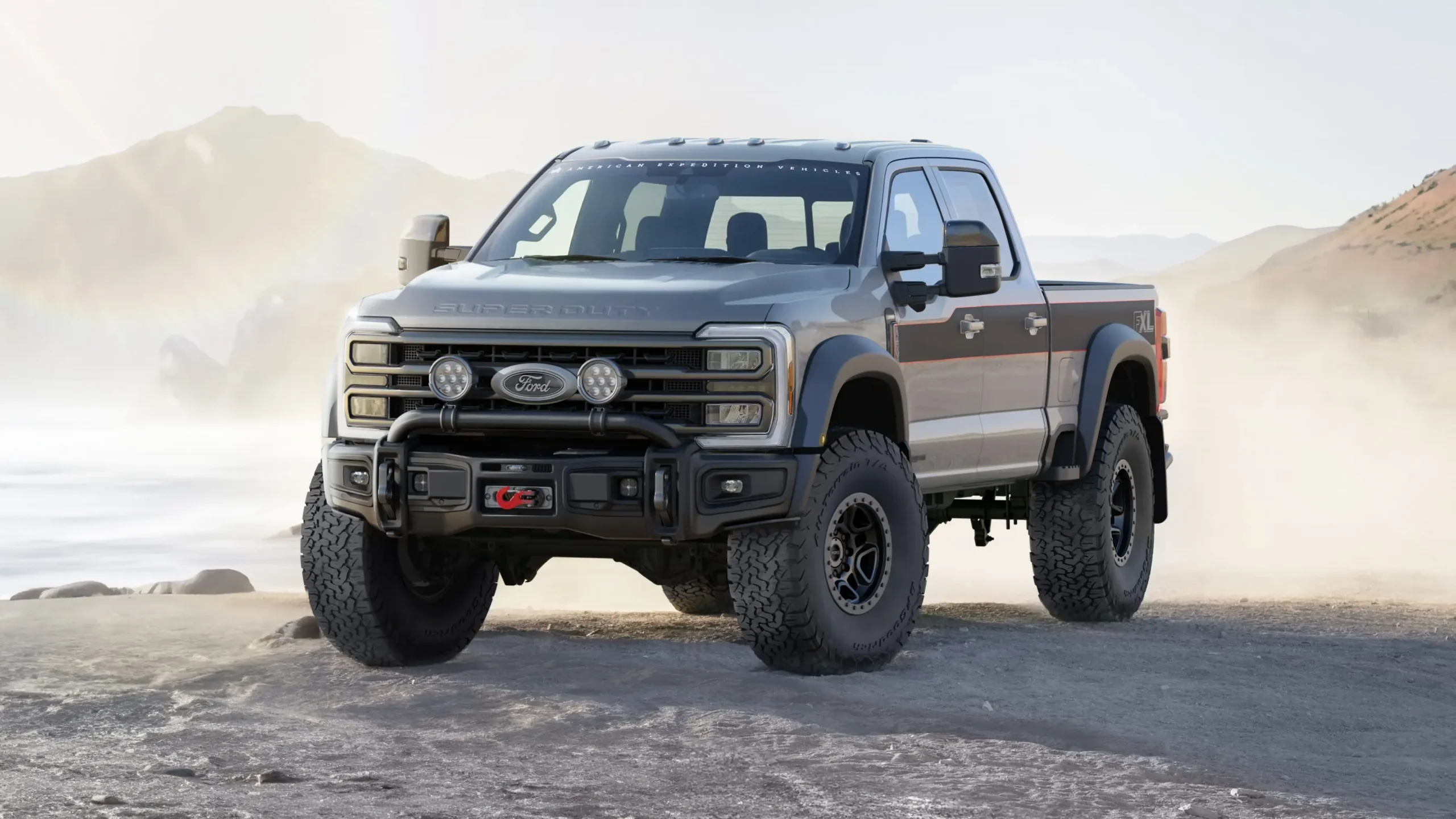
American Expedition Vehicles has confirmed that production of its Ford FXL upfit package will begin in summer 2026, marking a notable expansion of the company’s long-standing collaboration with Ford Motor Company. The announcement signals AEV’s continued focus on delivering turnkey overland-ready vehicles that combine factory-backed engineering with aftermarket capability, a formula that has previously proven successful across its Jeep and Ram-based platforms.
The Ford FXL program is positioned as a comprehensive upfit solution rather than a collection of individual accessories. Developed to integrate with Ford’s Super Duty platform, the package reflects AEV’s approach of engineering components to work as a cohesive system. While full technical specifications are still being finalized, the company has indicated that the FXL will include a suite of purpose-built hardware designed to enhance durability, off-road performance, and long-distance usability.
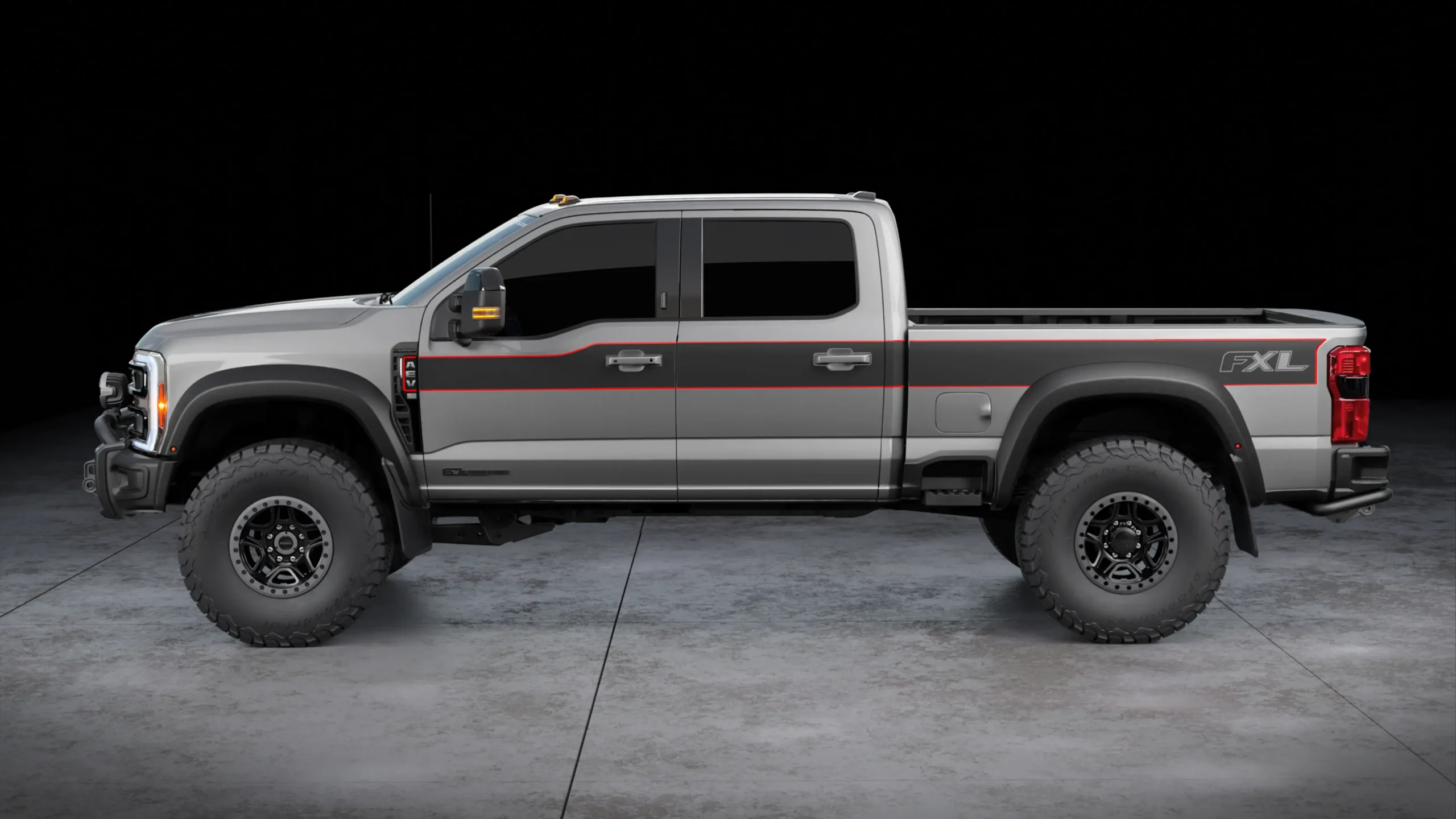
At the core of the FXL concept is the idea of a professionally developed expedition platform that can be purchased with confidence and used immediately. This approach aligns with a broader shift in the overland market, where buyers are increasingly seeking complete, warrantied solutions rather than assembling vehicles piece by piece. By working closely with Ford, AEV is able to maintain compatibility with modern vehicle systems, including advanced driver assistance features, while ensuring that modifications meet rigorous engineering and testing standards.
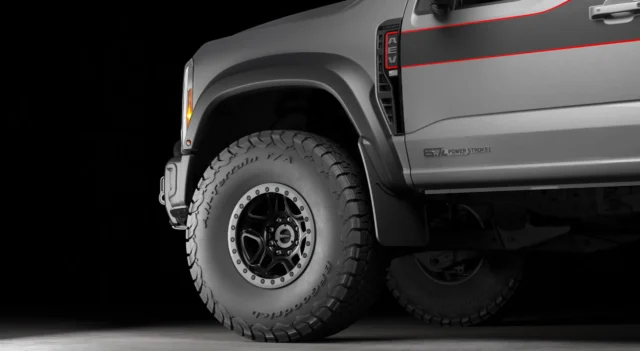
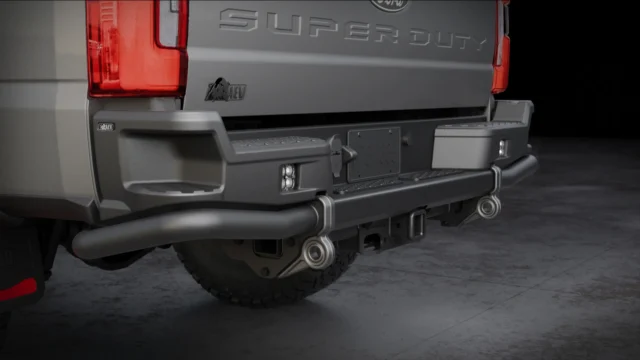
AEV’s previous projects provide some context for what can be expected. The company has built its reputation on robust components such as stamped steel bumpers, integrated winch solutions, heavy-duty skid plates, and carefully tuned suspension systems. It is likely that similar principles will underpin the FXL package, with an emphasis on strength, simplicity, and serviceability in remote environments. The integration of recovery points, electrical provisions, and mounting solutions for expedition equipment is also expected to play a central role.
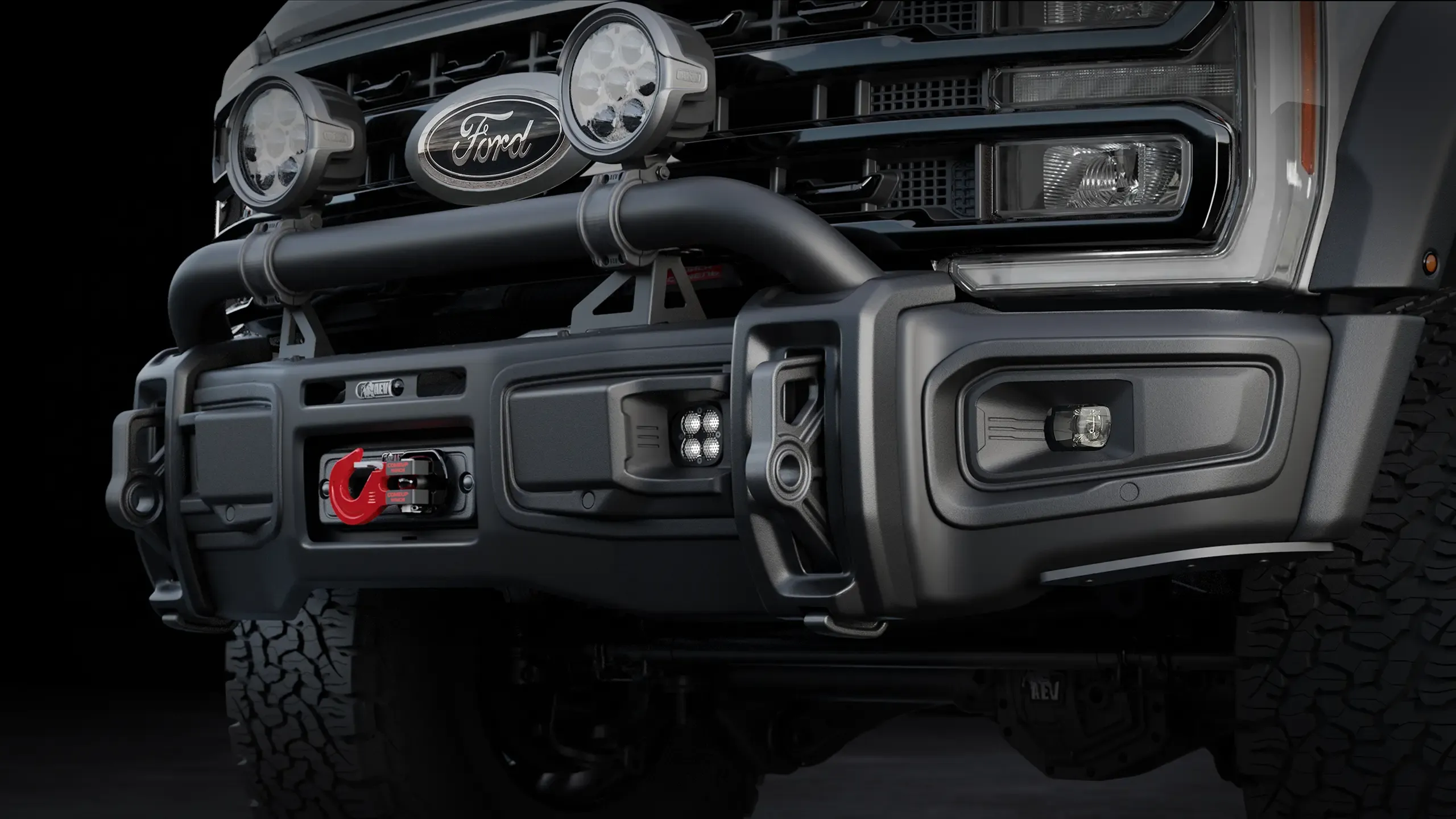
The timing of the FXL launch reflects growing interest in full-size trucks as overland platforms. Larger vehicles offer increased payload capacity, improved towing capability, and the ability to support more substantial living systems, making them well-suited to extended travel. However, they also present challenges in terms of size, weight, and complexity. AEV’s involvement suggests that the FXL will be engineered to address these trade-offs, balancing capability with drivability both on and off the road.
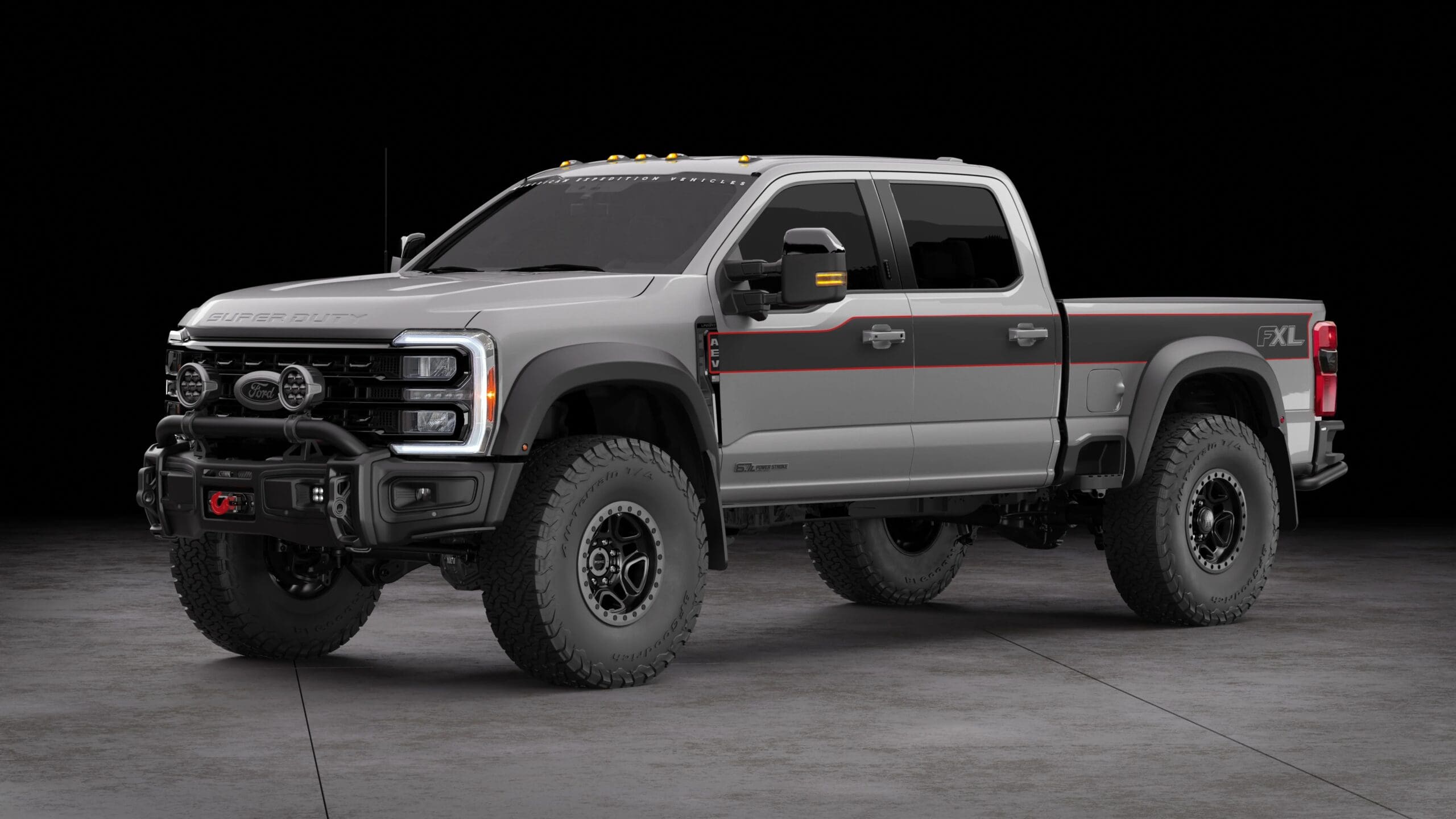
Another key consideration is reliability. Modern overland travelers often operate far from support infrastructure, placing a premium on components that can withstand sustained use in demanding conditions. AEV has historically prioritized durability through conservative design choices and extensive testing, and the FXL is expected to follow this philosophy. The use of OEM-quality materials and finishes, along with attention to corrosion resistance and ease of maintenance, will likely form part of the package’s appeal.
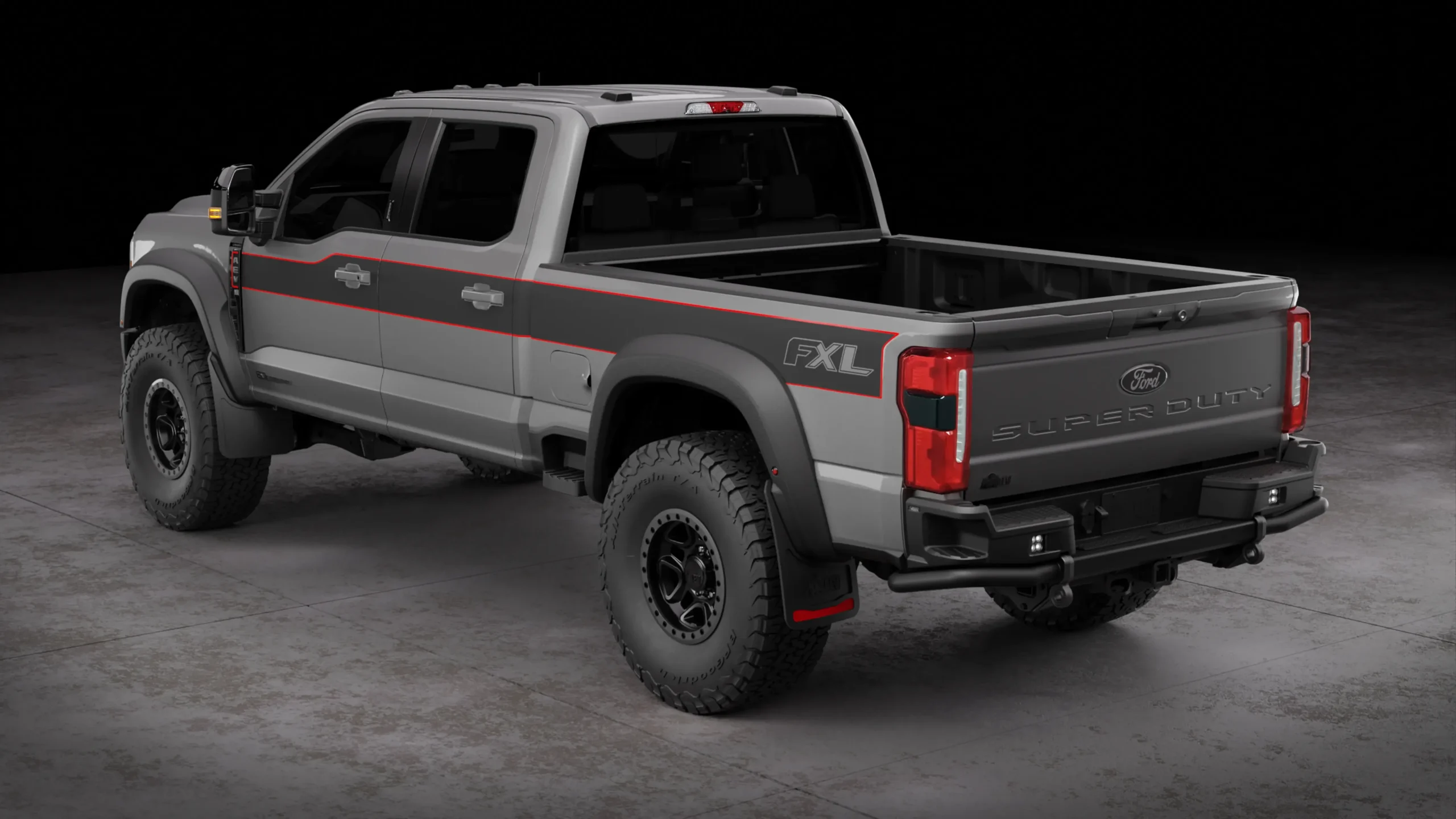
While pricing and final configurations have yet to be announced, the confirmation of a summer production start provides a clear timeline for interested buyers. As with previous AEV programs, initial availability may be limited, particularly as production ramps up. Early adopters are likely to include both private owners and commercial users seeking a dependable platform for travel, exploration, or fieldwork.
Read More: Fly and Drive South Africa
Our No Compromise Clause: We do not accept advertorial content or allow advertising to influence our coverage, and our contributors are guaranteed editorial independence. Overland International may earn a small commission from affiliate links included in this article. We appreciate your support.
