

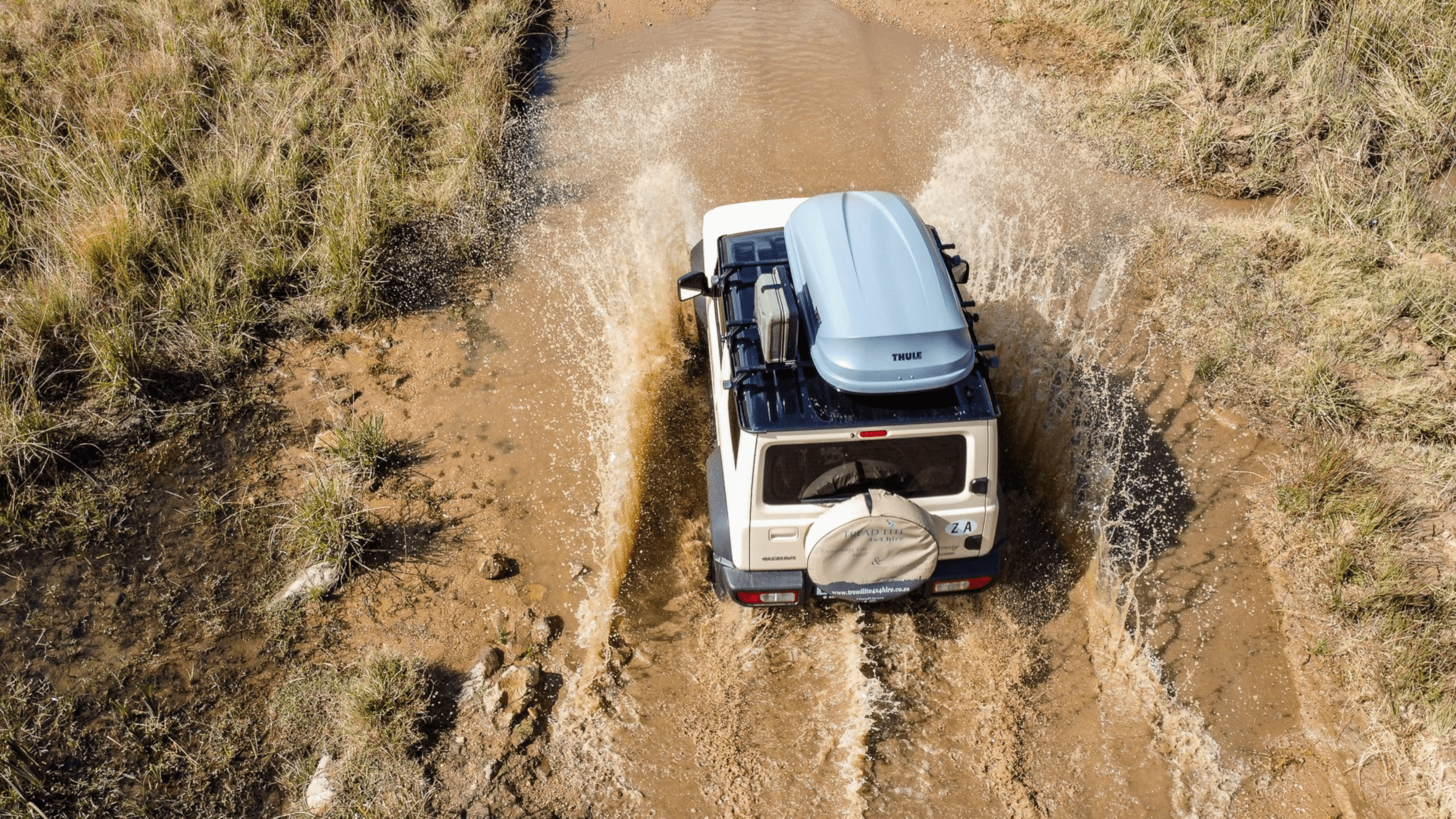
For the last few years, my wife, Luisa, and I have been contemplating our future as overland travelers. In the past, we have almost exclusively shipped our vehicle to different continents. However, we have realized that shorter, more intense journeys—where we forego the expense and bureaucracy of shipping and instead use the money saved to explore more locations—suit us better. Naturally, we would prefer to travel in our beloved Land Rover, but there are significant benefits to the fly-and-drive method.
In 2021, during the height of Covid-19, we flew to the US as our intended route from Cape Town to Vladivostok had become impossible. We had made it as far as the Tanzanian border before being forced to return to South Africa, where we decided to store the Landy and return to the US, which had always welcomed us with open arms and the lure of adventure. We borrowed an old Range Rover and crossed the US from Florida to Maine, then headed west to California. There, we swapped the cramped but charming Range Rover for a large and spacious Dodge Ram equipped with a Nimbl camper, which we drove from Nevada to Belize and up to the Arctic Ocean in winter. We ultimately shipped our Land Rover to Canada when we realized our immediate future lay in North America, since our kids have come of age, and there was a lot of foundation work to be done for both ourselves and our young adults. Essentially, the pandemic forced us to adapt so that we could keep doing what we love most—overlanding—and fly-and-drive travel has become a significant part of our modus operandi.
Recently, we received tragic news after dropping down from the Bradshaw and Mingus mountains in Arizona. Luisa’s mother had tragically passed away suddenly, and we needed to get back to South Africa within a few days. While we scrambled to make arrangements, I took the time to set up a vehicle for us to use after we paid our respects. South Africa is an overlander’s paradise, and we desperately needed to travel, to heal.

Pristine beaches, rugged mountains, deserts, forests, wild animals (the Big Five), delicious food, vibrant culture, and sublime accommodation (all at excellent prices) await the overlander. Flying to South Africa is quite expensive, though, as it is a long-haul flight, and flights cost from $1,000 upward. The interior of South Africa is mostly high-elevation savannah, with the gem being the City of Gold, Johannesburg, founded on the world’s richest gold reefs in 1886. Despite its promising name, it is not a viable attraction due to heavy traffic, high crime, and a lack of the geographic splendor that is the Cape.
Embarking on an overland adventure in South Africa will result in an unforgettable experience and a deep connection with nature. Whether you choose the coastal charm of the Garden Route, the untamed wilderness of the Kruger, or the remote beauty of the Northern Cape, flying to South Africa and renting an overland vehicle offers the perfect blend of freedom and excitement. This guide will help you navigate the essentials of a fly-and-drive South African adventure and suggest some must-see routes for a one- to two-week journey.
Vehicle Shipping Versus Rental
Shipping vehicles remained relatively inexpensive until 2020, when the global shipping industry experienced a serious upset. In a recent conversation with a friend, he suggested it is cheaper to ship a vehicle to South Africa than to rent a fully equipped vehicle there, provided that the overland journey lasts at least 17 days. My response was that if you choose to ship your vehicle all the way there, you might as well leave it in-country, returning as often as you can, bearing in mind the restrictions of the relevant TIP (temporary import permit). One could then explore Africa leisurely in a vehicle specifically tailored to your needs, rather than a generic rental. This assumes that the traveler has a vehicle, months of availability each year for international travel, and a healthy budget. If your idea is to pack a bag, fly in, rent a vehicle, and hit the ground running, then renting is the way to go, as shipping a vehicle is much more complicated than a couple of emails, a drive to a port, and collecting it on the other side. Many tens of hours must be invested in the process (sometimes hundreds of hours that could be spent earning or planning).
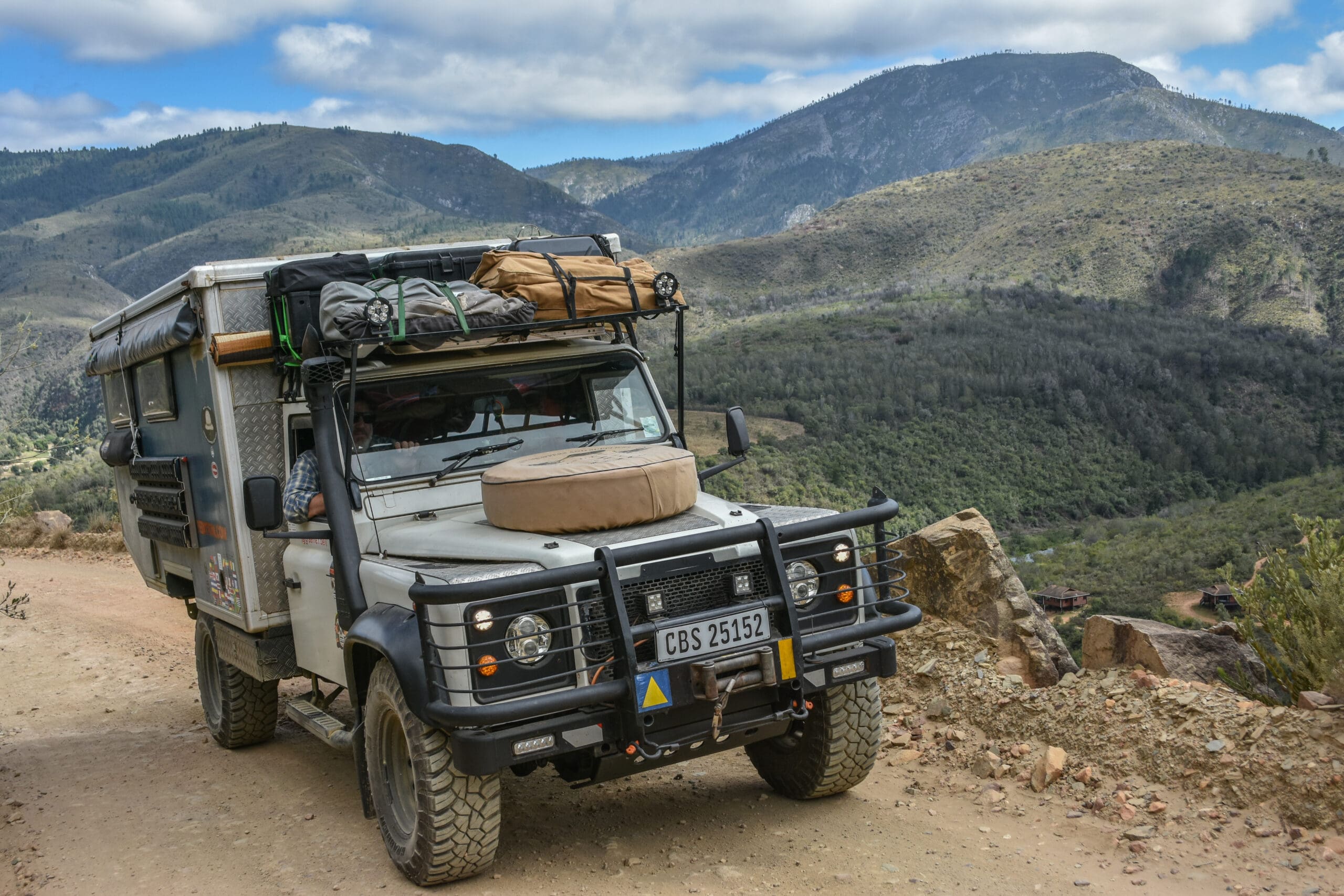
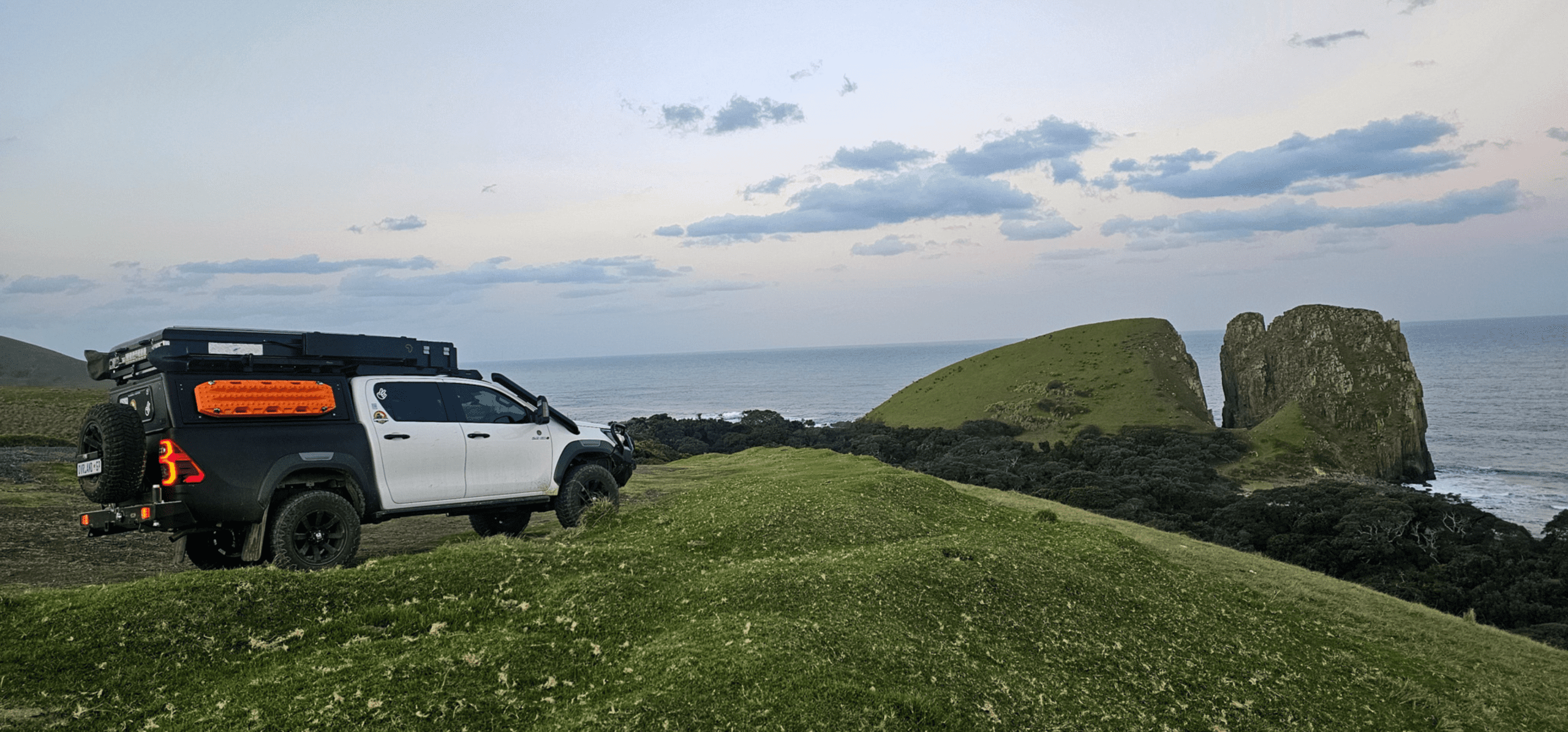
South Africa and neighboring Namibia have an abundant number of rental agencies offering 4WD vehicles. Still, it must be noted that many of these agencies do not hold vehicles at their locations and are merely sub-leasing from stockholding agencies such as Britz, Drive South Africa, Berg 4×4 Rentals, Ideal 4×4 Hire, and Self-Drive 4×4, among others. It is best to secure a reservation from a stockholding agency well in advance, bearing in mind that the Southern Hemisphere winter (May to October) is high season. Generally, the vehicles, typically Toyotas ranging from the economy HiLux to the premium Land Cruiser, are supplied with all the camping and overlanding gear you need. Most will come with insurance and roadside assistance, with varying coverage depending on how remote you intend to be.
While shipping a vehicle is best for long-term, multiple fly-and-drive journeys, and rental vehicles for short-term trips, another option exists: a vehicle-sharing agreement. If you have a friend or acquaintance in-destination with a vehicle that you can borrow for the duration of your stay, you can strike a deal, reciprocating the favor when they come to your neck of the woods. Regardless of how well you know the person, it is best to outline key components such as the length of time for the loan, where the vehicle will be used, the number of people in your party, etc.
Travel Documents and Copies
A passport valid for at least six months and a visa (if relevant) are required. Ensure you have all necessary documents, including a valid international driving permit, proof of insurance, and your rental agreement. Familiarize yourself with local traffic rules and road conditions.
Medical and Medivac Insurance
I would not recommend traveling to South Africa without medical insurance or an evacuation plan in place. We have seen a steady decline in medical care in many countries, and unfortunately, South Africa is one of them. Avoid public hospitals if possible and choose private medical facilities. The private healthcare system in South Africa is comparable to that in most Western countries and is significantly less expensive than medical care in the US, with highly trained staff.
There are numerous insurance companies that cover travel to South Africa, such as Travel Guard, AIG, Allianz Care, and Cigna Global. Recommended policies should include coverage for emergency medical expenses, medical evacuation, trip cancellations, and baggage loss. If your itinerary includes adventurous activities such as safaris, hot-air ballooning, shark-cage diving, bungee jumping, or any other high-risk activities, please confirm that your medical and life insurance policies will cover them.
Medications and Immunizations
If you require medication, make sure you carry enough to last the duration of your trip. Additionally, bring a prescription from your general practitioner and verify that your medication is available in South Africa. If it isn’t, ask your doctor to prescribe a generic alternative, including a list of active ingredients, to assist the local pharmacist.
Ensure all your vaccinations are up to date. We recommend the following to minimize the risk of illness during your travels to South Africa: hepatitis A (for protection against contaminated food and water), typhoid, and rabies (both are essential for certain regions, especially in rural areas when backpacking, cycling, and hiking). Consider a malaria vaccine if you are traveling to high-risk areas, or ask your physician about anti-malarial medications.
If you suffer from severe allergic reactions, don’t forget to carry an EpiPen along with your prescription. It’s better to purchase one in your home country, even if it costs more, than risk being without it in an emergency.
Weather/When to Go
South Africa is almost twice the size of Texas, and it has a wide range of climates and terrain. The coast ranges from semi-desert in the west to tropical in the east, with the Western Cape boasting a Mediterranean-type climate. The high season takes place in the winter months, when visitors from the Northern Hemisphere are on holiday, and South African kids are in school. Winter, especially along the coast, can still be warm, with cool evenings and wet weather brought by cold fronts across the Atlantic from Antarctica. If you find yourself in the Cape with a cold front blowing in, head north over the mountains to the Karoo desert region, where small, historical towns have a charm of their own.
Cold fronts can last a week to 10 days, eventually making way for the return of sunny, crystal-clear, blue skies and a refreshing breeze. Summer is the low season as it’s hot and dry along the Atlantic Coast and hot and mildly humid along the Indian Ocean Coast. December and January are the school holidays, and, as such, are the high season for domestic travel; campsites and overland routes are busy with happy families doing what South Africans do best: enjoying the great outdoors. During high season, campsites and other accommodations will be more expensive and may be fully booked well in advance. Winter is the best time to explore South Africa; be sure to pack some warm clothing, or better yet, buy it there.
What to Bring
Due to economic sanctions and isolation during the Apartheid years, the South African economy transitioned toward self-sufficiency, and the range of goods, services, and products available is astounding. Rather than arrive with a suitcase full of “essentials,” buy all your clothing and gear once you arrive at half the cost of what it would cost in the US and Europe; Outdoor Warehouse is a great place to start. Pack as if you are going on a backpacking journey, and leave with a lot more than you arrived with.
Tip: Carry your own tool kit if you intend to travel far from the beaten track.
Money and Accommodation
For those traveling to South Africa with USD or euros, you will get a lot of bang for your buck. South Africa uses the rand; at the time of writing, $1 buys R20.
Campsites will cost $15 per site on average, and will be rustic though well equipped; camping, like braaiing (barbequing), is a favorite pastime. A decent Airbnb or hotel room will cost less than most KOAs in America.
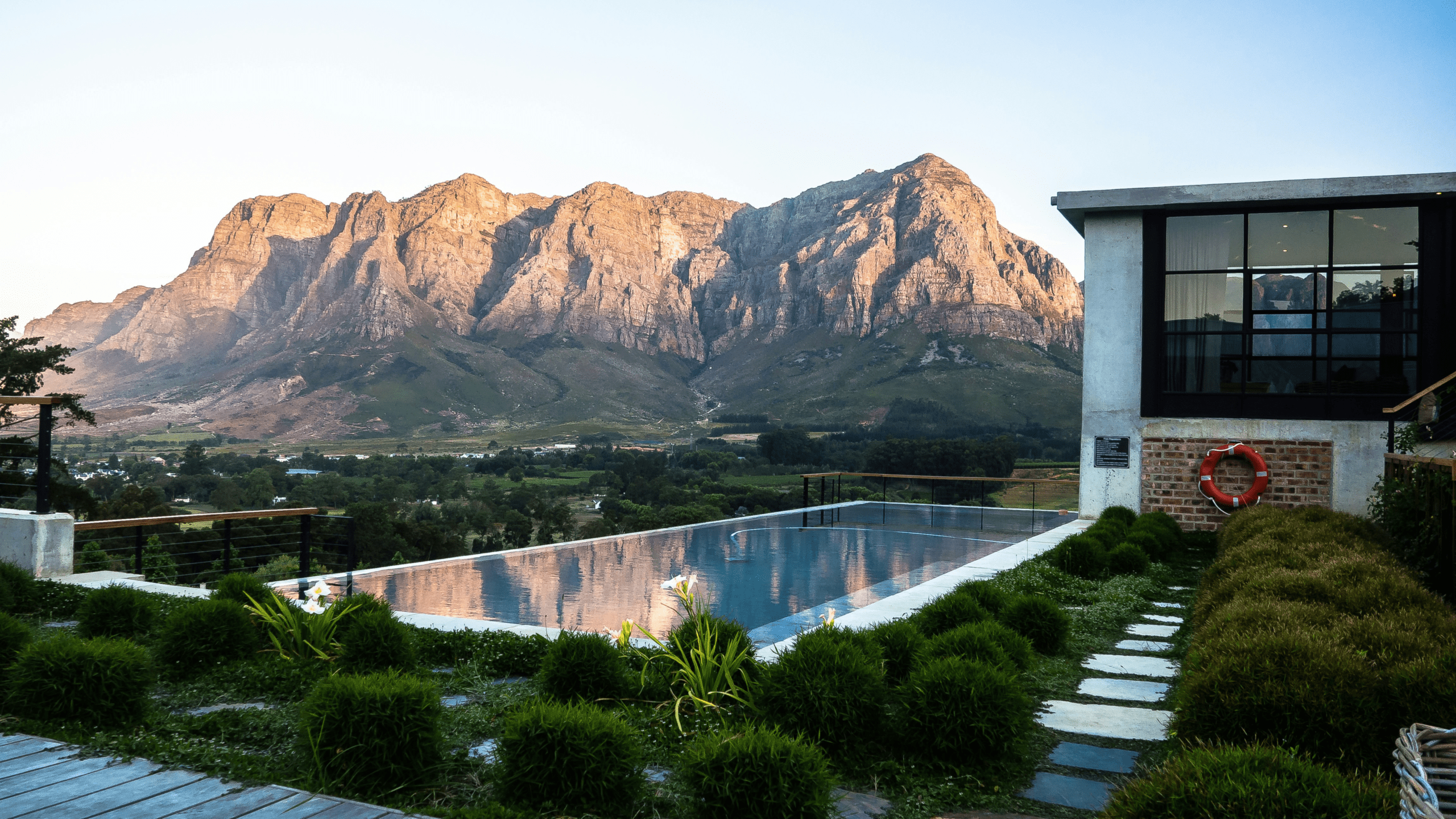
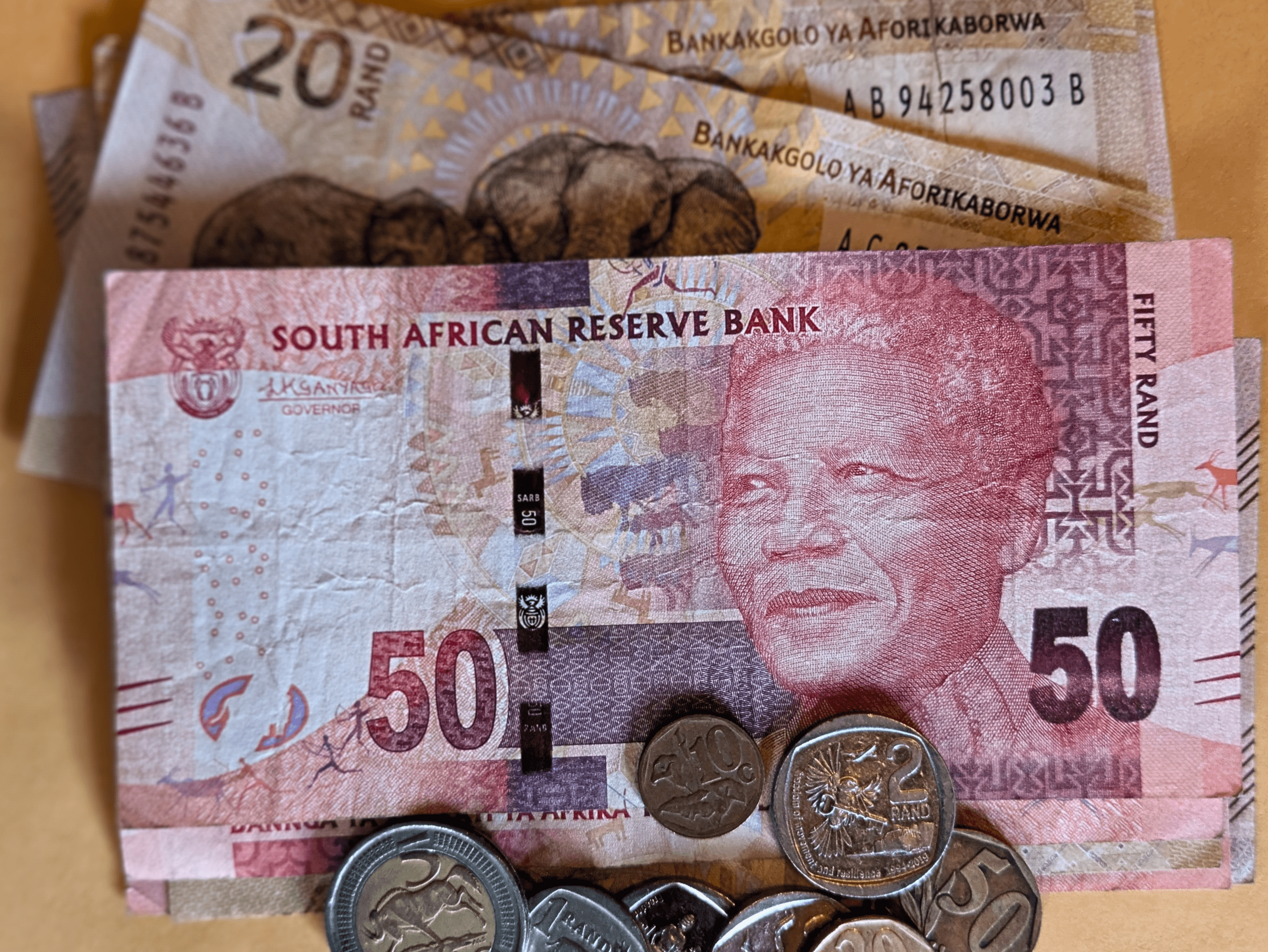
Fuel costs roughly a dollar a liter for gasoline or diesel ($4 a gallon), and gas stations are generally of very high quality, especially along busy routes; the larger ones usually include a play area for kids, as well as popular restaurants such as Wimpy, Steers, or a local food stall (tuisnywerheid) selling homemade goods.
Adventure
If you can dream it, you can do it in South Africa, even skiing, if the season is right. The country offers everything from kayaking to surfing, hiking, mountain climbing, swimming with great white sharks, bungee jumping, horse riding, quad biking, 4WD routes, mountain biking, and downhill skating—the list is endless. National and private game reserves offer wildlife spotting; you have not lived until you have watched (from the comfort and safety of your vehicle) a herd of elephants lope by or a pod of hippopotami lie in a muddy waterhole surrounded by antelopes, zebras, and giraffes. Birdwatching is also a popular activity, and there are camps and lodges which almost exclusively serve this community.
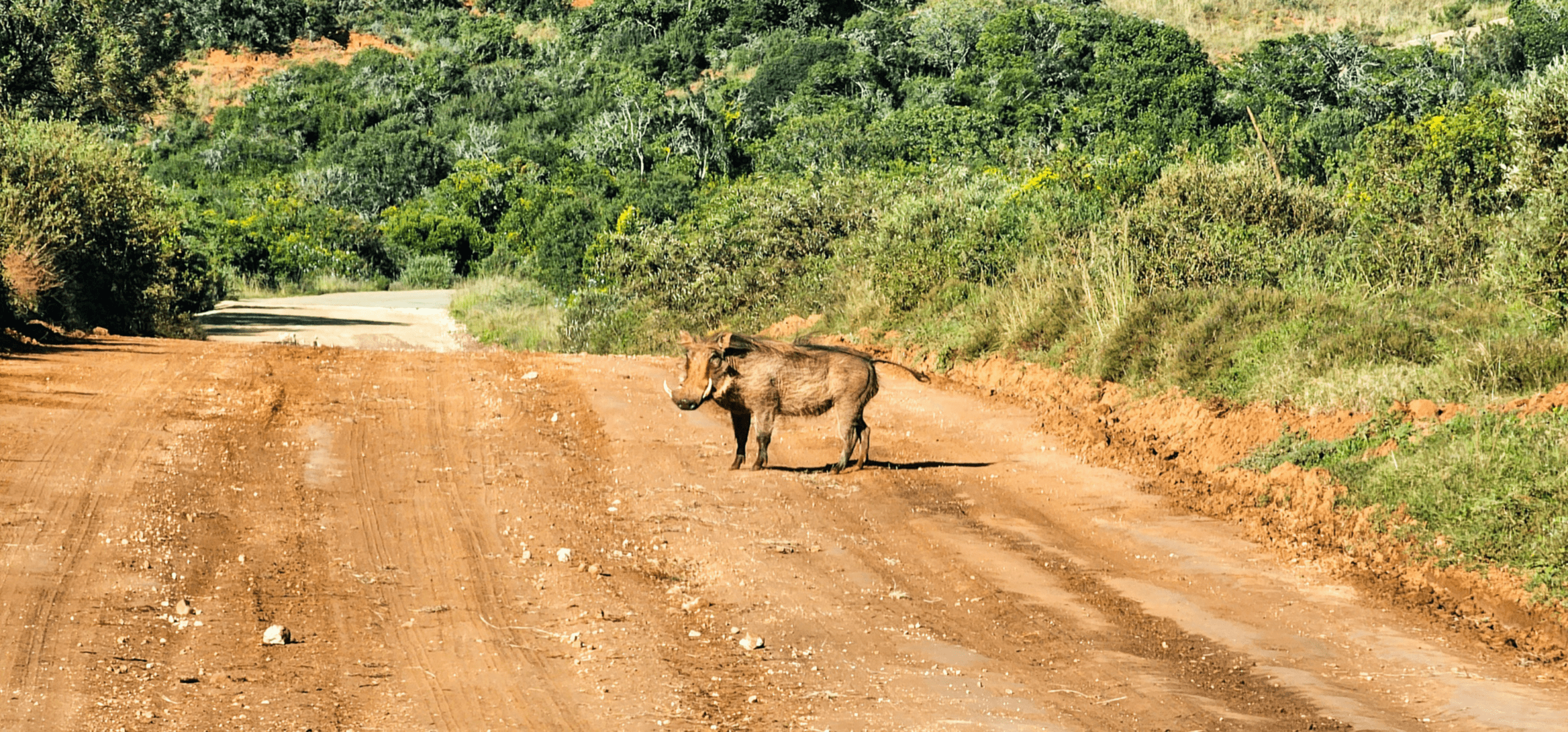

Tip: Follow park regulations and guidelines to ensure the preservation of natural habitats and the safety of both you and the wildlife. Do not step out of your vehicle in the lion habitat (yes, tourists do it all the time).
Language
South Africa has 11 official languages and is often referred to as the Rainbow Nation, as it is a hotbed of multiculturalism. While the Afrikaans language of the white minority was the language of the government during Apartheid, English was also widely spoken and taught in schools. As such, many, if not most South Africans can communicate in English, and you would have to travel far from commercial centers to find someone who does not speak or understand it. We have our own peculiar colloquialisms, but those are not usually thrust upon foreigners. That said, “now now” could mean 10 minutes or an hour; “just now” means roughly the same; a “robot” is a traffic light; “eish” (Bantu) means oh no; and “yebo” (Zulu) means yes.
Food and Drink
South Africa has some of the best food and wine you will find anywhere on this planet at unbelievable prices. Not only are the raw ingredients exceptional in quality and flavor, but the country is a food lover’s Nirvana, populated by people passionate about creating exceptional dishes full of flavor and spice. Durban was once home to the largest Indian population outside of India and is known for dishes such as rogan josh, biryani, and the not-to-be-missed bunny chow, typically a mutton curry poured into an empty bread loaf “bowl.” The braai is, without doubt, South Africa’s national dish; any opportunity to start a fire, create a pile of coals, and grill a variety of delicious meats will be taken advantage of.
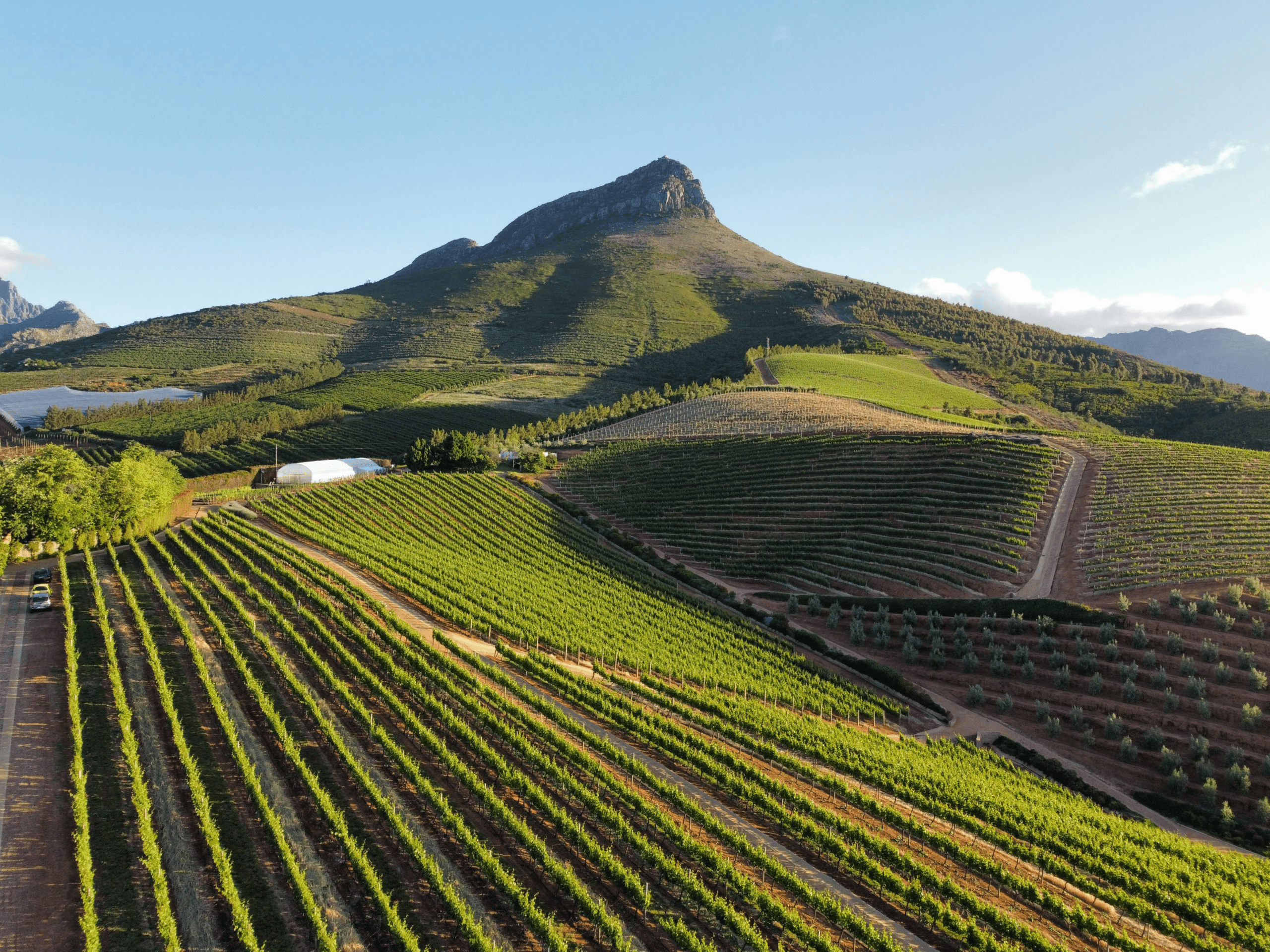
The Western Cape is waiting if fine dining and wine are your passions. Head for Franschhoek and Stellenbosch, and you will not be disappointed. The wine farms in South Africa are second to none, and many offer accommodation and even camping. A steak dinner at a decent restaurant (anywhere) will cost as little as $15 per person.
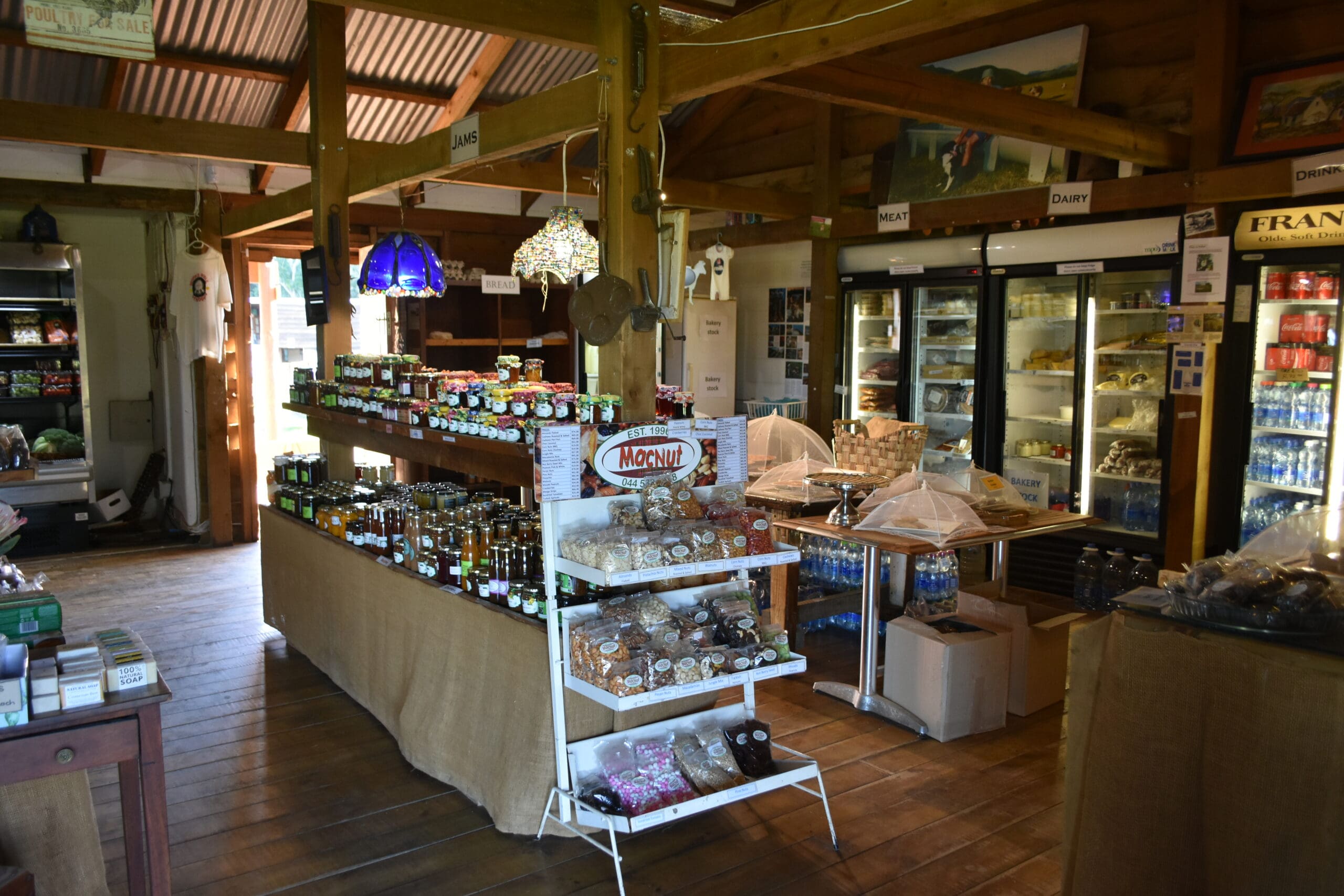
Tip: The best grocery store in South Africa is widely considered to be Woolworths, where you may pay a premium but will not regret it. Try the meat pies, chocolates, pastries, bread, fish, and everything else.
Safety
Economic inequality is an unfortunate reality in South Africa, and the official unemployment rate is 32 percent. As such, crime is high, especially in large cities such as Johannesburg, Cape Town, and Durban. Travelers are well advised to avoid certain areas, especially at night. Common sense will help reduce your risk of being the victim of a crime: don’t drive at night, don’t wear expensive jewelry, be aware of your surroundings, stay in an accommodation with security, and be sure to research the route and areas through which you will travel. The crimes we have experienced in South Africa have been inconvenient, such as petty theft, as there are many opportunists and car thieves (Toyota is the most targeted brand), and house break-ins are common. Insure your valuables or, better yet, leave the Rolex at home. South Africans are kind and friendly and tend to populate the daytime hours, but the bad guys rule the night.
Maps and Navigation
While onX is our preferred mapping solution in the USA, Tracks4Africa is our go-to for any off-road trail planning in Southern Africa. Waze (preferred), maps.me, Google, and Avenza work well with general navigation, with iOverlander utilized for any resource mapping.
Staying Connected
High-speed internet can be found at hotels and many campsites, but the further you travel from large commercial areas, the slower it becomes. Tourists can purchase a mobile SIM card upon arrival at any international airport.
There are several mobile companies in South Africa, with the preferred prepaid service providers being MTN, Vodacom, and Cell C. Telkom, Virgin, and Rain offer mobile plans, but with some caveats. Keep in mind that Starlink does not work in South Africa and that data costs are quite high with cell phone providers.
Overlanding: Suggested Routes and Itineraries
Namibia to Cape and the Garden Route (10-14+ Days)
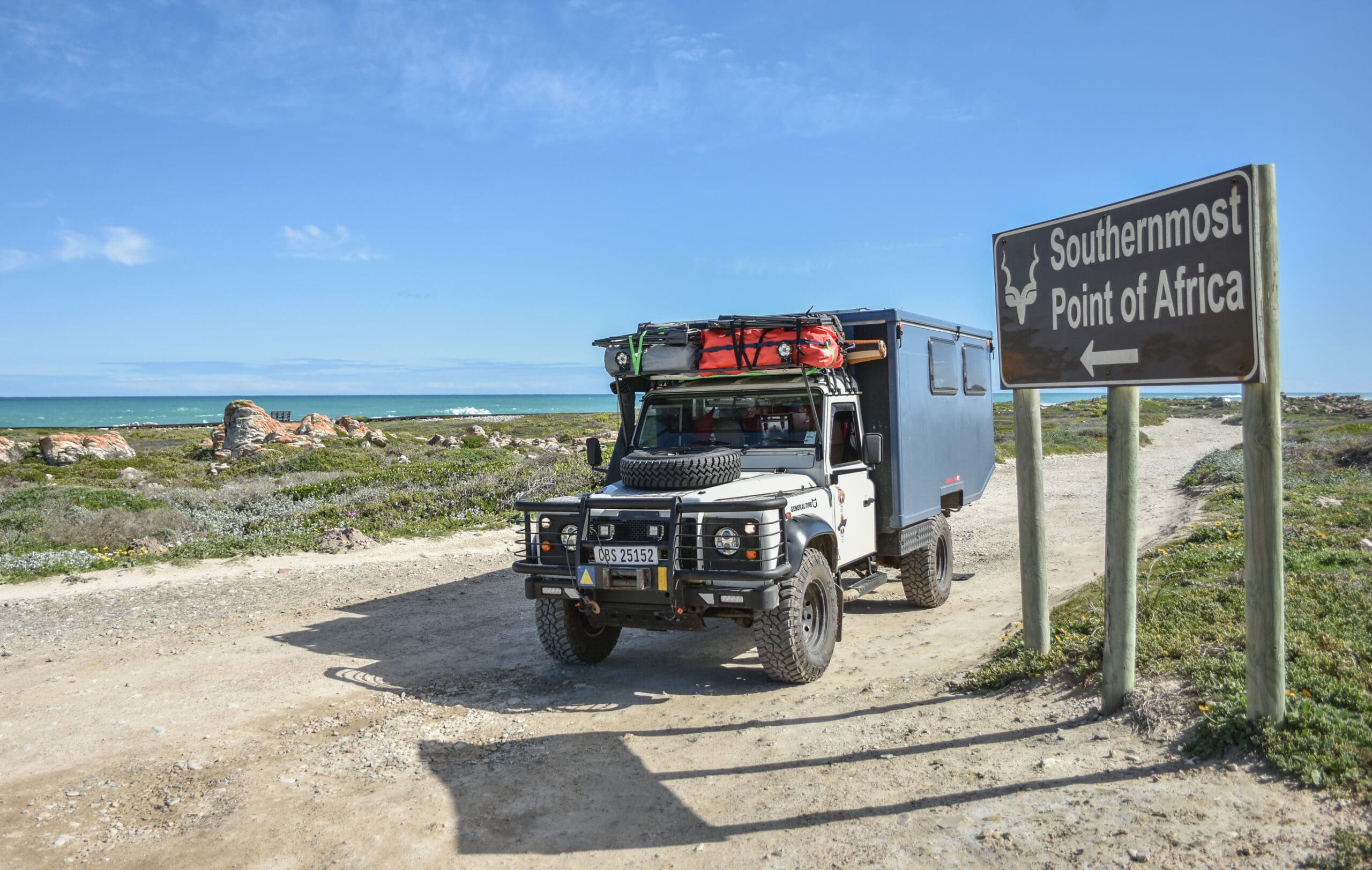
The best route is along the N7 national road from the Namibian border to glorious Cape Town, with many opportunities to divert from the main track. For those looking for a wilder and more remote option, Namibia is highly recommended, deserving of a few months’ time to be truly appreciated.
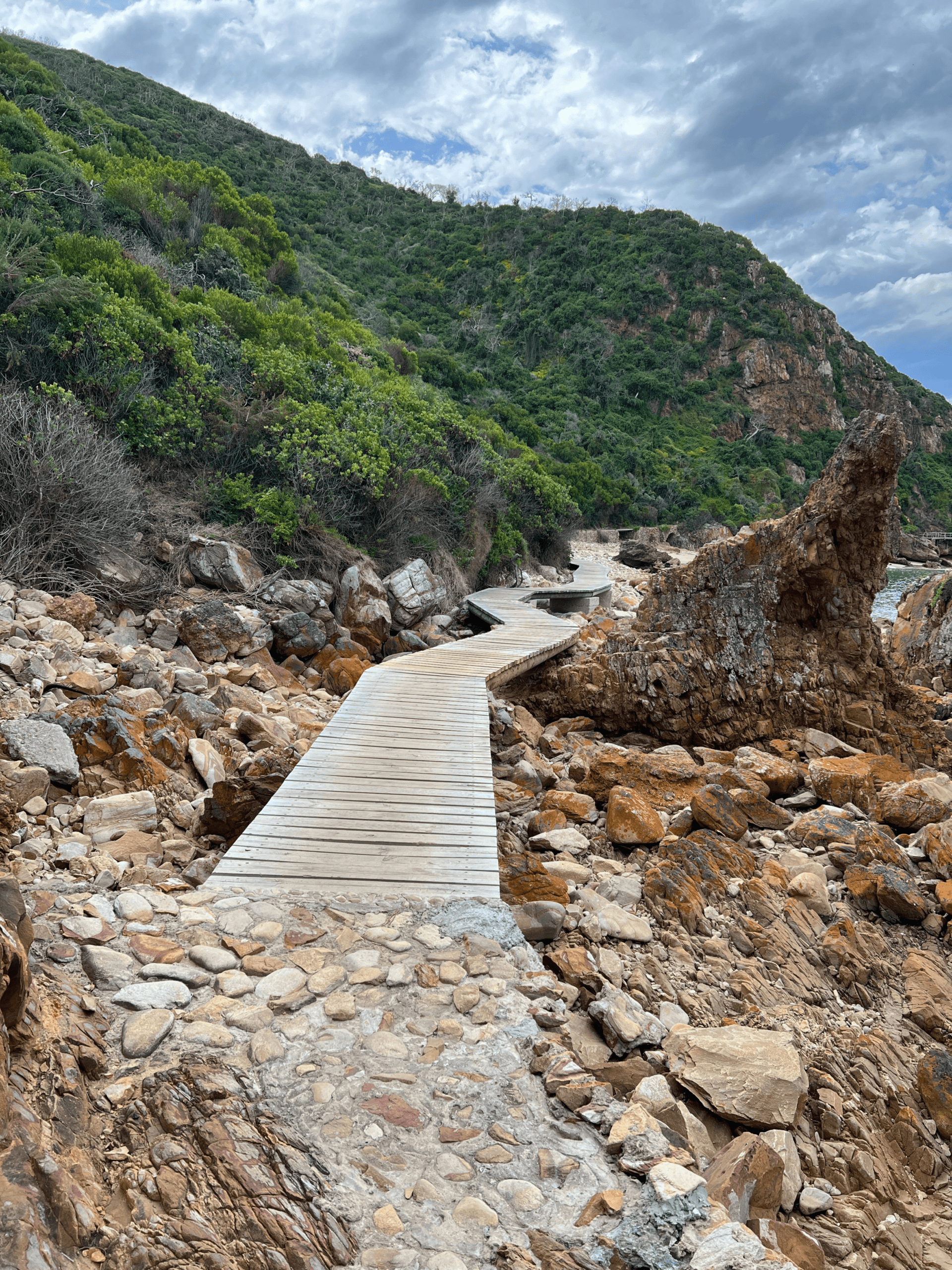
From Cape Town, the N2 follows the Garden Route, taking you along the scenic southern coastline to Port Elizabeth. Highlights include the lush forests of Tsitsikamma National Park, the quaint town of Knysna with several off-pavement trails, and the pristine beaches of Plettenberg Bay. Along the way, you can explore numerous hiking trails, indulge in local cuisine, and even embark on a whale-watching tour.
Kruger National Park and Panorama Route (10-14 Days)
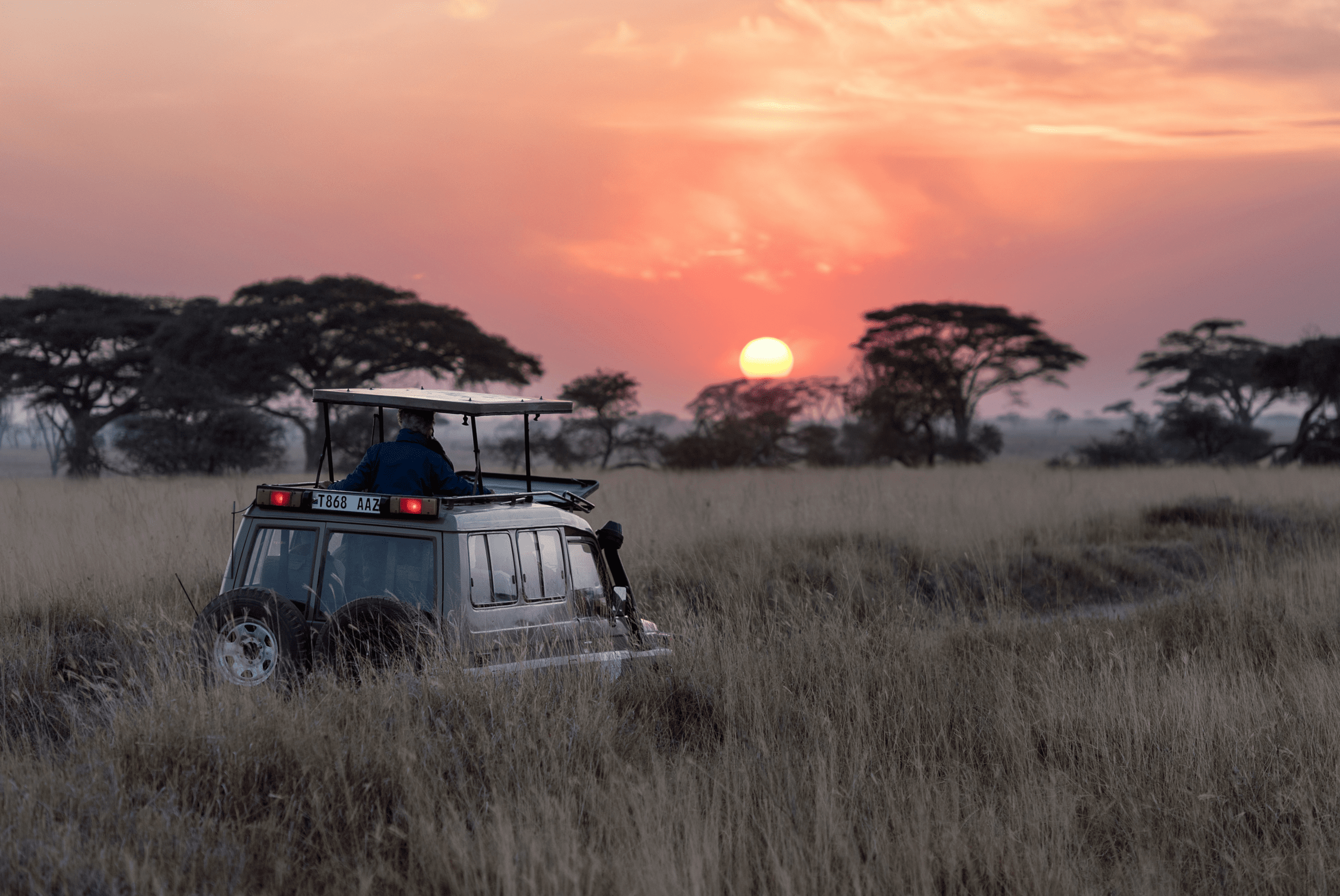
Fly into Johannesburg and head east to Kruger National Park, one of Africa’s largest game reserves. Spend several days on self-drive safaris, witnessing the Big Five and other incredible wildlife. Afterward, take the Panorama Route, a scenic drive that offers breathtaking views of the Blyde River Canyon, God’s Window, and Bourke’s Luck Potholes. This itinerary combines wildlife experiences with stunning natural beauty.
Kalahari and Northern Cape Exploration (10-14 Days)
Start your journey in Upington and venture into the Kgalagadi Transfrontier Park for a more off-the-beaten-path adventure. This remote and arid region is known for its striking red dunes, black-maned lions, and impressive birdlife. From there, explore the Richtersveld National Park, a rugged and mountainous area with unique landscapes and a true sense of wilderness.
Tip: Pace yourself. While it may be tempting to cram in as much as possible within the few weeks or months that you are in South Africa, traveling deeper at a slower pace will be a more rewarding experience. Driving all day, clicking a few photos, and wolfing down a meal is the antithesis of African travel. Instead, take your time and enjoy one area at a time; each region is so vastly different that you will never find yourself bored or uninspired.
Resources
Bushlore Africa specializes in fully equipped 4WD rentals and provides vehicles with rooftop tents, camping gear, and all necessary equipment for a self-sufficient adventure. bushlore.com
Britz South Africa is known for their extensive fleet of campervans and 4WD vehicles, offering reliable rentals with various options for different travel styles and group sizes. britz.co.za
KEA Campers have vehicles that come fully equipped for overland travel, ensuring a comfortable and safe journey. keacampers.co.za
Overlanding with Bruce is a well-known and reputable company with fully equipped and reliable Toyota HiLuxes in its fleet. overlandingwithbruce.com
Maui has fully equipped motorhomes that can accommodate either four or six people, but are not suited for 4WD or high-clearance trails. maui.co.za
Editor’s Note: This article was originally published in Overland Journal’s Spring 2026 Issue.
Our No Compromise Clause: We do not accept advertorial content or allow advertising to influence our coverage, and our contributors are guaranteed editorial independence. Overland International may earn a small commission from affiliate links included in this article. We appreciate your support.
