

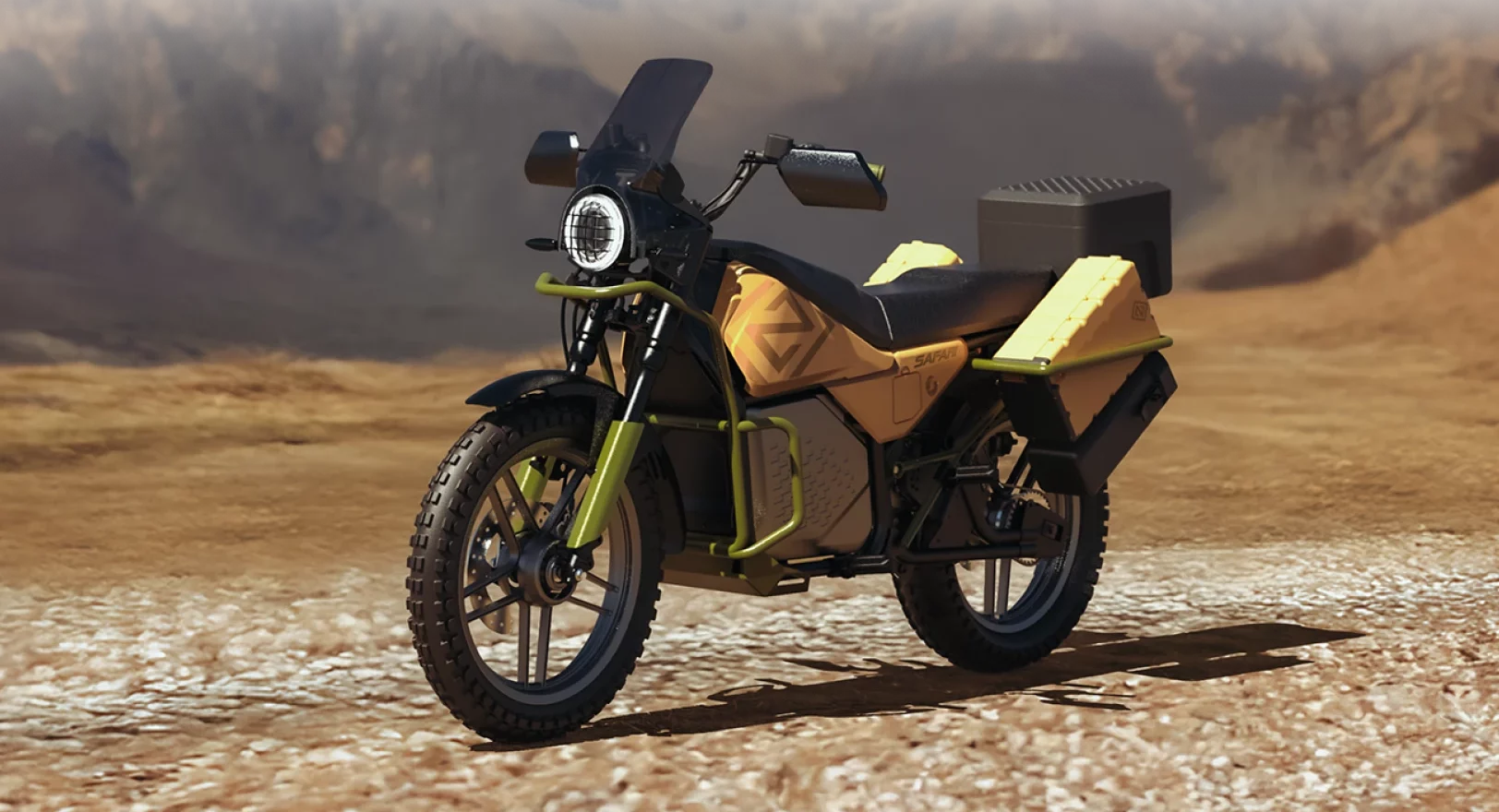
Zeno, an electric mobility company based in Bengaluru, India (formerly known as Bangalore), has introduced the Emara ADV, a new electric adventure motorcycle explicitly designed for riders in majority-world countries such as India and Africa. Is it even possible to manufacture a motorcycle that can survive the rigors of India and Africa for as little as $1,425? Apparently, it is possible to keep manufacturing costs low and the bike simple and tough. Chinese brands Saiga, Super Sococ, and Yadea have proven that it is feasible to build and sell a sub-$1,000 electric motorcycle in markets where reliability and robustness are essential. Founded by a team of engineers with backgrounds at Tesla, Apple, Lucid, and Gogoro, the startup aims to address transportation needs in markets where motorcycles are not only used for recreation but also play a central role in daily work and mobility. Adventure riders, are you thinking what I am thinking? (FYI, over 40 percent of road deaths in India involve motorcyclists or scooter riders; there were 168,000 total road deaths in India in 2022.)
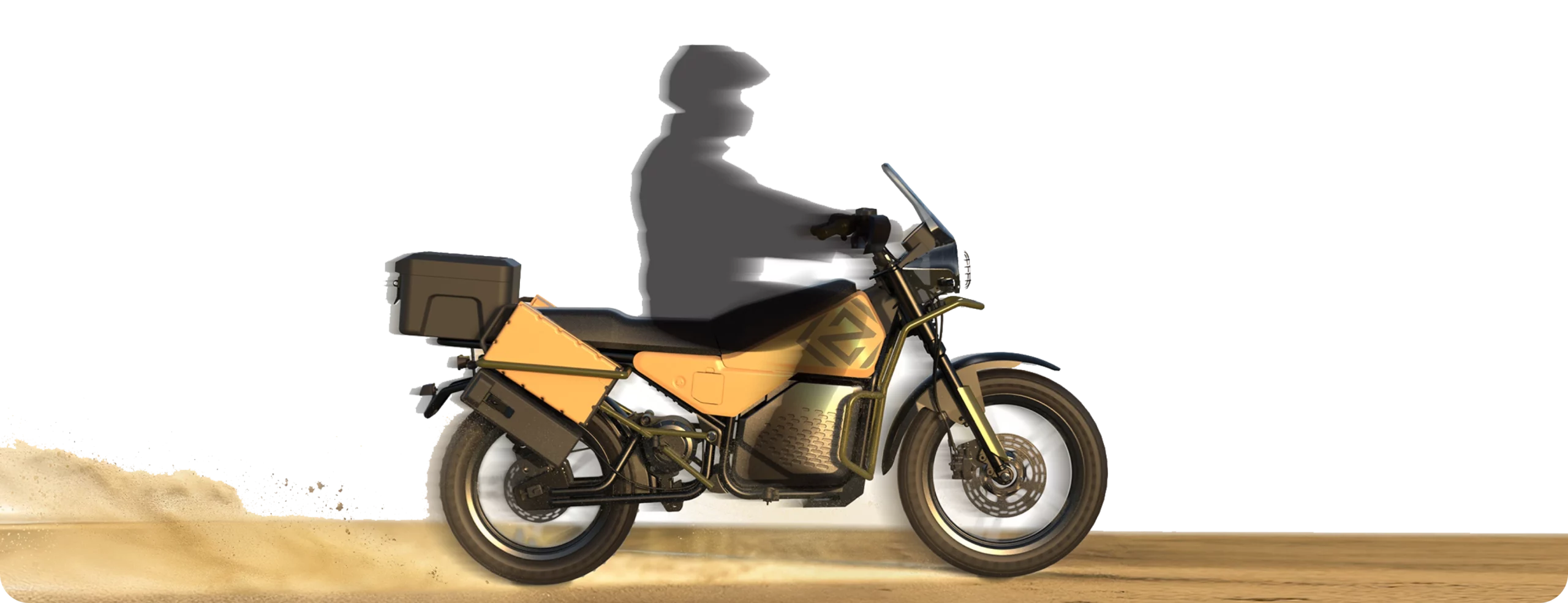
The Emara ADV is an off-road-ready evolution of Zeno’s earlier commuter model, featuring additional enhancements to handle rugged terrain and support extended travel. It is equipped with a 10-kilowatt motor producing 13.4 horsepower and can reach a top speed of 62 mph. While modest in power by global standards, the bike’s performance is geared toward utility rather than speed. It is capable of carrying up to 550 pounds and climbing inclines as steep as 30 degrees, making it suitable for riders who routinely travel with passengers or cargo in remote or hilly terrain.
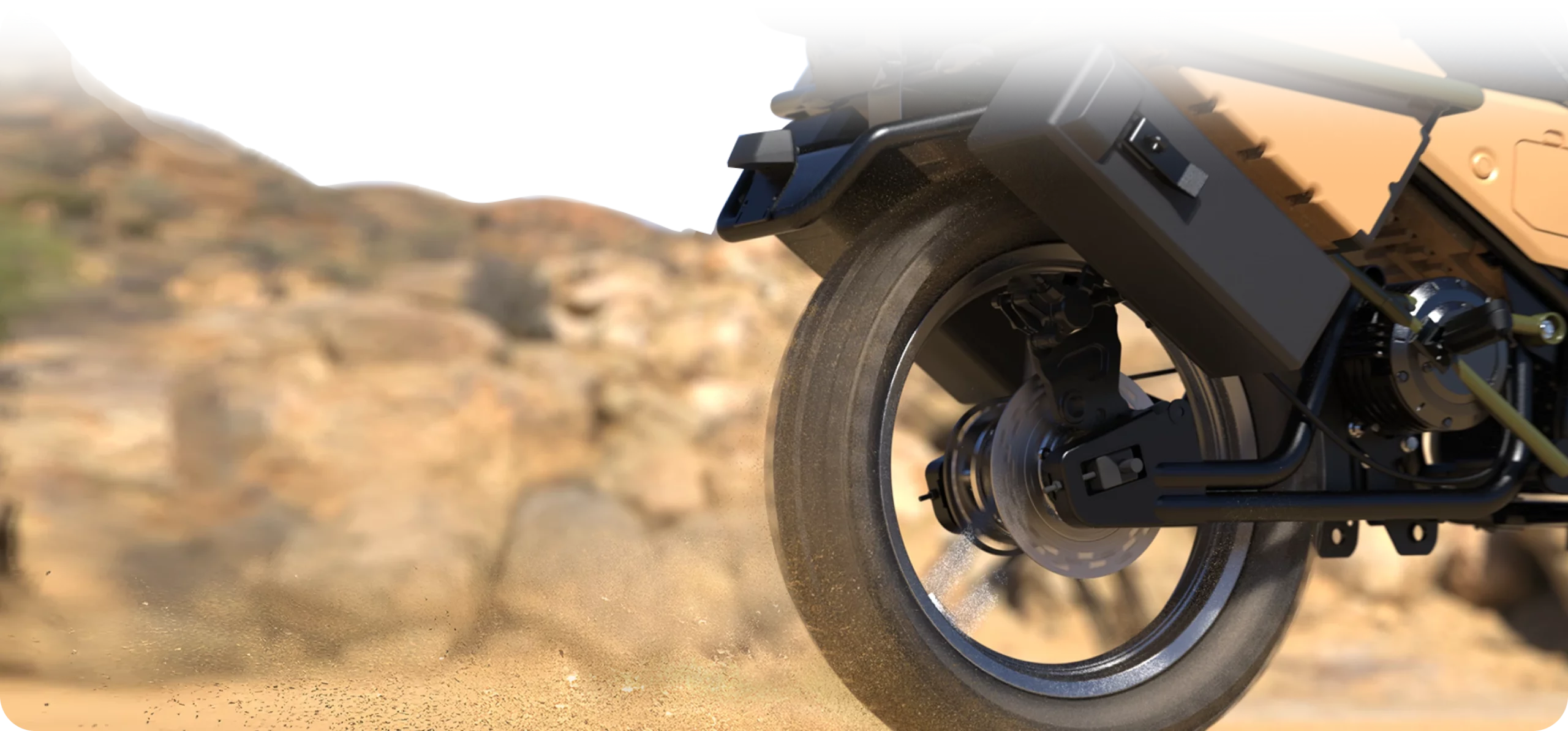
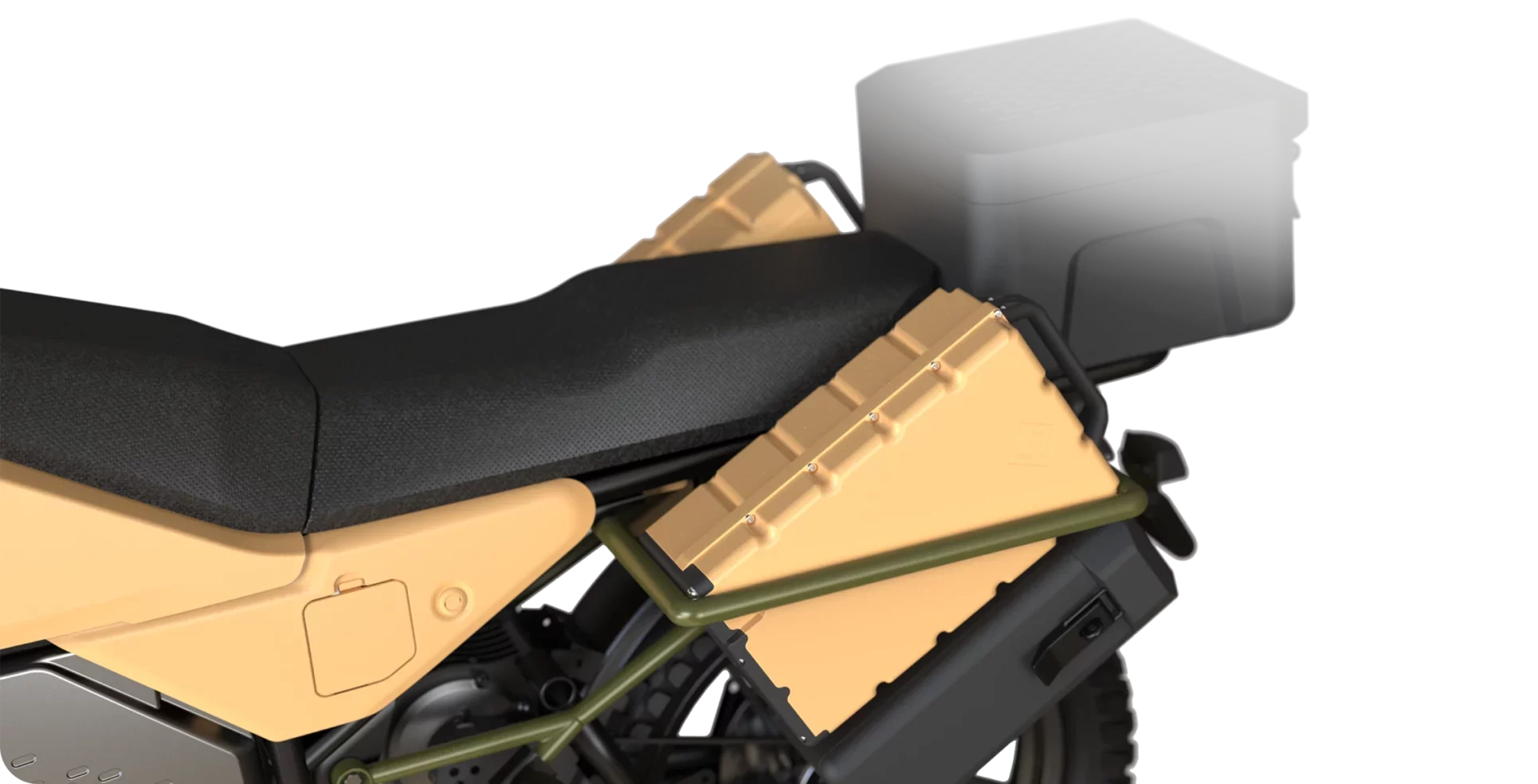
The Emara ADV also features knobby tires, inverted front forks, a 19-inch front wheel, and 7.5 inches of ground clearance. These attributes position it as a versatile machine capable of handling uneven surfaces and poor road conditions. Its 4-kilowatt-hour, lithium-iron-phosphate battery offers a range of approximately 60 miles in real-world use. To extend its reach, the ADV can carry two spare batteries mounted in side cases, effectively doubling its range to over 120 miles. This flexibility is especially important in areas where charging infrastructure remains limited or inconsistent.
Zeno founder Michael Spencer, formerly with Tesla, emphasized that the company’s focus has always been on practical utility and affordability. The Emara ADV is expected to be priced under $2,000, with initial availability planned for India by the end of 2025, followed by rollouts in African markets, specifically Kenya, Uganda, Rwanda, and Tanzania. At present, there are no plans for distribution in Western markets, as Zeno continues to prioritize regions where motorcycles serve as primary transportation rather than leisure vehicles.
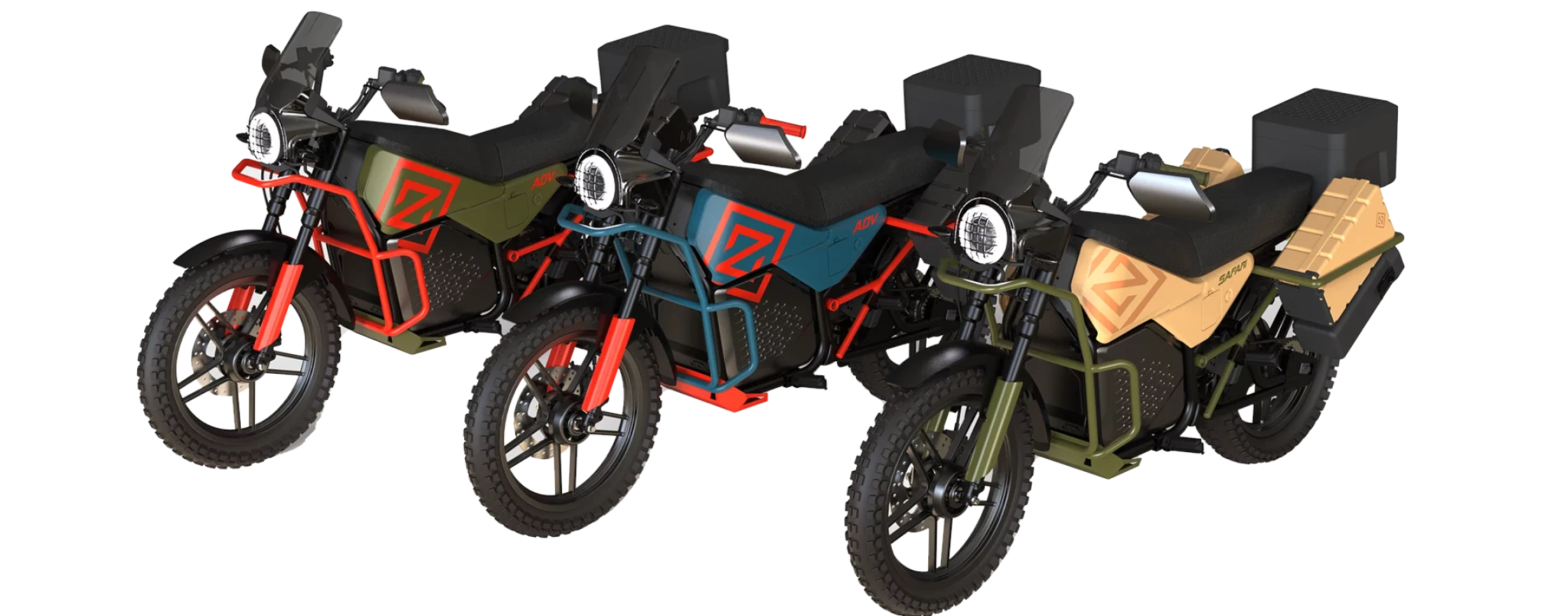
Zeno is also offering a flexible purchasing structure that includes three options. The first is a full purchase, in which buyers receive the motorcycle along with battery packs. The standard Emara commuter model currently retails in India for ₹119,000, or approximately $1,425, with the ADV expected to be slightly higher due to its off-road enhancements.
The second option is a Battery-as-a-Service (BaaS) model, where riders buy the motorcycle without a battery for approximately $945, and subscribe to a monthly battery usage plan. Prepaid plans range from $18 per month for 48 kilowatt-hours to $30 per month for 120 kilowatt-hours. Riders can also choose a postpaid plan, paying $0.62 per kilowatt-hour as needed. This model is intended to reduce upfront costs and enable battery swapping at designated stations.
The third option is a pay-as-you-go plan, designed for riders who use the motorcycle less frequently. This plan charges only for the electricity consumed, allowing for maximum flexibility without long-term commitments.
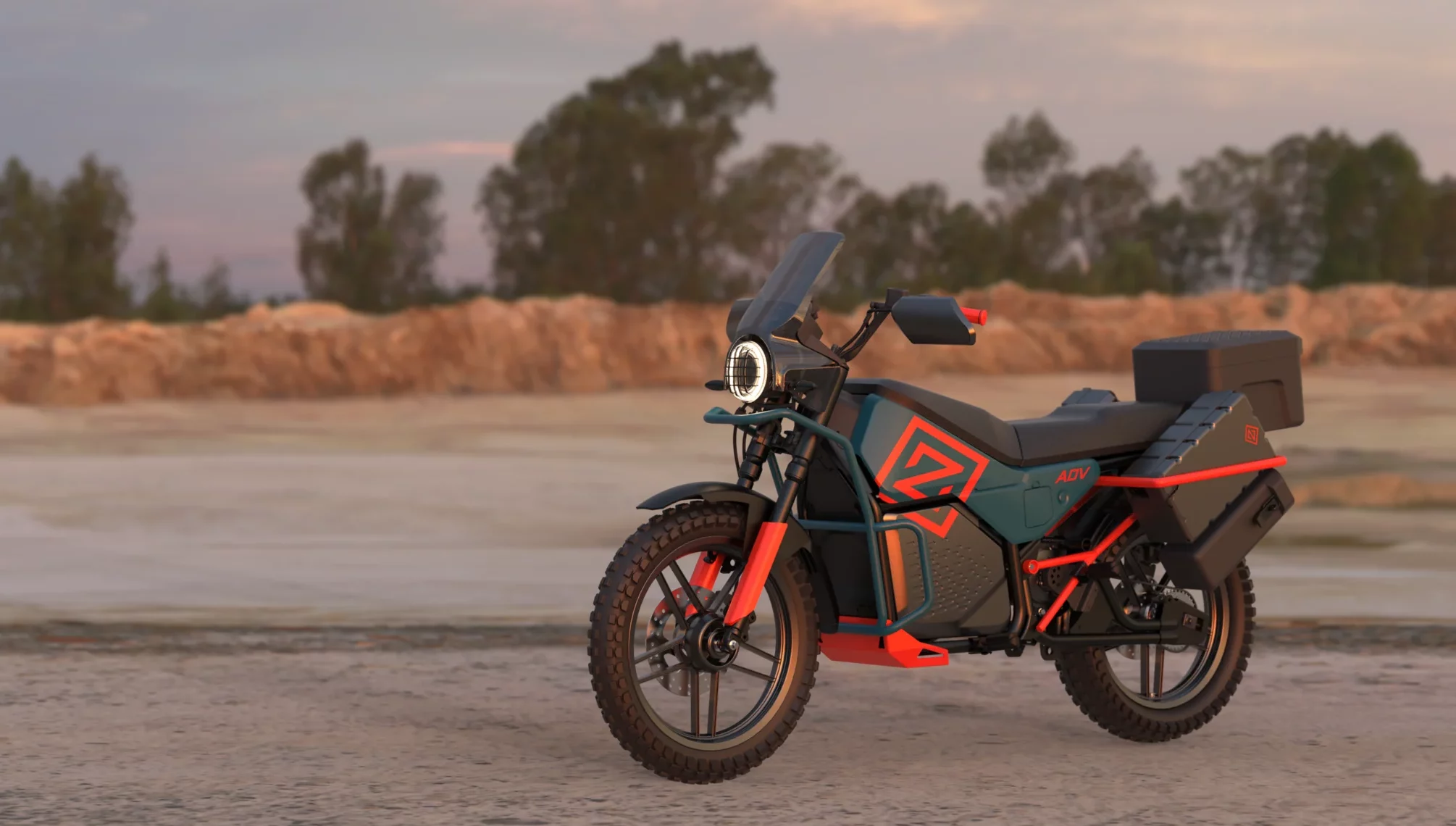
Zeno is currently building out a battery-swapping network capable of completing exchanges in under 30 seconds, with charging stations that can replenish a pack within an hour. The company’s manufacturing facility in Rajasthan is designed to produce 1,000 bikes per month, with plans for expansion as demand increases. The initial distribution will focus on Bengaluru and two additional Indian cities, with a broader rollout to Tier II and Tier III towns scheduled for 2026. Zeno aims to install 20,000 charging points across India by 2029, supporting both commuter and ADV users.
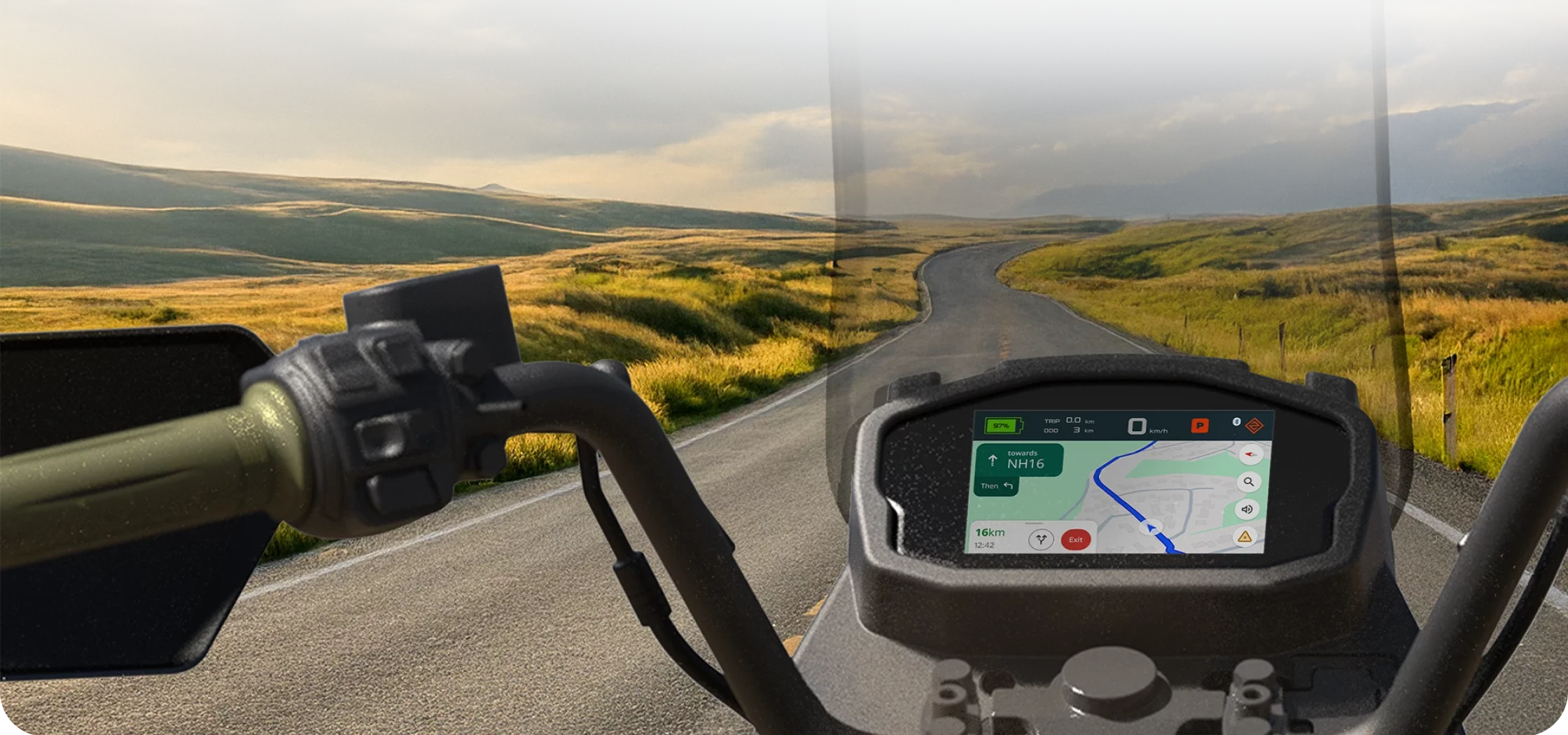
In markets like East Africa, electric motorcycles like the Emara have already shown strong potential to increase rider incomes by reducing fuel and maintenance costs. Zeno’s strategy leans heavily into this opportunity by offering a vehicle that is simple to maintain, inexpensive to operate, and suited to the real-world needs of rural and peri-urban users.
Although the Emara ADV is unlikely to reach Western showrooms soon, its design, pricing, and purchasing models point to a new approach in the electric mobility space—one that prioritizes access and utility over premium branding and performance metrics. Perhaps the Emara will make its way to Latin America; we can only hope.
Read More: Eura Mobil Launches the Rugged Xtura Camper
Our No Compromise Clause: We do not accept advertorial content or allow advertising to influence our coverage, and our contributors are guaranteed editorial independence. Overland International may earn a small commission from affiliate links included in this article. We appreciate your support.
