

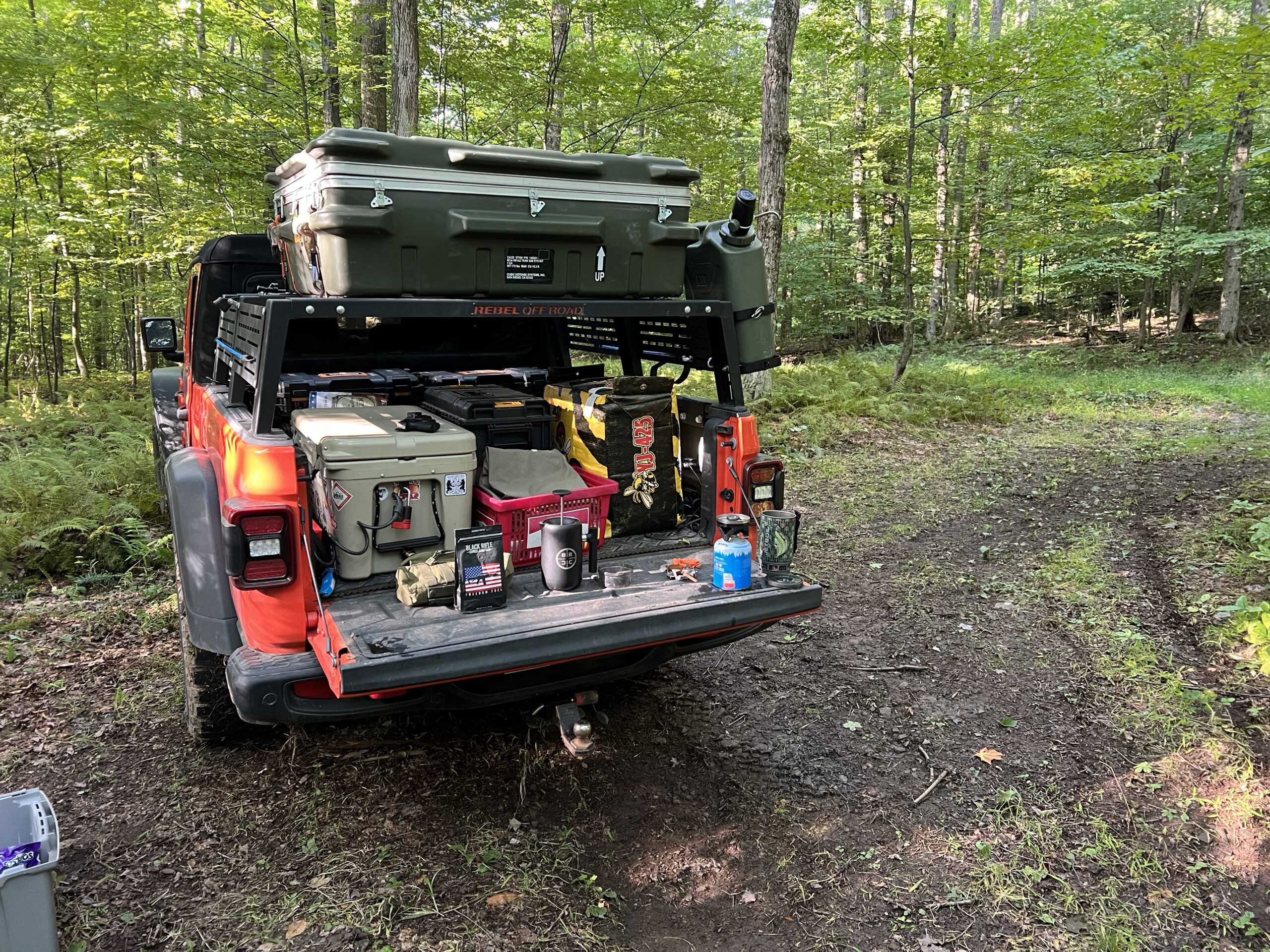
Overland Journal defines overlanding as “vehicle-supported, self-reliant adventure travel, typically exploring remote destinations where the journey is the primary goal”. I believe we can take the same aspects of self-reliance that define overlanding and apply them to our daily lives.
The idea that you need to have an overbuilt titan of the trails and be out exploring some far-flung corner of the continent to be a “true overlander” might not be an accurate depiction of what many of us experience in our own lives. It’s certainly an aspirational benchmark for some of us, but the truth is that many explorers have not leaped into extended or even full-time expedition travel. That doesn’t mean overlanding principles can’t be implemented by the weekend warrior to enhance our experiences. The precepts of self-reliant vehicle-supported adventure can take you to the next level, whether you’re deep in the backcountry or at a neighborhood BBQ.
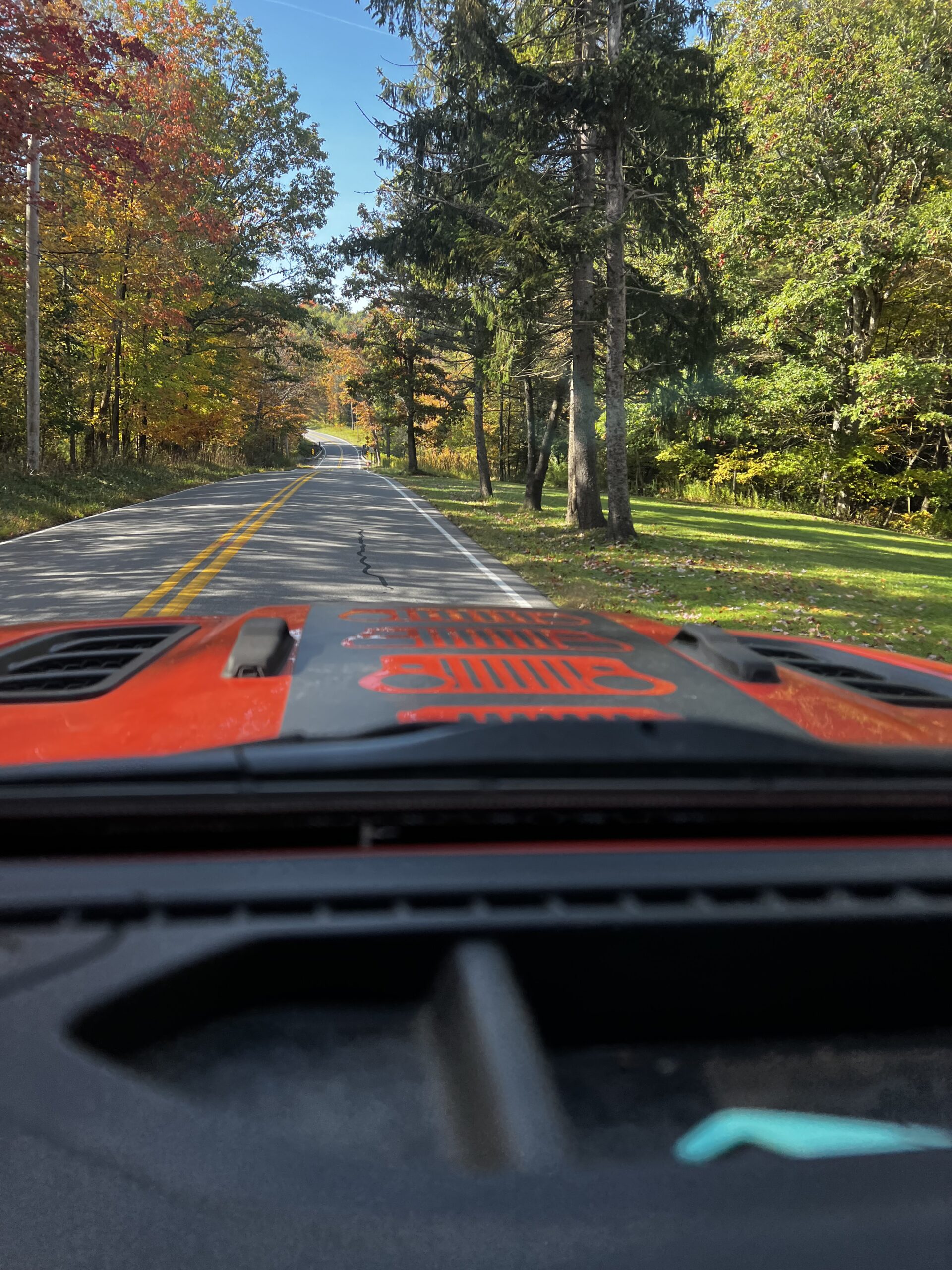
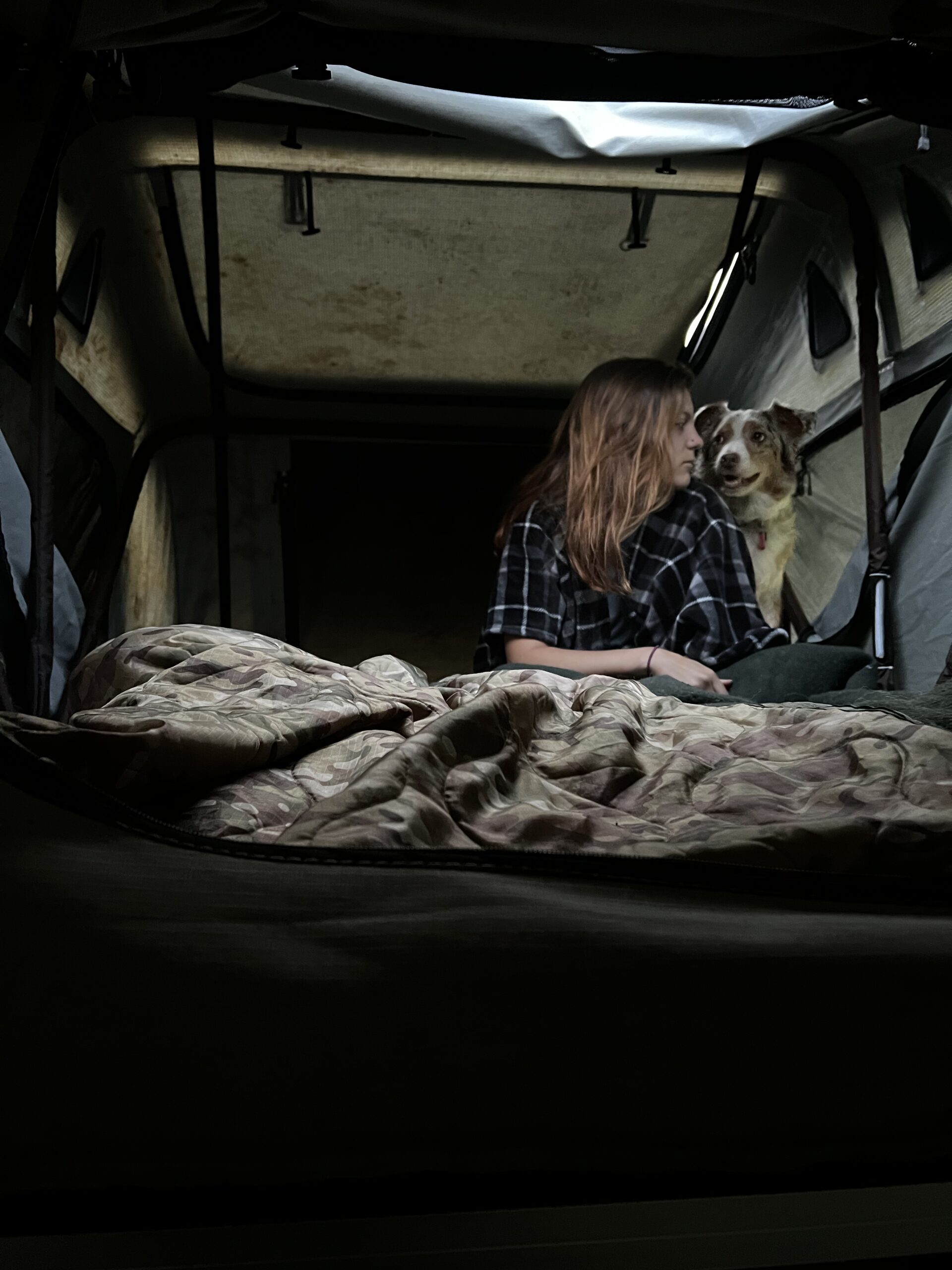
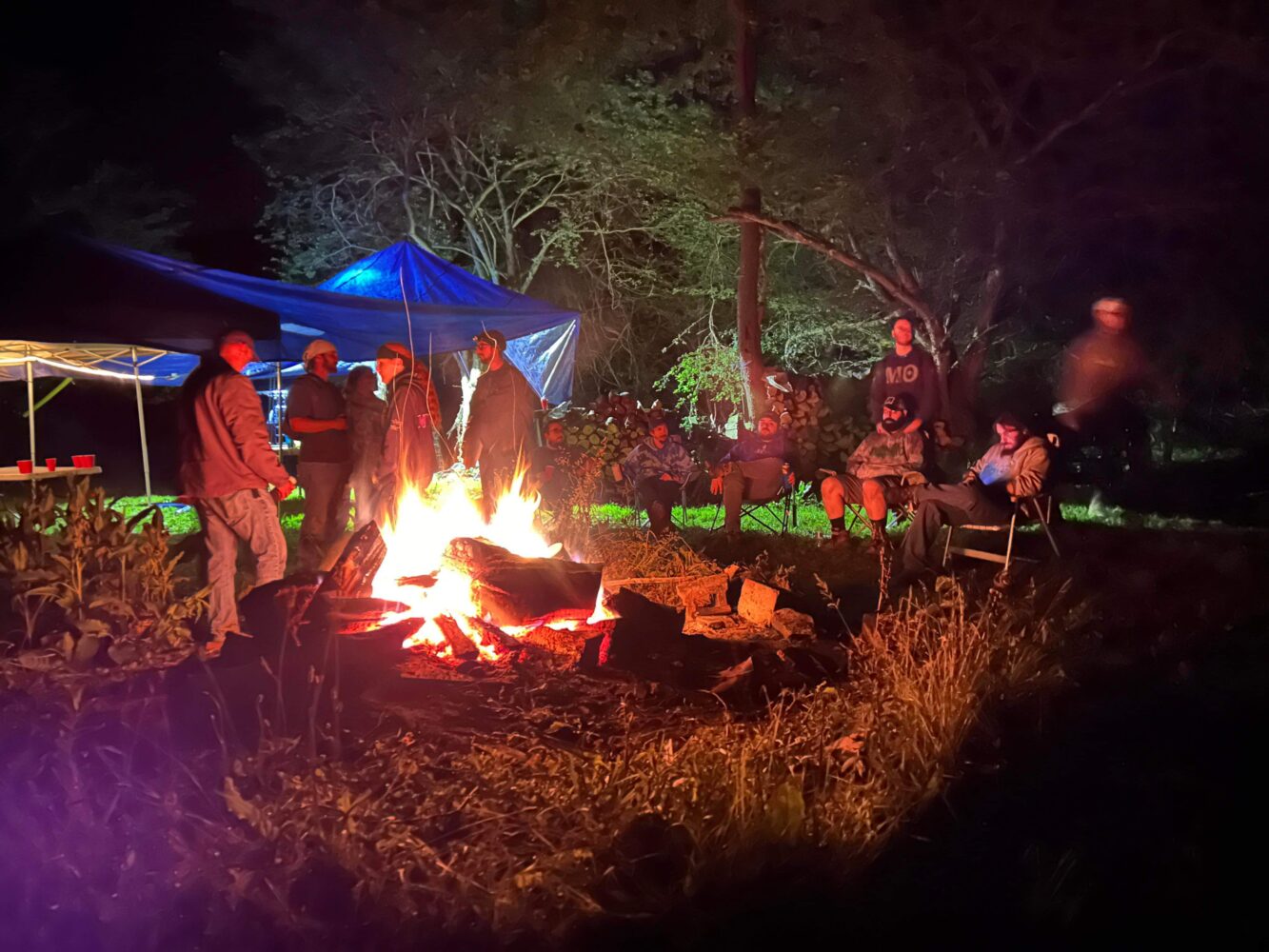
I grew up in a rural community of farmers, loggers, and oil and gas workers. Up until a few years ago, cellphone service was limited to a few hilltops and occasionally from someone’s cell booster on a home Wi-Fi network. The first vehicle modification most young adults made after getting their first vehicle was to install a CB radio (shortly followed by upgrading the stereo). For our area, it was a critical first step to ensure communication on the go, and secondly, so we could figure out where the next bonfire party was (that’s where the stereo upgrades came in). For many of us, the trend continued as we added light bars, lift kits, and bigger tires so we could go to more exciting places for those bonfires or even just cruise the local logging and farm roads. Eventually, the next logical step was to integrate camping accommodations, so we didn’t have to worry about driving if we happened to have a few drinks.
We didn’t know it at the time, but we were already laying the foundations of vehicle-based self-reliance, and we had never even heard the term overlanding. It wasn’t until I was fresh out of college and home to visit a friend and fellow 4WD enthusiast that we discovered “overlanding” and proceeded to binge-watch XOverland’s entire YouTube catalog. After that, we were so hyped, we tried to see just how lost we could get in the college’s local landholdings and very nearly sank a Nissan Xterra in an irrigation pond in the process.
It’s been some time since my early days of overlanding, and in the meantime, I have honed my approach to everyday self-reliance in a number of areas for my Jeep Gladiator. Vehicle-based self-reliance isn’t exclusive to overlanding. It’s a practical way to go about life in general. If you are reading this, then chances are you are someone who spends a significant amount of time in your vehicle. My truck is almost always nearby and has even become something of a point of contention with my wife. As you might imagine, a Gladiator loaded with gear doesn’t get nearly the kind of gas mileage as my wife’s Toyota Rav4 Hybrid and the more sparse selection of kit she has stashed under seats and around the spare tire.
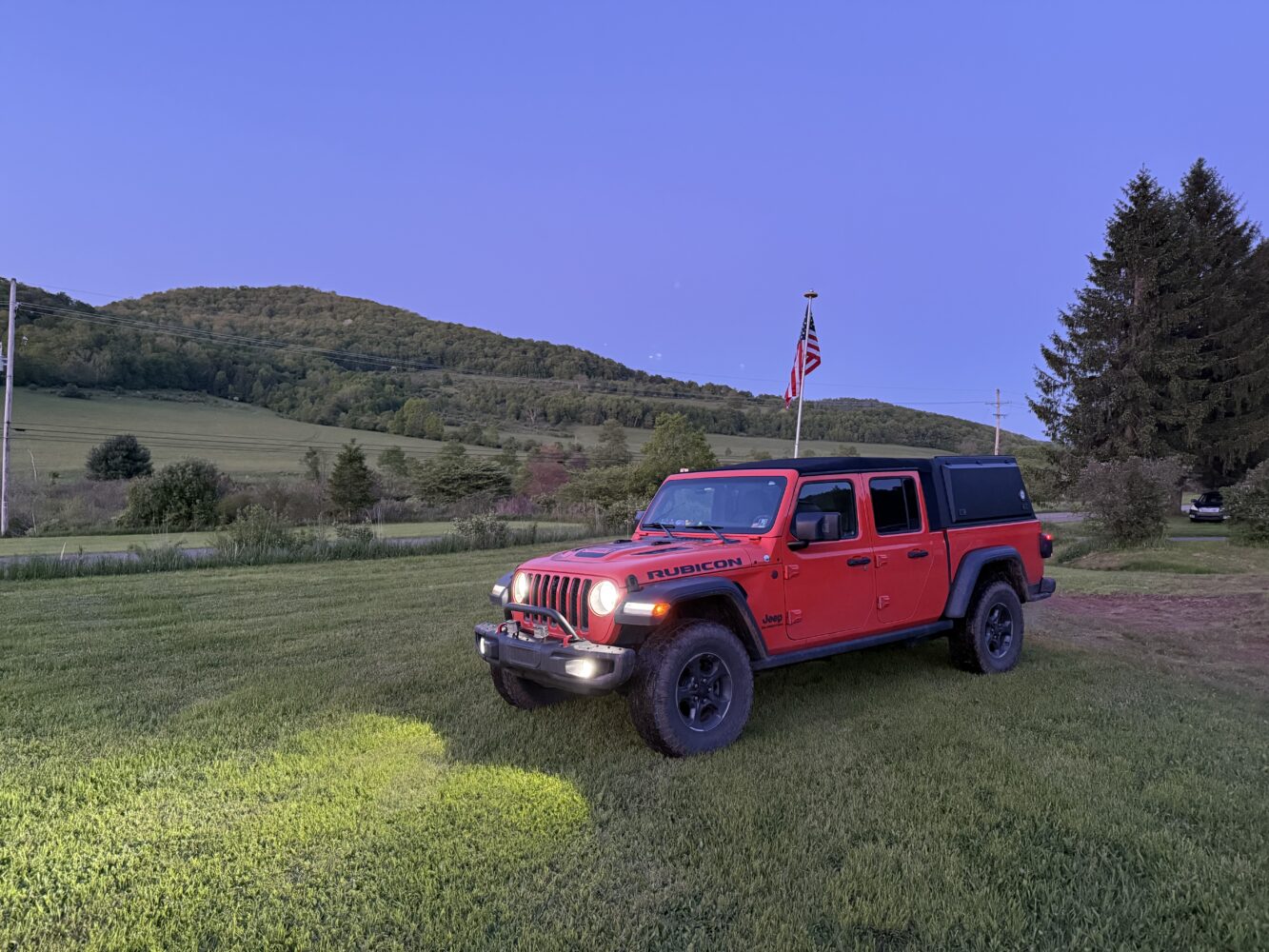
But I usually prefer to have my truck when we go out. Why? Because I know what I have in my truck and how prepared I am for all kinds of travel situations. Without my rig, I have the same feeling as I do going through TSA security at the airport. All my EDC is stripped away, and I feel less prepared, almost naked. I know that if I have my truck, I have tools, recovery gear, and basic medical supplies. Even though my primary adventure setup has recently switched over to a trailer for camping, I still keep a rudimentary kit to camp in the vehicle itself. Being prepared feels good, and it comes in handy quite often, especially when it complements other hobbies you enjoy. A vehicle that is set up for self-reliance is a perfect start to any weekend activity. My Jeep has come to the rescue on hunting trips when we needed supplies to process and package game for the cooler, boating trips when we needed tools to make repairs, at job sites when we needed a Hi-Lift jack, and many others.

As an example, let’s consider keeping a rudimentary cook and wash setup ready to go in your vehicle. You don’t have to pack the kitchen sink, but a small kit organized into a tote or basin doesn’t weigh much or take up much space and can help you in a multitude of situations.
I have a compact wash basin that is just big enough to hold a roll of paper towels, a bit of soap, biodegradable wet wipes, and a Jetboil Flash that always has a freeze-dried meal crammed inside the cup. I round out the kit with a fillet knife, small cutting board, and a fork/spoon multitool, along with some resealable bags. I supplement that kit with more comprehensive additions when I’m planning specific outings, but that basic equipment lives in the vehicle all the time. It gets pressed into service on every hunting trip, every solo camping excursion, sometimes even just after a hike, and it definitely gets used every time my kids find sand, mud, or anything sticky.
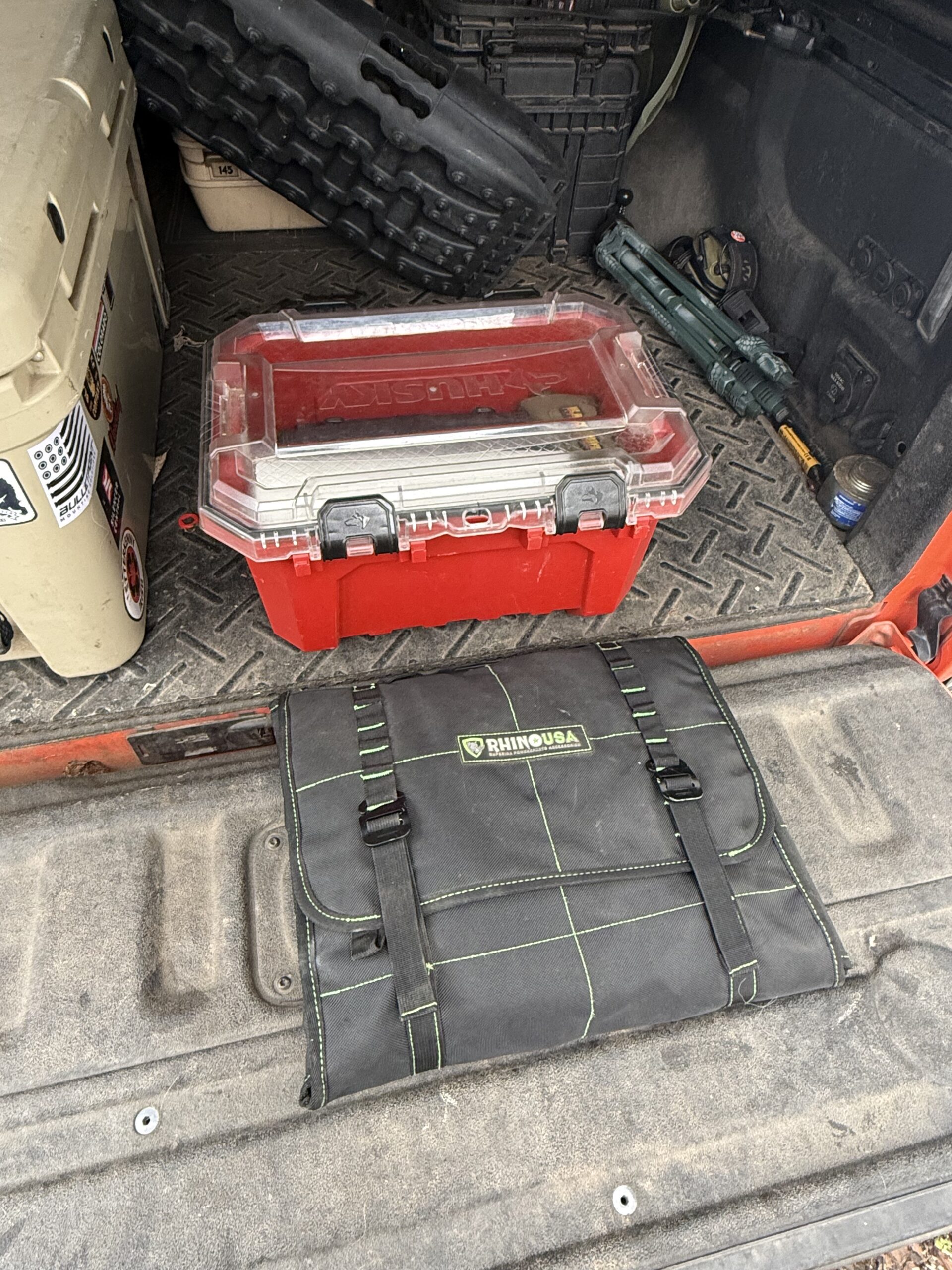
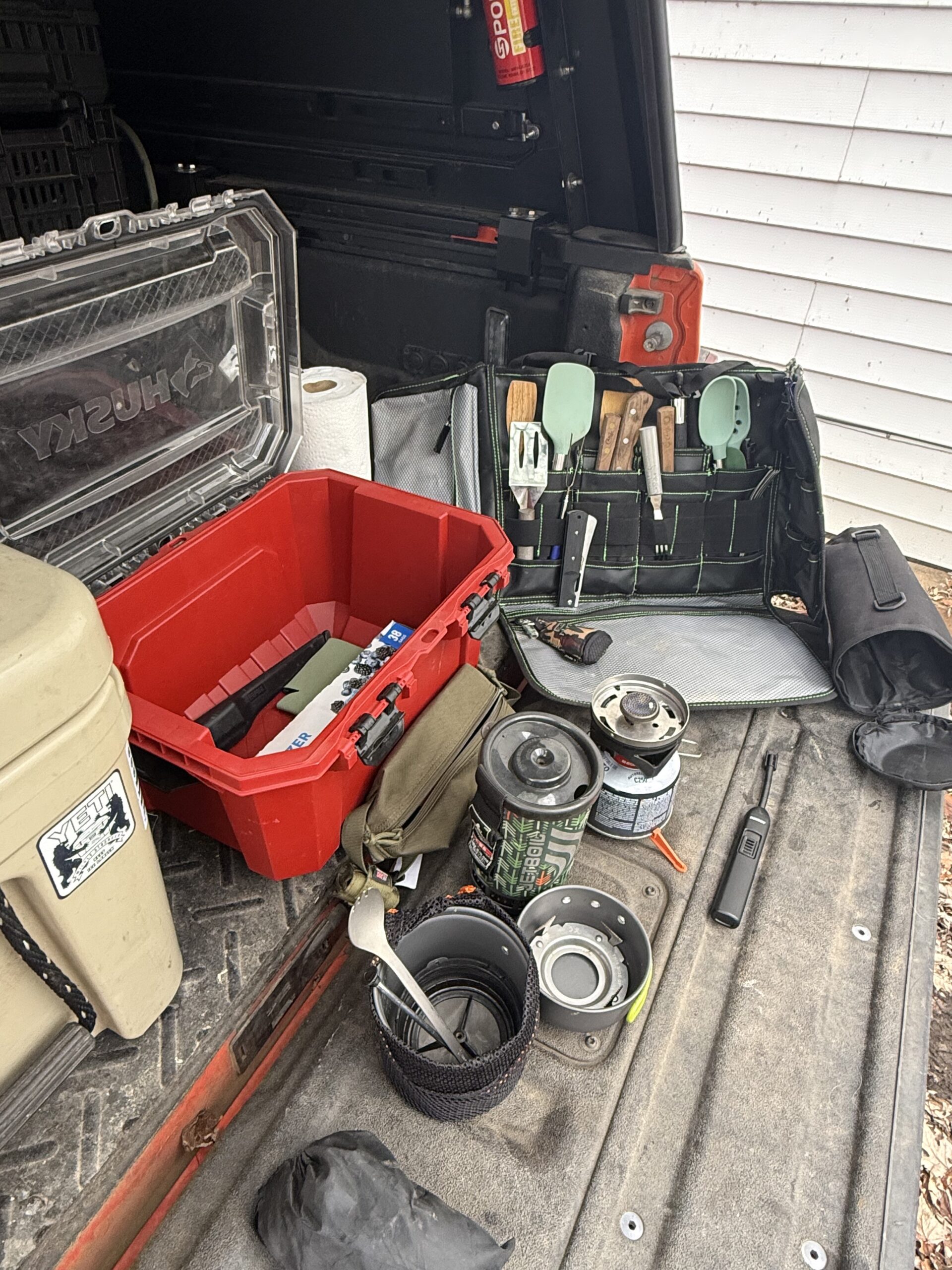
I found a new use when my wife had to breast pump while we were on a road trip. She had used the onboard inverter to run her pumping equipment, and at a fuel stop, she used my kitchen kit to clean her setup. It helps to keep a jerry can of water, but if you don’t have the room for it, there are other space-friendly ways to source and store water. At the weight and space cost of a wash basin the size of a shoe box, plus some water, I am prepared for multiple cooking and cleaning situations that may come up. Is it as nice as the slide-out kitchen in my overlanding trailer? Of course not. Is it extremely convenient when my kids are covered in sand and jelly after a picnic, or when I am coming out of the woods super hungry, and the nearest convenience store is miles from the trailhead? Without a doubt.
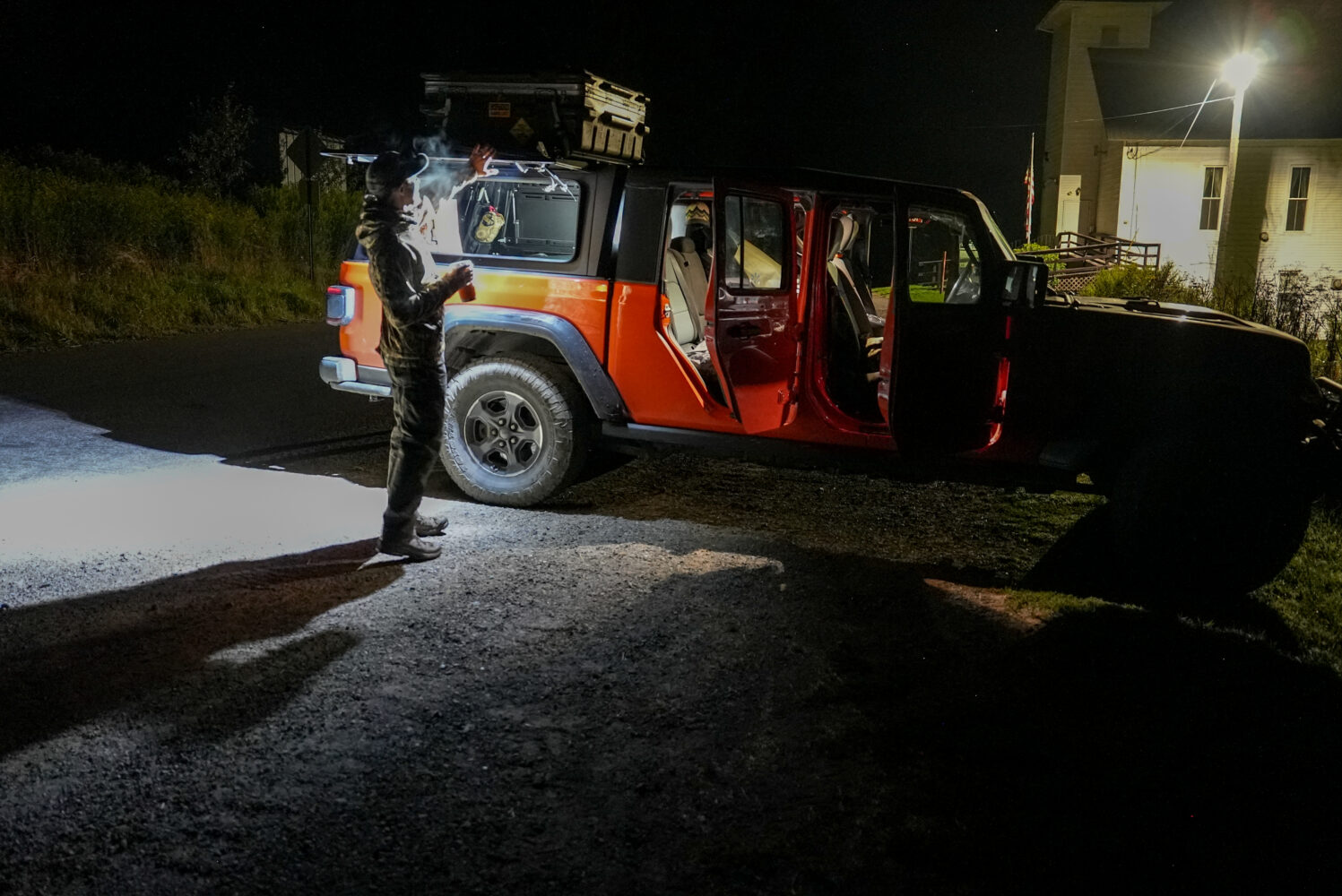
Having a self-reliant mindset when it comes to how you pack your vehicle is an important consideration, whether it’s your dedicated rig or your daily driver. I would urge readers to think of their own setup as not just a vehicle but as an opportunity—an opportunity to be ready for anything.
Read more: The Alcan 5000: Is This the Last Great North American Rally?
Our No Compromise Clause: We do not accept advertorial content or allow advertising to influence our coverage, and our contributors are guaranteed editorial independence. Overland International may earn a small commission from affiliate links included in this article. We appreciate your support.
