

The electric #vanlife has finally arrived in Canada, and Kia is leading the charge with one of the most interesting new commercial vehicles to hit the market in years. The all new Kia PV5 is scheduled to reach Canadian dealerships in the fourth quarter of 2026, bringing a purpose built electric cargo van designed from the ground up for businesses, delivery fleets, tradespeople, and eventually, perhaps, adventure travelers.
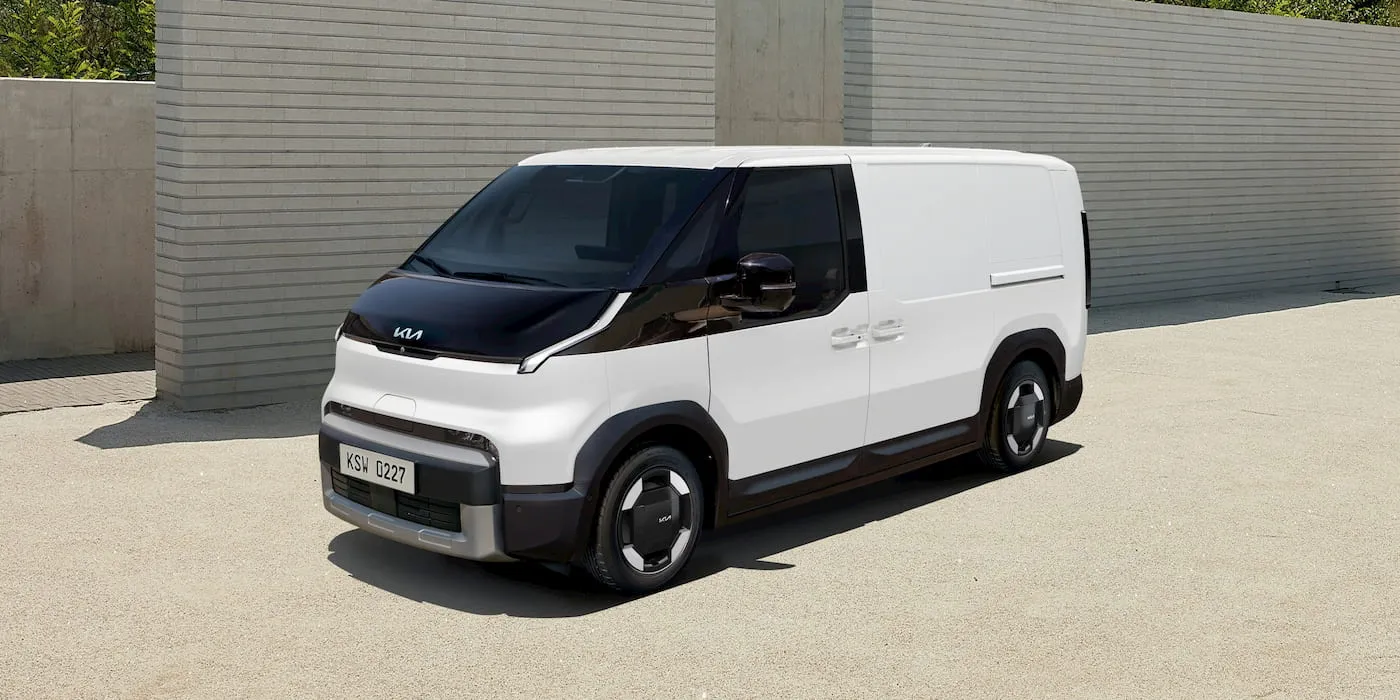
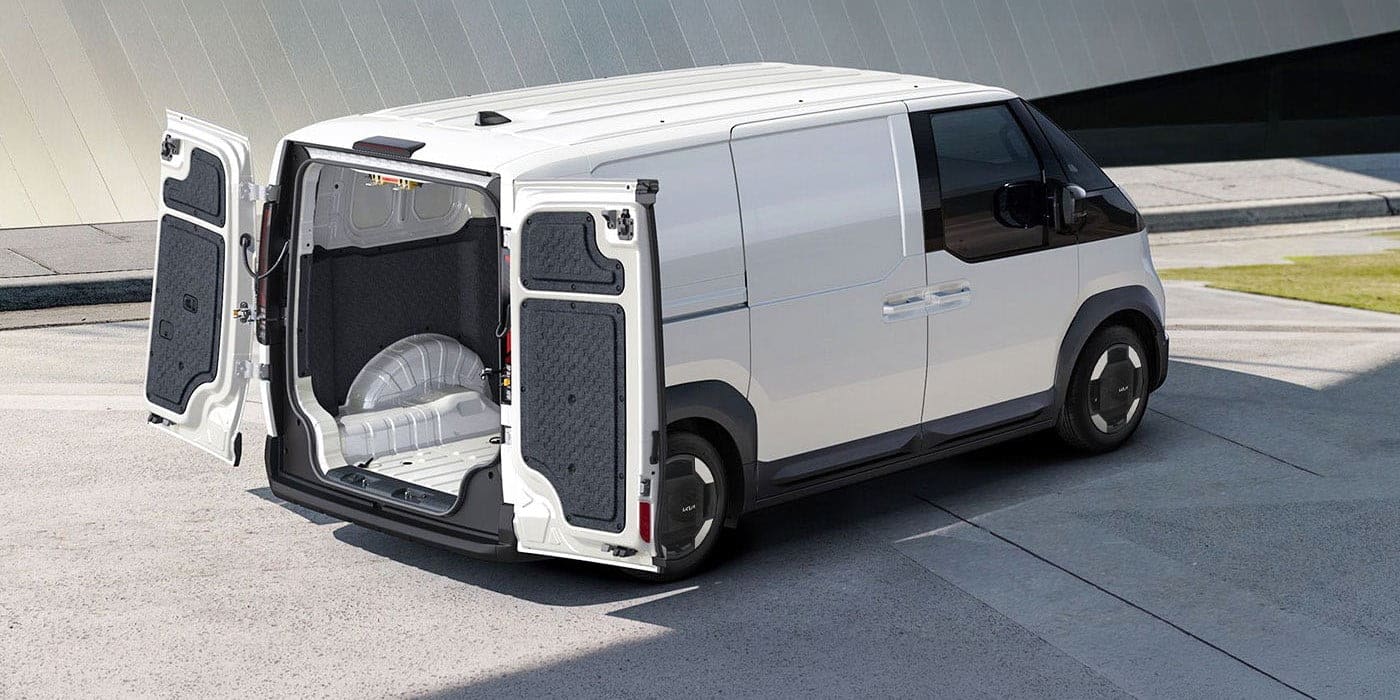
Unlike many electric vans that simply replace a gasoline engine with a battery pack, the PV5 was engineered as part of Kia’s new Platform Beyond Vehicle strategy. Every aspect of the van has been designed around electric propulsion, maximizing cargo space, lowering the load floor, and allowing a variety of future body styles including passenger, chassis cab, wheelchair accessible, and camper conversions.
Canada will initially receive the PV5 Cargo with a long range 71.2 kWh battery driving a 120 kW (160 horsepower) front mounted electric motor producing 250 Nm (185 pound-feet) of torque. Kia estimates a driving range of approximately 360 kilometers (225 miles) on a full charge. DC fast charging can replenish the battery from 10 percent to 80 percent in about 30 minutes, making it practical for businesses that need vehicles back on the road quickly. The van also includes a standard heat pump to improve efficiency during Canadian winters and a North American Charging Standard connector that provides access to Tesla Superchargers and thousands of other charging stations.
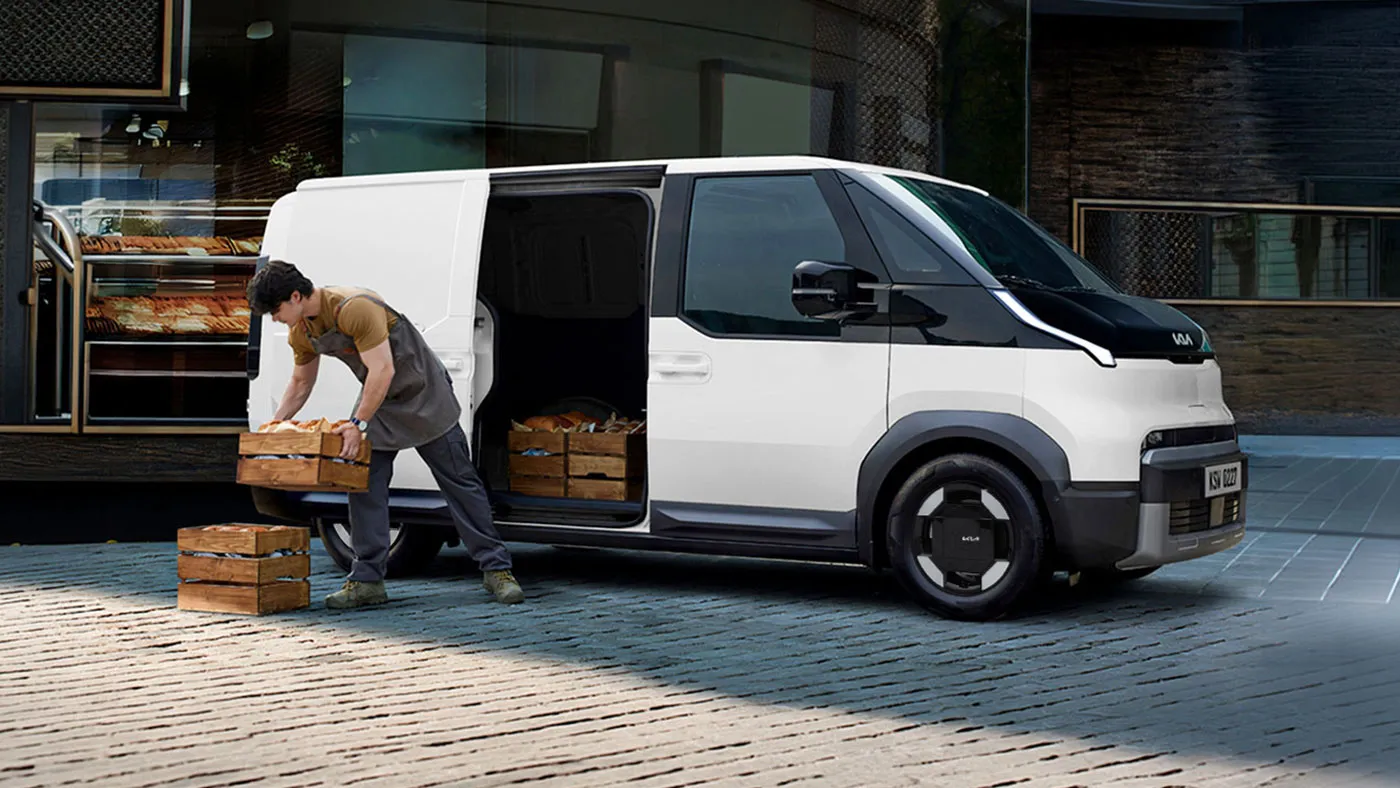
Pricing starts at $46,995 CAD ($33,500) for the Basic trim and rises to $49,095 CAD ($35,000) for the better equipped Plus model. Both qualify for Canada’s Electric Vehicle Affordability Program, reducing the purchase price by up to $5,000 CAD for eligible buyers. Standard payload is rated at 1,631 pounds, while cargo volume reaches more than 5,000 liters, making the PV5 competitive with established compact commercial vans.
Thus far, Kia has confirmed the Canadian launch but has not announced sales for the US market. Industry observers point to several reasons, including the long standing 25 percent tariff on imported commercial vehicles known as the Chicken Tax, production capacity constraints, and Kia’s decision to prioritize markets where demand is already exceptionally strong. Although prototypes have been spotted testing in Michigan, a US launch remains unconfirmed.

The PV5 has been well received in South Korea and across Europe, where businesses have praised its flexible interior, modern technology, low operating costs, and practical design. Early sales have been encouraging, with more than 8,000 units sold during the first quarter in Europe alone, capturing roughly 9 percent of the continent’s electric light commercial vehicle market. Kia has already expanded the lineup with additional passenger and seven seat variants while continuing work on larger PV7 and PV9 models.
Built for adventure?
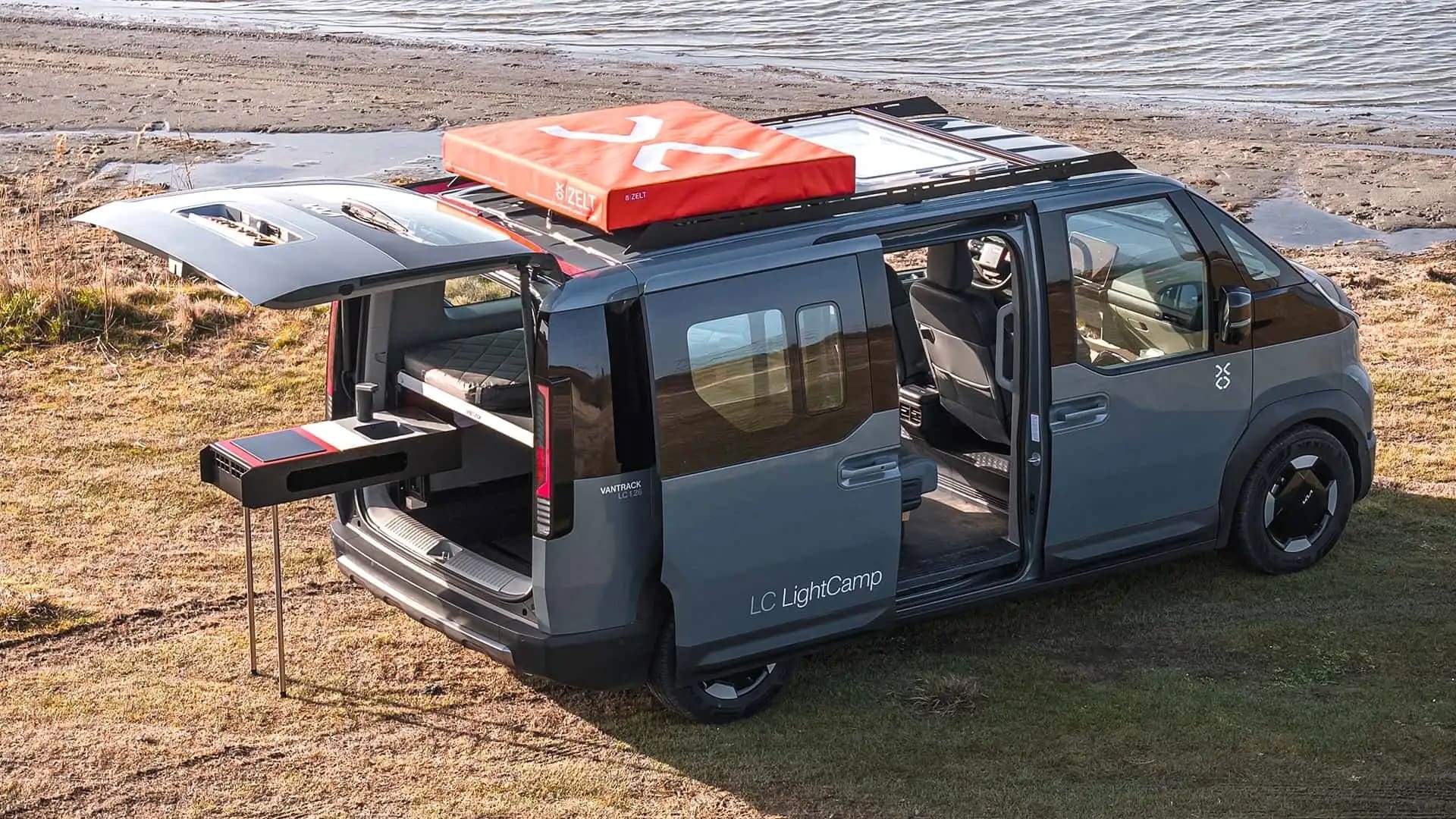
While Canada will initially receive only the cargo version, the modular platform opens the door to camper conversions, expedition builds, and mobile workspaces. Kia has already previewed concepts that transform the van into compact adventure vehicles complete with sleeping accommodations, cooking facilities, and outdoor living features. Its low floor, boxy interior, and vehicle to load capability make it an appealing foundation for a new generation of electric camper vans. While the range is nothing to write home about, I’m always optimistic for future improvements and larger models that will very likely be capable of venturing further from civilization.
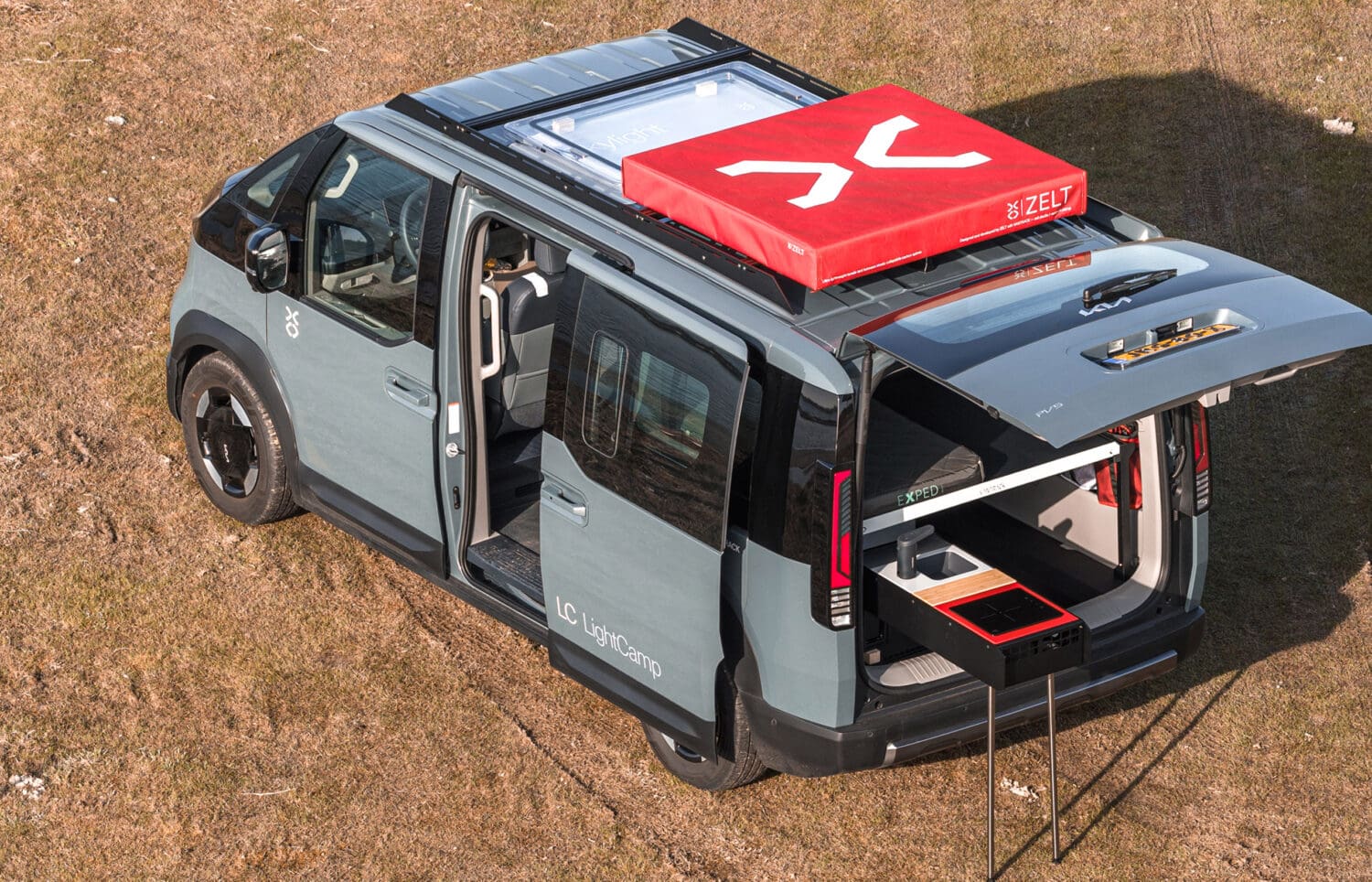
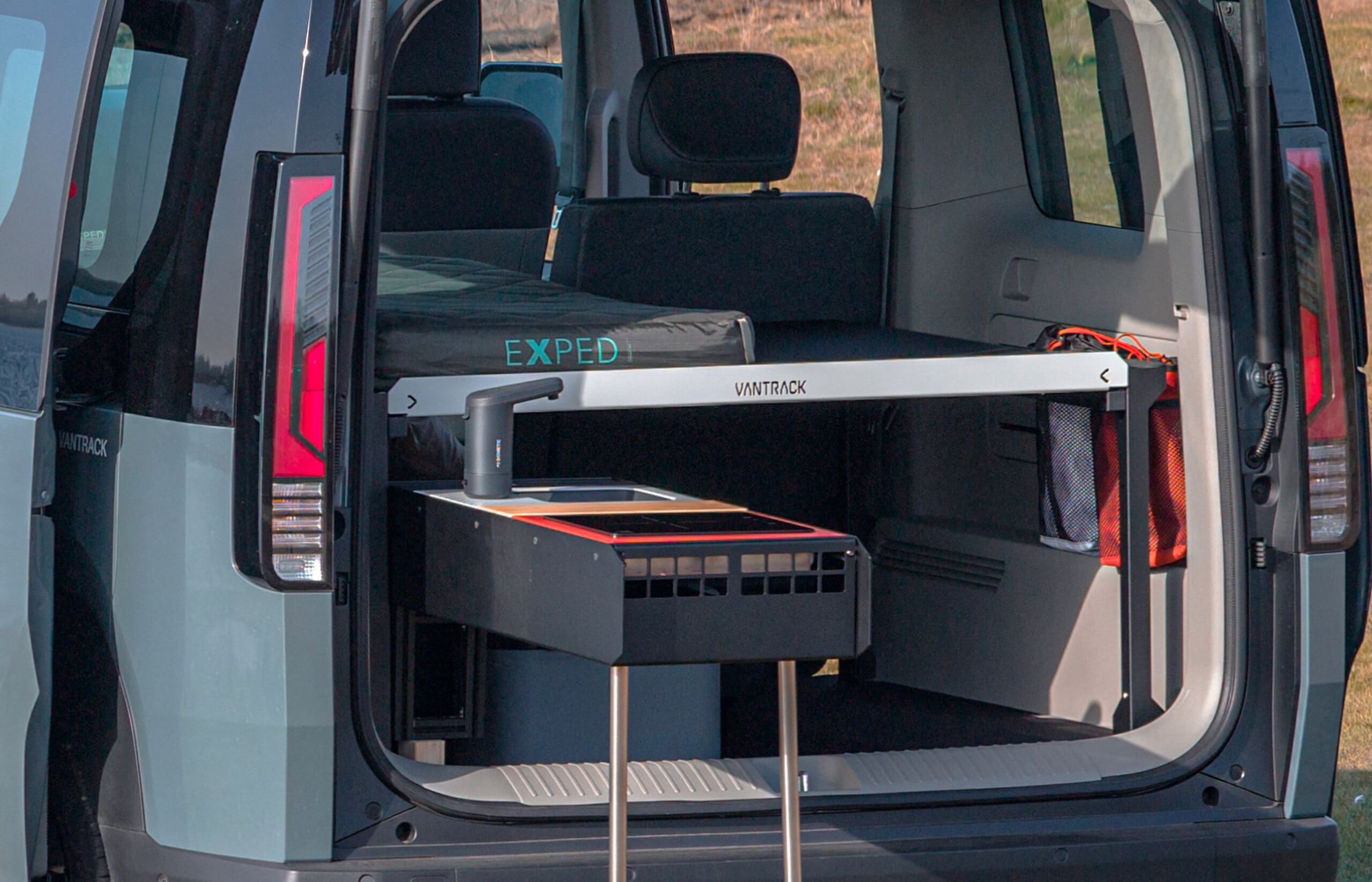
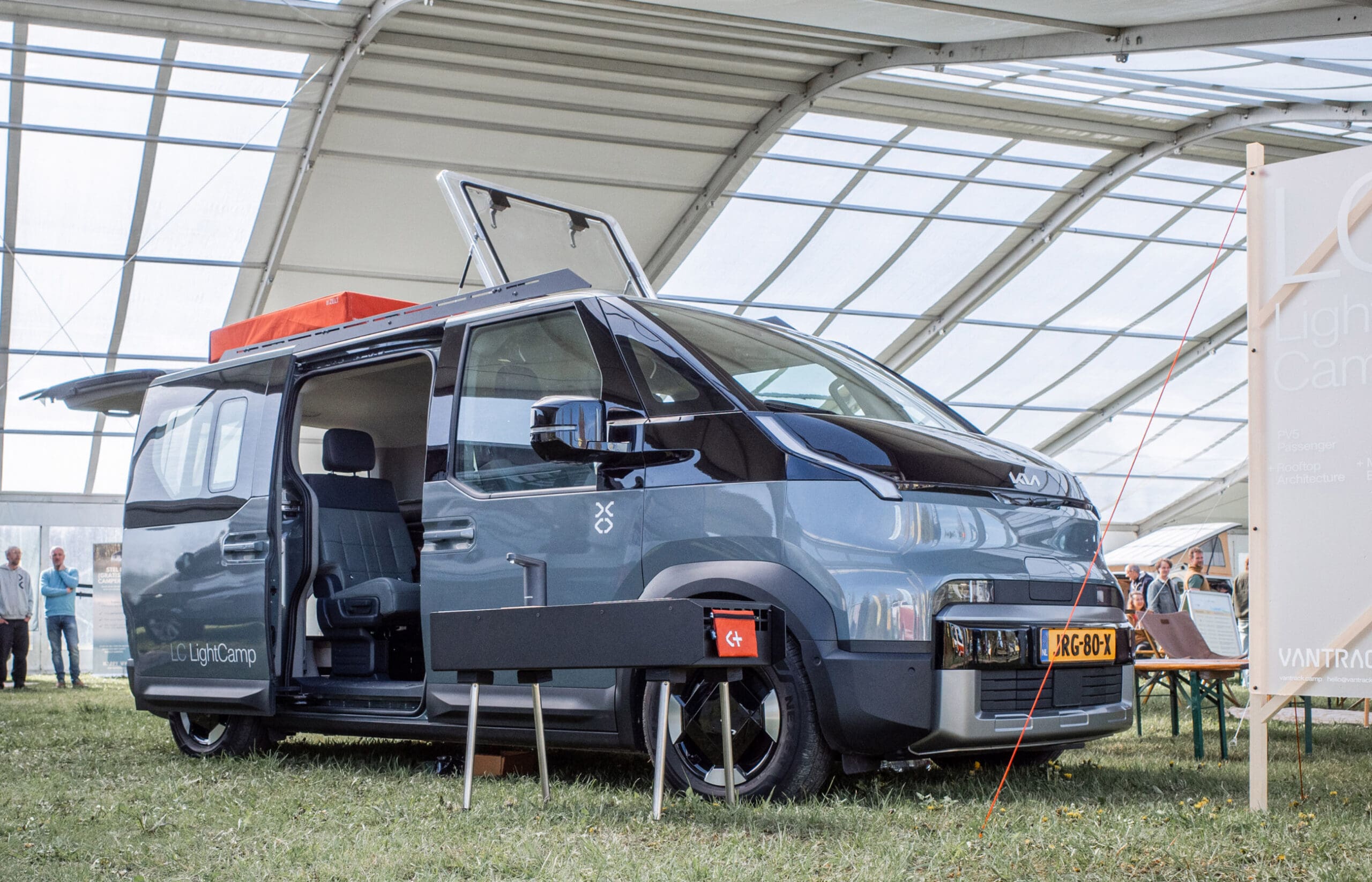
One of the more exciting concepts to surface is the Vantrack LightCamp, developed by Dutch camper conversion specialist Vantrack, based in Rotterdam. Rather than creating a traditional motorhome, Vantrack has designed a lightweight modular camper that captures much of the spirit of the classic Volkswagen Westfalia. The interior uses removable modules, allowing the van to serve as both a daily driver and a compact camper. Features include a slide out bed, pull out induction kitchen, water system, rooftop tent, large panoramic skylight with roof access, integrated roof rack, and Kia’s Vehicle to Load system to power camp equipment directly from the large propulsion battery. A standalone conversion kit is expected to cost about €10,000 ($11,500), which seems perfectly reasonable for what you get.
It finally appears that EV manufacturers are increasingly targeting commercial users, tradespeople, delivery services, and eventually adventure travelers with purpose built platforms rather than adapted passenger vehicles.
The early success of the PV5 overseas suggests Kia has identified a market segment with plenty of demand. If reception in Canada mirrors what has already happened in Europe and Asia, the PV5 could become a very hot electric van right across in North America.
Images: KIA, Vantrack
Read More: Kia Sorento X-Pro :: First Drive
Our No Compromise Clause: We do not accept advertorial content or allow advertising to influence our coverage, and our contributors are guaranteed editorial independence. Overland Collective may earn a small commission from affiliate links included in this article. We appreciate your support.
