

To honor the 20-year anniversary of Overland Journal, we are revisiting special heritage content in the upcoming 100th issue of the magazine. Originally published in Overland Journal’s Summer 2026 issue, this article is part of that celebration.
Photography by Leander Nardin
We travel through the Malaysian state of Sabah on the island of Borneo, known as the “Land Below the Wind,” en route to the coastal town of Semporna. It’s as if we’re moving through a tropical greenhouse: massive tree trunks form a dense canopy that still allows an ethereal light to filter through, and ferns, orchids, and vines flourish in rich abundance. Dense mangrove forests occasionally offer glimpses of the turquoise waters of the Celebes Sea.
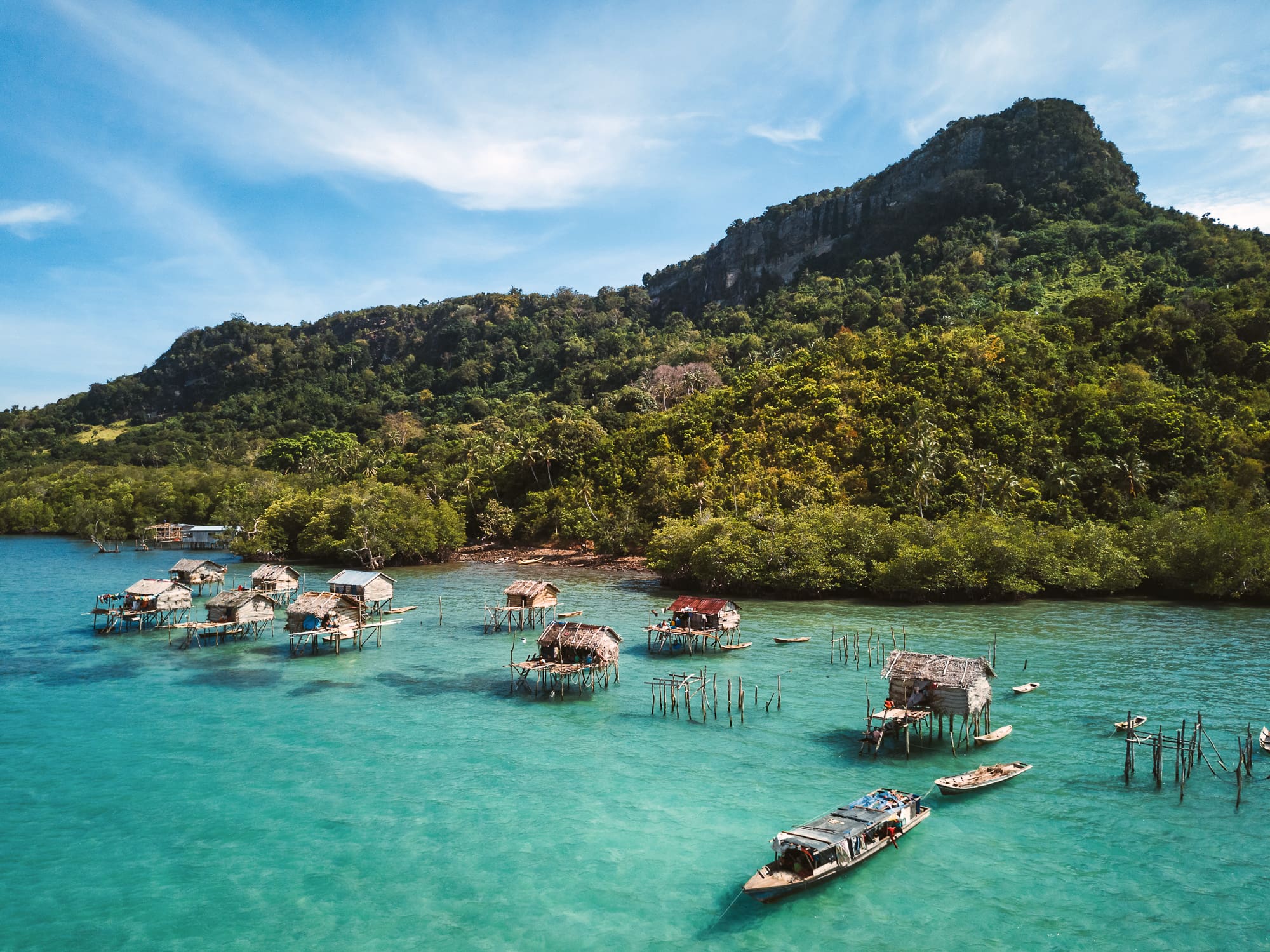
Semporna is known as the gateway to the world-renowned dive spots around the small, offshore islands of Sipadan and Mabul. But beyond the breathtaking coral reefs, the Bajau Laut, also known as Sea Nomads, settled here around the islands’ sandbanks centuries ago.
Originally from the Philippines, the Bajau came in search of new fishing grounds in the waters off Borneo, and their traditional lifestyle is inseparably linked to the sea. They live in lepa-lepas (simple wooden boats), or in modest stilt houses, spending nearly their entire lives on the water where they fish and gather seafood. Their culture is defined by an inherent connection to the ocean and a profound knowledge of the marine ecosystem. Over generations, they have perfected freediving, and a genetic adaptation giving them larger spleens allows them to dive to depths of up to 200 feet for 13 minutes without scuba gear to secure the daily catch for their families. The Bajau live in harmony with the sea, which provides them not only with food but also with identity and home.
We’ve long been fascinated by the Sea Nomads, and hope to encounter them in the Celebes Sea to learn more about them. However, the town of Semporna tells a different story. Plastic waste litters the streets as Chinese tourists rush from one dive shop to another, hunting for the best deals. We leave our vehicle behind and board a motorboat with Kenny, a local contact, to reach the Bajau.
The Bajau settlements along Semporna’s coasts have also become tourist attractions. Crowded dive boats stop briefly at the communities, where they are greeted by excited cheers from children who know they will be rewarded with candy and money for a few snapshots. Soon, the tourists are gone, richer by an Instagram story, and the children await the next boat. We are speechless.
We continue silently until we spot a lone lepa-lepa in the ocean. A woman and several children sit aboard while the man is out searching for food. Kenny speaks Bajau and signals that the woman is okay with us docking beside her. We hand her a bag of rice and some of our son, Lennox’s, clothes. She takes the items without a word and places them in a corner of the boat. The lepa is about 4 to 6 meters long, made of wooden planks held together with ropes. A roof of palm leaves provides some shade. Onboard, there’s a small gas stove, a few kitchen utensils, a freshwater canister, and some tattered blankets. Life here is spartan, and everything onboard is designed purely for survival.
My eyes are immediately drawn to the toddler the Bajau woman holds, likely around a year and a half old. The child looks completely apathetic, is covered in a rash, and has evidently had a high fever for days, though the woman seems unconcerned. Time passes, and our attempts to engage her in conversation through Kenny fail. Despite her allowing us to be here, we don’t feel welcome.
On the return trip, I can’t shake the image of the child from my mind. I contact a well-traveled tropical doctor friend back in Austria, who offers some medical advice but reminds me not to let my maternal instinct and emotions take over. Child mortality among the Bajau, like that of many Indigenous peoples, is high due to poor living conditions and lack of access to medical care. They have a spiritual view of death. If a child dies, there is no mourning. The child is buried at sea, symbolically returned to the ocean and the center of their lives and spirituality. It returns to where it came from.
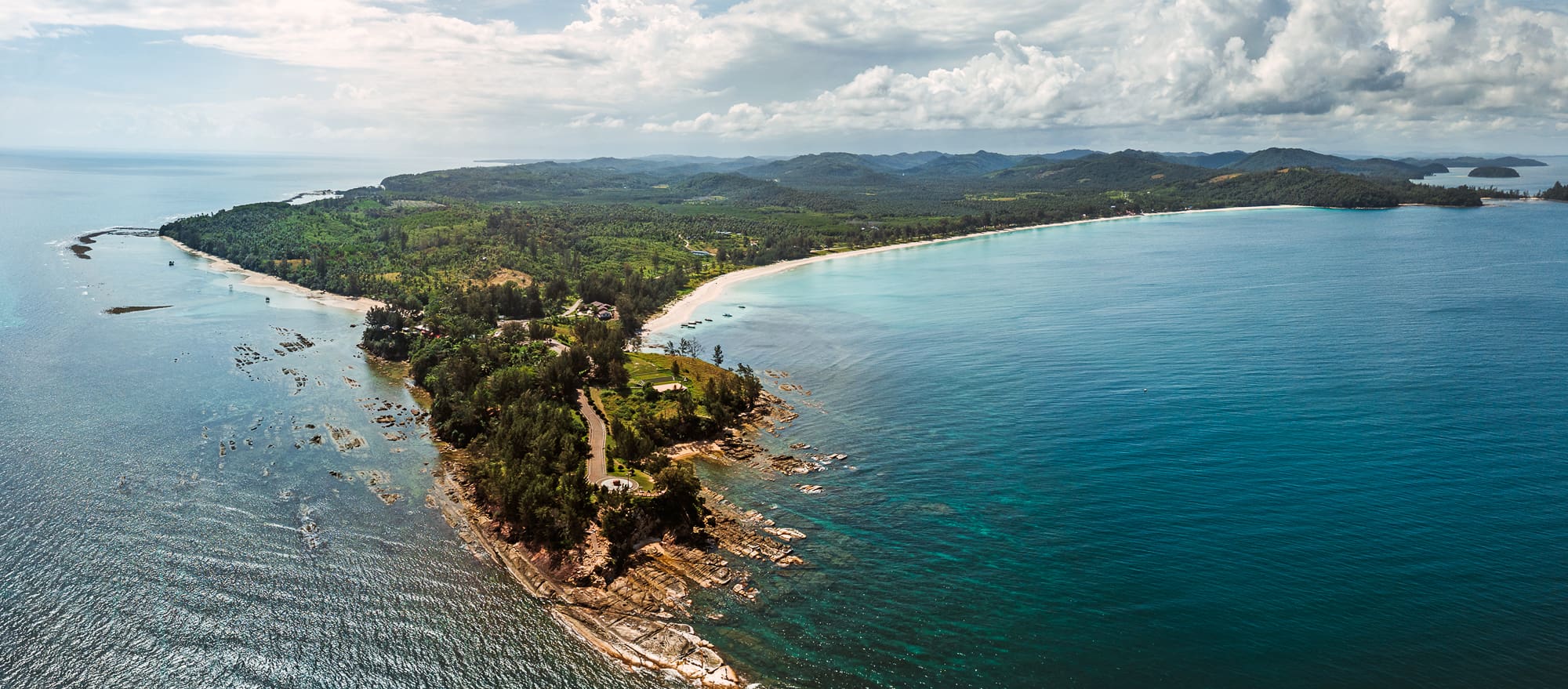
At the tip of Borneo, the island’s northernmost point, a narrow strip of land reaches out between two seas: one side shallow and calm, the other an open invitation to adventure.
The next morning, we return to the lepa. I’ve brought medicine, but remain unsure of what to do with it. The scene is unchanged from the previous day. The woman sits with her lifeless child, her other children beside her, and the father still absent. I climb into the lepa, and with Kenny’s help, explain how to administer the medicine. I leave the medicine behind and return to our boat. We watch, but nothing happens. A long time passes before we start the engine and head back to Semporna.
I’m confused, overwhelmed with guilt, and unable to think clearly. My thoughts spiral: What are we doing here? Are we just mindless Instagram tourists, too? Why should I have the right to intervene? My intentions are good, but I feel horrible; I simply can’t handle the situation, and I decide to let it go.
Beyond the personal struggles, the Bajau Laut face even greater challenges. Overfishing, dynamite fishing, illegal fishing, and climate change are causing a dramatic shift in the ocean’s biological balance, all endangering the fragile living conditions of the Bajau Laut. When the fish disappear, the families will no longer be able to survive.
Sea Nomads are a stateless minority that the government views as a blemish. They have no official papers or documents, and there are efforts to force them into a sedentary lifestyle, one in which they can be controlled. Basic freedoms such as the right to life, security, healthcare, and education are denied to them.
The growing tourism in the region pollutes the coast, disrupts the ecosystem, and robs the Bajau Laut of their living space. Many tourists and tour operators are only interested in superficial interactions or quick money, without understanding or respecting the deep significance of this way of life.
Our visit with the Bajau Laut left us with lasting impressions and revealed the harsh reality that this intriguing culture faces; they are yet another symbol of the loss of identity in a rapidly changing world. It is a reminder that behind the fascination with foreign cultures lies the responsibility to respect and protect the people we encounter, to withhold judgment, and to refrain from imposing our “better” points of view upon them. As travelers and guests, recognizing when not to intervene is a learned skill as important as any.
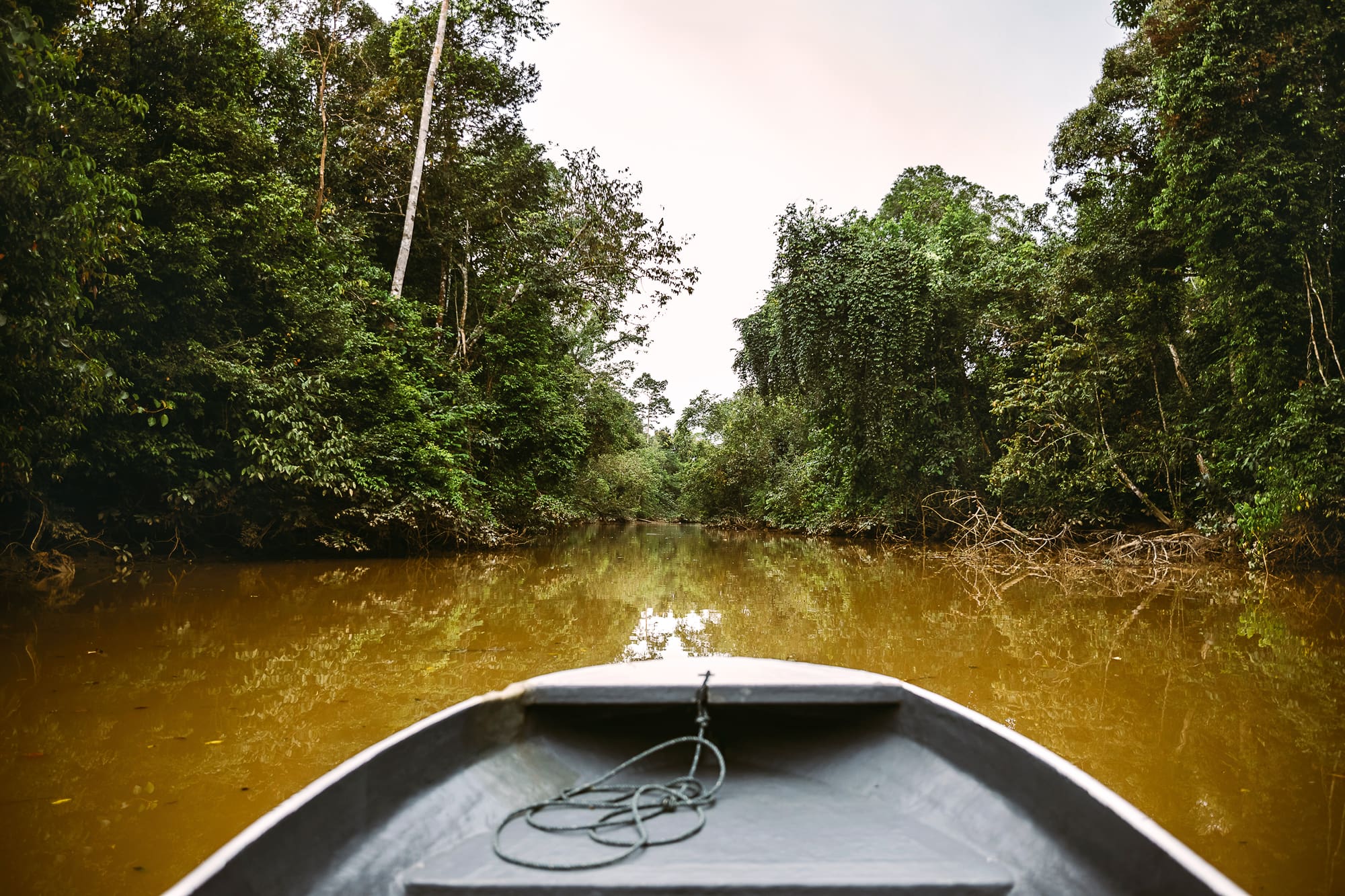
Our small boat cuts slowly through the brown, murky water of the Kinabatangan River. What lurks below is a complete mystery, and not one we are eager to solve.
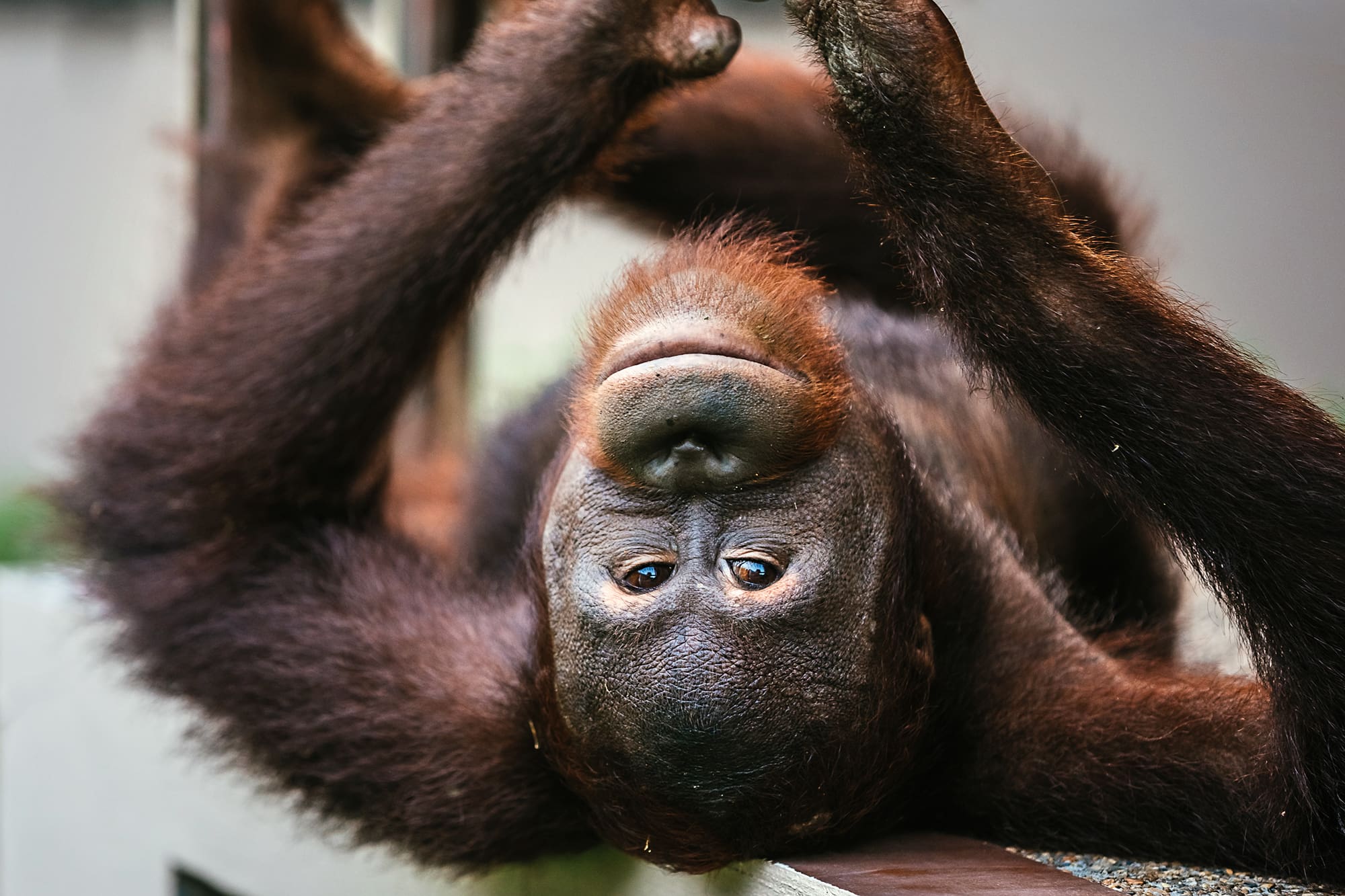
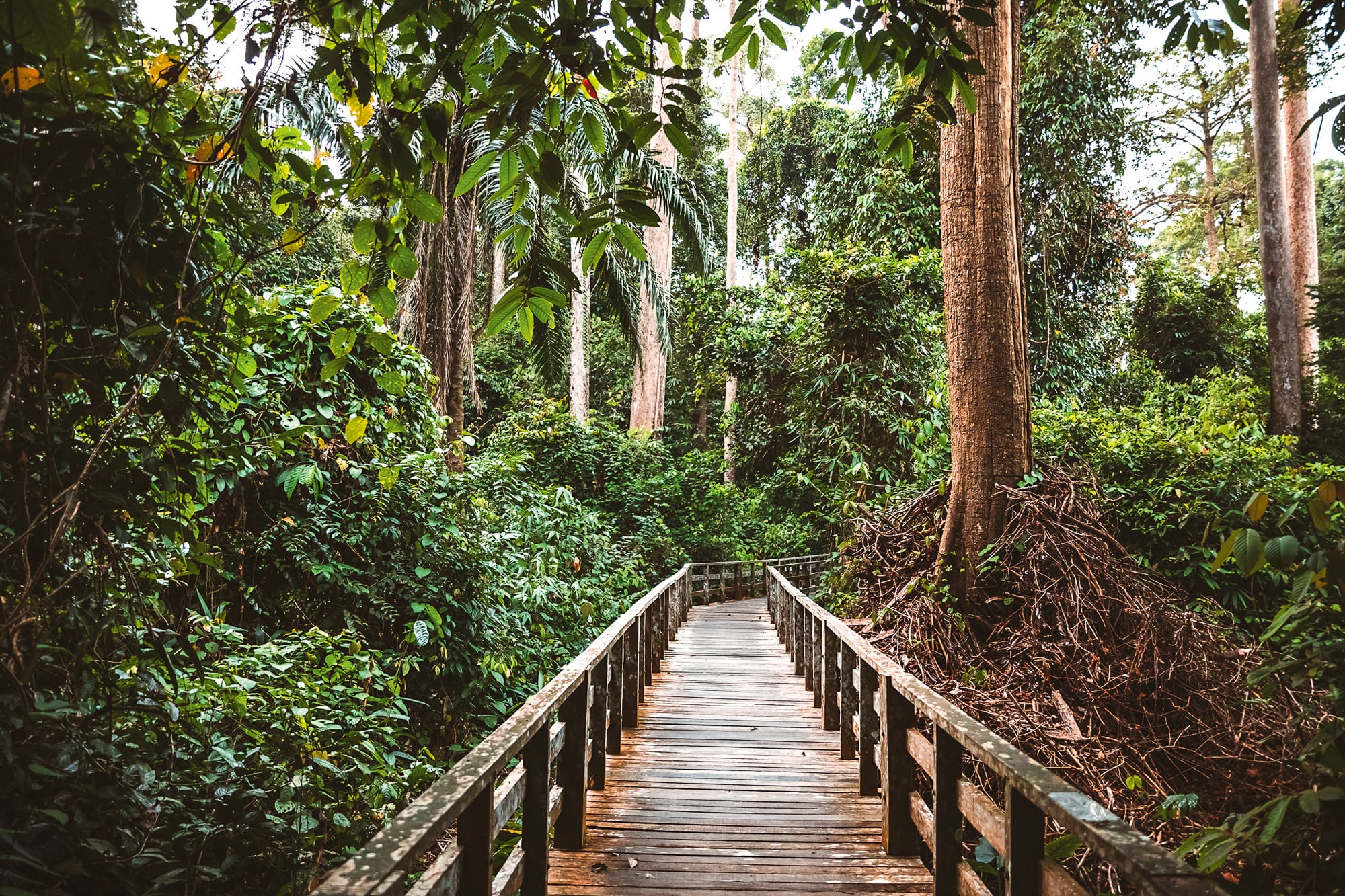
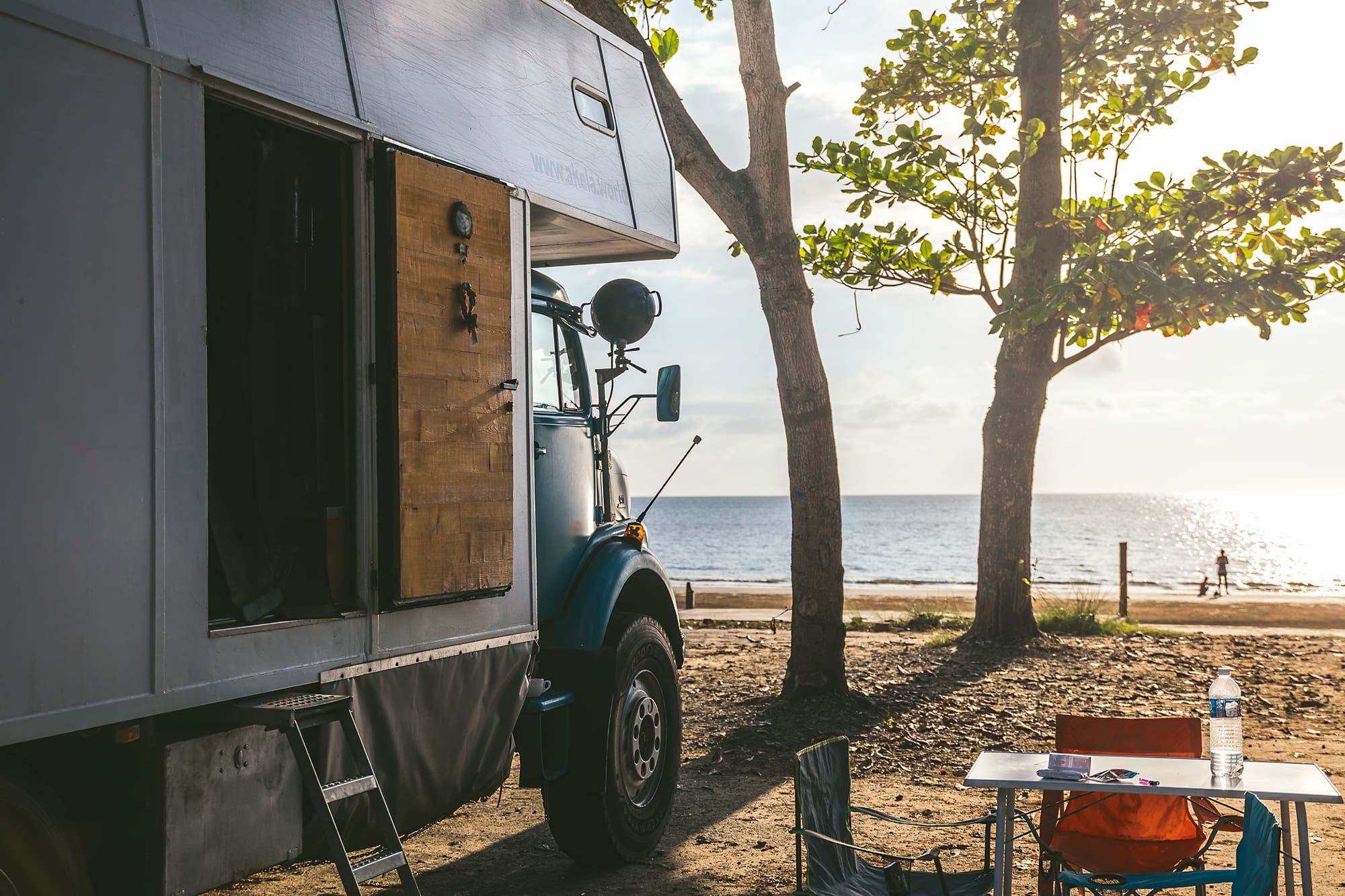
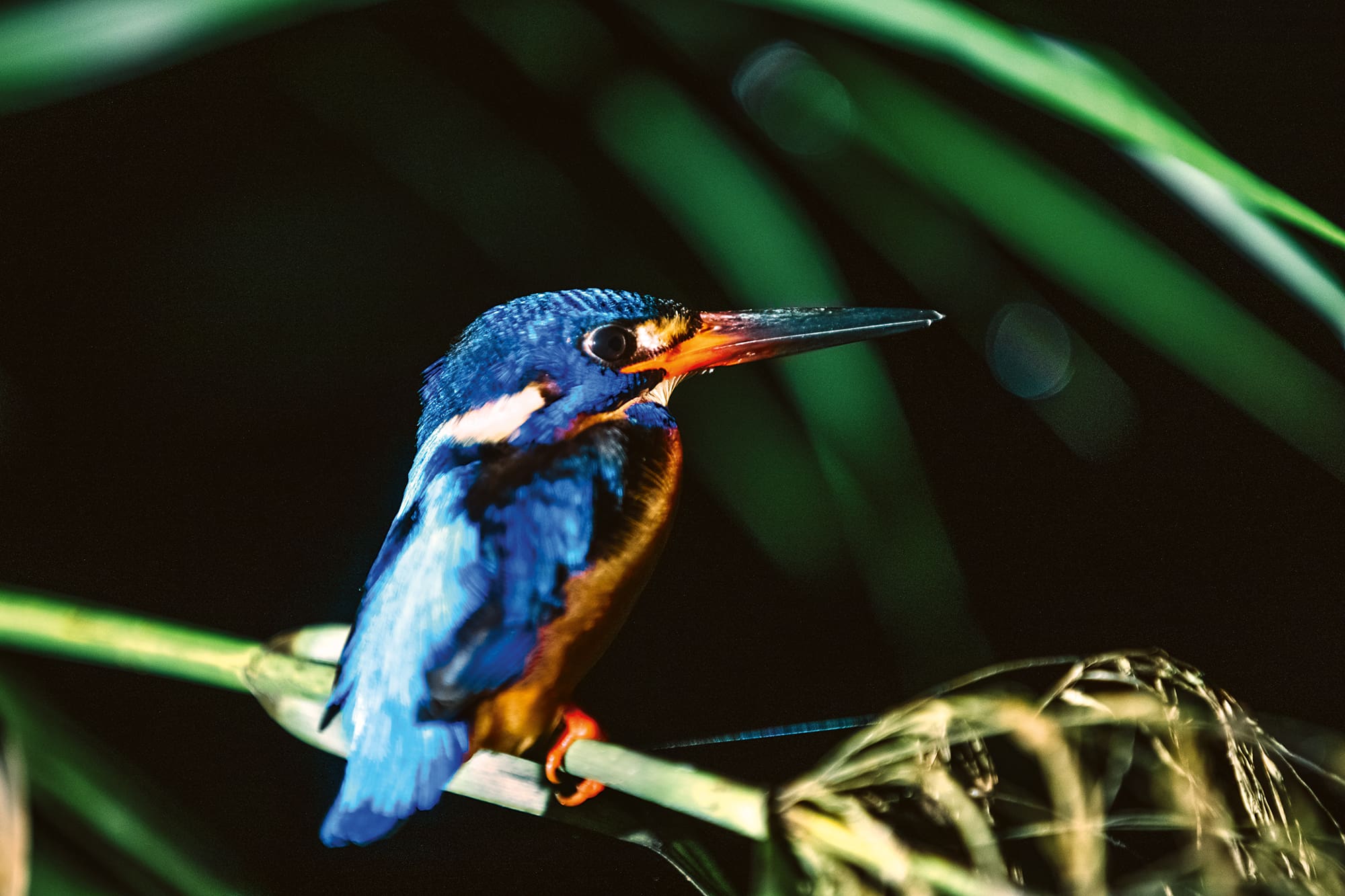
(Clockwise from top left) A young orangutan lies on its back, looking straight into the camera with a playful expression that makes us smile. A narrow wooden walkway in Sarawak, enveloped by thick vegetation and towering trees, cuts quietly through the green. The kingfisher’s stunning plumage makes it easy to spot on this branch along the Kinabatangan River. Our 1977 Mercedes-Benz LA 911B, “Akela,” parked on a beach outside the capital, Kota Kinabalu, just days after arriving by freighter. Everything feels right again—we’re back in the truck, with the ocean just a few steps away.
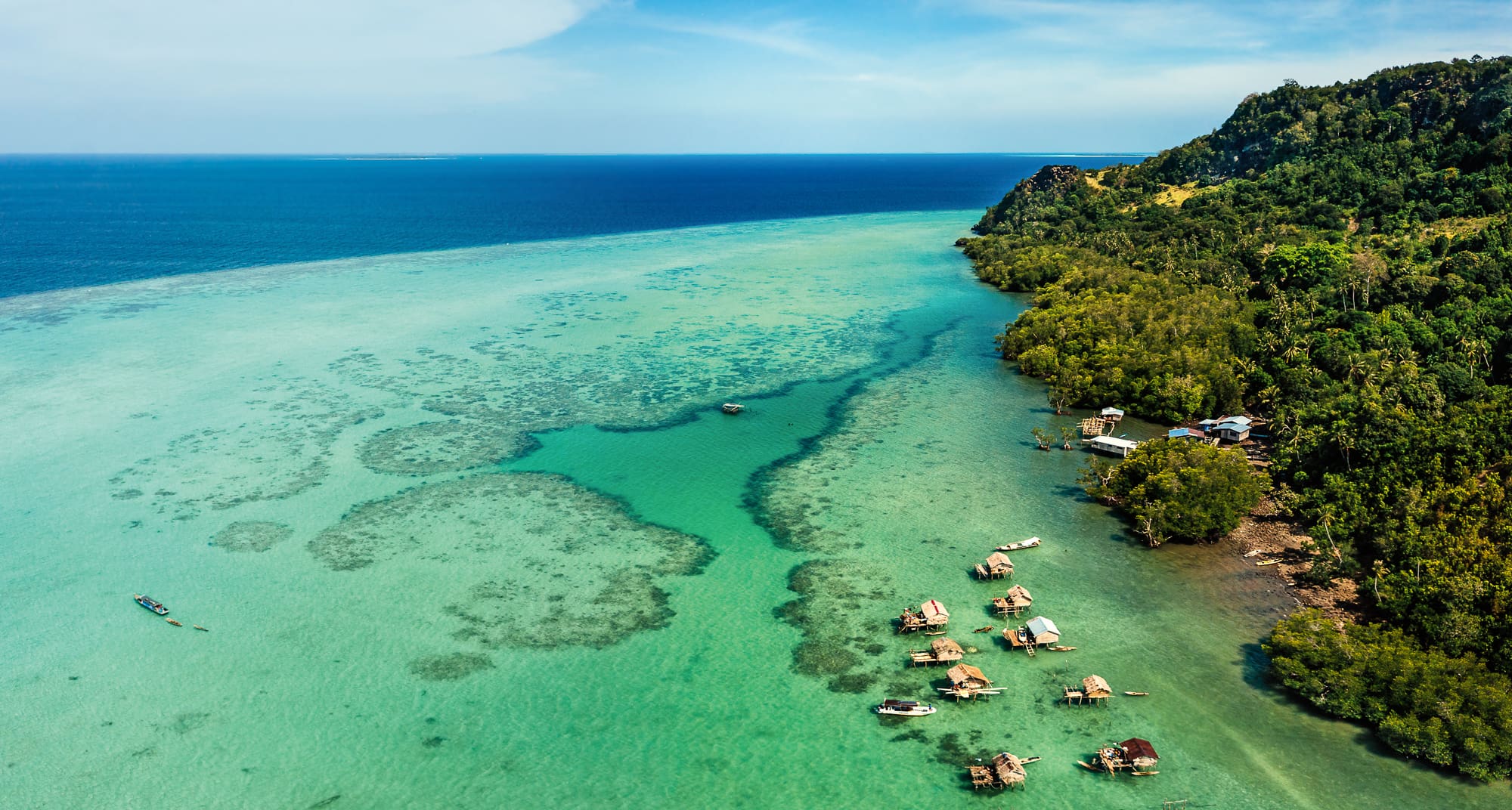
Some Bajau Laut live in stilt houses such as these in the shallow waters of the Celebes Sea off the coast of Semporna. They are plain, functional structures—but enough.
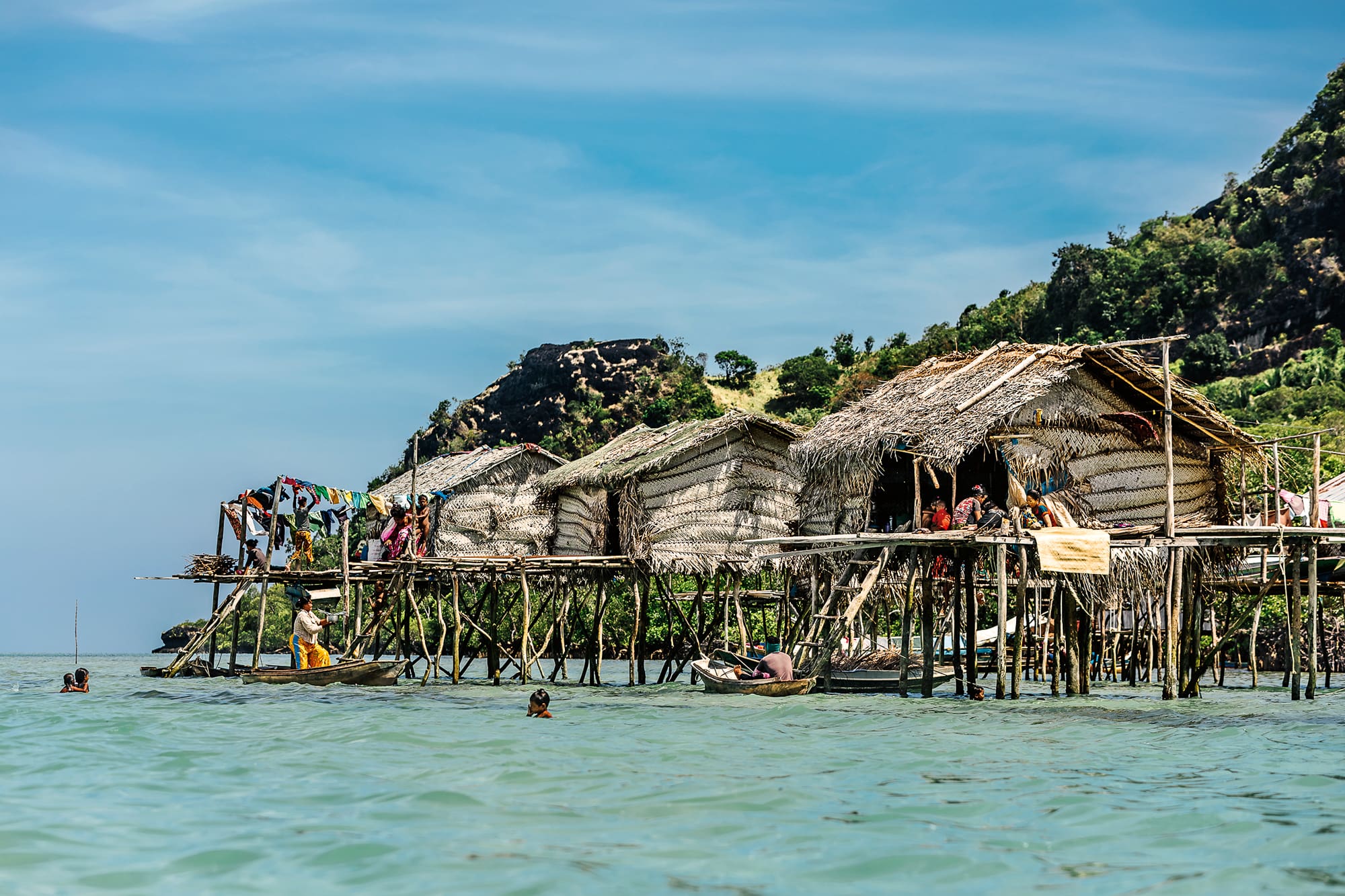
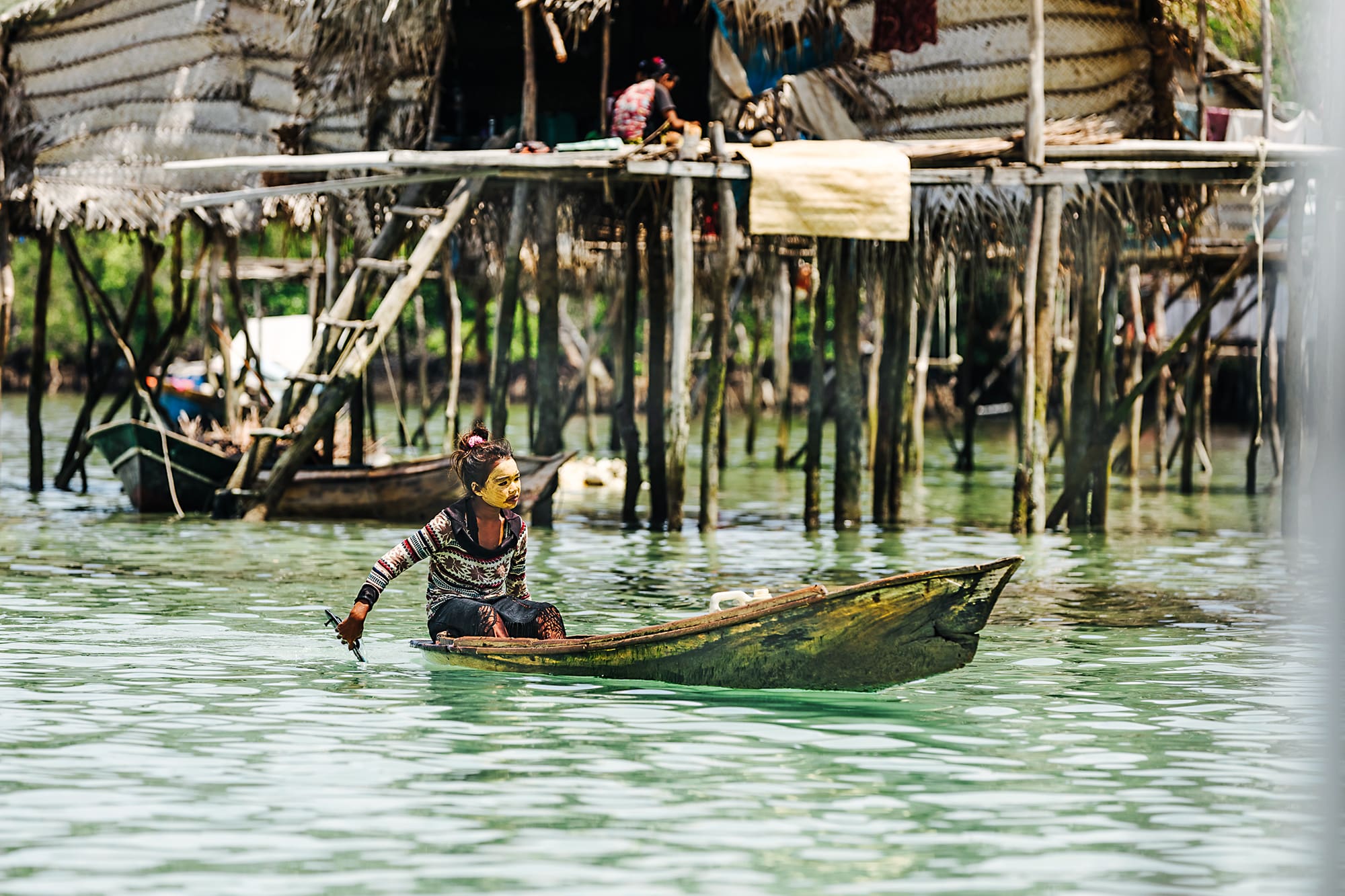
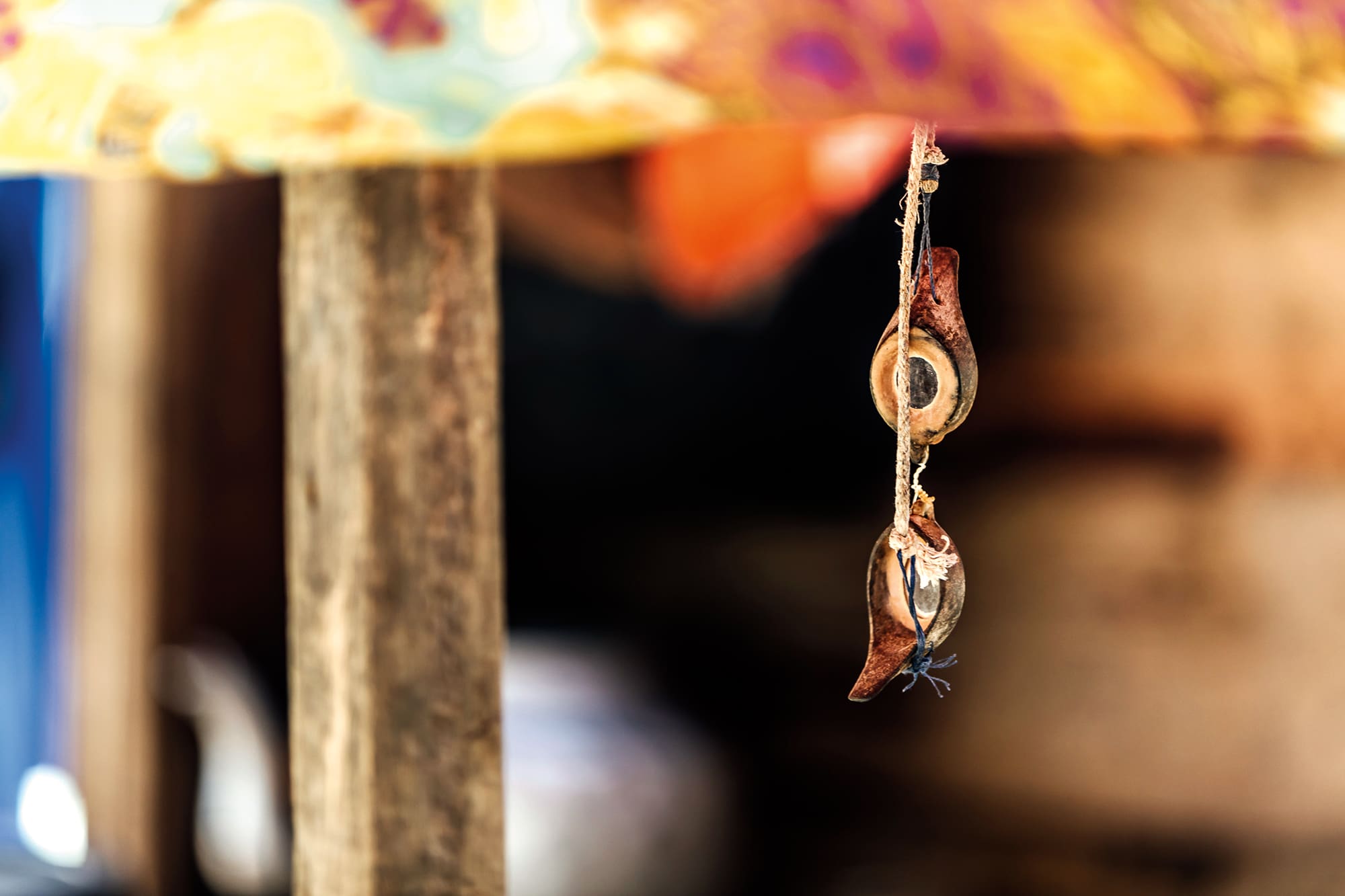
(Clockwise from top left) Daily life happens—people sitting, washing, moving between boats—while children play in the water below. A Bajau girl paddles with one hand, her face covered with a rice-based powder for sun protection. The wooden stilts around her rise from the shallow sea, marking the space she calls home. These handmade goggles are carved from wood, fitted with small glass or plastic lenses, and sealed with resin. Nothing about them looks precise, but they work like a charm in the water.
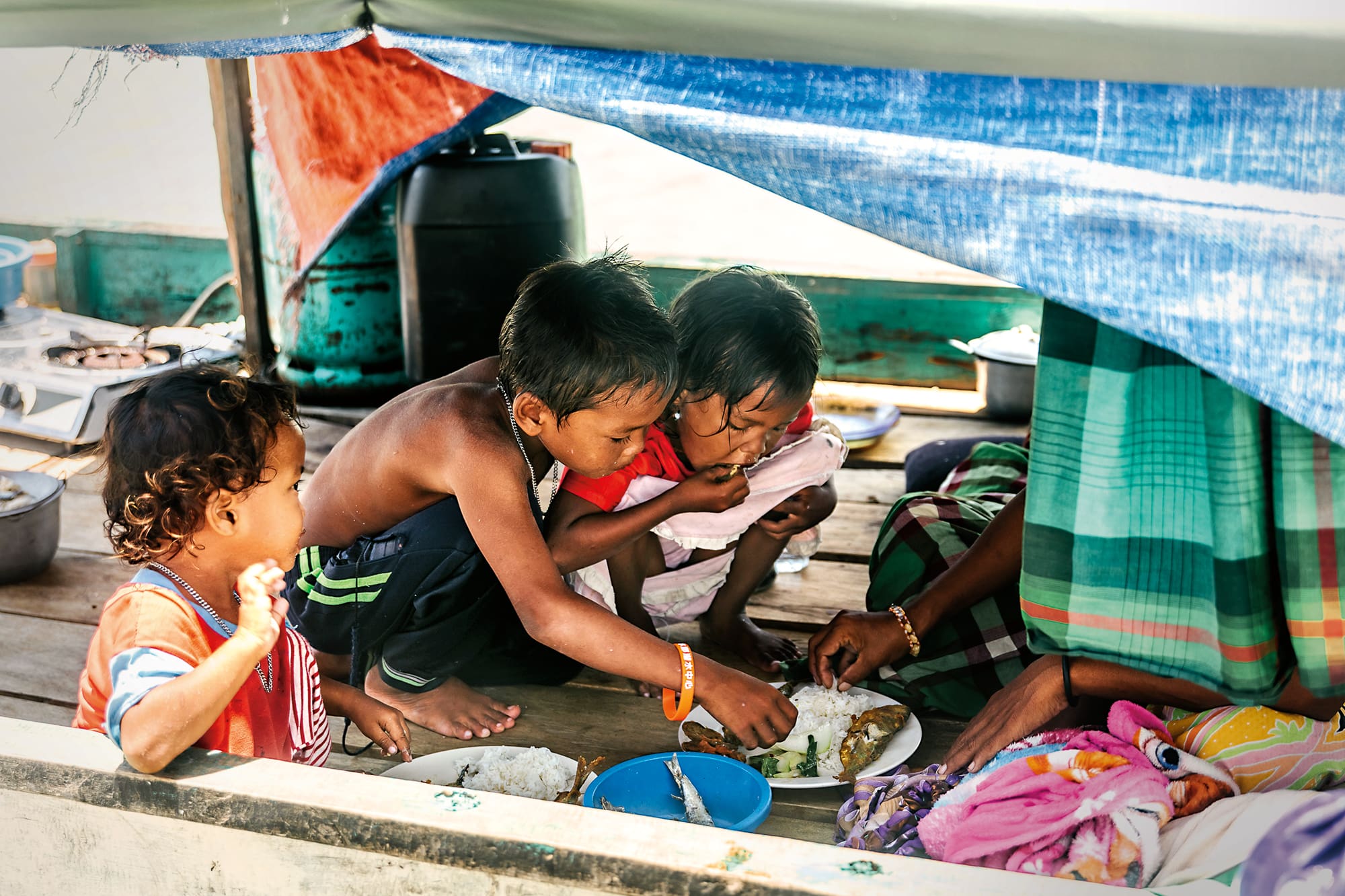
Mealtime on a lepa-lepa is an informal affair, with every morsel shared accordingly.
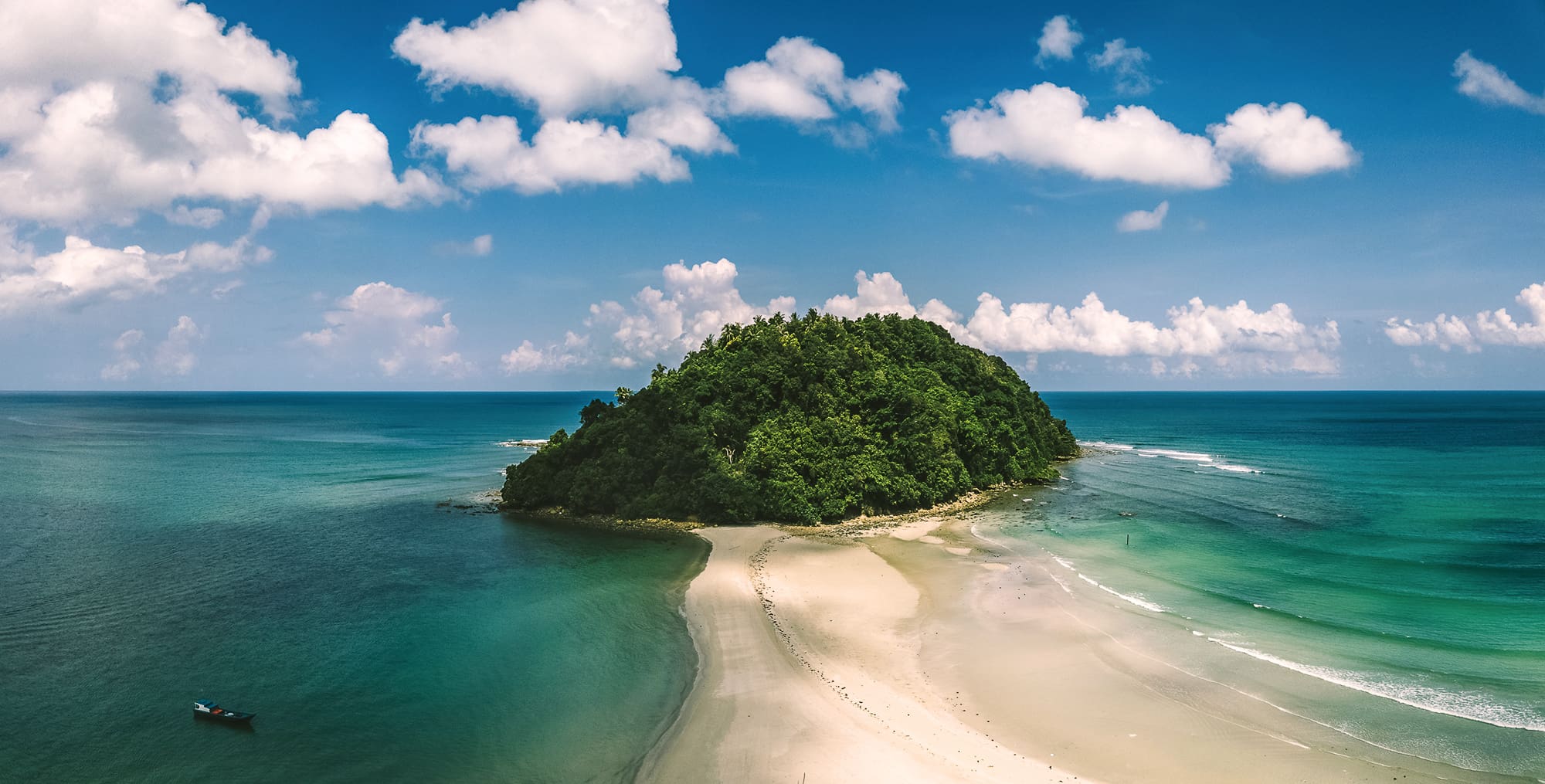
At the tip of Borneo, the water shifts in color where the South China Sea meets the Sulu Sea. Here, the land abruptly runs out without notice.
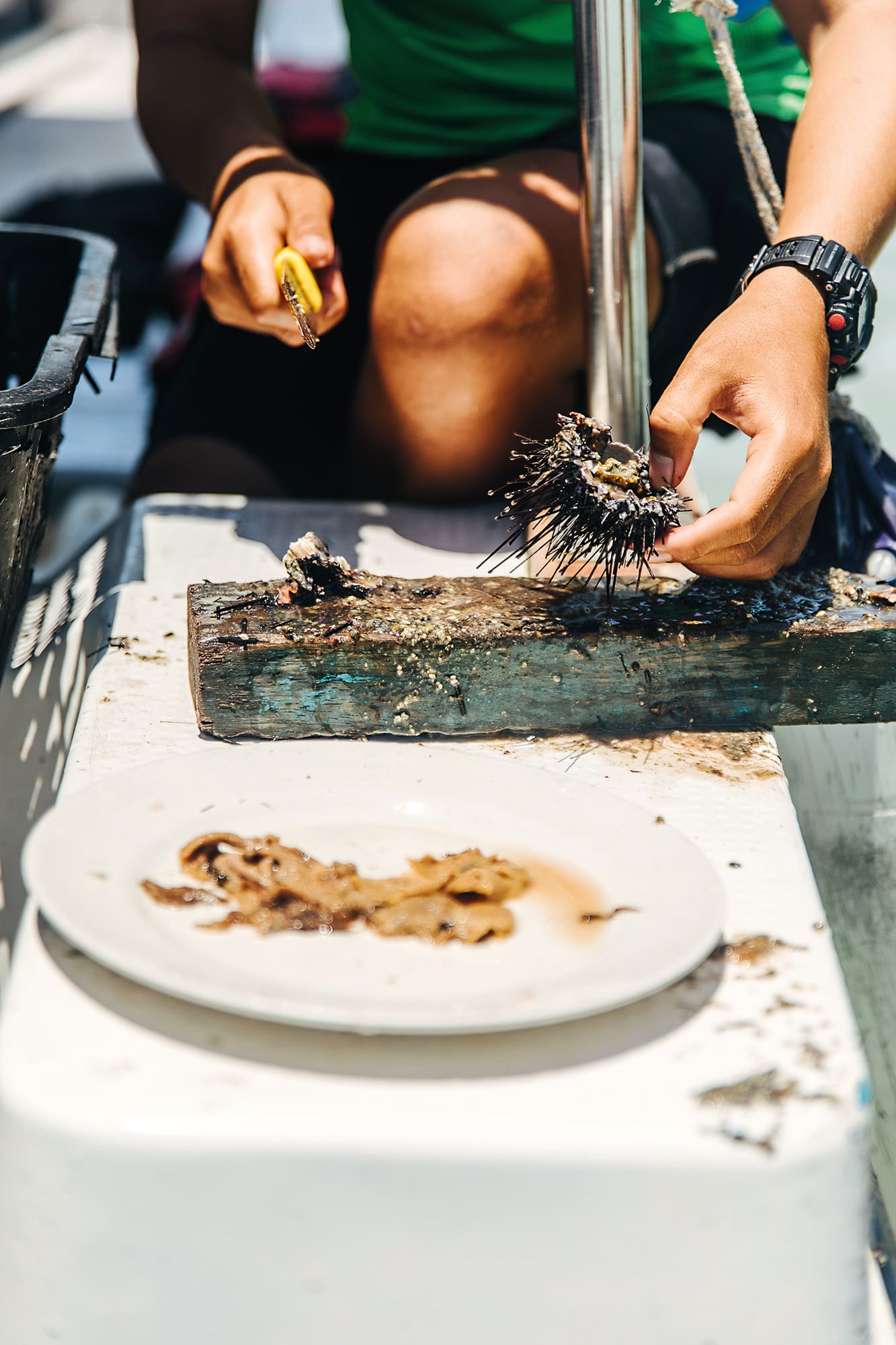
A freshly collected sea urchin is opened by knife, its dark spines still wet from the sea. The shell is carefully cut to reveal the edible insides, which are eaten raw.
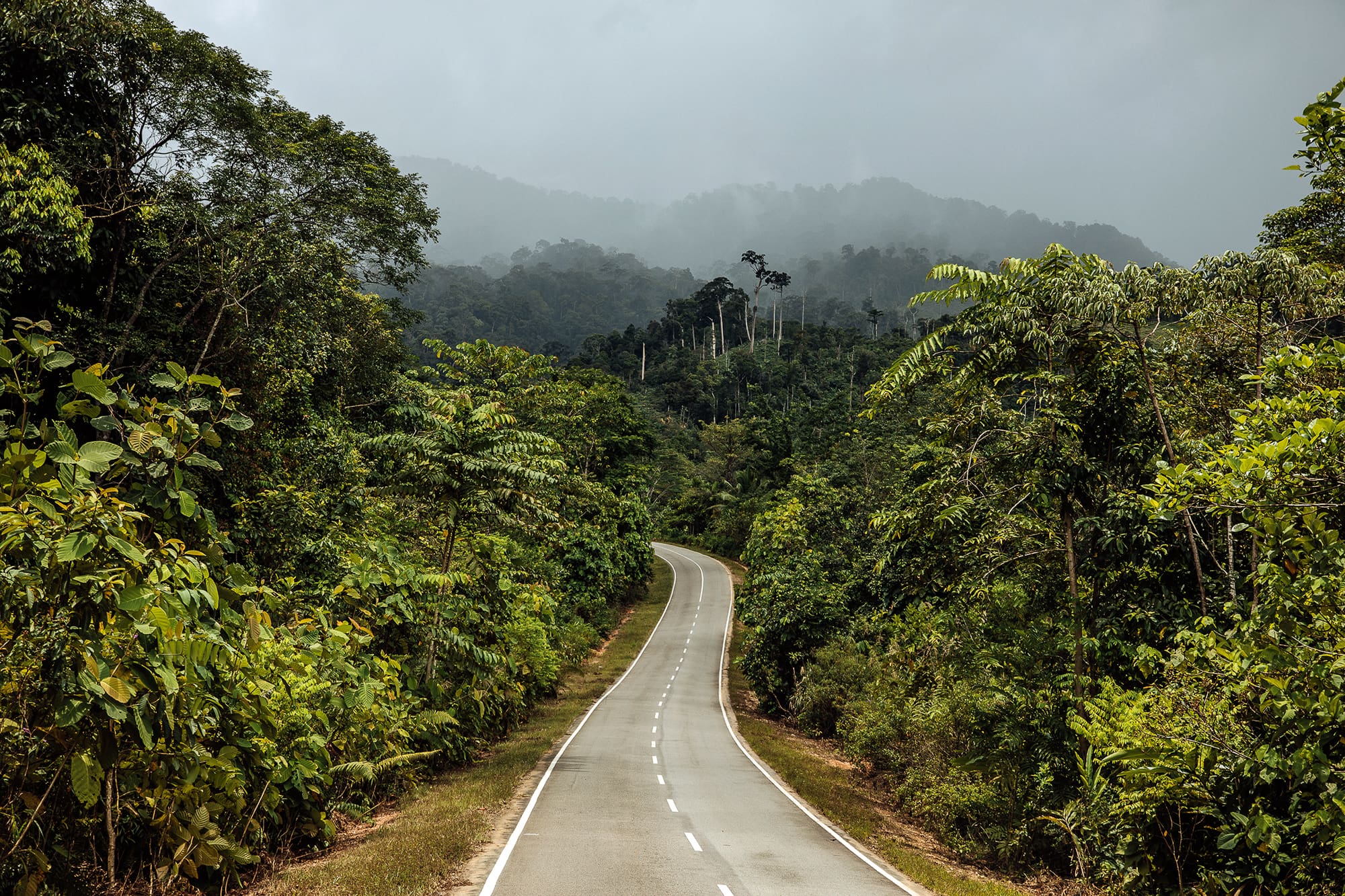
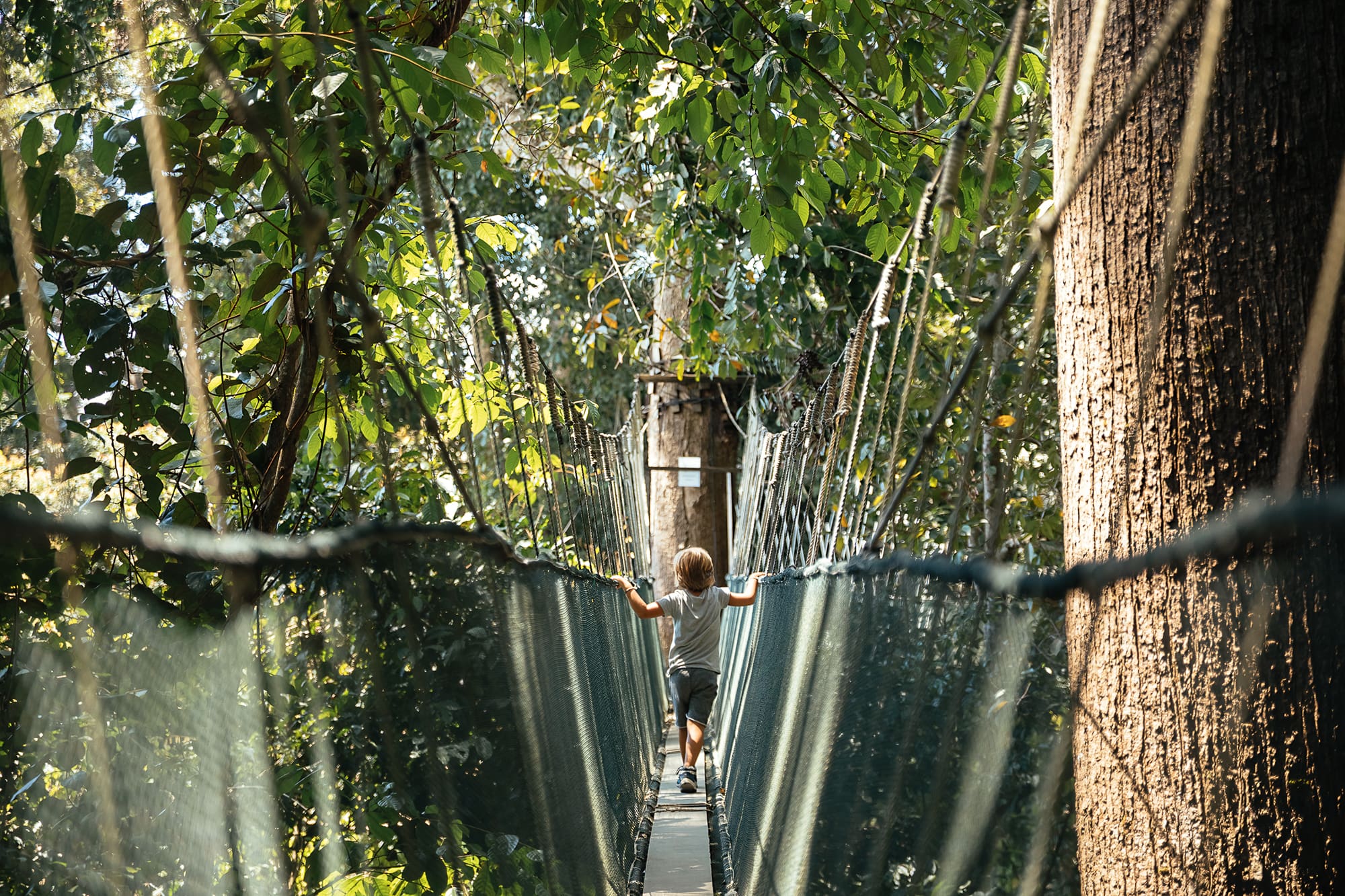
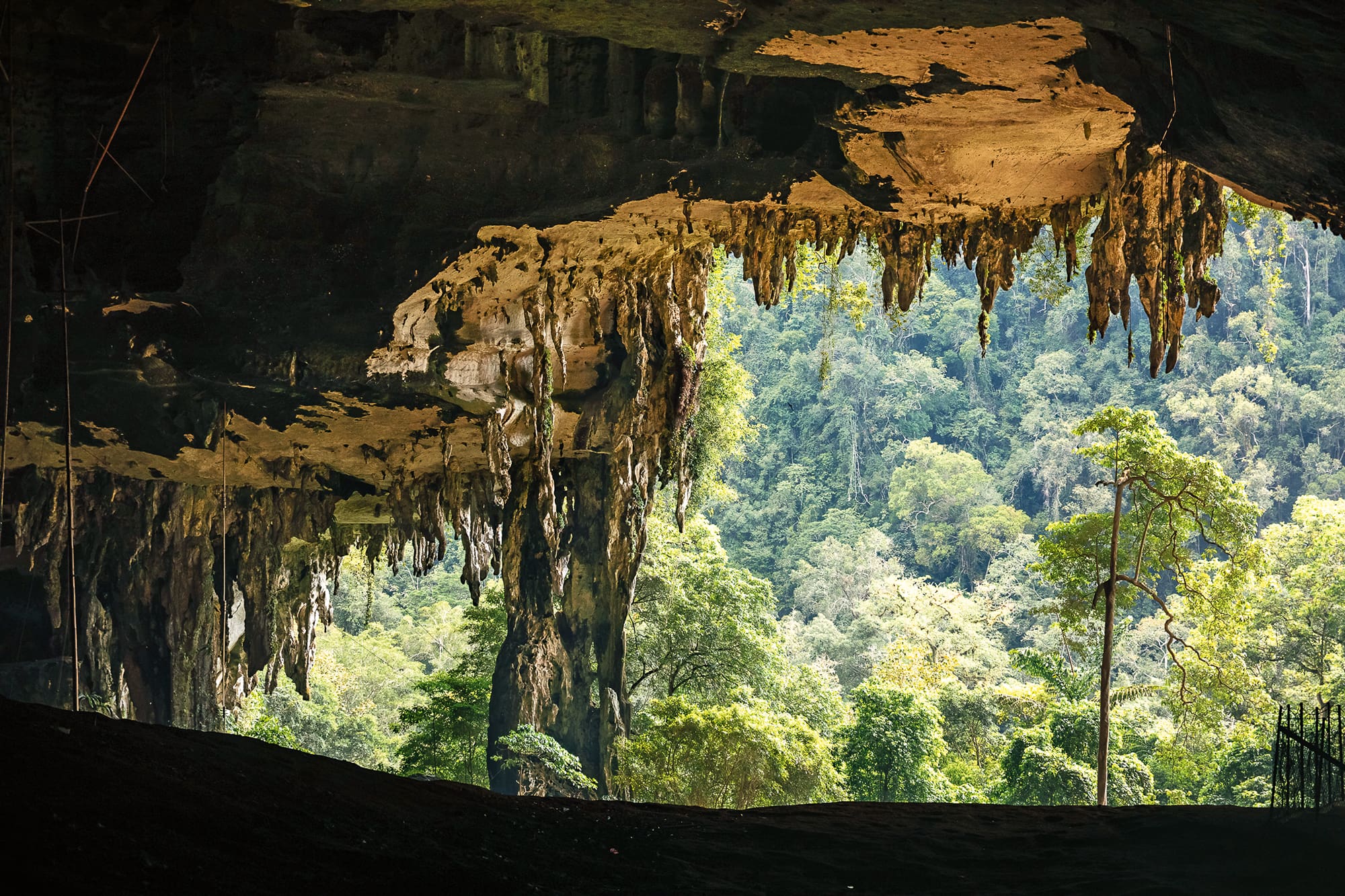
(Clockwise from top left) The view fades softly into the distance, where the forest turns into haze. On a canopy walkway in the jungle of Kalimantan, Lennox walks along the narrow bridge, holding on to the sides without a care in the world, as only a six-year-old can. From inside Niah Cave, one of Borneo’s oldest-known human sites, stalactites hang from the dark ceiling, framing the bright jungle beyond. The contrast makes the forest feel close and alive.
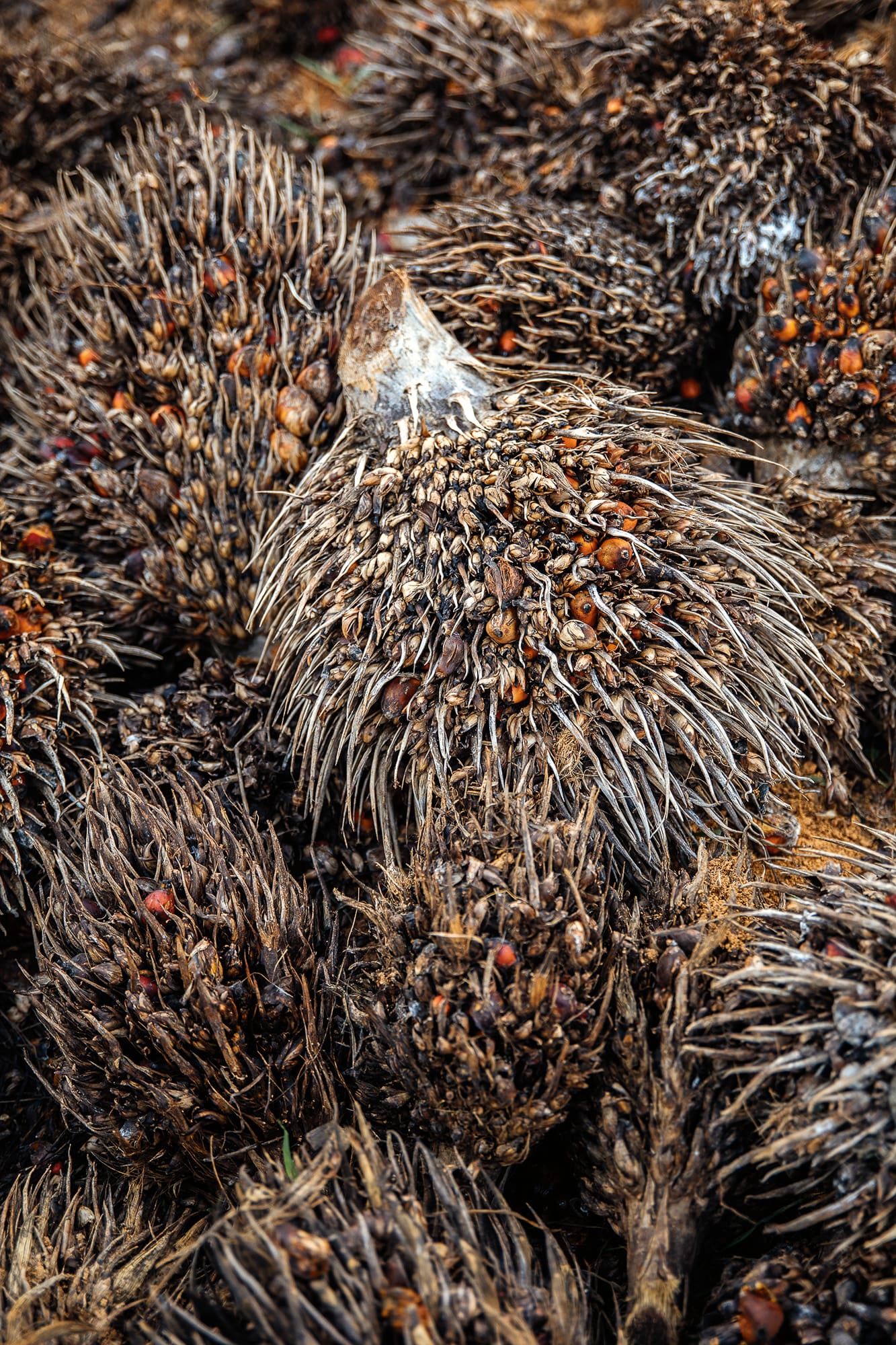
Palm fruit bunches lie piled together in a dense, organized mess, the rough, spiky fibers protecting the vulnerable orange fruits scattered across the surface.
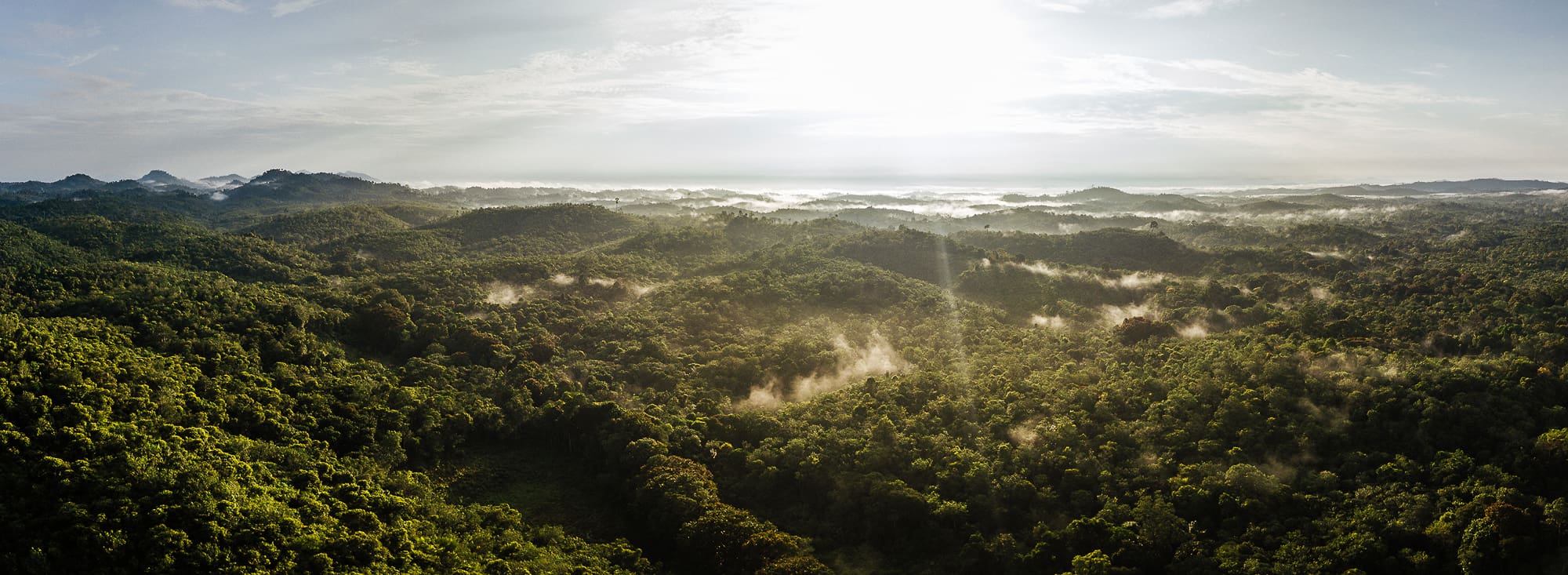
Endless green hills roll into the distance as a light mist hovers between the trees, slowly lifting to welcome the new day.
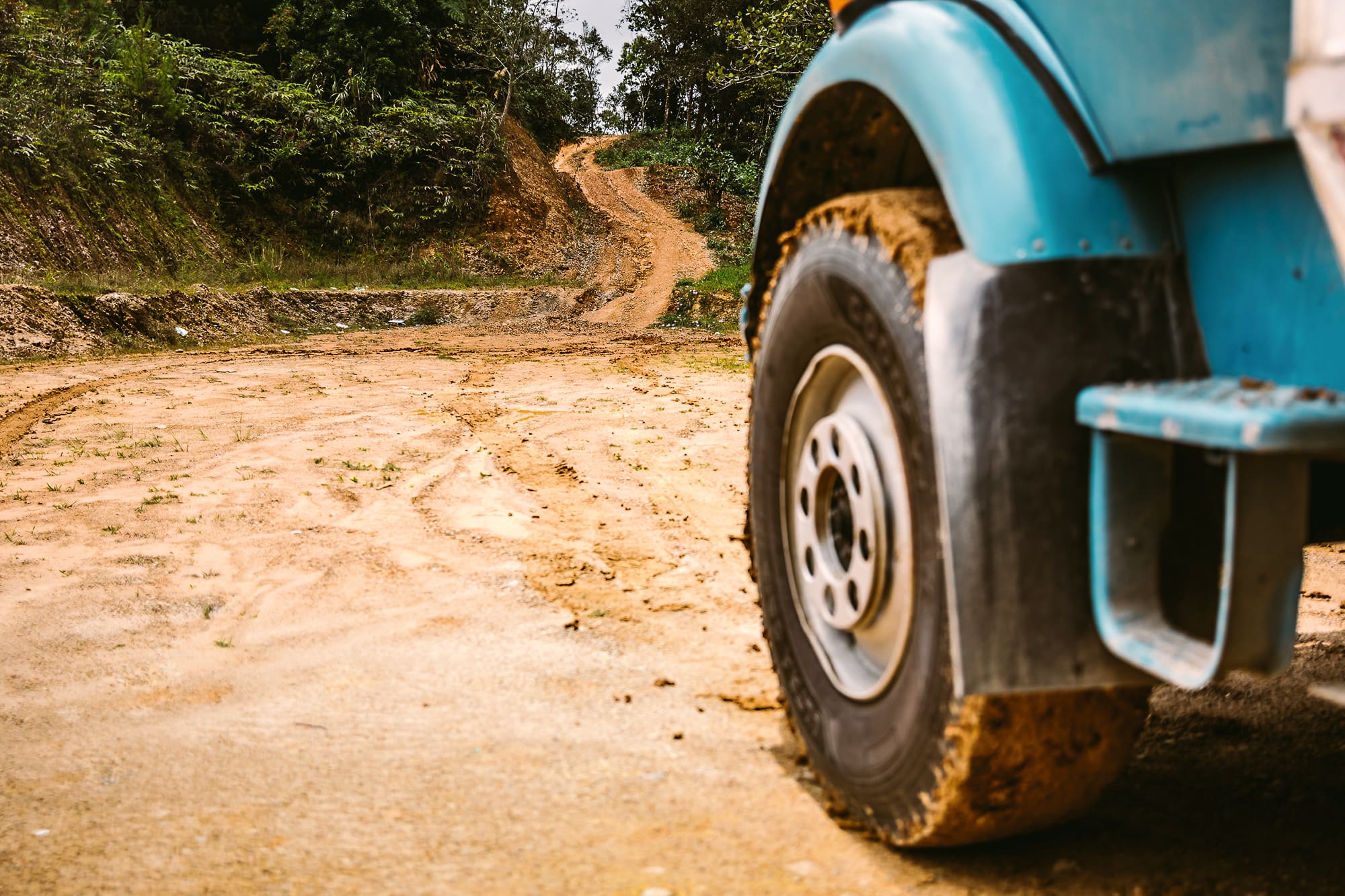
The road is uneven and soft, already marked by deep tire tracks. It’s a space in time often encountered by overlanders—you don’t really know what comes next, but you keep going just the same.
Our No Compromise Clause: We do not accept advertorial content or allow advertising to influence our coverage, and our contributors are guaranteed editorial independence. Overland Collective may earn a small commission from affiliate links included in this article. We appreciate your support.
