

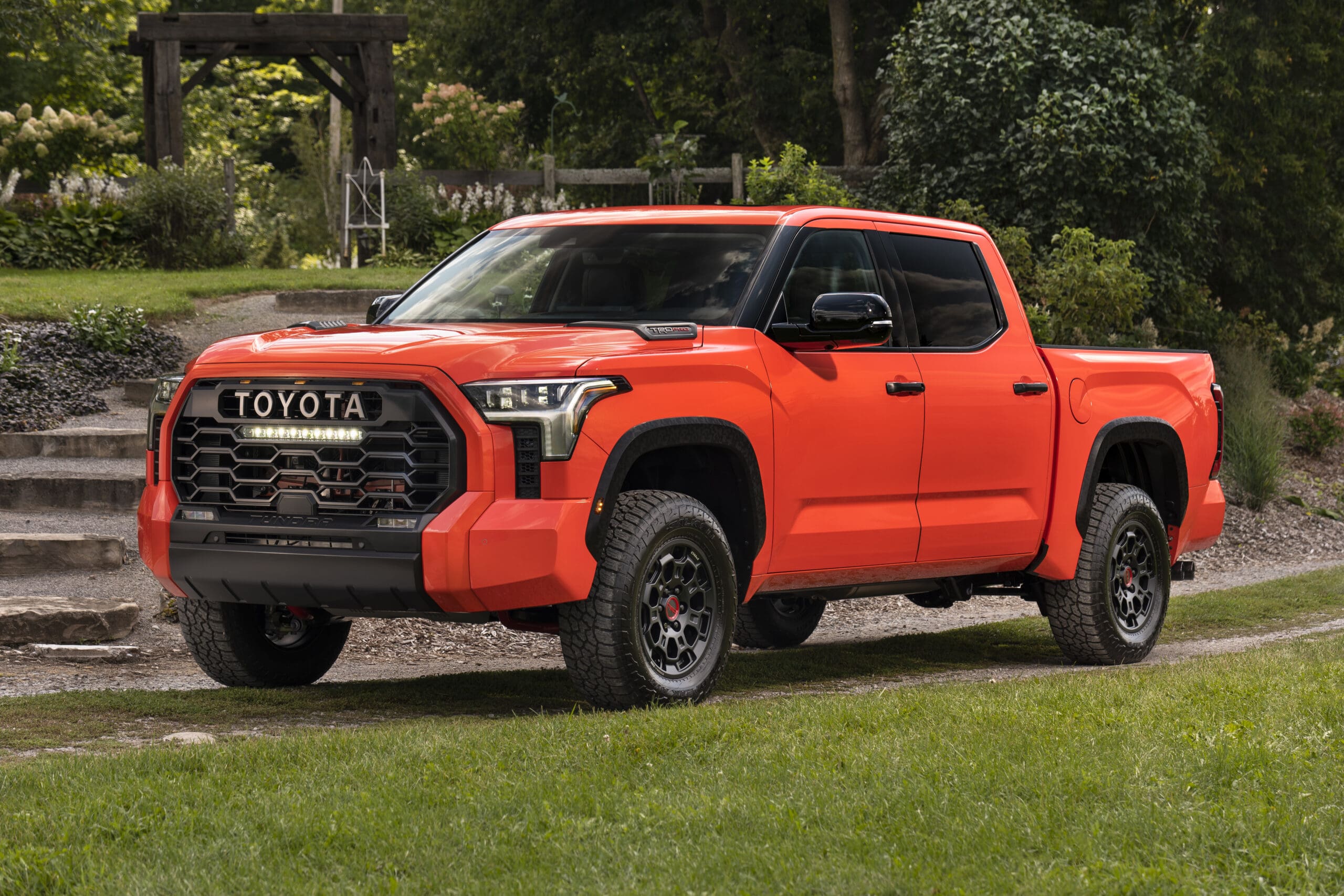
Toyota has spent years building a reputation for durability, reliability, and long term ownership value. What it has not traditionally been known for is building high performance desert trucks. That may soon change with the rumored arrival of the 2027 Toyota Tundra TRD Hammer, likely a direct competitor to the wildly successful F-150 Raptor. The TRD Hammer is expected to be the most aggressive factory off road pickup in the brand’s history.
With the success of the Ford F-150 Raptor, Ram TRX/RHO, Chevy 1500 ZR2, and even the Jeep Gladiator Mohave (which will almost assuredly get a 392 HEMI any day now), it’s clear there is a market for high-performance pickups that can handle high speed desert running just as comfortably as towing, commuting, or hauling gear.
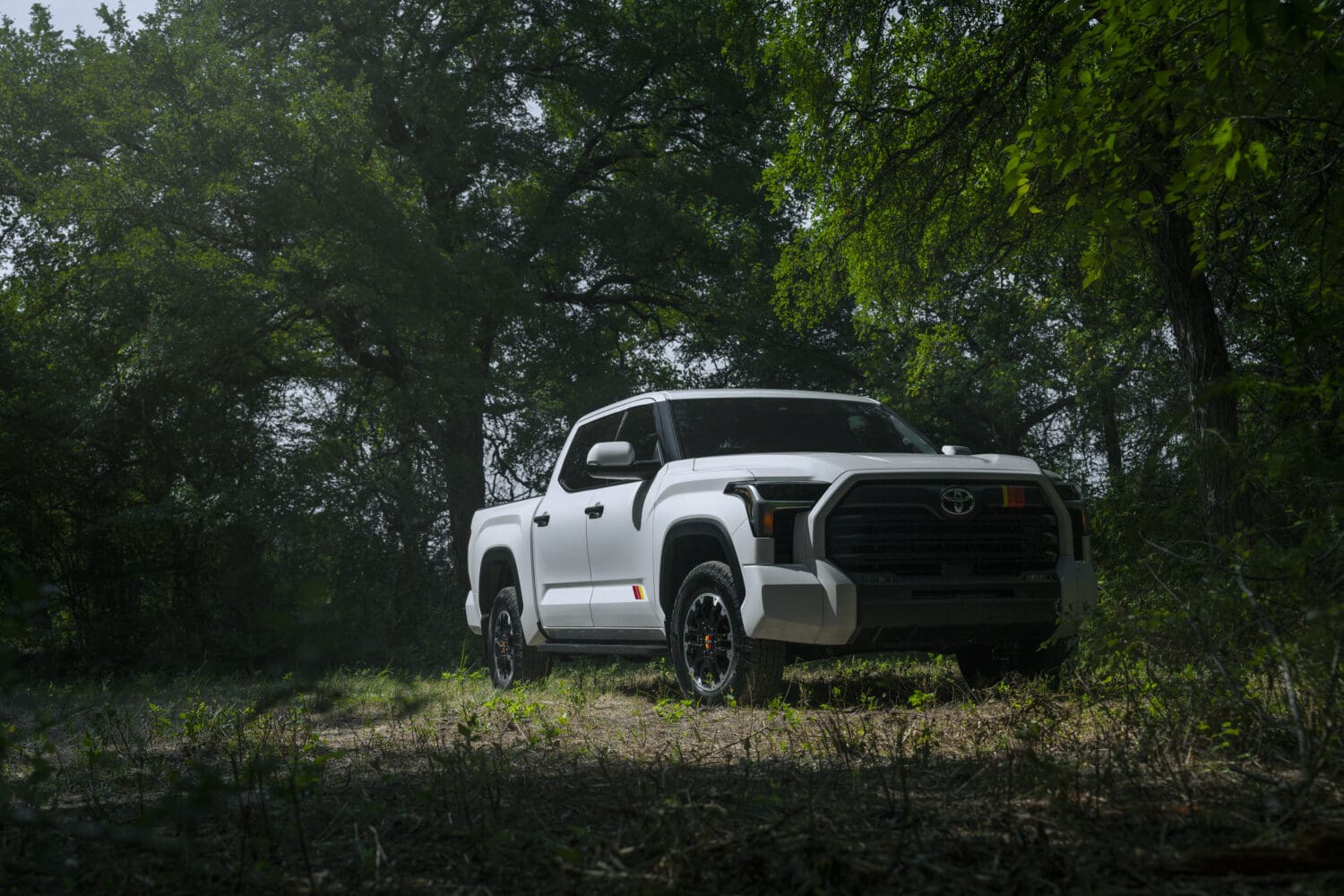
The current generation Tundra has already established a solid foundation with its fully boxed frame, advanced suspension architecture, and powerful twin-turbocharged V6 engines. A dedicated halo model would allow Toyota to showcase the full capability of the platform while attracting buyers who may have previously gravitated toward performance trucks from other brands.
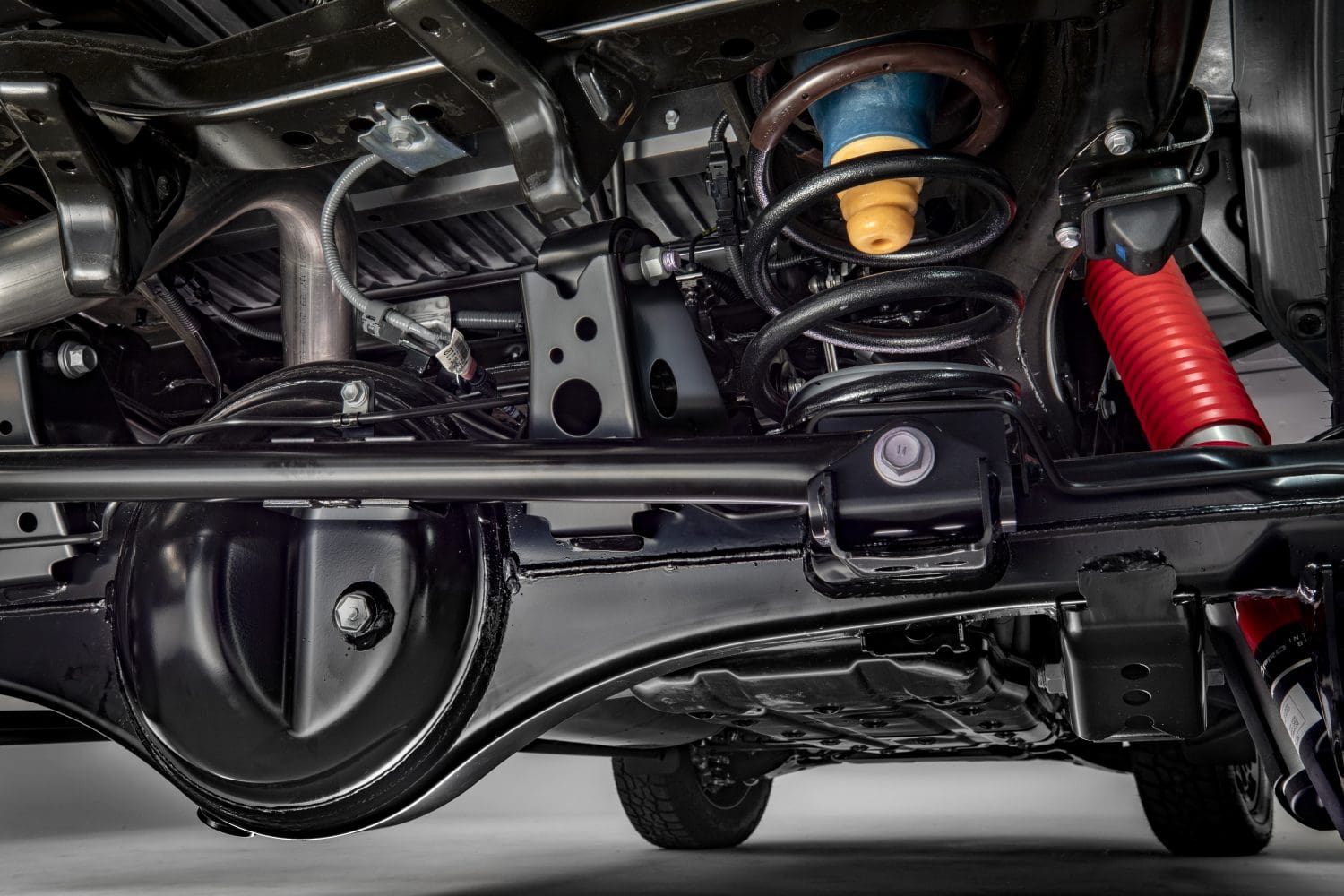
While Toyota has not officially confirmed specifications, industry sources expect the TRD Hammer to sit above the existing TRD Pro in the lineup. That would likely mean wider fenders, increased suspension travel, larger tires, reinforced underbody protection, upgraded cooling systems, and a significantly revised suspension package tuned specifically for high speed off-road use.
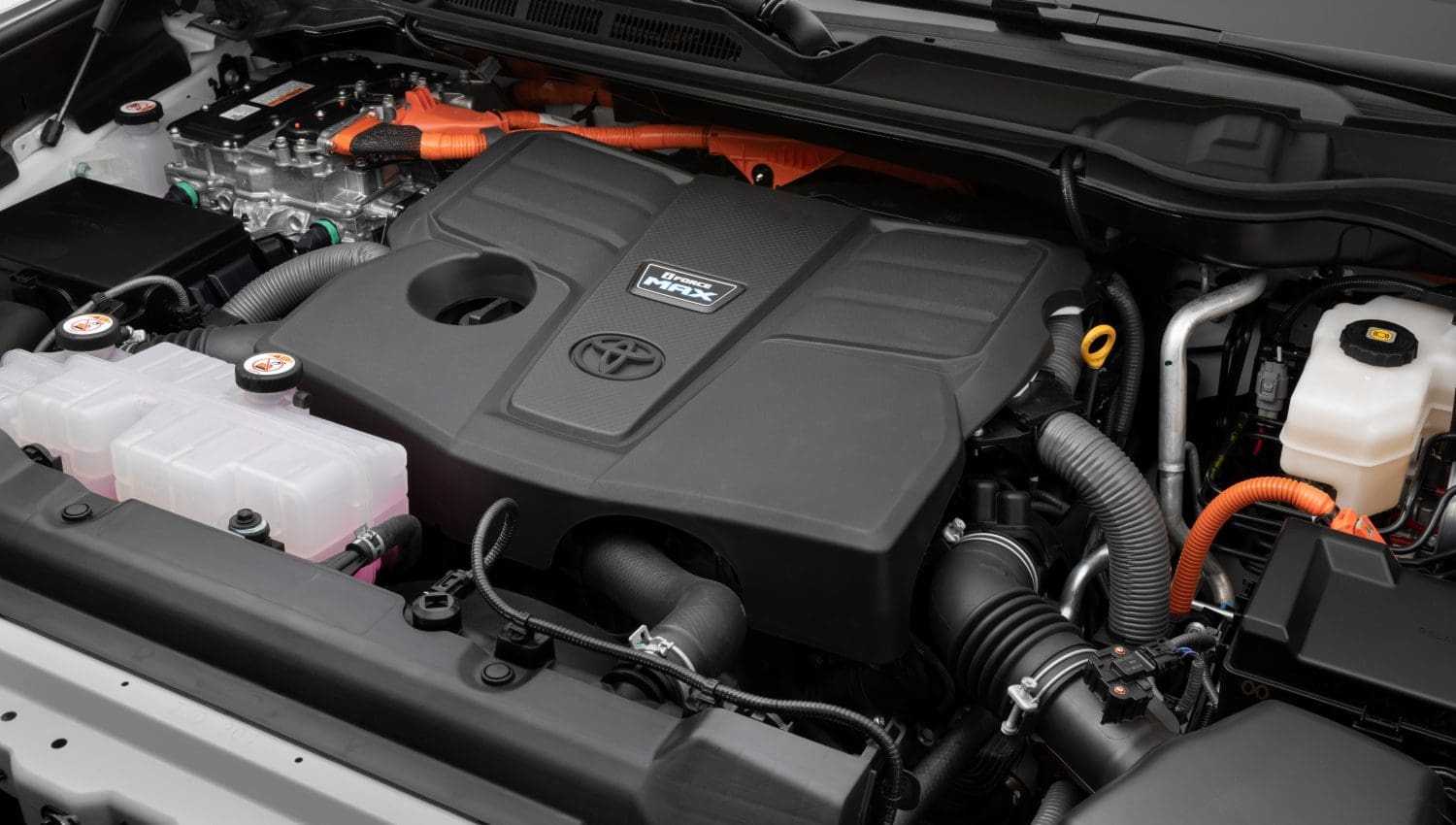
Powertrain options remain one of the biggest unknowns, with a couple of likely options.
The most likely candidate is Toyota’s iForce Max hybrid twin-turbocharged 3.4-liter V6. In current form, the powertrain produces 437 horsepower and 583 pound-feet of torque. For a flagship performance model, Toyota could easily increase those numbers through revised tuning and cooling improvements.
While many hope for a return to V8 power, that seems unlikely given Toyota’s commitment to hybrid technology. It’s much more likely for Toyota to leverage the instant torque benefits of electrification to deliver improved acceleration and stronger off road performance than even a mighty V8 can deliver. If that happens, the TRD Hammer could actually hold an advantage over the Ford F-150 Raptor in certain situations. While the standard Raptor relies on a twin-turbocharged V6 producing 450 horsepower, Toyota’s hybrid system offers considerably more torque at lower engine speeds which could be superior during technical climbs, sand driving, and towing applications.
Price will almost certainly reflect the truck’s flagship status. Industry estimates suggest a starting price between $85,000 and $100,000 depending on equipment levels. That would place it directly in competition with higher trim Raptor and RHO or TRX models. As for timing, a formal reveal could happen sometime during 2026, with customer deliveries beginning as a 2027 model during late 2026 or early 2027. Toyota has traditionally been cautious with niche performance products, but increasing competition within the segment may encourage a more aggressive rollout schedule.
For overlanders, the most interesting aspect of the TRD Hammer is not outright speed. Vehicles developed for high speed desert use often feature stronger suspension components, upgraded cooling systems, enhanced durability, and improved load carrying capability, attributes that translate exceptionally well to long distance adventure travel.
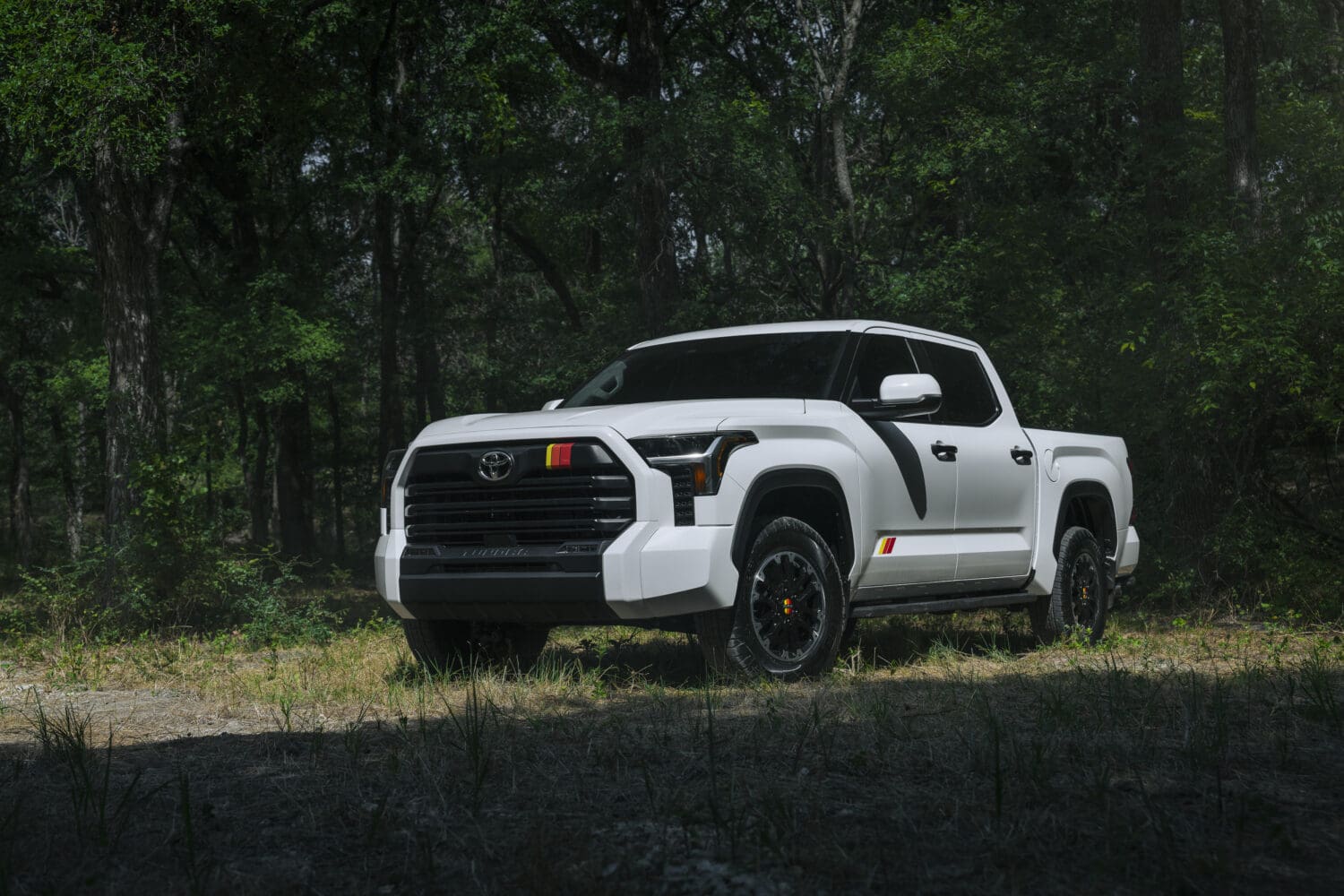
Buyers increasingly want specialized vehicles designed around specific activities, whether that means rock crawling, overlanding, desert running, or long distance exploration. If Toyota follows through with the Tundra TRD Hammer, it will almost certainly challenge the Ram TRX and Ford Raptor for the ultimate desert runner.
Read more: Jeep Recon Won’t Be EV-Only After All
Images: Toyota
Our No Compromise Clause: We do not accept advertorial content or allow advertising to influence our coverage, and our contributors are guaranteed editorial independence. Overland International may earn a small commission from affiliate links included in this article. We appreciate your support.
