

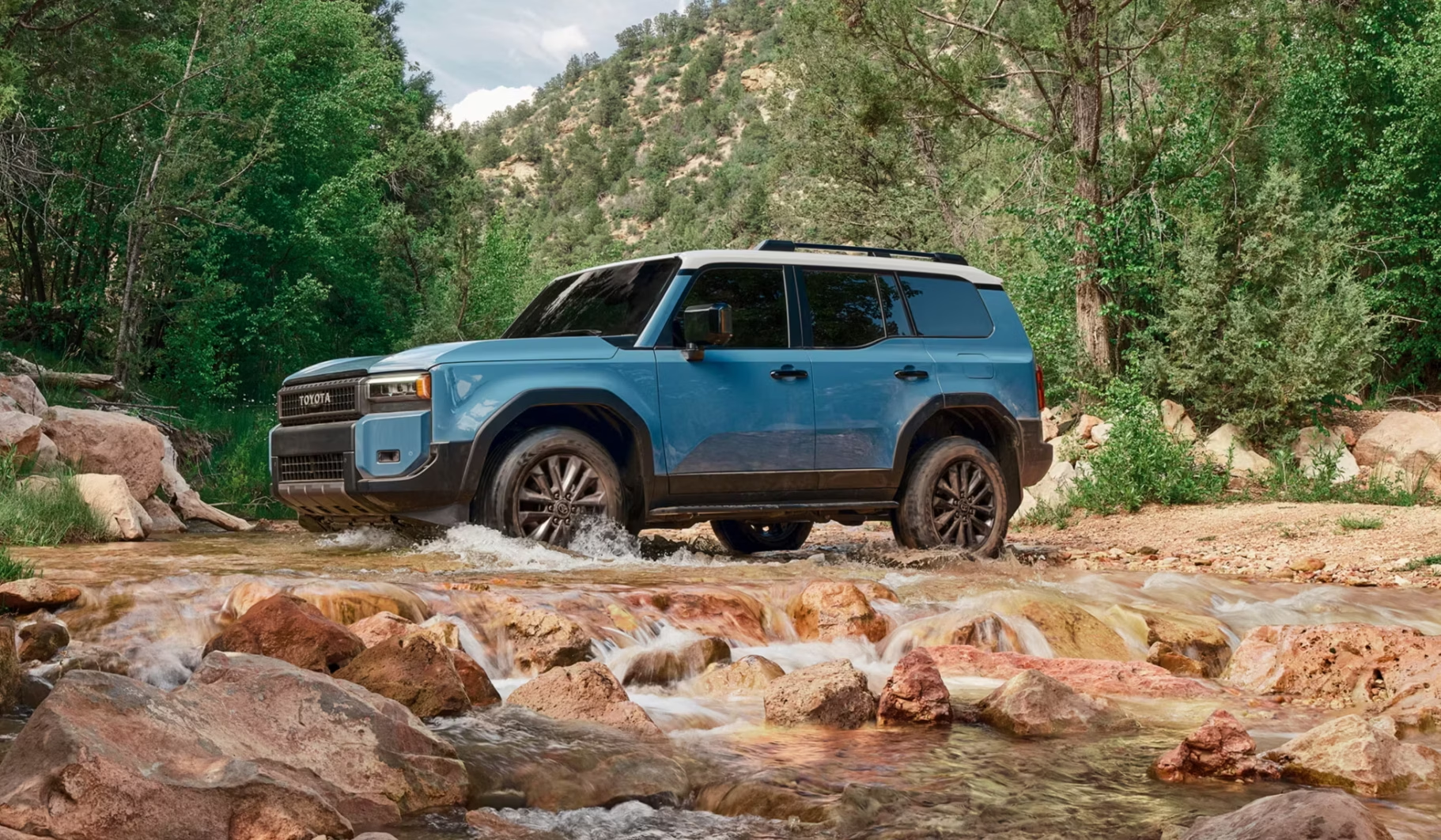
The new Toyota Land Cruiser FJ and the much-anticipated IMV 0—also known as the HiLux Champ—may differ in style, purpose, and price, yet both vehicles spring from the same foundation and guiding philosophy.
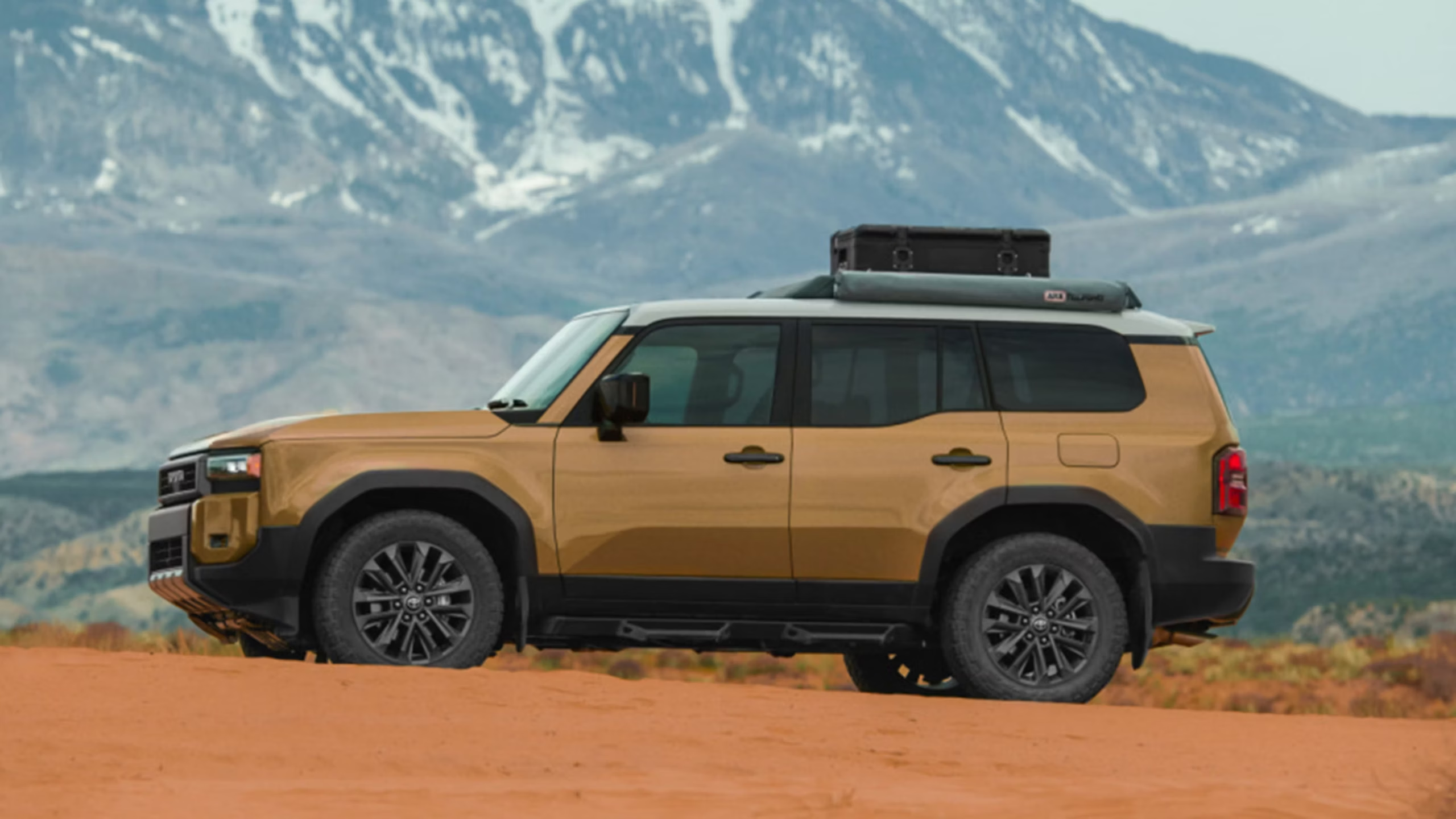
Each draws upon Toyota’s Innovative International Multi-purpose Vehicle (IMV) architecture, a global body-on-frame platform designed for strength, adaptability, and accessibility. Together they embody Toyota’s strategy to build rugged, efficient vehicles tailored to a range of conditions and incomes—particularly in the Majority World, where dependability and mechanical simplicity often outweigh luxury or high technology.
Underpinning the Land Cruiser FJ is a refined form of the IMV ladder-frame chassis, the same engineering that supports Toyota’s proven workhorses such as the HiLux, Fortuner, and Innova (yes, the FJ Cruiser shares significant DNA with a minivan). This structure delivers the toughness and serviceability expected of a Land Cruiser while keeping dimensions compact. Compared with the Land Cruiser 250 Series, the FJ’s wheelbase is 270 millimeters shorter, producing a 5.5-meter turning radius—tight enough for narrow trails and crowded city streets alike.
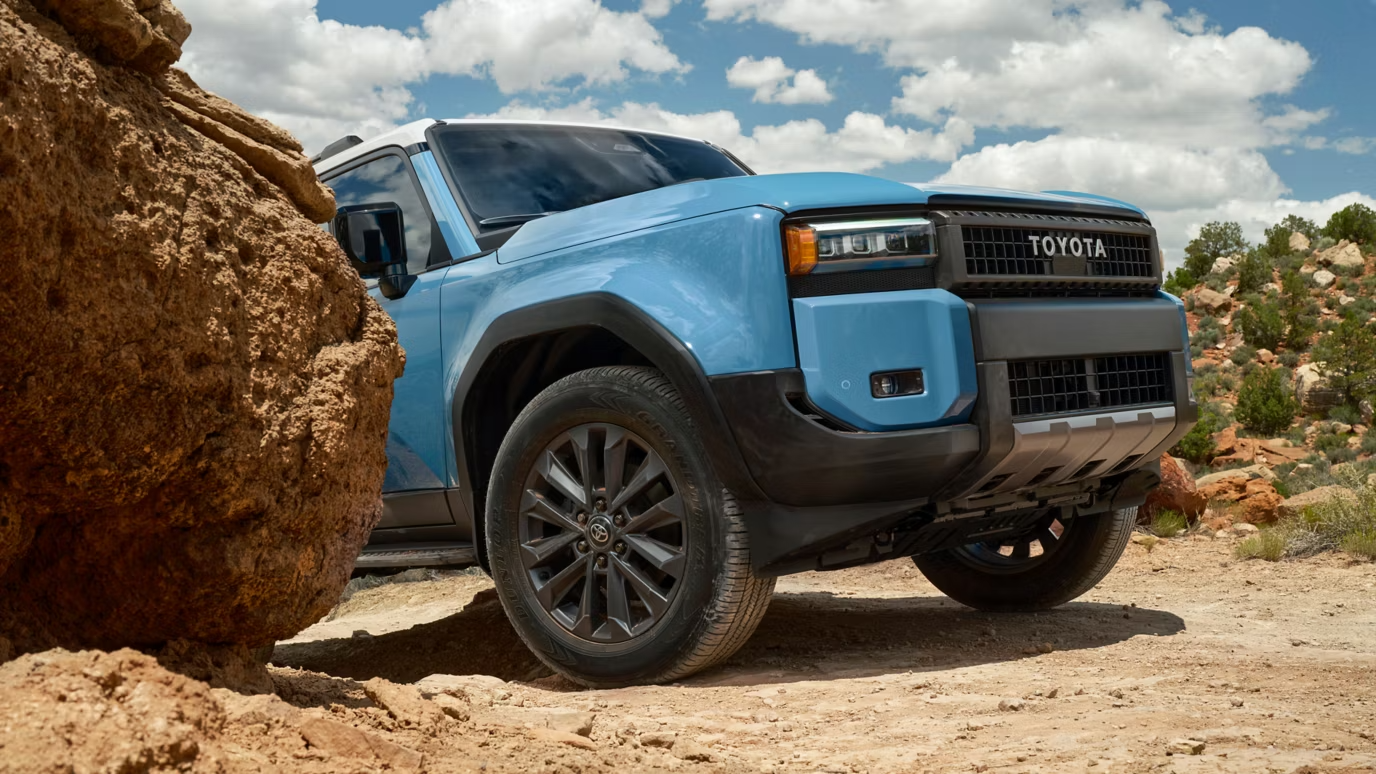
Toyota reports that the FJ achieves wheel articulation “equivalent to the 70 Series,” a claim that positions it among the brand’s most capable off-roaders. Additional underfloor bracing enhances rigidity and handling stability, ensuring this smaller Land Cruiser remains faithful to its lineage. Though more compact, it preserves the mechanical straightforwardness that defines Toyota’s most durable vehicles.
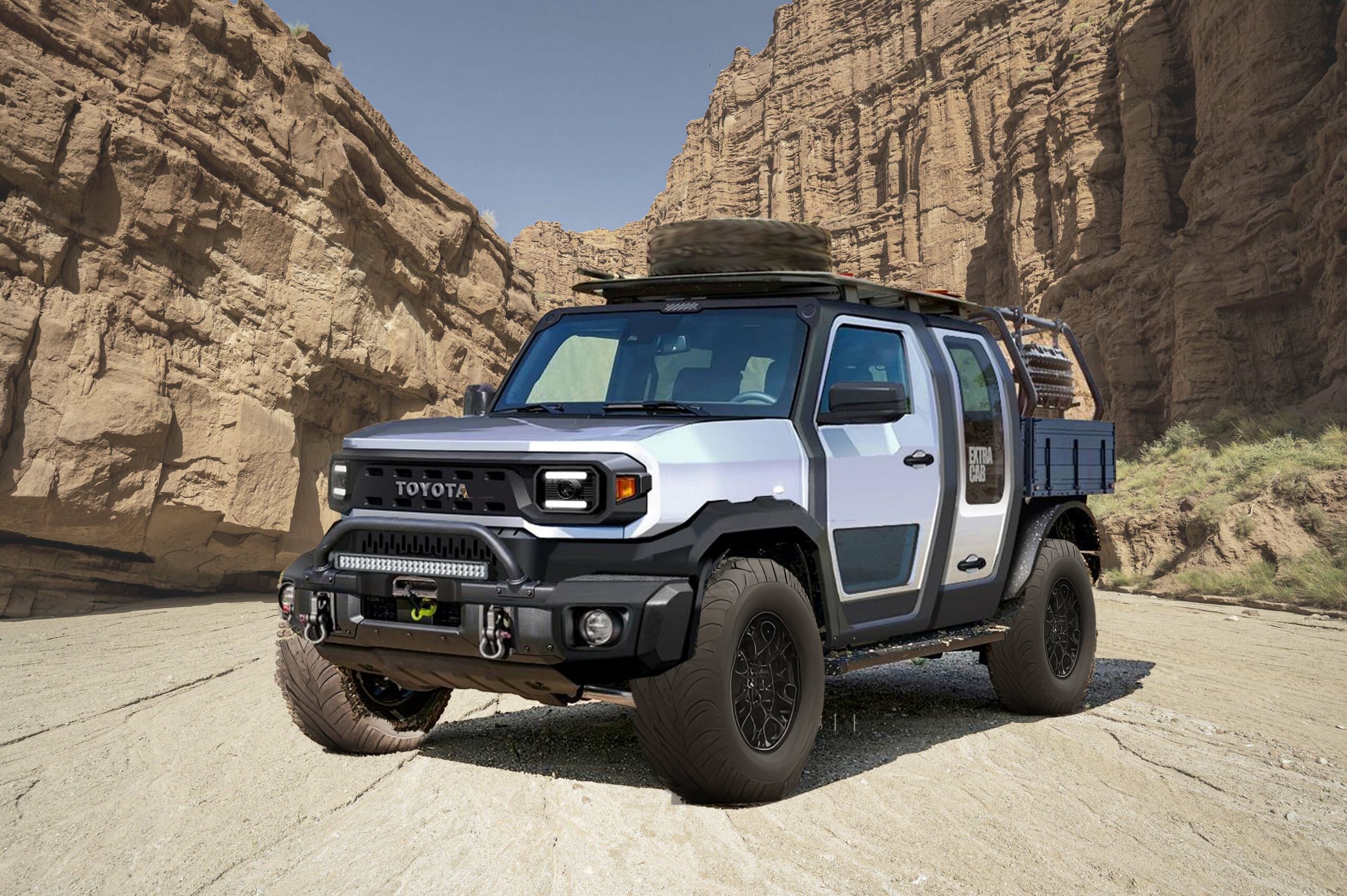
The IMV o
The IMV 0 (Hilux Champ), meanwhile, represents the same platform philosophy stripped back to its most essential form. Conceived as an affordable, modular truck for global production in Thailand, Indonesia, Argentina, and South Africa, the IMV 0 returns Toyota to its utilitarian roots. It employs the familiar double-wishbone front and leaf-spring rear suspension, emphasizing mechanical durability over complexity. Its flat-frame design and modular rear section allow body configurations ranging from simple flatbeds to specialized builds such as overland rigs or mobile shops—vehicles built for work, not ornament.

Both vehicles thus showcase Toyota’s multi-purpose approach: one refined for lifestyle adventure, the other distilled for hard labor and self-sufficiency.
Officially unveiled by Toyota Motor Corporation on October 20, 2025, the Land Cruiser FJ marks a new chapter in the Land Cruiser story, positioned as a compact, versatile, and customizable 4×4. Launch is scheduled for Japan in mid-2026, with the model conceived to offer “freedom and joy” in outdoor mobility while upholding Toyota’s core values of durability, capability, and reliability.
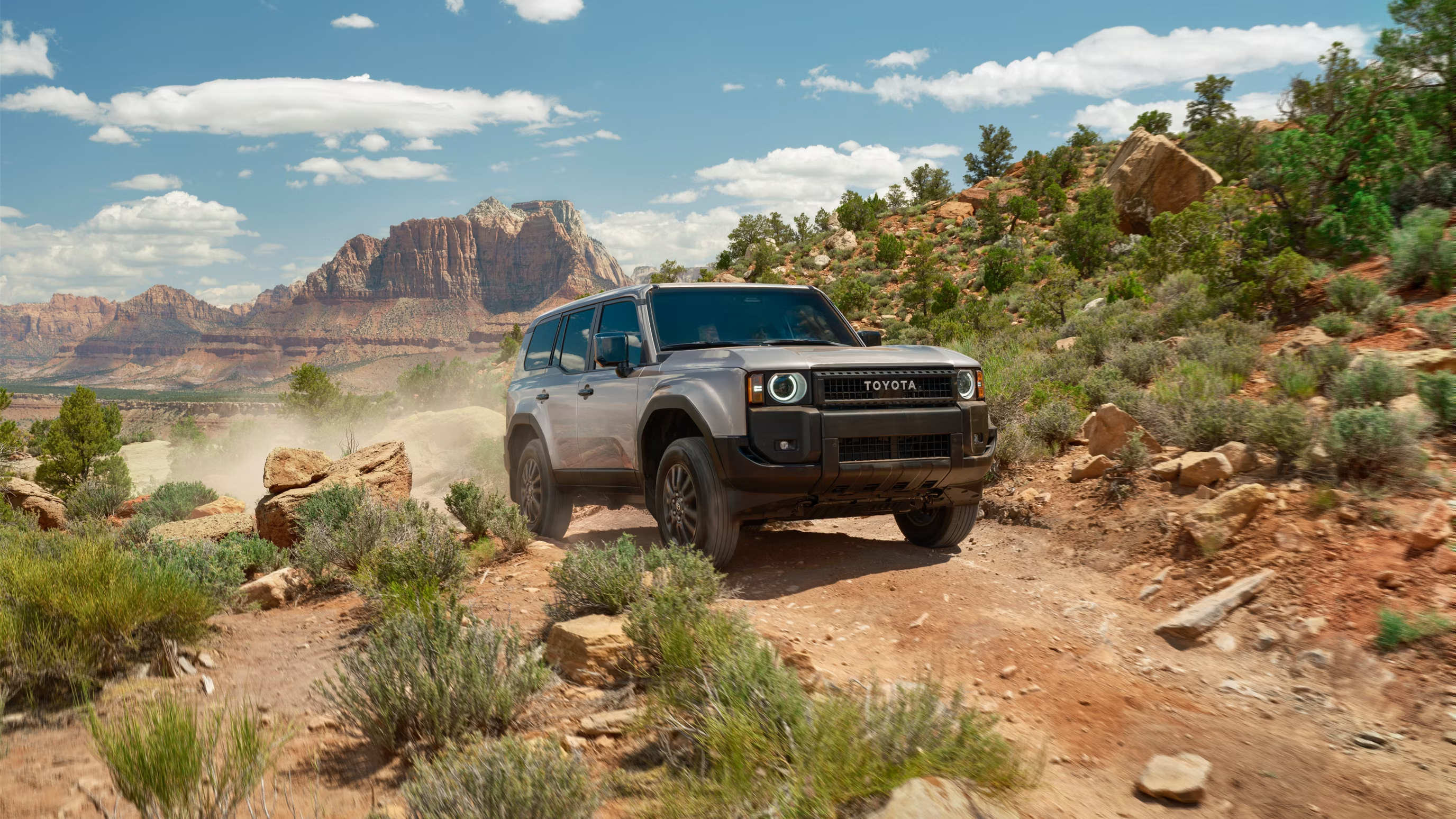
The Land Cruiser’s lineage traces back to the 1951 BJ, a vehicle that famously climbed to the sixth station of Mount Fuji. Over the past seven decades, Toyota has sold more than 12.15 million Land Cruisers across more than 190 countries and regions. The new FJ joins the existing lineup—which includes the flagship 300 Series, the heavy-duty 70 Series, and the core 250 Series introduced in 2024—as a smaller, more personal expression of the Land Cruiser spirit, intended to let owners “enjoy the Land Cruiser in your own way.”

When the FJ Cruiser originally debuted in the United States, enthusiasts lauded its retro design inspired by the classic FJ40 Land Cruiser, its genuine off-road ability, and Toyota’s reputation for reliability. Sharing a robust 4.0-liter V6 engine and 4WD system with the 4Runner, the FJ Cruiser proved highly capable on rugged trails. Off-roaders and long-distance travelers frequently compared it favorably with the Jeep Wrangler for its dependability and refinement.
However, the model also drew criticism from some buyers who found it less suited to daily driving. Rear-hinged access doors, thick roof pillars, limited rear visibility, a compact cargo area, and modest fuel economy were often cited as drawbacks. Its bold, unconventional styling divided opinion—it was beloved by enthusiasts but too idiosyncratic for many mainstream SUV shoppers.
It’s likely that the original FJ Cruiser’s relative commercial underperformance in the US market influenced Toyota’s decision to develop the new FJ Cruiser primarily for the Global South, deliberately excluding the United States from its target markets.

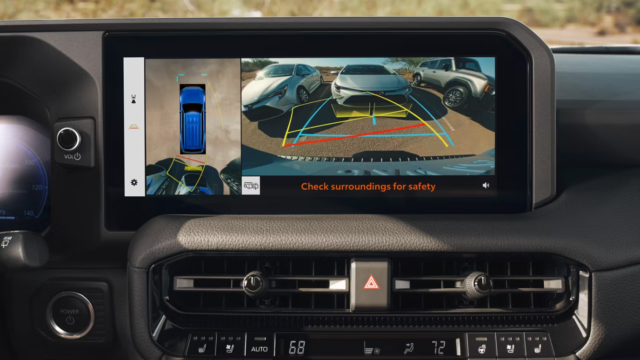
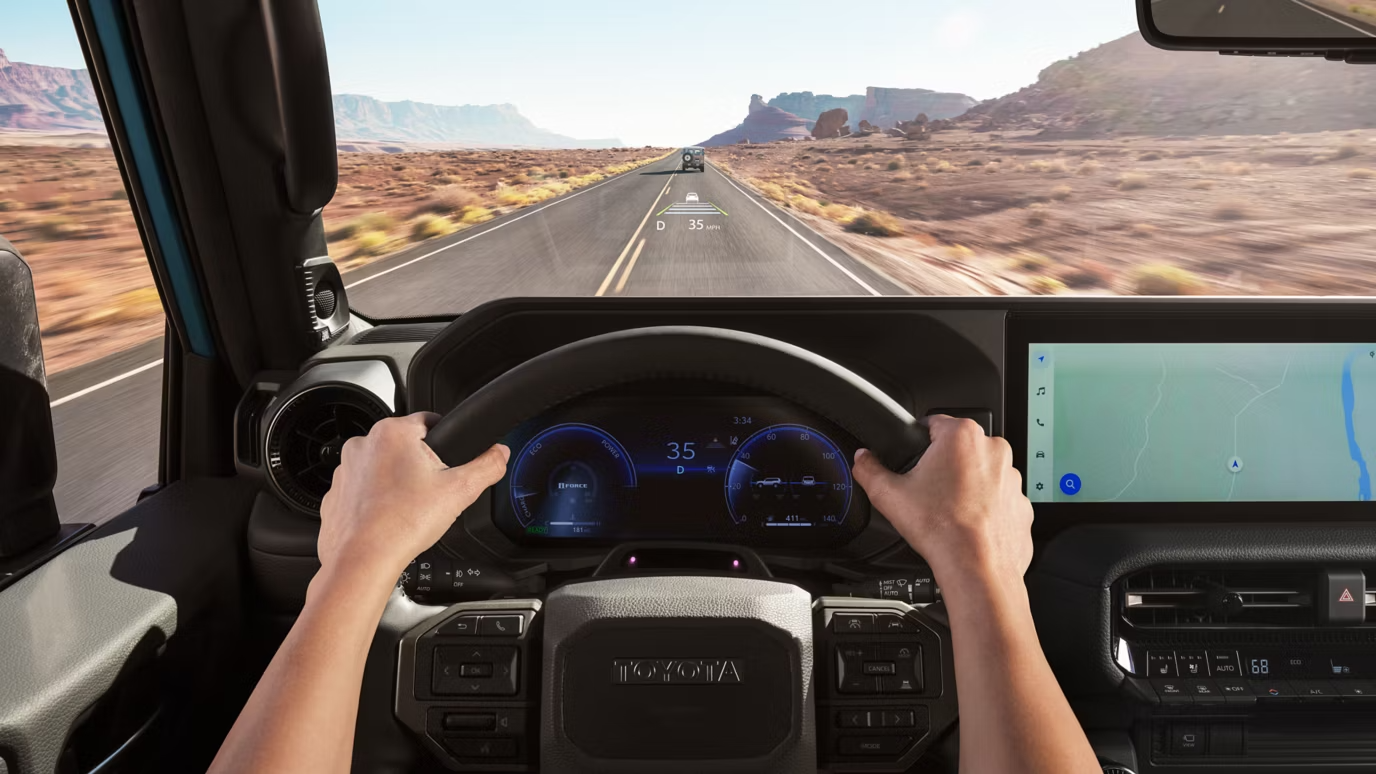
The new FJ Cruiser’s design cues emphasize function: a square cabin silhouette, flared fenders, and chamfered “dice motif” edges convey stability. The front and rear corner bumpers are removable for easier replacement or customization—a nod to both off-road repairability and owner personalization. Inside, Toyota has prioritized control and visibility with a horizontal dashboard, a centralized switch layout, and a low beltline. The FJ also comes standard with Toyota Safety Sense driver-assist systems.
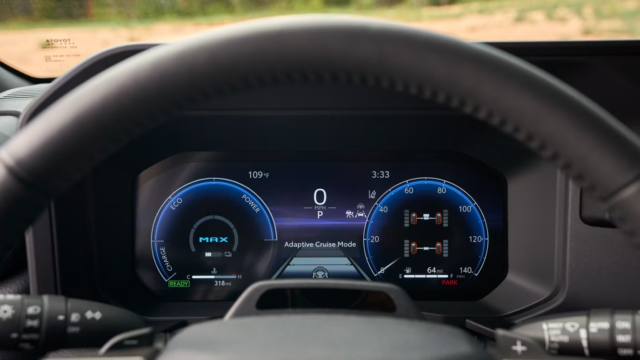

Independent reviewers have characterized the FJ as “essentially a shrunken Land Cruiser,” noting its 4.575 meters in length, 1.855 meters in width, and 1.960 meters in height—dimensions approaching those of a large UTV. Power comes from a 2.7-liter (2TR-FE) petrol engine producing 161 hp (120 kilowatt) and 246 newton-meters of torque, paired with a six-speed automatic transmission and part-time 4WD. Seating accommodates five occupants across two rows; the rear bench is rumored to be quite snug.
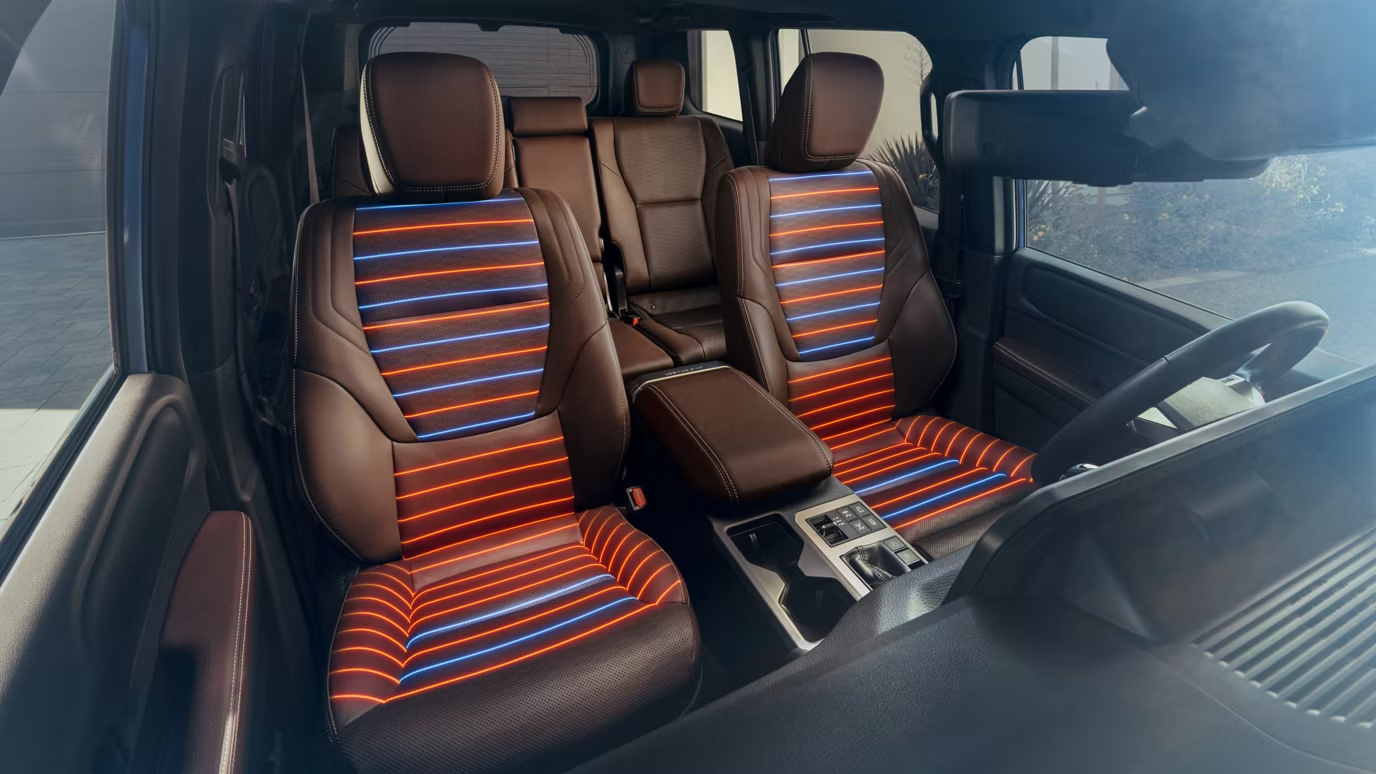
While modest in output, the FJ favors robustness and serviceability over outright performance—values mirrored in the IMV 0’s utilitarian ethos. Both models use simple, globally available components, minimizing dependence on proprietary electronics and advanced materials that complicate maintenance in remote areas.

Toyota highlights customization as a defining theme for the FJ. The cabin incorporates a MOLLE panel system for gear mounting, while exterior accessories and protective components will be available for markets emphasizing outdoor recreation. Similarly, the IMV 0’s modular rear frame is designed to accept toolboxes, cargo enclosures, or camper bodies, offering a blank canvas for tradespeople, small businesses, and explorers.
In both vehicles, Toyota’s designers have treated versatility not as an afterthought but as an integral design principle—one that bridges the needs of urban adventurers and emerging-market entrepreneurs.

Toyota will publicly debut the Land Cruiser FJ at the Japan Mobility Show 2025 (October 30-November 9) ahead of its domestic release the following year. Although full regional details remain unconfirmed, analysts expect the FJ to target Asia, the Middle East, and Latin America—markets where the IMV series already thrives. No North American or European launch has been announced, but the FJ Cruiser may be launched in Mexico, where the IMV 0 is expected to launch in 2026.
This geographic alignment reinforces the connection between the FJ and IMV 0: both are designed for regions where rugged terrain, long service life, and mechanical resilience matter more than luxury appointments.
Our No Compromise Clause: We do not accept advertorial content or allow advertising to influence our coverage, and our contributors are guaranteed editorial independence. Overland International may earn a small commission from affiliate links included in this article. We appreciate your support.
