

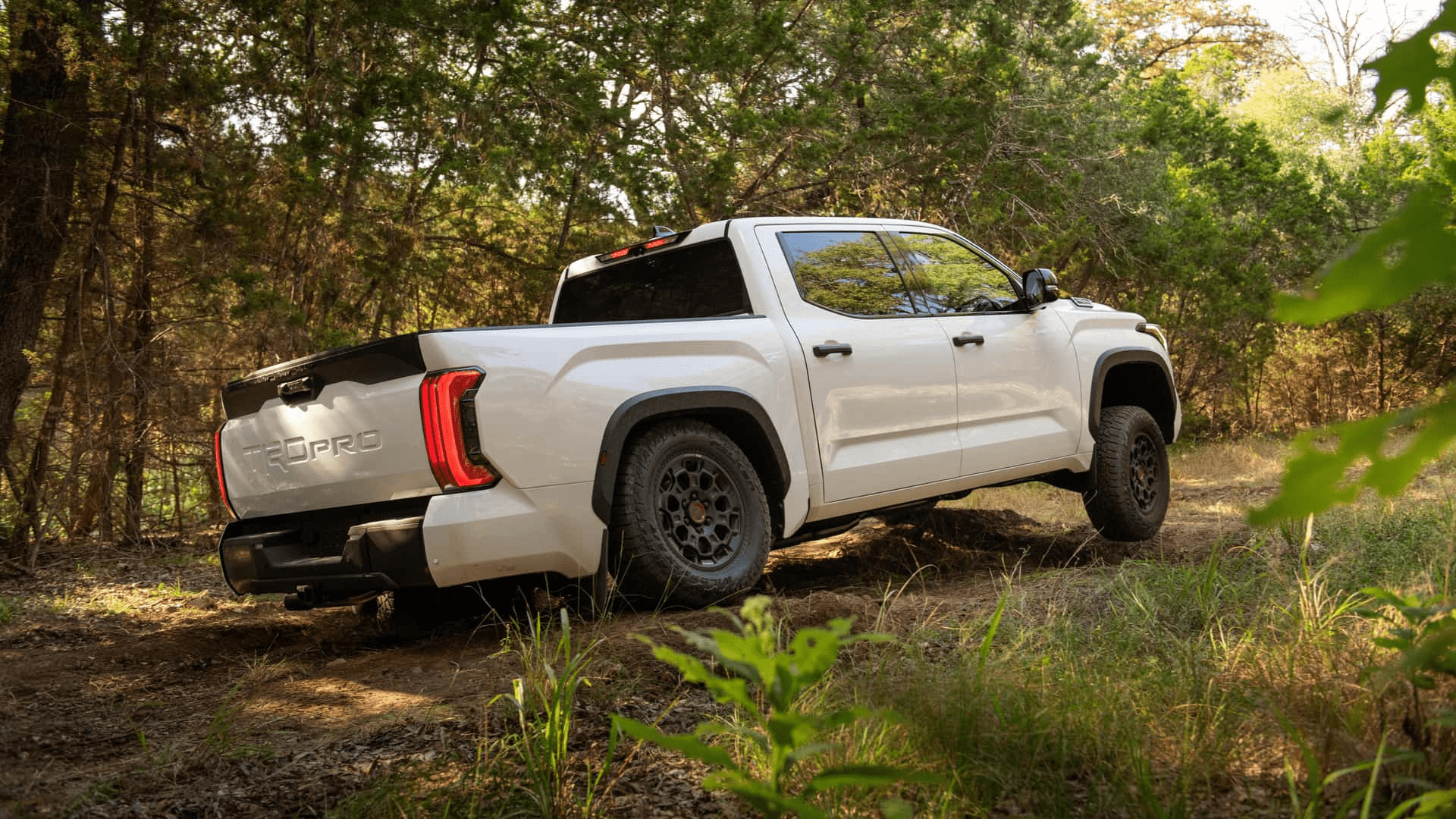
Toyota has expanded the recall campaign for the 3.4-liter twin-turbo V6 found in the latest-generation Tundra. What began as a large recall in 2024 has now grown into one of the most extensive engine recalls in recent Toyota history, with nearly 270,000 vehicles now affected.
The latest expansion adds another 44,000 model-year-2024, non-hybrid Tundra pickups to the list. Earlier recalls already covered more than 100,000 trucks and SUVs, including the Tundra along with the Lexus LX and, later, the Lexus GX. Toyota says the issue is isolated to vehicles powered by the non-hybrid version of its V35A FTS twin-turbo V6. Hybrid i-Force Max models remain excluded for now, although owners and independent technicians continue to question why.
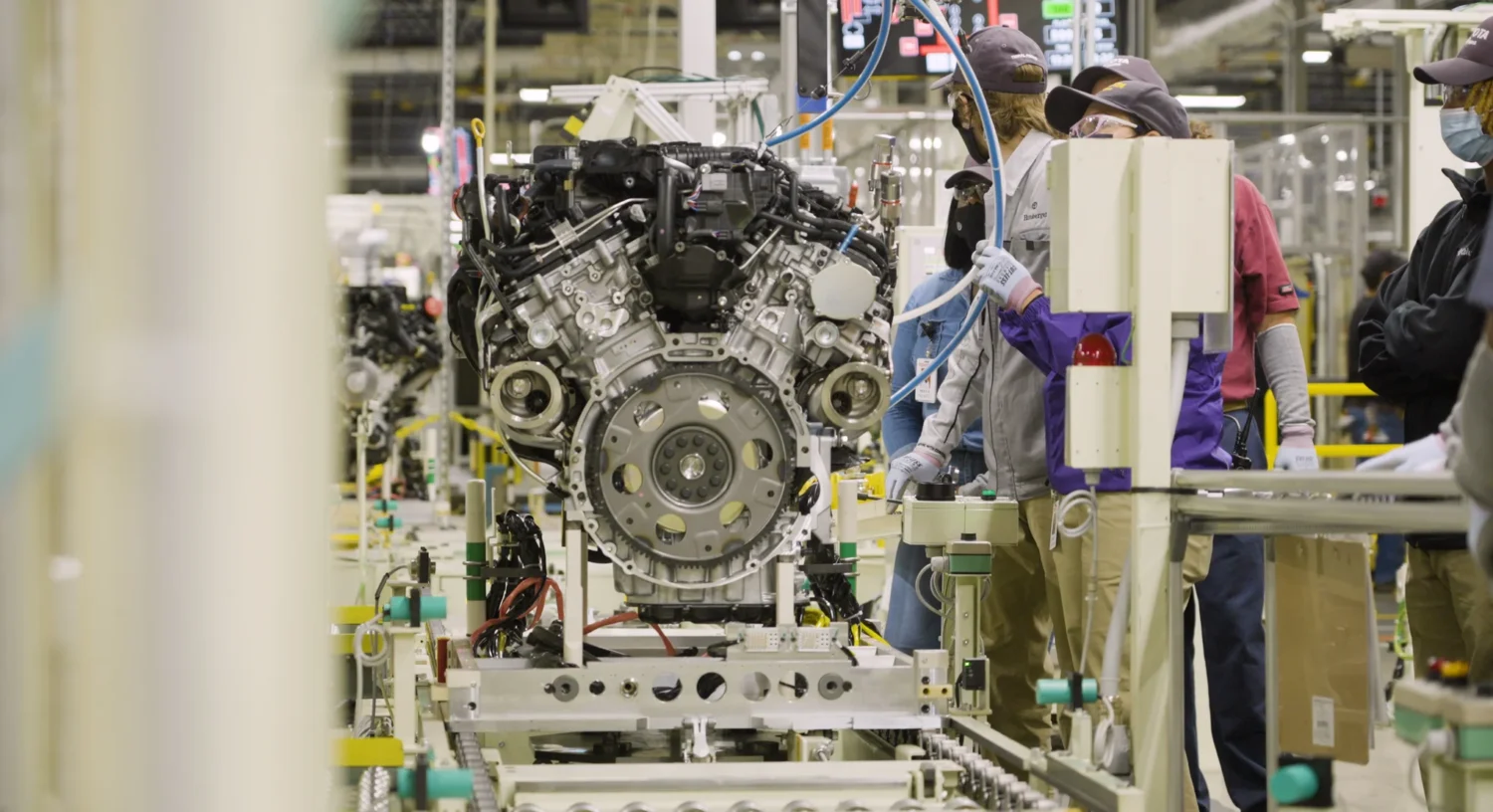
Manufacturing Debris
According to Toyota, the root cause is machining debris left inside the engine during production. Tiny metal particles that were not fully removed during manufacturing can circulate through the oiling system and damage crankshaft main bearings. Once bearing wear begins, owners may experience knocking noises, rough running, warning lights, fluctuating oil pressure, reduced power, or in some cases, complete engine seizure. Toyota warns that sudden loss of engine power at highway speeds could increase the risk of a crash. In many cases the fix has involved complete engine replacement rather than a simple repair.
An Ongoing Issue
What makes the situation particularly concerning is that Toyota had already implemented additional cleaning controls after the original recall. Even with those changes in place, the company says enough debris could still remain inside certain engines to damage the number one main bearing. Toyota has since revised the bearing design itself in an effort to better tolerate any residual contamination left behind during assembly.
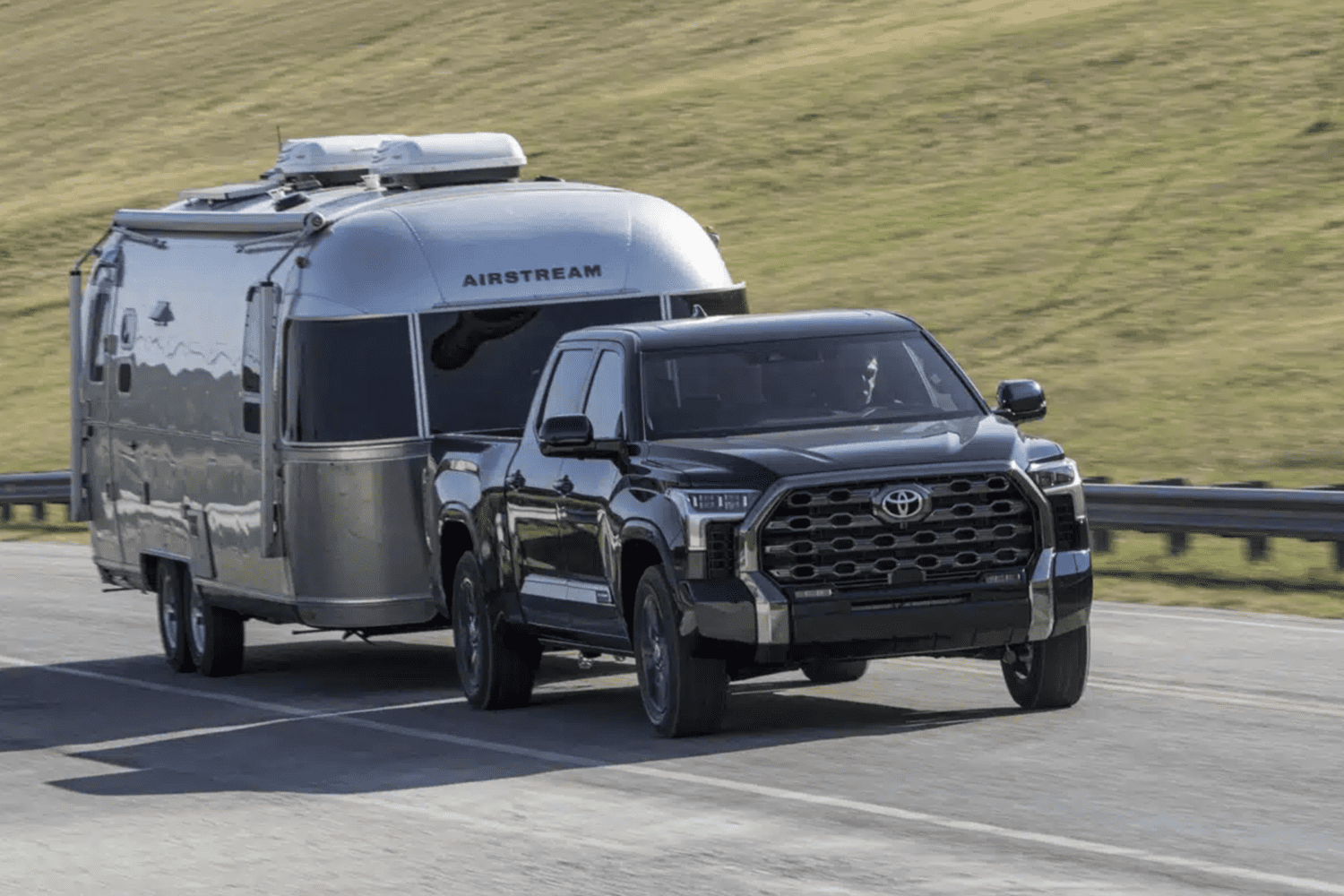
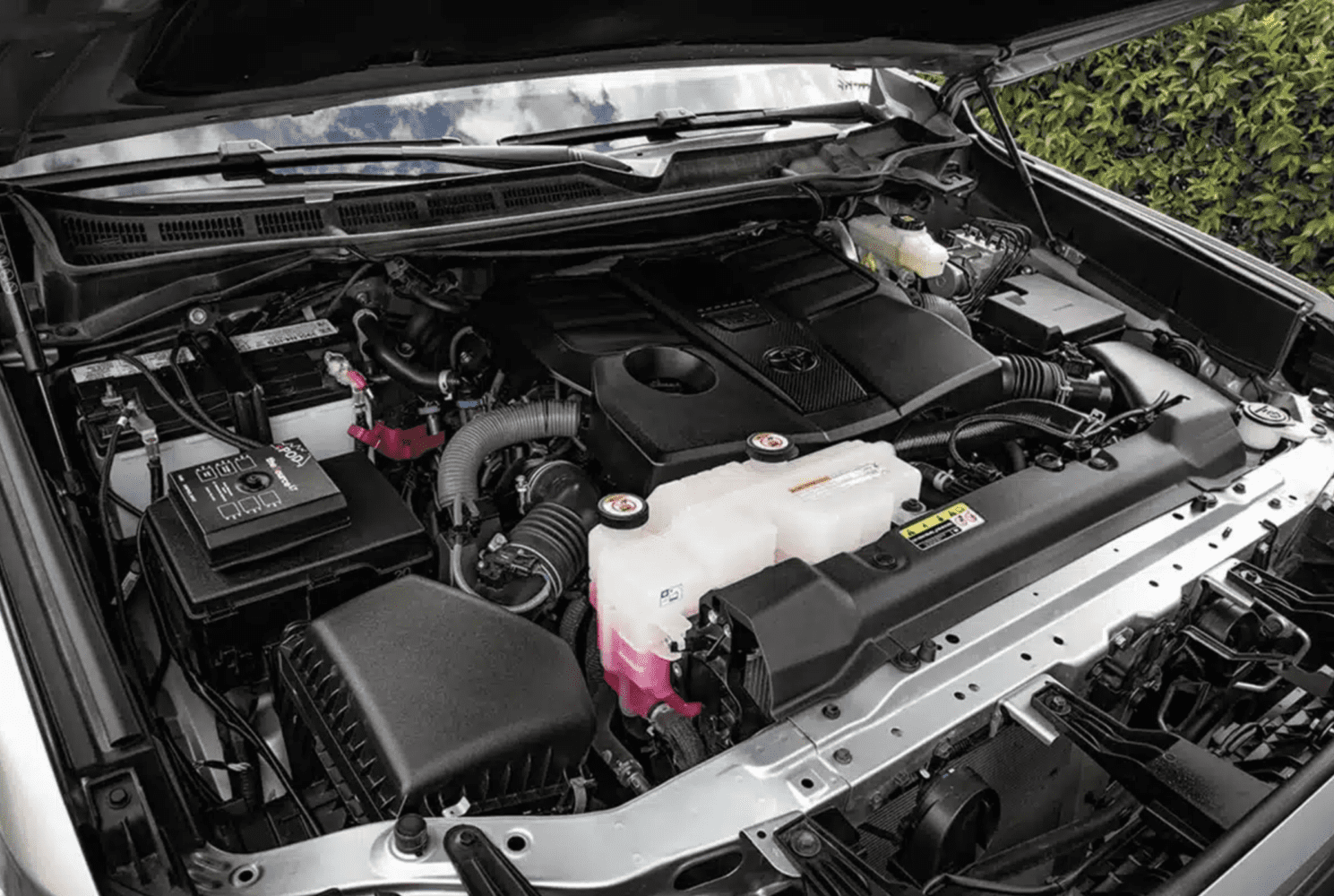
Engine teardowns have added another layer to the story, with several failed engines showing catastrophic bearing damage along with heavy metallic contamination in the oil pan. Some experts now believe issues with oil pressure may also play a role in the failures. Reports of fluctuating oil pressure and localized oil starvation have led to speculation that the issue may go beyond debris alone, especially under heavy load or towing conditions where bearing stress is highest.
Difficult Times
The current Tundra represented a major shift away from the legendary naturally aspirated V8 engines that built the truck’s reputation for reliability and longevity. The twin-turbo V6 was intended to deliver more power, better fuel economy, and stronger towing performance while helping Toyota meet tightening emissions regulations. Instead, the engine has become one of the most controversial truck powerplants on the market.
Despite the growing recall count, Toyota continues to publicly stand behind the platform. Owners of affected trucks will receive repairs free of charge, and Toyota says it will continue to investigate the issue as more data becomes available. The expanding recall has raised uncomfortable questions about whether modern turbocharged complexity can truly match the bulletproof reputation of the company’s older V8 powered trucks.
To determine if a vehicle is covered by the recall, owners should check their VIN against Toyota’s recall website, or nhtsa.gov
Read more: Volkswagen Expands the ID. Buzz Lineup for 2027 With New Tourer Camping-oriented Model
Images: Toyota
Our No Compromise Clause: We do not accept advertorial content or allow advertising to influence our coverage, and our contributors are guaranteed editorial independence. Overland Collective may earn a small commission from affiliate links included in this article. We appreciate your support.
