

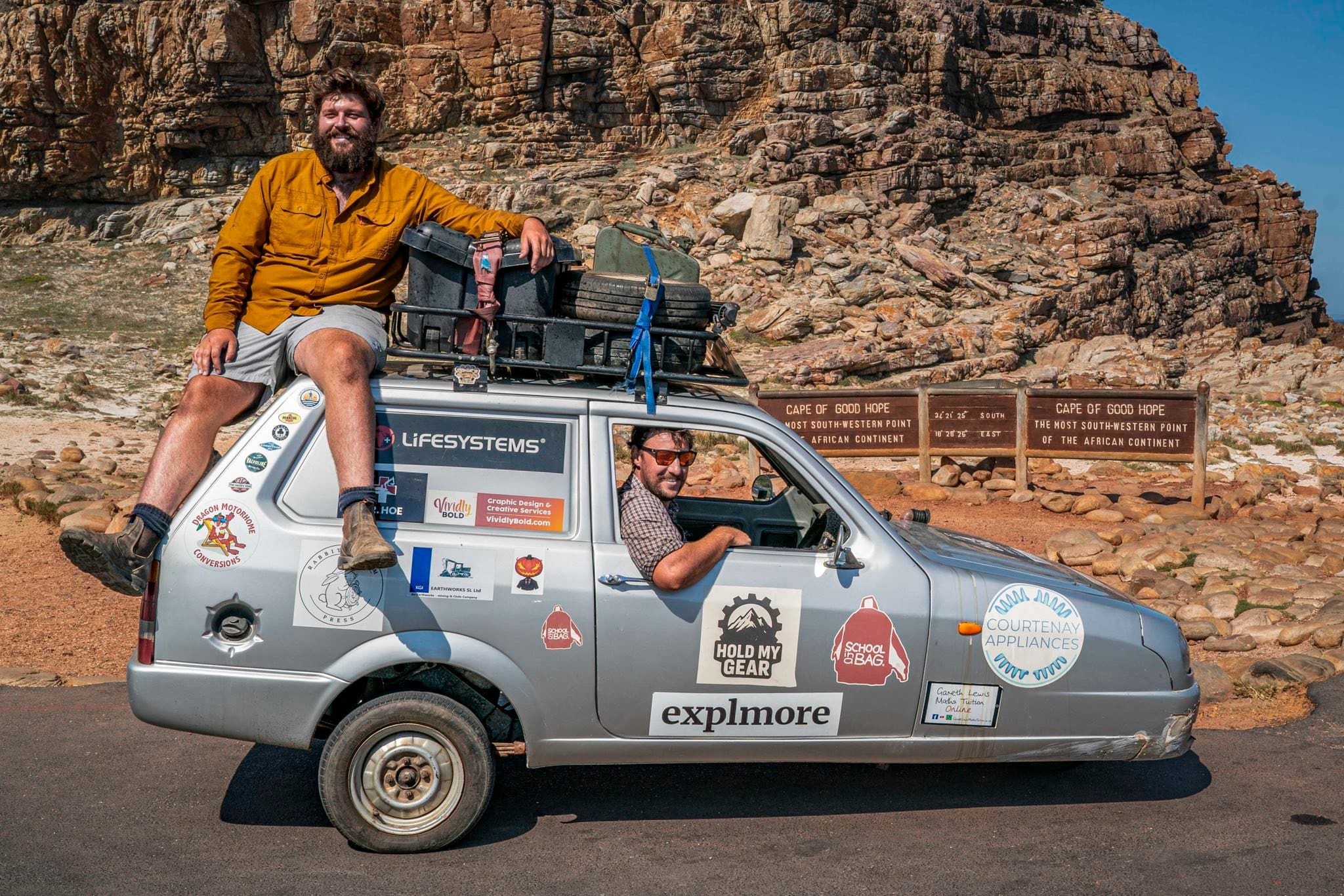
British automotive engineering has produced some of the most capable and desirable vehicles ever built, from the Land Rover Series and Range Rover, along with icons such as the Mini, Rolls-Royce, Bentley, Jaguar sports cars, and Aston Martin DB5. It has also, however, given the world the Reliant Robin—a car more often associated with comedy than capability. As a result, it would not typically feature on a shortlist for one of the world’s most demanding overland routes. For two adventurers willing to embrace the absurd, however, it proved to be the ideal choice for a fun and affordable adventure, until the wheels come off, that is.
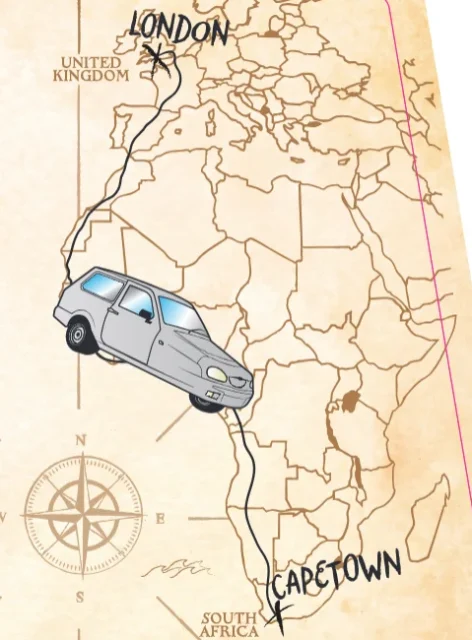
This British-built three-wheeler, better known for its role in popular culture than for long-distance travel, has now completed a record-breaking journey from the United Kingdom to South Africa. Covering approximately 14,000 miles over four months, the trip has set a new benchmark for the longest journey ever undertaken in a Reliant Robin.
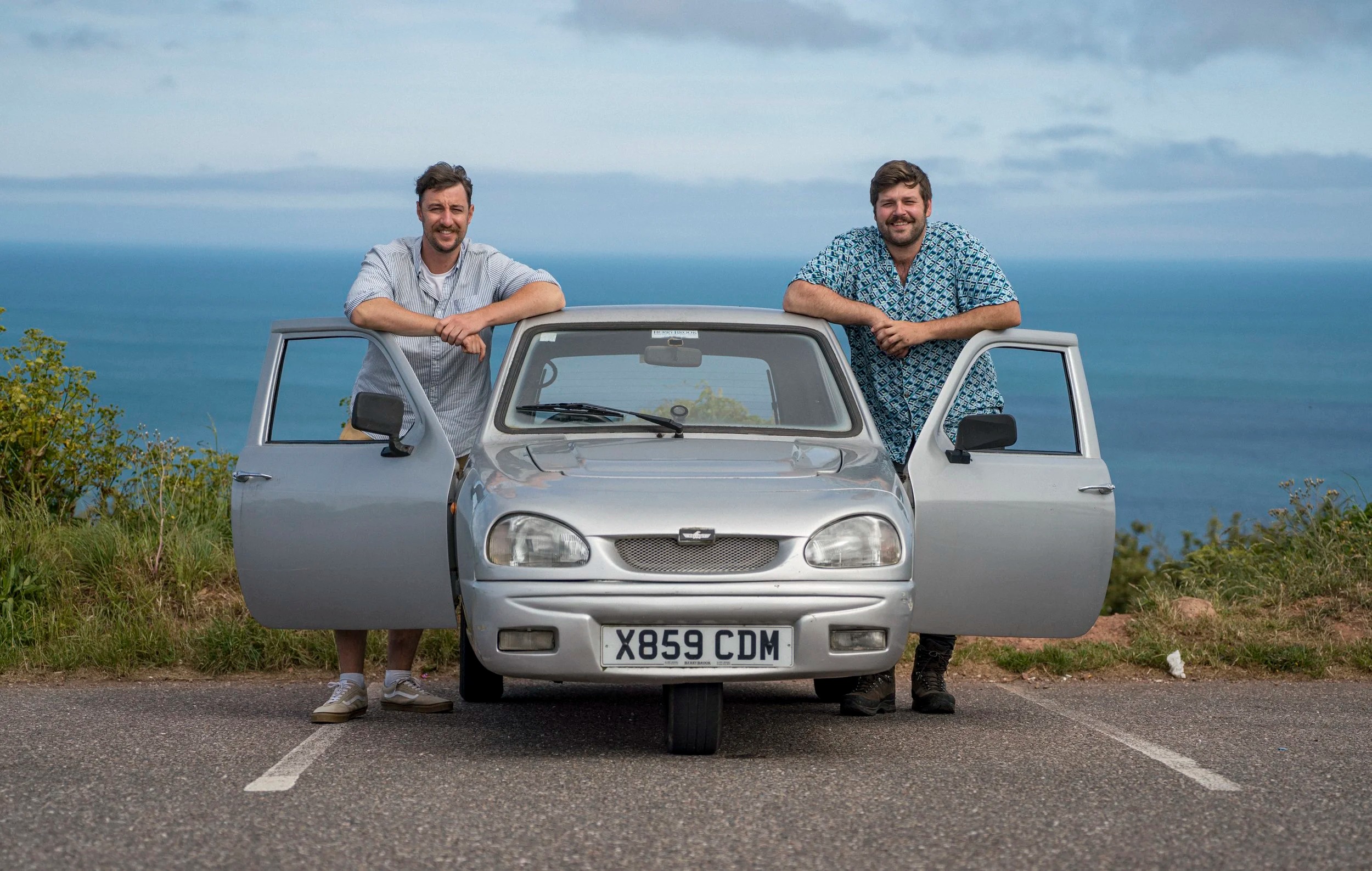
Driven by Oliver Jenks and Seth Scott, both in their early thirties, the 2001 Reliant Robin—nicknamed “Sheila”—departed London on October 24 and reached Cape Point on March 11. The journey ultimately took 130 days, roughly a month longer than planned, reflecting the mechanical and logistical challenges encountered along the way.
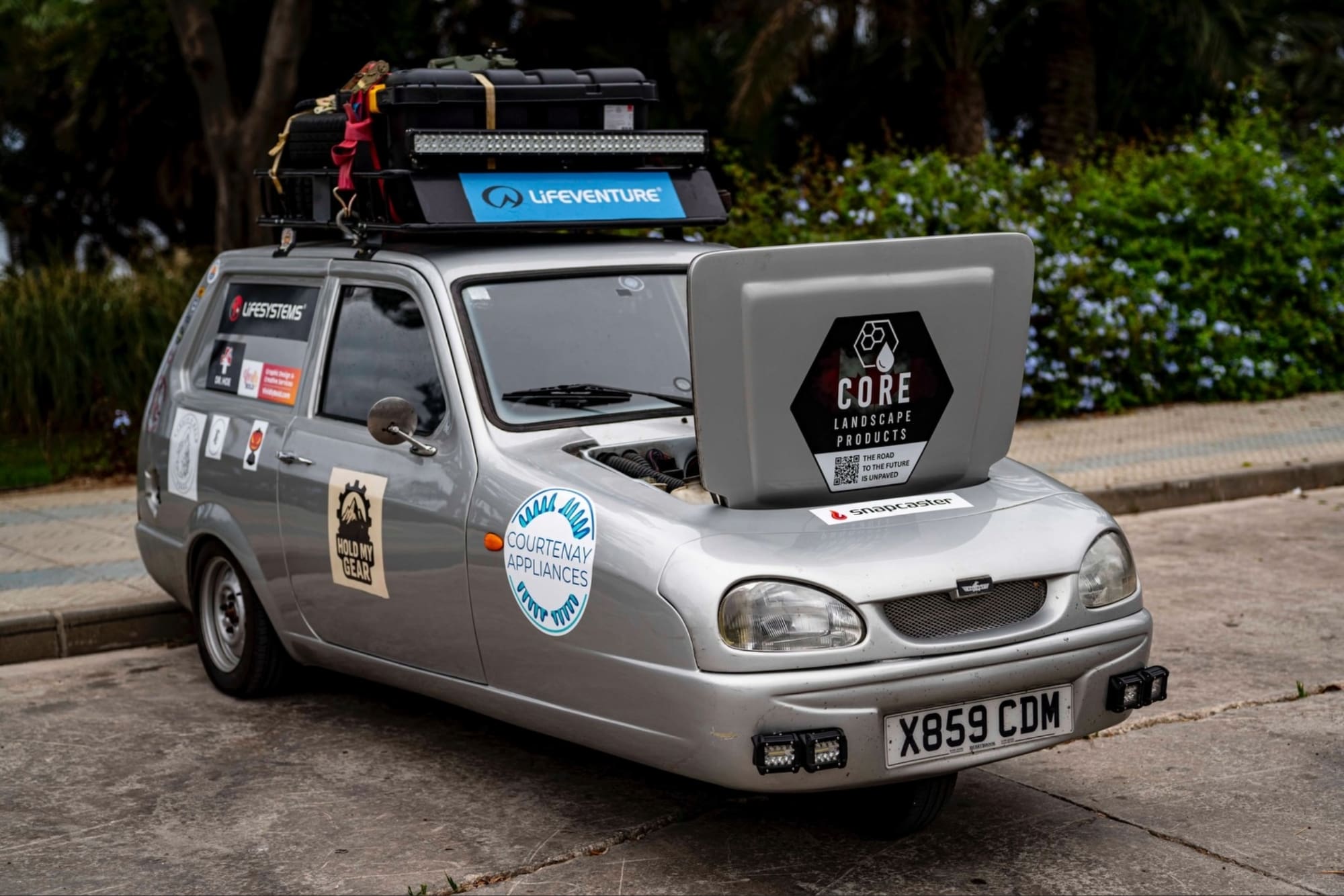
The Reliant Robin’s defining feature is its three-wheel configuration, with a single wheel at the front and two at the rear. While lightweight and economical, the design is widely regarded as unstable, particularly when loaded. For Jenks and Scott, both standing over 6 feet tall and carrying expedition gear, the limitations of the vehicle were immediately apparent. They described the experience as “being in a washing machine full of bricks,” referencing the constant vibration and confined interior.
The nature of the journey also highlights a broader truth about overland travel in the age of social media: it is often not the meticulously planned, trouble-free trips that capture attention, but those defined by setbacks, breakdowns, drama, and improvisation. In that respect, the Reliant Robin delivered consistently. West African roads are notoriously challenging, yet they are used daily by local drivers in modest vehicles and on motorcycles. Assistance is rarely far away, and the camaraderie encountered along the route played a meaningful role in keeping the journey moving.
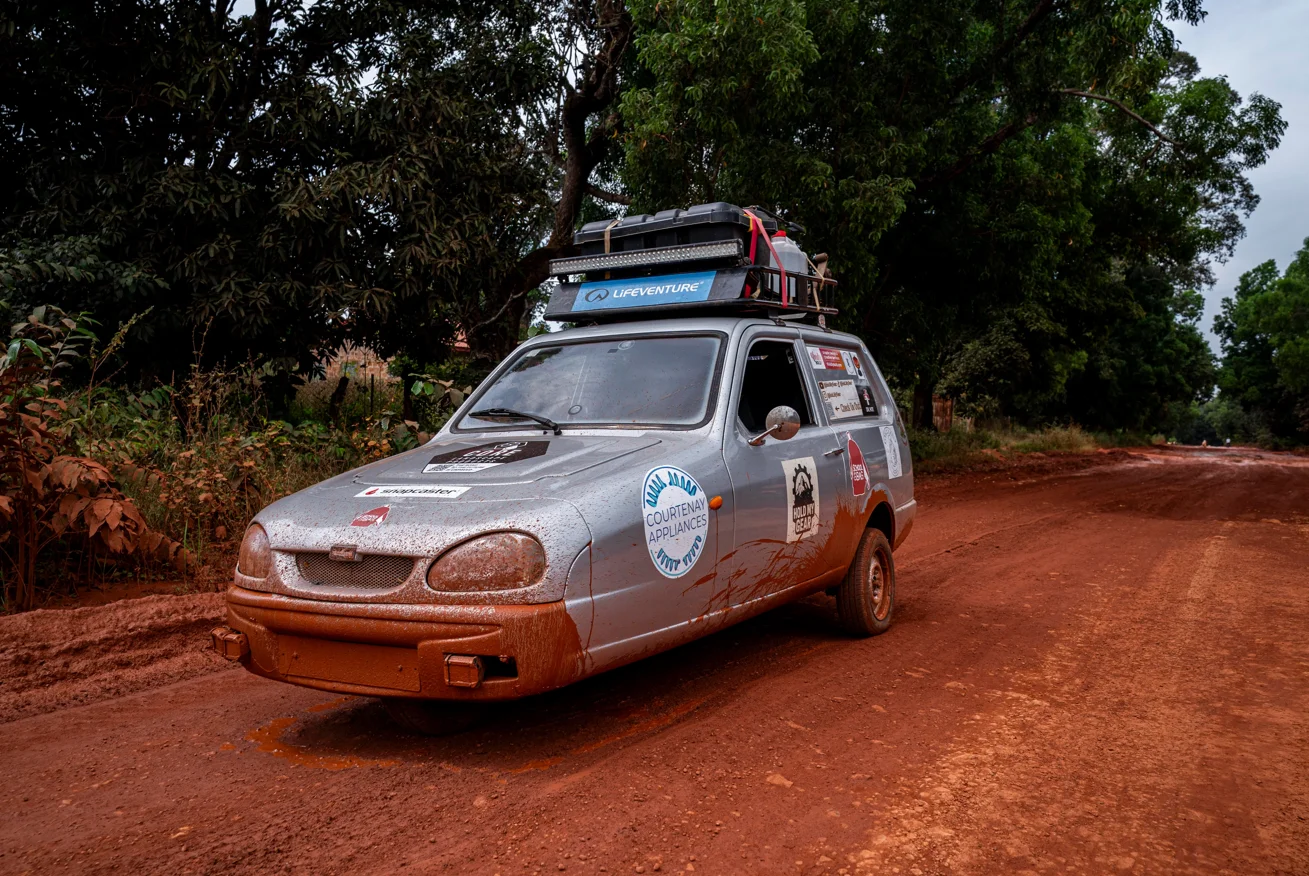
Mechanical issues began early and continued throughout the expedition. Within the first two weeks, the car required replacement of its wheel springs. Brake reliability soon became a recurring concern. Over the course of the journey, the team replaced five wheel cylinders and four sets of brake shoes, with failures occurring roughly every 5,000 kilometers. These issues were linked to the Robin’s drum brake system and its uneven weight distribution, both of which were pushed beyond their intended limits.
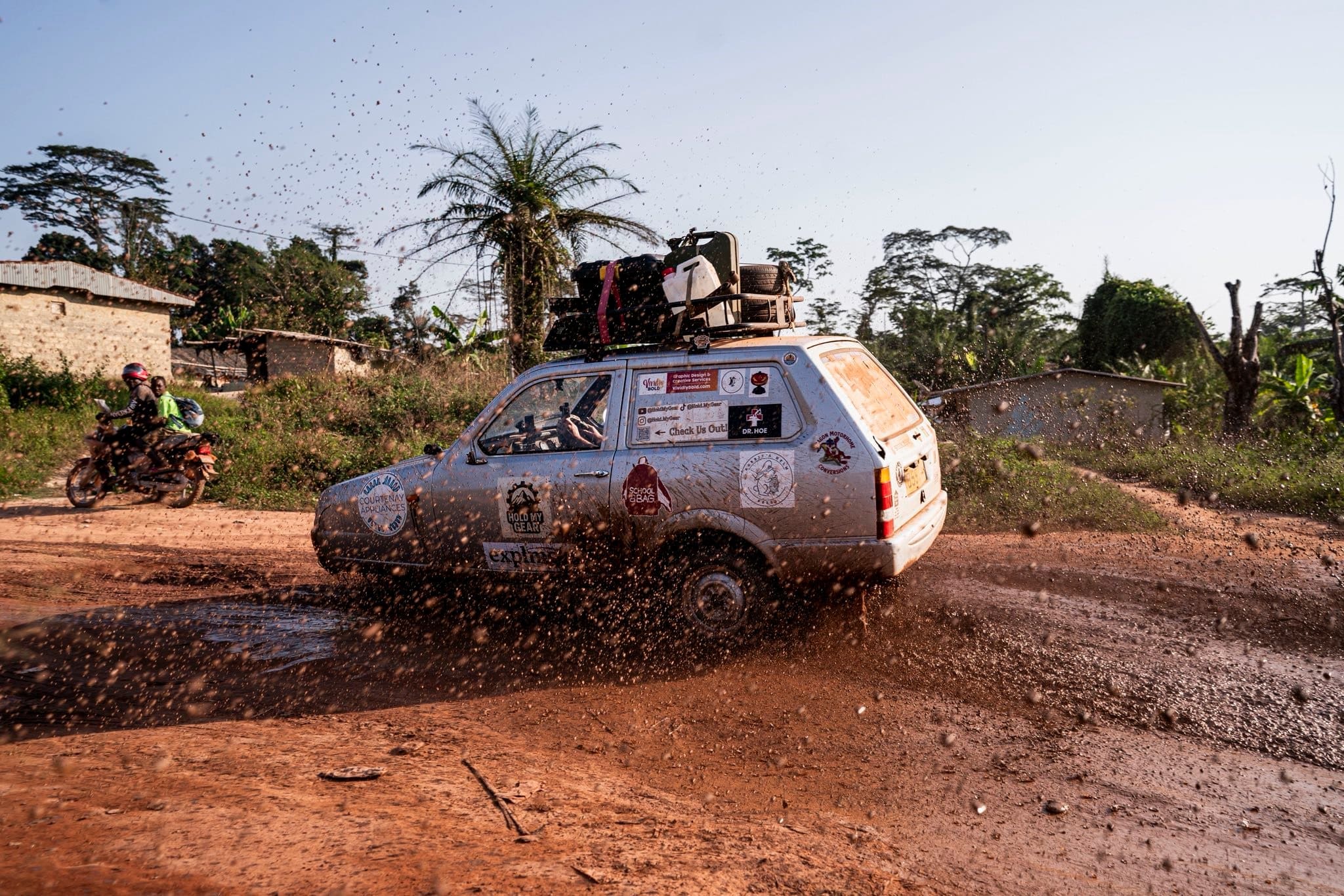
Further complications arose in West Africa. In Ghana, a gearbox failure left the vehicle operating only in fourth gear. Cameroon proved to be the most difficult stage of the trip, where a series of mechanical problems—including clutch and distributor failures—culminated in a complete engine failure on day 67. With approximately 4,000 miles remaining, the journey appeared at risk of ending prematurely.
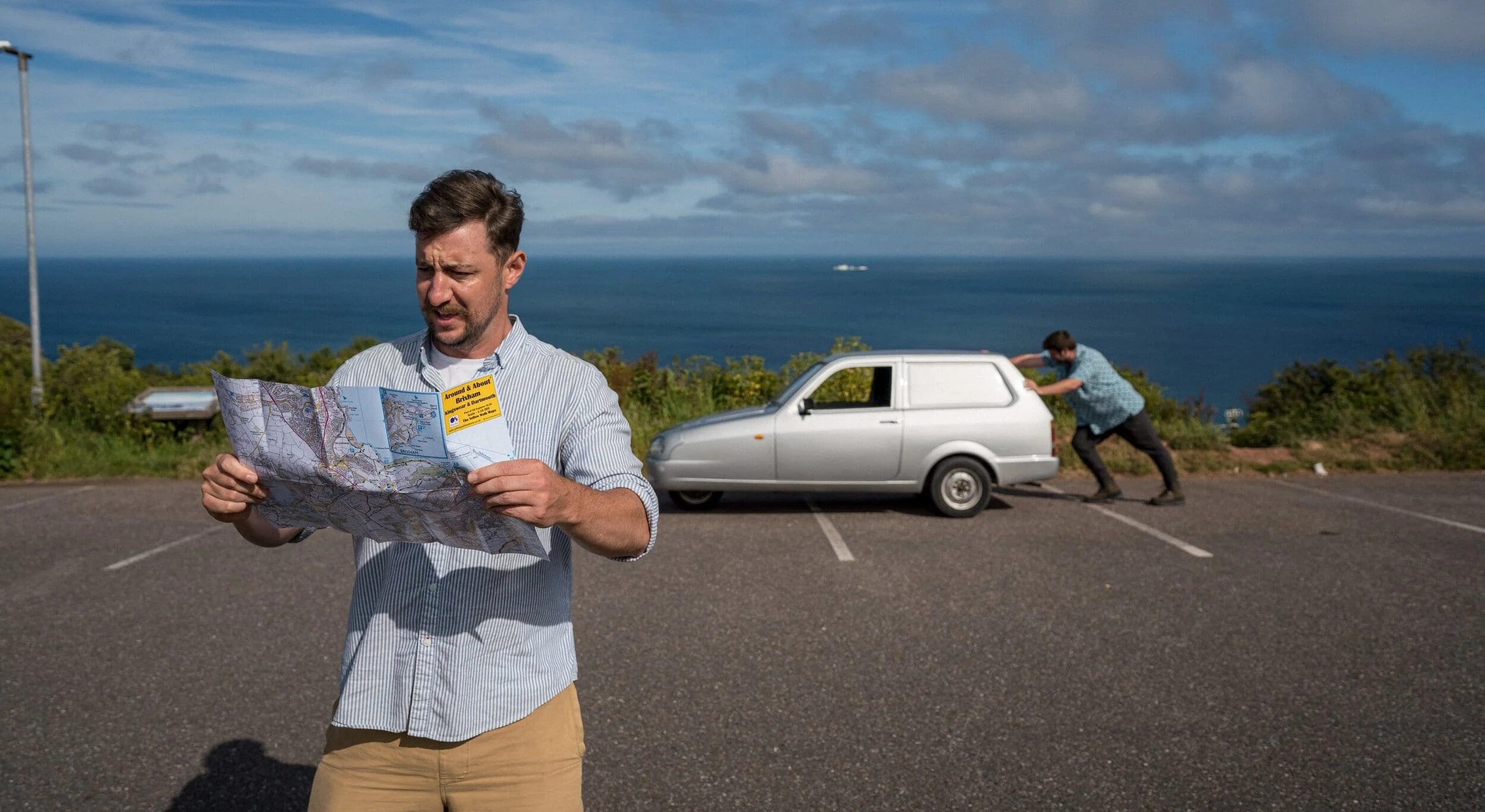
Facing mounting costs and limited access to parts, Jenks and Scott launched an online fundraising appeal titled “Save Our Sheila.” The response was immediate. Within 24 hours, supporters—many of them fans of British motoring culture and television programs such as Top Gear and Only Fools and Horses—had contributed £16,000. The funds enabled the team to purchase a replacement engine in the UK and ship it to Cameroon, allowing the journey to continue after a significant delay.
Additional challenges included an axle failure in the Democratic Republic of the Congo, where sourcing suitable components proved difficult. The team required parts compatible with a low-powered vehicle in a region where most available components are designed for heavy-duty trucks. Through a combination of improvisation and local assistance, they were able to keep the vehicle operational.
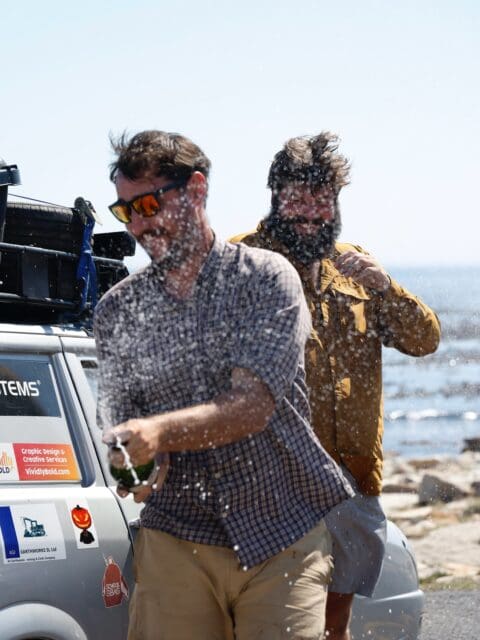
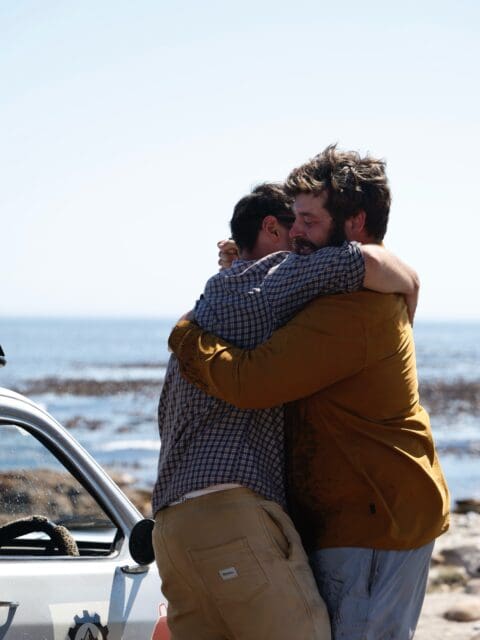
The partnership between Jenks and Scott dates back to the 2018 Mongol Rally, where they first met near the Iran-Armenia border while independently driving small, unconventional vehicles from the UK to Mongolia. That shared experience laid the groundwork for future projects, including this African expedition, which had been under consideration for several years.
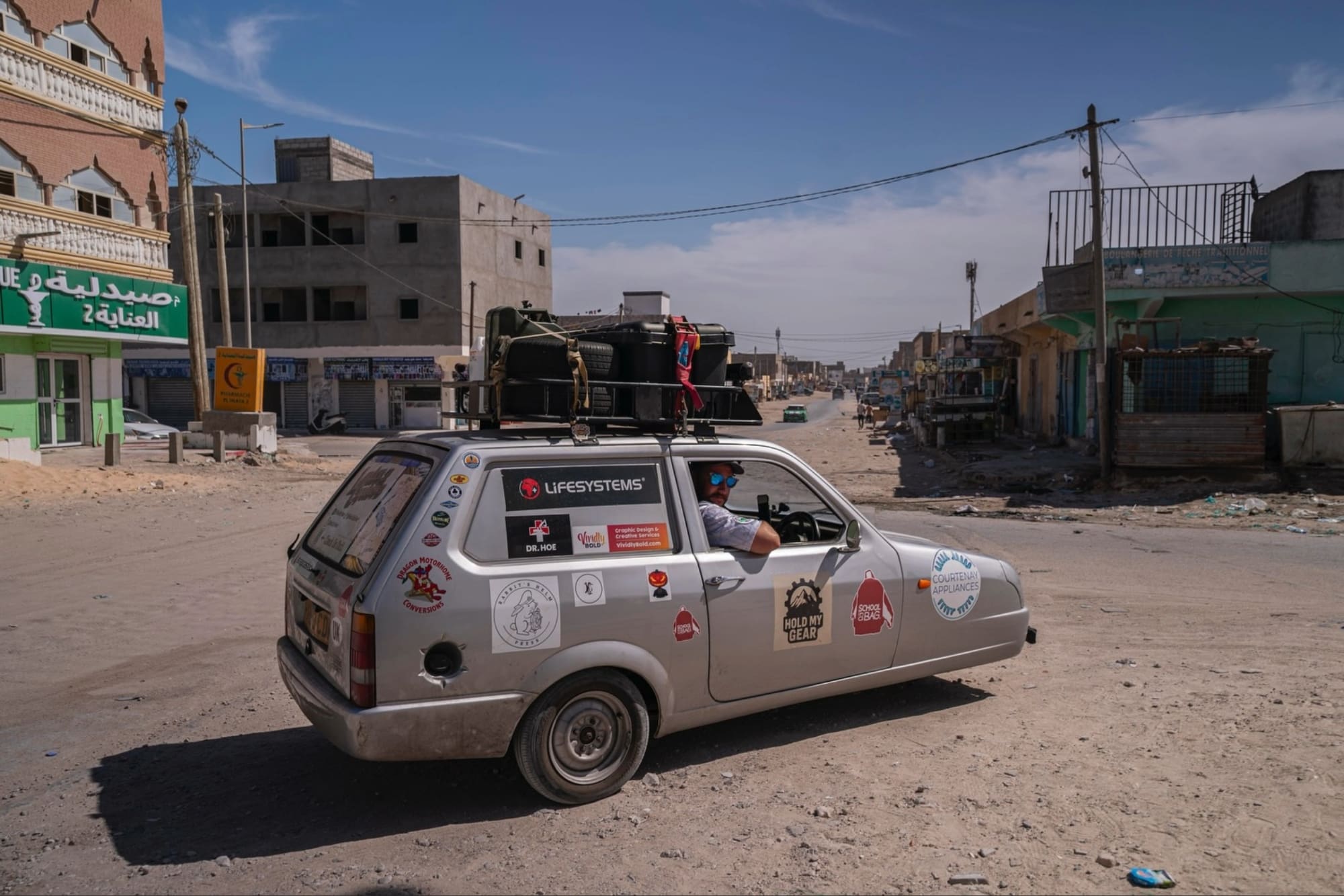
“Sheila,” one of the final Reliant Robins produced before the model ceased production in 2001, had approximately 40,000 miles on the odometer at the start of the journey. By the time it reached South Africa, the car had undergone extensive repairs, including the replacement of two engines and two gearboxes.
Following its arrival, the vehicle is expected to be preserved as part of automotive history. Discussions are underway regarding a potential display at the Franschhoek Motor Museum, with support from local car clubs.
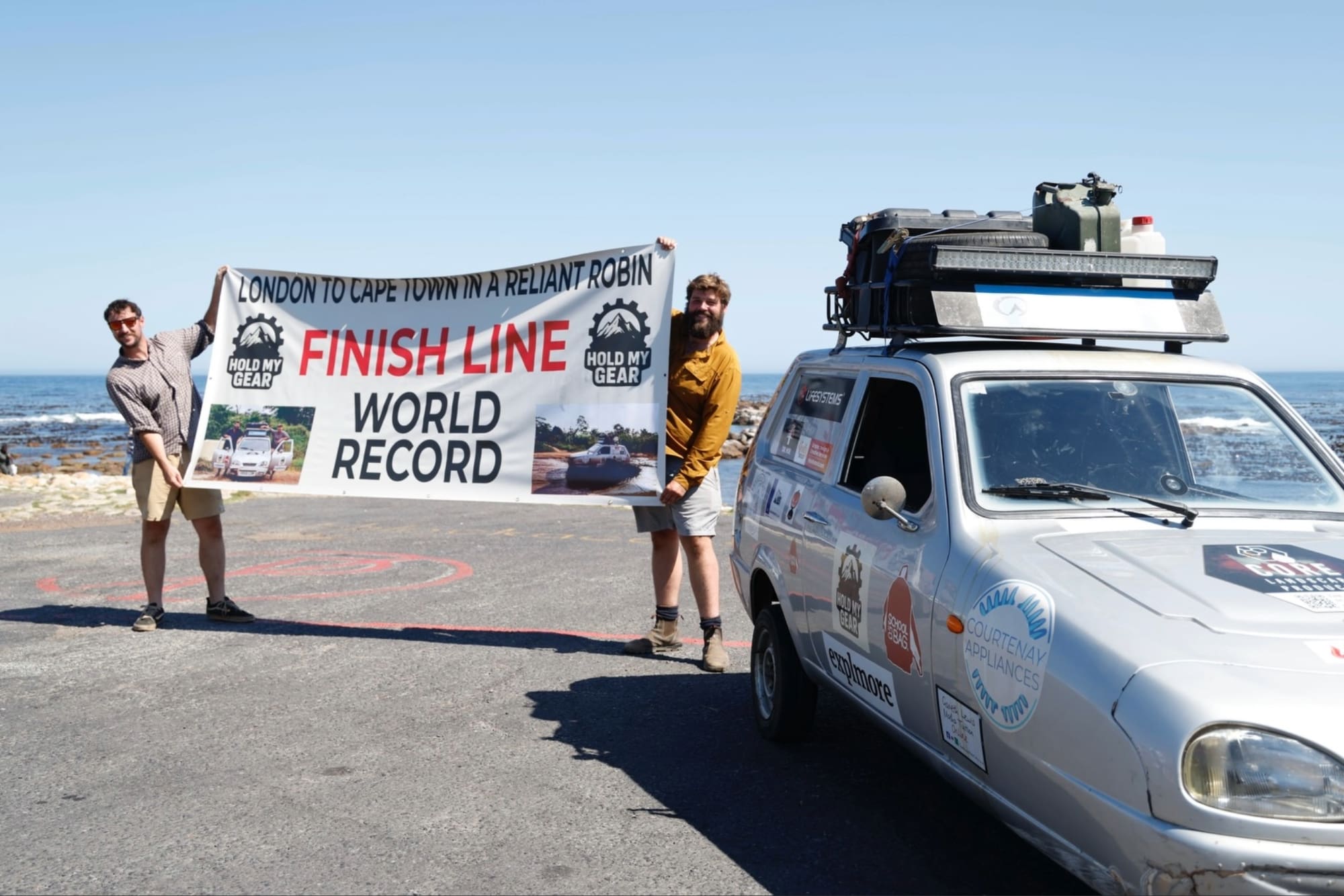
While the journey was defined by frequent breakdowns and delays, it ultimately demonstrated persistence, adaptability, and the value of community support. In completing the route from London to Cape Town, Jenks and Scott not only established a new world record for the Reliant Robin but also underscored the enduring appeal of unconventional overland travel. The expedition did not take itself too seriously, and in doing so, it captured a wide audience—perhaps encouraging others to consider fun-centered journeys that prioritize experience over practicality.
Read More: Fly and Drive South Africa
Our No Compromise Clause: We do not accept advertorial content or allow advertising to influence our coverage, and our contributors are guaranteed editorial independence. Overland International may earn a small commission from affiliate links included in this article. We appreciate your support.
