

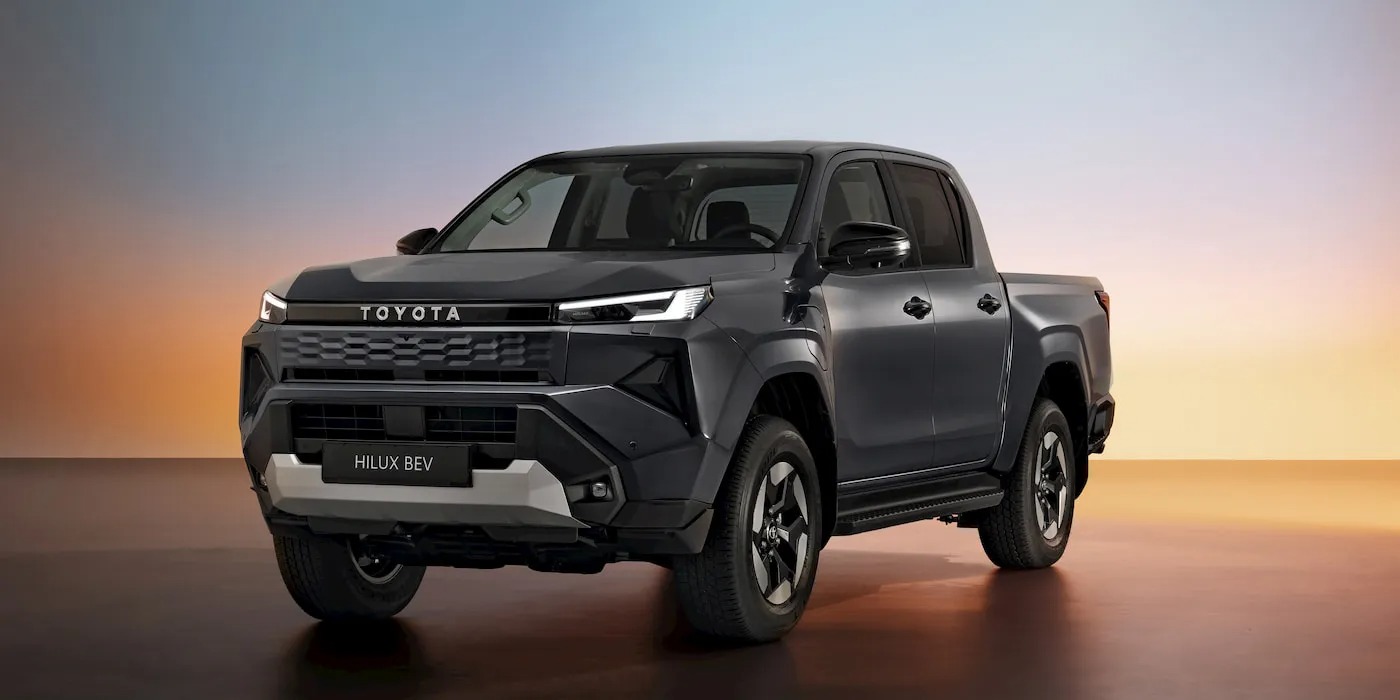
Toyota has lifted the curtain on the next-generation HiLux. While its bolder design and broader technology suite will attract attention, the debut of the model’s first battery-electric variant marks the real turning point in the legendary pickup’s story. Developed with extensive input from Australia, the 2025 HiLux signals not just a redesign, but a redefinition of what a pickup can be in a carbon-conscious world. While much of this new technology will inevitably find its way into North American vehicles, the HiLux itself will not be sold in North America.

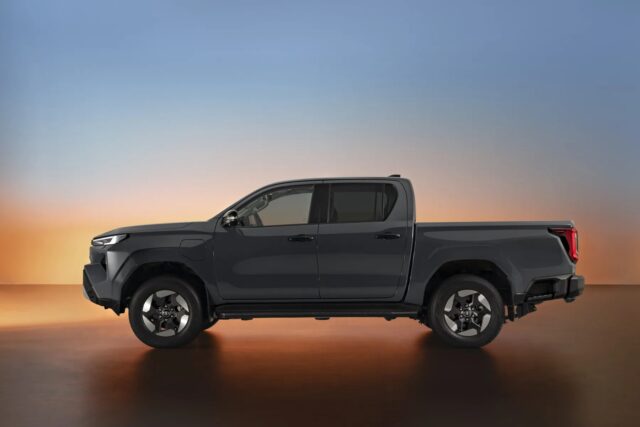
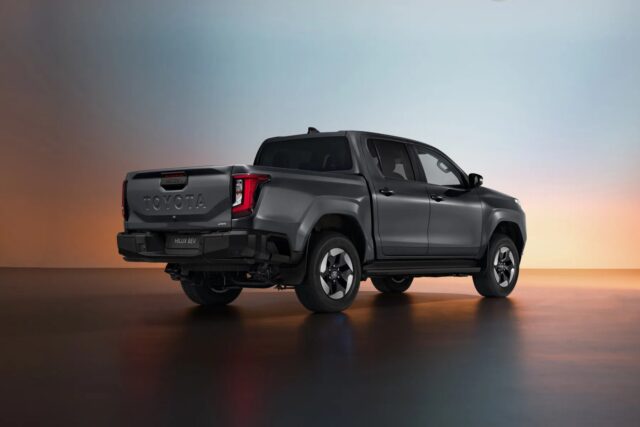
The new HiLux remains faithful to its legacy of reliability and hard-edged utility, but Toyota’s latest iteration introduces a dual narrative—one of continuity and one of transformation. The internal-combustion lineup, anchored by the proven 2.8-liter turbo-diesel engine, continues to serve the traditional HiLux buyer base, while the forthcoming BEV variant—set to arrive in 2026—targets fleet customers seeking to decarbonize without compromising performance or durability. It’s a pragmatic step in Toyota’s multi-pathway approach to electrification, where hybrid, hydrogen, and now complete battery-electric options coexist within the same product family.

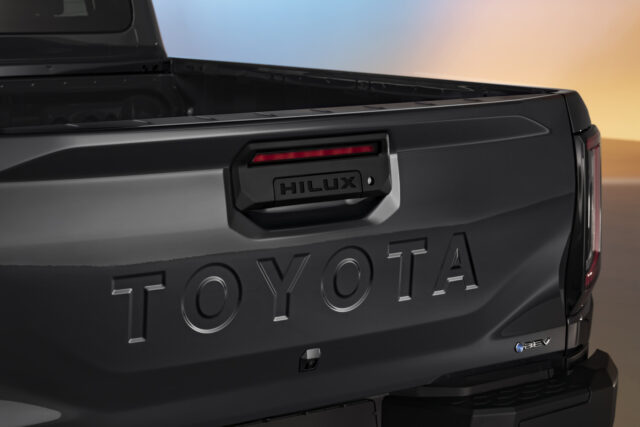
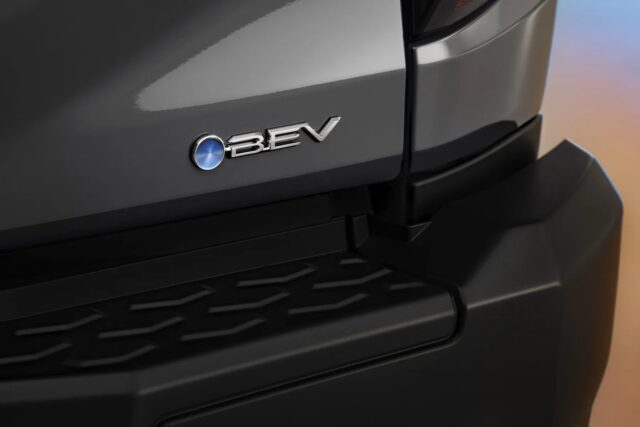
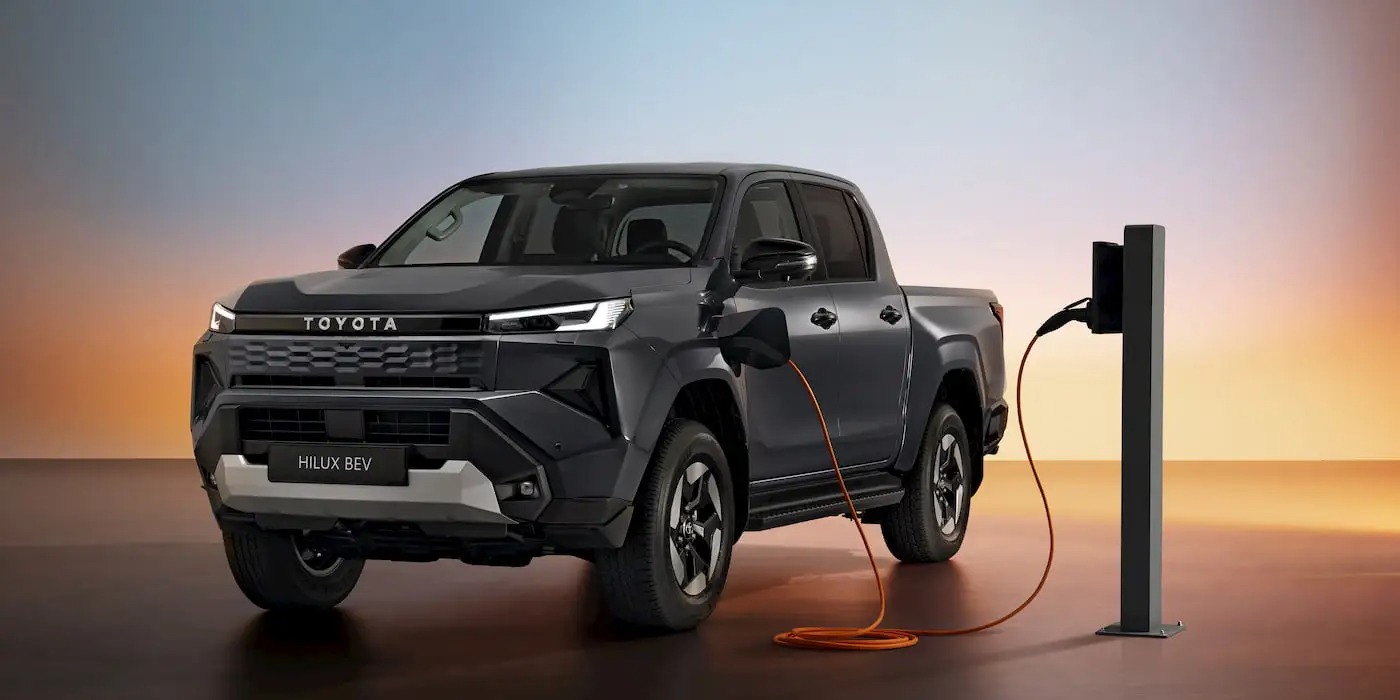
The electric HiLux is being introduced initially in double-cab 4×4 SR and SR5 trims, underpinned by dual electric motors—one on each axle—drawing energy from a lithium-ion battery pack. While Toyota has yet to publish output or range figures, the company has emphasized that the system has been engineered for authentic utility rather than theoretical range supremacy. The intent is to produce a quiet, torque-rich workhorse capable of daily fleet duty, urban logistics, and low-emission site operations, rather than a lifestyle showpiece. Toyota Australia has already tested early prototypes in field conditions, ensuring that the BEV retains the toughness required for Australian mining, agricultural, and construction fleets—the sectors most dependent on light commercial vehicles. No doubt many of these BEV HiLux models will spend most of their lives underground, where fresh air is a precious commodity.

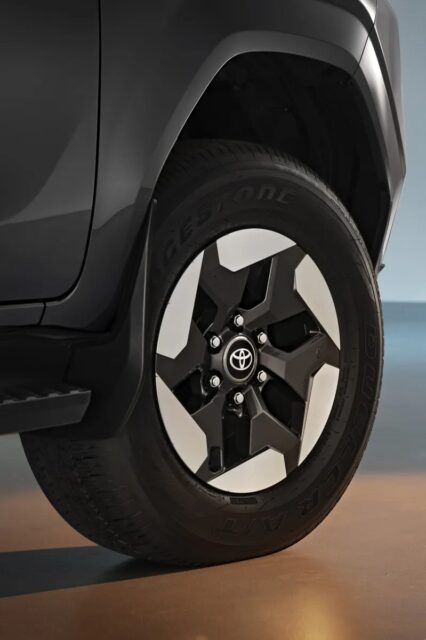
This careful rollout aligns with Toyota’s methodical electrification strategy. The HiLux BEV will join the lineup ahead of a hydrogen fuel-cell variant expected in 2028, further reinforcing Toyota’s multi-technology stance. In the words of Toyota Australia Vice President Sean Hanley, “The introduction of the first-ever HiLux BEV reinforces Toyota’s multi-pathway approach to decarbonisation, which is an exciting step forward for fleets and businesses looking to reduce their carbon footprint.” The comment highlights the brand’s reluctance to pursue a one-size-fits-all solution and its confidence in a layered approach that addresses diverse market demands.
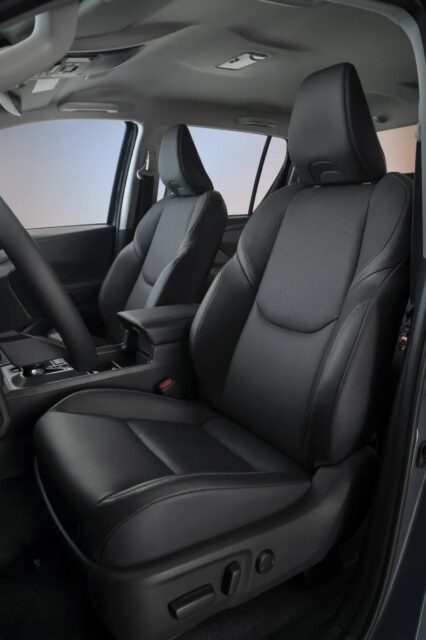
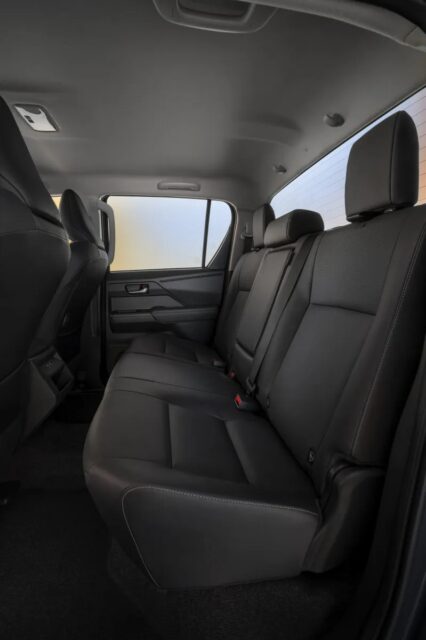
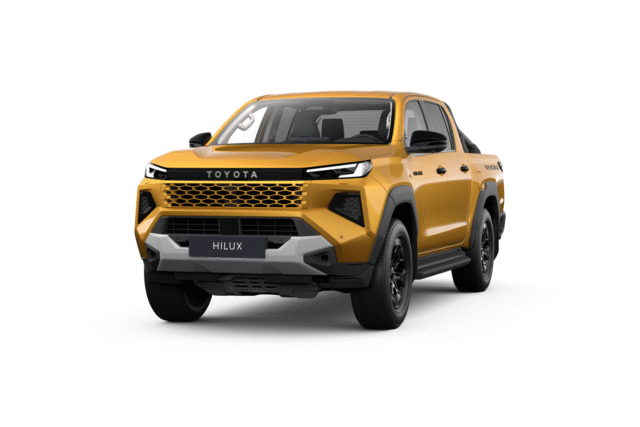
While the BEV headlines the announcement, the broader 2025 HiLux package represents one of the most substantial updates in the model’s history. Designed under a “Cyber Sumo” theme by Toyota Australia’s styling studio in Altona—with input from Japanese and Thai engineers—the new HiLux carries a wider stance, more sculpted sheetmetal, and a reimagined front and rear. The look is Marmite (you will either love it or you won’t), muscular yet modern, with slim LED headlights and a squared-off fascia that hints at the vehicle’s dual role as both a work tool and an aspirational SUV alternative. The design evolution is mirrored inside, where the cabin has been overhauled for improved soft-touch comfort, ergonomics, and digital sophistication.
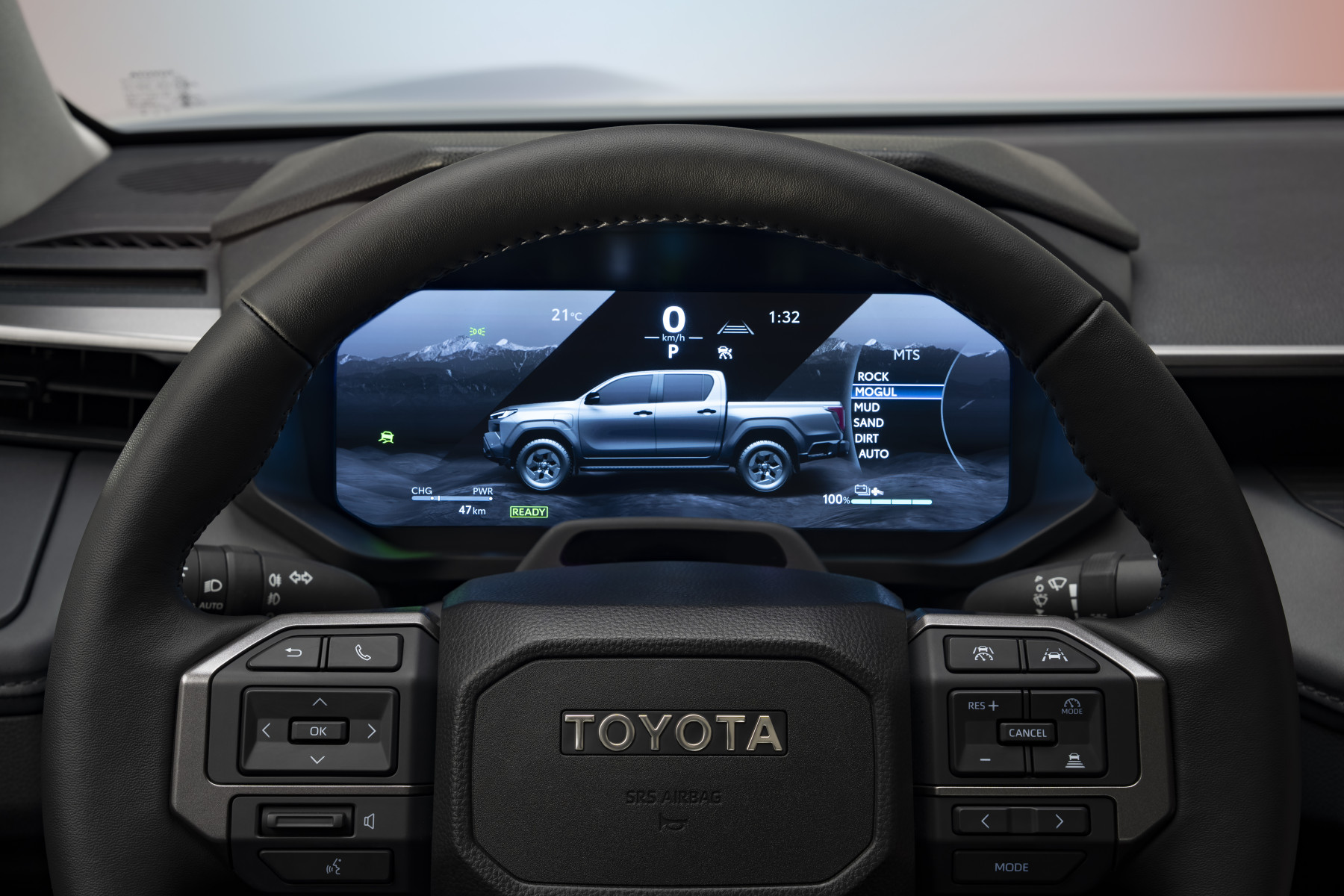
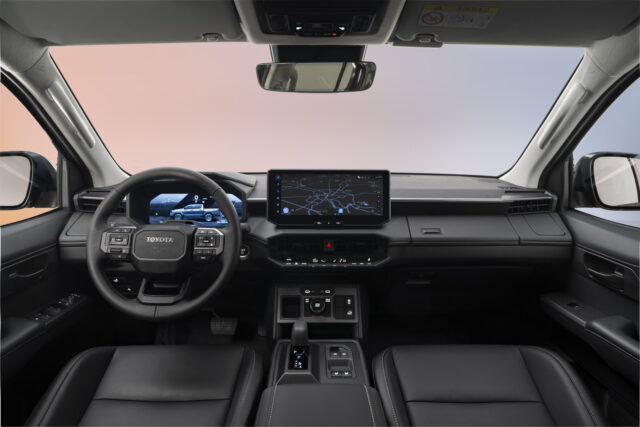
A 12.3-inch touchscreen multimedia display now anchors the dashboard across all variants, paired with either a 7.0-inch or 12.3-inch digital instrument cluster depending on trim level. Wireless Apple CarPlay and Android Auto come standard, as does Toyota’s expanded Connected Services suite. These changes are practical as well as aesthetic—Toyota’s engineers have flattened the dash profile to improve outward visibility on rough terrain.

Mechanically, the platform has been refined rather than reinvented. Every diesel HiLux variant continues to employ Toyota’s 2.8-liter four-cylinder engine producing up to 150 kilowatts and 500 newton-meters in automatic form, now complemented by 48-volt “V-Active” mild-hybrid technology on higher trims. This system smoothes start-stop transitions, assists during low-speed takeoff, and improves overall efficiency—bridging the gap between combustion and electric propulsion. Suspension tuning has also been split into two categories: heavy-duty for commercial use (WorkMate and SR) and comfort-biased for private buyers (SR5 and above). Electric power steering, a first for HiLux, enhances precision on-road while reducing kickback off-road and improves the integration of lane-keeping and driver-assist systems.


Off-road, Toyota has doubled down on capability. Automatic SR 4×4 grades and above now feature Multi-Terrain Select traction control and a standard rear differential lock, tuned extensively by Toyota Australia’s evaluation team to cope with local conditions. Upper trims feature the Multi-Terrain Monitor system, which enables drivers to view the vehicle’s surroundings and underbody via external cameras—essential for navigating rutted tracks or rocky ascents.
All of this groundwork matters because the BEV HiLux will rely on the same chassis and suspension architecture. By maintaining continuity in the frame design and off-road systems, Toyota ensures that electrification does not dilute the HiLux’s defining characteristic: its resilience. While the battery-electric version will initially cater primarily to fleet buyers, the long-term implication is clear: Toyota intends for electrified commercial vehicles to be every bit as rugged as their diesel counterparts.
Read More: Toyota is Breaking the Internet with the 300 HP Scion 01 Concept at SEMA 2025
