

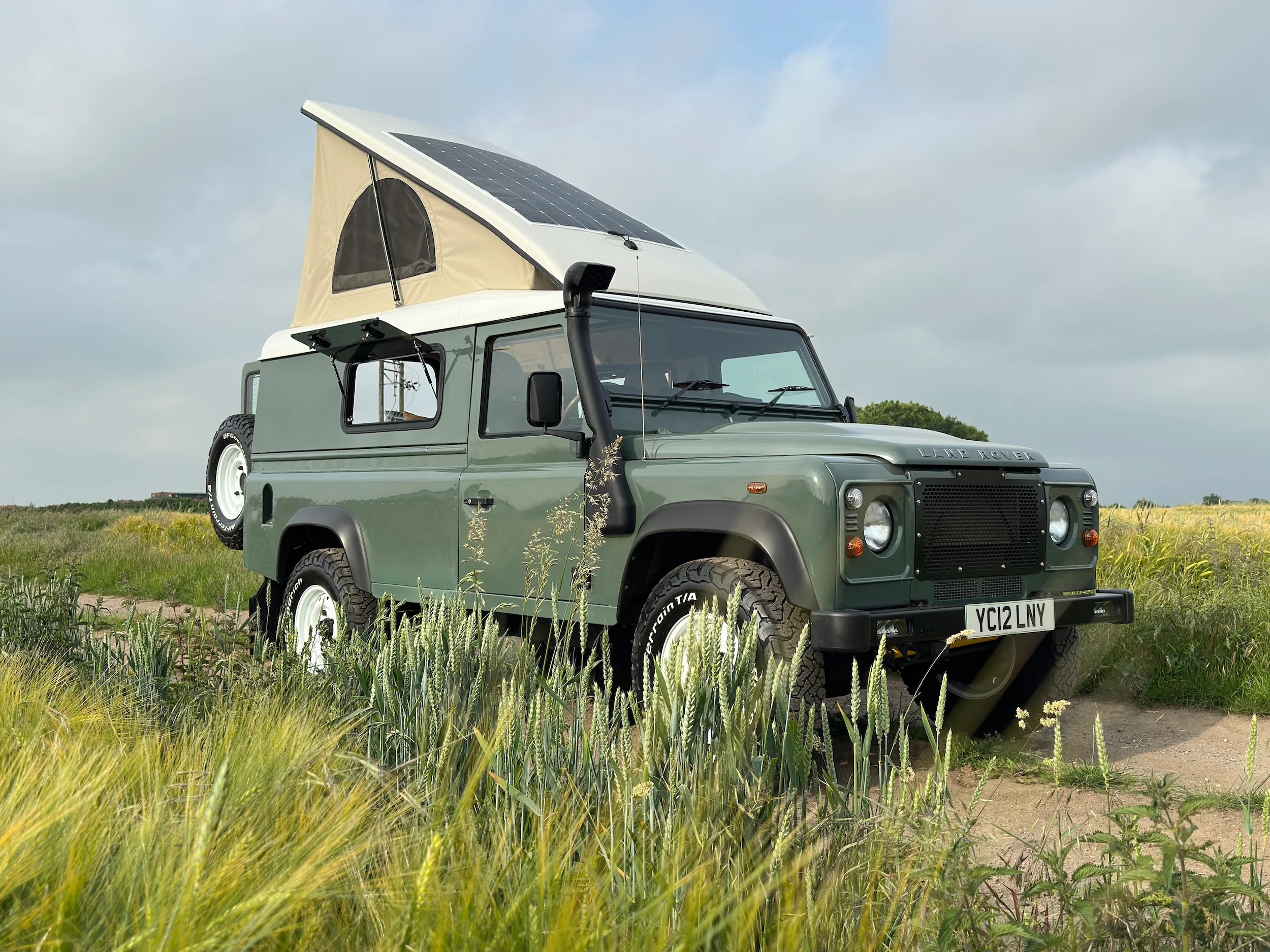
For the last two decades, I have been telling anyone who would listen that the nearest to perfect overland vehicle for an adventurous couple is the Classic Land Rover Defender Hardtop. With three doors and a cavernous interior, this old Landy will take you there, bring you back, and ensure that you have the space you need to carry anything reasonable you might need along the way. Had I not been blessed with two wonderful children, I would have chosen the Hardtop over the 130 back in the day, installed a pop-top and an interior living space, and never looked back.
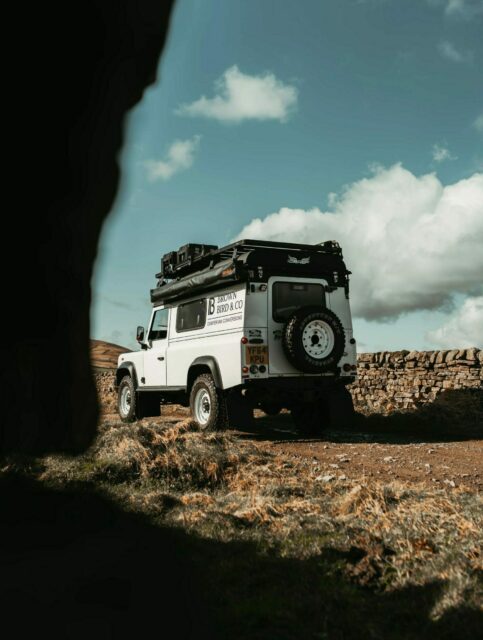
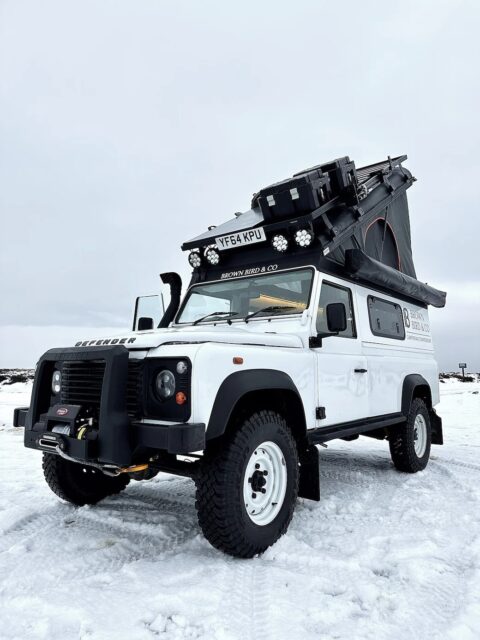
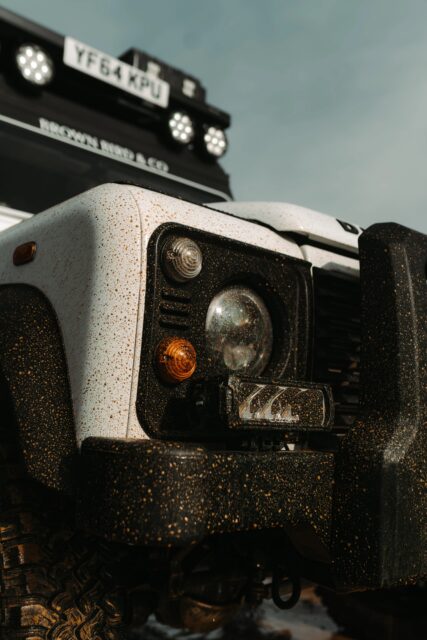
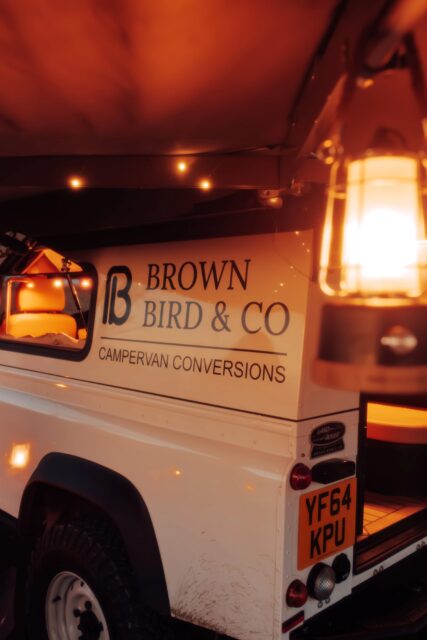
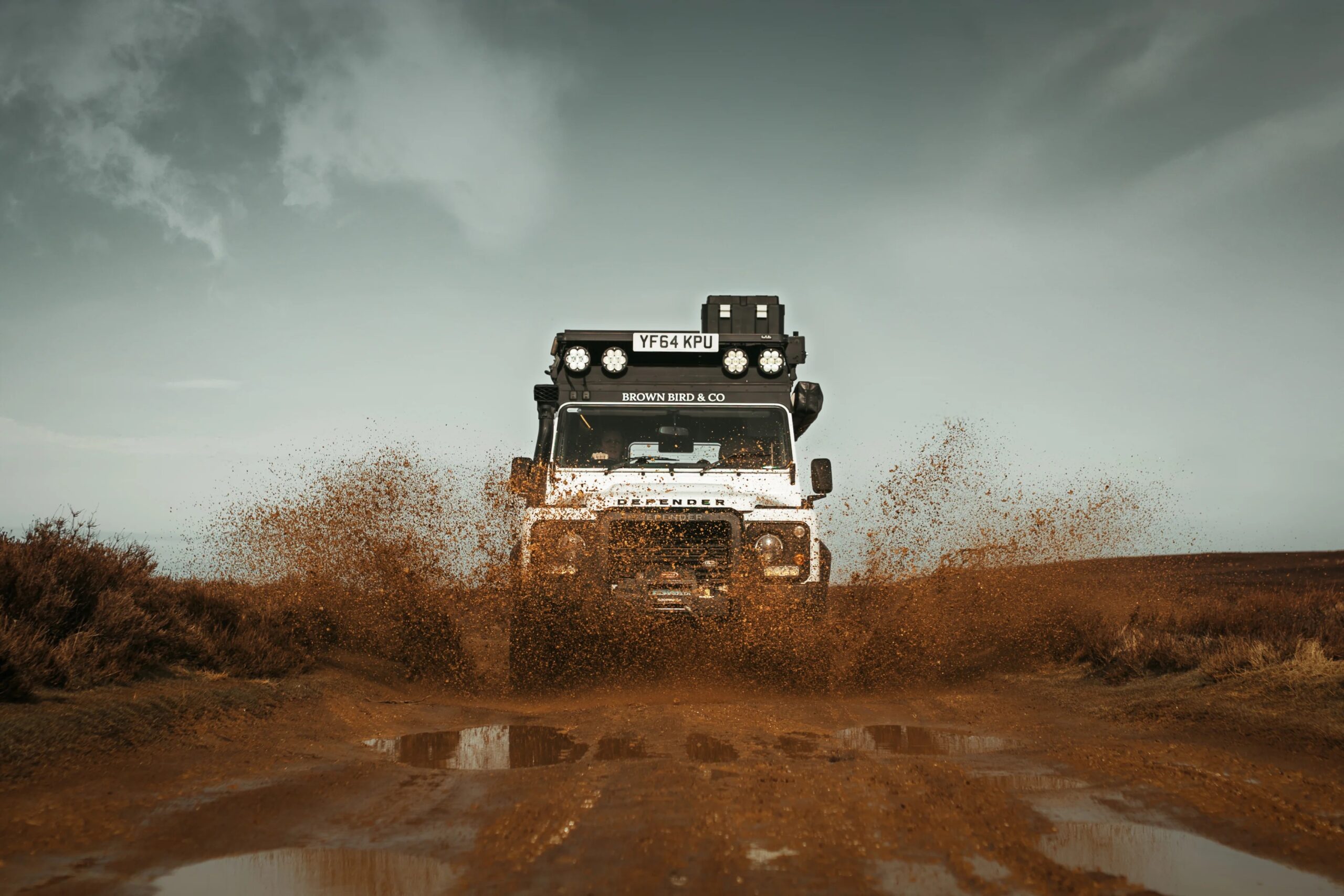
United Kingdom-based Brown Bird & Co. has been paying attention to the overland market and has revealed its latest offering: the Skafta Land Rover Defender Campervan. The firm says it has aimed to combine rugged off-road capability with refined interior finishes and modern systems, delivering a vehicle that is equally suitable for extended adventures as it is for uncompromised daily driving and off-grid exploration. The company frames the conversion not simply as a utilitarian tool but as a statement of “craftsmanship, individuality, and the spirit of exploration.” Goal achieved.
During daytime use, the interior is designed to allow occupants to relax without necessarily deploying the pop-top roof. The Skafta features a low-level kitchen with a hob, sink, and refrigerator integrated into a compact yet functional layout. The cabin also includes a sofa that converts into a bed when conditions, such as high winds, make using the pop-top impractical. This configuration makes the camper well-suited for dispersed camping in remote or potentially unsafe areas, as well as for discreet urban stays where raising the pop-top might draw unwanted attention. When the roof is deployed, internal headroom exceeds 2.2 meters, providing ample standing space. The bed platform in the pop-top measures approximately 2.4 by 1.25 meters and includes ceiling lighting, reading lights, and USB charging ports.
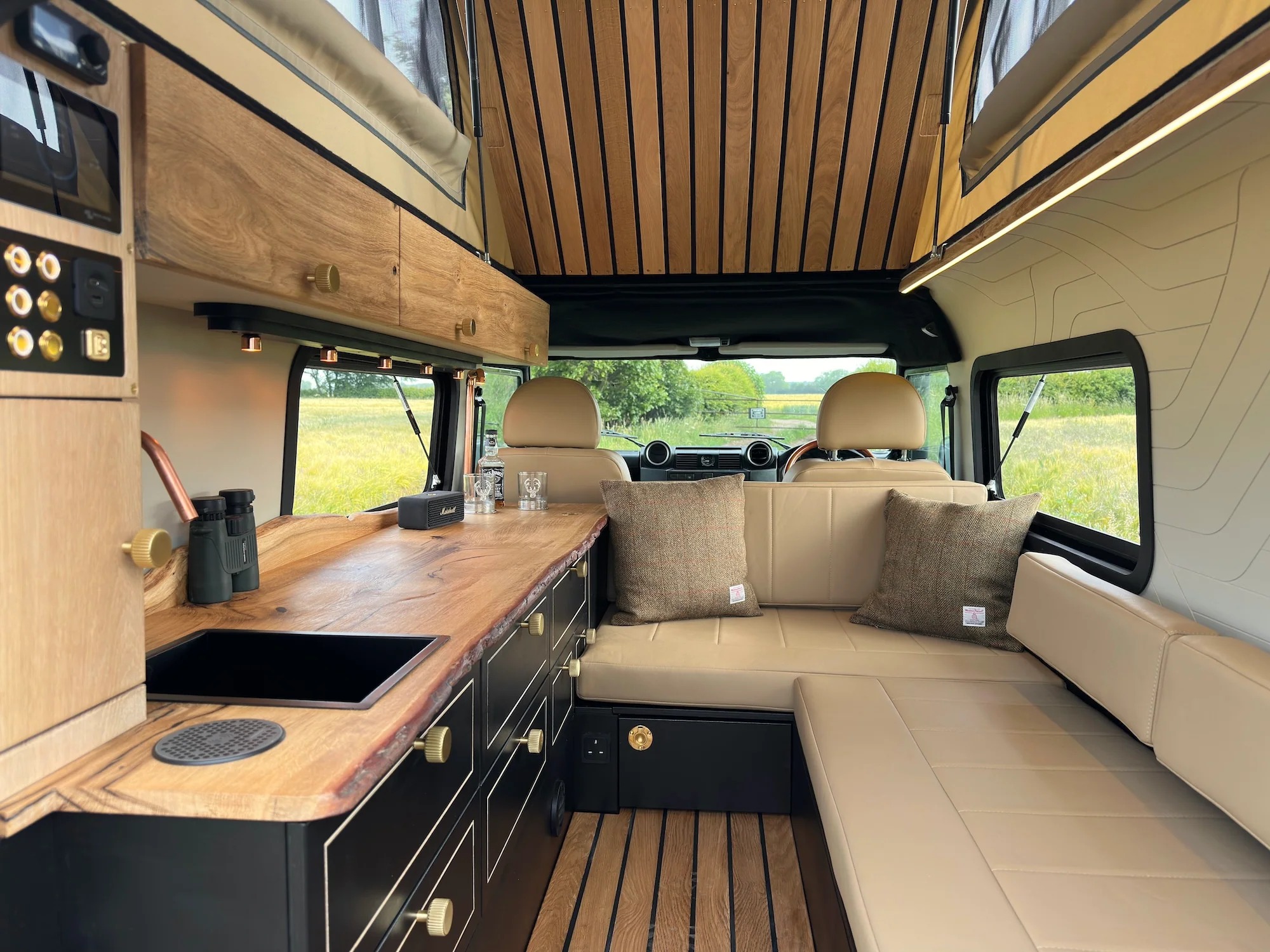
The kitchen is handcrafted, combining pippy oak for worktops and a live-edge aesthetic, a copper tap with an electric pump, a custom powder-coated sink, and a top-loading Vitrifrigo refrigerator installed flush with the worktop. Storage is allocated under the sofa, behind its backrest, in overhead cabinets, and in side drawers. The conversion also includes a compact porta-loo, an absolute game-changer for long-term, long-distance travel.


On the systems side, Skafta uses a diesel Autoterm heater located beneath a cubby box in the cab, controlled via a thermostat or timer. This heating ducting reaches both the living area and the pop-top enclosure. The insulation strategy combines Celotex boards (25 and 50 millimeters), spray foam, Earthwool, and a vapor barrier; the pop-top windows are designed to unzip for ventilation.
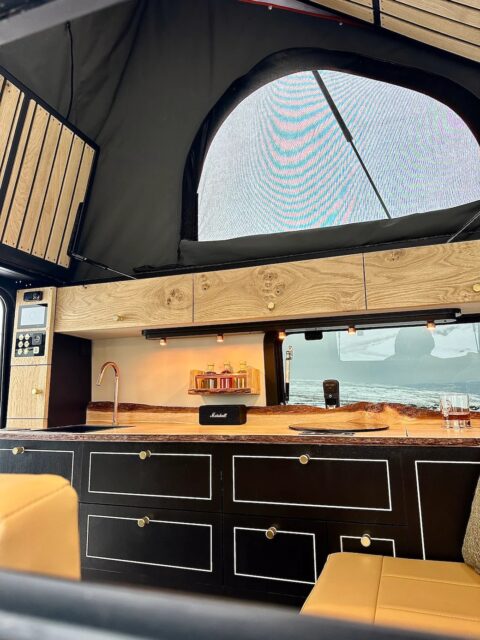

The electrical package in a standard build includes a 230 amp-hour Roamer lithium battery, 250 watts of solar panels, a Victron Orion Smart 50-amp charger, a Victron MPPT solar charge controller, a Victron Lynx distribution unit, a Victron battery charger, a Blue Sea fuse box, a kill switch, three USB ports, a 3-pin socket, and hookup capabilities. In a “premium gasless” version, the battery capacity and inverter-charger specifications are upgraded, and features such as a Cerbo monitoring system and wireless charging pad may be included.
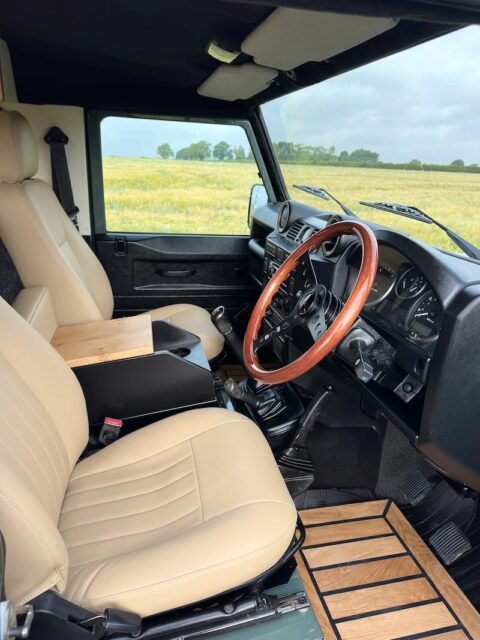
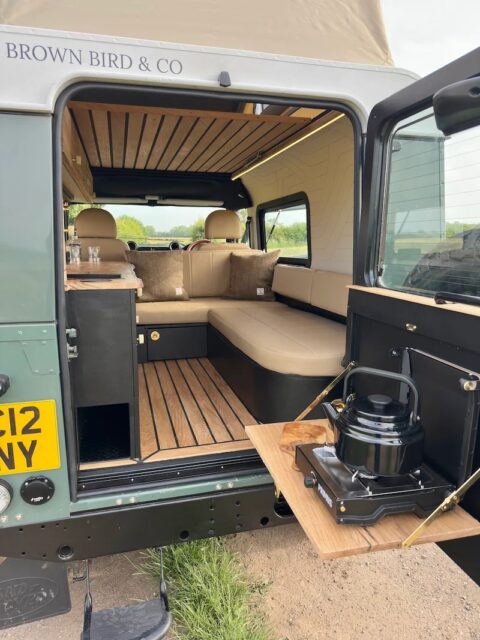
Externally, buyers may choose from a suite of add-ons and enhancements. These include roof racks, tree sliders, rear steps, all-terrain lighting, winches, all-terrain tires, and a raised air intake. The company notes that weight management is a critical concern: “Every component and additional upgrade will add weight to your campervan. We have to balance design, functionality, and additional kit to make sure your campervan has enough payload left for passengers, water, food, and belongings, etc.”
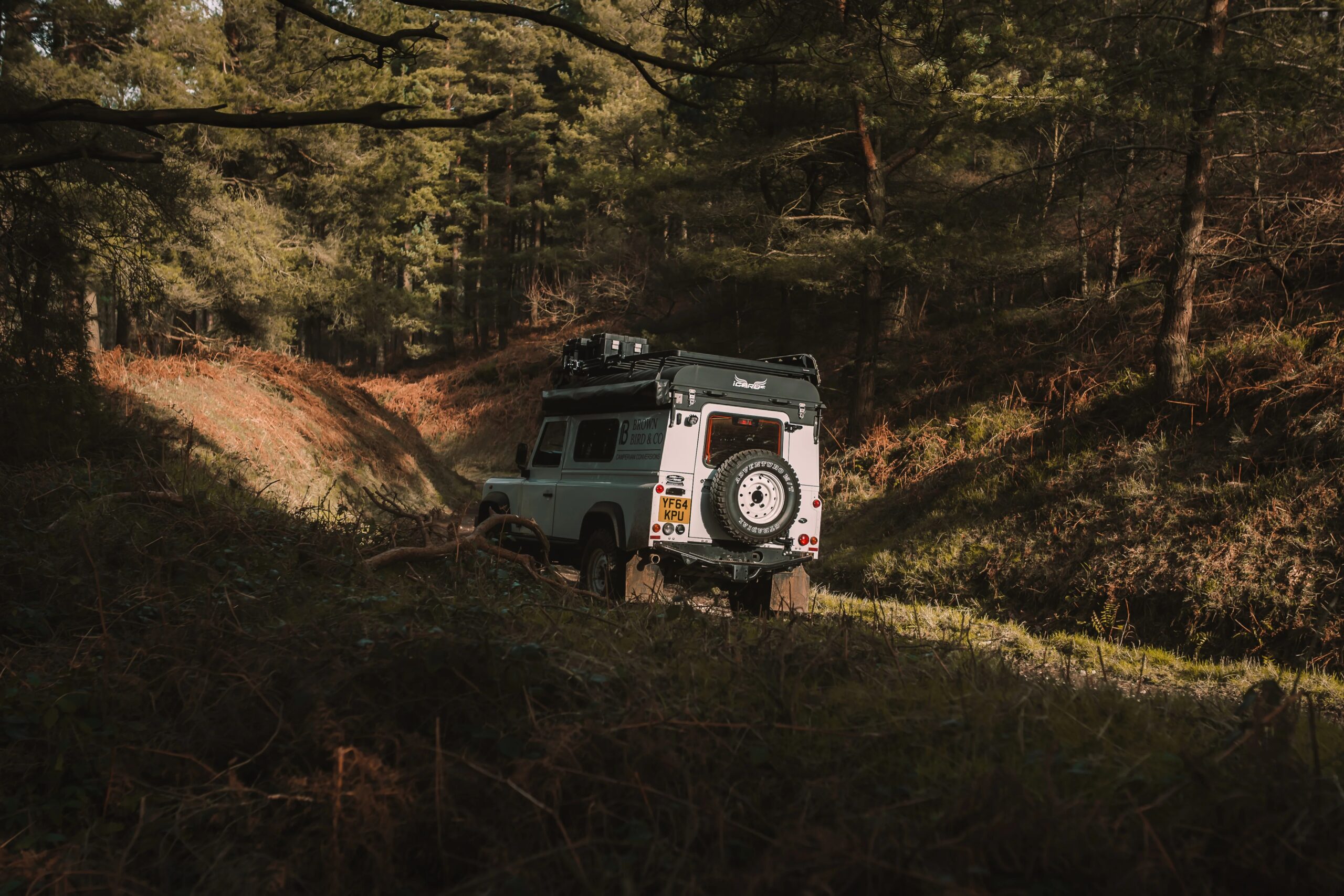
Brown Bird & Co. has published base pricing that excludes the donor vehicle itself. According to the listing, the “standard conversion” costs approximately $34,800, rising to about $38,600 when a pop-top is included. The “premium gasless conversion” version is priced around $41,700, and with a pop-top, it’s roughly $45,500. The most expensive variant listed is the “premium gasless with Alu-Cab pop-top,” priced at approximately $54,500. Because the listing excludes the cost of a base Defender, potential buyers must source or provide the vehicle themselves. Brown Bird & Co. offers vehicle sourcing services, as well as mechanical upgrades and maintenance, assisted in part through partnerships with specialist Land Rover service providers located near their workshop in Yorkshire.
From a market perspective, the pricing is premium: adding a high-end interior, electrical system, heating, and custom carpentry increases conversion costs substantially beyond basic overland outfitting. Yet for buyers seeking a turnkey, elegantly finished product rather than performing the conversion themselves, such expense may be justified. The company says that build-slots require a nonrefundable deposit to secure a conversion spot. It also acknowledges that design considerations, materials, and equipment costs may fluctuate, potentially affecting final pricing.

What remains to be seen is how the conversion performs in real-world conditions—particularly its durability, off-road handling, and serviceability. The Defender chassis provides a proven foundation for four-wheel-drive and overland use. Still, it’s always good practice for those who buy rather than build to take the time to fully understand the vehicle’s systems and develop the skills needed to perform effective bush repairs when necessary. On paper, this build appears well-designed and solidly constructed, and it will no doubt deliver many miles of smiles to the adventurous couples ready to pursue their travel dreams.
But it is still a Classic Defender—don’t forget to pack a positive attitude and a toolbox.
Read More: Overland News of the Week
Our No Compromise Clause: We do not accept advertorial content or allow advertising to influence our coverage, and our contributors are guaranteed editorial independence. Overland International may earn a small commission from affiliate links included in this article. We appreciate your support.
