

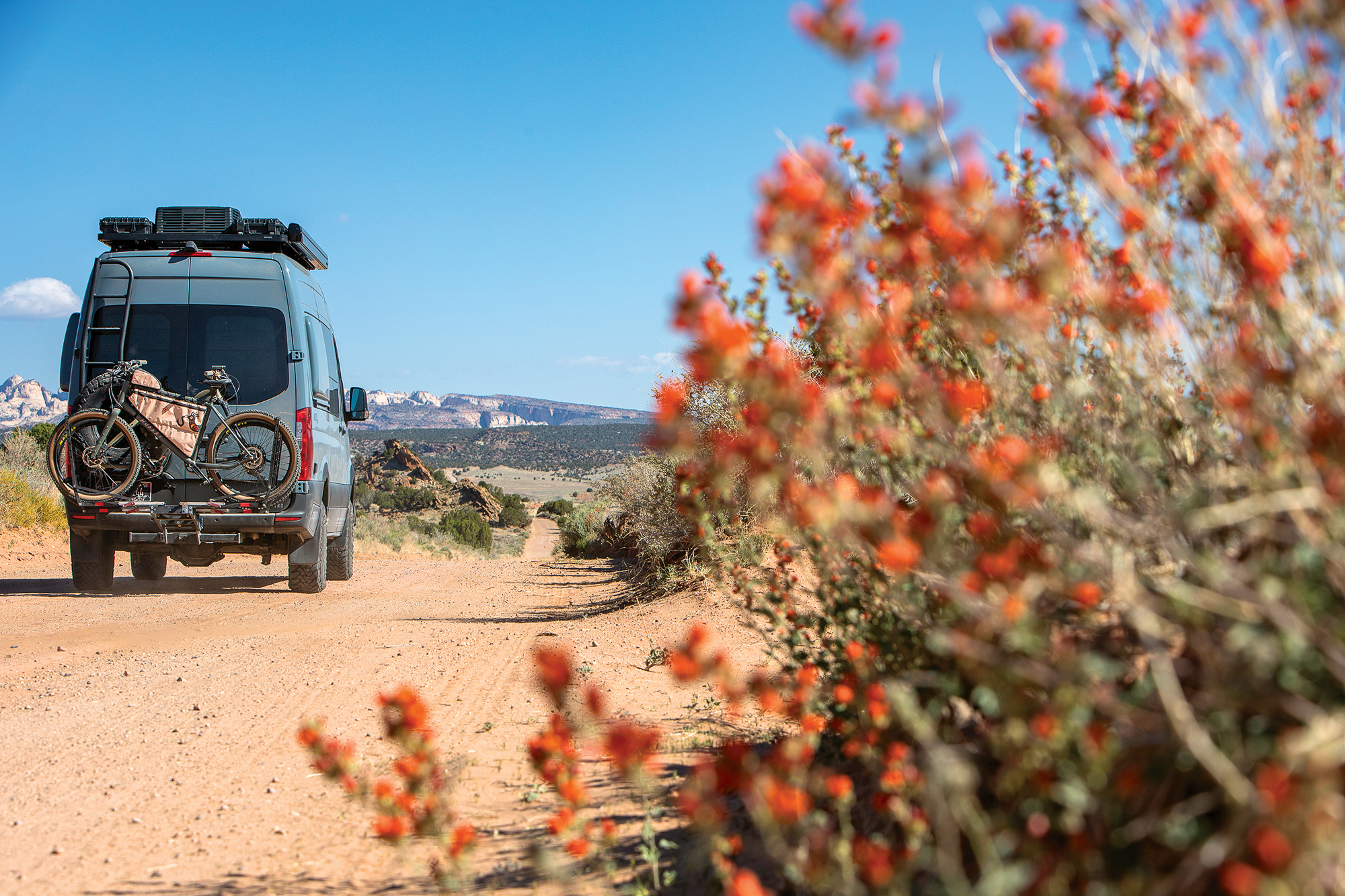
Cover photo by Chris Cordes
In 1997, Russell Harris and Shaun Fenton embarked on a random journey guided only by a pair of green dice. The Diceman series aired on British cable television until 2002, and by then, Harris and Fenton had traveled 18,000 miles from Iceland to Poland, the USA, Greenland, and Germany, rolling the dice to decide what to do and where to go. The dice chose steamed mussels, flights to the Arctic, Hawaiian shirts, various modes of transit, things to do, challenges, and other objectives. Harris and Fenton carried no guidebooks and had no access to the internet—it was just the two of them, the dice, and a world full of people to ask for suggestions. Although quirky, their travel style seemed to work, and I think the genius behind it involves relinquishing some sense of control and connecting with local people.
My own trip planning style aligns more with Dwight D. Eisenhower’s views on battle preparation: “I have always found that plans are useless, but planning is indispensable.” Relying heavily on research, I gather as much information as possible about potential routes, camp spots, cafés, bookstores, hikes, historical sights, and experiences, saving these items in Google Maps or Gaia GPS. Sometimes, I construct an itinerary, but the pins lie in wait until we arrive, allowing me to make decisions on the fly based on available time, mood, availability, weather, and more. Unsurprisingly, some of the most memorable experiences involved simplicity and serendipity or weren’t on my radar at all.
Some folks travel without a plan and find it highly rewarding, while others need a detailed itinerary to prevent floundering, stay within budget, and make the most of their time somewhere. Of course, travel plans are heavily influenced by the allotted time, the regions we’re traveling to, and the individual behind the plan, including personal goals, the purpose of the visit, and what they find truly meaningful.
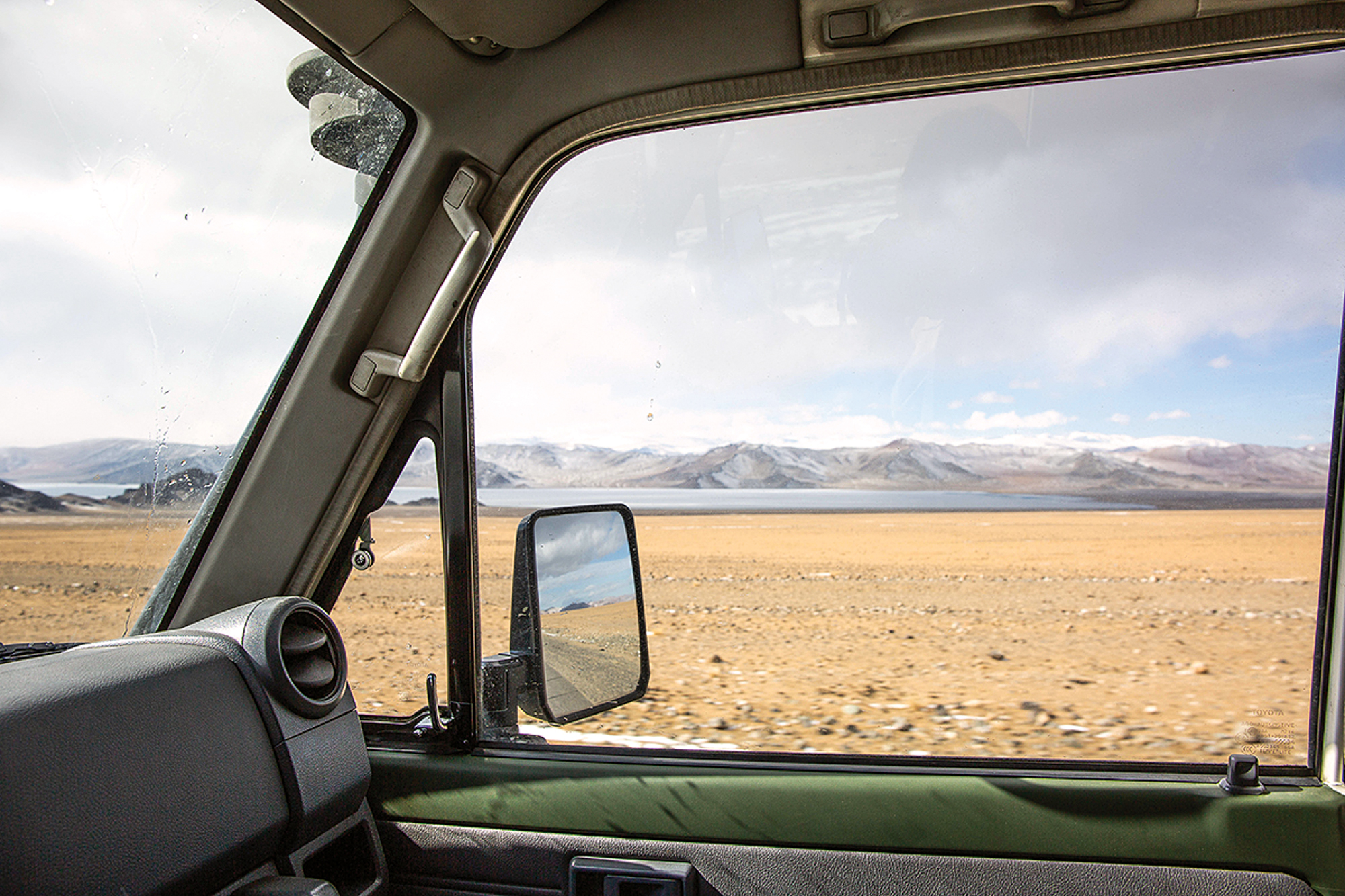
Photo: Breanna Wilson
The following travelers have shared their trip planning rituals, which span the USA and Nepal, Labrador, Mongolia, South Africa, and beyond. Chris and Brittney Cordes invites us to mix work and play while prioritizing bucket-list items and making the most out of the week, while retirees Andy and Dawn Elsbree bring us into their world of international travel and navigating the complexities of securing visas in far-off places. Filmmakers Aimee and Chase Bartee transport us to remote parts of Labrador, where they go to great lengths to find fishing paradise; Christoff and Venessa Eilerd outlines what it takes to overland Southern Africa; and Travel Journalist and Guide Breanna Wilson provides insider tips on Mongolia, and describes why a 7,000-kilometer journey from Tbilisi, Georgia, to Ulaanbaatar, was the most difficult road trip she’s ever done.
The beauty of trip planning tips is that they’re universal. Whether gleaned from an expedition, a weekend jaunt, or long-term endeavors, there are plenty of takeaways relevant to the overland traveler. I’ve certainly learned a lesson or two. And while I’ll continue to populate waypoints and research the heck out of things, I think that now, from time to time, I’ll be ready to roll the dice.
The Weekend and Weeks-Long Warriors | Chris and Brittney Cordes
At the end of the year, right before the resolution craze begins, Chris Cordes and his wife, Brittney, pull out their giant paper calendar. Sticky notes mark all commitments, work events, holidays, and family time for the upcoming year. The remaining white space is where the opportunity for adventure lies—where there’s room for first-time experiences, diving deeper, and bucket-list items that tend to creep to the bottom of the year’s priorities if we’re not careful.
“My planning process has evolved quite a lot as I’ve gained more experience and better tools have become available,” Chris says. “When I started trip planning, I was using an atlas and gazetteer as my primary maps, trying to call different places to figure out the regulations, and scanning through PDF documents on Forest Service sites.” Growing up in Texas, Chris spent limited time outdoors. It wasn’t until he moved to Prescott, Arizona, that he fell in love with being in nature and recreating on public lands. Over the past 15 years, he spent nearly a decade working with Overland Journal and Expedition Portal, and the last 5 years with onX Offroad, running trail programs and mapping content strategies. Chris has lived full-time on the road in vans, trucks, and Airstreams, and worked with Hema Maps in Australia, but much of his time is spent in the US, with trips to Canada and Mexico.
Depth of planning typically varies based on how one travels— for example, full-time with remote work, shorter weekend or weeklong jaunts without, or somewhere in between—so Chris and Brittney usually categorize their trips into three types: the weekender, a remote work session plus a weekend, and longer trips. With the weekend trip, work is hopefully left behind, you can be more adventurous, and often ease up on the planning to a certain extent. Chris and Brittney sometimes combine one week of remote work with a weekend, where cell service and a Starlink connection are priorities. The couple, who have been based in Phoenix for the past two years, is preparing for another long-term stint on the road, where they will work remotely from their Airstream, spending longer periods experiencing places more deeply, with some weekend trips sprinkled in here and there.
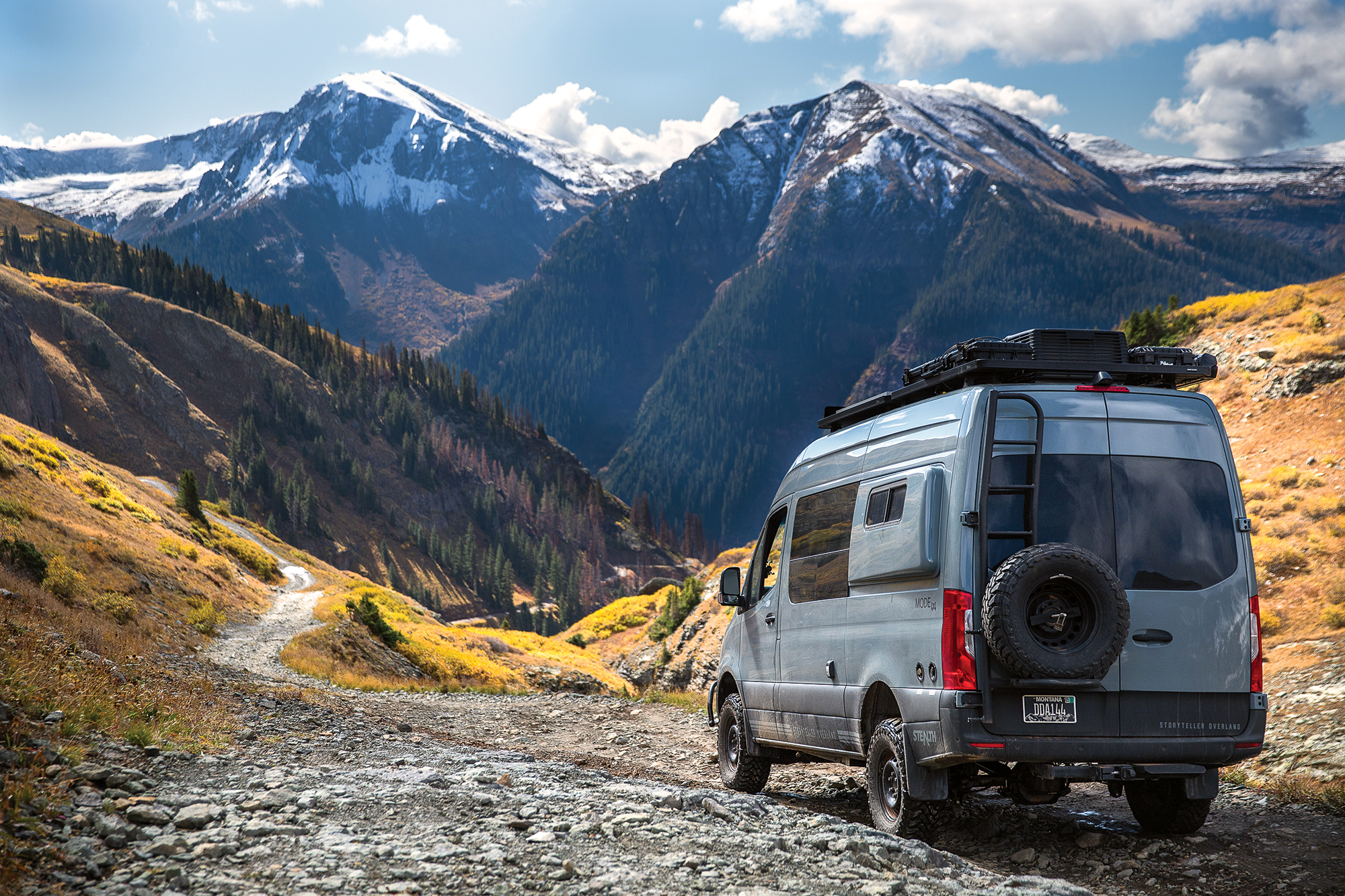
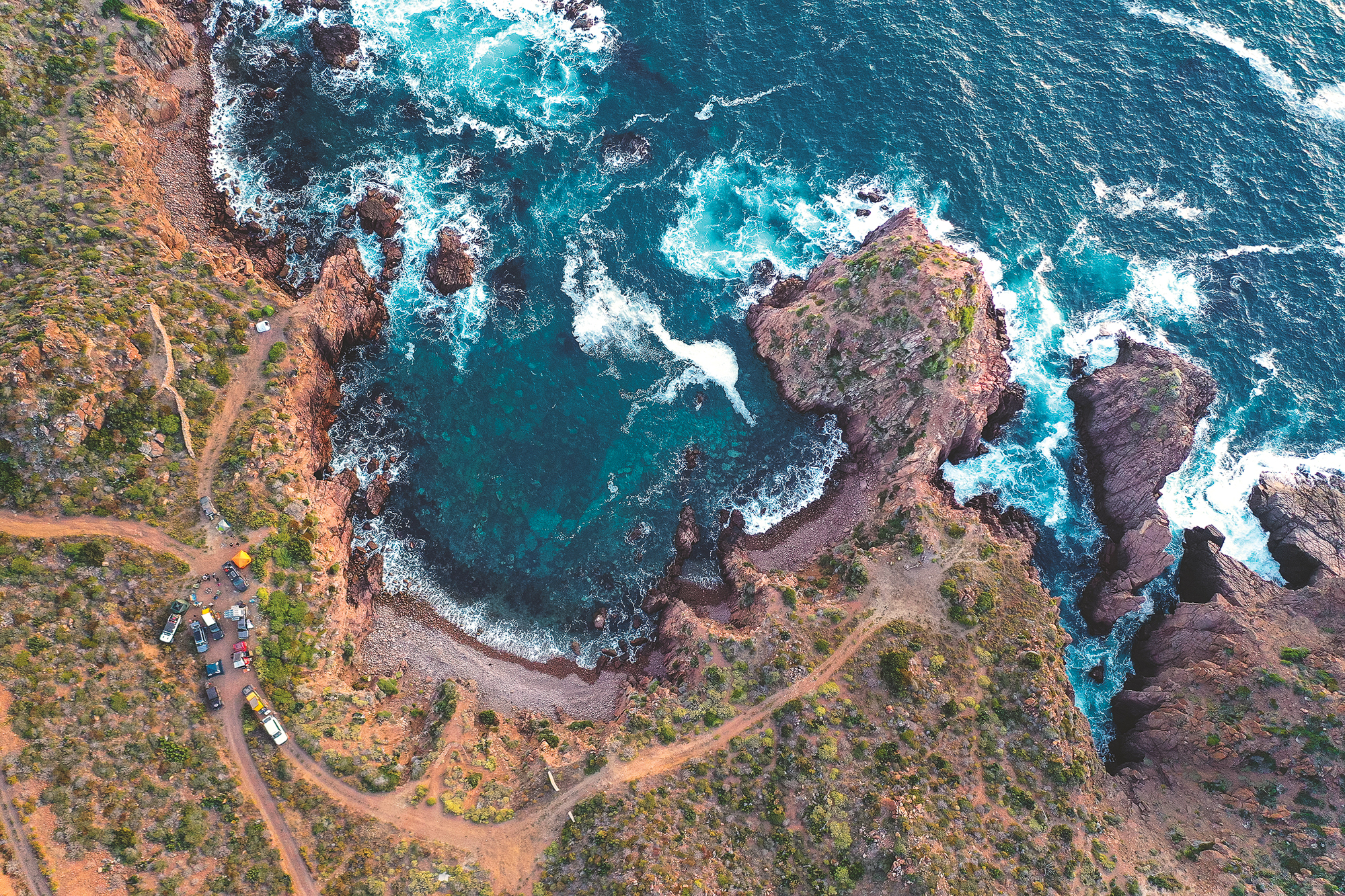
Chris says the process remains the same no matter what type of trip he plans. “We want to backpack the Enchantments and spend more time in the Pacific Northwest,” he says about this year’s adventures. “There are so many trails and areas to explore. Another wish-list item for me is to spearfish in Baja, so this year, we’ve jotted down that region in the calendar.” From there, they dive into what Chris calls the “inspiration stage,” which involves pulling details from blogs, connecting with friends, reading articles and magazine features, and browsing Instagram for specific experiences. These particulars are then bookmarked into Google Maps, including restaurants, cafés, or food stalls, since for Chris and Brittney, food culture is a large part of what makes travel so fulfilling.
At first, Chris plotted very broad routes and skimmed the surface of a lot of different places. “It felt like I was just running at 200 percent,” he says. “Now, I have a better grasp, and the tools are better.” Chris primarily uses onX Offroad with a few other resources to augment the level of detail. “We have enough trail data and information across North America, so I can just open the app and look at an area that I want to go to and find 20 to 30 different options,” he says. Using photos and current trail reports, and ensuring the trail is wide enough to fit a towed Airstream, he uses the route builder function to map a general track, which can be adjusted or refined later with added camp spots. Chris then double-checks weather reports and the Bureau of Land Management and US Forest Service websites for updates.
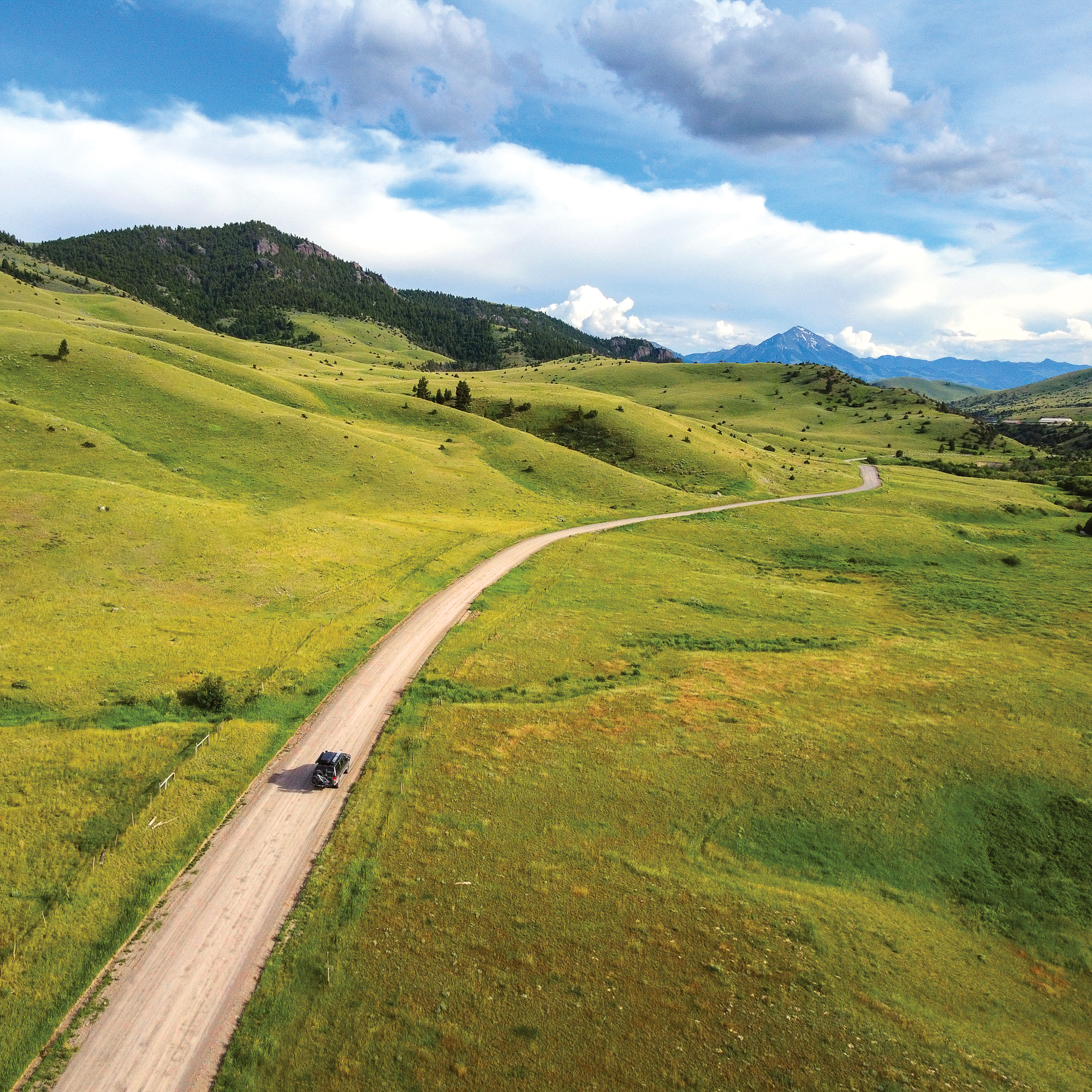
Hiking and mountain biking are the driving forces behind many of Chris and Brittney’s trip plans. “I’ve had two back surgeries already and would love to say I will be 70 years old and still able to do all the outdoor activities, but I recognize that we all get older, so we’re choosing the big physical activities right now.” Last year, the couple hiked the Grand Canyon’s Rim-to-Rim Trail, which was incredibly challenging from a planning perspective. “The permitting process has gotten crazy with the outdoor interest in the last few years, so you’re making multiple lottery applications and trying to figure out exact date ranges,” he says. “This all depends on how long we want to be there, which campgrounds we want, how many people are in my party, and what time of year we’re going.” Add the logistics of transportation to the trailhead, arranging shuttles, and successfully securing campsites in the middle of the hike, but not at the end. “You have to leave room for serendipity,” he advises. “We showed up on the first day, and somebody had canceled their trip, meaning we could choose campsites at the ends of the trail, [resulting in] a much better experience.”
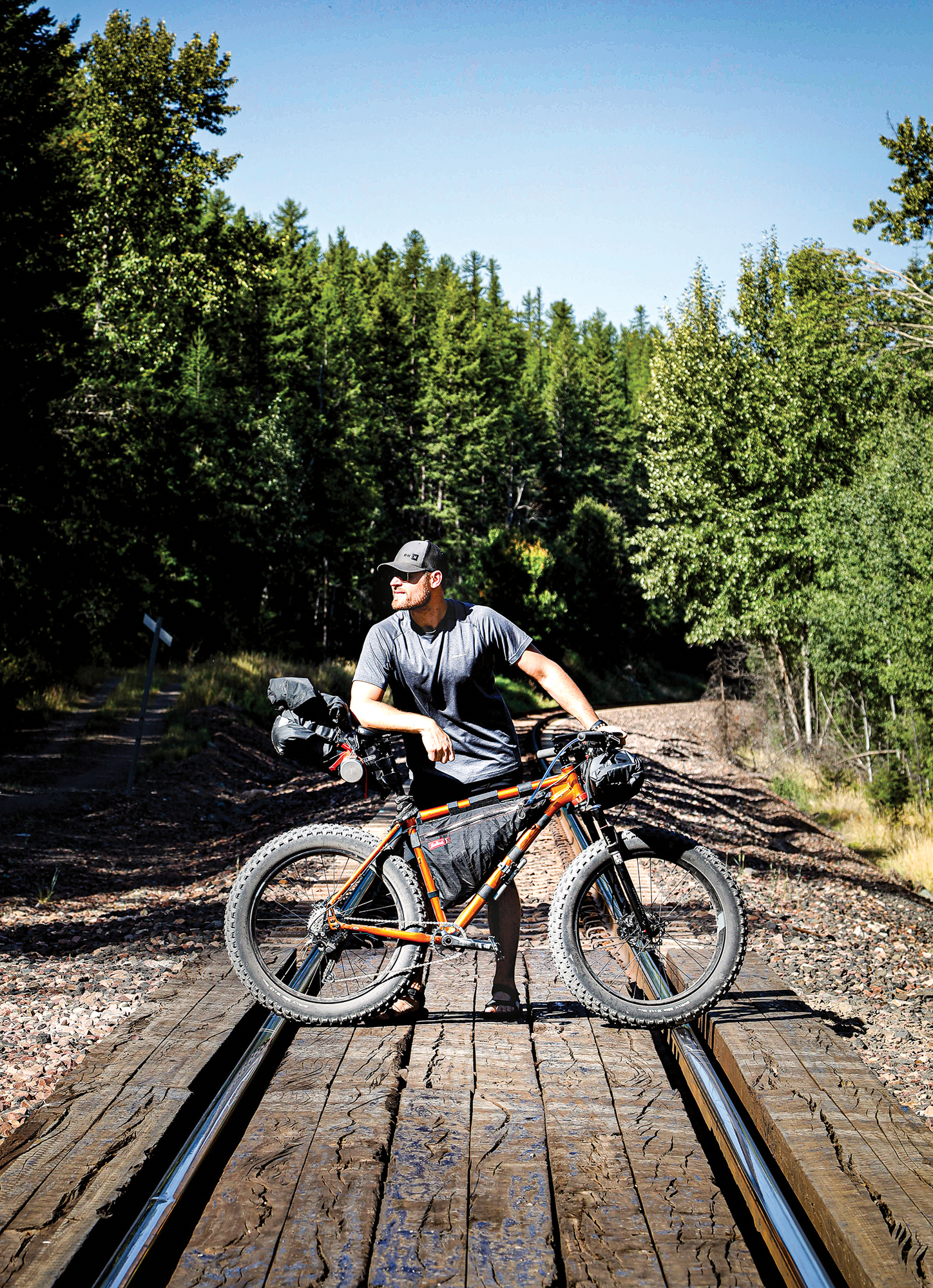
Chris says sometimes less is more, and it’s important to plan time for doing what excites you the most, such as limiting drive times or planning shorter distances and spending more time enjoying the place you’re in. We often have limited time and want to see it all, so we run from one thing to another. “I’ve driven through some beautiful areas in Utah so many times, but totally missed these amazing hot springs a half-mile hike off the trail. Taking those side roads can become a game changer for the whole trip.” He realizes this is easier said than done. “I have the kind of personality where I am always doing something. I have to keep moving, and it’s hard to resist packing a schedule. But at the end of the day, the only thing that matters is having a good experience. If you don’t care about conquering the most technical obstacle or trail and want to spend an afternoon sitting by a lake in a chair and reading a book, plan time for that. It’s okay to experience a smaller place more deeply.”
The Retirees (and Full-Time Internationals) | Andy and Dawn Elsbree
Dawn and Andy Elsbree love a good spreadsheet. With 125,000 miles, three continents, and 90 countries under their belts, the retirees have used rows, cells, and columns to keep everything from their budget to their itinerary on track. Driving an Oregon-plated Toyota Tacoma and Four Wheel Camper around the world, Dawn and Andy have seen Africa, Europe, and Asia, and will soon ship to South America. “I think there’s this myth that we just randomly drive wherever we want,” Dawn says. “But we do have a plan.”
Five years ago, the couple decided they wanted to spend the first years of their retirement driving around the world. Using the Crazy Tourist website, they noted the top 15 places in every country along their route—30 countries in each of Europe, Africa, Asia, and South America—and plotted them out. “What that told us was a gross mileage,” Andy says. “I said to my wife, it’s going to be three to five years to do this. !en we looked at each country individually.” Out came the Lonely Planet guides. “!is allowed us to plot the time, distance, and interest level of the highlights we found, and we then plotted that on Google Maps.” (I’m sensing Andy has an engineering background?) “Then we put that into a spreadsheet to create a day-by-day itinerary.”
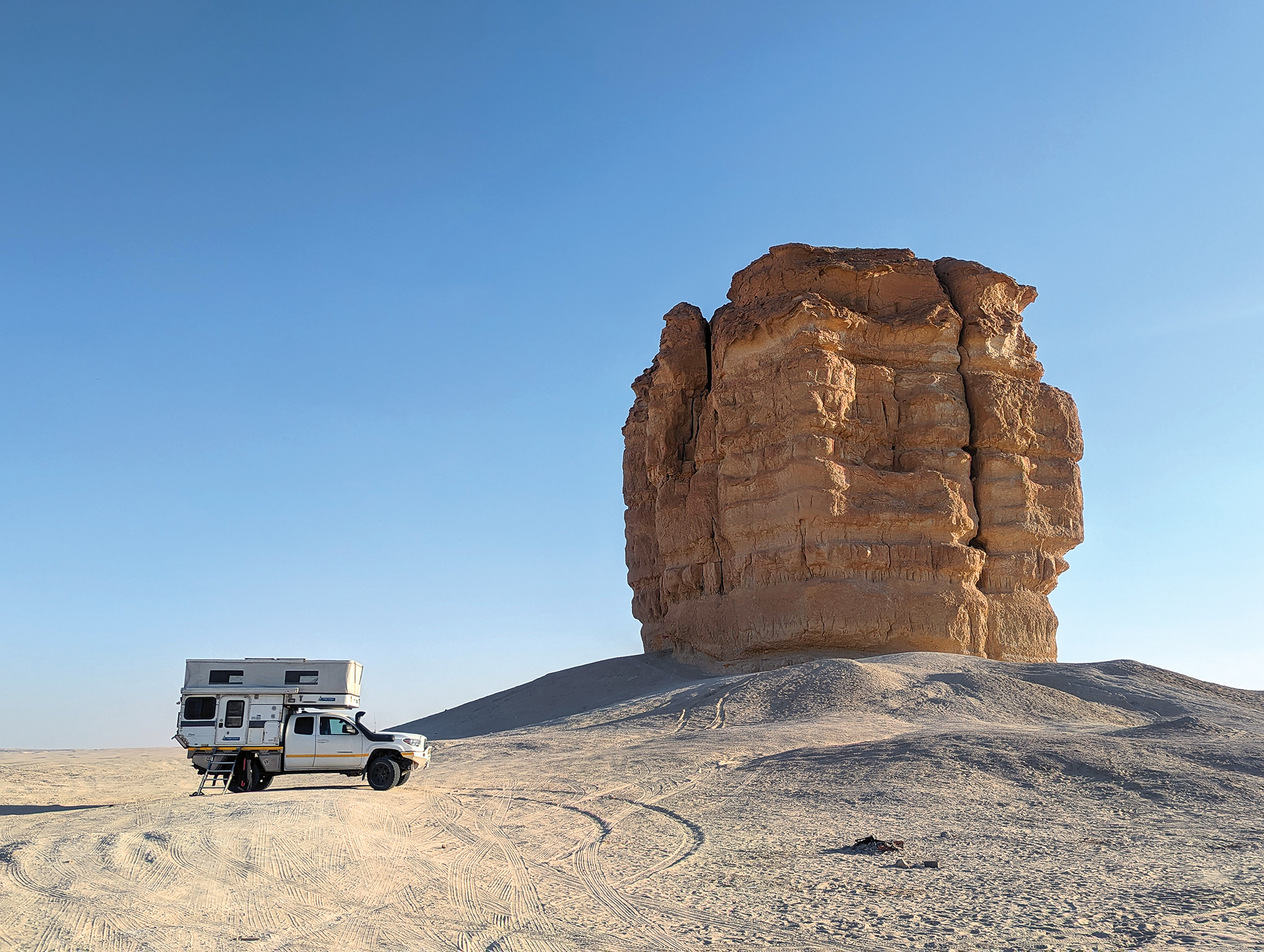
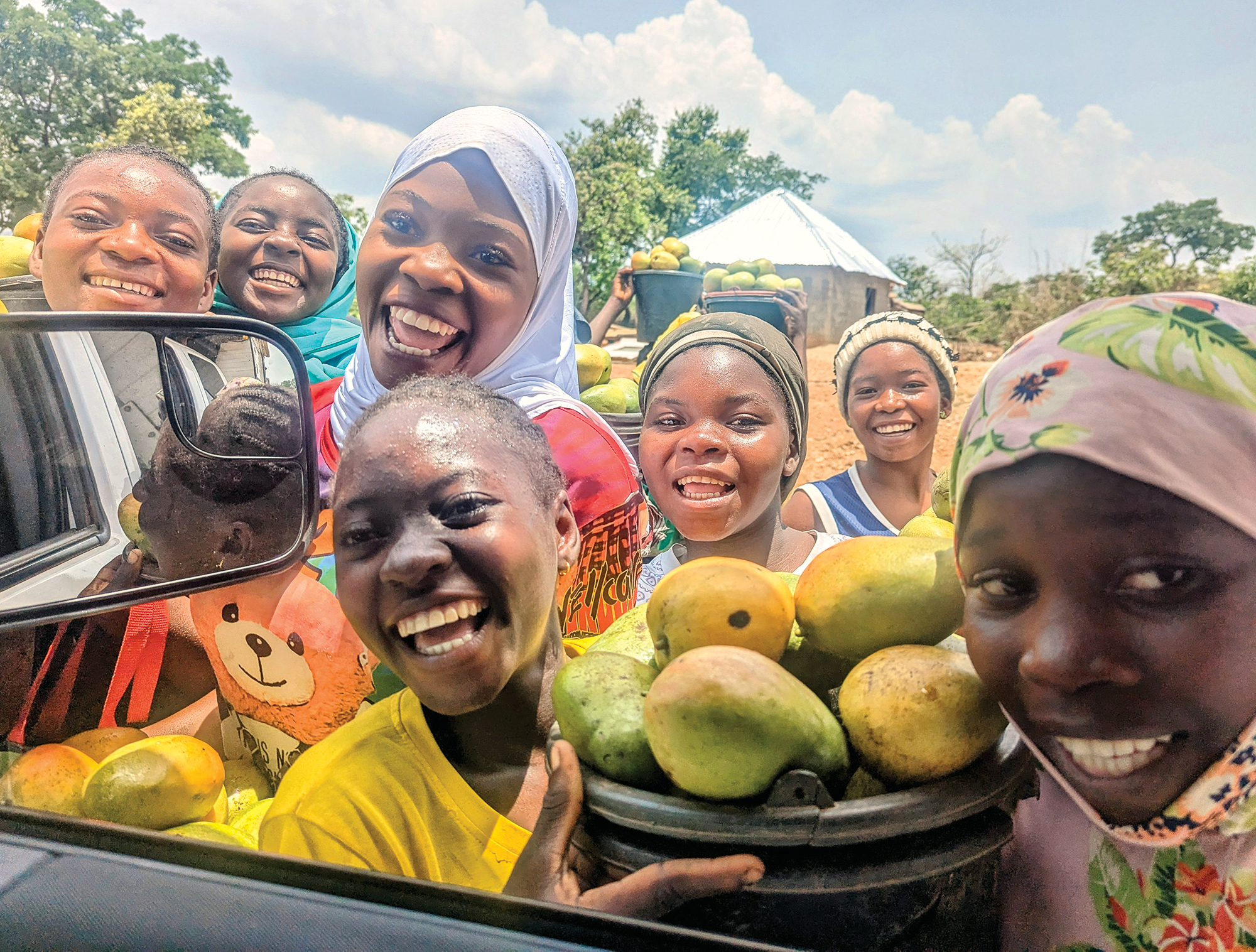
Although the couple is retired, they do need to stick to a schedule. “!ere always seems to be some kind of deadline,” Andy says. “For example, we’re meeting up with our son in Kathmandu because he’s going to drive with us for three weeks. Or if there’s a family event and we’re going to fly back to the US, we need to know where we’re going to be, roughly, so we use the spreadsheet to give us a gross generalization as to where we’re going to be at a certain time.” When they leave, Andy and Dawn tend to park the vehicle somewhere other than an airport parking lot. In Turkey, the Tacoma stayed at a campground in Izmir; in Delhi, they left it in the basement of a four-star hotel for a couple of months. “We stayed there for a couple of nights on credit card points, met the wonderful general manager, and convinced them to allow us to keep our vehicle down in their basement,” Andy says.
The couple’s main interests dictate where they choose to travel, culminating in a mix of wild camping and cultural experiences. They admit these pursuits can conflict. “We really like to wild camp,” Dawn says, “but at the same time, we also like seeing the culture of a country that usually comes with visiting large cities like Delhi or Mumbai, Kathmandu, or Istanbul.” Often, they park outside the city (at a campground, for example) and use transit or hail a taxi into the heart of the place. But in countries like India, where wild camping is very difficult, Dawn and Andy switch gears and focus on the food, people, history, and architecture.
The Elsbree’s interests also lead them through countries that pose significant trip planning challenges, mainly around securing visas or a carnet de passage. “At least once a year, or sometimes twice a year, there’s some major bureaucratic shake-up,” Dawn says. “People who are planning, maybe, a 6-month trip, can get their visas at home in advance, but we’re doing this all from the road.” Entry into Nigeria required a police escort with two sup-port vehicles and an officer riding passenger in their Tacoma to the Lagos airport, where they were stamped into the country. To obtain visas for India, Dawn and Andy flew from Kazakhstan to Delhi and back in one day, obtaining the paperwork they needed to enter India six weeks later. They’re currently investigating a way to bring their Tacoma into Thailand, which is notoriously difficult for foreign-plated vehicles, and arranging a crossing through China, which required a hired guide.
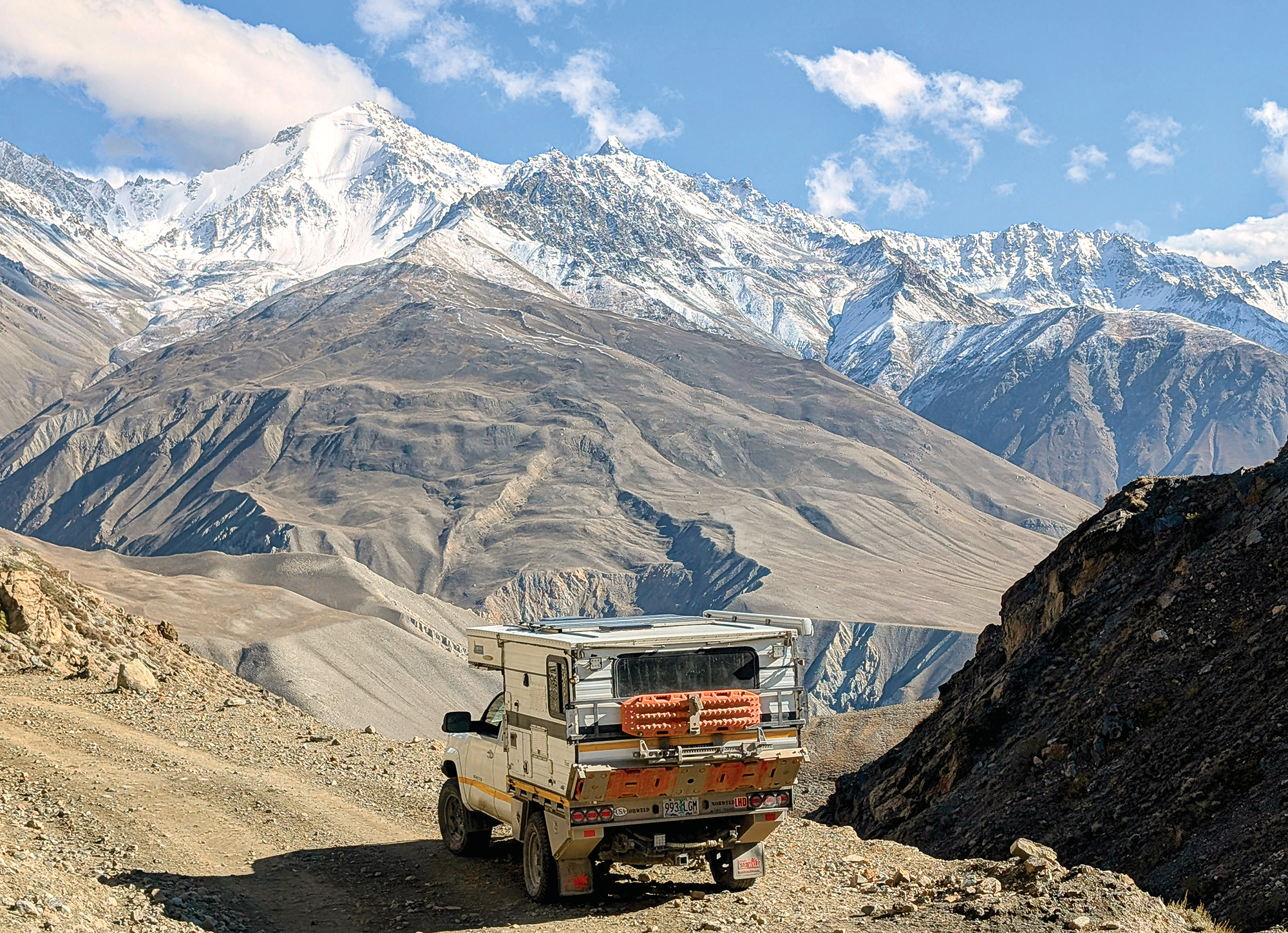
To navigate these challenges, the couple uses overlanding forums, Facebook, and WhatsApp groups (Overlanding Africa, for example), and are in constant contact with fellow travelers. “A big resource for us is iOverlander—being able to read different bor-der crossing posts has been helpful, knowing what we’re going to need when we arrive, and any roadblocks,” Dawn says. At the beginning of the trip, they used guides such as Lonely Planet but have recently turned to Google for recommended tours, national parks information, and more. The Park4Night app was very useful for camp spots from Europe to Georgia (the country), whereas iOverlander has been more helpful for Asia and Africa. Dawn and Andy also use Gaia GPS for detailed trail maps and tend to download different map programs for each country for redundancy. Travel blogs are another source of inspiration. “Dan Grec’s website helped a lot with West Africa,” Andy notes.
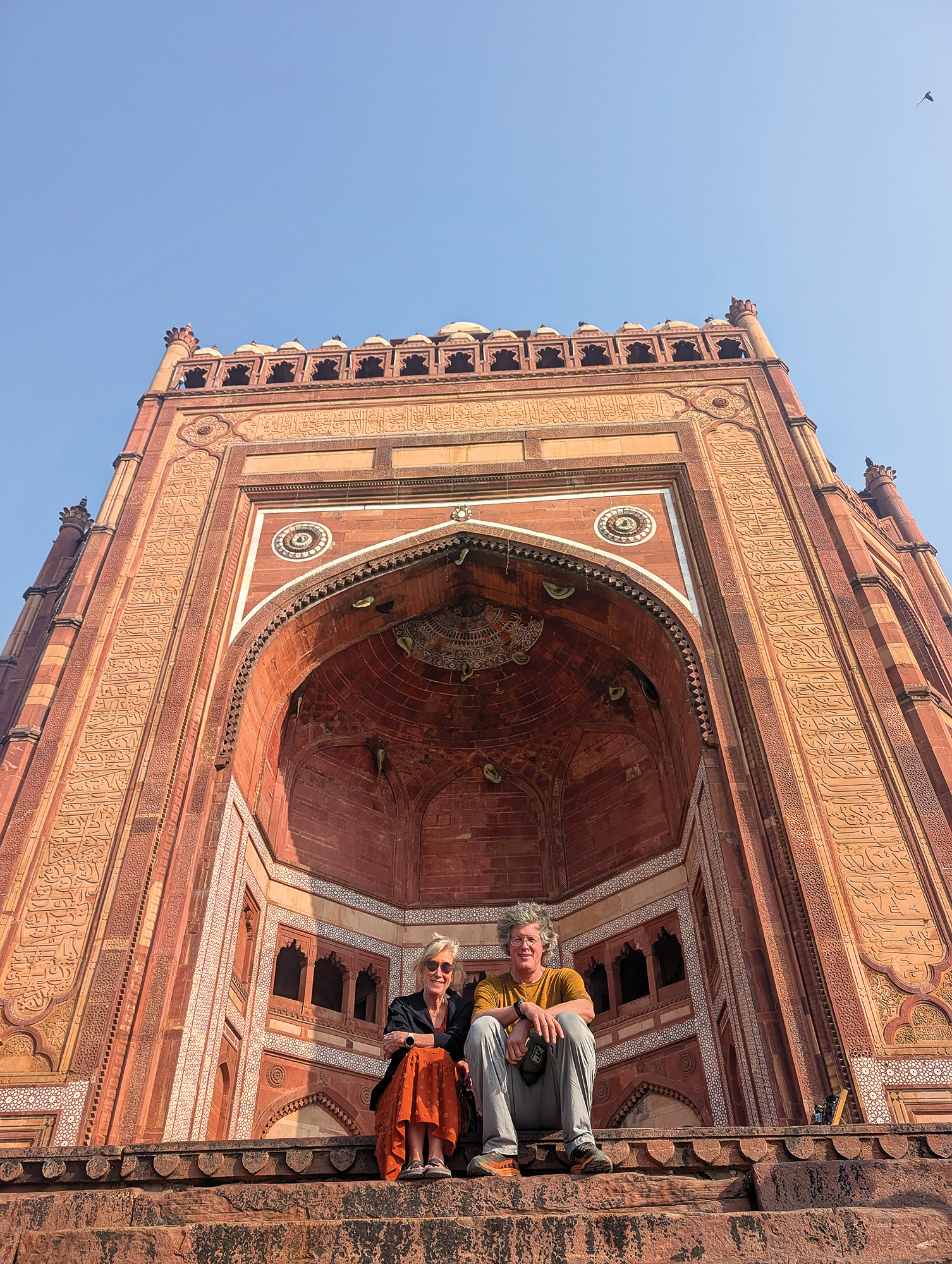
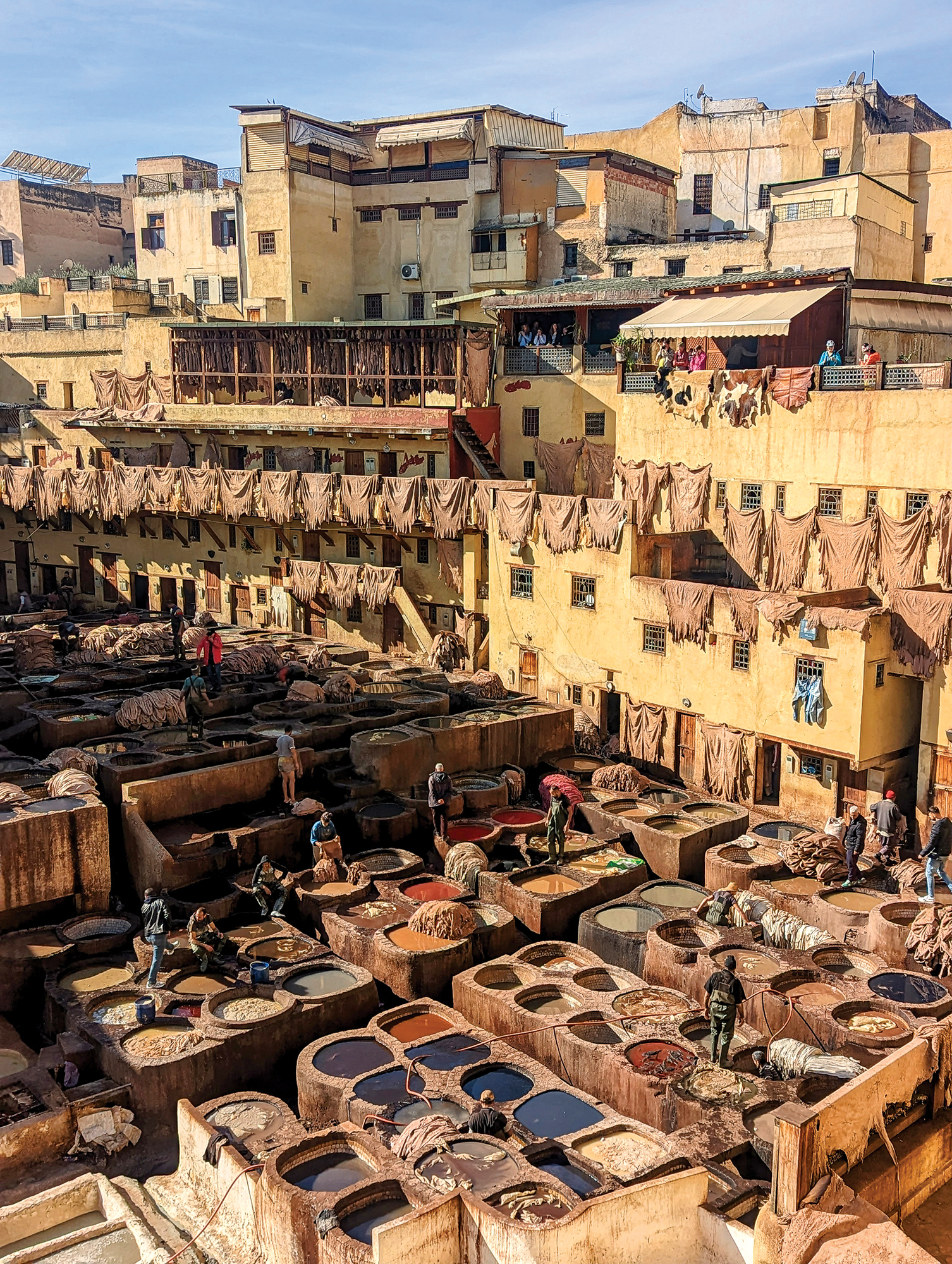
Dawn and Andy say that traveling as American citizens with a US-plated vehicle sometimes dictates the countries they travel through. “The US isn’t necessarily neutral in the world of politics,” Dawn admits. “Afghanistan, Iran, and Iraq did not feel safe for us, although we know a lot of Europeans who do go, and we hear a lot of wonderful things about the people in the country. It just didn’t feel like a good choice for us because of the situation with our governments.” The couple uses the location-specific Google news feed and the UK government travel advisory website to stay up to date. Helpful during their planning for West Africa, the UK site breaks down countries into specific areas and zones, in contrast with the US site, which provides a security snapshot of the country’s security status as a whole.
Despite the spreadsheets, Dawn and Andy say they’ve developed an openness to changing plans. Take a rest day here and there. Recognize if you’ve over-planned and cut it back. During those times, Dawn says they will shift to something that feels better. “Maybe there’s a place we just heard about, and it sounds awesome. We didn’t have it on the list, but let’s go. there’s always a balance.”
The Expeditioners | Aimee and Chase Bartee
When Aimee and Chase Bartee first hit the road full-time, each day required a plan. But now, nearly six years later, their populated Rolodex of places to park, sleep, or fly fish means fewer question marks. “Our knowledge base has grown,” Aimee says. “In a pinch, we always know where we’re going and what we’re doing because we have a gazillion places we’ve been before, literal lists, and pins on maps that we can rely on.
Much of the couple’s time on the road was spent in a 1985 Volkswagen Vanagon Westfalia Weekender. “We were interested in more autonomy, more freedom, and all of the different areas of our lives have coalesced into having the maximum freedom to work for our-selves on our own schedule, doing what we want for a living,” Chase says about the decision to leave their home base in New England. As creatives, they admit there are blurred lines between work and play. Aimee, a filmmaker and photographer, and Chase, a filmmaker, scientific illustrator, writer, and expedition team leader, combine overlanding and fly fishing to tell stories about the natural world.
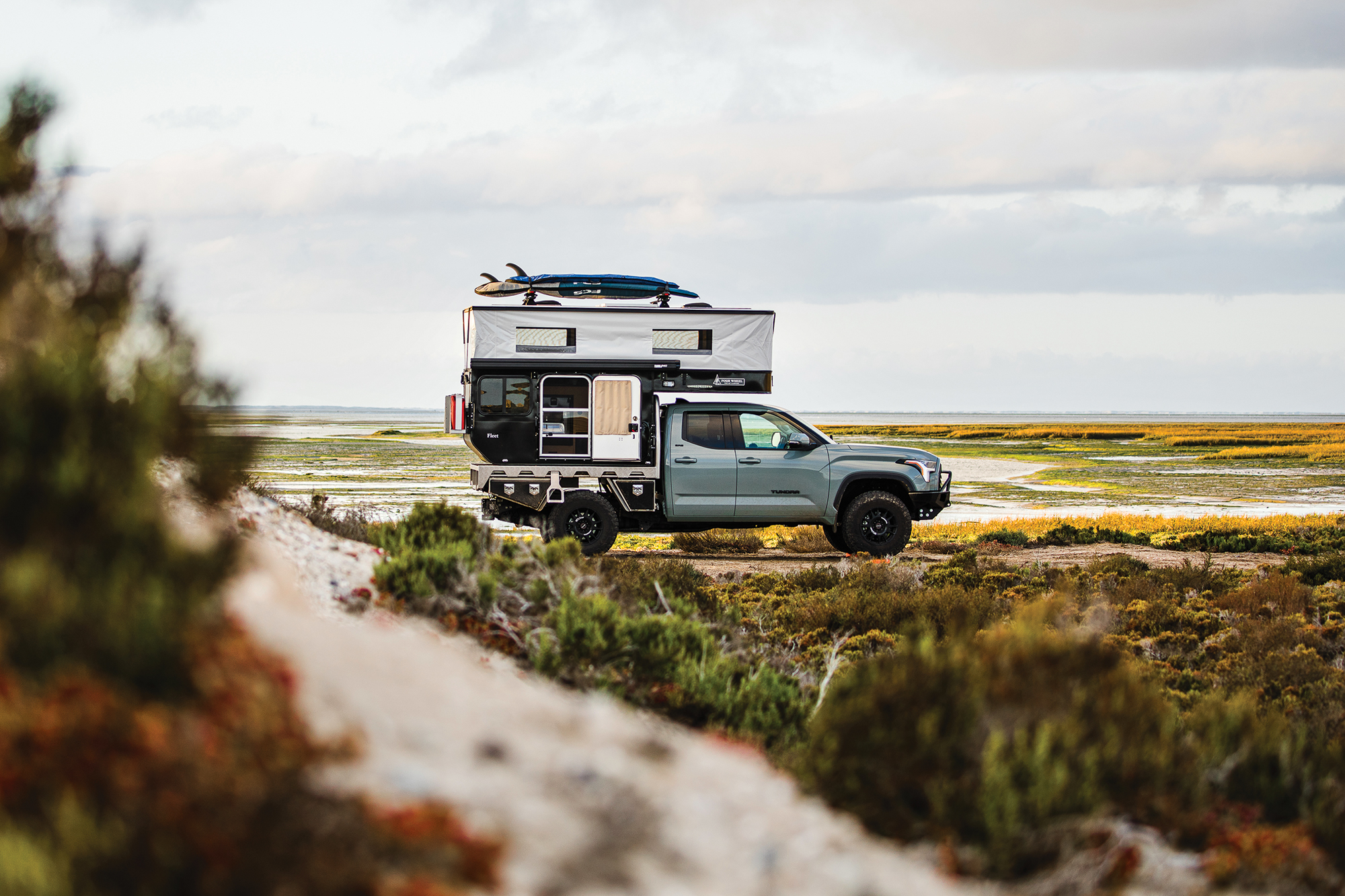
Through experience, they’ve cataloged plenty of go-to spots, from the nostalgic to the favorites, but to discover new places, Chase and Aimee use onX Offroad (which proved especially helpful for pinning fishing spots during a recent trip to Alaska in their 2022 Toyota Tundra and Four Wheel Camper), iOverlander, Instagram, and Google Maps. Aimee says Chase is a map sleuth with a gift for identifying fishing spots based on subtle clues in photographs. One of their biggest challenges, however, is planning bigger expedition trips. “There are so many other logistics that go into it when you leave the vehicle behind and start going into the wilderness,” Aimee says. “Modern expedition trips are a whole other world,” adds Chase. “You’re literally downloading 1970s aerial topographic maps and looking for flat spots where you can pitch a tent.”
Amidst 100,000 square kilometers of raw wilderness lies one of Labrador’s longest and most remote river systems: the Kanairiktok watershed. Fifteen-year-old rumors of this brook trout nirvana led Chase and Aimee to Eastern Canada in 2018—by car, train, float plane, and canoe—in search of the angler’s dream. Chase says the big question was whether, nearly two decades later, the rumor would deliver on its promise. “The first thing you have to do is amass as much information about an area with very little information,” he says. “In some cases, you can scour the internet, but there are still places in the world where there isn’t information out there. For us, that means looking through old literature. We’re scouring fisheries survey reports and biological reports with scientific data. [It] seems like useless jargon to most people, but you can learn a lot about an area, its water flow, ecology, and wildlife through scientific papers.”
“The Labrador expedition was the couple’s first. “The learning curve was steep, and the logistics were complex. Due to the extreme remoteness of the Kanairiktok region, the couple had to establish safety precautions and guidelines, including an extraction plan that could be communicated by satellite phone with the pilot. “The closest float plane base was 130 miles from their drop-off point, 250 miles by train to the nearest town, and another 16 hours of driving from their home base. As non-Labrador residents, they required a regis-tered guide; the float plane cost $16,000 round-trip, requiring fund-ing; and Chase was relying on topographic maps from aerial photographic surveys in the 1970s. “We had a lot of issues because we had maps with rivers marked as rapids that weren’t rapids when we got there and areas that said there would be water where there wasn’t water at all.” The couple also filmed their first long-form feature during the expedition, Big Land, which required additional gear, including solar chargers to refresh camera batteries in the backcountry.
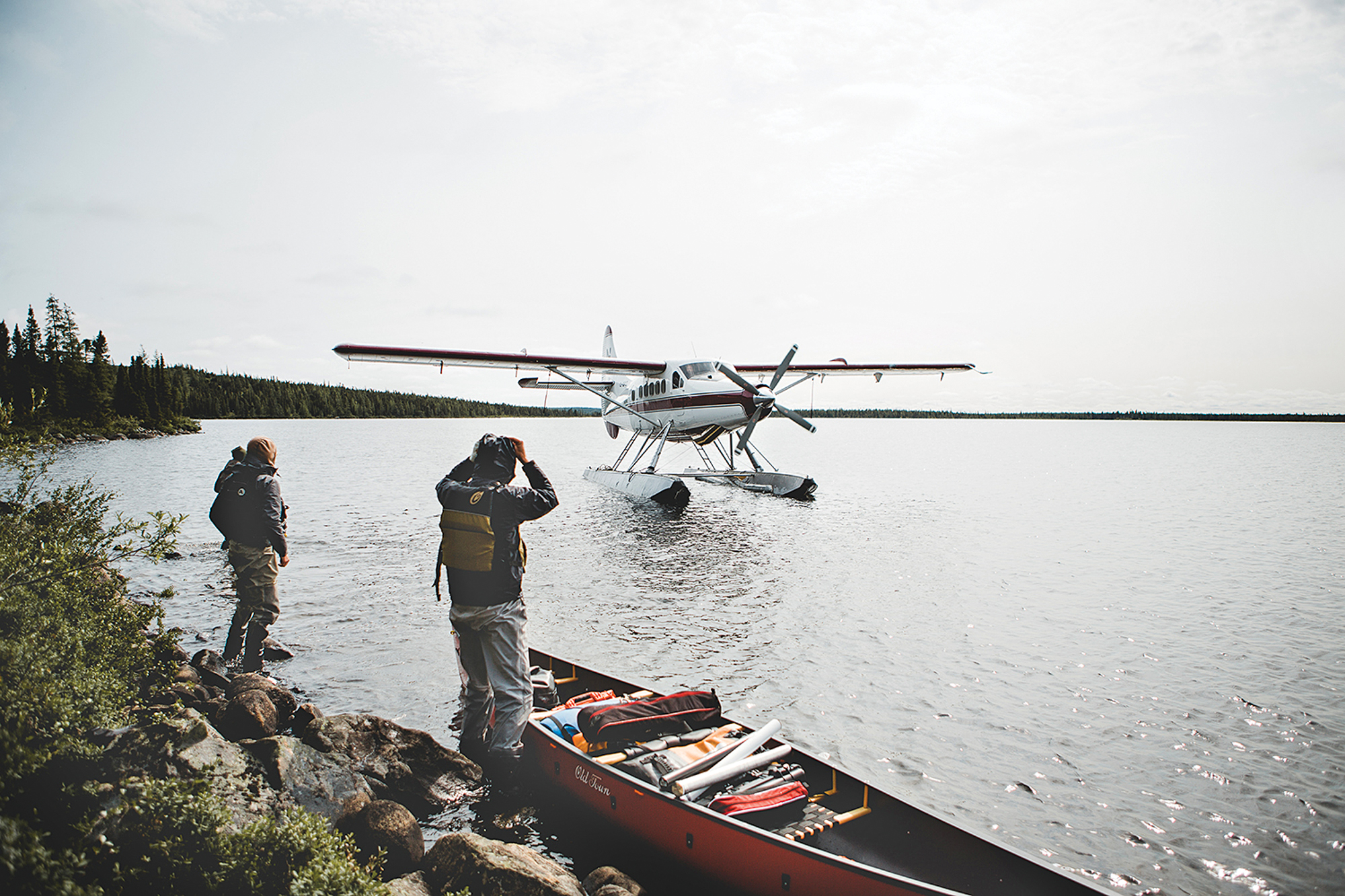
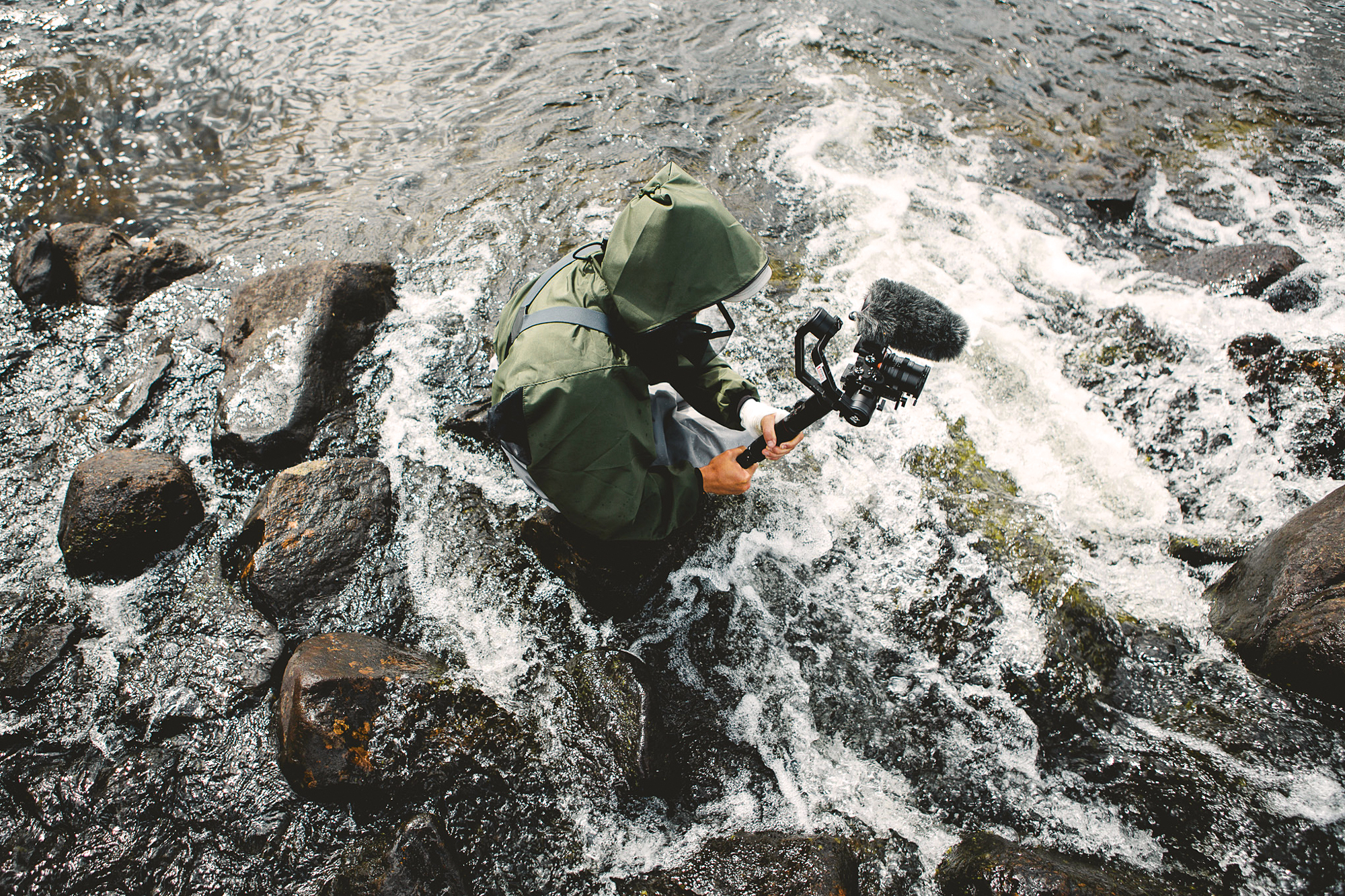
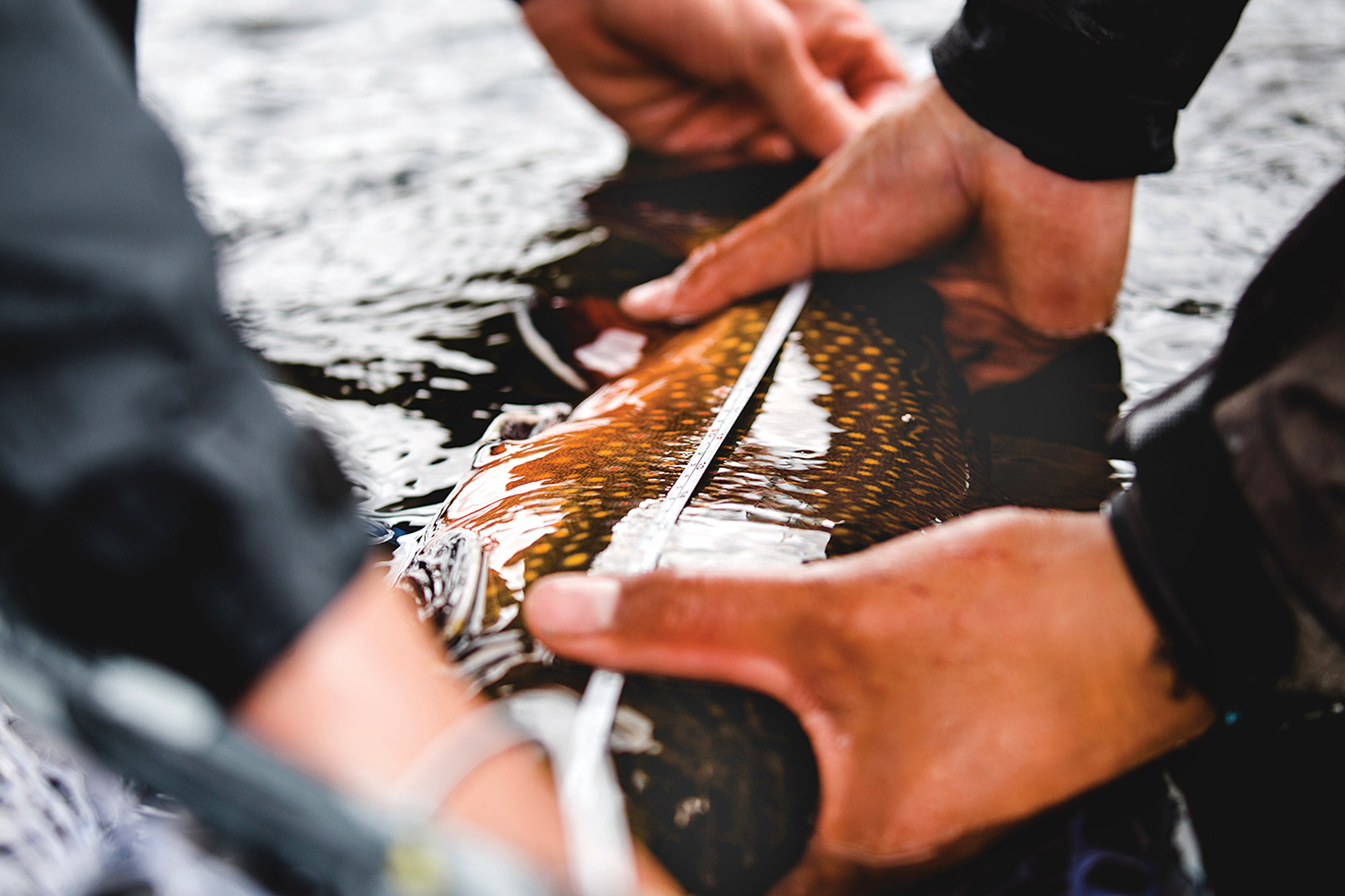
“I was terrified to go on this trip,” Aimee says. “There were just so many unknowns. It felt like there were roadblocks left and right. I thought maybe they were signs that we shouldn’t be doing it because I was looking for my way out. But things kept moving forward. We kept making it happen.” Once on the expedition, things went off-piste daily. “Everyone being very adaptable and having a good team spirit and lifting each other up when things got hard was very important and became of huge value to us,” she says. “It was one of the hardest things I had ever done. But it changed my life and my level of confidence in myself about what I was capable of.” Ideas that seemed impossible before the expedition didn’t seem so impossible anymore. “We’re still figuring out ways to come up with new impossible things,” Chase says, telling me they’ve just secured permits for two weeks and 140 miles of trekking in Yellow-stone’s grizzly country this summer.
The couple agrees that by stepping outside their comfort zones, they’ve learned more about themselves and other team members, often leaving with takeaways they didn’t anticipate or weren’t even looking for in the first place. Aimee admits she’s a more cautious ad-venturer than Chase and is calculated with risk-taking, but excels at working through logistics. Chase, on the other hand, is the dreamer. “I enjoy not being too tied to an itinerary or an idea because the fun for me is in the adventure of discovery,” he says. “There is give and take involved. Aimee has learned to back off from trip planning to a certain extent but has also learned to embrace the things that stress her out and accept them, such as eliminating the big unknowns and leaving room for flexibility and exploring. “I think, combined, we’ve found a good balance,” she says.
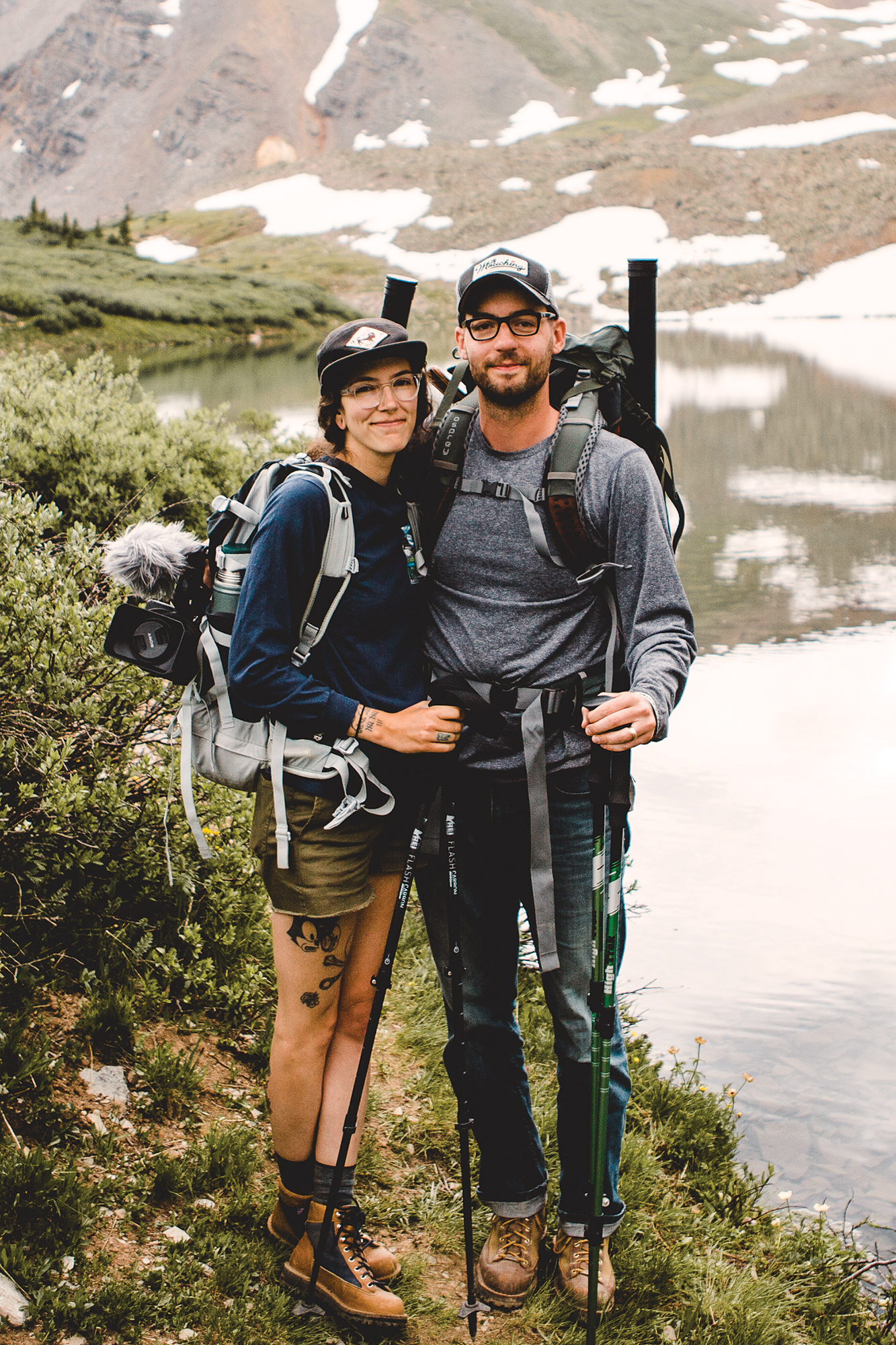
For Chase, unorthodox research methods tend to pay off in a big way. For the most part, they’re looking for places where people aren’t. “Footnotes in scientific papers about hydrology mention surveys on the species present in streams. “rough that, maybe you get the name of a stream, and from there, you can find it on a map, and see whether any roads connect.” He finds great reward in finding unique ways of collecting information. “Everyone knows how Insta-gram has exploded the national parks, and scenic hiking trails can’t necessarily sustain the speed at which information can be broadcast nowadays. Many people—ourselves included—are working hard to maintain some level of secrecy about certain areas that are too sensitive to sustain large crowds of people.” But, he notes, there’s so much information half-lost in books. “There’s probably some book some guy wrote in the 1970s about off-road trails that’s super niche,” he says. “You could probably find gems of trails in there and have the place all to yourself.”
The Locals | Christoff and Venessa Eilerd
A highlight of Christoff Eilerd’s South African childhood was car camping and fishing with his family. And while he didn’t catch the fishing bug, he certainly caught the camping one. “I was my happiest out there. Even as a kid, I couldn’t wait to pack up and go.” By the early ’90s, he purchased his first four-wheel drive, a Mitsubishi Pajero. From then on, he’s dabbled in everything from rooftop tents to off-road trailers and campers, having just landed in a 79-Series single-cab Toyota Land Cruiser outfitted with an Alu-Cab canopy camper.
Christoff and his wife, Venessa, are full-time filmmakers who document for local television and their YouTube channel, Get Out, Go. “It started purely from a vacation point of view when I was working as a corporate executive with 30 days of leave,” he says. “I came to the conclusion that we were doing it the wrong way around, working 260-odd days to take 30 to do what you actually want to, if you’re lucky. I thought, How could we turn this around?” During a yearlong sabbatical, he started making YouTube videos as a side project, mainly campsite reviews. “I shared the videos to keep busy and because it was fun, but it turned into a full-time business.”
Married for 30 years, Christoff and Venessa film together. “She didn’t grow up camping, so I took her to Khutse—it’s at the bot-tom of the Central Kalahari Game Reserve in Botswana—one of the wildest places you can camp. “There were lions there. I was like, she’s going to love this or hate it—let’s find out. Fortunately, she loved it.” The couple combines documentary filmmaking with content creation, so trip lengths range between two to four weeks, originating from their base in Johannesburg, South Africa.
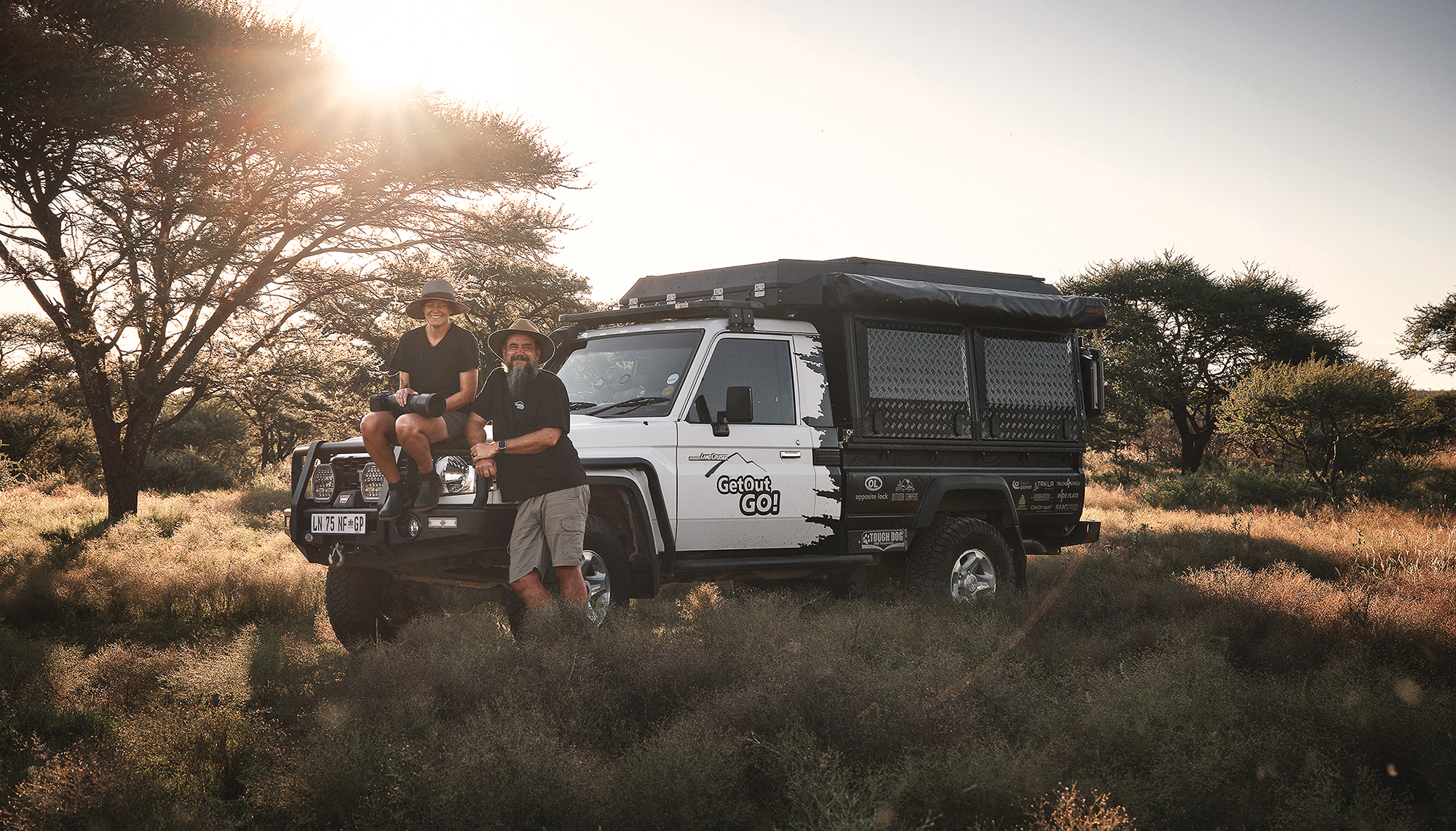
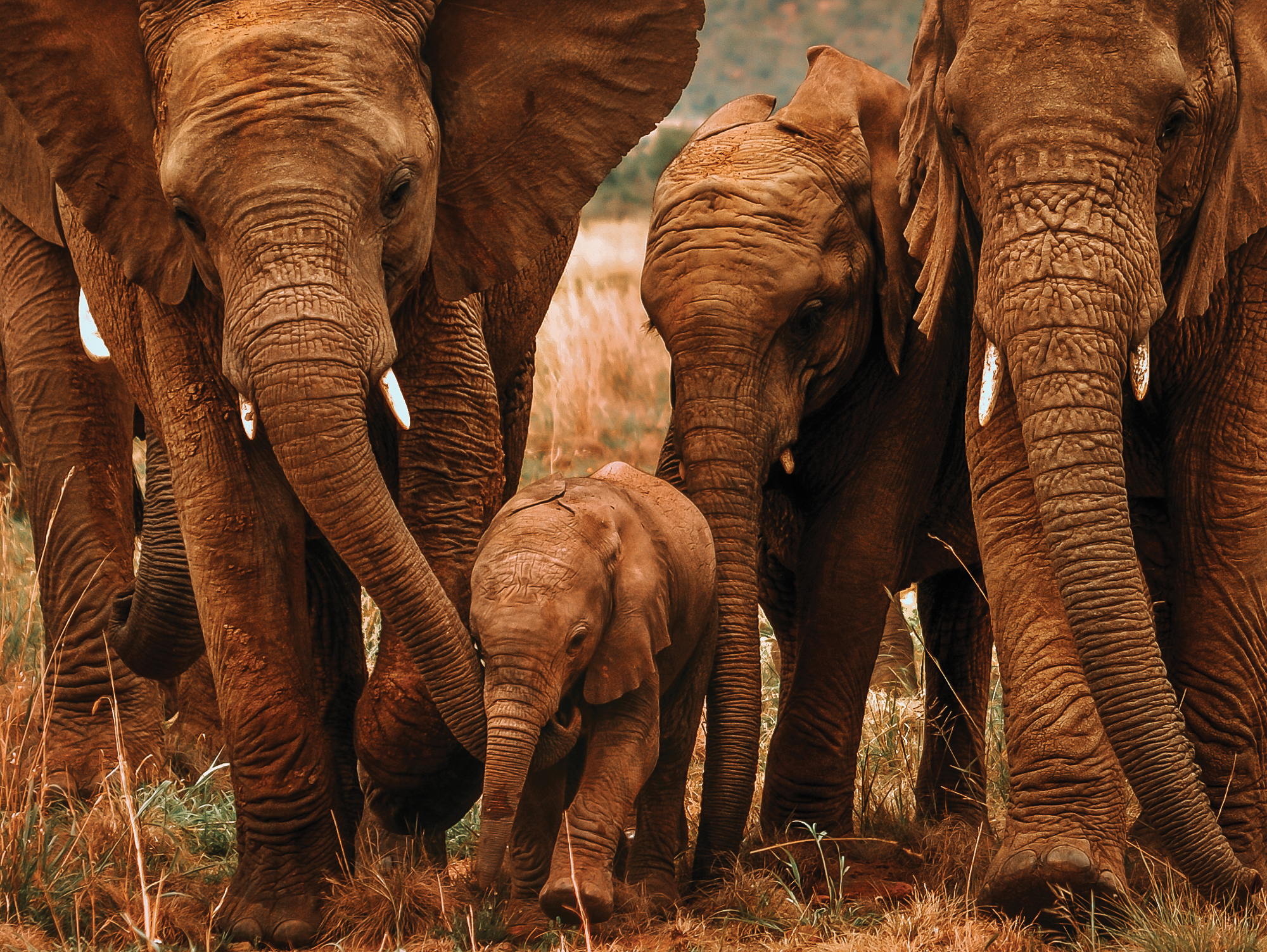
Christoff says each documentary or travel video aims to tell interesting stories. Appreciation of wildlife is one of the main drivers here, as is captivating scenery. “Angola has very little wildlife, but the scenery is just amazing, and so is the culture, so it’s a combination of things.” History is another big draw. “We just went through Kruger National Park from north to south. We found some vintage footage, visiting places from the 1930s. Sometimes we had a hard time finding those locations, but we were really asking about the people who lived there at that time. What were their challenges? How did they live?” Typically, Christoff and Venessa aim for the quiet, remote places, but recently their focus shifted to the people living in those places. “Recently, we spent time with the local communities along the Namakwa EcoTrail. As overlanders, we look for isolation, but ironically, we find connection.”
Once a story outline is nailed down, Christoff considers accommodation. In places that prioritize low-volume tourism, such as Botswana national parks, game reserves, and community concessions, he advises booking campsites well in advance (up to a year in some cases). “Booking and planning for these can be quite challenging, but certain companies or fixers can take care of this for you, for instance, paying park fees so you don’t have to drive around with heaps of cash to pay at the offices or gates,” he notes.
Part of route creation involves linking points of interest and accommodations with scenic trails, but determining accurate travel times can be challenging in Southern Africa. Although the distances may be short, rough road conditions slow things down considerably. Christoff always notes places to restock and refuel (food, water, diesel, or gasoline) as there are large distances between fuel stations and shops in some regions. This includes parts availability, hospitals, and potential mechanics. Veterinary fences must be considered—these prohibit the movement of raw meat and vegetables from north to south and east to west to prevent foot-and-mouth disease.
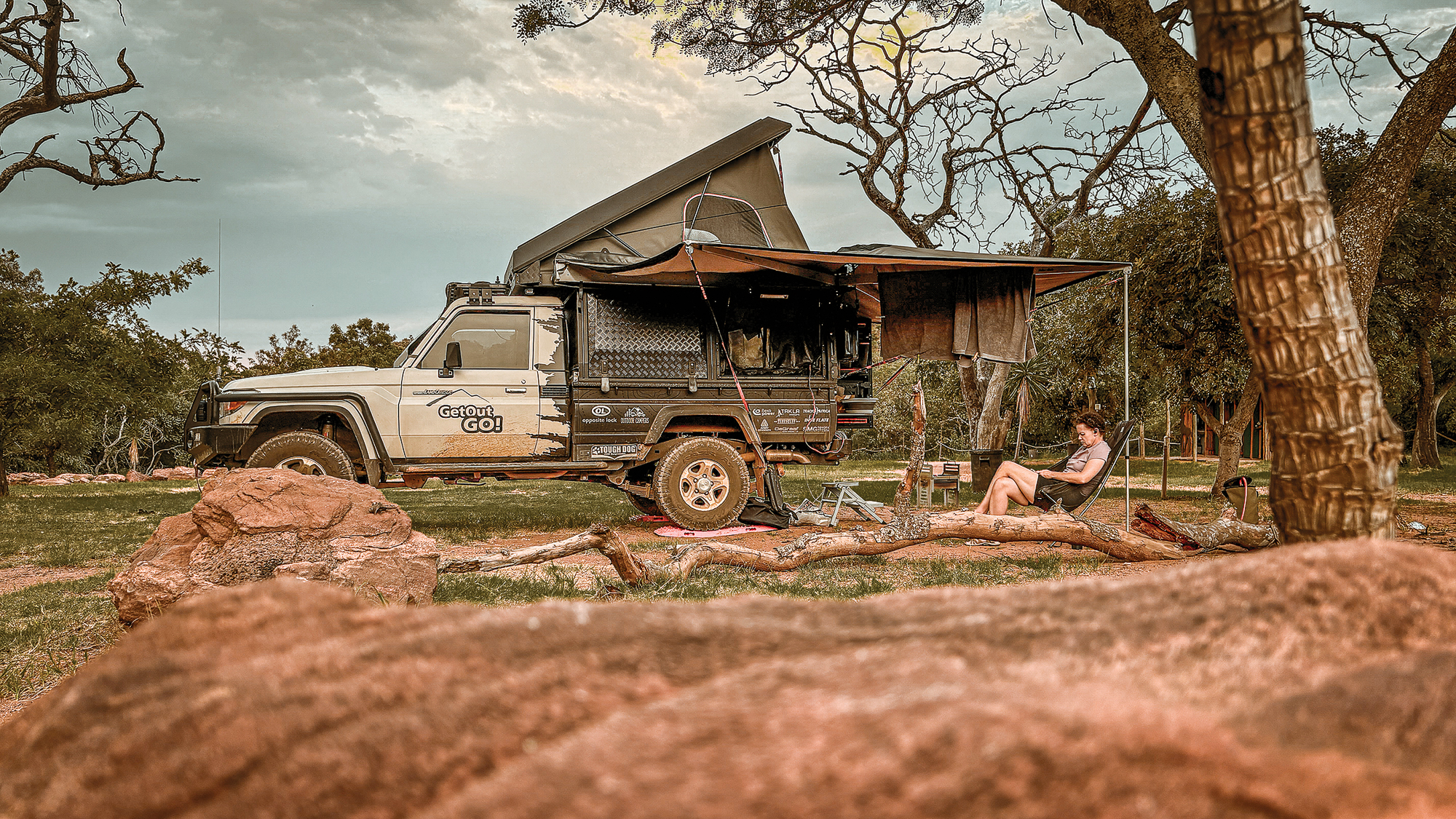
To plot points of interest, accommodations, accurate travel times, fuel, and more, Christoff uses Tracks4Africa GPS maps, which can be plotted onto his Garmin Basecamp via his desktop and exported straight into his GPS device. “Tracks4Africa is the most up-to-date database of rural roads,” he says. “What’s pretty unique about Tracks 4Africa is that on the paper maps, it lists the time it takes, not only between major hubs but between points of interest. You can’t use Google Maps averages because, for example, Van Zyl’s Pass is 12 kilometers, but it could take 15 hours.”
Christoff and Venessa carry Tracks- 4Africa paper maps, a South African atlas, and specific paper maps outlining the region they’re traveling in. Christoff rounds out his re-search by visiting user-generated or populated forums like 4x4com-munity. co.za/forum/ and country-specific “Drive” Facebook groups for Mozambique, Namibia, Zimbabwe, Angola, and Botswana. “People share personal experiences and ask questions, so that’s quite useful, but I usually take these with a pinch of salt as it’s a lot of times based on opinion as opposed to fact. So, yes, they are useful—you just have to be careful.”
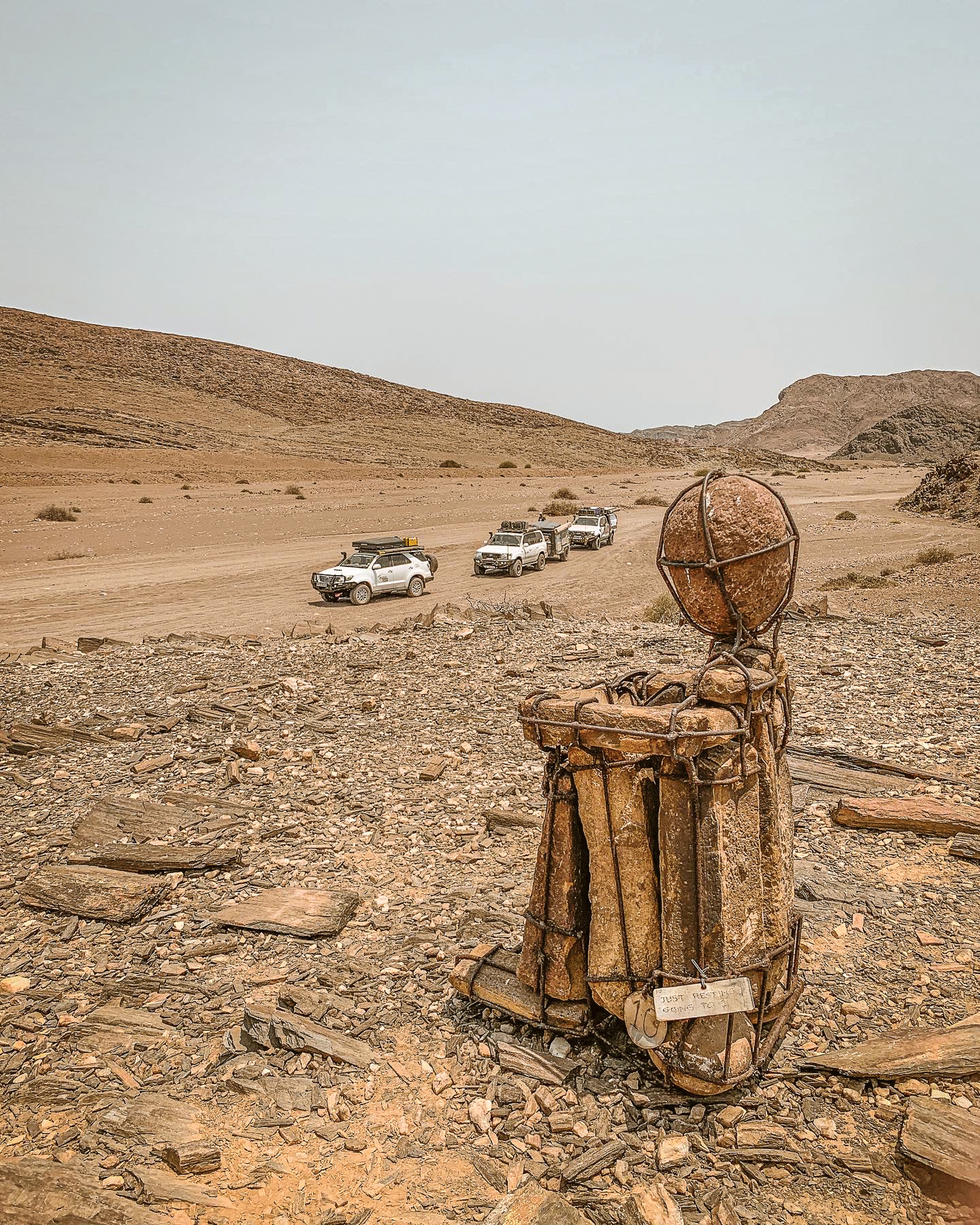
Northern Namibia poses several wonderful logistics challenges for those keen to venture above the red line, the region north of the country’s vet fences toward the Angolan border. The ability to problem-solve is critical here, and Christoff admits his visit to the region was by far the most challenging he’s faced. “There were instances where we had corrugations for 400 kilometers nonstop. I don’t care what you’re driving; it just tears the vehicle apart.” Traveling with a group, they struggled to find fresh meat and produce and, due to the sheer distances, had to pre-arrange fuel drops. “What made it worse is we had lots and lots of car issues,” he says. “We had to leave a 100-Series at a campsite for a week while we waited for a new radiator to be couriered from South Africa to Namibia. We had to make a new plan.” At the end of the day, though, one of the most important things you can take with you is a positive attitude. “You can always find alternatives and adjust.”
Christoff says that for him, finding those interesting places that aren’t well-known is the greatest reward. “It backfires because [maybe] you picked one thing and got something else. But sometimes, it’s as simple as investigating what’s around that corner or looking at a map and noticing a green dot. Venessa always laughs at me because we’ll be driving somewhere, and I’ll say, ‘This little road looks amazing. What do you think is down there?’”
The Travel Journalist and Guide | Breanna Wilson
Breanna Wilson has spent the last 10 years writing and travel-ing nearly full-time, everywhere from Europe to Fiji, Australia, the Georgian Caucasus, and Africa. Of all the places she’s visited, however, Mongolia keeps drawing her back. Now a tour operator, Breanna spends much of the year living and traveling from her 78-Series Land Cruiser in Mongolia, finding new-to-her places, developing routes, meeting local families, and seeing sights for the first time. She also takes clients at certain times and publishes an online travel guide, Meanwhile in Mongolia.
“Here in Mongolia, the research process is usually fairly short because there’s not a lot of information on things I want to do at this point,” she says. “Because I’ve seen so much of the country over the past seven years, I’m starting to get to the places less covered by English speakers or Mongolians who write about it in a public forum.” Planning begins with general Google searches and posting on Instagram, inquiring with friends, followers, and acquaintances in case someone she knows has been to the place she’s curious about. Many gems come from local photographers she follows on Instagram, including Erdenebulgan Battsengel and Gan-Ulzii Gonchig. “They live here and do a great job going to these undiscovered places like glaciers and ice caves in these provinces that don’t get much coverage. It inspires me to go to these less-traveled places and see them for myself.”
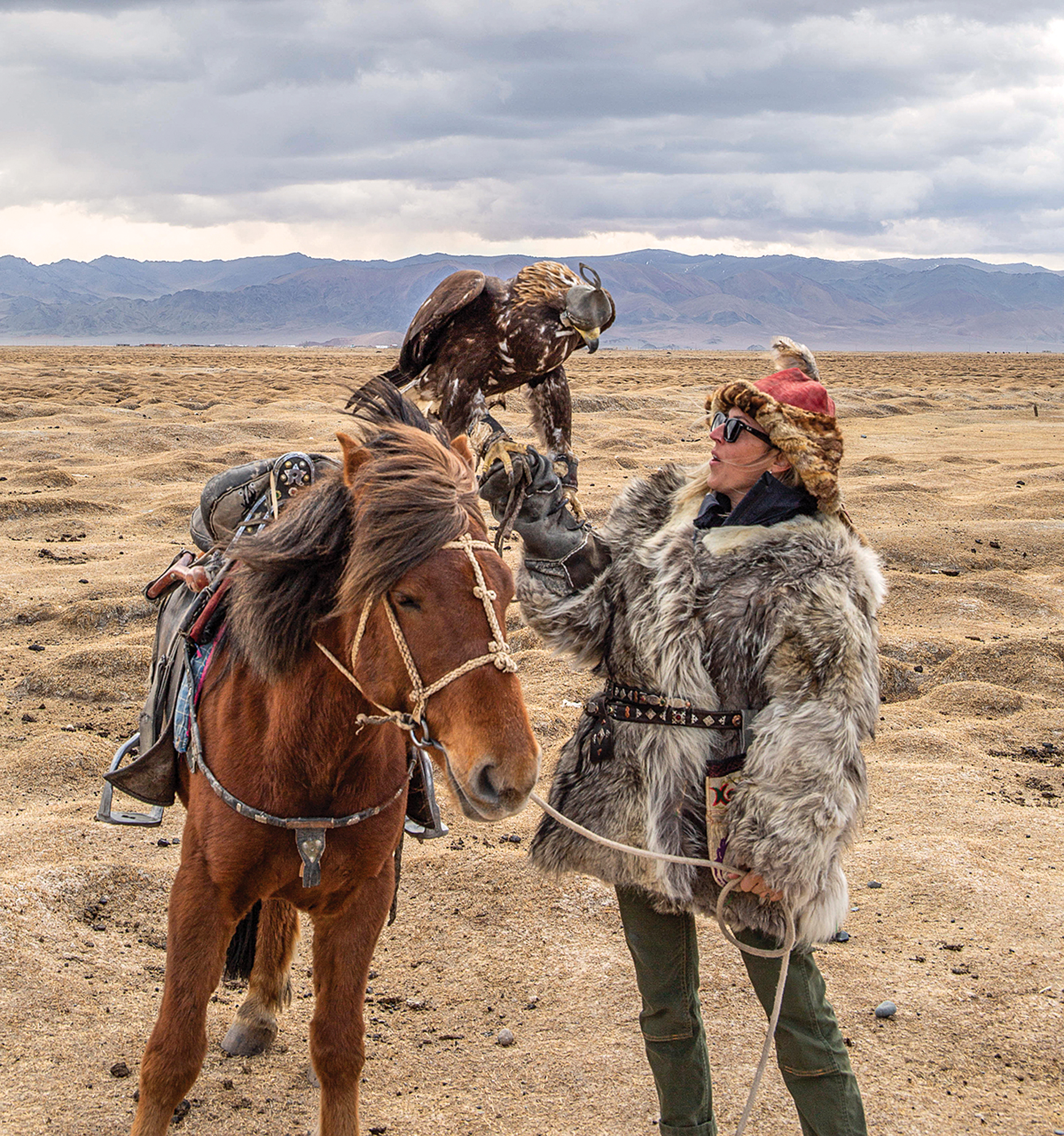
From there, Breanna moves on to browsing maps and planning her routes. “Because we don’t have a ton of paved roads outside of the major cities and towns, a lot of it is off-road, which is the beautiful part about this place. So, I look at satellite maps, either on Google or elsewhere.” Breanna also frequently uses Maps.me, as in Mongolia the routing program is better than what Google offers. Although there aren’t many iOverlander posts, she does reference the existing ones to see if any users have marked camp spots along the way. “It is getting more and more populated, which is nice, and I’m trying to add more as well.”
Next, it’s just about getting out there and doing it. Breanna carries paper maps and inquires with local people along the way. “I speak pretty basic Mongolian, but enough to get by, so I can stop at a family’s ger—a yurt—and ask which direction and how far. That always leads to another side adventure.” She admits that in Mongolia, it’s about hitting the road and figuring it out as you go. “You feel like a pioneer, like you’re doing something no one else has ever done,” she says. “It’s definitely not the case, but it makes you feel that way, which is really cool. When you arrive, you feel very accomplished.”
Inspired by her love of Mongolian horse culture, Breanna curates a variety of trips for clients that feature treks and multi-day horse-back archery training, festivals, nomadic homestays, and yak migration experiences. As a guide, she’s more concerned about distances, time in-vehicle, and road conditions. “I try to make it so it’s not just you sitting in the car for 8 to 10 hours a day just to get between places as quickly as possible,” she says. “It’s more about the journey than the destination here.” Instead of hitting big landmarks, Breanna finds families along the routes who welcome visitors, prioritizing unique cultural immersion experiences.
Harsh conditions have required Breanna to develop tricks to navigate the challenges of traveling through remote areas. Flat tires, washed-out roads, impassable rivers, broken bridges, and nomadic families moving to new places affect smooth-running tours. “When people see us executing it on the front end, they’re like, ‘You did that so seamlessly.’ They have no idea what we had prepared before the trip or what we’ve learned from doing it for so long. We’re so used to pivoting here and having so many backup plans or understanding that things go wrong, and you’ve got to take a detour.”
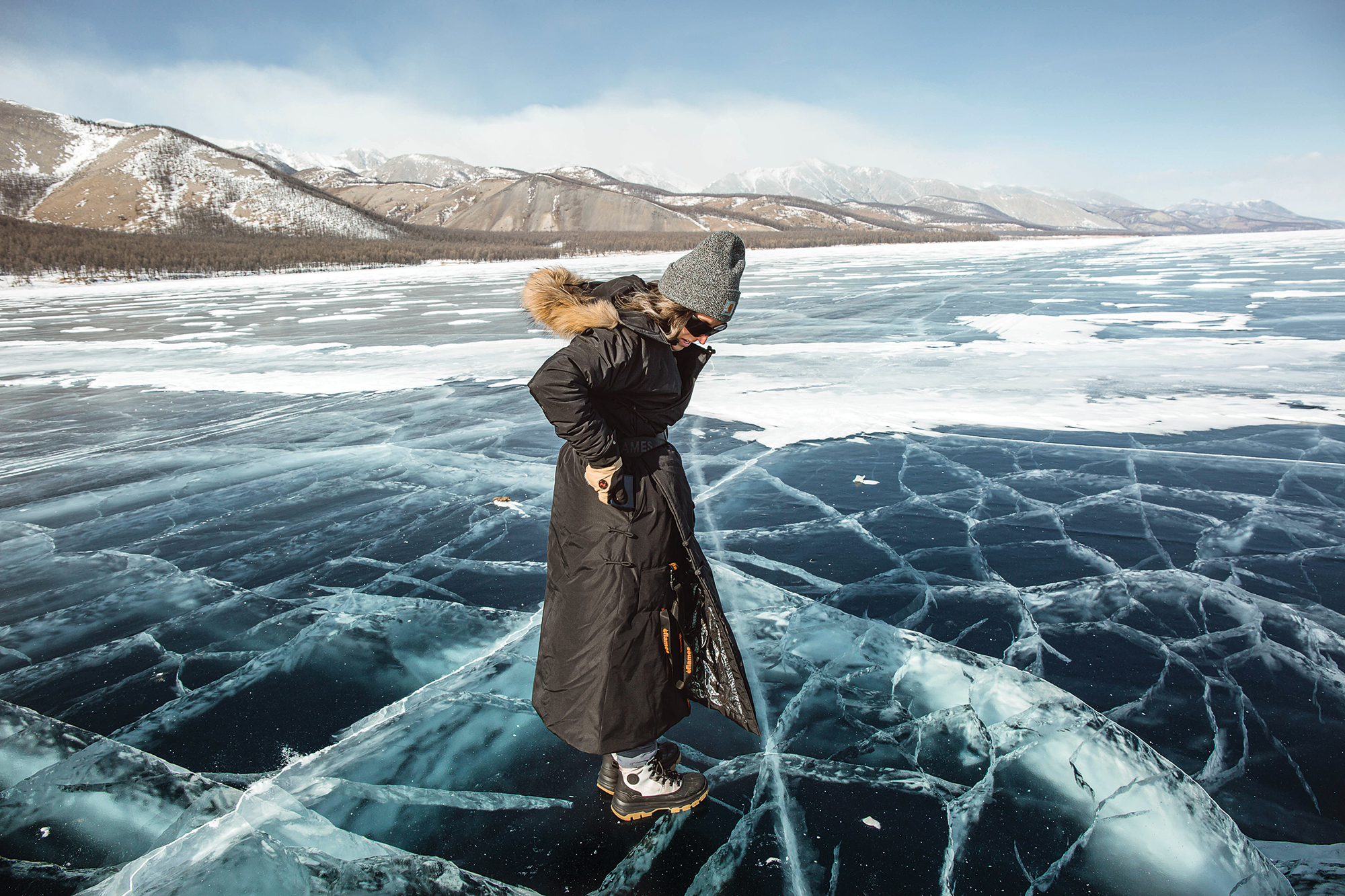
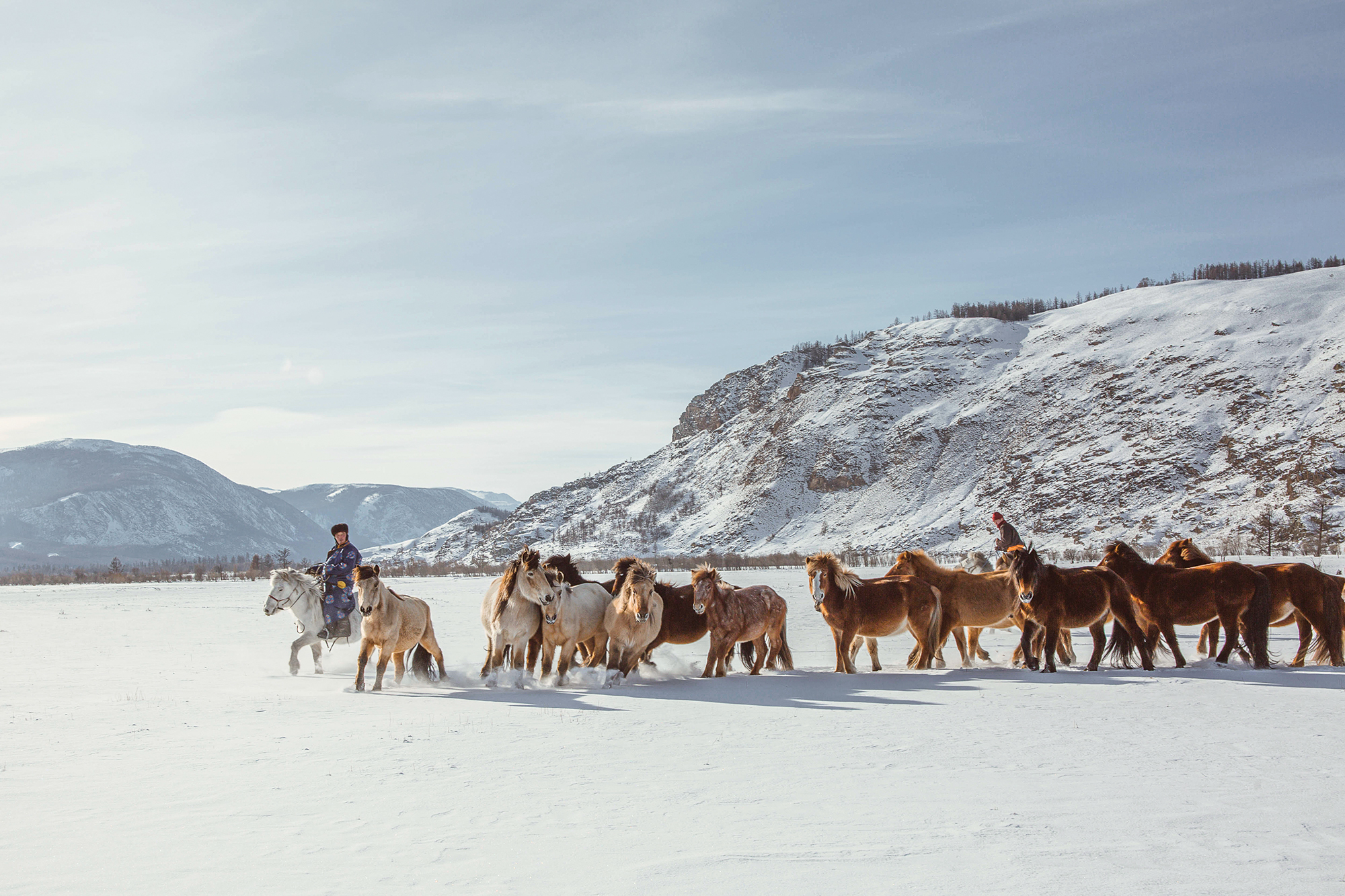
When Breanna dons her writing cap, she shifts gears and slows right down. “I want to see the restaurant area, the restroom facilities, the hotels. I don’t speak to as many families, but to locals who live there and can provide insights.” She camps less frequently and stays in hotels and guest houses, allowing her to meet other travelers. “It’s fun to talk to those people, understand their experiences, and listen to what they have to say. I’m so used to some things, but they’re seeing it for the first time, so it helps to get their perspective. It also reminds me when something is really special. You can’t find some of these things anywhere else.”
In 2023, Breanna drove from Tbilisi, Georgia, to Ulaanbaatar, Mongolia. “I decided I needed to get the car here. I’d built it out at that point, so it was ready to come and live in this part of the world.” Breanna decided against driving the entirety of the 7,000-kilometer route through Russia, instead shipping her Land Cruiser into Azerbaijan, whose land border was (and currently is) closed to tourist vehicles. She relied heavily on iOverlander and the Caravanistan website for up-to-date advice on border crossings, route planning, and finding fuel and camp spots along the way.
From Alat, she ferried across the Caspian Sea to Kazakhstan and continued across the country to the Russian Altai. Although she secured a Russian tourist visa, as a solo female traveler with a Georgian-plated vehicle and an American passport, she spent a long time at the border post, temporarily giving up her cell phone for a time and answering a smattering of interrogation questions. “I’d never done a journey that long with that many border crossings. It was my biggest challenge. I drove through the Russian section fairly quickly, but on the way out, it was the same scenario with more interrogation questions. I lost a paper that I needed. I had been living in Jordan and visited Saudi Arabia, so they were seeing all these passport stamps. They were questioning, ‘Who are you really?’ It was very nerve-wracking to be doing that by myself.”
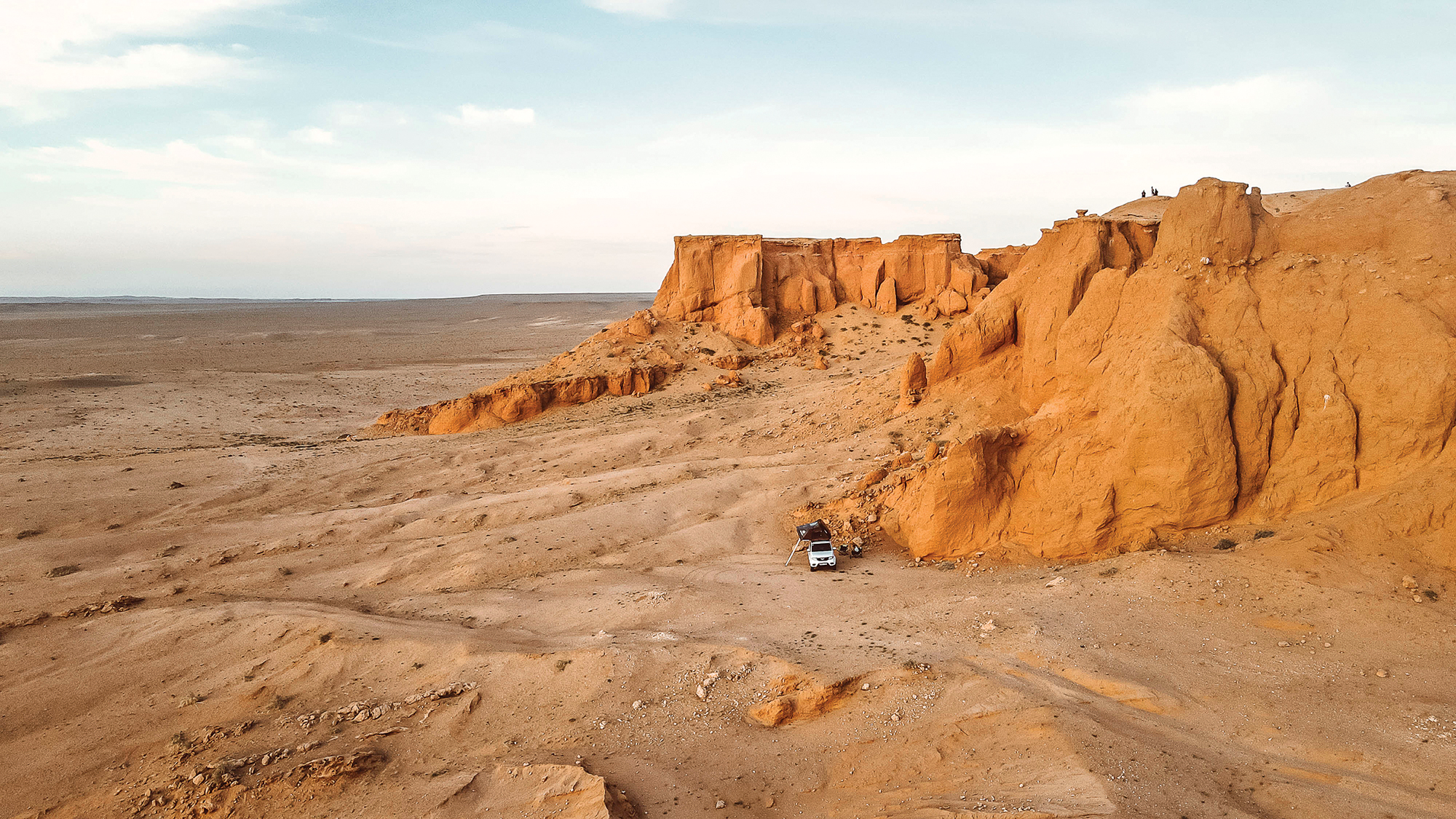
Eventually, the questions dried up, and Breanna continued, arriving in Western Mongolia’s Bayan-Ölgii province. Relieved, she checked into a hotel room for several days, decompressing from a stressful three weeks of nonstop driving and all that went with it. “It was an incredible journey, and I’m happy I did it,” she says. “It makes you realize that you can do it. You can figure it all out. I built many things up in my head about what could go wrong and what I needed to do in multiple scenarios, and, you know, most of it worked out just fine.” Would she do it again? “I’m thankful I don’t have to,” she says. “I imported the car, so now it’s Mongolian.”
Editor’s Note: This article was originally published in Overland Journal’s Fall 2025 Issue.
Our No Compromise Clause: We do not accept advertorial content or allow advertising to influence our coverage, and our contributors are guaranteed editorial independence. Overland International may earn a small commission from affiliate links included in this article. We appreciate your support.
