

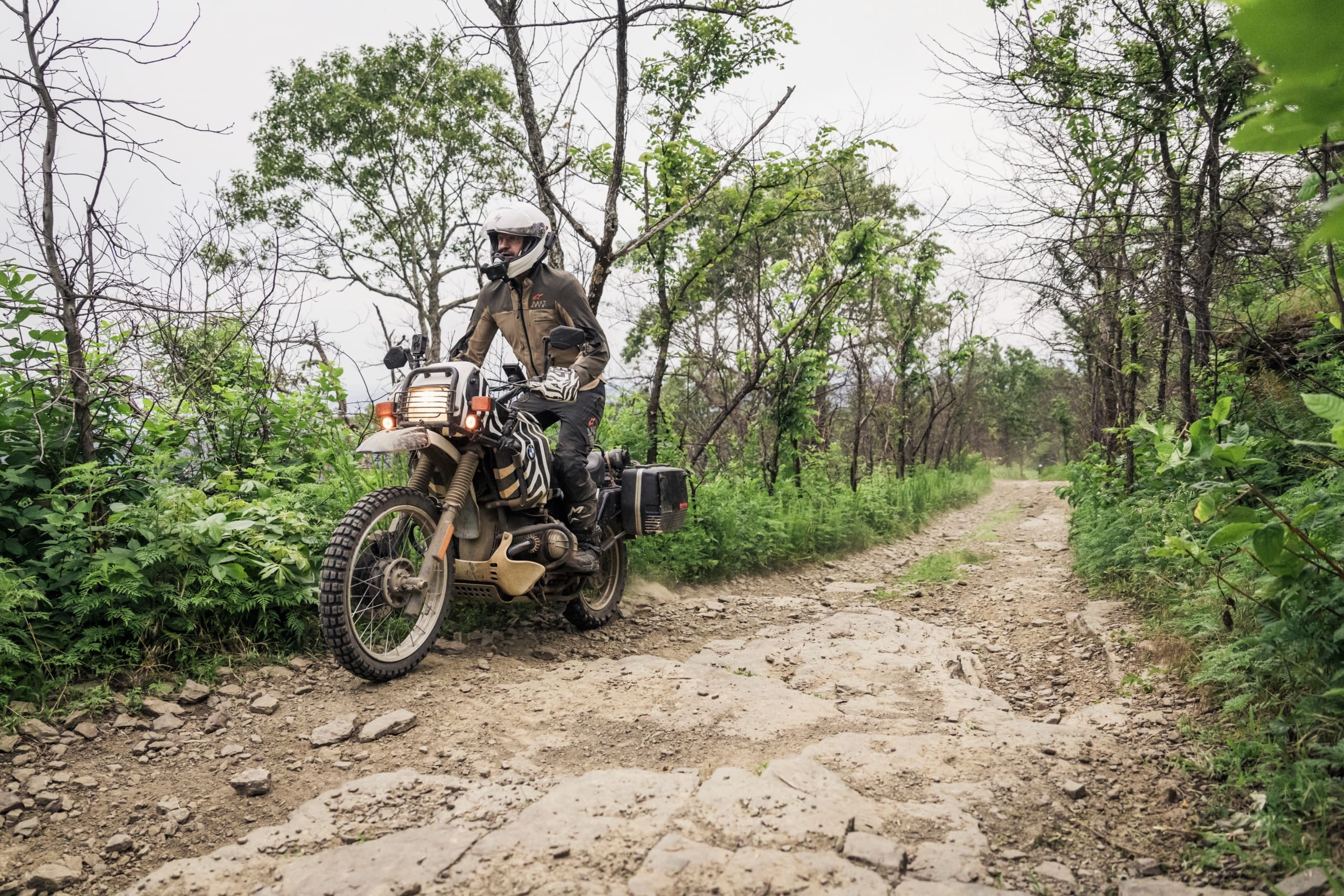
Arkansas is, in my humble opinion, underrated as an adventure destination, but those who know know it has a lot to offer across the seasons. The Backcountry Discovery Routes (BDR) has officially introduced the Ozarks BDR-X, a new 480-mile loop designed to showcase the rugged terrain and scenic diversity of northwest Arkansas. The route, which debuted alongside a film premiere and public launch event, expands BDR’s growing portfolio of regional “X” routes aimed at delivering condensed, high-quality adventure riding experiences.
Unlike traditional BDR routes that often span multiple states from north to south, the BDR-X format focuses on loop-style itineraries that can be completed in a shorter timeframe. The Ozarks BDR-X follows this approach, offering a four- to five-day ride that begins and ends in Jasper, Arkansas, near the Buffalo National River. This structure makes it more accessible to riders seeking a long weekend expedition without the logistical complexity of a point-to-point journey.

The route winds through the Boston Mountains within the Ozark–St. Francis National Forest; it’s an area known for its dense hardwood forests, steep ridgelines, and network of remote backcountry roads. Riders can expect varied terrain, including flowing gravel roads, primitive two-track trails, rocky climbs, and numerous water crossings. According to BDR, the route was designed to reflect the region’s character, combining technical riding challenges with scenic sections of paved mountain roads.
Watch the Ozarks BDR-X Official Documentary Film here.
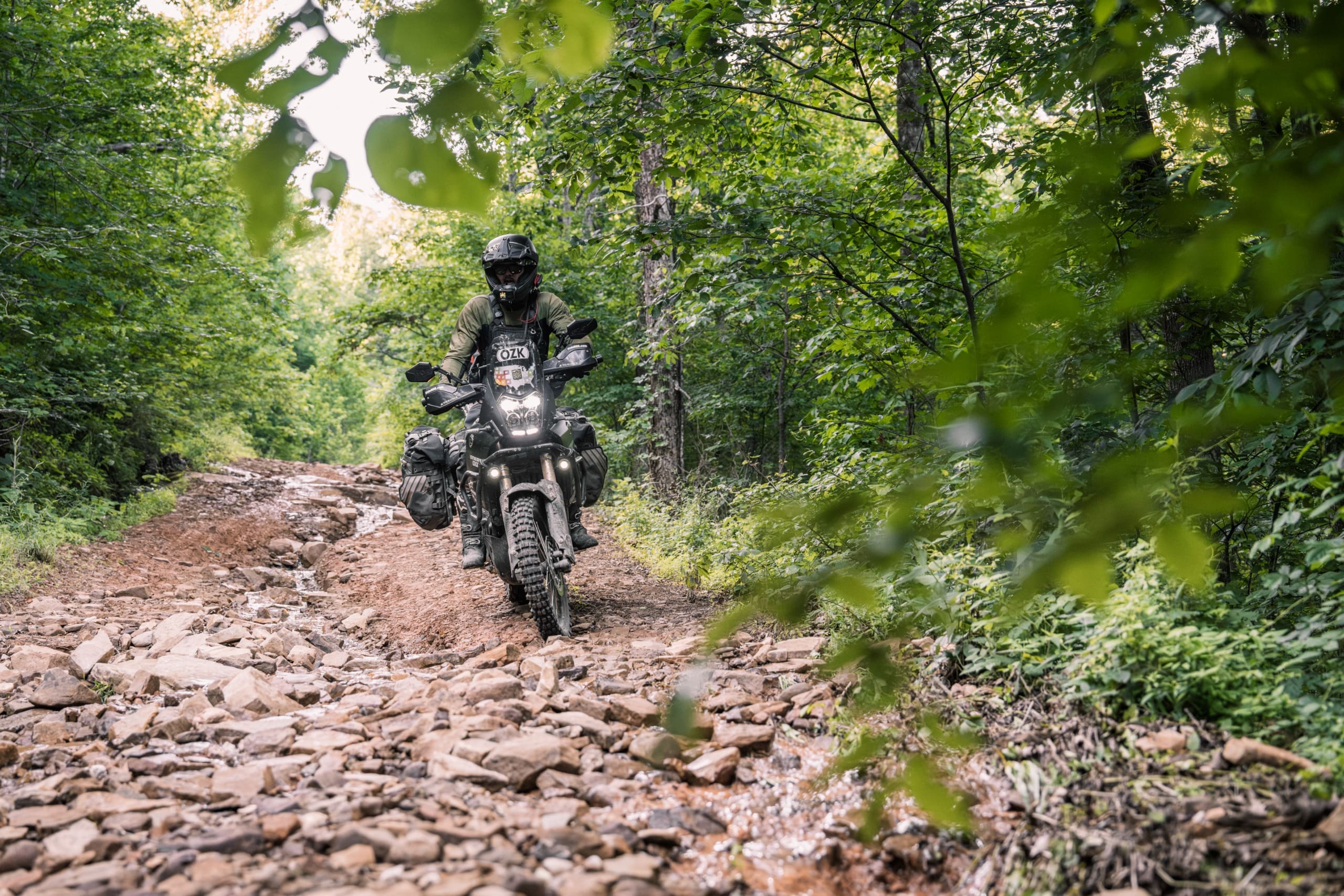
A defining feature of the Ozarks BDR-X is the inclusion of up to 10 optional “Alt Harder” sections, the most offered on any BDR route to date. These segments are intended for experienced riders and include steeper climbs, rocky terrain, and more demanding water crossings. At the same time, the primary route remains accessible to a broad range of dual-sport and adventure motorcycles, allowing riders to tailor the difficulty to their skill level.
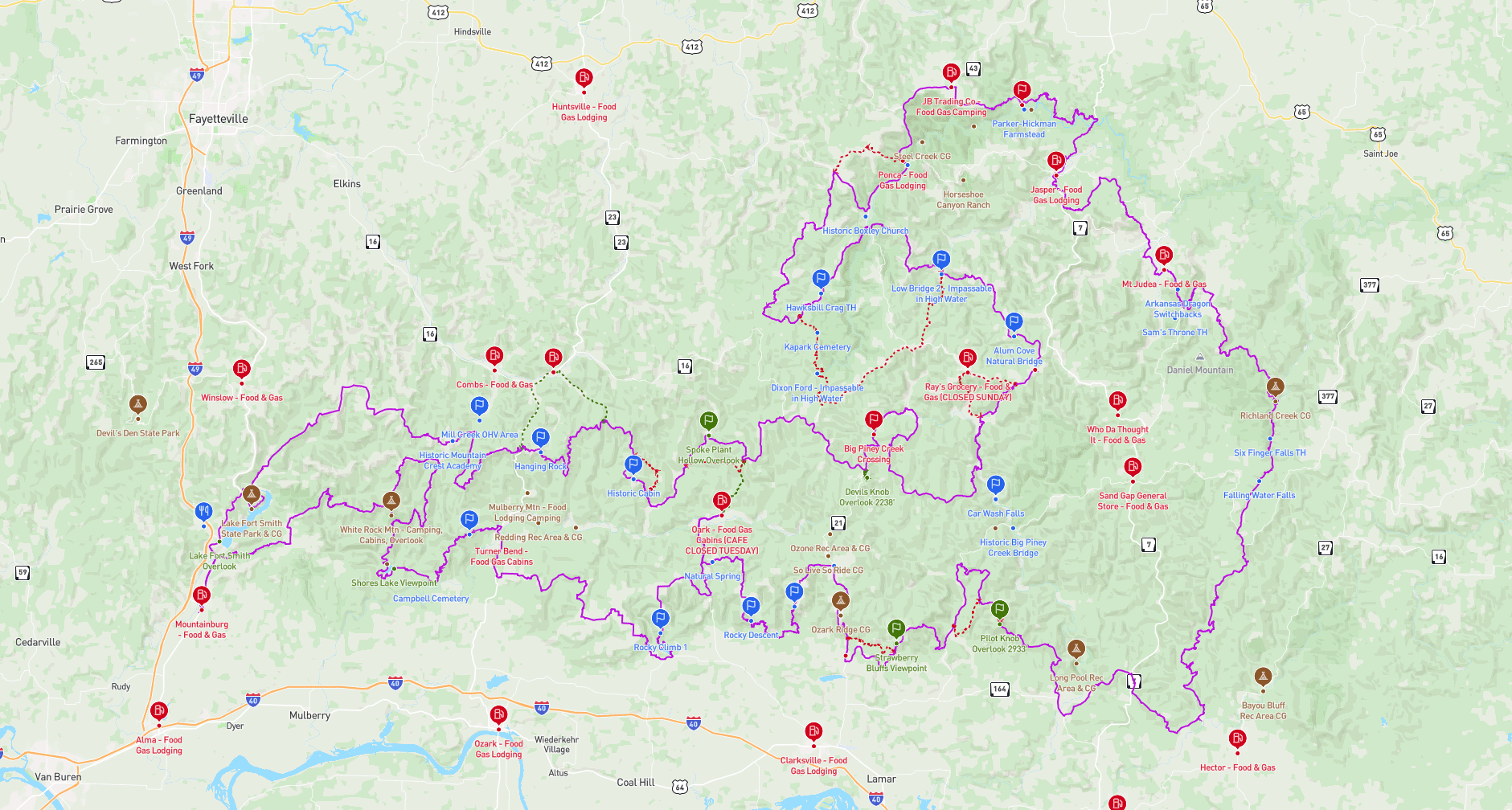
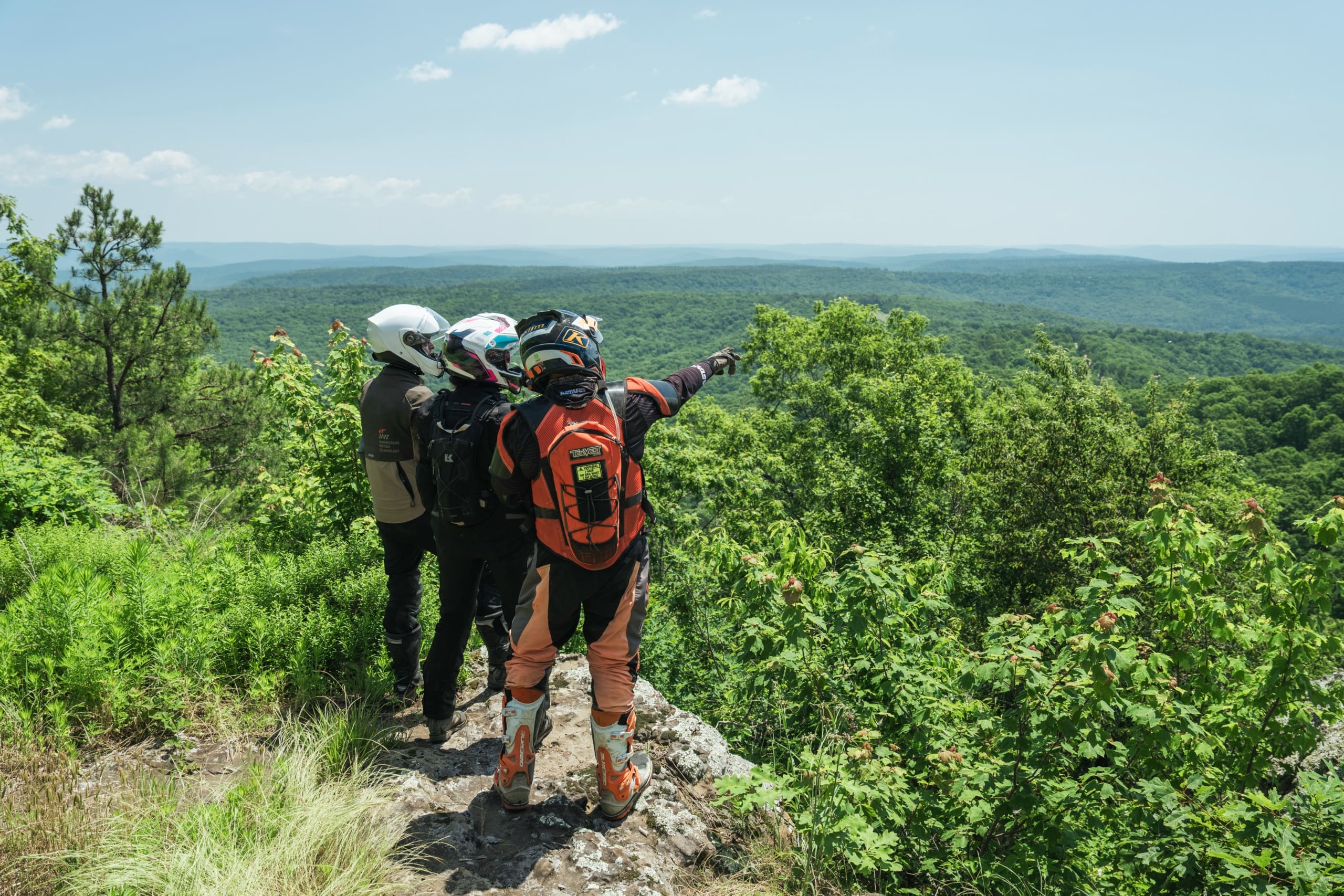
Highlights along the route include well-known regional landmarks such as the historic Oark General Store, dramatic overlooks like Hawksbill Crag, and the series of tight switchbacks known as the Arkansas Dragon near Mount Judea. The route also passes through small towns that provide fuel, food, and basic services, reinforcing BDR’s long-standing objective of supporting rural economies through adventure travel.
From a logistical standpoint, the Ozarks BDR-X is designed as a self-guided experience. Riders rely on GPS tracks, which are made available for download, along with printed maps and digital planning resources. While no special permits are required for street-legal motorcycles, the route traverses remote areas where cell service is limited, and riders are advised to carry appropriate navigation tools and emergency communication devices.
Seasonality plays a significant role in route conditions. Although the Ozarks BDR-X can be ridden year-round, BDR identifies mid-March through mid-November as the most favorable window. Spring and early summer bring the risk of severe weather, including thunderstorms and flooding, which can make water crossings hazardous or impassable. Fall offers milder conditions but introduces challenges such as leaf-covered trails that obscure rocks and obstacles.
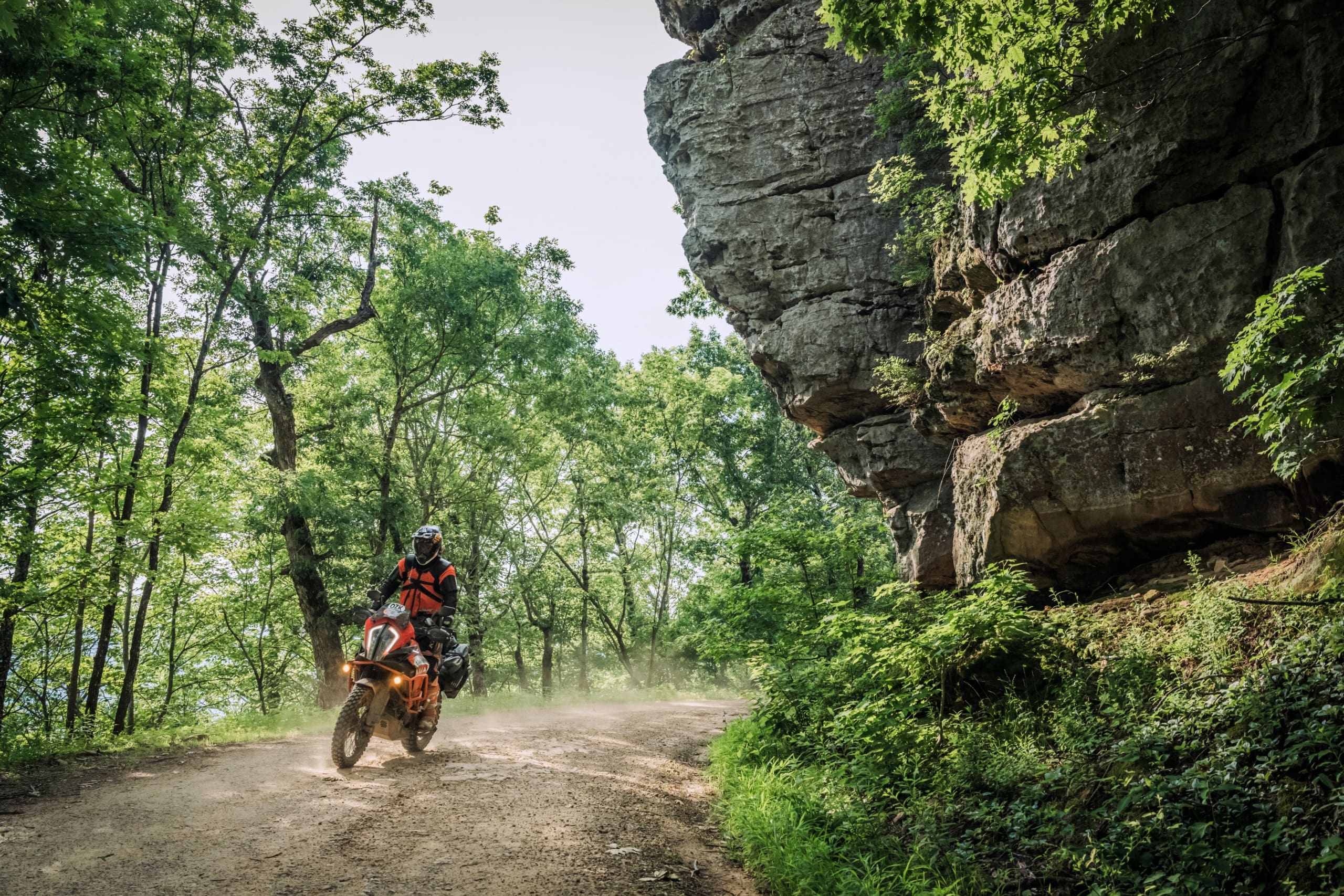
Introduced in 2022, the BDR-X concept is intended to complement the organization’s longer routes by offering more flexible travel options that can be repeated or combined with other trips. In the case of the Ozarks, the route provides riders in Arkansas, Missouri, Oklahoma, and the wider Midwest with a nearby destination that delivers a full BDR-style experience. Further afield, Texans have been known to travel to Arkansas in search of public lands to explore and will no doubt be regular explorers of this Ozarks BDR.
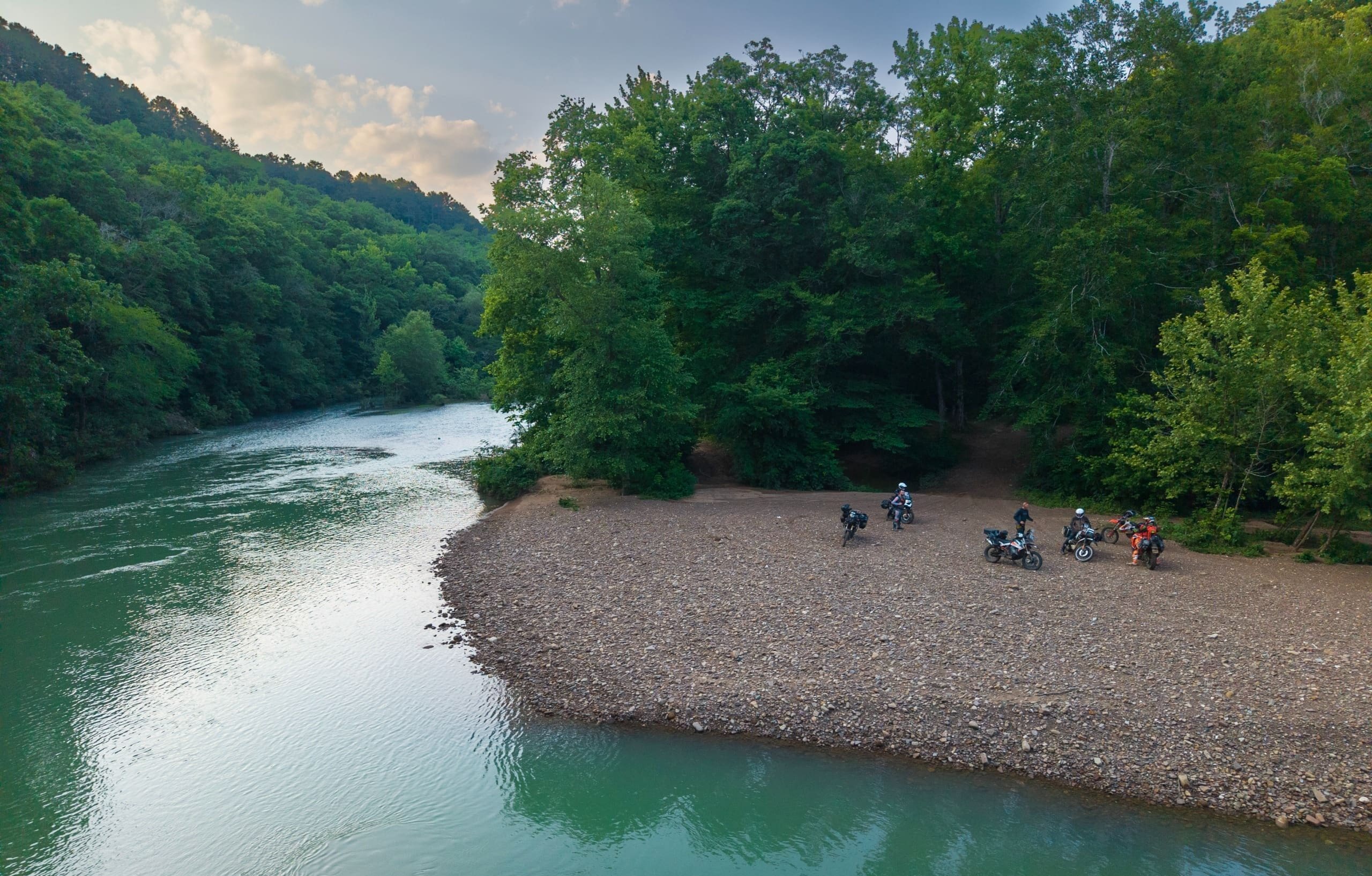
With its combination of technical riding, accessible logistics, and varied landscapes, the Ozarks BDR-X adds a new dimension to the BDR lineup. Whether it becomes a regular fixture on riders’ calendars will depend, as always, on conditions, preparation, and the evolving appeal of one of the Midwest’s lesser-known riding regions.
Read More: Overland News of the Week
Our No Compromise Clause: We do not accept advertorial content or allow advertising to influence our coverage, and our contributors are guaranteed editorial independence. Overland International may earn a small commission from affiliate links included in this article. We appreciate your support.
