

Photography by Leander Nardin
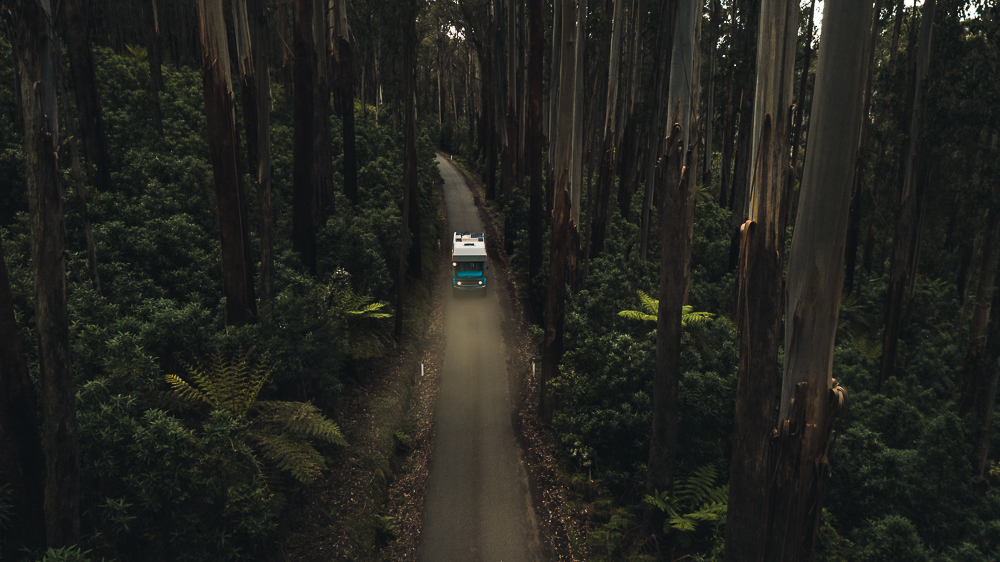
Looking back on a decade of full-time, vehicle-based travel, my most beloved nights camping in the United States have taken place beneath a forest canopy. With limited exceptions, public forest land is open for overland exploration. National forests contain maintained trail networks, established campgrounds, and vast dispersed camping opportunities. Access to Bureau of Land Management (BLM) land tends to be even more flexible. Though no amenities are provided within BLM territory, there is the freedom to choose your own adventure across remote, wild spaces.
Prehistory hides early forest secrets, but here is what we know. In 1630, when European settlement began in earnest, forests covered 46 percent of what is now the United States. Trees were felled over the next 300 years to make way for agriculture, industry, and urban growth. Fewer than 300 years later, forest land had dropped to 34 percent of total land area. However, because of conservation efforts throughout the 20th century, US forest areas are holding steady, and reserves have doubled since 1953, to the great benefit of the overland community.
If we zoom out on the globe, one-third of the world is blanketed by forest land. In addition to temperate forests of maple, oak, and birch trees like we’re familiar with in the continental United States, there are two other major categories of forest. Tropical forests thrive near the equator, while boreal forests are found throughout Siberia, Scandinavia, Canada, and Alaska.
But why do forests matter? Healthy forests contribute to a healthy planet, removing harmful carbon dioxide from the atmosphere and releasing oxygen. They act as pollutant filters, removing dust, ash, pollen, and smoke particles from the air that can be harmful to our lungs.
Tree cover contributes to the stability of the land we live on. When natural disasters bring flooding or heavy winds, root systems and leaf litter reduce the risk of soil erosion and landslides.
Forests also matter because they “are home to about 80 percent of the world’s land-based animals and plants,” according to the Food and Agriculture Organization of the United Nations. These species provide everything from food to medicine in addition to the air we rely on. Roughly one of four ingredients in our medicines are sourced from rainforest plants—an incredible statistic considering a mere one percent of tropical forest species have been studied.
Our collective impact has the potential to transform the communities we visit. Here are positive steps you can take to treat forests with care.
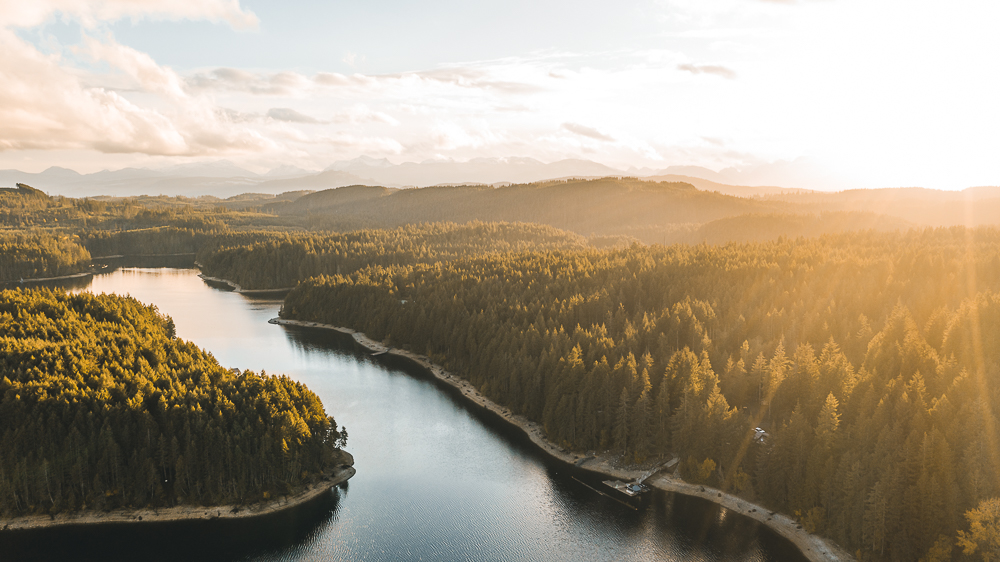
PREVENT WILDFIRES While natural events like lightning can cause forest loss, 9 of 10 wildfires are caused by humans. Even our vehicle can be the culprit. To avoid starting a wildfire with your vehicle, stay informed about weather and vegetation conditions along your route. Do not drive or park in dry vegetation. If you do find yourself near dry vegetation, check for debris around your catalytic converter and exhaust that could ignite a fire. If towing a trailer, make sure your safety chains can’t drag over the ground. Carry at least one fire extinguisher with you.
RESPECT WOOD COLLECTION RULES Where campfires are permitted by public land entities, wood collection rules can vary greatly. It is our responsibility to know whether collecting downed wood is allowed or whether we need to pack in wood for campfires. For example, all national forests in the United States allow downed wood collection, but wood cannot be sold or taken from a national forest. Typically, it is easy to find these regulations through a quick internet search.
KEEP TO THE TRAIL We are fortunate to have extensive forest trail systems accessible for hiking and vehicle recreation. By treating trails with care, we ensure access will remain open (the opposite is increasingly true). We can do this by staying on marked trails. When we leave the trail, even barely straying over its marked edges, there are several consequences. In the short term, we damage foliage and root systems. In the long term, other motorists follow our tire treads and the trail becomes wider, leading to more significant damage over time.
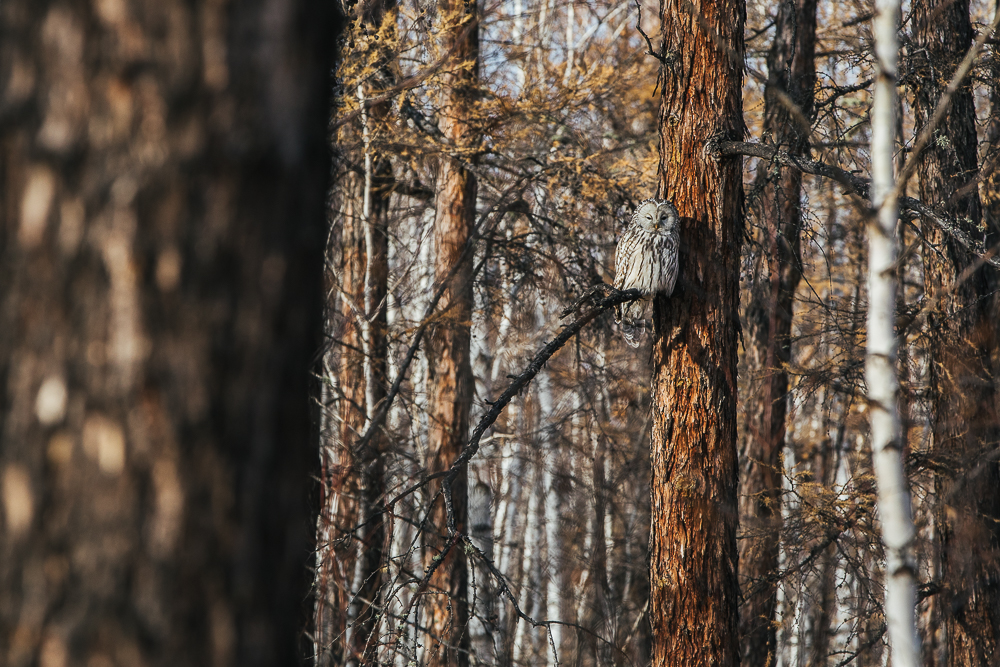
DON’T APPROACH WILDLIFE By following best practices, we can avoid wildlife habituation. Habituation occurs when wild animals are exposed to human activity and stop following their extincts. Wild animals should naturally have a fear of humans and roadways. By maintaining a safe distance, we allow animals to thrive in their habitat. The goal is to stay 25 yards away from wildlife, except in the case of predators when the preferred distance is 100 yards.
PARTNER WITH NONPROFITS AND ECOLODGES Working alone, we can feel like our conservation efforts are only a drop in the bucket. But by supporting and partnering with others, we can see real change. A nonprofit called the National Forest Foundation works closely with the US Forest Service, organizing volunteer opportunities each year (learn more from the “Get Involved” section at the conclusion of this article). As we travel to distant countries, we become less familiar with the ecosystems around us and the challenges confronting them. In those cases, it becomes even more valuable to seek local knowledge. Ecolodges, which often host overland campers, can be an excellent source for forest information and volunteer opportunities.
RECYCLE YOUR PHONE Through our consumption habits, we can safeguard tropical forests from an ocean away. As the US Geological Service puts it, there’s a “world of minerals in your mobile device.” From Chile to China, these minerals must be extracted to meet the demand for new electronics. For example, tantalite is used to improve the audio quality of our phones. But more than 60 percent of tantalite is mined in gorilla habitat in the Congo, leading to habitat destruction and poaching of this endangered species. Tantalite is also mined in Brazil, home to the Amazon Rainforest. By waiting to purchase a new cell phone and recycling our old one, we reduce demand for all the minerals in our phones.
WATCH WHAT YOU’RE PACKING OUT It goes without saying that we should dispose of trash properly. But less discussed are the things we shouldn’t take off forest land. In national parks, it’s against the law to remove any item, whether rock, plant, or historical artifact. Though other public land types don’t have the same legal consequences in place, we should consider voluntarily extending these rules to protect the land. Equally important, we should clean our clothing, gear, and vehicles of plant life after leaving the forest. Especially for those of us driving over long distances, we don’t want to be responsible for transporting invasive species that can alter entire ecosystems.
Each of us can respect and protect forest land by following these action items and educating the rising generation of vehicle-based travelers. Though forests may seem ancient and perpetual, their fate belongs to us.

Get Involved
National Forest Foundation has designed thoughtful programs dedicated to the health of forest land. Volunteers and donations are needed for these initiatives to thrive. Wood for Life provides salvaged wood to indigenous communities in northern Arizona, New Mexico, Colorado, and Idaho that rely on this fuel source to heat their homes. Find Your Fourteener maintains trail routes summiting Colorado’s 14,000-foot peaks, safeguarding both hikers and the natural environment. And, along with multiple government agencies, the National Forest Foundation is implementing the Wildfire Crisis Strategy, conceived to reduce the risk of wildfire in the nation’s most susceptible forested areas. Nationalforests.org is a treasure trove of information about ongoing efforts to sustain forests and those who depend on their well-being.
Editor’s Note: This article was originally published in Overland Journal’s Fall 2024 Issue.
Our No Compromise Clause: We do not accept advertorial content or allow advertising to influence our coverage, and our contributors are guaranteed editorial independence. Overland International may earn a small commission from affiliate links included in this article. We appreciate your support.
