

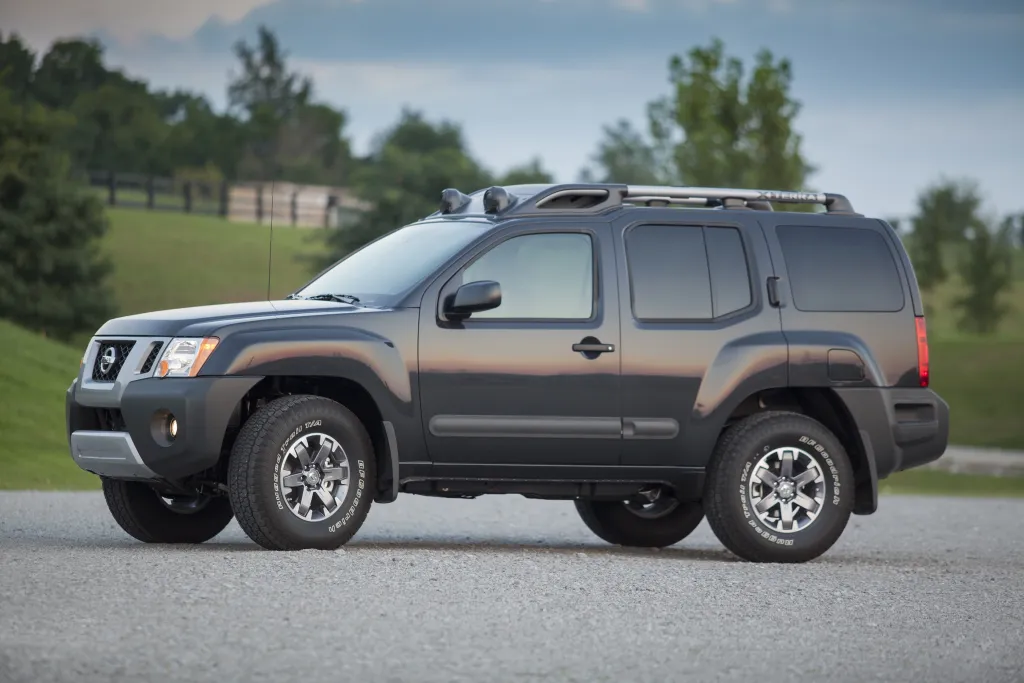
According to various news reports, but with no official press release from Nissan, Nissan Motor Corporation is preparing to revive its Xterra nameplate in 2028, reintroducing the rugged off-road SUV as a hybrid model. Company leaders have said the decision reflects a reassessment of its US product strategy, balancing electrification efforts with the economics of mid-sized utility vehicles in North America. At a dealer meeting held on August 20, 2025, in Las Vegas, Nissan reportedly presented plans for a new body-on-frame architecture that could underpin five different models, one of which will be the next-generation Xterra.
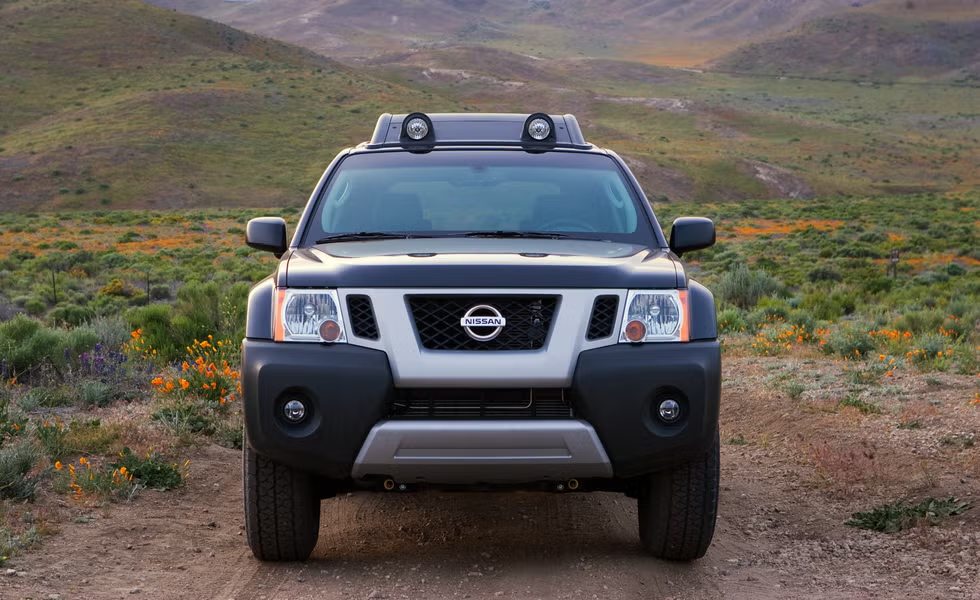
The formal confirmation came later via Nissan Americas Chairman Christian Meunier, who told Bloomberg that Nissan would “reboot” the Xterra nameplate, aiming to launch it in 2028. He said the decision would help Nissan utilize excess capacity at its Canton, Mississippi, manufacturing facility, where the Frontier pickup is currently produced, which would allow it to share significant components, assembly operations, and supply chains with the Frontier (which has had a rather dismal 2025 with sales down significantly from previous years). Meunier indicated that the approach would help achieve economies of scale, improve cost efficiency, and better balance production across Nissan’s US operations.
Reports suggest that Nissan’s revived Xterra will diverge from earlier speculation about a fully electric model. Instead, the company is placing its bets on a hybrid V6 configuration. The hybrid system is expected to pair the conventional internal-combustion V6 engine with an electric motor system, potentially supplemented by a range-extender function allowing for moderate pure-electric driving in certain conditions. The body-on-frame structure presented at the dealer meeting was described as scalable for multiple product derivatives, including updated versions of the Frontier, Pathfinder, and Infiniti’s QX60. That shared architecture is intended to reduce development and manufacturing cost burdens.
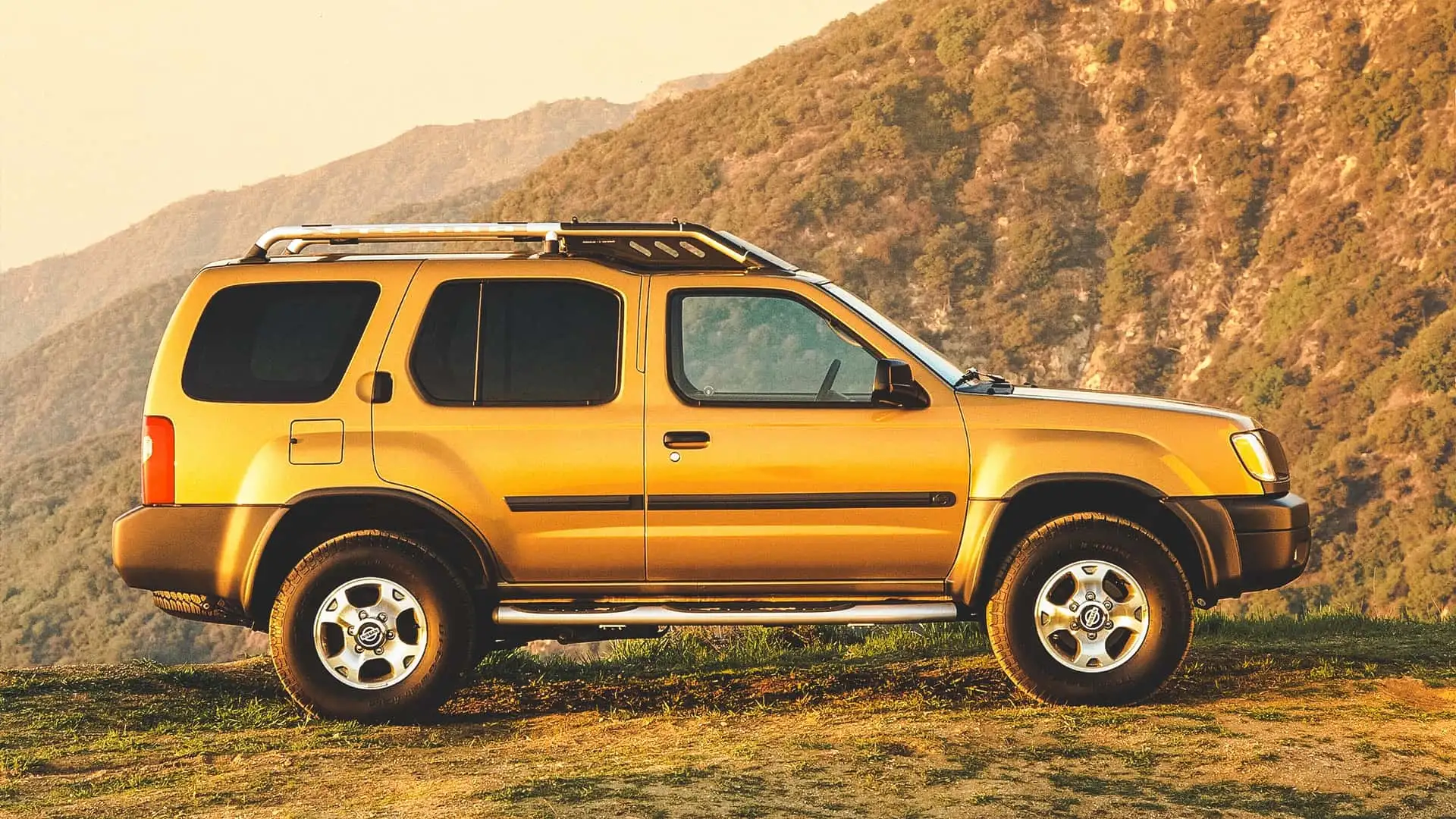
Reintroducing the Xterra in hybrid form is a calculated risk. The midsize off-road and adventure SUV space has become increasingly crowded, as has the pick-up segment, with competitors such as the Toyota 4Runner, Ford Bronco, Land Rover Defender, and various hybrid crossovers vying for buyer attention. The new Xterra will need to offer not only off-road capability but also efficiency and emissions performance commensurate with modern regulatory standards. This is, as always, good news for the consumer as competition drives innovation up and prices down.
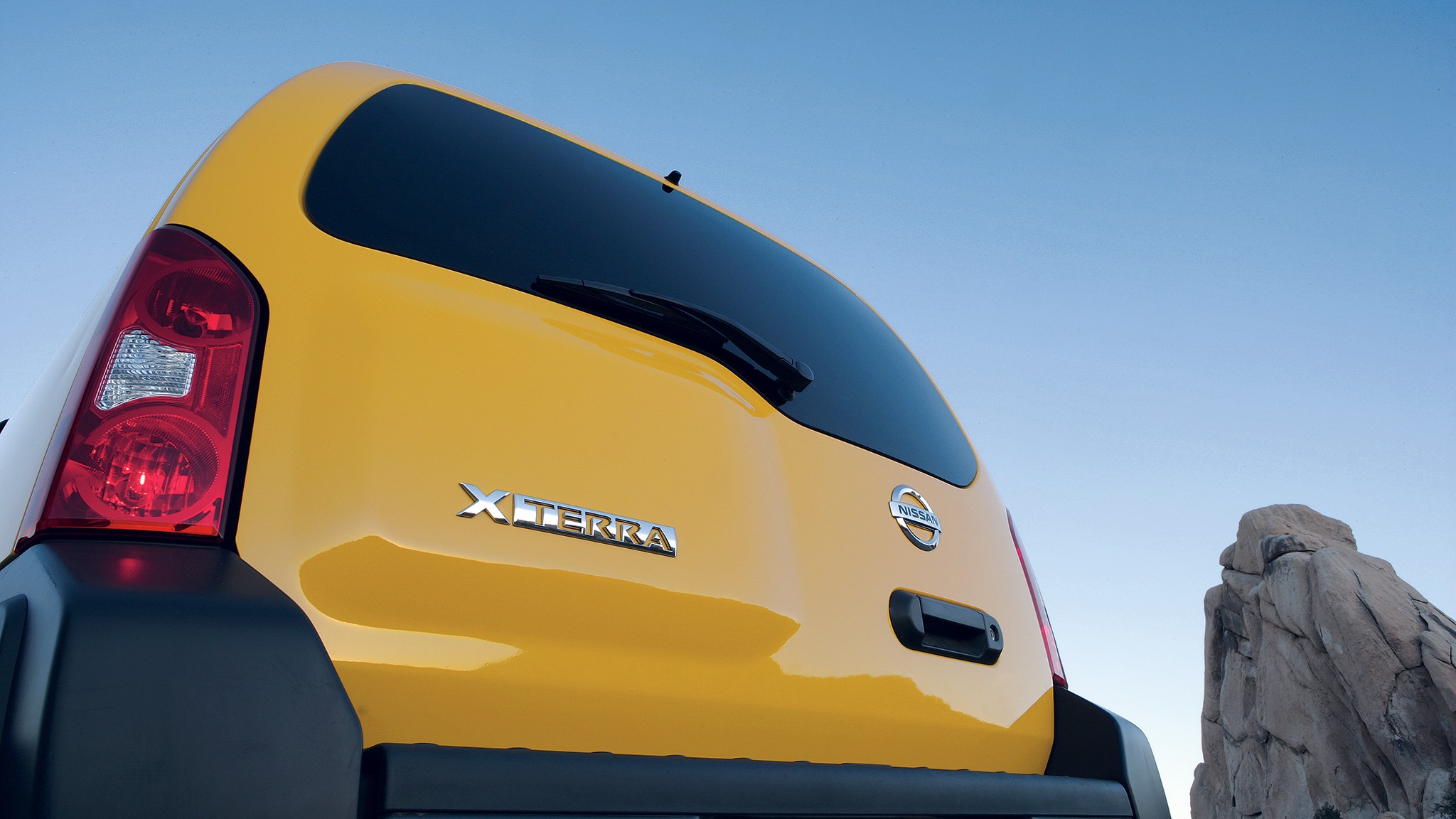
One key challenge will lie in delivering compelling hybrid performance without undercutting the rugged image associated with the Xterra brand. The original Xterra appealed to outdoor enthusiasts who prioritized durability, utility, and off-road readiness. If too much weight is given to electrification compromises, Nissan must guard against alienating that market.
Our No Compromise Clause: We do not accept advertorial content or allow advertising to influence our coverage, and our contributors are guaranteed editorial independence. Overland International may earn a small commission from affiliate links included in this article. We appreciate your support.
