

As overlanders, protecting and preserving the open spaces we visit is our obligation. Our rigs carry us to pristine mountains, deserts, and beaches, and we aspire to leave them in better condition than we found them.
By nearly all measures, Costa Rica, home to over five million residents, is a tropical paradise. Over the past few decades, it has risen from being an emerging nation in a tough neighborhood to an economic leader in its region and beyond. As its standard of living has grown, so has its commitment to the fragile ecosystem within its borders; over a quarter of its landmass is made up of protected jungle, and droves of tourists travel from North America, Europe, and Asia to observe its natural beauty.
With progress came pollution. Approximately 20,000 tons of unmanaged plastic are generated annually in the Central American country. Much of it gets dumped into rivers in the greater metropolitan San José area, such as the Rio Virilla and Rio Tarcoles, and eventually makes its way unchecked into the Pacific Ocean. Despite efforts to stem dumping and clean the rivers, much of the plastic ends up in open waters, contributing to the global ocean plastic catastrophe. A good portion ends up on Costa Rica’s otherwise pristine beaches.
In 2018, activist Geronimo Ciuti founded MareBlu with the singular focus of ridding the beaches of plastic and ensuring that it doesn’t return or end up in landfills. Based in the Central Pacific town of Punta Leona, just a few kilometers from the mouth of the Rio Tarcoles, MareBlu organizes beach and coastline cleanups, installs plastic collection receptacles in population centers, and manages a supply chain that sorts, recycles, and reuses the plastic bottles and containers it collects. Since its inception, MareBlu has collected over 400 metric tons of solid waste, much of which is reprocessed and finds its way into bricks, roads, and other building materials. MareBlu also developed the design and construction of an artificial reef project in Playa Blanca, part of the Punta Leona Natural Reserve.
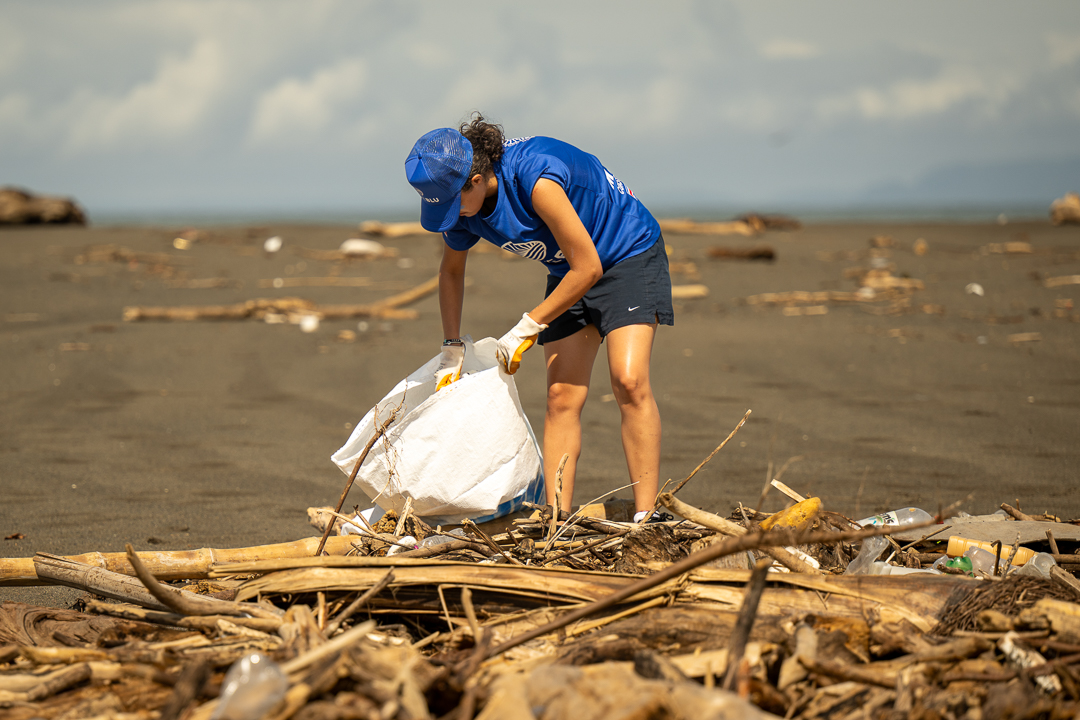
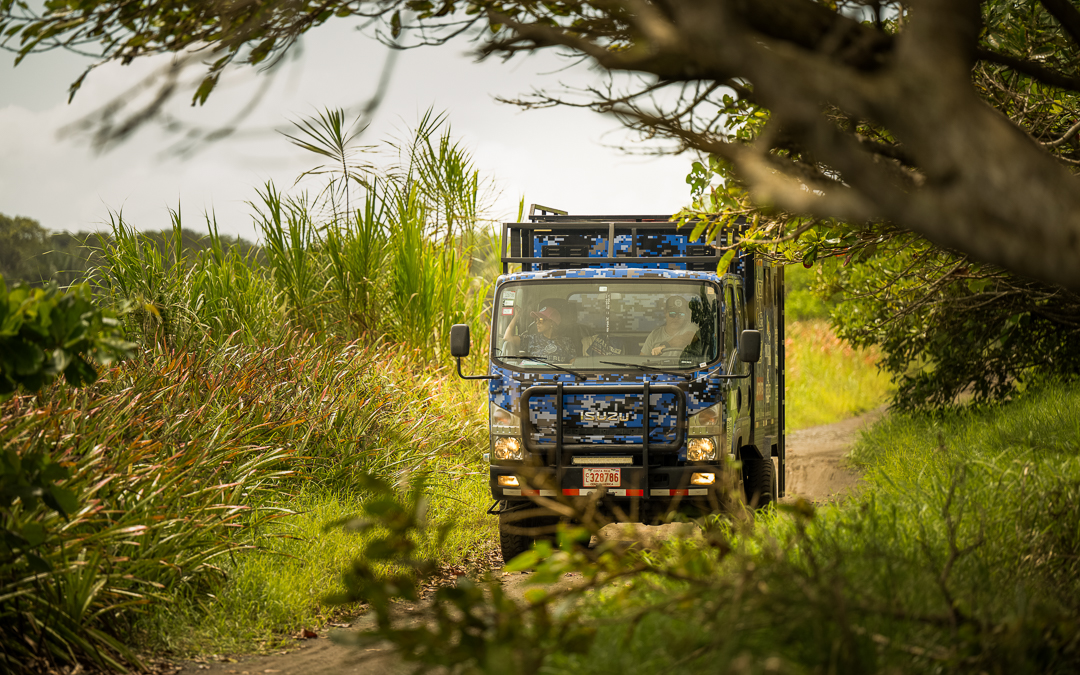
One of the key challenges facing the MareBlu team is access to the remote beaches and the haul-back of the bagged plastic for processing. A typical day can easily yield 200-300 kilograms of plastic. Enter the MareBlu truck: an Isuzu NPS Crew Cab 4×4 powered by the 5.2-liter 4HK1-TC, one of the most reliable engines on the market. The truck, known for its durability, is large enough to carry both the crew and cargo, yet still maneuverable enough to get through the narrow jungle paths en route to remote beaches. A custom trailer doubles its hauling capacity. On off days, the rig plays as hard as it works, shuttling volunteers to hidden waterfalls and mountain vistas.
Ciuti is assisted by his partner, Paula Sanchez, a small staff, and hundreds of volunteers who travel from all over the world to help in the cleanup. The herculean effort is supported by monetary and in-kind donations from several corporations and individual donors.
How to Get Involved
To volunteer your time or make a donation, please visit MareBlu at mareblucr.org.
Follow Mareblu on Facebook and Instagram to stay on top of cleanup efforts. You can also email the organization directly at info@mareblucr.org.
Our No Compromise Clause: We do not accept advertorial content or allow advertising to influence our coverage, and our contributors are guaranteed editorial independence. Overland International may earn a small commission from affiliate links included in this article. We appreciate your support.
