

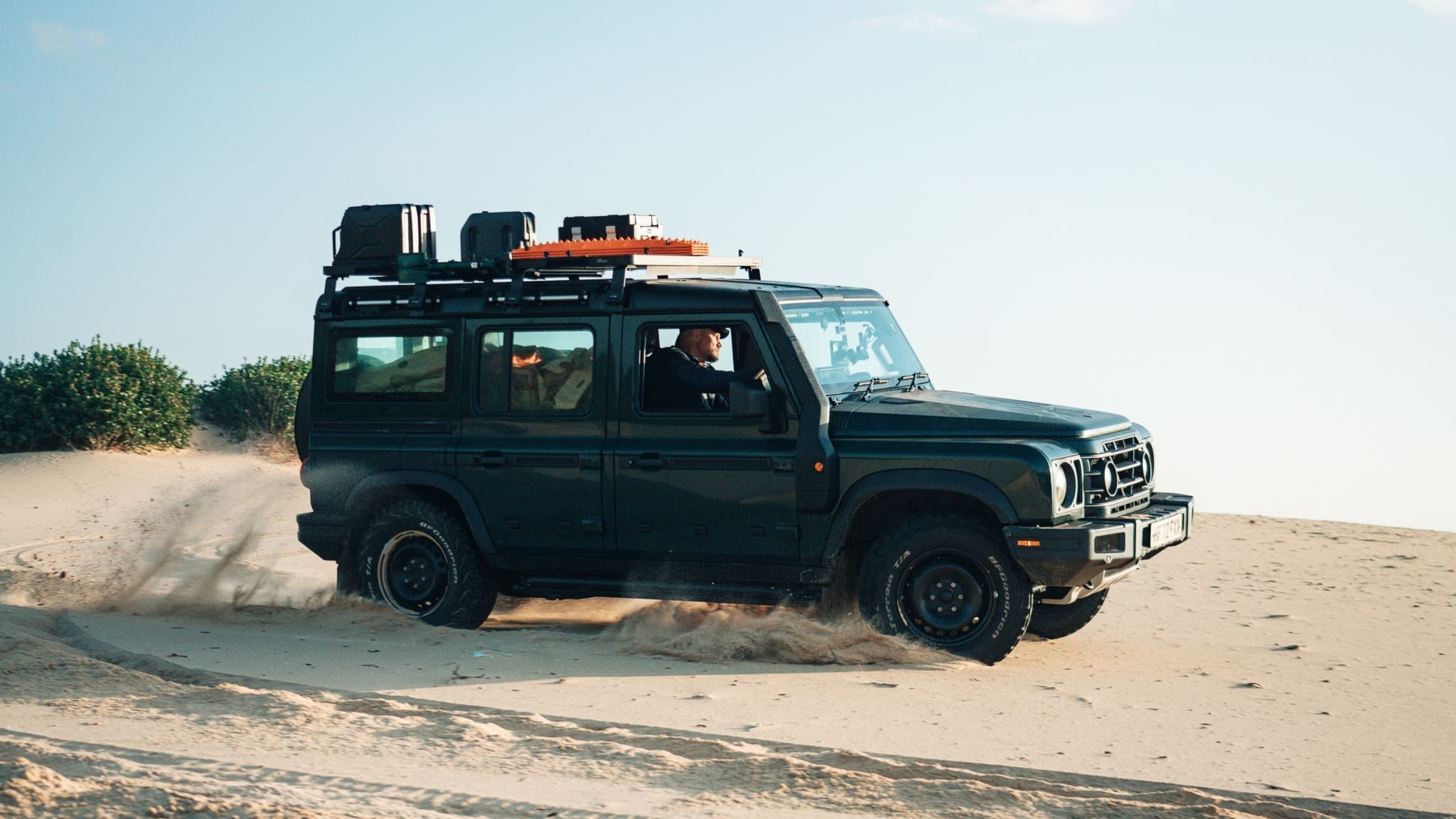
When INEOS Automotive unveiled the Fusilier in early 2024, the smaller electrified 4WD appeared poised to become a significant step forward for the young manufacturer. Positioned below the Grenadier and Quartermaster, the Fusilier promised to combine the rugged design language and utility-focused philosophy of the brand with a more compact platform and an electrified drivetrain. Now, according to recent comments from company leadership, the vehicle is not expected to arrive until approximately 2028, highlighting both the challenges and uncertainties surrounding the transition toward electrified off-road vehicles.

The delay was revealed in an interview with Autocar, where INEOS Automotive CEO Lynn Calder indicated that the Fusilier would likely launch “probably by 2028.” The revised timeline pushes the project beyond the company’s original production target, which had previously been expected around 2027 following the official unveiling of the model in 2024.
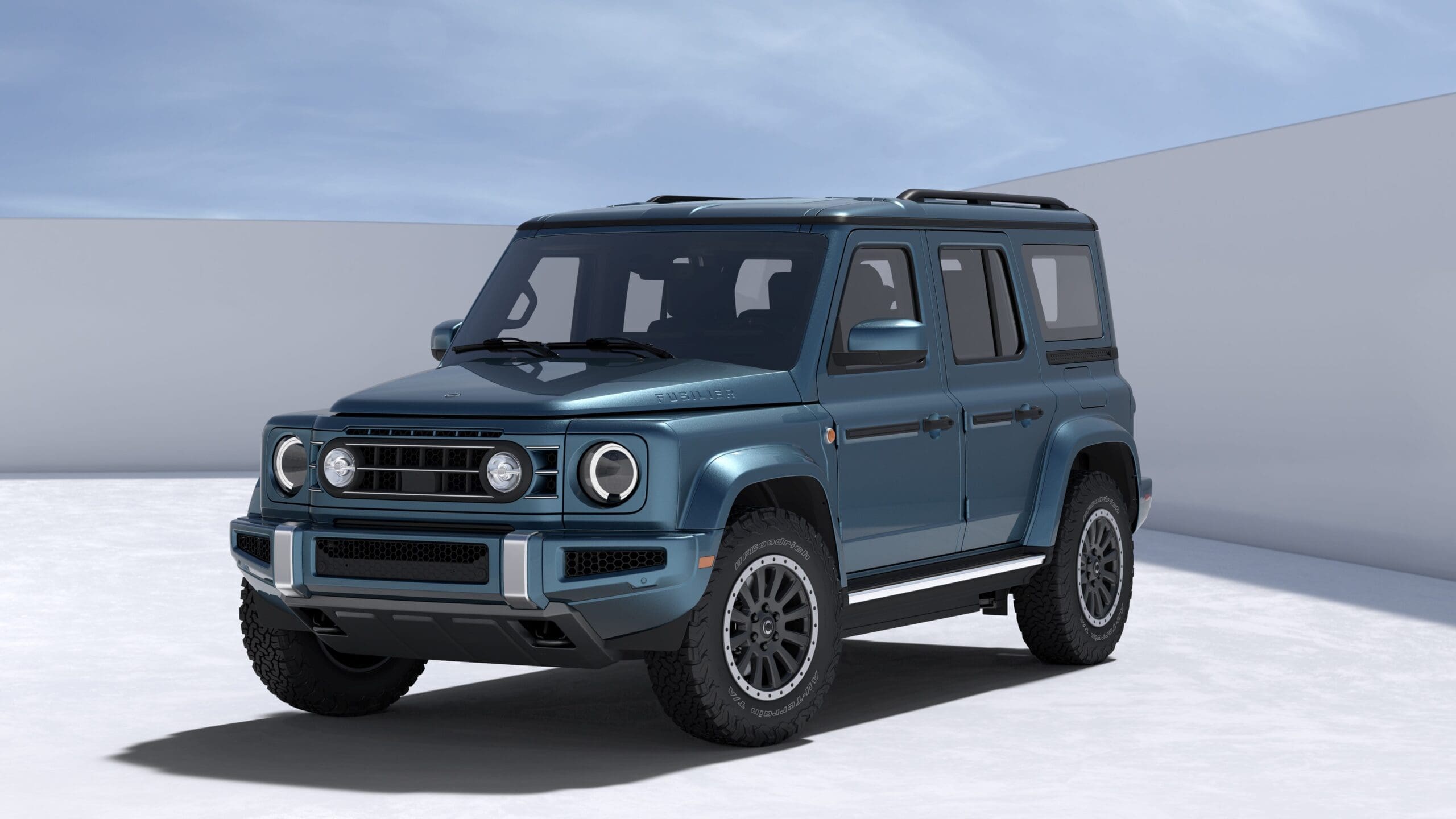
The Fusilier remains an interesting proposition within the broader off-road market because it attempts to bridge the growing divide between traditional body-on-frame 4WD vehicles and the rapidly evolving electrified automotive landscape. While the larger Grenadier has found success among buyers seeking a modern interpretation of classic utility vehicles, the Fusilier aims to target customers looking for something smaller, urban-friendly, and more efficient while still retaining genuine off-road capability.
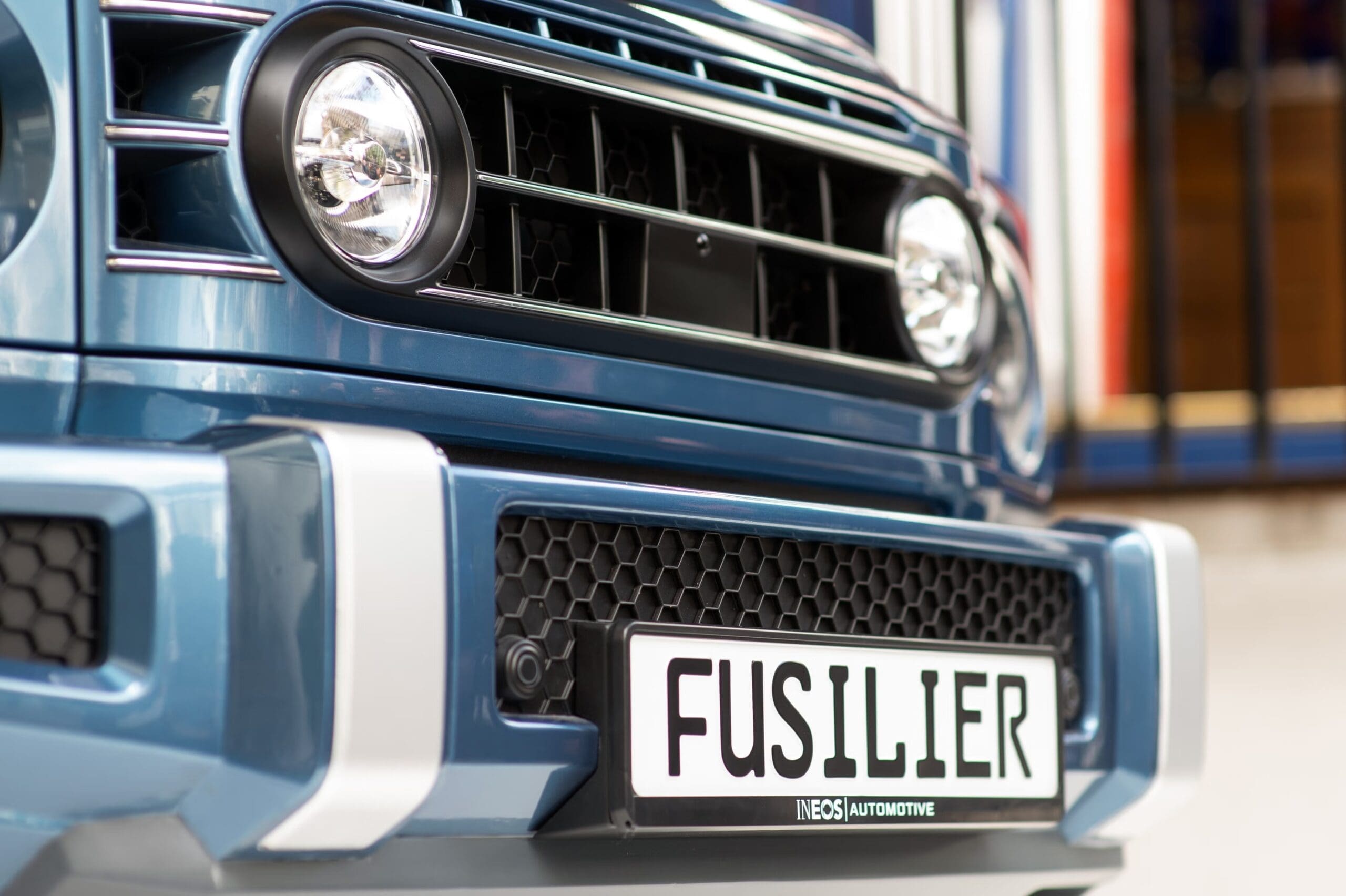
According to the original announcement from INEOS Automotive, the Fusilier was designed as a purpose-built electric vehicle supported by a range-extender powertrain option. That hybrid setup would combine an electric drive system with a small gasoline-powered engine acting as a generator to extend driving range. The decision reflected a cautious approach to electrification from a company that clearly understands the concerns many overland travelers and rural users still have regarding charging infrastructure, remote-area usability, towing range, and cold-weather performance.
The delay also reflects broader industry uncertainty surrounding electric vehicles in the utility and off-road sectors. While mainstream passenger EV adoption continues to grow globally, many manufacturers have struggled to convince traditional 4WD buyers that fully electric platforms can yet replace diesel-powered touring vehicles for long-distance expedition travel. Battery weight, charging times, infrastructure limitations, and towing efficiency remain significant considerations, especially for buyers who routinely travel in remote environments.
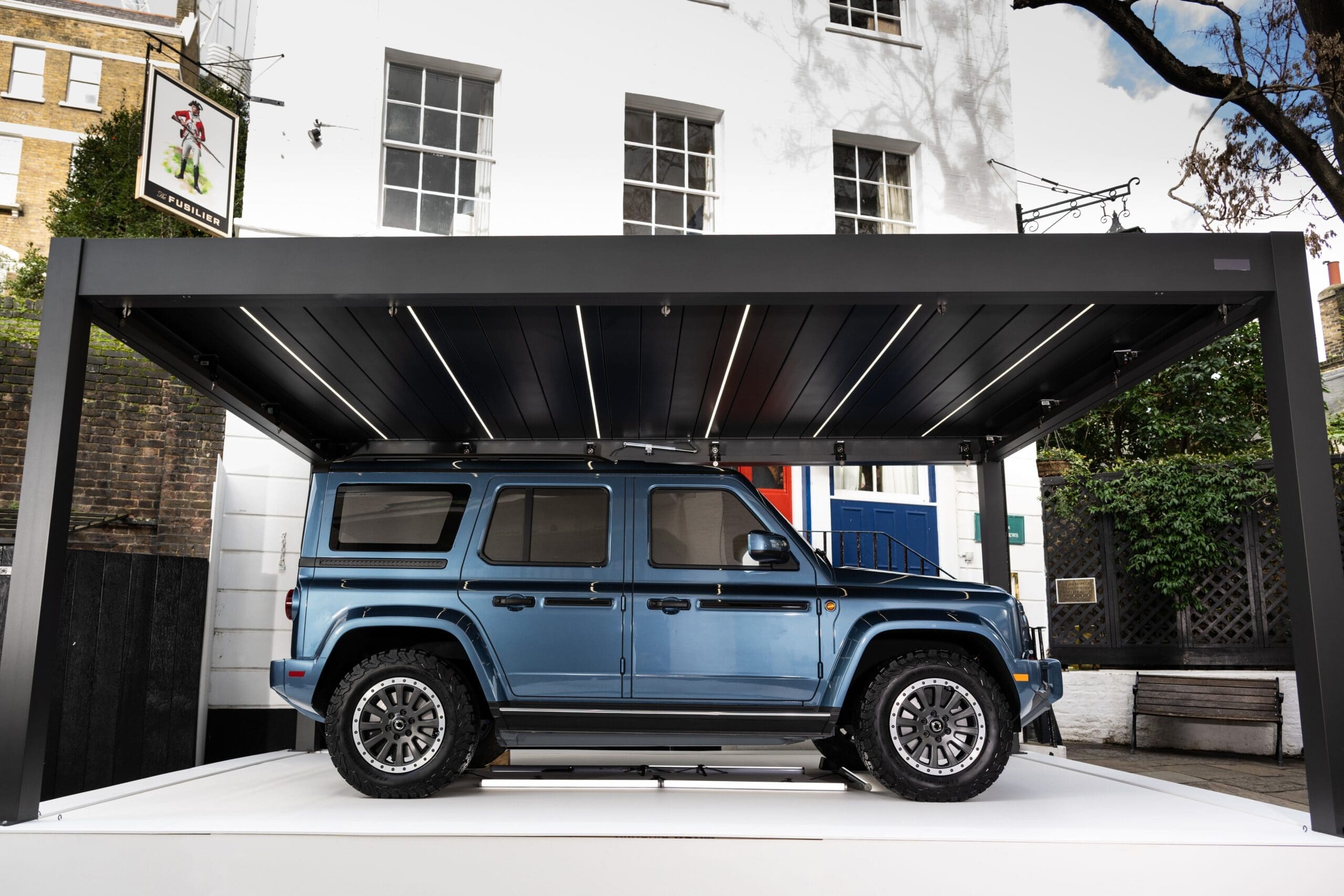
INEOS has openly acknowledged some of these concerns. Shortly after the Fusilier’s reveal, the company announced that it was slowing development of the vehicle due to changing market conditions, consumer hesitation surrounding EV adoption, and political uncertainty regarding emissions regulations in Europe and elsewhere. Rather than rushing the product to market, the company appears to be taking additional time to refine both the vehicle itself and its long-term drivetrain strategy.
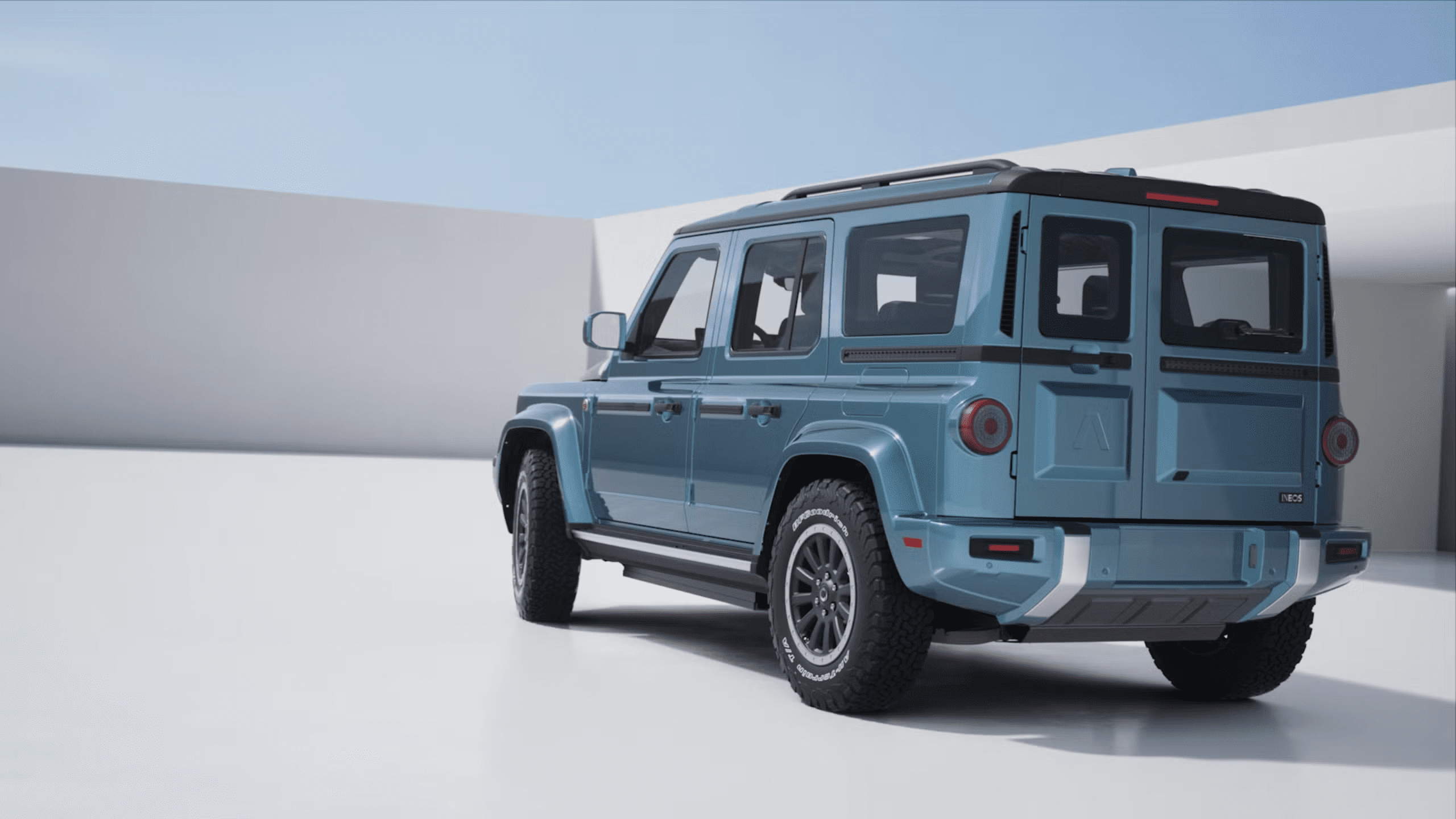
Despite the delay, the Fusilier remains strategically important for the brand. The Grenadier established INEOS Automotive as a serious player in the global utility vehicle market, but its size, fuel consumption, and price place it outside the reach of many buyers. A smaller platform could potentially broaden the company’s appeal considerably, particularly in Europe, where compact dimensions and efficiency are increasingly important.
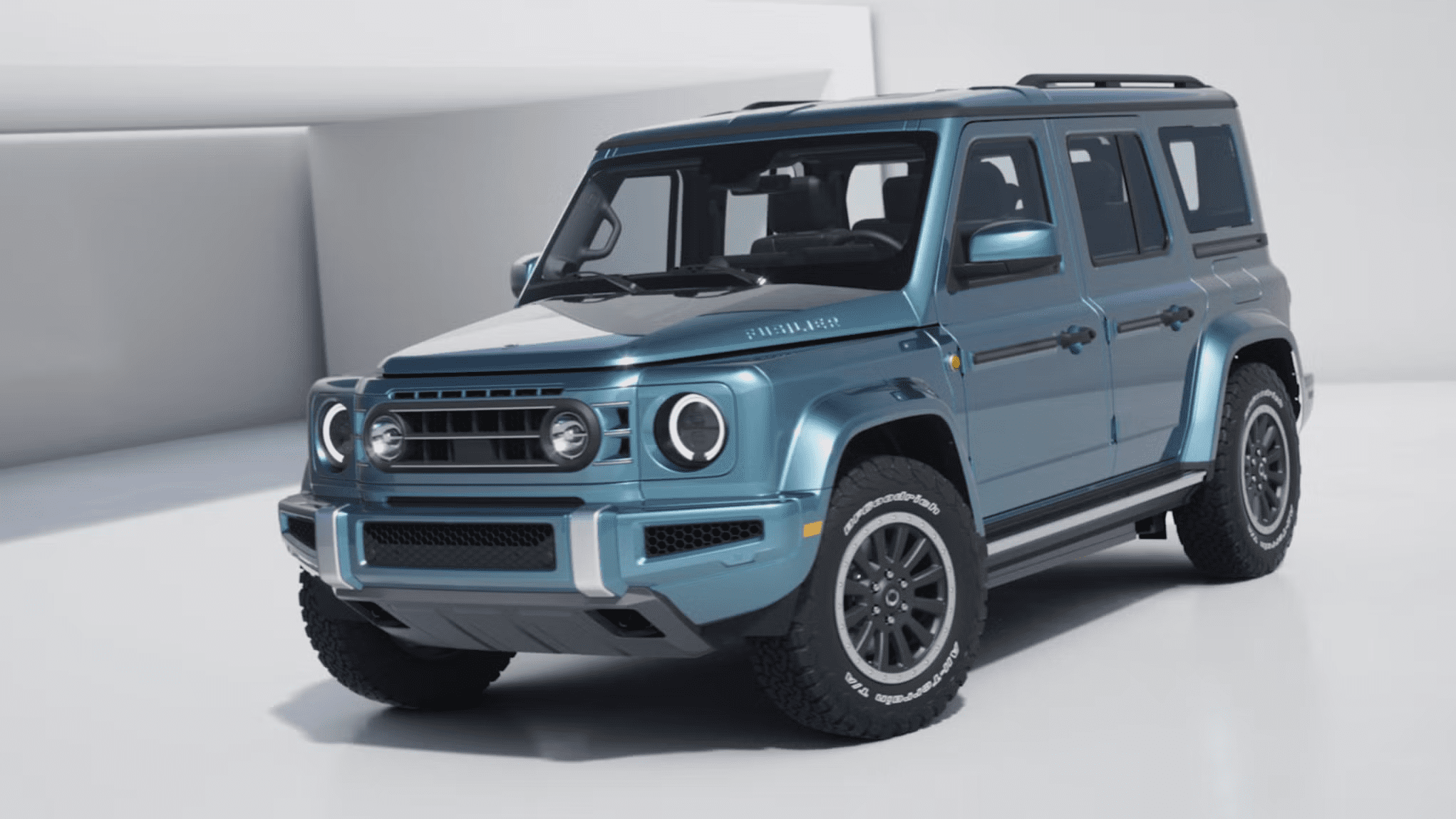
Visually, the Fusilier retains the square-edged, upright styling that has become synonymous with the INEOS brand. Early images showed a vehicle clearly inspired by traditional expedition 4WD design, with short overhangs, practical proportions, and an emphasis on durability over fashion-driven styling trends. At the same time, the more compact footprint suggested a vehicle better suited to narrow European roads and urban use than the larger Grenadier.
The company has also hinted that future models may increasingly rely on shared platforms and partnerships in order to accelerate development while controlling costs. Such collaborations have become increasingly common across the automotive industry, particularly as manufacturers face enormous investment requirements linked to electrification and software development.
Read More: Overland News of the Week
Our No Compromise Clause: We do not accept advertorial content or allow advertising to influence our coverage, and our contributors are guaranteed editorial independence. Overland International may earn a small commission from affiliate links included in this article. We appreciate your support.
