

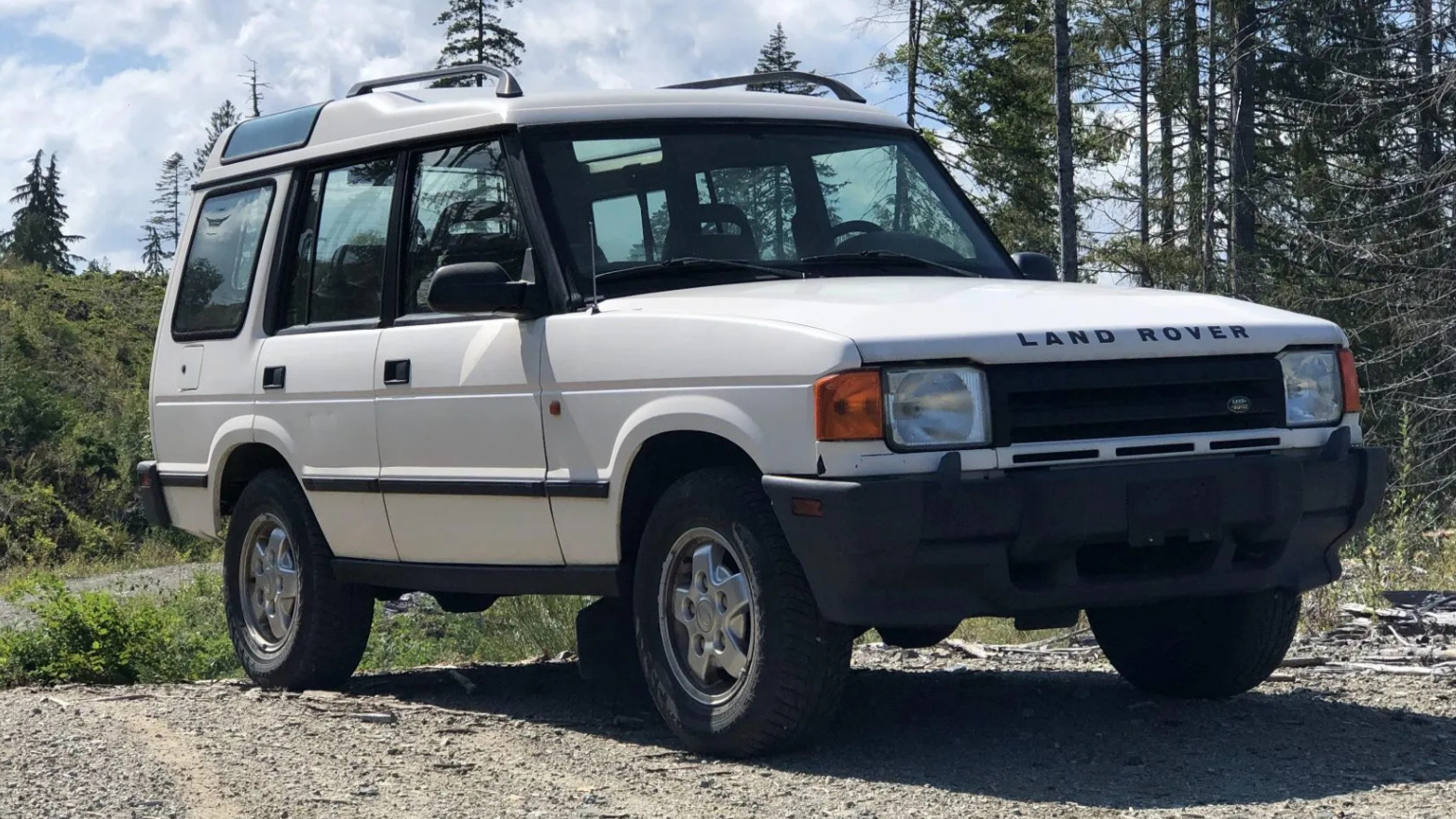
I have an unhealthy habit of scrolling through rigs on Bring a Trailer—daily—most of which I definitely could not afford. My alerts have been dialed in for years, quietly feeding the addiction. When my son decided he needed a Kei truck, we began what can only be described as a wildly optimistic search: first locally, then briefly in Guatemala (thankfully unsuccessful), and eventually bidding on a couple of charming little Suzukis listed on Bring a Trailer (BAT). We lost the auctions—fortunately. At over 6 feet tall, it made little sense for him to buy what is essentially the smallest half-loaf of a vehicle on the market.
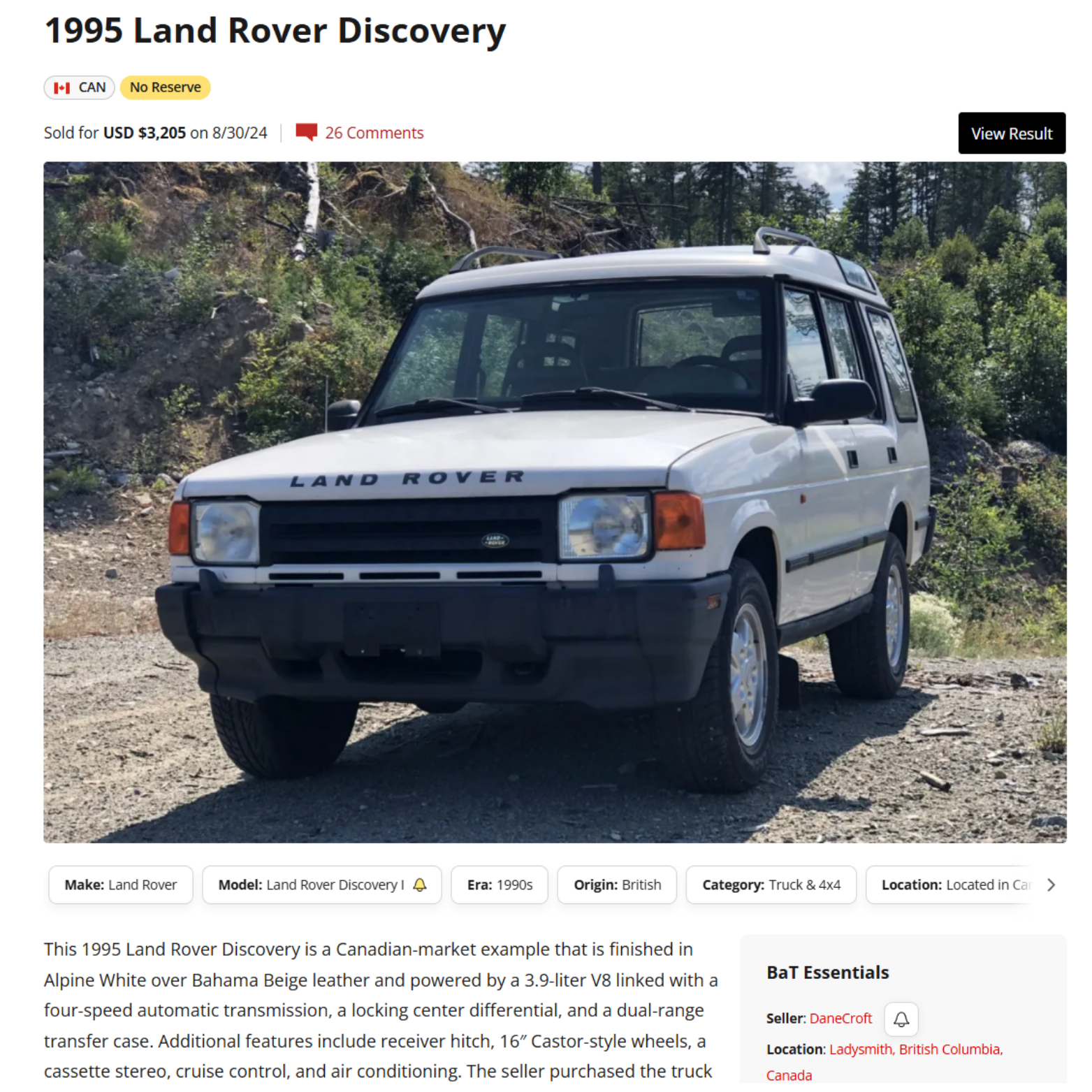
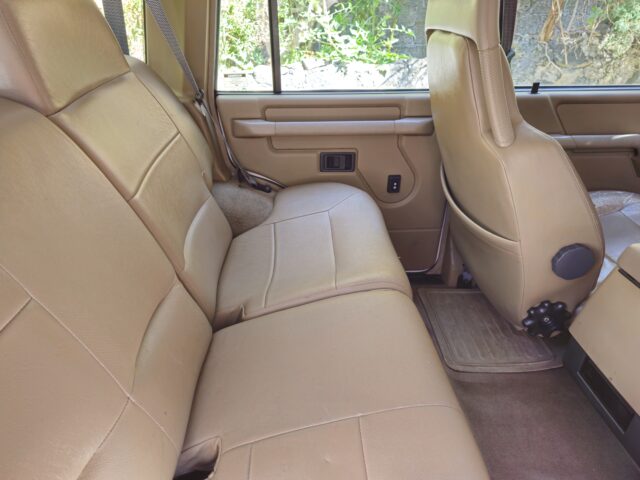
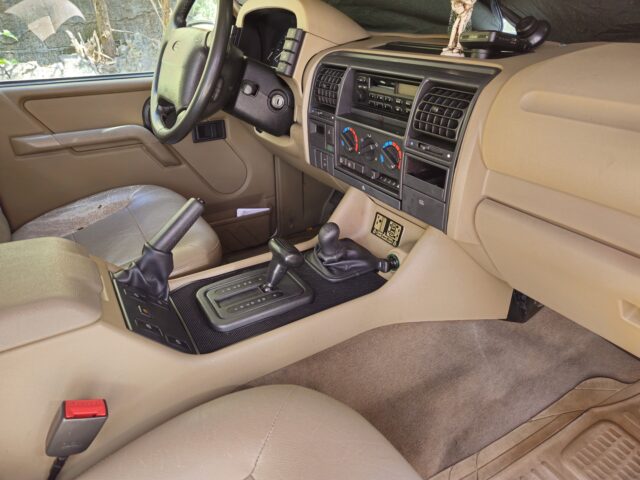
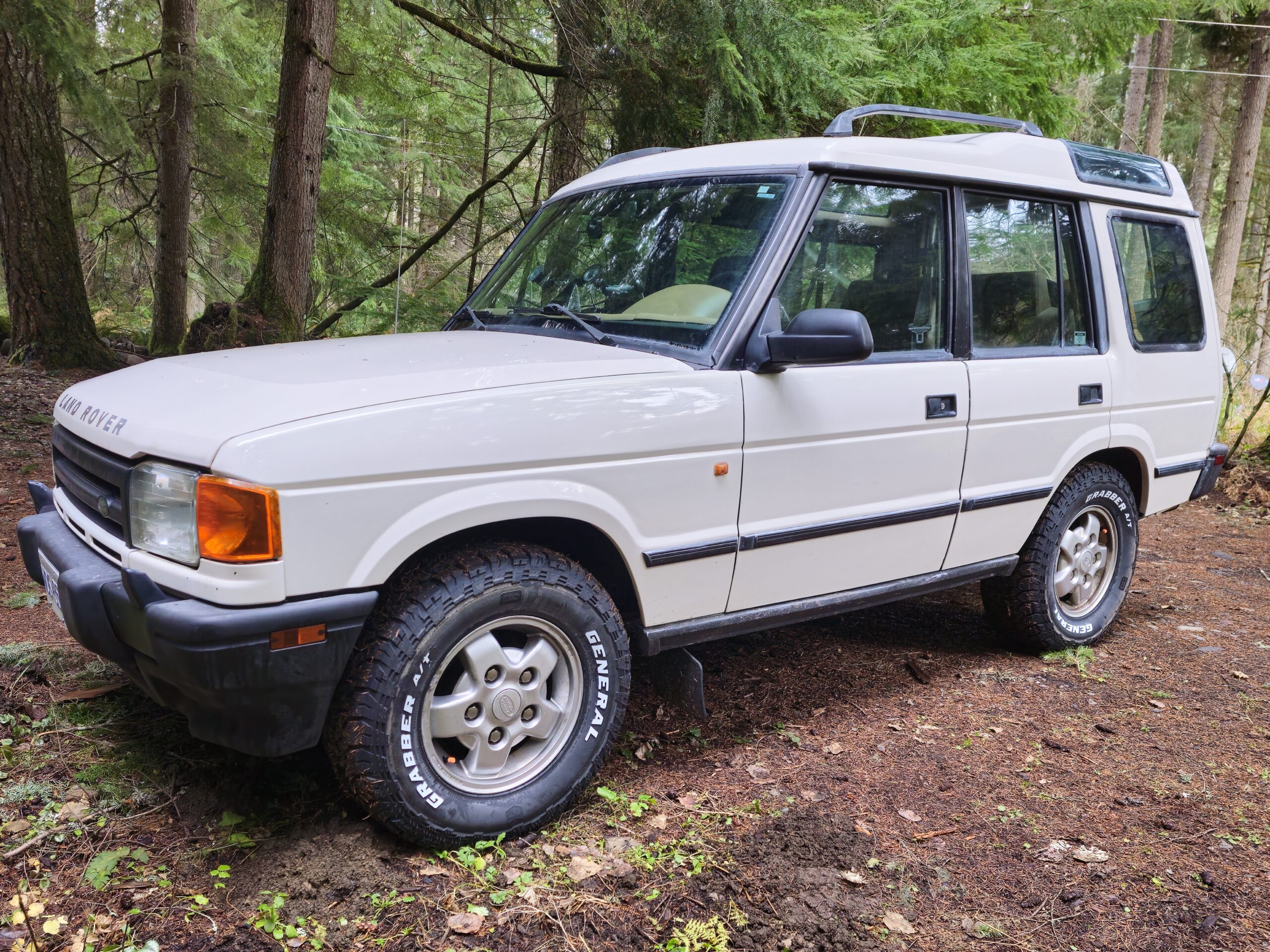
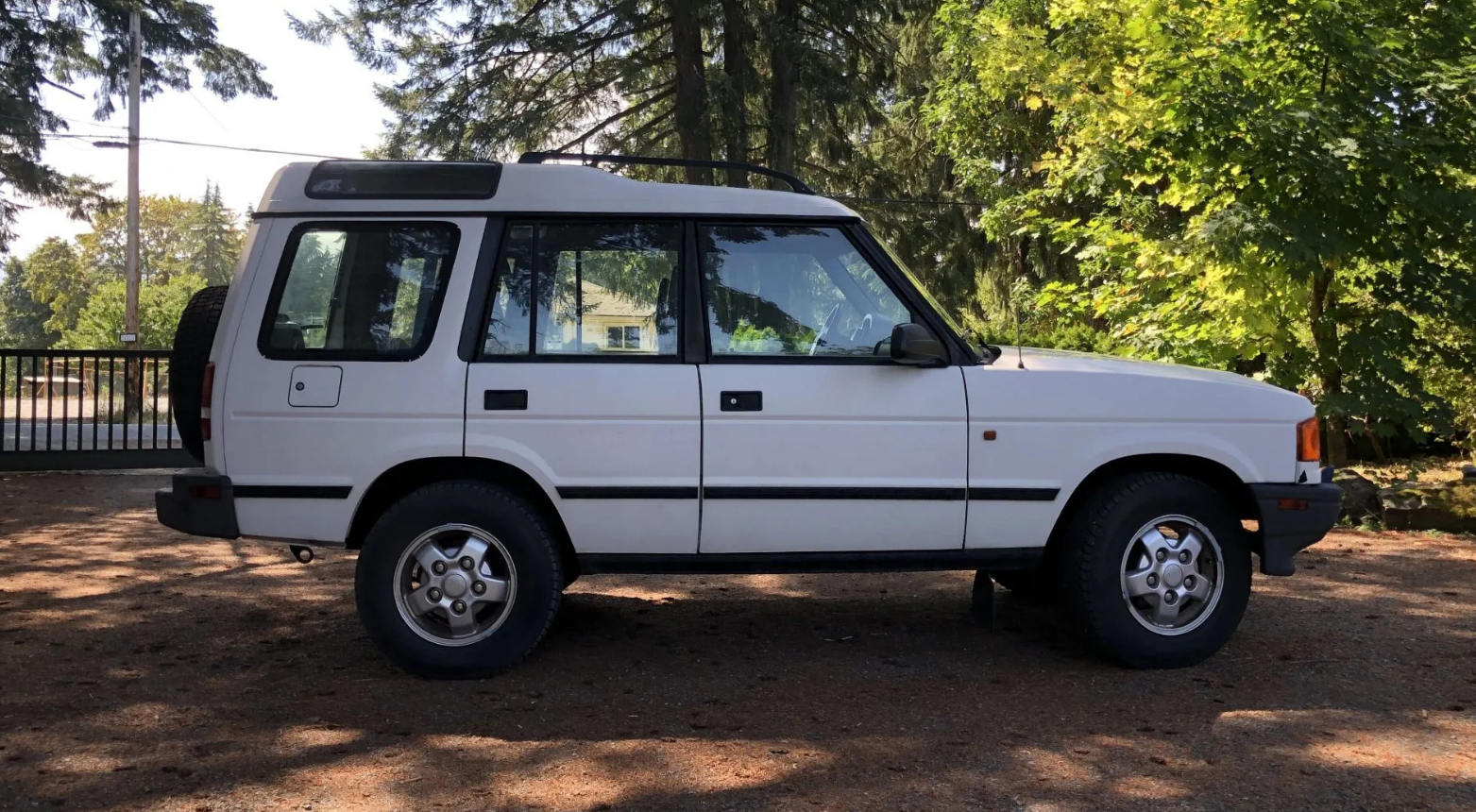
A few weeks later, during my morning tea ritual, I spotted a 1996 Land Rover Discovery 1 listed in Canada. It wasn’t getting much traction, which immediately piqued my interest. I kept a close eye on it and, with an hour left on the clock, proposed the idea to Graeme: Perhaps we should buy this. He scoffed, gesturing toward the Land Rover Defender already parked in our driveway. Disappointed but rational, I let it go.

What I hadn’t counted on was our 26-year-old son, Keelan, joining the conversation. With 15 minutes left on the auction, he placed a bid and won. We walked over to Graeme and casually suggested he take a look at who had just bought the Discovery. That’s right. Keelan.


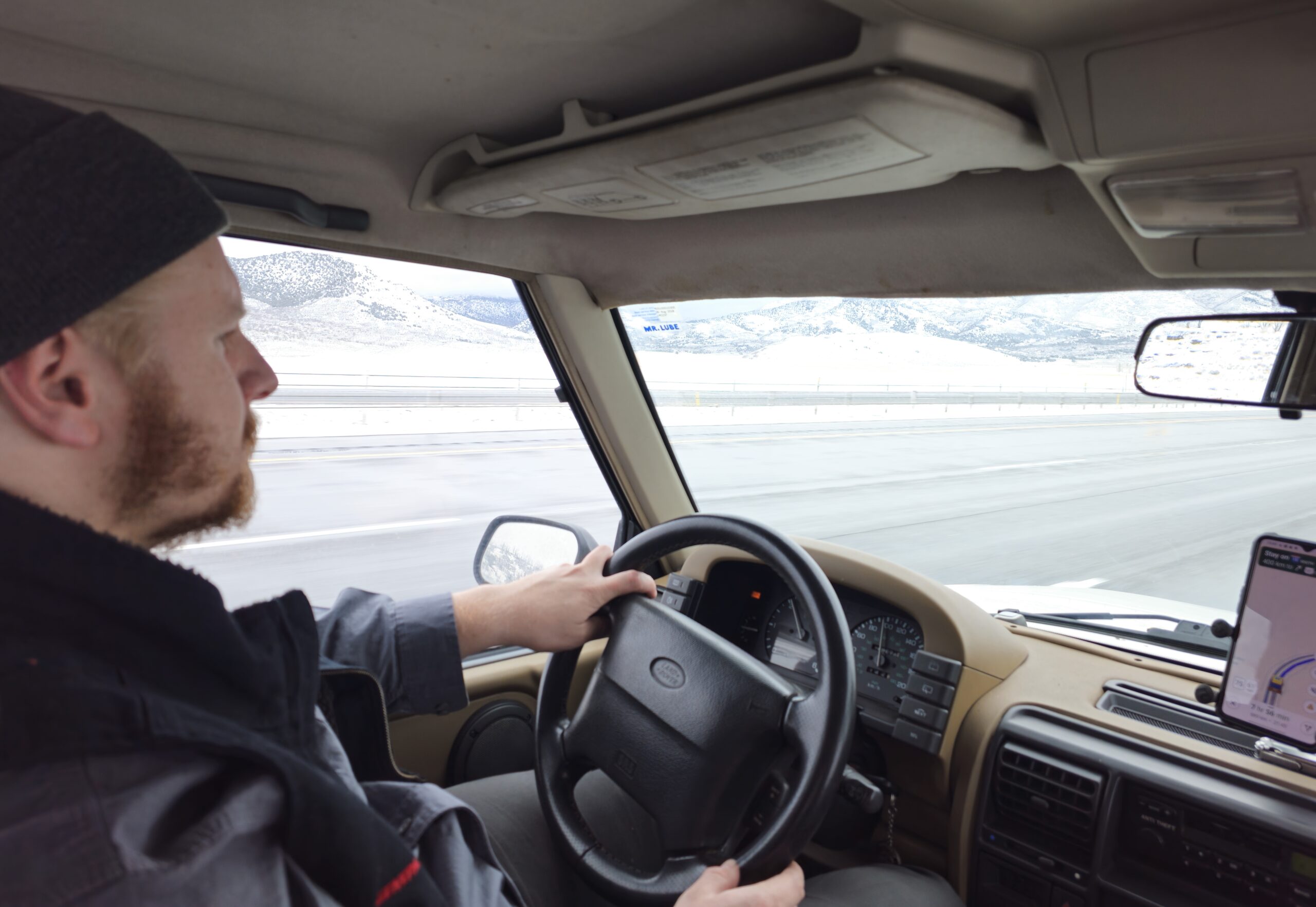
Over the festive season of 2024, Keelan and Graeme turned the purchase into a father-and-son road trip, heading north to Canada to collect the Discovery. She had a few issues—nothing catastrophic—but it quickly became clear that buying a rig online from another country as a foreigner introduces unique challenges. Once the vehicle was in hand, more problems surfaced, but nothing that self-taught Land Rover mechanics like Graeme and Keelan couldn’t fix.
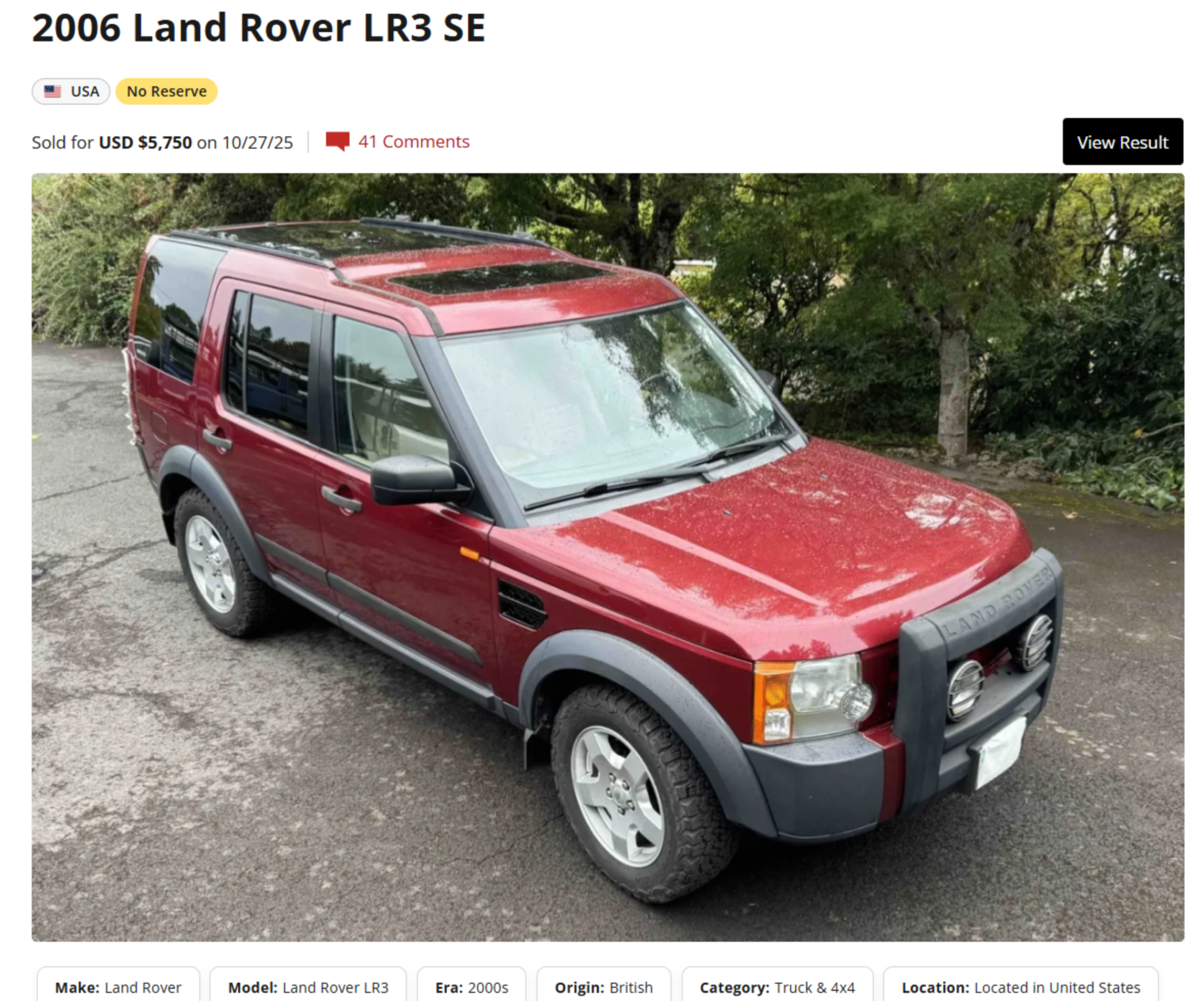
Full disclosure: I later purchased a Land Rover Discovery 3 on Bring a Trailer in late 2025. She’s a beauty and is patiently waiting at a friend’s place for me to collect her in a few months. Yes, my Bring a Trailer alerts are still active, but I’ve learned to limit my browsing to once a month. I’m not convinced my bank balance could survive another Land Rover joining the family. The following are our hard-earned tips for buying a peach on BAT, while avoiding the lemons.
How to Sign Up

You can browse all the listings on Bring a Trailer without creating an account. However, if you want to place a bid or set up alerts for a specific vehicle, you’ll need to register. The process is quite simple and only requires an email address.
If you intend to bid on a vehicle, you must add a valid payment method and may also be required to complete identity verification before your first bid is accepted.
Bring a Trailer auctions vehicles in the US and internationally, with listings appearing in select locations such as Europe, South Africa, and—somewhat surprisingly—Mexico and Costa Rica, as well as Japan and Korea.
How to Find Your Perfect Rig
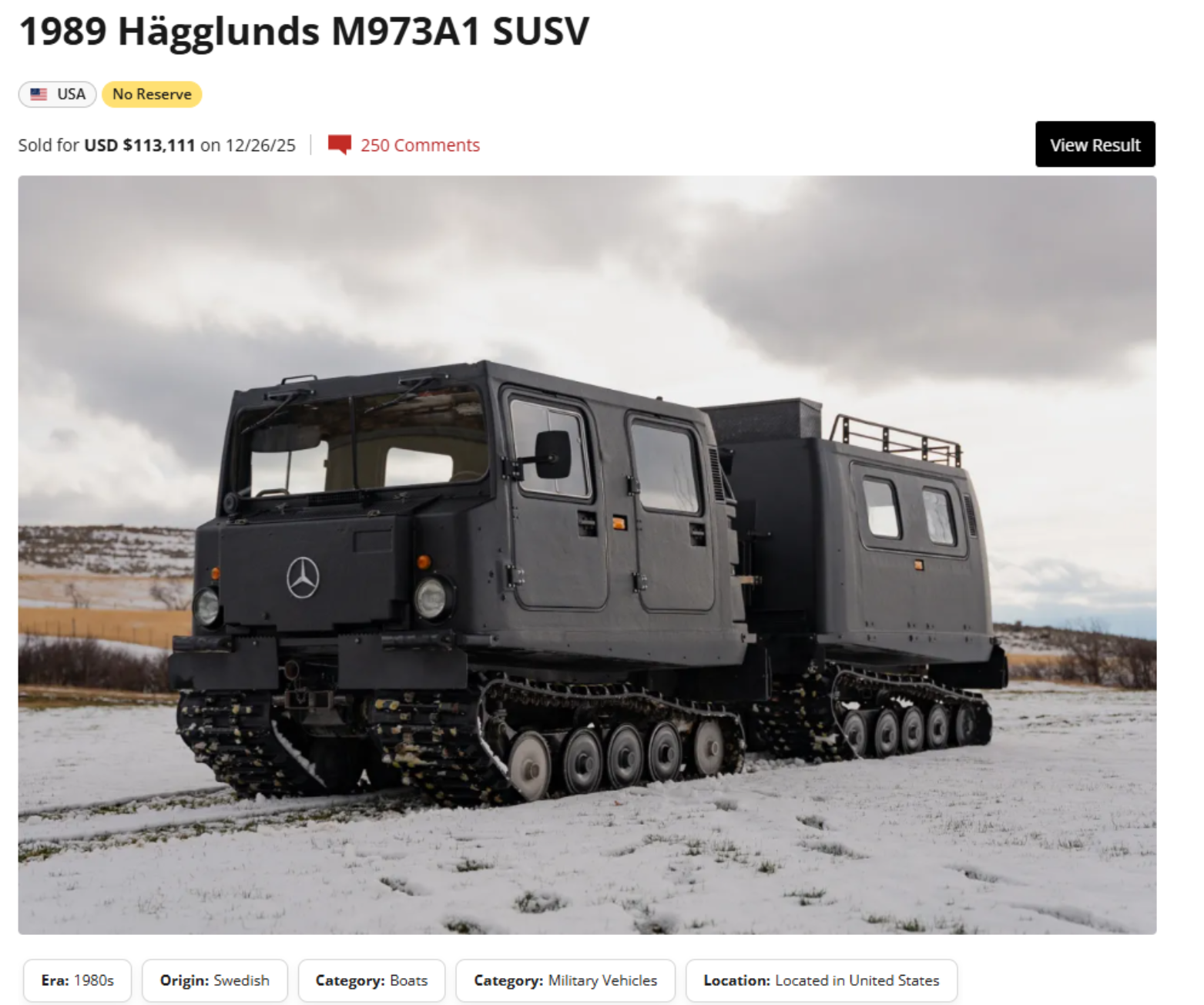
Bring a Trailer offers several auction categories. The most relevant to our readers are ATVs, RVs, campers, trucks, 4x4s, and vans. That said, they also auction aircraft, race cars, and boats, too. Occasionally, you’ll even find something completely unexpected, such as a tracked amphibious Hägglunds M973A1 Small Unit Support Vehicle (SUSV).
Once you’ve identified a rig (or rigs) you’re interested in, read the listing description carefully, including all disclosed faults. For vehicles manufactured after 1981, a Carfax report is included at no cost, and it provides a significant amount of useful information.
Do your own background research as well. Check the typical market value using resources such as Kelley Blue Book, and see whether the vehicle has previously been featured or sold on Bring a Trailer. This can reveal what modifications have been made and how much mileage has been added since the last sale.
Research the VIN, as this is supplied on the listing. Imported rigs such as Land Rover Defenders and Toyota Land Cruisers require extra diligence to ensure that the VIN number matches the chassis. Ensure the photos of these numbers appear on the BAT listing. Service records and invoices usually form part of the listing, with proof provided by photos.
Sellers can use professional photographers in the BAT network, but most individuals who are selling a vehicle that is not of high worth will submit their own photos. This is where utmost scrutiny is required, and submitting queries via the comment thread is critical.
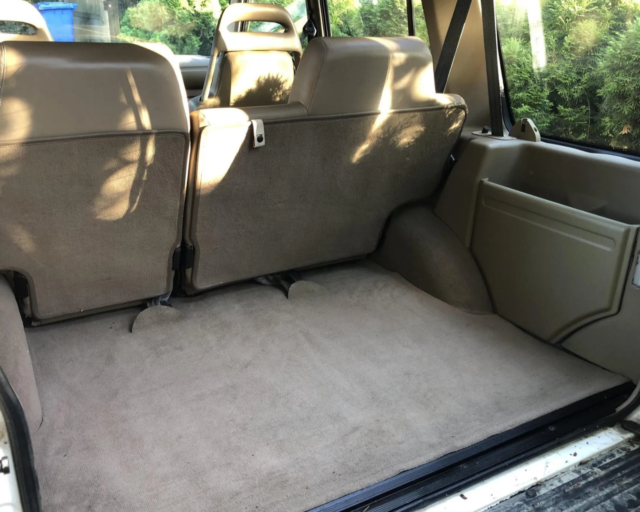
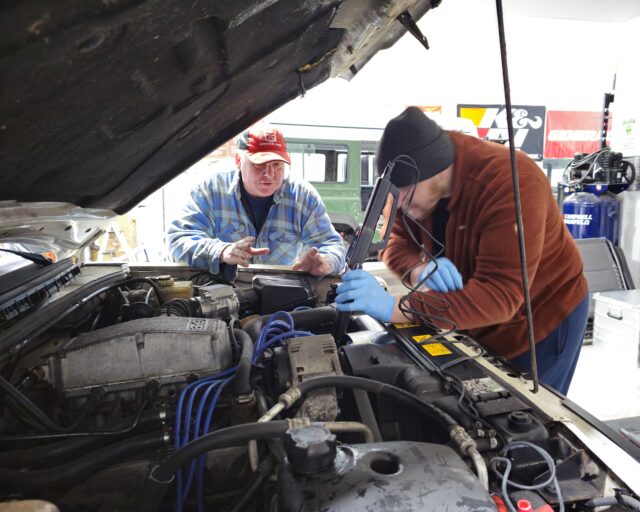
Rust can be concealed or not shown, such as the Discovery 1, which had large spots of rust under the rear cargo carpeting that were not visible in the photos. Oil leaks can be cleaned prior to taking the photos, and interior water damage is usually difficult to spot.
The comments section is invaluable. You can judge the seller by the way in which he interacts with questions in the comments thread. Experienced commentators—often mechanics, dealers, or collectors—frequently flag missing information or request additional photos. These contributors usually have established profiles with a substantial comment history and community “thumbs-ups.”

If you’re curious about whether a competing bidder has serious buying power, you can view their profile to see how many auctions they’ve participated in and won.
If not already provided, request cold-start and driving videos.
If possible, contact the seller to arrange a viewing and test drive of the vehicle. This is permitted and strongly recommended.
How the Auction Works
Once a vehicle goes live, the listing shows how many days remain in the auction. Some auctions are no-reserve, meaning the vehicle will sell for whatever the final bid amount is.
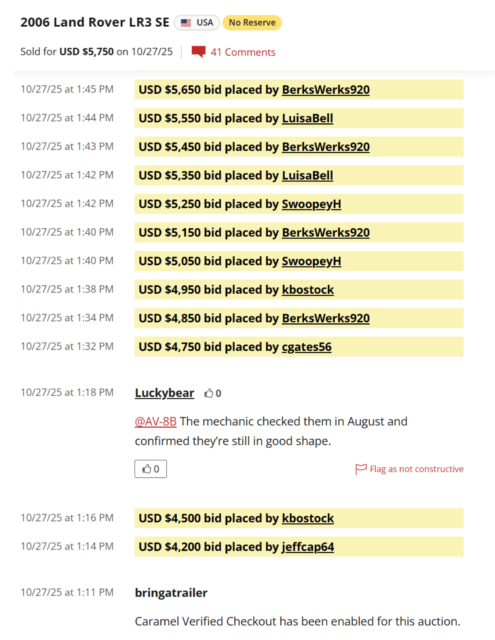
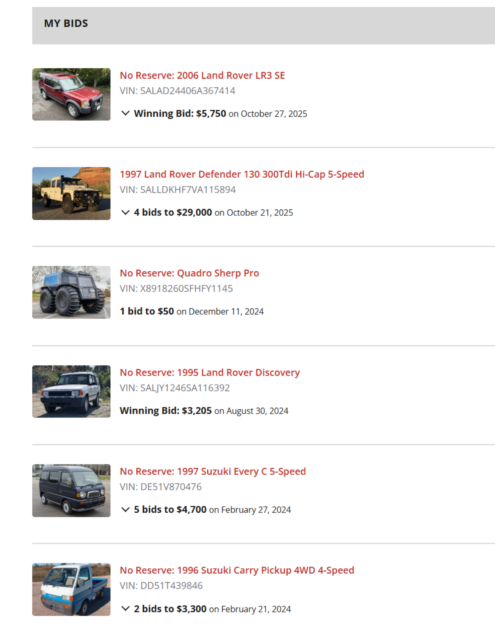
We purchased both of our rigs at no-reserve auctions. Like any auction, this format creates a sense of urgency and scarcity—the feeling that you’ll never find this deal again. You need to set your limit in advance and stick to it. I had “auction fever” and fought a last-minute bidding war against another bidder, and I’ll admit that I probably paid a few hundred dollars more than I should have. My problem is that I have to win! Buyer’s remorse may set in fairly quickly after the bidding war has ended, but that’s simply part of the game.
When you place your first bid, a $250 hold is placed on your credit card. If you do not win the auction, the hold is released. You enter the amount you wish to bid, and Bring a Trailer will display the total bid amount, including fees. Once you accept, the bid is placed. The minimum bid increment is $100. Once bidding reaches $10,000, the increment increases to $250.
Be aware that some dealer-listed vehicles include an additional fee—typically $100 or more—added to the winning bid.
In the final moments of the auction, the clock is extended by two minutes each time a higher bid is placed. This continues until two full minutes pass without a new bid, at which point the auction closes with a winning bidder.
Buyers Fees
If you win the bid, you pay a buyer’s fee of five percent on top of the sale price, capped at $4,000. Certain categories, such as motorcycles, ATVs, tractors, go-karts, etc., incur a 10% buyer’s fee, capped at $7,500.
If you’re the highest bidder but the reserve hasn’t been met, BAT facilitates an offer-and-counteroffer process between you and the seller. If an agreement is reached, you’ll settle the buyer’s fee as per usual.
Taking Ownership
Once you have won the auction, you will receive the seller’s contact particulars. You have the option to work directly with the seller to arrange payment, documentation, and the collection of the vehicle. There is no recourse once the monies have been paid. It is advisable to get in contact and finalize the sale within seven days, once contact has been made.
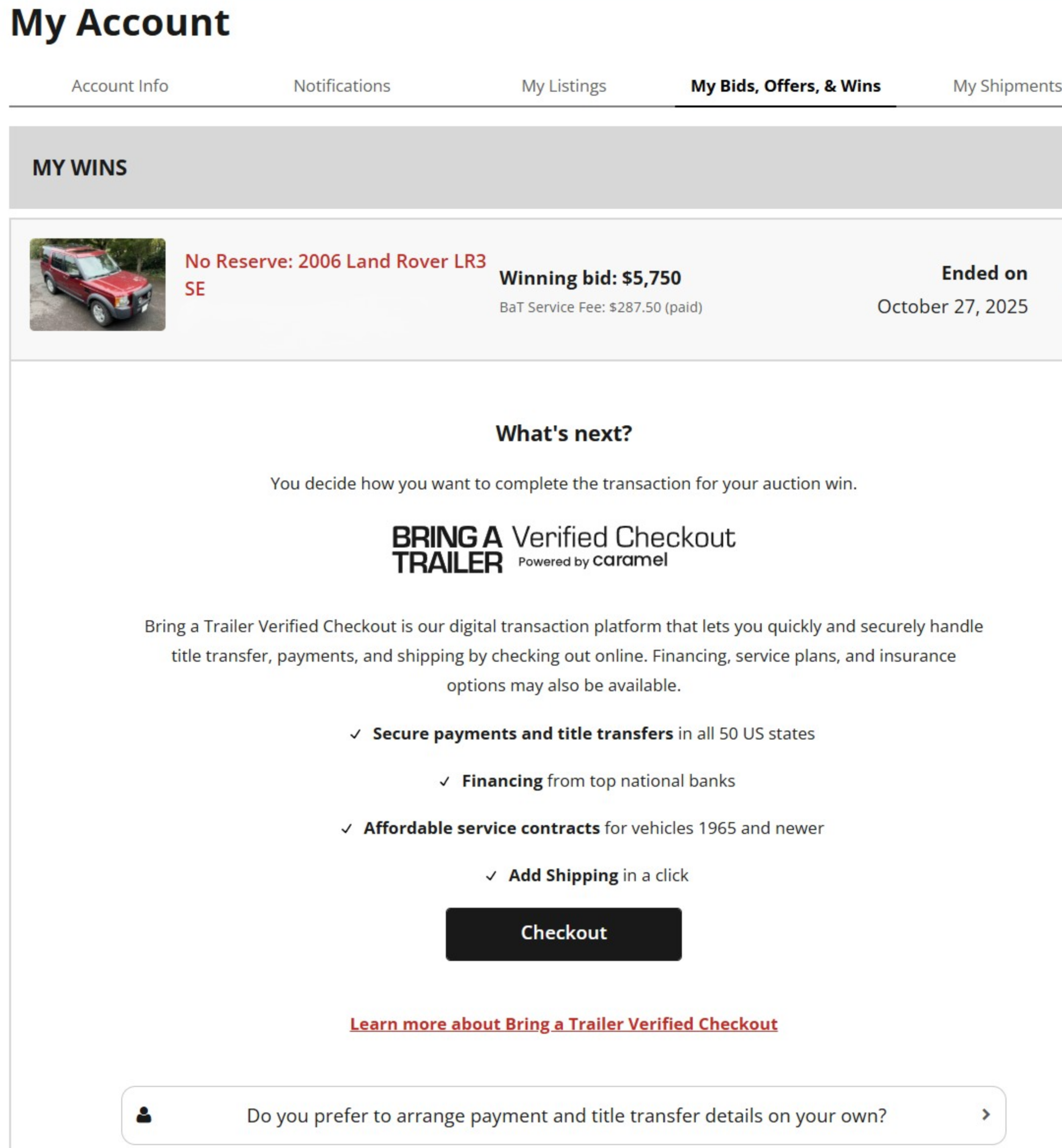
Alternatively, BAT offers Verified Checkout service, available only to holders of a US driver’s license. This service assists in arranging payment, the shipping of the vehicle, title transfer, registration fees, and taxes. This is a great opt-in service for a minimal service fee of $99 or $149, with the title and registration included.
One challenge of purchasing a vehicle at auction is the lack of information regarding additional fees payable to transport the vehicle to your residence, title transfer between states, state sales tax, or even the cost of importation of a vehicle (if purchased from Canada, for example). These costs must be considered prior to bidding.

Further investigation into the option of a foreigner titling a vehicle in a specific state should be conducted. We are South Africans living in Mexico, and to date, have bought one Land Rover in Canada and the other in the US.
General Sense of Pricing
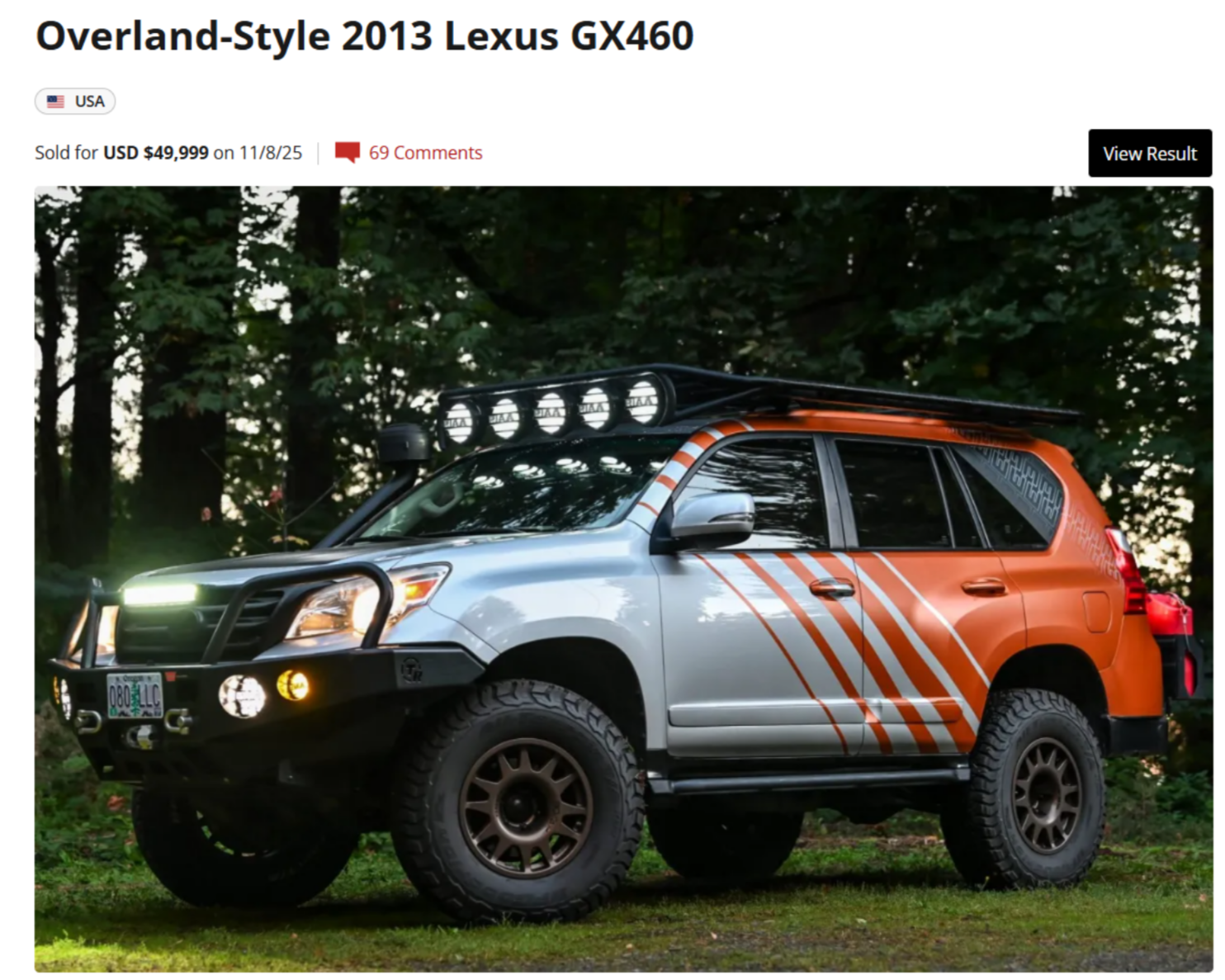
Trucks and 4×4s
- Everyday trucks and 4×4 vehicles: $1,000-$10,000
- Mid-range and popular classics: $10,000-40,000+
- Rare, luxury, or highly collectible vehicles: $50,000-$400,000+
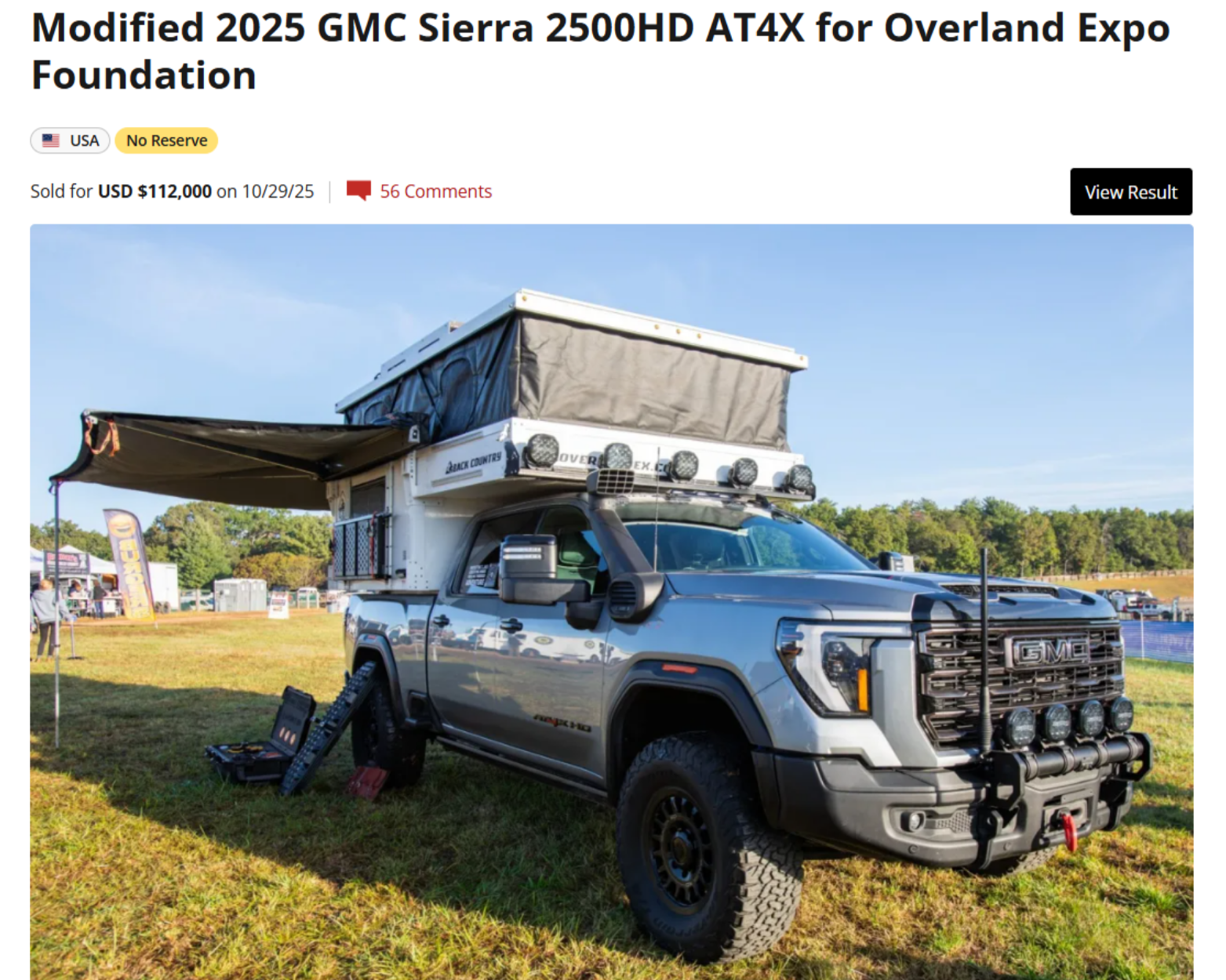
RVs and Campers
- Vintage or older campers and vans: $4,000-$5,000+
- Mid-range camper vans: $20,000-$35,000+
- Higher-end camper vans: $90,000+
These are not fixed numbers, but rather general patterns. Pricing varies widely based on condition, required repairs, build quality, and the vehicle’s age.
Auction Results
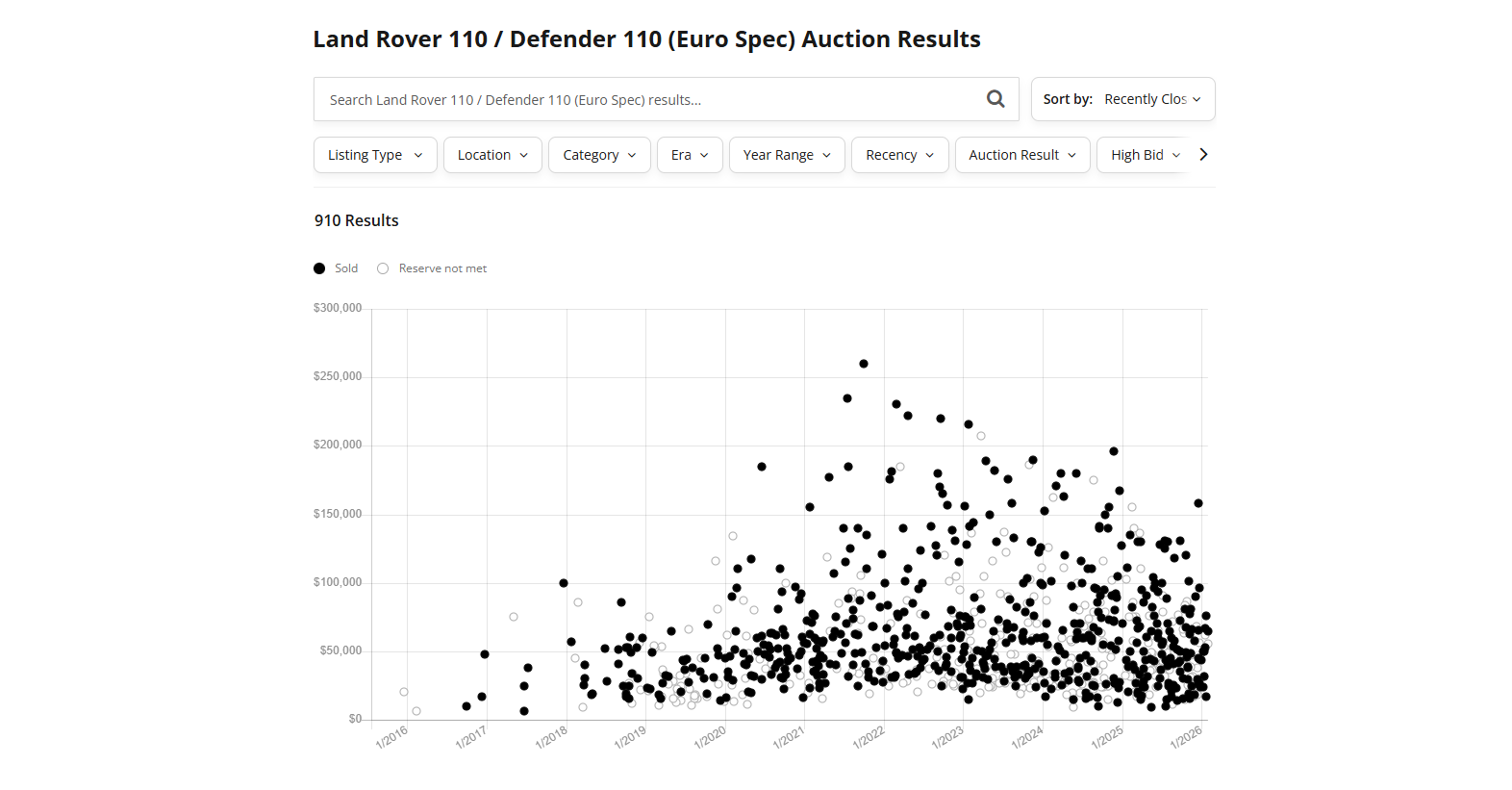
The Auction Results page provides a comprehensive list of completed auctions, showing which vehicles sold and their final prices. It’s an excellent, often eye-opening way to understand real-world auction values and to see which types of vehicles are actively being bought and sold on the platform.
Interested in Selling Your Rig?
Sellers can use the same account to submit vehicles for sale by completing an online submission form. Not all vehicles are accepted.
There are three seller tiers:
- Classic: $99 to list your vehicle for a seven-day auction
- Plus: $429, which includes the Classic listing plus professional photos and videos
- White Glove: Designed for significantly higher-value vehicles or collections.
Alternatively, Expedition Portal offers a Featured Classifieds section where you can list your rig for sale on the Expedition Portal website. Terms and conditions apply.
Read More: Overland News of the Week
Our No Compromise Clause: We do not accept advertorial content or allow advertising to influence our coverage, and our contributors are guaranteed editorial independence. Overland International may earn a small commission from affiliate links included in this article. We appreciate your support.
