

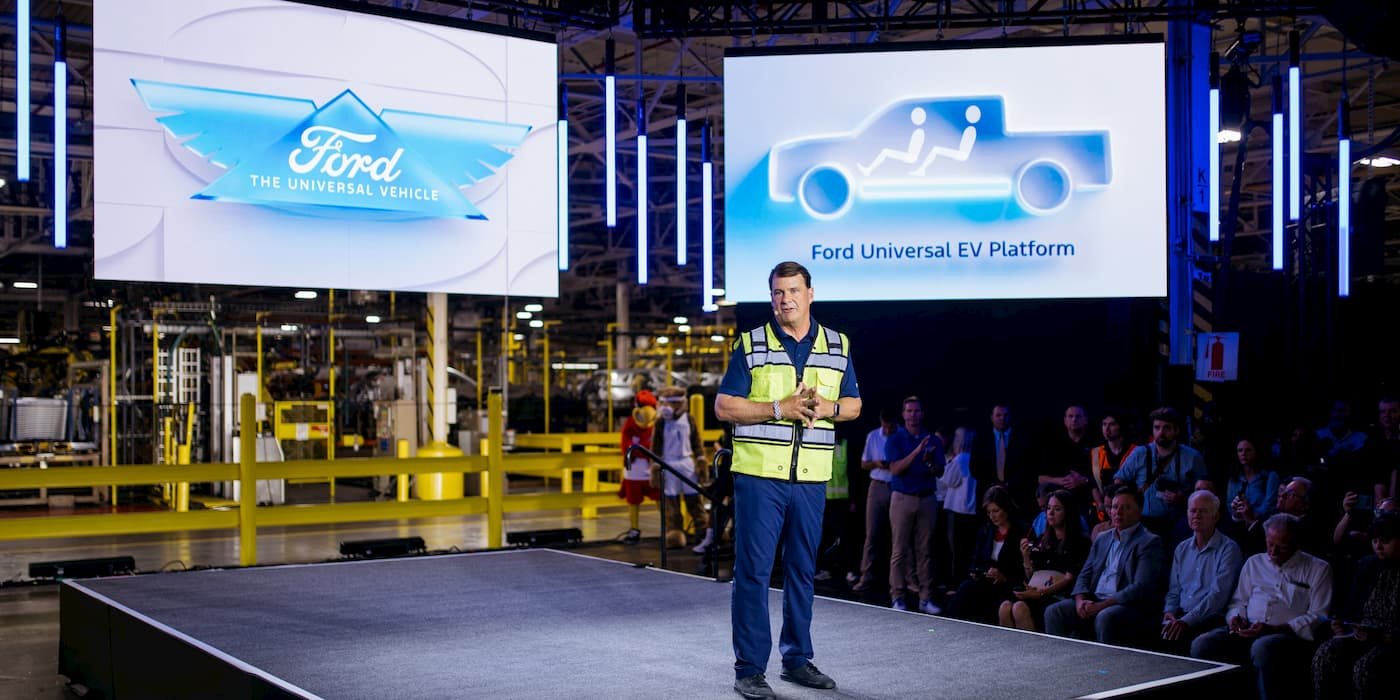
After a recent tour of Chinese EV production facilities, Ford CEO Jim Farley has not been shy about sharing his thoughts on their impact on the global automotive industry. Farley bluntly said Ford can not compete due to the Chinese vehicles’ superior cost advantage, technology, and government subsidies. Farley went on to warn that letting Chinese automakers into the US market without restrictions would be “devastating” to American manufacturing, while simultaneously suggesting that Ford will forge new partnerships with Chinese manufacturers as a strategy for putting the brakes on those impacts.
Obviously now hyper-aware they need to swing for the fences, Ford are holding nothing back on their next attempt at electrification. Instead of going big with a halo truck or a six-figure tech showcase, Ford are betting on a $30,000 electric pickup designed to reset expectations for what an EV can be in the real world.
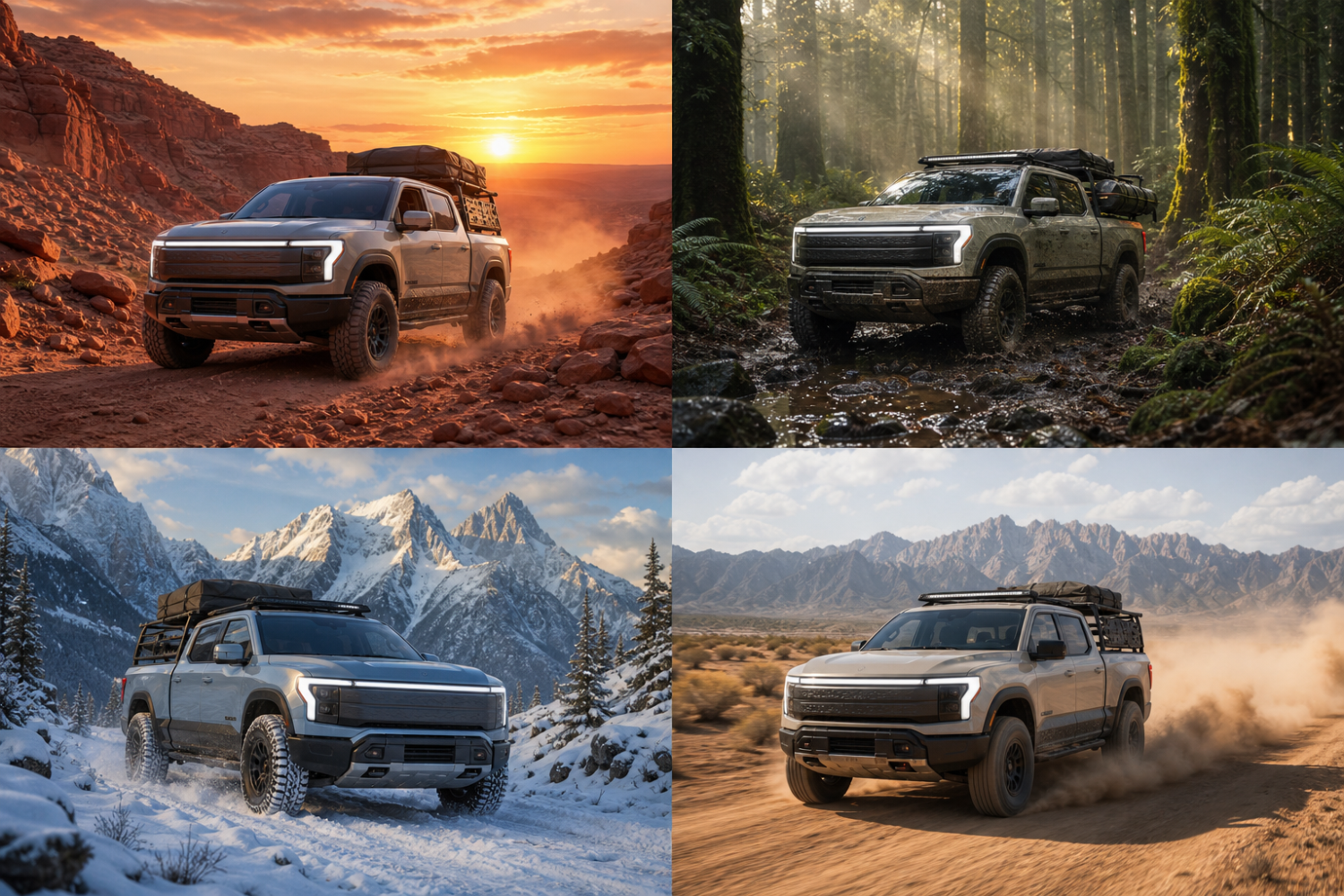
Some AI renders of what a midsize Ford EV pickup might look like.
Taking to social media, Jim Farley recently pulled back the curtain just enough for a glimpse of the new vehicle and to confirm what many suspected. Ford’s upcoming midsize EV pickup is not just another compliance play, but the first product built on an entirely new low-cost architecture aimed at bringing electric capability to a much broader audience. Ford is targeting a starting point of around $30,000, a figure that would undercut nearly every EV truck currently on the US market by a massive margin (save perhaps the new truck from Slate) and send a huge statement to competitors. Ford Motor Company sees this truck as the key to unlocking mainstream adoption, particularly for buyers who still view EVs as expensive or impractical.
The Universal EV Architecture
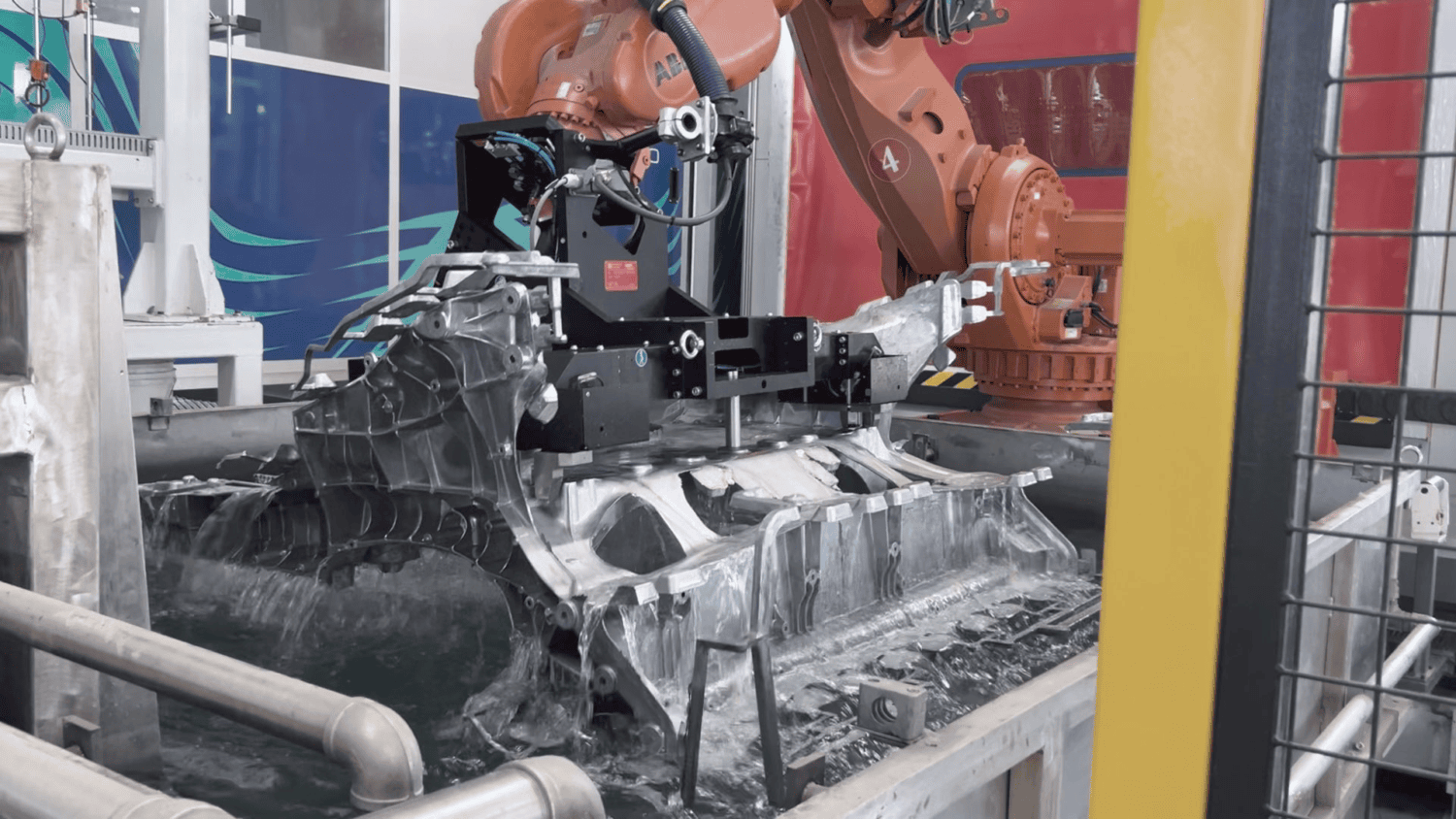
As we reported in August of last year on Ford’s “Model T moment”, the strategy is rooted in an all-new platform, often referred to as the Universal EV architecture. Rather than adapting existing combustion-based designs as they did with the F-150 Lightning, Ford is rethinking how a vehicle is engineered from the ground up. Taking a page directly from the Tesla playbook, this platform will utilize large front and rear castings, simplified wiring, and modular construction to reduce cost and complexity. Simpler systems tend to be easier to repair in the field, and Ford has even hinted at built-in “cut lines” in structural components to make crash repair more straightforward, again copying Tesla.
Instead of chasing range through ever larger and heavier battery packs, Ford is focusing on aerodynamics and weight reduction. The company claims the new truck will be significantly more aerodynamic than any current pickup, translating to meaningful gains in real-world range. The platform is expected to use lithium iron phosphate cells, which trade outright energy density for lower cost, improved durability, and better thermal stability. The standard range option is expected to return about 230 miles on a charge, with higher trim levels offering higher range. That choice aligns with the truck’s mission as a usable, everyday tool rather than a spec-sheet champion.
Performance, however, won’t be an afterthought. Farley has suggested the truck will deliver acceleration comparable to a turbocharged Mustang EcoBoost, while packaging will offer both a functional bed and a front trunk. All signs point to a full reveal later in 2026, with production beginning around 2027. That puts it squarely in the next wave of EV development, arriving after early adopters have already tested the waters and as infrastructure continues to expand.
What I find most interesting is what this truck represents philosophically. Ford has already experimented with electric pickups in the form of the now cancelled F-150 Lightning, but that vehicle ultimately struggled with profitability and market positioning. The new midsize platform is a reset, focused less on matching traditional truck formulas and more on redefining them.
For the overland community, the implications are significant. A $30,000 EV pickup opens the door to inexpensive electrified travel for a much wider audience. While questions remain about charging infrastructure in remote regions, the lower cost of entry and simpler design could make this platform an appealing base for lightweight, efficient builds. With gas and diesel prices continuing to skyrocket, I’m all for alternate options to get out on adventures without breaking the bank.
With the looming threat of China’s immense manufacturing capacity, Ford is holding nothing back as they attempt to build a better starting point for the next generation of vehicles.
Read more: Slate Auto Drops a $20,000 DIY Bombshell
Images: Ford
AI Renders: Dan Grec
Some images provided by certain brands or manufacturers may contain AI-generated content.
Our No Compromise Clause: We do not accept advertorial content or allow advertising to influence our coverage, and our contributors are guaranteed editorial independence. Overland International may earn a small commission from affiliate links included in this article. We appreciate your support.
