


Ford, like all auto builders, finds itself in a sticky moment. The worldwide landscape of personal mobility appears to be at a tipping point toward widespread electricification, but political and market-driven constraints, along with advancements in hybridization, have prolonged the use of the old technology, perhaps beyond its original lifespan. Sometimes, major shifts in a particular industry come from within, when a company makes a big decision to steer the ship, rather than allow itself to be led by forces it has no control over. This week, Ford rolled out a plan for its immediate future that it calls a “Model T moment”. Can the Blue Oval really revolutionize the automotive landscape again like it did in 1908?

At the heart of Ford’s plan is a $5 billion investment in a retooled manufacturing plant in Louisville, Kentucky. The facility itself currently churns out the small Escape SUV, but its reincarnation will focus on a range of new modular BEVs, including an SUV, a van, and a pickup. The ground-up factory remodel will be ready for production by 2027. We’ve seen this concept before in general terms with GM’s Ultium platform—a universal battery-based chassis (sometimes called a “skateboard”) that would conceivably underpin a range of different vehicles. GM has since abandoned the Ultium name even as it continues to develop the technology.
Ford will produce its “Universal Vehicle” on an assembly path that it touts as completely revolutionary—an “assembly tree” rather than an assembly line that will allow simultaneous production of very different vehicles under one roof. Details about how this production would operate on the ground were thin during the live-streaming event launching the initiative, but Ford claims the initiative will create upwards of 4,000 jobs both in Kentucky and Michigan.
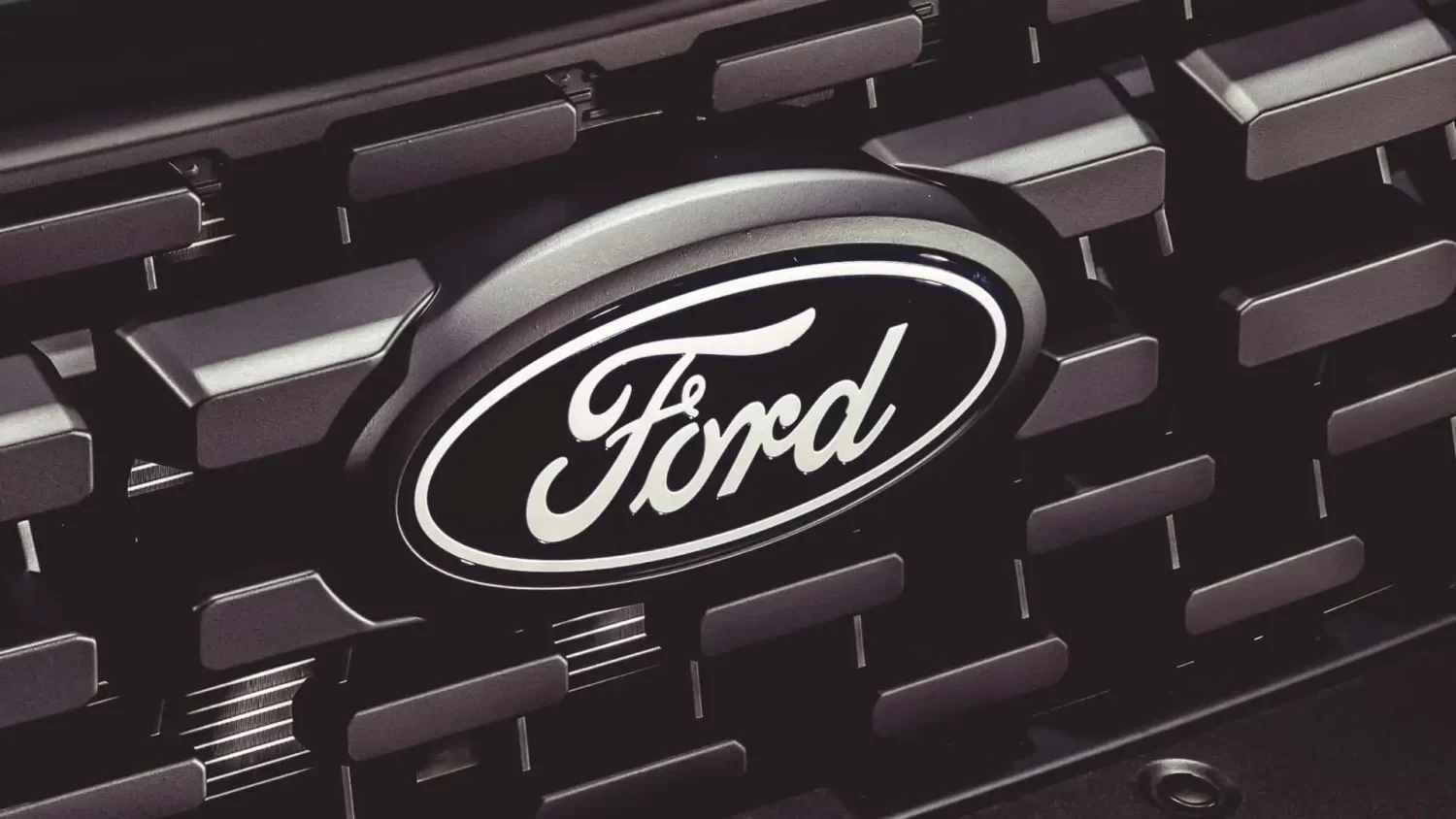
A close-up of Ford’s new small EV pickup.
From a product standpoint, the big news was the announcement of fresh battery technology. The Universal Vehicle batteries will have lithium iron phosphate (LFP) chemistries that are faster-charging, significantly more durable, and, importantly, more affordable than the batteries in Ford’s current lineup of EVs. The upshot of all this efficiency and cost-reduction will be the introduction of a small pickup for the 2027 model year for under $30,000. Said to be below the Maverick in size, we can imagine the new truck will be a direct competitor to Amazon-backed start-up Slate Auto’s pickup that’s due for production in 2026.
It’s not often an OEM announces a new vehicle without showing even a basic prototype, but Ford only released a couple of very close-up teaser images of the new truck, while showing the entire vehicle in secret to a handful of Louisville plant employees. However, with a launch projected in just a year and a half, we can imagine that the pickup is quite far along in development. It’s a significant investment in a market that’s putting the brakes on EVs, and against a government that’s ending incentives for both manufacturers and consumers to build and buy them.

Is this Ford’s new BEV truck?
Read More: Slate Auto Drops a $20,000 DIY Bombshell
Images: Ford
Our No Compromise Clause: We do not accept advertorial content or allow advertising to influence our coverage, and our contributors are guaranteed editorial independence. Overland International may earn a small commission from affiliate links included in this article. We appreciate your support.
