

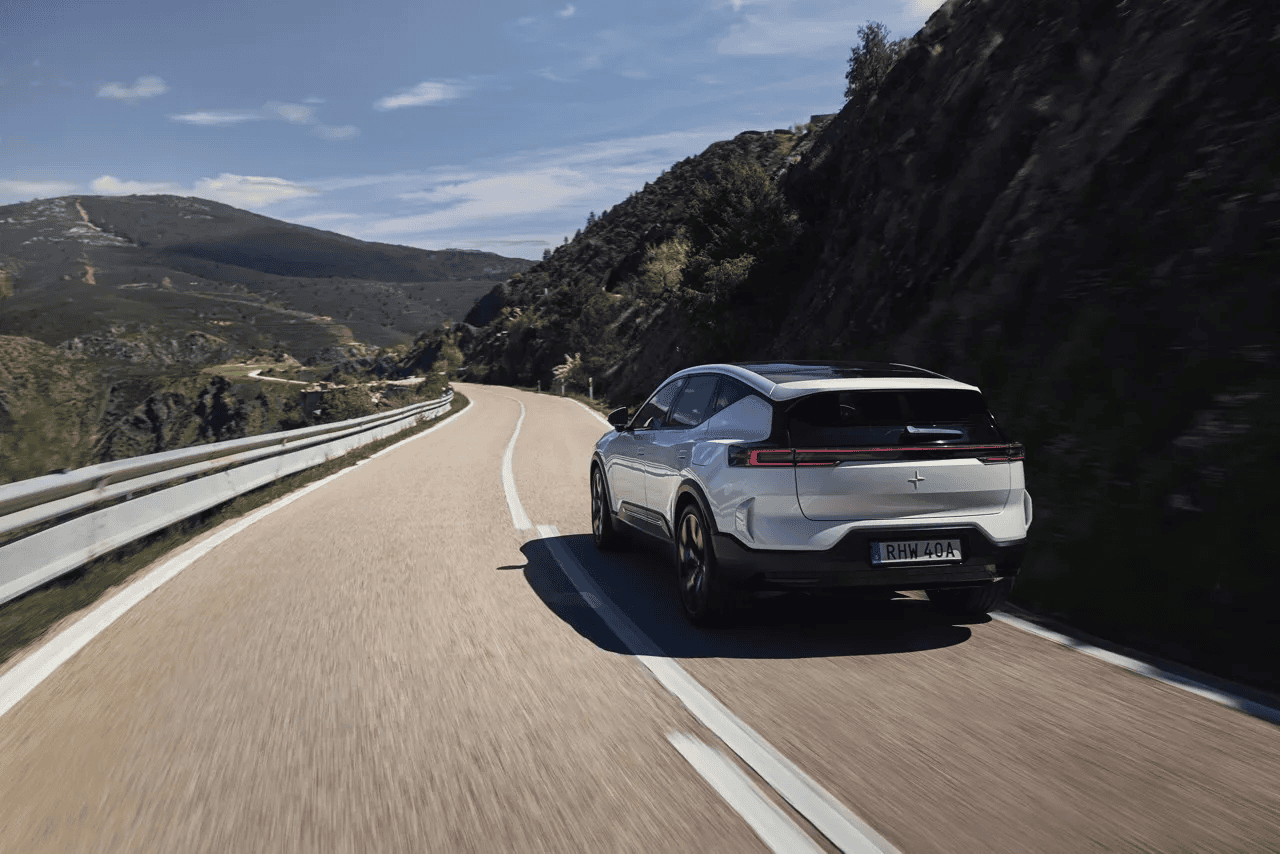
EV manufacturer Polestar has been banned from future sales in the United States. Beginning with the 2027 model year, the Swedish electric vehicle manufacturer will no longer be allowed to sell new vehicles in the American market after the United Sates Department of Commerce denied the company authorization under the Connected Vehicle Rule. The decision is a direct result of Washington’s ongoing efforts to limit or entirely ban Chinese-linked automotive technology.
Home base?
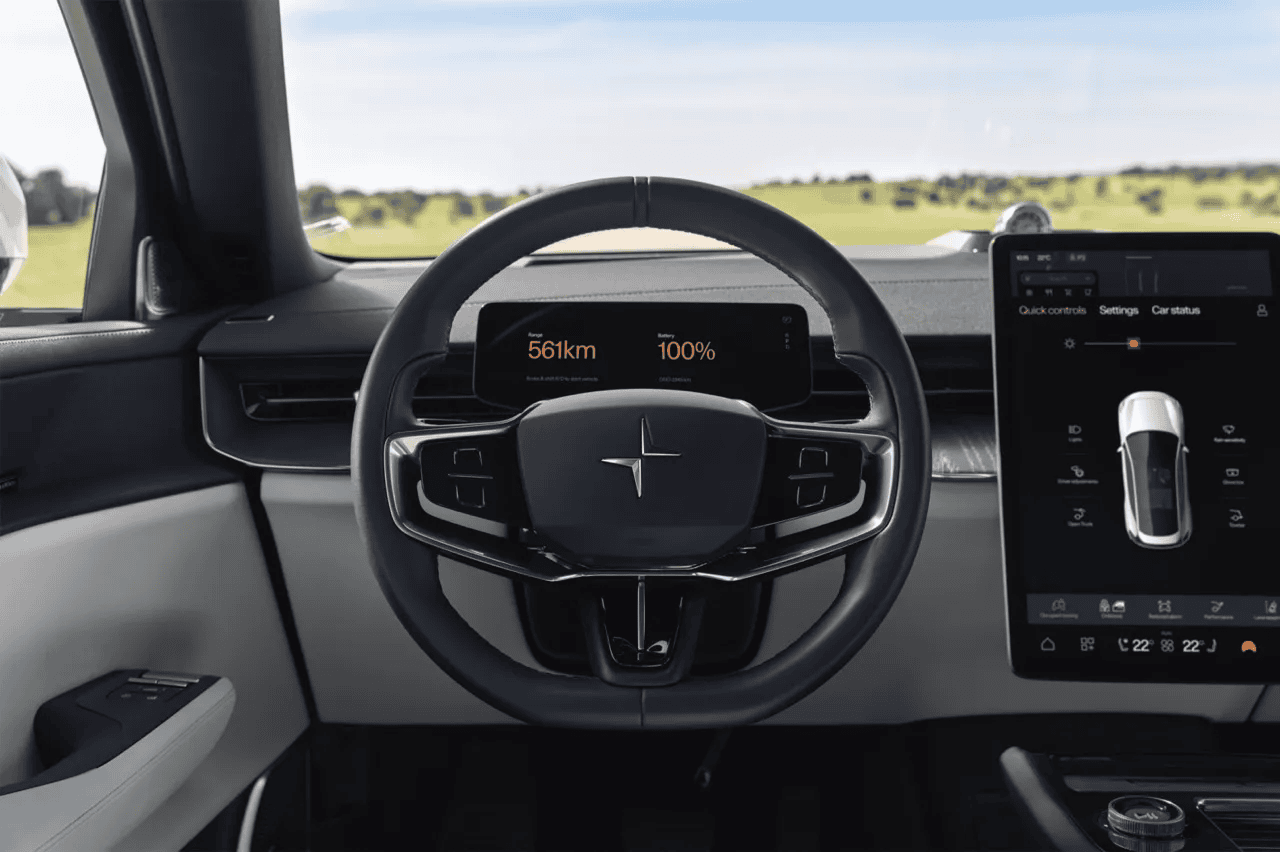
Polestar currently sells an all electric fastback sedan, a premium midsized SUV and an SUV coupe, which have all received excellent reviews in the US. Headquartered in Gothenburg, Sweden, Polestar markets itself as a Scandinavian premium electric vehicle brand. However, the company is majority owned by China’s Zhejiang Geely Holding Group, the same automotive giant that also owns Volvo, Zeekr, Lotus, Lynk and Co, as well as several other global brands.
Under the Connected Vehicle Rule, US regulators determined that Polestar did not qualify for authorization because of concerns surrounding Chinese linked ownership and connected vehicle technology.
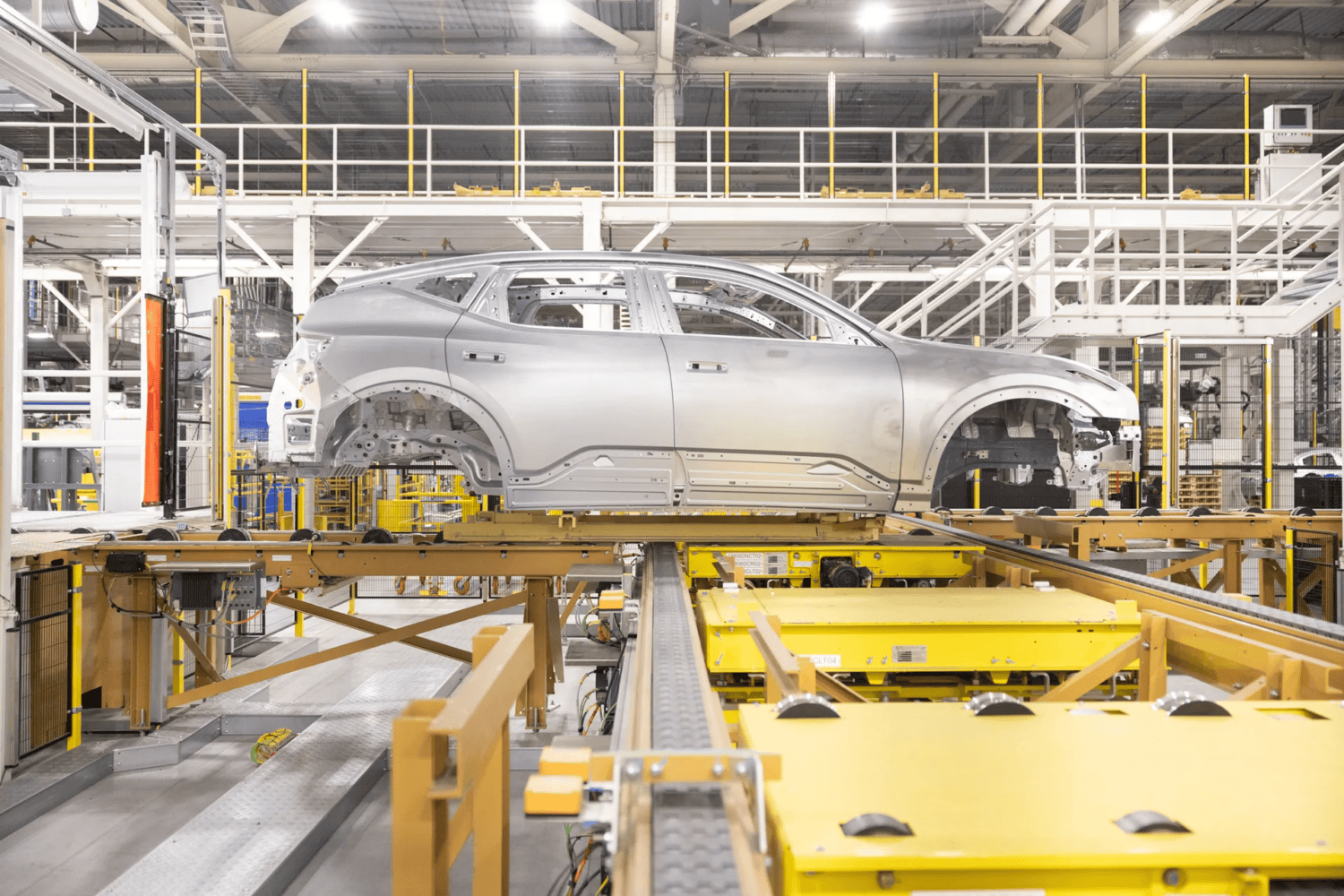
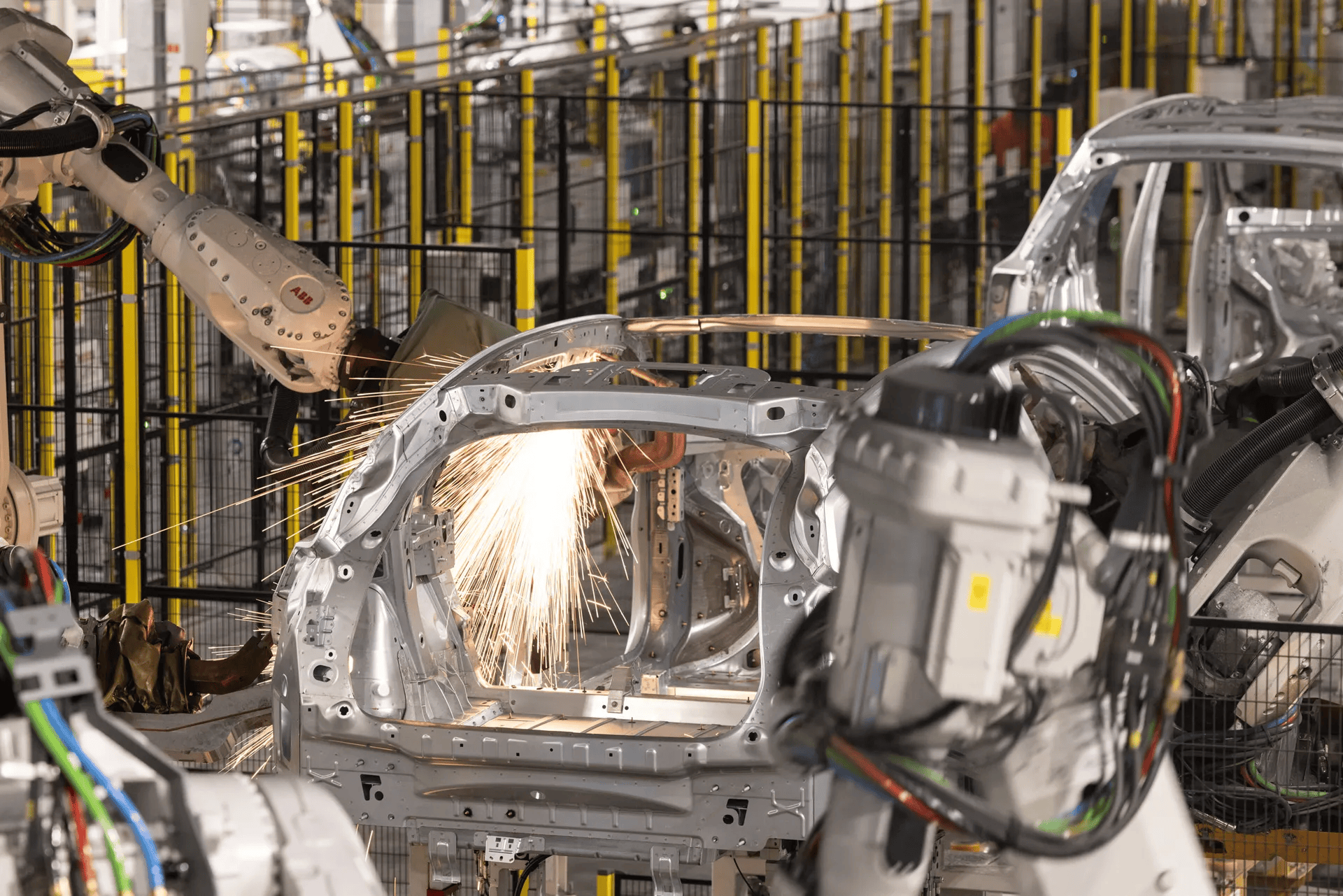
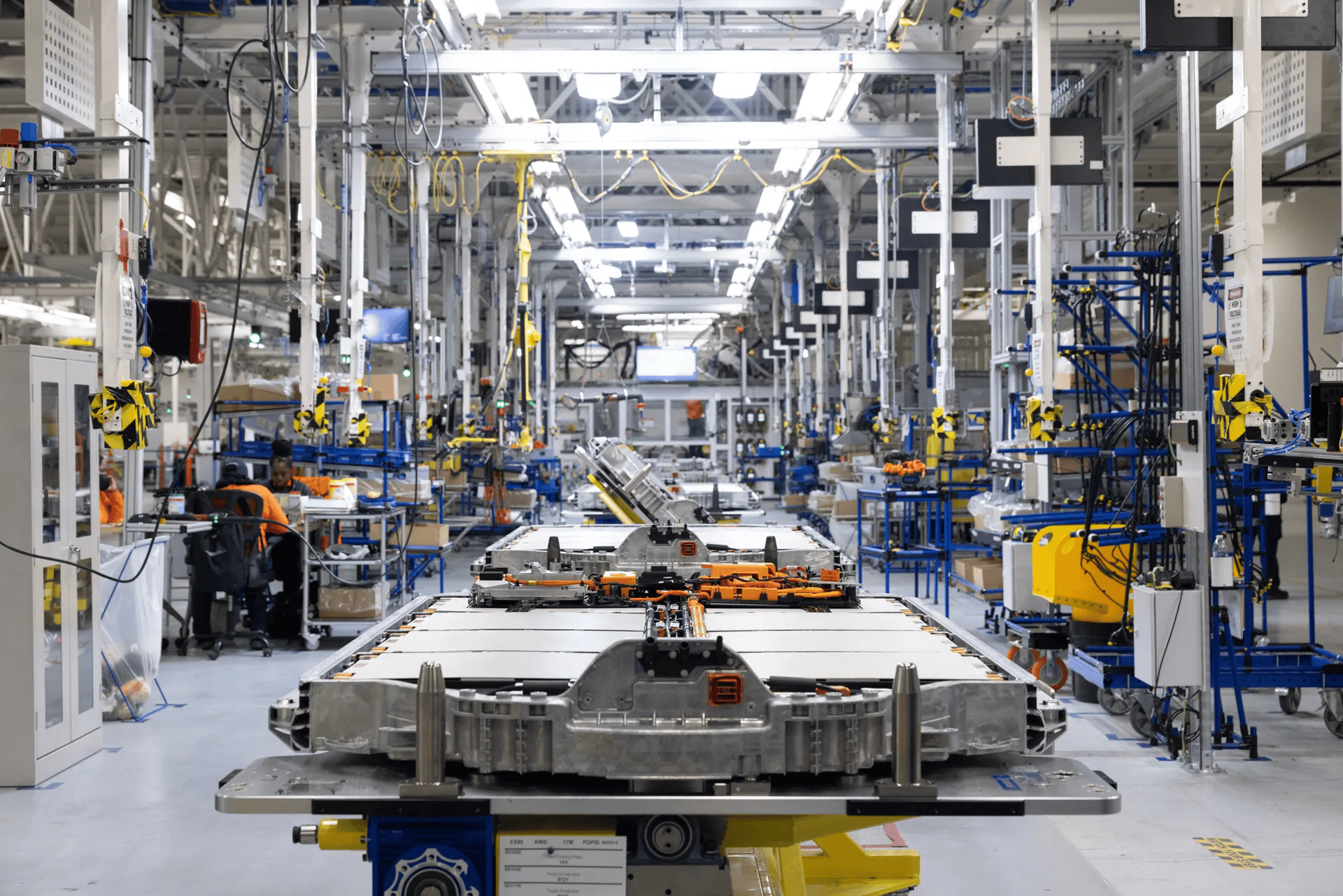
The rule focuses on connected vehicle hardware and software that could potentially collect, process, or transmit sensitive information through systems such as Bluetooth, WiFi, cellular communications, satellite connectivity, and advanced driver assistance technologies. The concern is centered on national security rather than where the vehicles are physically assembled. Even the South Carolina built Polestar 3 will be banned because of the company’s ownership and technology structure. Roughly 2,000 are employed at the Charleston, SC manufacturing plant, and at this stage it is unknown how many will face unemployment as a result of this ban.
In a move that so far remains completely unexplained, Volvo has avoided the same fate despite sharing the same parent company. That distinction has raised plenty of questions throughout the industry. Volvo received authorization to continue selling vehicles in the United States after demonstrating compliance with the Connected Vehicle Rule, while Polestar did not. Officials have not publicly detailed every aspect of their decision making, but the outcome suggests regulators viewed the two companies differently based on their corporate structures, technology implementation, or compliance submissions.
Chinese Supremacy
The ban arrives as concerns among US automakers about the pace of Chinese automotive development are swelling.
Earlier this year, Ford CEO Jim Farley warned that allowing Chinese automakers unrestricted access to the U.S. market would be devastating for domestic manufacturers. Farley has repeatedly praised the speed, software capability, battery technology, and manufacturing efficiency of Chinese companies while warning that American automakers face an unprecedented competitive challenge.
Honda executives have expressed similar concerns with the stark assessment that “We have no chance against this,” referring to the pace at which Chinese manufacturers are advancing electric vehicle technology and reducing production costs.
Those comments illustrate just how dramatically the global automotive landscape has changed, and how concerned major OEMs are of being made irrelevant by the behemoth that is Chinese auto manufacturing.
Only a decade ago, Chinese vehicles were often viewed as inexpensive alternatives that lagged behind established manufacturers in quality, refinement, and technology. Now Chinese automakers like BYD, Geely, and Xiaomi are launching vehicles that match or exceed many Western competitors in battery performance, software integration, manufacturing efficiency, and overall value.
For established automakers, competing against China’s vertically integrated supply chains and aggressive pricing strategies has become virtually impossible. Rather than meeting those competitors head to head in the American market, current policy has simply banned Chinese linked brands from entering at all, meaning the legacy OEMs don’t have to compete on quality, features or price.
What of the future?
If a premium Swedish brand with Chinese ownership like Polestar cannot secure authorization to continue selling future vehicles in the United States, the chances of brands such as BYD entering the American market anytime soon appear extremely remote.
For American buyers, Polestar’s story ends with the current generation of vehicles, although existing owners will continue receiving service and warranty support. Polestar has already announced that it will shift its focus toward Europe while continuing to expand in Canada and other international markets, where the company sees its strongest long term growth opportunities.
Read more: Royal Enfield Electric Motorcycle Deliveries Begin
Images: Polestar
Our No Compromise Clause: We do not accept advertorial content or allow advertising to influence our coverage, and our contributors are guaranteed editorial independence. Overland Collective may earn a small commission from affiliate links included in this article. We appreciate your support.
