

Adventure as brand strategy. Is Land Rover merely selling a vehicle, or is it rebuilding the mythology of the Defender for a new generation? At its core, the Defender Trophy is a global, multi-stage adventure competition designed to reinforce the Defender’s identity—not just as a machine, but as a cultural icon rooted in decades of overland travel, exploration, and, inevitably, the legacy of the Camel Trophy. The question is not only whether the new Defender has what it takes, but also what, exactly, it is being asked to prove.
The answer, as it turns out, is layered, and it is my job to provide some context.
My friend Ken—an old-school motoring journalist whose résumé includes riding, driving, and documenting almost everything on wheels across the globe, not to mention authoring more than a few Haynes manuals—once shared a story that neatly frames the gap between past and present. Sitting on his patio in Arizona, he recalled his time covering the Camel Trophy in the 1990s, when the line between participant, journalist, and survivor was often blurred.

Deep into the competition in 1996, while embedded with competitors in the jungles of Borneo, Ken was photographing from the edge of a high riverbank when the ground beneath him gave way. He fell face-first onto the rocks below. The camera struck first, angling upward, the lens coming close to removing his nose entirely. He also suffered a fractured skull, broken bones in his face, four broken teeth, whiplash, and cracked ribs. He was airlifted out by helicopter, and then by small jet to Singapore, patched up in the hospital, and, after a couple of days, decided he had rested long enough. To convince the surgeon to release him, he dropped to the floor and performed 50 push-ups. Eventually, the doctor relented, and Ken returned to the field—to the crews with whom he had, by then, formed a bond of genuine brotherhood.
That was the Camel Trophy. Raw, unscripted, and, at times, genuinely dangerous. It set a benchmark that, by modern standards, is impossible to replicate.
Which brings us to the Defender Trophy.
The Defender Trophy 2026 stands firmly in the shadow of that legacy, drawing inspiration from it while operating within an entirely different reality. Today, it is difficult to imagine a manufacturer staging an event with the same level of risk, logistical complexity, and unpredictability that defined the Camel Trophy. The world has changed. Expectations have shifted. Liability alone would likely prevent any serious attempt to recreate the original format.
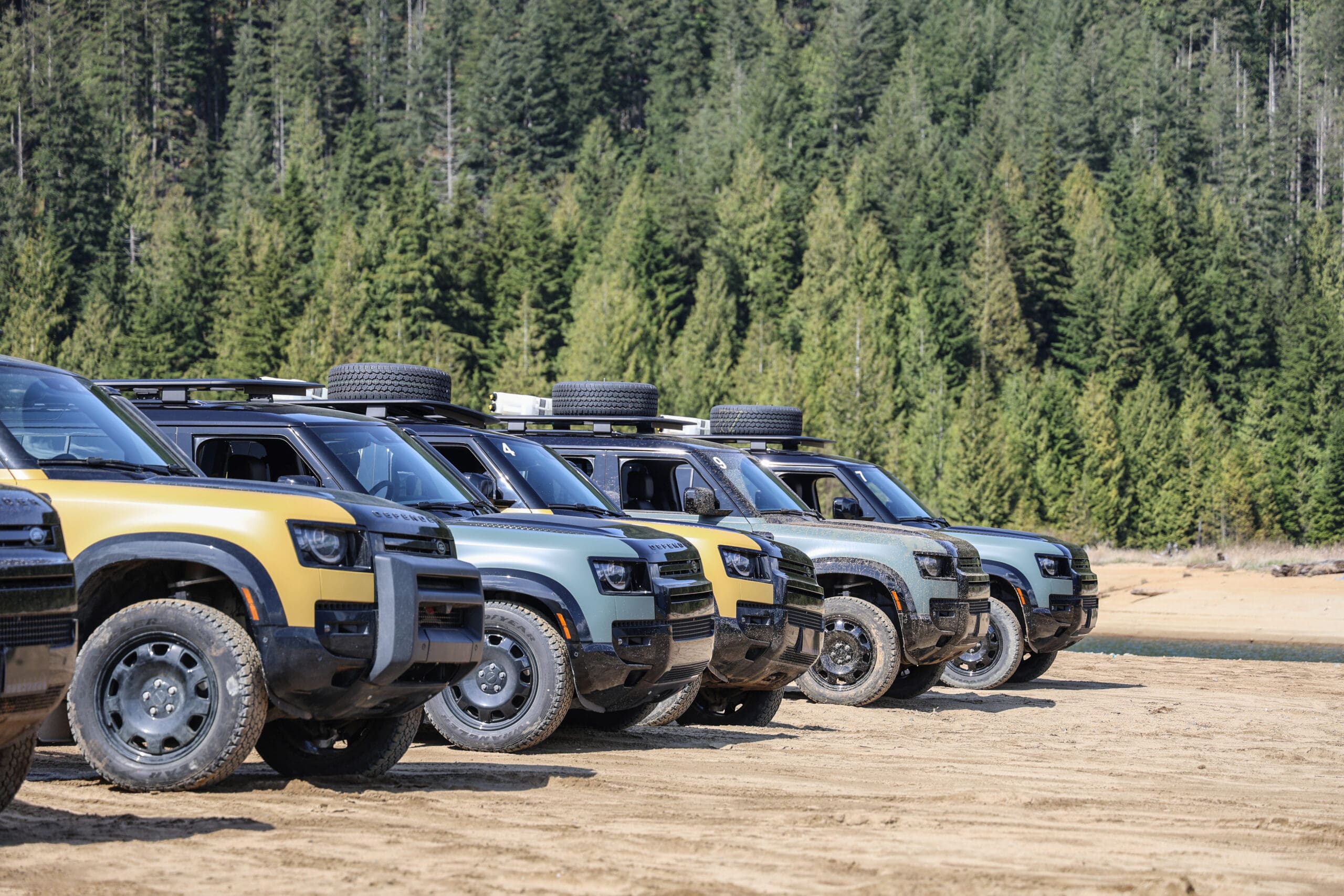
Vehicles, too, have evolved. The latest Defender—known internally as the L663—is more refined, more comfortable, and technologically advanced in ways that would have been unimaginable in the 1990s. Inevitably, this raises the question: could it endure the same environments that defined its predecessor’s reputation?
It is a fair question, but perhaps not the right one.
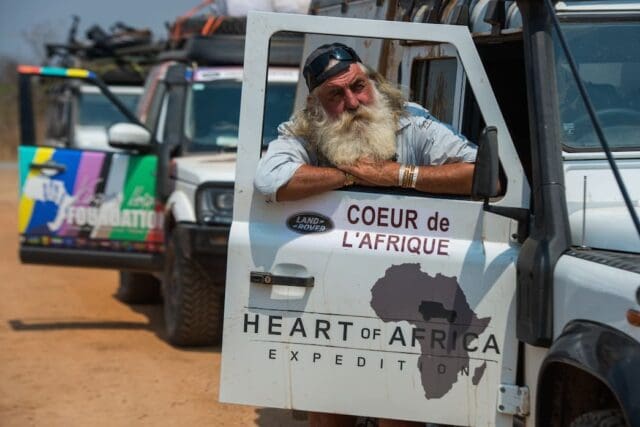
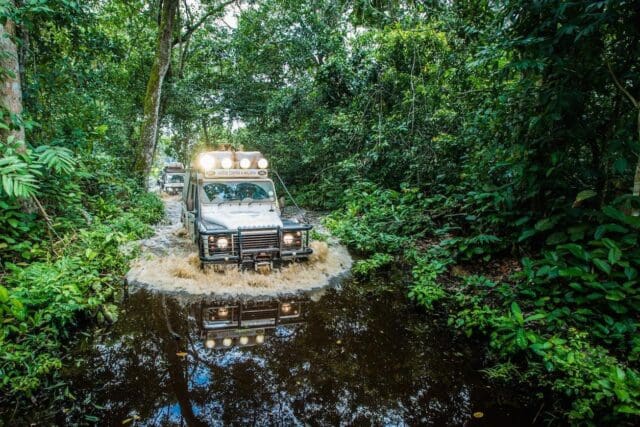
Figures such as Kingsley Holgate have already provided part of the answer. Since 2020, Holgate and his team have incorporated the new Defender into a series of global expeditions, completing multiple journeys across challenging terrain. Among them was a 35,000-kilometer Hot Cape to Cold Cape traverse, crossing 30 countries from southern Africa into Europe. These are not marketing exercises in the traditional sense, but real-world expeditions that save lives and suggest the new Defender, when properly prepared and driven with experience, is more than capable of meaningful overland travel.
And yet, capability alone is not the central story of the Defender Trophy.
To understand the event, it is necessary to look at it for what it is, rather than what it is not.
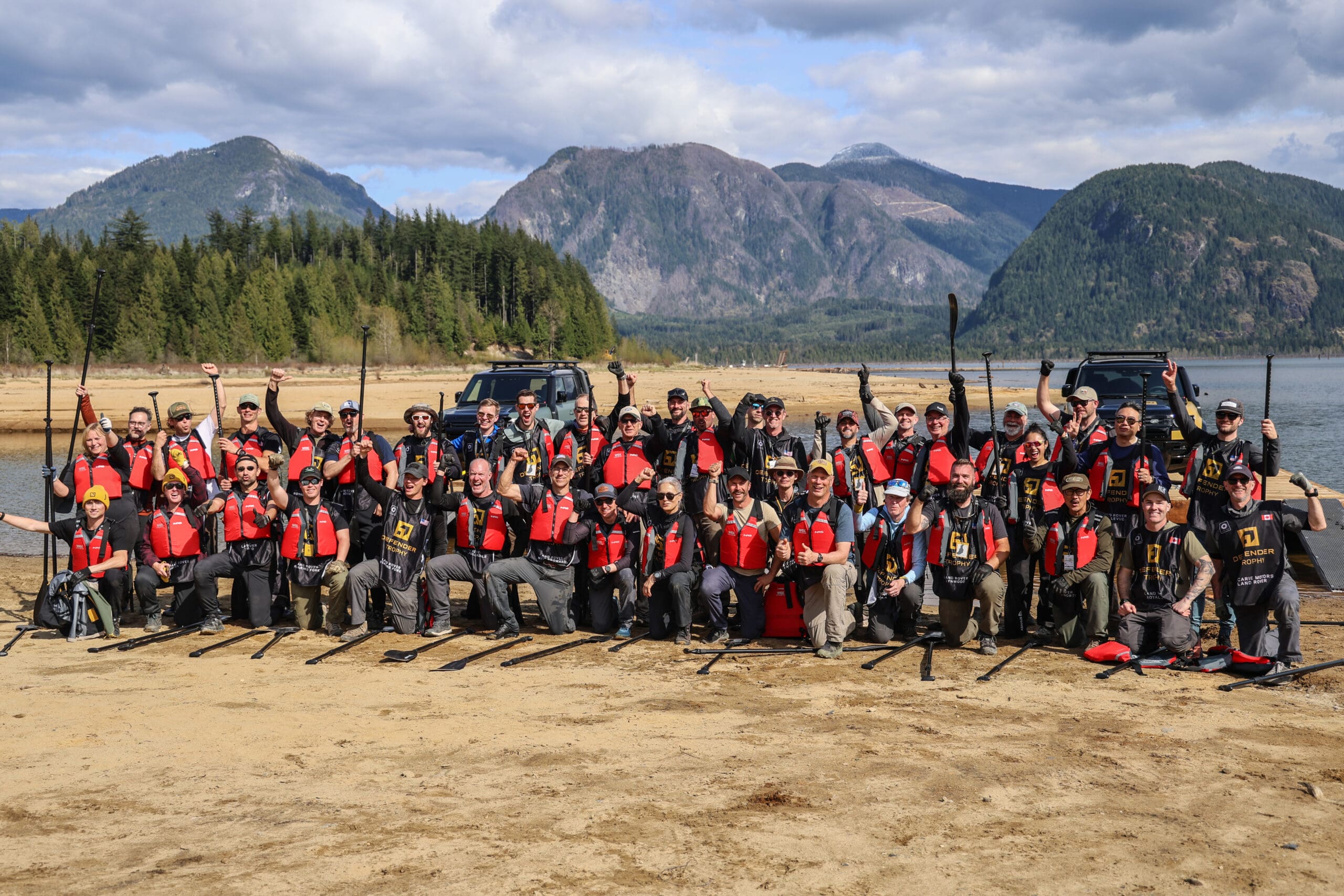
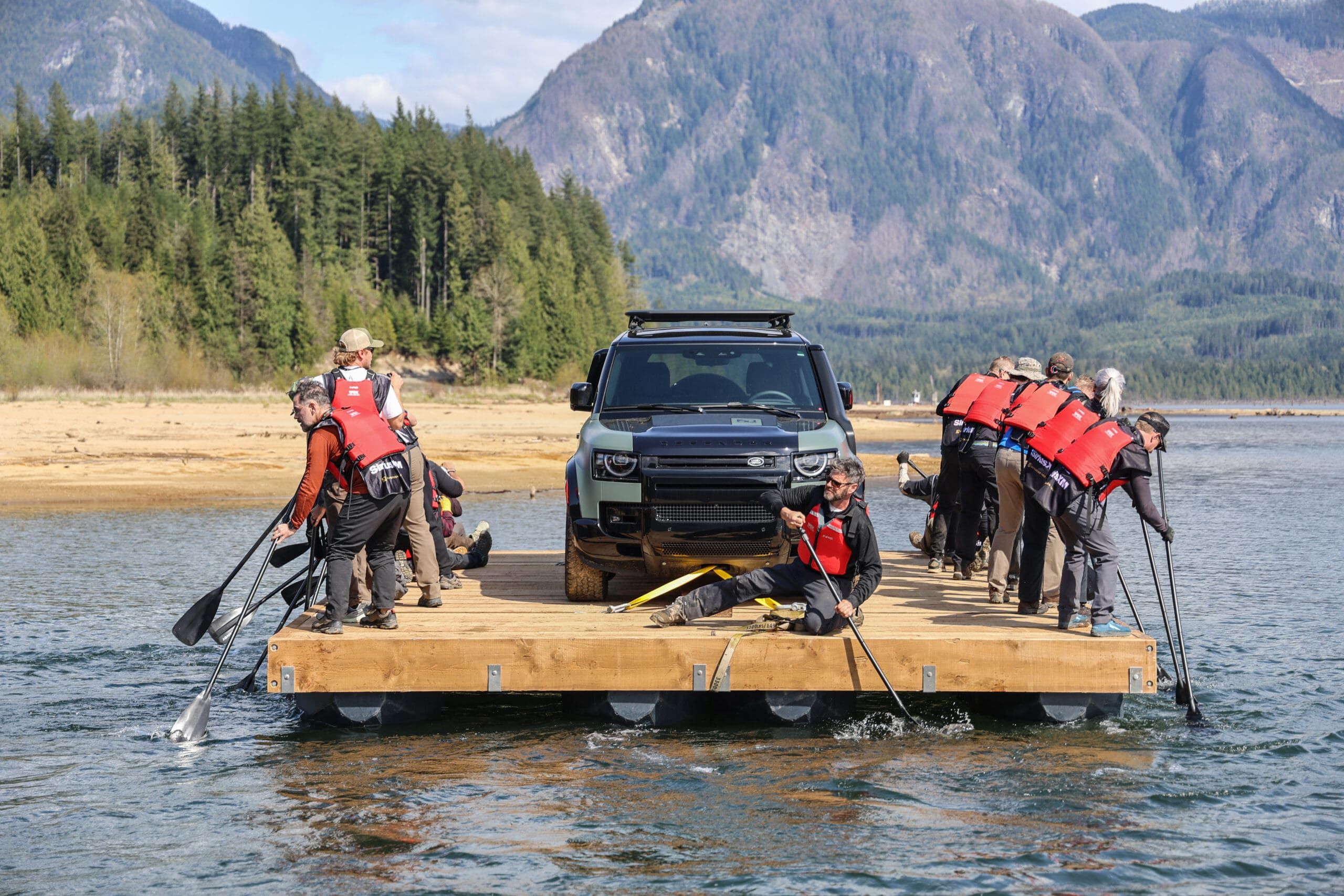
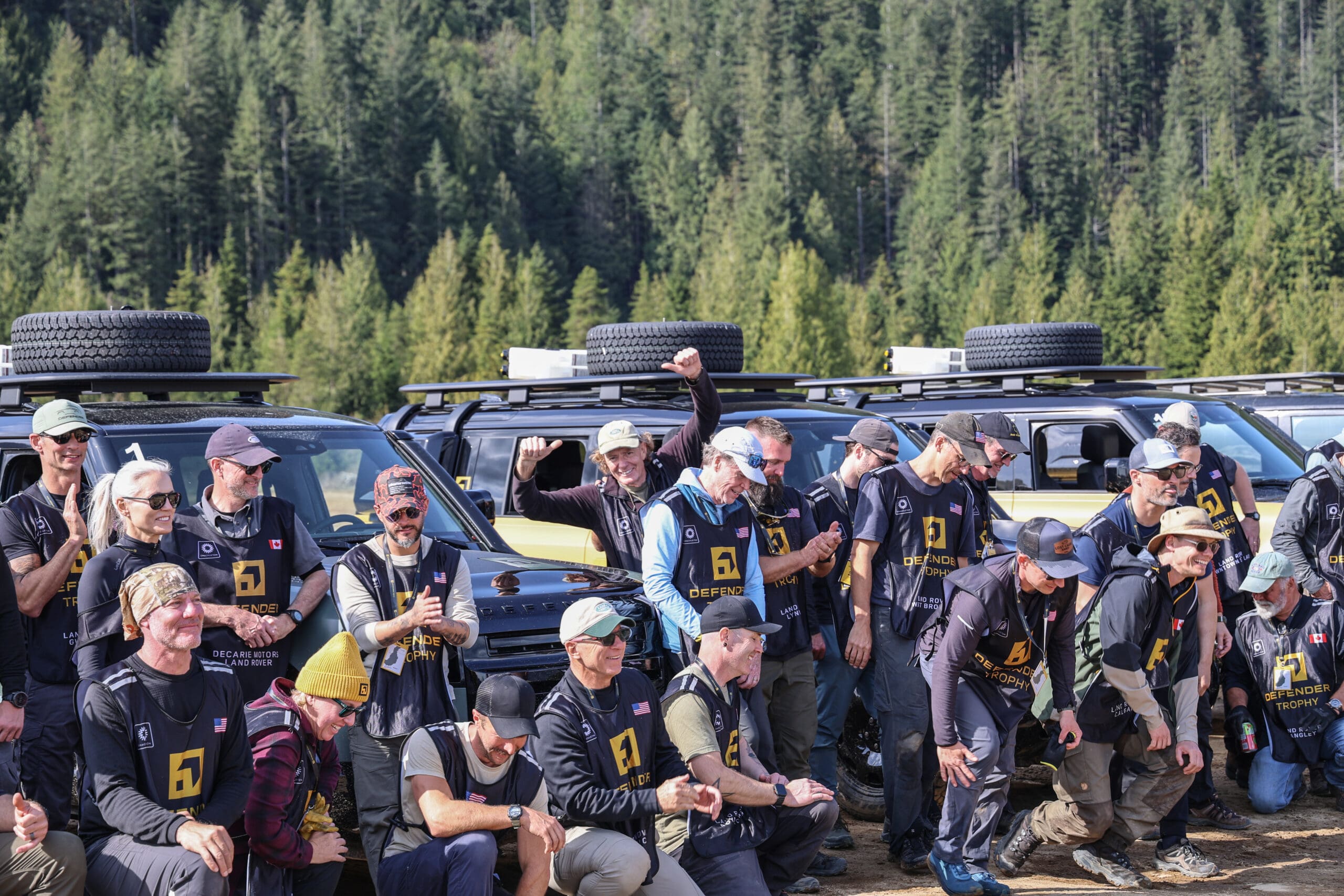
The North American qualifier, held in Mission, British Columbia, brought together 120 participants from across the United States and Canada. Organized into teams and competing across three waves, the format combined physical endurance, problem-solving, and vehicle-based challenges. Progression depended not only on individual performance but also on teamwork, adaptability, and consistency across disciplines.
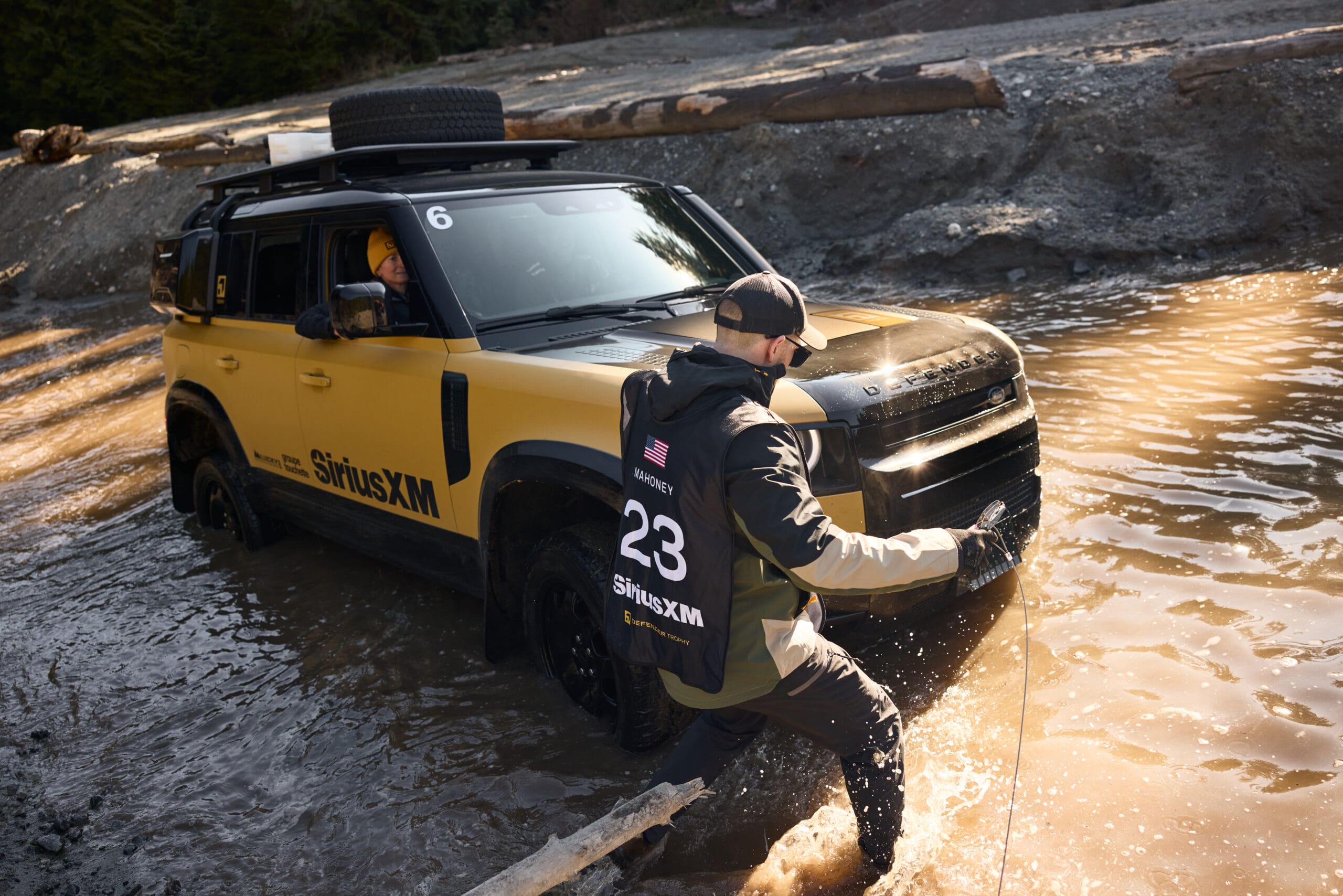
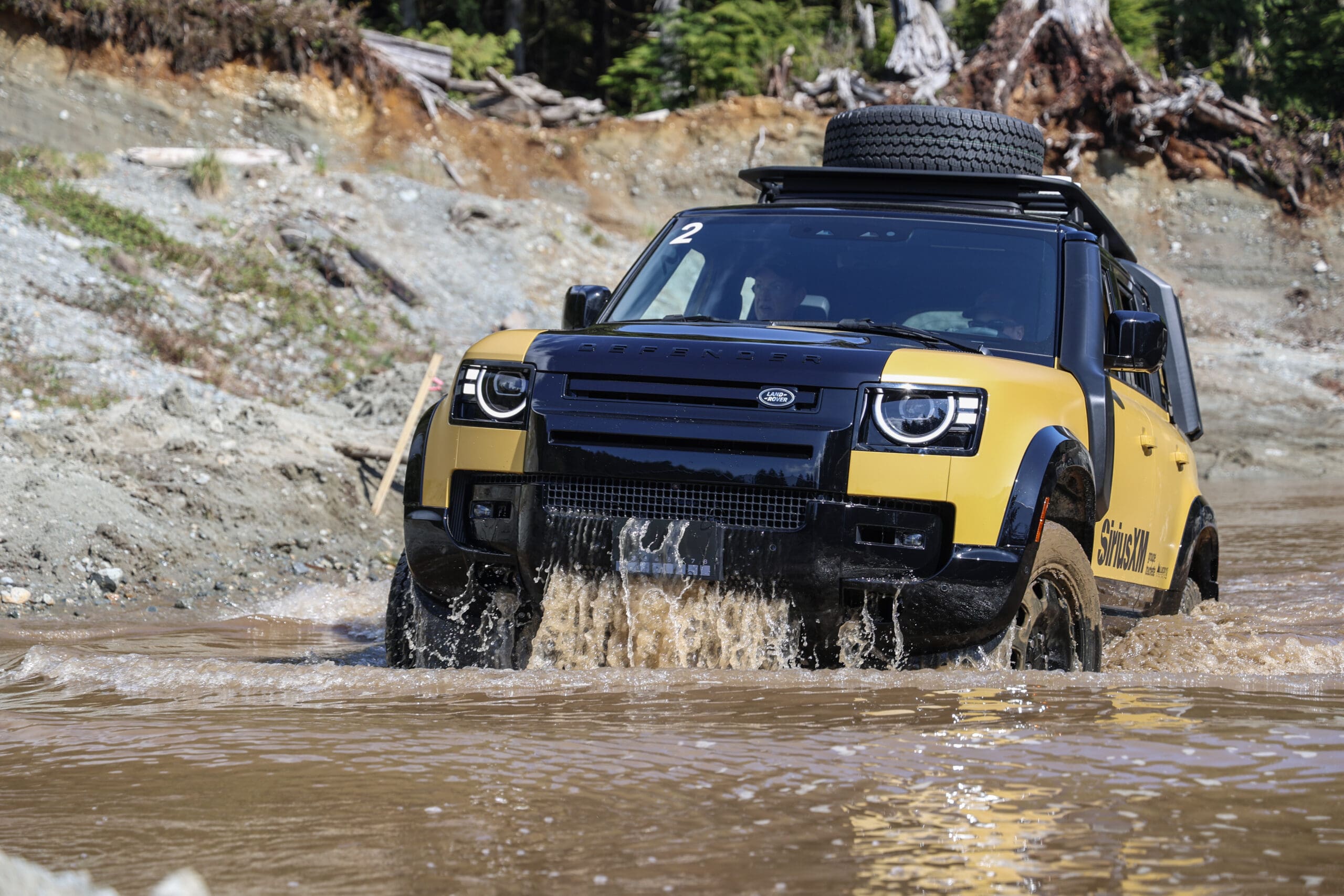
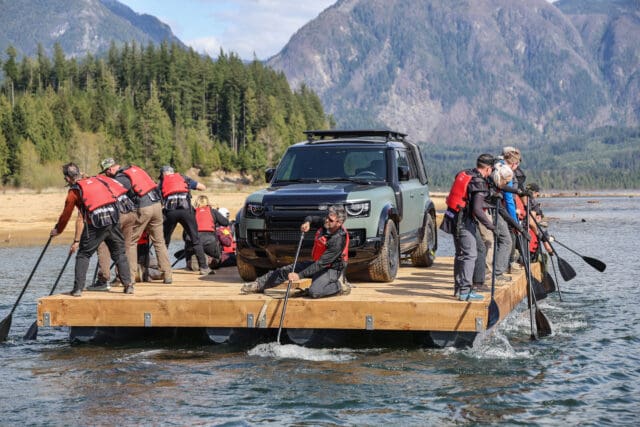
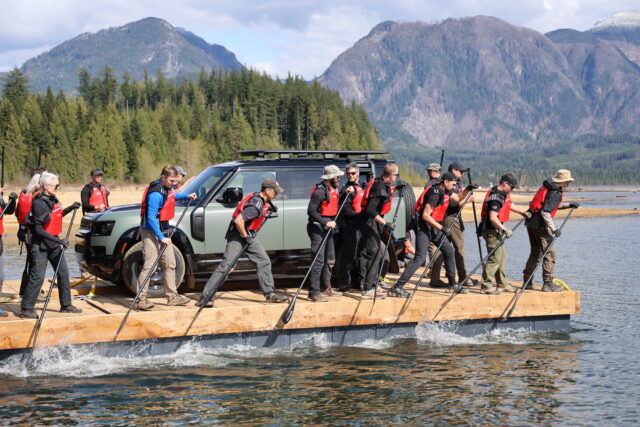
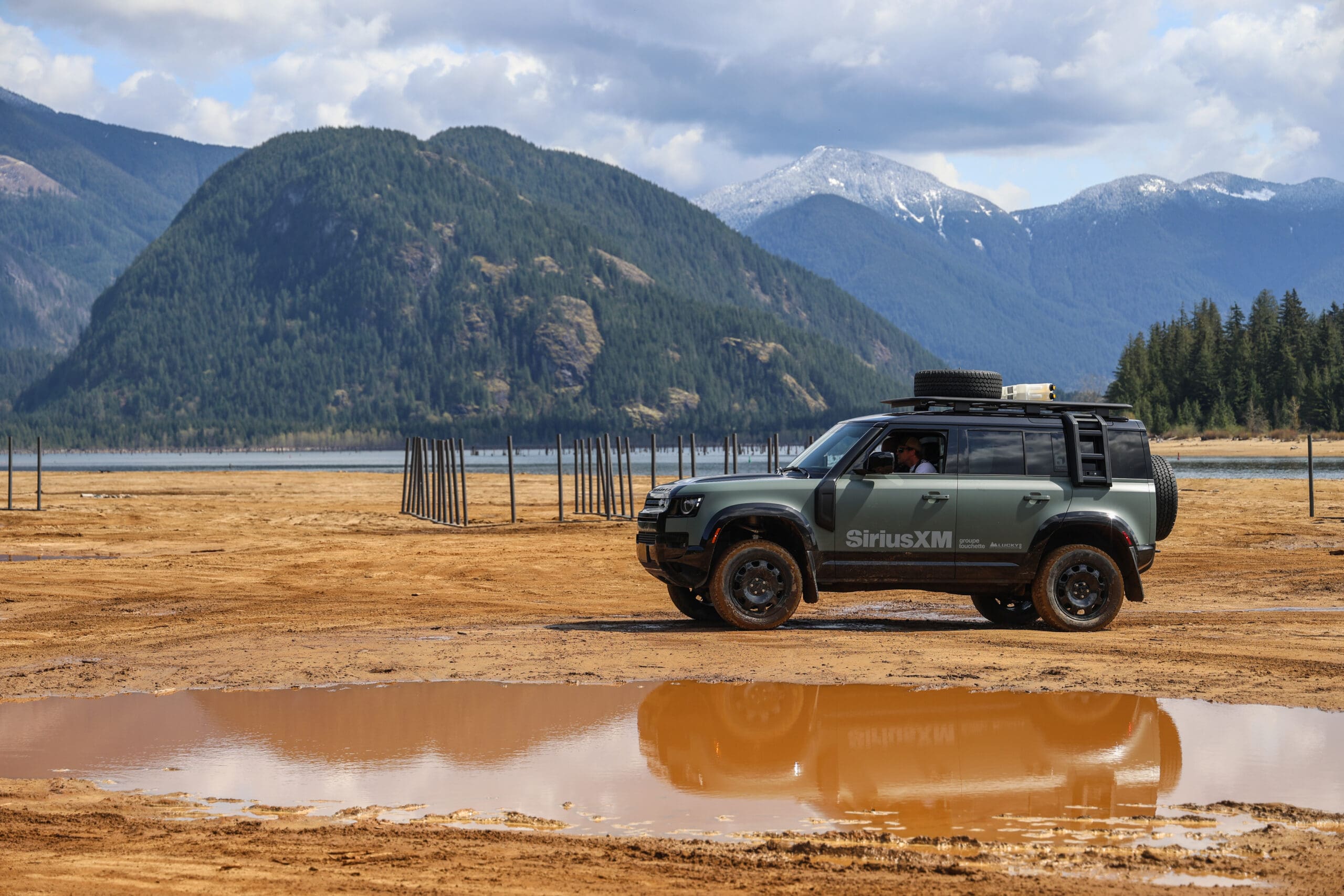
Set against the dense evergreen forests and rugged terrain surrounding Stave Lake, the location provided a fitting backdrop. A purpose-built off-road course incorporated technical trails, water crossings, steep inclines, and axle-twisting obstacles designed to test both driver and machine. Conditions were, for the most part, favorable—blue skies and warm temperatures—but the environment retained enough unpredictability to keep competitors honest.
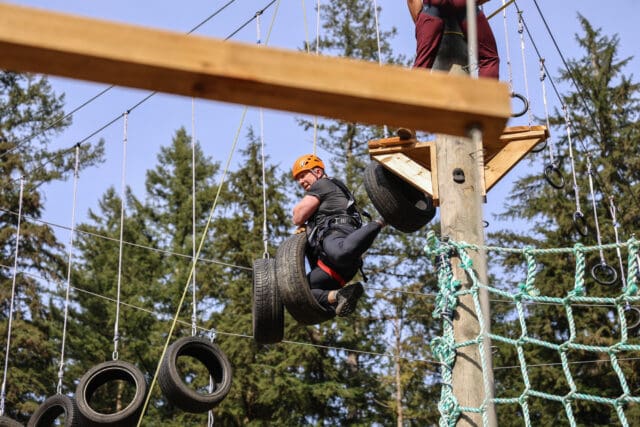
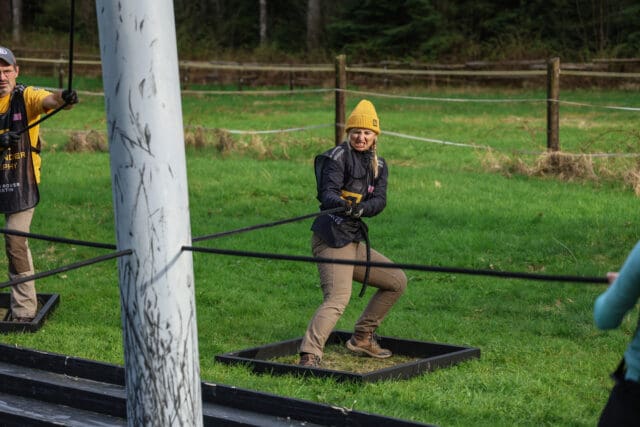
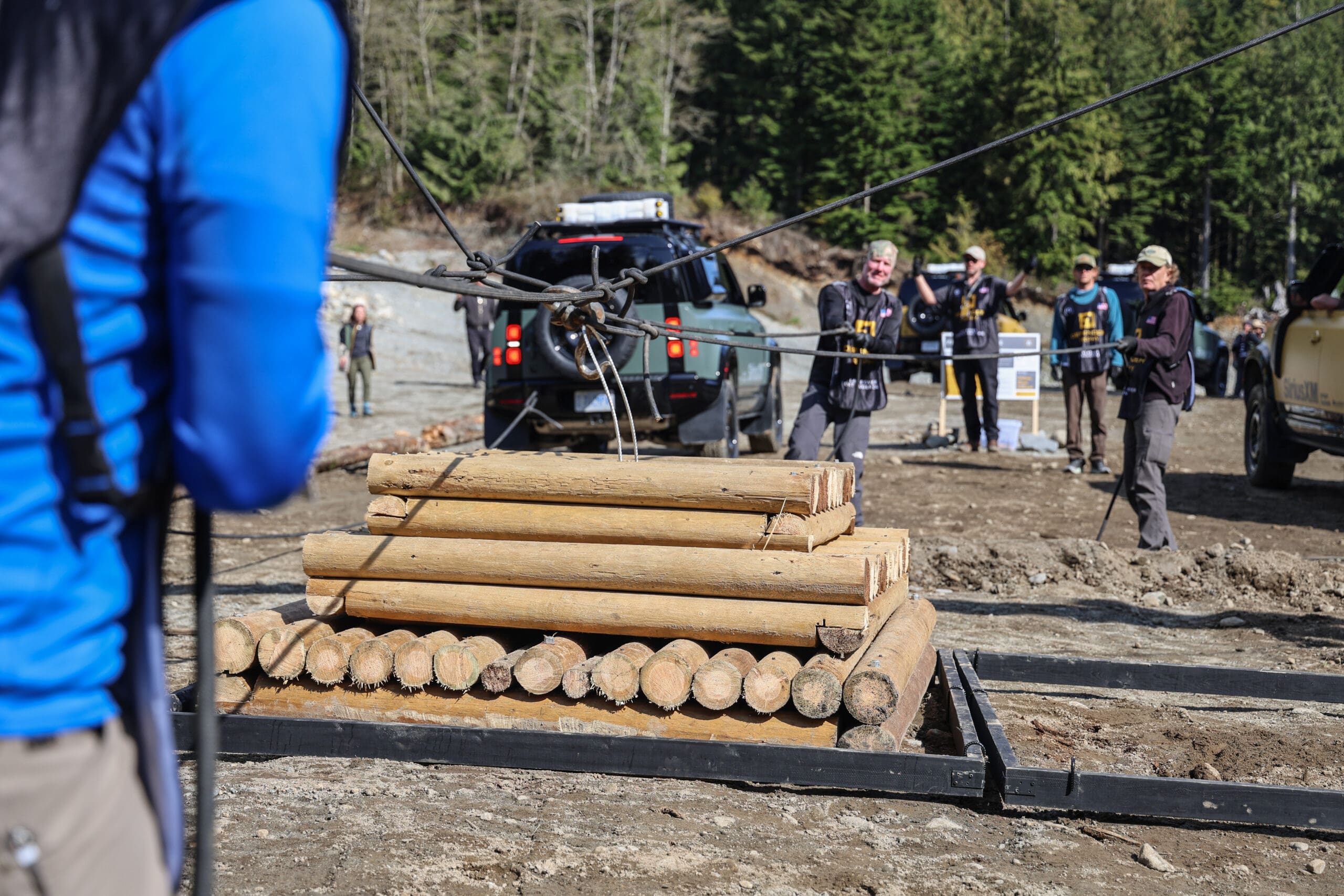
The first day was, by most accounts, the most physically demanding. Comptetitors were required to swim, run, carry loads, and complete a series of challenges that tested both mental resilience and physical strength. A high ropes course pushed participants well beyond their comfort zones, while endurance runs carrying water proved particularly taxing. These were not token exercises; they were designed to expose fatigue, highlight weaknesses, and reward determination.
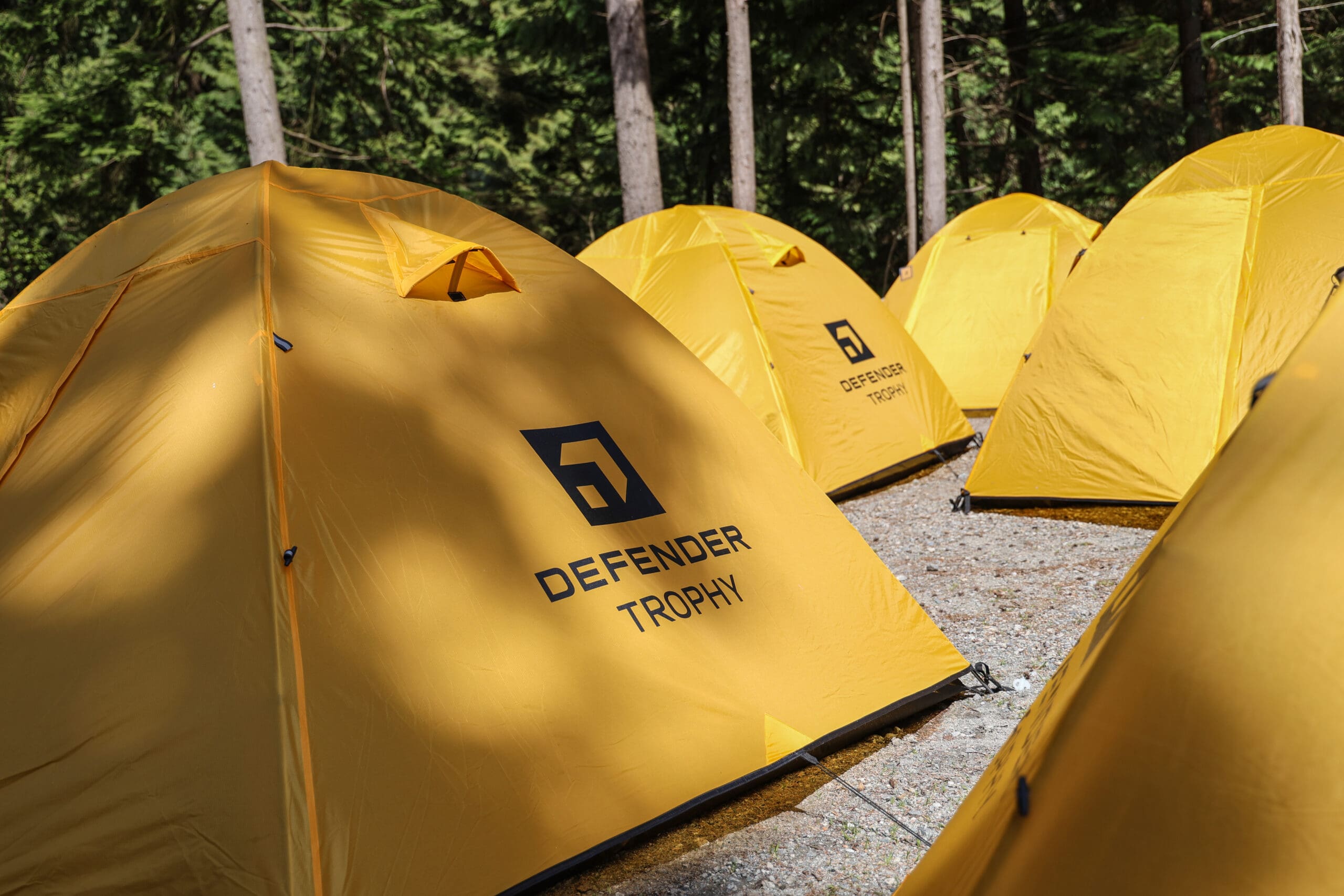
By the evening, the mood shifted. Competitors gathered for dinner, sharing stories and experiences before retreating to Trophy-yellow tents. There was undoubtedly a sense of camaraderie that felt familiar, even if the context had changed. The following day transitioned toward vehicle-based challenges, where the Defender itself took center stage.
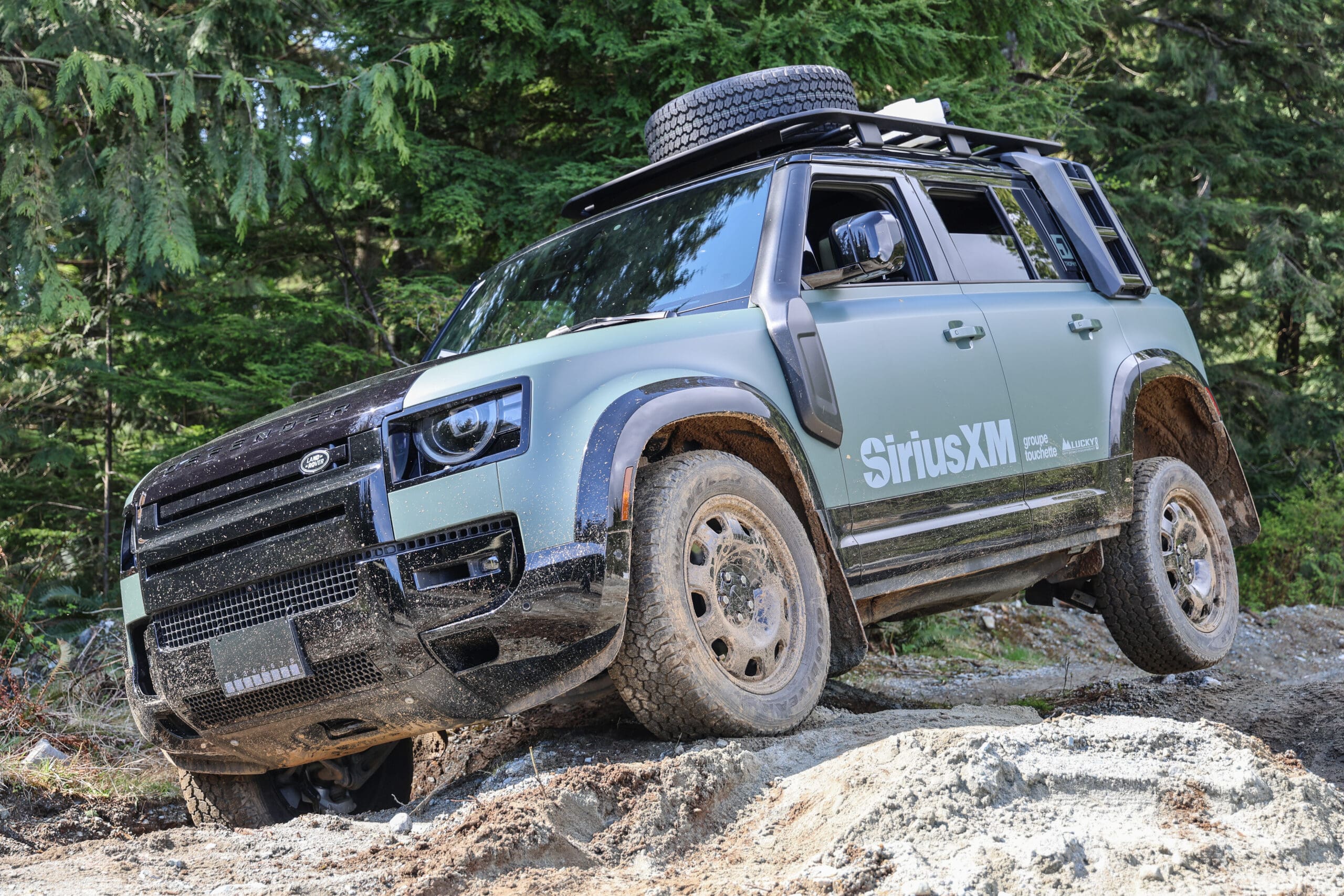
Here, the format leaned into controlled technical difficulty rather than outright hardship. Obstacles required precise driving, coordination, and an understanding of vehicle dynamics. In one challenge, competitors navigated Defenders equipped with front-mounted punch mechanisms, carefully aligning them to strike targets positioned in awkward locations. Success depended on finesse rather than aggression, a reflection of modern off-road driving where capability is often managed through technology as much as technique.
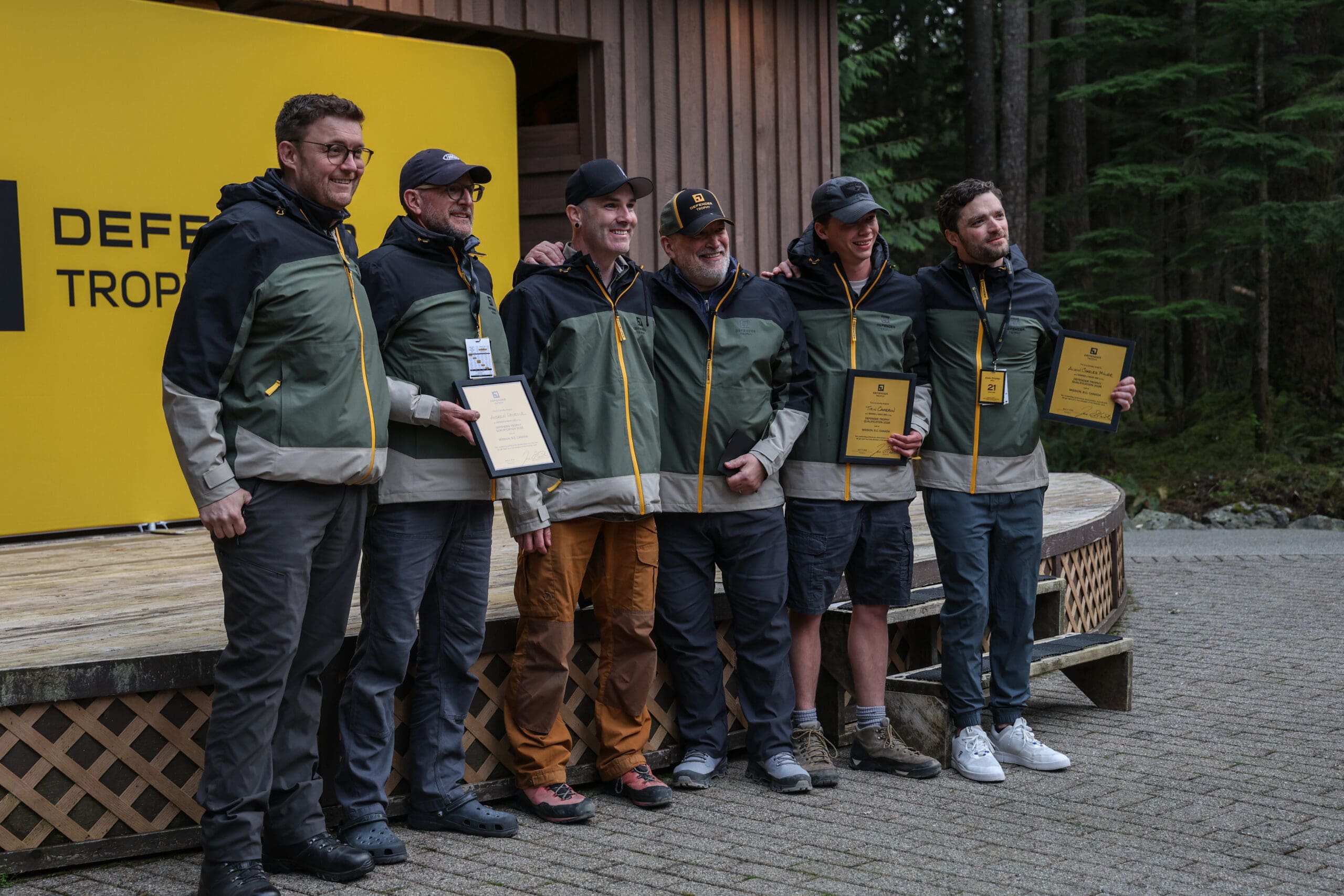
At the conclusion of the event, 12 finalists were selected—6 from the United States and 6 from Canada. These individuals will progress to the next stage, with the final four North American representatives to be announced at Destination Defender, the brand’s flagship event in New York’s Hudson Valley.
On paper, it is a structured, well-executed competition. But to reduce it to that would miss the broader point.
The Defender Trophy is, undeniably, a public relations exercise. It is designed to sell vehicles. That much is clear, and there is little value in pretending otherwise. Yet to dismiss it solely on those grounds would overlook the more nuanced reality.
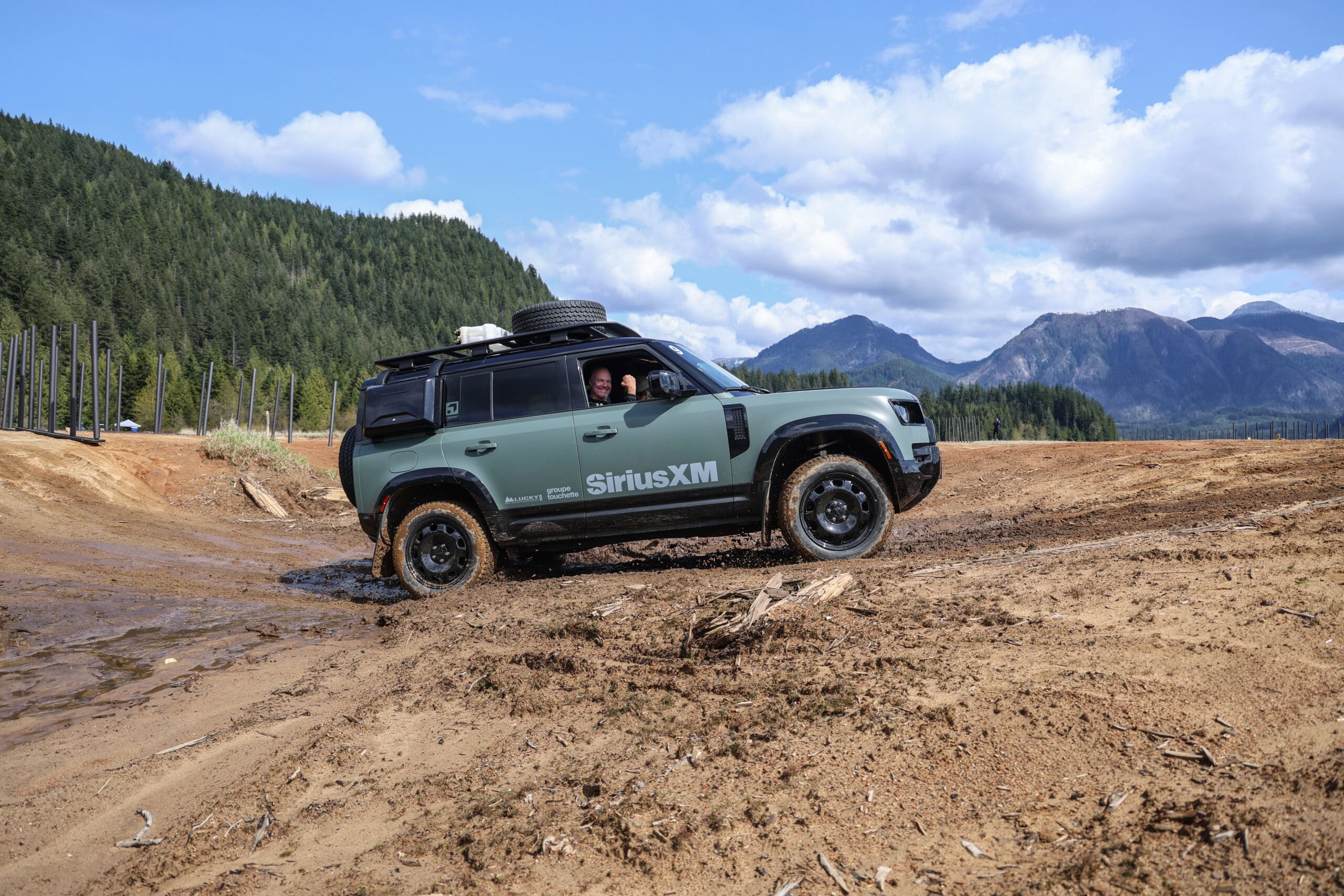
What Land Rover is doing here is not attempting to recreate the Camel Trophy. That would be both impractical and, arguably, undesirable. Instead, it is leveraging the mythology of its past to create a contemporary narrative—one that aligns with modern expectations while still resonating with the spirit of adventure that defined the brand in the first place.
In doing so, it is also tapping into something less tangible but equally important: community.
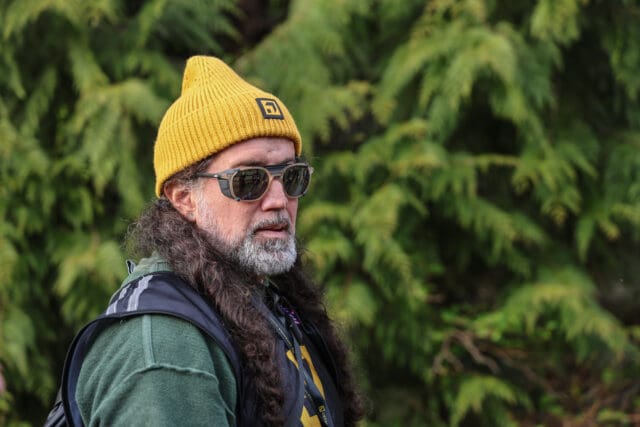
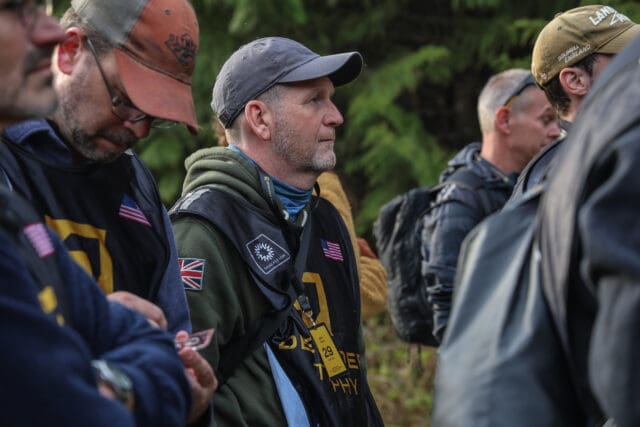
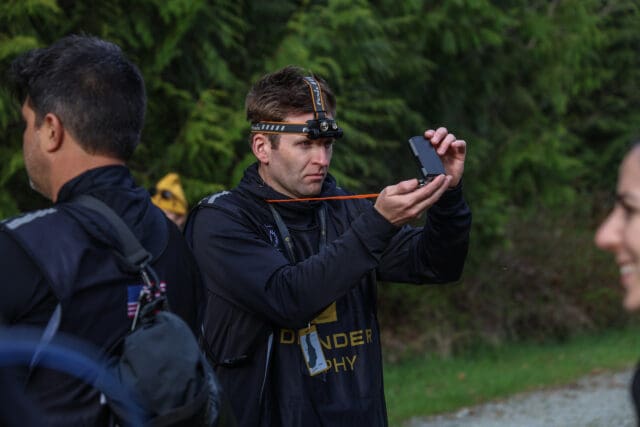
Upon arriving at the event, it was immediately apparent that this was as much a gathering of like-minded individuals as a competition. Familiar faces were everywhere—people I have connected to through years of shared experiences, campfires, and journeys. The Land Rover community has always been distinct, characterized by a sense of belonging that extends beyond the vehicles themselves. The Defender Trophy brings that network into focus, creating an environment where competition and camaraderie coexist.
This is where the event succeeds most effectively.
It acknowledges that adventure, in its traditional sense, has changed. The world is more connected, more regulated, and, in many ways, less forgiving of the kind of risk that once defined events like the Camel Trophy. But the desire for challenge, exploration, and shared experience remains.
The Defender Trophy does not attempt to replicate the past. Instead, it reframes it.
It takes the core elements—teamwork, resilience, capability—and presents them in a format that is accessible, controlled, and, crucially, repeatable. It allows participants to engage with the idea of adventure without the inherent dangers that once accompanied it. And in doing so, it creates a narrative that is both aspirational and attainable.
So, is Land Rover selling a vehicle? Yes, of course.
But it is also selling something less concrete: a sense of identity, a connection to a legacy, and an invitation to be part of a story that continues to evolve.
The Defender Trophy is not the Camel Trophy. It was never intended to be.
But standing on the shoulders of giants, it does something arguably more relevant. It translates the mythology of the past into a format that speaks to the present, ensuring that the idea of Defender—whatever form it takes—remains firmly rooted in the culture of adventure.
Read More: Overland News of the Week
Our No Compromise Clause: We do not accept advertorial content or allow advertising to influence our coverage, and our contributors are guaranteed editorial independence. Overland International may earn a small commission from affiliate links included in this article. We appreciate your support.
