

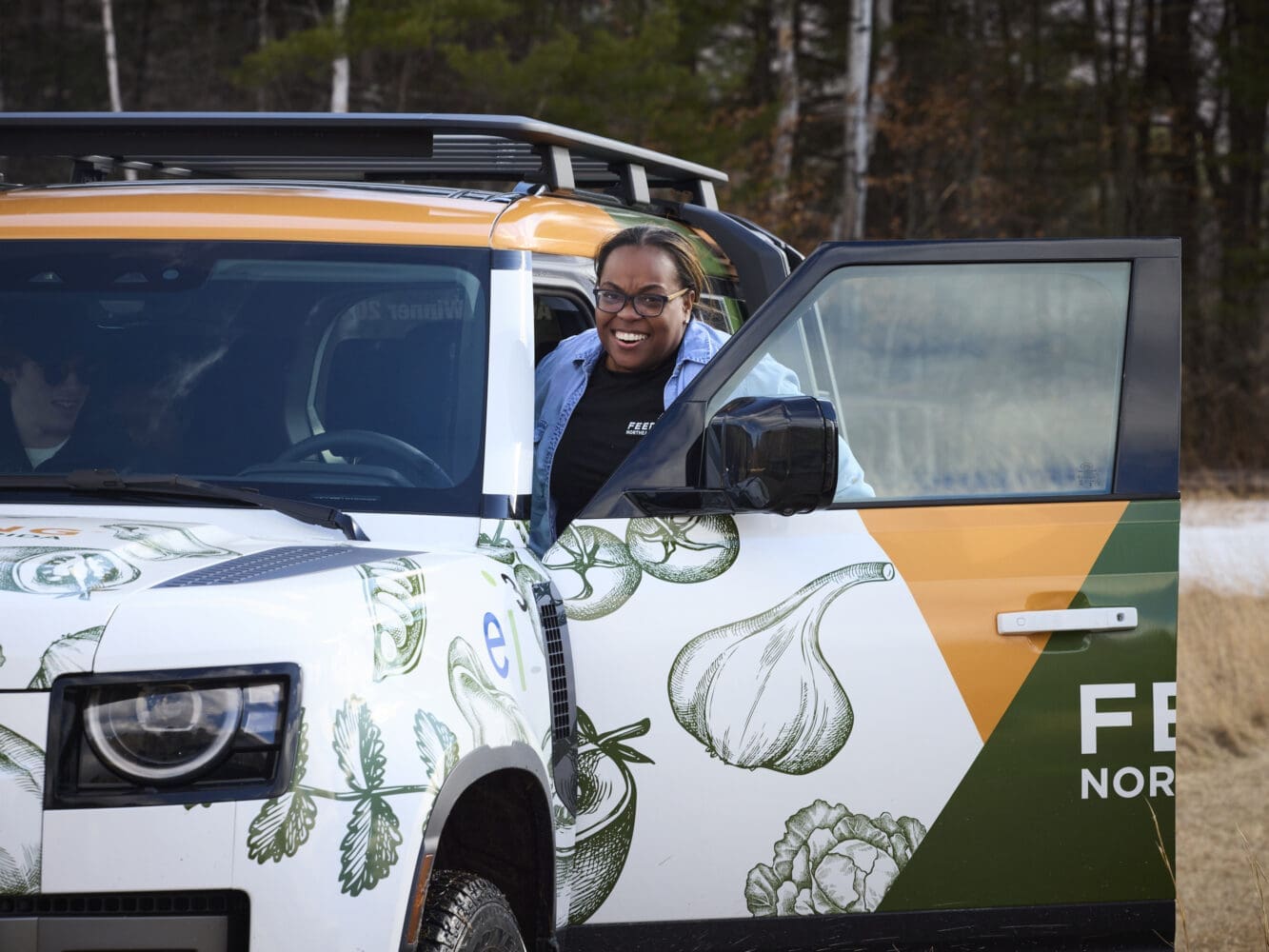
Sarah Hall had never driven off-road before, and now she was sitting in the driver’s seat of a brand-new Defender 130, facing an icy hill climb in the mountains of Vermont. The Defender, wrapped in the livery of Jacksonville-area non-profit Feeding Northeast Florida, was a hard-won prize: the result of the organization’s winning entry in the 2025 Defender Service Awards. The pressure of learning how to drive it was compounded by the pressure to not crash the charity’s newest asset into a tree.
For the past five years, Defender has given about a half dozen vehicles per year to non-profits and community organizations, as part of a program called the Defender Service Awards. From search and rescue teams to food banks, this competitive program has handed out 30 Defenders and $1.5 million since 2021. This year, before sending the 2025 winners’ vehicles out to their new jobs, Land Rover put together a handover weekend in Vermont to train the winning organizations on how to use the newest tool in their arsenal.
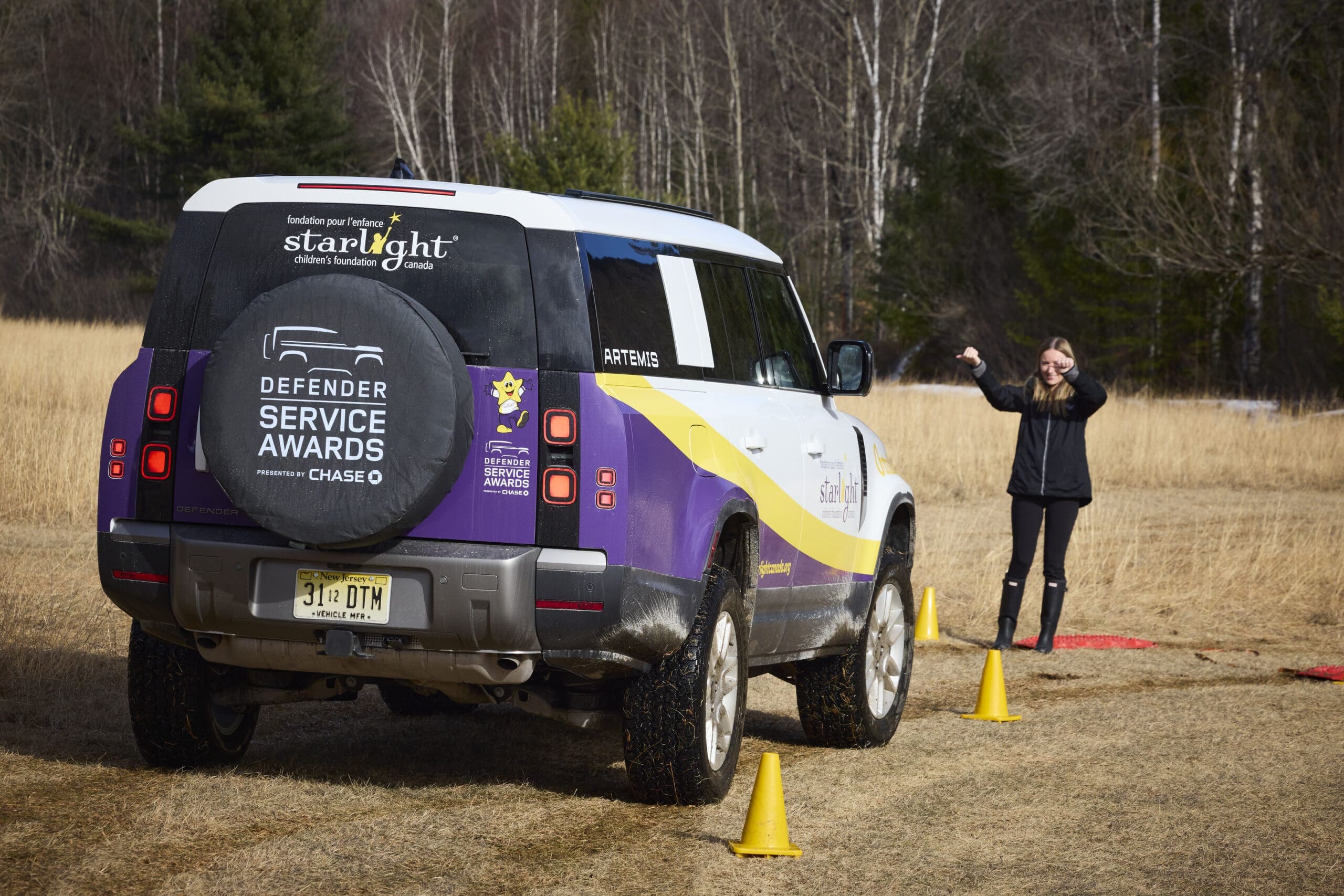
The weekend was created with the understanding that most of the contest winners had no background in off-road driving, or with any Land Rover vehicles. At the Land Rover Experience facility in Manchester, Vermont, two-person teams from each of the six winners of this year’s Awards gained valuable familiarization time with the vehicles that will soon become a major part of their fleets.
This year’s winners came from across the United States and Canada, having won their vehicles within six very competitive categories. Five of the categories were focused on specific humanitarian causes, and a sixth category created an opportunity for runners-up from past years’ Defender Service Awards.
The winners included:
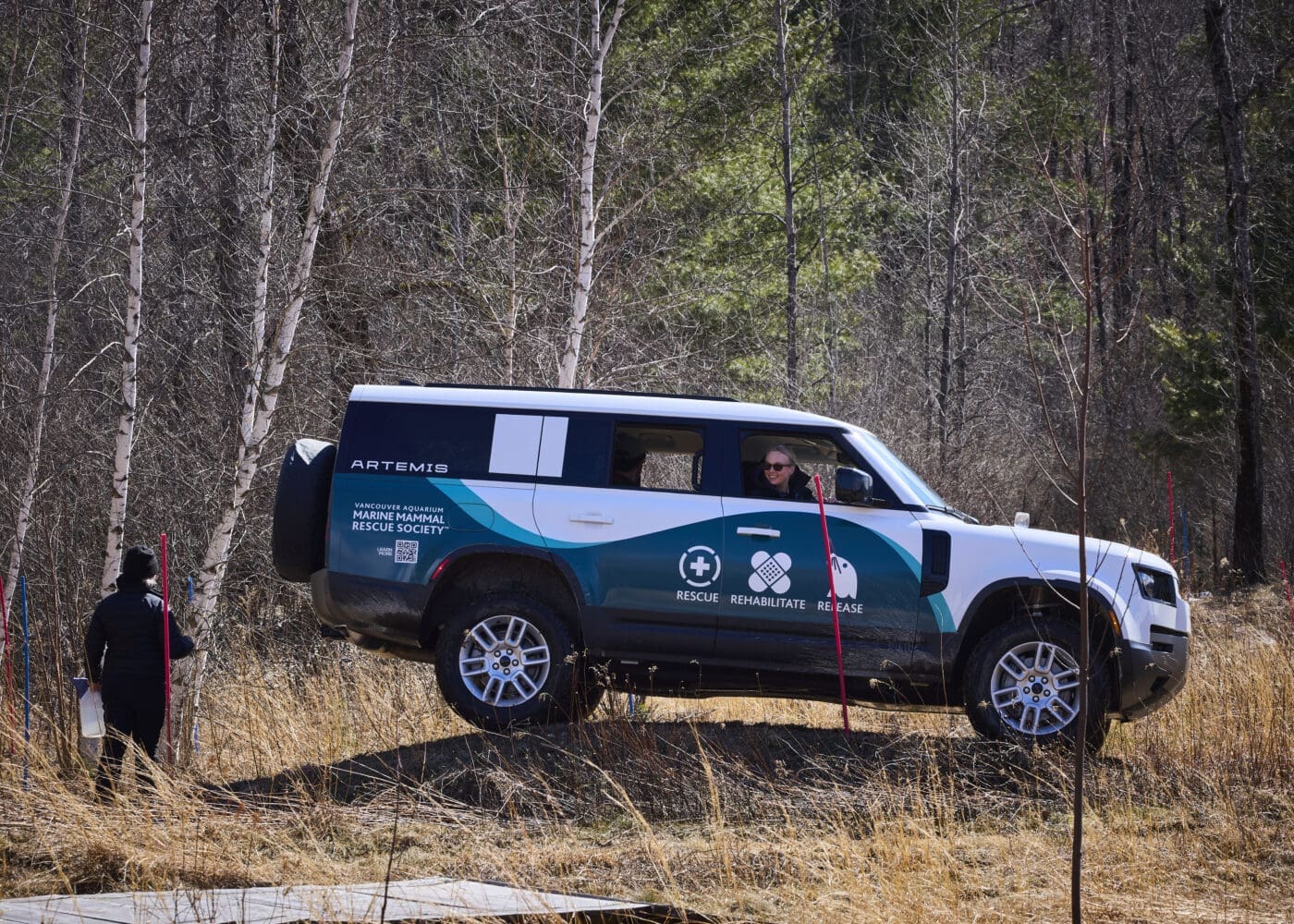
- Vancouver Aquarium Marine Mammal Rescue Society, which rescues stranded and entangled marine mammals along the entirety of British Columbia’s 25,000-kilometer coastline;
- Feeding Northeast Florida, which tackles food insecurity for 310,000 people (including 97,000 children) across 12 counties around Jacksonville;
- Chilliwack Search & Rescue, which provides backcountry search and rescue services in the rugged areas to the east of Vancouver;
- Jason’s Box, a veterans’ service organization that helps disabled veterans with outdoors activities and mental health support;
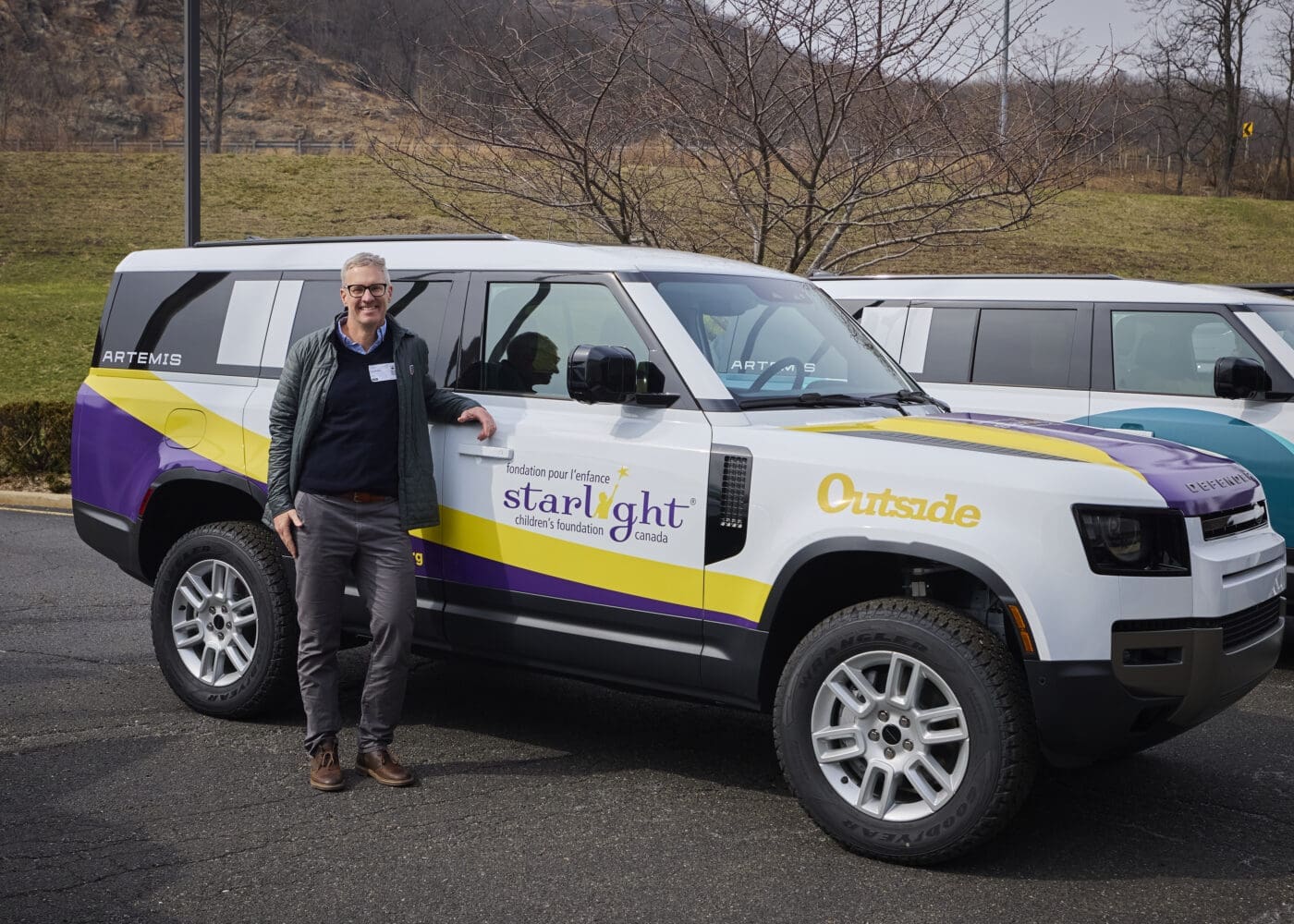
- Starlight Children’s Foundation Canada, which provides special memories for seriously ill children across Canada, including motorsports experiences;
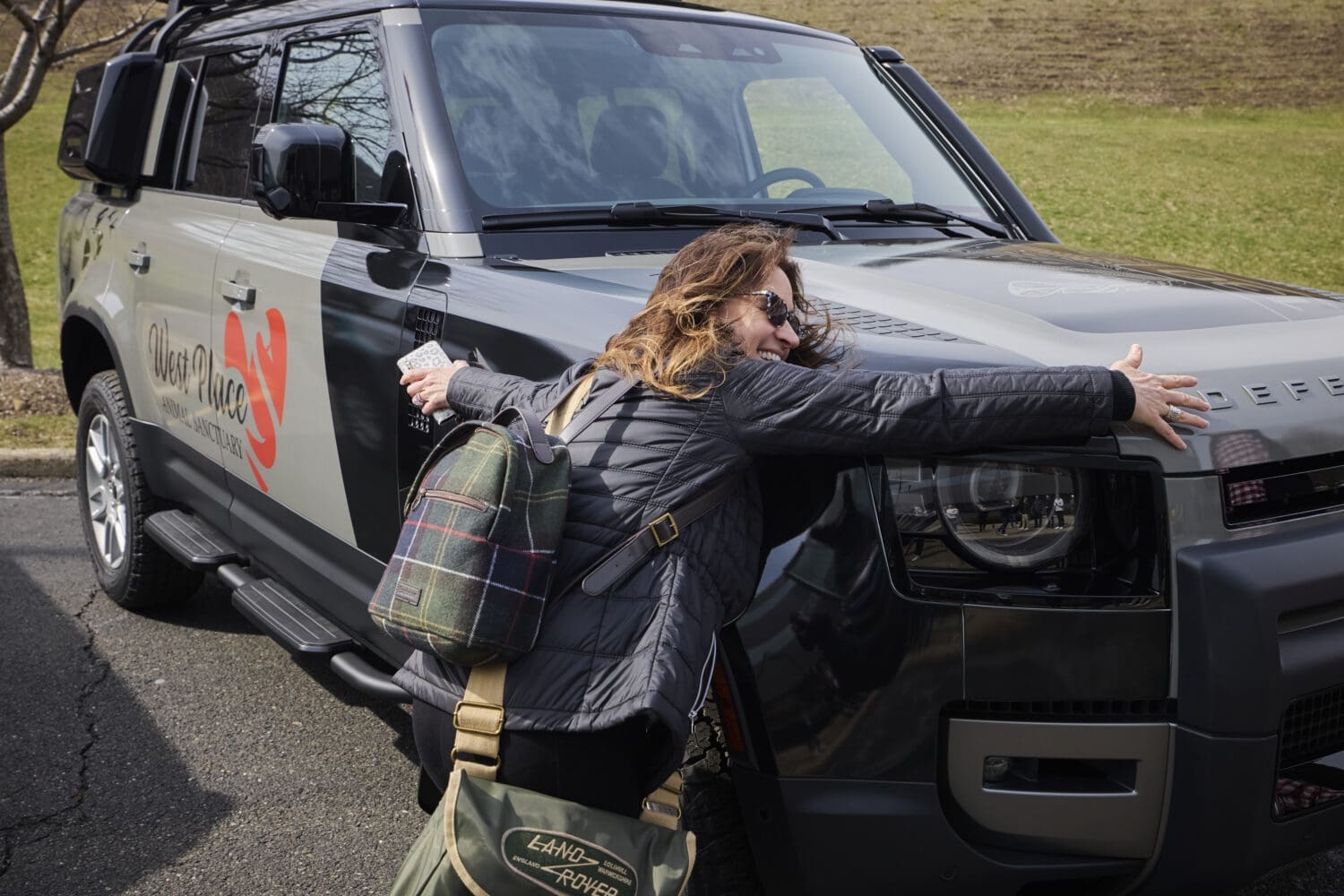
- West Place Animal Sanctuary, the winner of the Honorees category for past applicants, a sanctuary for injured and abused animals in Rhode Island.
Each of these groups applied for the competition because they could see real utility in the Defender, and some of those use cases weren’t obvious until we heard the teams present them in JLR’s corporate auditorium, in front of the entire company, at a handover ceremony that kicked off the weekend.
The Vancouver Aquarium Marine Mammal Rescue Society works along British Columbia’s massive coastline, where getting to an entangled sea lion could mean a 24-hour journey into a remote area, finishing along remote logging roads and rocky beach access points that a larger vehicle can’t handle. Jason’s Box and Starlight bring disabled people—be they veterans or children—into rugged areas to have experiences they couldn’t otherwise have. Even though the challenging terrain might only be in the last few miles of a journey, they still need to haul a disabled person and all their mobility and recreational equipment to an area that an accessibility converted Chevy van would bog down in. Feeding Northeast Florida has to serve the region’s food insecure population every single day—including when the roads are covered in water and muck from a hurricane.
Land Rover has a long history of pairing corporate-run off-road training with their vehicles. Back in the 1950s, they ran classes at their Solihull, England factory, which taught people how to use not just this relatively novel four-wheel-drive vehicle, but also how to fix it. Many of the great overlanders of the mid-century, including the First Overland team and Barbara Toy, mention taking these courses, giving them the confidence to head out into the world with their new Land Rover. Today, the Land Rover Experience is a global off-road education program, which provides off-road training, corporate retreat programs, and an in-house location for Land Rover to support driving events.
The concept came to the United States in 1997, when the first Land Rover Driving School opened in Manchester, Vermont. For almost thirty years, this facility—now rebranded with the Land Rover Experience name—has served as a stateside anchor for this training program, alongside three other locations across North America. The Vermont facility has the longest history, with trails first cut by factory-fresh Discovery Is, and relics of events over the decades decorating the employee side of the facility.
After a welcome dinner and a relaxed evening in Manchester, the winners headed out in the morning for a vehicle familiarization session, undertaken in the Land Rover Experience garage. The session started out lining up one of the award Defender 130s with the Experience’s in-house 1997 NAS Defender 90 station wagon. The winners were sent to crawl all over the classic Defender, finding things that struck them as unusual or useful, then taking that comparison over to the new Defender to compare the design ethos of both vehicles, both with what carried over and what stayed in the past.
People pointed out some of the most iconic elements of the classic NAS Defender. The external roll cage, the inward-facing rear jump seats, the rear-mounted spare tire—all of these had an allegory in the new Defender’s strong unibody shell (which negates the need for a roll cage), three-row seating for eight, and…the rear mounted spare tire. Most notably, the new Defender maintains the tradition of keeping the main battery under the front seats, to save space under the hood for other engine components.
There was also an overview of recovery points, something that the winners might not have been very familiar with if they were not frequent off-road vehicle users themselves. Learning how they are attached to the vehicle’s unibody chassis, and the basics of safely attaching recovery equipment to them, is safety training that’s as useful in a roadside recovery as it is on the trail.
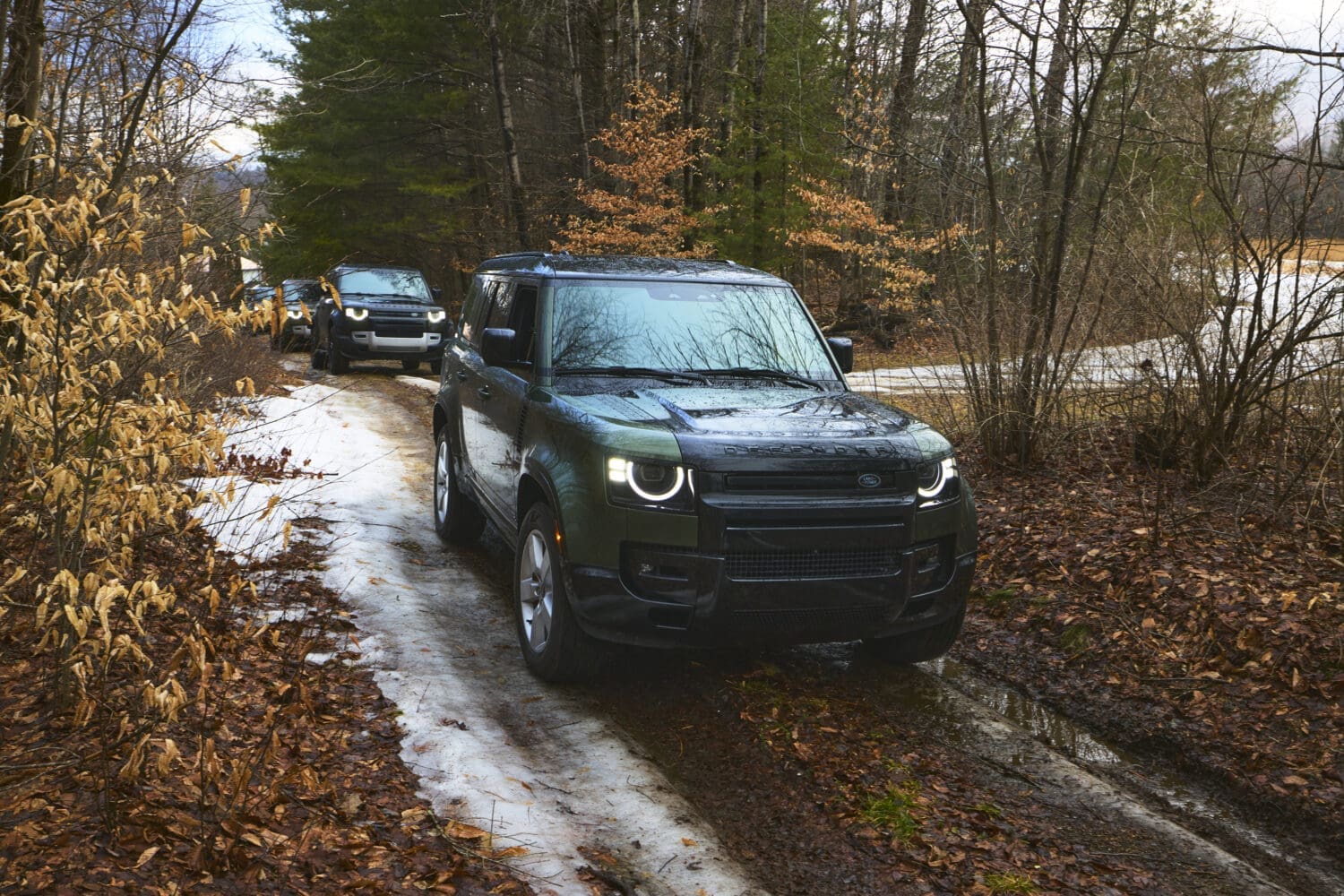
Then it was time to put education into practice and take the Defenders off-road. Because the Land Rover Experience clientele is mostly comprised of tourists to the Southern Vermont resort towns, the staff is extremely good at helping absolute beginners with no off-road experience. Each team was paired with a trainer, and we all headed up to Mount Equinox for the next learning element.
I rode along with the Vancouver Aquarium Marine Mammal Rescue Society team, Lindsaye Akhurst and Kendra Luckow. Neither of them had any significant off-road experience, a situation that swiftly changed as Lindsaye started dealing with challenging off-camber situations on the trails.
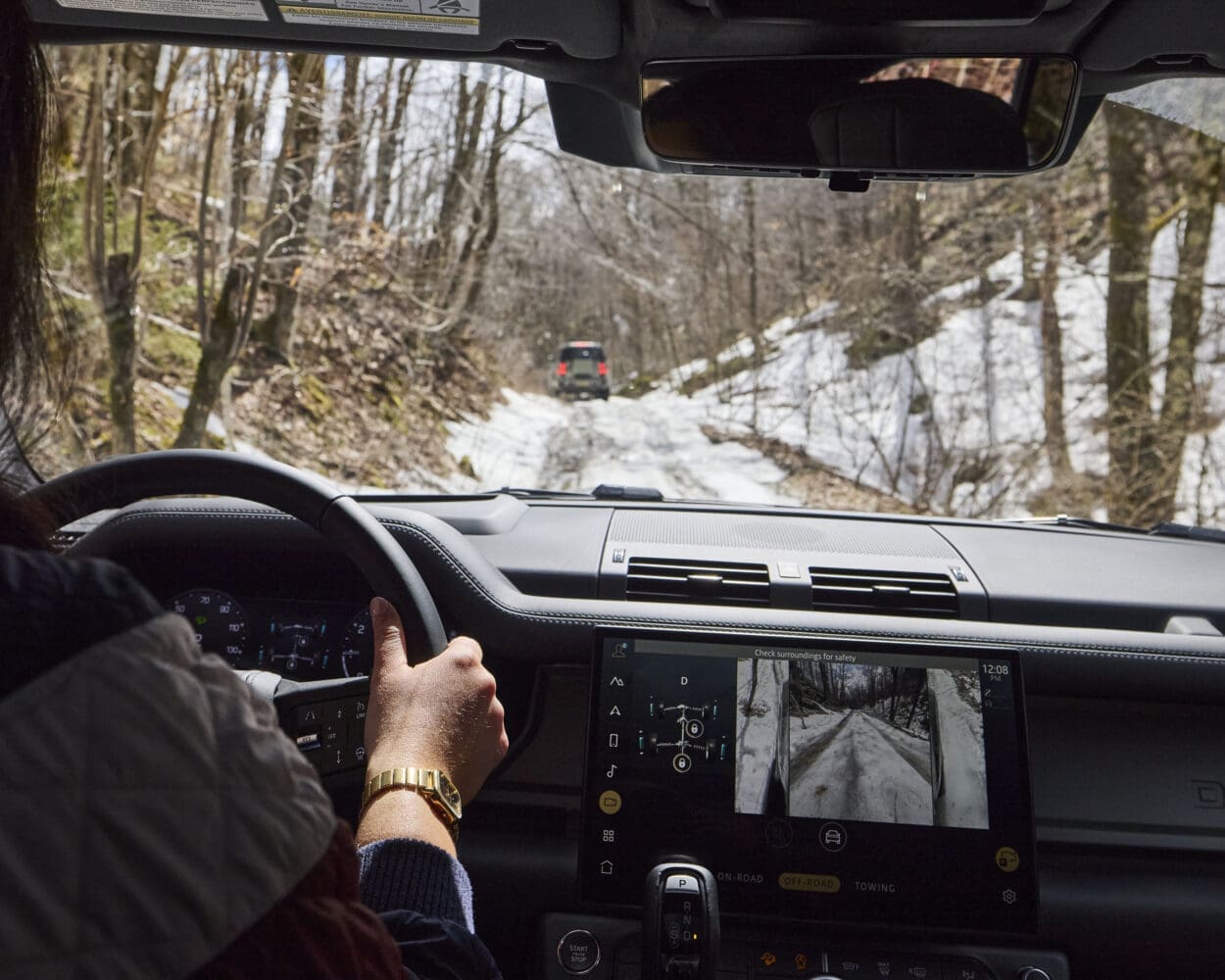
With the last gasp of winter still clinging to Mount Equinox, the ice and snow added a dimension of challenge, and the heavy Defender 130s slid around on the slick ground. The training adapted: we had to now consider the possible loss of traction in the ice, and compensate for it when we positioned the vehicle.
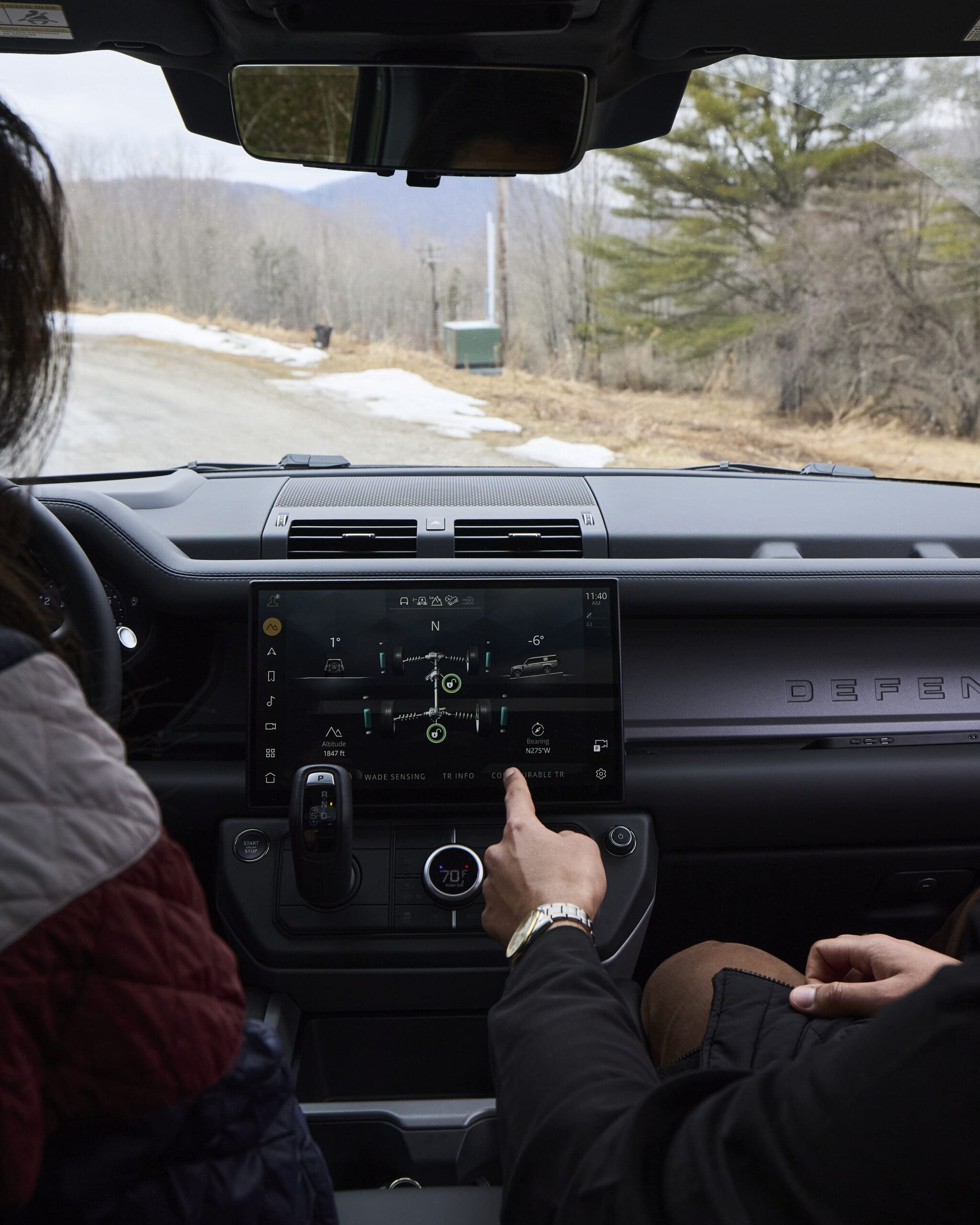
As we continued down the trail, Lindsaye’s confidence with the vehicle grew. At the beginning, she was leaning on driving aids, like the 360 surround camera system and the ClearSight Ground View “see-through hood.” After about an hour of training, she was executing maneuvers with more confidence, more aware of the edges of the vehicle. When we made the final off-camber turns to get to lunch, she was executing them with more confidence than the first few feet of rock crawling a few hours before.
As we sat at lunch, a locally-sourced meal at farm-to-table restaurant Hill Farm Inn, I talked with some of the participants about their experiences with the vehicles so far. The Defender is extremely capable, and also very tech forward—two characteristics that can take some reconciling to the new driver. The tech also doesn’t preclude training—it requires education, whether that’s getting drivers to realize they need to stay on the throttle for the Defender’s traction control to continue computing a complex situation, or realizing that the see-through hood imaging is not live.
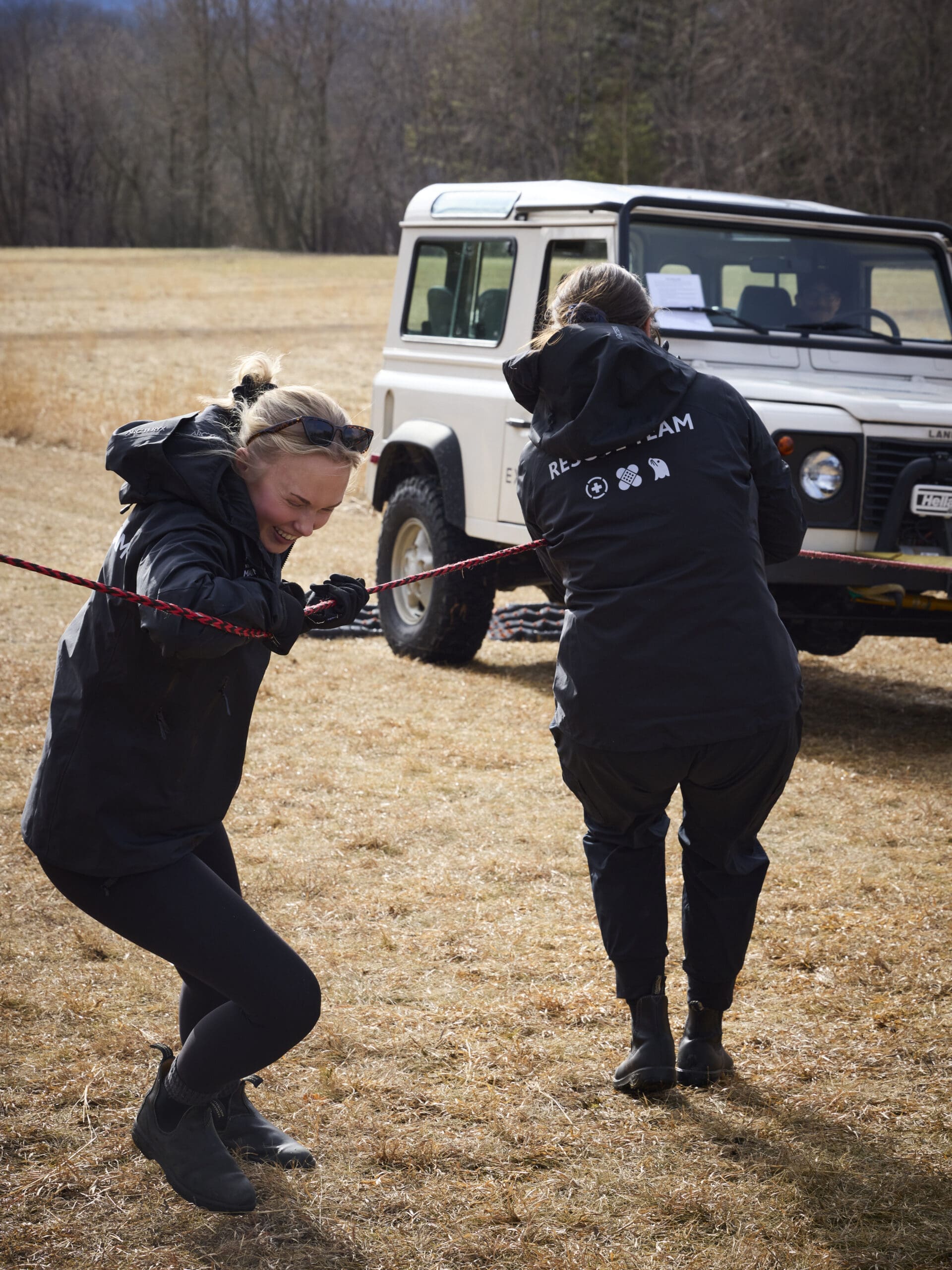
We wrapped the day with a teamwork session back on the Experience grounds, taking in some teamwork exercises utilizing the vehicles. The teams learned winch line safety during a task that involved “recovering” the NAS Defender 90, using only human power, a Dyneema winch rope, a snatch block, and a Factor55 recovery pulley. Teams were made to walk around the recovery situation instead of stepping over the winch rope—a fun way to learn a life-saving basic skill.
By the end of the weekend, everyone was more confident with their Defenders than they were coming in, and certainly more ready to handle the basic off-road situations they could come into during basic use of their new vehicles. The Defender Service Awards are a generous program—each charity receives tens of thousands of dollars in cash from the program’s sponsors, in addition to the vehicle. The weekend in Vermont proved to be a vital parting gift, giving everyone the confidence to go forth into the world with their new Defenders and do good.
The 2026 Defender Service Awards nominations are open right now, with submissions accepted through June 1, 2026. Visit the Land Rover USA website to learn how to nominate a worthy charity.
Read more: American and Canadian Defender Trophy Finalists Announced
Images: Greg Fitzgerald, Land Rover
Our No Compromise Clause: We do not accept advertorial content or allow advertising to influence our coverage, and our contributors are guaranteed editorial independence. Overland Collective may earn a small commission from affiliate links included in this article. We appreciate your support.
