

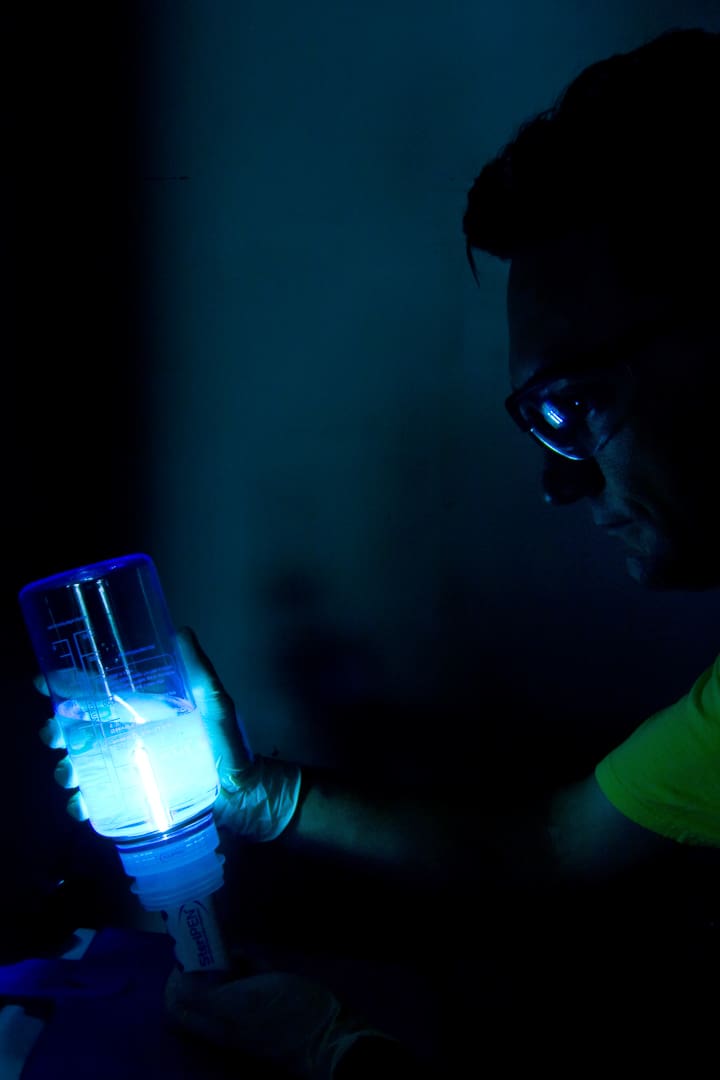
Photography by Brian Slobe
To honor the 20-year anniversary of Overland Journal, we are revisiting special heritage content in the upcoming 100th issue of the magazine. Originally published in Overland Journal’s Fall 2009 issue, this article is part of that celebration.
“Filthy water cannot be washed.” –West African proverb
While the proverb’s lesson probably had nothing to do with water, its originators might be surprised to learn that we do have the technology to wash water.
Every overland excursion, from a day-trip in the mountains to a multi-year expedition around the world, relies on the availability of clean water. Although thousands of travelers every year trust in luck and complete epic journeys with no trouble simply drinking whatever is available, thousands more suffer repercussions ranging from unpleasant to immediately life-threatening.
In this review, we’ll cover water treatment systems, both filters and purifiers. Both are designed to deliver potable water, and their breadth of technology and internal complexity rival the most complicated systems on any expedition vehicle. We tested twelve units that can be roughly divided into two categories: personal (for hiking, motorcycle, bicycle, or short-term vehicle use) and group (for larger-volume, longer-term use).
What to Get Out?
Water is made up of two hydrogen atoms and one oxygen atom. Called the ultimate solvent, it can get very dirty and retains a vast number of nasty chemicals. Beyond that, being integral to living systems, many things make their home in water and thereby find their way into us. These properties make cleaning water particularly challenging, and a number of approaches have been developed:
☑ Physical removal by filtration or settling
☑ The addition of oxidizing chemicals
☑ Exposure to radiation
☑ The application of heat
In most cases, a true water purification system uses several of these techniques, as no single one is completely effective against everything potentially harmful or distasteful in water.
Pure water is extremely hard to come by. Somewhat counter-intuitively, water purity is commonly measured by electrical resistance—higher being better, because water in its pure state is an excellent insulator. In a laboratory setting, 18 mega-ohm water is considered very clean. As described above, the array of contaminants possible in water is massive, but falls into several classes—biological, chemical, and physical. Biological impurities in drinking water have been cited for the loss of up to 35 percent of the productivity of developing nations. Seventy-five percent of the world’s population is estimated to, at some time, be without access to potable water.
Biological Contaminants
The organisms responsible for water-borne diseases fall into several classes; the most important to us being the microorganisms. These are small enough to be challenging to remove.
Protozoa: Protozoa are generally the largest and are responsible for such lovely conditions as amoebic dysentery (Entamoeba histolytica) and giardiasis (Giardia lamblia). These are small (2 to 15 microns) hard-shelled cysts that can live out of water for a short time and are usually transmitted through a fecal/oral pathway (as with the majority of organisms we will mention)—in other words, from drinking water in which an infected animal has defecated. Most modern filters can physically remove protozoa, which are resistant to chemical treatment. Cryptosporidium resists iodine and chlorine, both of which need significant contact time (about four hours) to be at all effective.
Bacteria: Bacteria vary greatly in size (0.6 microns in diameter to over 100 microns long) and cause cholera, typhoid fever, dysentery, and salmonellosis. They are single-celled organisms that are common (indeed necessary) in our bodies, but the pathogenic varieties need to be re-moved from water. Larger-pore-sized filters are unable to remove small bacteria, but chemicals such as iodine or chlorine, as well as ultraviolet radiation, are quite effective.
Viruses: Viruses are the smallest of all the biological pathogens. These parasitic particles contain a strand of DNA or RNA and invade living cells, redirecting them to produce more viruses. On the order of 0.02 to 0.1 microns in size, they are challenging to remove physically but are susceptible to chemical attack and can be killed by iodine, chlorine, and radiation. Viruses are responsible for such ailments as hepatitis A, polio, and gastroenteritis.
Chemical Contaminants
Chemicals will always be present in water, but some are less desirable than others. Industrial pollutants such as pesticides and solvents are unlikely to be much of a concern to overlanders, so I will not deal with them here. Of greater concern will be the taste and odor of water, and the removal of chemicals added for treatment. The muddy taste and musty odor some of you have experienced in municipal water is due to a couple of chemicals given off by algae: geosmin and 2-methylisoborneol (MIB). Humans can detect these compounds in the parts-per-trillion range, though they are not dangerous, just unpleasant. Tannins and humic compounds from the decomposition of plant matter are also common organic contaminants. The other chemical class of concern includes the chlorine and iodine compounds we add to water to kill the organisms listed above. Iodine imparts a strong taste that many find unpleasant, and chlorine, though less invasive, can also elicit distaste. Chemicals are usually removed by filtration, the most common media of which is carbon. These chemicals are not strained from the water, but rather stick to the carbon preferentially and stay in the filter.
Physical Characteristics
One of the most critical characteristics of clean water is clarity. Water that looks dirty will be so assumed, and this is not unreasonable. Even if water seems to contain only mud, the nasty “bugs” mentioned above can stay attached to or inside particles of dirt, and thereby avoid treatment. Even chemicals such as chlorine may be unable to reach organisms inside particles. This makes removing turbidity one of the first effective ways to treat water. This can be achieved by allowing the water to settle in a still container or, more commonly, by filtering.
How to Get it Out
As I mentioned above, the treatment methods we considered are filtration, chemical addition, and radiation. Boiling water to disinfect it is well-known and effective, but time-consuming and wasteful of fuel. (As an aside, any heat is better than no heat, and most of the organisms of concern will die well before water comes to a boil.)
Filtration
A simple filter consists of a matrix that is microscopically porous, so water can pass through but—hopefully—not pathogens. Pore sizes on filters are measured in several ways, these being nominal, average, or absolute. A nominal pore size will remove 70 to 80 percent of particles of that size or larger. An average pore size indicates that pores can range from much larger to much smaller. Both of these are obviously problematic if one wants to remove all pathogens from a sample of water. An absolute pore size means that no pore in the filter is larger than the listed size. Be particular when shopping for pores.
The industry standard for microbial recovery in labs has long been a membrane filter pore size of 0.45 microns (μ—that’s 0.00000045 meters). It’s well known that some bacteria have a profile smaller than that, though it is rare to have them pass through a filter. Manufacturers are often inclined to report the smallest filter pore number they can, so most filter documentation only lists a size and not a measurement method.
Filters can be made of several different media, including ceramic, glass fiber, silica, membrane, and “structured matrix.” Carbon filters are very common for taste and odor removal and are commonly listed as GAC (granular activated carbon). Granularity increases surface area, which is critical for collecting unwanted chemicals, and activation indicates the media has been purged of contamination so active sites for chemical attraction are maximized.
Chemical Addition
Several chemicals can be used to treat water. Iodine and chlorine are common, and both are delivered in a number of ways. Since iodine can generate long-term health problems when used continuously, I did not select any products that used it for this test.
The goal of chlorinating water is to produce hypochlorite (HOCl), a strong oxidizing agent lethal to most microorganisms if given sufficient contact time. Chlorine delivery is achieved in several ways, using sodium hypochlorite (NaClO), sodium chlorite (NaClO2), chlorine gas (Cl2), or through the onsite generation of sodium hypochlorite using salt (NaCl), water, and electricity. Chlorine gas isn’t particularly convenient for the traveler, but all the other forms are available.
Silver has been used for centuries as a disinfecting agent—albeit without knowledge as to why it worked. Settlers in the American West dropped silver dollars in jugs of milk to keep it from spoiling. The term “born with a silver spoon” didn’t refer to wealth per se, but to the observation that feeding infants with silver spoons led to healthier children.
Radiation
Ultraviolet radiation can be lethal to micro-organisms at sufficient doses. The mechanism isn’t fully understood, but reports are that the radiation damages DNA in organisms, preventing them from reproducing. This renders the organisms harmless as far as human consumption is concerned. A well-known emergency water treatment is to fill a zip-lock bag with contaminated water and leave it in direct sunlight for a period of time. A UV lamp is a more efficient delivery device, and some water treatment plants use large UV lamps for purification.
Testing Criteria
As with all reviews in Overland Journal, we evaluated many aspects of these systems. Cost, build quality, serviceability, effective lifespan, and applicability to overlanding are all important.
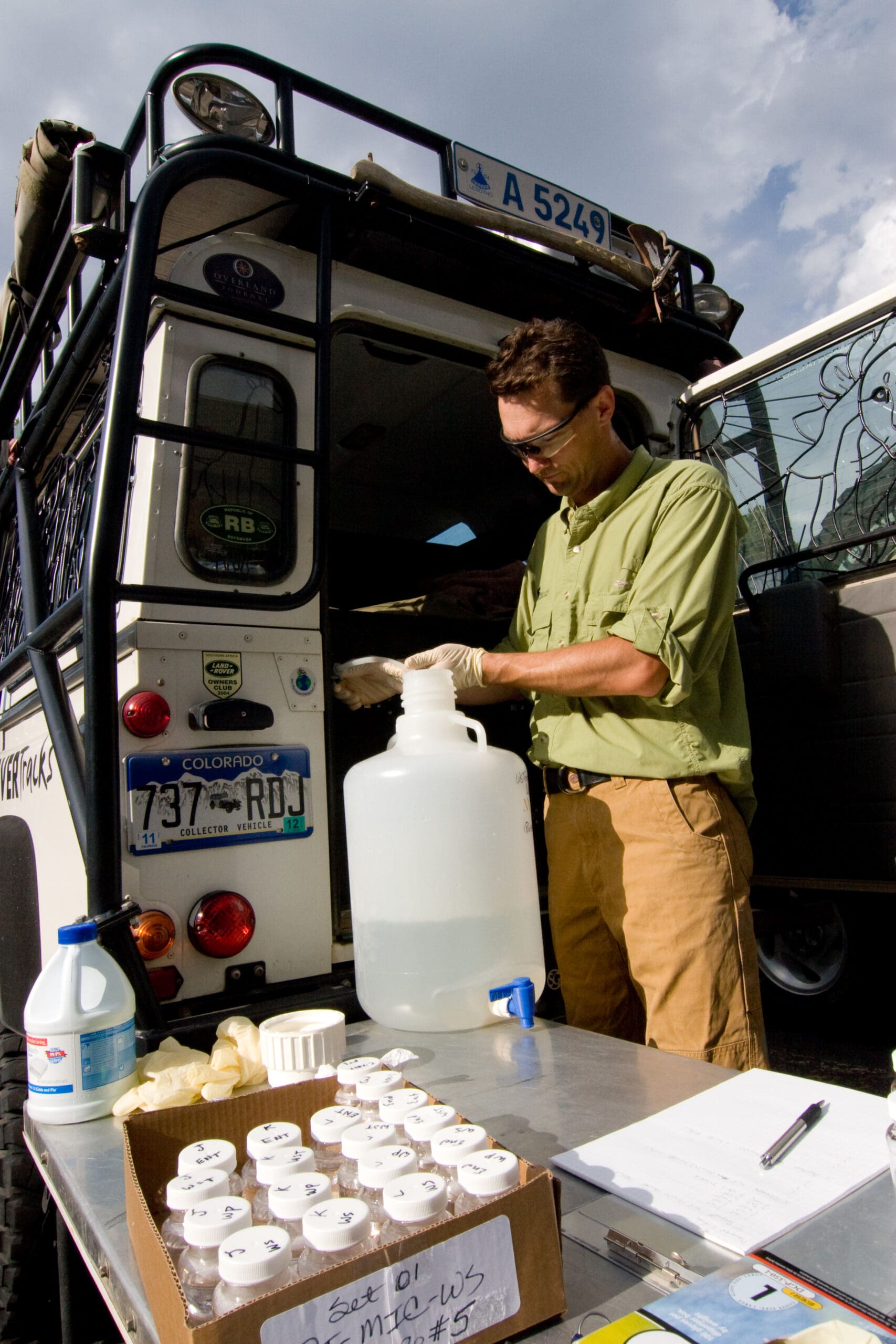
Most critical, however, are the manufacturers’ claims of efficacy, which are extremely difficult for the individual consumer to verify. Lab testing is expensive and hard to come by for those not familiar with the industry. Still, we decided early on that running an independent lab test on each system was the only way to satisfy ourselves on their effectiveness. The questions were all in the details. We had to decide what to test for, what levels to use, and how many samples to run. The US Environmental Protection Agency has a procedure for testing point-of-use systems called the Guide Standard and Protocol for Testing Microbiological Water Purifiers. This exhaustive protocol involves testing three production units for their entire rated service lives, with multiple indicator organisms. It’s obviously an expensive method to follow, and we decided it was out of the scope of this article.
We were more interested in testing the real-world performance of the systems than in trying to verify or refute manufacturer claims. The EPA protocol is (as are most EPA methods and guides) a general guide; “where users of the protocol find good reason to alter or
add to the guide in order to meet specific operational problems, to use an alternate organism or laboratory procedure, or to respond to innovative treatment units without decreasing the level of testing or altering the intent of the protocol, they should feel free to do so.” We based our lab tests on what we thought would be most important to overlanders—the elimination of organisms, turbidity, and the reduction of foul taste and odor.
Viruses are expensive to procure and test for, so we decided to use bacteria alone as our indicator organism. Escherichia coli (E. coli) and Enterococcus faecalis are both normal intestinal inhabitants of warm-blooded animals, including humans, and are commonly used as indicators of fecal contamination of water. Any filter that can eliminate E. coli by size will be able to remove protozoa as well. And while protozoa can be resistant to chemical attack, viruses and bacteria are similarly susceptible. So bacterial contamination would give all of the tested systems a fair shot at success.
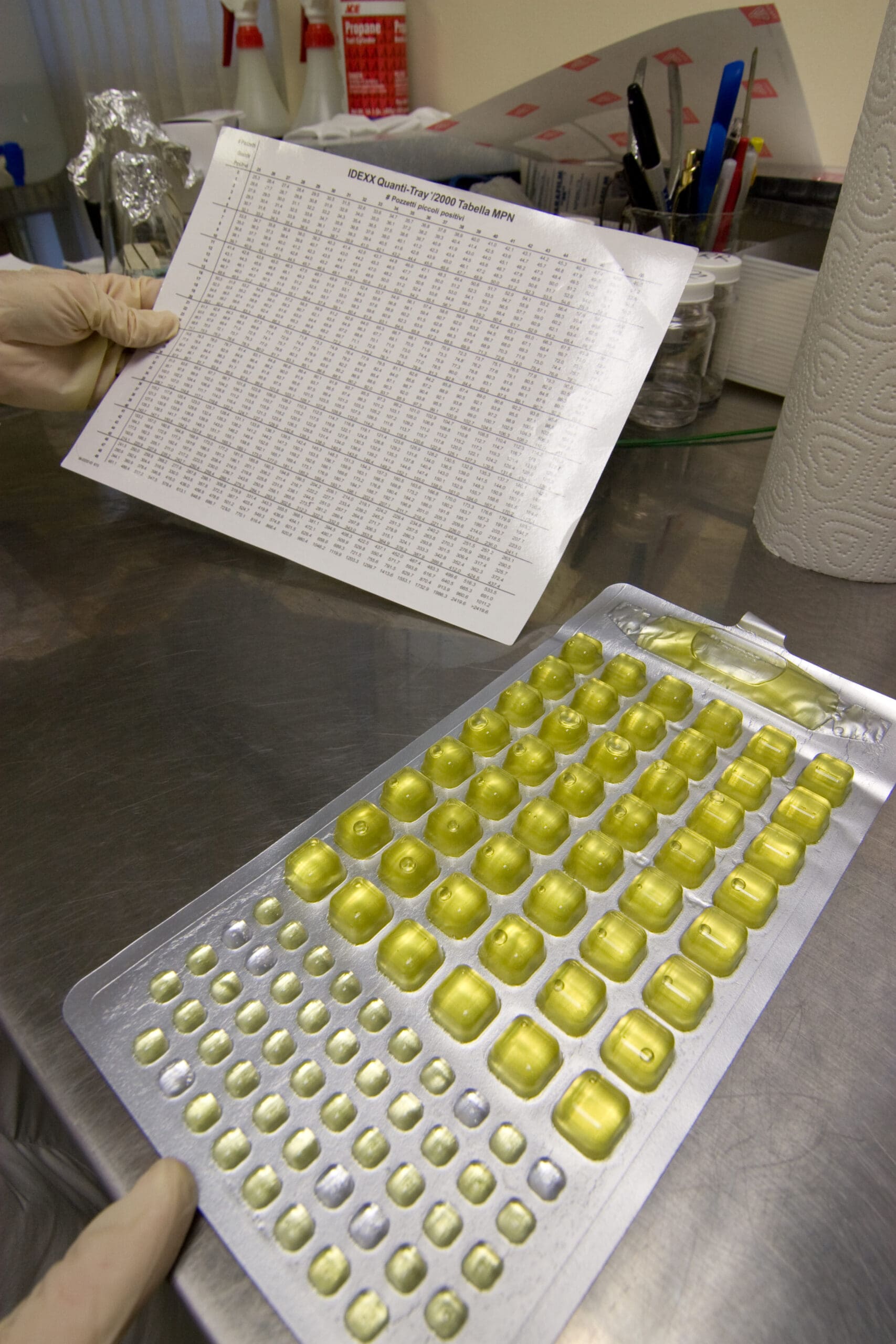
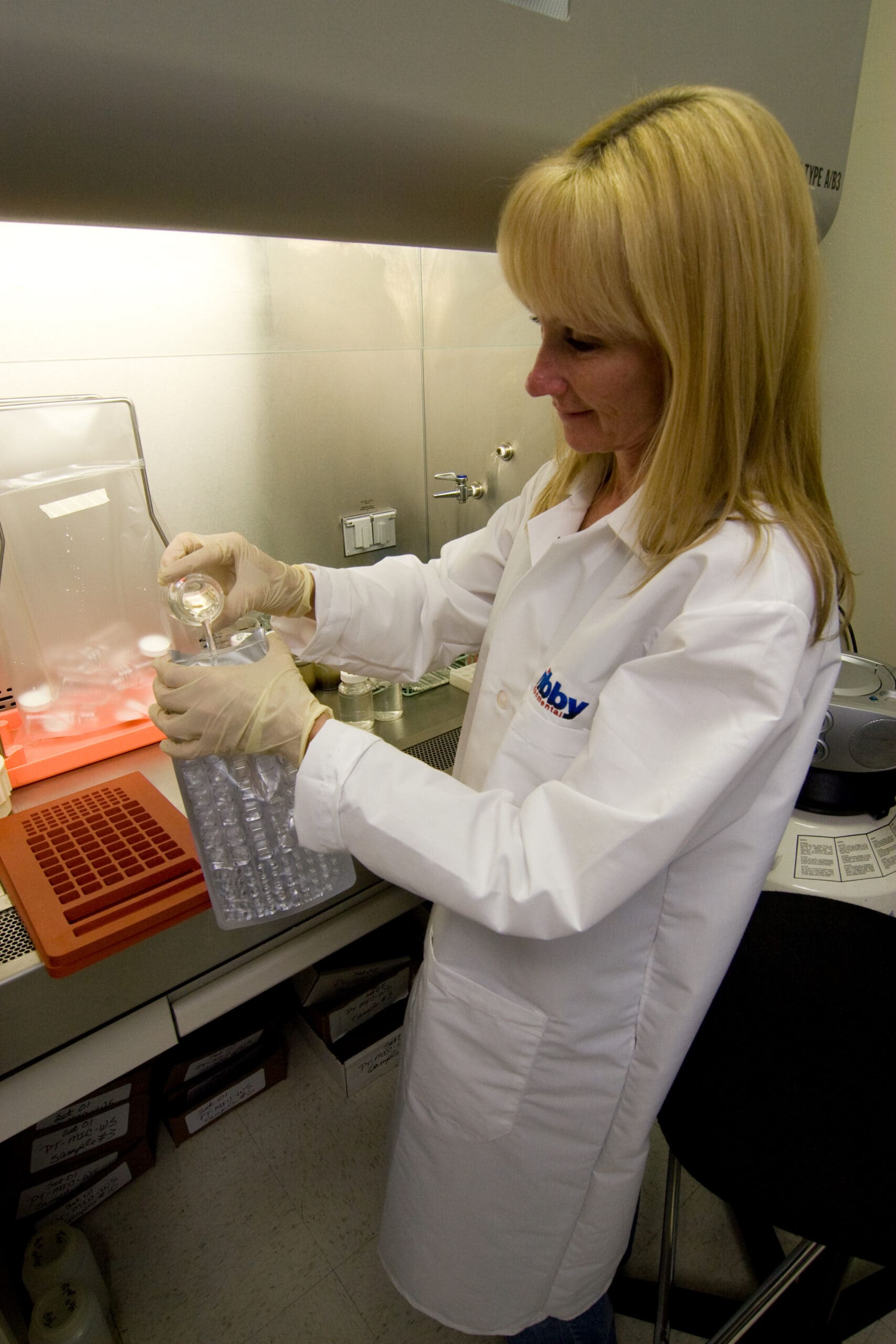
We chose Wibby Environmental, a lab that provides proficiency testing standards to the water treatment industry for EPA compliance, to make our testing standards and to test our biological samples. They use Standard Method 9223B (Quantitray) and Standard Method 9222 (membrane filtration) to evaluate E. coli, and Enterolert (Idexx method) for enterococci. Bacteria are reported in colony-forming units per milliliter or per 100 milliliters (CFU/mL or CFU/100mL), which is a measure of viable cells that can reproduce and form colonies. This does not include dead cells that are of no concern from a disease transmission standpoint.
We prepared four microbiological samples for testing in the filters. A low-level E. coli at 186 CFU/100mL, a mid-level E. coli at 530 CFU/100mL, and a high-level E. coli at 164 CFU/mL or 16,400 CFU/100mL. We also prepared a 260 CFU/100mL enterococci sample. The reason for the multiple samples was mostly duplication, as the level isn’t particularly important; any bacteria that get through can be a problem. Manufacturers will often report organism removal as a percent (99.9999) or as a log (log 6). These are the same—99.9999 is log 6; just count the nines.
Turbidity
Turbidity refers to the cloudiness of water caused by suspended particles visible to the naked eye. A key measure of water quality, turbidity is usually measured by looking at light reflected off particles in the water at 90 degrees to the incident light. The most widely used units to measure turbidity are Formazin Turbidity Units (FTU) or Nephelometric Turbidity Units (NTU). Formazin is a polymer that Wibby uses to make performance standards, and has a median particle size of 1.5 microns—a good test for any filter. We used a formazin sample prepared at 9.82 NTU.
Taste and Odor
There are literally thousands of chemicals that can add taste and odor to water. As explained earlier, MIB and geosmin are often of concern to water treatment plants because of algae blooms in their holding tanks, but chlorine and iodine, or organic molecules such as tannins, can
all add unpleasant qualities to water. We decided to use MIB and geosmin for taste and odor, both because they are applicable and because the City of Broomfield Water Treatment Lab offered to run the samples for us. Given the low levels at which humans can detect these
compounds (many can taste and smell them in the low parts-per-trillion range (ng/L)), a sophisticated analytical technique is required. The Broomfield lab uses solid-phase microextraction (SPME), in which the compounds are extracted from the water onto a small fiber and then are analyzed by gas chromatography (for separation) and mass spectrometry (for quantification and identification). The method used is 6040D from the Standard Methods for the Examination of Water and Wastewater. We spiked the test water with 26.83 ng/mL of MIB and 24.13 ng/mL of geosmin. At these low levels, MIB in particular presents a removal challenge for carbon filters, so we expected reduction rather than complete removal.
Test Procedures
In order to make the testing as applicable, yet realistic as possible, we tested all systems as supplied, and followed all instructions in the user manuals as closely as possible. For the filters, this involved priming the system as the instructions state, and then running three times the volume of the filter of sample water through before pulling the required volume for testing. Samples were taken from low concentration to high. Sample water was always decanted into a sterile container before drawing to eliminate contamination of the bulk. For the non-filter systems, sample water was drained to a 1-liter Nalgene, then treated in that container before analytical samples were drawn. Tests were administered individually, rather than combining bacteria, turbidity, and taste and odor in one sample, as would be more likely in the field. While one test can affect others (bacteria can “hide” in particulates, for instance), I thought it much more informative to test each by itself; inferences can be made from there.
Definitions
Filter and purifier are both common words used in association with water treatment systems. Let’s be clear about what they mean.
Filter: A filter is a media that removes anything from water larger than the largest pore size in the media, or a media that binds contaminants to itself, removing them from water (as in GAC). A purifier is a bit more specific; the EPA protocol mentioned above states that to be called a microbiological water purifier it “must remove, kill, or inactivate all types of disease-causing micro-organisms from the water, including bacteria, viruses, and protozoan cysts, so as to render the processed water safe for drinking.”
Purification: In this context, purification makes no mention of chemical removal, so rather than judging a system by either of these words, make sure you understand what it is cleaning out of the water, and choose according to your needs. No single term defines the removal of everything we tested for in this article.
The classes of systems also defy categorization, but I separated them into two groups: those more applicable to individual use and lighter travel (personal systems), and those better suited to group use and larger vehicles (group systems).
Special Thanks
Special thanks to Connie Rodman, Nick and Kristy Taylor, and Brian Slobe. We’d like to express our sincere gratitude to Wibby Environmental and Broomfield Water Treatment Lab for their help in all the testing—especially Barbara Sullivan and Sue McDonald, who ran all those samples.
PERSONAL SYSTEMS
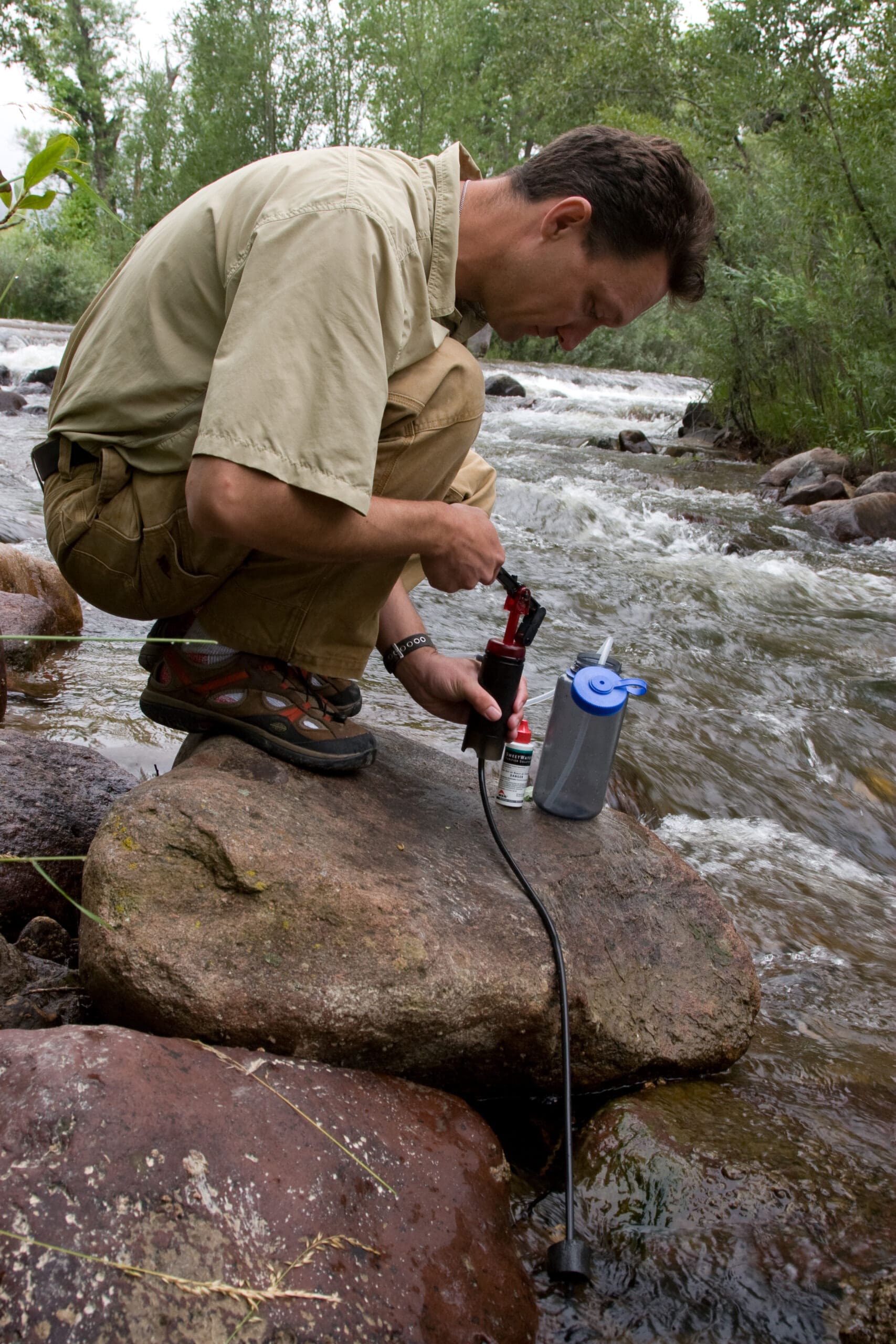
MSR Sweetwater Purifier System | Value Award
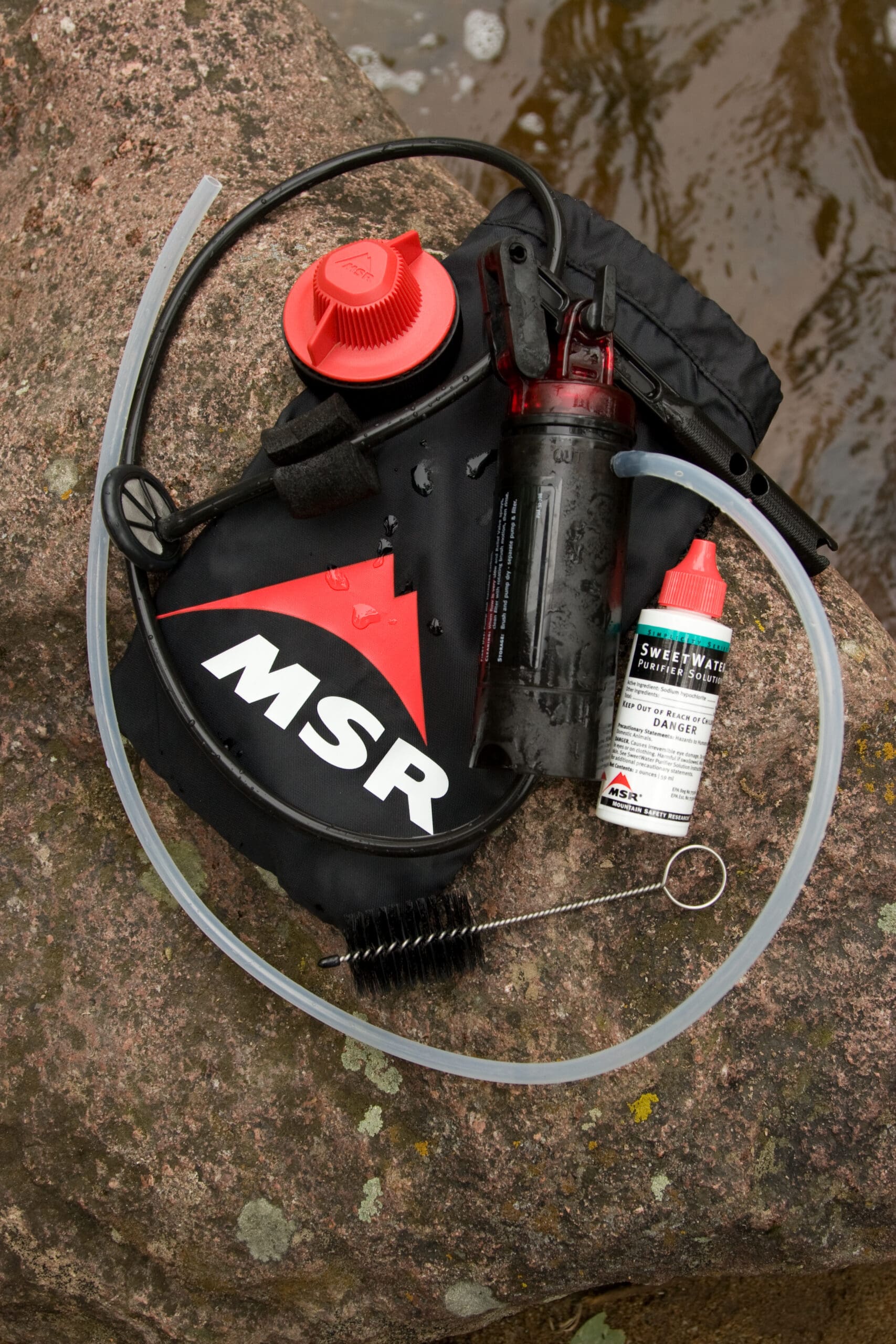
The Sweetwater system takes full advantage of multiple technologies to produce potable water. The main apparatus is a 0.2-micron silica depth filter with a carbon post-filter, all housed in a simple-to-use pump. For killing viruses post-filtration, a bottle of Sweetwater Purifier Solution is included. This is three to five percent sodium hypochlorite, similar to household bleach. Add five drops per liter, mix, and wait five minutes before drinking. The solution does have an expiration date, and there is no method for testing effectiveness. I measured the recommended five drops at 0.2 mL, which will yield 2.85 mg/L chlorine at three percent and 4.76 mg/L chlorine at five percent. This is well in line with the World Health Organization’s recommended 2.5 mg/L chlorine for water purification.
The Sweetwater pump is compact, and the handle folds for storage. Pumping is dual-action and easy. Inlet and outlet hoses are color-coded for segregation, and the inlet strainer ingeniously draws water from above, so placement on the bottom of a stream will not draw too much debris into the system. A float is also included on the inlet line to keep the strainer completely clear of the bottom. The outlet line has a multi-bottle adaptor that screws onto a wide-mouth 1-liter Nalgene bottle, and has five chamfers to enable press-fitting on smaller bottle mouths. The adaptor also has a screw-on cover to keep the clean fitting from contacting residual dirty water when stored. A small bottle brush is included for cleaning the filter, and prior to use, several liters of water should be pumped through it to remove carbon dust from the system.
I found the Sweetwater straightforward to use, fast, and well-made. A couple of complaints: while everything fits in the provided stuff sack, it can be a challenge to get it all in. Also, the silicone tubing is somewhat sticky and picks up dirt easily. The filter is good for 750 liters of water (depending on water quality), which is enough for short- to mid-range trips, but as with most hand pumps, it’s more applicable for single-person use rather than groups.
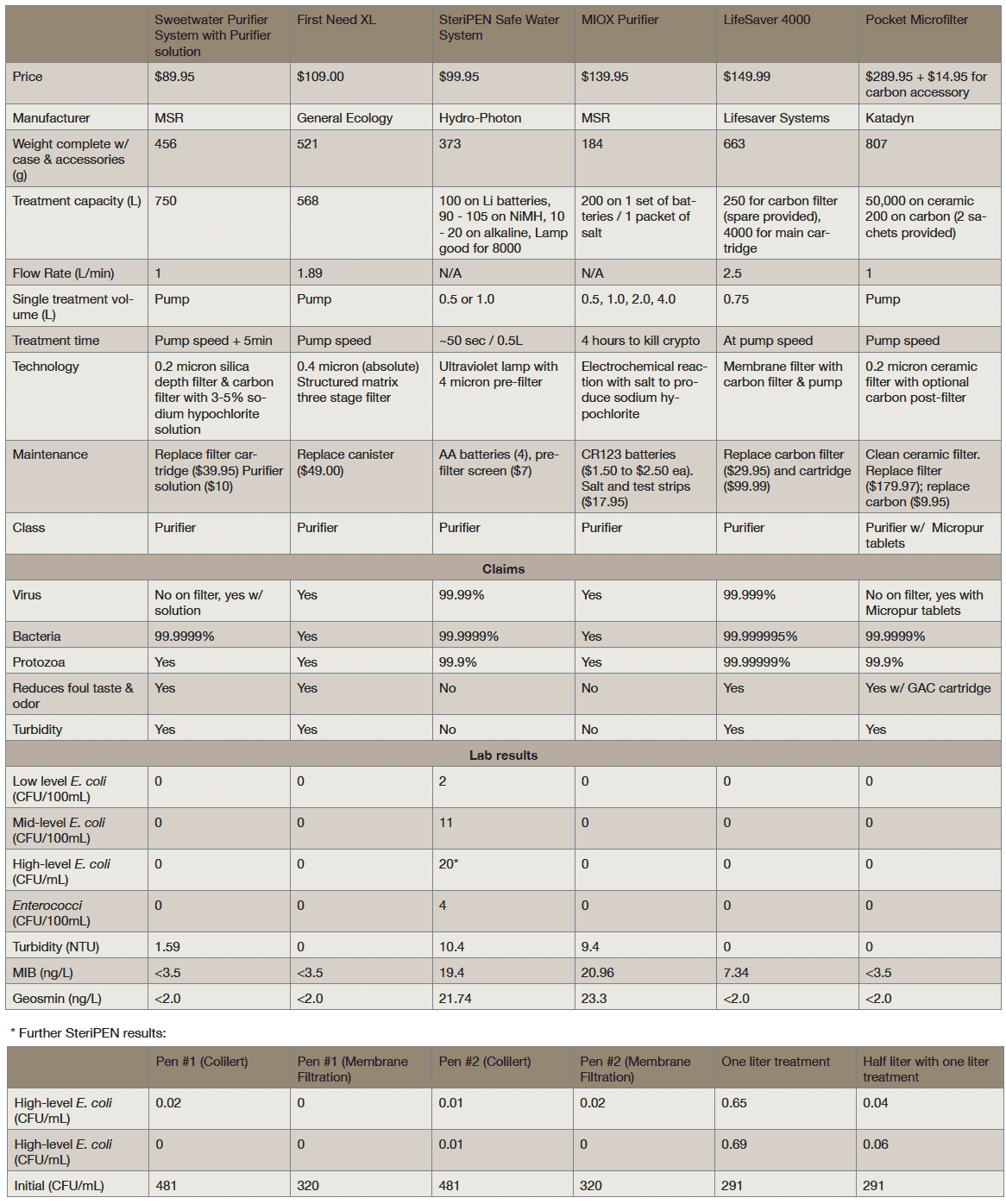
Our lab test results show the Sweetwater lives up to its claims. All bacteria were removed, as were the taste and odor compounds. On the turbidity test, we did get 1.59 NTU back on the filtered water, but I had to repeat the test several times as we were getting some
residual carbon dust from the filter, even after completing MSR’s recommended priming procedure. Although 1.59 NTU is quite low, and the filtered water certainly looked clear, I suspect the turbidity resulted from carbon dust and not the transmission of formazin through the filter.
Pros:
- Reasonably priced
- Easy to pump
- Effective
Cons:
- Small stuff sack
- Sticky tubing picks up dirt
- Limited capacity
General Ecology First Need XL | Editor’s Choice
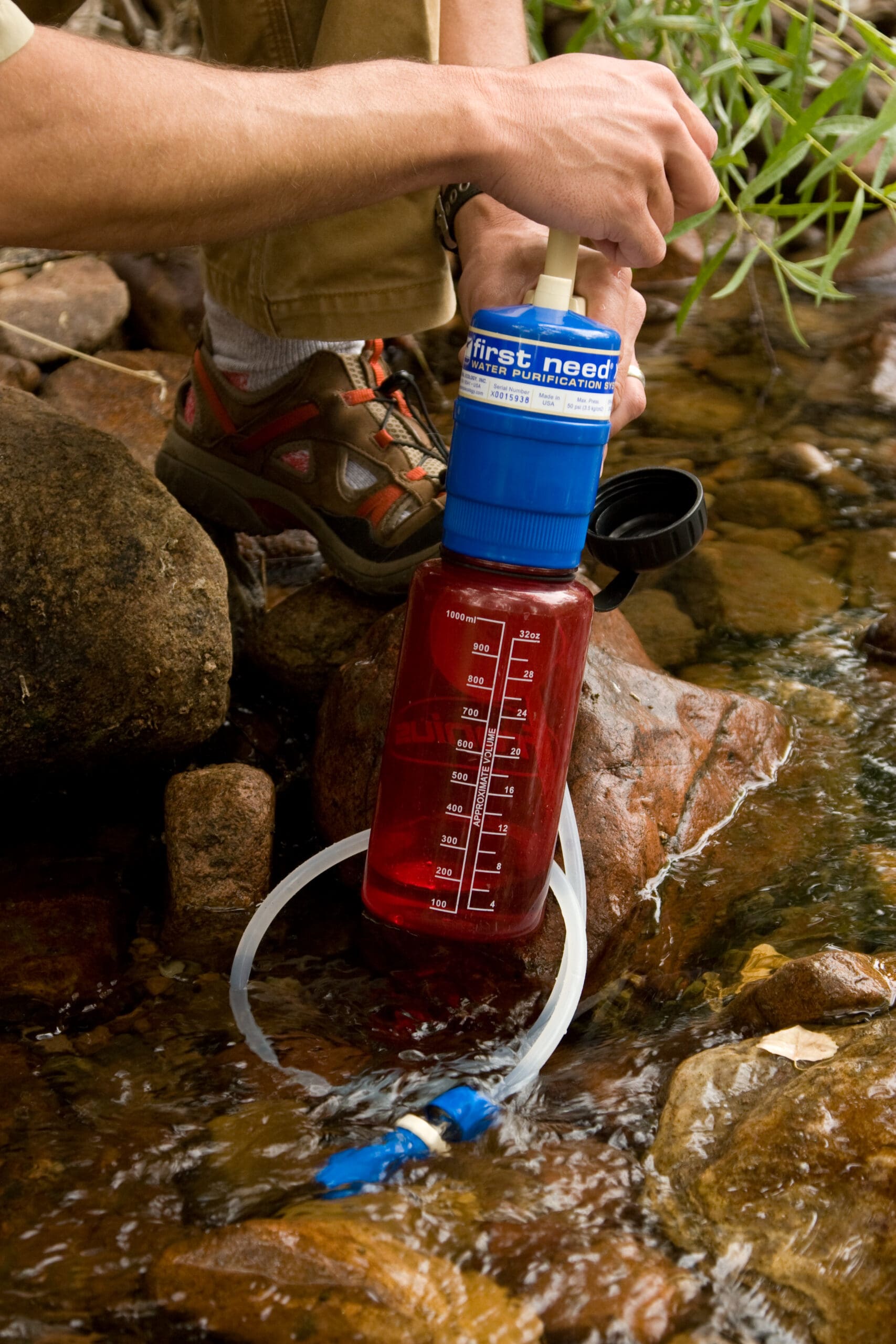
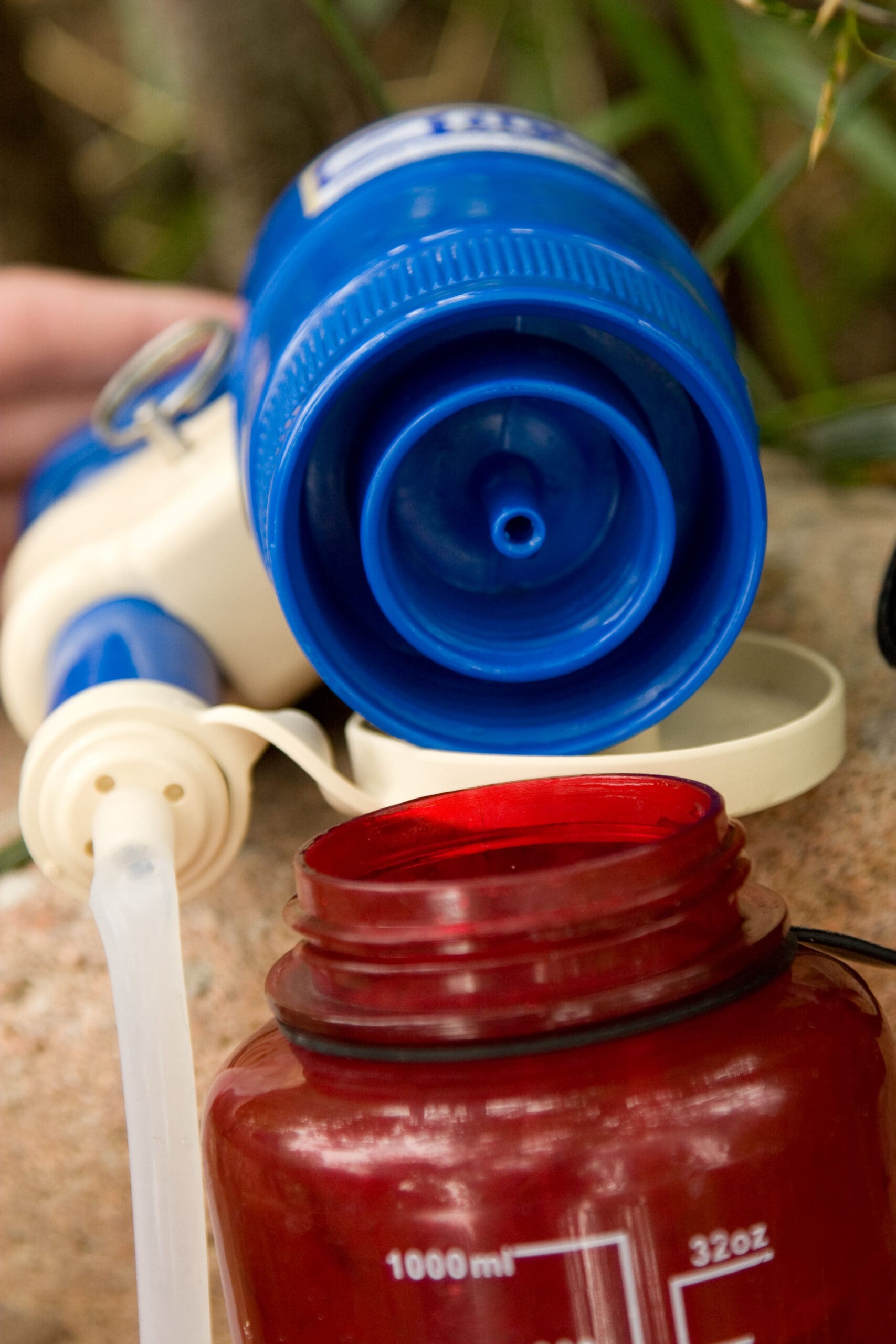
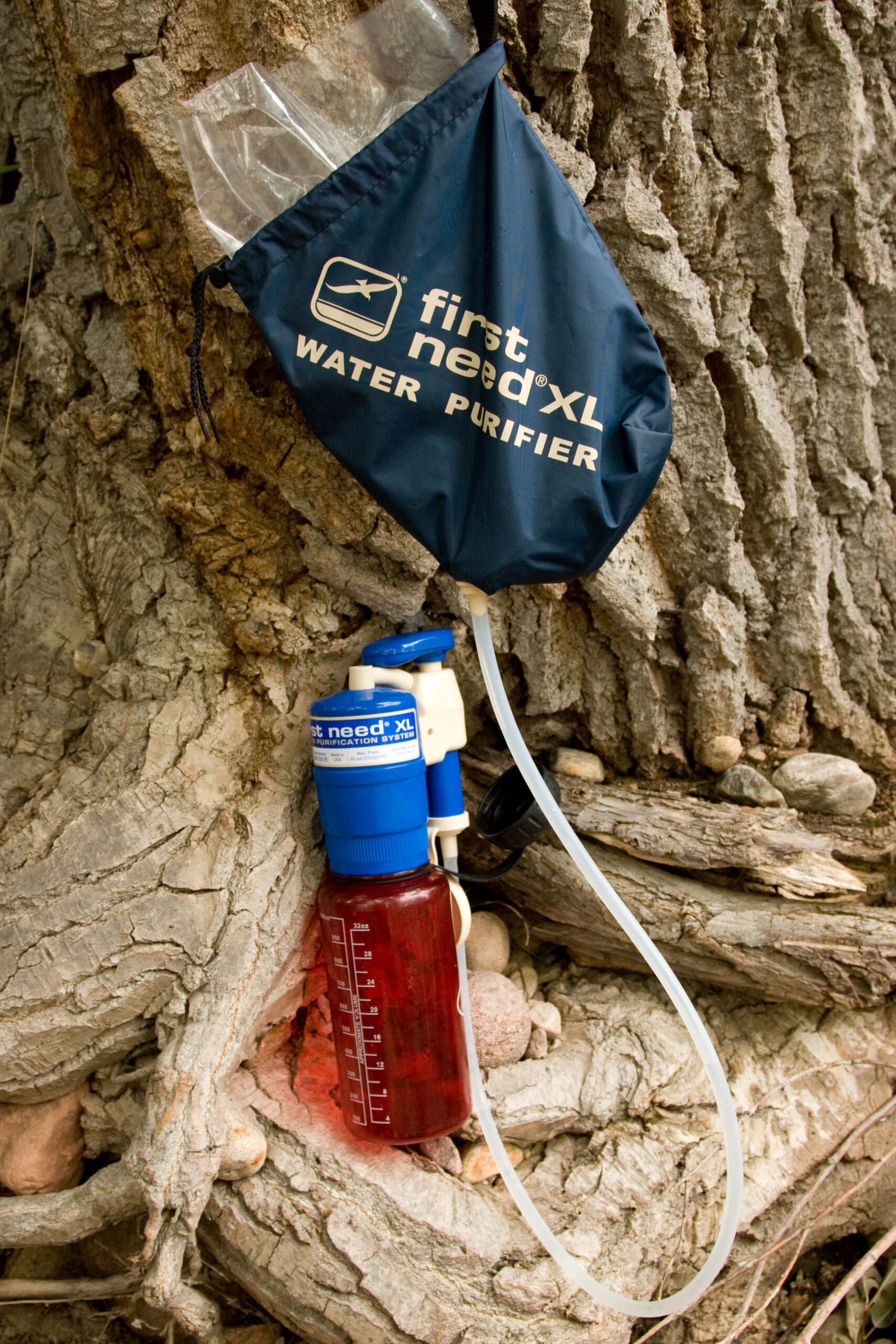
The First Need XL is an impressive unit. Solidly in the purifier category, General Ecology claims it will remove biological contaminants (including viruses), as well as chemicals. It incorporates a pump with a simple, replaceable filter cartridge that is easy to use. The system only has an inlet hose, making clean and dirty line segregation a snap. The outlet is on the base of the filter cartridge, covered by a rubberized cap, and incorporates threads to attach to either a wide- or narrow-mouth Nalgene bottle. This makes filling a bottle easy to do, with no fuss or risk of knocking over collection containers. The inlet line incorporates a float and a strainer and is made from the same sticky silicone tubing present on some of the other systems. A nylon stuff sack is included to contain the filter, and in true overlander fashion, it also serves another purpose; with an included plastic bag and nipple, the stuff sack can double as a dirty water reservoir for gravity feeding the filter, bypassing the pump if you have the time to wait for it.
Pump action requires little effort and is dual action, expelling water on both the up and down strokes. Flow can be as high as 1.89 L/min, so a 1-liter Nalgene can be filled quickly, and the filter capacity is a claimed 568 liters depending on the quality of the source water. General Ecology is guarded about the filter’s technology, calling it simply a “structured matrix.” From several cues in their literature, I inferred that the first filter layer is a size filter (“ultrafine microstraining” is the buzz term they use), possibly glass fiber or some similar matrix. I believe the second layer is a carbon filter (“molecular capture”), and the final layer is termed “electrostatic removal.” Whatever they choose to call it, the system seems to work as intended (see below).
Maintenance is minimal, though instructions are given for back-flushing the filter if needed. Once the cartridge reaches the end of its service life, you replace it by pulling the locking pin and attaching the pump to a new cartridge. And this is where the literature becomes confusing. The sales brochure promises that the First Need “indicates end of useful capacity,” but nowhere in the instruction manual is this specified. There is an integrity test using provided food coloring to see if the filter has been compromised, but this doesn’t meet my expectations of an end-of-service indicator.
Being a purifier, General Ecology claims that the First Need will remove everything we tested for, as well as viruses. It did this very well, and each of our lab results came back non-detect.
Pros:
- Extremely effective at providing pure water
- Easy, fast pumping
- Can be gravity-fed
Cons:
- Confusing information on service life indication
MSR MIOX
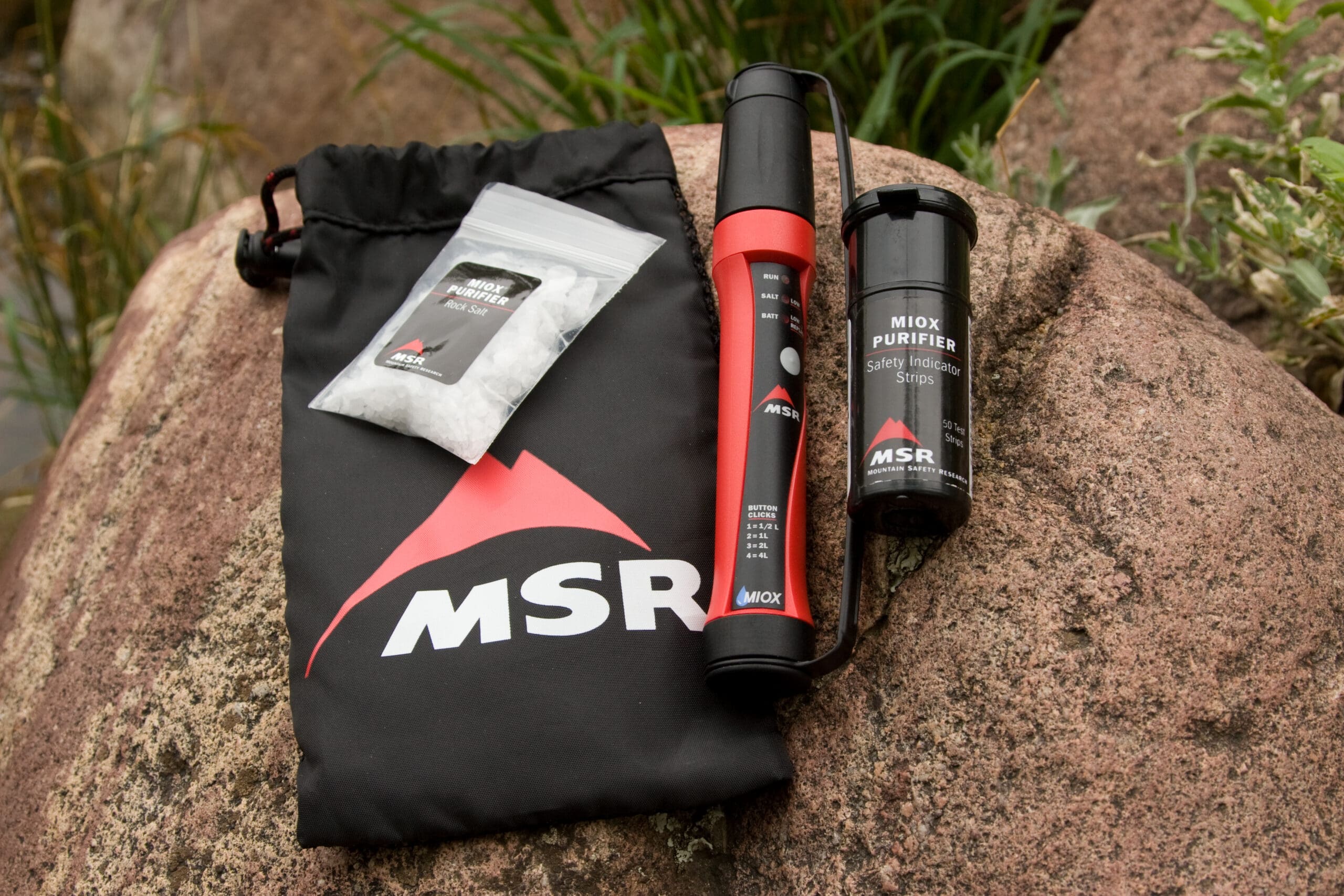
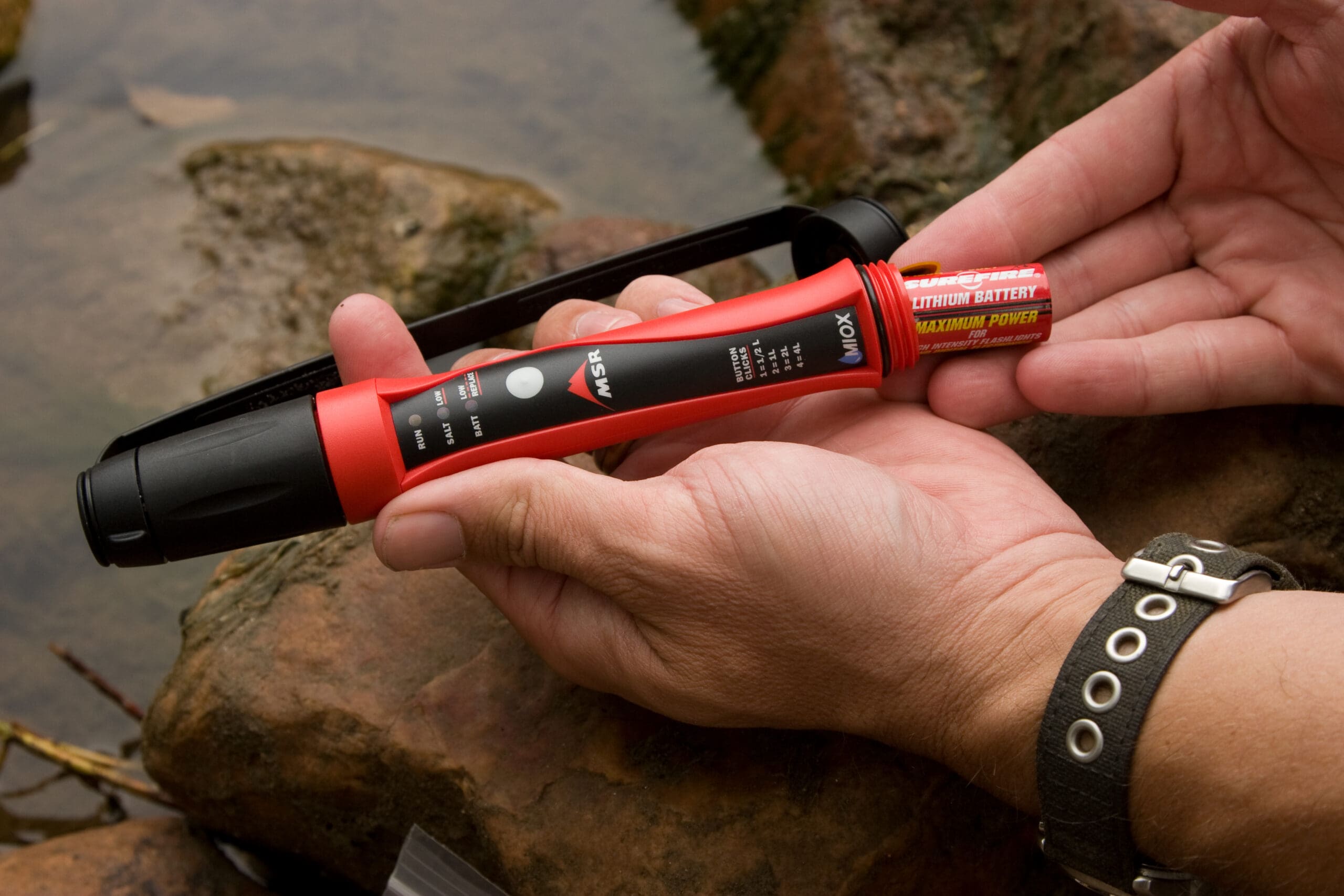
The chemistry geek in me loves the MIOX—for the same reasons some will find it cumbersomely complex. The technology MSR uses is the same that the company MIOX sells for water treatment plants worldwide. It involves the in-situ generation of hypochlorite from salt, water, and electricity following the formula: NaCl + H2O + 2e– → NaOCl + H2. In effect, the MIOX generates fresh chlorine for chemical treatment of water with the addition of electricity (e– equals electrons), but involves no filtering or other cleanup.
The MIOX is by far the lightest system in the review at just 6.6 ounces, and one of the smallest. It fits in a small stuff sack with all required equipment except a water storage container. This includes the unit itself, which is the size of a small flashlight, a packet of rock salt, a tube of test strips, and the instructions.
At first, the instructions seem complex, but after a couple of uses the procedure becomes instinctive and straightforward, if not exactly simple. There is a cavity in the top of the unit for salt, either the provided rock salt or any other food-grade sodium chloride. The cap comes off to expose the reaction cavity, which is filled with water and then, cap replaced, the unit is shaken to saturate the water with salt. Cap off, the button is pressed up to four times depending on the volume of water to be treated (up to 4 liters at a pass), and after a second, the water bubbles furiously as power is applied. Once the reaction stops, the resulting solution is dumped into the water, which is capped and shaken.
And here’s where the test strips come into play. No other system in the review has a test for effectiveness, but the MIOX does, even though it’s a bit time-consuming. The indicator strips test for chlorine concentration. Most water treatment plants aim for a chlorine concentration of 2.5 mg/L, and I assume the MIOX strips are looking for something similar. The color change is fast and obvious, going from white to purple if sufficient chlorine is present. In that case, the water should be left for 15 minutes to kill bacteria and viruses, 30 minutes for giardia, and four hours for cryptosporidium. Insufficient chlorine requires the generation of more solution. Given that we won’t, in most cases, know what is in the water, the four-hour treatment time is a big detriment.
The results of our lab tests for the MIOX were perfectly in line with what MSR claims. All the bacteria were killed, but turbidity and taste and odor were not affected at all. So, as a purification system, the MIOX isn’t complete and would benefit from a coarse filter to reduce turbidity, and possibly a carbon filter to improve taste. That said, as a piece of kit for emergency use (think bug-out bag) or for places where clear water is easily obtainable, this system is fantastic. No need to worry about the expiration date of chemicals, since your hypochlorite will always be fresh. My main complaint, since I don’t mind the complexity and enjoy the chemistry, is the need for specialized CR123 lithium batteries. Build quality is high, and the whole unit can easily be immersed in water with no ill effects. The 50 test strips provided seem on the light side, given that two will be used for each treatment if the instructions are followed, but since no other system includes a test, comparisons are immaterial.
Pros:
- Lightweight and compact
- Effective at killing biological contaminants
Cons:
- Battery-dependent
- Complex operation
Lifesaver 4000
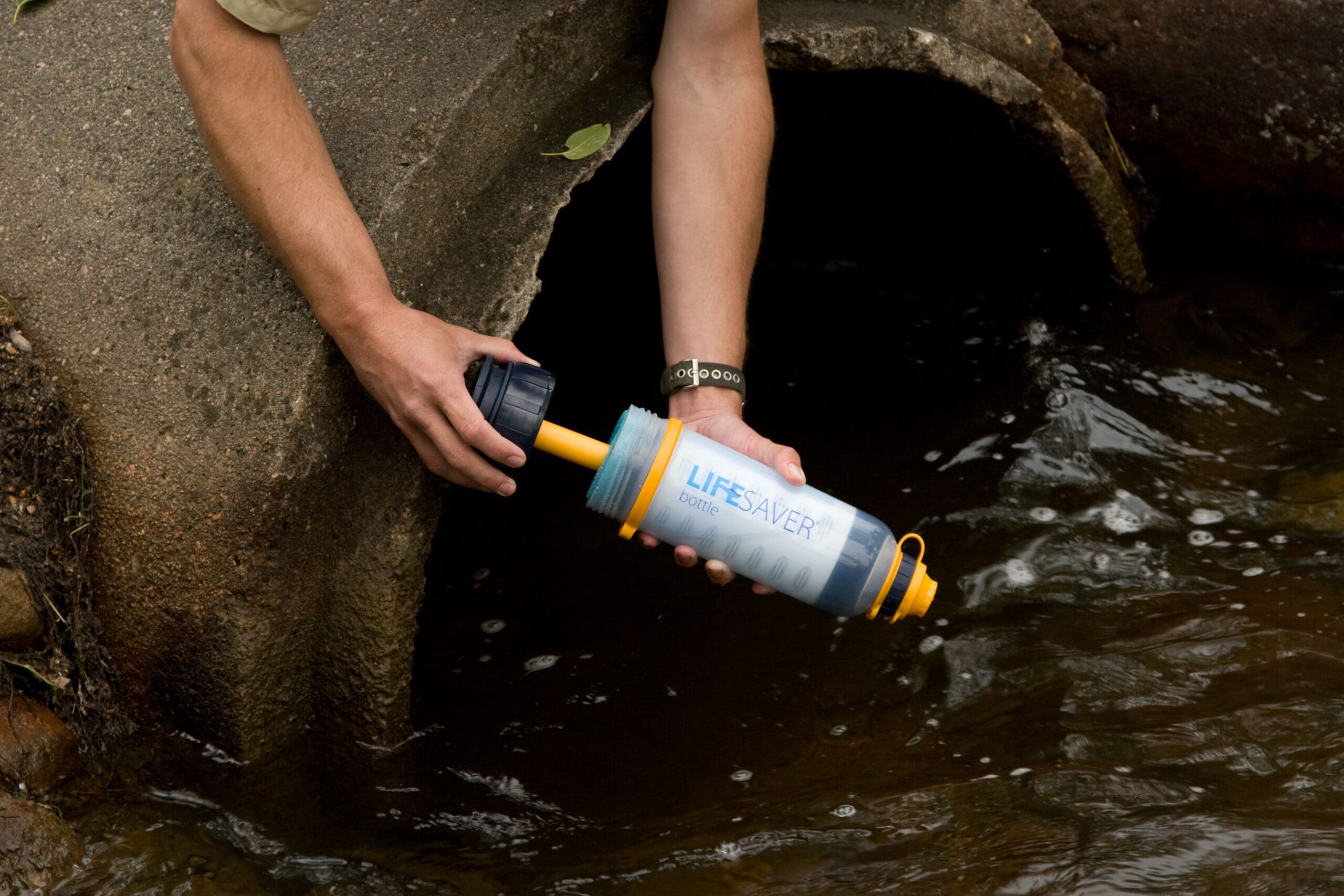
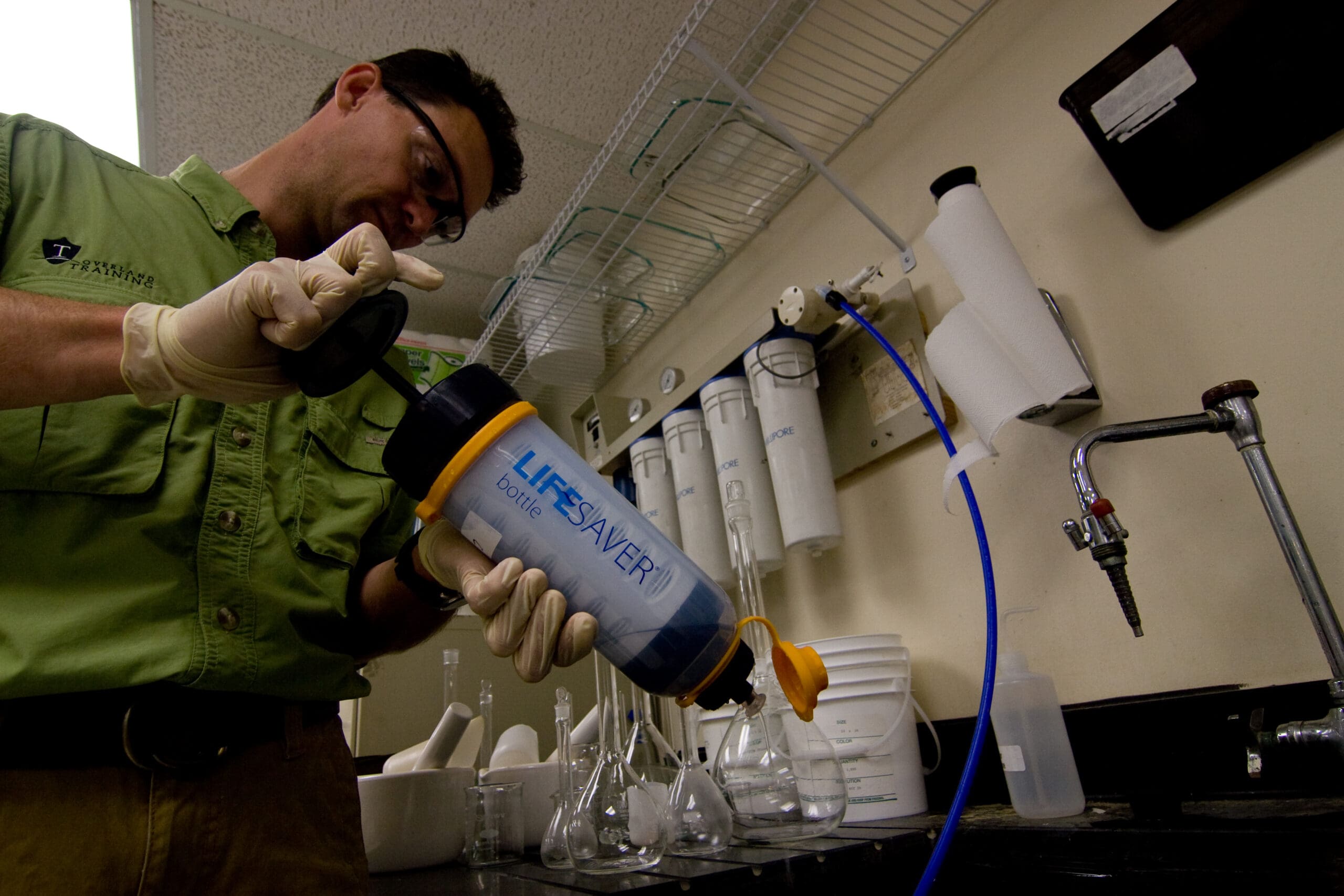
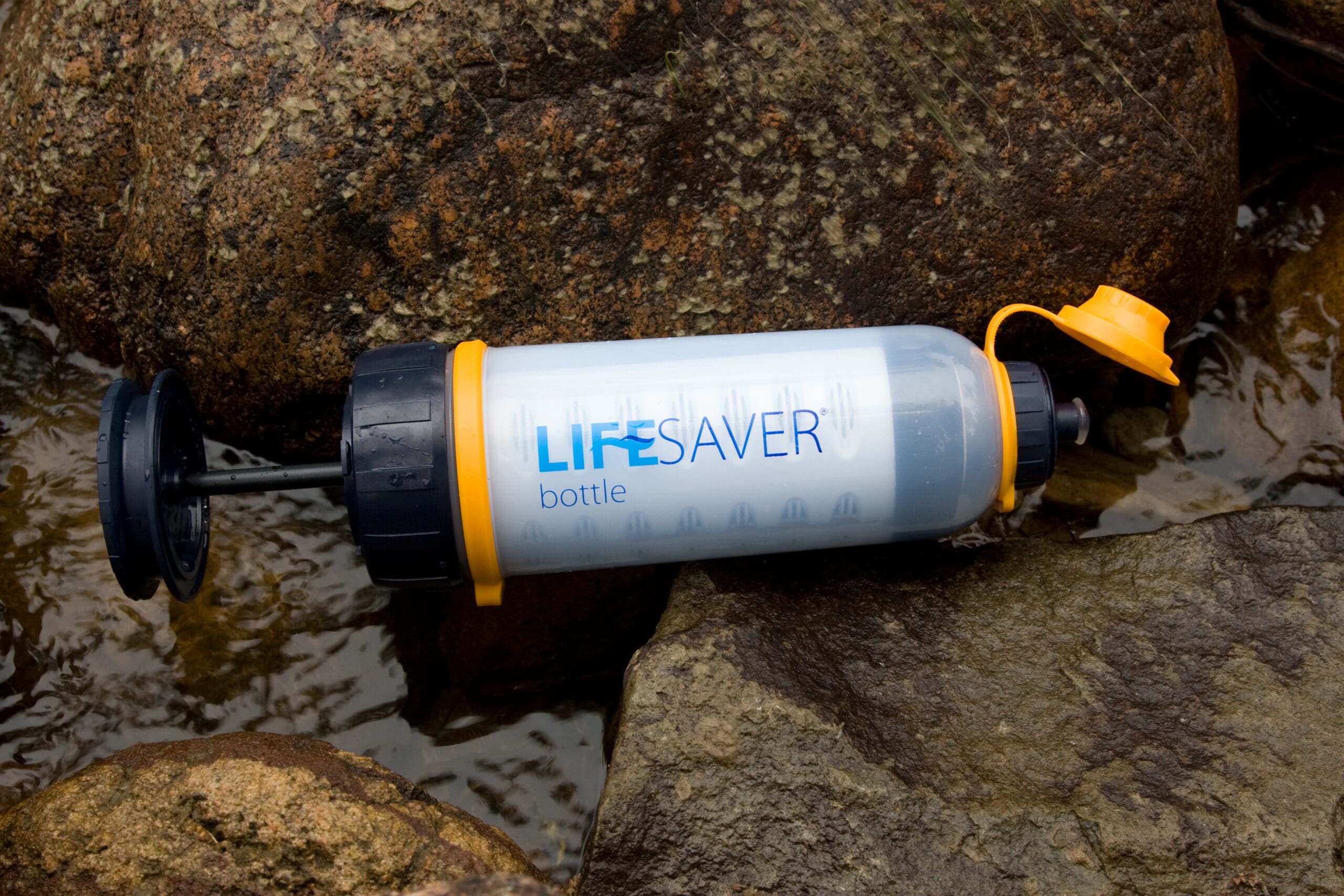
The Lifesaver bottle is unique in this review in that it is primarily aimed at emergency response and military use rather than travel. That being said, it is the only system that includes everything: dirty container, clean container, pump, and filter, all in one assembly. The unit is bulky, but there are no hoses or adaptors to keep track of, and it comes with a shoulder strap as a bag is not needed.
The technology used is membrane filtration, followed by a carbon filter. The membrane cartridge has a claimed service life of 4,000 liters, and the replaceable carbon cartridge 250 liters, depending on initial water quality (a spare carbon cartridge is provided). The unit looks like a 2-liter soda bottle, with a cap and drinking nipple on the top and a removable base with an integrated pump. Unscrew the base to fill, pump a couple of times, open the nipple, and water will flow out. It takes very little pumping to get flow, and the drinking nipple serves as a pressure release valve if the unit is overpressurized. Great for regular drinking, but much less convenient for cooking or hygiene needs. On first impression, I was concerned that when filling the bottle from the base, dirty water could flow down the sides and potentially contaminate the drinking end. Through all the lab tests, the drinking end cap protected the output water from being contaminated, so my fears proved unfounded. Instructions are printed on the side of the bottle and are easy to follow. There is a foam pre-filter on the filling end to keep debris out of the unit. Capacity is 750 mL, and the 2.5 L/min flow rate means the unit can be emptied very quickly. Lifesaver also makes a hydration backpack for military applications, which I think would be exceptional for a bicycle- or motorcycle-based expedition.
Of all the systems in this review, the Lifesaver claims the most rigorous removal of contaminants, and our lab tests did not disprove this. All bacteria were removed, and the unit claims virus removal as well, which is impressive (although we could not confirm this). The only non-negative result we got back was for MIB at 7.34 ng/L (parts per trillion), which is low, and MIB is a nontoxic challenge to remove. This might be cause for concern in places with significant organic matter contamination (pesticides, solvents, etc.), but I think that for overlanding purposes the unit purifies water more than adequately. For everyday camping, the versatility of the Lifesaver is limited, but it would be an excellent system to have in a bug-out bag, as an emergency backup, or for day trips.
Pros:
- All-in-one simplicity
- Effective at removing biological contaminants
Cons:
- Not suitable for more than one-person use
Katadyn Pocket Microfilter
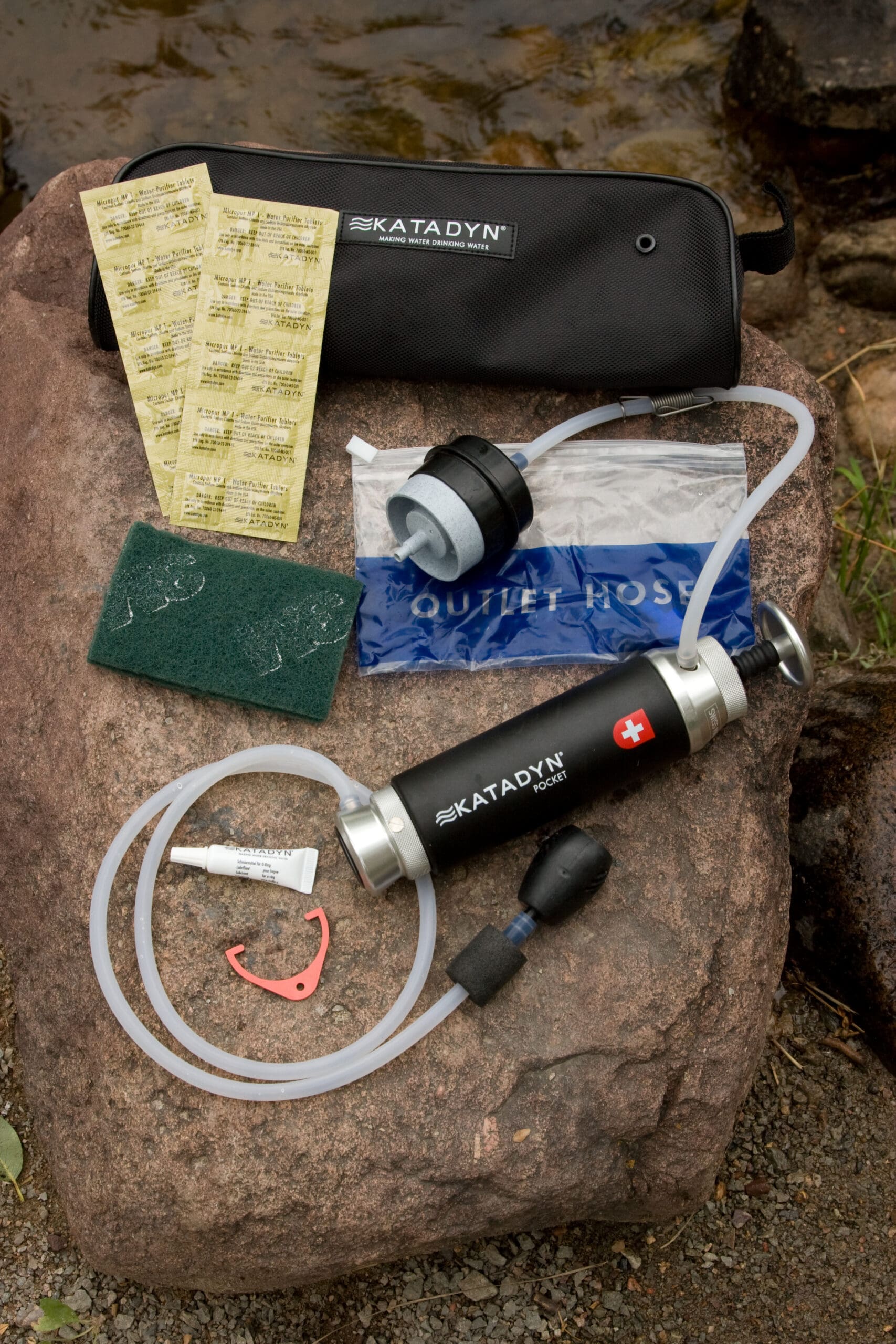
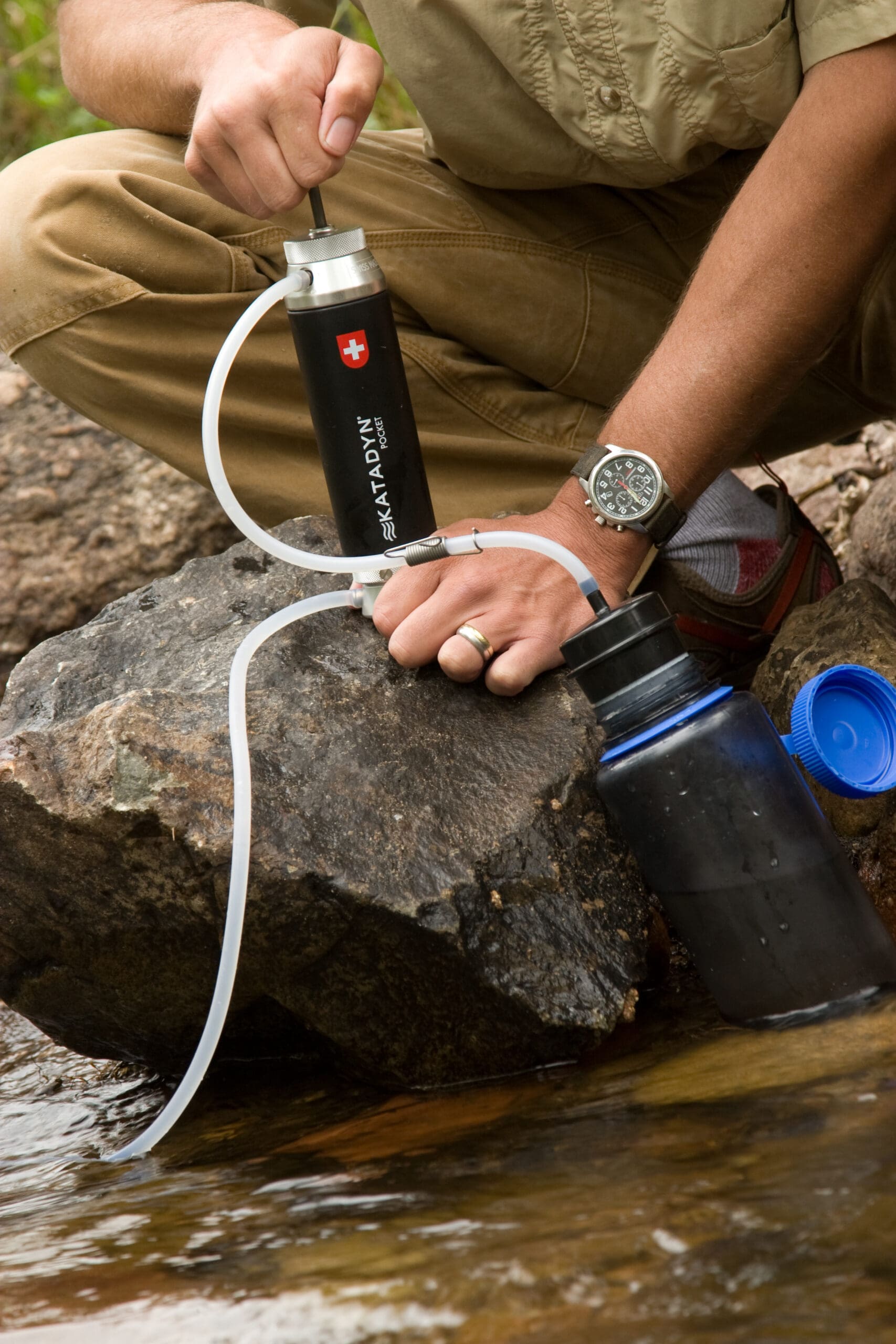
Katadyn’s Pocket Microfilter is the Mercedes G-Wagen of small pump systems. The quality of manufacture is the first thing that jumps out at you: brushed stainless steel, knurled fittings, brass bushings, and a “Swiss Made” tag next to the outlet hose. Durability? It comes with a 20-year warranty and a claimed service life for the filter element of 50,000 liters. That puts its high initial price firmly into perspective.
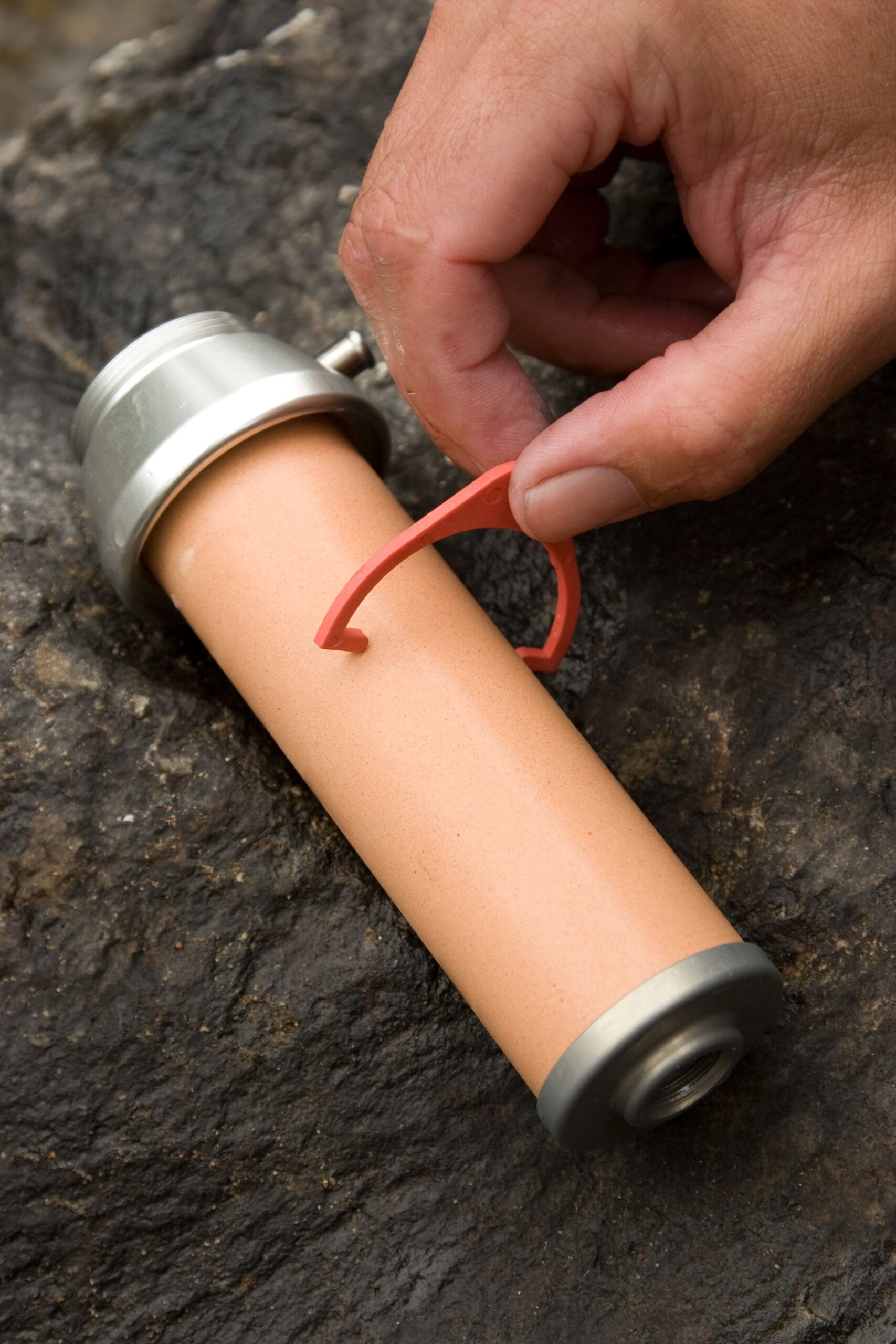
As with all the Katadyn systems in the review, the Pocket microfilter comprises the pump and several accessories to get to full water purifier status. Included are the main filter unit, the carbon filter accessory, and the Micropur water purifier tablets. The Pocket microfilter uses a 0.2- micron, silver-impregnated (as a bactericide) ceramic filter fed by a single-action pump. The inlet hose is at the base of the unit and the outlet at the top. This is critical to know as the ports are not labeled. The ceramic filter is field-cleanable and comes with a scouring pad and a measuring gauge to judge that astonishing rated life. A bag labeled ‘outlet hose’ is included for segregation, and the hose has a bottle clip if you are not using the bottle adaptor and a quick- connect fitting for direct connection to hydration packs. The inlet hose is the same color and material as the outlet and includes a replaceable strainer and float. The carbon filter accessory is designed to interface with wide- or narrow-mouthed Nalgene bottles and connects to the outlet hose. The carbon filter has a rated life of 200 liters—substantially less than the main filter—but it can be replaced easily and requires approximately half a sachet (two are included).
I found the pump on the Pocket microfilter particularly stiff compared to the other pumps in the review, something that could lead to severe pumping-elbow if a lot of clean water is needed. In a couple of cases, water leaked out of the body fitting below the outlet nipple, requiring retightening of the top.
Let’s review Katadyn’s claims for the Pocket microfilter. The ceramic filter pump itself can remove bacteria, protozoa, and turbidity. The carbon filter accessory removes organics such as taste and odor, and post-filtration treatment with Micropur tablets kills viruses. Our lab tests showed this combination to be very effective, although we did not use the Micropur tablets on filtered water from this unit, since we were not testing for viruses. The Pocket Microfilter system was one of just three that removed everything from our test samples, so it fared very well and proved to be a high-quality product, its only detractions being the stiff pumping (Kristy, on the review team, wondered about the possibility of harnessing a donkey for pumping duty), and the requirement for add-on accessories to provide true purification ability.
Pros:
- Extremely well-made and durable
- Very effective at removing biological and chemical contaminants
- Very long service life
Cons:
- High initial cost
- Difficult to pump
GROUP SYSTEMS
Cascade Designs Platypus Cleanstream Gravity Filter System
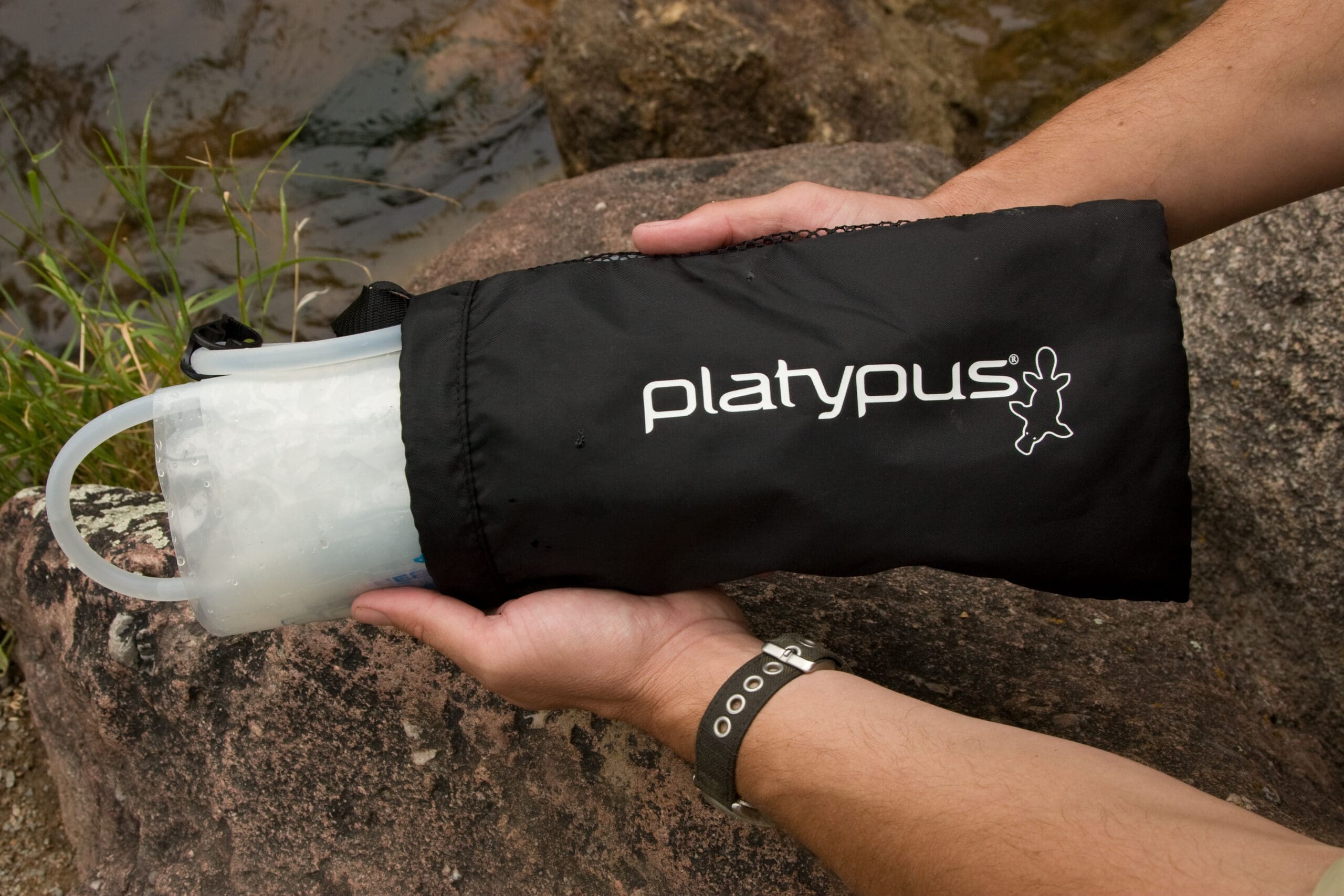
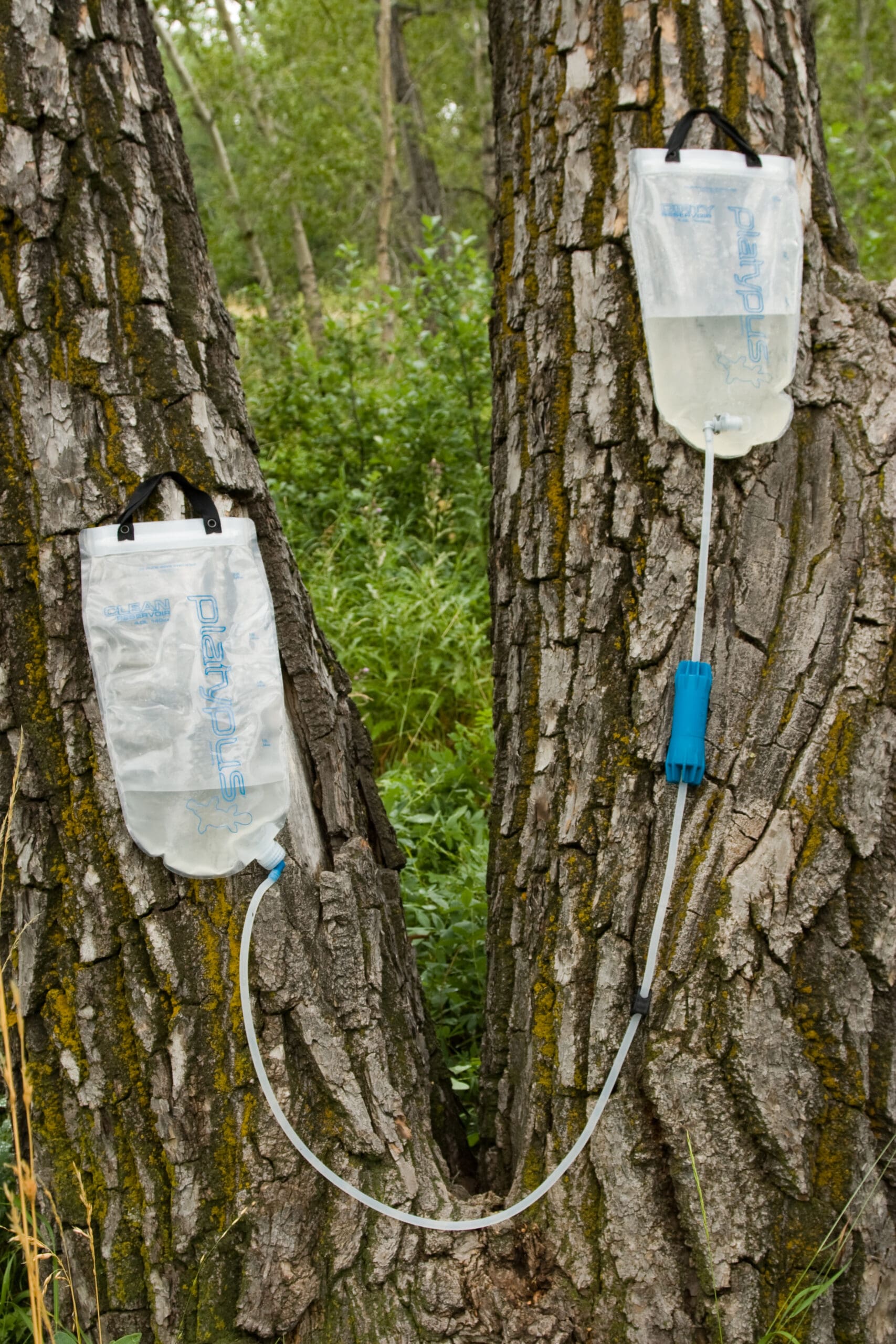
Pumps take effort, but gravity is free and ubiquitous. The Cleanstream Gravity Filter System is light, compact, very easy to use, and defies categorization. I placed it with the group filters because of its large single-treatment volume, but it’s lighter than several of the personal systems.
The Cleanstream comprises two heavy-duty zip-closure bags, one for dirty water and one for clean, connected by tubing and a 0.2-micron hollow-fiber membrane filter. Fill the dirty water bag, hang it in a suitable location, open the shut-off clip, and walk away. Flow through the filter is surprisingly quick at 1.75 L/min, so the full capacity of 4 liters can be filtered in just over two minutes. As the filter ages, the flow rate will decrease, but instructions are given for back-flushing the filter to speed up flow. Water can be added to the dirty reservoir continuously, as long as water is drawn out of the clean reservoir. And this is where things get a bit cumbersome. The clean reservoir can be decanted from the top zip closure (pouring isn’t easy), or the tube can be removed from the filter and the clean water drained into a suitable container, but only as long as no water remains in the dirty reservoir. Only one shut-off clip is provided, so the system works best filtering 4-liter increments at a time rather than working continuously.
Quality of construction is adequate; the reservoir bags give the impression they might crack over long-term use, but I have nothing with which to substantiate that. The filter itself is independent, well-made, and could very easily be incorporated into a custom system. Clean and dirty segregation is a no-brainer, since the system stores easily with the appropriate hoses still attached. Of note are the different fittings for the clean and dirty reservoirs, the dirty having a quick-connect and the clean having a screw-cap attachment. Cascade Designs also provided a hydration bag which, confusingly, has the same fitting as the dirty reservoir.
Cascade Designs claims turbidity, bacteria, and protozoa removal with the Cleanstream. There is no carbon element for taste and odor removal and no secondary treatment for viruses. Our lab tests showed exactly this: all bacteria were removed, as was turbidity, and the only positive result was for MIB (taste and odor). Brian on the review team rated the Cleanstream very highly as an excellent multi-platform system for backpacking, bicycle, motorcycle, and car expeditions.
Pros:
- Gravity does the work
- Effective at removing biological contaminants
- Versatile and compact for a large-volume system
Cons:
- Reservoir quality is questionable
- Not completely effective at MIB removal
Katadyn Base Camp Microfilter
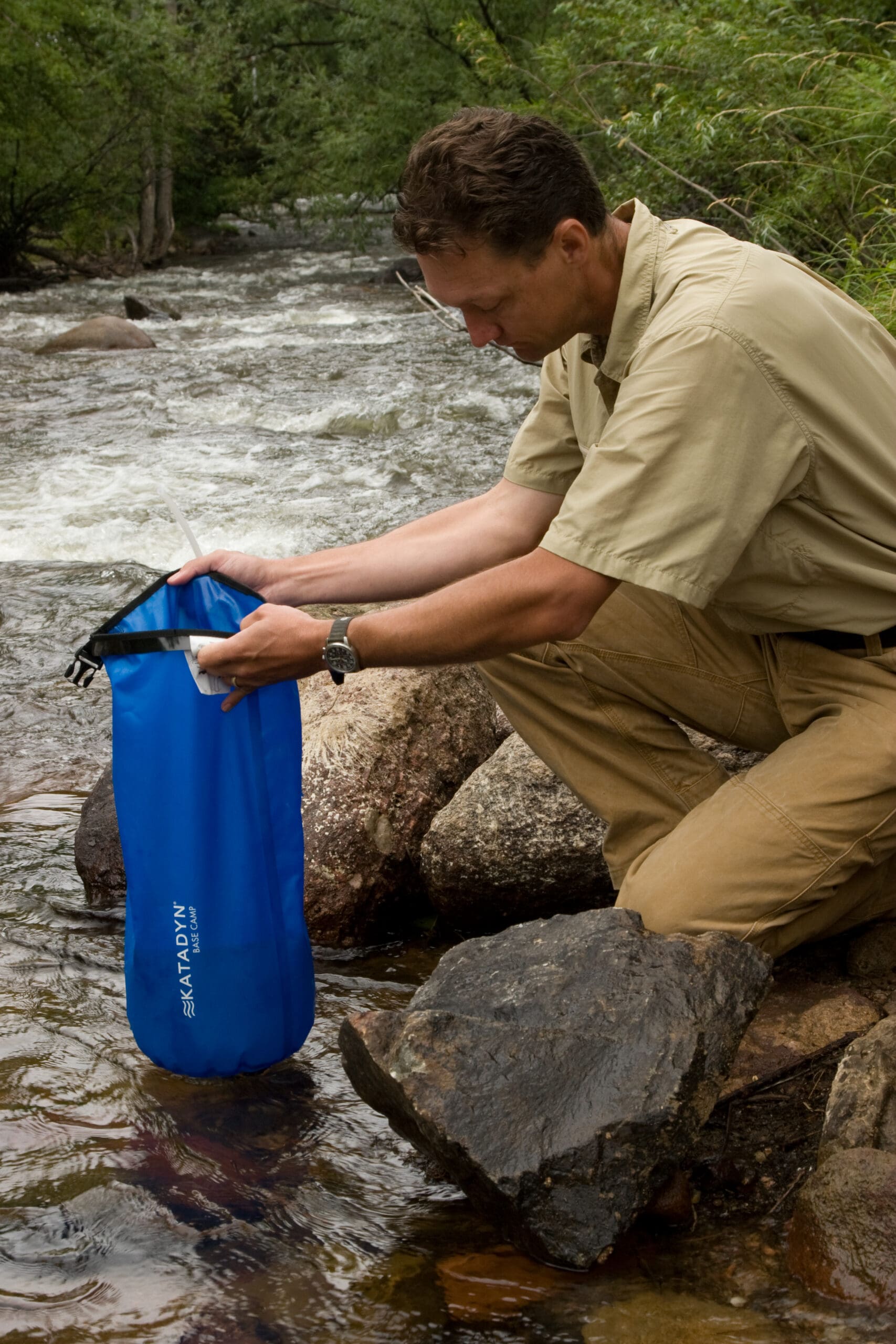
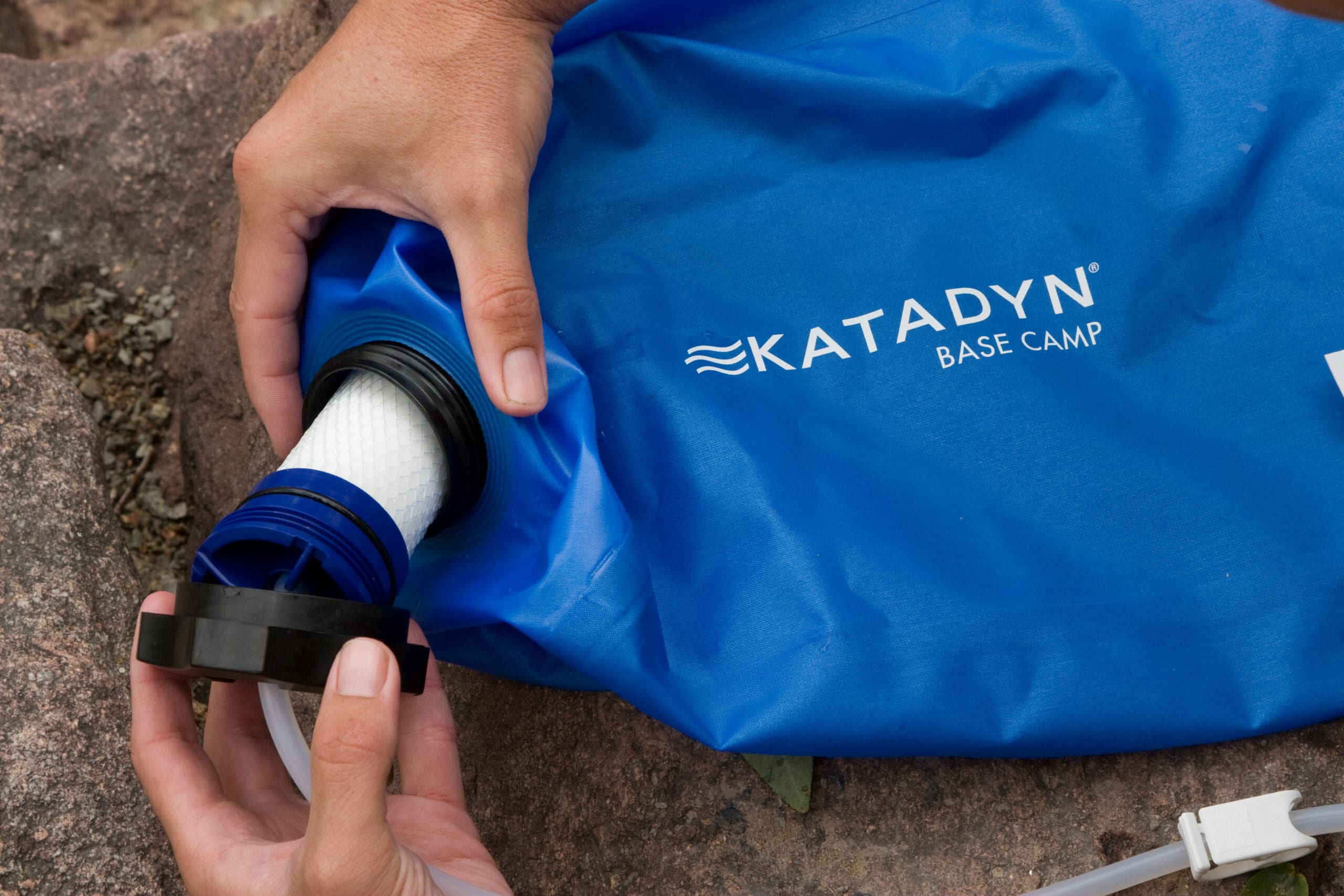
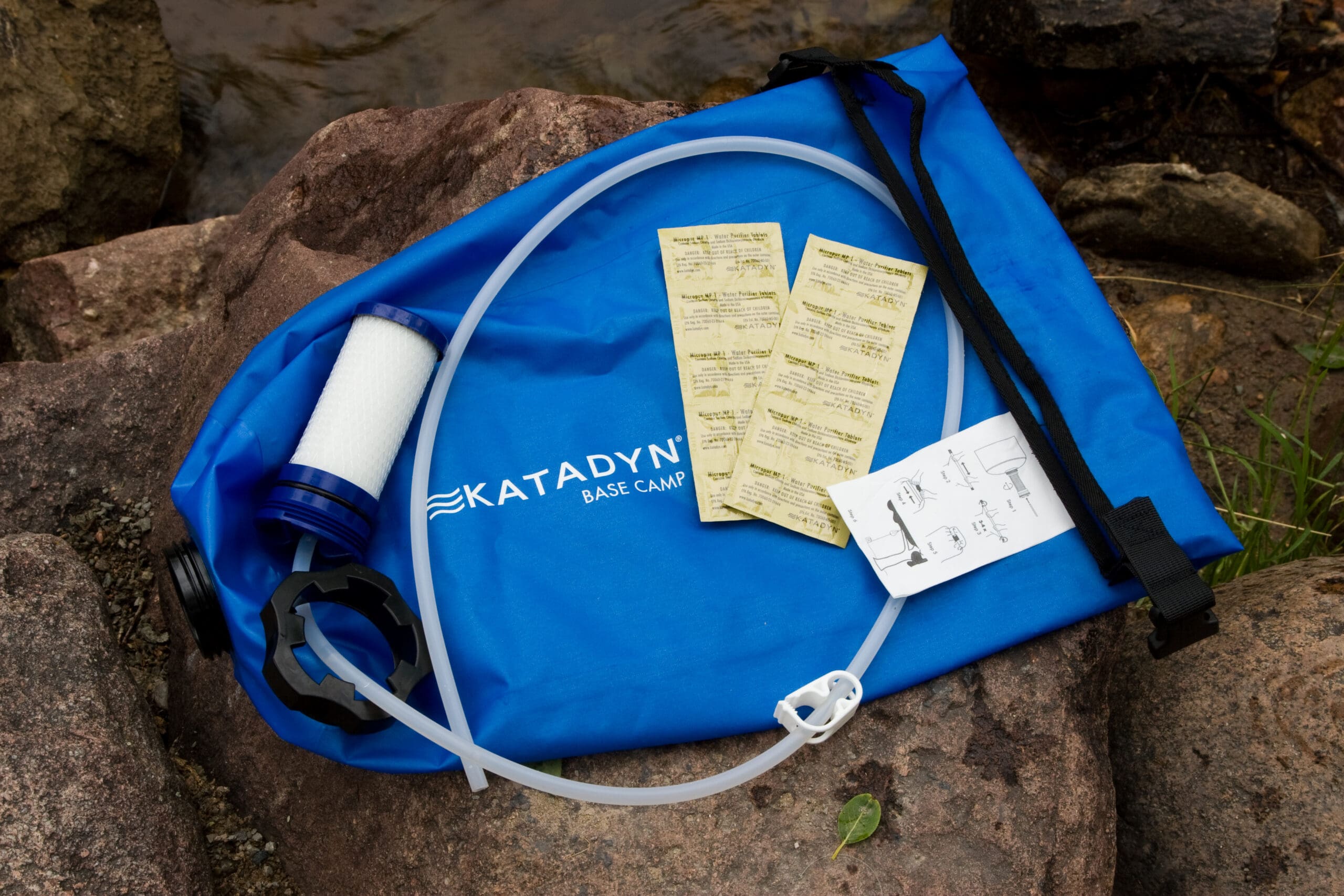
Katadyn also exploited gravity in the design of its Base Camp microfilter. The Base Camp is very simple, consisting of a 9.84-liter dry bag as the dirty-water reservoir, with a filter integrated into the base, and an outlet hose with a shut-off clip. The filter consists of a 0.3-micron glass-fiber element with a carbon core. Using a dry bag as the reservoir is brilliant in its simplicity, and the clip closure system also allows convenient hanging. No catch container is included with the Base Camp, which I don’t see as a detriment: two reservoirs’ worth of water, and you can just about fill a 20-liter jerry can.
Build quality is high, and the filter is replaceable after its nominal life of 750 liters. No storage bag is provided, but then the only extra part included is a small tube of silicone grease for the filter O-ring, required for assembly. The system is very compact and easy to store. A nice detail is the small instruction sheet sewn into the top of the bag.
When first assembling the system, I had a couple of problems. The filter was very stiff going into the bag fitting. The grease helped, but quite a lot of force was required. Then, while priming the system, it proved very difficult to get flow. The bag had to be almost full to get the carbon dust to release from the filter and start flow. After that, I had no problems. Flow is slow on this system at 0.5 liters per minute, making a 20-minute filter time for a full bag. While this isn’t bad when filling a jerry can, if you use the Base Camp for delivering water on-demand, it can be frustratingly slow. On the other hand, filling the bag is easy and quick given its large opening.
Claims for the Base Camp include removal of protozoa, bacteria, taste and odor, and turbidity. Viruses are not removed unless you include the Katadyn Micropur tablets for post-treatment. One thing I did find confusing was the claimed 99.99% removal of giardia and cryptosporidium on the box, while the product instructions claimed 99.9% removal for the same organisms. I defaulted to the more pessimistic of the two claims for this review. Our lab tests provided a couple of surprises. On the high-level E. coli test, we got one CFU back for the Base Camp, and on the taste and odor, we got no geosmin but 12.46 ng/L MIB. The E. coli result translates to a 99.4% bacterial reduction, compared to a claimed 99.9999%. The MIB result, while low, is significant, but, again, MIB is a challenge at this level. In my opinion, neither of these results disqualifies the Base Camp. Post-treatment with the Micropur tablets would kill the remaining bacteria and any viruses.
Pros:
- Gravity does the work
- Reasonably priced
Cons:
- One positive result on biological test
- Slow flow
Katadyn Expedition | Editor’s Choice
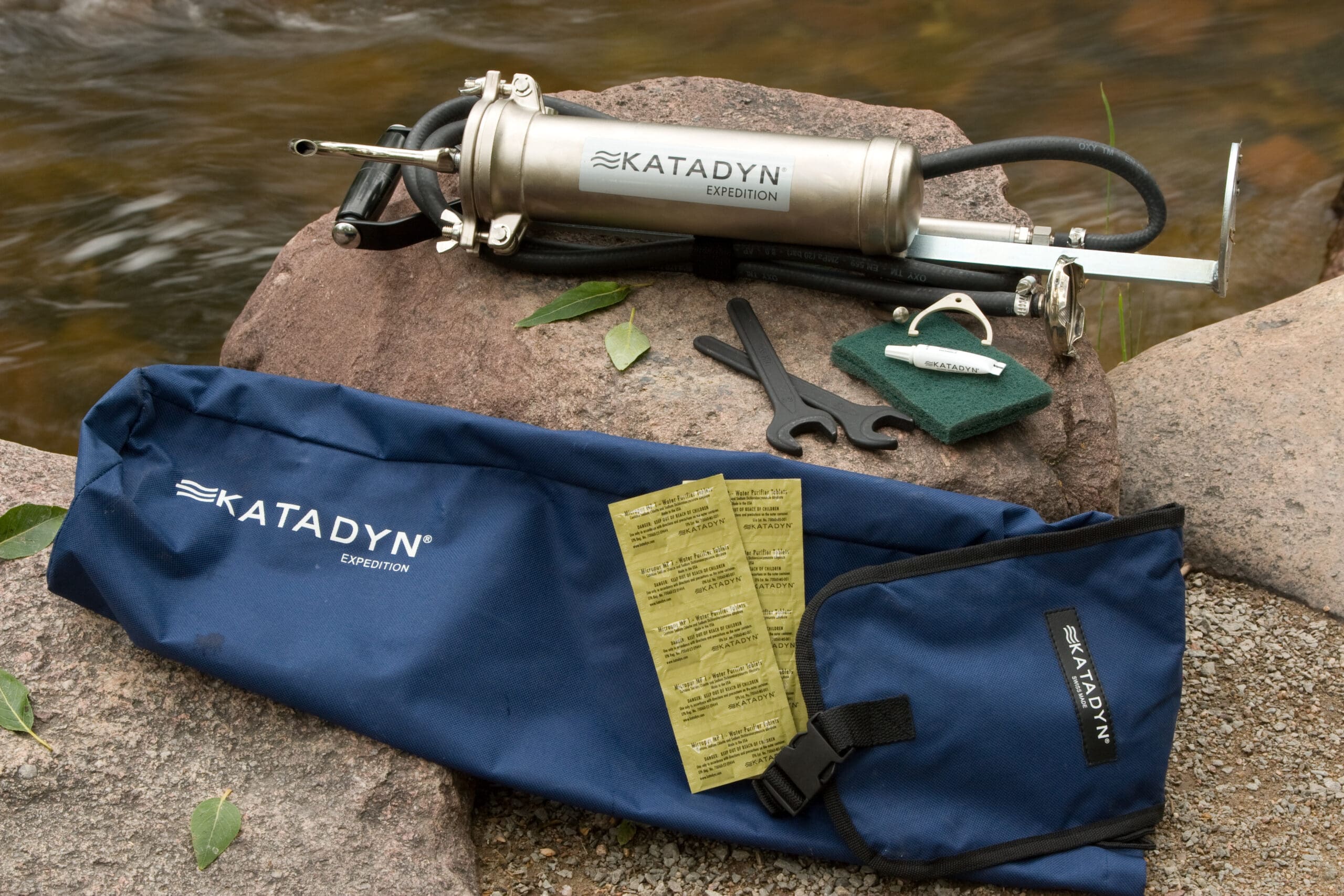
With a name like Expedition, and a heritage that includes use in the Camel Trophy, there was no doubt this filter had to be in the test. If the Katadyn Pocket microfilter is the G-Wagen of filters, then the Expedition is the Unimog: it is massive, heavy, cumbersome, and awesome.
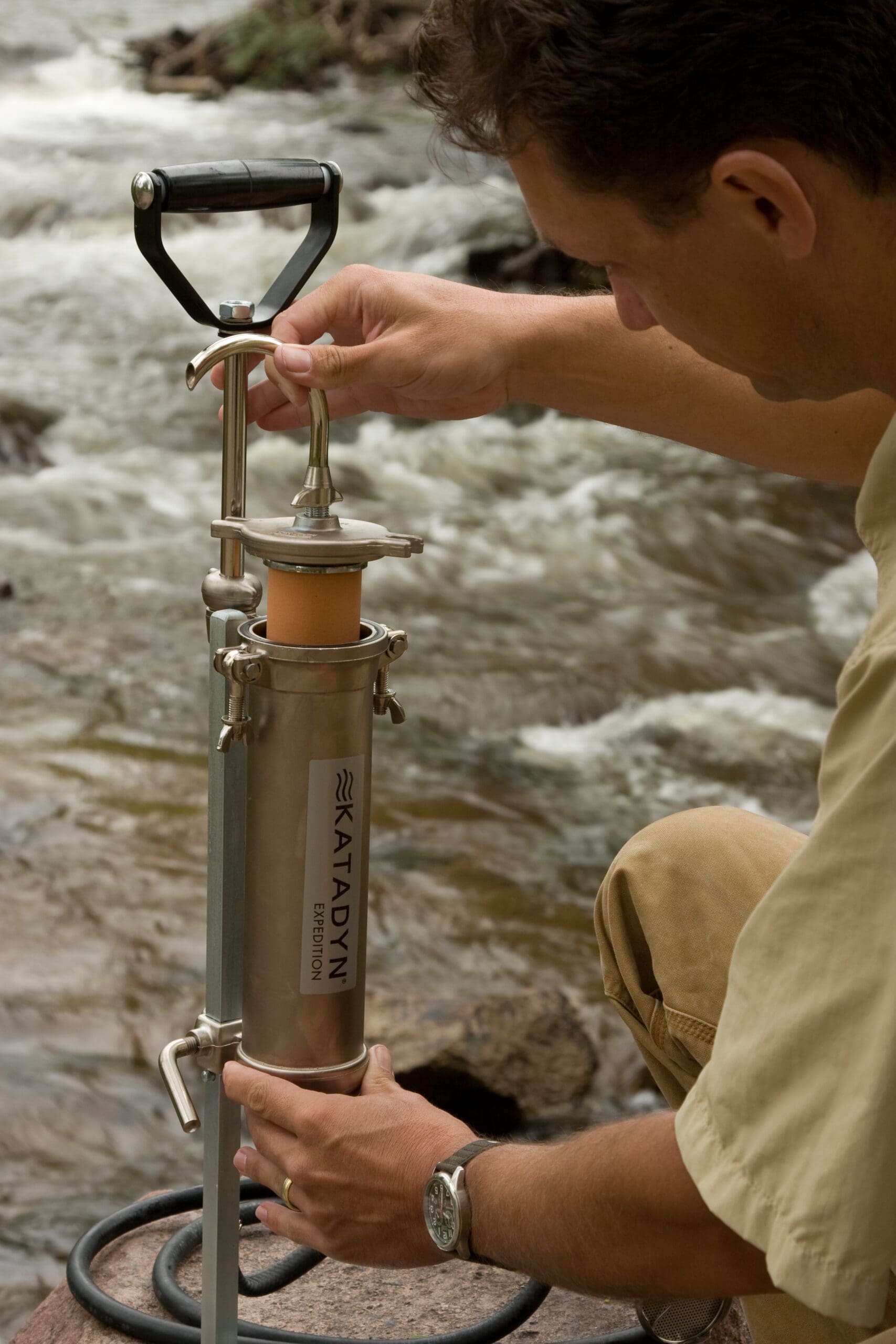
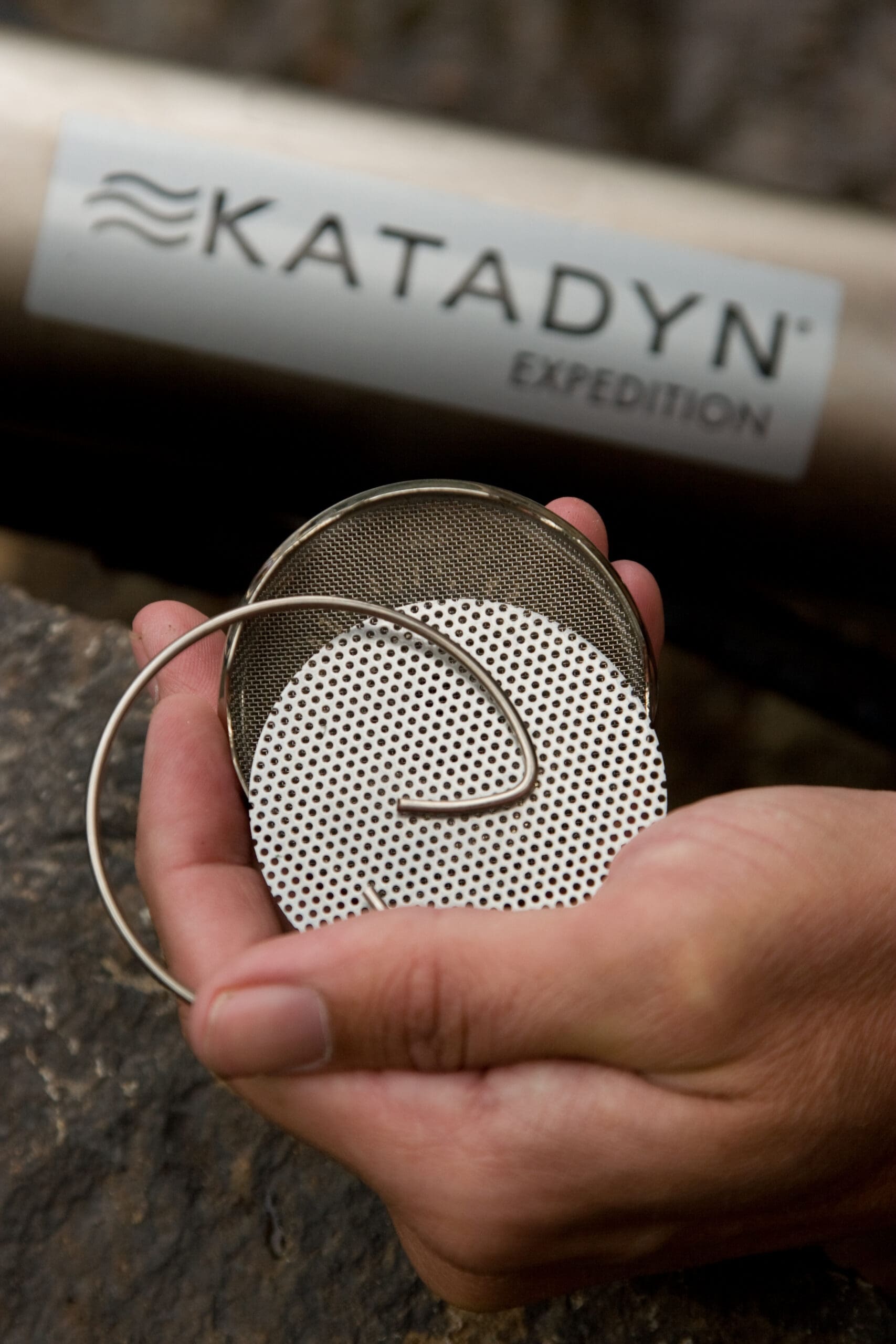
The Expedition exudes heavy-duty capability, from the nickel-coated brass body to the large pressure-relief valve (discharges at 112 psi) to the top clamp holding the filter to the body. Outlet port segregation is simple; the tube is removable and comes with its own plastic bag that can be stored in a pocket in the travel case lid. Setup involves screwing the outlet tube to the port, extending the adjustment arm to a comfortable height, and placing the pick-up tube in the water. The large D handle on the pump arm is comfortable to grip, and pump action is easy. It takes a few full strokes to fill the system, but once the dual-action pump is fully engaged, it can achieve a full flow of 4.0 L/min. The pump can stand on its own, but when pumping, brace the base with your foot. The pick-up hose has two integrated strainers that are easily removed for cleaning, but no float system is included, so care is required when placing the pick-up.
Katadyn uses a 0.2-micron, silver-impregnated ceramic depth filter capable of removing turbidity, protozoa, and bacteria from 100,000 liters of water. It has, by a huge margin, the largest volume capacity of any filter in the review, in part because it has no carbon element to become saturated. The large ceramic cartridge can be cleaned with the provided scouring pad, and the included measuring gauge lets users monitor filter life. Once the gauge can fit over the filter, it needs to be replaced—if your grandkids are still using the thing. Wrenches are included for the removal of the pressure-relief valve, and the manual includes part numbers for each system component. Since the system is pressurized by pumping action, water flow does not stop when you stop pumping. This can be a bit annoying, but isn’t really a problem. The outlet hose is non-flexible and on top of the filter, so it can be difficult to hold a container to it while pumping. Better to pump into a larger container on the ground. I like the provided case, as it holds everything neatly and includes a shoulder strap for comfortably carrying the 11-pound unit.
Katadyn’s claims for the Expedition are well in line with what our lab tests showed. All bacteria and turbidity were removed. Viruses are not removed by the Expedition and would require chemical post-treatment. Taste and odor elements are not removed either, as no carbon filter is present, and no option is included for one. So, while the Expedition is not a complete system on its own, it is a fantastic tool for what it does.
Pros:
- Built for long-term, high-volume use
- Effective at removing biological contaminants and turbidity
- Extremely high filter capacity
Cons:
- Expensive
- Heavy
General Ecology Seagull IV
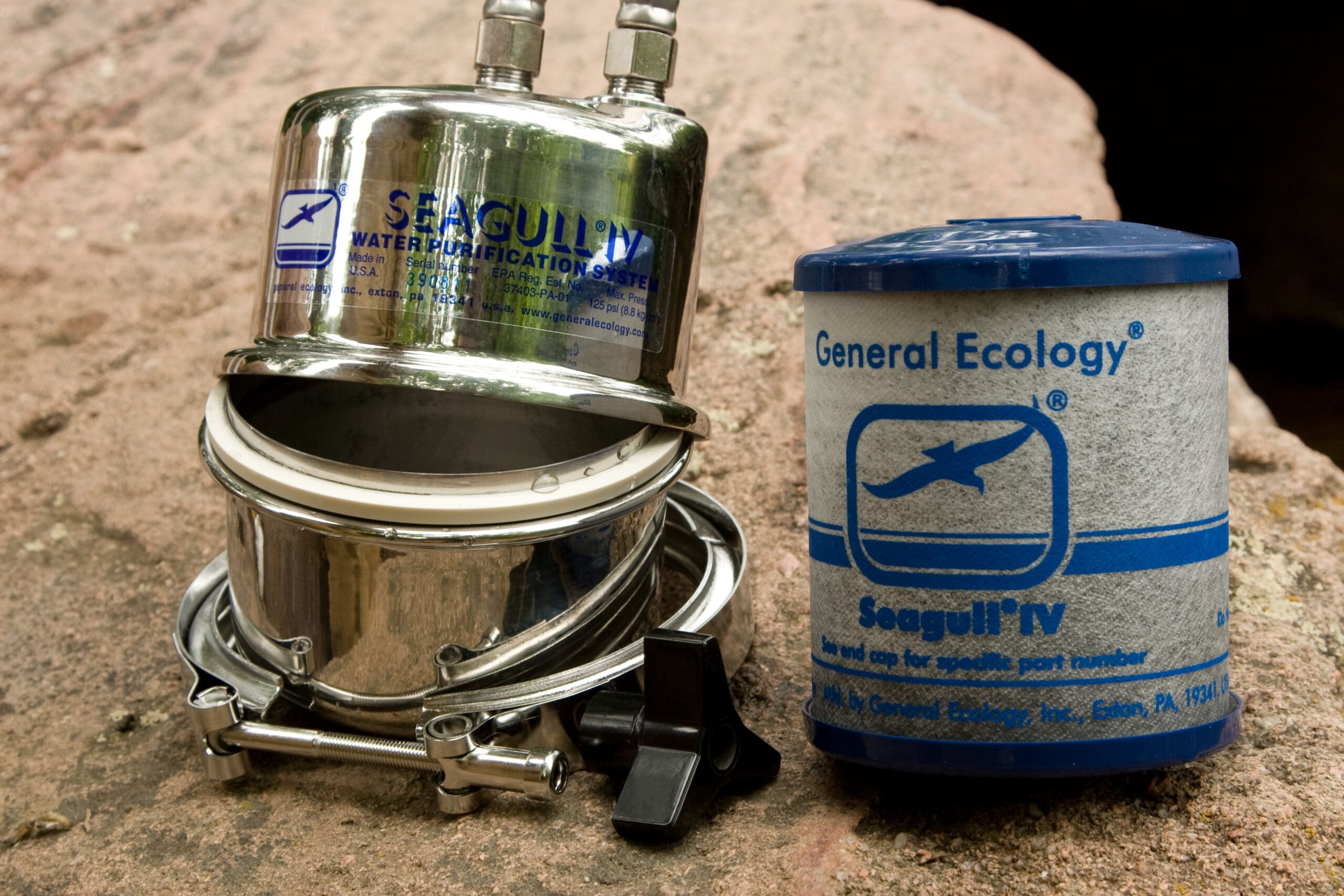
The Seagull IV from General Ecology is a truck-mountable version of the First Need system. The technology is the same structured matrix as the First Need XL: ultrafine microstraining, molecular capture, and electrostatic removal. With the larger cartridge, nominal treatment capacity is 3,800 liters at a flow rate of 3.8 L/min. However, the Seagull IV is not a standalone unit and will require mating to a pump and draw system, usually hard-mounted, to function.
The Seagull housing is made of very sturdy stainless steel, with an easy-to-open clamp. The problem this presents will be in mounting. There are no holes on the housing, and no easy way to securely mount it save for a large Quick Fist or the like. Originally designed for household under-sink installation, the provided mount is just a bolt-on ledge over which the clamp fits; gravity does the holding. Not ideal for a vehicle installation, but since it would have to be incorporated into a full water system build, there is plenty of room for do-it-yourself innovation. The outlet and inlet hoses provided are 5/16-inch diameter and just over 31 inches long. All the hose fittings are threaded, rather than the press-fit that is becoming common in water applications.
To test this system (and the following two) I hooked them up in my Defender 110. For details of the plumbing, please check the article “A Better Way” in the Winter 2008 issue of Overland Journal. I used the external pick-up line directly in the sample carboy, and ran the water through the pump to the filter, then to the outlet hose. I ran three times the volume of the inlet system (hoses, pump, and filter) before collecting samples.
General Ecology claims full purifier status for the Seagull, as with the First Need, which makes our lab results curious. While the First Need managed to remove everything, the Seagull gave back a hit of 7 CFU/mL for the high-level E. coli sample, and fairly high results for both MIB and geosmin. While the taste and odor, as previously discussed, isn’t a deal killer, the E. coli result translates to 95.7% removal—not an encouraging number. While this was a test of a single Seagull unit, rather than a statistical analysis of a large batch, if any units are coming from the factory unable to maintain the purifier claims, that translates directly to travelers on the toilet.
Pros:
- Very well-made
- High capacity
Cons:
- Failed to eliminate biological contaminants
- Expensive, need external pump
3M Filtrete
.
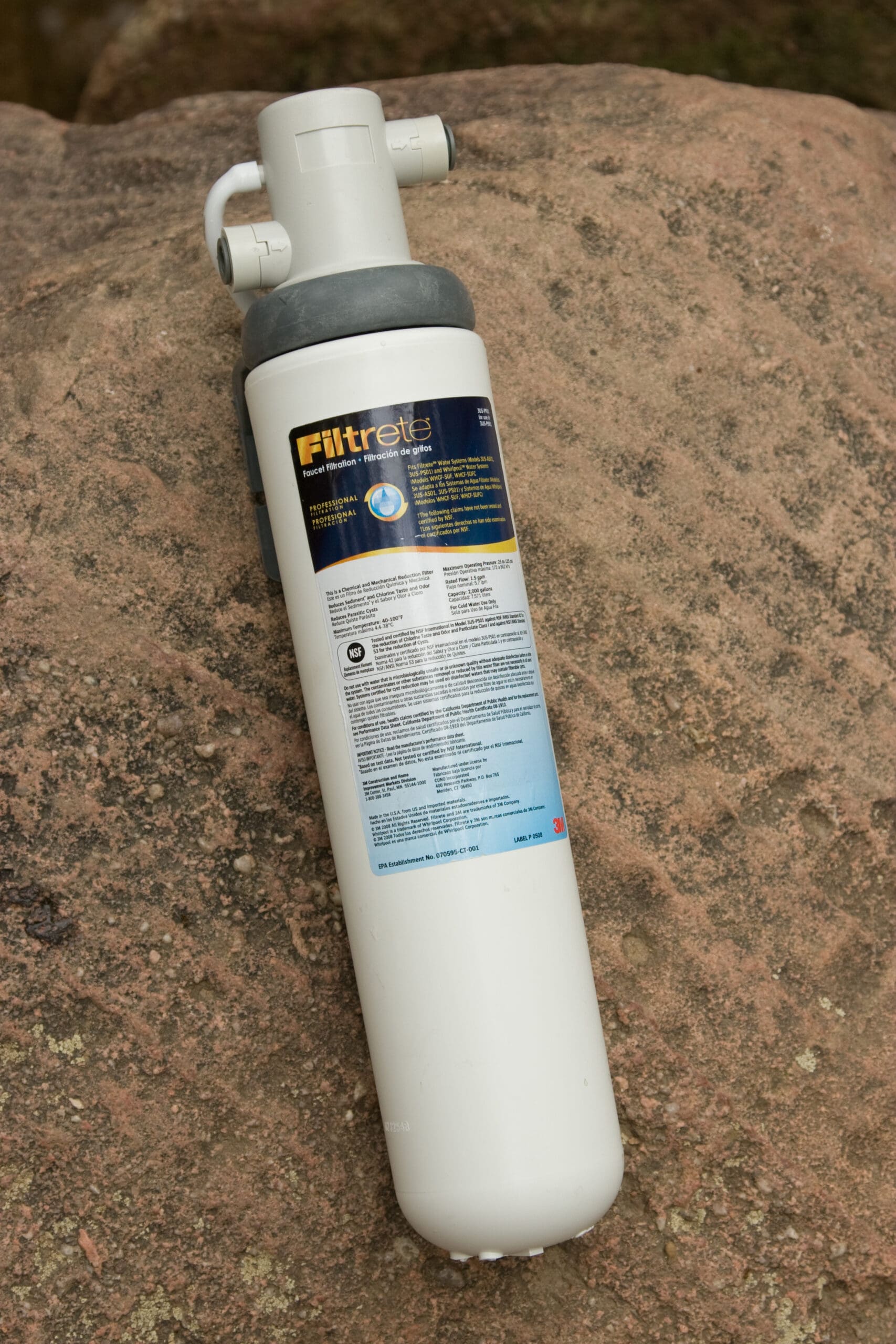
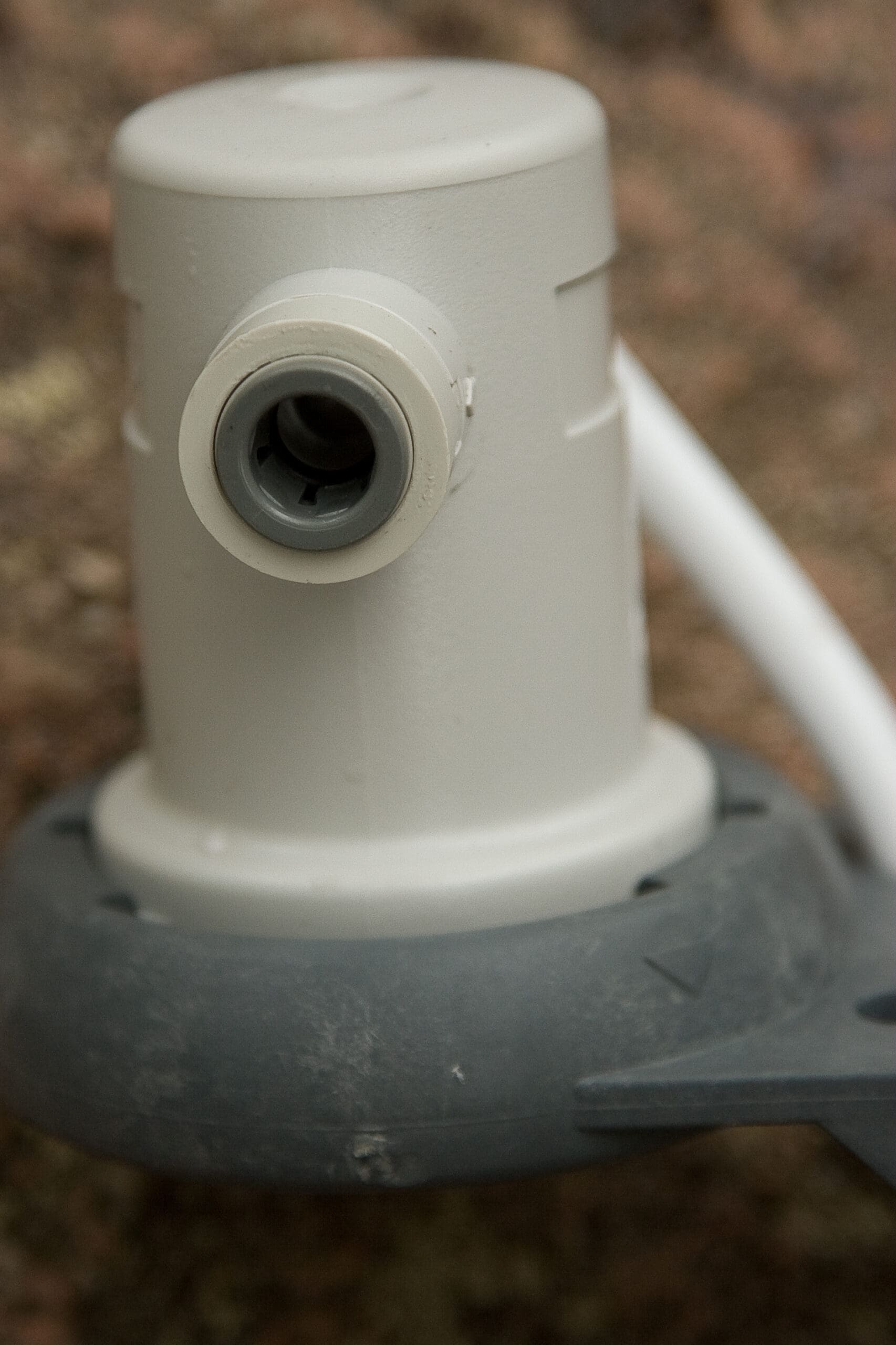
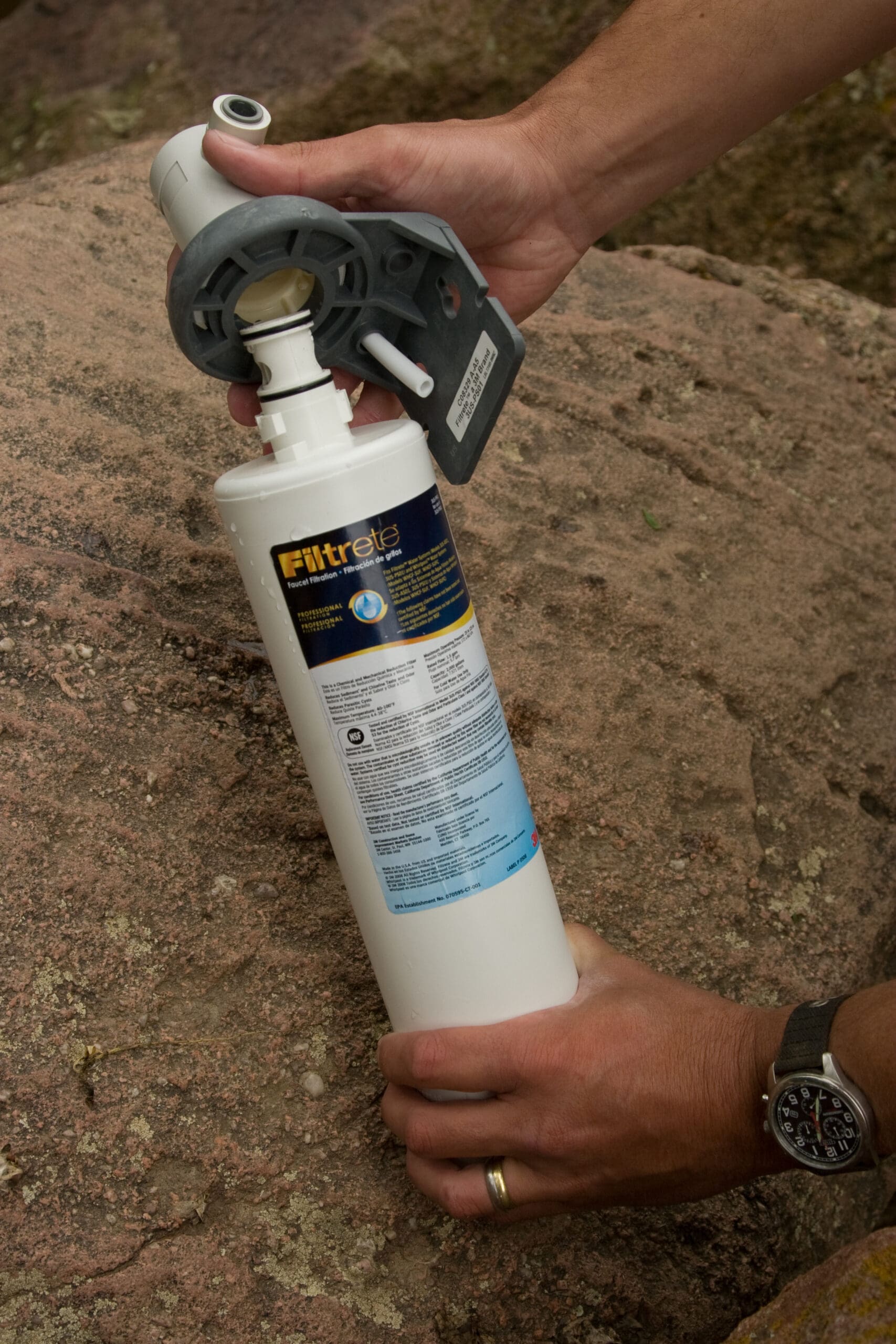
A budget option is never a bad thing to consider, and the 3M Filtrete fills that space here. I purchased the “professional” system from Lowe’s hardware for just under $50. It is an under-sink home system, designed to filter municipal water rather than raw water in the backcountry. The kit includes the mount and a large cartridge. Everything is made from plastic, but it seems pretty tough, and I was impressed with the build quality. The integrated mount in the head is well-built and might be strong enough to support the filter in an overland vehicle. The filter cartridge is the main body of the system, and it unscrews from the head for easy replacement. The hose connectors are press-fit, easy to use, and labeled with arrows for inlet and outlet.
Filter service isn’t really possible with the Filtrete; the only thing you can do is replace the cartridge. This system requires a pump to feed it and can handle a flow of 5.68 L/min for a total rated capacity of 7,571 liters. Scouring the 3M website and calling 3M several times gave me no information about the technology in the filter. The company claims protozoa and taste and odor elimination with this filter, so I can only assume that the former is removed by size exclusion and the latter by a carbon element. No claims are made about bacteria removal, and our tests backed this up, showing bacteria breakthrough in most of the samples. Taste and odor compounds were reduced below detectable limits, as was turbidity. With the largest capacity in the review for a filter using carbon, I suspect that the majority of the internal volume is filled with carbon. This would make a good system for at-home removal of chlorine and organic compounds from municipal water, as its makers intended, but would be an unwise choice for travel where one expects to deal with persistent biological contaminants.
Pros:
- Cheap
- High capacity
- Improves taste
Cons:
- Does not remove biological contaminants
Doulton Supercarb IP100SC
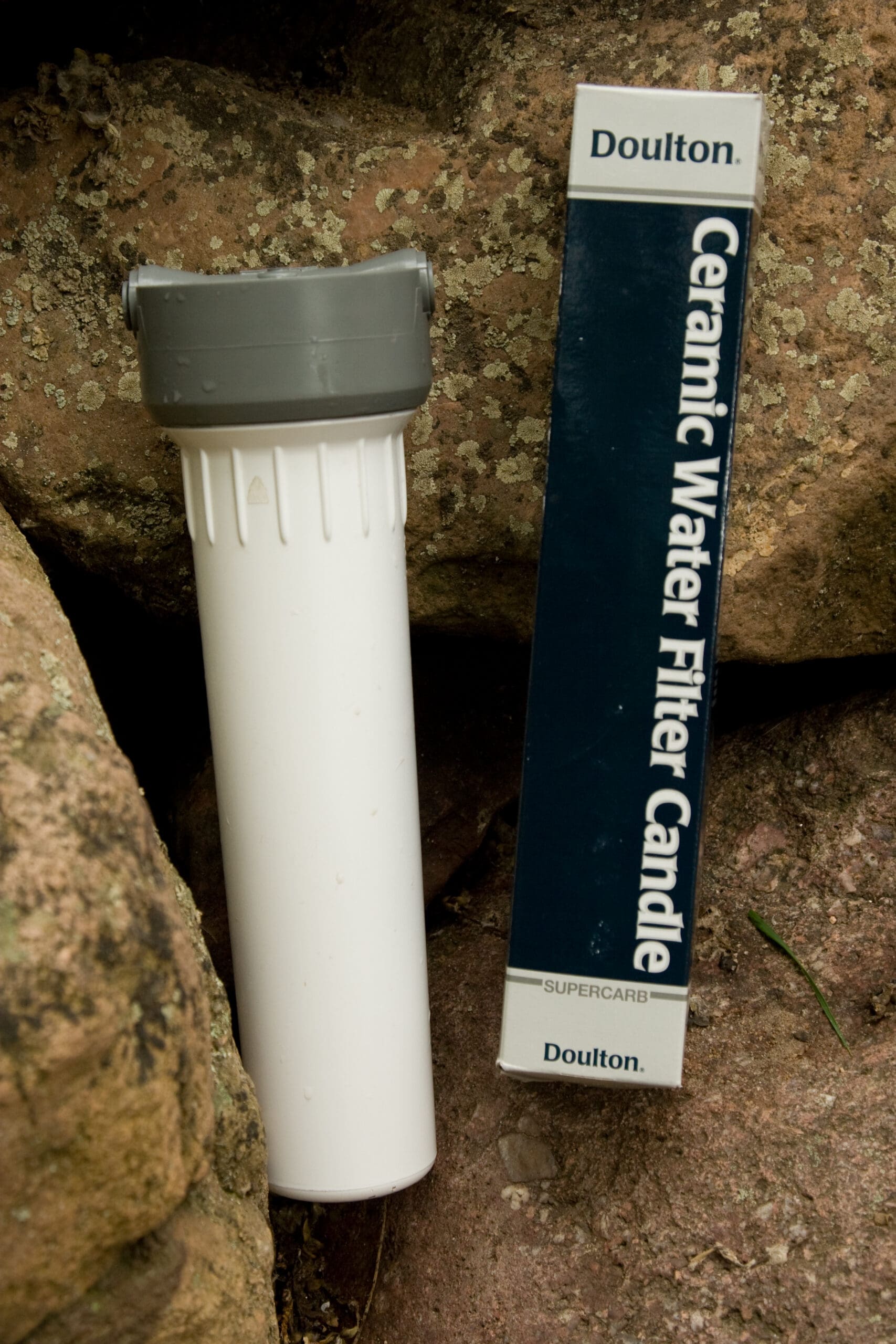
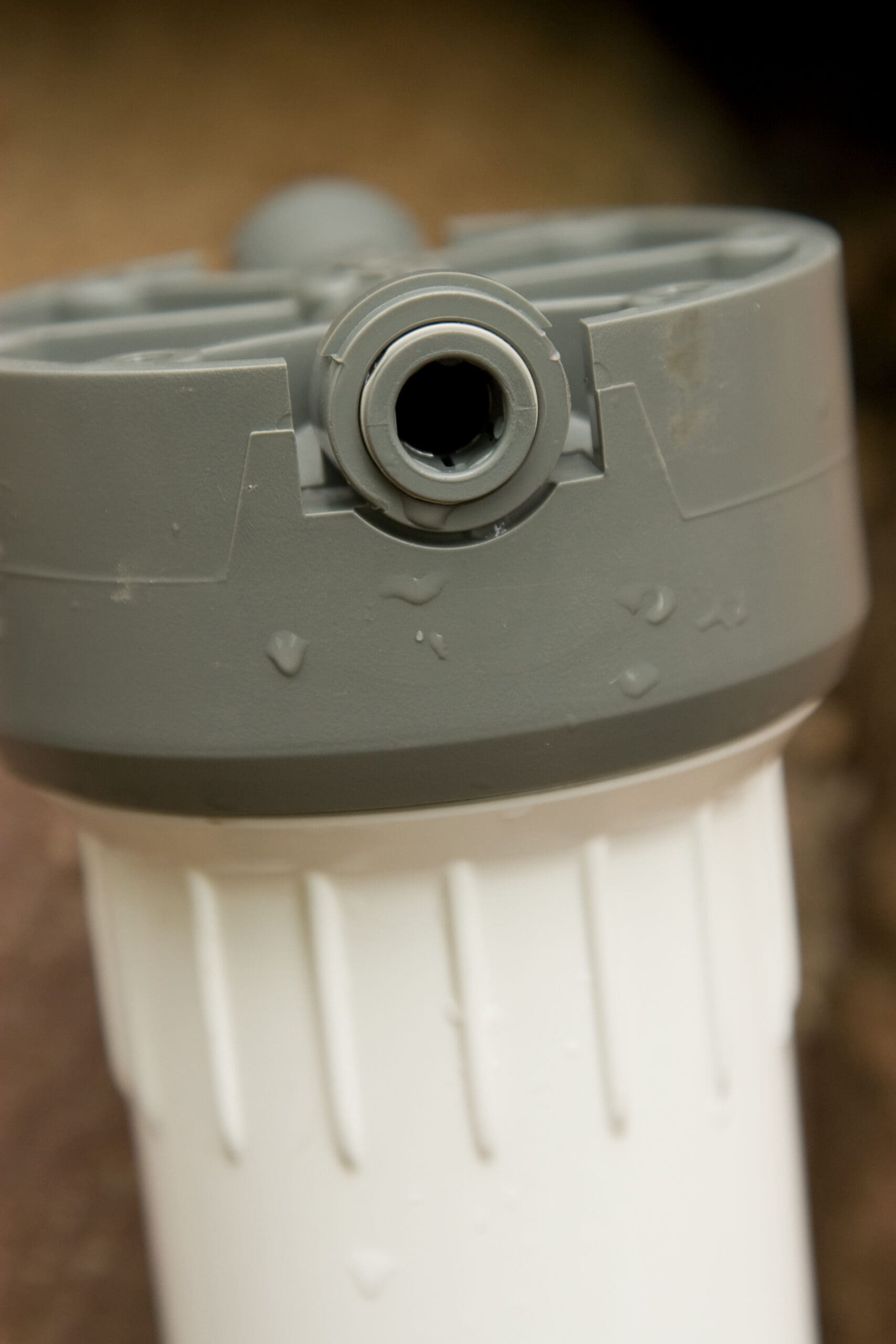
Doulton is a British company that makes a large variety of filter elements. It has a lengthy overlanding history in association with Brownchurch, which uses its Supercarb or Ultracarb filter candles in custom board-mounted water systems for expedition vehicles. The Ultracarb is its premier brand candle, which claims to remove practically everything, including industrial waste, from water, while the Supercarb is more in line with the criteria I specified for this test. The candles come in several configurations, but I chose an under-sink mounting assembly similar to the one used by Brownchurch.
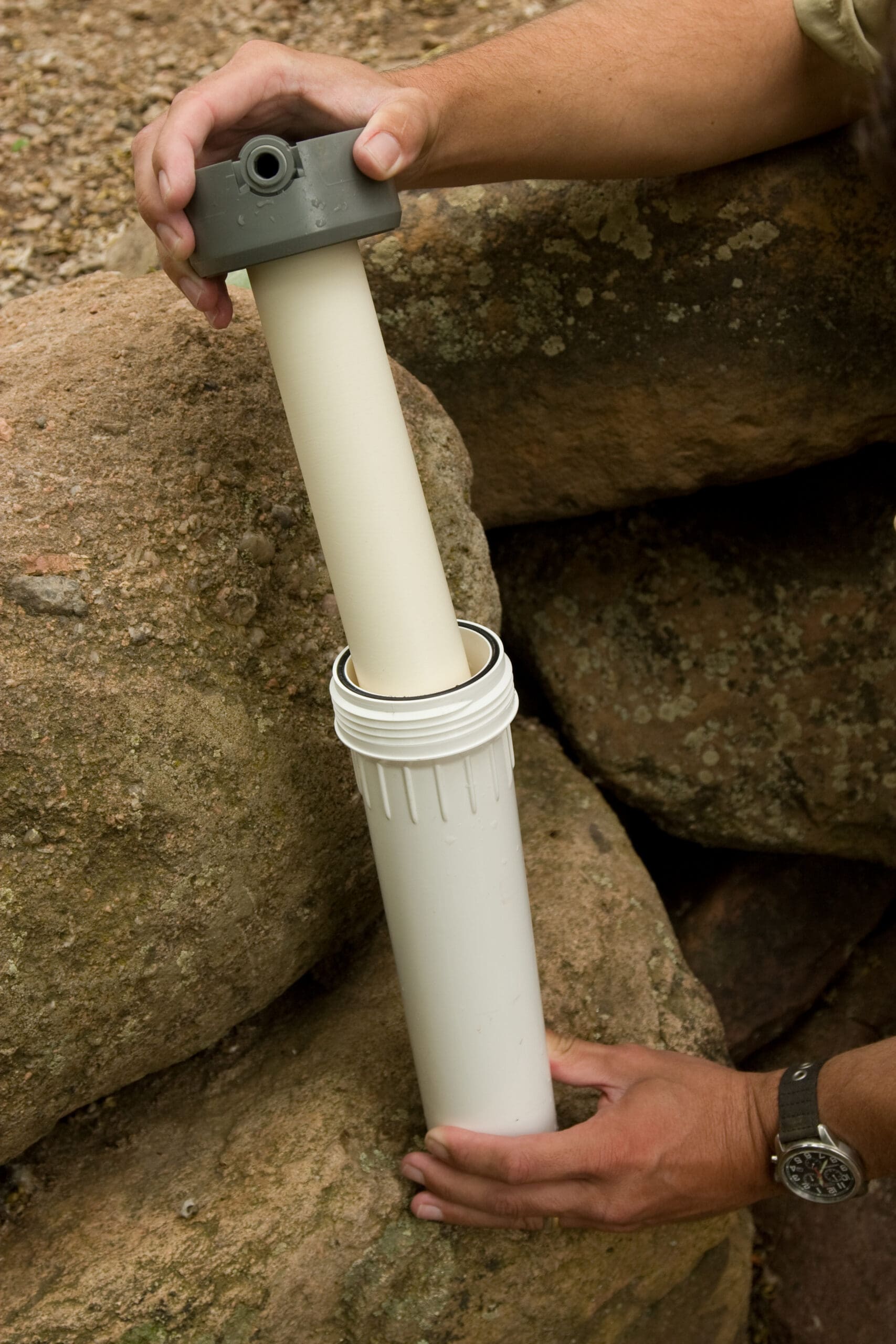
For full disclosure, I should mention that this is the filter I use in my own overland vehicle, and for this review I just replaced the existing filter candle with a new one. The candle screws into a plastic top-mount that includes inlet and outlet press-fittings. An O-ring seals the filter cover to the top-mount. There are ports in the top-mount that can accept screws for mounting the assembly. I use a Super Quick Fist for mounting, which works very well and allows quick removal for filter service.
Doulton uses a 0.2-micron ceramic primary element, which it impregnates with silver as a bactericide, a technology it calls Sterasyl. It makes no claims regarding virus removal, but the silver will have some effect on viruses, though perhaps not close to 100%. The inner core is carbon to provide odor and chemical reduction and taste improvement. The outer ceramic element can be cleaned with a scouring pad to remove accumulated particulates and extend filter life, but given the non-renewable carbon core, total advertised capacity is a modest 3,800 liters, with a flow of 1.9 L/min. One quality problem I have observed is that the mounting thread at the top of some elements is bent in relation to the body of the candle. This allows the bottom of the candle to touch the housing and rub off the ceramic. While this doesn’t affect initial filter performance, over time in an overland vehicle, the wear spot of the ceramic might compromise the filter.
Claims for the Supercarb are varied. The Doulton USA website has more stringent and complete claims than the filter packaging, and I went with the claims on the website, as these are what I used to decide on this system for myself. Our lab tests fell well in line with even the more stringent claims; no bacteria got through the filter, nor did anything else. The performance on the lab tests reinforces why Brownchurch selected Doulton elements for their overland water system, and only the one quality issue mentioned kept me from giving the Doulton the top nod.
Pros:
- Very effective at removing biological and chemical contaminants
- Versatile as part of a custom system
Cons:
- Quality control problems with threading on replacement elements
Katadyn Micropur Water Purifier Tablets
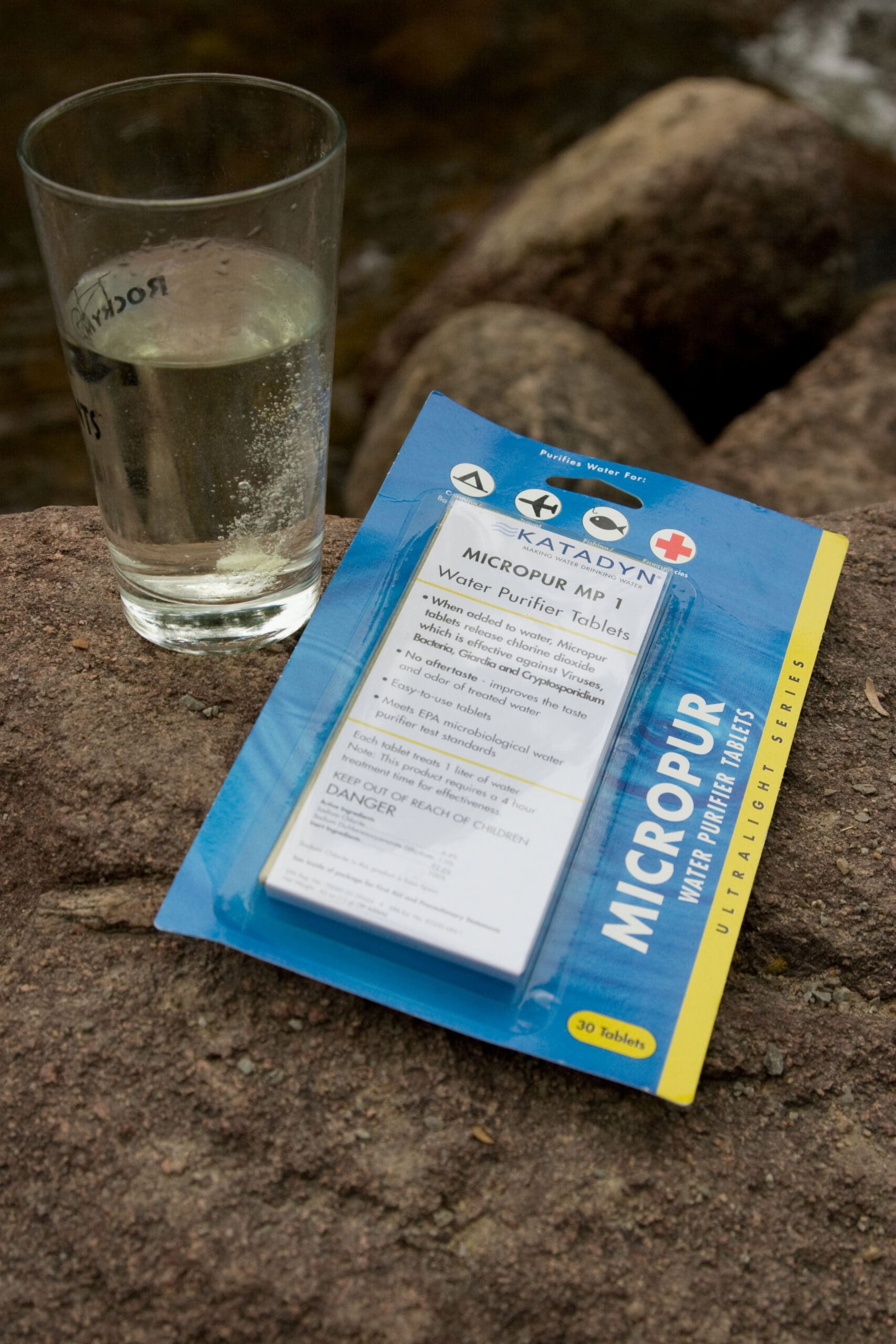
Not technically a purification system on its own, the Katadyn tablets are effective on microorganisms when combined with a system that removes turbidity and organics. They can be used alone if need be, but I’m not including them in the review per se, more as an addition to the various Katadyn systems. The tablets contain 6.4% sodium chlorite (NaClO2), which provides 4.0 mg/L chlorine as chlorine dioxide to 1 liter of water. The tablets must be added quickly to water; the reaction is effervescent and turns the water light yellow (though chlorine taste is hardly detectable). The instructions state that the water should be left in an opaque container for four hours before drinking. As with the MSR MIOX, the contact time will depend on the organisms you want to kill. Viruses and bacteria should be killed within 15 minutes, but Giardia and Cryptosporidium will need 30 minutes and four hours, respectively. So if you are using the tablets in concert with any of the Katadyn filters (or any of the other filters in this review) which will physically remove the protozoa, a contact time of 15 minutes should
be sufficient to kill viruses. If using the tablets alone, use the full four-hour contact time. The tablets do have an expiration date (January 2014 in the case of the review packets), so bear this in mind when planning. In the lab tests, I only ran the high E. coli sample with the Micropur tablets, and they effectively killed all the bacteria, as expected.
Conclusions
Knowing your equipment’s limitations is integral to all aspects of overlanding, and a water system is no exception. As with most of the reviews in Overland Journal, choosing an Editor’s Choice among these systems involved a difficult balance of quality, performance, applicability—and personal preference. The review team gave me some valuable input and opinions, but the final decision was mine alone.
Personal Systems
The MSR MIOX fits the need for a lightweight purifier in spades, although its long contact time for protozoa removal can be a killer, as can the need for specialized batteries. It’s well-made and well-thought-out for those who don’t mind employing a little chemistry.
With a vast filtering capacity and superb build quality, the Katadyn Pocket is practically a mini version of the Expedition, but with a few extra features. Hard pumping action cost it points, given my experiences supplying a long-range expedition’s water from a small pump. That being said, if I were heading off around the world on an adventure motorcycle, this system would be a top contender.
For the Value Award, I chose the MSR Sweetwater. It’s attractively priced and provides an effective, complete system in a lightweight, easy-to-use package.
Given its clever design features and exceptional performance, the General Ecology First Need XL earned my nod for top choice among the personal systems. This was with some thought given to the performance problems of the Seagull, its sister product in the group section. Long-term testing over the next year should establish whether or not the First Need can live up to my conclusions and expectations.
In addition, I have to make an honorable mention of the LifeSaver. Though its applicability to general camping use is limited, as a personal hydration system it is exceptional. I actually wrote the last part of this review in Iraq, where August temperatures hovered around 117°F. The LifeSaver washed all the filthy water I could throw at it.
Group systems
As a habitually lazy person, gravity-fed systems appeal to me. The Platypus Cleanstream is light and fast for its size and weight, and only my concerns with reservoir quality and MIB breakthrough lost it points. As mentioned, it was highly rated by Brian on the review team.
The second “lazy filter,” the Base Camp, was a challenge to get flowing at first, and although its design is well thought-out, my inclination to use it as a camp on-demand system meant its low flow dropped it in the ratings. But I like the quality of the bag and the capacity.
As mentioned above, the First Need XL’s high ranking makes the performance of its big brother, the Seagull, quite disappointing. Further investigation would be needed to determine the mode of failure, but given its high ratings on paper, this filter should have done better.
It is always satisfying to prove a point, and the Filtrete did that for me. Cheap can be good, but with high performance comes cost, and the Filtrete is not capable of cleaning the sort of biologically contaminated water the serious overlander may encounter.
I have already disclosed that the Doulton is currently installed in my Defender, and even after all the research I did for this review, I don’t intend to change that. It does what it does well, build-quality issues notwithstanding.
The Katadyn Expedition, with its high flow rate, prodigious capacity, build quality that could rival the pyramids, and lab results that fell directly in line with Katadyn’s claims, received my Editor’s Choice for the group systems. Even though it does not remove everything, you know what you get with the Expedition, and the attention to detail is exceptional.
Going to extremes for an Overland Journal test
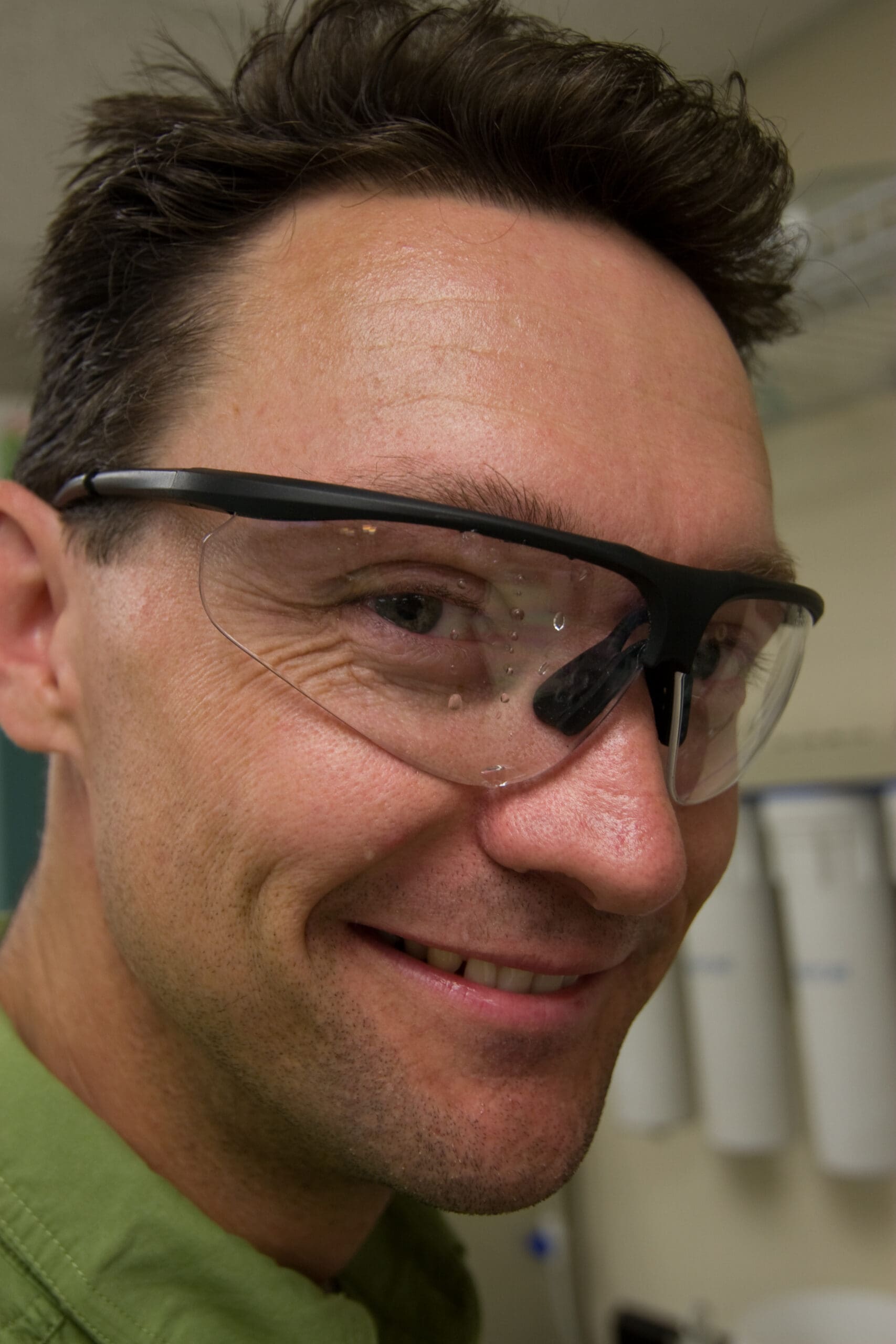
Nothing makes me more paranoid than working with hazardous material, and I have a lot of experience being paranoid. During the water system testing for this issue, Brian and I went one-on-one with 40-liter carboys brimming with hungry E. Coli just itching to get into us. I could imagine the little bastards eyeing me as a massive chow-hall reproduction facility, and although we were extremely careful and wore all the necessary protective gear, mistakes happen—and sometimes the mistake goes E. coli’s way.
It went like this: At the end of a long day, we were rushing to pack up the Defender in the lab parking lot. I discovered my water system cover would not close with the last filter (the Filtrete) in place. So, hose in hand, I yanked on the quick-connect, forgetting to release the pressure first. Blam! I got a face full of seething, 16,400 CFU/100mL water. As I was to discover later, while my bowels cramped in preparation for explosive evacuation, no amount of spitting gets the buggers out.
To be fair, the diarrhea was brief, if painful, and the E. coli strain we used for testing isn’t particularly vicious. But it did nothing for my paranoia.
Our No Compromise Clause: We do not accept advertorial content or allow advertising to influence our coverage, and our contributors are guaranteed editorial independence. Overland Collective may earn a small commission from affiliate links included in this article. We appreciate your support.
