

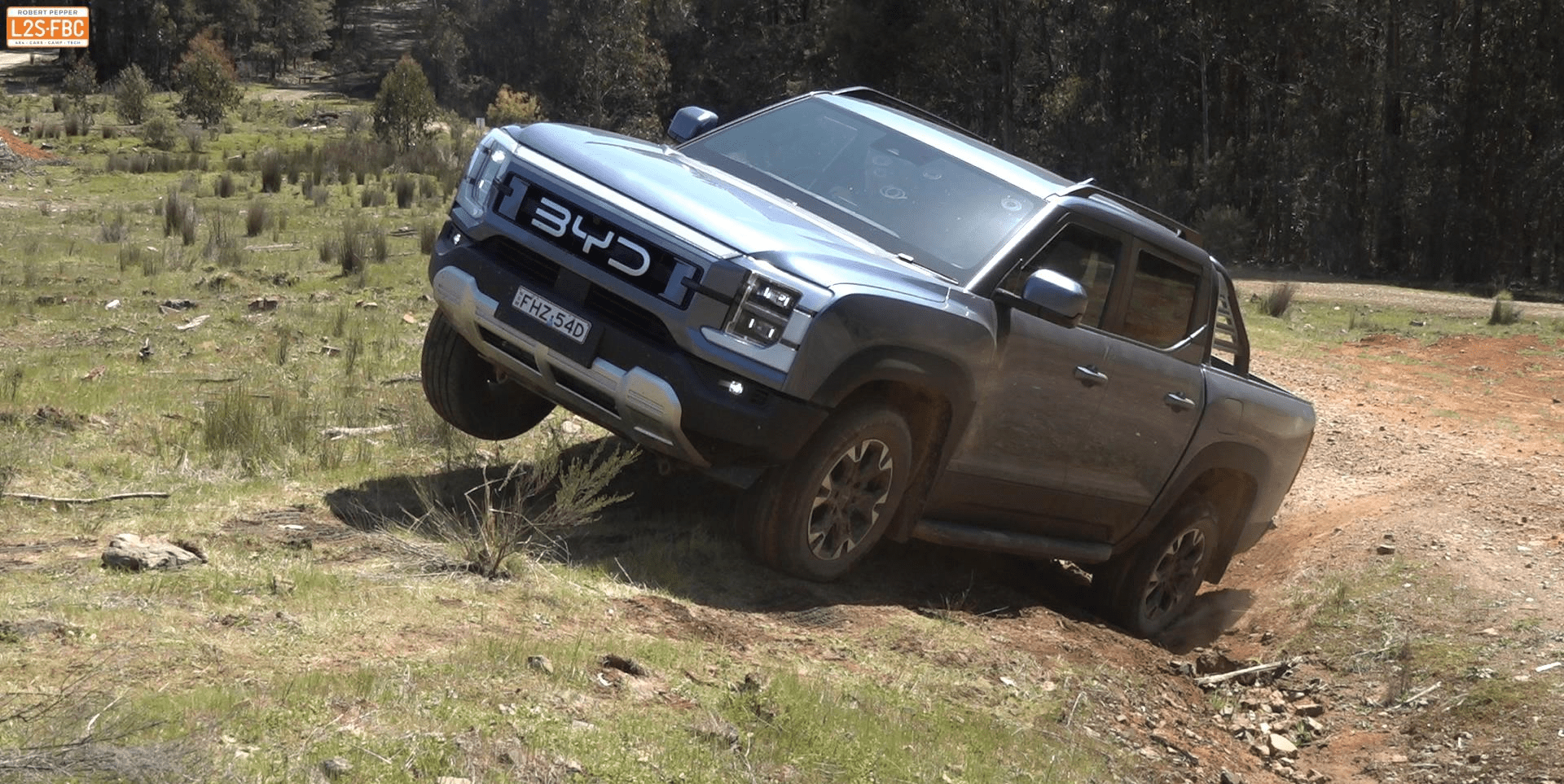
Selecting a vehicle platform to explore the globe is not a simple task. There are many factors that need to be considered, and wants and needs must be evaluated and ranked in terms of importance, cost and priority. While we all want a reliable and capable vehicle to take us there and back again, I have long spoken about the need for vehicles with the best possible fuel mileage.
On my global adventures the largest expense has always been, by a very wide margin, fuel. Every dollar I save at the pump means I can explore further and stay away from the real world longer. It also means less impact on the planet, and that hopefully I’ll be leaving things slightly better for my daughter. Always on the search for more fuel-efficient vehicle platforms, and as a recovering by still curious engineer, the switch to hybrids, range extended EVs, and true battery electric vehicles continues to be an ongoing concern I am fascinated by.

As automakers pivot toward the inevitable electrification of their vehicle fleets, few companies have scaled as aggressively or as successfully as the Chinese automaker Build Your Dreams, also known as BYD. Thanks to a 93.9% reduction in import tariffs that went into effect earlier this year, the world’s largest electric vehicle maker is setting its sights firmly on Canada. Recent reports show BYD plans to open as many as twenty dealerships nationwide before the end of the 2026, which is certain to create a major shift in the country’s EV landscape.
The massive reduction in tariffs has effectively opened the door for companies like BYD to enter a market that was, until recently, almost entirely closed to them. For BYD, the timing couldn’t be better.
World’s largest EV manufacturer
BYD overtook Tesla in global EV sales in 2025 when it delivered over 4.6 million vehicles, cementing its position as the largest EV automaker in the world. With domestic competition in China intensifying, BYD has turned its focus outward, rapidly expanding into international markets, now including Canada. According to recent reports, BYD is already in active discussions with dealers, particularly in major urban centers like the Greater Toronto Area, Vancouver, and Calgary as it works to establish a retail footprint. Unlike some competitors still navigating regulatory hurdles, BYD has completed much of the compliance work required to begin importing vehicles, giving it a significant head start.
Greatly reduced prices
Perhaps the most disruptive element of BYD’s arrival will be pricing. Thanks to vertically integrated manufacturing and massive economies of scale, BYD’s vehicles are expected to undercut all current EV offerings in Canada, and could be half the price of anything currently on sale.
While early imports may skew toward higher-margin models, regulations will eventually require a significant portion of vehicles to be priced below CAD $35,000, a threshold that aligns well with BYD’s core strengths.
What vehicles are coming?
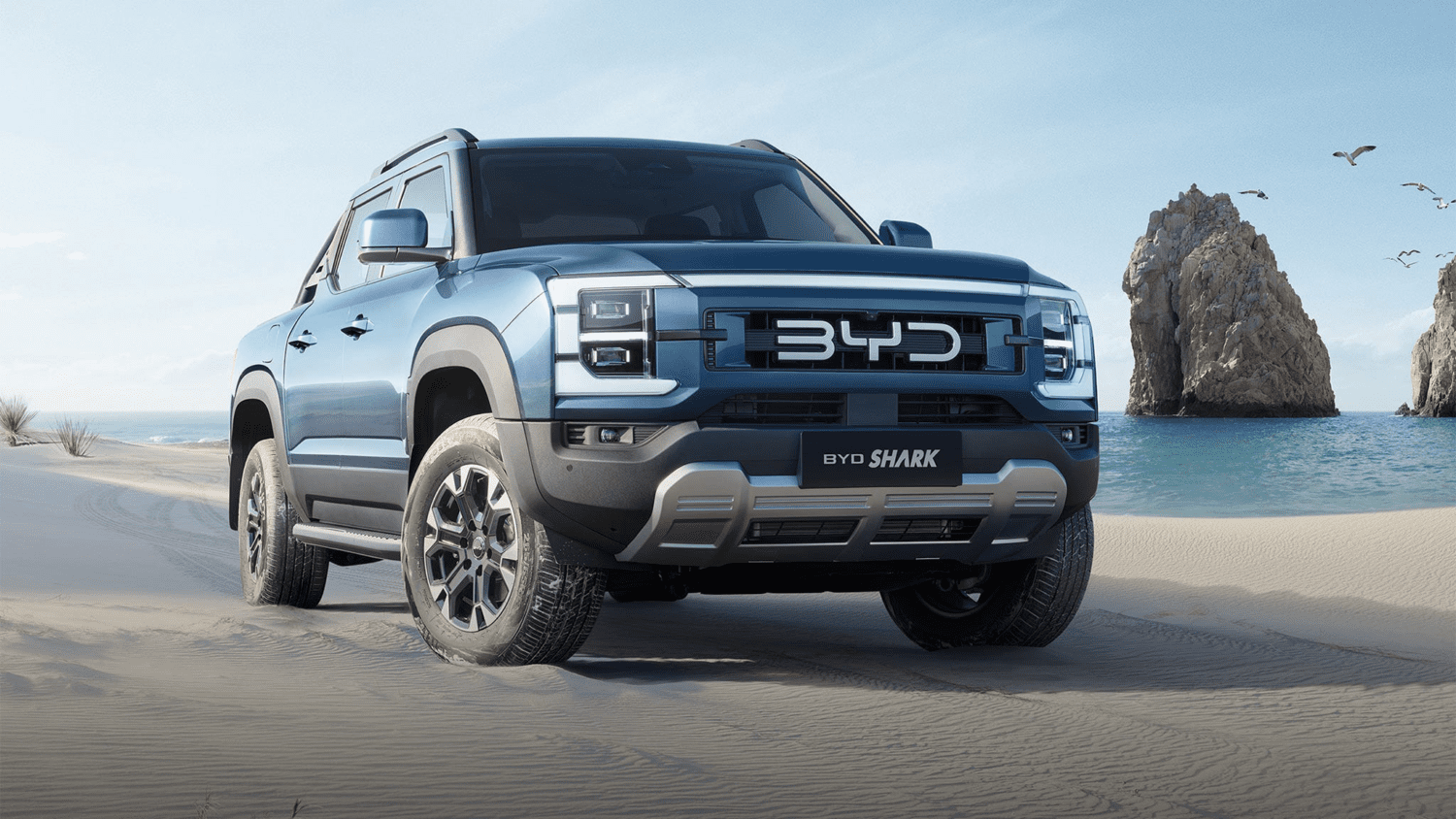
Early indications suggest a mix of crossovers, sedans, and possibly plug-in hybrids. Models like the Seal sedan and Sealion SUV are widely expected, alongside more affordable offerings such as the Dolphin hatchback. For overlanders and outdoor enthusiasts, BYD’s growing lineup of ruggedized vehicles could prove particularly compelling. The Shark plugin-hybrid pickup is rapidly gaining traction in global markets like Australia and Mexico by offering a unibody platform with hybrid power, while larger SUVs like the Tang provide all-wheel drive and extended range suitable for backcountry travel. BYD also have a Luxury brand producing not only a super car competitor, but also the U8 SUV, clearly intended to challenge Range Rover with it’s looks and three rows of seating.
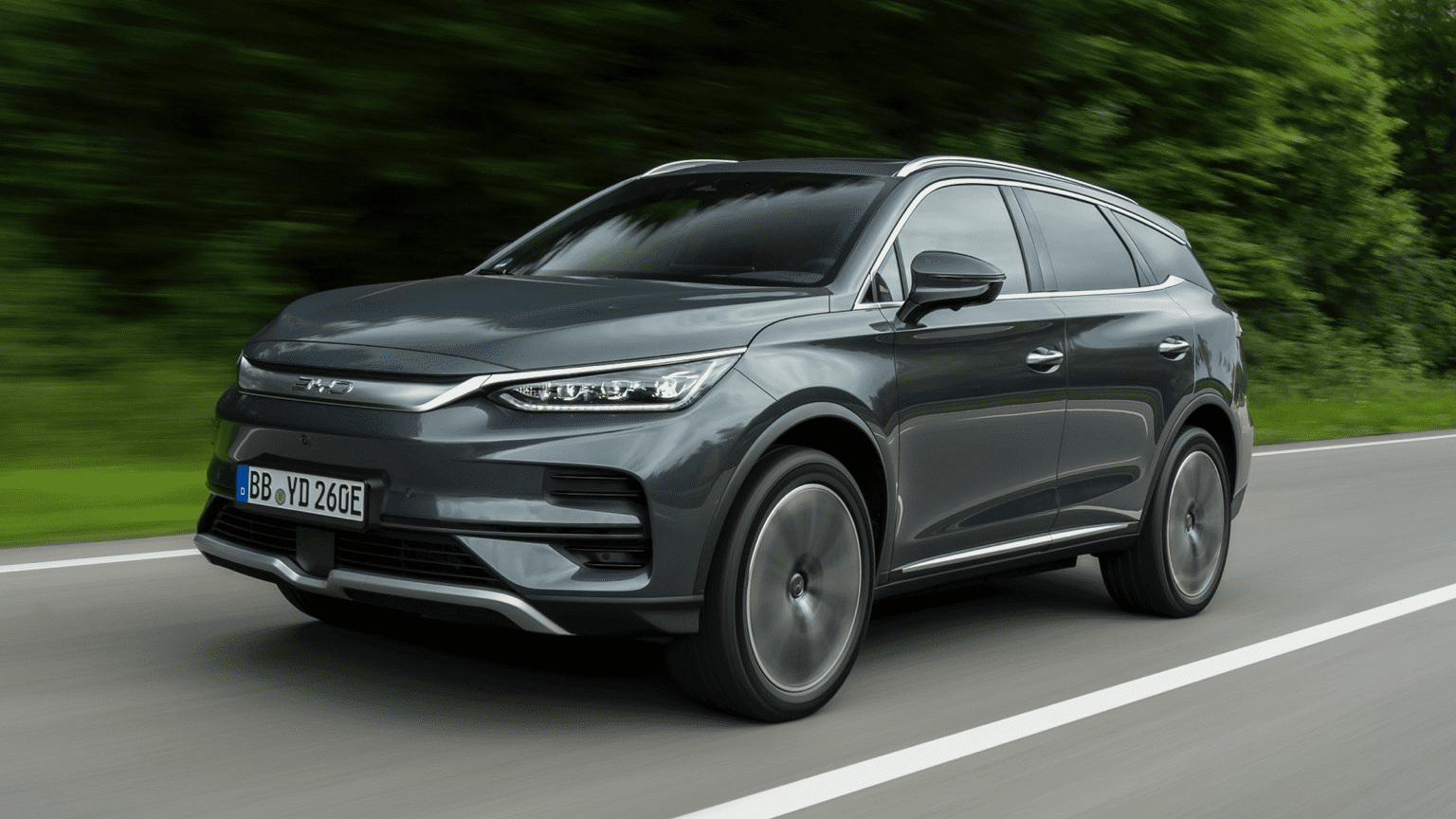
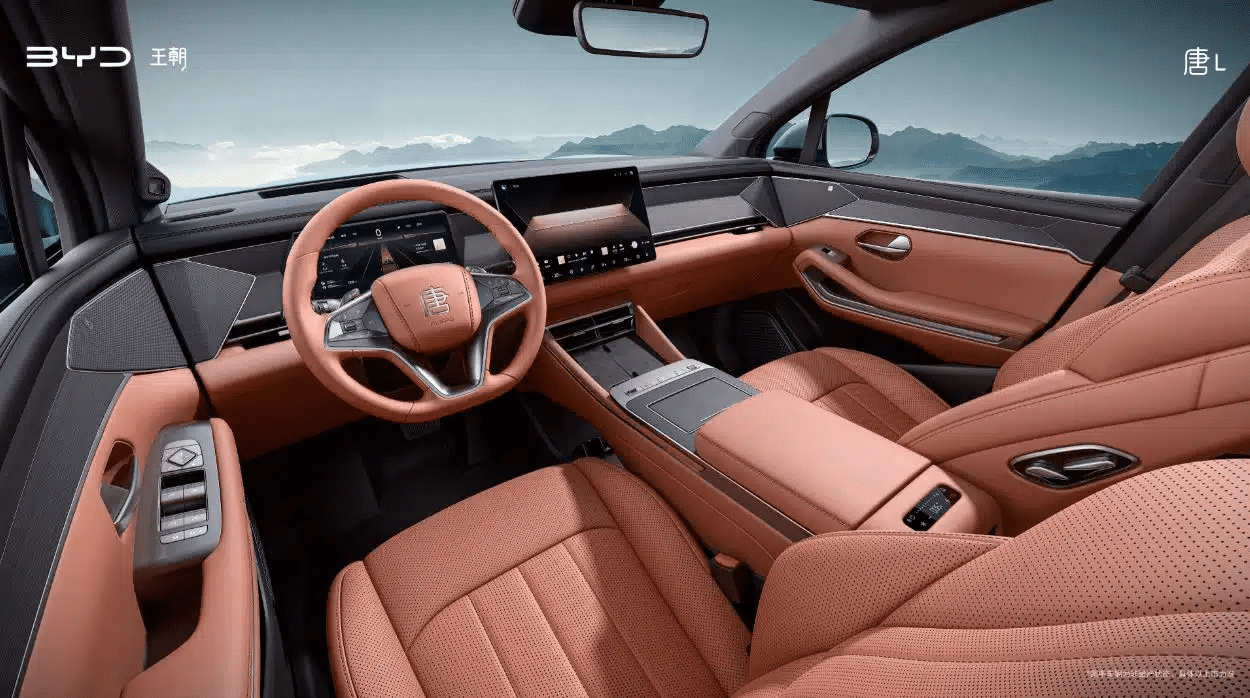
While these vehicles may not yet rival the aftermarket support or trail-proven pedigree of established overland platforms, their appeal lies in efficiency, quiet operation, and increasingly capable AWD systems. For explorers prioritizing long-distance travel with minimal fuel costs, or those building modern, tech-forward adventure rigs, BYD’s offerings could represent an interesting new frontier.
Exciting times ahead
Of course, challenges remain.
Canada’s import quota caps initial volumes at 49,000 total vehicles annually, meaning supply is likely to be limited in the early stages. It’s interesting that while this cap will slowly increase as the years roll on, for now it is on a first-come, first-served basis. So if BYD can get the jump on other Chinese manufacturers, they may very well consume much or all of that quote. With dealership infrastructure only now being established, service networks and parts availability will take time to mature. Even still, the writing is on the wall and makes the trajectory clear.
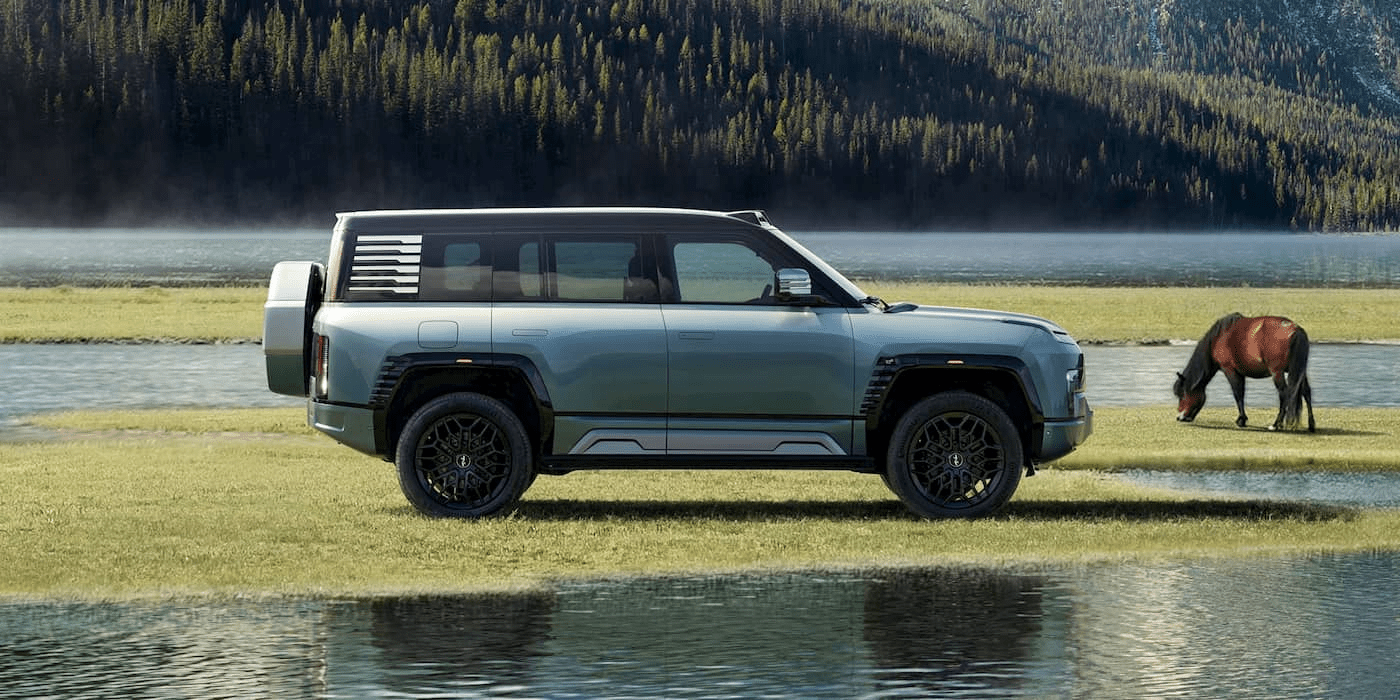
With up to twenty dealerships planned and a favorable regulatory environment now in place, BYD’s Canadian debut has the potential to reshape the market by bringing lower prices, new technology, and a fresh perspective to Canadian buyers. In addition, with rumblings that Stellantis may throw open the doors to its currently shuttered factories in Canada to making BYD vehicles, or BYD building Canadian factories themselves, the Chinese EV beachhead in North America may be more successful than first imagined.
Read more: Consumer Reports Lists Toyota Most Reliable. Again.
Images: BYD
Our No Compromise Clause: We do not accept advertorial content or allow advertising to influence our coverage, and our contributors are guaranteed editorial independence. Overland International may earn a small commission from affiliate links included in this article. We appreciate your support.
