

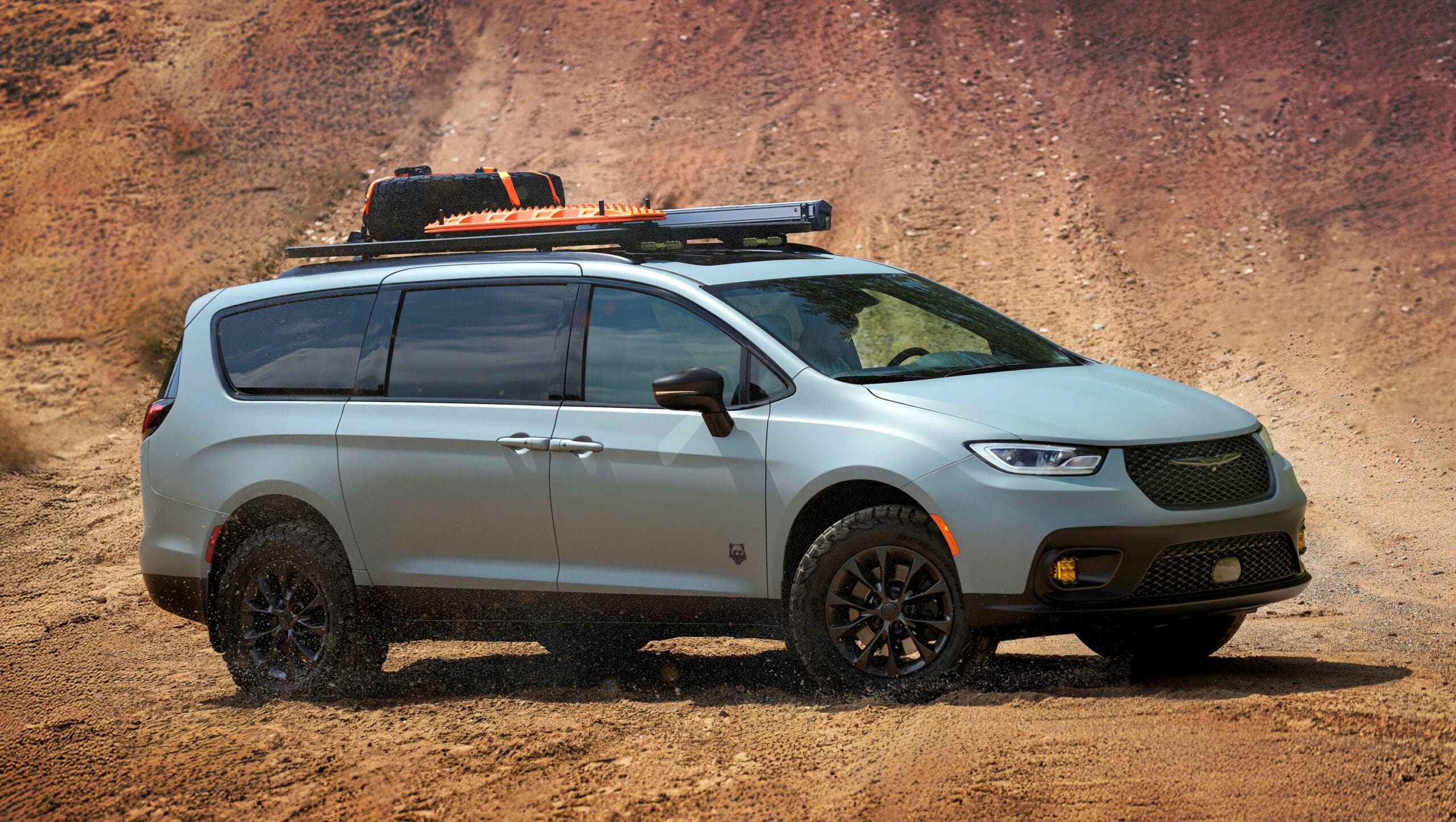
In a surprising pivot on February 5th, Canada’s Federal government announced that it is scrapping its national electric-vehicle sales mandate—a policy once positioned as a cornerstone of the country’s clean transportation transition. What had been a firm regulatory roadmap toward an all-EV auto market now gives way to a more flexible emissions-based system paired with incentives for buyers and investments in charging infrastructure.
Late in 2023 Canada originally mandated that by 2035 all new vehicle sales must be zero emissions vehicles (ZEV), effectively ending sales of new internal combustion engine vehicles. This policy was aggressive, though it was also in line with a handful of other countries around the globe. But now that plan had been halted. The Federal decision was driven by a combination of industry pushback, declining EV sales following the rollback of Federal rebates, and pressures linked to U.S. market shifts.
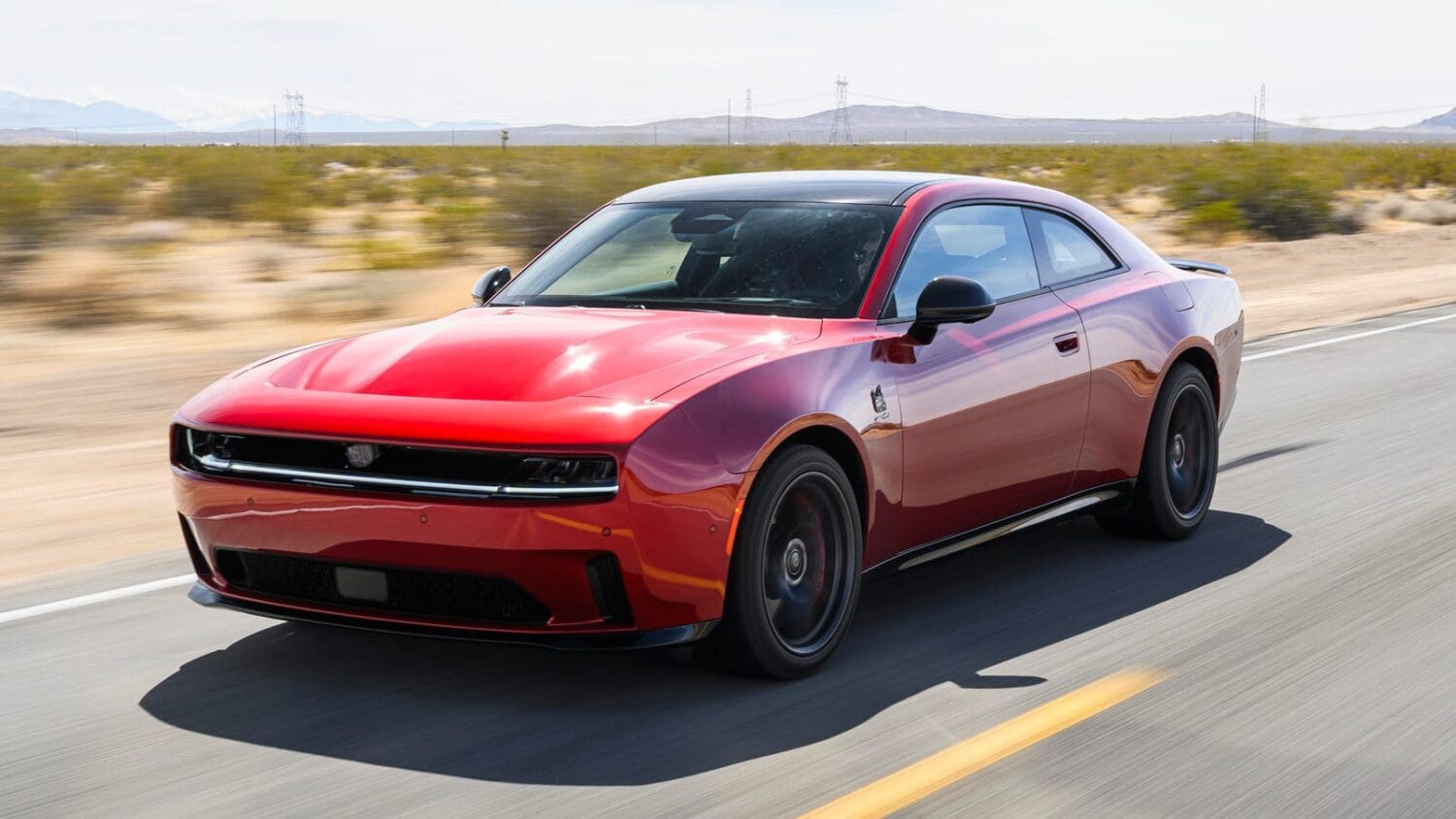
The mandate is being replaced with stricter greenhouse-gas emissions standards that the government says will still drive electrification, aiming for roughly 75 percent EV share by 2035 and 90 percent by 2040. The government also announced a new $5000 Federal rebate for the purchase of new EVs and a $1.5 billion charging infrastructure investment. Canada’s government argues that flexible emissions standards and incentives will reduce cost pressure on automakers and consumers while encouraging uptake without rigid quotas. The move also reflects broader market realities: gasoline and hybrid vehicles still dominate sales, charging infrastructure gaps remain right across the great white north, and consumer demand has softened since subsidies ended.
Meanwhile in California, the zero-emission vehicle mandate remains firmly on the books, with 100% of all new sales required by 2035. It’s worth noting these targets include battery EVs and hydrogen fuel-cell vehicles, with limited allowance for plug-in hybrids. California’s regulatory framework has been one of the globe’s most aggressive, and despite Federal political pushback, the policy continues to guide the largest U.S. auto market toward an EV-dominant fleet.
It remains to be seen how the US as a whole will react, with no Federal mandate for EV sales of any kind Around the globe Norway continues to lead the charge, with 95.9 percent of all new vehicles registered in 2025 being EVs. The Netherlands, Iceland and Ireland have set a 2030 goal to reach the 100 percent EV mark. The European Union as a whole broadly backs a 2035 ICE sales phase-out, though recent debates may adjust details.
The electric future is coming, just a bit late
Canada’s recent policy shift underscores an emerging tension in the EV transition where aggressive timelines collide with market realities. While electrification continues to grow globally, rigid quotas and an outright ban on ICE vehicles creates consumer and industry pushback. At the same time, targets like those in California and parts of Europe show that firm deadlines remain feasible, though time will tell if they remain in place.
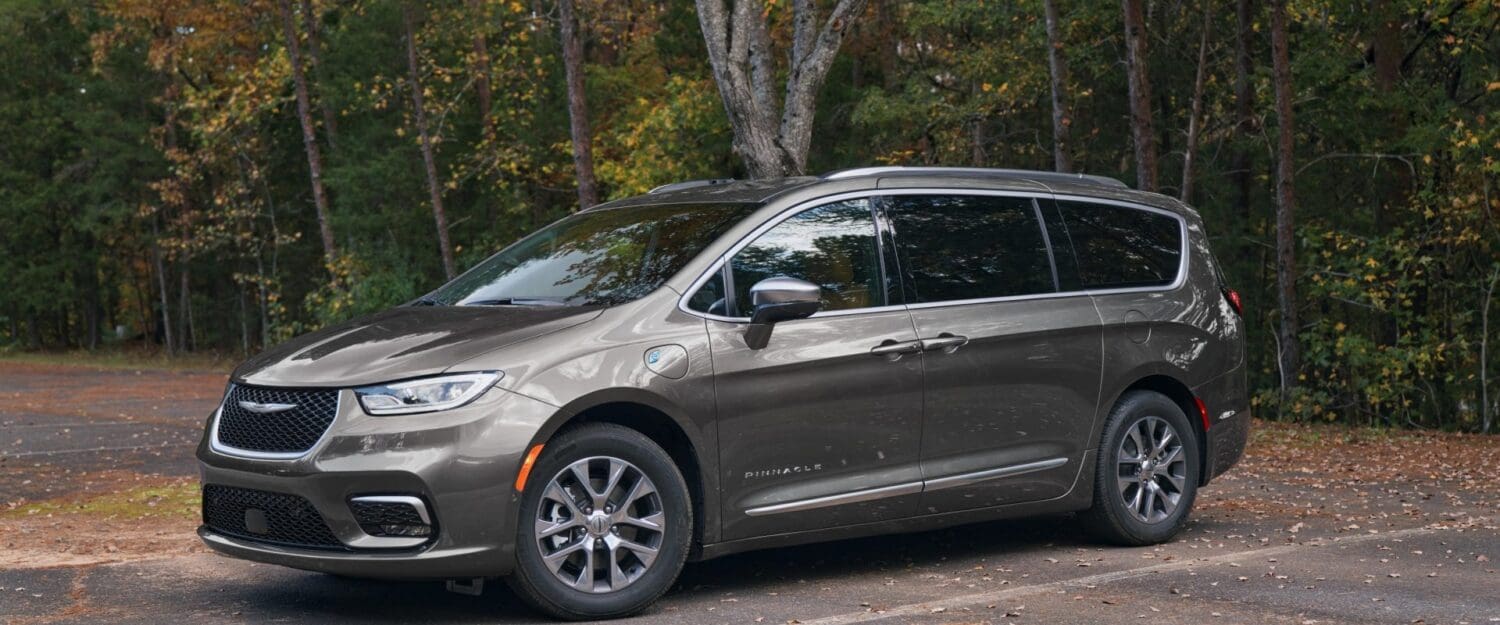
The full list of qualifying vehicles for the $5000 EV rebate and $2500 PHEV rebate can be found here. Most notably the final transaction price must be below $50,000 for the vehicle to qualify, so we can expect some price tweaks in the coming months for vehicles a touch over the cutoff. In an interesting move to bolster local production, vehicles built in Canada like the Charger Daytona and the Pacifica PHEV are not subject to the $50,000 price cut off.
Read more: Toyota Confirms Compact Pickup for US Market
Images: Stellantis
Some images provided by certain brands or manufacturers may contain AI-generated content.
Our No Compromise Clause: We do not accept advertorial content or allow advertising to influence our coverage, and our contributors are guaranteed editorial independence. Overland International may earn a small commission from affiliate links included in this article. We appreciate your support.
