

When it comes to foreign vehicle imports and tariffs, Canada has largely followed the US, especially when it comes to Chinese Electric Vehicles (EVs). The 100% import tariff imposed by Canada and the US effectively doubles the price of those vehicles. Not surprisingly, none of the Chinese automakers have established a presence because of that, and for all intents and purposes, it’s impossible to buy and register a Chinese EV in Canada or the US.
New Policy
On January sixteenth, Prime Minister Mark Carney announced Canada is slashing tariffs on Chinese electric vehicles down to a puny 6.1%. Rather than shielding the market from Chinese competition, Ottawa has chosen to welcome limited imports of EVs from China in a move designed to expand choice, lower consumer prices, and open the door to a new chapter in North American electrified transport.
Under the new rules, Canada will allow up to 49,000 Chinese-built electric vehicles per year to be imported at the reduced tariff of 6.1%. The quota isn’t static but is structured to grow each year, so that by 2031, there will be roughly 70,000 vehicles per year permitted at the low tariff rate.
These new rules have taken effect immediately, and dealers are expected to start bringing Chinese EVs into Canada as soon as customs, safety, and certification processes are completed, likely in February.
Spoiled for Choice
So what exactly will Canadian showrooms see? The policy itself doesn’t “pick winners” by brand, but it certainly clears a regulatory runway for Chinese EV makers to launch official sales channels in Canada. It is highly likely BYD, the world’s largest EV manufacturer, and Xiaomi, widely praised for its high-end offerings that rival Tesla and Lucid, will quickly move into the Canadian market.
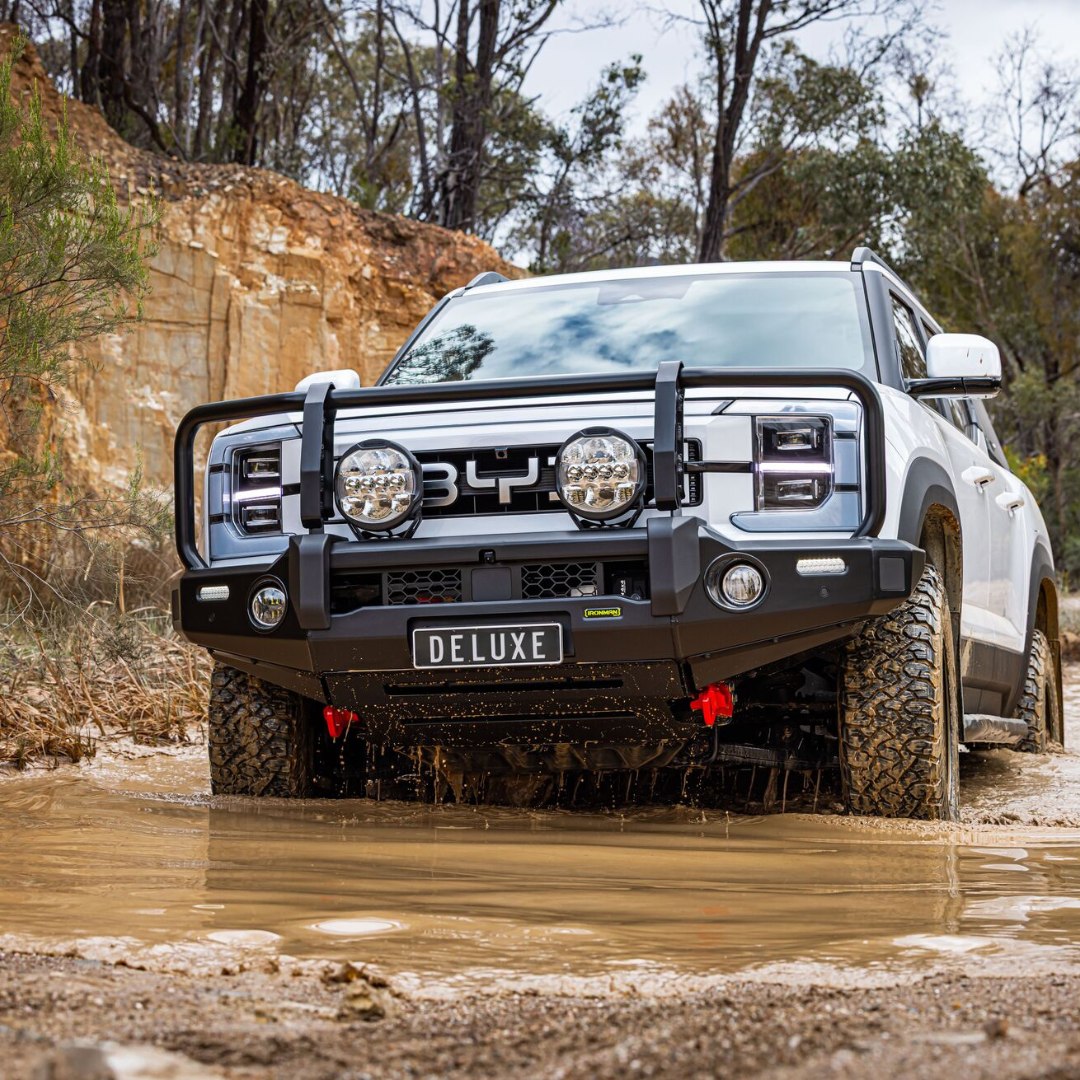
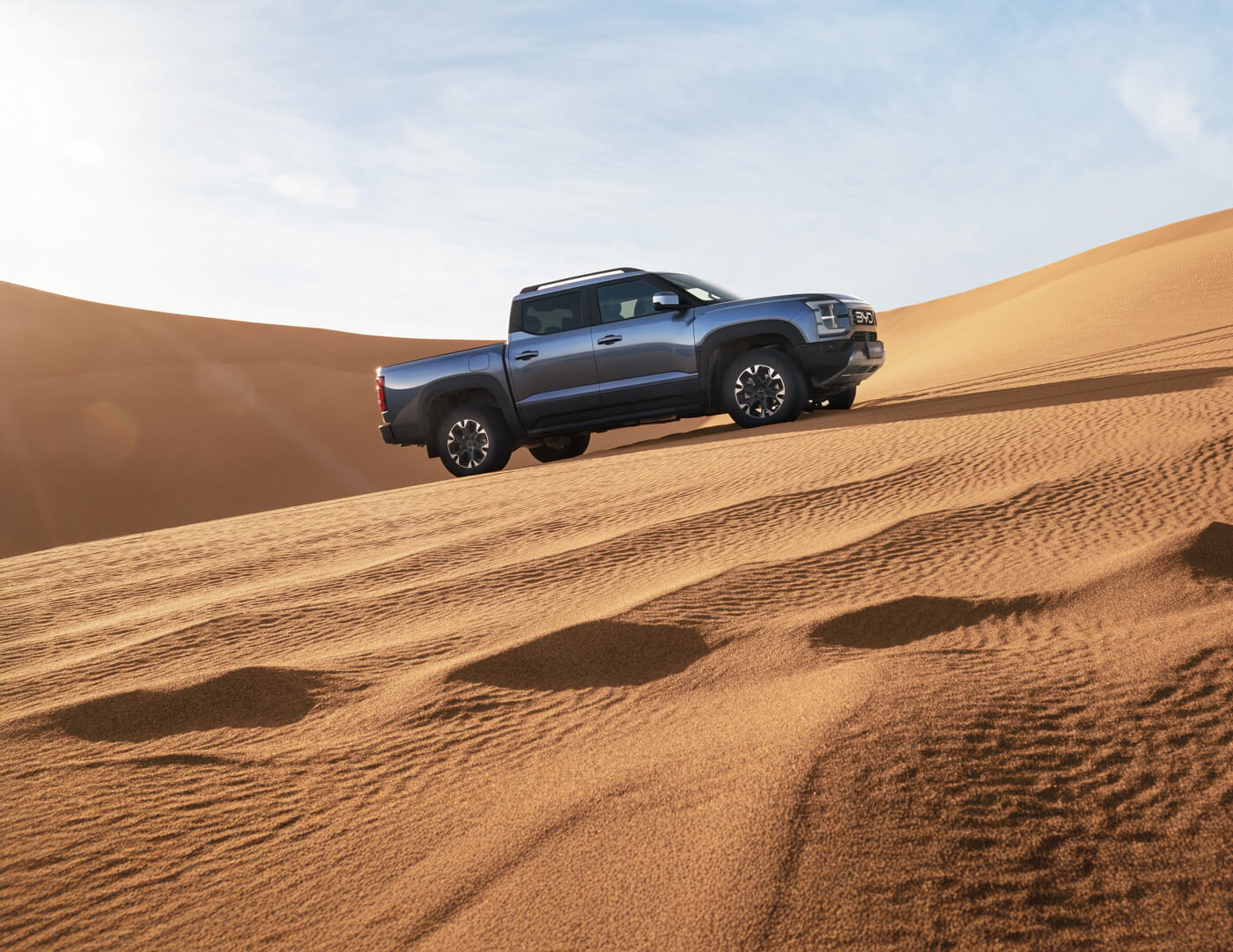
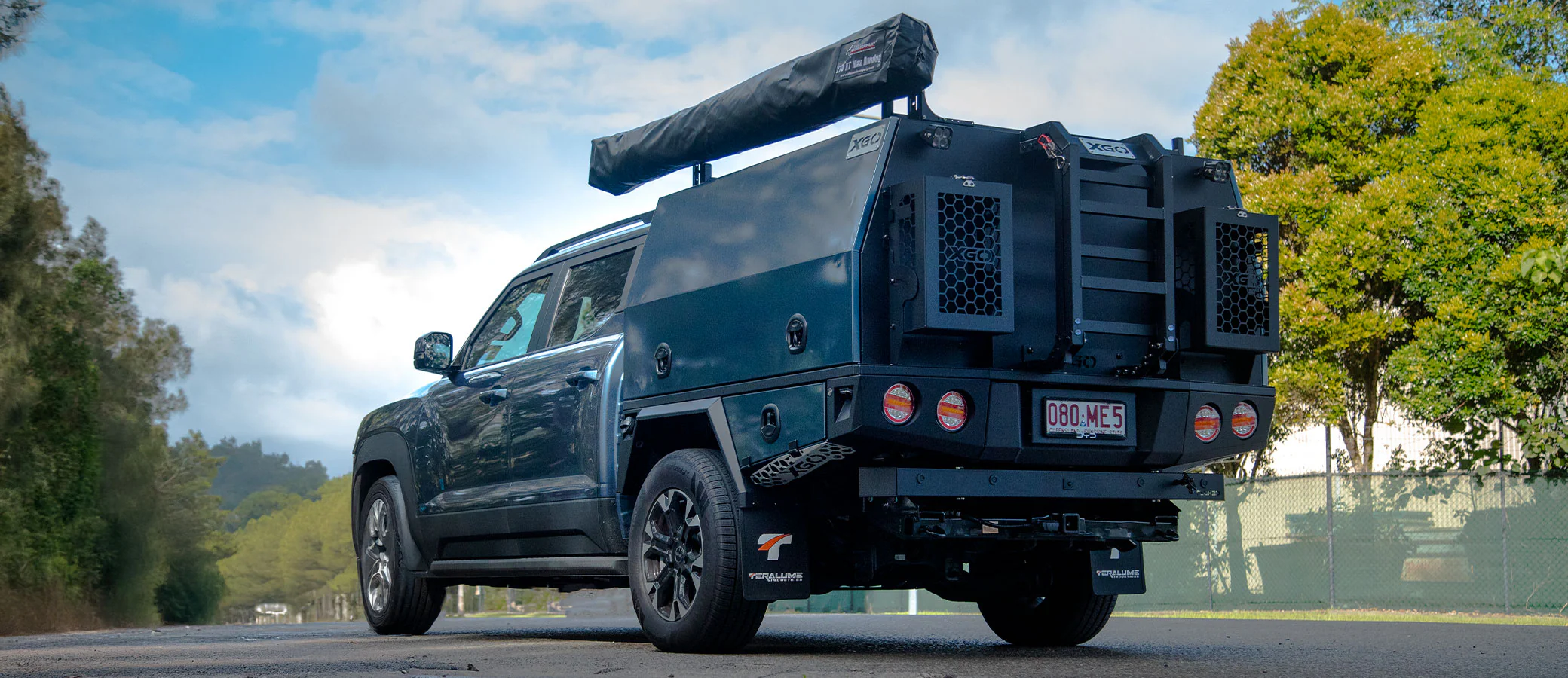
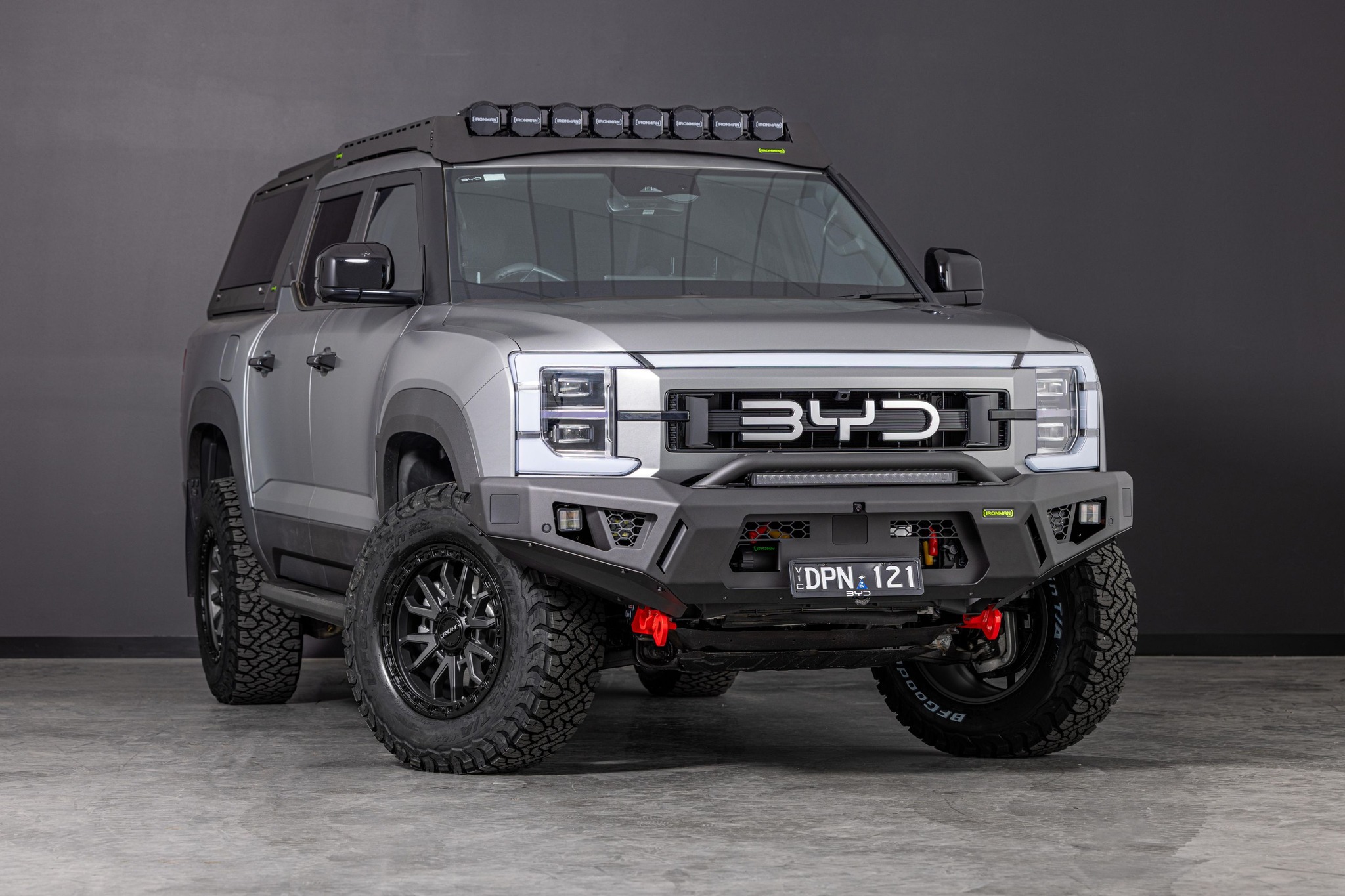
BYD’s plug-in hybrid “Shark” pickup has been taking key markets like South Africa, Mexico, and Australia by storm, outselling the once-unbeatable Hilux down under for the first time in 2025 to private buyers.
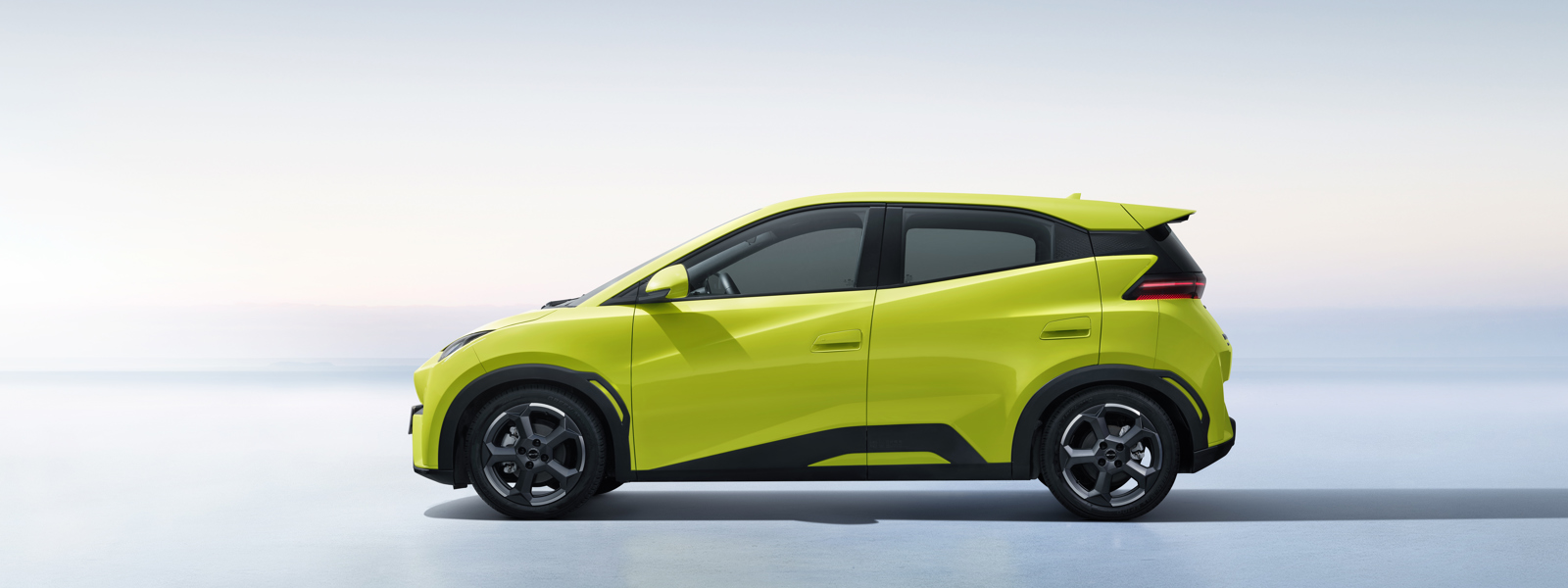
BYD is also expected to bring across its “Seagull” model, a compact hatchback that could sell for well under $20,000 CAD (USD $14,500) after tariffs and logistics—a price point that would undercut all new vehicles in Canada, especially EVs, which currently start at $40,000 CAD. With a range of 405 kilometers (250 miles), this could quickly replace many commuter cars.
This policy change is widely interpreted as making BYD dealerships in Canada a very real possibility. Unlike imports that arrive through third-party brokers or grey-market channels, establishing an official dealer network requires manufacturer commitment and investments in infrastructure, certification, parts supply, training, and warranty support. With tariffs now at a manageable level, the economics for BYD (and others) to deploy franchised dealer networks in major Canadian cities—Toronto, Vancouver, Montreal, Calgary, Vancouver Island, and Ottawa—are much improved.
Whether BYD opens dozens of dealerships coast-to-coast in 2026 or chooses a more incremental rollout is still up to the company.
What Does This Mean for US Buyers?
The United States still maintains a 100% tariff on Chinese-made EVs to protect domestic manufacturing—essentially blocking those vehicles from entering the market. That means Canada, with this creative tariff-quota system, has created one of the only low-tariff North American markets for Chinese EV brands.
While nothing will directly change for Chinese EV sales in the USA, some secondary effects may come into play.
Firstly, vehicles imported into Canada can enter the US used market through re-export, cross-border sales, or private importation, but only if they meet US safety standards. While regulatory barriers remain high, some retailers and brokers may explore strategies to legally bring cheap used Chinese EVs into the US. This wouldn’t be at the scale of mainstream sales, but it could permit some sales.
Secondly, the existence of a Canadian channel for low-cost EVs could force US automakers (GM, Ford, Stellantis, Tesla) to accelerate their own value-priced EV strategies.
And finally, the Canadian move could become a template for future US policy discussions about how to selectively lower barriers without compromising domestic strategic interests. If the US were to soften tariffs, Canada’s experience could serve as a key reference point.
Speaking from recent personal experience importing a used Canadian vehicle to the USA, Canadian federal vehicle standards are now almost identical to US federal standards, with only the smallest of modifications required, like changing dials to read in miles per hour. EPA certification on an EV is a non-issue, and all vehicles in Canada have backup cameras, TPMS, and other features required on newer vehicles by US law.
Will There Be Anything for Overlanders?
EVs have not yet hit the big time for overlanding in North America, though plenty of buyers are putting the F-150 Lightning, Rivian R1T, and Silverado EV to the test.
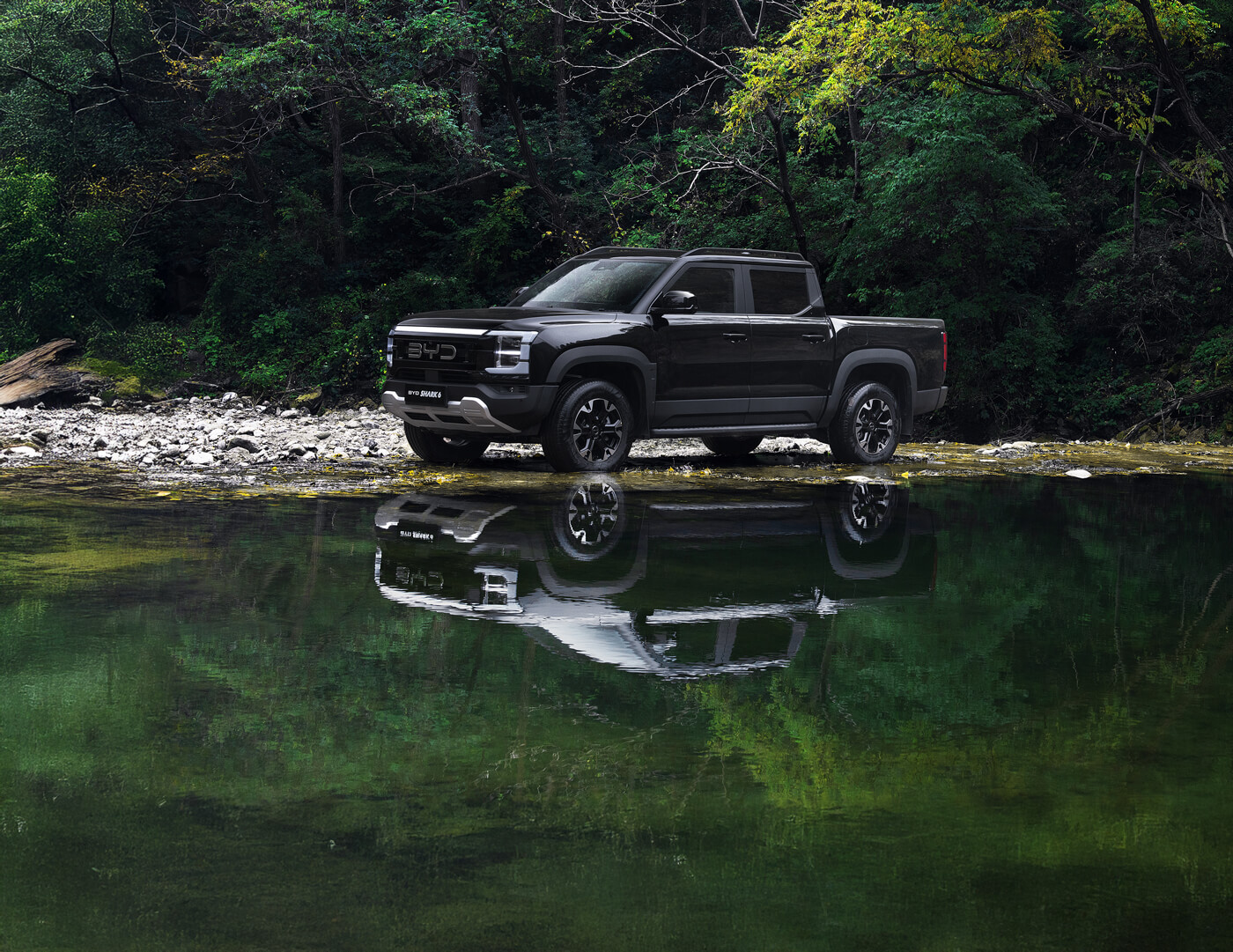
Aside from a slew of luxury SUVs, the best option for overlanders from the Chinese brands for now is the BYD Shark, currently in its sixth iteration. This mid-sized plug-in hybrid pickup offers around 60 miles of pure electric range before the 1.5-liter turbo gas engine kicks in, providing an additional 700 kilometers (440 miles) of range.
The Shark supports DC fast charging and, like all EVs and PHEVs, is no slouch with 430 horsepower and 480 pound-feet of torque. Most impressively, Australians are reporting fuel consumption of around 7l/100km (35mpg), depending on driving style and how often they charge.
In stock form, the Shark offers 790 kilograms (1,740 pounds) of payload and a 2,500 kilograms (5,500 pounds) maximum tow rating, though, as always, the crafty Australians have gone to work increasing that. Ironman 4×4 has released a fully legal GVM upgrade for the Shark that increases payload up to an impressive 1,140 kilograms (2,500 pounds) while maximum towing remains unchanged.
At this time it is unknown what GVWR, payload, and tow ratings any future Canadian-spec Shark would carry.
The Electric Future
For Canadian buyers tired of high EV prices, this will be a welcome shift. For automakers still adjusting to EV economics, it’s a call to innovate faster. And for the US, it’s a reminder that global trade policy—especially in electric mobility—is changing rapidly.
Canada just rewrote the playbook. Now we’ll see how the market responds.
Our No Compromise Clause: We do not accept advertorial content or allow advertising to influence our coverage, and our contributors are guaranteed editorial independence. Overland International may earn a small commission from affiliate links included in this article. We appreciate your support.
Image credits: BYD, Xiaomi, and Ironman 4×4
