

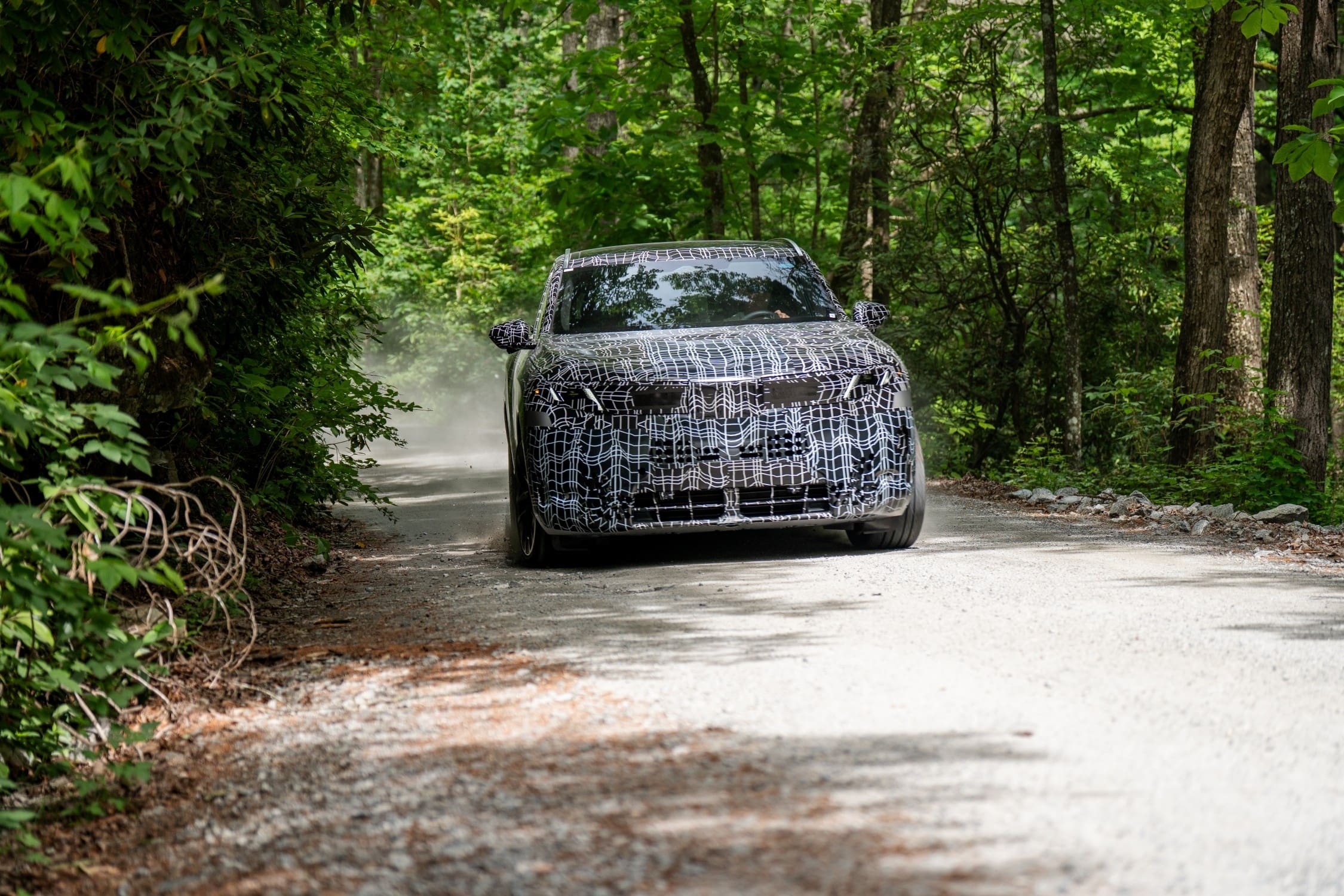
The North American automotive industry has largely framed the future of vehicle propulsion as a choice between gasoline and electricity. Sadly, diesel sales for light- and medium-duty vehicles took a nosedive as a result of the VW “dieselgate” scandal of 2015 and have never recovered. Now BMW and Toyota are exploring an entirely new path, one that could reduce the carbon footprint of existing internal combustion vehicles without replacing millions of cars already on the road.
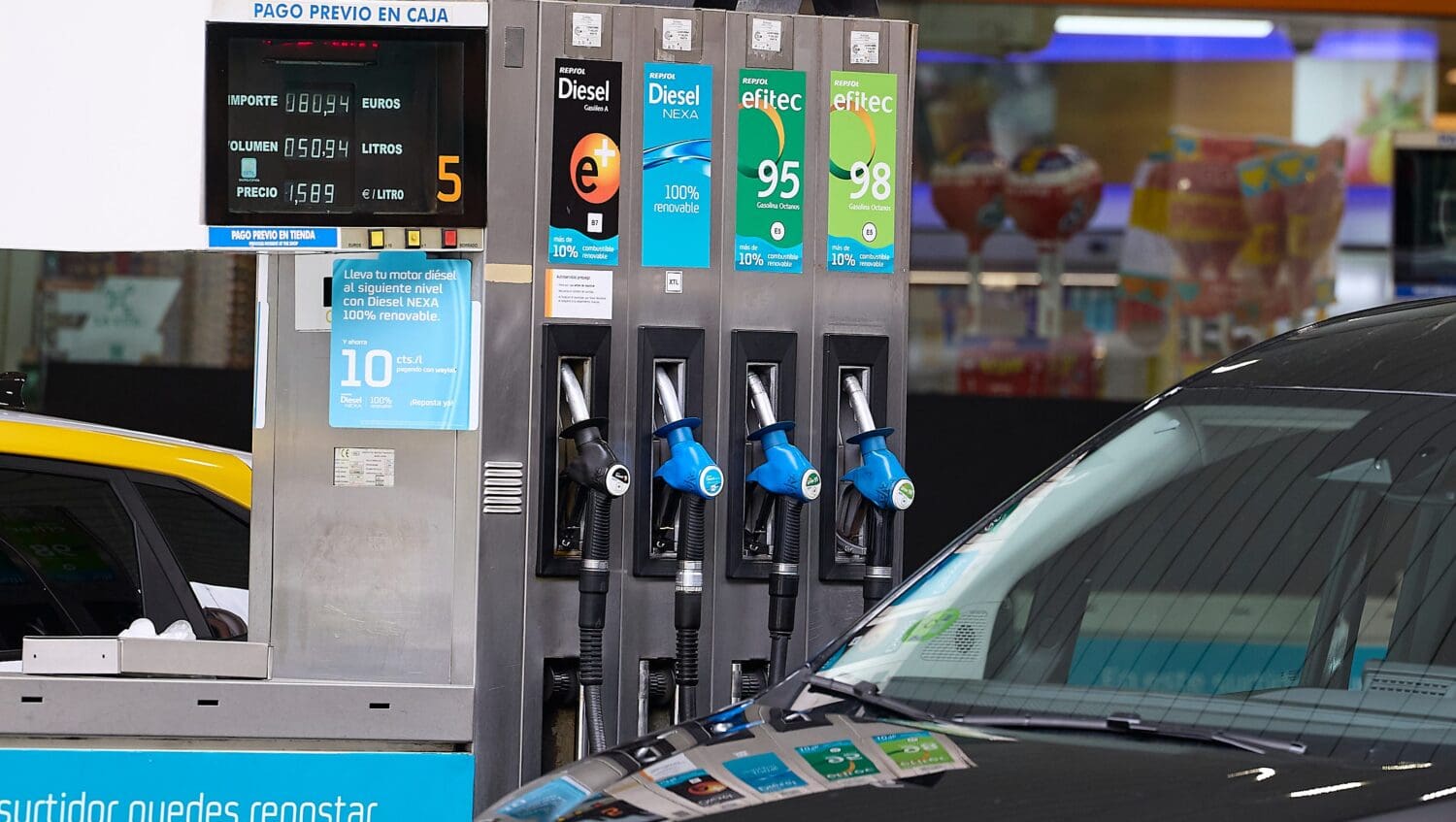
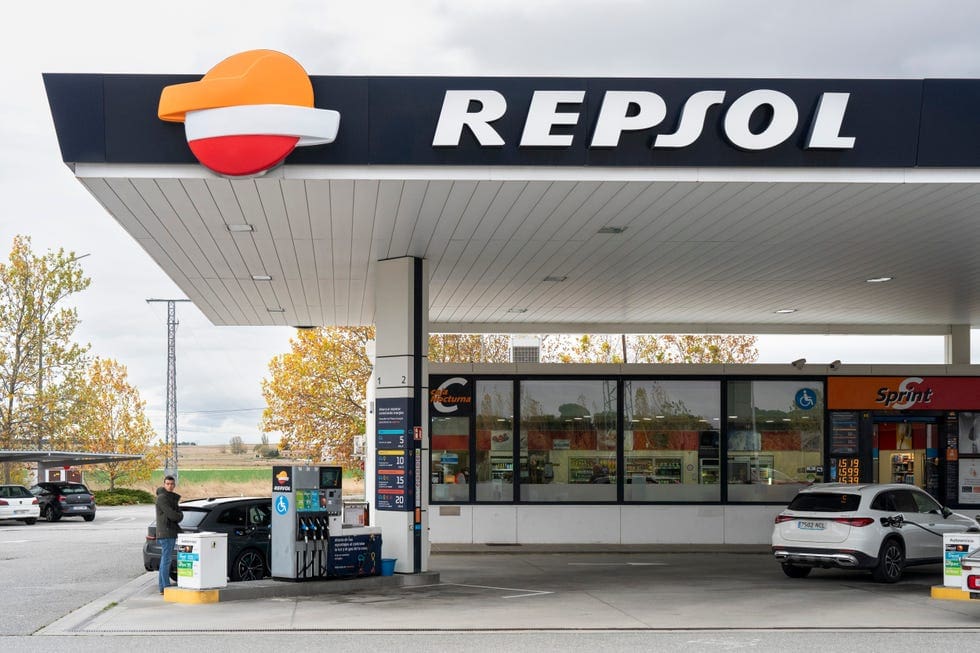
The two automakers have partnered with Bosch and Spanish energy company Repsol to launch a six month real-world trial in Spain using 100% renewable gasoline. Around 20 standard production vehicles from BMW and Toyota are being driven on public roads using Repsol’s Nexa 95 renewable fuel, with Bosch supplying a digital tracking system to verify the fuel from production all the way to the fuel tank.
Unlike hydrogen or battery electric vehicles, these cars require no engine modifications whatsoever. Drivers simply fill up with renewable gasoline instead of conventional fuel and drive away. Existing fuel stations, pipelines, storage tanks, and engines all remain exactly the same.
100% renewable gas
BMW and Toyota argue that replacing every gasoline vehicle with an EV will take decades and cost billions. Hundreds of millions of combustion vehicles will remain on the road well into the 2040s, particularly in developing countries and remote regions where charging infrastructure remains limited. Renewable gasoline offers a way to reduce lifecycle greenhouse gas emissions while continuing to use the existing vehicle fleet.
The fuel is produced from renewable feedstocks including used cooking oil, animal fats, and other biological waste products that comply with European renewable fuel standards. Rather than extracting new fossil fuels from the ground, the process gives waste materials a second life as transportation fuel.
What about the cost?
Renewable gasoline is currently more expensive to produce than conventional gasoline because feedstock supplies are limited and production remains relatively small. If production expands significantly, costs could decline, although few expect it to match conventional fuel prices anytime soon. The companies hope the trial will help demonstrate sufficient demand to encourage larger scale investment, which should drive down prices.
Engine longevity should remain unchanged because the fuel has been formulated as a direct replacement for conventional gasoline. Since no modifications are required, manufacturers expect existing engines, fuel systems, and maintenance schedules to remain unaffected. Given how simple the switch will be, it is simply a matter of cost. If this renewable fuel was cheaper, there’s no doubt people would jump ship.
The holy grail
Drivers of older diesel engines have spent decades touting the benefits of making their own bio-diesel, or even running used fryer oil directly to dramatically cut down on fuel costs. So is it possible to make your own renewable gasoline in a similar manner?
Sadly, the answer is almost certainly no. Renewable gasoline requires sophisticated industrial refining processes to convert biological feedstocks into a fuel chemically similar to conventional gasoline. Unlike small scale biodiesel production, it is not something that can realistically be produced in a home workshop.
An electric alternative
Many expedition vehicles spend weeks or months in remote regions where electric charging infrastructure simply does not exist. Renewable gasoline could eventually allow those vehicles to continue operating while reducing lifecycle emissions without sacrificing range, payload, or refueling convenience. Existing fuel cans, recovery vehicles, and supply chains would all continue functioning exactly as they do today, and in the future drivers from the Developed world visiting the Undeveloped regions of the planet will still be able to buy fuel for their “old” ICE vehicles.
Whether renewable gasoline becomes a mainstream fuel remains uncertain. Availability, production capacity, and government policy will ultimately determine its future. Even so, the project demonstrates that innovation in the internal combustion engine is far from over, and OEMs are still investing resources into them. Rather than viewing electrification and combustion as mutually exclusive, BMW and Toyota are betting there may be room for both, especially for the millions of vehicles that still have many years of useful life ahead of them.
Images: Getty Images, Toyota, BMW
Our No Compromise Clause: We do not accept advertorial content or allow advertising to influence our coverage, and our contributors are guaranteed editorial independence. Overland Collective may earn a small commission from affiliate links included in this article. We appreciate your support.
