

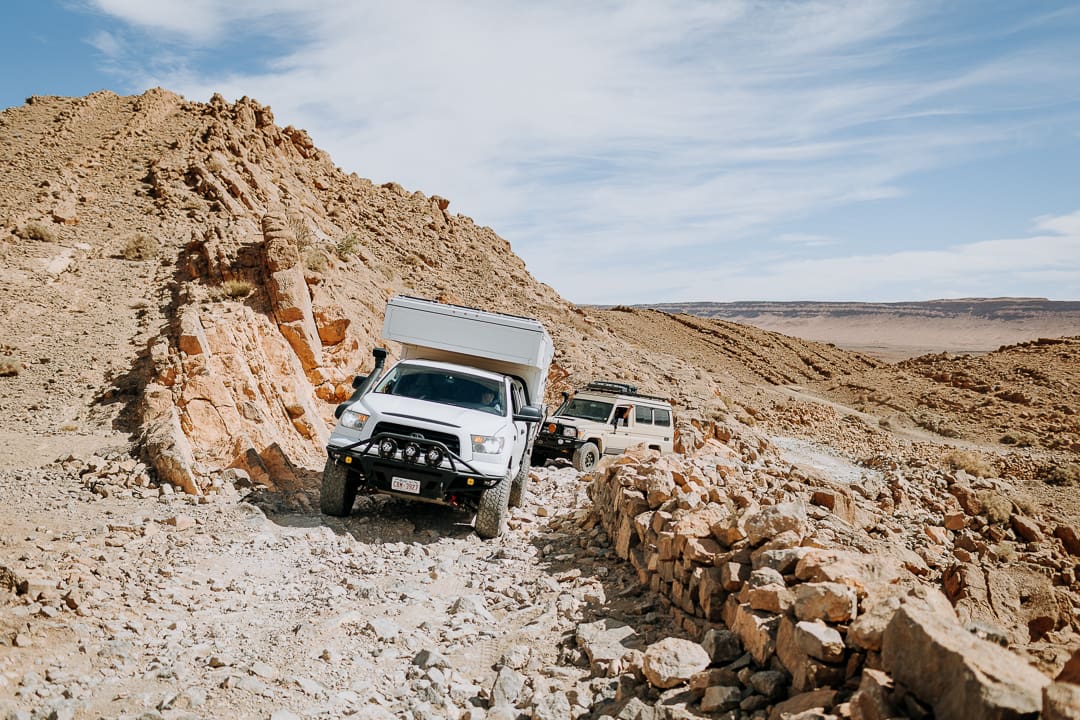
Photography by Richard Giordano
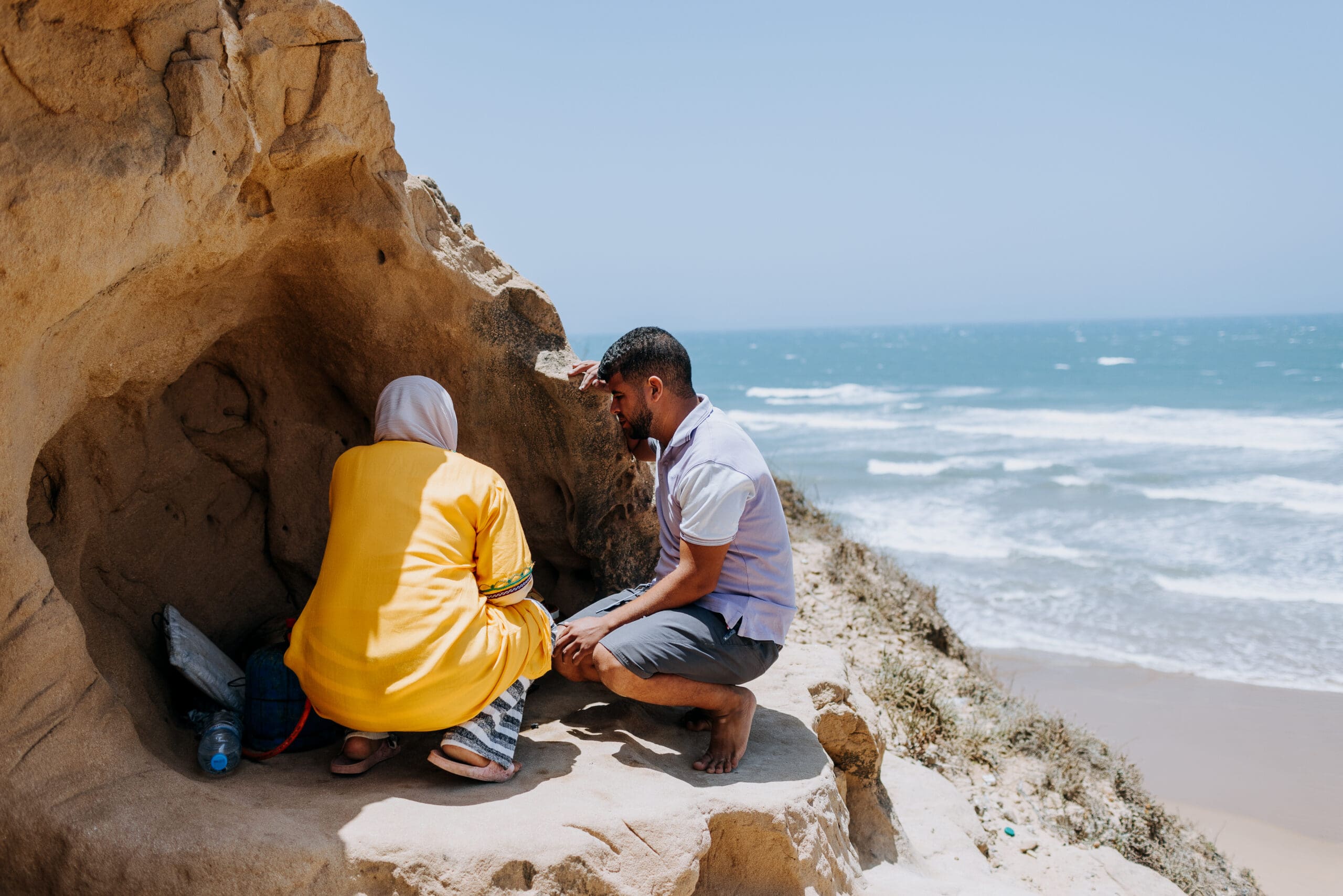
Meandering over a pathway embedded with mussel shells, I follow Mohamed along the coastal cliffs of the Atlantic. As we pass hand-carved caves hidden behind blue doors, fishermen stand atop the rocks, patiently waiting for the day’s catch. My guide, Mohamed Akhmisse, runs a Moroccan homestay experience from a fishing village south of Essaouira. He points to a particularly treacherous-looking section of rock. “In the summer, women scale these rocks to harvest fresh mussels,” he says.
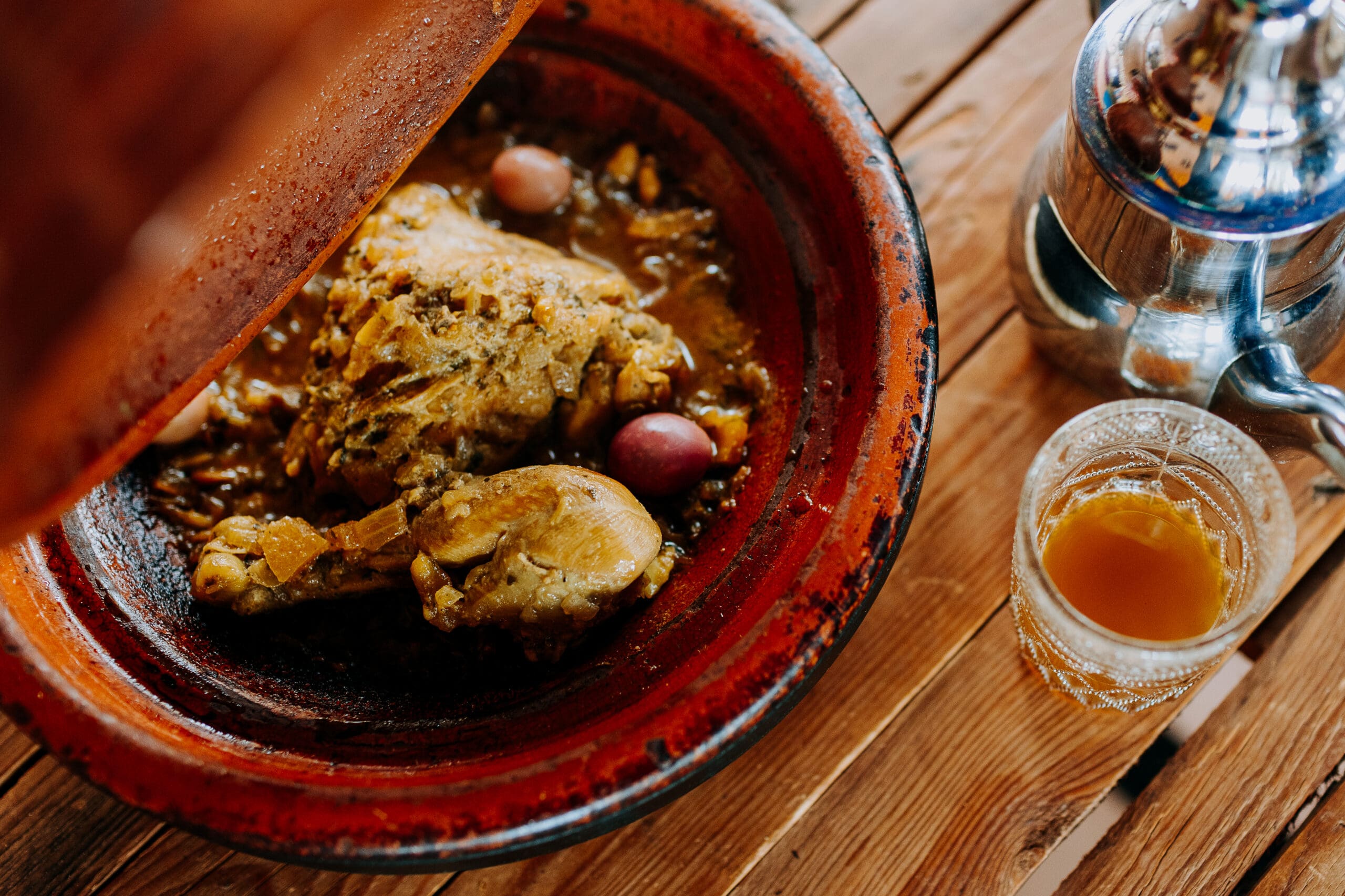
Later, we enjoy said mussels freshly steamed, while Mohamed’s sister, Aicha, teaches me how to prepare a chicken tagine (Overland Chef, Spring 2026). Perched in an alcove overlooking the sea, we watch the long, rolling waves below, take in the scent of preserved lemon and freshly chopped cilantro, and spend an enjoyable afternoon amidst good company and food.
This experience was one of the highlights of my time in Morocco and illustrates much of what the country does best: vivid and bountiful meals, raw natural beauty, and generous hospitality. Add hundreds of kilometers of off-road tracks through Morocco’s highest mountain passes, deepest valleys, and undulating sand tracks of the Sahara, combined with a busy surf scene, a wealth of historical sights, and countless lively souks, and you’ve got yourself an intriguing adventure. Here’s what to eat, do, and buy in Morocco.

WHAT TO EAT (AND DRINK)
Beverages
Moroccan Mint Tea
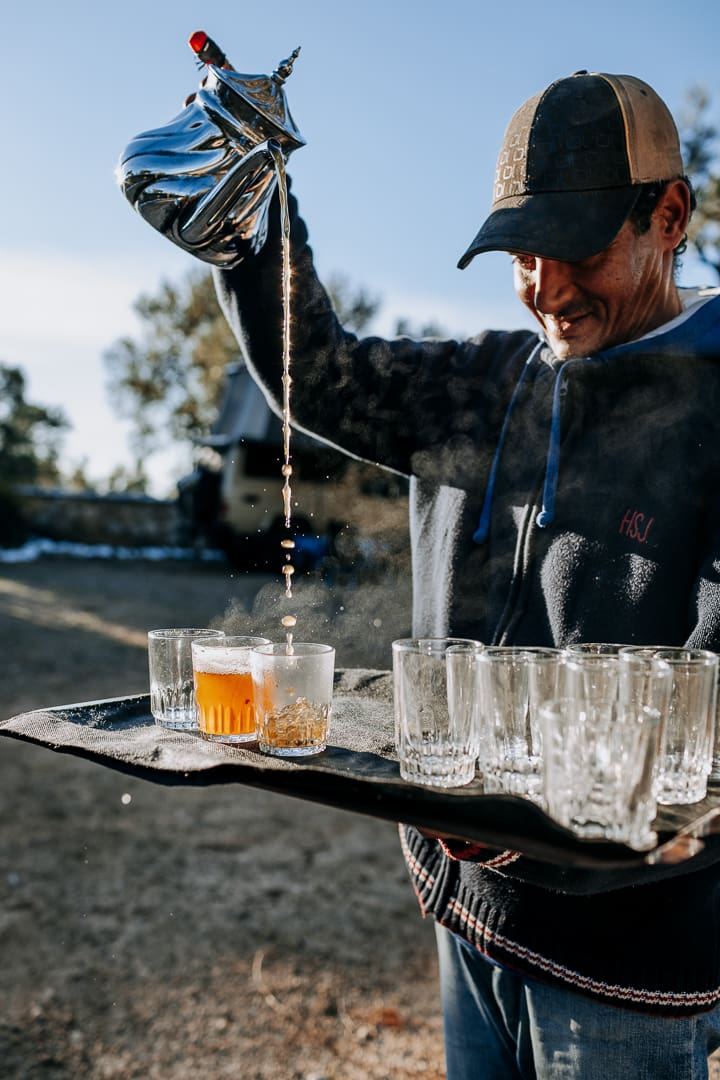
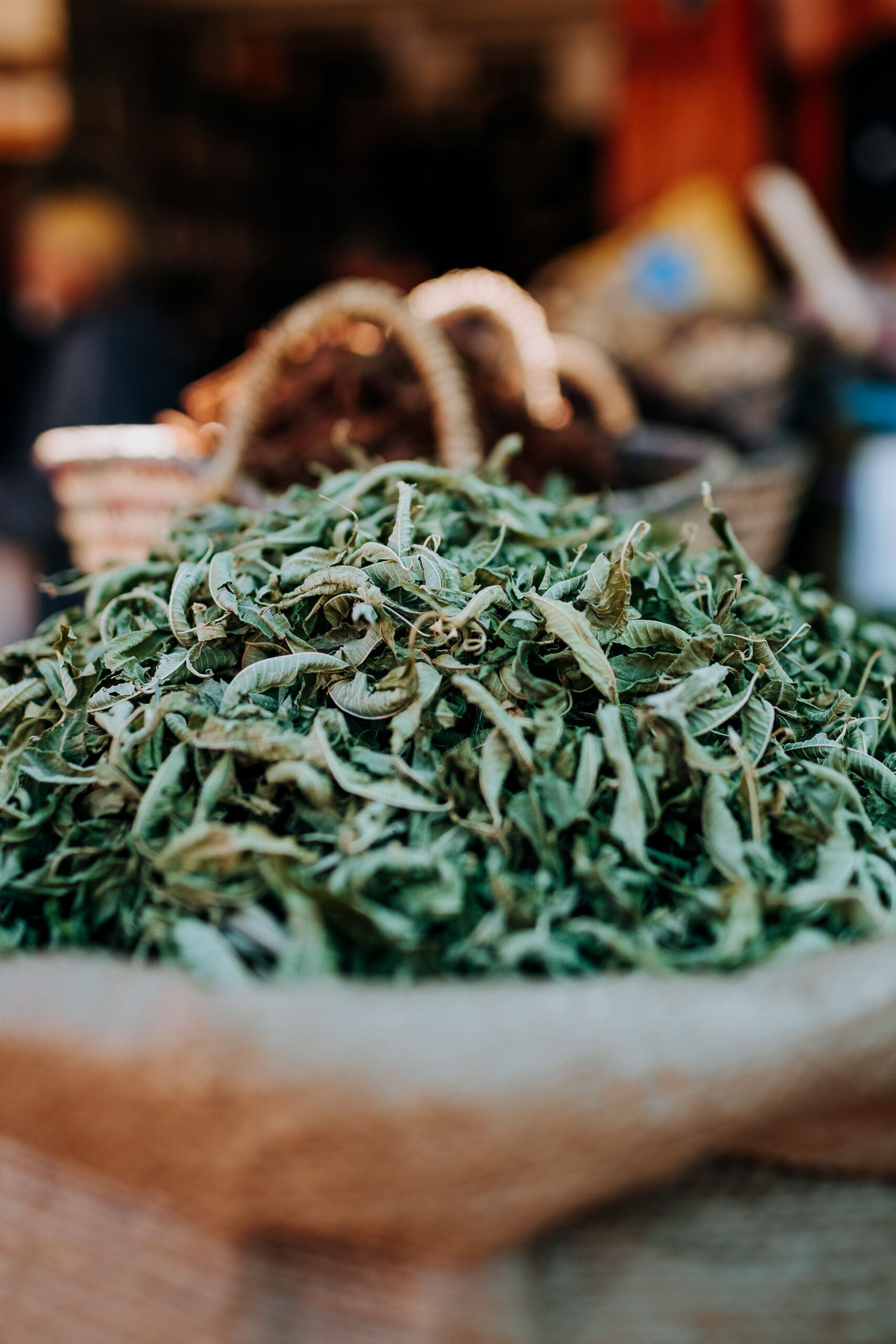
Frequently served as a welcome beverage, Moroccan mint tea combines dried Chinese gunpowder green tea leaves with boiling water, fresh mint, and sugar cubes (often optional). The liquid is poured with flair from high above into small glasses and served piping hot.
Coffee
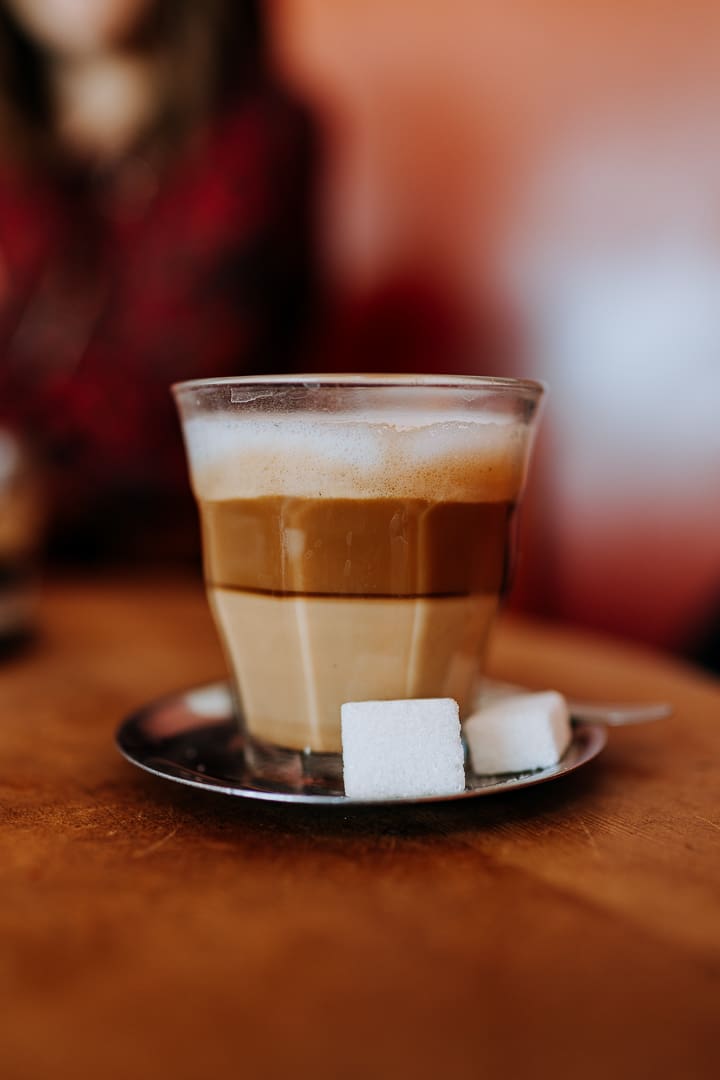
Order your daily jolt from roadside carts, cafes, and restaurants, sticking to espresso, café noir, or nous nous (half milk, half espresso). For something unique, try the spiced coffee, which features cinnamon, ginger, cardamom, cloves, and black pepper.
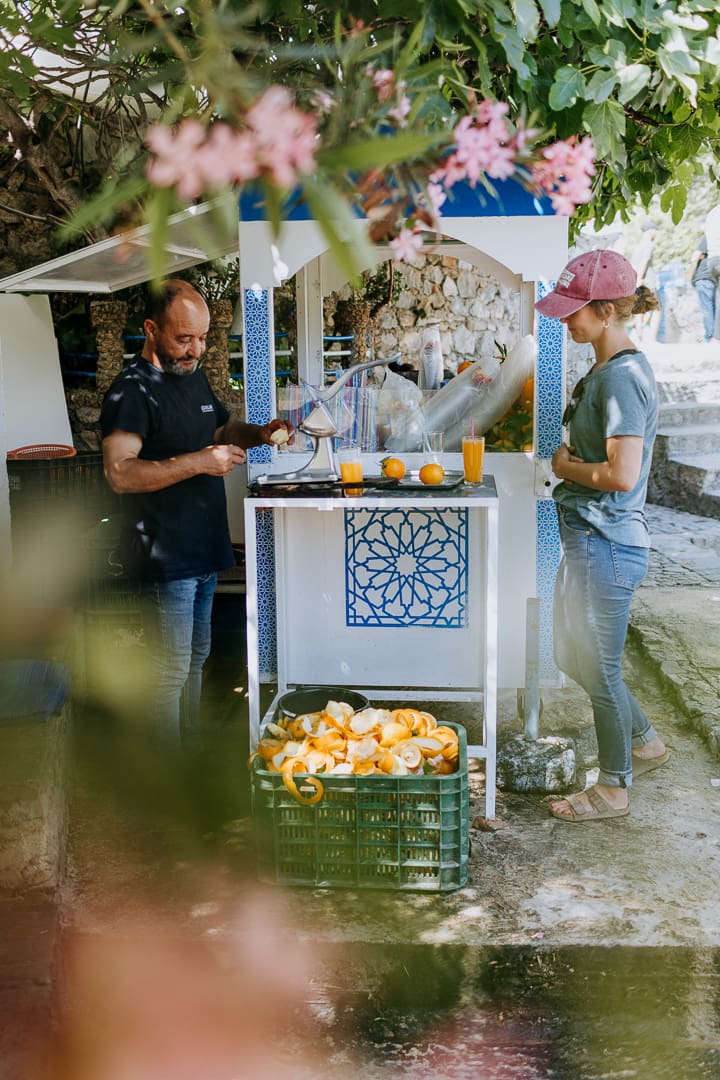
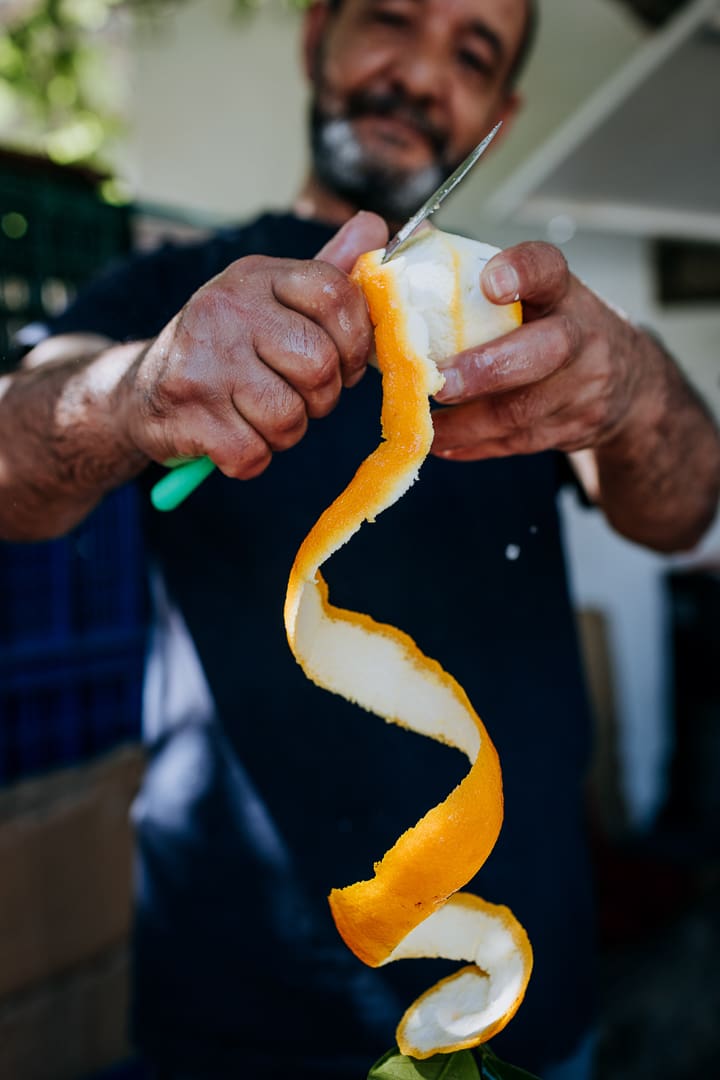
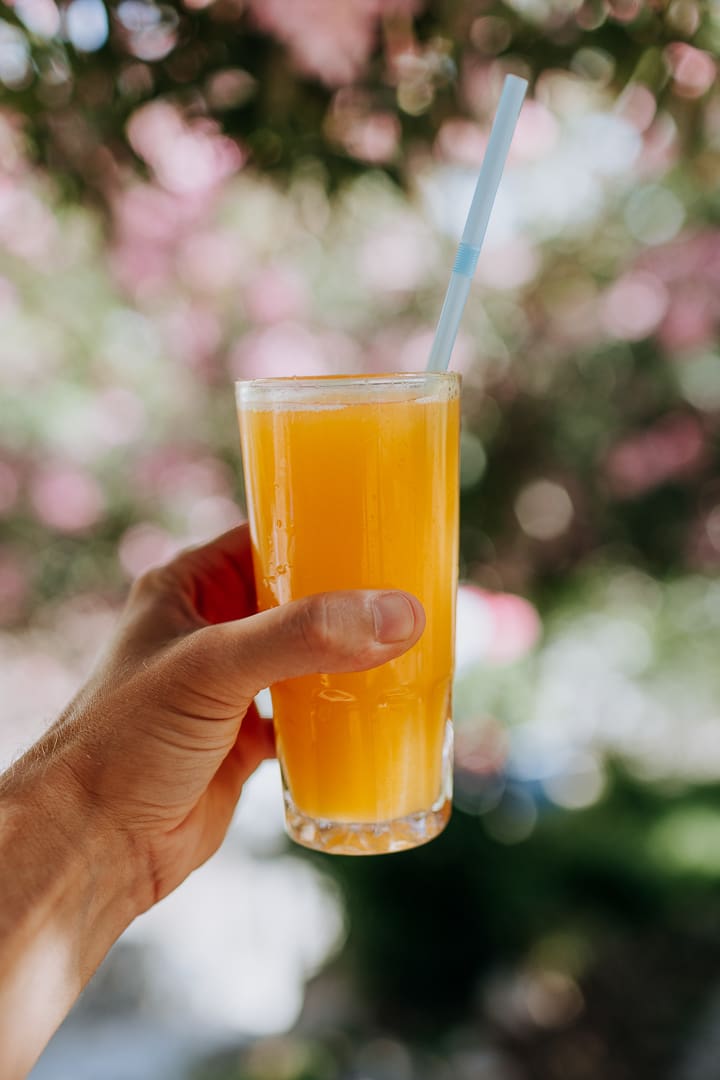
Freshly Squeezed Orange Juice
In summer months, Moroccans flock to Chefchaouen’s Ras el Ma waterfall, sipping on freshly squeezed orange juice while dipping their feet in the nearby river. Juicy, delicious oranges aren’t solely found in the north, however. Vendors selling juice can be found just about everywhere.
A Note on Alcohol in Morocco
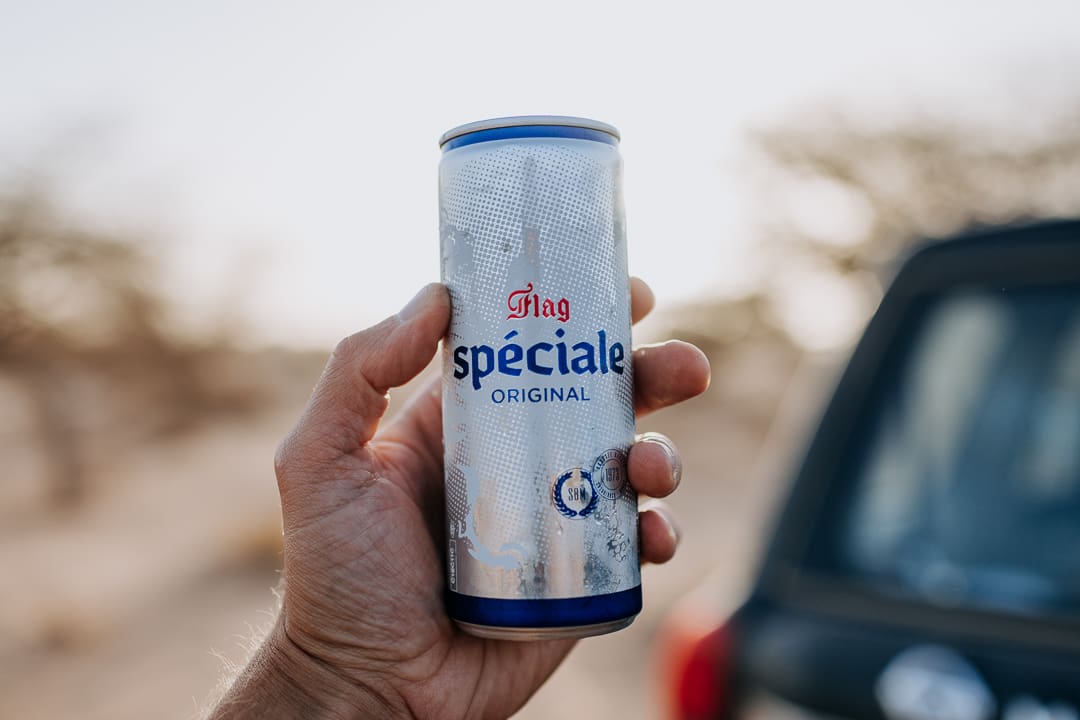
Production and consumption of alcohol are permitted in Morocco, albeit with regulations in place. Licensed establishments such as hotels, bars, and some restaurants are allowed to sell alcohol to customers, while specialized shops and supermarkets (Carrefour, for example) in larger cities stock the hard stuff. Morocco does produce its own beer, including two pilsner varieties (Casablanca and Flag) and a light lager (Flag). The country has also dipped its toe into wine production and is known for its vin gris (gray wine), which falls somewhere between a white and a rosé.
Breakfast
Omelet
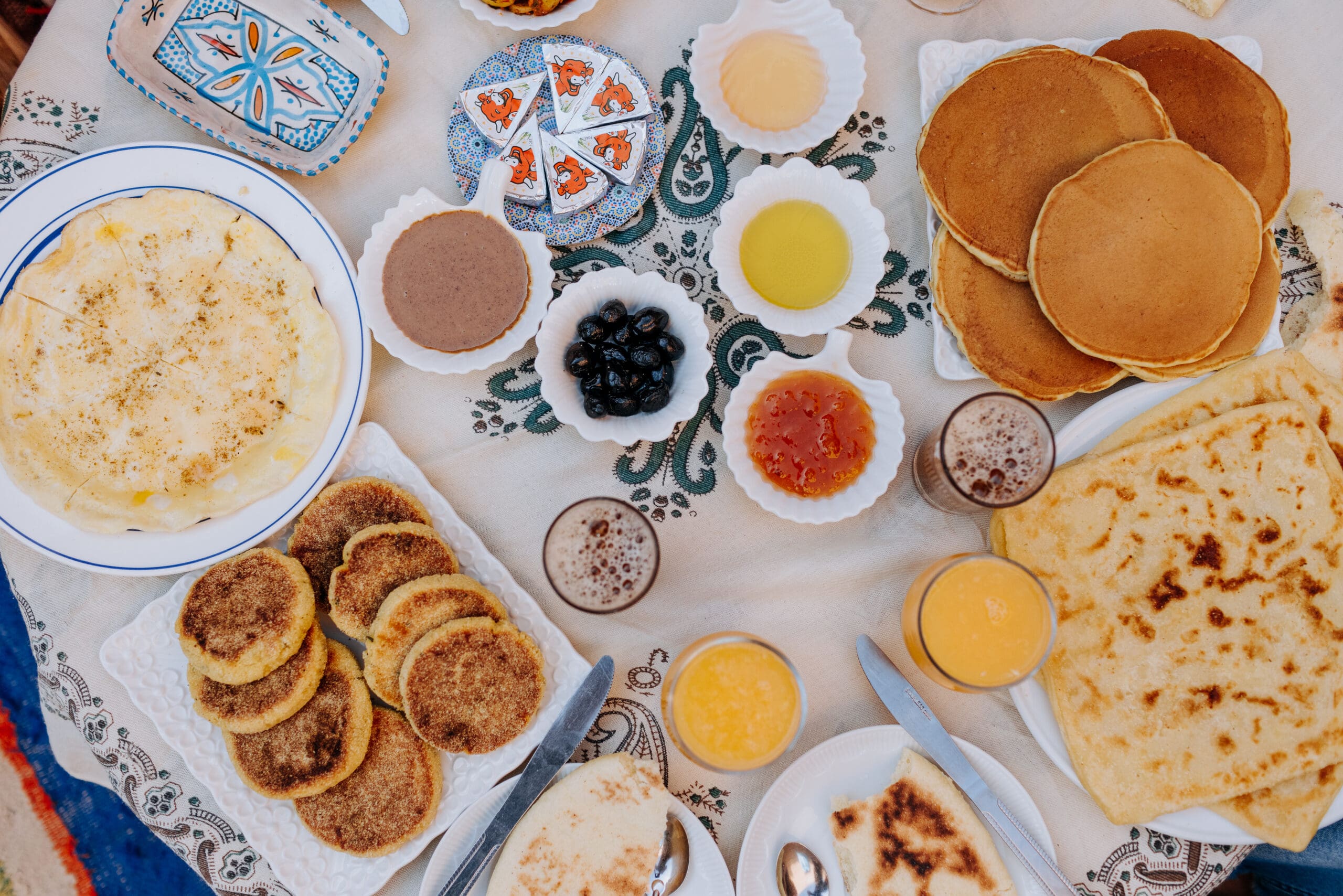
The omelet is just about as ubiquitous as pizza or pasta on Moroccan menus and makes a satisfying breakfast, lunch, or dinner on the cheap. My favorite, sometimes referred to as the Berber omelet, features red onion, green pepper, tomatoes, cumin, and coriander.
Moroccan Breakfast
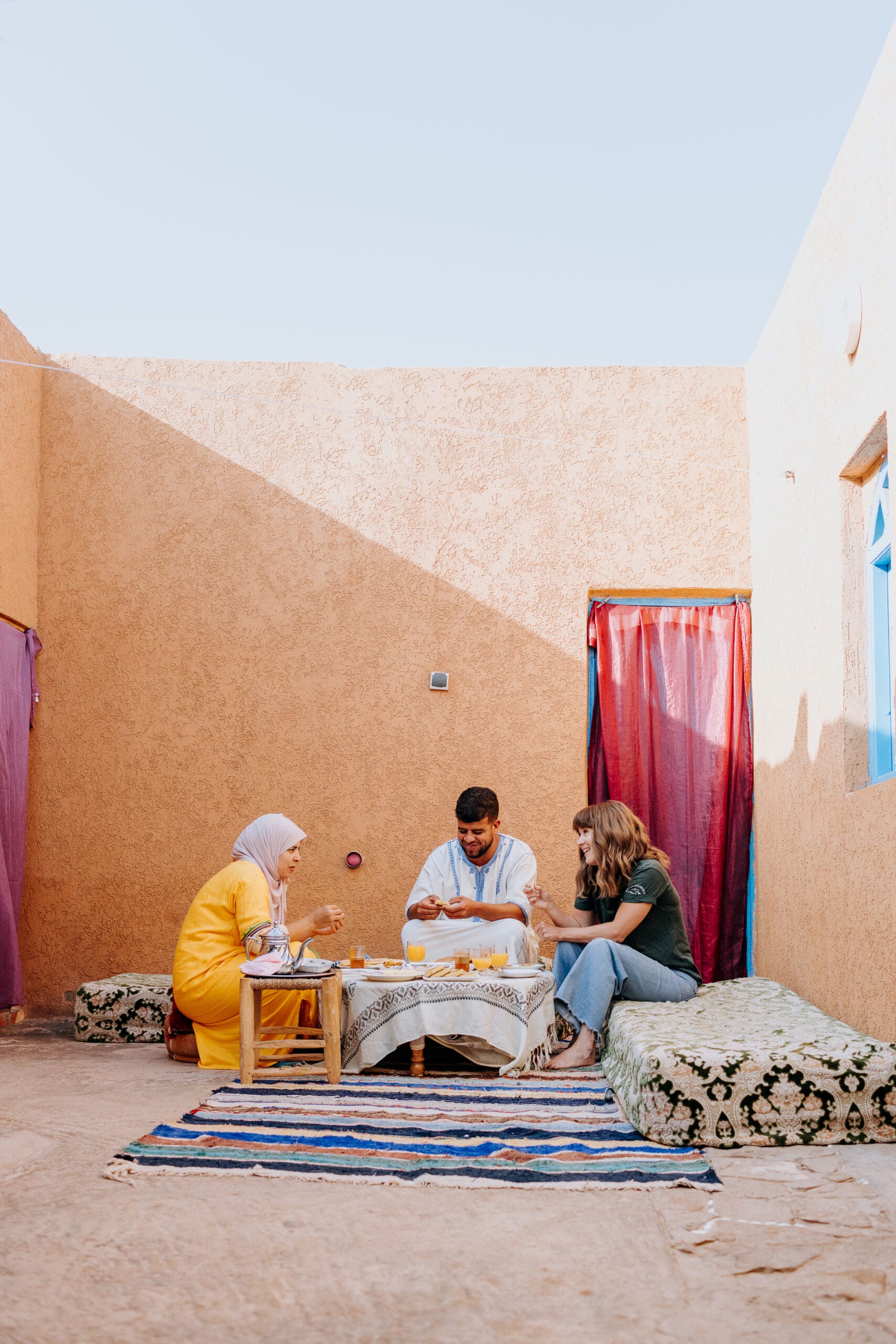
A variety of breads are served with black olives, argan oil, honey, fruit preserves, eggs, goat’s milk cheese (jben), Laughing Cow wedges, amlou (nut butter with olive or argan oil and honey), semolina pancakes, and, of course, mint tea or coffee and orange juice.
Bread
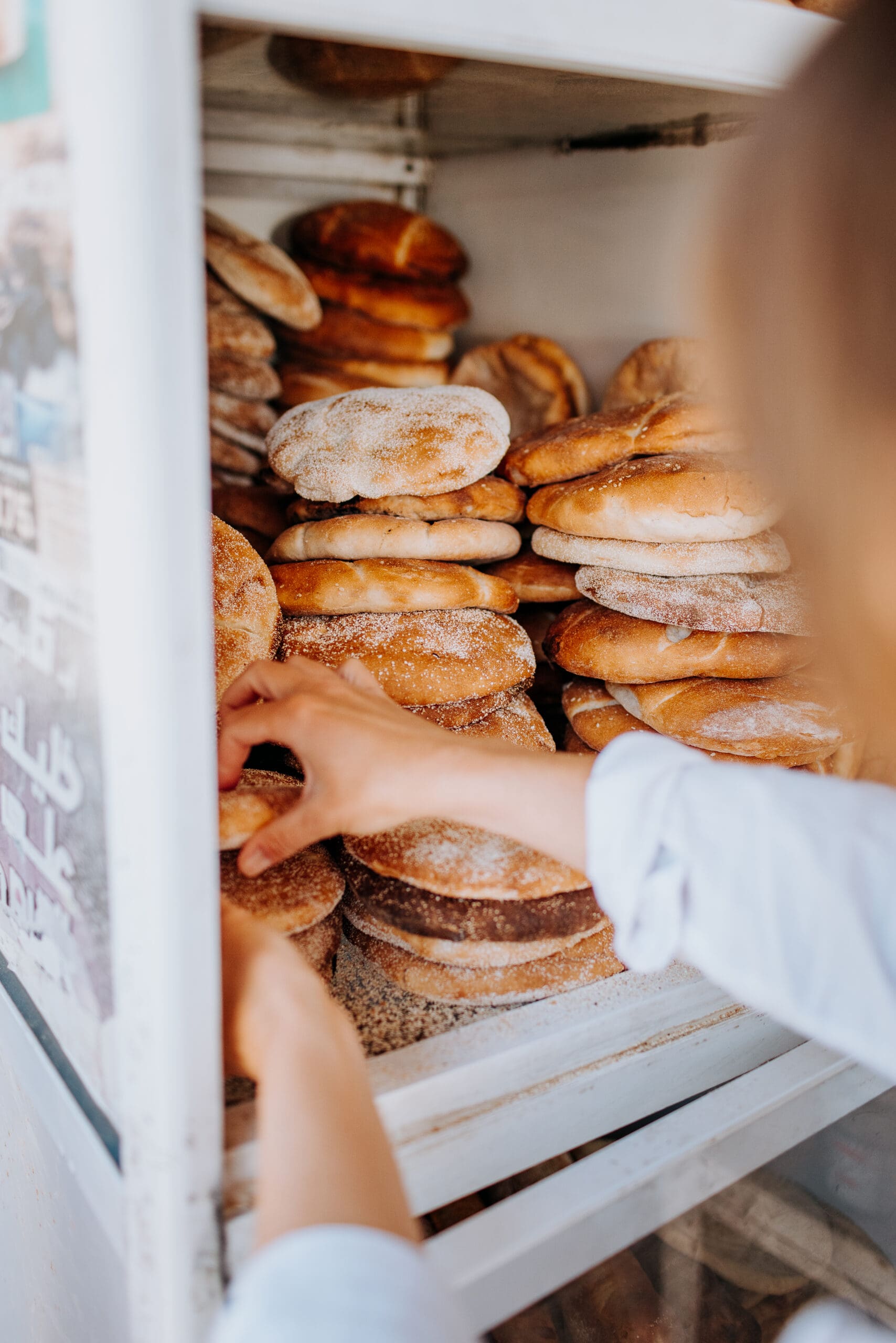
Bread is everywhere in Morocco. Follow the scent of freshly baked khobz (typical round bread) to a community oven, and you’ll wind up with a hot, fluffy loaf ready for your next meal. Others include harcha (a semolina pan-fried flatbread) and batbout (a Moroccan pita).
The Main Event
Tagine
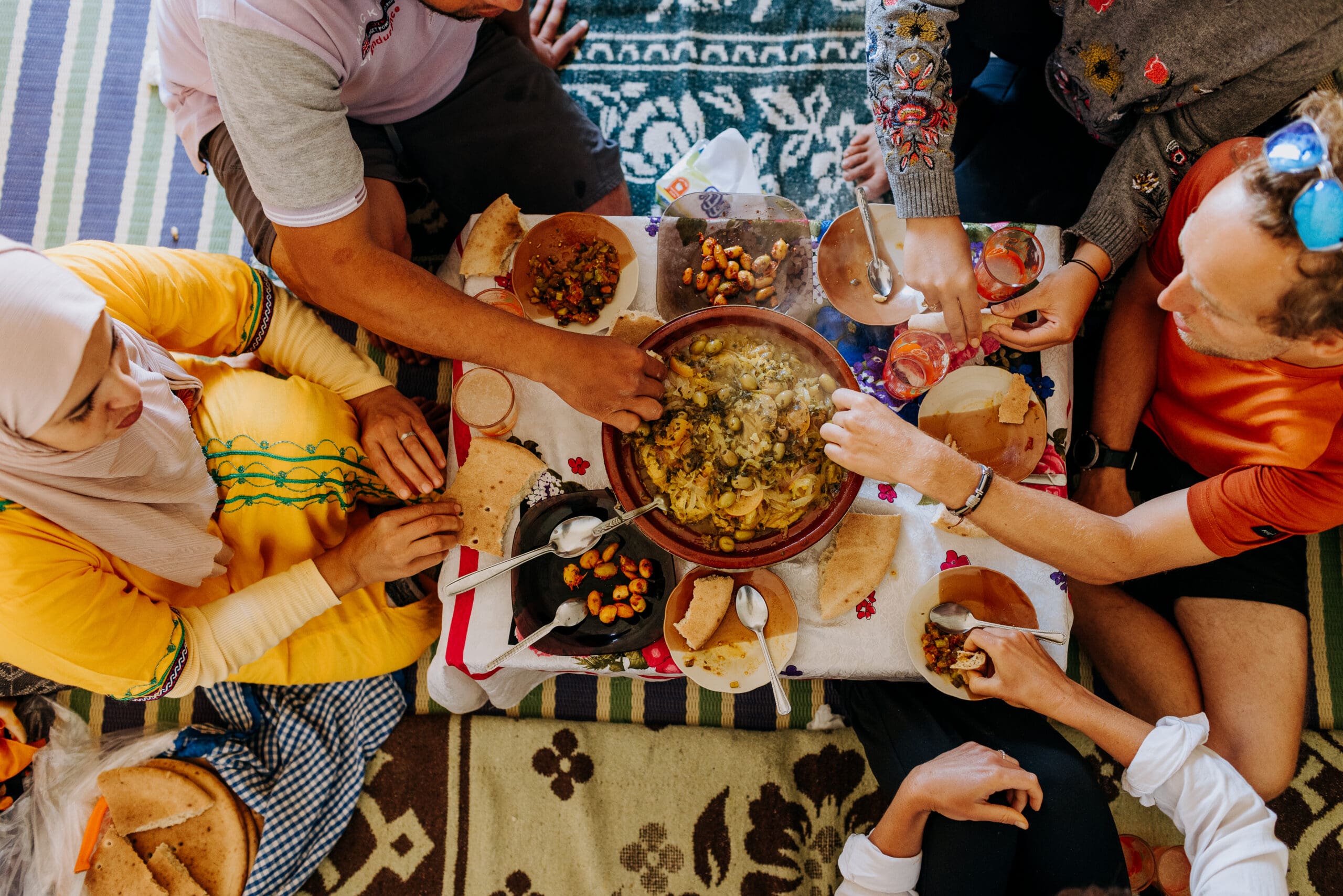
Slow-cooked in a conical earthenware pot of the same name, tagine is served molten hot in varieties such as chicken with preserved lemon and olives, vegetable, beef (with prunes and cinnamon), kefta (meatball and eggs), or seafood.
Couscous
Better than the instant stuff we’re familiar with in the West, Moroccan couscous refers to the dish itself: a platter of vegetables, meat, fish, broth, and steamed semolina granules. Couscous is traditionally served on Fridays, a holy day of communal meals.
From the Grill
Follow your nose, and you’ll nearly always find a grill. Freshly caught crab, shrimp, and sardines are barbecued seaside, while lamb, organ meats, and chicken brochettes are popular inland. Many are accompanied by another popular menu item: French fries.
Market Finds
Condiments and More
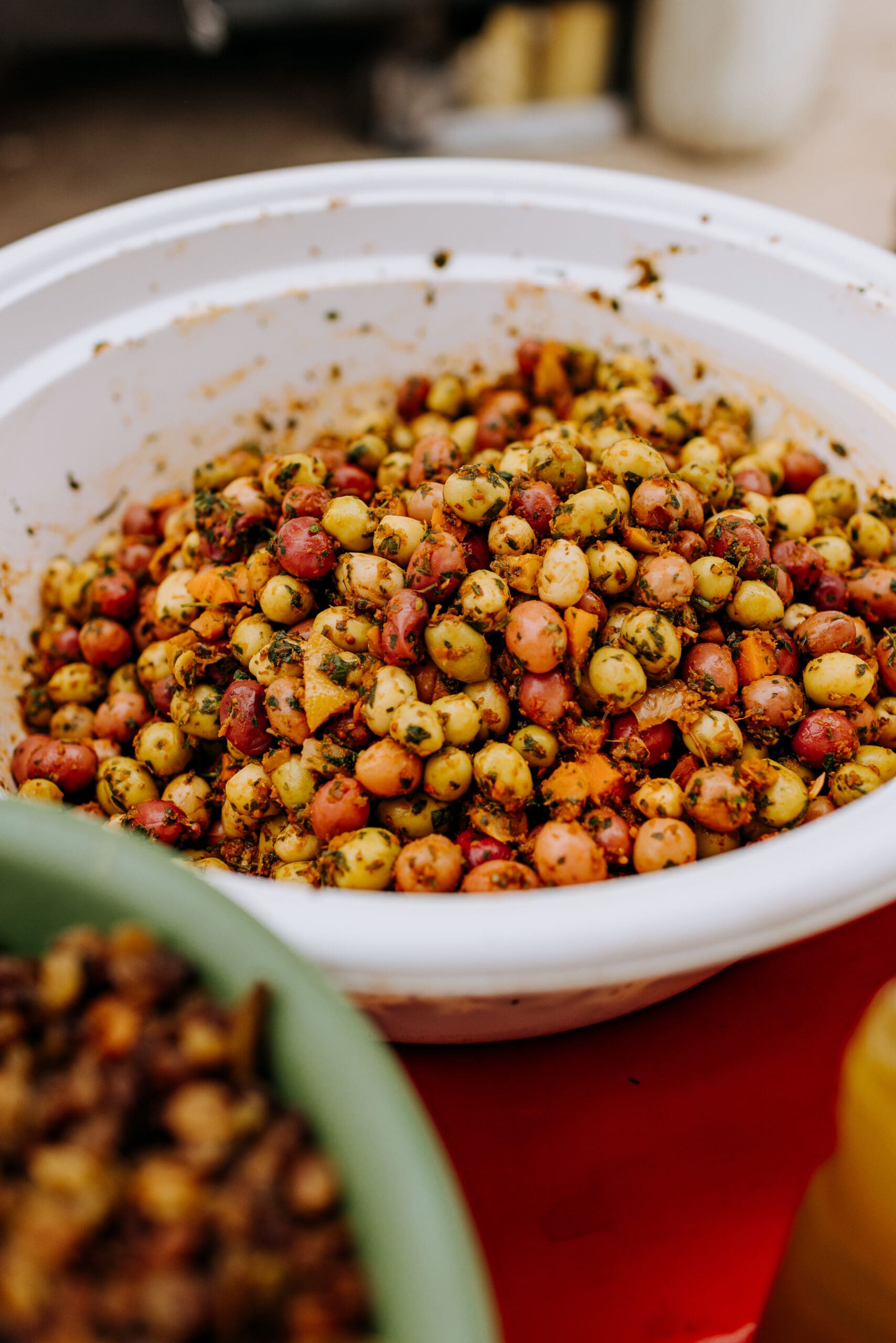
Olives, harissa paste, preserved lemons, and chermoula (a cilantro-forward marinade) lived in our fridge during our time in Morocco. Each adds a salty, potentially spicy, or sour zing to anything from salads to mains and can be purchased in bulk during market visits.
Fresh Vegetables and Fruit
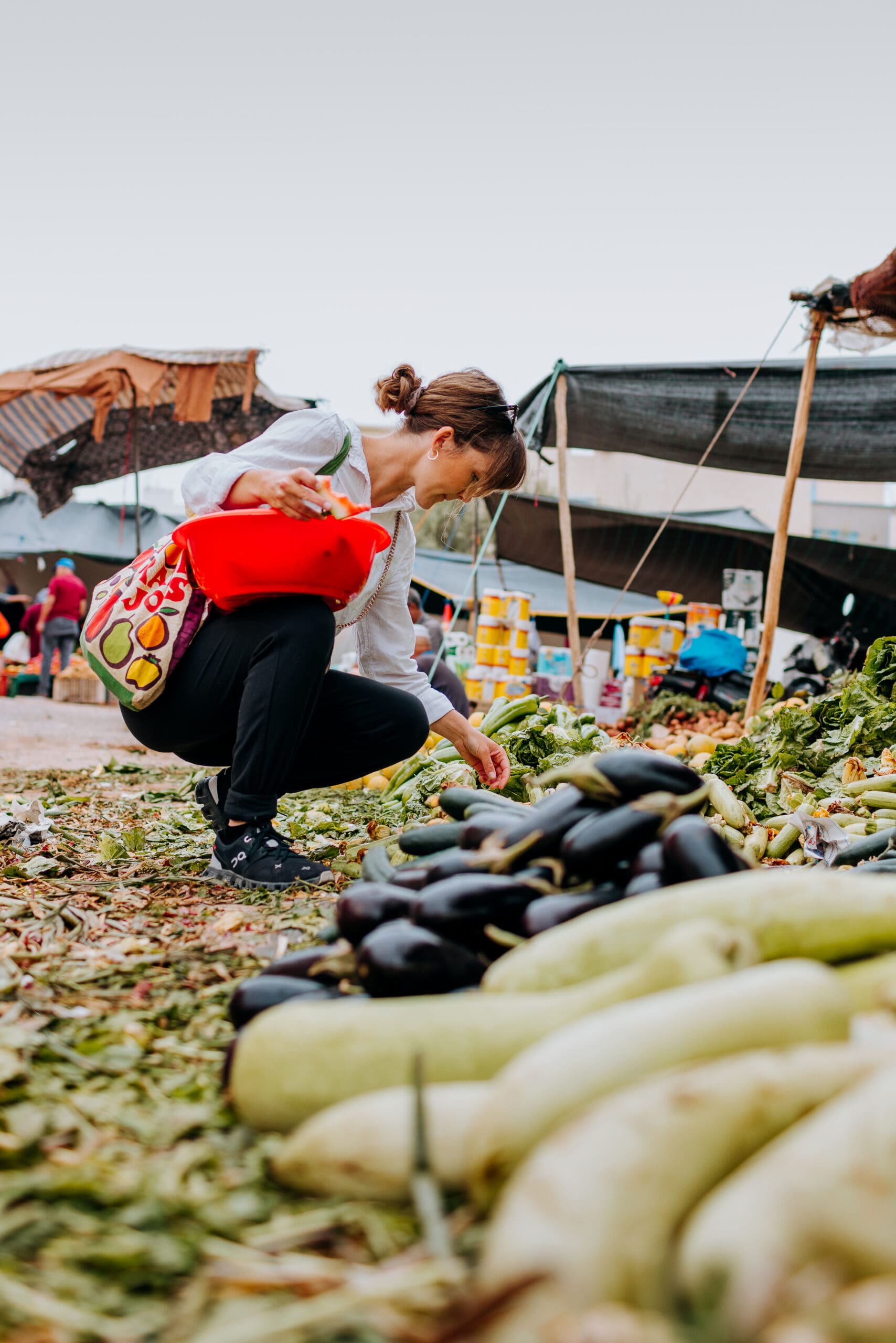
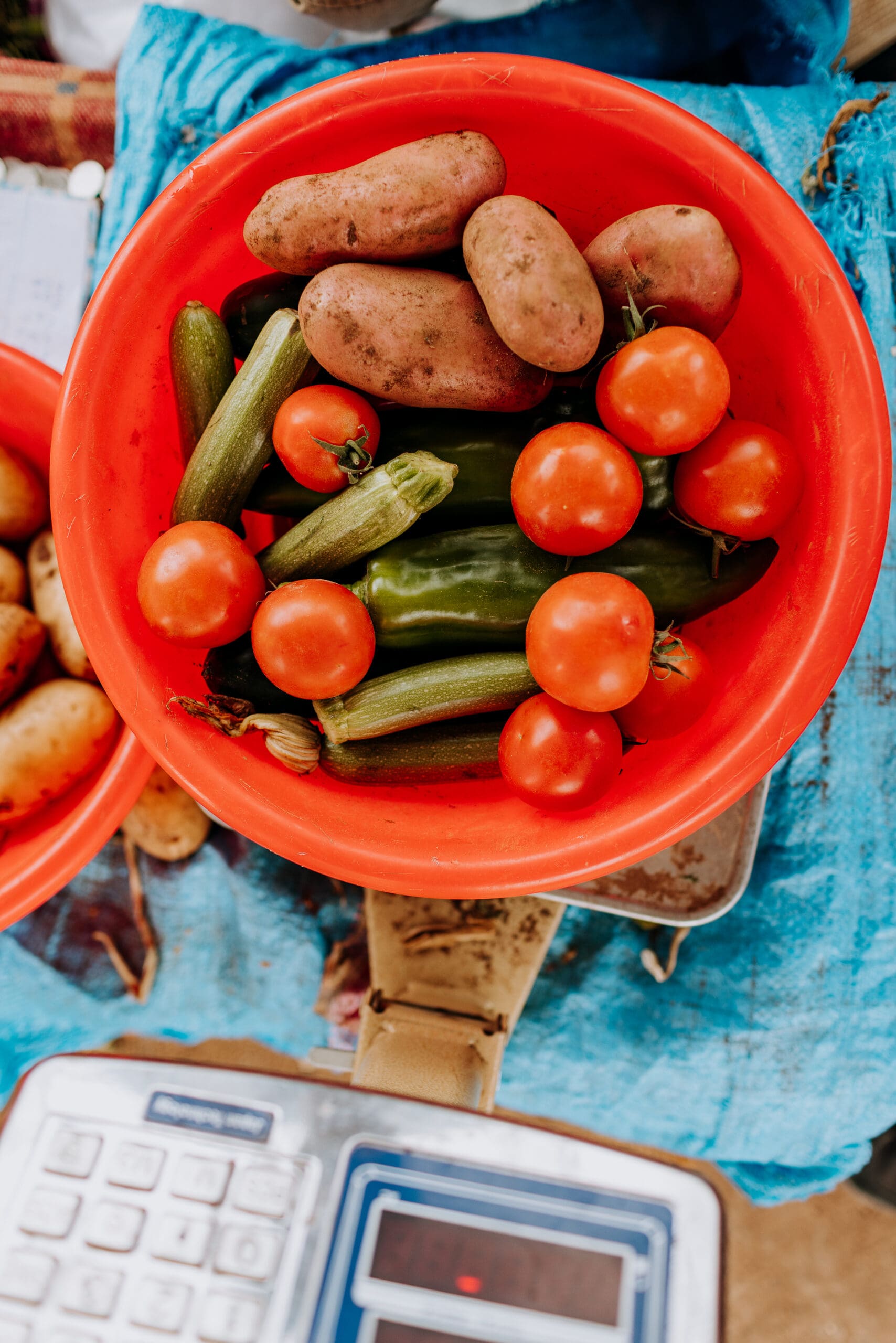
Brimming with melons, broccoli, and the ubiquitous onion, pepper, tomato, and cucumber quartet, Morocco’s sprawling outdoor markets offer a wide range of seasonal produce. Sweet and delicate strawberries were delicious and in season during our visit.
Sweet Things
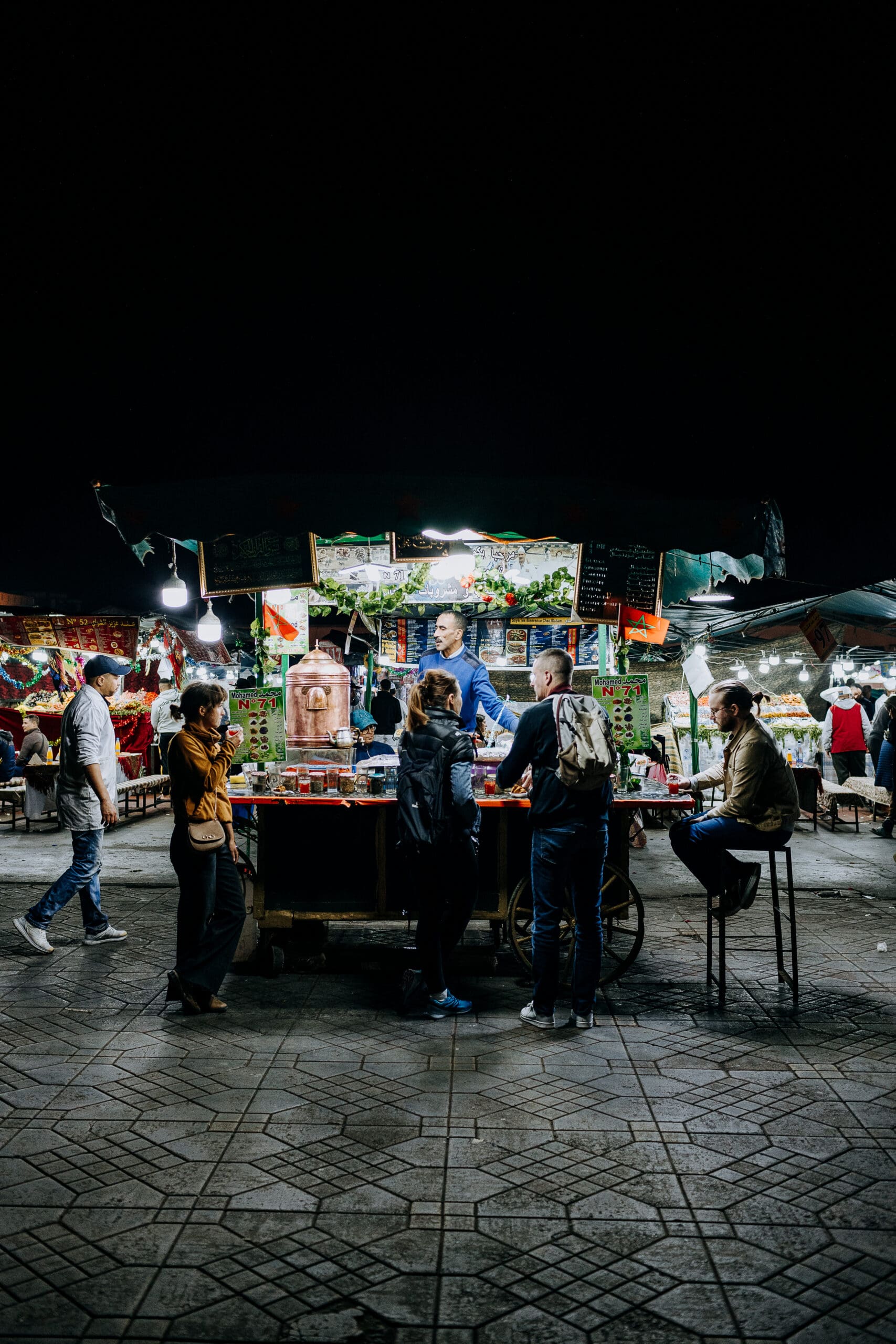
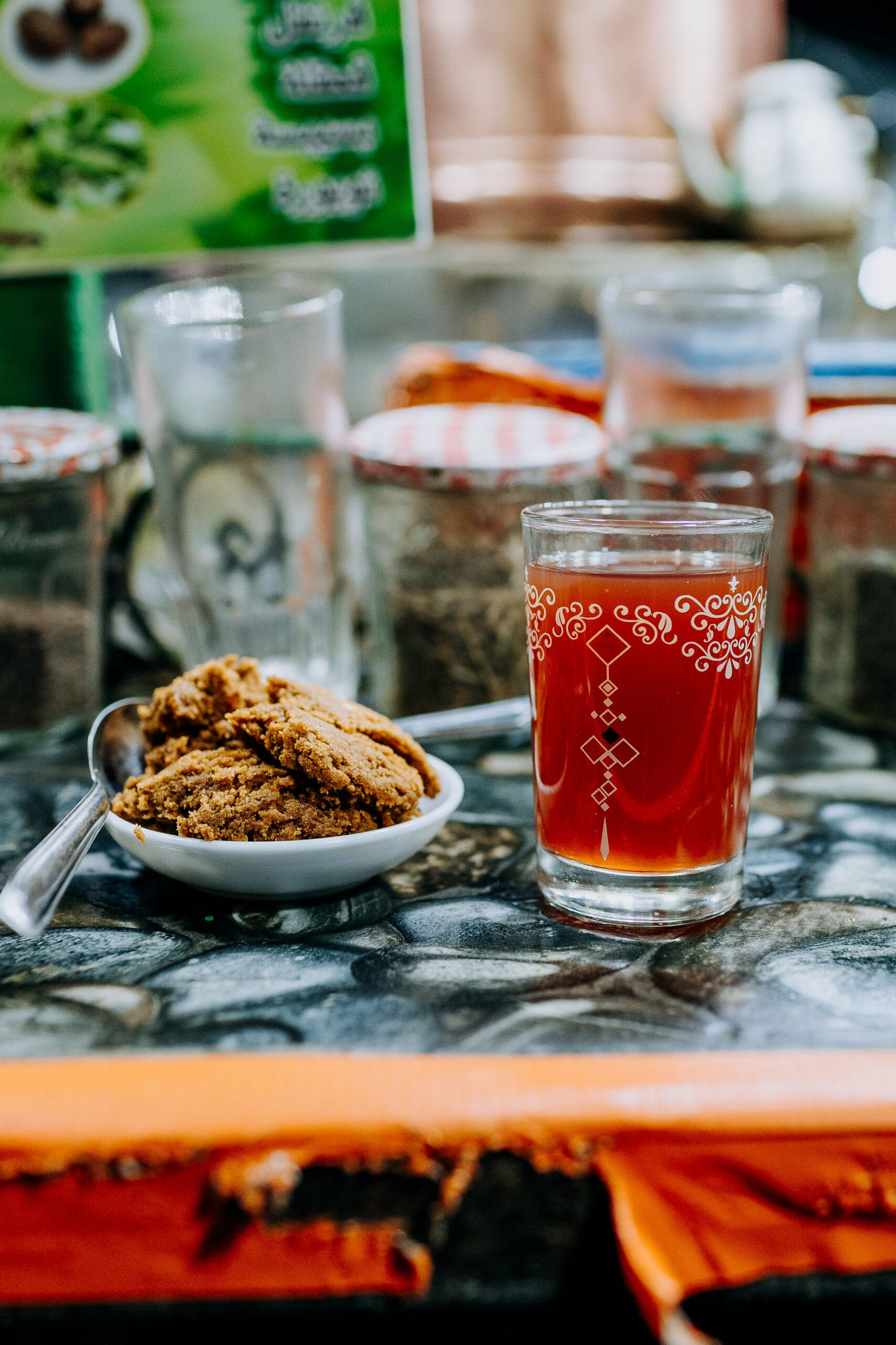
From sliced oranges with cinnamon to street food treats such as sfinge (Moroccan donuts) and nutty ghriba cookies, Moroccans love their sweets. Chez Hassan’s spiced herbal tea and crumbly ginger cake, served at Stall 70 in Marrakech’s Jemaa el Fna Square, are well worth the stop.
WHAT TO BUY
For the Kitchen
Tea Paraphernalia
Visit any souk in Morocco, and you’ll be hard-pressed not to find a hand-engraved metal teapot and serving tray, little tea glasses, and gunpowder green tea on display. If you’re using the pot at home, ask for a heat-resistant version.
Clay Tagine
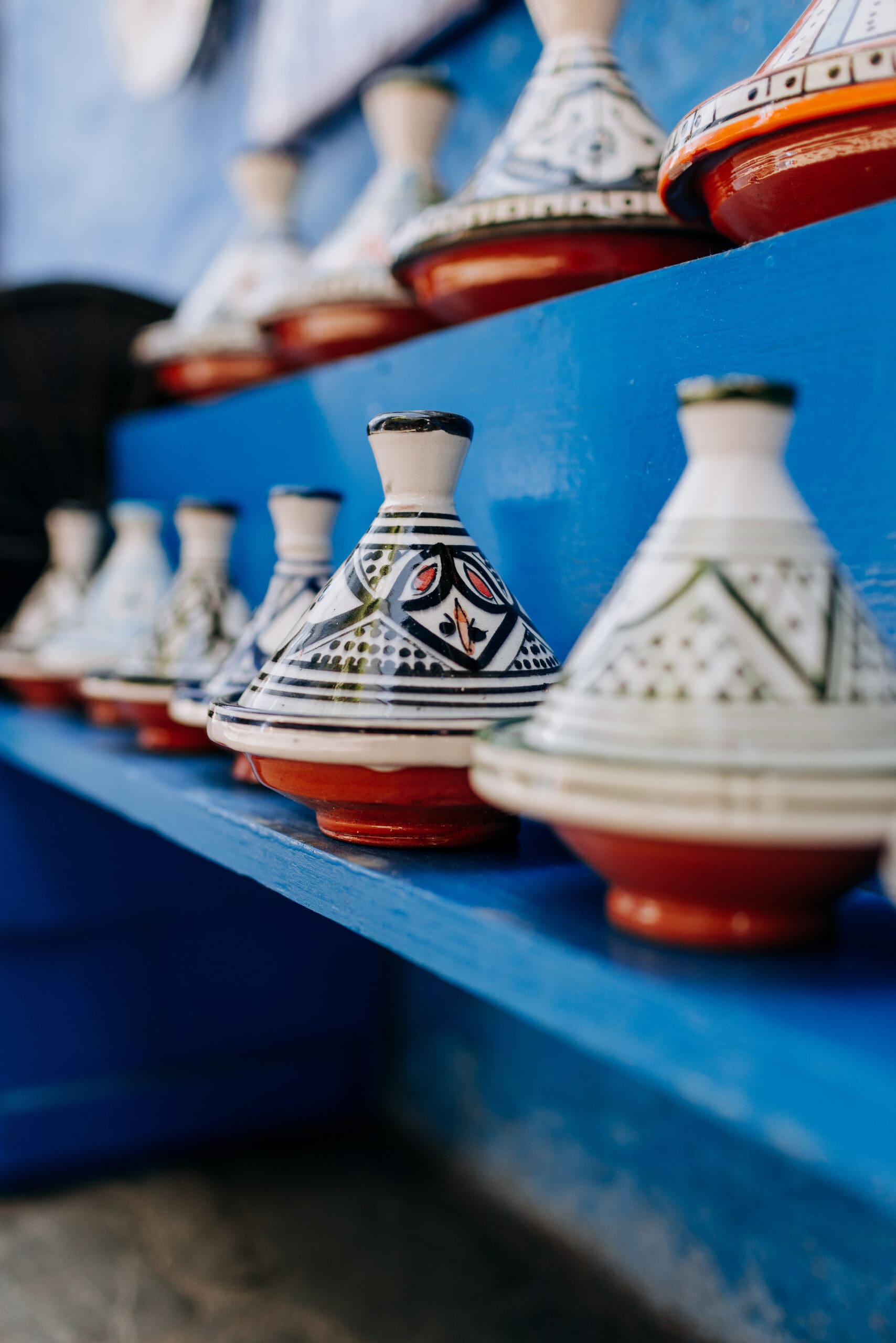
Another alluring and functional piece of cookware, the clay tagine comes in many different sizes. If you want to use the conical pot, look for a plain version without any hand-painted details, as they are used for serving only and aren’t safe for cooking.
Tools, Utensils, and More
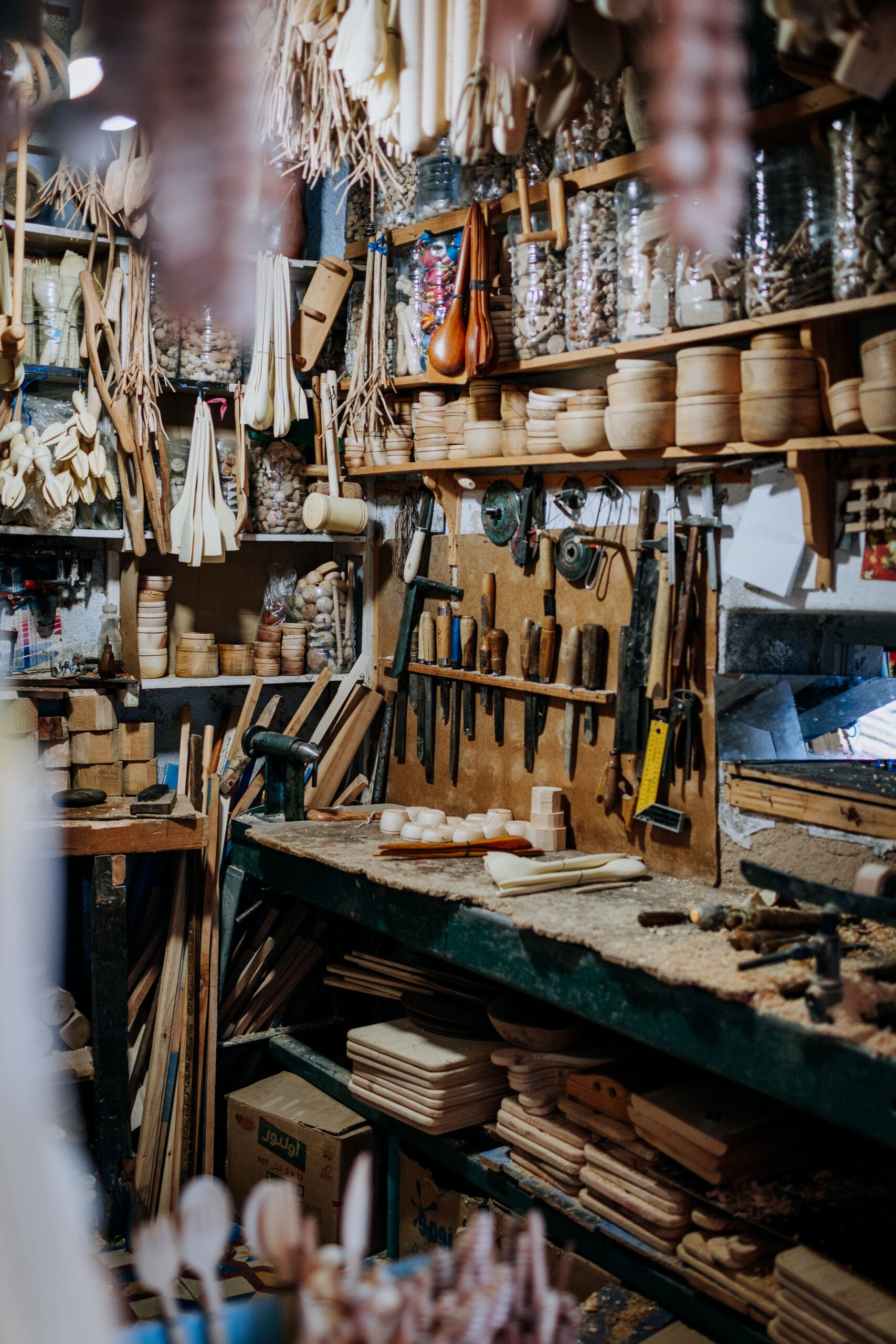
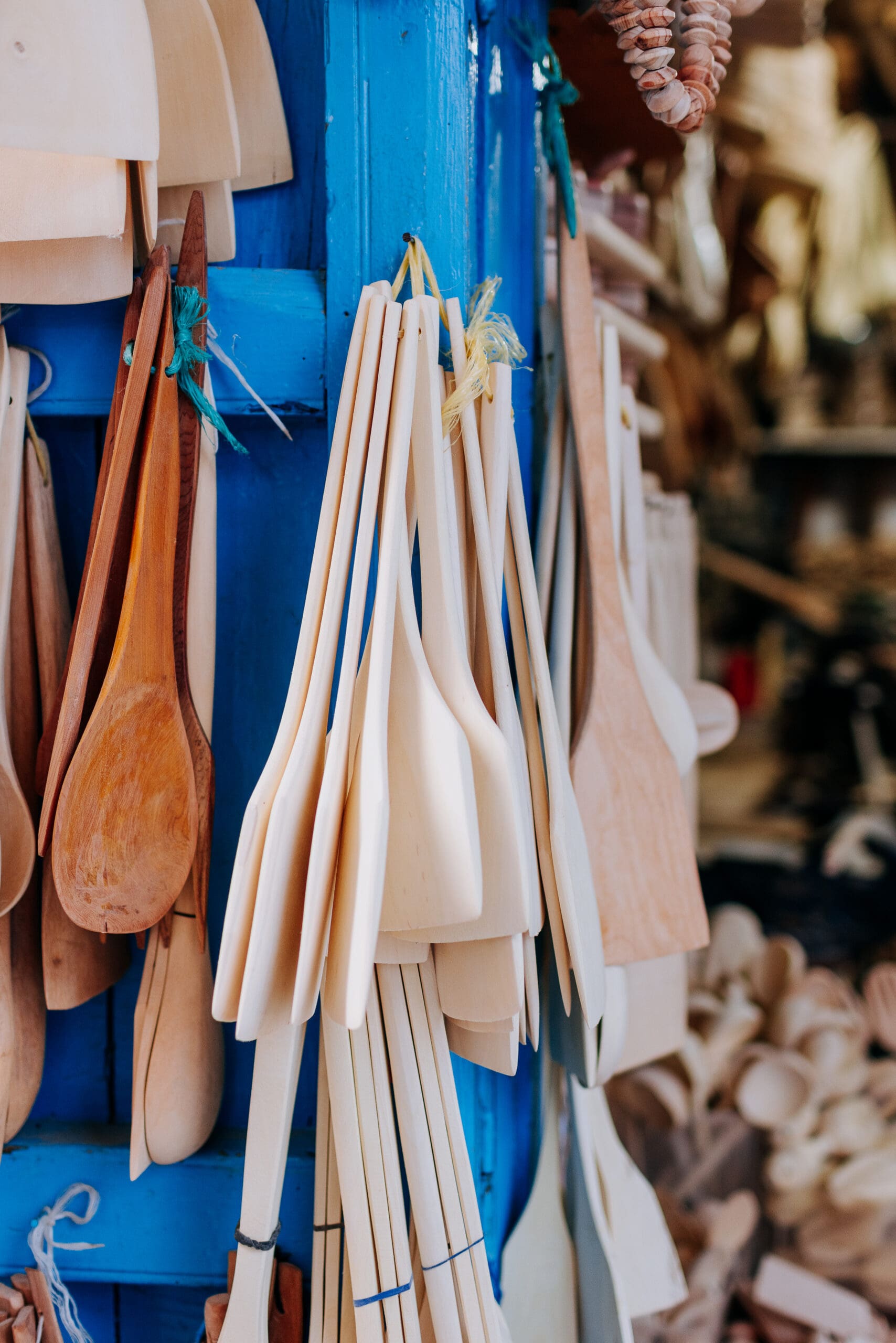
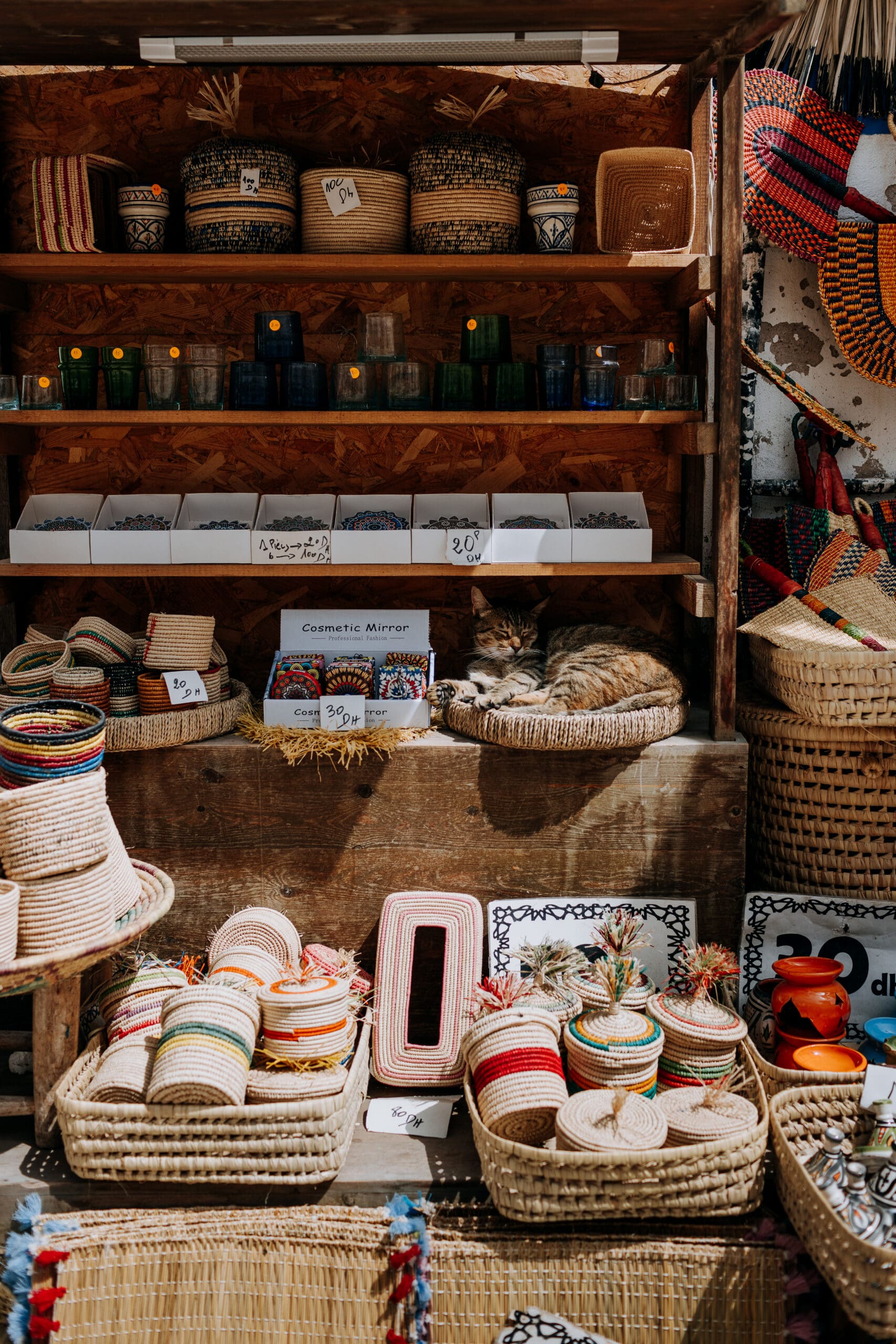
Wooden spoons, grill baskets, and tagine-shaped salt and cumin holders are just some of the many items you’ll discover in Moroccan markets. Keep an eye out for tangia, the urn-shaped cooking vessel best used within the ashes of a wood fire.
For the Home
Textiles
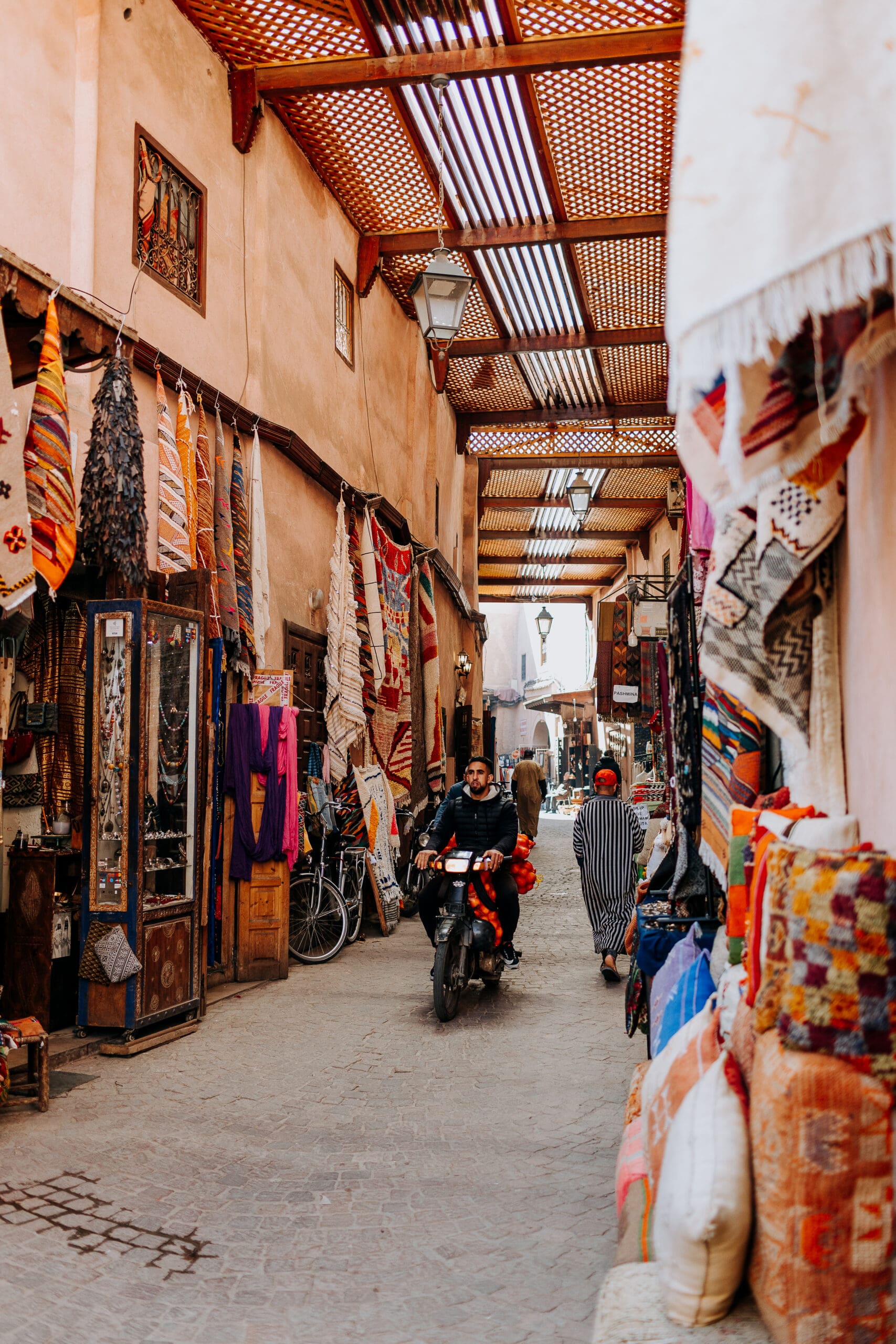
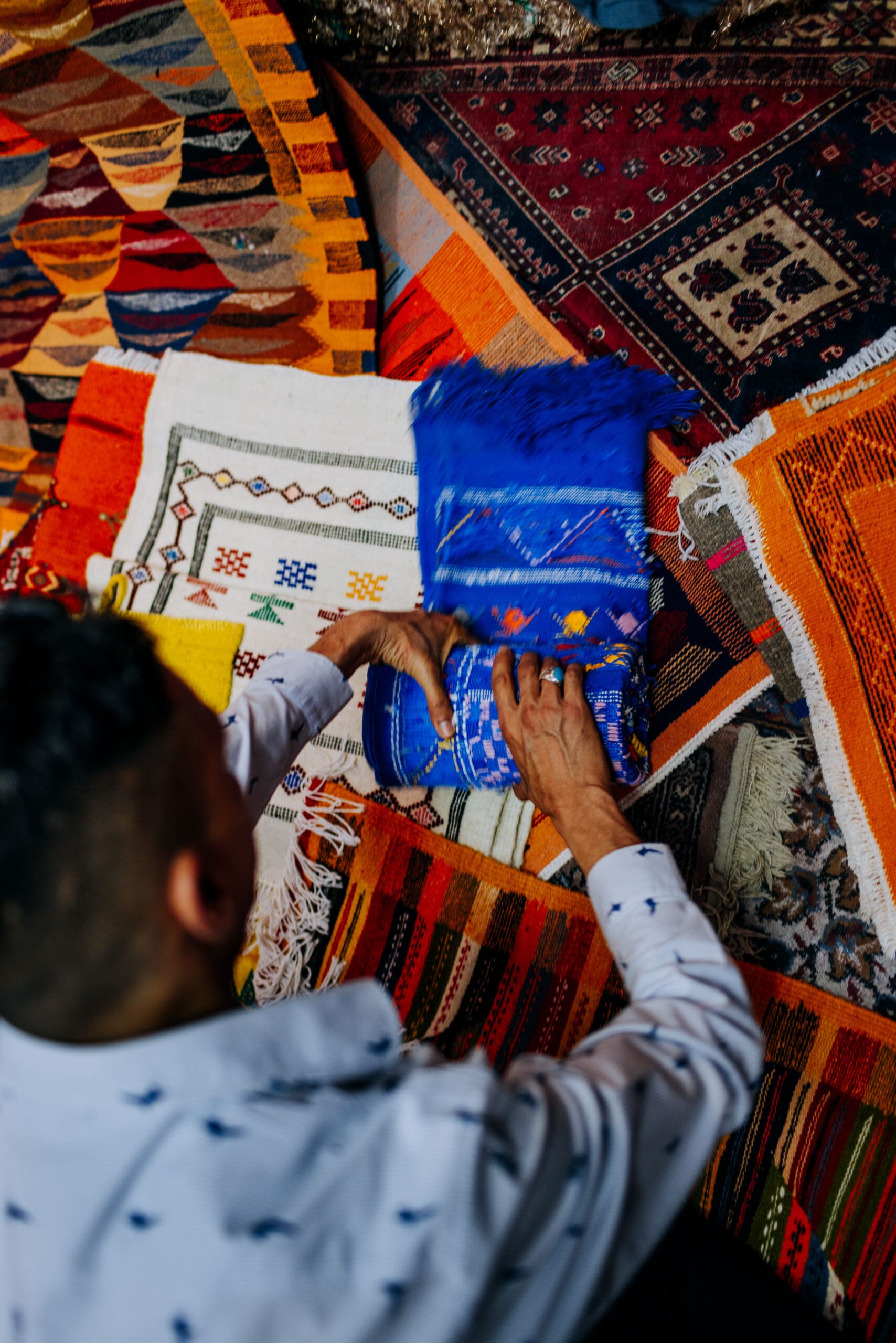
If there’s one item on your list, it’s probably a Moroccan textile. Good-quality rugs, carpets, pillow covers, blankets, and poufs are handwoven or hand-knotted, use natural dyes, and are made of wool or silk. Seek out women’s cooperatives to purchase directly from the artisans.
Ceramics
Style, color, and technique vary by location, with urban pottery centers like Fez, Safi, and Rabat developing their own unique cups, plates, bowls, vases, and tiles. Fez is known for its blue pottery, while ceramics made in rural areas are characterized by tribal markings.
Artwork
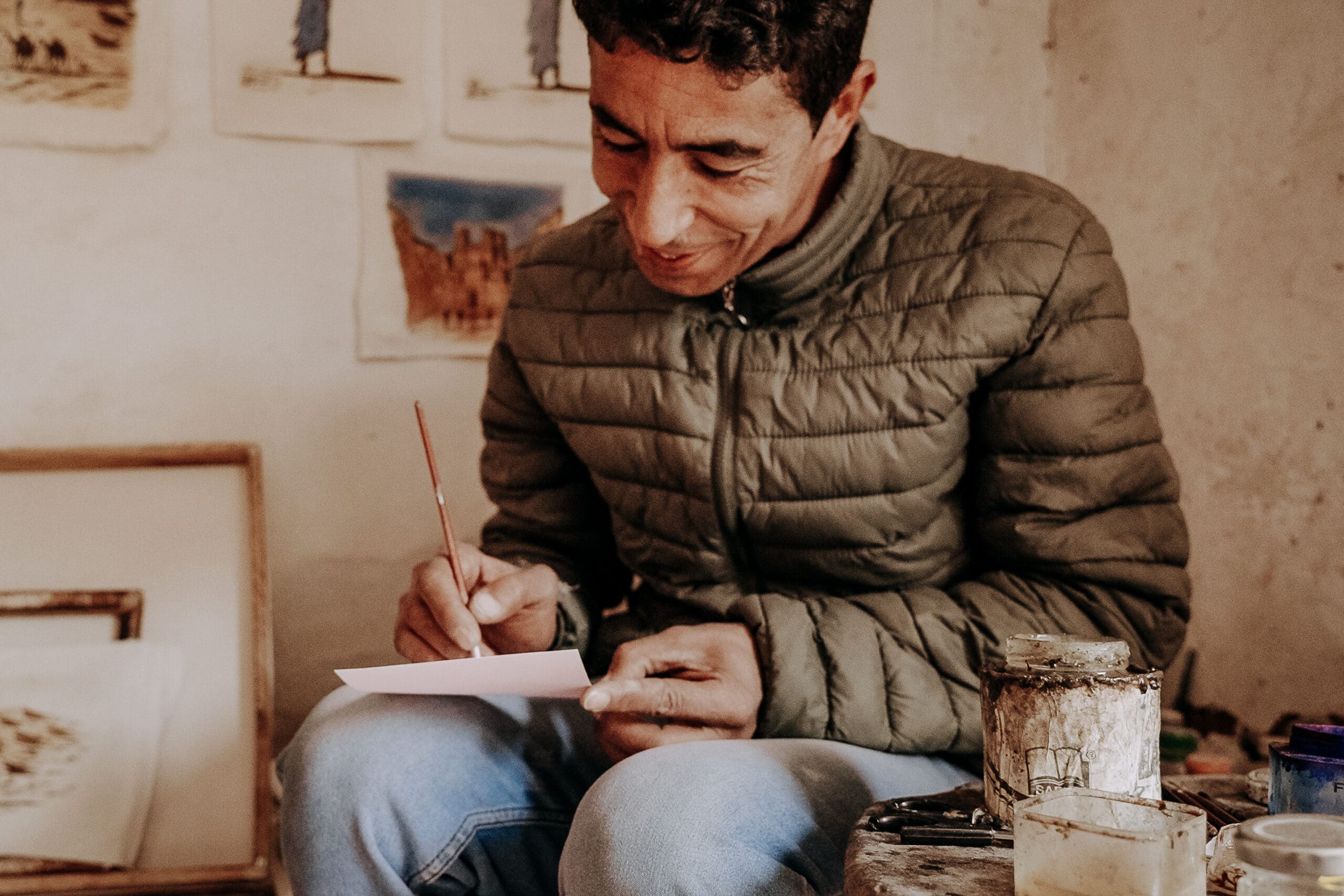
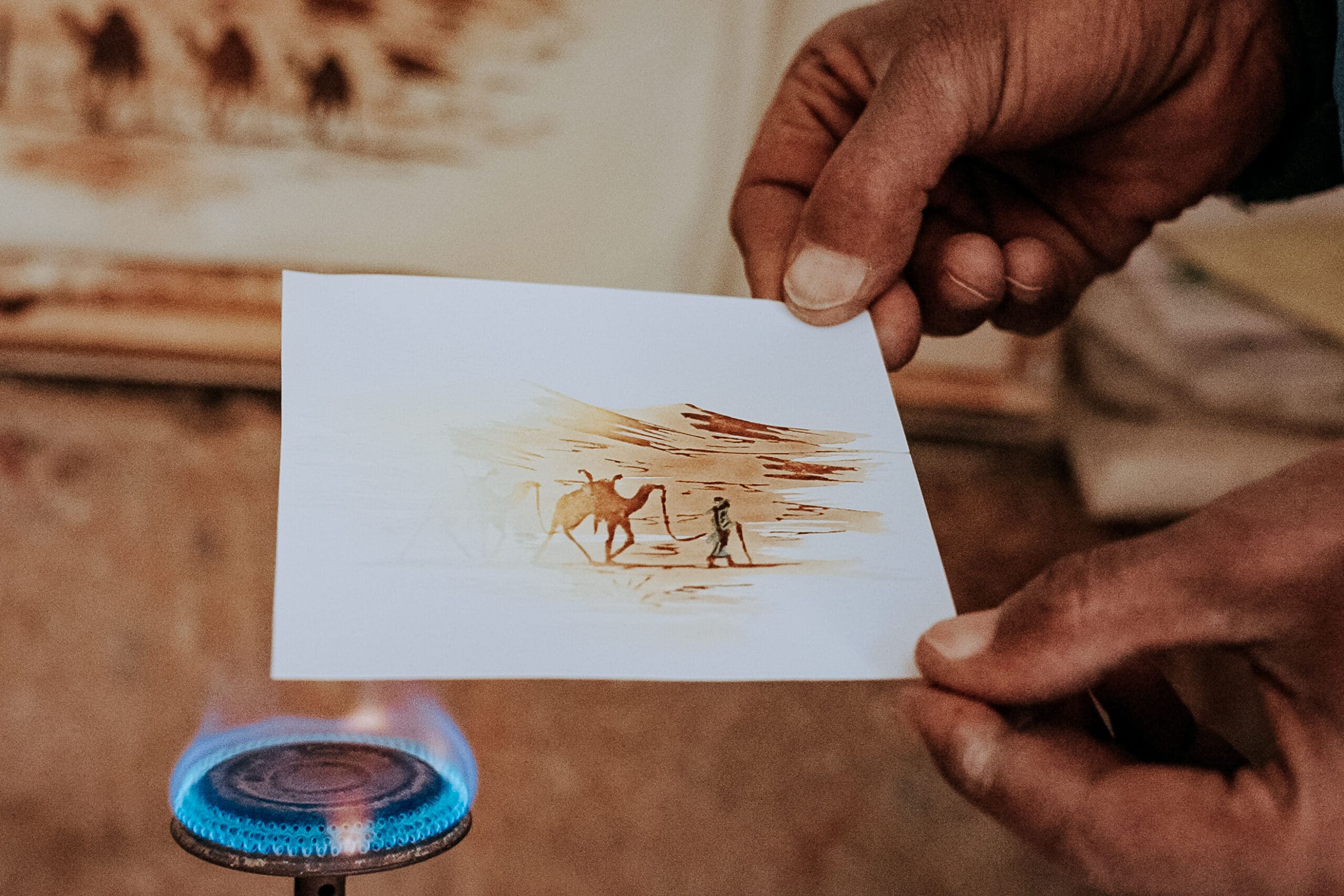
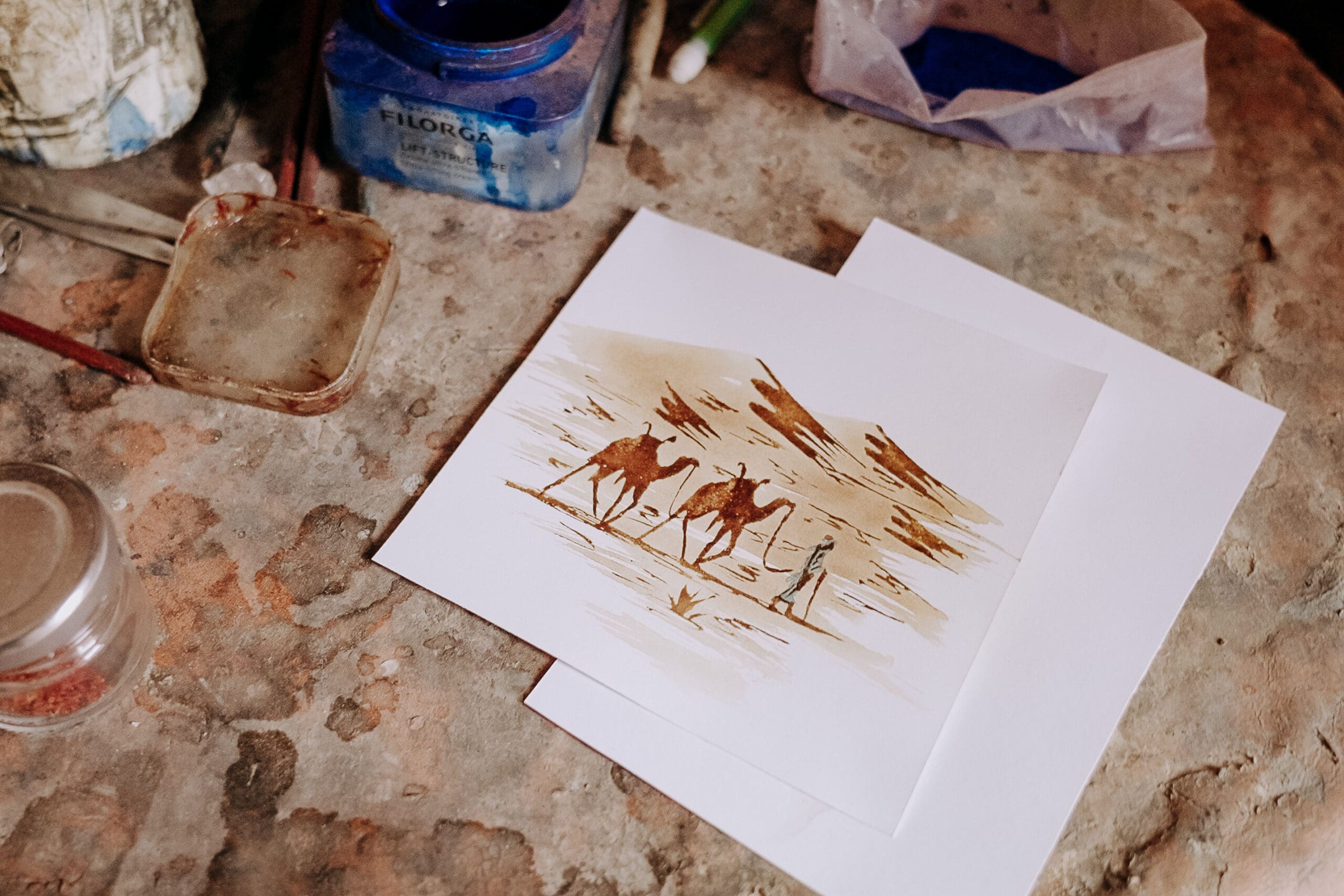
Visiting the country’s art galleries (such as Casablanca’s Villa des Arts) adds context to Moroccan artists’ paintings, sculptures, and carvings. Some painters are available for hire and will sketch a desert scene on your camper, door panel, and more.
For the Pantry
Oils
Morocco is the world’s seventh-largest producer of olive oil and uses both traditional oil mills and modern pressing methods. Argan oil (or “liquid gold”) is another top export used in cooking and topically for healthy skin, hair, and nails.
Herbs and Spices
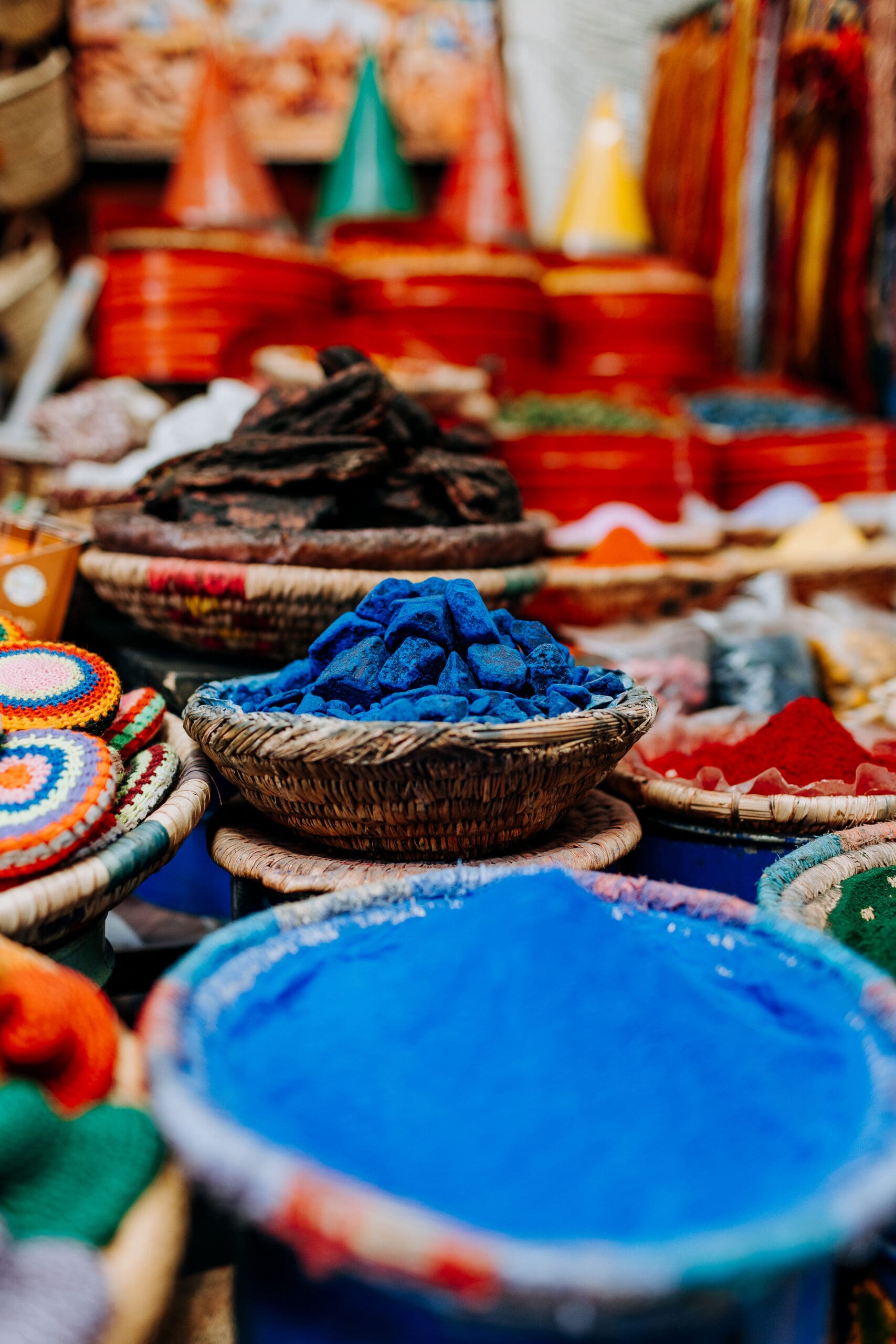
With vibrant piles of ground turmeric, cinnamon, ginger, cumin, paprika, and more, Moroccan souks and markets are an herb and spice lover’s dream. This is a great place to buy saffron or formulate your own ras el hanout, a spice blend unique to each household.
Dried Fruit and Nuts
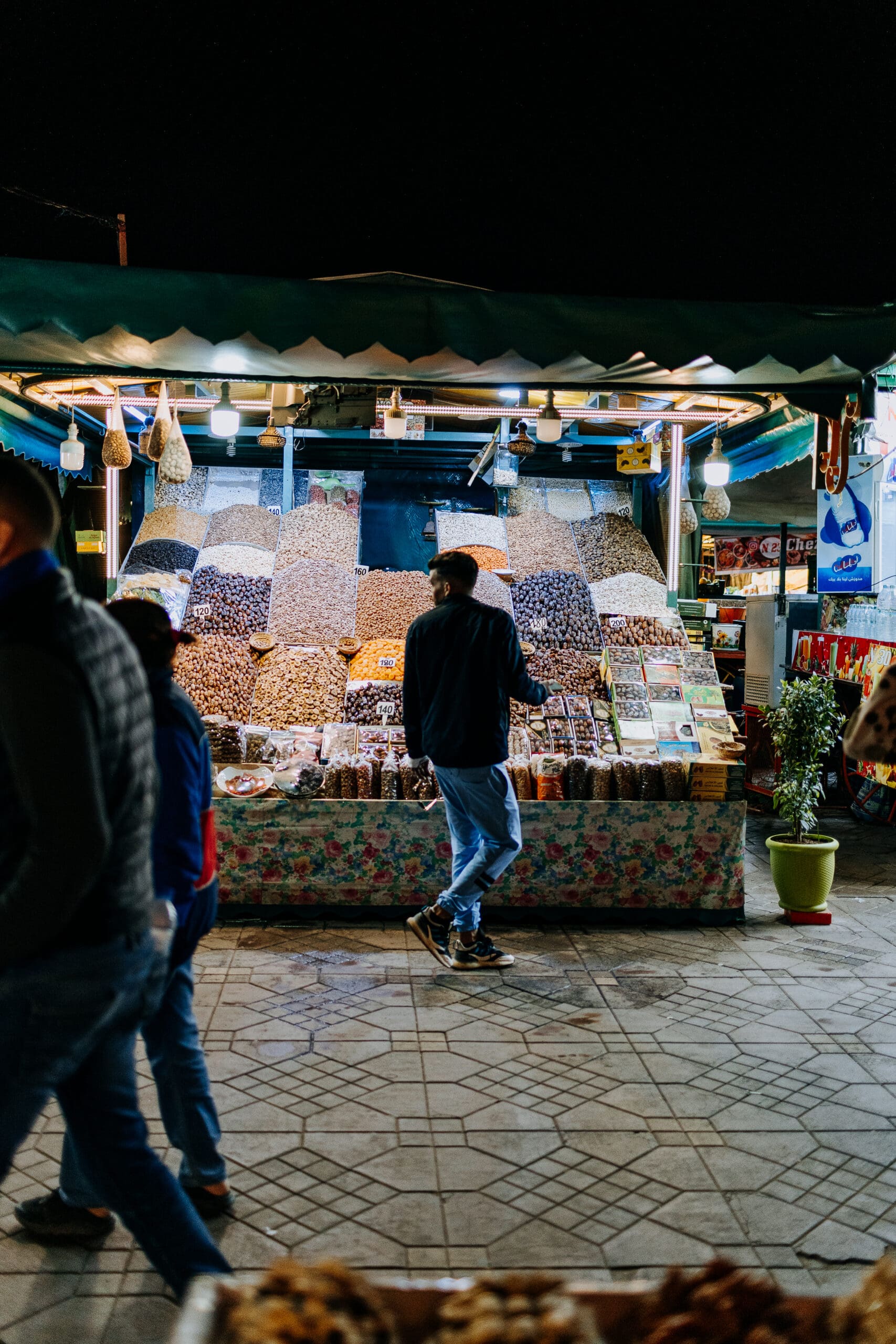
Dried figs, apricots, dates, prunes, and raisins will perfect your tagine recipe back home, while freshly shelled sesame seeds, walnuts, peanuts, and pistachios are readily available. Held each year in February, Tafraoute’s Almond Blossom Festival celebrates with traditional folklore, song, and dance.
For Your Person
Leather Goods
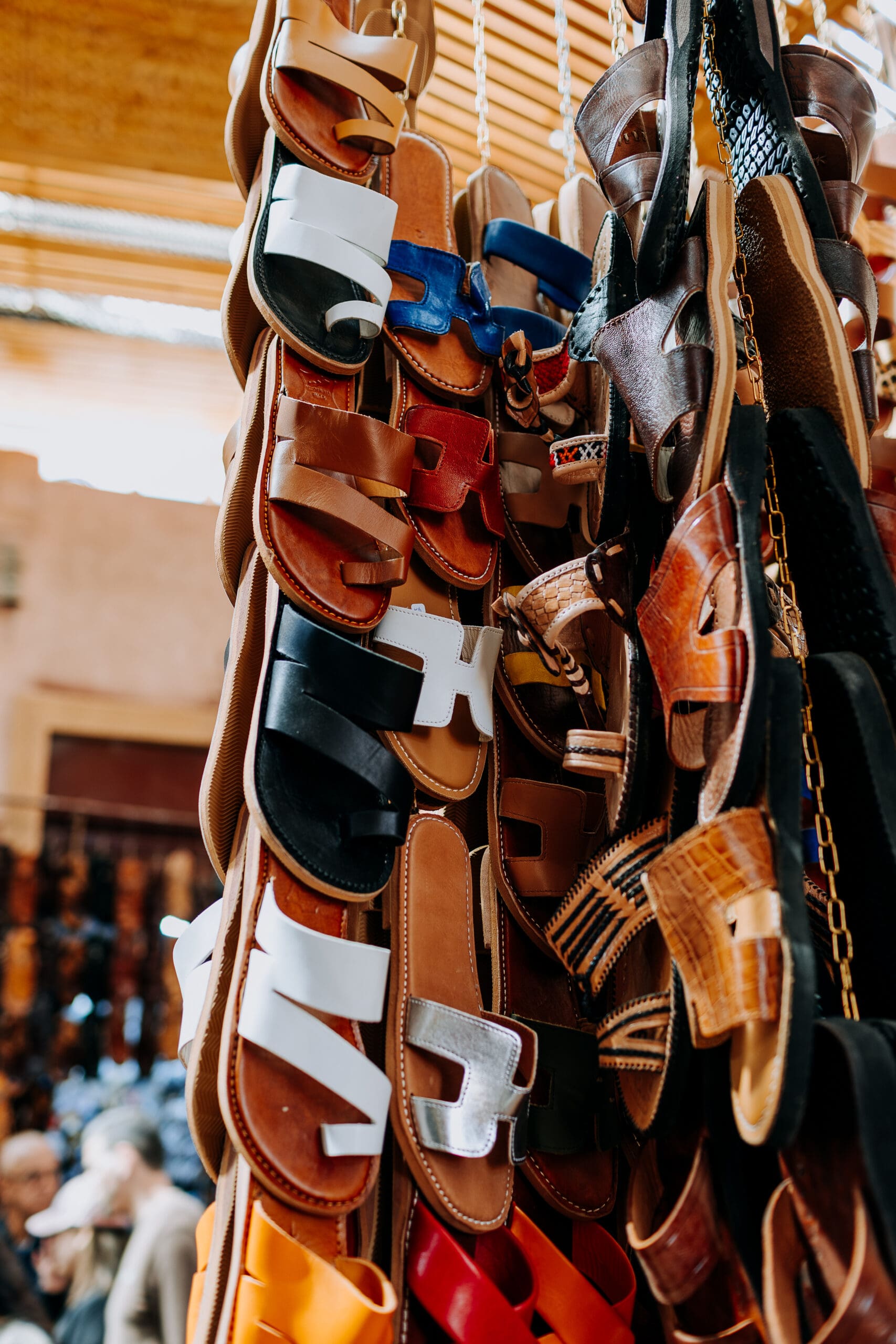
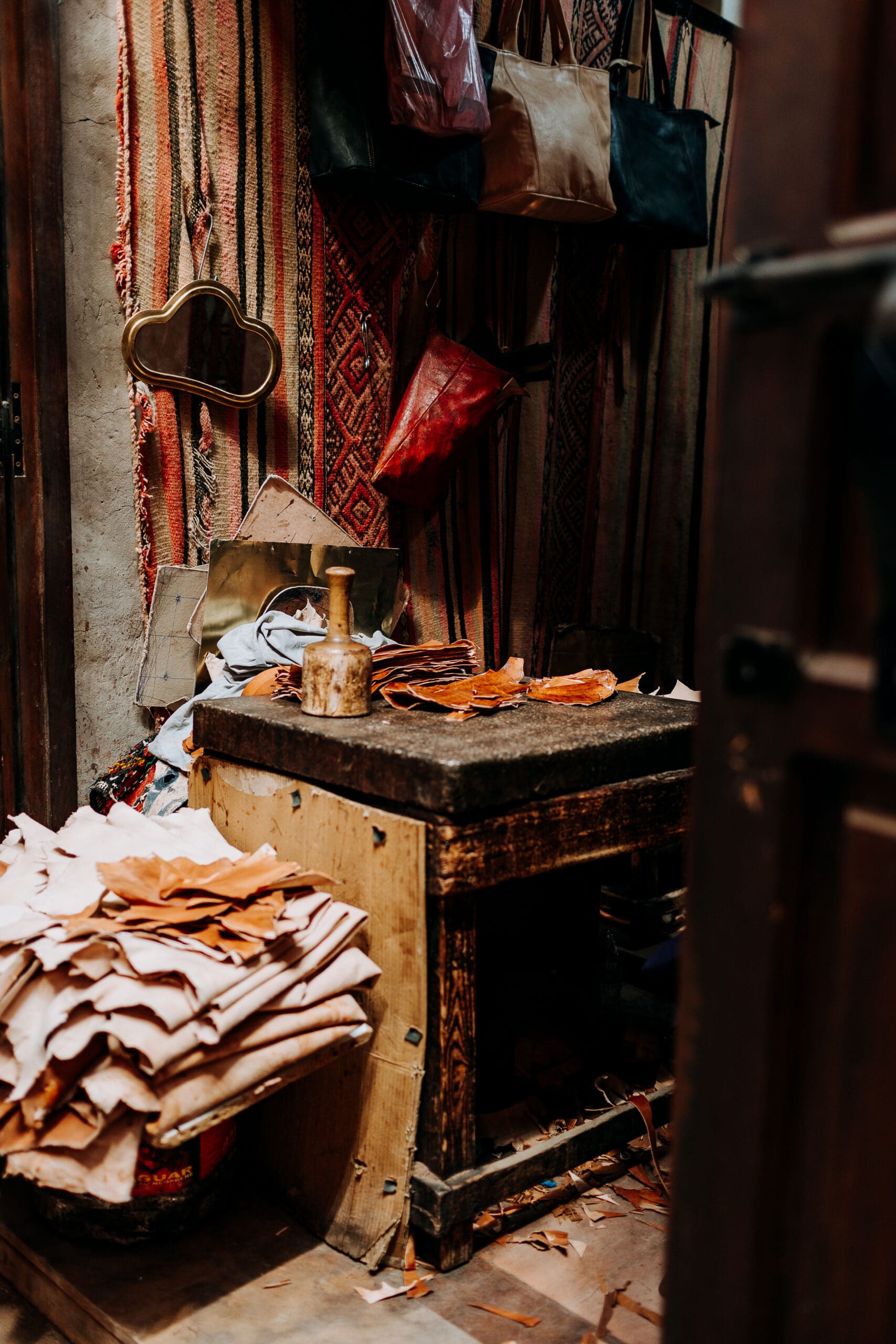
Moroccan tanneries employ centuries-old methods to produce leather that will be transformed into shoes, bags, belts, slippers (babouches), and more. Fez’s Chouara tannery, one of the country’s most famous, is a sight to behold with its vats filled with natural dyes.
Beauty Products
Steeped in ritual, Moroccan beauty products are luxurious. Some favorites include rose water and oil, sabon beldi (black soap made from olives), prickly pear oil, and eucalyptus menthol crystals—try them out by visiting a hammam, or traditional bathhouse.
Clothing
Medinas are also chock-full of silk and cotton scarves, shawls, and long, flowing tops, pants, and dresses ideal for warm temperatures and desert escapades, along with accessories such as jewelry, beanies, hats, and more.
WHAT TO DO
The North
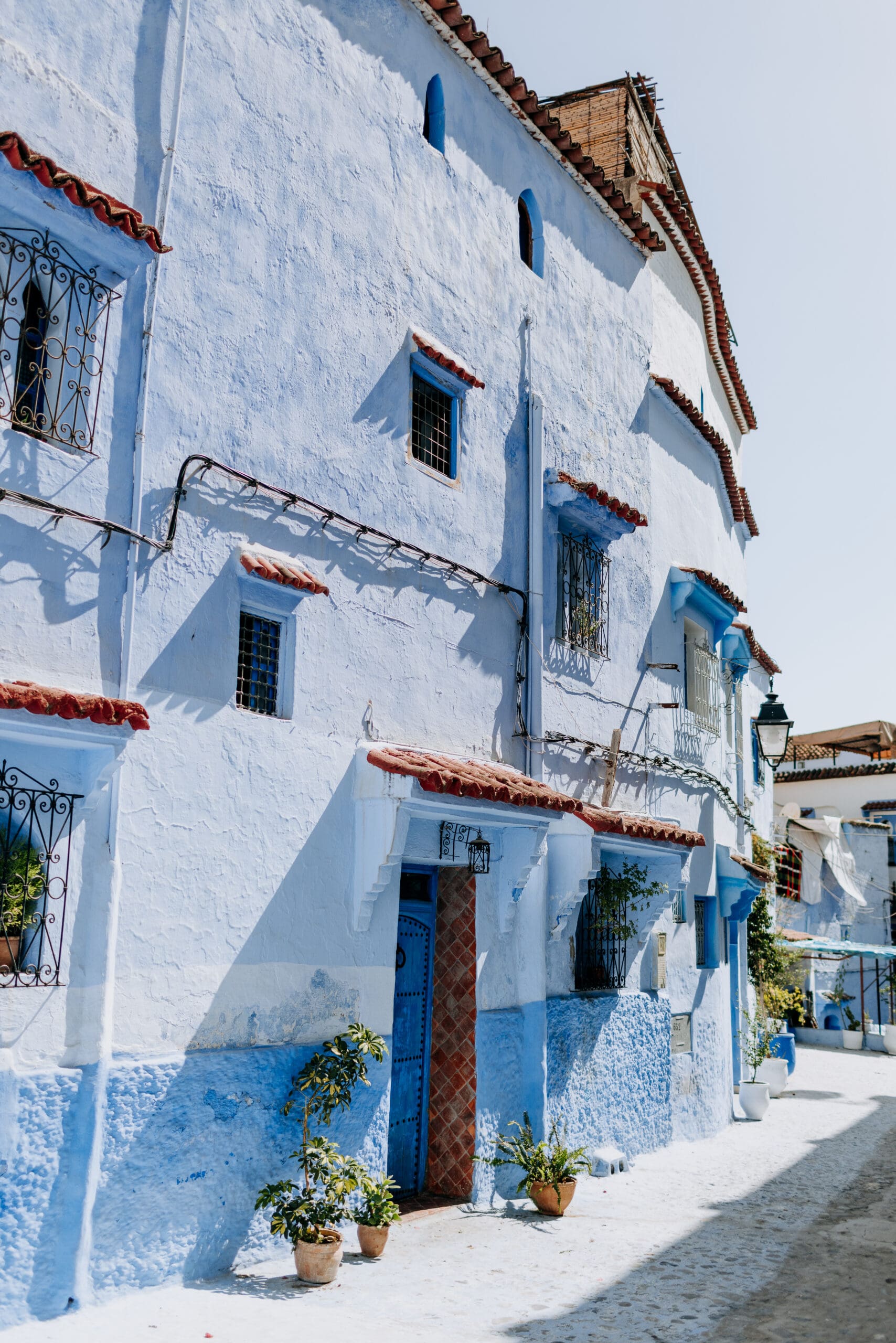
Walk the Streets of Chefchaouen
Nestled in the Rif Mountains, Morocco’s Blue City is a pleasant and low-key introduction to the country. Wander the streets, say hello to roaming cats, and pop by Cafe Clock for a camel burger, spiced coffee, and evening music sessions.
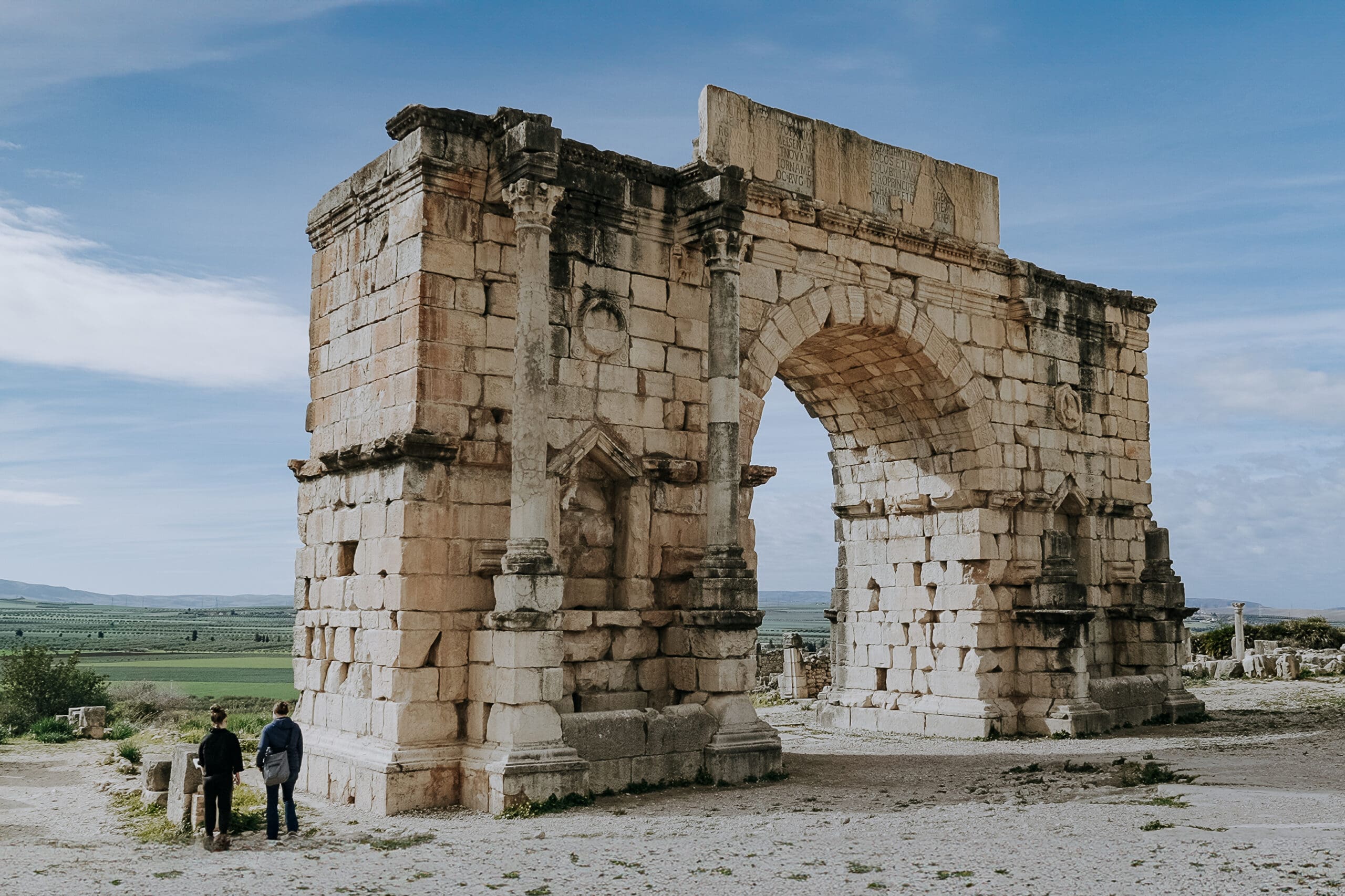
Learn About Roman Archaeology at Volubilis
This ancient Roman city—and Morocco’s best-preserved archaeological site—is perfect for wandering. Olive presses, thermal baths, mosaics, and reconstructed archways and columns are situated in a lovely countryside setting.
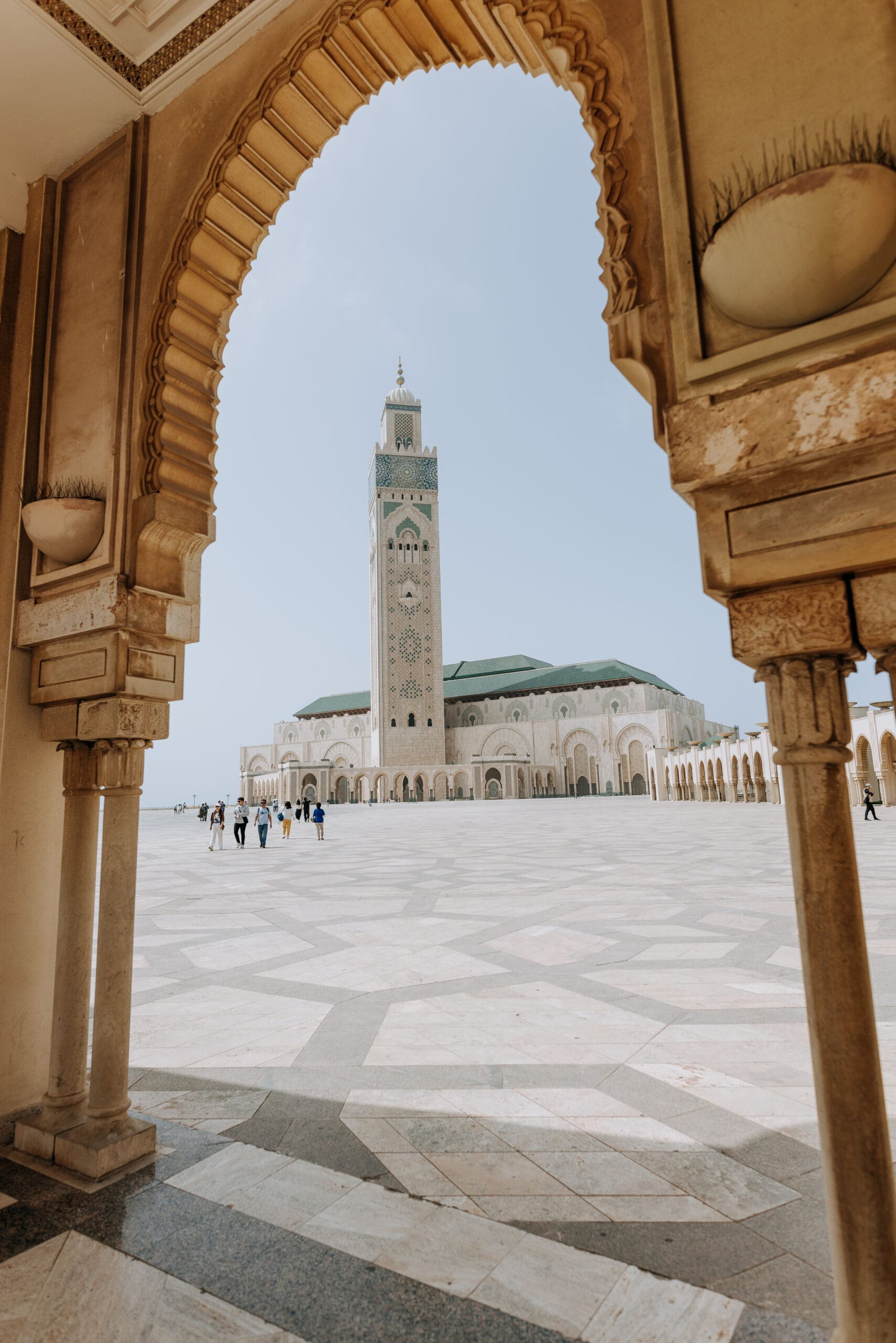
Visit Casablanca’s Hassan II Mosque
One of two Moroccan mosques open to non-Muslims, the Hassan II required more than 6,000 master craftspeople to construct and can hold up to 105,000 worshippers. The mosque is accessible by joining a guided tour—ours was excellent.
The Atlantic Coast
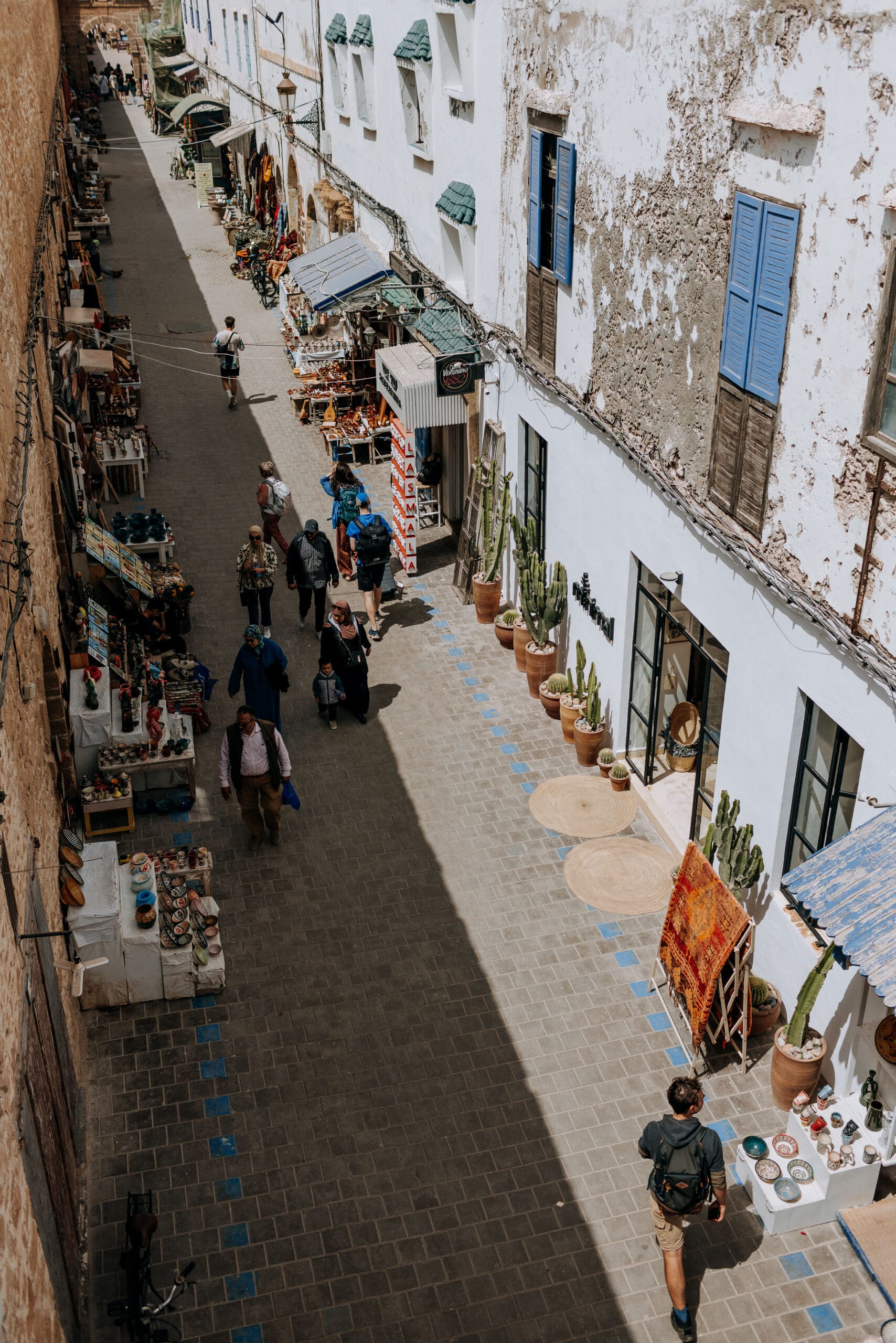
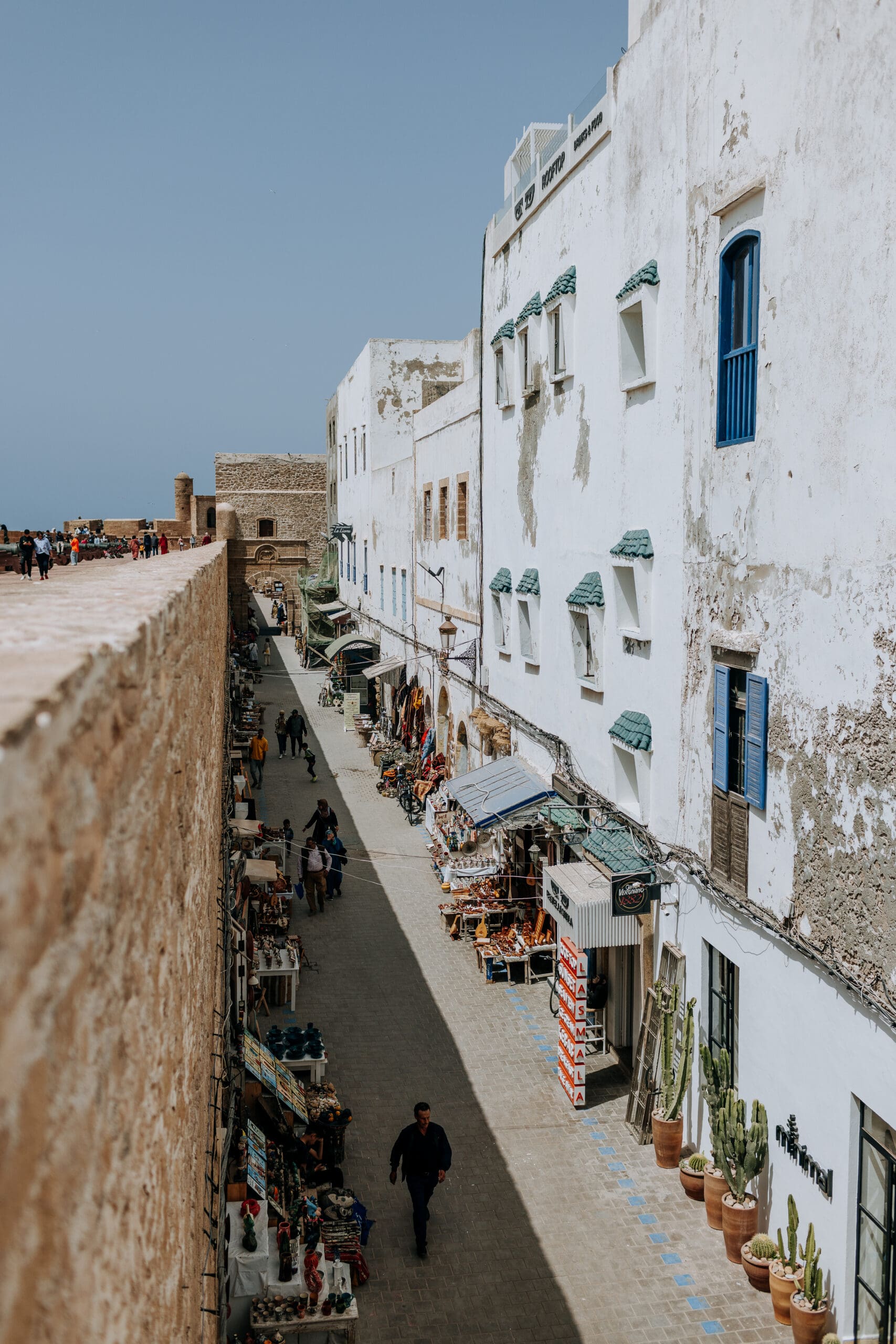
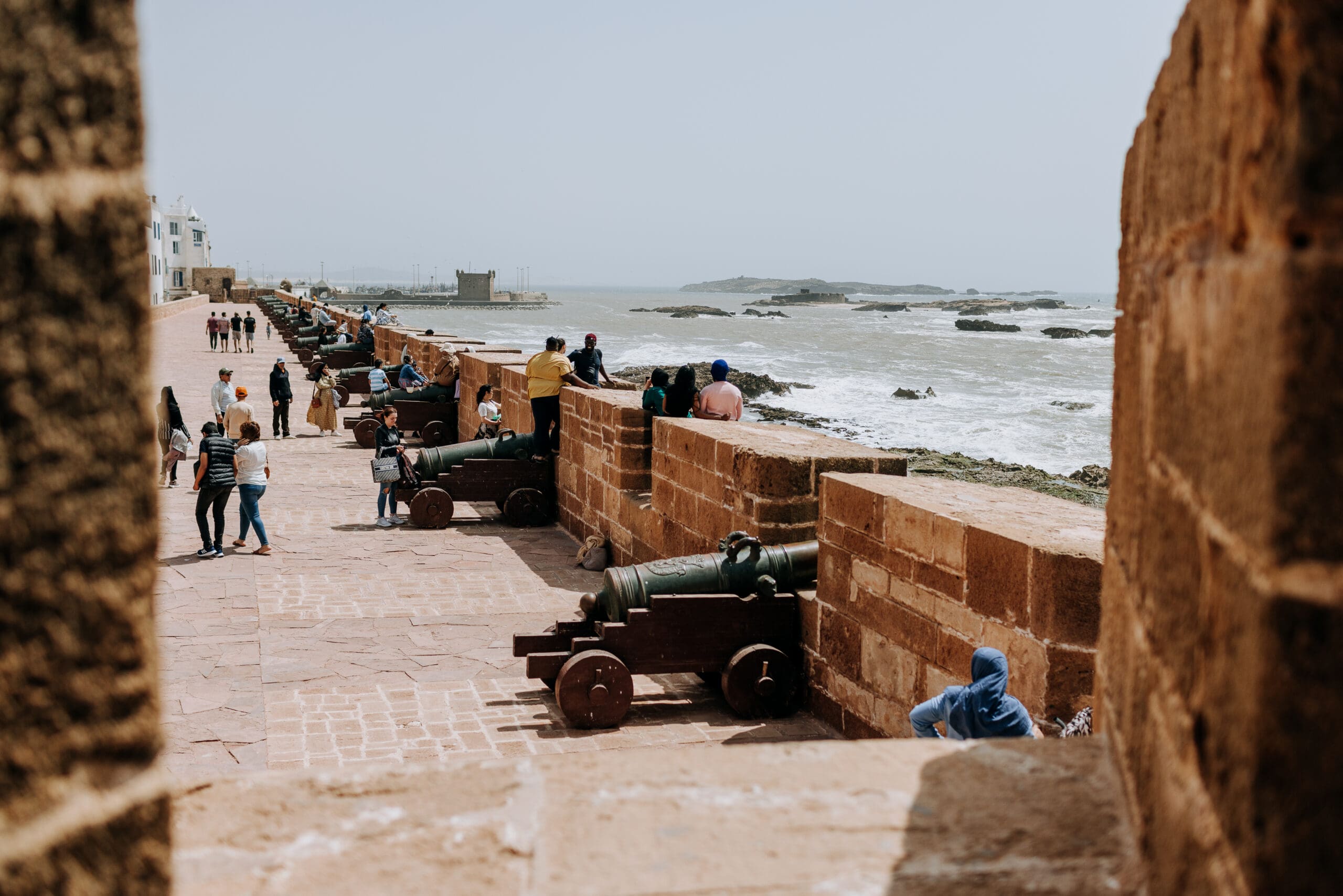
Stroll the Seaside in Essaouira
With a promenade featuring 18th-century cannons and sea views, it’s easy to see why Essaouira was chosen as a Game of Thrones set. Restaurant Khmissa serves my favorite beef tagine in the country. Those seeking souvenirs will find a plethora of options.
Surf or Swim
Bring your surfboard or sign up for lessons in the fishing villages of Taghazout or Imsouane, which feature a long right-hand point break. If kiteboarding or windsurfing is your jam, head all the way south to Dakhla.
Cool off in Paradise Valley
A small, lush oasis featuring natural pools, Paradise Valley is a fun place to cliff jump, swim, and hike. A 45-minute drive from Tagazhout, the location can get busy during surf season but provides a refreshing change from salty ocean swims.
The Atlas and High Atlas
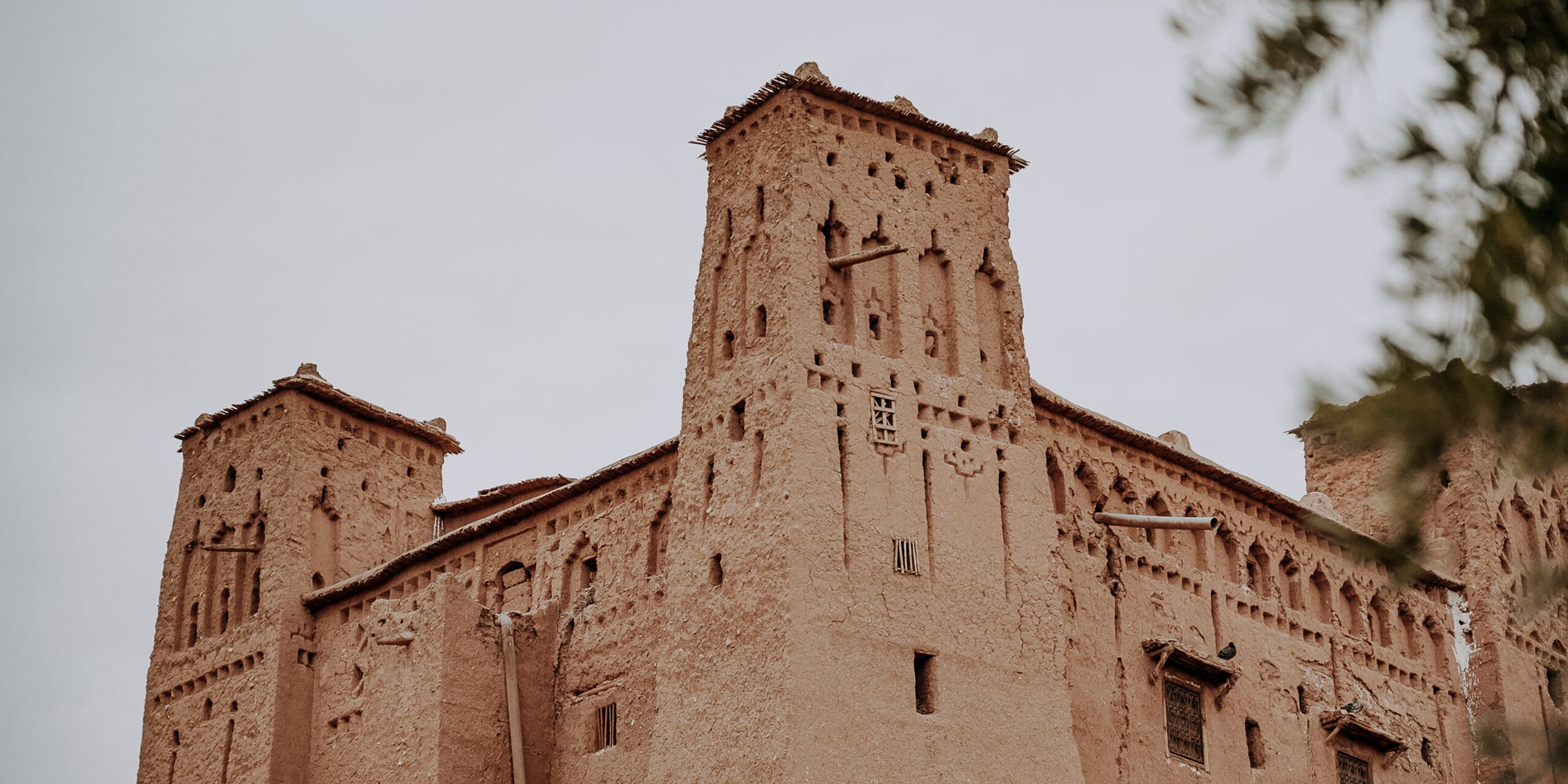
Visit the Ksar of Aït Benhaddou
Situated along the former caravan route between Sudan and Marrakech, this fortified village is a UNESCO World Heritage site and was a film location for Lawrence of Arabia and Gladiator. Visit the Tawesna women’s co-op for a pumpkin and almond tagine and tasty mixed salad.
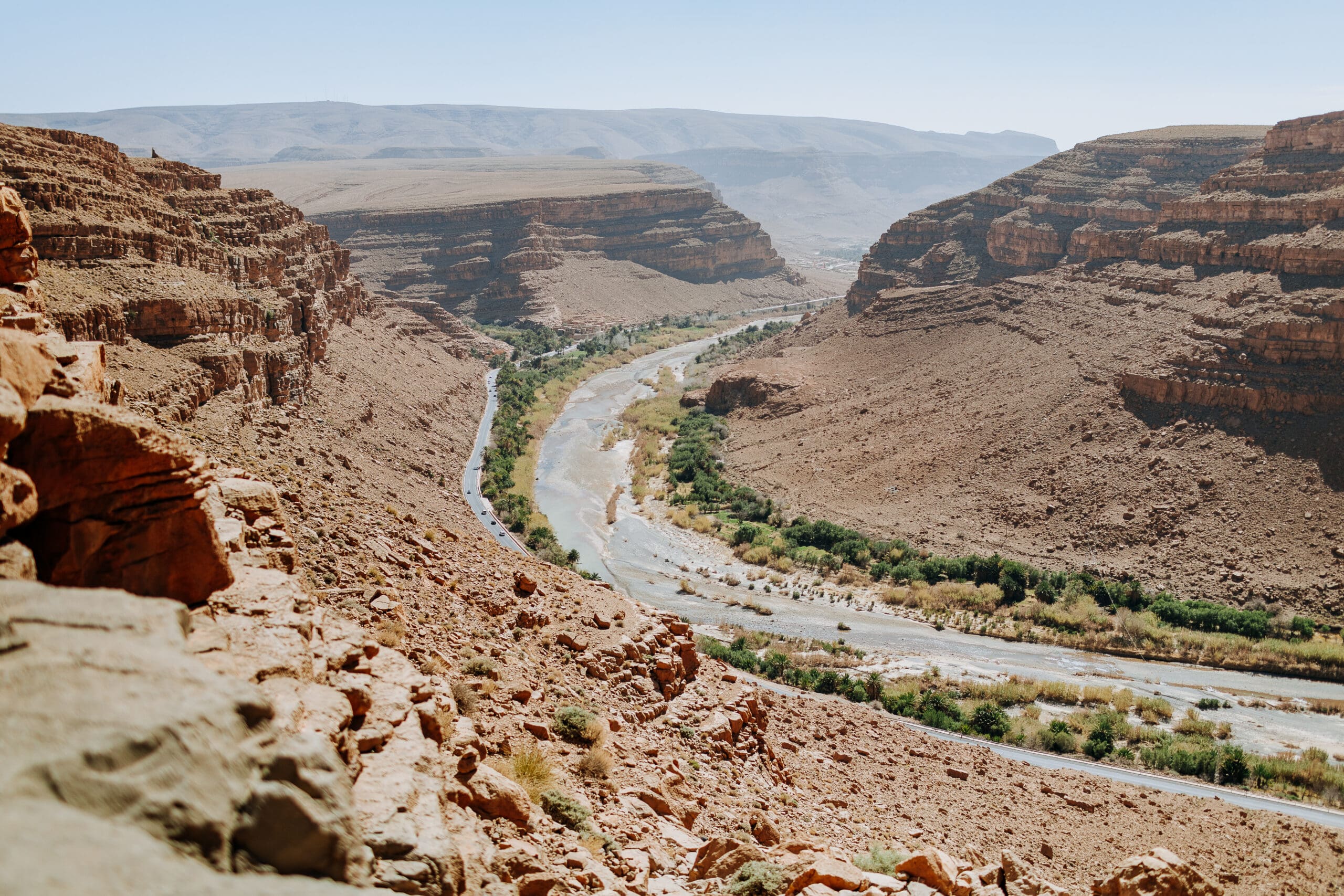
Take it Slow in the Ziz Valley
The Ziz River feeds palm groves that run from Midelt to Erfoud, resulting in stunning oasis scenery and sun-burnt rocks for scrambling. Try the fresh bread at Camping Hakkou, walks from Kasbah Hotel Camping Jurassique, and chicken tagine at Mahara Art in Erfoud.
Follow the Trans Morocco Trail (TMT)
Morocco’s new long-distance adventure trail spans 3,250 kilometers cross-country, linking the Mediterranean with the Atlantic via the Atlas Mountains and the Sahara Desert. If your schedule doesn’t allow for two weeks of travel, the trail may be done in stages. Visit transmoroccotrail.org for more details.
The Sahara Desert
Enjoy Coffee, Art, and Gnawa Culture in Khamlia
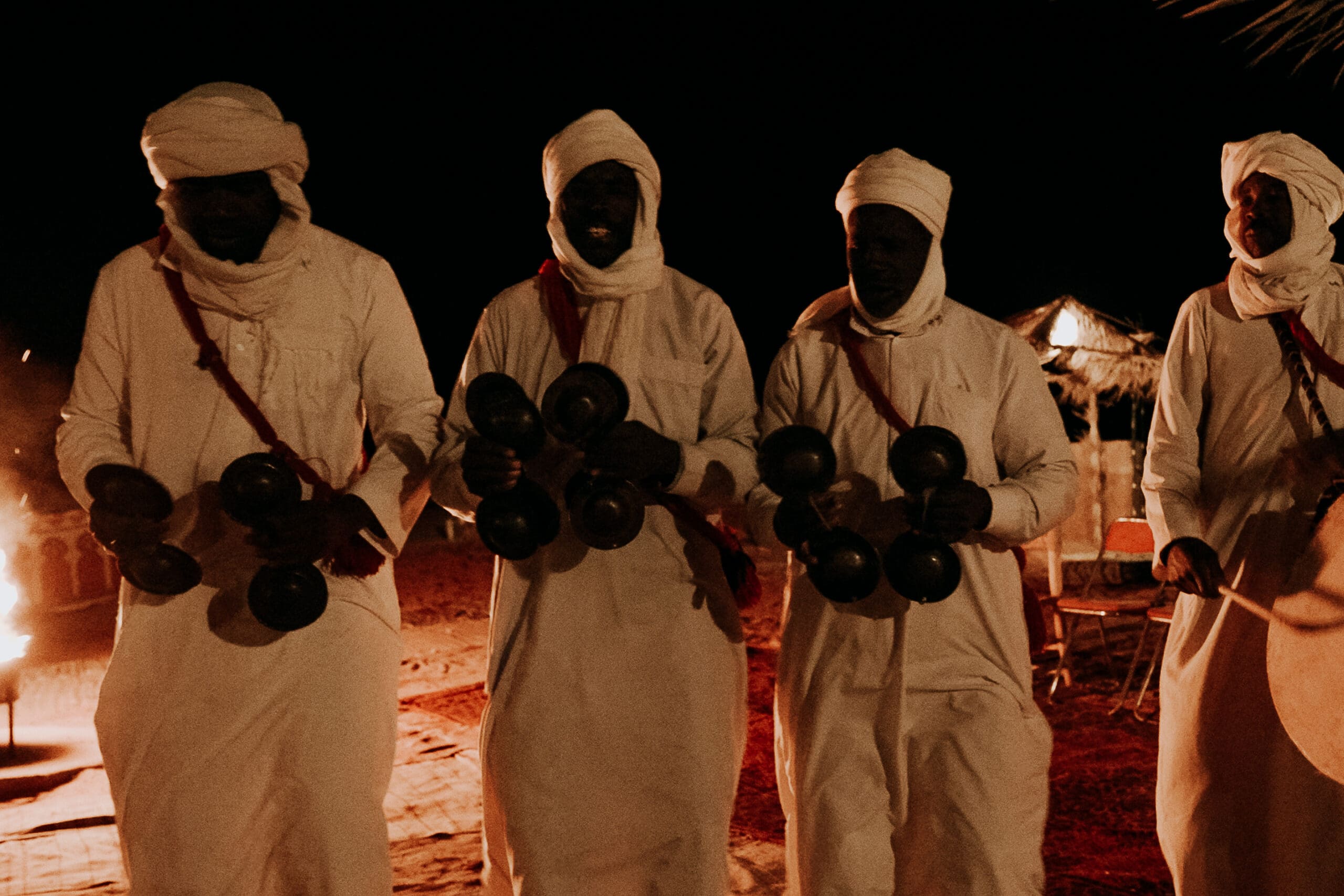
Featuring iron castanets (chakchakas), Gnawa music celebrates the ancient spiritual practices of its people, who came from West Africa. Catch a session at Dar Gnaoua before coffee at the nearby art studio and campground, Galerie Chez Les Artistes.
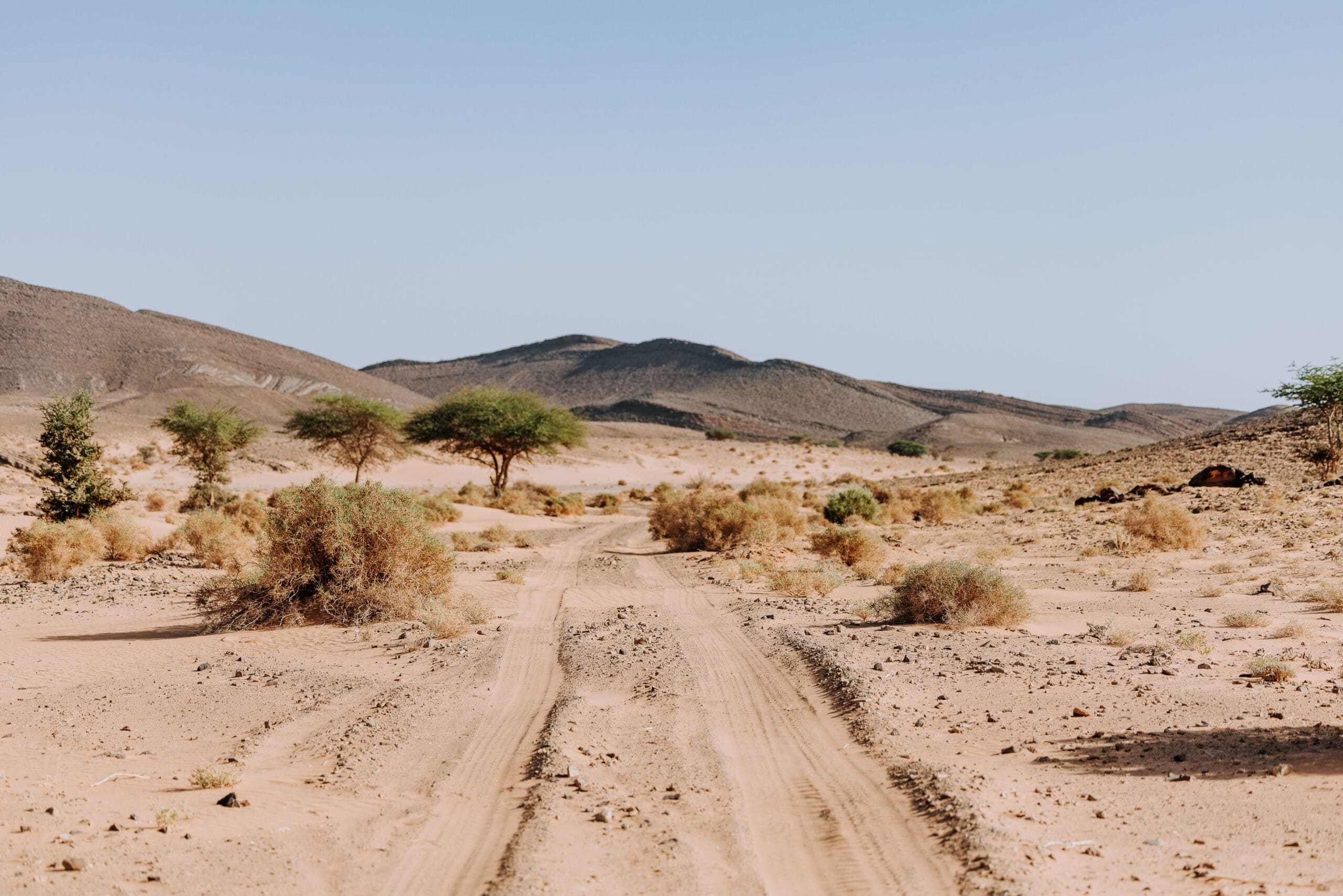
Visit an Erg
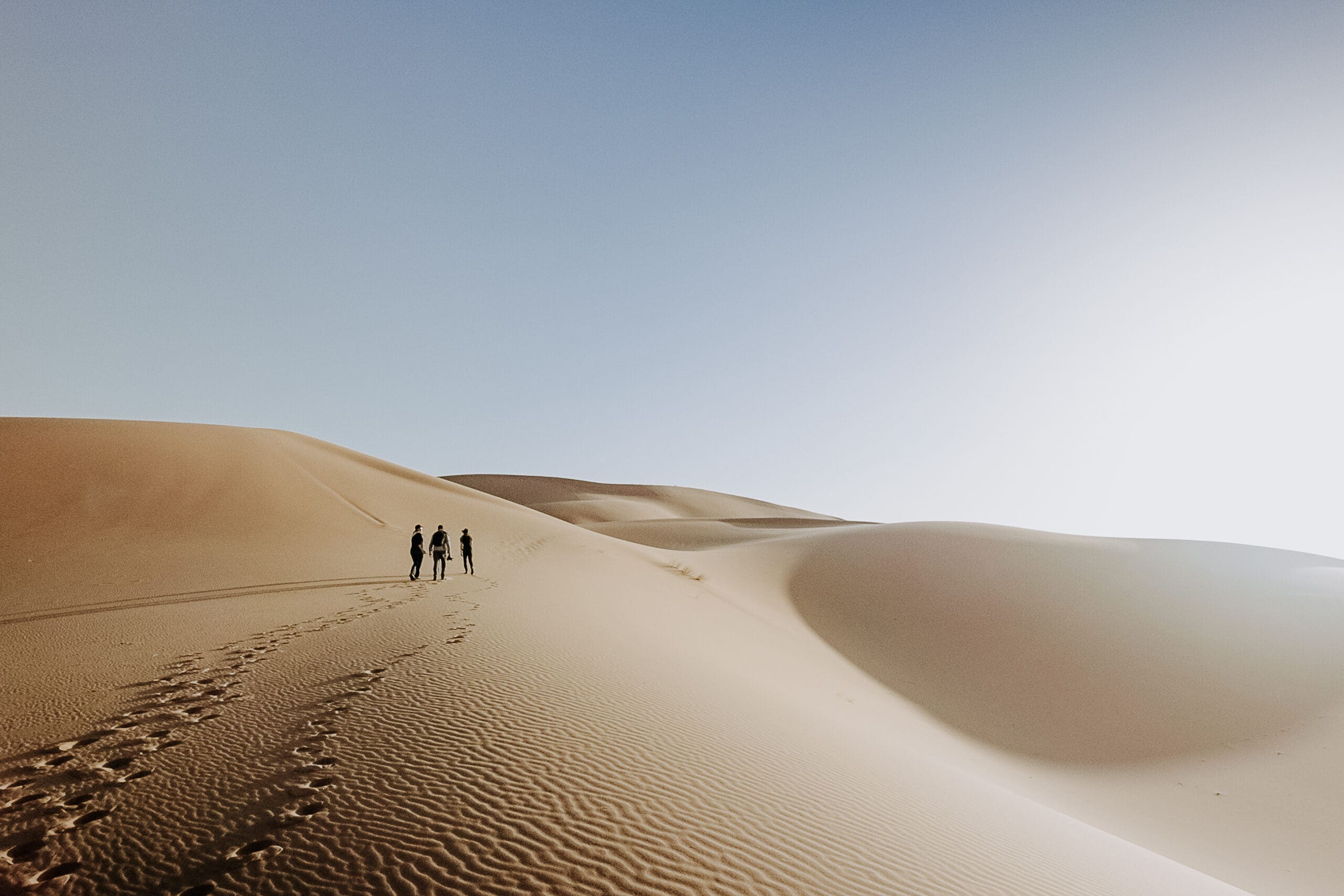
An erg is a dunefield, and in Morocco, there are two: Erg Chebbi and Chigaga. Near bustling Merzouga, Erg Chebbi is busy and suited to the first-time desert traveler who doesn’t have time to access the more remote Erg Chigaga. Rewarding stargazing is plentiful at both locations.
Use M’Hamid as a Jumping Off Point
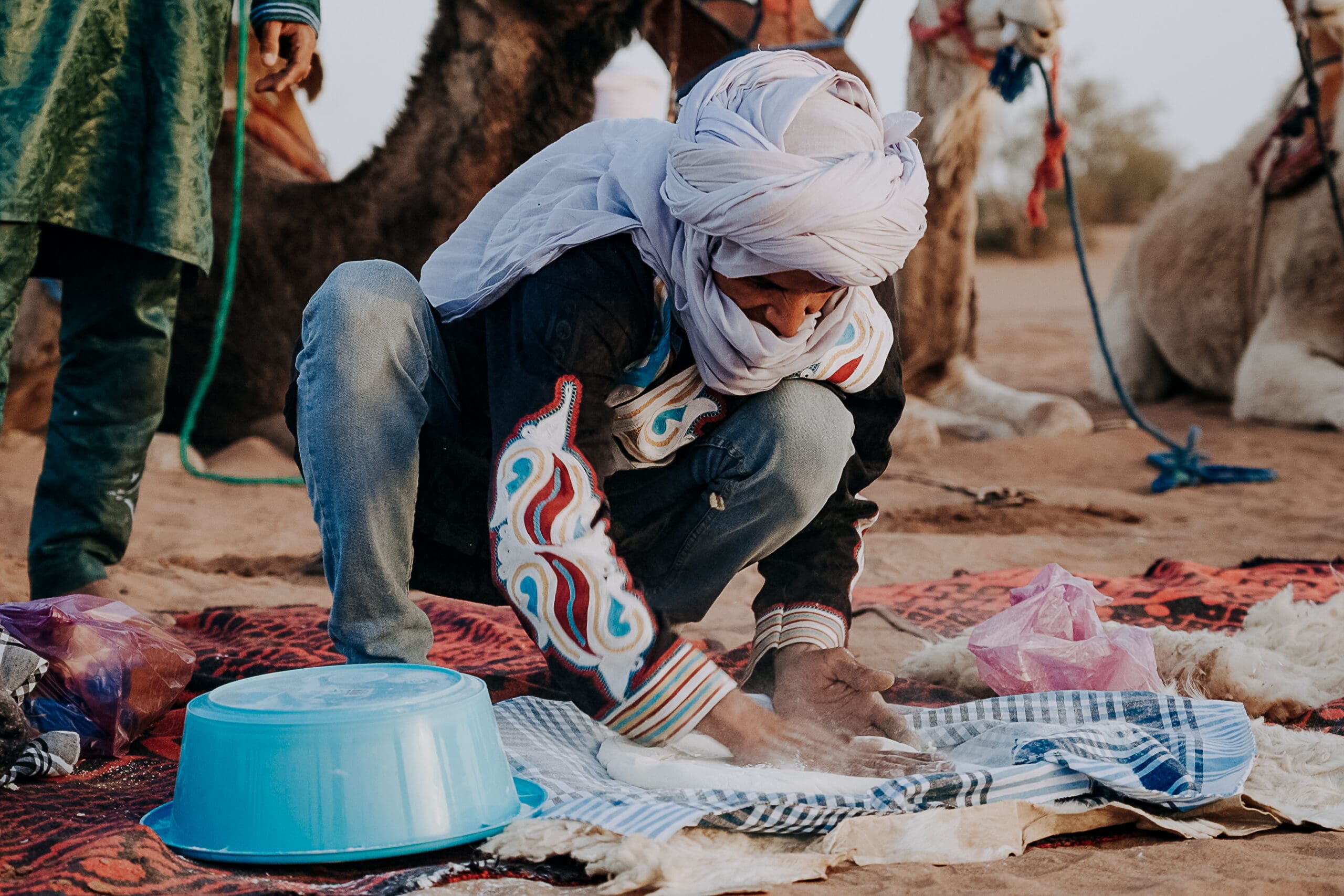
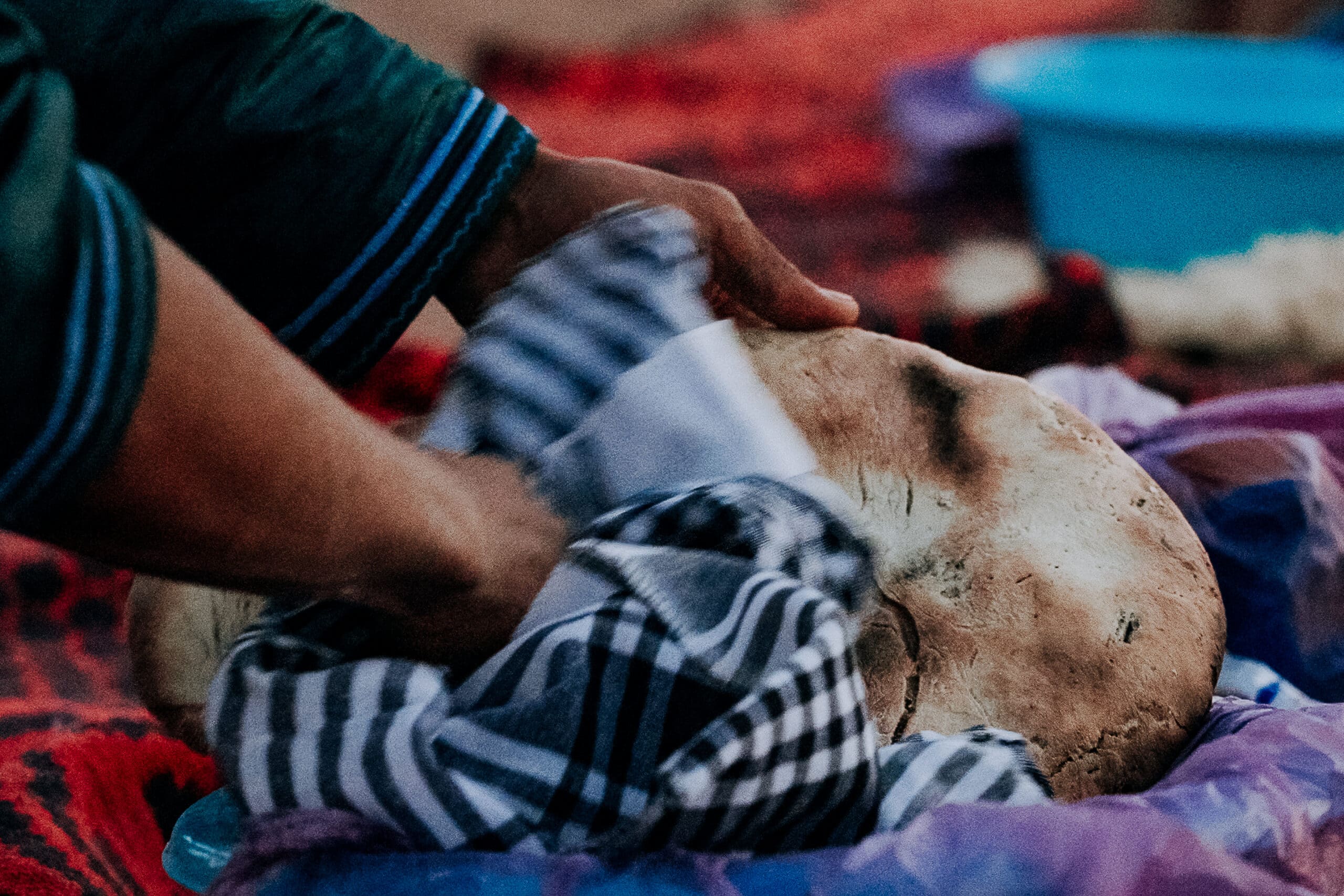
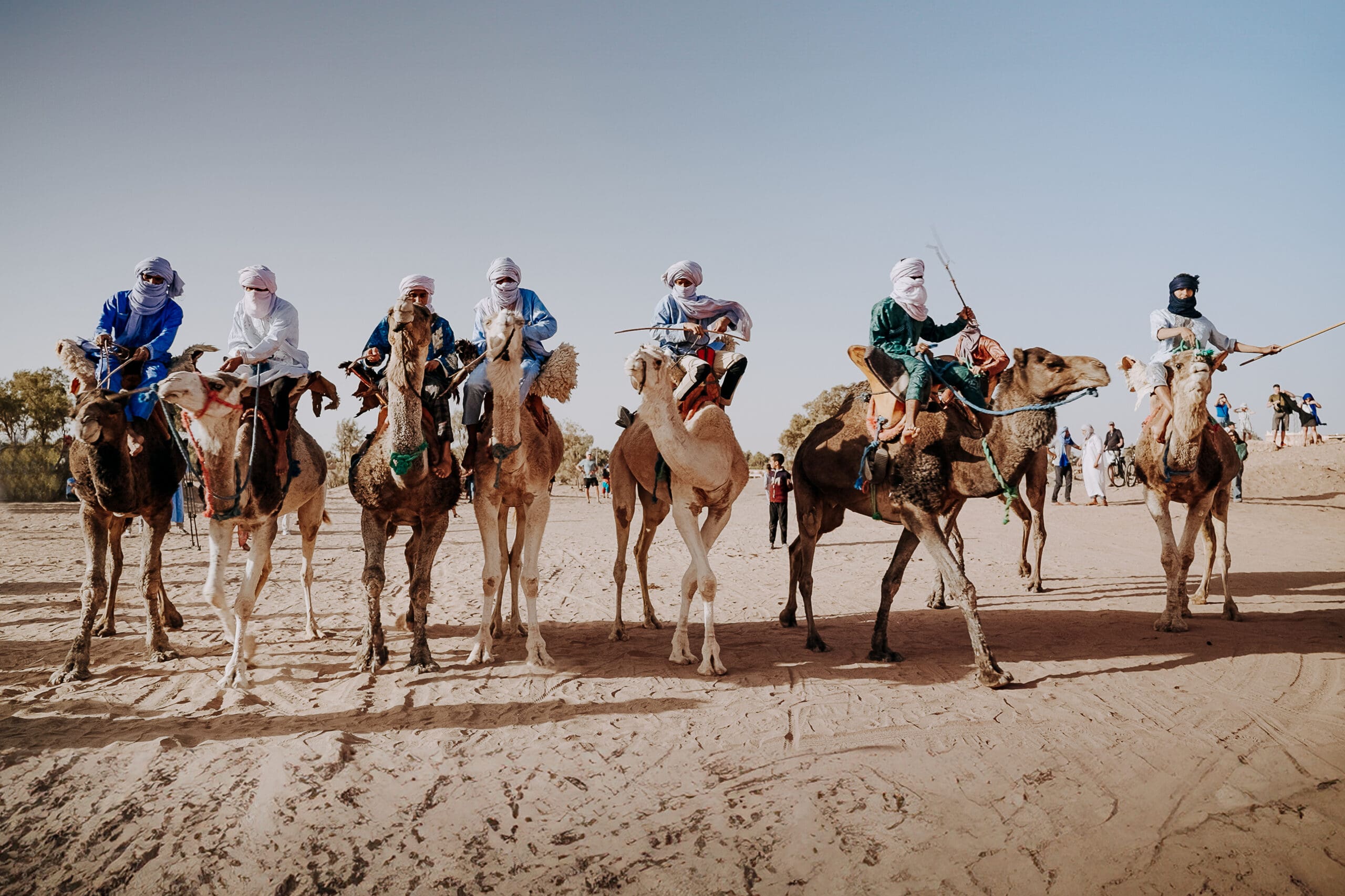
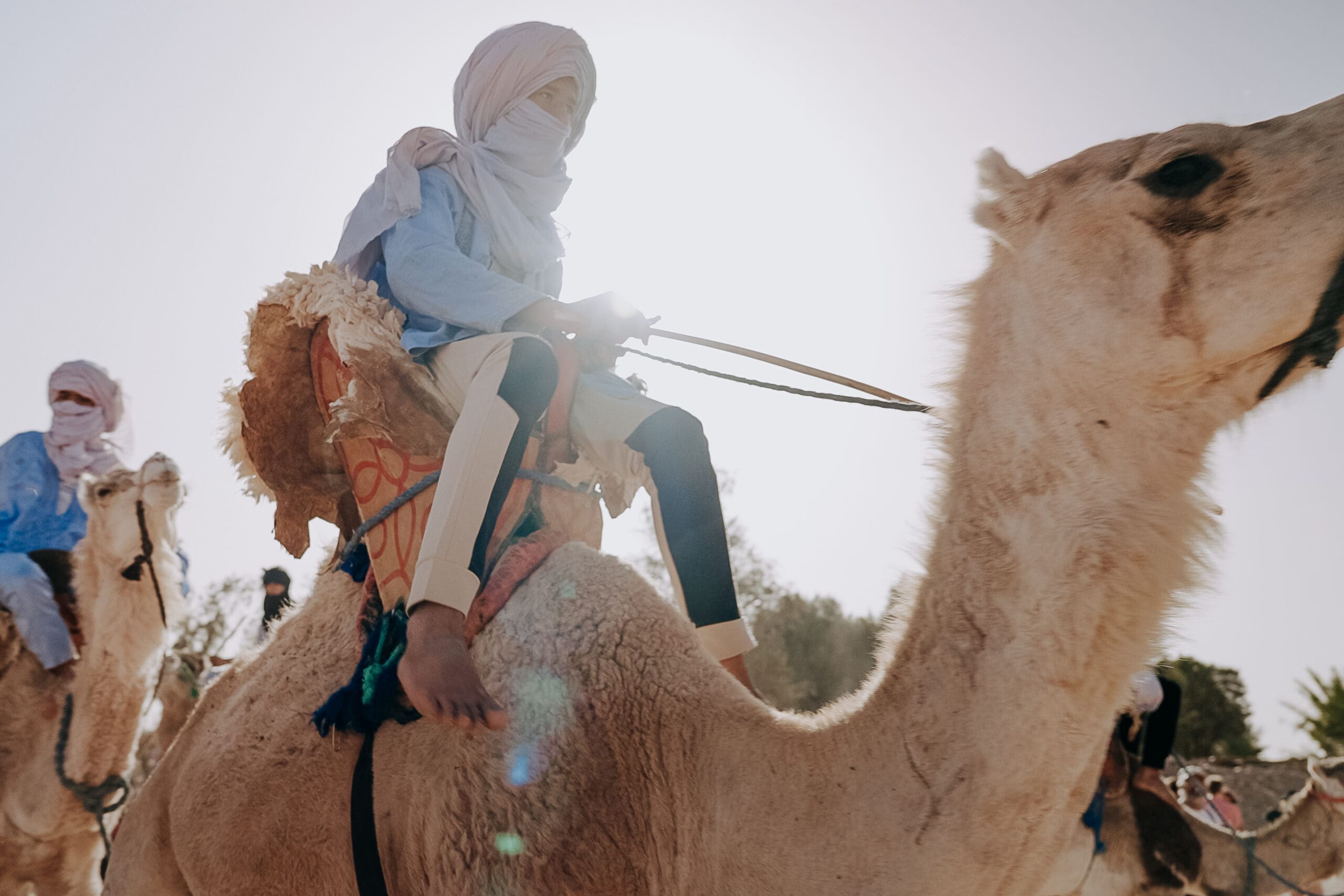
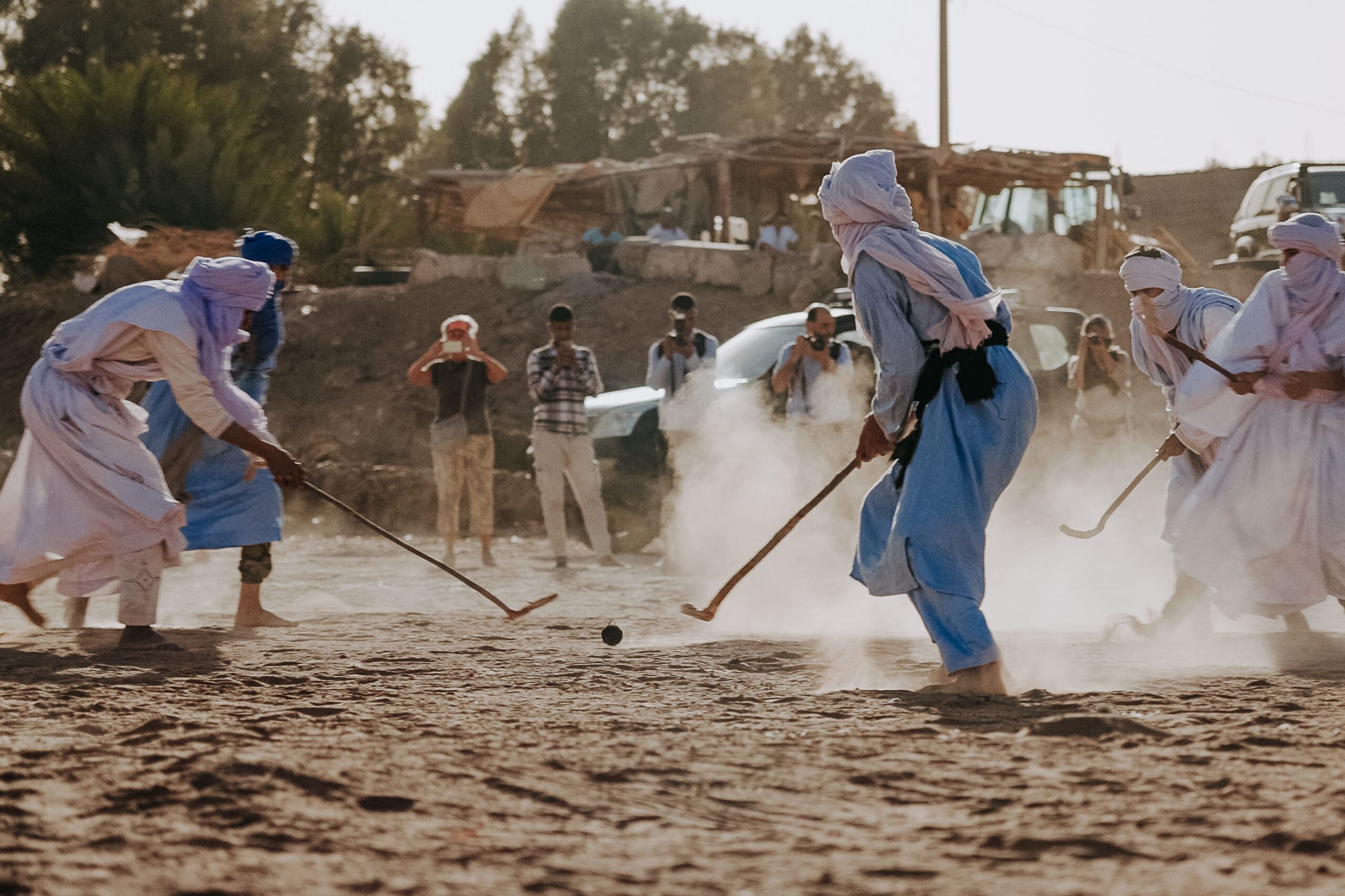
The small oasis town of M’hamid El Ghizlane is within striking distance of Erg Chigaga, Iriqui National Park, and numerous off-road tracks. In April, swing by the International Nomad Festival, which celebrates nomadic tribes of the region with camel racing, a sand bread demonstration, and music.
For More on Morocco…
10 Things to Know About Overlanding Morocco
Overland Journal Podcast: A Morocco Masterclass with Mark White
Chris Scott’s Trans Morocco Trail Self-Guided Route Has Launched
Editor’s Note: This article was originally published in Overland Journal’s Spring 2026 Issue.
Our No Compromise Clause: We do not accept advertorial content or allow advertising to influence our coverage, and our contributors are guaranteed editorial independence. Overland International may earn a small commission from affiliate links included in this article. We appreciate your support.
