

To honor the 20-year anniversary of Overland Journal, we are revisiting special heritage content in the upcoming 100th issue of the magazine. Originally published in Overland Journal’s Spring 2016 issue, this article is part of that celebration.
Photography by Tom Collins, Gary Wescott, Robert Young Pelton, Anthony Cullen, and courtesy Land Rover NA
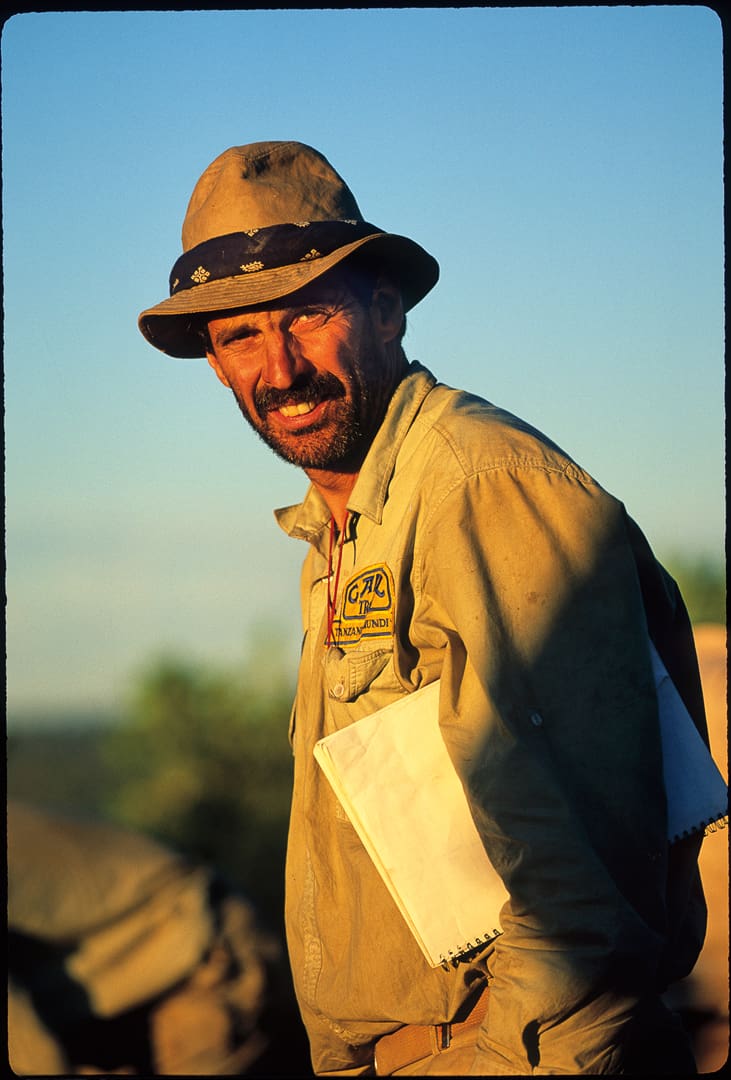
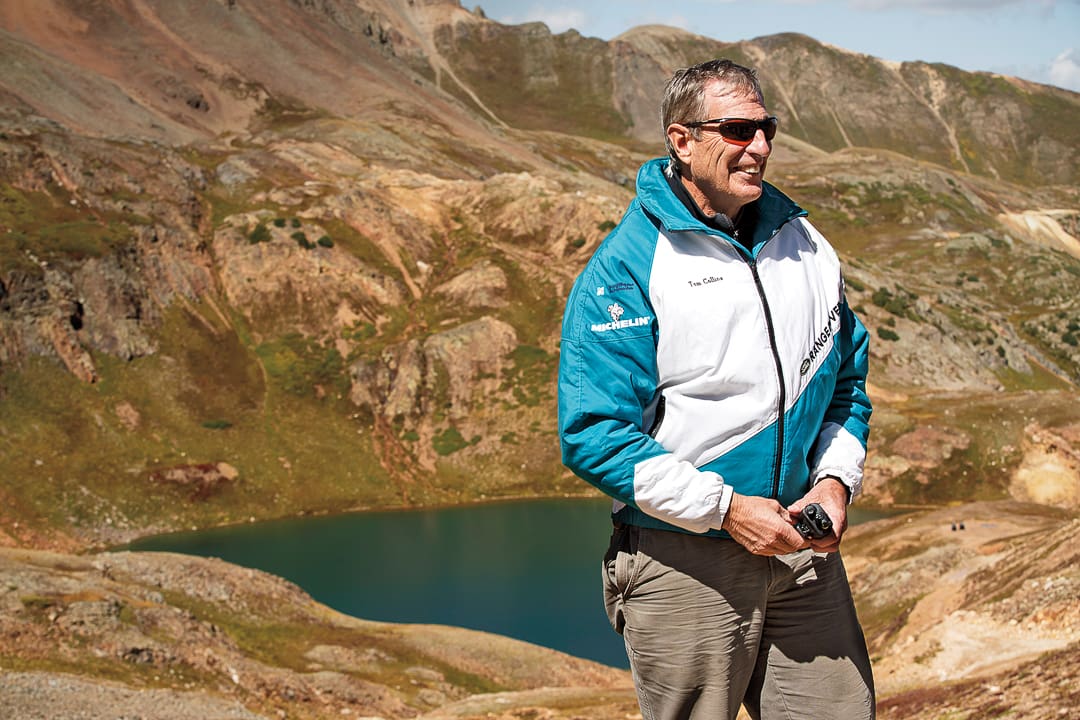
Few words conjure visions of adventure and the surge of adrenaline as the Camel Trophy and the name Tom Collins. The Trophy was an epic of human resilience and vehicle prowess, and Collins, affectionately known by his friends as TC, led the US team for more than a decade and became one of the most prominent figures in expedition travel. I met TC in the early ’90s at an auto show and, like countless others, bombarded him with questions about participating in the Trophy. I found him to be assertive yet tactful, soft-spoken but confident, a man with grit and integrity who looks you in the eye when he has something to say.
While researching TC for Living Legends, I reached out to his friends, coworkers, and employers. As each person reflected on the years they spent with him and the adventures they shared, I quickly realized he was regarded as a close member of their family. They had worked, played, cried, rejoiced, struggled, and conquered together. TC has not only been a teammate, coach, mentor, brother, and father figure; he has helped the people around him reach into the depths of their souls and find an inner strength they didn’t know they had, pursue dreams they would have otherwise been too fearful to follow, overcome challenges, and ultimately take on life with enthusiasm rather than hesitation. More than one said, “I would trust Tom with my life … and have.”
I also learned that the complexity of his character and array of experiences reach far beyond the Camel Trophy. TC describes himself as “very competitive, driven, extremely tenacious, and stubborn … an endurance specialist, not a sprinter.” He admits he is not the best at any one thing, but he is good at many, and isn’t afraid to learn new skills. I joined TC at his home in Carbondale, Colorado, for a day of fascinating dialogue. I left energized and inspired, like I could take on and succeed at anything I put 100% of my energy, focus, and commitment into. It is with great pleasure that I introduce you to Tom Collins, one of the true Living Legends of our era.
What or who were the early influences that led you to pursue a life of adventure?
My parents loved exploring back roads—hunting, fishing, and our family vacations were spent in the Sierra Nevada. During hunting season, we pursued deer at a friend’s ranch near Willits, California, and on public lands around Truckee. These outdoor activities, along with my mother’s stories about growing up on a ranch in San Luis Obispo County, set the stage. She also told lots of stories about her family’s adventures in early California. They arrived in California in 1781, and my fourth great-grandfather was a Spanish soldier who brought the first settlers of Los Angeles from Mazatlán, Mexico, up the Baja Peninsula to San Gabriel. Television shows about far-off places and books about mountain men and exploration fueled my imagination.
I’ve heard stories about a Series Land Rover and a Ford GPW.
The GPW was at the hunting ranch, and I loved that vehicle. I never drove it; I was too young, but my dad would take my brother and me exploring on the 4WD roads in the area. I became a fanatic about four-wheel drives and six-by-six vehicles and always commented when we passed one on the highway. My dad was a Ford service manager and mechanic, who stated, “I buy cars to drive, not look at.” He was notorious for pushing the family station wagons on rocky trails where they did not belong. A lasting memory was feeling the floorboards spring up under our feet as the car bounced over boulders—more than once the floors had to be stomped back down. The Land Rover was a 1958 Series II owned by my friend’s grandfather, who owned the adjacent ranch. I fell in love with the Land Rover right away. It was very plush compared to our WWII-era Jeep, and it got around on the four-wheel-drive roads just as well.
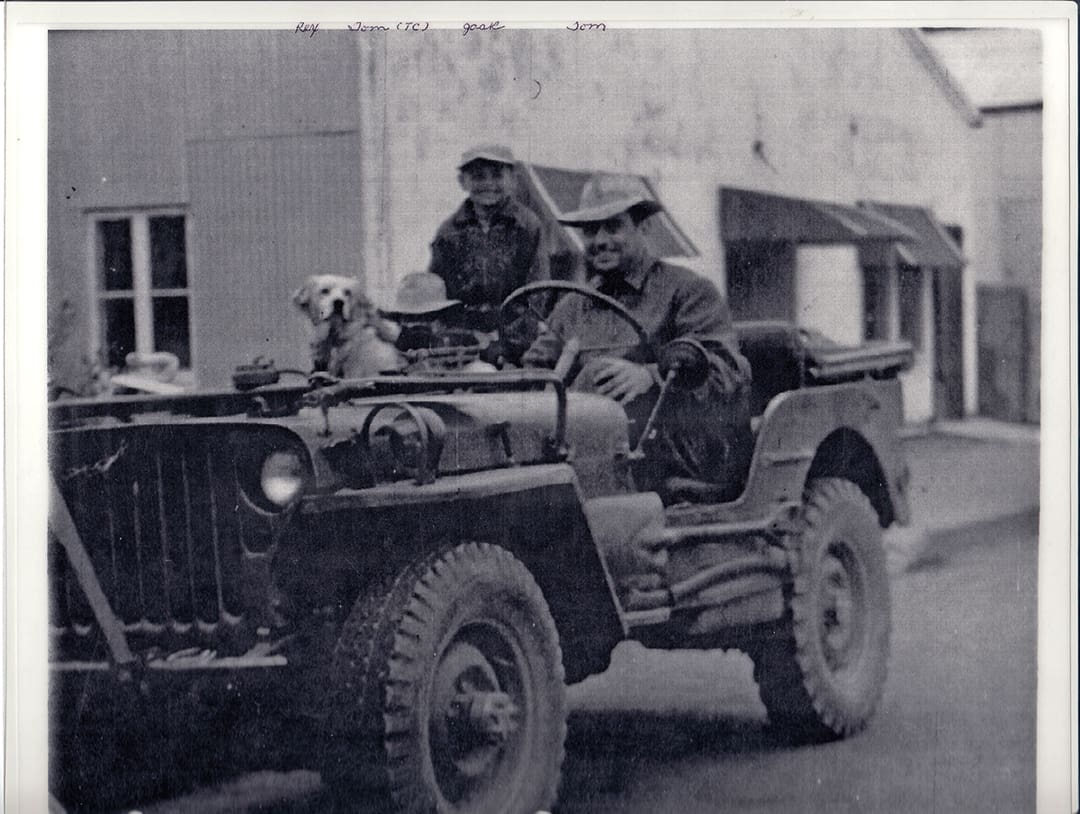
Photo credit: Mom
What led you to move to Colorado?
As a kid, I always knew the Rocky Mountains would be my future home, rather than the suburbs of San Jose, California. I started skiing during my college years. Friends would return from ski trips in Colorado and tell stories about how great it was. Also, California had become crowded, and our motorcycle trails were being closed. After I took my last final at San Jose State University in January of 1973, I skipped commencement and instead loaded my ’58 Chevy truck with my motocross bike, tools, and skis. I then followed my friend Bert Petersen to Aspen. It was the best move I ever made. Aspen was heaven in the early 1970s.
How did your passion for dirt bikes develop into pursuing a career as a motocross racer?
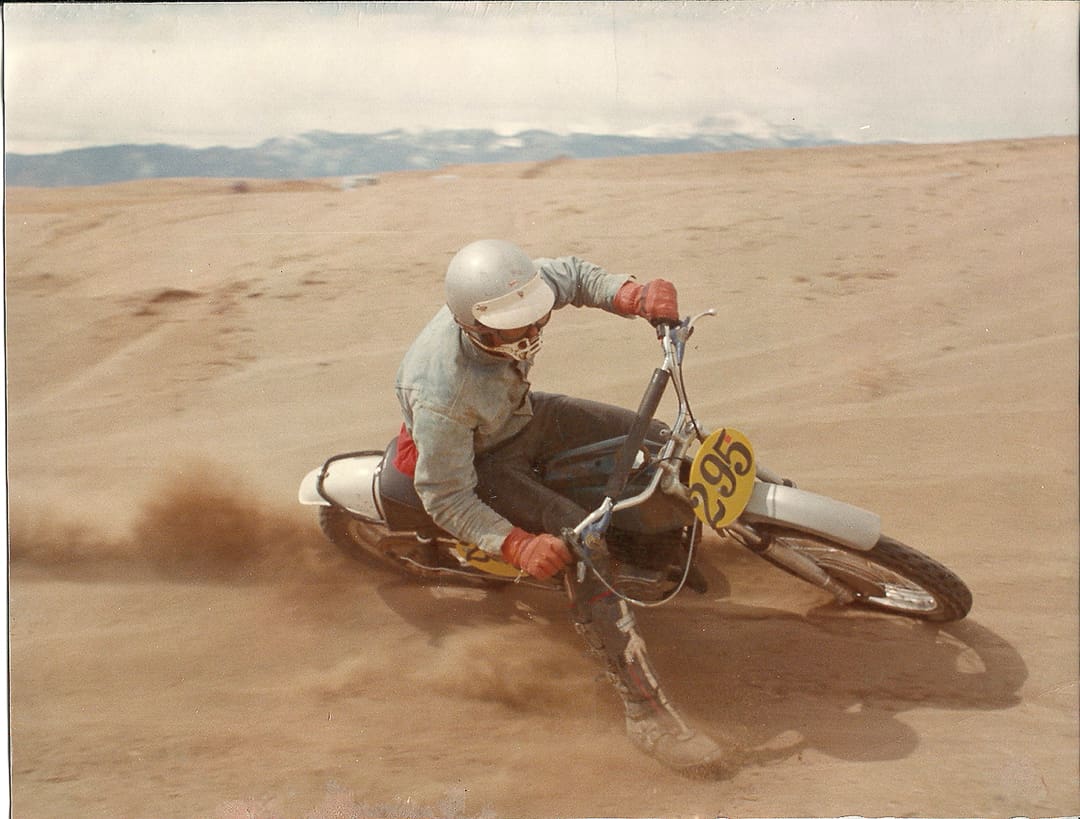
I wouldn’t call it a career, though I would classify it as a passion. My neighbor Tom Nichole introduced me to motocross. He raced and took the neighborhood kids along with his own kids to the races. He even let me ride his Ossa Stiletto in a race. I found that racing motocross was the ultimate expression of man and machine. The problem was that my dad did not like motorcycles. He called them “murdercycles.” I hid my first bike, a Hodaka Ace 90. That did not work out. Although he finally relented, he made me buy health insurance and proper protective gear. He also didn’t want to know about my injuries.
I lived and breathed motocross. I did okay and was rated as an AMA expert. I even had a sponsored ride for a couple of years, but could never beat the nation’s top riders. After motocross, I competed in AMA enduro and desert races and did much better at long-distance events. The Inter-AMA races brought all of the world’s greatest riders to California. Roger DeCoster and Joel Robert became my heroes. I wanted to race cars in the worst way, but I didn’t have the money, and my parents weren’t going to support it—even though they loved watching circle track races.
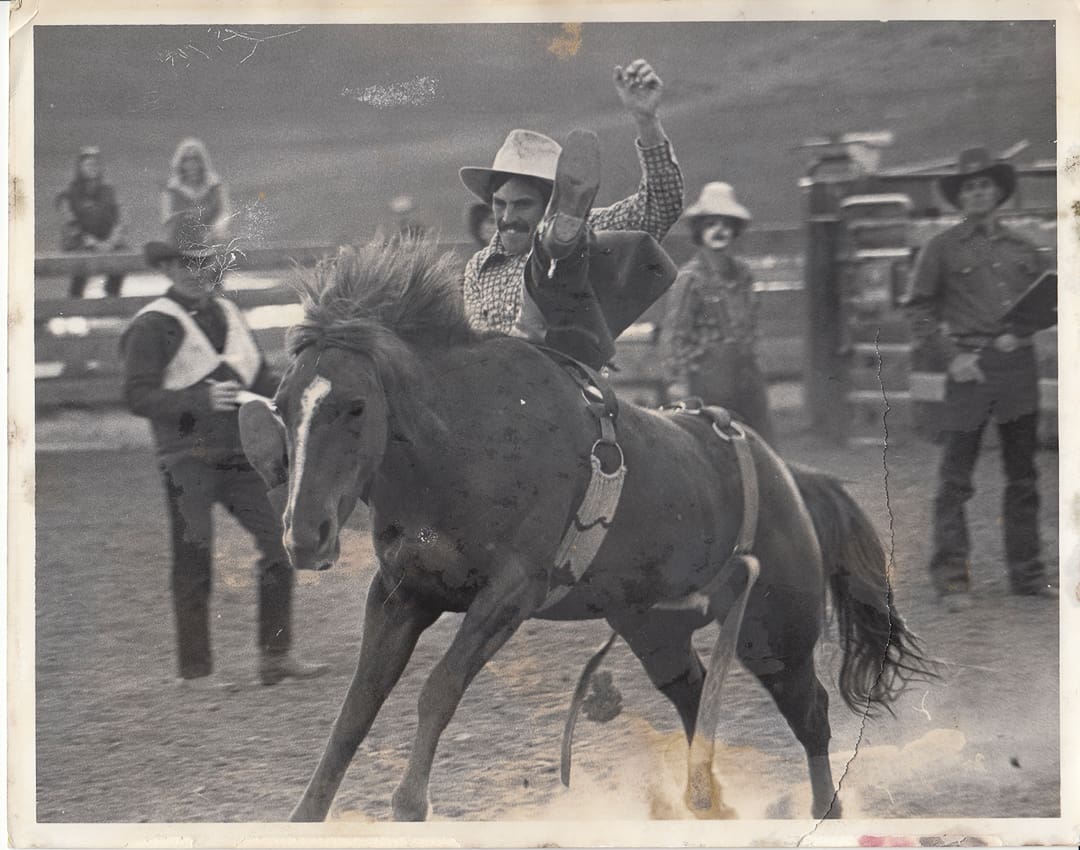
Is there a story behind this photo of the bucking bronco, a career we don’t know about?
I worked on Aspen’s Airport Ranch for a few years and was around real cowboys who talked about roping and riding in the area’s rodeos. Their stories made me want to go for it. I couldn’t rope and did not own a horse, so I decided to ride bareback broncs. During the season, I only completed my 8 seconds three times. The rest of the time I fell off and generally got beat up. I only rode a bull once, and I found that it wasn’t my thing. Bulls, unlike horses, will gore and stomp you. This photo was taken during a wild horse race, the stupidest event in rodeo. It was a challenge that my buddies Bert, Sean, and I couldn’t pass up. Two guys try to control a horse that wants to kill you while the third guy, which in this case was me, saddles it and tries to ride around the arena. The crazy part is that there are seven other teams trying to do the same thing, and the horses don’t care who they take out. We led the race until the horse decided not to go around the required barrels at the end of the arena, and instead just tried to buck me off. We finished last.
How did you learn of the Camel Trophy and what prompted you to apply?
My wife was a dental hygienist, and her boss was one of my motorcycle buddies. He always brought home off-road magazines from his foreign travels. While at the dental office picking up my wife, I started reading an Australian magazine with an article about the Trophy. Right there I knew I had what it took to be part of the Camel Trophy. I did not know if there was a US team, but I wanted to be part of that adventure in the worst way. There was no internet in those days, so I scoured drugstore magazine racks for months until I found Gary Wescott’s article about the Trophy in Four Wheeler.
I applied, and when I went to the interview, I brought a briefcase full of photos and certificates to back up my experience—I didn’t think Chris Drew, head of the US team, would believe that I did what I had claimed. I made it through the trials and received a spot on the team. It required luck as well as skill; one injury or mistake would have taken me out of the competition.
In 1987, you and teammate Don Floyd represented the US in Madagascar and completed the first tip-to-tip crossing of the island. It has been said that Madagascar was the toughest Camel Trophy in the history of the event. Do you agree?
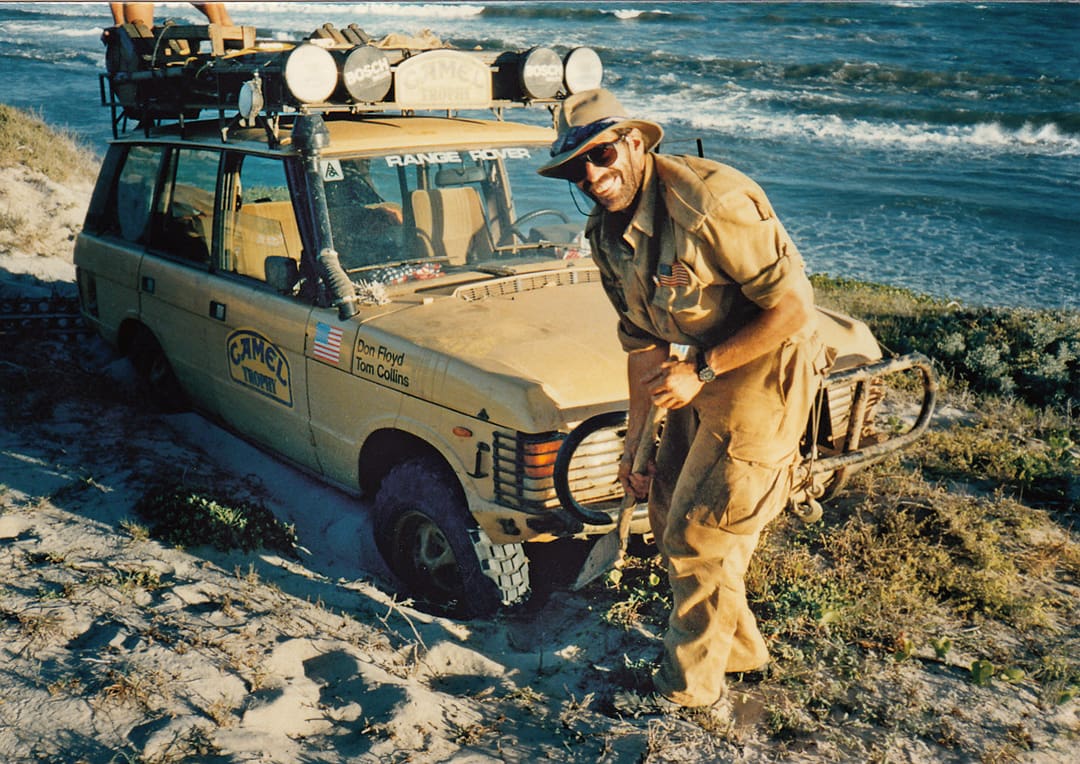
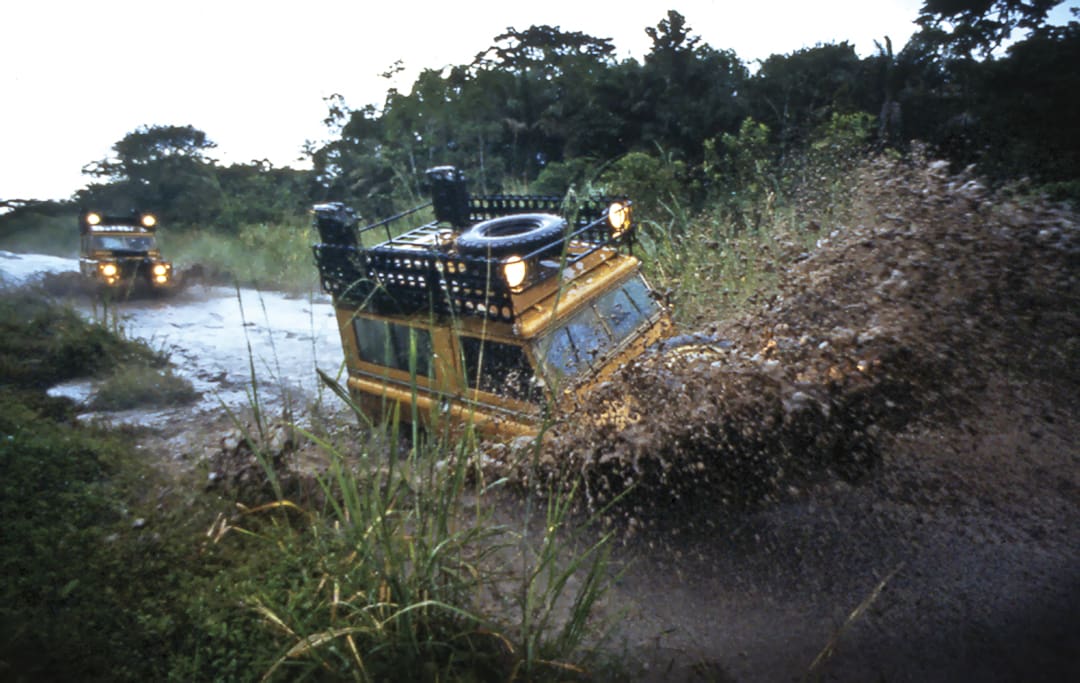
Camel Trophy ’87 was not the toughest driving-wise. The Amazon in 1989, Kalimantan in 1996, and the Borneo Trophy in 1985 had worse roads and more rain, but Madagascar was an adventure on the verge of disaster. Unlike the other events, we were totally on our own. There were no communications (the radios never worked), no air support, the locals had never seen outsiders before, and the French doctor was drunk the entire time. Don and I were assigned sweep and had to bring the stragglers into camp every night. It became very tough because we never got to sleep. I also got heat exhaustion. You do not want to be hallucinating and puking in the jungle. That is no fun.
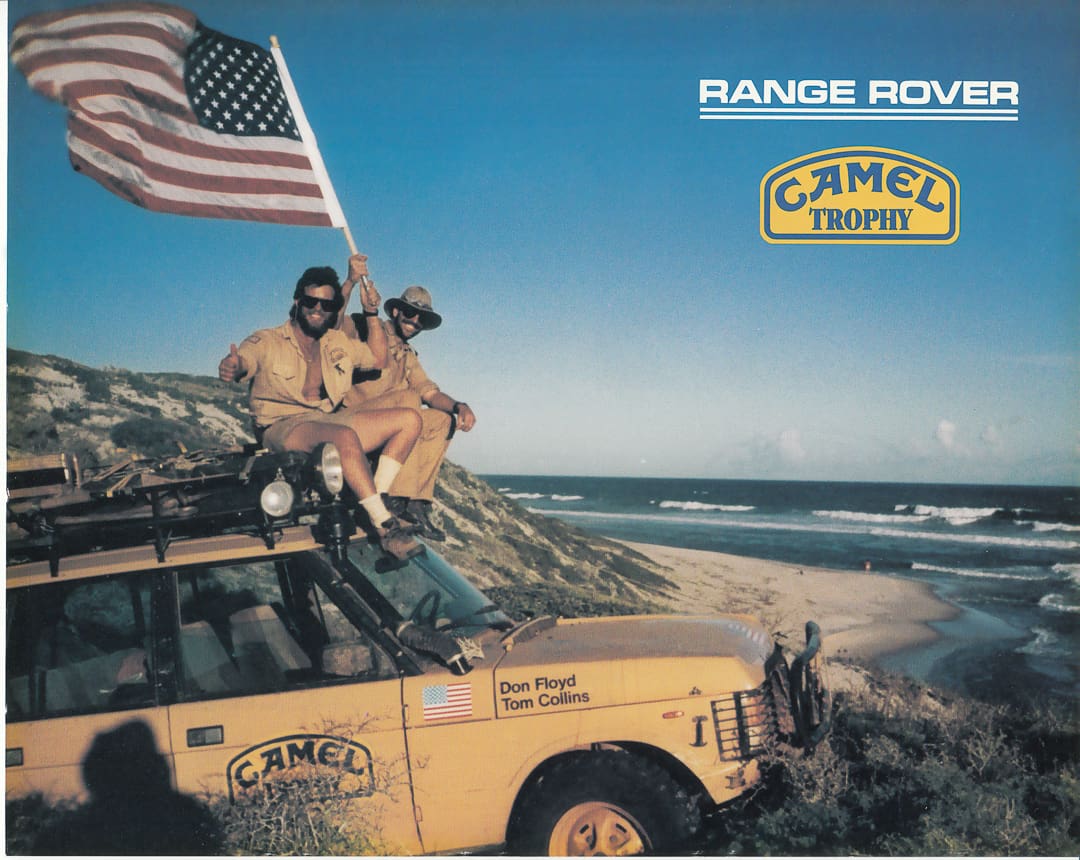
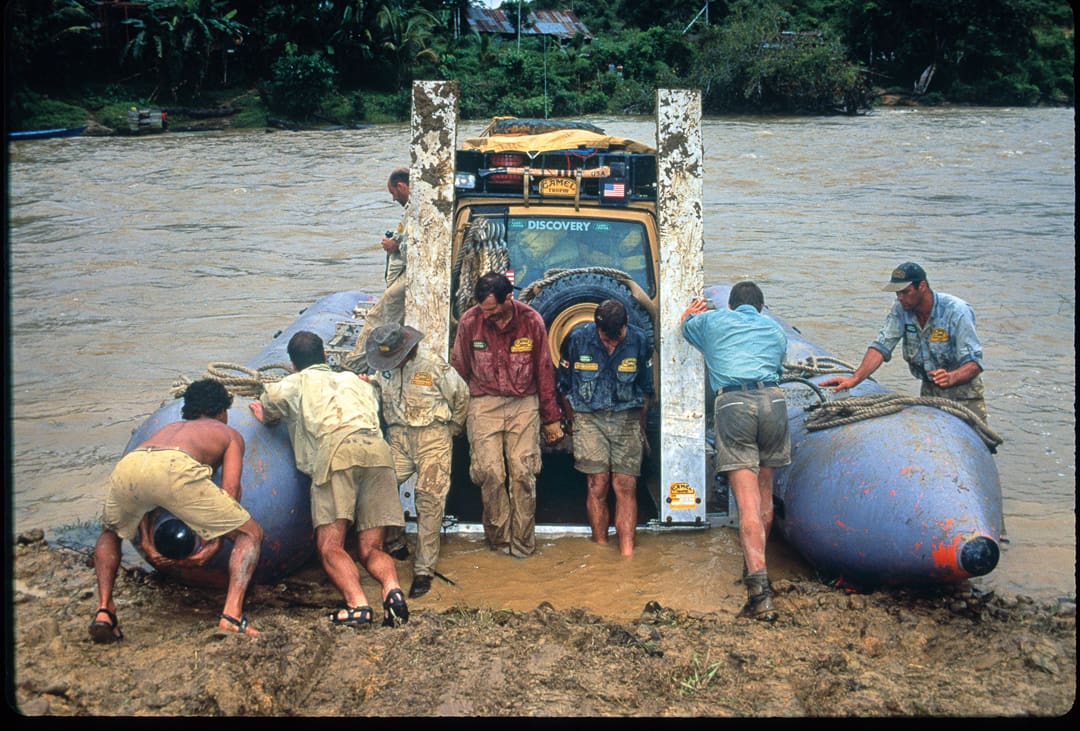
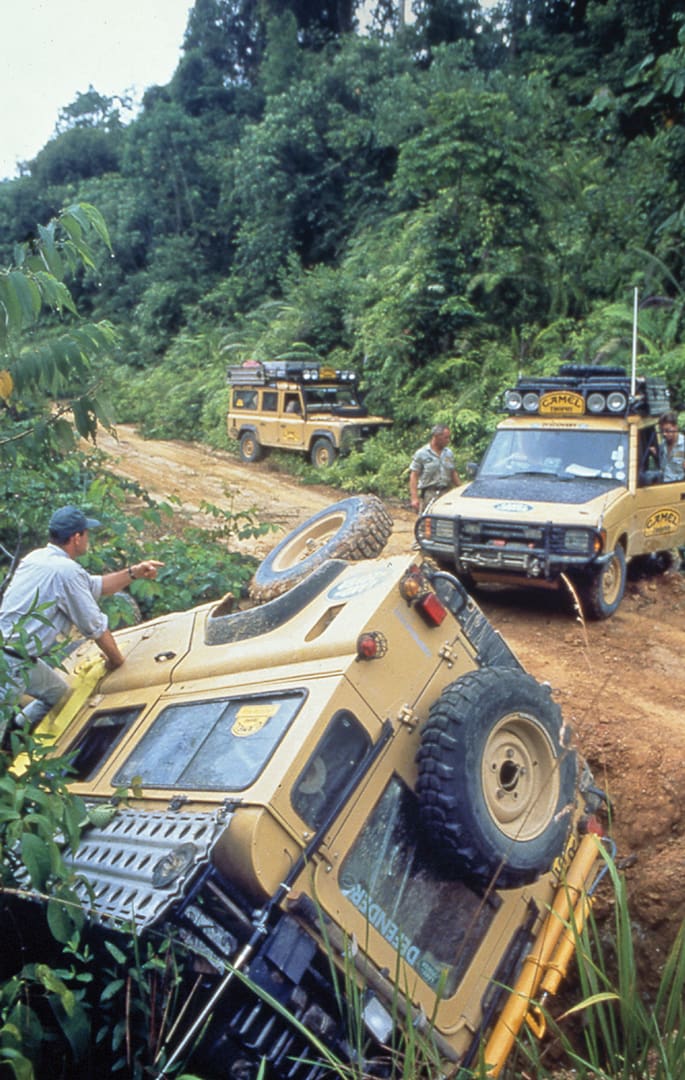
I’ve read that Madagascar ended with several teams leading a pseudo-mutiny against Camel Trophy. Can you expand on this, and what did you learn about yourself and working with others under strenuous conditions?
The mutiny really bothered Don and me. Land Rover had just reentered the US market, and half the European teams assumed, because the US team was doing well, that management was rigging the results in our favor. Working with the other teams was sometimes a challenge. Everyone on the Trophy had Type A personalities, and you had to carefully and tactfully suggest solutions to problems.
No one could do the Camel Trophy on his or her own. They needed a teammate who was equally skilled and had a lot of stamina. I learned to work with the journalists and make them part of the team. There were four of us in the car, and the back seaters, or journalists, were a great help. Right away I realized that everyone would have bad days, and the other teammates had to help them overcome them. Temper had no place in the Trophy. I also learned to respect the locals. We were often treated as heroes, but by not being respectful, we could destroy that. The most important thing was to have a positive attitude, keep smiling, and never give up.
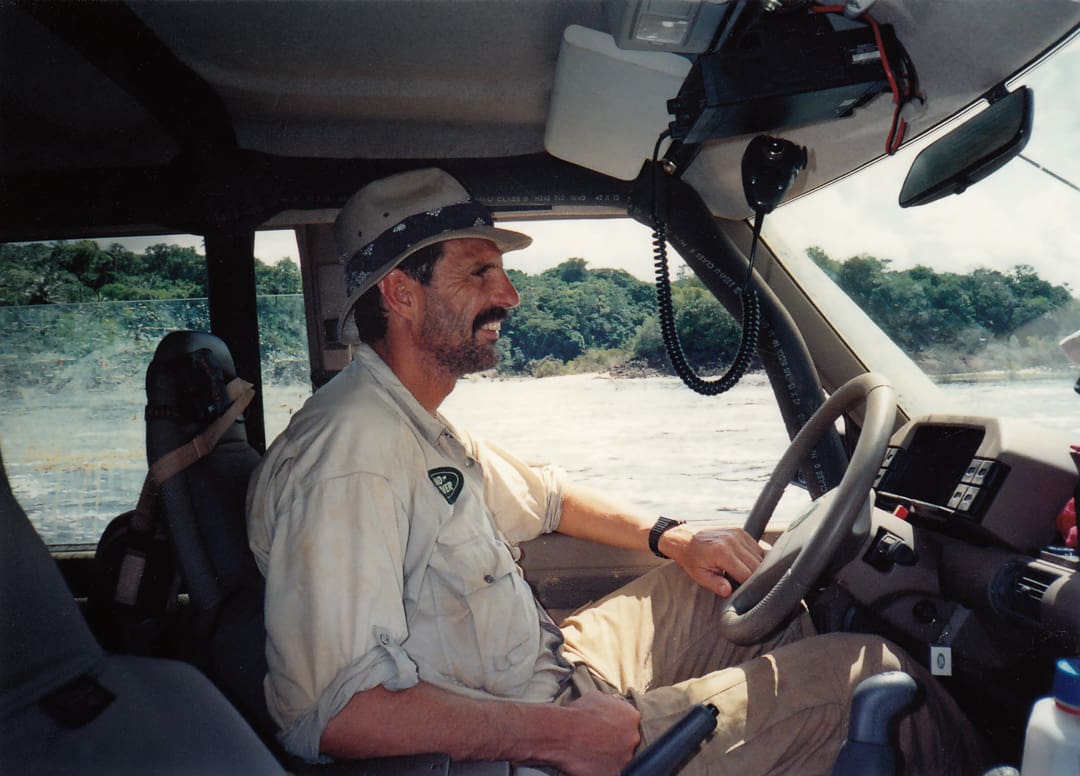
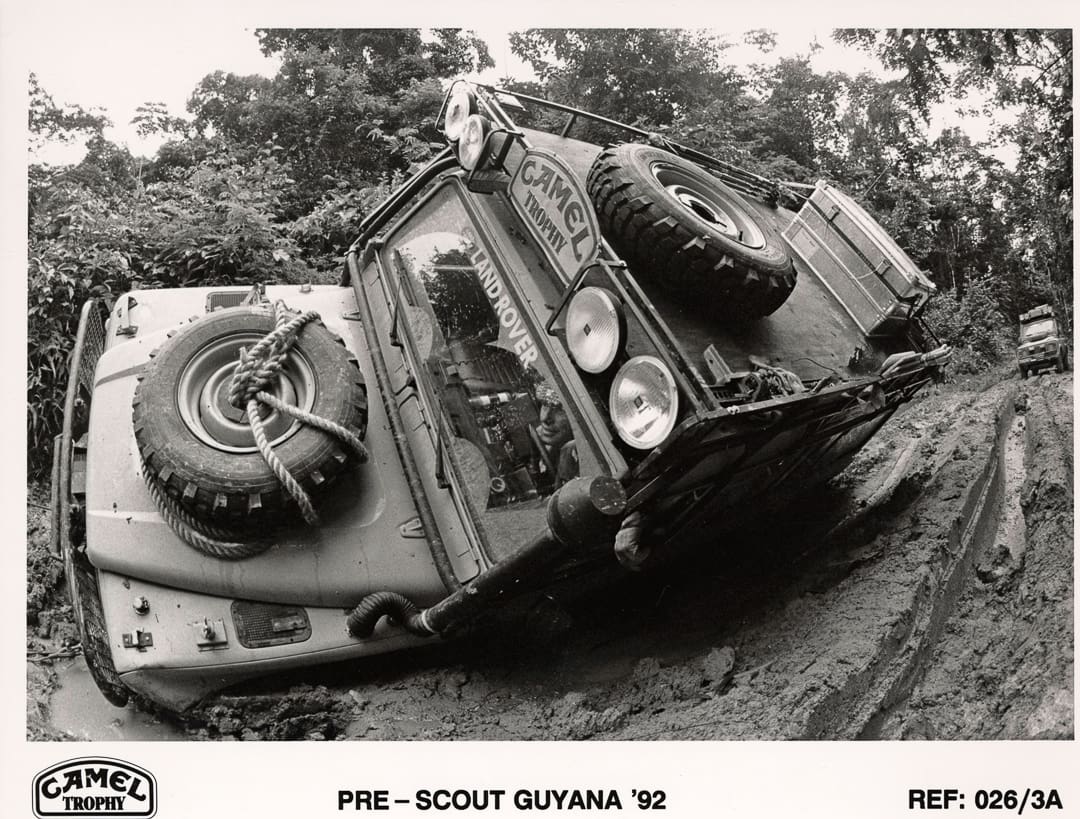
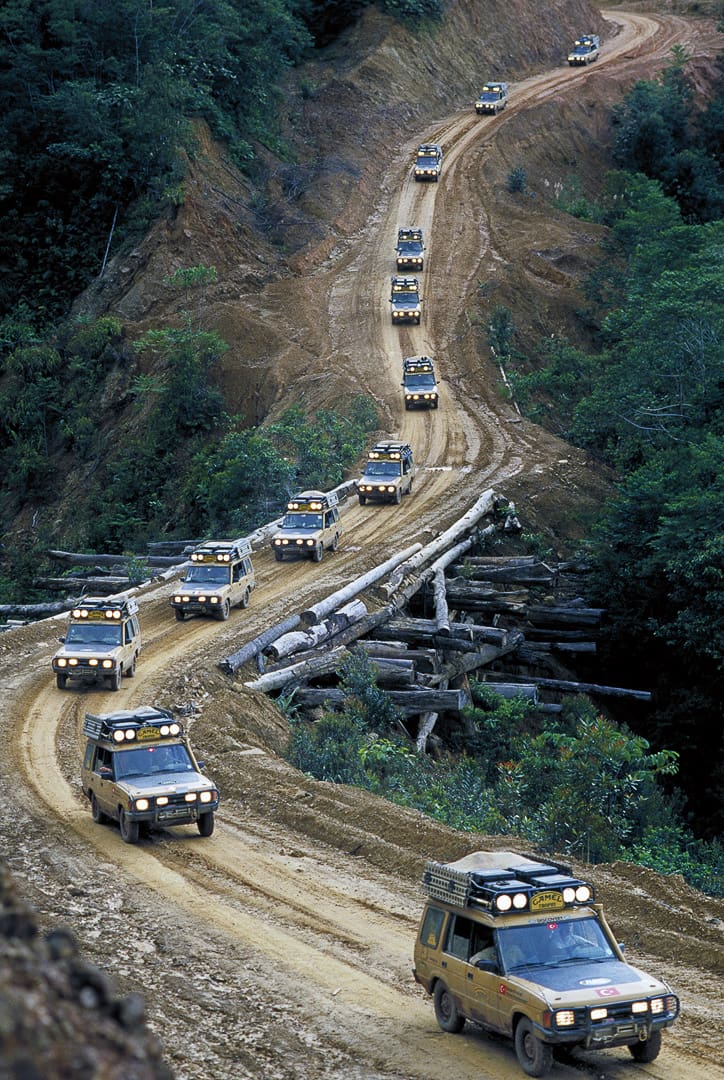
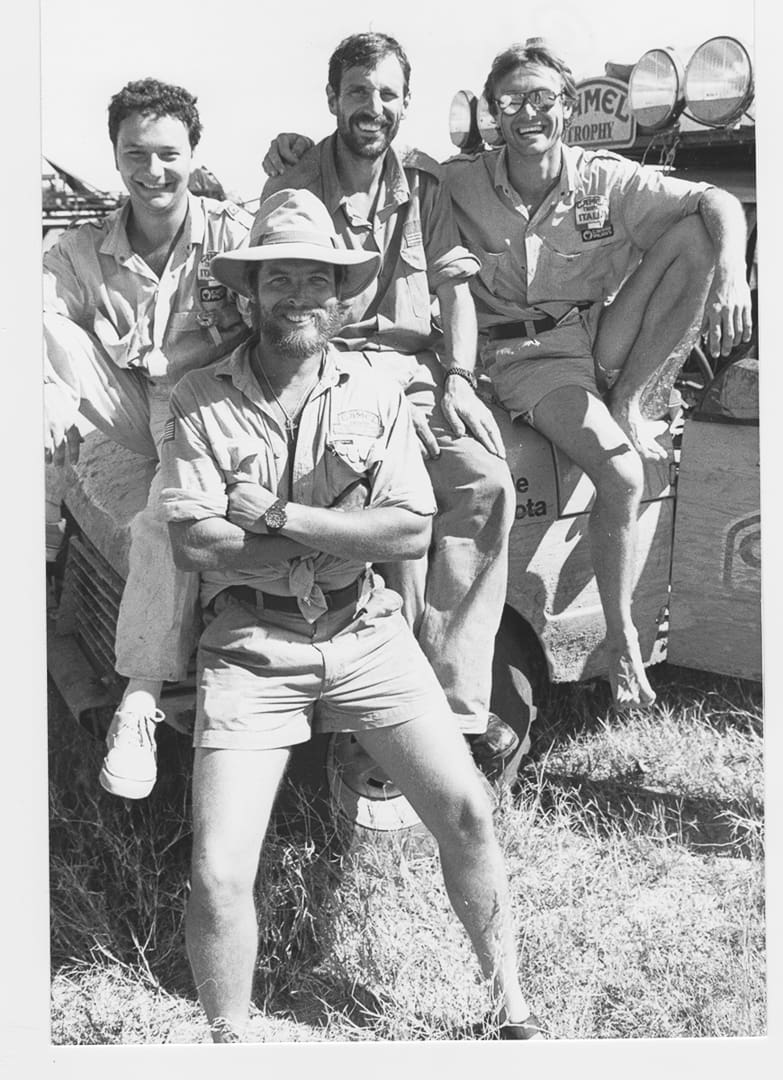
Photo by Gary Wescott
After returning home, you pitched Land Rover the idea of the Great Divide Expedition (GDE). Had this been done before? What was the seed of inspiration, and was it a success?
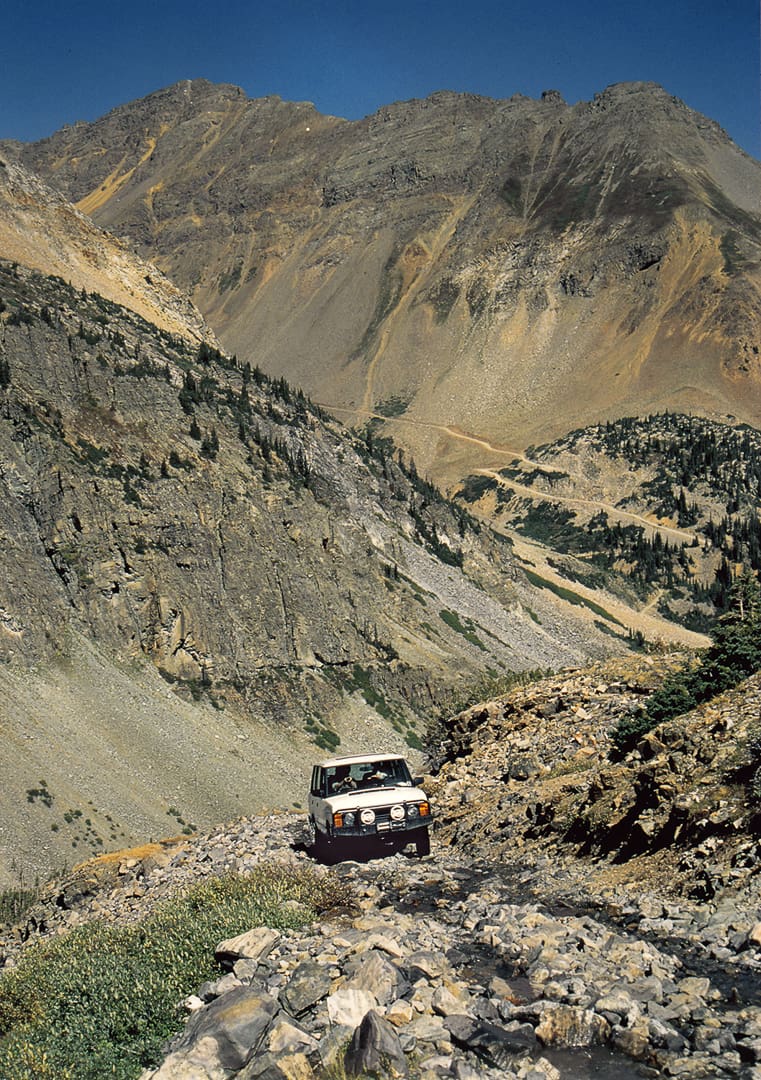
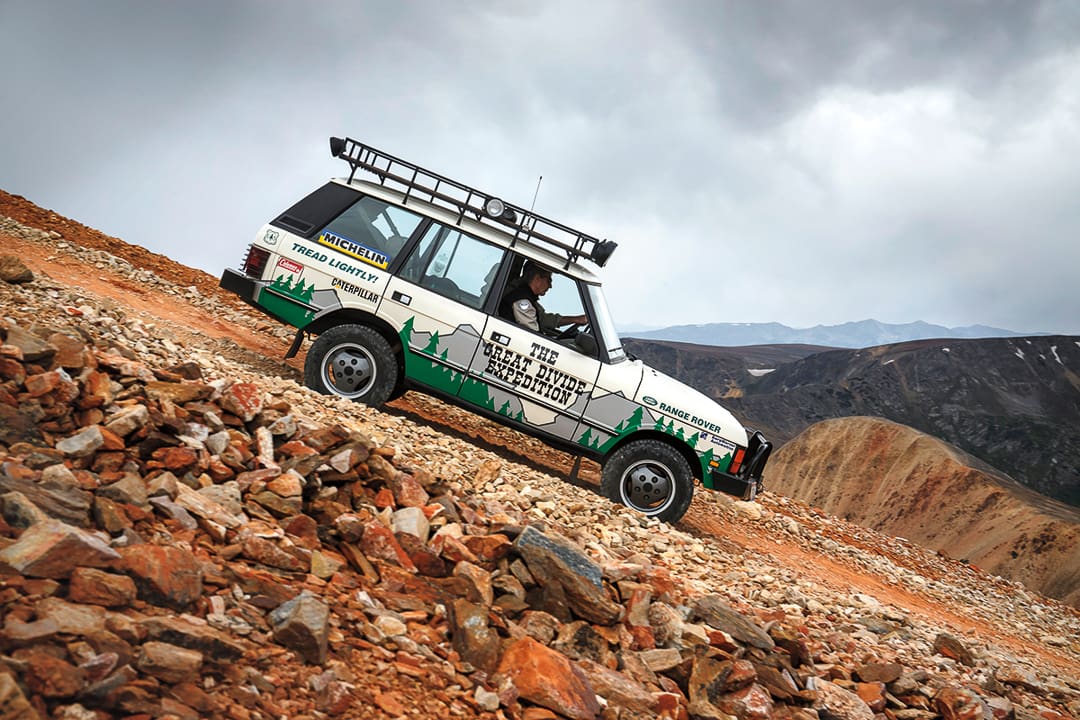
Every trail had been driven many times, but no one had linked a route across Colorado from Wyoming to New Mexico along the Continental Divide using difficult four-wheel drive roads. The seed of inspiration came from my wife’s boss, Dr. Comcowich, and a book he gave me, The Great Gates, by Marshall Sprague. It was about all of the passes crossing the Continental Divide and their history. I wanted to run the route on a motorcycle with Dr. Comcowich, but after returning from the Trophy I thought it would be fun to do it in Land Rovers with Camel Trophy friends.
I met Bill Baker, Land Rover’s legendary public relations guy, at the Miami auto show and knew I needed to pitch some ideas to keep me in the game. The GDE was just one of my ideas, and Bill liked it. I put the route and historical data together over two summers, and Bill did everything else. It was a huge success. Journalists from the US, UK, and Australia had a blast and wrote excellent stories that let the world know about Range Rover and Tread Lightly. It was the GDE that led me to become the US Camel Trophy leader, start Land Rover’s Driving Academy and Adventures programs, race the Baja 1000 for Ford, work with other auto manufacturers, become a TV host, and write for magazines. Meeting Bill and the auto journalists made everything possible.
In 1990, you were chosen to be the lead trainer for the US Camel Trophy Team. How did that come about?
After the GDE, I had proven that I could put together events and get along with other people. Things started coming my way. There wasn’t a US Camel Team in 1988 and 1989, but Don and I were asked back as support drivers. In 1990, the Trophy was going to the USSR, and Camel needed a US team to truly make it a world event. They asked Bill Baker who could run the US team, and he suggested me. When asked if it was the same Tom Collins that worked as their support driver, Bill said, “Yes, you should use him. He does a great job.” They agreed, and a great adventure began.
What type of tasks did you subject applicants to and what percentage dropped out?
Before people were invited to try out for the team, we did a thorough vetting, assessing applications, resumes, and interviews. Over the years, we only had one guy drop out—though three others were forced out with knee injuries. The US team trial was 32 hours nonstop. It tested stamina, swimming, running, orienteering, driving, winching, teamwork, mechanics, first aid, problem-solving, map-and-compass skills, tool use, ability to survive cold, muddy, miserable conditions, and often mountain biking and kayaking. At the end of the event, the contestants had to clean all of the gear and the cars. It definitely showed who deserved to make the cut.
When selecting team members, what qualities did you consider to be most important?
The ability to get along with others, have a can-do attitude, and to think on their feet were the most important qualities. Everyone had stamina, most were good drivers, and we could teach the other skills.
I’ve talked to many people that you trained. They’ve all said you were extremely tough, but encouraging at the same time. What was the philosophy behind this approach?
We had very little time to train the teams, and we had to push them to be successful. We could not have people who lost their gear, as there were no replacements during the Trophy. People had to learn from their mistakes, as we could not afford the same mistakes being made over and over again. We covered everything needed to be successful, and did it around the clock. Sleep was not part of the equation, just like the real thing. After the weekend sessions, teams were expected to train and study at home. Encouragement and praise are always needed to avoid discouragement. We did not want to break people—we wanted them to be the best. The training worked; we had one of the best Camel Trophy records, and 90% of our teams were asked back to be support drivers.
What did you enjoy most about the Camel Trophy chapter of your life?
I loved pushing myself in extreme conditions and figuring out how to solve difficult problems. I also loved working with the other teams, seeing exotic places, and meeting the local people.
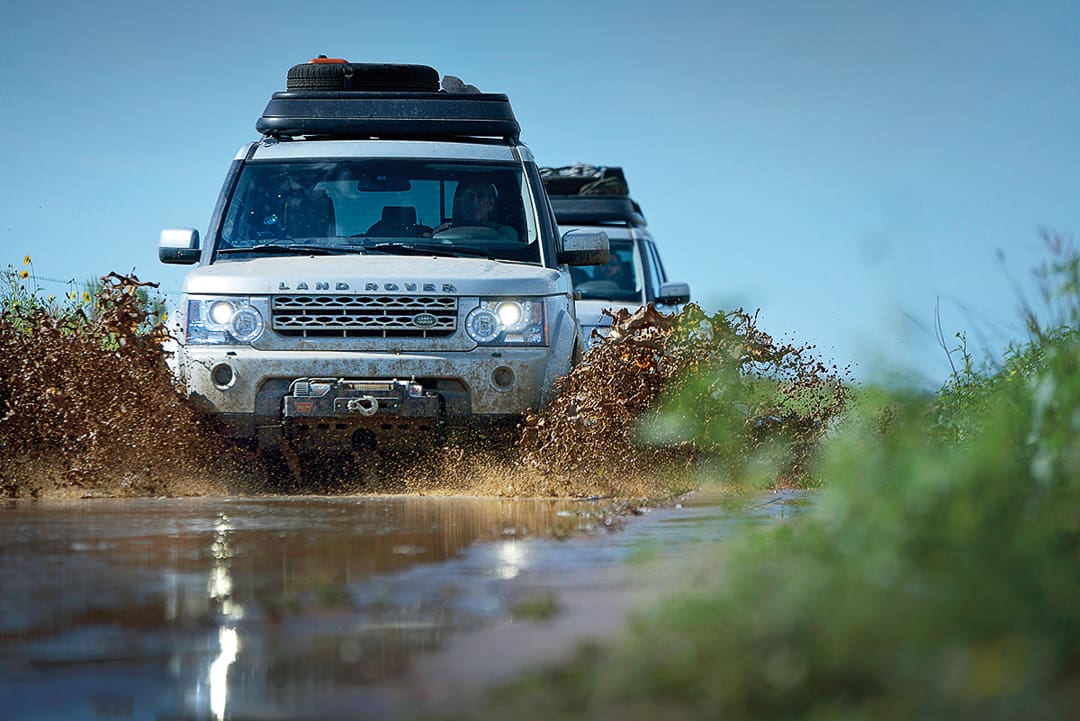
Photo by Anthony Cullen
Can you tell me about The Loneliest Place in the United States?
That was one of Bill Baker’s ideas; he had a million of them. Bill worked with a cartographer to figure out the least populated and most remote area in the lower 48 states that a vehicle could approach. Utah’s Basin Canyon, in what would become Grand Staircase-Escalante National Monument, was the spot. Bill set up John Phillips and Phil Berg from Car and Driver with a Defender 90 and asked me to be their guide. We had a map marked “this is the spot,” and camping gear. Our first attempt did not work out. It was January, and the cliff we needed to scramble to reach the top of Fifty-Mile Bench was iced over. We were not prepared for that.
It was back to studying the map and working out a route through canyons and trails to get close to Basin Canyon from the south side of the Bench. It was a long scramble on foot that included rock-climbing moves to reach the spot. John and Phil ran out of energy, and we had to give up. It turned out to be fun, and the Car and Driver boys learned a lot about the Defender and themselves. They vowed to get in shape and return. When they did, it was with Michael Hussey, a Camel Trophy winner, and they accomplished their goal. I was in South America at the time and couldn’t join them.
You recently led a team of Land Rovers over the Trans-America Trail. What did that entail?
The Trans-America Trail began at Land Rover’s driving school in Asheville, North Carolina, and ended in Port Orford, Oregon. We touched 11 states and drove just over 4,300 miles in 27 days. It was a push. To navigate the trail, we used Sam Correro’s maps and route charts, along with computer mapping. In order to maintain our schedule, we could not afford to make mistakes—the weather gods also treated us well. The trail is relatively easy until it rains; then it can become a nightmare. Many motorcycles had completed it, but we were the first four-wheel drives. I loved the trail, the history associated with it, and the challenge. The Land Rover LR4s were awesome. Besides a few flat tires, they were extremely reliable. Overall, it was a success, and I was able to cross one off of the bucket list. I highly recommend the trip.
You have a reputation for being one of the most qualified adventurers in the world. Have you had formal training in recovery, navigation, medical, or other backcountry skills?
Don and I were very lucky at the Camel Trophy off-road training sessions in England. Roger Crathorne, a god in the Land Rover world, took us under his wing and gave us the most intense and complete recovery training one could have. I did refreshers with him every year when I returned to Eastnor Castle. My major in college was wildlife management, which included how to use a map and compass. That was before the advent of GPS, which I learned on my own. I took first-aid courses in Aspen and did refreshers each year with Camel. The Trophy also provided SAS survival courses. My winter survival and avalanche training was done while I was in college and then in Aspen.
From a 4WD instructor’s point of view, what are the core skills you want your students to take away?
Safety is number one. Do no harm to yourself, others, your vehicle, or the environment. Number two is to learn what you and your vehicle can do. A four-wheel drive has limits, just as other vehicles do. Leave your ego at home, learn to back off early, and accept the fact that a maneuver may be impossible. Choose another approach and avoid vehicle damage and/or personal injury. Number three is to drive with finesse.
I’ve heard that you disseminate a good deal of local history with your students. Why do you include this with technical training?
Four-wheeling is about much more than challenging trails and attacking rocks. It is about spectacular scenery, camaraderie, wildlife viewing, and history. Knowing what happened in the areas we were passing through made the trips much more interesting. I love history; why not share it?
What has been the most isolated or remote region you have traveled through?
The Rungwa Game Reserve and Ruaha National Park, Tanzania. We encountered no people, but saw animals ranging from aardvarks to zebras. The grass was between 6 and 16 feet tall and had overgrown everything, including the track. The lead drivers could only handle a half hour of pushing down the wall of grass. When they succumbed to what we called “grass fatigue,” a new team would take the lead. The military GPS we were using failed (this was 1991, and GPS units were scarce), and we were out of our map’s boundaries. We had run out of spare tires and resorted to sewing sidewalls to keep the convoy moving. From a rocky high point, a distant mountain range provided a bearing and sent us in the right direction. We were lost for two days before one of the teams found the track. When we arrived at the ranger’s headquarters, they said they had been extremely concerned about us, as no one had ever crossed the region during the tall grass season.
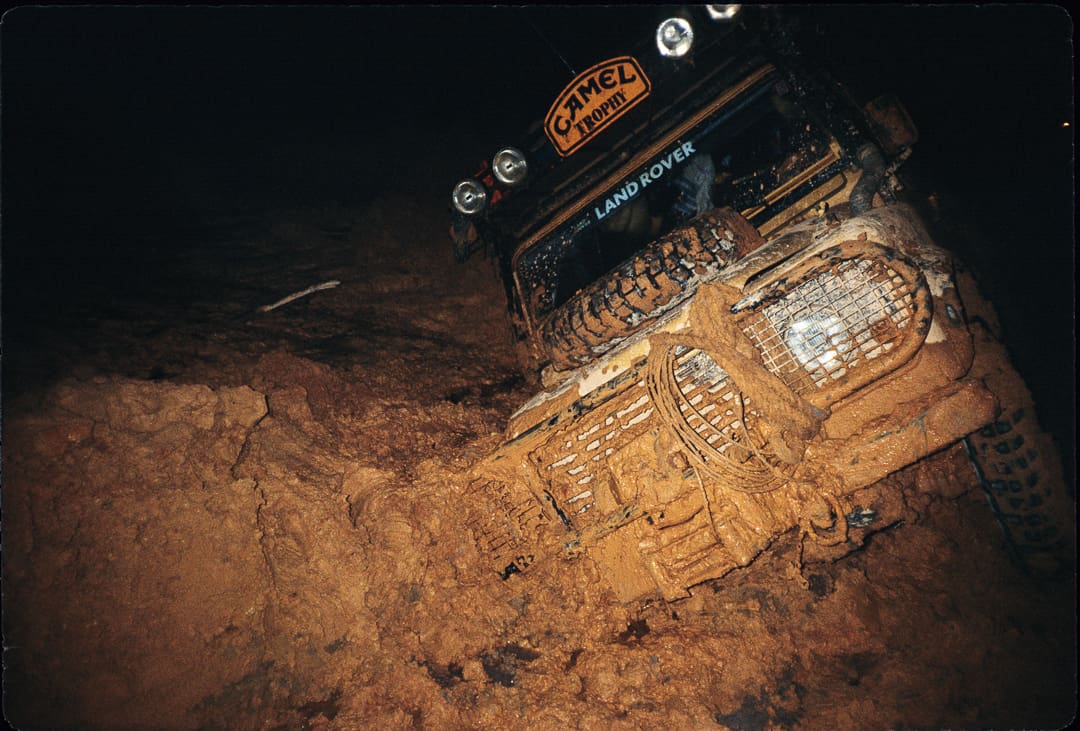
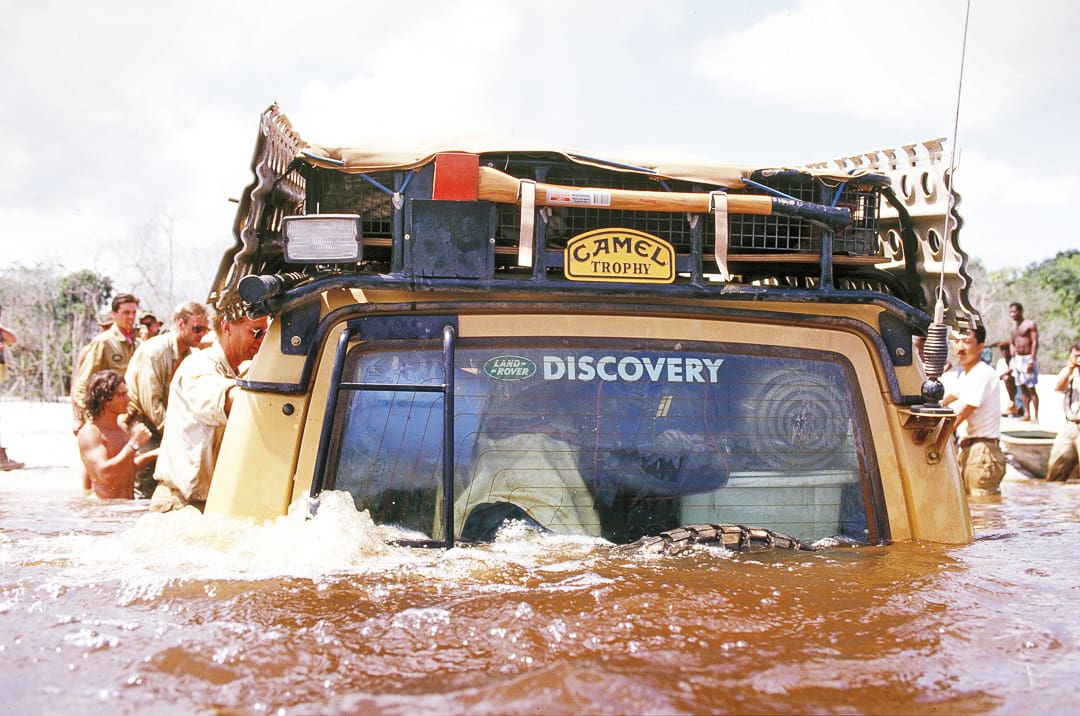
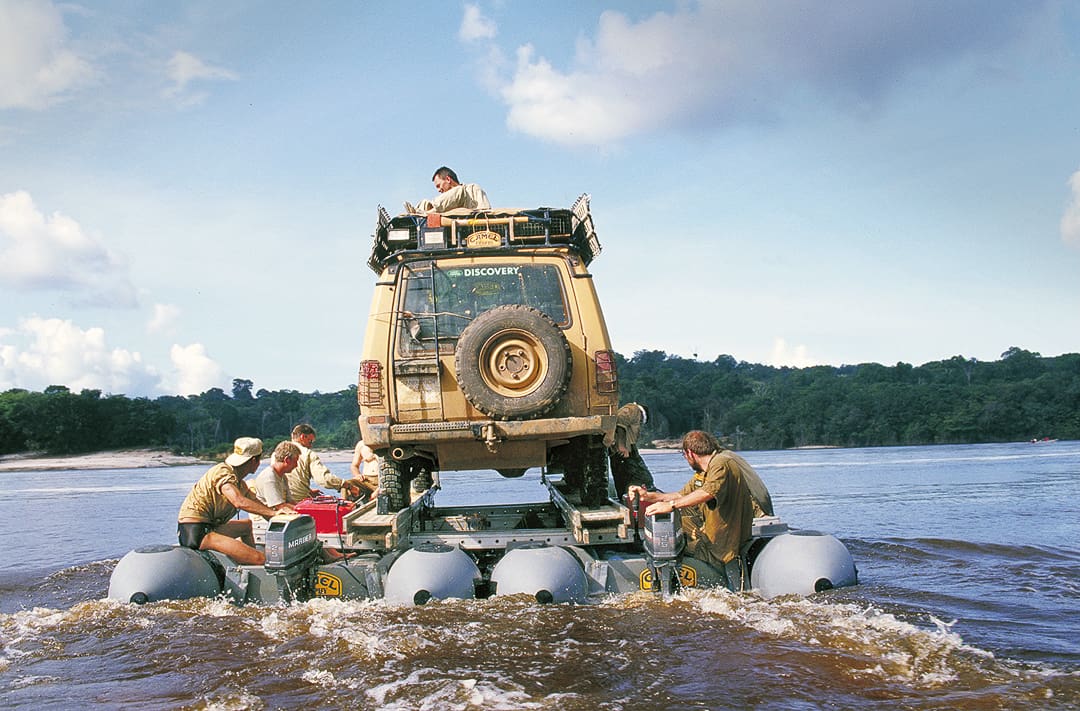
Camel Trophy 1989 in Brazil’s Amazon region was the toughest Trophy I drove. The mud was ankle to knee-deep and the bugs were relentless.
Is there a place you would like to return to?
Africa, of course. It can be dangerous, but it is beautiful and exotic.
Can you share with us the most challenging situation you have faced?
Being held hostage by a drunk, shotgun-toting tractor crew in the gold rush region of the Amazon. Don Floyd was driving the ambulance, I was driving the communications vehicle, and we were with one of the Trophy team cars. A tractor crew ordered us out of the vehicles at gunpoint. I grabbed Rosey, my interpreter, who reluctantly joined me in a [discussion] with the gunmen. They had missed their payoff meeting with Iain Chapman and instead went to a brothel. We owed them money for pulling some vehicles through a section of mud.
It went sideways when the team car tried to escape. It was immediately fired upon—00 buckshot flew over the roof rack. The shooter made his point, and it was agreed that Don and the team car would retrieve the money, but I was to stay as a hostage. It was a long couple of hours before Don returned. During that time, the gunmen continued drinking and getting more rowdy. After they were paid, they discharged their guns in celebration, and shots rained on our cars. It was a long night.
I’ve been told that you are stubborn as hell when it comes to giving up and throwing in the towel.
Yes, ask anyone. I just will not give up. There is always a solution. Sometimes when one is bone tired in the bewitching early-morning hours, and nothing seems to be working out, take a break, close your eyes, and let the sun come up. Daylight always makes things better.
What is the strangest situation you have encountered in your travels?
It was at a creek crossing near a village in Madagascar. There was a local witch dressed in strange regalia that included jewelry made from tin cans that had been buried by the previous year’s Camel Trophy scout group. She stood at the crossing, shaking a staff and shouting incantations at each car that drove by. Our interpreter said she felt we had brought bad luck to her village and wanted to make us evaporate. It did not happen, but maybe she was the cause of the pseudo-mutiny that occurred later in the event.
I heard about a midnight encounter with a leopard in Tanzania. Can you tell me about it?
It had been a long couple of days with very little sleep, and everyone in my car was either asleep or in a daze—including me, the driver. Andrew Lloyd Webber’s “Evita” was playing over and over, and no one had the energy to change the tape or turn it off. I spotted a leopard in the distance. It walked across the track and up a grassy trail, or so I thought. Like a fool, I woke everybody up, pulled the car over, rolled the window down, and called, “Here kitty, kitty.” What I did not see was that the cat was lying down in the ditch below my head, which was hanging out of the car’s window. He momentarily rolled over on his back, flexed his claws, slowly continued his roll, and headed up the trail. I guess he was not interested in dinner. I received a well-deserved slap to the back of the head from the boss, Iain Chapman, and we continued on, much more awake than before.
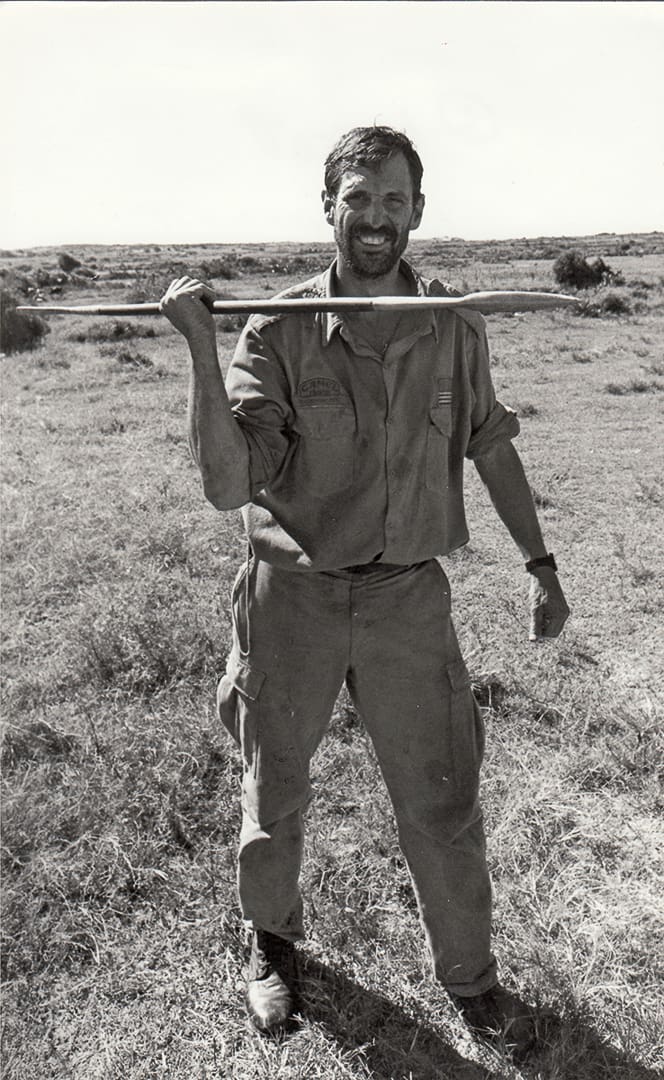
Photo by Gary Wescott
Have there been any close calls, the type where you thought, “Is this the end?”
Just once. It was in Madagascar’s southern desert. Don Floyd and I were running a nighttime rally with a journalist from Italy and another from the Canary Islands (put in our car to make sure we did not cheat). We had gotten very little sleep (again), not eaten for about 16 hours, and were looking for a checkpoint. At about 2:00 a.m., Don spotted a village, and we entered. A man dressed in shorts, a straw hat, sandals, and a bright, flowery shirt, which is normal Malagasy clothing, showed up. I got out of the car, showed him the map, and was discussing in sign language the possibility of the checkpoint being in another village. He suddenly stood bolt upright and faded away into the darkness. I turned to see what had disturbed him and saw a tall man wearing a clasped blanket and skirt sprinting towards me with a spear cocked, ready for action.
My first thought was that I was too exhausted for it to hurt. My second was to muster the friendliest smile I could. I extended my right hand in the handshake position, exposed the map in my left hand, and called out, “Tatabe,” the name of the missing village. Those actions caused him to lower his spear and stare at me with a bewildered look. He tapped the spear shaft on the ground, and nine more guys appeared out of the pitch-dark. My car was about 100 yards away, and the journalists had forced Don to lock the doors and were urging him to exit, leaving me to my own devices. The French team eventually showed up, and the villager soon returned. We had a round-robin discussion in English, French, and whatever dialect the tribesmen spoke. The tribesmen had seen “bright lights flying through the sky” (Camel Trophy cars on hilltops with rally lights blazing) and a three-eyed being (me with a headlamp). They thought that their ancestors were returning, or a strange creature was coming to steal their cattle—a capital offense. I was told that if I made one wrong move, I would be skewered. I noticed seven brass rings on the leader’s spear and, though I knew the answer, asked the question, “Does each ring represent a human kill?” The answer, of course, was yes, which did not make me feel good. As fast as the situation had materialized, everyone evaporated into the blackness. It was a hell of a night. When we reached the finish line, I exited the car, lay down next to a bush, and passed out from exhaustion.
Do you still dream of jungle adventures, waist-deep mud, and winching vehicles until 3:00 a.m.?
My 11 years on the Trophy trail were the greatest adventures one could imagine; those memories will never leave me. When I close my eyes, I can still see the red ribbon of Amazon mud that was called a highway, smell the tropical diesel-infused mire of Madagascar, hear buzzing insects and clattering engines in Guyana, and feel the soggy, mud-stained clothing I wore in Borneo. It does not get better than winching Land Rovers through goo at 3:00 a.m. with Comet Hale–Bopp lighting the western sky.
In 1992 you raced the Baja 1000, an event quite removed from winching vehicles through the jungle.
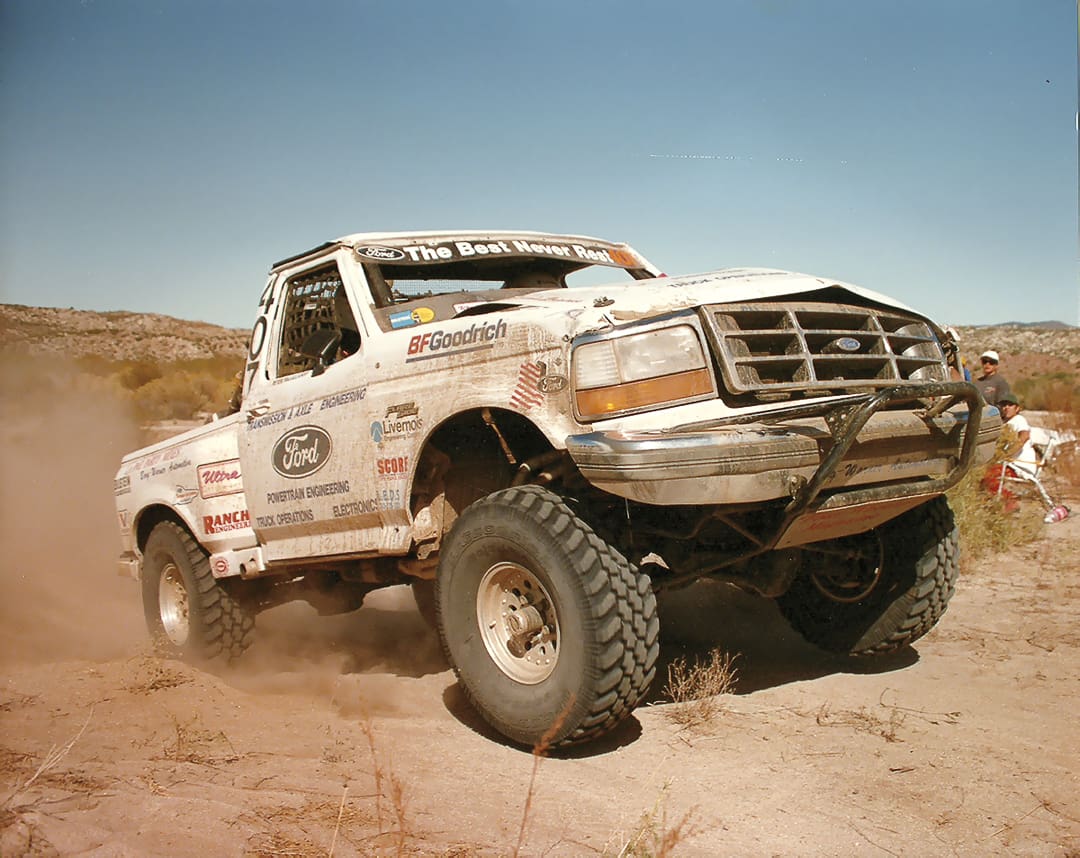
The 1000 had always been on my list of things to do. I raced motorcycles in Baja, and when I was offered a ride from Ford, I jumped at it. It was one of the most fun things I have done. The pre-run alone was the trip of a lifetime, but the race was awesome. Peter MacGillivray, Tim Casey, and I were in a Class 4 Ford F-150. I drove for more than 20 hours. We finished 4th in class and 36th overall. The skills learned on the Camel Trophy combined with my motorcycle racing experience led to the good finish.
What prompted you to sign up for the Elk Mountain Grand Traverse at age 60?
The Grand Traverse is a 39-mile cross-country ski race from Crested Butte to Aspen, Colorado, that traverses two ski areas and crosses a 12,000-foot single-track mountain pass. I had read about the race for years, and I just had to do it. Ken Cameron (who competed in the 1996 Camel Trophy) and I teamed up and made it to the finish. It was a challenge, an adventure, and a brutal 60th birthday present to myself. Ken did it again the following year and had a great finish.
Can you tell us something about yourself that people don’t know, something that might surprise us?
After finishing up the 1990 Camel Trophy in Siberia, I met my wife in Europe for a vacation. I put forth the idea of having a family. Maybe my biological clock was ticking, or maybe I was just feeling good about where I was in life. I don’t know, but I pushed the idea. It was the best thing I ever did, and I’ve thoroughly enjoyed watching my daughter, Shannon, grow up. To this day, she tells people that she was never read fairy tales at bedtime. Rather, she was told Camel Trophy stories about lions in camp, witches at river crossings, and giant anteaters on the savannah.
When you look back, do you have any regrets? Is there anything you would do differently?
I do regret being away from my family for such long periods of time. I missed out on a lot of normal life. I was very lucky that my wife, Jane, is very self-sufficient and understands my addiction to competition and adventure.
Do you have any advice for someone who wants to see the world and live a life of adventure as you have?
Yes, go for it. There are fantastic adventures to be had in North America. Get a map, lay out a route, and do it. Start with the Trans-America Trail, which can be done on a budget with either a four-wheel drive or a motorcycle. With careful planning, travel in exotic parts of the world can also be worked out on a budget. My daughter just returned from seven months of exploring Thailand, Malaysia, Indonesia, Cambodia, Laos, Myanmar, and Papua New Guinea. She rented motorcycles and traveled on foot, and by truck, bus, airplane, boat, and train. You are only limited by your imagination. I was very lucky to have had the Camel Trophy as a vehicle to set me up for a career as a professional adventurer. If it had not come along, I would have made my own adventures. I would not have been famous, but I would have had a great time and had many stories to tell.
What does the future hold for Tom Collins, and is the word “retirement” in your vocabulary?
I have a long list of adventures that I want to complete. They include motorcycle, boat, ski mountaineering, and four-wheel-drive trips. There are also a couple of historical figures whose footprints I want to follow on my motorcycle. When I finish those projects, I will come up with new ideas. The only things I will retire from are hotels and airports.
Our No Compromise Clause: We do not accept advertorial content or allow advertising to influence our coverage, and our contributors are guaranteed editorial independence. Overland Collective may earn a small commission from affiliate links included in this article. We appreciate your support.
