

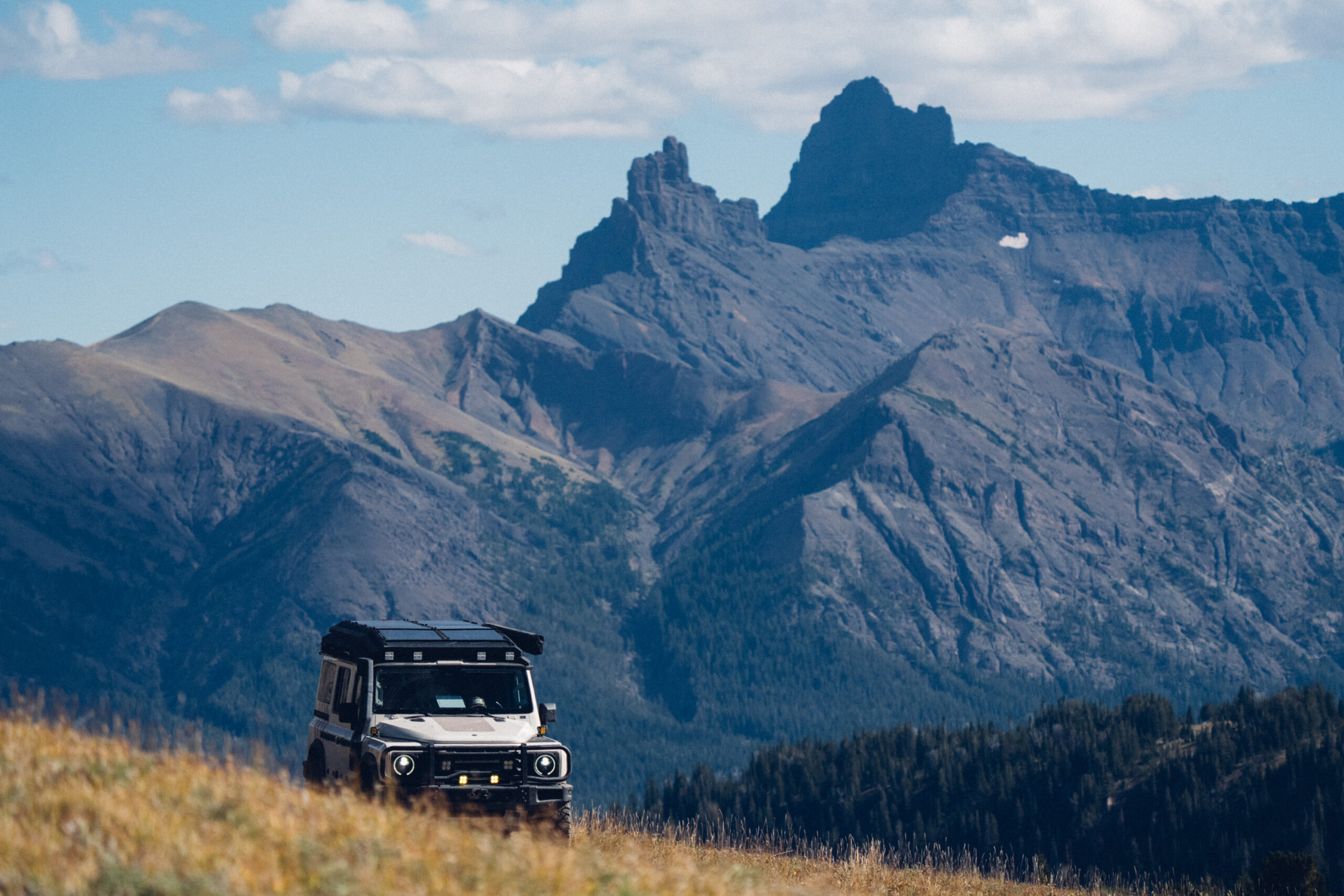
There’s a corner of the Greater Yellowstone Ecosystem that, until recently, I had only known in winter, except for a few summer trips to ski glaciers and couloirs when the snow had gone soft and gray, and little rivers of meltwater ran beneath your skis.
I had passed through Cooke City plenty of times, but it was always on the way somewhere else—Yellowstone, Red Lodge, the Beartooths, some road beyond it. Cooke City was fuel and coffee and a place to stand beside the truck and look at the sky before continuing on. There are places we mistake passing through for knowing.
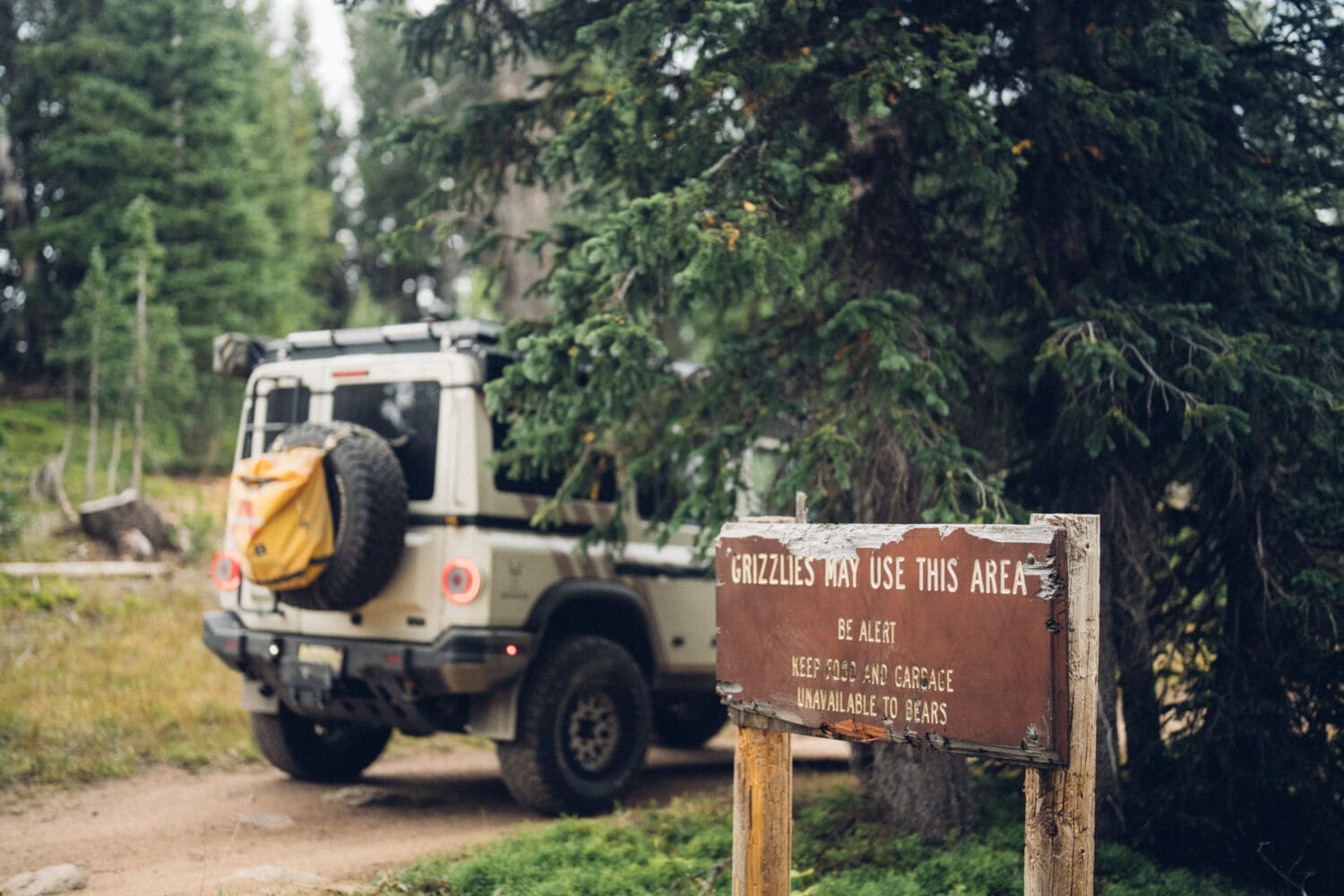
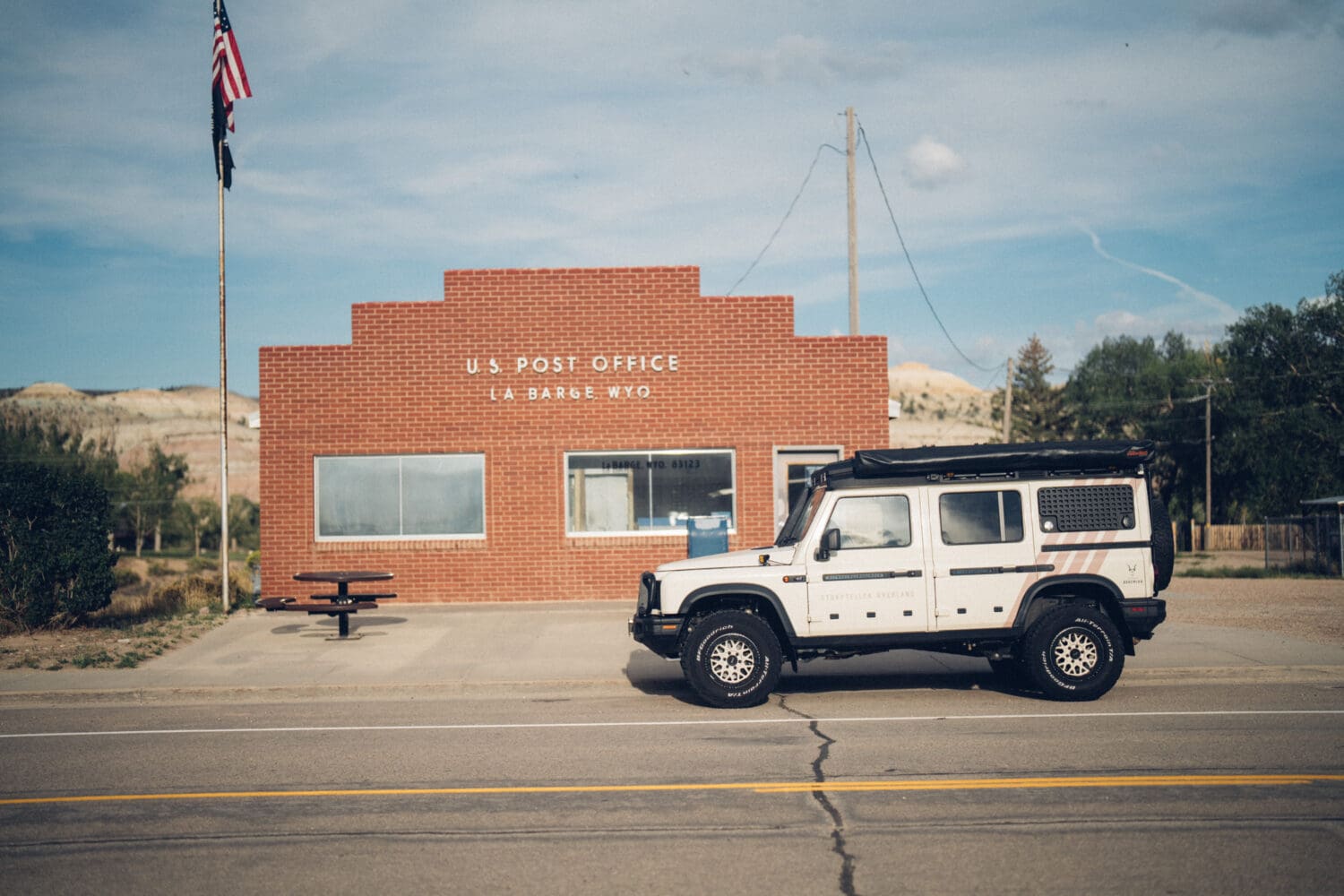
A rumor was circulating that the Morrison Jeep Trail was reopening. Its notorious switchbacks had been closed for a few years, and I was driving a prototype Storyteller Overland Grand Bohemian, a small turnkey microcamper built on the INEOS Grenadier platform. The 22-mile route from the high Beartooth Plateau down toward the Wyoming plains seemed like a good test. The Grand Bohemian is small enough to get farther than a full-size camper, but with enough amenities to live comfortably once you got there.
The rumor was wrong. I reached the top of the switchbacks and found them closed. So much for plan A.
I had first poked around this country the previous year, driving something far too large for the roads I wanted to explore. I didn’t have much time, but I saw enough. A friend had sent me a photograph of a mountain pass nearby and suggested I go have a look. There wasn’t much information, which made it better. The place stayed with me.
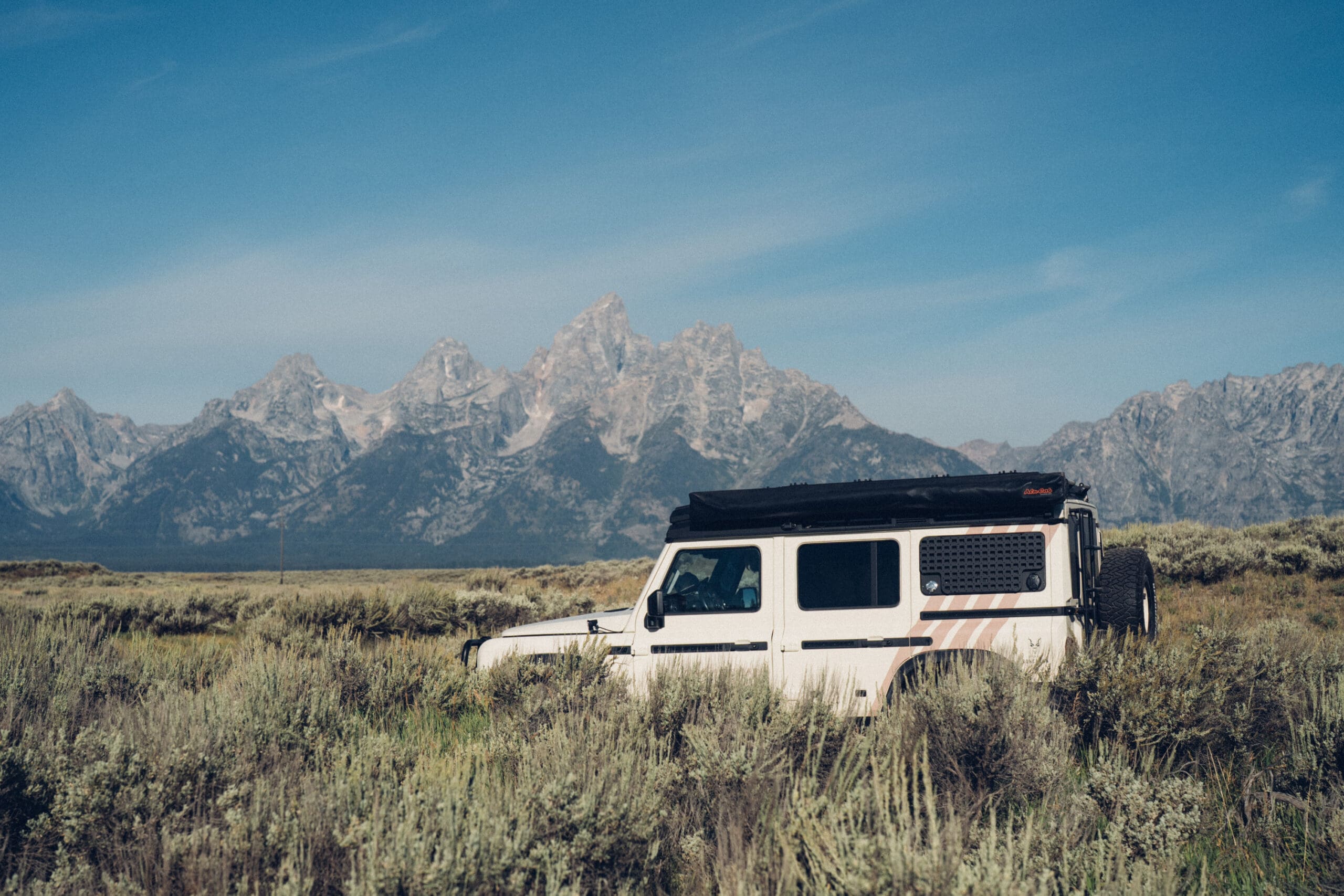
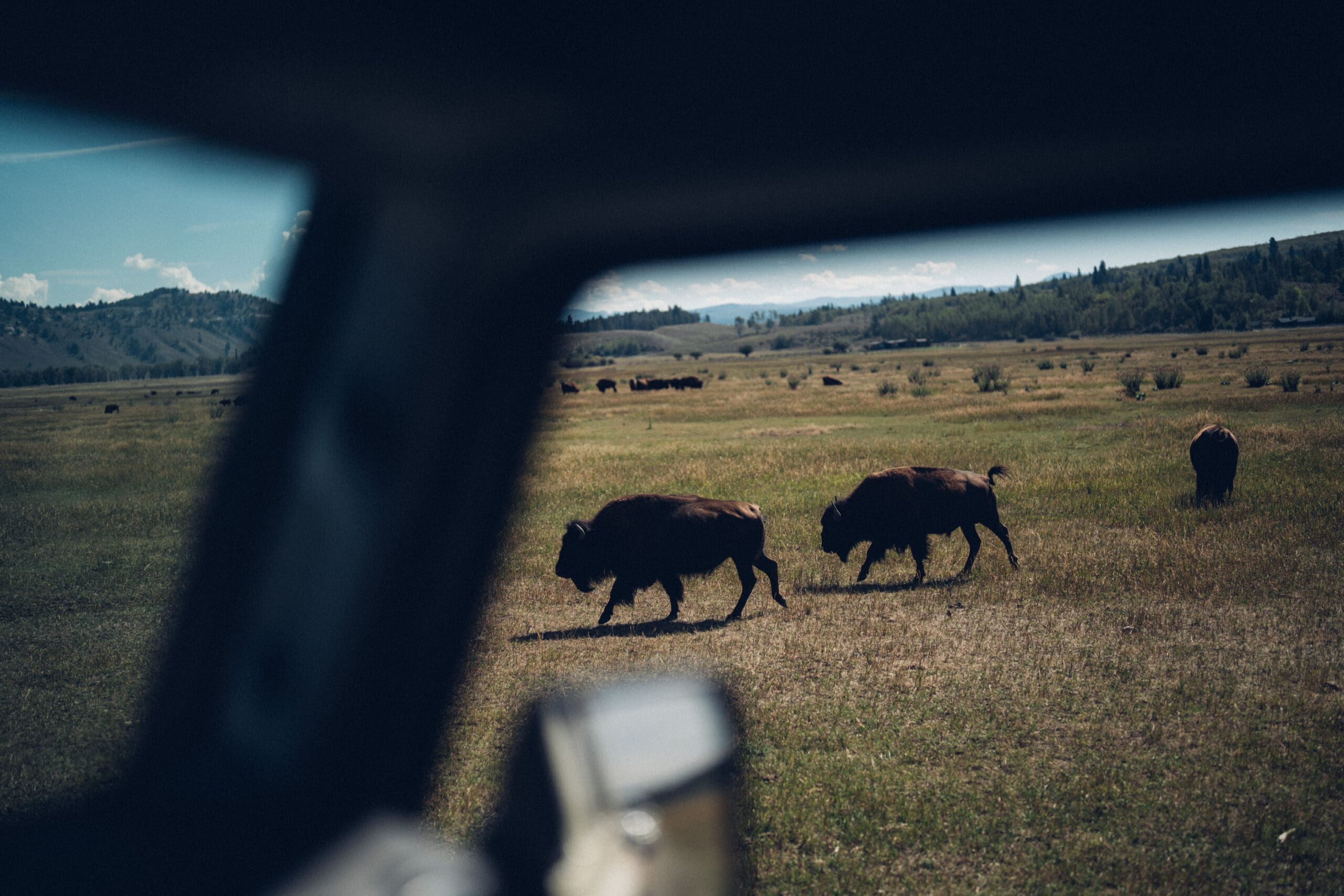
Back in Cooke City, trying to invent plan B, I ran into Teddy Banker. Teddy is a young filmmaker and photographer I had been mentoring from a distance, and a recent graduate of the film program at Montana State University, the same program I dropped out of years ago. I liked the symmetry. He finished. I didn’t. Now we were standing beside a truck with no real plan except to get high into the alpine and poke around.
Poking around is underrated. The road climbed slowly out of the timber. Down low there was still green in the spruce and fir, but the mountainsides had begun their first turn toward autumn. Grasses were fading to straw and tobacco brown. Willows along the drainages flashed yellow, not the brilliant yellow of full autumn, just the beginning of it.
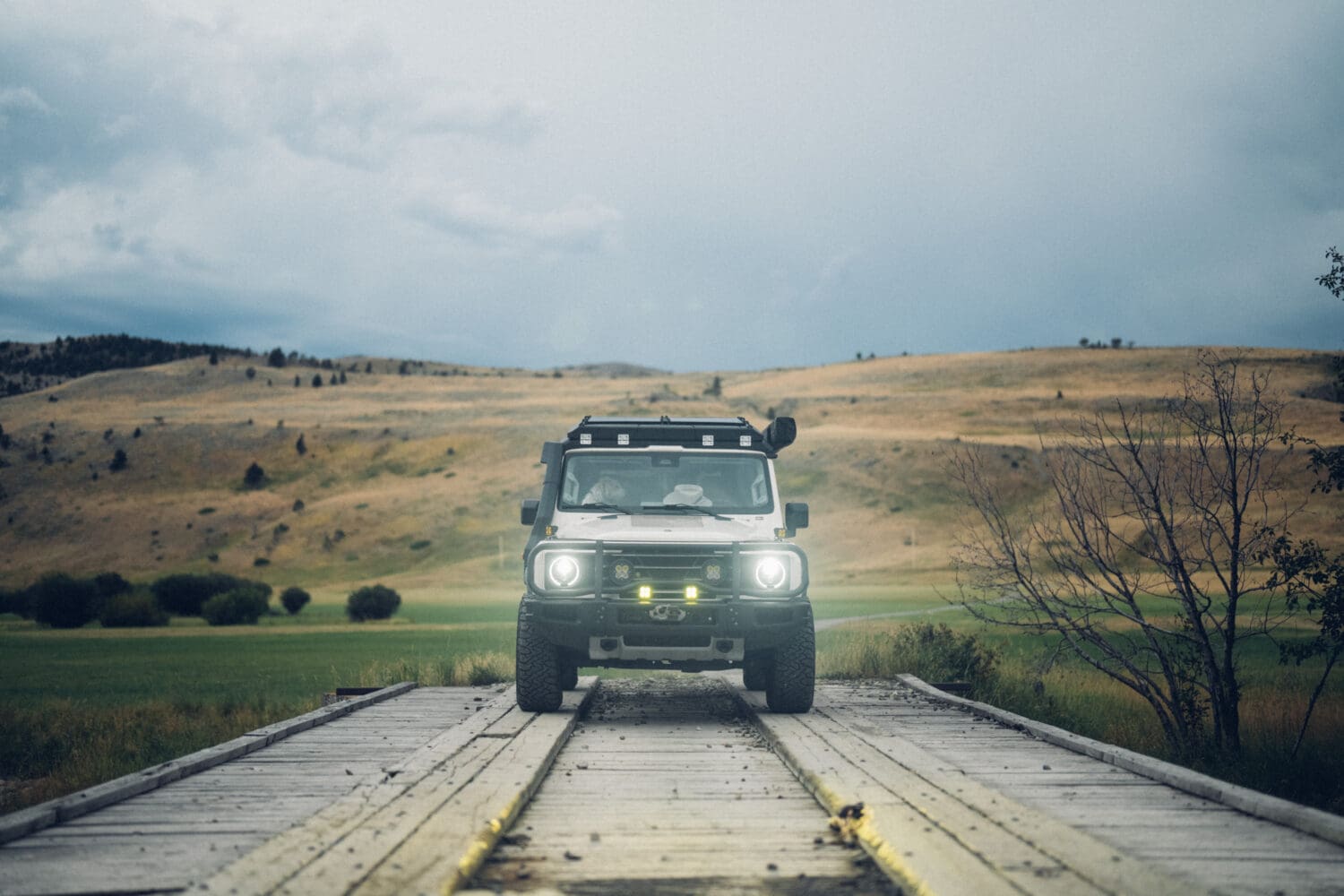
Higher up, the colors thinned. There was gray rock, tawny grass, and dark islands of timber gathered in the folds of the mountains. Old snow remained on faces where the sun no longer spent much time. Above the timberline, the tundra had gone a faded russet, somewhere between autumn and winter. The mountains looked tired. Not dead, just finished with summer.
The wind came hard out of the south. You could hear it before it reached us, a low roar coming over the ridge like distant water. Then it hit the truck and rocked it slightly on its suspension, loose straps slapping against the body. The gust passed; everything went quiet, then somewhere above us the sound began again.
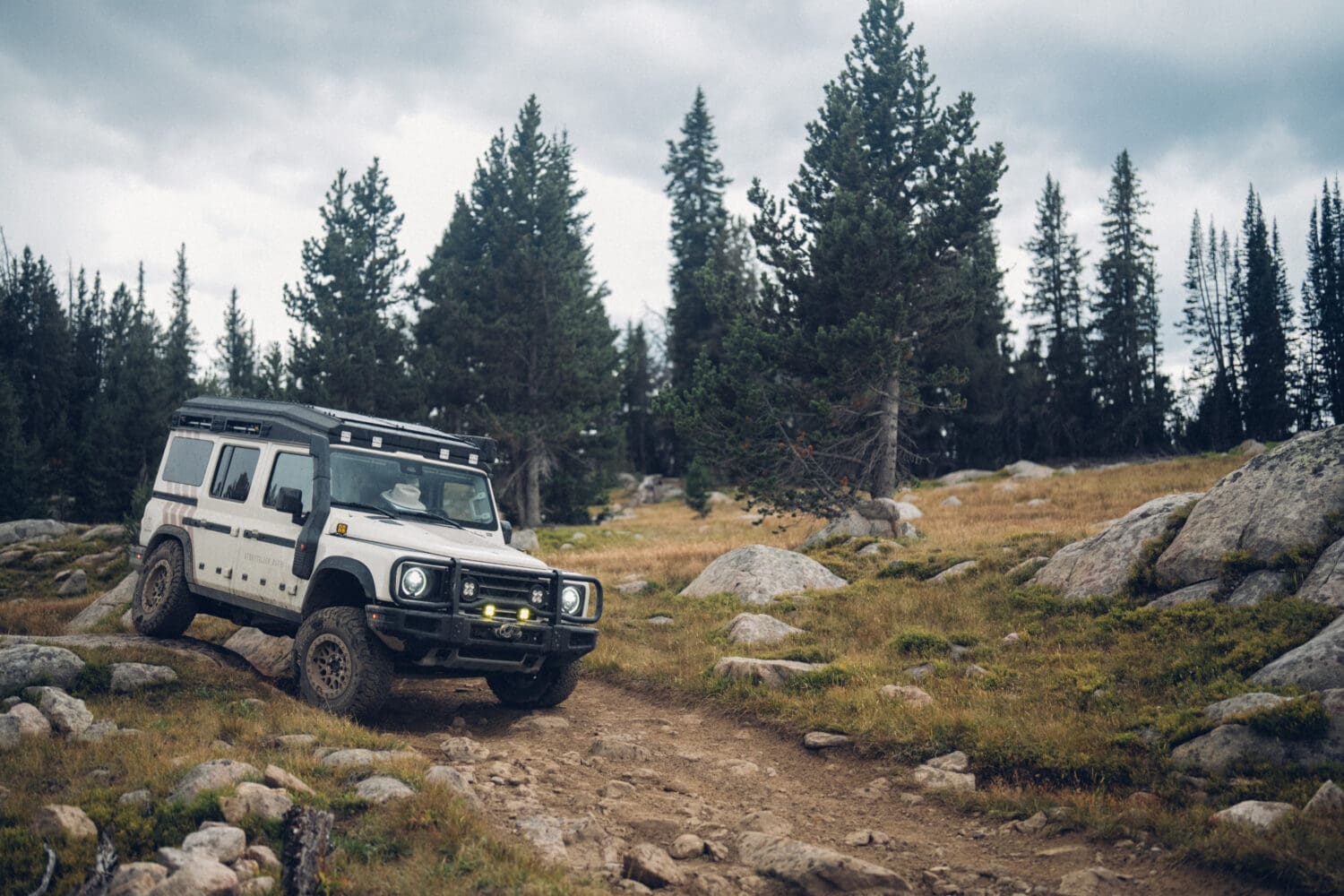
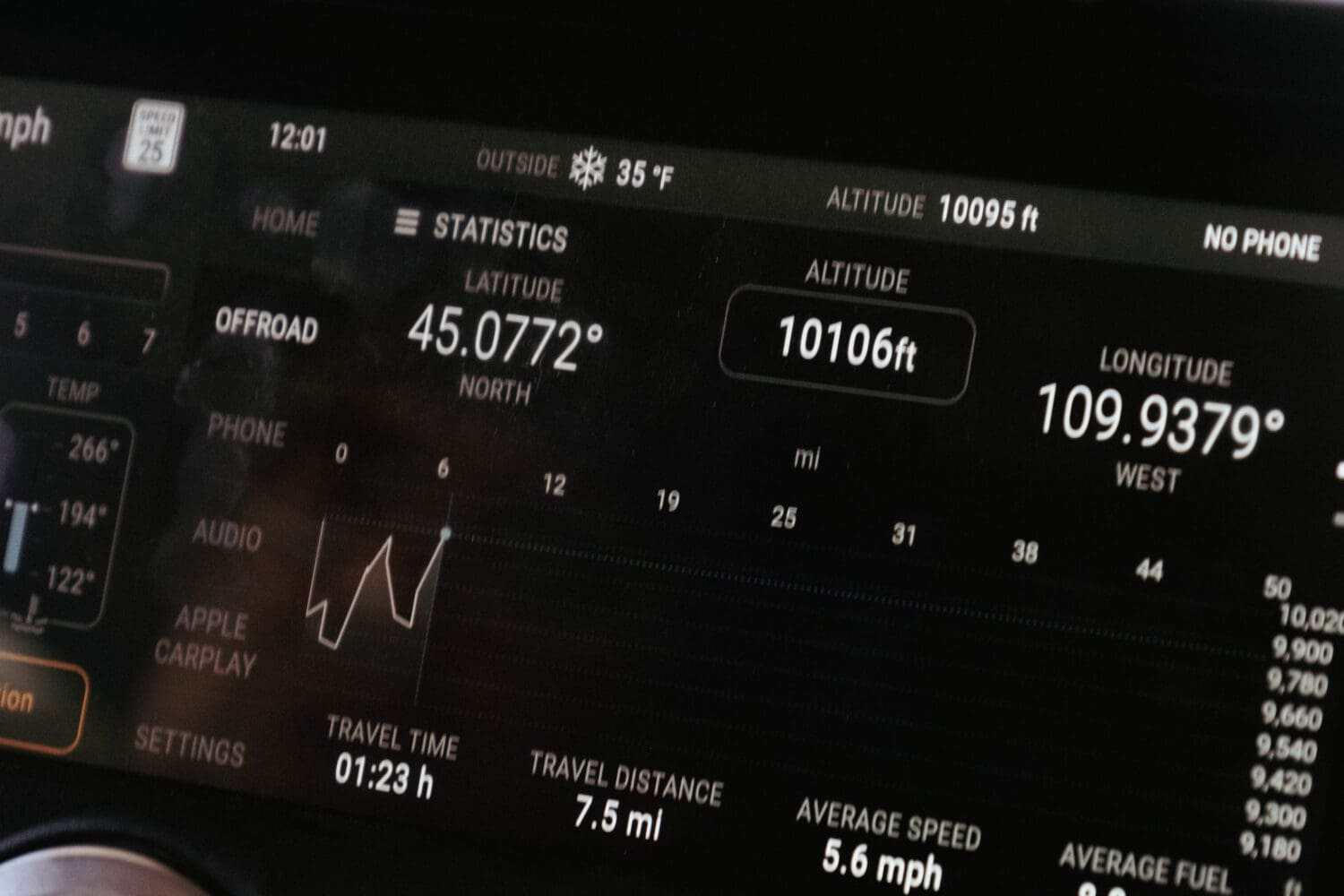
We found a pass where the mountain broke the worst of it. Even there the wind curled around the rocks, cold now and carrying the smell of spruce and stone and the first suggestion of snow. When the sun dipped behind the mountain, the temperature dropped to 35°F almost immediately.
Early autumn cold is different from winter cold. By January, you have accepted the arrangement. In autumn your body still remembers T-shirts and warm evenings, and the cold comes through your clothes with surprising ease. It found my fingers first, and soon migrated to the back of my neck. I zipped my jacket and clicked on the heater in the truck, reckoning we would soon retreat inside.
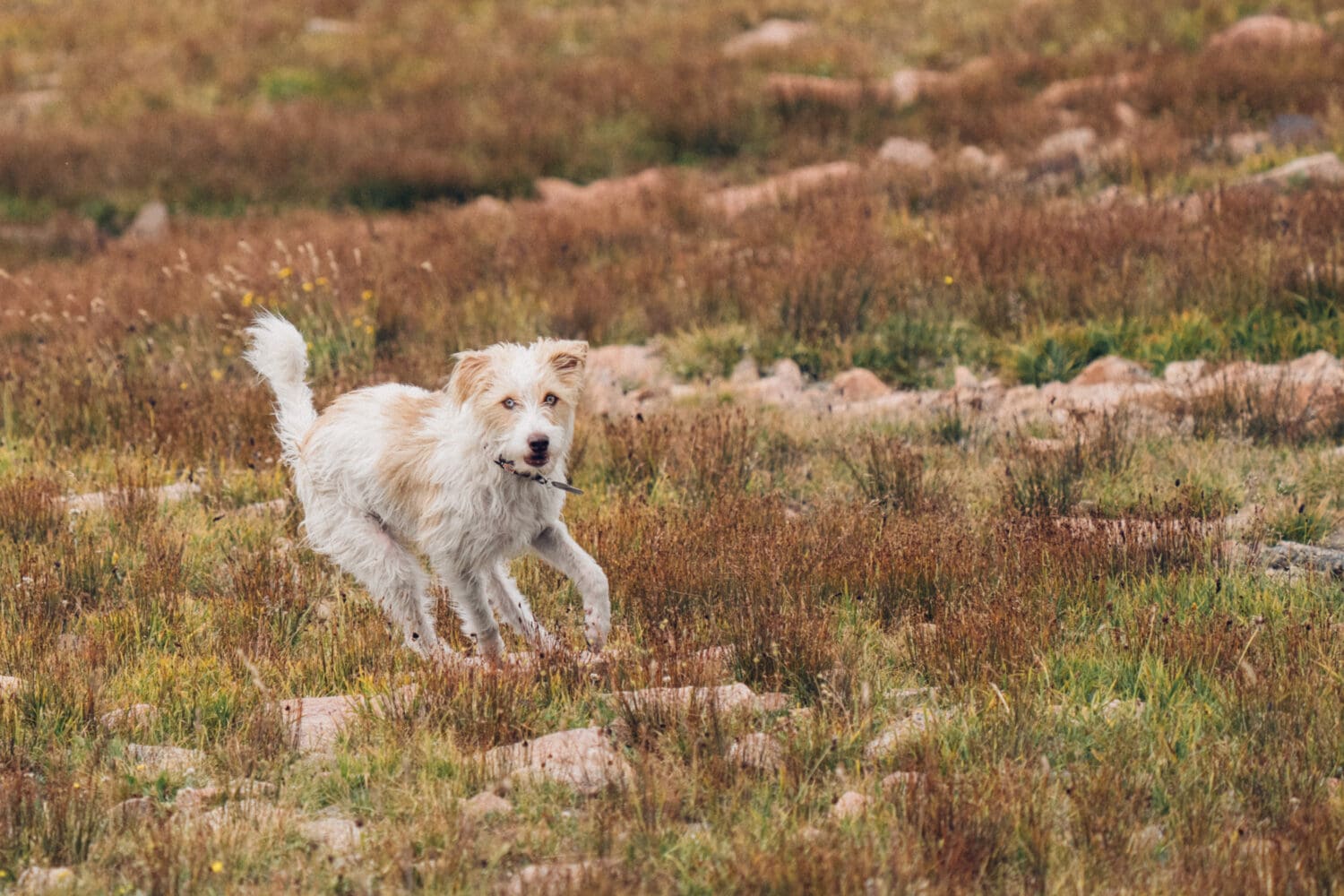
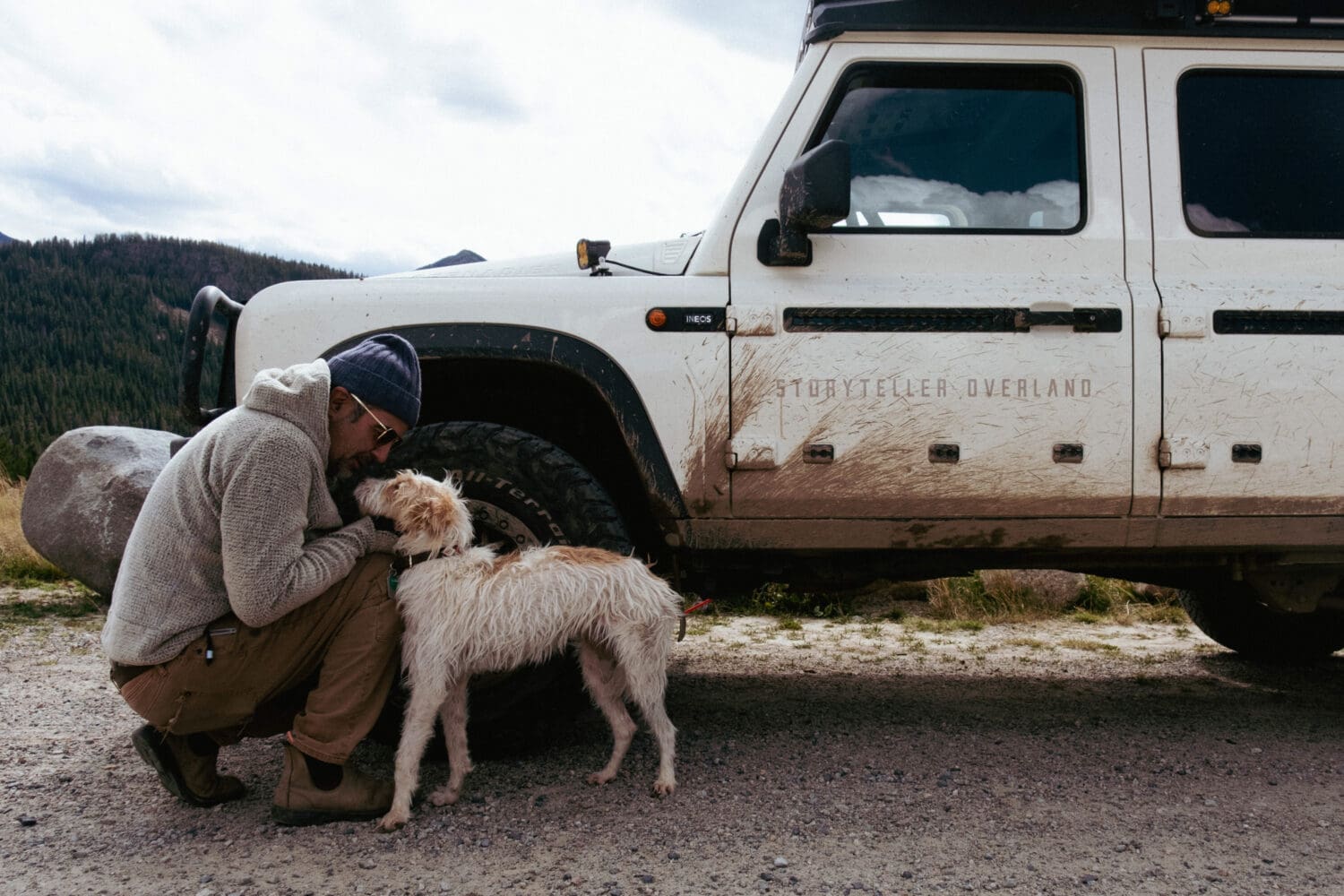
That was when Churro stopped. He had been wandering near the truck, nose down, when he lifted his head and stared across the valley. He barked once. Then again. Teddy and I looked toward the mountain—nothing. Suddenly, we heard it. Rock against rock. A faint clatter from somewhere across the valley, surprisingly clear during a lull in the wind.
Teddy raised the binoculars and searched the slope. The mountain opposite us was already in shadow, a tilted face of gray stone cut by brown grass and dark gullies. Then he found them: bighorns. Half a dozen, nearly a thousand yards away, moving across the shaded face.
He handed me the binoculars, and at first I saw nothing, until one of the rocks moved. Once I found that sheep, the others appeared around it. They crossed in a loose line through terrain that looked nearly vertical. Loose scree moved beneath their feet, and stones bounced down the slope, the sound Churro had heard before either of us knew they were there.
I pulled the 600-millimeter lens from the truck. It was optimistic at best. They were too far away, the light was going, and nearly a thousand yards of cold mountain air stood between the lens and the sheep. I made some frames. They weren’t good. Eventually I put the camera down and watched.
The sheep moved without wasted motion. No testing footholds, no hesitation before a narrow ledge. One hoof went down, then another, and somehow the animal was 20 yards farther across the mountain. Every so often one stopped and disappeared, its coat becoming stone. Then an ear moved, or a head turned, and the rock became a sheep again. They belonged there in a way we never could.
The wind came over the ridge again and drowned everything out. The cold was coming through the knees of my pants now. Churro stood quietly beside us. The light continued leaving the mountain. The grass lost its color first, followed by the rock as it went from gray to blue, and the timber below became almost black.
We watched until the sheep moved into a fold and disappeared. They didn’t come out again, and I packed away the 600. There wasn’t a photograph on the card that really captured what happened, but I didn’t care much.
I remember the sound better anyway. The wind coming over the ridge before it reached us, a loose strap tapping against the truck, rocks clattering somewhere across the valley, Churro barking at what appeared to be an empty mountain.
For years Cooke City had been somewhere I drove through on my way somewhere else, and I almost did it again. But a highway only shows you the country it can reach. Beyond it are valleys behind valleys, creeks disappearing into timber, roads climbing toward passes you cannot see from below, and mountainsides turning from green to yellow to brown while sheep move through the last light.
They would have been there if we hadn’t come. The wind would have crossed the ridge. Rocks would have fallen. And the sheep would have kept moving.
Watch More: XOverland Tackles the Morrison Jeep Trail 14 Years Ago
Images: Sinuhe Xavier and Teddy Banker
Our No Compromise Clause: We do not accept advertorial content or allow advertising to influence our coverage, and our contributors are guaranteed editorial independence. Overland Collective may earn a small commission from affiliate links included in this article. We appreciate your support.
